News related to
Abu Dhabi

Masdar, the renewable energy subsidiary of Abu Dhabi’s Mubadala Investment Company, is gearing up to launch a new green bond as part of its strategic financing efforts aimed at expanding its renewable energy portfolio. Chief Financial Officer, Mohamed Jameel Al Ramahi, confirmed this initiative, emphasizing Masdar’s commitment to sustainable financing and clean energy investment. The anticipated issuance is part of the company’s broader strategy to attract investment […]

Marex Group, a prominent global financial services firm, has announced its decision to acquire Aarna Capital, a leading asset management company based in Abu Dhabi. This acquisition marks a significant move in the financial landscape of the region, enhancing Marex’s operational capacity and broadening its investment portfolio. The deal is seen as a strategic step for Marex to expand its footprint in the Middle East and take advantage of the growing investment opportunities in the area.

Established in 2020, Aarna Capital has quickly established itself as a key player in asset management, focusing on providing innovative solutions tailored to the evolving needs of its clients. The firm specializes in various investment strategies, including private equity, real estate, and alternative investments. With a strong local presence and a deep understanding of the regional market dynamics, Aarna has attracted a diverse client base that includes institutional investors, family offices, and high-net-worth individuals.

Marex Group’s acquisition of Aarna Capital is expected to create synergies that will benefit both firms. Aarna’s expertise in the regional market will complement Marex’s existing capabilities, particularly in derivatives and commodities trading. This strategic alignment aims to enhance Marex’s service offerings while providing Aarna’s clients with access to a broader range of financial products and expertise.

The deal is anticipated to close within the next few months, pending regulatory approvals. Following the acquisition, Aarna will continue to operate under its brand while integrating Marex’s operational strengths. This dual-brand strategy is intended to retain Aarna’s established client relationships while leveraging Marex’s global reach and resources.

Marex Group’s Chief Executive Officer, Ian Lowitt, expressed confidence in the acquisition, highlighting Aarna’s impressive track record and local market knowledge. He noted that this acquisition is a testament to Marex’s commitment to growing its presence in key financial hubs around the world. The UAE’s strategic location, robust regulatory framework, and rapidly growing economy make it an attractive market for financial services firms.

Industry analysts view this acquisition as a reflection of the increasing competition in the asset management sector, particularly in the Middle East. As more global financial institutions look to establish a presence in the region, strategic partnerships and acquisitions are becoming essential for growth. Marex Group’s move to acquire Aarna Capital underscores the importance of localized expertise in navigating the complexities of regional markets.

The deal also comes at a time when the UAE is positioning itself as a global financial center, attracting investments from various sectors. The government’s initiatives to diversify the economy and foster a business-friendly environment have led to a surge in foreign direct investment. As a result, firms like Marex Group are keen to capitalize on this growth potential through strategic acquisitions.

Investors are optimistic about the potential for enhanced performance resulting from this acquisition. The combined strengths of Marex and Aarna are expected to deliver innovative investment solutions that cater to the unique needs of clients in the region. This collaboration aims to enhance operational efficiencies, enabling both firms to compete more effectively against larger global players.

Marex Group, headquartered in London, has been actively expanding its global operations over the past few years. This acquisition of Aarna Capital aligns with its strategy to enhance its service offerings and strengthen its position in the financial markets. With a workforce that spans multiple continents and a diverse range of financial products, Marex is well-equipped to navigate the complexities of the global financial landscape.

Aarna Capital’s founders, who will remain involved post-acquisition, emphasized their excitement about joining Marex Group. They believe that the partnership will unlock new growth opportunities and enable them to serve their clients with an expanded suite of financial products. The founders expressed confidence that the collaboration will further enhance Aarna’s reputation as a leading asset manager in the region.

As the financial sector in the UAE continues to evolve, the acquisition of Aarna Capital by Marex Group represents a strategic move that aligns with broader industry trends. The need for localized expertise, innovative solutions, and strong client relationships has never been more critical. This acquisition positions both firms to leverage their strengths and capitalize on the burgeoning opportunities within the asset management space.

The Abu Dhabi Securities Exchange (ADX) recorded a significant surge in trading activity, logging 15 large deals worth AED 2.66 billion ($724 million) involving ADNOC Gas and Modon properties. These transactions underscore the growing investor confidence in ADNOC Gas and the continued expansion of Modon, a prominent developer of infrastructure projects in Abu Dhabi. ADNOC Gas, a key player in the UAE’s energy sector, has been central […]

G42, a prominent technology holding group based in Abu Dhabi, has reportedly decided to halt a significant investment partnership with Ray Dalio’s Bridgewater Associates, which was aimed at forming a $1 billion venture. The move comes amid a backdrop of changing dynamics in the investment landscape and economic uncertainties. G42, known for its focus on artificial intelligence and cloud computing, was expected to leverage Bridgewater’s expertise in managing investments but has now opted to refocus its strategic priorities.

Sources indicate that the partnership was intended to integrate G42’s technological prowess with Bridgewater’s investment acumen, particularly in AI-driven financial solutions. However, ongoing evaluations of market conditions, regulatory challenges, and internal assessments may have influenced the decision to shelve the project.

This decision aligns with a broader trend of investment firms reassessing their strategies in light of fluctuating economic indicators and evolving market demands. G42 had previously engaged in various high-profile partnerships, including a notable collaboration with Microsoft, which infused $1.5 billion into the company to enhance AI development and infrastructure.

The cancellation of the investment venture reflects not only G42’s shifting focus but also highlights the challenges faced by firms in the technology and finance sectors as they navigate complex market environments. As technology firms increasingly prioritize responsible AI development and compliance with international regulations, strategic pivots such as this may become more common.

Peng Xiao, G42’s Group Chief Executive Officer, has emphasized the importance of aligning with partners who share the company’s vision of responsible innovation. This includes commitments to enhance security and compliance frameworks within their projects. The decision to pause the collaboration with Bridgewater could signal G42’s intent to prioritize these principles in future endeavors.

Economic data from Abu Dhabi shows a significant 4.1% growth in the emirate’s GDP for the second quarter of this year, driven largely by a robust performance in the non-oil sectors. This development underscores the emirate’s ongoing diversification efforts and its commitment to reducing reliance on oil revenues.

The non-oil sector emerged as a primary catalyst for this growth, buoyed by increased activity in various industries, including construction, hospitality, and retail. According to the Department of Economic Development in Abu Dhabi, the construction sector alone experienced a substantial surge, reflecting a surge in real estate projects and infrastructure investments. This aligns with the government’s strategic initiatives aimed at enhancing the emirate’s appeal as a business and tourism hub.

Real estate and construction have consistently played pivotal roles in shaping Abu Dhabi’s economy. The emirate’s government has embarked on numerous mega-projects aimed at improving infrastructure, thereby attracting both foreign and local investments. A focus on sustainable development has also influenced these initiatives, as the emirate seeks to balance economic growth with environmental sustainability.

The hospitality sector witnessed a resurgence in demand, thanks to the lifting of COVID-19 restrictions, which facilitated a revival in tourism. Abu Dhabi’s efforts to promote itself as a global tourist destination through various initiatives, including cultural events and festivals, have started to bear fruit. The emirate’s diverse offerings, such as the Louvre Abu Dhabi and the Sheikh Zayed Grand Mosque, continue to draw visitors, further contributing to economic growth.

The retail sector has also shown signs of recovery, with increased consumer spending observed across various segments. Initiatives to enhance the shopping experience, including new mall developments and promotions, have played a crucial role in revitalizing this sector. The introduction of digital payment solutions and e-commerce platforms has additionally modernized retail operations, attracting a broader customer base.

Financial services have also contributed to the positive economic outlook, with a growing number of banks and financial institutions expanding their operations in Abu Dhabi. The emirate’s efforts to position itself as a financial hub in the region are evident through various reforms and initiatives aimed at enhancing the business environment. Regulatory measures have been implemented to facilitate foreign investment, further bolstering the financial sector’s growth.

Healthcare and education sectors are similarly thriving, driven by government investments aimed at enhancing service delivery and capacity. The establishment of new healthcare facilities and educational institutions reflects Abu Dhabi’s commitment to improving the quality of life for its residents. These sectors not only contribute to economic diversification but also support the emirate’s long-term sustainability goals.

The government of Abu Dhabi has also announced several initiatives aimed at fostering innovation and entrepreneurship. The Abu Dhabi Economic Vision 2030 lays out a comprehensive framework for sustainable development, emphasizing the importance of innovation as a driver of economic growth. Initiatives such as the establishment of technology parks and incubation centers aim to support startups and attract talent, thereby diversifying the economy.

Looking forward, experts predict that Abu Dhabi’s economy will continue to thrive, supported by ongoing government initiatives and favorable market conditions. The focus on non-oil sectors, coupled with strategic investments, positions the emirate for sustained growth. Economic diversification remains a top priority, ensuring that Abu Dhabi is not solely reliant on oil revenues in the long term.

Abu Dhabi Developmental Holding Company (ADQ) has announced a strategic partnership with Swiss artificial intelligence firm EQTY Lab to enhance climate solutions across diverse sectors. This collaboration aims to utilize AI and data analytics to facilitate a sustainable future, focusing on critical areas such as energy efficiency, waste management, and the reduction of carbon emissions. ADQ, one of the largest holding companies in the region, plays a […]

A significant step towards enhancing its renewable energy landscape has been initiated by Abu Dhabi, as it officially announced the launch of a competitive bidding process for the 1.5-gigawatt (GW) Al-Zarraf solar independent power project (IPP). This initiative aligns with the emirate’s ambitious targets to achieve net-zero greenhouse gas emissions by 2050, while simultaneously increasing the share of clean energy in its overall energy mix. The Al-Zarraf […]

Advertisements

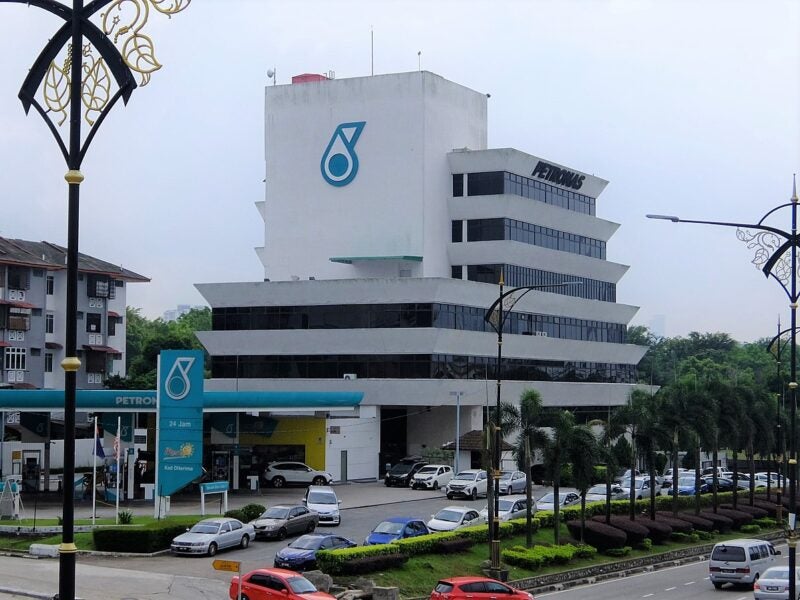
Petronas, the Malaysian oil and gas company, has achieved a significant milestone by securing an onshore concession license in Abu Dhabi. This development signals a noteworthy expansion for Petronas in the Middle East, positioning the company for increased engagement in the region’s burgeoning energy sector.

The agreement grants Petronas the right to explore, develop, and produce hydrocarbons in the concession area, an endeavor that aligns with the company’s strategic focus on enhancing its international upstream portfolio. The concession spans a 30-year term, during which Petronas aims to leverage its technological expertise and innovative solutions to optimize production while adhering to the highest environmental standards.

Abu Dhabi’s hydrocarbon-rich landscape has long attracted major oil players due to its substantial reserves and favorable investment climate. The emirate is keen on diversifying its economy and enhancing energy sustainability, and Petronas’s involvement is anticipated to contribute positively to these objectives. This concession license aligns with Abu Dhabi’s broader strategy to attract foreign investment while ensuring a sustainable energy future.

The licensing agreement underscores the UAE’s commitment to maintaining its status as a pivotal player in the global energy market. It also reflects Petronas’s strategic intention to capitalize on growth opportunities outside its home market, thereby enhancing its global footprint. The partnership with the Abu Dhabi National Oil Company (ADNOC) is expected to facilitate knowledge transfer and collaboration, fostering innovation within the energy sector.

ADNOC has actively sought international partners to strengthen its upstream capabilities, and Petronas’s involvement is seen as a testament to ADNOC’s strategy of forging alliances with leading global energy firms. The collaboration will focus on advanced technologies, including digitalization and artificial intelligence, to enhance exploration and production efficiencies.

Petronas has been expanding its international operations over the past few years, with significant investments in various countries, including Canada, Brazil, and Mozambique. The company aims to maintain a balanced portfolio while exploring opportunities in renewable energy, aligning with global shifts towards sustainable practices. The Abu Dhabi concession marks a continuation of Petronas’s efforts to adapt to evolving market dynamics and shifting energy demands.

Industry analysts view this agreement as a positive step for both Petronas and ADNOC, as it creates synergies that can drive value creation. The partnership is expected to leverage ADNOC’s extensive experience in the region along with Petronas’s technical capabilities, thereby enhancing operational efficiencies. With the global energy landscape undergoing significant transformations, this collaboration is poised to bolster the resilience and competitiveness of both entities.

The concession also comes at a time when oil prices are experiencing volatility, prompting many companies to reassess their strategies and investments. By securing this license, Petronas is positioning itself to navigate these fluctuations effectively. The company’s focus on innovation and sustainability is anticipated to enhance its adaptability to market challenges, ensuring its long-term growth prospects.

As the energy transition accelerates, the partnership between Petronas and ADNOC is likely to explore opportunities beyond traditional oil and gas. The companies may jointly investigate initiatives in carbon capture and storage, as well as investments in renewable energy projects. This strategic approach is essential for maintaining relevance in a rapidly changing energy landscape.

Both companies are well-positioned to contribute to Abu Dhabi’s goal of achieving net-zero emissions by 2050. The collaboration could lead to groundbreaking advancements in energy efficiency and sustainability practices, setting a benchmark for future partnerships in the region.

While the immediate focus is on hydrocarbon production, the strategic collaboration may pave the way for broader initiatives that align with global sustainability goals. This could include exploring alternative energy sources, enhancing energy efficiency measures, and investing in clean technologies that reduce carbon footprints.

The successful acquisition of the onshore concession license by Petronas not only highlights its commitment to expanding its operational footprint but also underscores the importance of collaboration in achieving energy sustainability. The agreement reflects a shared vision between ADNOC and Petronas to develop innovative solutions that meet the demands of an evolving energy landscape while prioritizing environmental stewardship.

As global energy markets continue to transform, Petronas’s expansion into Abu Dhabi marks a significant development in the region’s oil and gas sector. This venture is expected to enhance both companies’ operational efficiencies, drive technological innovation, and contribute to the sustainable development goals set forth by the UAE. The collaboration serves as a model for future partnerships, illustrating the potential of strategic alliances in navigating the complexities of the energy industry.


DUBAI, UAE – EQS Newswire – 1 October 2024 – Dubai Electricity and Water Authority (DEWA) (www.DEWA.gov.ae) organises the 26th Water, Energy, Technology and Environment Exhibition (WETEX) from 1 to 3 October 2024 at the Dubai World Trade Centre. The exhibition is a standout event in the global sustainability calendar. It is the largest exhibition in the region in energy, water, green development, sustainability, decarbonisation, green mobility, […]

Ripple has achieved a significant milestone by receiving in-principle approval from the Dubai Financial Services Authority (DFSA) to enhance its operations from the Dubai International Financial Centre (DIFC). This approval marks Ripple as the first blockchain-enabled payment services provider licensed by the DFSA, enabling the company to offer its suite of digital asset infrastructure and services in the United Arab Emirates (UAE). With this regulatory endorsement, Ripple […]

Sheikh Khaled bin Mohamed Al Nahyan, the Crown Prince of Abu Dhabi, arrived in Qatar on Tuesday for a significant official visit aimed at strengthening ties between the two Gulf nations. This diplomatic mission comes after years of strained relations between Qatar and some of its neighboring states, including the UAE, following the resolution of the 2017 blockade, where the UAE, Saudi Arabia, Bahrain, and Egypt severed ties with Qatar over allegations of supporting extremist groups—claims that Doha consistently denied.

The visit marks a turning point in relations, with Sheikh Khaled’s arrival signaling a renewed effort to bolster diplomatic, economic, and cultural cooperation between Abu Dhabi and Doha. The Crown Prince is scheduled to meet with Qatar’s Emir, Sheikh Tamim bin Hamad Al Thani, along with other senior Qatari officials. Their discussions are expected to focus on enhancing collaboration in areas such as energy, infrastructure, and regional security.

This visit also serves as part of a broader effort by the UAE to maintain its influential role in the Gulf Cooperation Council (GCC) and foster stability across the region. Relations between the UAE and Qatar have gradually improved since the signing of the Al-Ula Agreement in January 2021, which ended the three-and-a-half-year-long diplomatic rift.

Sheikh Khaled’s ascension as Crown Prince of Abu Dhabi earlier this year was a significant development, solidifying his position as one of the most powerful figures in the UAE. He has since been active in international diplomacy, leading state visits and launching major projects within the UAE, such as infrastructure initiatives and cultural advancements. His visit to Qatar underscores the UAE’s commitment to restoring strong bilateral ties with its neighbor and addressing shared concerns in a rapidly changing geopolitical landscape.

Observers believe the visit could yield agreements on several critical fronts, particularly in natural gas, where Qatar is a dominant player, and clean energy, a focus for both nations. As Qatar continues to expand its liquefied natural gas (LNG) exports, the UAE is keen to explore collaborations that could benefit both countries’ economies. Moreover, the two leaders are expected to discuss ongoing tensions in the broader Middle East, including the situation in Yemen and Iran’s influence in the region.

The talks come at a crucial time, as Gulf states seek to diversify their economies and reduce their reliance on oil. Both the UAE and Qatar have been investing heavily in sustainable energy and technology, areas where further cooperation could be mutually beneficial. Additionally, with Qatar set to host global events in the coming years, there is potential for Abu Dhabi and Doha to collaborate on tourism and infrastructure projects.

The broader context of Sheikh Khaled’s visit also reflects a shift in the UAE’s foreign policy approach under his leadership. While his father, Sheikh Mohamed bin Zayed Al Nahyan, focused on an assertive regional strategy, including military interventions in Yemen and Libya, Sheikh Khaled’s diplomatic approach appears to emphasize reconciliation and economic diplomacy. His visit to Qatar is seen as part of this recalibrated policy, aimed at building bridges with key regional players.

Economic ties between Qatar and the UAE are expected to be a major focal point during this visit. Despite the political fallout of the blockade, trade between the two nations resumed shortly after the Al-Ula Agreement, and both nations have expressed interest in boosting these exchanges further. Given Qatar’s vast energy resources and the UAE’s role as a regional business hub, stronger ties could lead to significant economic benefits for both nations.

Diplomatic sources indicate that beyond economic and security discussions, cultural exchanges will also be a priority. The UAE and Qatar have been vying to position themselves as cultural leaders in the region, with both countries investing in museums, art galleries, and other cultural institutions. Collaboration in this domain could enhance their global soft power and further their ambitions to be recognized as cultural hubs in the Middle East.

Arabian Post Staff A significant trend has emerged among foreign residents in the UAE, revealing a strong preference for local healthcare services over those available in their home countries. This inclination reflects the high standards and accessibility of medical care in the UAE, where advanced facilities and skilled professionals are increasingly attracting expatriates seeking health services. A recent survey conducted by the healthcare consultancy firm IQVIA highlights […]

Adnoc Drilling has initiated a significant campaign targeting unconventional oil and gas resources, with an investment exceeding $1.7 billion. This move underscores the company’s commitment to expanding its operational capabilities and enhancing its production capacity amid the growing global demand for energy. The unconventional campaign aims to unlock resources that require advanced extraction technologies, reflecting a strategic shift toward maximizing the potential of the region’s energy landscape. […]

Masdar, a prominent clean energy company based in Abu Dhabi, has intensified its commitment to renewable energy in the United States by acquiring a 50% stake in Terra-Gen, a leading independent power producer (IPP). This strategic investment, valued at approximately $1 billion, aligns with Masdar’s broader objective to scale its operations in the North American renewable energy market and supports the global transition towards sustainable energy. The […]

Sovereign wealth funds in the Gulf Cooperation Council (GCC) countries have made significant investments, deploying $55 billion in various sectors during the first three quarters of 2024. This surge in investment underscores the GCC’s continued commitment to diversify its economies and reduce reliance on oil revenues. These funds are channeling capital into technology, healthcare, renewable energy, and infrastructure, among other sectors, aiming to foster long-term growth and […]

Preparations for the 29th Conference of the Parties (COP29) to the United Nations Framework Convention on Climate Change are gathering pace, with significant emphasis on collaborative strategies to implement the UAE Consensus. Scheduled to be held in Abu Dhabi from November 30 to December 12, 2024, the conference aims to build on previous discussions, particularly those from COP28, and catalyze actionable commitments in climate governance. The UAE, […]

Abu Dhabi National Oil Company (Adnoc) has successfully concluded a significant acquisition, purchasing Covestro, the prominent German chemicals manufacturer, for an estimated €12 billion. This landmark deal marks a critical strategic move for Adnoc, bolstering its position in the global chemicals market while also enhancing its diversification efforts beyond oil and gas.

Adnoc’s acquisition of Covestro is seen as a vital component of its long-term strategy to expand its portfolio into high-value chemicals, driven by the increasing demand for sustainable and innovative products. The deal not only aligns with the UAE’s broader economic diversification goals but also underscores Adnoc’s commitment to investing in advanced technologies and sustainable practices within the chemical sector.

Covestro, recognized for its production of polycarbonate and other high-performance materials, has a robust market presence across various industries, including automotive, electronics, and construction. The acquisition is anticipated to provide Adnoc with enhanced access to advanced materials and innovative chemical solutions, positioning the company to meet the evolving demands of global markets. Furthermore, it is expected to facilitate significant synergies and operational efficiencies, capitalizing on Adnoc’s existing capabilities and Covestro’s innovative technologies.

Analysts have noted that the deal reflects a broader trend among oil and gas companies seeking to pivot towards chemical production as a means of revenue diversification. This shift is driven by the global transition to a low-carbon economy, prompting traditional energy firms to explore opportunities in more sustainable sectors. By investing in Covestro, Adnoc is not only expanding its product offerings but is also positioning itself to lead in the production of environmentally friendly materials.

The transaction is poised to enhance Covestro’s growth trajectory, allowing it to leverage Adnoc’s extensive resources and market expertise. It is expected to strengthen Covestro’s operational framework, particularly in research and development, facilitating the innovation of new products tailored to meet the needs of a changing marketplace.

Industry experts have expressed optimism regarding the deal’s potential impact on the chemical sector in the Middle East. Adnoc’s acquisition of Covestro is likely to attract further investments into the region, stimulating growth and encouraging collaboration between traditional energy companies and chemical manufacturers. The integration of Covestro’s advanced technologies with Adnoc’s operational excellence could lead to groundbreaking developments in sustainable chemical production.

The acquisition process has garnered attention not only for its financial magnitude but also for its implications on the geopolitical landscape of the energy sector. As companies like Adnoc expand their chemical production capabilities, it signifies a shift in focus from crude oil dependence towards the production of value-added products. This strategic pivot aligns with the UAE’s ambitions to emerge as a leader in sustainable development and innovation.

Following the announcement of the deal, both companies have reiterated their commitment to maintaining high operational standards and ensuring that the transition is seamless for employees and stakeholders. Adnoc has pledged to uphold Covestro’s legacy of innovation and sustainability, ensuring that the integration aligns with its own values and objectives.

Market reactions to the acquisition have been largely positive, reflecting investor confidence in Adnoc’s strategic direction. The company’s decision to invest heavily in chemicals has been viewed as a proactive approach to securing its future in an industry facing significant transformation. Analysts anticipate that this acquisition will not only enhance Adnoc’s profitability but also solidify its reputation as a forward-thinking leader in the energy sector.

The deal also highlights the growing significance of partnerships in the global chemical market. By acquiring Covestro, Adnoc is tapping into a wealth of expertise and established market relationships that could further its reach into new markets. This collaborative approach is indicative of the evolving dynamics within the chemical industry, where innovation and sustainability are becoming paramount.

As the global demand for sustainable materials continues to rise, Adnoc’s investment in Covestro positions it strategically to capitalize on this trend. The transition towards environmentally friendly alternatives is reshaping the chemical landscape, and companies that adapt to these changes are likely to thrive in the coming years.

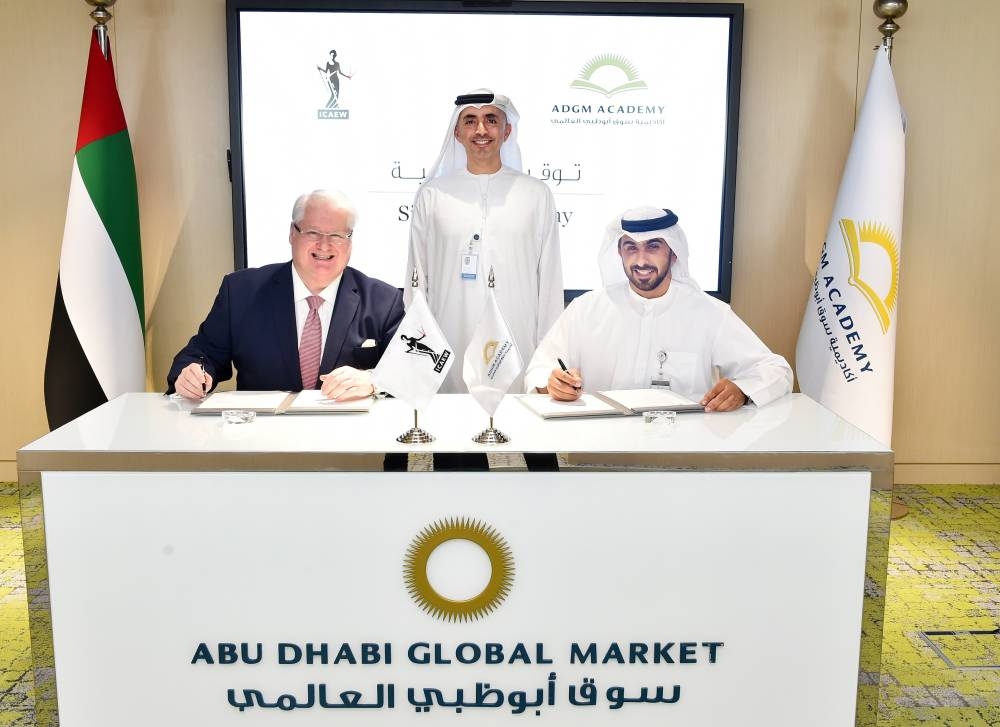
A significant collaboration between the Institute of Chartered Accountants in England and Wales (ICAEW) and Abu Dhabi Global Market (ADGM) is set to reshape the auditing landscape in the UAE, marking a critical step in strengthening corporate governance and elevating professional standards across financial institutions. This partnership, aimed at promoting transparency and ensuring the highest levels of accountability, comes as part of a broader effort to align with international auditing frameworks.

The partnership underscores the UAE’s commitment to reinforcing its financial ecosystem in the face of an increasingly complex global economy. With the financial markets growing rapidly and companies expanding their operations, the need for stronger audit practices has become more pressing. ADGM, as a financial free zone, plays a pivotal role in this mission by driving regulatory advancements in the sector. Together with ICAEW, the global leader in accounting and finance, the initiative is expected to bring transformative changes.

This alliance will focus on enhancing the skills of audit professionals in the region while introducing advanced methodologies for conducting audits. The ICAEW is known for its global expertise in auditing and accounting standards, while ADGM’s influence as a regulatory body in the UAE provides a solid platform for implementing these enhanced practices. Professionals will now have access to specialized training programs designed to ensure they meet global standards in financial reporting and auditing.

ICAEW’s involvement is particularly important given its longstanding reputation for establishing auditing benchmarks that are recognized worldwide. The integration of their guidelines within ADGM’s regulatory framework signifies a major development in how audits will be conducted within the UAE. This collaboration also aims to strengthen the integrity of financial reporting, making the region more attractive for foreign investors.

The audit sector in the UAE has seen a series of reforms over the past decade, but this partnership promises to accelerate improvements by introducing best practices from well-established markets. Through a series of initiatives and workshops, audit professionals will be trained to better identify risks and mitigate issues before they escalate, contributing to more robust financial oversight across sectors.

Abu Dhabi Global Market has been positioning itself as a key player in the global financial hub since its inception. Its regulatory environment, which is aligned with international best practices, has made it a preferred jurisdiction for financial firms and multinational corporations looking to establish a presence in the Middle East. This partnership with ICAEW is a strategic move to further enhance ADGM’s role by integrating top-tier audit and financial standards.

The growing complexity of global financial systems requires auditors to adapt to new challenges, and the partnership addresses these by offering continuous professional development for auditors working in the UAE. Through this, auditors will be better equipped to navigate the changing regulatory landscape, including emerging concerns around cybersecurity, digital finance, and environmental, social, and governance (ESG) factors. These areas are increasingly relevant as companies worldwide face stricter scrutiny regarding their financial disclosures and sustainability practices.

The focus of this partnership also extends to improving corporate governance standards in the UAE. Strengthening audit processes ensures that companies adhere to ethical business practices, which is key to maintaining investor confidence. This initiative coincides with global efforts to tighten financial reporting rules following high-profile corporate scandals that have underscored the critical role of auditors in ensuring corporate accountability.

Audit reforms in the UAE have historically been a mix of local regulatory requirements and international standards. However, this collaboration represents a deeper alignment with global audit protocols, particularly those observed in advanced markets like the UK. It signals a commitment to maintaining the UAE’s position as a trusted hub for financial services while safeguarding the interests of businesses and investors alike.

This move also dovetails with broader efforts by the UAE government to align its financial infrastructure with international standards. Over the past few years, various financial regulatory bodies within the country have sought to harmonize their operations with global norms. The inclusion of ICAEW’s expertise reflects the nation’s proactive stance in ensuring its financial and auditing frameworks remain competitive on the world stage.

There is a growing recognition among industry leaders that strong audit practices are indispensable for the healthy functioning of financial markets. This initiative is expected to foster a culture of continuous improvement in auditing standards, enabling the UAE to remain resilient in the face of evolving economic challenges. Both ICAEW and ADGM have emphasized the importance of knowledge sharing in this partnership, particularly as the financial sector becomes more digitized and interconnected.

As companies increasingly shift towards digital operations, audit processes must evolve to address new risks. The partnership’s focus on cybersecurity and digital auditing reflects the changing nature of finance, where traditional audit practices alone may no longer be sufficient. ADGM’s push for modernization in this sector is timely, as global businesses seek more transparent, tech-driven solutions for managing their financial records.

Abu Dhabi’s housing market has experienced its sharpest rise in rental prices in over a decade, driven by an intensifying demand across the city. The year-on-year increase of 15% in residential rents is being observed across prime segments, as tenants scramble for limited high-end properties. Analysts attribute this surge to a variety of factors, including population growth, economic stability, and the limited availability of new housing units.

This significant jump in rental rates reflects an underlying mismatch between supply and demand. While over 2,400 units were handed over this year, another 1,950 are expected to be delivered by year-end. However, this supply falls short of meeting the increasing demand, particularly for premium properties. The average occupancy rate across prime residential spaces has surpassed 90%, underscoring the tight housing market conditions.

Market trends also indicate a shift in buyer preferences, with off-plan transactions—properties sold before construction—dominating the market. However, a noticeable shift toward completed, ready-to-move-in properties is starting to take place, as buyers seek immediate occupation options. Additionally, the high number of expatriates moving to the UAE, driven by its stable economy and tax incentives, continues to feed the demand for residential housing, further tightening the market.

The office market in Abu Dhabi mirrors the residential sector’s growth. Prime and Grade A office spaces have witnessed a similar 15% year-on-year increase in rents, buoyed by a surge in demand from businesses. The occupancy rate in these categories has reached record highs, consistently hovering above 90%. The office rental landscape is becoming increasingly competitive as firms expand their footprints within the capital.

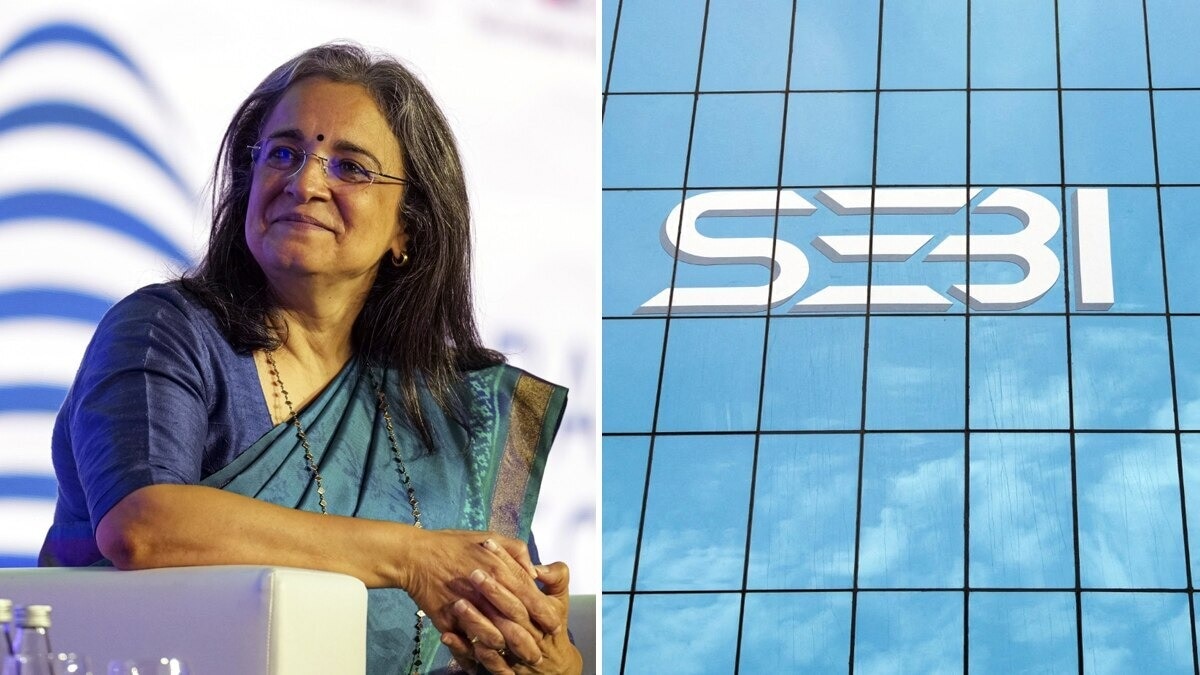
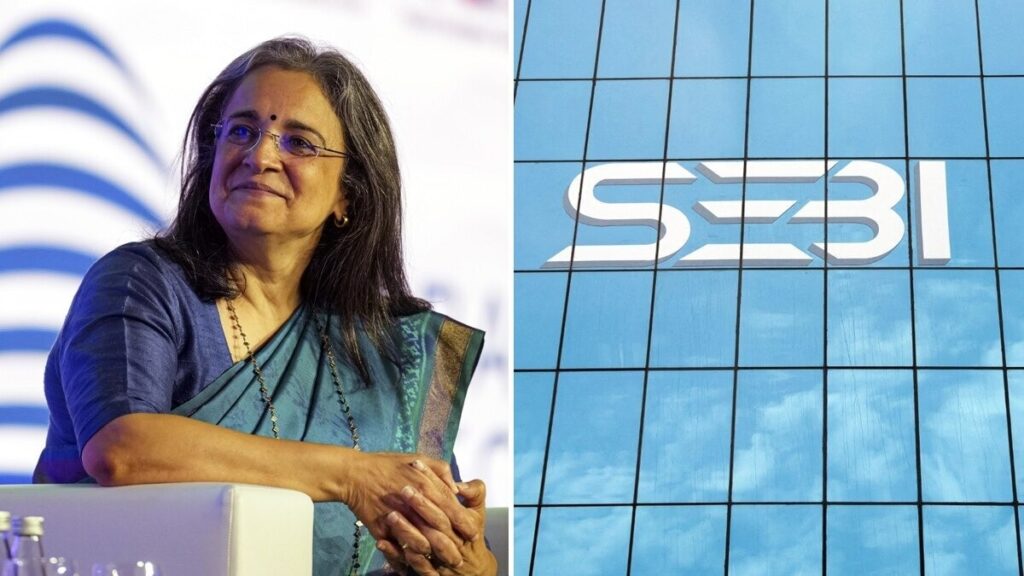
By K Raveendran SEBI chairperson Madhabi Puri Buch has revealed her mantra: regulatory humility. “Markets today are so complex; any arrogant regulator is doomed to fail,” she said addressing an event in Mumbai, held by the Association of Mutual Funds of India this week. Obviously, she has seen how a ‘friendly neighbourhood regulator’ is the […]


Abu Dhabi-based clean energy giant Masdar is expanding its footprint in the renewable energy sector with a major acquisition in the Iberian Peninsula. The company announced a $1.4 billion deal to acquire Saeta Yield, a renewables firm with significant wind and solar energy assets in Spain and Portugal. This strategic move is part of Masdar’s ambitious goal of reaching 100 GW of renewable energy capacity by 2030, […]

The UAE is pushing forward its ambitious agenda to transform its infrastructure and lead in climate action, leveraging public-private partnerships and significant capital mobilization efforts. The country’s leadership has emphasized that mobilizing private capital for green infrastructure projects is essential for advancing sustainable development, particularly as global climate challenges intensify. As part of its commitment to address climate change, the UAE, in collaboration with the Asian Infrastructure […]

Abu Dhabi Developmental Holding Company (ADQ) successfully completed its second bond issuance of 2024, raising a significant $2 billion. This strategic financial move aims to bolster its investment initiatives and enhance the capital structure as it navigates diverse market conditions. The issuance comprises various tranches, reflecting ADQ’s commitment to maintaining a robust financial position while capitalizing on favorable market dynamics. ADQ, which has emerged as a pivotal […]

The United Arab Emirates has secured its position as the top-ranking country in North Africa and Western Asia in the World Intellectual Property Organization’s (WIPO) 2024 Global Innovation Index (GII), underscoring its growing influence in innovation, technology, and intellectual property rights. The GII report highlights the UAE’s continued success in fostering an innovation-friendly ecosystem, advancing its regional leadership in a competitive global landscape. The country’s rise in […]

VISHNU RAJA
RYO YAMADA
HITORI GOTOH
IKUYO KITA