News related to
Abu Dhabi

Abu Dhabi has emerged as the wealthiest city globally, boasting sovereign wealth funds (SWFs) that collectively manage assets worth $1.7 trillion. This ranking highlights the city’s financial significance and positions it as a critical player on the world stage.

The analysis, conducted by various financial institutions, underscores Abu Dhabi’s SWFs, including the Abu Dhabi Investment Authority (ADIA) and Mubadala Investment Company. These entities have strategically diversified their investments across sectors such as technology, infrastructure, healthcare, and renewable energy, driving substantial returns. As of this year, the ADIA alone manages assets estimated at over $700 billion, positioning it as one of the largest SWFs globally.

A crucial aspect of Abu Dhabi’s financial success stems from its oil and gas revenues, which have historically fueled the growth of these funds. The emirate has effectively transformed its natural resource wealth into a broad-based investment strategy, allowing it to capitalize on opportunities beyond hydrocarbons. Investments in international markets and partnerships with global firms have further diversified its portfolio and reduced dependency on oil revenues.

The financial environment in Abu Dhabi benefits from robust government support and a commitment to enhancing the investment climate. Initiatives to attract foreign direct investment (FDI) have played a vital role in expanding the emirate’s economic landscape. The introduction of new laws and reforms aimed at easing business operations, coupled with free trade zones, has made Abu Dhabi an appealing destination for global investors.

Recent developments indicate that the UAE, led by Abu Dhabi, is keen on positioning itself as a center for financial technology (fintech). The government has launched various initiatives to promote innovation in the financial sector, attracting startups and established companies to the region. These initiatives are expected to create a vibrant ecosystem that enhances the emirate’s economic resilience.

While Abu Dhabi’s wealth continues to grow, it faces challenges common to cities reliant on large-scale investments. The ongoing global shift towards sustainable investments and green energy poses both risks and opportunities. Abu Dhabi is already taking proactive measures to address these changes, with investments in renewable energy projects such as the Mohammed bin Rashid Al Maktoum Solar Park and the Barakah Nuclear Energy Plant.

Another key player in Abu Dhabi’s economic landscape is the Abu Dhabi Global Market (ADGM), an international financial center that has garnered attention for its regulatory framework and ease of doing business. ADGM has attracted numerous global financial institutions and fintech firms, enhancing the emirate’s reputation as a financial hub. This growth is evidenced by a significant increase in the number of registered entities within ADGM, reflecting the appeal of Abu Dhabi as a business destination.

The global economic climate, characterized by inflationary pressures and geopolitical uncertainties, also influences investment strategies in Abu Dhabi. Financial analysts note that the emirate’s diversified approach mitigates risks associated with market volatility. Its emphasis on long-term investments and sustainable growth positions Abu Dhabi favorably compared to cities that may rely heavily on cyclical industries.

Abu Dhabi’s wealth is not just confined to financial markets. The emirate has invested heavily in cultural and social projects aimed at enhancing quality of life and promoting tourism. Initiatives such as the Louvre Abu Dhabi and the Guggenheim Museum project exemplify the city’s commitment to fostering a rich cultural scene, making it an attractive destination for visitors and expatriates alike.

As global economies navigate the complexities of post-pandemic recovery, Abu Dhabi’s status as the world’s richest city reinforces its position as a resilient and adaptive financial center. The emirate’s strategic investments and commitment to innovation and sustainability ensure that it remains a focal point for wealth generation and investment opportunities.

The ranking of Abu Dhabi as the wealthiest city underscores not only its financial prowess but also the broader trends shaping global wealth distribution. As sovereign wealth funds gain prominence in the investment landscape, cities like Abu Dhabi exemplify how strategic asset management can lead to sustainable economic growth.
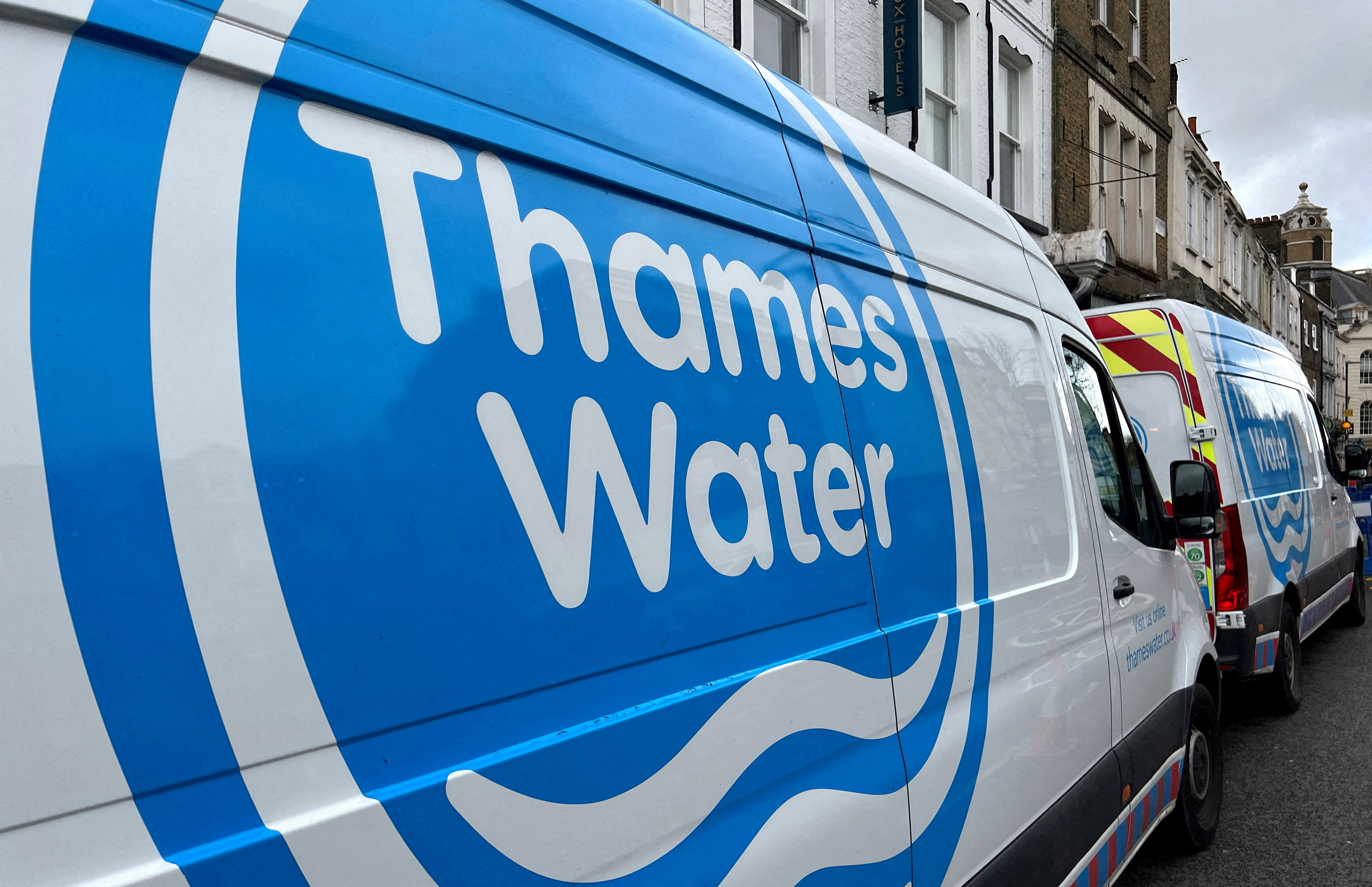

Abu Dhabi’s Mubadala Investment Company has made a significant move by writing off its 9.9% stake in Thames Water, marking a pivotal moment for both the investment firm and the struggling utility company. This decision comes in the wake of ongoing financial challenges faced by Thames Water, which has been grappling with a mountain of debt and regulatory scrutiny. The write-off not only reflects the declining confidence in Thames Water’s ability to stabilize but also signals broader implications for the UK water sector and foreign investments in troubled utilities.

Thames Water has been under immense pressure due to its high debt levels, currently estimated at £14 billion. The company has faced criticism from regulators and consumers alike over service delivery and environmental concerns, particularly regarding wastewater management and pollution incidents. Its challenges have been exacerbated by rising operational costs and inflationary pressures, prompting calls for urgent reform within the water sector.

Mubadala’s decision to write down its investment follows a series of operational setbacks and a regulatory inquiry that scrutinized Thames Water’s financial practices. This scrutiny intensified after the utility failed to adequately address issues related to infrastructure maintenance and environmental compliance. In light of these pressures, Thames Water’s management has sought to reassure stakeholders by promising improved governance and financial management practices. However, the effectiveness of these measures remains uncertain.

The ramifications of Mubadala’s exit extend beyond Thames Water. This move raises questions about the attractiveness of the UK water sector to foreign investors, particularly in light of the challenges facing utilities across the country. Investors may now be more cautious, weighing the risks associated with high debt and regulatory compliance against the potential for returns. The shift may lead to a reassessment of investment strategies and expectations within the sector.

In response to mounting criticism, Thames Water has initiated a restructuring plan aimed at stabilizing its operations and restoring investor confidence. The company announced a strategy focused on enhancing service delivery, reducing costs, and addressing long-standing infrastructure issues. However, the effectiveness of this plan will largely depend on its execution and the company’s ability to adapt to the shifting regulatory landscape.

The broader UK water industry is facing calls for reform, with numerous stakeholders advocating for increased government oversight and accountability. The government has been urged to explore options for restructuring utilities to ensure long-term sustainability and protect consumer interests. In this context, Thames Water’s struggles may serve as a case study for how not to navigate the complexities of the utility market.

Thames Water’s plight has also attracted the attention of environmental advocacy groups, which have long criticized the utility for its track record on pollution and environmental stewardship. These groups argue that significant reform is necessary to ensure that water companies prioritize sustainable practices and invest in modern infrastructure. The scrutiny faced by Thames Water could prompt regulators to take a harder stance on compliance and accountability, potentially leading to more stringent regulations for all water companies.

The ongoing dialogue about water quality and supply in the UK has been brought to the forefront by the challenges facing Thames Water. As climate change continues to exert pressure on water resources, the need for sustainable management practices has never been more urgent. The intersection of financial stability and environmental responsibility is likely to be a key focus area for regulators and investors alike.

Despite these challenges, there is potential for positive change within the sector. The UK government has recognized the importance of maintaining a resilient water infrastructure, and discussions around investment in green technology and sustainable practices are gaining traction. If successfully implemented, these initiatives could provide a pathway for utilities to recover and adapt to emerging challenges, transforming the landscape of the water sector.

Mubadala’s decision to exit its stake in Thames Water serves as a stark reminder of the vulnerabilities present within the utility sector. As stakeholders assess the implications of this write-off, the focus will inevitably shift toward the future of Thames Water and the broader water industry. The need for transparency, accountability, and sustainable practices will remain at the forefront of discussions as regulators and investors seek to navigate an increasingly complex environment.

Abu Dhabi Investment Authority (ADIA), one of the world’s largest sovereign wealth funds, has established a subsidiary in Gujarat International Finance Tec-City (GIFT City), India’s first operational smart city and International Financial Services Centre (IFSC). This strategic move underlines ADIA’s growing interest in India’s financial ecosystem and is expected to accelerate the UAE’s investments in key sectors of the Indian economy.

ADIA’s decision aligns with the broader UAE-India economic collaboration that has deepened in recent years, driven by the Comprehensive Economic Partnership Agreement (CEPA). Signed in May 2022, CEPA has already resulted in substantial gains in bilateral trade, particularly in non-oil sectors, reaching $28.2 billion in the first half of 2024 alone. This agreement, designed to remove trade barriers, has also spurred significant foreign direct investment (FDI) inflows into India, with ADIA playing a prominent role.

The new subsidiary will benefit from GIFT City’s unique regulatory and tax advantages, enhancing ADIA’s capacity to manage and diversify its global portfolio from India. GIFT City offers a conducive environment for international businesses, with simplified tax regimes, ease of operations, and direct access to Indian and global markets, making it an attractive hub for financial activities. ADIA’s expansion into this zone signals a potential increase in UAE-driven investments, particularly in infrastructure, real estate, and technology sectors, areas where India is actively seeking foreign capital.

This development follows a series of UAE-led initiatives in India, such as the establishment of food parks and logistics hubs, and marks the strengthening of bilateral ties under the leadership of Indian Prime Minister Narendra Modi and UAE President Sheikh Mohamed bin Zayed Al Nahyan. Both leaders have emphasized the significance of UAE’s investments in India, with projects spanning across infrastructure, renewable energy, and technology sectors. The bilateral focus is not just on economic gains but also on fostering sustainable growth and innovation.

ADIA’s growing footprint in India is part of a broader trend of Middle Eastern sovereign wealth funds seeking to diversify their investment portfolios amidst global economic uncertainties. India, with its burgeoning middle class, robust consumption patterns, and ambitious infrastructure development plans, has emerged as a prime destination for such funds. ADIA’s investments are not only expected to boost India’s financial services sector but also contribute to the creation of high-skilled jobs and the development of a sophisticated financial ecosystem.

The subsidiary in GIFT City is anticipated to further bolster ADIA’s long-standing presence in India, where it has already invested in a variety of sectors including logistics, highways, and affordable housing. Over the past few years, the fund has also collaborated with local partners to channel investments into emerging sectors like e-commerce, technology, and healthcare. The new base in GIFT City could facilitate the expansion of ADIA’s investment portfolio, providing opportunities for greater collaboration with Indian companies and startups, especially those focusing on cutting-edge technologies like artificial intelligence (AI) and renewable energy.

With ADIA’s move into GIFT City, the potential for synergies between UAE’s sovereign funds and India’s development goals has significantly increased. GIFT City is positioned to be a critical financial hub, and the entry of global players like ADIA could accelerate the transformation of this zone into a regional powerhouse. India’s policymakers have been actively promoting GIFT City as a destination for international financial services, aiming to attract leading global financial institutions to establish a presence there. ADIA’s entry could prompt other sovereign funds and multinational corporations to follow suit, further cementing GIFT City’s role in global finance.

The announcement of ADIA’s subsidiary comes at a time when India is also witnessing a surge in foreign investments across various sectors, thanks in part to favorable government policies and the country’s economic resilience. Despite global headwinds, India remains one of the fastest-growing economies in the world, and its government has been keen on securing investments that contribute to long-term growth. The cooperation between India and the UAE, symbolized by initiatives such as ADIA’s expansion, is seen as a key pillar in India’s broader strategy to bolster its economic prospects through strategic partnerships with key global players.

Abu Dhabi National Hotels (ADNH) Catering, a prominent subsidiary of ADNH, is gearing up for a public offering that could raise up to $235 million on the Abu Dhabi Securities Exchange (ADX). This IPO marks a significant moment for the company, which has established itself as a leading player in the UAE’s hospitality and catering sectors, reflecting the region’s booming capital markets and growing investor interest in […]

Nio, the Chinese electric vehicle (EV) manufacturer, has taken a strategic step forward by partnering with Abu Dhabi-based CYVN Holdings to enhance EV production and sales across the Middle East and North Africa (MENA) region. The collaboration aims to accelerate the deployment of smart electric vehicles, addressing the growing demand for sustainable transportation and positioning Abu Dhabi as a key player in the global EV market. Nio’s […]

Abu Dhabi Investment Authority (ADIA) has announced the establishment of a subsidiary within India’s GIFT City, a move that is set to enhance the region’s reputation as a global financial hub. This development reflects ADIA’s strategic intent to tap into emerging opportunities in India and reinforces the country’s growing appeal as an investment destination.

GIFT City, located in Gandhinagar, Gujarat, is designed as a smart city to facilitate financial services and technology-driven initiatives. The city operates under a special economic zone framework, offering favorable regulations and tax incentives to attract foreign investment. ADIA’s entry into GIFT City marks a significant milestone for the financial landscape of India, signaling confidence in the country’s economic trajectory.

The establishment of the subsidiary comes amid a surge in foreign direct investment (FDI) in India, particularly in sectors such as technology, renewable energy, and infrastructure. ADIA’s foray into GIFT City aligns with the broader trend of institutional investors increasingly seeking to diversify their portfolios by exploring opportunities in India’s rapidly expanding economy.

As a sovereign wealth fund managing assets exceeding $800 billion, ADIA’s strategic investments are focused on long-term growth and value creation. The authority has a history of investing in various sectors globally, including real estate, technology, and infrastructure, aiming to capitalize on lucrative opportunities that emerge across different markets.

The GIFT City initiative is being touted as a transformative project for India, attracting several global financial institutions and tech companies. By hosting a variety of financial services and fostering innovation, GIFT City aims to emerge as a key player in the global finance landscape. ADIA’s presence will likely encourage other foreign investors to consider GIFT City as a viable option for investment, further bolstering the city’s standing.

Experts have noted that GIFT City’s establishment has provided a platform for financial technology (fintech) companies to thrive. The city has already attracted notable players in the fintech space, aiming to facilitate seamless financial transactions and enhance service delivery in the sector. ADIA’s new subsidiary could further catalyze this growth by potentially investing in innovative fintech solutions.

The announcement of ADIA’s subsidiary also highlights a growing trend of collaboration between sovereign wealth funds and local governments to stimulate economic growth. The Indian government has been actively promoting GIFT City as a hub for international business and finance, reflecting its commitment to making India a preferred investment destination.

GIFT City’s unique position as a designated financial zone allows it to offer services such as international banking, insurance, and capital market operations under a single umbrella. This integrated approach has garnered attention from various sectors, making it an attractive proposition for foreign investors.

Industry analysts predict that the collaboration between ADIA and GIFT City will lead to the development of new financial products and services that cater to both local and international markets. The subsidiary could also explore partnerships with Indian startups and established companies to foster innovation and growth within the financial sector.

As ADIA embarks on this new venture, its role will likely extend beyond mere investment. The authority’s extensive global experience and resources can contribute to knowledge sharing and capacity building within GIFT City, potentially enhancing the capabilities of local firms and promoting sustainable development.

This development comes at a time when India is striving to position itself as a global economic powerhouse. The government’s focus on digital transformation, infrastructure development, and policy reforms is aimed at enhancing the ease of doing business and attracting foreign investments. ADIA’s commitment to establishing a subsidiary in GIFT City is indicative of the growing interest from global investors in India’s economic potential.

The United Arab Emirates has implemented a significant tax relief for cryptocurrency-related businesses and investment firms, providing them with a value-added tax (VAT) exemption that aims to bolster the country’s position as a global hub for digital assets and investment services. This move, which comes as part of the UAE’s broader economic reforms, reflects its ongoing efforts to attract fintech innovators, financial institutions, and investors seeking a […]

Advertisements

Abu Dhabi National Hotels (ADNH) Catering has officially declared the price range for its upcoming initial public offering (IPO), which is set to begin on October 7, 2024. The company has established a price range of AED 2.45 to AED 2.65 per share, valuing the entire offering at approximately AED 508 million to AED 537 million. This strategic move reflects ADNH Catering’s ambitions to enhance its capital […]

SeaWorld Yas Island, located in Abu Dhabi, has officially launched its “Draw Me the Sea” initiative, aimed at fostering children’s appreciation for marine life through art. This innovative project invites young participants to express their creativity while learning about the ocean’s importance and the diverse species inhabiting it.

The initiative is part of a broader commitment by SeaWorld Yas Island to promote environmental awareness and conservation, particularly among younger generations. As the world’s largest indoor marine life theme park, SeaWorld Yas Island offers a unique platform to educate and engage children about ocean ecosystems through interactive experiences.

The “Draw Me the Sea” initiative includes an art exhibition featuring works created by local children. The goal is to encourage artistic expression while highlighting the significance of protecting marine habitats. The exhibition showcases various artworks inspired by marine life, showcasing children’s perspectives on the ocean’s beauty and fragility.

Participants were encouraged to explore their creativity through various artistic mediums, including painting, drawing, and digital art. The artworks were selected for display based on their creativity and the messages they convey about ocean conservation. This collaborative effort between SeaWorld Yas Island and the community aims to instill a sense of responsibility towards the ocean in children, promoting a culture of stewardship for future generations.

In addition to the exhibition, the initiative includes workshops and educational programs that provide hands-on learning experiences related to marine life. These activities are designed to deepen children’s understanding of ocean ecosystems and the critical issues they face, such as pollution and climate change. By integrating art with education, SeaWorld Yas Island seeks to create a multifaceted approach to learning that resonates with young minds.

Feedback from the community has been overwhelmingly positive. Parents and educators have expressed appreciation for the initiative’s potential to engage children in meaningful discussions about marine conservation. Many see it as an opportunity to spark interest in environmental science and art, inspiring children to consider careers in these fields.

The initiative aligns with global efforts to raise awareness about ocean conservation, particularly given the alarming state of marine ecosystems worldwide. According to reports from organizations such as the United Nations, marine pollution, overfishing, and climate change pose significant threats to ocean health. Engaging the younger generation through art and education could play a vital role in fostering a culture of conservation.

By hosting events like “Draw Me the Sea,” SeaWorld Yas Island aims to be at the forefront of marine education and conservation. The park offers a range of attractions and educational programs designed to inspire visitors of all ages to learn about and appreciate marine life. The exhibition is expected to attract families from Abu Dhabi and beyond, contributing to the local economy while promoting awareness of marine issues.

As part of the initiative, SeaWorld Yas Island has also partnered with local schools and educational institutions to integrate the project into their curricula. This collaboration ensures that children receive comprehensive education about marine life and environmental conservation both inside and outside the classroom.

The “Draw Me the Sea” initiative reflects a growing trend among educational institutions and organizations to incorporate art into science education. This interdisciplinary approach not only enhances learning experiences but also allows children to express their feelings and thoughts about important global issues creatively. By merging artistic creativity with environmental education, SeaWorld Yas Island is setting a precedent for how similar initiatives can be implemented in other regions.

Moving forward, SeaWorld Yas Island plans to expand the “Draw Me the Sea” initiative to include more interactive elements, such as live demonstrations from marine biologists and artists. These experiences will further enrich children’s learning, providing them with direct insights into the importance of marine conservation. By engaging children through various formats, the initiative aims to cater to different learning styles, ensuring that every child can participate meaningfully.

As the exhibition opens to the public, families are encouraged to visit and engage with the artworks on display. The initiative serves as a reminder of the power of creativity in advocating for change and fostering a deeper understanding of the natural world. SeaWorld Yas Island’s commitment to educating young minds about the ocean’s beauty and fragility positions it as a leader in marine conservation efforts in the region.

MANILA, PHILIPPINES – Media OutReach Newswire – 4 October 2024 – Salmon, a leading provider of financial services and consumer lending products in Southeast Asia, operating a licensed bank in the Philippines, today announces the successful completion of its $30 million Series A-2 equity financing round. The planned round saw strong participation from key institutional investors of the Company, including the International Finance Corporation (IFC) and Lunate […]

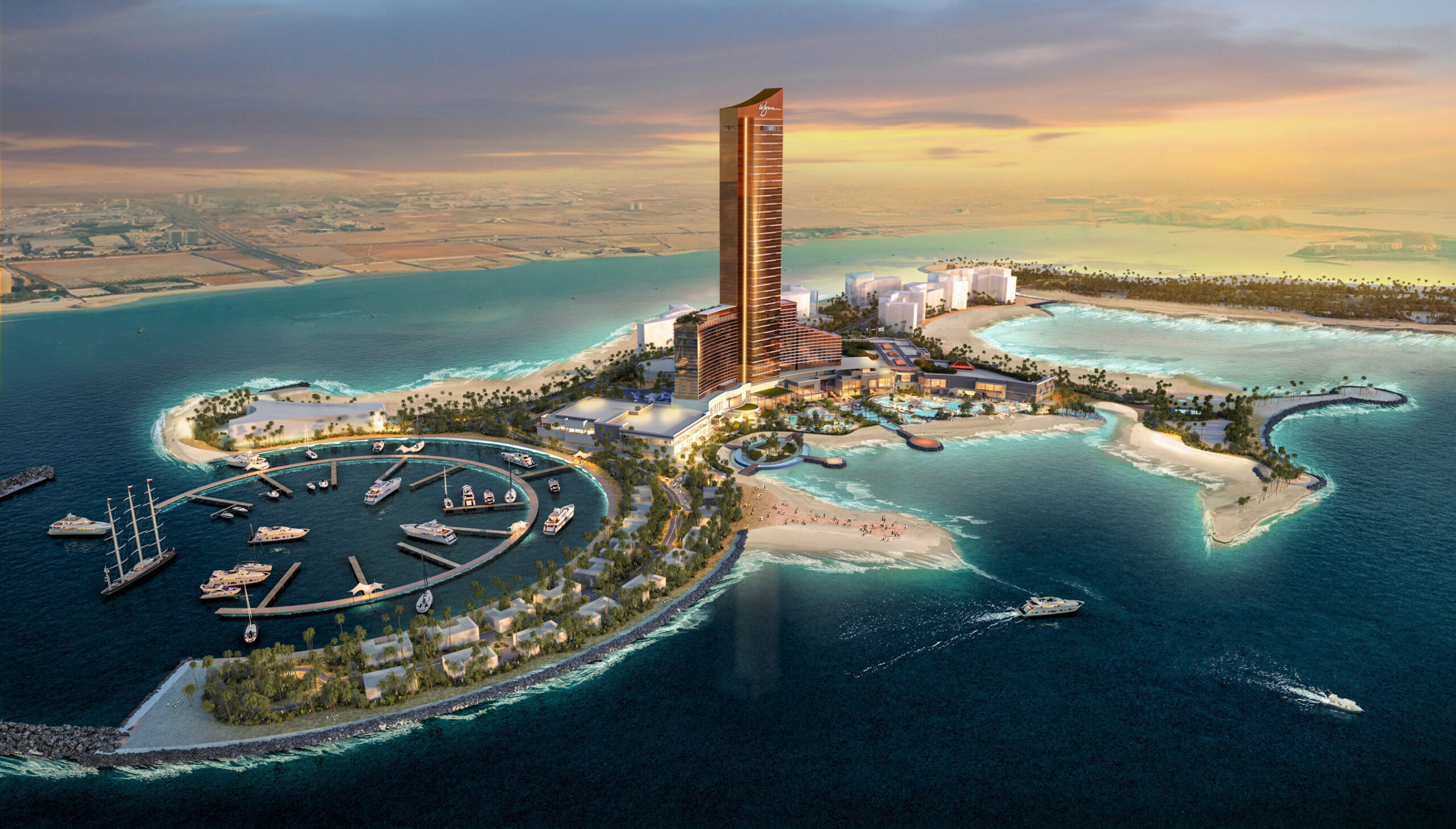
Wynn Resorts has officially received the first gaming license ever granted in the United Arab Emirates (UAE), marking a pivotal moment in the nation’s evolving stance towards regulated gambling. This approval paves the way for the company’s new multibillion-dollar integrated resort, which is currently under construction in Ras Al Khaimah and slated to open by 2027.

This significant development follows months of anticipation regarding the UAE’s potential move toward legalizing gambling, with Wynn Resorts at the center of the speculation. The project, titled Wynn Al Marjan Island, will include a luxury hotel, entertainment venues, and the nation’s first licensed casino, offering a highly curated experience that mirrors the glamour of Wynn’s Las Vegas operations. Wynn Resorts has expressed confidence in its ability to navigate the cultural and regulatory landscape in the region, highlighting that the gaming element will be incorporated sensitively to align with local expectations.

Ras Al Khaimah’s Tourism Development Authority has been instrumental in enabling this venture, introducing a new regulatory framework specifically to manage gaming activities. The Emirate’s regulations, crafted to uphold international standards of compliance, ensure responsible gaming practices are adhered to, with a focus on safeguarding social and economic interests. Ras Al Khaimah’s move appears strategic, aiming to bolster its tourism industry and compete with regional hubs, such as Dubai and Abu Dhabi, that have traditionally attracted tourists for non-gaming entertainment and luxury experiences.

For Wynn Resorts, this project marks its first foray into the Middle Eastern market, a bold step that positions the company as a trailblazer in the region’s nascent gaming sector. While Las Vegas Sands and MGM Resorts have also shown interest in expanding into Middle Eastern markets, Wynn’s success in securing the first license puts it ahead of its competitors.

As discussions about regulated gambling gain momentum across the UAE, it remains unclear whether this approval will set a precedent for future gaming licenses or whether Ras Al Khaimah will maintain its unique status. The UAE has long maintained strict regulations prohibiting gambling, making this decision a watershed moment for the country’s economic and social policies.

The investment is anticipated to bring significant economic benefits, with the resort set to create thousands of jobs and drive tourism to Ras Al Khaimah. Industry experts expect that the integrated resort could attract high-net-worth individuals from across the Gulf region, Europe, and Asia, helping to diversify the Emirate’s economy. This new focus on gaming as part of a broader tourism strategy represents a notable shift in Ras Al Khaimah’s ambitions to compete on a global scale.

Wynn Resorts, which operates successful properties in Las Vegas, Macau, and Boston, has stated that it aims to replicate the high standards of luxury and entertainment that it is known for worldwide. The company remains tight-lipped about the specifics of the gaming offerings, although it has been suggested that the casino will cater primarily to international tourists rather than local residents.

Abu Dhabi National Energy Company (TAQA) has successfully priced its $1.75 billion dual-tranche bond offering, continuing its strategy of leveraging debt to support both its business objectives and environmental commitments. The issuance consists of two portions: a seven-year tranche worth $900 million, maturing in 2031, and a 12-year tranche of $850 million, maturing in 2037. The longer-term bonds come with a coupon rate of 4.75%, while the […]

Family offices are playing a transformative role in Abu Dhabi’s economic landscape, driving diversification and growth across various sectors. Representing a significant portion of privately owned businesses in the UAE, these entities have expanded beyond traditional investments in real estate and finance, contributing to the emirate’s ambitions for sustainability and innovation.

Key developments in Abu Dhabi, such as the Abu Dhabi Industrial Strategy (ADIS), highlight the growing importance of family offices in fostering industrial growth, technology advancement, and clean energy projects. Under this strategy, the industrial sector’s GDP saw a remarkable surge from AED 83 billion in 2022 to AED 101 billion by 2023, with family offices continuing to boost these efforts through large-scale investments.

Family offices are now focusing on high-impact sectors like infrastructure, technology, and renewable energy, aligning with the emirate’s long-term goals. Their involvement is particularly notable in collaborative initiatives with the Abu Dhabi government, exemplified by agreements under programs like the Musataha initiative, which fosters private investment in state-owned land for community-driven projects.

The leadership in Abu Dhabi, including figures like Ahmed Jasim Al Zaabi, chairman of the Abu Dhabi Department of Economic Development, has been vocal about the strategic role of these family-owned businesses. Al Zaabi emphasized how initiatives like ADIS are not only growing the industrial sector but also positioning the emirate as a hub for innovation, advanced manufacturing, and clean technology.

Abu Dhabi’s Abu Dhabi Holding Company (ADQ) has joined forces with EQTY Lab to introduce ClimateGPT, an innovative artificial intelligence tool aimed at addressing climate change challenges. The collaboration emphasizes the commitment of both organizations to leverage cutting-edge technology in the pursuit of sustainability and climate resilience. ClimateGPT is designed to provide actionable insights and recommendations to policymakers, businesses, and communities, facilitating more informed decision-making in the […]

Private jets provide passengers with a high level of luxury and convenience, but choosing the right aircraft can be extremely overwhelming, especially with the range of options available. From nimble light jets to well-stocked long-range models, each category serves unique travel needs and customer preferences. This guide navigates the world of private aviation, breaking down popular jets by size and capability. We’ll explore their features, costs, and […]

Masdar, the renewable energy subsidiary of Abu Dhabi’s Mubadala Investment Company, is experiencing accelerated growth in the United States, reflecting the country’s increasing commitment to clean energy. The company’s expansion strategy in the US has been underscored by its recent projects, significant investments, and partnerships aimed at enhancing its renewable energy capacity, particularly in solar and wind energy sectors. This momentum coincides with the US government’s focus […]

Abu Dhabi National Energy Company, known as TAQA, has successfully issued $1.75 billion in dual-tranche bonds, reflecting robust investor confidence in the energy giant. The bonds, which were launched as two separate offerings of $1 billion maturing in 2029 and $750 million set to mature in 2034, were well-received by a global investor base. The issuance attracted substantial interest, with demand exceeding $4.6 billion, demonstrating the strong […]

Gulf sovereign wealth funds are on track to collectively manage an unprecedented $7.3 trillion in assets by 2030, driven by significant global investments and domestic diversification efforts. Buoyed by surging oil revenues, these funds have evolved from passive actors into proactive players reshaping both local economies and global markets. The rise of these funds, especially over the last decade, has been fueled by sharp increases in oil […]

Etihad Rail has unveiled its new brand identity, a strategic move that aligns with its vision to strengthen connectivity among the cities and regions of the United Arab Emirates. The initiative comes as the rail network progresses toward its operational milestones, promising to redefine transport and logistics in the region. The new identity aims to embody the nation’s Spirit of the Union, reflecting the core values of unity, progress, and sustainability.

The unveiling event, held at the Etihad Rail headquarters, featured high-ranking officials, stakeholders, and representatives from the construction and logistics sectors. Speaking at the event, Etihad Rail CEO Shadi Malak emphasized the significance of the new branding as a catalyst for future growth and innovation. He stated that the new identity encapsulates the ambition to connect communities, stimulate economic development, and create job opportunities across the UAE.

This branding initiative coincides with several key developments in the Etihad Rail project, which aims to link Abu Dhabi, Dubai, and other emirates through a 1,200-kilometer rail network. The project, envisioned as part of the UAE’s broader strategy for sustainable development, is expected to revolutionize the freight and passenger transport sectors. Currently, the construction of the first phase is nearing completion, with significant advancements reported in track laying and station construction.

The design of the new logo and branding elements symbolizes a modern and progressive vision for the rail network. Inspired by the natural landscapes of the UAE, the logo incorporates elements that represent the desert and urban environments, highlighting the harmony between nature and innovation. The brand colors were chosen to reflect the diverse culture and heritage of the UAE, aiming to resonate with both local and international audiences.

The rail network is anticipated to play a vital role in facilitating trade and tourism, with projections indicating that it will significantly reduce transportation costs and times. By providing a reliable and efficient mode of transport, Etihad Rail aims to support the UAE’s strategic objectives for economic diversification and sustainability. This aligns with the government’s long-term vision to establish the UAE as a global hub for business and tourism.

As the project progresses, various partnerships have been established with local and international firms to ensure the successful execution of the rail network. These collaborations are essential for integrating cutting-edge technologies and best practices in construction and operations. The involvement of key stakeholders underscores the project’s significance in enhancing the UAE’s infrastructure and connectivity.

Etihad Rail’s branding initiative also focuses on public engagement, aiming to raise awareness about the benefits of the rail network. Through targeted campaigns and community outreach, the company intends to foster a sense of ownership among residents and stakeholders. The objective is to encourage the use of rail transport, thereby promoting a shift towards more sustainable and efficient modes of travel.

With the UAE’s commitment to environmental sustainability, the rail network is designed to minimize its ecological footprint. By providing a viable alternative to road transport, it is expected to contribute to reduced traffic congestion and lower greenhouse gas emissions. This aligns with the UAE’s broader environmental objectives, including the reduction of carbon emissions by 30% by 2030 as part of its National Climate Change Plan.

The completion of the first phase of Etihad Rail, which will connect the freight and logistics sectors to key ports and industrial areas, is expected to revolutionize supply chain logistics. This phase is projected to enhance the efficiency of cargo transport, facilitating smoother operations for businesses reliant on logistics. It will also cater to the growing demand for efficient transport solutions in line with the UAE’s economic diversification goals.

Looking ahead, the subsequent phases of the Etihad Rail project will focus on expanding passenger services, connecting urban centers with suburban areas, and promoting regional tourism. This will not only improve mobility for residents but also enhance access for tourists exploring the UAE’s rich cultural and historical sites. The development of integrated transport solutions is anticipated to make travel more accessible and enjoyable for everyone.

Masdar, the renewable energy subsidiary of Abu Dhabi’s Mubadala Investment Company, is gearing up to launch a new green bond as part of its strategic financing efforts aimed at expanding its renewable energy portfolio. Chief Financial Officer, Mohamed Jameel Al Ramahi, confirmed this initiative, emphasizing Masdar’s commitment to sustainable financing and clean energy investment. The anticipated issuance is part of the company’s broader strategy to attract investment […]

Marex Group, a prominent global financial services firm, has announced its decision to acquire Aarna Capital, a leading asset management company based in Abu Dhabi. This acquisition marks a significant move in the financial landscape of the region, enhancing Marex’s operational capacity and broadening its investment portfolio. The deal is seen as a strategic step for Marex to expand its footprint in the Middle East and take advantage of the growing investment opportunities in the area.

Established in 2020, Aarna Capital has quickly established itself as a key player in asset management, focusing on providing innovative solutions tailored to the evolving needs of its clients. The firm specializes in various investment strategies, including private equity, real estate, and alternative investments. With a strong local presence and a deep understanding of the regional market dynamics, Aarna has attracted a diverse client base that includes institutional investors, family offices, and high-net-worth individuals.

Marex Group’s acquisition of Aarna Capital is expected to create synergies that will benefit both firms. Aarna’s expertise in the regional market will complement Marex’s existing capabilities, particularly in derivatives and commodities trading. This strategic alignment aims to enhance Marex’s service offerings while providing Aarna’s clients with access to a broader range of financial products and expertise.

The deal is anticipated to close within the next few months, pending regulatory approvals. Following the acquisition, Aarna will continue to operate under its brand while integrating Marex’s operational strengths. This dual-brand strategy is intended to retain Aarna’s established client relationships while leveraging Marex’s global reach and resources.

Marex Group’s Chief Executive Officer, Ian Lowitt, expressed confidence in the acquisition, highlighting Aarna’s impressive track record and local market knowledge. He noted that this acquisition is a testament to Marex’s commitment to growing its presence in key financial hubs around the world. The UAE’s strategic location, robust regulatory framework, and rapidly growing economy make it an attractive market for financial services firms.

Industry analysts view this acquisition as a reflection of the increasing competition in the asset management sector, particularly in the Middle East. As more global financial institutions look to establish a presence in the region, strategic partnerships and acquisitions are becoming essential for growth. Marex Group’s move to acquire Aarna Capital underscores the importance of localized expertise in navigating the complexities of regional markets.

The deal also comes at a time when the UAE is positioning itself as a global financial center, attracting investments from various sectors. The government’s initiatives to diversify the economy and foster a business-friendly environment have led to a surge in foreign direct investment. As a result, firms like Marex Group are keen to capitalize on this growth potential through strategic acquisitions.

Investors are optimistic about the potential for enhanced performance resulting from this acquisition. The combined strengths of Marex and Aarna are expected to deliver innovative investment solutions that cater to the unique needs of clients in the region. This collaboration aims to enhance operational efficiencies, enabling both firms to compete more effectively against larger global players.

Marex Group, headquartered in London, has been actively expanding its global operations over the past few years. This acquisition of Aarna Capital aligns with its strategy to enhance its service offerings and strengthen its position in the financial markets. With a workforce that spans multiple continents and a diverse range of financial products, Marex is well-equipped to navigate the complexities of the global financial landscape.

Aarna Capital’s founders, who will remain involved post-acquisition, emphasized their excitement about joining Marex Group. They believe that the partnership will unlock new growth opportunities and enable them to serve their clients with an expanded suite of financial products. The founders expressed confidence that the collaboration will further enhance Aarna’s reputation as a leading asset manager in the region.

As the financial sector in the UAE continues to evolve, the acquisition of Aarna Capital by Marex Group represents a strategic move that aligns with broader industry trends. The need for localized expertise, innovative solutions, and strong client relationships has never been more critical. This acquisition positions both firms to leverage their strengths and capitalize on the burgeoning opportunities within the asset management space.

The Abu Dhabi Securities Exchange (ADX) recorded a significant surge in trading activity, logging 15 large deals worth AED 2.66 billion ($724 million) involving ADNOC Gas and Modon properties. These transactions underscore the growing investor confidence in ADNOC Gas and the continued expansion of Modon, a prominent developer of infrastructure projects in Abu Dhabi. ADNOC Gas, a key player in the UAE’s energy sector, has been central […]

G42, a prominent technology holding group based in Abu Dhabi, has reportedly decided to halt a significant investment partnership with Ray Dalio’s Bridgewater Associates, which was aimed at forming a $1 billion venture. The move comes amid a backdrop of changing dynamics in the investment landscape and economic uncertainties. G42, known for its focus on artificial intelligence and cloud computing, was expected to leverage Bridgewater’s expertise in managing investments but has now opted to refocus its strategic priorities.

Sources indicate that the partnership was intended to integrate G42’s technological prowess with Bridgewater’s investment acumen, particularly in AI-driven financial solutions. However, ongoing evaluations of market conditions, regulatory challenges, and internal assessments may have influenced the decision to shelve the project.

This decision aligns with a broader trend of investment firms reassessing their strategies in light of fluctuating economic indicators and evolving market demands. G42 had previously engaged in various high-profile partnerships, including a notable collaboration with Microsoft, which infused $1.5 billion into the company to enhance AI development and infrastructure.

The cancellation of the investment venture reflects not only G42’s shifting focus but also highlights the challenges faced by firms in the technology and finance sectors as they navigate complex market environments. As technology firms increasingly prioritize responsible AI development and compliance with international regulations, strategic pivots such as this may become more common.

Peng Xiao, G42’s Group Chief Executive Officer, has emphasized the importance of aligning with partners who share the company’s vision of responsible innovation. This includes commitments to enhance security and compliance frameworks within their projects. The decision to pause the collaboration with Bridgewater could signal G42’s intent to prioritize these principles in future endeavors.

Economic data from Abu Dhabi shows a significant 4.1% growth in the emirate’s GDP for the second quarter of this year, driven largely by a robust performance in the non-oil sectors. This development underscores the emirate’s ongoing diversification efforts and its commitment to reducing reliance on oil revenues.

The non-oil sector emerged as a primary catalyst for this growth, buoyed by increased activity in various industries, including construction, hospitality, and retail. According to the Department of Economic Development in Abu Dhabi, the construction sector alone experienced a substantial surge, reflecting a surge in real estate projects and infrastructure investments. This aligns with the government’s strategic initiatives aimed at enhancing the emirate’s appeal as a business and tourism hub.

Real estate and construction have consistently played pivotal roles in shaping Abu Dhabi’s economy. The emirate’s government has embarked on numerous mega-projects aimed at improving infrastructure, thereby attracting both foreign and local investments. A focus on sustainable development has also influenced these initiatives, as the emirate seeks to balance economic growth with environmental sustainability.

The hospitality sector witnessed a resurgence in demand, thanks to the lifting of COVID-19 restrictions, which facilitated a revival in tourism. Abu Dhabi’s efforts to promote itself as a global tourist destination through various initiatives, including cultural events and festivals, have started to bear fruit. The emirate’s diverse offerings, such as the Louvre Abu Dhabi and the Sheikh Zayed Grand Mosque, continue to draw visitors, further contributing to economic growth.

The retail sector has also shown signs of recovery, with increased consumer spending observed across various segments. Initiatives to enhance the shopping experience, including new mall developments and promotions, have played a crucial role in revitalizing this sector. The introduction of digital payment solutions and e-commerce platforms has additionally modernized retail operations, attracting a broader customer base.

Financial services have also contributed to the positive economic outlook, with a growing number of banks and financial institutions expanding their operations in Abu Dhabi. The emirate’s efforts to position itself as a financial hub in the region are evident through various reforms and initiatives aimed at enhancing the business environment. Regulatory measures have been implemented to facilitate foreign investment, further bolstering the financial sector’s growth.

Healthcare and education sectors are similarly thriving, driven by government investments aimed at enhancing service delivery and capacity. The establishment of new healthcare facilities and educational institutions reflects Abu Dhabi’s commitment to improving the quality of life for its residents. These sectors not only contribute to economic diversification but also support the emirate’s long-term sustainability goals.

The government of Abu Dhabi has also announced several initiatives aimed at fostering innovation and entrepreneurship. The Abu Dhabi Economic Vision 2030 lays out a comprehensive framework for sustainable development, emphasizing the importance of innovation as a driver of economic growth. Initiatives such as the establishment of technology parks and incubation centers aim to support startups and attract talent, thereby diversifying the economy.

Looking forward, experts predict that Abu Dhabi’s economy will continue to thrive, supported by ongoing government initiatives and favorable market conditions. The focus on non-oil sectors, coupled with strategic investments, positions the emirate for sustained growth. Economic diversification remains a top priority, ensuring that Abu Dhabi is not solely reliant on oil revenues in the long term.

VISHNU RAJA
RYO YAMADA
HITORI GOTOH
IKUYO KITA