News related to
Abu Dhabi

The Abu Dhabi Securities Exchange (ADX) has reached a historic milestone, nearing a valuation of $1 trillion, driven by strategic investments from key players like Sheikh Tahnoon bin Zayed Al Nahyan. As one of Abu Dhabi’s deputy rulers and the UAE’s national security adviser, Sheikh Tahnoon has been pivotal in shaping the economic trajectory of the region, leveraging assets across diverse industries to fuel growth.

Entities under Sheikh Tahnoon’s control, including the International Holding Company (IHC), contribute significantly to the benchmark FTSE ADX General Index. As of the first quarter of 2024, these firms accounted for approximately 65% of the index’s weight. IHC, a conglomerate with investments spanning global ventures like Elon Musk’s SpaceX and local enterprises, has seen an exponential rise in valuation—up over 400-fold since 2019. Currently, the company is worth around $240 billion, underscoring the magnitude of Abu Dhabi’s economic diversification efforts.

ADX has climbed the ranks among global stock exchanges, now positioned as the 17th largest, surpassing markets like Spain and Brazil. Its trajectory highlights the success of the UAE’s broader strategy to reduce reliance on oil revenue, emphasizing international investments and bolstering domestic financial infrastructure. Sheikh Tahnoon’s leadership and the robust performance of his firms have positioned Abu Dhabi as a critical financial hub, attracting global investors.

Lulu Retail’s long-awaited debut on the Abu Dhabi Securities Exchange (ADX) failed to live up to expectations as its shares closed flat on the first day of trading. Despite initial excitement and substantial oversubscription, the hypermarket operator’s stock showed little movement, highlighting a shift in investor sentiment after the IPO frenzy. The Lulu Retail Holding Company, which raised AED 1.7 billion in the UAE’s largest IPO of […]

The UAE real estate market delivered strong performance in the third quarter of 2024, marked by an uptick in both residential and commercial sectors. As per the latest insights from Asteco, a leading property consultancy, key markets across the Emirates displayed resilience, with Dubai and Abu Dhabi continuing to see heightened demand for both sales and rentals. Despite global economic uncertainties, the property landscape in the UAE […]

Abu Dhabi’s sovereign wealth fund, the Abu Dhabi Investment Authority (ADIA), is significantly increasing its allocations to private equity in a strategic pivot to enhance long-term returns. This move underscores ADIA’s growing interest in high-risk, high-reward investment opportunities as it adapts to global market shifts. The fund’s decision comes at a time when traditional investment avenues are facing unprecedented volatility and when private equity is seen as […]

BANGKOK, THAILAND – Media OutReach Newswire – 13 November 2024 – Dusit International, one of Thailand’s leading hotel and property development companies, has signed a Memorandum of Understanding (MoU) with Tourism Development Fund (TDF), the national enabler of the tourism sector in Saudi Arabia, to establish a preliminary framework for developing hospitality projects that will enhance the country’s tourism infrastructure. Signed at the World Travel Market 2024 […]

Abu Dhabi-based renewable energy giant Masdar has announced a significant milestone in its efforts to expand global clean energy projects, with its 1-gigawatt (GW) wind farm in Kazakhstan nearing its final stages of development. This marks a crucial step in the Middle Eastern energy company’s continued push into the renewable sector, aligning with Kazakhstan’s commitment to transition toward more sustainable energy sources. The wind farm, which is […]

The growing financial links between Asia and the Middle East are poised to significantly influence global capital flows, according to new insights from HSBC. The accelerating collaboration between these two regions is already reshaping the landscape of international investments, with both sides benefitting from a convergence of economic goals, financial strategies, and geopolitical interests. With Asia’s expanding markets and the Middle East’s substantial financial resources, the deepening […]

Advertisements

Apollo Global Management and Mubadala Investment Company have agreed to extend their high-profile partnership, a move that aims to bolster Apollo’s Capital Solutions business. The extension will allow both entities to expand their reach and enhance their ability to originate investment opportunities across various asset classes, solidifying their long-term collaboration.

The extended partnership, which involves several billion dollars, is a significant development in the investment world. It builds upon the strategic relationship that began several years ago, positioning both Apollo and Mubadala for future growth in a rapidly evolving global market. By pooling their resources, the two firms plan to tap into new investment opportunities, with a focus on large-scale, complex transactions across sectors such as real estate, infrastructure, and private equity.

As part of the agreement, Apollo will leverage Mubadala’s global network and significant financial backing to drive its Capital Solutions platform forward. This platform, which specializes in providing flexible, innovative financing solutions, will be further strengthened through this partnership. Apollo has long been a leader in alternative investment strategies, and the continued support from Mubadala enhances its ability to execute its high-value transactions worldwide.

Mubadala, which is the sovereign wealth fund of Abu Dhabi, has long been a key player in the global investment arena. Its robust portfolio spans multiple industries, including energy, technology, and healthcare. By deepening its ties with Apollo, Mubadala gains access to Apollo’s wide-ranging expertise in alternative investments, which is particularly advantageous given the volatile global economic climate.

The extension of the partnership is also expected to accelerate the deployment of capital into high-impact investments. Apollo’s Capital Solutions business, known for structuring and managing bespoke financing arrangements, will benefit from Mubadala’s substantial capital reserves. The partnership’s focus will be on identifying attractive opportunities in both established markets and emerging sectors. This will allow the firms to be well-positioned to respond to market dynamics and provide value to investors.

In addition to the financial and strategic advantages, the expanded collaboration between Apollo and Mubadala is expected to bring greater innovation to the investment management space. The firms will work together to identify new methods for creating value, from investment structuring to risk management. By combining their expertise, the partners aim to develop differentiated solutions for investors, which could include specialized vehicles, bespoke financing options, and new asset classes.

This partnership extension is particularly significant in the context of growing competition in the global investment sector. With rising interest rates and market volatility, institutional investors are looking for partners with proven track records and the capacity to adapt to changing conditions. Apollo and Mubadala’s collaboration offers just that, with both firms having established reputations for managing complex investments and delivering strong returns for their stakeholders.

As part of the broader strategic goals, the extended partnership also aligns with Mubadala’s long-term investment vision. The sovereign wealth fund is keen to diversify its portfolio and deepen its engagement with global markets. By aligning with Apollo’s expertise, Mubadala strengthens its position in the alternative investments space, which has become an increasingly important segment for institutional investors looking for non-traditional assets that offer higher returns.

Apollo’s experience and track record in the global capital markets are another factor that makes this partnership particularly appealing. With a strong presence in private equity, real estate, and credit, Apollo has consistently demonstrated its ability to generate value for investors in both favorable and challenging market environments. Mubadala, by extending its relationship with such a prominent player, ensures it has access to top-tier investment opportunities across the spectrum of asset classes.

The partnership extension also underscores the growing importance of cross-border collaborations in today’s interconnected financial markets. As global investors seek to broaden their exposure to diverse markets and asset types, relationships like the one between Apollo and Mubadala play a crucial role in facilitating capital flows across regions. This is particularly relevant as both companies continue to pursue their respective strategies in global markets, positioning themselves for future success amid evolving macroeconomic conditions.

Looking forward, the partnership is expected to deepen in the coming years, with both Apollo and Mubadala exploring new opportunities for collaboration. This could include expanding their joint investments into new geographies, further diversifying their asset portfolios, or exploring emerging sectors like technology and clean energy. The firms have already shown an appetite for exploring innovative investment structures and new technologies, which could become key drivers of their future success.


Dubai has launched the Middle East’s first net-positive mosque, a pioneering structure at the crossroads of spirituality and sustainability. With its energy-efficient design, the eco-friendly mosque generates more energy than it consumes, marking a significant step in Dubai’s ambition to lead sustainable development in the region. Located in Al Hudaiba and named after the UAE’s founding father, Sheikh Mohammed bin Zayed Al Nahyan, the mosque represents an […]

MENA’s IPO landscape, marked by resilience and sustained momentum, achieved close to $1 billion in total proceeds through five initial public offerings (IPOs) in the third quarter of 2024. While global IPO activity experienced a slowdown, the MENA region has displayed contrasting strength, particularly with a steady rise in listings on various regional exchanges, signifying robust investor demand and a supportive market environment. The third quarter’s fundraising […]

ABU DHABI, UAE – Media OutReach Newswire – 7 November 2024 – The Zayed Sustainability Prize, the UAE’s pioneering award for sustainability and humanitarianism, has announced 33 finalists for innovative solutions to global challenges from 5,980 submissions across 156 countries. These innovators leverage AI and advanced tech to address carbon capture, sustainability, and essential access to clean energy, water, food, and healthcare. Winners will be announced at […]

Gulf markets experienced an upward swing today as oil prices rebounded and optimism surfaced across key regional sectors. The market’s movement also responded to global cues, with investors eyeing gains in the energy sector after oil prices recovered from a recent dip, fueled by U.S. plans to replenish strategic reserves. The rally comes at a time when former U.S. President Donald Trump claimed victory in the ongoing U.S. election campaigns, drawing attention to potential shifts in international relations and economic policies.

Saudi Arabia’s Tadawul All Share Index (TASI) edged up 0.1%, bolstered by gains across the financial and utility sectors. Zain KSA, one of the kingdom’s major telecom firms, reported a slight rise following a positive quarterly performance, indicating a robust demand for telecom services within the region. Investment flows also gained momentum as Saudi Arabia continues to position itself as a leading regional hub, with over 540 multinational companies having established regional headquarters in the kingdom, surpassing the nation’s ambitious 2030 target.

The Abu Dhabi Securities Exchange (ADX) rose by 0.1%, supported by the solid performance of Borouge, an energy giant and diversified holdings firm. This positive development in the UAE capital aligns with a broader trend of stable gains across the GCC, where Dubai’s DFM General Index gained 1%. Notable contributions came from Emirates Central Cooling Systems Corp and Salik Co., which posted gains of 1.8% and 1.3% respectively, underlining investor confidence in infrastructure and cooling solutions as demand spikes amid steady urban growth.

In Qatar, the Qatari index rose 0.8% as Qatar National Bank, the Gulf’s largest lender, saw its shares climb 1.1%. The bank’s upward trajectory helped support broader market sentiment, with investors anticipating further gains from upcoming earnings announcements, particularly in the petrochemical sector where Industries Qatar saw a 0.7% rise. Qatar’s stock performance also mirrors the cautiously optimistic outlook seen across the region, where energy investments and government spending continue to drive economic activity.

Meanwhile, Bahrain’s index increased by 0.3%, supported by financial sector stability, while Kuwait’s stock market remained flat. Oman’s MSM 30 index, however, slipped by 0.6%, marking a modest decline amid mixed sentiments on oil output and demand.

Oil prices, an essential driver for Gulf economies, climbed by over 1% following a steep drop in previous sessions. This gain was attributed to the U.S. government’s plans to boost the Strategic Petroleum Reserve, a move anticipated to buoy oil demand in the near term, while supply outlook remains restrained due to geopolitical factors. This resurgence in oil prices provided a welcome reprieve for GCC markets, which had felt pressure from international oil price volatility.

Abu Dhabi’s National Marine Dredging Company (NMDC) is pursuing its first significant acquisition in the Gulf region, with plans to finalize a deal by the end of the year. The state-backed firm, which has expanded its portfolio through several infrastructure and engineering projects, has been actively exploring new ventures in the region to diversify its operations and strengthen its position in the global construction and marine services […]

The UAE has unveiled a bold new plan aimed at significantly increasing foreign direct investment (FDI) inflows to the country. By 2031, the government aims to attract Dh1.3 trillion in FDI, marking a major leap in the nation’s economic diversification efforts. This new strategy is part of a broader push to solidify the UAE’s position as a global business hub, leveraging its strategic location, business-friendly policies, and […]

Aldar Properties has unveiled its highly anticipated Mamsha Gardens development, situated on the pristine Saadiyat Island in Abu Dhabi. This luxury destination promises to blend the sophistication of residential living with the allure of resort-style amenities, offering a new standard of living in one of the UAE’s most coveted locations. The announcement comes amid growing demand for high-end living spaces on Saadiyat Island, which continues to emerge as a hub for culture, leisure, and investment.

The project features a mix of contemporary design and luxurious accommodations, with expansive gardens and stunning views of the island’s coastline. Located within the cultural district of Saadiyat Island, the development is strategically placed near several renowned institutions, including the Louvre Abu Dhabi and the Guggenheim Museum. These world-class attractions are expected to further enhance the appeal of Mamsha Gardens, attracting a blend of international buyers, investors, and affluent residents seeking a vibrant and serene living environment.

Designed by leading architects, Mamsha Gardens encompasses a variety of luxury residential units, including beachfront villas and modern apartments. The villas are equipped with private pools, spacious terraces, and expansive windows that provide unobstructed views of the sea and the surrounding natural landscapes. The apartments, ranging from one to three bedrooms, are designed to offer flexibility for families and individuals, all while ensuring privacy and exclusivity.

In addition to its aesthetic appeal, Mamsha Gardens is designed with a focus on sustainability. The development integrates green technologies to reduce its environmental footprint, including energy-efficient systems and eco-friendly building materials. This emphasis on sustainability reflects a broader trend in the UAE’s real estate market, where developers are increasingly prioritizing eco-conscious designs in response to growing environmental awareness among consumers.

The amenity offering at Mamsha Gardens further enhances its appeal. The development boasts a variety of leisure facilities, including a state-of-the-art gym, dedicated yoga studios, and a series of outdoor sports courts. Residents will also have access to a private beach, ensuring a resort-like atmosphere at their doorstep. Moreover, the project includes landscaped gardens, jogging tracks, and recreational areas designed to cater to families and individuals looking to enjoy an active lifestyle in a peaceful and luxurious setting.

The launch of Mamsha Gardens aligns with Aldar Properties’ broader strategy to strengthen its position as a leader in the UAE’s real estate sector. The company has made significant strides in delivering iconic residential and mixed-use developments, such as the Yas Bay Waterfront and Al Raha Beach. With the growing appeal of Saadiyat Island, Aldar is positioning Mamsha Gardens as one of the most sought-after destinations for those looking for premium real estate in Abu Dhabi.

The development is expected to attract both domestic and international buyers, particularly those seeking a luxurious lifestyle close to cultural landmarks and world-class amenities. With Saadiyat Island’s transformation into a premier cultural and leisure destination, the demand for high-end residential properties is on the rise, and Mamsha Gardens is set to capitalize on this trend. The project also reflects a broader shift in the UAE’s real estate market towards more integrated and community-focused developments that combine residential, leisure, and cultural experiences.

In terms of investment potential, Mamsha Gardens is expected to deliver solid returns, thanks to the strategic location on Saadiyat Island and the high level of interest in properties that offer both luxury and proximity to cultural landmarks. The project has been designed to cater to the growing demand for integrated living spaces, which provide residents with the convenience of modern amenities combined with the tranquility of a resort-style environment.

Saadiyat Island itself has seen significant development in recent years, with Aldar spearheading several projects aimed at enhancing the island’s global appeal. As a cultural epicenter, the island is poised to continue attracting international interest from both tourists and investors, with Mamsha Gardens serving as a key component in its broader vision.

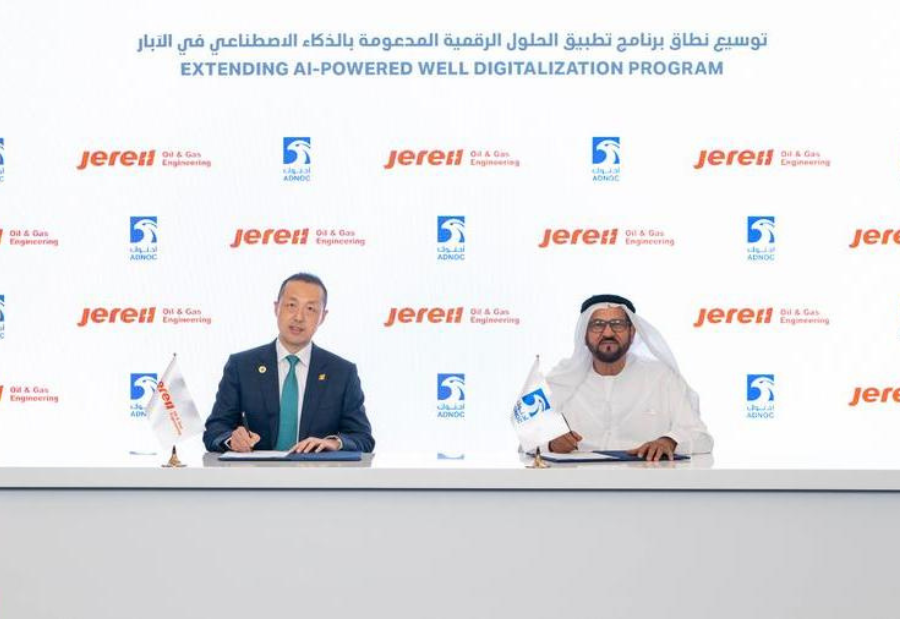
Abu Dhabi National Oil Company (Adnoc) has signed a landmark agreement worth $920 million to enhance its artificial intelligence (AI) initiatives across an extensive network of 2,000 oil wells. This strategic move is aimed at modernizing operations and optimizing production efficiencies as the oil and gas industry increasingly embraces technological advancements.

This significant investment is part of Adnoc’s broader strategy to integrate cutting-edge technologies into its operations, positioning the company as a leader in the region’s energy sector. By harnessing the power of AI, Adnoc plans to improve data analysis, predictive maintenance, and resource management, ultimately driving cost efficiencies and maximizing output.

AI technology has gained traction within the oil and gas industry, transforming how companies approach exploration, production, and maintenance. By implementing AI-driven analytics, operators can identify patterns in production data, predict equipment failures, and optimize drilling processes. Adnoc’s expansion of its AI program is expected to yield substantial improvements in well performance, potentially increasing production rates while reducing operational costs.

The expansion involves deploying advanced algorithms and machine learning models designed to process vast amounts of data generated by oil wells. This technology will enable real-time monitoring and decision-making, allowing Adnoc to respond swiftly to any anomalies or operational challenges. The integration of AI into the company’s workflows is set to enhance safety protocols and reduce the environmental impact of drilling activities.

This investment aligns with the United Arab Emirates’ vision to diversify its economy and reduce reliance on oil revenues. By adopting innovative technologies, Adnoc aims to improve its operational efficiency while contributing to the sustainability goals set forth by the UAE government. The move is expected to position Adnoc at the forefront of the global energy transition, demonstrating its commitment to sustainable practices.

Industry experts recognize the potential of AI in reshaping the oil and gas landscape. Analysts highlight that companies leveraging AI can achieve significant competitive advantages by optimizing production processes and enhancing decision-making capabilities. As a result, firms that embrace AI technologies are better equipped to navigate market fluctuations and operational challenges.

Adnoc’s focus on AI is part of a broader trend observed across the global energy sector, where firms are increasingly investing in digital transformation initiatives. Companies are deploying AI solutions to analyze seismic data, streamline supply chain operations, and improve asset management. This shift reflects a recognition that advanced technologies are essential for maintaining competitiveness in an evolving market.

The financial commitment to the AI program signals Adnoc’s confidence in the long-term viability of oil and gas operations, even amid pressures to transition towards renewable energy sources. The company has been actively exploring new business models and investment opportunities, including renewable energy projects and carbon capture technologies, which complement its traditional oil and gas portfolio.

As part of the agreement, Adnoc plans to collaborate with technology partners and academic institutions to advance its AI capabilities further. This collaborative approach will allow the company to tap into cutting-edge research and innovations, ensuring that its AI program remains at the forefront of industry developments. By fostering partnerships, Adnoc aims to create a robust ecosystem for technological advancement, driving efficiency and sustainability across its operations.

The agreement is also expected to generate significant economic benefits for the UAE, supporting job creation and skills development in the technology sector. By investing in AI and related technologies, Adnoc is likely to enhance its workforce capabilities, ensuring that employees are equipped with the necessary skills to operate advanced systems. This investment in human capital aligns with the UAE’s broader goals of fostering innovation and developing a skilled workforce.

In addition to operational improvements, the AI initiative has the potential to enhance Adnoc’s reputation as a forward-thinking company committed to innovation and sustainability. As the global energy landscape shifts towards greater environmental accountability, companies that prioritize technological advancements will likely be better positioned to meet regulatory expectations and societal demands.

The adoption of Central Bank Digital Currencies (CBDCs) in the UAE is fostering closer collaboration between financial institutions and FinTech companies, marking a transformative shift in the country’s financial landscape. In response to the rapid advancement of digital currencies, the UAE government and its financial regulators have emphasized the importance of integrating CBDCs into the nation’s economy. This development is shaping the future of financial transactions and reshaping the relationship between traditional banks and emerging FinTech players.

The UAE’s Central Bank has been at the forefront of digital currency discussions, focusing on exploring a digital dirham, which could enhance the country’s financial infrastructure. The initiative, as part of a broader effort to modernize the financial system, is seen as a strategic move to diversify the nation’s economy, reduce its reliance on oil, and boost its global competitiveness. Banks are now working closely with FinTech firms to understand and integrate CBDCs, aligning with the government’s vision of becoming a hub for digital finance innovation.

One of the driving forces behind this collaboration is the need to create a more efficient and secure payment system. CBDCs, unlike cryptocurrencies, are state-backed and carry the guarantee of the central bank. This makes them an attractive proposition for banks, which are seeking to improve their payment systems while staying ahead of the competition in a rapidly digitizing market. For FinTech companies, the introduction of CBDCs offers a unique opportunity to expand their services, leveraging blockchain technology and other digital tools to enhance financial inclusion and streamline transactions.

Among the key players in this space are traditional banks such as Emirates NBD, First Abu Dhabi Bank (FAB), and Mashreq Bank, which are increasingly working with technology providers and startups to develop CBDC solutions. These banks are testing various use cases for digital currencies, including faster cross-border payments, improved customer experiences, and more secure digital wallets. By collaborating with FinTech firms, these banks aim to bridge the gap between traditional banking services and the fast-evolving digital economy.

FinTech companies, on the other hand, are seizing this moment to expand their footprint in the UAE’s financial sector. Many have already established partnerships with banks to develop CBDC platforms that are more agile and adaptable to user needs. These firms are leveraging their expertise in areas like digital payments, cybersecurity, and blockchain to build innovative solutions that can seamlessly integrate with the UAE’s financial ecosystem. As digital currencies become more mainstream, these partnerships between banks and FinTech firms are expected to accelerate, leading to the rapid development of CBDC infrastructures.

One notable collaboration between traditional banks and FinTech firms is the establishment of new payment systems, which will enable faster, more secure transactions. For instance, several financial institutions are exploring the use of blockchain technology to create a more efficient digital payment infrastructure. Blockchain’s decentralized nature offers enhanced security, transparency, and reduced transaction fees—features that are appealing to both banks and consumers.

The UAE’s regulatory environment plays a crucial role in facilitating these partnerships. The Central Bank has been proactive in introducing regulations that support the development of digital currencies while ensuring financial stability. In 2024, the Central Bank announced that it would begin testing a digital dirham, focusing on its integration with existing financial systems. The success of these trials could lead to the widespread adoption of CBDCs, which could further enhance the UAE’s position as a regional leader in digital finance.

The UAE’s ongoing push towards financial innovation is supported by the Dubai International Financial Centre (DIFC), which serves as a hub for global FinTech companies. The DIFC has established itself as a key player in attracting investment in digital finance and supporting the development of blockchain-based solutions. The centre’s efforts are complemented by the UAE’s broader ambition to integrate artificial intelligence (AI) and blockchain into financial services, further driving the collaboration between banks and FinTech firms.

Despite the promise that CBDCs hold, there are still challenges to overcome. Security concerns, the risk of cyber-attacks, and regulatory uncertainties remain top of mind for both banks and FinTech companies. To address these issues, collaboration between financial institutions, technology providers, and regulators will be critical. As these stakeholders continue to work together, they will need to develop robust cybersecurity frameworks and ensure that the legal and regulatory frameworks are agile enough to accommodate the rapid pace of digital innovation.

Another challenge is the need for public awareness and education. While the benefits of CBDCs are widely recognized within the financial industry, consumer adoption remains a key hurdle. Banks and FinTech companies are tasked with educating their customers about the advantages of digital currencies, including faster transaction times, lower fees, and greater financial inclusion. The success of CBDC integration depends not only on the technological and regulatory landscape but also on how well these digital currencies are received by the public.

A groundbreaking taxi-sharing service has begun between Dubai and Abu Dhabi, transforming the 140-kilometer journey into a more accessible, economical option for commuters. The Roads and Transport Authority (RTA) launched this pilot service aiming to enhance intercity transportation options and to test demand for shared, eco-friendly travel solutions between the UAE’s two major cities. The service operates through a dedicated fleet of seven-seat vehicles that allow passengers […]

Lulu Retail Holdings, the prominent Middle Eastern retail chain, expanded its IPO on the Abu Dhabi Securities Exchange (ADX) from 25% to 30% due to substantial investor interest. This adjustment potentially positions Lulu to raise AED 6.32 billion (approximately $1.72 billion) based on the revised stake size, highlighting the Gulf region’s ongoing appeal for significant IPO activity and interest in consumer-driven sectors.

Setting an initial price range between AED 1.94 and AED 2.04 per share, Lulu’s IPO reflects an alignment with regional valuation norms, expected to yield a market capitalization between AED 20.04 billion and AED 21.07 billion. The subscription window, open until November 5, 2024, aims to attract a diverse mix of retail and institutional investors, both regional and international. With these developments, Lulu’s expected proceeds could make this one of the most notable IPOs in Abu Dhabi this year.

This expansion in IPO size reflects broader Gulf trends, where IPOs in sectors ranging from energy to retail have gained traction, driven by favorable macroeconomic conditions and rising consumer spending across GCC countries. Lulu, which operates over 240 stores across the region and holds a dominant market share in countries such as Qatar and Oman, is well-positioned to capitalize on these trends. In the UAE, the retail chain ranks as the second-largest grocery retailer by market share, supporting its robust financial standing and growth potential.

The regional economic environment, marked by population growth and increasing consumer demand, has fortified Lulu’s market footprint, with a 5.6% rise in revenue reported for the first half of 2024, reaching $3.9 billion. Earnings before interest, taxes, depreciation, and amortization (EBITDA) also rose to $391 million, reflecting Lulu’s steady revenue trajectory and focus on operational efficiencies, especially in logistics and e-commerce channels.

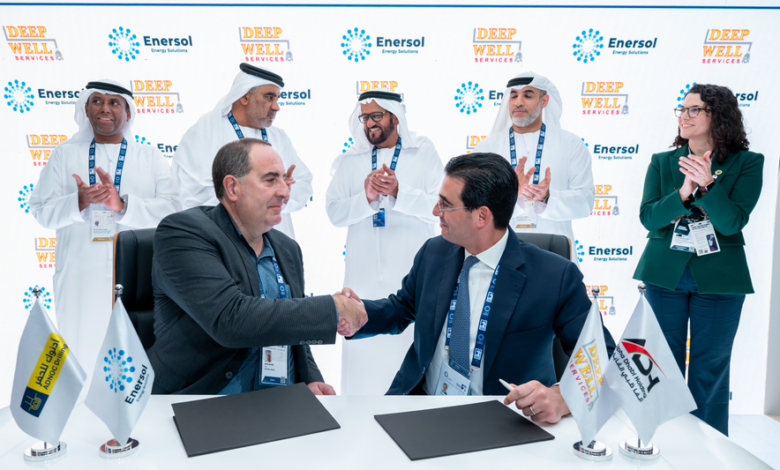
ADNOC Drilling, a subsidiary of Abu Dhabi National Oil Company, has finalized the acquisition of a 95% stake in the U.S.-based Deep Well Services (DWS) through its specialized investments arm, Enersol. This strategic move, valued at approximately $223 million, represents a significant step in ADNOC’s long-term strategy to expand its technological capabilities and strengthen its global footprint, particularly within the U.S. market. The acquisition aligns closely with ADNOC’s broader commitment to enhancing production efficiency and sustainability in drilling operations.

DWS, headquartered in the U.S., specializes in complex well interventions and completions, offering cutting-edge snubbing and well intervention technologies essential for operating in unconventional fields. Known for its advanced methodologies and patented technology portfolio, DWS has established itself as a leader in the U.S., working with major exploration and production (E&P) companies across shale and other high-demand oil and gas fields. By acquiring a significant share in DWS, ADNOC Drilling aims to leverage this technology within the Middle East and North Africa (MENA) region, strengthening its position in unconventional gas and oil extraction—a crucial step as ADNOC targets production increases while lowering carbon intensity across its operations.

The IPO market in the Gulf Cooperation Council (GCC) region is forecasted to maintain its growth trajectory into 2024, as demand for public offerings remains strong across sectors. Despite a quieter third quarter, characterized by fewer listings and a modest decline in proceeds, PwC’s latest report suggests that the GCC’s financial climate and ongoing economic reforms continue to drive interest in initial public offerings. The Middle East is anticipated to sustain a high level of activity, with the broader economic diversification strategies across the Gulf states playing a significant role.

PwC’s analysis indicates a downturn in Q3 2024 IPO activity across the GCC, with total proceeds for the quarter at approximately $900 million, a decline from the earlier quarters that marked a robust first half of the year. While the number of IPOs decreased, companies in sectors including financial services, healthcare, and utilities exhibited strong investor interest. The UAE and Saudi Arabia led the region’s IPO landscape in terms of total proceeds, with companies in both countries achieving record valuations.

In Saudi Arabia, regulatory support from Tadawul, the Kingdom’s stock exchange, coupled with favorable market conditions, has bolstered the appeal of public listings. Saudi firms raised over $4.2 billion in the first nine months of the year, predominantly through listings on Tadawul’s main market and the Nomu parallel market, which caters to small and medium enterprises (SMEs). The Kingdom’s Vision 2030 agenda aims to diversify revenue sources beyond oil, incentivizing companies to go public as part of its economic development blueprint. The Saudi government’s ongoing privatization drive is expected to increase the number of IPOs in key sectors, particularly energy and finance, over the next year.

Similarly, in the UAE, the public markets are being buoyed by ambitious government-led economic plans, with key initiatives from the Abu Dhabi Securities Exchange (ADX) and the Dubai Financial Market (DFM) that attract local and international investments. Notably, ADX has introduced programs to enhance liquidity and broaden access to various asset classes, while Dubai has prioritized IPO listings as part of its 2024 economic strategy. This is aimed at solidifying its status as a leading financial hub in the region, with both private and semi-private entities expressing interest in going public. Among the year’s notable listings was Abu Dhabi’s AD Ports Group, which raised significant funds on the ADX, signaling strong investor demand in sectors tied to infrastructure and logistics.

PwC also highlighted the role of government-backed entities, which accounted for a substantial portion of 2024’s IPOs. These listings typically attract significant investor attention due to their perceived stability and backing by national economic policies. Moreover, as global financial markets face headwinds from inflationary pressures and higher interest rates, the relative stability of GCC economies has enhanced the appeal of the region’s IPOs among both regional and international investors. Analysts predict that GCC markets will continue to draw substantial foreign investment, with the Middle East emerging as a unique IPO hotspot compared to other global regions where IPO activity has stagnated.

Investment experts note that while Q3 may have shown slower activity, it reflects a common cyclical slowdown rather than a downturn in interest. The anticipation for the fourth quarter is high, with several large-scale IPOs scheduled for listing across GCC exchanges, particularly in sectors aligned with government diversification priorities such as renewable energy, technology, and digital services. This aligns with the broader trend of market expansion in the GCC, where digital transformation, energy transition, and healthcare modernization are generating sustained investor interest.

In Oman and Kuwait, where public offerings have traditionally been more limited, regulators are introducing measures to improve market access. Oman’s Capital Market Authority (CMA) has been streamlining processes to support more listings, particularly for companies in growth-oriented sectors. In Kuwait, reforms aimed at increasing foreign ownership and easing regulatory requirements are seen as steps to boost investor confidence. Bahrain, while smaller in market size, has also benefited from the uptick in GCC investor interest, as it targets niche sectors with high growth potential.

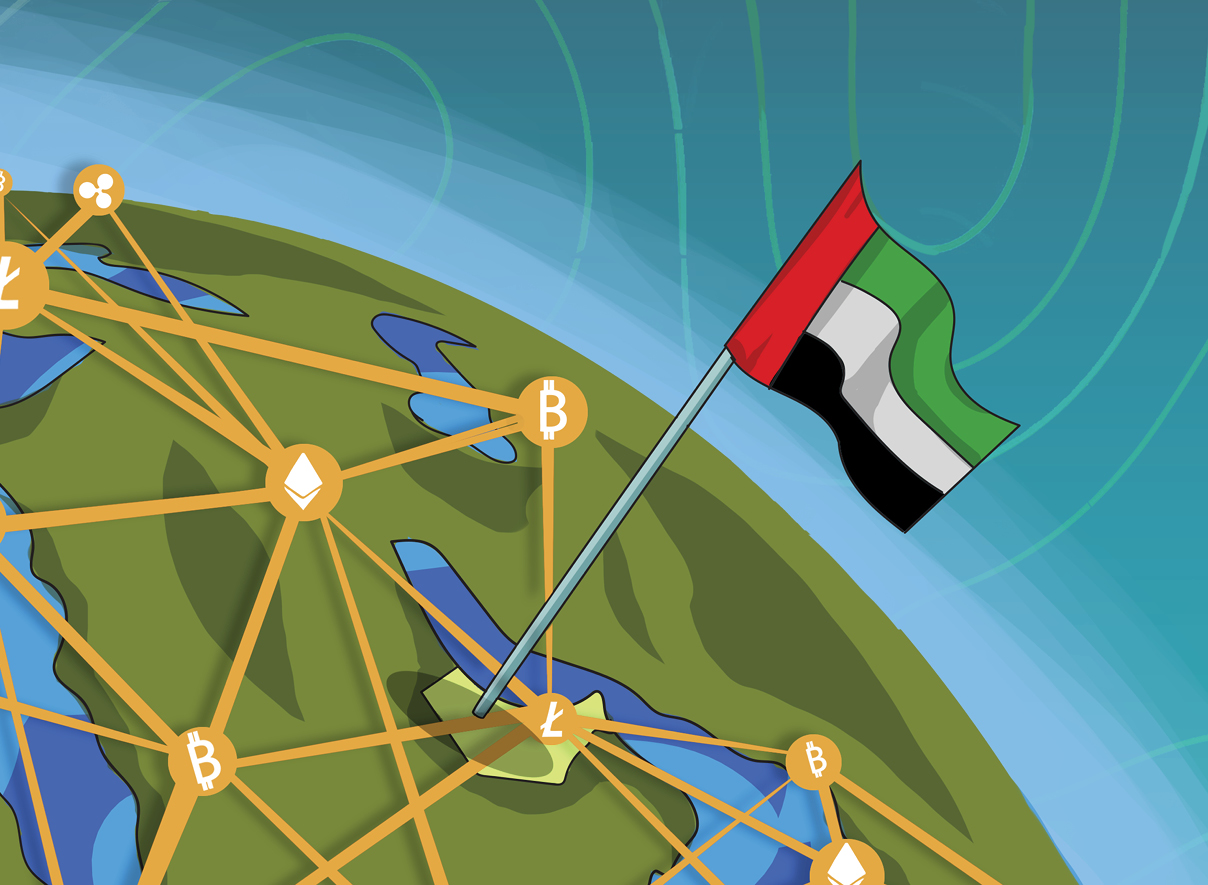
Stablecoin usage in the UAE has surged by 55% over the past year, signaling a growing acceptance of digital currencies within the country’s economic and regulatory landscape. As the UAE implements clearer crypto regulations and prepares for innovative developments, such as the issuance of the dirham-pegged stablecoin (DGX), the government aims to balance innovation with compliance. This approach reflects a growing global trend where regulatory frameworks adapt to crypto assets, fostering an environment in which stablecoins play an increasingly prominent role in daily transactions and investment.

The UAE has quickly emerged as one of the more progressive nations in the Middle East concerning digital finance. In 2022, the country introduced the Virtual Asset Regulatory Authority (VARA) in Dubai to govern digital assets, making it the first of its kind in the region. This entity provides a structured pathway for crypto firms and fintech innovators to operate legally within the UAE. VARA’s jurisdiction includes significant rules on anti-money laundering (AML) and counter-terrorism financing (CTF), aligning with the UAE’s commitment to international financial standards and attracting global players in the digital asset sector. According to Tether, a leader in stablecoins, the growing regulatory certainty has helped increase UAE adoption rates as businesses and consumers find stablecoins reliable for transactions, bridging fiat and crypto worlds.

Stablecoins, generally pegged to traditional currencies, offer a less volatile means for entering the crypto ecosystem, thus appealing to companies looking for smoother payment channels. The DGX, for example, is expected to draw particular interest, potentially streamlining cross-border trade and e-commerce due to its reduced volatility in comparison to cryptocurrencies like Bitcoin or Ethereum. Additionally, reports indicate a stronger focus on blockchain innovations across sectors in the UAE, aiming for increased efficiency and reduced transaction costs, factors that have further encouraged the adoption of stablecoins.

The rapid adoption of stablecoins in the UAE coincides with the government’s broader goals outlined in its UAE Digital Economy Strategy, launched last year to establish the nation as a global tech hub by 2031. This vision aligns with other regulatory strides seen in Abu Dhabi’s Global Market (ADGM), which has created its own set of comprehensive guidelines for digital assets, further legitimizing the sector. While VARA and ADGM govern different jurisdictions, their regulations collectively contribute to a stable environment that inspires confidence among users and investors.

Amid the rise of stablecoin usage, industry experts caution that regulations must strike a balance between fostering innovation and protecting consumers. The UAE Central Bank has emphasized that it will monitor stablecoin developments closely, aiming to safeguard users without stifling growth in the sector. Industry players like Binance, which has expressed interest in expanding operations in the UAE, view these regulatory frameworks as supportive. They suggest that the UAE’s approach can serve as a blueprint for other nations looking to adopt crypto regulations without undermining user protections.

Baker Hughes has inaugurated its latest state-of-the-art facility dedicated to surface pressure control (SPC) solutions in Abu Dhabi. This new headquarters and manufacturing center is poised to serve as a pivotal hub for the company, enhancing its operational capabilities within the region and beyond.

Covering an expansive area of 46,000 square meters, the Abu Dhabi SPC facility will specialize in providing a comprehensive range of wellhead and subsea tree equipment and services. This strategic investment underscores Baker Hughes’ commitment to meeting the growing demand for energy solutions in the Middle East, a region increasingly recognized for its vital role in the global energy landscape.

The new center will not only cater to local markets but will also support international clients seeking advanced SPC technology. It is designed to facilitate enhanced production and operational efficiency, aligning with the industry’s shift towards digitalization and sustainable practices. With a focus on innovation, the facility will leverage cutting-edge technology to develop and deliver robust solutions tailored to the unique challenges of the energy sector.

In a statement during the inauguration, the company’s executives emphasized that this investment is a testament to Baker Hughes’ long-term strategy to strengthen its presence in key markets. The facility will incorporate advanced manufacturing techniques and is equipped with high-tech machinery to enhance productivity and streamline operations. This move aligns with broader industry trends where companies are increasingly prioritizing automation and efficiency to remain competitive.

Baker Hughes has established itself as a leader in energy technology, serving a diverse clientele that includes oil and gas operators, renewable energy firms, and industrial companies. The new Abu Dhabi center will be pivotal in extending its service offerings across various energy sectors, reflecting the company’s dedication to providing comprehensive support for its customers’ evolving needs.

The location of the facility in Abu Dhabi is strategically significant, given the emirate’s position as a major hub for energy production and innovation in the Middle East. Abu Dhabi continues to attract substantial foreign investment in the energy sector, making it an ideal site for Baker Hughes to amplify its operations. The company aims to enhance its collaboration with local stakeholders and contribute to the emirate’s vision of sustainable development in energy.

In addition to meeting regional demands, the Abu Dhabi SPC solutions unit is set to play a vital role in the company’s global supply chain. The facility is expected to streamline the production of critical components, reduce lead times, and improve service delivery. By localizing manufacturing capabilities, Baker Hughes can respond more swiftly to the needs of its clients, ensuring that they receive high-quality equipment and services without unnecessary delays.

Baker Hughes has also expressed a strong commitment to sustainability. The new facility is designed with environmental considerations in mind, incorporating energy-efficient technologies and processes to minimize its carbon footprint. As the global energy landscape shifts toward greener alternatives, the company’s efforts to integrate sustainability into its operations are expected to resonate well with stakeholders who prioritize environmentally responsible practices.

The inauguration ceremony highlighted Baker Hughes’ role in advancing the energy transition. Executives noted the importance of investing in new technologies and solutions that can help the industry meet its decarbonization goals. This aligns with the broader agenda of governments and organizations around the world to pursue cleaner energy sources and reduce greenhouse gas emissions.

The facility is anticipated to create numerous job opportunities for local talent, supporting the development of skills in advanced manufacturing and energy technologies. Baker Hughes is committed to fostering a diverse and inclusive workforce that reflects the communities it serves. By investing in local talent, the company not only enhances its operational capabilities but also contributes to the socioeconomic development of the region.

Industry analysts view this expansion as a strategic move that positions Baker Hughes favorably amid an evolving energy market characterized by increasing demand for innovative solutions. As the company continues to invest in technology and infrastructure, it reinforces its commitment to providing exceptional service and maintaining a competitive edge in the energy sector.

Covestro AG, the German polymer giant, appears set to endorse a takeover bid from Abu Dhabi National Oil Company (ADNOC) following an extensive review of ADNOC’s offer terms. This potential endorsement arrives as Covestro revises its profit outlook, a decision influenced by operational pressures across global markets. ADNOC, a major energy player based in the UAE, proposed acquiring Covestro at a valuation that positions the German firm’s […]

VISHNU RAJA
RYO YAMADA
HITORI GOTOH
IKUYO KITA