News related to
Abu Dhabi

The Emirates Arabian Horse Championship for Private Stud Owners wrapped up Sunday evening with Fakhr Al Bateen claiming the coveted Senior Stallions gold. Held at the Al Wathba Arena in Abu Dhabi, the event saw fierce competition among elite Arabian horses, drawing attention from breeders, enthusiasts, and collectors alike.

Fakhr Al Bateen, a standout among the contenders, impressed the judges with his exceptional conformation and presence, securing the top spot in a highly competitive field. The stallion’s performance underscored the growing stature of the UAE as a leading hub for Arabian horse breeding, further cementing its reputation in the global equine industry. As the championship concluded, attention shifted to the broader implications of the event on the UAE’s equestrian culture and its influence on the Arabian horse breeding industry.

The competition, which began earlier in the week, saw an array of top-tier horses presented in various categories, including senior and junior stallions, mares, and fillies. Each category was closely contested, with the horses being evaluated for their beauty, conformation, movement, and overall presentation. As the championship unfolded, it was clear that the event had become a key fixture on the calendar for Arabian horse breeders worldwide.

Judges from across the globe were tasked with selecting the best among the contenders, and the caliber of horses on display was exceptional. Fakhr Al Bateen’s victory in the Senior Stallions category is seen as a significant milestone in the horse’s illustrious career. His pedigree, which includes top-tier bloodlines from both local and international breeding programs, played a crucial role in his success. This victory not only highlighted Fakhr Al Bateen’s exceptional qualities but also marked a significant achievement for the Al Bateen Stud.

The Emirates Arabian Horse Championship has long been a platform for showcasing the finest examples of the Arabian breed. With its emphasis on the preservation of the breed’s traditions, the event has grown to attract breeders from around the world, eager to compete and contribute to the future of Arabian horses. The stakes were high for all involved, and the event proved to be a defining moment for the breeders who participated.

One of the key elements of the competition is the emphasis placed on the horses’ genetics and their ability to represent the ideal characteristics of the Arabian breed. The Arabian horse, known for its endurance, beauty, and intelligence, is a symbol of Arabian heritage. The championship thus serves not only as a competitive event but also as a celebration of the breed’s rich history and continued relevance in the modern world.

For the breeders, success at this prestigious event offers both recognition and commercial opportunities. Winning the Senior Stallions gold brings significant prestige to Fakhr Al Bateen and its team, but also increases the stallion’s appeal to breeders looking to enhance their own bloodlines. The commercial impact of such victories cannot be overstated, as the demand for top-quality Arabian horses continues to rise globally. The market for Arabian horses, particularly those with proven show records, remains robust, with breeders from the Middle East, Europe, and North America all keen to invest in the best.

As the championship concludes, attention turns to the future of Arabian horse breeding. The UAE, home to the Emirates Arabian Horse Championship, continues to play a central role in shaping the direction of the industry. The government’s support for equine initiatives, as well as the growing number of private breeders and studs, ensures that the UAE remains at the forefront of the global Arabian horse market.

The Emirates Arabian Horse Championship for Private Stud Owners also serves as a barometer for the health of the Arabian horse industry, both in the UAE and globally. The event’s popularity has grown steadily over the years, and its impact on breeding practices is undeniable. The championship encourages breeders to strive for excellence, pushing them to refine their breeding programs and raise the standards of the horses they produce.

Lulu Group International has reported a remarkable leap in profits for the third quarter, marking a significant milestone in the company’s financial journey following its initial public offering (IPO). The group, known for its retail and wholesale operations across the Middle East and Asia, saw its profit more than double compared to the same period last year. This surge in earnings is the first after Lulu’s IPO, […]

A company and its director based in Abu Dhabi have been penalized with a hefty fine of Dh118,500 for engaging in fraudulent activities involving the falsification and concealment of documents. The legal case, which has attracted attention from both local and international business communities, underscores the serious ramifications of corporate dishonesty in the UAE.

The Abu Dhabi Economic Department (ADED) acted on a complaint alleging that the company, identified as a prominent player in the sector, had been involved in fabricating financial and operational records to mislead authorities and stakeholders. The director, who was accused of orchestrating the fraudulent acts, was also held accountable for failing to comply with regulatory standards, putting the company’s operations and the integrity of its industry in jeopardy.

The fine imposed is a reflection of the UAE’s commitment to maintaining a robust regulatory environment for businesses. UAE authorities have been keen to enforce corporate governance and ensure that enterprises adhere to legal frameworks that protect consumers, investors, and the market as a whole. Falsification of documents is considered a serious breach of trust, and the legal consequences for those involved can be far-reaching, affecting not only financial outcomes but also the reputation of companies and their leaders.

Experts suggest that this case serves as a stark reminder of the increasing scrutiny that businesses face in the region. With the UAE positioning itself as a global business hub, it has been tightening regulations on corporate behavior to attract foreign investment and ensure market transparency. The country’s legal framework has evolved over the years, placing more emphasis on corporate responsibility and ethical practices.

The incident came to light after an audit conducted by the ADED revealed discrepancies in the company’s financial and operational documentation. According to sources close to the investigation, the falsified records were intended to present an inflated image of the company’s profitability and operational scale. These actions were not only illegal but also placed investors at significant risk, as the fraudulent documents misrepresented the actual performance of the business.

The investigation also uncovered that the director had personally instructed staff to alter the documents, and in some cases, to completely conceal crucial financial transactions. This led to a violation of several sections of the UAE’s Commercial Companies Law, which requires businesses to maintain accurate records for transparency and accountability. The penalties for such offenses are designed to act as a deterrent to others considering similar actions.

The company in question, which operates in the manufacturing sector, has faced significant backlash from both industry regulators and the public. While the ADED’s investigation was thorough, some experts argue that the legal framework surrounding corporate accountability could still be more robust in tackling such cases before they escalate to this extent. Calls for stronger preemptive checks and balances have emerged, as businesses strive to align with international standards.

Local legal professionals have pointed out that the case highlights the ongoing trend of increased vigilance within the UAE’s regulatory environment. The government has made significant strides in updating its corporate laws to address issues like document falsification and other fraudulent activities. However, experts agree that a collaborative effort between regulatory bodies, businesses, and investors is essential to maintaining transparency and trust across the market.

The fine imposed on both the company and its director is one of the largest of its kind in the sector, and it serves as a warning to other firms operating in the UAE. As more businesses seek to expand their presence in the region, compliance with legal requirements and ethical standards is becoming increasingly critical.

The ADED’s decision has been widely supported by industry observers who emphasize the importance of fostering an environment where businesses operate with integrity. The fine also underscores the UAE’s zero-tolerance policy toward corporate fraud, with authorities signaling that they will continue to enforce strict penalties for those found guilty of engaging in unethical or illegal activities.

This development has brought to light the need for enhanced corporate governance in the UAE, particularly as the country continues to attract a wide array of international businesses. The regulatory landscape is expected to evolve further as authorities continue to refine policies and measures aimed at ensuring accountability and transparency within the business community.

For companies operating in the UAE, this case serves as a stark reminder that maintaining proper documentation and adhering to legal standards are not just ethical obligations, but essential to the sustainability and growth of their businesses. As the global business environment becomes more interconnected, the repercussions of failing to meet regulatory standards can extend beyond national borders, impacting relationships with international partners and investors.

Andalusian Private Equity, a leading U.S.-based investment firm, has confirmed plans to inaugurate its first international office in the United Arab Emirates. The new branch is expected to begin operations by early 2025, marking a significant step in the company’s expansion strategy and reflecting the UAE’s growing appeal as a global financial hub.

The firm’s move to the UAE underscores the country’s robust business environment, bolstered by favorable regulations, strategic location, and economic diversification initiatives. Over recent years, the UAE has emerged as a magnet for international private equity firms, drawn by investment opportunities across sectors such as technology, healthcare, real estate, and logistics. This trend aligns with Andalusian’s ambitions to capitalize on emerging markets, leveraging the UAE’s position as a gateway to Asia, Africa, and the Middle East.

Andalusian’s decision aligns with broader shifts in private equity dynamics, particularly in the Gulf Cooperation Council region. With its highly developed infrastructure and investor-friendly policies, the UAE remains a preferred destination for firms seeking regulatory transparency and access to high-net-worth individuals and institutional investors. Notably, the UAE’s dual financial jurisdictions, the Dubai International Financial Centre (DIFC) and Abu Dhabi Global Market (ADGM), offer a range of structures tailored to the needs of private equity managers, including Qualified Investor Funds and exempt fund regimes.

Andalusian’s new UAE office will focus on regional investments while maintaining oversight of its portfolio in North America. The company is likely to prioritize high-growth sectors such as renewable energy, fintech, and infrastructure, in line with current trends in Gulf investment priorities. This move also reflects a growing recognition of the UAE’s ability to bridge Western capital with opportunities in emerging economies.

The launch aligns with initiatives by the UAE government to position itself as a global leader in investment and innovation. Its regulatory authorities, including the Securities and Commodities Authority (SCA) and the Dubai Financial Services Authority (DFSA), have streamlined processes to attract international firms while ensuring compliance with global standards. These efforts have significantly boosted the UAE’s private equity market, which continues to see a surge in activity driven by both domestic and foreign investments.

Industry experts note that Andalusian’s entry will contribute to the region’s competitive private equity landscape. The firm’s strategic focus on sustainable and technology-driven ventures aligns with broader regional goals, particularly the UAE’s drive towards a green economy. This move also signals a trend among U.S. private equity firms to diversify geographically, spurred by shifting economic centers and the increasing importance of cross-border investments.

The United Arab Emirates’ stock market, with a valuation nearing $1 trillion, has emerged as a beacon for investors. Central to its rapid ascent is the concentrated influence of Sheikh Tahnoon bin Zayed Al Nahyan, a prominent member of Abu Dhabi’s ruling family, whose business empire and sovereign wealth fund oversight shape a significant portion of the region’s financial landscape.

The Abu Dhabi Securities Exchange (ADX), a core part of this market, reflects the dominance of family-linked entities like the International Holding Company (IHC), which has seen its valuation surge under Sheikh Tahnoon’s strategic leadership. IHC and associated companies represent some of the exchange’s most traded stocks, underpinning their value with holdings in diverse sectors such as renewable energy, technology, and mining. The emirate’s ambitions are clear: diversify its economy away from oil dependency and position itself as a global financial hub.

Sheikh Tahnoon oversees sovereign funds managing approximately $1.5 trillion, an unprecedented level of centralized financial control. This influence extends to IPOs, where companies tied to his network consistently dominate performance charts. For example, Bayanat AI Plc, part of his portfolio, tripled its stock value on its trading debut in 2022, exemplifying the trend of successful launches. However, challenges persist. International investors often cite limited access to lucrative IPO allocations, leading to frustrations about the inclusivity of the system.

The UAE has sought to liberalize its markets in recent years, introducing reforms such as allowing 100% foreign ownership across industries and listing stakes in state-owned companies to attract global capital. These measures have drawn attention from investment heavyweights, but concerns remain about whether foreign participants enjoy equal opportunities alongside local entities with entrenched interests.

Economic scholars note the dual-edged nature of Abu Dhabi’s stock market model. While the interconnection between state-run entities and private enterprises allows for strategic economic coordination, it also raises questions about transparency and the safeguarding of minority shareholders’ rights. Despite this, the UAE’s market resilience and significant growth since 2020, driven by oil revenue reinvestments and economic diversification efforts, cement its position as a dominant regional player.

The UAE has solidified its position as a leader in digital banking across the Middle East, driven by robust infrastructure, supportive regulations, and an appetite for innovation in financial technology. With a rapidly growing user base and pioneering digital-first services, the country has emerged as a model for others in the region to emulate. The UAE’s digital banking penetration is among the highest globally, with nearly one-fifth […]

Autocraft, a leading subsidiary of Kintsugi, unveiled its innovative EVTOL (Electric Vertical Takeoff and Landing) air taxi concept, the E20⁺, at the Abu Dhabi Air Expo. The announcement marks a pivotal step toward transforming air mobility within the UAE, aiming to revolutionize urban transportation by offering a green and efficient alternative to traditional methods.

The E20⁺ is designed to address the growing demand for sustainable, on-demand air travel in urban environments. With its vertical takeoff and landing capabilities, it promises to bypass congested ground transportation routes, significantly reducing travel time and environmental impact. By integrating electric propulsion, the air taxi aligns with global efforts to decarbonize the aviation industry and provide cities with a new mobility solution that is both practical and eco-friendly.

At the unveiling, Autocraft highlighted the potential of the E20⁺ to reshape transport in the UAE, a country that is positioning itself at the forefront of futuristic technologies, particularly in the aerospace and urban mobility sectors. The company emphasized the E20⁺ as not only a leap forward in air transport but as a key component in creating a smarter, more sustainable transportation network within the region.

The unveiling comes at a time when the UAE is heavily investing in advancing its infrastructure and technological capabilities. Autocraft’s E20⁺, while still in its conceptual phase, is part of the country’s broader push to embrace cutting-edge innovations in aviation and electric vehicles. The air taxi concept aligns with the UAE’s ambitious goals to become a global hub for innovation and sustainable technologies, as outlined in its Vision 2030 initiatives.

The EVTOL aircraft features a modular design with a focus on flexibility, speed, and minimal environmental footprint. It operates on an electric powertrain, significantly lowering operational costs compared to traditional air transport while maintaining the necessary performance for urban air mobility. The cabin is designed to carry up to four passengers, making it suitable for both private and shared air taxi services.

Autocraft has also placed a strong emphasis on safety, with multiple redundancies built into the design to ensure smooth operations in various weather conditions. The vehicle’s advanced avionics and automated flight systems are intended to provide a fully autonomous flying experience, ensuring efficiency while reducing human error.

Several experts in urban air mobility have noted that the development of electric air taxis like the E20⁺ is gaining momentum globally, with companies like Autocraft positioning themselves as key players in this rapidly emerging industry. Despite facing challenges in scaling up EVTOL technology, particularly in regulatory approval and infrastructure development, the progress made by Autocraft signals strong momentum in the field.

The Abu Dhabi Air Expo also served as a platform for discussions on the practicalities of integrating air taxis into urban environments. Industry leaders and aviation authorities are focused on developing policies and regulations that would govern the operations of EVTOLs, addressing concerns ranging from airspace management to public safety. Autocraft has been actively engaging with regulators and stakeholders to ensure that the E20⁺ can be introduced in a manner that is both efficient and safe.

The UAE’s role as a global leader in aviation innovation, bolstered by its strategic investments and forward-thinking policies, makes it an ideal testing ground for such ambitious projects. The country’s already robust infrastructure, combined with its willingness to embrace disruptive technologies, positions the UAE to be one of the first in the world to fully integrate EVTOL air taxis into its transportation systems.

Autocraft is not alone in its push to develop electric air mobility solutions. Several other companies worldwide are working on similar technologies, including large aerospace firms and startups focused on air mobility. The competition is intensifying as these companies race to develop viable, scalable air taxis that can serve both urban centers and more remote areas, creating an entirely new segment in the global transportation ecosystem.

For the UAE, the E20⁺ is not just a technological feat but a symbol of the nation’s broader goals to diversify its economy, reduce its carbon footprint, and cement its position as a leader in futuristic urban mobility. The air taxi’s introduction could lead to broader partnerships between the public and private sectors, paving the way for additional innovations that will further transform the aviation and transportation sectors.

Advertisements

Ali & Sons, the official Audi dealership in Abu Dhabi and Al Ain, has unveiled the opening of pre-orders for the highly anticipated Audi Q6 e-tron. This new electric model represents a significant leap in the automaker’s electrification strategy, offering a combination of cutting-edge technology, sustainable performance, and luxury design. Audi has firmly positioned the Q6 e-tron as one of its most advanced electric vehicles, with numerous […]

The Emirates Nuclear Energy Company (ENEC) has unveiled a refreshed brand identity that highlights its evolving role as a key national player in the UAE’s energy sector. The rebranding aims to emphasize the company’s commitment to sustainable, low-carbon energy production, alongside its growing influence in the global nuclear energy landscape.

The new visual identity, which includes an updated logo, color palette, and tagline, was designed to reflect ENEC’s focus on innovation, environmental responsibility, and its future role in the UAE’s energy transition. The rebranding also signifies ENEC’s transition from being a project-centric organization to one with broader operational and strategic capabilities as it continues to oversee the Barakah nuclear power plant, the UAE’s flagship nuclear energy facility.

The launch event in Abu Dhabi, which featured senior leadership from ENEC, government officials, and energy industry experts, showcased the company’s vision of a sustainable energy future. ENEC’s CEO, Mohamed Al Hammadi, spoke about how the new brand reflects the company’s core values of innovation and environmental stewardship. “Our new identity is not just about how we look, but what we stand for,” Al Hammadi stated. “As we embark on the next phase of our journey, our rebrand symbolizes our commitment to ensuring that nuclear energy is a central pillar of the UAE’s energy mix for decades to come.”

The Barakah nuclear power plant, located in the Al Dhafra region of the UAE, serves as a crucial part of the country’s strategy to diversify its energy sources. ENEC’s role in operating and managing the plant has placed it at the forefront of the UAE’s ambitious energy goals. With the completion of its four reactors, the Barakah facility is expected to provide up to 25% of the country’s electricity, contributing significantly to the UAE’s carbon-neutrality targets for 2050.

This shift in identity comes as ENEC prepares to expand its operations and partner with international entities to further develop nuclear energy. The UAE’s successful nuclear program has already made significant strides in promoting global collaboration in nuclear technology, with ENEC having signed agreements with organizations such as the International Atomic Energy Agency (IAEA) and other national nuclear operators.

Energy experts view the rebranding as a strategic move that highlights ENEC’s ambitions to not only lead in the UAE but to become a recognized authority in the global nuclear energy sector. The company’s new identity is being seen as part of a broader narrative of energy transition and innovation, with a focus on sustainability. ENEC’s efforts align with the UAE’s long-term vision for energy diversification, as outlined in the UAE Energy Strategy 2050, which seeks to increase the share of clean energy in the national energy mix.

ENEC’s transformation also comes in the wake of increasing global interest in clean energy solutions and nuclear power’s potential in addressing energy security and climate change. With countries around the world looking to reduce their carbon footprints, nuclear energy is increasingly seen as a viable option. The UAE’s nuclear energy ambitions, guided by ENEC’s expertise, are positioning the country as a leader in the global nuclear industry.

The company’s new branding was also designed to reflect ENEC’s forward-looking vision, with an emphasis on technology, transparency, and corporate social responsibility. Al Hammadi noted that the rebranding is not just a visual change but also a reflection of how ENEC operates internally and interacts with its stakeholders. The emphasis on sustainability and environmental stewardship is clear in the new logo, which incorporates elements of nature, underscoring the company’s commitment to providing energy in an environmentally responsible manner.

As ENEC moves into the next phase of its development, the company is expected to increase its focus on expanding its expertise in nuclear operations, safety, and technology. The UAE’s commitment to nuclear energy, as part of a broader strategy to achieve net-zero emissions, places ENEC at the forefront of the region’s energy transformation. This rebranding also positions the company to play a pivotal role in the UAE’s efforts to become a key player in the global clean energy economy.

With the UAE’s first nuclear plant now fully operational, ENEC is exploring new opportunities for nuclear energy development, both within the UAE and internationally. As part of its evolving strategy, ENEC is considering partnerships with other nations seeking to adopt nuclear energy as a low-carbon energy source. This global expansion will help ENEC build a reputation as a trusted partner in nuclear energy, contributing to the company’s efforts to drive innovation and excellence across the nuclear sector.

BlackRock, the world’s largest asset manager, has secured a commercial license to operate in Abu Dhabi, signaling its increased focus on the Middle Eastern market. The move positions BlackRock to further engage with the region’s wealth management firms, sovereign wealth funds, and investment vehicles, as the global financial giant seeks to deepen its footprint in a rapidly evolving financial hub. This expansion aligns with Abu Dhabi’s growing […]

Small and medium-sized enterprises (SMEs) in Abu Dhabi have become a crucial driver of the emirate’s economy, contributing 42.8% to the non-oil gross domestic product (GDP), according to the latest data from government sources and economic reports. This surge underscores the growing significance of the private sector, as the region diversifies its economy away from oil dependence. The contribution of SMEs is seen as a pivotal element […]

Etihad Airways will discontinue its codeshare agreement with Virgin Australia in June 2025, impacting travelers who have relied on the convenience of booking flights with Virgin Australia through Etihad’s channels. The decision ends an almost decade-long partnership between the two airlines, which began in 2011 and allowed passengers to seamlessly book flights between the Middle East and Australia via Etihad’s extensive global network.

Under the terms of this codeshare agreement, travelers could book flights operated by Virgin Australia using Etihad’s booking system, giving them more options for connecting flights from Abu Dhabi to various destinations in Australia. However, starting June 2025, this will no longer be possible, forcing passengers to explore alternative booking channels.

The shift follows Virgin Australia’s changing strategy and its increasing focus on its own alliances. The airline has also forged new partnerships with other international carriers, such as Qatar Airways, which has made moves to strengthen its own position in the Australian market. This will provide Virgin Australia with more flexibility to offer direct connections to different global markets, without relying on a codeshare arrangement.

Etihad has stated that the end of this agreement is part of a broader strategy to streamline its network and partnerships. The airline has refocused its efforts on enhancing its offerings with other key airline alliances, such as the “three major alliances”, including the Oneworld, SkyTeam, and Star Alliance groups. This reorientation reflects a global trend where airlines are reassessing codeshare partnerships to bolster stronger joint ventures that can bring higher revenue-sharing models and offer more coordinated schedulesare agreements, which allow airlines to sell tickets for each other’s flights, often come under scrutiny when airlines look to sharpen their competitive edge. They are generally seen as a stepping stone to closer partnerships or joint ventures, with some airlines choosing to transition into joint ventures as they become more closely aligned. For example, partnerships such as the one between American Airlines and British Airways have led to more coordinated pricing and shared services, while also increasing flexibility for passengers【8†sourceve by Etihad could signal a more competitive landscape for both Virgin Australia and Etihad, particularly in terms of their strategies for connecting long-haul travelers to destinations across the Middle East, Asia, and Australia. As part of this, both airlines may also adjust their pricing models in the coming years to adapt to the new dynamics of their respective international networks.

Pure Harvest Smart Farms, a UAE-founded controlled environment agriculture (CEA) company, is positioning itself for further growth as it sets its sights on expanding operations beyond the Middle East. Following significant milestones in its domestic and regional markets, the company is now exploring opportunities in the USA, Mexico, Morocco, and Singapore. This expansion aligns with the company’s long-term vision of becoming a global leader in the technology-driven […]

Abu Dhabi Catalyst Partners (ADCP) has entered into a strategic partnership with Investindustrial, a prominent European investment firm, to accelerate growth and innovation in the Middle East and North Africa (MENA) region. The collaboration, which is set to combine ADCP’s deep regional expertise with Investindustrial’s robust investment portfolio, marks a significant milestone for both firms as they aim to strengthen the economic ecosystem across the region. Under […]

Mergers and acquisitions (M&A) activity in the Middle East and North Africa (MENA) region has been notably strong in 2024, with the UAE and Saudi Arabia emerging as the dominant players, driving a significant share of the regional deal flow. A combination of strategic investment initiatives, favorable business regulations, and robust economic frameworks has positioned these two countries as key contributors to the growing M&A landscape.

The first half of 2024 saw the total M&A activity in the MENA region reach $49.2 billion, with a 12% increase in deal value compared to the previous year. Both the UAE and Saudi Arabia accounted for a substantial portion of this growth, with the UAE in particular benefiting from its business-friendly environment. The UAE’s reputation as a hub for cross-border investments, particularly in sectors such as real estate, energy, and technology, has been key to its position as a leader in regional M&A activity. The country’s strong legislative framework, along with the ease of doing business, has attracted both regional and international investors.

In Saudi Arabia, M&A deals have largely been driven by the government’s Vision 2030 reform plan, which focuses on diversifying the economy and reducing dependency on oil. This vision has led to a surge in infrastructure and energy-related deals, as well as investments in sectors like tourism, healthcare, and entertainment. Major sovereign wealth funds like Saudi Arabia’s Public Investment Fund (PIF) have been instrumental in facilitating these high-value transactions.

An interesting trend in the region has been the growing dominance of sovereign wealth funds in driving M&A. These funds, which include the Abu Dhabi Investment Authority (ADIA), Mubadala, and PIF, have been actively acquiring stakes in both domestic and international markets. They are increasingly playing a pivotal role in shaping the region’s investment climate, particularly in high-growth sectors such as insurance, real estate, and energy.

Noteworthy transactions include the acquisition of a 60% stake in Zhuhai Wanda Commercial Management Group by a consortium including Mubadala and ADIA, valued at $8.3 billion. Another significant deal saw Abu Dhabi Future Energy Company (Masdar) acquire a 67% stake in Greek company Terna Energy for $2.9 billion. These transactions are part of a broader strategy of cross-border investments aimed at expanding the MENA region’s global influence.

Despite fluctuations in global oil prices, the MENA region’s M&A market has demonstrated resilience, supported by stable oil revenue streams and continued government infrastructure spending. Industry experts attribute the growth to the diversification efforts by governments and a strategic push to invest in sectors beyond oil and gas.

Insurance and real estate are among the sectors that have seen the most M&A activity, driven by factors such as the growth in tourism, major infrastructure projects, and the rising middle class. These sectors, which traditionally account for a significant portion of M&A transactions, have attracted investments that reflect both short-term returns and long-term strategic goals.

The shift towards cross-border M&A activity has also been a defining characteristic of the market in 2024. Cross-border deals accounted for 52% of the total deal volume, with outbound investments, particularly from the UAE and Saudi Arabia, directed largely towards the United States, which remains a preferred target market. The growing influence of MENA-based investors in international markets reflects a broader trend of increased economic diversification.

This surge in M&A activity aligns with broader economic trends within the MENA region, where countries like the UAE and Saudi Arabia continue to build economic power through diversification and international partnerships. Local economic policies are tailored to foster an attractive investment climate, which has been crucial in maintaining the momentum of M&A deals.

Masdar, the Abu Dhabi-based renewable energy firm, and the State Oil Company of Azerbaijan (SOCAR) have finalized financing for their solar ventures in Azerbaijan, marking a significant step in the region’s transition to renewable energy. The projects, totaling a combined capacity of 760 megawatts, are part of a broader plan to position Azerbaijan as a key player in global sustainable energy markets. The initiative, comprising the Garadagh […]

The Abu Dhabi Securities Exchange (ADX) has reached a historic milestone, nearing a valuation of $1 trillion, driven by strategic investments from key players like Sheikh Tahnoon bin Zayed Al Nahyan. As one of Abu Dhabi’s deputy rulers and the UAE’s national security adviser, Sheikh Tahnoon has been pivotal in shaping the economic trajectory of the region, leveraging assets across diverse industries to fuel growth.

Entities under Sheikh Tahnoon’s control, including the International Holding Company (IHC), contribute significantly to the benchmark FTSE ADX General Index. As of the first quarter of 2024, these firms accounted for approximately 65% of the index’s weight. IHC, a conglomerate with investments spanning global ventures like Elon Musk’s SpaceX and local enterprises, has seen an exponential rise in valuation—up over 400-fold since 2019. Currently, the company is worth around $240 billion, underscoring the magnitude of Abu Dhabi’s economic diversification efforts.

ADX has climbed the ranks among global stock exchanges, now positioned as the 17th largest, surpassing markets like Spain and Brazil. Its trajectory highlights the success of the UAE’s broader strategy to reduce reliance on oil revenue, emphasizing international investments and bolstering domestic financial infrastructure. Sheikh Tahnoon’s leadership and the robust performance of his firms have positioned Abu Dhabi as a critical financial hub, attracting global investors.

Lulu Retail’s long-awaited debut on the Abu Dhabi Securities Exchange (ADX) failed to live up to expectations as its shares closed flat on the first day of trading. Despite initial excitement and substantial oversubscription, the hypermarket operator’s stock showed little movement, highlighting a shift in investor sentiment after the IPO frenzy. The Lulu Retail Holding Company, which raised AED 1.7 billion in the UAE’s largest IPO of […]

The UAE real estate market delivered strong performance in the third quarter of 2024, marked by an uptick in both residential and commercial sectors. As per the latest insights from Asteco, a leading property consultancy, key markets across the Emirates displayed resilience, with Dubai and Abu Dhabi continuing to see heightened demand for both sales and rentals. Despite global economic uncertainties, the property landscape in the UAE […]

Abu Dhabi’s sovereign wealth fund, the Abu Dhabi Investment Authority (ADIA), is significantly increasing its allocations to private equity in a strategic pivot to enhance long-term returns. This move underscores ADIA’s growing interest in high-risk, high-reward investment opportunities as it adapts to global market shifts. The fund’s decision comes at a time when traditional investment avenues are facing unprecedented volatility and when private equity is seen as […]

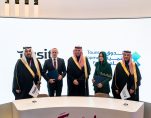
BANGKOK, THAILAND – Media OutReach Newswire – 13 November 2024 – Dusit International, one of Thailand’s leading hotel and property development companies, has signed a Memorandum of Understanding (MoU) with Tourism Development Fund (TDF), the national enabler of the tourism sector in Saudi Arabia, to establish a preliminary framework for developing hospitality projects that will enhance the country’s tourism infrastructure. Signed at the World Travel Market 2024 […]

Abu Dhabi-based renewable energy giant Masdar has announced a significant milestone in its efforts to expand global clean energy projects, with its 1-gigawatt (GW) wind farm in Kazakhstan nearing its final stages of development. This marks a crucial step in the Middle Eastern energy company’s continued push into the renewable sector, aligning with Kazakhstan’s commitment to transition toward more sustainable energy sources. The wind farm, which is […]

The growing financial links between Asia and the Middle East are poised to significantly influence global capital flows, according to new insights from HSBC. The accelerating collaboration between these two regions is already reshaping the landscape of international investments, with both sides benefitting from a convergence of economic goals, financial strategies, and geopolitical interests. With Asia’s expanding markets and the Middle East’s substantial financial resources, the deepening […]

Apollo Global Management and Mubadala Investment Company have agreed to extend their high-profile partnership, a move that aims to bolster Apollo’s Capital Solutions business. The extension will allow both entities to expand their reach and enhance their ability to originate investment opportunities across various asset classes, solidifying their long-term collaboration.

The extended partnership, which involves several billion dollars, is a significant development in the investment world. It builds upon the strategic relationship that began several years ago, positioning both Apollo and Mubadala for future growth in a rapidly evolving global market. By pooling their resources, the two firms plan to tap into new investment opportunities, with a focus on large-scale, complex transactions across sectors such as real estate, infrastructure, and private equity.

As part of the agreement, Apollo will leverage Mubadala’s global network and significant financial backing to drive its Capital Solutions platform forward. This platform, which specializes in providing flexible, innovative financing solutions, will be further strengthened through this partnership. Apollo has long been a leader in alternative investment strategies, and the continued support from Mubadala enhances its ability to execute its high-value transactions worldwide.

Mubadala, which is the sovereign wealth fund of Abu Dhabi, has long been a key player in the global investment arena. Its robust portfolio spans multiple industries, including energy, technology, and healthcare. By deepening its ties with Apollo, Mubadala gains access to Apollo’s wide-ranging expertise in alternative investments, which is particularly advantageous given the volatile global economic climate.

The extension of the partnership is also expected to accelerate the deployment of capital into high-impact investments. Apollo’s Capital Solutions business, known for structuring and managing bespoke financing arrangements, will benefit from Mubadala’s substantial capital reserves. The partnership’s focus will be on identifying attractive opportunities in both established markets and emerging sectors. This will allow the firms to be well-positioned to respond to market dynamics and provide value to investors.

In addition to the financial and strategic advantages, the expanded collaboration between Apollo and Mubadala is expected to bring greater innovation to the investment management space. The firms will work together to identify new methods for creating value, from investment structuring to risk management. By combining their expertise, the partners aim to develop differentiated solutions for investors, which could include specialized vehicles, bespoke financing options, and new asset classes.

This partnership extension is particularly significant in the context of growing competition in the global investment sector. With rising interest rates and market volatility, institutional investors are looking for partners with proven track records and the capacity to adapt to changing conditions. Apollo and Mubadala’s collaboration offers just that, with both firms having established reputations for managing complex investments and delivering strong returns for their stakeholders.

As part of the broader strategic goals, the extended partnership also aligns with Mubadala’s long-term investment vision. The sovereign wealth fund is keen to diversify its portfolio and deepen its engagement with global markets. By aligning with Apollo’s expertise, Mubadala strengthens its position in the alternative investments space, which has become an increasingly important segment for institutional investors looking for non-traditional assets that offer higher returns.

Apollo’s experience and track record in the global capital markets are another factor that makes this partnership particularly appealing. With a strong presence in private equity, real estate, and credit, Apollo has consistently demonstrated its ability to generate value for investors in both favorable and challenging market environments. Mubadala, by extending its relationship with such a prominent player, ensures it has access to top-tier investment opportunities across the spectrum of asset classes.

The partnership extension also underscores the growing importance of cross-border collaborations in today’s interconnected financial markets. As global investors seek to broaden their exposure to diverse markets and asset types, relationships like the one between Apollo and Mubadala play a crucial role in facilitating capital flows across regions. This is particularly relevant as both companies continue to pursue their respective strategies in global markets, positioning themselves for future success amid evolving macroeconomic conditions.

Looking forward, the partnership is expected to deepen in the coming years, with both Apollo and Mubadala exploring new opportunities for collaboration. This could include expanding their joint investments into new geographies, further diversifying their asset portfolios, or exploring emerging sectors like technology and clean energy. The firms have already shown an appetite for exploring innovative investment structures and new technologies, which could become key drivers of their future success.

VISHNU RAJA
RYO YAMADA
HITORI GOTOH
IKUYO KITA