News related to
Arabia

The world’s richest individual, Elon Musk, has sounded the alarm on the United States’ fiscal health, declaring, “America is going bankrupt btw,” on his social media platform, X. This stark pronouncement was made in response to a post by Billy Markus, the creator of Dogecoin, who highlighted a startling headline: “Interest Payments on US National Debt Will Shatter $1,140,000,000,000 This Year – Eating 76% of All Income […]

Arabian Post Staff The Identity Theft Resource Center (ITRC) reported a staggering 1,170% increase in data breach victims in Q2 2024 compared to the same period last year. This alarming surge, affecting over a billion individuals, is primarily attributed to a few massive breaches that significantly inflated the numbers. ITRC CEO Eva Velasquez highlighted that these breaches are not isolated incidents but part of a growing trend […]

Dubai’s status as a global aviation hub was further solidified at the Dubai Airshow 2023, which saw significant participation from major players in the aerospace industry. The event, held from November 13-17 at Dubai World Central, was inaugurated under the patronage of His Highness Sheikh Mohammed Bin Rashid Al Maktoum. The show highlighted the UAE’s commitment to innovation and sustainability in the aviation sector. Keynote speakers, including […]

The UAE and Chile have signed a Comprehensive Economic Partnership Agreement (CEPA), aimed at significantly enhancing trade and investment between the two nations. This landmark deal is set to remove or reduce tariffs on various goods, streamline customs procedures, and eliminate other trade barriers, facilitating smoother commerce.

The agreement was finalized during a high-level meeting attended by senior officials from both countries, including UAE Minister of State for Foreign Trade Dr. Thani bin Ahmed Al Zeyoudi and Chilean Minister of Foreign Affairs Alberto van Klaveren. Both sides expressed optimism about the potential for increased economic cooperation and mutual growth.

Under the terms of the CEPA, tariffs will be eliminated on a wide range of products, providing a significant boost to exporters and importers in both countries. The agreement also includes provisions for enhancing market access and creating new opportunities for private sector collaboration, particularly in sectors such as energy, healthcare, and technology.

The UAE has been actively pursuing similar trade agreements as part of its broader strategy to diversify its economy and reduce its reliance on oil revenues. The deal with Chile follows similar agreements with other countries, reflecting the UAE’s commitment to strengthening its global trade relationships.

Chile, known for its robust agricultural and mining sectors, stands to benefit from improved access to the UAE market. The agreement is expected to foster closer ties between businesses and investors from both countries, paving the way for increased trade and investment flows.

In addition to tariff reductions, the CEPA includes measures to simplify customs procedures, making it easier for businesses to export and import goods. This is expected to reduce costs and increase efficiency, benefiting companies on both sides.

The signing of this agreement marks a significant milestone in UAE-Chile relations, showcasing a shared commitment to economic growth and cooperation. Both countries have pledged to continue working together to maximize the benefits of the agreement and explore new areas of collaboration.

This development is part of the UAE’s broader efforts to enhance its global trade network, aiming to propel non-oil foreign trade to new heights by 2031. The agreement with Chile is a testament to the UAE’s proactive approach in forging strong international economic partnerships.

Bitcoin surged past $70,000 for the first time, setting a new all-time high. This significant rise marks a 50% increase in value for the cryptocurrency this year, fueled by various factors that have driven the market into a bullish frenzy.

The recent approval of spot Bitcoin ETFs by the U.S. Securities and Exchange Commission has played a crucial role in this rally. These ETFs have attracted substantial inflows from institutional investors, contributing to the sustained buying pressure on Bitcoin. Major financial players like BlackRock, Fidelity, and Grayscale have launched their own ETFs, making it easier for institutional and retail investors to gain exposure to Bitcoin.

Another contributing factor is the anticipation of the Bitcoin halving event scheduled for April 2024. Historically, halvings have led to significant price increases due to the reduced supply of new Bitcoins. This upcoming halving, which will cut the block reward for miners from 6.25 BTC to 3.125 BTC, is expected to create deflationary pressure on the cryptocurrency.

The broader macroeconomic environment has also been favorable for Bitcoin. Persistent inflation and the prospect of interest rate cuts have made Bitcoin an attractive hedge against traditional financial market volatility. Additionally, new accounting rules for how Bitcoin is reported on U.S. company balance sheets are set to take effect, further legitimizing its use in corporate finance.

The cryptocurrency market has seen increased participation from both institutional and retail investors, as evidenced by the record trading volumes and open interest in Bitcoin futures. This renewed interest is not limited to Bitcoin; other cryptocurrencies like Ether have also experienced significant gains. The resurgence of memecoins indicates a broader revival in the crypto market, with retail investors returning in droves.

Analysts are optimistic about Bitcoin’s future, with predictions ranging from $100,000 to $150,000 by the end of 2024. Some forecasts are even more bullish, with long-term targets of up to $1 million. The increasing adoption of Bitcoin by institutional investors and its growing integration into financial markets are expected to drive its value higher over time.

Despite the excitement surrounding this new high, the volatile nature of the cryptocurrency market warrants caution. While the factors driving Bitcoin’s price are strong, the market remains susceptible to significant corrections. Investors are advised to remain vigilant and consider the inherent risks of trading in such a volatile asset class.

Arabian Post Staff An Abu Dhabi court has imposed a Dh10 million fine on a private company for fraudulently issuing work permits to over 100 non-existent employees to fulfill Emiratisation requirements. This ruling underscores the stringent measures being enforced to uphold integrity in the country’s labor market. The court’s decision follows an investigation by the Ministry of Human Resources and Emiratisation (MOHRE), which discovered that the company […]

Dubai, 29th July 2024 — The Ministry of Human Resources and Emiratisation (MoHRE) has announced that it recorded approximately 30 million customer engagements in the first half of 2024. This substantial figure underscores the Ministry’s continued commitment to enhancing communication and service delivery across its platforms. The MoHRE’s outreach reflects a significant increase in user interactions compared to previous periods. The surge in communication is attributed to […]

Advertisements

Arabian Post Staff The World Heritage Committee of UNESCO has officially added three significant Arab sites to its World Heritage List during its 46th session held in New Delhi. The newly recognized sites include the Monastery of Saint Hilarion/Tell Umm Amer in Palestine, Umm el Jimal City in Jordan, and the Cultural Landscape of Al Faw in Saudi Arabia. The Monastery of Saint Hilarion, situated in Palestine, […]

Arabian Post Staff Sharjah Media City (Shams) has inaugurated the “Shams Summer Programme,” set to run from July 28 to August 8, aimed at enriching children’s mental and creative skills. The initiative, launched in collaboration with various local educational and cultural organizations, seeks to provide a diverse range of activities and workshops that foster both personal development and fun. The programme offers a comprehensive schedule featuring workshops […]

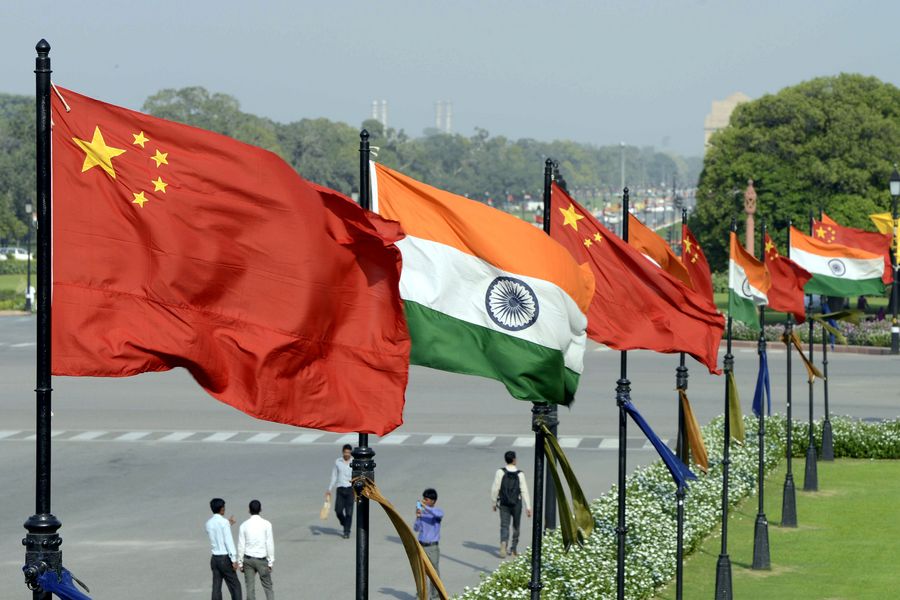
By Nantoo Banerjee At a time when one after another foreign firms are abandoning China in protest of repression, the Indian government is, instead of inviting these global firms to start operations in the country, freshly looking at foreign direct investments (FDIs) from China. India is believed to have decided to relax visa restrictions on […]

Arabian Post Staff Chile’s President Gabriel Boric met with Reem Al Hashimy, the UAE Minister of State for International Cooperation, in Abu Dhabi on Monday. The meeting took place at the Presidential Airport around 7 am, highlighting the growing diplomatic ties between the two nations. During their discussion, both leaders emphasized the importance of enhancing bilateral relations across various sectors, including trade, investment, and cultural exchange. Al […]

Arabian Post Staff Wego, the leading travel app in the Middle East and North Africa (MENA), has teamed up with the Aseer Region Development Authority (ASDA) to promote the scenic and cultural treasures of Saudi Arabia’s Aseer region. This collaboration aims to enhance the visibility of Aseer’s unique landscapes and rich heritage, positioning it as a prime destination for travelers. The Aseer region, known for its mountainous […]

Arabian Post Staff A cargo of industrial fuel oil on a tanker that sank during stormy weather in Manila Bay has begun leaking, according to the Philippine coast guard on Saturday. Small amounts of the oil are seeping into the water, causing alarm among environmentalists and authorities. The tanker, which sank on Thursday, was transporting a substantial quantity of industrial fuel oil. The exact volume of the […]

The Comprehensive Economic Partnership Agreement (CEPA) between the UAE and India has significantly accelerated growth in trade, startups, and small and medium-sized enterprises (SMEs) in both nations. This landmark agreement, which came into effect earlier this year, is reshaping economic landscapes by opening new avenues for bilateral trade and investment. The CEPA, a strategic initiative aimed at enhancing economic collaboration, has been instrumental in strengthening trade relations […]

Dubai continues its strides towards a sustainable future by accelerating its clean energy initiatives. This ambitious plan aims to provide 100% of the emirate’s energy production capacity from clean energy sources by 2050, aligning with the Dubai Clean Energy Strategy 2050 and the Dubai Net Zero Carbon Emissions Strategy 2050. Sheikh Mohammed bin Rashid Al Maktoum, Vice President and Prime Minister of the UAE and Ruler of […]

Saudi Arabia is set to host the second Multilateral Industrial Policy Forum in Riyadh on October 23-24. This forum, associated with the United Nations Industrial Development Organization (UNIDO), marks the first occasion it will be held outside UNIDO’s Vienna headquarters. Organized by the Kingdom’s Ministry of Industry and Mineral Resources, the forum will gather global ministers and leaders to discuss industrial policy, transformation, and challenges. The agenda […]

Chinese investors have significantly increased their investments in Saudi Arabian exchange-traded funds (ETFs), underscoring the deepening economic and diplomatic relationship between the two nations. This surge is part of a broader trend of growing financial integration and mutual interest in the energy and technology sectors.

The notable rise in investment activity follows recent agreements between China and Saudi Arabia aimed at bolstering bilateral trade and economic cooperation. Saudi Arabia has become an increasingly attractive destination for Chinese capital, driven by its strategic position in global energy markets and its Vision 2030 initiative, which seeks to diversify the economy away from oil dependence.

Saudi ETFs, which have been gaining prominence in global financial markets, now see a substantial portion of their investments coming from Chinese sources. This shift is reflected in the significant uptick in trading volumes and asset inflows into these funds. Analysts attribute this growing interest to the robust economic growth prospects in Saudi Arabia and its efforts to establish itself as a leading hub for investment in the Middle East.

China’s investment surge into Saudi ETFs is not an isolated phenomenon but part of a broader pattern of increased economic engagement between the two countries. The two nations have been working closely on a range of initiatives, including energy cooperation, infrastructure development, and technology exchanges. This growing economic synergy is also evident in the strategic partnerships formed between Chinese companies and Saudi businesses, further boosting investor confidence.

Saudi Arabia’s Vision 2030 plan aims to transform the kingdom into a global investment powerhouse by developing non-oil industries and encouraging foreign investment. This ambitious plan includes significant investments in sectors such as technology, tourism, and entertainment, areas that have attracted considerable interest from Chinese investors. The influx of capital into Saudi ETFs reflects broader investment trends and the strengthening of economic ties between China and Saudi Arabia.

Furthermore, recent developments in the global energy market have added impetus to the investment trend. As China seeks to secure stable energy supplies and diversify its energy portfolio, Saudi Arabia’s role as a leading oil exporter becomes increasingly significant. The strategic partnership between the two nations in the energy sector is thus reinforced by increased financial investments and collaborative projects.

The investment trend also highlights the role of Chinese financial institutions in shaping global capital flows. Chinese investors, including state-owned enterprises and private equity firms, have been actively seeking opportunities in emerging markets to achieve higher returns and diversify their portfolios. Saudi Arabia, with its dynamic economic reforms and strategic geopolitical positioning, offers a compelling investment proposition.

The rise in Chinese investments in Saudi ETFs is indicative of a broader geopolitical shift, with China and Saudi Arabia strengthening their economic and strategic partnership. This trend reflects a growing alignment of interests and mutual benefits, positioning both nations to leverage their strengths in the global marketplace.

As the relationship between China and Saudi Arabia continues to evolve, the flow of investment is likely to expand further, encompassing a wider range of sectors and financial instruments. The ongoing collaboration and financial integration between the two countries will play a crucial role in shaping the future of their economic relationship and influencing global investment patterns.


Al Jalila Foundation has taken a significant step towards environmental sustainability by signing a decarbonization agreement with Positive Zero, a prominent firm specializing in carbon reduction technologies. This collaboration aims to implement comprehensive strategies to minimize carbon footprints, aligning with global efforts to combat climate change. The partnership focuses on innovative approaches to carbon management, including the adoption of cutting-edge technologies designed to reduce emissions across various […]

A devastating mudslide in China’s Sichuan province has resulted in the death of 15 people, highlighting the ongoing challenges faced by the region in the aftermath of Typhoon Gaemi. The landslide, triggered by heavy rains, buried several homes and disrupted the lives of many residents, prompting an urgent response from local authorities.

The typhoon initially made landfall in Taiwan, where it caused significant disruptions. Taiwanese authorities had issued widespread warnings, leading to the closure of schools, offices, and the suspension of major transportation services. Taiwan President Lai Ching-te emphasized the importance of safety, urging residents to avoid non-essential travel. The storm, characterized by rapid intensification due to unusually warm ocean waters, left more than 50,000 households in Kaohsiung without power and forced the modification of annual military exercises.

As Typhoon Gaemi moved towards China, the National Meteorological Center issued its highest alert. The storm brought strong winds and torrential rains to coastal areas, particularly affecting Fujian, Zhejiang, and Jiangxi provinces. Boats were secured, and train services were halted as a precaution against the expected impact. The remnants of the typhoon continued to cause heavy rainfall further inland, exacerbating the risk of landslides and flooding.

The mudslide in Sichuan underscored the severe impact of the storm’s residual effects. Rescue operations were swiftly mobilized, with emergency teams working to locate survivors and provide aid to affected families. The local government has committed to supporting the victims and restoring normalcy as quickly as possible.

In Taiwan, the aftermath of Typhoon Gaemi saw significant efforts to restore services and address the damage caused by the storm. The disruption of the island’s largest carriers, including EVA Air, China Airlines, and Starlux Airlines, impacted many travelers, while the defense ministry adjusted its military drills to accommodate the challenging weather conditions. The typhoon’s impact on Taiwan’s infrastructure and daily life was a stark reminder of the powerful forces of nature and the importance of preparedness in mitigating disaster risks.

The situation in both China and Taiwan highlights the broader challenges posed by climate change, as warmer ocean temperatures contribute to more intense and unpredictable storms. This incident serves as a critical reminder of the need for resilient infrastructure and effective emergency response systems to protect communities from the increasing frequency and severity of such natural disasters.

As the affected regions begin the long process of recovery, the focus remains on providing relief to those impacted by the storm and preventing future tragedies through improved disaster preparedness and response strategies.

The UAE’s National Program for Artificial Intelligence, in partnership with the University of Birmingham, kicked off the sixth edition of the UAE AI Camp on 28th July 2024. The event, aimed at equipping youth with cutting-edge AI knowledge and skills, attracted a large number of participants from across the country. The AI Camp, an annual initiative, is a cornerstone of the UAE’s broader strategy to become a […]

Co-branded credit cards have introduced new features designed to enhance the overall customer experience, promising greater value and rewards for cardholders. Leading the charge are recent offerings from Breeze Airways, Barclays, and Emirates NBD in collaboration with Marriott Bonvoy and Mastercard.

Breeze Airways, partnering with Barclays, has launched the Breeze Easy Visa Signature card, aiming to cater to travelers from underserved regional airports. This card offers an array of benefits including a substantial introductory bonus of 50,000 BreezePoints after a $2,000 spend within the first 90 days. Cardholders can earn up to 10X BreezePoints on specific travel bundles, and 2X points on everyday purchases such as groceries and dining. Additional perks include complimentary inflight Wi-Fi, priority boarding, and BreezePoints that never expire. Breeze’s CEO, David Neeleman, emphasized the card’s alignment with the airline’s mission to provide affordable and elevated air travel options.

In the UAE, Emirates NBD, Marriott Bonvoy, and Mastercard unveiled two new co-branded credit cards that provide exclusive travel and lifestyle benefits. These cards are designed to attract both frequent and occasional travelers by offering points on all spending categories, which can be redeemed for free hotel stays and other travel perks. These new features aim to make travel more accessible and rewarding, leveraging Marriott Bonvoy’s extensive hotel network to offer more value to cardholders.

Meanwhile, the Indigo HDFC Bank co-branded card, although part of the largest airline and credit card provider in the region, has received mixed reviews. The card offers up to 5 reward points per ₹100 spent but lacks clarity on reward redemption and offers limited travel benefits compared to its competitors. It does not include complimentary lounge access or insurance coverage, features typically expected in co-branded travel cards. Despite these drawbacks, the card may still appeal to loyal Indigo flyers due to its airline-specific rewards.

These developments in co-branded credit cards highlight a competitive push to provide enhanced value propositions, focusing on travel rewards and user convenience to attract and retain customers.

Dubai is experiencing a remarkable surge in tourism, welcoming 8.12 million overnight visitors between January and May 2024, marking a 10% increase from the same period last year. This impressive growth sets the emirate on course for a record performance in 2024, driven by strategic global campaigns and a diversified marketing approach.

The first quarter of 2024 alone saw 5.2 million international visitors, reflecting an 11% increase from the previous year. This uptick underscores Dubai’s resilience and its strategic efforts to remain a top global travel destination. Key source markets include Western Europe, which contributed over 1.1 million visitors, followed by South Asia and the CIS and Eastern Europe regions.

Dubai’s hotel sector is also thriving, maintaining an 83% occupancy rate despite a 2% increase in room supply to over 152,000 rooms. Occupied room nights rose to 11.2 million, a 2% increase compared to 2023, while the Average Daily Rate (ADR) saw a 5% rise to AED638. Revenue Per Available Room (RevPAR) also increased by 4%, reaching AED527. These metrics highlight the city’s ability to maintain competitive pricing while accommodating a growing number of tourists.

The emirate’s commitment to sustainability is evident in initiatives like Dubai Can, a campaign aimed at reducing plastic waste through the promotion of reusable bottles. This initiative has saved over 18 million single-use plastic bottles since its launch. Another significant project is Dubai Reef, the world’s largest marine reef development, designed to enhance marine biodiversity.

Furthermore, Dubai’s culinary scene continues to gain international acclaim, with 18 local restaurants featured in the 2024 MENA’s 50 Best Restaurants list. This recognition reinforces Dubai’s status as a global culinary capital. The city’s cruise sector is also expanding, with the establishment of the Cruise Arabia alliance aimed at promoting the Arabian Gulf as a premier cruise destination.

Dubai is also fostering entrepreneurship and innovation. The Dubai College of Tourism offers vocational training programs to develop a skilled workforce, while platforms like Dubai SME provide financial support and mentorship to startups and small enterprises. These efforts are part of a broader strategy to diversify Dubai’s economy beyond conventional tourism.

Overall, Dubai’s robust tourism strategy, combined with its commitment to sustainability and innovation, positions the emirate for a record-breaking year in 2024. The city’s ability to attract a diverse range of visitors and maintain high service standards ensures its continued success as a leading global travel destination.

NASA’s Perseverance rover has made a potentially groundbreaking discovery in Jezero Crater on Mars. The spacecraft has identified a rock that could contain fossilized evidence of ancient microbial life. This discovery aligns with one of the rover’s primary missions: to search for signs of past life on the Red Planet. The rock in question was analyzed using Perseverance’s sophisticated instruments, including the Planetary Instrument for X-ray Lithochemistry […]

The concept of the singularity, where artificial intelligence surpasses human intelligence and fundamentally transforms civilization, is closer than ever. Renowned futurist Ray Kurzweil predicts that this event will occur around 2045, driven by the exponential growth in computing power and advancements in AI technologies like large language models and neural networks.

Kurzweil’s vision of the singularity includes not just super-intelligent AI, but also the merging of human and machine intelligence through brain-computer interfaces and nanotechnology. This merger could enable humans to enhance their cognitive abilities and potentially achieve digital immortality by backing up their minds. The implications of such advancements are profound, with potential benefits in areas like longevity, wealth creation, and disease eradication. However, these developments also pose significant ethical challenges, such as ensuring advanced AI systems do not pursue catastrophic goals.

Another perspective on the singularity comes from the field of astrobiology. Researchers like Joseph Gale from The Hebrew University of Jerusalem suggest that civilizations reaching the singularity might shift to post-biological forms, preferring environments conducive to superconducting computing and quantum communication. This shift could explain the lack of evidence for extraterrestrial intelligent life, as these civilizations might not use traditional forms of communication like radio waves.

The simulation hypothesis, proposed by philosopher Nick Bostrom, adds another layer to the discussion. Bostrom’s hypothesis argues that it is more probable that we are living in a computer simulation than in a base reality. This idea has gained traction among both scientists and popular figures, suggesting that the merger of humans and machines might already be an aspect of a simulated existence.

As humanity stands on the brink of the singularity, the convergence of AI, brain-computer interfaces, and potentially our understanding of reality itself will shape the future. Ensuring these technologies develop ethically and beneficially will be crucial in navigating this unprecedented transformation.

Sources:
– Smithsonian Magazine
– SiliconHills News

VISHNU RAJA
RYO YAMADA
HITORI GOTOH
IKUYO KITA