News related to
Arabia

Ripple has secured in-principle approval from the Dubai Financial Services Authority (DFSA), marking a pivotal step in its global expansion. The approval allows Ripple, a prominent digital asset infrastructure provider, to extend its operations within the Dubai International Financial Centre (DIFC), one of the world’s leading financial hubs. This regulatory nod signals the continued embrace of blockchain-based financial solutions in the Middle East, further positioning Dubai as […]

NEOM has officially unveiled the highly anticipated Sindalah Yacht Club, a hallmark of its first island development, signaling its intent to become a premier global yachting destination. Located within the breathtaking Sindalah island, the club has been meticulously designed by renowned Florentine designer Stefano Ricci, blending Italian craftsmanship with the island’s natural beauty. It serves as both a luxurious gathering place for yacht owners and a key attraction in NEOM’s vision to transform the Red Sea coast.

Stefano Ricci’s design of the Sindalah Yacht Club reflects a harmonious fusion of elegance and nature. The interiors feature the timeless white Carrara marble, accentuated by a unique “Sindalah Blue,” a color crafted specifically to capture the pristine waters surrounding the island. The use of briar-root wood adds warmth and depth, providing a refined and inviting ambiance for guests. With a layout spanning 1,800 square meters, the club boasts opulent lounges, a terrace pool with sweeping ocean views, and an exclusive fine-dining experience curated by Michelin-starred chef Enrico Bartolini.

The Sindalah Yacht Club aims to cater to the upper echelon of the yachting world, offering state-of-the-art berthing for superyachts up to 180 meters in length. Managed by IGY Marinas, known for their expertise in luxury marina services, the facility is positioned to serve as a year-round hub for the global yachting elite. Its strategic location on the Red Sea makes it an ideal destination for leisure travelers seeking both adventure and tranquility.

Sindalah’s development as a yachting paradise is part of NEOM’s broader vision to redefine urban living through sustainable, futuristic projects. NEOM’s leadership has emphasized the role of Sindalah as a significant milestone in its push to attract global tourism and investment. Nicholas Smith, General Manager of Sindalah, highlighted the excitement surrounding the unveiling of the Yacht Club, noting that it showcases the innovative and luxury-driven ethos of the entire island development. He emphasized that the collaboration with Stefano Ricci is a testament to NEOM’s commitment to offering world-class experiences to its visitors.

Sofitel has officially launched its inaugural branded residences in Downtown Dubai, marking a significant expansion of the luxury hotel brand’s presence in the region. The development, in collaboration with Azha Development and Dubai Sotheby’s International Realty, is strategically located just minutes away from iconic landmarks like the Burj Khalifa and the Dubai Mall, catering to affluent buyers and investors seeking a premium living experience.

The Sofitel branded residences comprise 174 luxurious units, including one, two, and three-bedroom apartments, designed to embody the essence of French elegance fused with Middle Eastern hospitality. Each residence features modern amenities, sophisticated interiors, and expansive views of the city’s skyline, ensuring a lavish lifestyle for residents. The project aims to attract both local and international buyers, reflecting the growing demand for upscale living spaces in Dubai’s thriving real estate market.

The launch comes at a time when Dubai’s property sector is witnessing robust growth, fueled by the UAE’s strategic initiatives to boost tourism and attract foreign investment. Recent reports indicate a surge in luxury property sales, with many buyers from various regions, including Europe and Asia, looking to invest in Dubai’s thriving real estate market. This trend is partly driven by the UAE’s successful handling of the pandemic and its appeal as a global business hub.

Sofitel’s entry into the branded residences segment aligns with its global strategy to enhance brand visibility and cater to an evolving clientele that values luxury and lifestyle. The residences are not merely living spaces; they are designed to provide a holistic lifestyle experience. Residents will have access to a range of amenities, including a swimming pool, a wellness center, and exclusive dining options, all curated to deliver the signature Sofitel experience.

Azha Development’s partnership with Sofitel exemplifies a growing trend among developers in Dubai, who are increasingly collaborating with international brands to elevate their projects. The collaboration aims to leverage Sofitel’s prestigious reputation in the luxury hospitality sector to enhance the appeal of the residences. This synergy is expected to boost the overall value of the development, making it an attractive investment opportunity.

Dubai Sotheby’s International Realty plays a crucial role in the sales strategy for these branded residences, leveraging its extensive network and expertise in the luxury real estate market. The agency’s involvement underscores the importance of marketing strategies tailored to affluent buyers, utilizing high-end branding and exclusive events to showcase the lifestyle offered by the Sofitel residences.

Market analysts suggest that branded residences have become a significant trend in the global real estate market, particularly in high-demand areas like Dubai. Buyers are increasingly drawn to properties that offer the backing of renowned brands, as these often promise a certain level of quality, service, and lifestyle. This trend is expected to continue, with luxury brands like Sofitel leading the charge in meeting the growing demand for high-end living.

The demand for branded residences is fueled by the lifestyle aspirations of wealthy individuals who prioritize a seamless blend of luxury, service, and location. The proximity of the Sofitel residences to major attractions in Dubai positions it as a prime choice for buyers looking for convenience and accessibility. The development’s strategic location allows residents to immerse themselves in the vibrant culture, entertainment, and leisure activities that Dubai offers.

The launch of the Sofitel branded residences also coincides with ongoing efforts by Dubai’s government to promote the city as a premier destination for expatriates and investors. Initiatives such as long-term residency visas and the Golden Visa program have attracted a diverse pool of buyers, further boosting demand for luxury properties. The city’s real estate market has seen a notable uptick in transactions, with luxury properties leading the way in terms of both sales and price appreciation.

DUBAI, UAE – EQS Newswire – 1 October 2024 – Dubai Electricity and Water Authority (DEWA) (www.DEWA.gov.ae) organises the 26th Water, Energy, Technology and Environment Exhibition (WETEX) from 1 to 3 October 2024 at the Dubai World Trade Centre. The exhibition is a standout event in the global sustainability calendar. It is the largest exhibition in the region in energy, water, green development, sustainability, decarbonisation, green mobility, […]

Consumer behavior in the Middle East is evolving significantly, driven by a complex interplay of climate change concerns and rising inflation. A recent survey conducted by PwC reveals that while economic pressures are palpable, consumers are increasingly willing to pay a premium for sustainable products. This shift highlights a growing awareness of environmental issues, even as individuals grapple with the financial strains of daily life. The survey, […]

Ripple has achieved a significant milestone by receiving in-principle approval from the Dubai Financial Services Authority (DFSA) to enhance its operations from the Dubai International Financial Centre (DIFC). This approval marks Ripple as the first blockchain-enabled payment services provider licensed by the DFSA, enabling the company to offer its suite of digital asset infrastructure and services in the United Arab Emirates (UAE). With this regulatory endorsement, Ripple […]

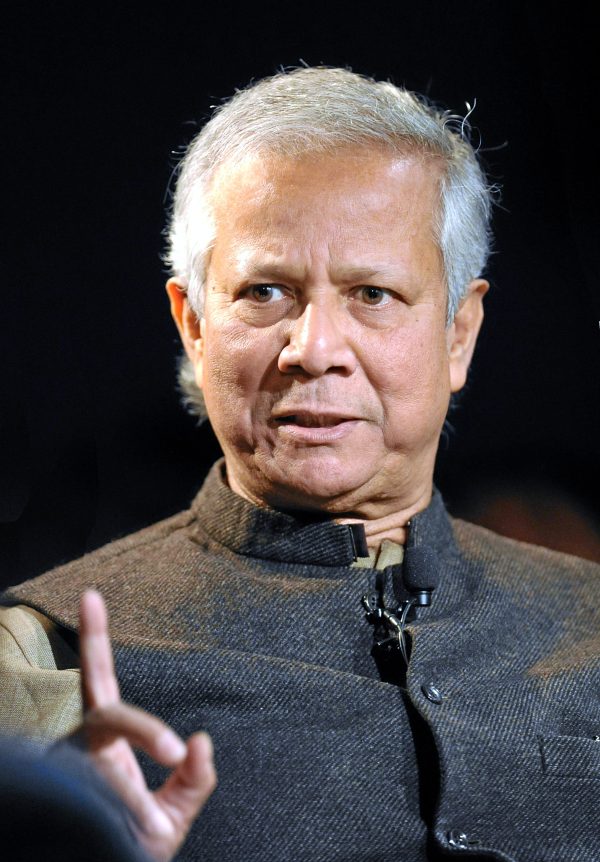
By Nitya Chakraborty In the first battle between the interim Government of Bangladesh and India in the international forum — that is the United Nations, Bangladesh interim government chief adviser Dr. Muhammad Yunus had a clear victory over Prime Minister Narendra Modi without having any one on one meeting between the two. Dr. Yunus was […]
Advertisements

DP World, the global logistics giant headquartered in Dubai, is preparing to make a significant contribution to Mozambique’s economic landscape by expanding its operations in the country. This development follows a high-profile meeting between Sultan Ahmed bin Sulayem, the CEO and Chairman of DP World Group, and Mozambique’s President, Filipe Nyusi, during the United Nations General Assembly (UNGA) in New York. The two discussed a range of new investment initiatives aimed at enhancing Mozambique’s logistics and industrial capabilities, with DP World confirming its intention to deepen its involvement in the nation’s infrastructure projects.

The company’s new plans come amid Mozambique’s efforts to become a critical player in regional trade, particularly as it seeks to leverage its strategic location along the southeastern coast of Africa. DP World’s planned investments focus primarily on the development of ports and related infrastructure, with an emphasis on increasing trade capacity, boosting local employment, and fostering economic growth.

DP World has long viewed Africa as a key area for growth, and Mozambique represents a strategic link in the company’s broader ambitions across the continent. The nation’s ports, including Maputo and Nacala, serve as vital gateways for international trade, facilitating the movement of goods to and from landlocked countries in southern Africa. By enhancing these logistics hubs, DP World aims to further integrate Mozambique into global trade routes, making it a more attractive destination for foreign investment and positioning the country as a regional logistics hub.

The meeting between DP World’s leadership and President Nyusi underscores the importance of Mozambique’s logistics sector in regional economic development. According to sources familiar with the discussion, both parties are committed to ensuring that the planned investments align with Mozambique’s national development strategy. This includes improving the efficiency of port operations, upgrading existing facilities, and constructing new logistics centers to meet the growing demand for trade services.

Mozambique has already benefited from DP World’s presence in the region. The company operates several ports and terminals across Africa, and its involvement in Mozambique is expected to bring similar benefits. This expansion is part of a broader strategy by DP World to strengthen its footprint across Africa, where it has already made substantial investments in countries like Senegal, Egypt, and Somaliland. In these nations, DP World has transformed local port infrastructure, increasing trade volumes and creating thousands of jobs.

For Mozambique, the focus on infrastructure investment comes at a critical time. The country has been recovering from economic disruptions caused by natural disasters and regional instability, and the development of its logistics sector is seen as vital to ensuring long-term growth. By improving trade routes and modernizing ports, Mozambique hopes to attract more foreign investors, stimulate job creation, and diversify its economy beyond natural resource extraction.

DP World’s involvement in Mozambique could also serve as a catalyst for the country’s broader development goals. In addition to the direct economic benefits of improved logistics infrastructure, there are potential spillover effects in areas like industrial development, transportation, and tourism. The expansion of port facilities could, for example, lead to the growth of ancillary industries such as manufacturing and processing, which in turn would create further job opportunities for the local population.

The partnership between DP World and Mozambique is expected to support regional trade by facilitating the movement of goods across borders. Mozambique’s ports play a critical role in serving landlocked countries like Zimbabwe, Malawi, and Zambia, which rely on Mozambique’s transportation networks to access global markets. With DP World’s expertise in logistics and port management, these networks could become more efficient, reducing transportation costs and speeding up trade flows.

Mozambique’s growing importance as a logistics hub is also evident in the increasing number of global players looking to invest in the country. Aside from DP World, other international companies have shown interest in Mozambique’s ports, attracted by the country’s geographical position and the potential for growth in regional and international trade. The expansion of logistics services in Mozambique not only benefits the local economy but also contributes to the wider African Continental Free Trade Area (AfCFTA) initiative, which seeks to create a single market for goods and services across the continent.

DP World’s investment in Mozambique is part of a long-term strategy to strengthen its presence in emerging markets. The company has been expanding aggressively across Asia, Latin America, and Africa, focusing on regions with high growth potential and strategic importance. Mozambique fits well into this strategy, given its natural resources, growing population, and proximity to major international trade routes.

An extraordinary surge in Bitcoin derivatives trading has caught the attention of the market, with nearly $1 billion in open interest tied to options betting on the cryptocurrency reaching the $100,000 mark. This comes as Bitcoin options on the Deribit exchange show an unprecedented interest at this price point, signaling that some investors are anticipating a bullish run. Despite the market volatility, the $100,000 strike price stands […]

Creditors of FTX Dotcom have overwhelmingly backed a reorganization plan aimed at resolving one of the largest financial collapses in cryptocurrency history. Over 94% of the affected creditors voted in favor of the proposal, marking a significant step towards restructuring the beleaguered cryptocurrency exchange. This plan was submitted by FTX’s debtors following months of legal battles and negotiations, reflecting a major attempt to repay debts owed to […]

Bitcoin’s sharp decline, coinciding with recent shifts in Japan’s economic landscape, has raised eyebrows among analysts and traders alike. Market participants have been paying close attention to the cryptocurrency’s performance against traditional indices, particularly the Nikkei 225, amid significant fluctuations in the yen. However, the suggestion that Japan’s political dynamics, especially surrounding the potential rise of former Defense Minister Shigeru Ishiba, are driving Bitcoin’s downward momentum may […]

Sheikh Khaled bin Mohamed Al Nahyan, the Crown Prince of Abu Dhabi, arrived in Qatar on Tuesday for a significant official visit aimed at strengthening ties between the two Gulf nations. This diplomatic mission comes after years of strained relations between Qatar and some of its neighboring states, including the UAE, following the resolution of the 2017 blockade, where the UAE, Saudi Arabia, Bahrain, and Egypt severed ties with Qatar over allegations of supporting extremist groups—claims that Doha consistently denied.

The visit marks a turning point in relations, with Sheikh Khaled’s arrival signaling a renewed effort to bolster diplomatic, economic, and cultural cooperation between Abu Dhabi and Doha. The Crown Prince is scheduled to meet with Qatar’s Emir, Sheikh Tamim bin Hamad Al Thani, along with other senior Qatari officials. Their discussions are expected to focus on enhancing collaboration in areas such as energy, infrastructure, and regional security.

This visit also serves as part of a broader effort by the UAE to maintain its influential role in the Gulf Cooperation Council (GCC) and foster stability across the region. Relations between the UAE and Qatar have gradually improved since the signing of the Al-Ula Agreement in January 2021, which ended the three-and-a-half-year-long diplomatic rift.

Sheikh Khaled’s ascension as Crown Prince of Abu Dhabi earlier this year was a significant development, solidifying his position as one of the most powerful figures in the UAE. He has since been active in international diplomacy, leading state visits and launching major projects within the UAE, such as infrastructure initiatives and cultural advancements. His visit to Qatar underscores the UAE’s commitment to restoring strong bilateral ties with its neighbor and addressing shared concerns in a rapidly changing geopolitical landscape.

Observers believe the visit could yield agreements on several critical fronts, particularly in natural gas, where Qatar is a dominant player, and clean energy, a focus for both nations. As Qatar continues to expand its liquefied natural gas (LNG) exports, the UAE is keen to explore collaborations that could benefit both countries’ economies. Moreover, the two leaders are expected to discuss ongoing tensions in the broader Middle East, including the situation in Yemen and Iran’s influence in the region.

The talks come at a crucial time, as Gulf states seek to diversify their economies and reduce their reliance on oil. Both the UAE and Qatar have been investing heavily in sustainable energy and technology, areas where further cooperation could be mutually beneficial. Additionally, with Qatar set to host global events in the coming years, there is potential for Abu Dhabi and Doha to collaborate on tourism and infrastructure projects.

The broader context of Sheikh Khaled’s visit also reflects a shift in the UAE’s foreign policy approach under his leadership. While his father, Sheikh Mohamed bin Zayed Al Nahyan, focused on an assertive regional strategy, including military interventions in Yemen and Libya, Sheikh Khaled’s diplomatic approach appears to emphasize reconciliation and economic diplomacy. His visit to Qatar is seen as part of this recalibrated policy, aimed at building bridges with key regional players.

Economic ties between Qatar and the UAE are expected to be a major focal point during this visit. Despite the political fallout of the blockade, trade between the two nations resumed shortly after the Al-Ula Agreement, and both nations have expressed interest in boosting these exchanges further. Given Qatar’s vast energy resources and the UAE’s role as a regional business hub, stronger ties could lead to significant economic benefits for both nations.

Diplomatic sources indicate that beyond economic and security discussions, cultural exchanges will also be a priority. The UAE and Qatar have been vying to position themselves as cultural leaders in the region, with both countries investing in museums, art galleries, and other cultural institutions. Collaboration in this domain could enhance their global soft power and further their ambitions to be recognized as cultural hubs in the Middle East.

Fed Chair Jerome Powell has affirmed that the Federal Reserve will persist in its strategy of gradually lowering interest rates to bolster economic growth, yet he clarified that there is no immediate need for aggressive cuts. During a recent press conference, Powell highlighted the strength of the current economy, pointing to robust employment figures and moderate inflation as key indicators of stability.

Powell’s remarks come amid ongoing discussions regarding the balance between fostering growth and maintaining inflation targets. The Fed has faced pressure from various economic sectors to reduce rates more substantially, particularly in light of uncertainties stemming from geopolitical tensions and supply chain disruptions. However, Powell emphasized a cautious approach, aiming to avoid potential market distortions that could arise from rapid rate adjustments.

Economic data supports Powell’s position. The labor market remains strong, with the unemployment rate holding steady near historic lows. Job growth continues, with sectors like technology and healthcare leading the way. Additionally, consumer spending has shown resilience, contributing to sustained economic expansion. Recent reports indicate that consumer confidence remains high, with spending trends suggesting that households are willing to maintain their purchasing habits despite rising interest rates.

Inflation, while a significant concern for policymakers, has remained within acceptable bounds. Year-on-year inflation rates have fluctuated but generally align with the Fed’s target of around 2%. Powell indicated that this level of inflation allows the Fed to proceed with caution, balancing the need for growth with the imperative of keeping prices stable. He remarked on the Fed’s commitment to its dual mandate of promoting maximum employment and stable prices, underscoring that both goals can be pursued concurrently.

The Fed’s cautious stance has garnered mixed reactions from economists and market analysts. Some argue that maintaining higher interest rates for an extended period could stifle growth, particularly for small businesses reliant on affordable credit. Others caution against rapid cuts, suggesting that this could lead to overheating the economy, ultimately resulting in higher inflation. The debate underscores the complexities of navigating monetary policy in a diverse and evolving economic landscape.

In light of these discussions, Powell reaffirmed the Fed’s commitment to transparency in its decision-making process. He stated that the Fed would continue to communicate its intentions clearly to avoid unnecessary market volatility. This approach aims to provide investors and the public with a better understanding of the Fed’s policy direction, fostering confidence in the overall economic environment.

Market reactions to Powell’s statements were immediate, with stock indices responding positively to the indication of continued support for economic growth. Investors appeared reassured by the prospect of a steady approach to interest rates, with many interpreting Powell’s comments as a sign that the Fed is prepared to act if economic conditions warrant further intervention.

Analysts predict that the Fed’s cautious approach may influence other central banks globally, particularly those grappling with similar challenges of balancing growth and inflation. As economies worldwide navigate the post-pandemic recovery, Powell’s insights into the Fed’s strategy may serve as a guide for other monetary authorities facing comparable dilemmas.

Looking ahead, Powell signaled that the Fed would closely monitor economic indicators to assess the need for any adjustments to its policy. He emphasized the importance of data-driven decision-making, indicating that future rate cuts would depend on evolving economic conditions. This approach aligns with the Fed’s historical commitment to responsive and responsible monetary policy.

The broader implications of Powell’s remarks extend beyond immediate monetary policy. They reflect the ongoing challenges faced by policymakers in an increasingly interconnected global economy. As central banks around the world adapt to changing economic realities, the Fed’s measured approach may set a precedent for how to effectively manage monetary policy in uncertain times.

BlackRock’s Ethereum Exchange-Traded Fund (ETF) has faced challenges in attracting capital compared to its Bitcoin counterpart, raising questions about investor sentiment towards the two leading cryptocurrencies. Over the span of seven weeks since its launch, the Ethereum ETF has amassed approximately $1 billion in assets under management (AUM), a significant contrast to the staggering $24 billion accumulated by the Bitcoin ETF during the same period. This disparity […]

Arabian Post Staff A significant trend has emerged among foreign residents in the UAE, revealing a strong preference for local healthcare services over those available in their home countries. This inclination reflects the high standards and accessibility of medical care in the UAE, where advanced facilities and skilled professionals are increasingly attracting expatriates seeking health services. A recent survey conducted by the healthcare consultancy firm IQVIA highlights […]

The shift towards open-source web browsers is gaining traction as users seek alternatives to mainstream options like Chrome. The growing awareness of privacy concerns, performance benefits, and customization opportunities has fueled interest in non-Chrome browsers. With various platforms available, understanding their advantages can guide users in making informed choices about their web browsing experience. Open-source browsers, such as Firefox, Brave, and Opera, stand out for their commitment […]

A new study has brought renewed attention to the potential of using nuclear explosions as a means to protect Earth from devastating asteroid impacts. The concept of employing nuclear weapons to alter the course of a threatening asteroid has been debated for decades, but recent research sheds new light on how radiation from a nuclear detonation, particularly x-rays, could prove to be the key in averting a […]

Sovereign wealth funds in the Gulf Cooperation Council (GCC) countries have made significant investments, deploying $55 billion in various sectors during the first three quarters of 2024. This surge in investment underscores the GCC’s continued commitment to diversify its economies and reduce reliance on oil revenues. These funds are channeling capital into technology, healthcare, renewable energy, and infrastructure, among other sectors, aiming to foster long-term growth and […]

Saudi Arabia’s Bawan Company has experienced a delay in its acquisition of UAE-based Petronash, a manufacturer specializing in oil and gas equipment. Initially announced as a strategic move to enhance Bawan’s operational capabilities and market presence, the transaction has encountered unforeseen challenges that have raised concerns among industry analysts and stakeholders. Bawan, known for its diverse portfolio in the manufacturing sector, aimed to leverage Petronash’s expertise and […]

The United States government has enacted a new regulatory framework aimed at enhancing the export of artificial intelligence (AI) chips, particularly to nations in the Middle East. This development arrives amid increasing global demand for AI technologies and reflects a broader strategic intent to foster technological cooperation with regional allies. The updated policies are expected to significantly impact the semiconductor industry, as key players adapt to the […]

Abu Dhabi National Oil Company (Adnoc) has successfully concluded a significant acquisition, purchasing Covestro, the prominent German chemicals manufacturer, for an estimated €12 billion. This landmark deal marks a critical strategic move for Adnoc, bolstering its position in the global chemicals market while also enhancing its diversification efforts beyond oil and gas.

Adnoc’s acquisition of Covestro is seen as a vital component of its long-term strategy to expand its portfolio into high-value chemicals, driven by the increasing demand for sustainable and innovative products. The deal not only aligns with the UAE’s broader economic diversification goals but also underscores Adnoc’s commitment to investing in advanced technologies and sustainable practices within the chemical sector.

Covestro, recognized for its production of polycarbonate and other high-performance materials, has a robust market presence across various industries, including automotive, electronics, and construction. The acquisition is anticipated to provide Adnoc with enhanced access to advanced materials and innovative chemical solutions, positioning the company to meet the evolving demands of global markets. Furthermore, it is expected to facilitate significant synergies and operational efficiencies, capitalizing on Adnoc’s existing capabilities and Covestro’s innovative technologies.

Analysts have noted that the deal reflects a broader trend among oil and gas companies seeking to pivot towards chemical production as a means of revenue diversification. This shift is driven by the global transition to a low-carbon economy, prompting traditional energy firms to explore opportunities in more sustainable sectors. By investing in Covestro, Adnoc is not only expanding its product offerings but is also positioning itself to lead in the production of environmentally friendly materials.

The transaction is poised to enhance Covestro’s growth trajectory, allowing it to leverage Adnoc’s extensive resources and market expertise. It is expected to strengthen Covestro’s operational framework, particularly in research and development, facilitating the innovation of new products tailored to meet the needs of a changing marketplace.

Industry experts have expressed optimism regarding the deal’s potential impact on the chemical sector in the Middle East. Adnoc’s acquisition of Covestro is likely to attract further investments into the region, stimulating growth and encouraging collaboration between traditional energy companies and chemical manufacturers. The integration of Covestro’s advanced technologies with Adnoc’s operational excellence could lead to groundbreaking developments in sustainable chemical production.

The acquisition process has garnered attention not only for its financial magnitude but also for its implications on the geopolitical landscape of the energy sector. As companies like Adnoc expand their chemical production capabilities, it signifies a shift in focus from crude oil dependence towards the production of value-added products. This strategic pivot aligns with the UAE’s ambitions to emerge as a leader in sustainable development and innovation.

Following the announcement of the deal, both companies have reiterated their commitment to maintaining high operational standards and ensuring that the transition is seamless for employees and stakeholders. Adnoc has pledged to uphold Covestro’s legacy of innovation and sustainability, ensuring that the integration aligns with its own values and objectives.

Market reactions to the acquisition have been largely positive, reflecting investor confidence in Adnoc’s strategic direction. The company’s decision to invest heavily in chemicals has been viewed as a proactive approach to securing its future in an industry facing significant transformation. Analysts anticipate that this acquisition will not only enhance Adnoc’s profitability but also solidify its reputation as a forward-thinking leader in the energy sector.

The deal also highlights the growing significance of partnerships in the global chemical market. By acquiring Covestro, Adnoc is tapping into a wealth of expertise and established market relationships that could further its reach into new markets. This collaborative approach is indicative of the evolving dynamics within the chemical industry, where innovation and sustainability are becoming paramount.

As the global demand for sustainable materials continues to rise, Adnoc’s investment in Covestro positions it strategically to capitalize on this trend. The transition towards environmentally friendly alternatives is reshaping the chemical landscape, and companies that adapt to these changes are likely to thrive in the coming years.

Crude oil prices have experienced a significant downturn, dropping approximately 17% in the third quarter of this year. This decline, marked by market volatility and geopolitical tensions, highlights a complex interplay between Middle Eastern conflicts and diminishing global demand.

As of late September, West Texas Intermediate (WTI) crude settled at around $89 per barrel, down from its highs earlier in the quarter. Brent crude, the global benchmark, followed suit, trading at roughly $92 per barrel. The reduction in prices comes after a series of events that initially fueled price increases due to fears of supply disruptions in the Middle East. However, weakening demand signals from major economies have overshadowed these concerns.

Ongoing hostilities in the Middle East, particularly the conflict in Gaza, have raised alarms about potential disruptions to oil supplies. Israel’s military actions have been met with retaliatory strikes from Hamas, leading to fears that regional tensions could escalate and affect oil-producing nations. However, despite these fears, oil production in the region has remained largely unaffected, allowing for a gradual decline in prices as the immediate risks did not materialize as significantly as anticipated.

Simultaneously, global economic indicators have pointed to a slowdown in demand for oil. The International Energy Agency (IEA) recently projected a weaker demand growth outlook for 2024, influenced by slower economic growth in key markets such as China and Europe. China’s oil demand growth has been particularly disappointing, with recent data indicating a sharp decline in refinery throughput amid struggling manufacturing and economic challenges. This downturn has led to concerns that the world’s largest oil importer may not recover as quickly as previously hoped.

The economic landscape has also been affected by rising interest rates, particularly in the United States, where the Federal Reserve’s aggressive monetary policy has contributed to slowing growth. High borrowing costs have prompted businesses and consumers to cut back on spending, leading to reduced fuel consumption. This trend is reflected in decreasing gasoline prices, which have fallen by approximately 20% since their peak earlier in the year.

Analysts are now closely monitoring the impact of the U.S. Federal Reserve’s interest rate policies on the energy market. As inflation remains a concern, higher rates are expected to temper economic activity further, which could result in continued softness in oil demand. Meanwhile, the market is also reacting to potential supply adjustments from the Organization of the Petroleum Exporting Countries (OPEC) and its allies, collectively known as OPEC+. The group has faced pressure to cut production to stabilize prices but has been hesitant to take drastic measures amid the ongoing global economic uncertainties.

OPEC’s recent meeting has been characterized by discussions surrounding production levels and output targets. While some member countries advocate for cuts to prevent a further slump in prices, others, particularly those reliant on oil revenues, express reluctance to decrease output. This tension reflects broader geopolitical dynamics, as different countries prioritize their economic needs amidst fluctuating global demand.

In addition to OPEC’s considerations, there are also rising concerns about the impact of new renewable energy projects on long-term oil demand. Governments worldwide are increasingly committing to net-zero emissions targets, and investment in clean energy sources continues to grow. This shift poses a long-term challenge to the oil industry as electric vehicle adoption rises and cleaner energy alternatives become more mainstream.

Market participants are also keeping a close eye on potential developments in the Ukraine conflict, which has significantly affected European energy markets. While the ongoing war has prompted Europe to diversify its energy sources away from Russian oil and gas, disruptions in supply chains can reverberate across global markets, leading to unexpected fluctuations in oil prices.

Analysts emphasize that while current prices reflect immediate market dynamics, underlying structural changes in energy consumption and production will play a crucial role in shaping the future of the oil market. As countries adjust their energy strategies and seek more sustainable options, traditional oil producers may need to adapt to a changing landscape characterized by increasing competition from alternative energy sources.

Climate policies and international agreements aimed at reducing carbon emissions will likely further pressure the oil sector. Countries that rely heavily on fossil fuel exports may face economic repercussions as the world shifts toward cleaner energy, necessitating a reevaluation of their long-term economic strategies.

An expansive study analyzing thousands of tumors has uncovered how inherited genes play a pivotal role in determining the course of breast cancer development. This research offers crucial insights into the genetic factors that shape a tumor’s evolution from its earliest stages, advancing the understanding of how breast cancer forms and behaves in different individuals.

The findings, resulting from an extensive examination of tumors from diverse populations, represent a significant leap forward in the quest to personalize cancer treatment. By focusing on the genetic variations within tumors, researchers have identified key markers that could enable more accurate predictions of breast cancer risk and progression. These genetic markers could soon inform more tailored approaches to diagnosis, treatment, and prevention, providing a pathway toward more effective cancer management.

The research, spearheaded by an international team of scientists, underscores the importance of inherited genetic makeup in shaping how a tumor responds to its environment. While it has long been understood that genetics play a role in cancer susceptibility, this study provides a more detailed view of how specific genetic factors influence tumor development over time.

One of the study’s lead researchers emphasized that this work helps bridge the gap between the genetic predisposition to breast cancer and the practical understanding of tumor behavior. According to the team, the analysis involved advanced genetic sequencing techniques that allowed them to track the evolution of tumors, offering a clearer picture of how cancer might develop in individuals with certain genetic backgrounds.

The researchers noted that by understanding these genetic variations, clinicians could eventually be able to predict which patients are more likely to experience aggressive forms of cancer. This would allow for earlier interventions and more targeted treatments, potentially improving survival rates for high-risk individuals.

One of the core elements of the study was its focus on the BRCA1 and BRCA2 gene mutations, which are well-known markers for increased breast cancer risk. However, this research expanded beyond these well-known mutations to explore a broader range of genetic factors that influence tumor behavior. The team analyzed tumors from patients with a variety of genetic backgrounds, offering a more comprehensive view of how different genes contribute to cancer’s development.

The researchers were able to identify several previously unknown genetic markers that appear to influence how breast cancer evolves. These markers, found in patients with no family history of the disease, suggest that there may be additional genetic factors at play that have not yet been fully explored in clinical settings.

The study also revealed that these genetic markers not only influence how a tumor forms but also how it interacts with surrounding tissues. This interaction between the tumor and its environment plays a crucial role in determining how the cancer will grow and spread. By understanding these interactions, the researchers hope to develop more precise treatments that can target the specific pathways involved in cancer progression.

The results of this study hold significant implications for the future of cancer treatment. As the understanding of how genetic variations affect tumor development continues to grow, it is expected that new diagnostic tools will emerge that can identify patients at higher risk for aggressive cancers. These tools could enable earlier detection and more effective treatments, particularly for patients who may not have traditional risk factors, such as a family history of breast cancer.

The research opens the door to more personalized treatment plans that take into account a patient’s unique genetic makeup. Rather than relying on a one-size-fits-all approach to cancer treatment, doctors could use this genetic information to tailor therapies to the individual needs of each patient. This personalized approach has the potential to improve outcomes and reduce the side effects of treatment by focusing on the specific genetic pathways that are driving the cancer.

Experts have lauded the findings, describing the research as a major breakthrough in the field of oncology. Many believe that this study will serve as a foundation for future research aimed at uncovering even more genetic markers that influence cancer development. It also highlights the importance of continued investment in genetic research, as the knowledge gained from these studies has the potential to transform the way cancer is diagnosed and treated.

This research aligns with the broader trend in medicine toward more individualized care, particularly in the realm of oncology. As scientists continue to uncover the genetic factors that contribute to cancer, the hope is that treatments will become increasingly personalized, improving patient outcomes and ultimately saving lives.

Though the study provides a wealth of new information about the genetic underpinnings of breast cancer, the researchers caution that much work remains to be done. The complexity of the human genome and the multitude of factors that influence cancer development mean that there is still much to learn about how genetics and environment interact to drive tumor growth.

The team plans to continue their work by expanding their research to include other types of cancer, hoping to uncover similar genetic markers that can inform treatment strategies across a broader range of diseases. Their findings could one day pave the way for more precise and effective cancer therapies, revolutionizing the way cancer is understood and treated.


Coinbase has taken a significant step to bolster transparency within the cryptocurrency ecosystem by launching cbBTC, a wrapped version of Bitcoin designed to address concerns regarding the management of digital assets. The announcement was made on September 12, with the token now available for trading across multiple jurisdictions, including the United Kingdom, Australia, Singapore, and most U.S. states, excluding New York. cbBTC is structured to operate on […]

VISHNU RAJA
RYO YAMADA
HITORI GOTOH
IKUYO KITA