News related to
Arabia

Oil markets have experienced an unusual shift, with algorithmic trading exerting increasing influence on prices. What has been seen as a continuous slide in crude oil prices appears to be linked more to advanced trading programs than traditional market fundamentals. This shift highlights the growing dominance of algorithm-driven strategies, leaving oil increasingly vulnerable to swings driven by computer models rather than supply and demand factors alone. The […]

The Virtual Assets Regulatory Authority (VARA) unveiled updated marketing regulations aimed at enhancing the operational framework for virtual asset service providers (VASPs) in Dubai. This move is part of a broader effort to ensure that consumer protection and transparency are prioritized in the burgeoning virtual asset sector.

Matthew White, CEO of VARA, emphasized the importance of maintaining a balanced regulatory environment that fosters innovation while safeguarding consumers. The new guidelines establish clear standards for promotional content, requiring that all marketing be identifiable as such, particularly in social media channels. Marketers must use terms like “ad” or “advertisement” to make the nature of their content transparent .

A significant aspect of the updated regulations includes strict provisions regarding monetary and non-monetary incentives. These incentives must be presented responsibly, avoiding any language that might mislead potential investors about the risks involved. Any promotional material offering these incentives must also include prominent risk disclosures to prevent misleading interpretations .

The updated guidelines also require that disclaimers be clearly displayed and easily noticeable across all devices, ensuring that consumers have access to necessary information regardless of the platform they use. This focus on clarity and transparency reflects VARA’s commitment to fostering trust in the digital finance ecosystem.

VARA has introduced limited exemptions for entities not licensed by them, allowing these organizations to market virtual assets at physical events in Dubai. However, these entities must follow specific guidelines, including not engaging in any virtual asset activities within the UAE and providing clear disclaimers regarding their licensing status. The regulations stipulate that event organizers must verify the qualifications of attendees and ensure that exhibitors comply with VARA’s licensing requirements .

A strategic pivot is unfolding in Saudi Arabia’s oil policy, as the kingdom plans to move away from its unofficial target of $100 per barrel. This decision comes as the nation gears up to increase its oil production in an effort to regain market share, even if it results in lower prices for crude oil. The new approach signals a significant shift in the dynamics of the global oil market, as Saudi Arabia navigates a complex landscape influenced by geopolitical tensions and fluctuating demand.

The Organization of the Petroleum Exporting Countries (OPEC), under Saudi Arabia’s leadership, has been actively involved in adjusting oil production levels to stabilize prices. Alongside allies, including Russia, the group—collectively referred to as OPEC+—has implemented production cuts to support oil prices amid a volatile market. However, as the world economy continues to recover from the impacts of the COVID-19 pandemic, demand for oil has risen, prompting Saudi Arabia to reconsider its pricing strategy.

Market analysts suggest that Saudi Arabia’s decision to increase output could be driven by a desire to regain dominance in the oil market. The kingdom has faced stiff competition from countries like the United States, which has ramped up shale oil production in recent years. Additionally, OPEC’s recent efforts to control supply have not completely offset the impacts of rising production elsewhere, leading to a complex interplay of market forces that has prompted Saudi leaders to reassess their tactics.

As part of this shift, Saudi Arabia may be looking to reclaim its traditional role as a price setter in the global oil market. By increasing production, the kingdom aims to attract buyers who may have turned to other suppliers during periods of elevated prices. This move could potentially drive prices lower in the short term, but analysts argue that such a strategy might be necessary to secure long-term market share.

The ramifications of this decision extend beyond Saudi Arabia, impacting global oil prices and economies that heavily rely on oil revenues. Lower oil prices could benefit consumers and industries that depend on energy, potentially spurring economic activity. However, for oil-dependent economies, particularly those within the Gulf Cooperation Council (GCC), decreased prices could pose budgetary challenges and necessitate adjustments in fiscal policies.

Experts emphasize that this approach reflects a pragmatic response to shifting market conditions. While Saudi Arabia has historically maintained a price target to ensure stable revenues, the current global landscape necessitates a more flexible strategy. The kingdom’s readiness to accept lower prices signals an acknowledgment of the realities of modern oil markets, where rapid changes in supply and demand dynamics can lead to volatility.

Saudi Arabia’s internal dynamics also play a crucial role in this strategic recalibration. The kingdom has been investing heavily in diversifying its economy away from oil dependence, as outlined in its Vision 2030 plan. This initiative seeks to develop sectors beyond hydrocarbons, such as tourism and technology, aiming to create a more resilient economy. By adjusting its oil production strategy, Saudi Arabia may be positioning itself to better support these broader economic ambitions, ensuring that its energy sector remains robust while diversifying revenue sources.

This shift in Saudi Arabia’s oil policy is likely to influence OPEC’s future meetings and decisions. The organization has historically aimed to balance production to maintain price stability, but this new direction may necessitate a reevaluation of OPEC’s collective strategy. The responses from other member countries will be closely watched, as any discord within the group could have profound implications for global oil markets.

As Saudi Arabia prepares for this transition, market observers will be keenly analyzing its impacts on both regional and global levels. The kingdom’s ability to effectively navigate this shift will be critical in determining its position in the evolving energy landscape. Furthermore, the response from major consumers, including China and the United States, will also shape the trajectory of oil prices and production levels.

Dubai-based Emirates Central Cooling Systems Corporation (Empower), a key player in the district cooling industry, is preparing to pass a board resolution that would allow the refinancing of a significant $749 million loan. The move reflects the company’s continued efforts to bolster its financial position, improve liquidity, and maintain a competitive edge in the region’s rapidly expanding energy sector. This step comes amid growing demand for sustainable energy solutions in the UAE and wider Middle East region.

Empower, known for being one of the largest district cooling providers globally, is strategically focused on enhancing its operational capacity. The proposed refinancing plan aligns with Empower’s broader objectives of reducing costs and restructuring debt to optimize its financial structure. The corporation’s board is expected to convene soon to formalize this critical financial decision. Empower’s decision follows years of steady growth, driven by increasing urbanization, coupled with the region’s heightened focus on energy efficiency and environmental sustainability.

The UAE’s district cooling sector has been growing in prominence, thanks to its energy-saving benefits and environmental sustainability. Empower, being a leading name in this industry, has been instrumental in providing large-scale cooling solutions, particularly to Dubai’s residential and commercial sectors. The upcoming refinancing is expected to streamline Empower’s financial obligations, paving the way for further expansion and operational efficiency.

District cooling systems have gained traction as an effective solution to manage the rising cooling demands in hot climates, especially in large urban centers like Dubai. Empower operates over 1.4 million Refrigeration Tons (RT) of cooling capacity, serving a diverse portfolio of clients, including commercial buildings, hotels, hospitals, and residential towers. The company’s ability to offer cooling solutions while minimizing environmental impact has made it a preferred partner for several mega-development projects in Dubai.

Empower has continuously worked towards improving its financial health, evident in its strong financial performance in recent years. The proposed refinancing of the $749 million loan is part of a broader strategy to take advantage of favorable market conditions, ensuring lower interest rates, extended repayment terms, and better liquidity management. This move is seen as an opportunity for Empower to capitalize on its existing market position while exploring potential opportunities for growth within the region.

Market experts view this refinancing deal as a testament to Empower’s sound financial strategy. By lowering its borrowing costs, the company can channel more resources toward infrastructure investments, technology upgrades, and expanding its market reach. The board resolution is expected to mark a key milestone for the company’s next phase of growth, which may include deeper involvement in public-private partnerships, regional expansion, and further investments in sustainable energy solutions.

As urbanization and infrastructure development continue to rise in the UAE, the demand for district cooling services has surged, placing companies like Empower in a prime position to expand their influence. The company’s cooling systems provide significant energy savings compared to traditional air conditioning systems, offering more efficient and sustainable solutions to cooling large urban areas. This aligns closely with the UAE’s long-term goals to achieve sustainability and reduce carbon emissions, as outlined in its national energy strategies.

Dubai’s government has been an active proponent of district cooling systems, recognizing the long-term benefits of energy efficiency and reduced electricity consumption. Empower, as a result, has secured contracts with several of the city’s most prestigious developments, including Dubai Healthcare City, Jumeirah Beach Residences, Business Bay, and the Dubai International Financial Centre. Its reputation for reliability and efficiency has earned it contracts for cooling systems in various large-scale real estate developments across Dubai.

As part of its refinancing initiative, Empower aims to secure more favorable financing terms from lenders, leveraging its strong credit rating and financial history. The deal is anticipated to extend the maturity of the existing loan and reduce its interest rate burden, allowing the company to optimize its capital allocation strategy and increase profitability. The company is also likely to use the refinanced amount to reinvest in its growing operations, including expanding its cooling infrastructure and investing in new technologies that enhance energy efficiency.

The district cooling market in the Gulf region has been expanding steadily, thanks to rising energy consumption driven by urbanization and high temperatures. Empower’s ability to meet the region’s cooling demands while maintaining operational efficiency has set it apart from competitors. As the market leader, Empower’s influence on shaping the district cooling sector in the UAE is expected to continue growing, and the refinancing deal will likely help position the company for continued success in the future.

Beyond financial restructuring, Empower has also made significant strides in promoting environmentally sustainable practices. The company has introduced several initiatives aimed at reducing its carbon footprint, optimizing water usage, and ensuring that its cooling solutions align with the UAE’s vision for a green economy. The integration of renewable energy sources into its cooling processes is among the company’s next objectives, aligning closely with Dubai’s ambitious goals under its Clean Energy Strategy 2050.


Citi has joined forces with Apollo Global Management and Mubadala Investment Company to establish a $25 billion private credit program aimed at seizing opportunities in the rapidly growing direct lending market. This collaboration underscores the increasing significance of private credit in the current financial landscape, as institutional investors look for alternative ways to deploy capital while banks face stricter regulatory constraints on traditional lending.

The initiative is designed to target mid-to-large scale borrowers, focusing on private equity-backed companies that require non-bank financing solutions. As bank lending becomes more restrictive, particularly for higher-risk borrowers, private credit is becoming a preferred route for companies seeking more flexible funding options. The partners are expected to capitalize on this shifting environment, particularly in sectors such as healthcare, technology, and infrastructure, which are increasingly in need of substantial financial backing.

Apollo Global Management, known for its robust expertise in alternative assets, will manage the program, leveraging its well-established private credit platform. Citi, one of the largest financial institutions globally, will act as a strategic partner, providing financing and other related services. Mubadala, a sovereign wealth fund from Abu Dhabi, brings significant capital and a track record of successful global investments, making it a key player in the collaboration.

The trio’s strategic partnership highlights how private markets are becoming more prominent in financing both large-scale deals and middle-market companies. With Citi and Mubadala’s backing, Apollo expects to drive further growth in its private credit business, which has already gained considerable traction in recent years. This deal also reflects how sovereign wealth funds like Mubadala are increasingly turning toward alternative asset classes, including private debt, to diversify their portfolios and achieve higher returns.

Market experts anticipate that the $25 billion program will play a critical role in the direct lending space, helping fill the void left by banks that have scaled back lending due to tighter regulations and capital requirements. The alliance is likely to pave the way for other large institutional investors to consider similar moves, further expanding the private credit market, which has already grown to over $1.5 trillion globally.

Analysts point out that this development reflects broader trends within the financial industry, where the traditional boundaries between banks and asset managers are becoming blurred. By teaming up with Apollo and Mubadala, Citi is effectively expanding its footprint in the private credit space, positioning itself to serve clients who increasingly prefer direct lending to traditional loans.

For Apollo, this partnership is another milestone in its strategy to build out a comprehensive private credit platform. With a combination of Mubadala’s capital strength and Citi’s global reach, Apollo’s credit arm will be better positioned to capture opportunities across multiple geographies and sectors, offering tailored financing solutions that meet the evolving needs of borrowers.

Mubadala, on the other hand, will benefit from the high returns and relatively lower volatility associated with private credit. By entering into this partnership, Mubadala continues to diversify its portfolio, reinforcing its commitment to long-term investments that deliver stable cash flows.

This program also represents a growing trend where large financial institutions and sovereign wealth funds are teaming up with specialized asset managers to tap into high-growth sectors. While the primary focus is on direct lending, it is likely that this partnership will evolve to encompass other forms of private credit over time, including mezzanine financing and asset-based lending.

By aligning their goals, Citi, Apollo, and Mubadala are setting the stage for a new era in private credit. The size and scope of the program suggest that the three partners are prepared to take on large-scale transactions that could reshape the private credit landscape, attracting more investors to this asset class.

An Amazon seller has filed a legal challenge against the antitrust investigations conducted by India’s Competition Commission (CCI), claiming that the probe into e-commerce giants Amazon and Flipkart is biased and unlawful. The seller, Cloudtail, a former key partner of Amazon India, argues that the watchdog’s investigation unfairly targets its business practices, while failing to take into account the competitive pressures and operational complexities of the marketplace. […]

The evolution of large language models (LLMs) has introduced a new frontier in artificial intelligence, with advancements in retrieval mechanisms becoming a critical factor in optimizing performance. As the AI landscape shifts, Retrieval-Augmented Generation (RAG) is increasingly giving way to a more sophisticated framework: Retrieval-Integrated Generation (RIG). While both systems enhance LLMs by incorporating external data into responses, RIG presents a more refined approach, revolutionizing how machines […]

Advertisements

The Dubai Virtual Asset Regulatory Authority (VARA) will impose stricter requirements on cryptocurrency companies starting from October 1. These new regulations, aimed at enhancing consumer protection, mandate companies promoting virtual assets to disclose the inherent risks and volatility of such investments in all marketing materials. This policy shift by VARA comes in response to the growing concerns around consumer safety and the increasing popularity of cryptocurrency in […]

By Dr. Gyan Pathak Election campaigns for all participating political parties in the ongoing Jammu and Kashmir Vidhan Sabha election has unquestionably centred round the chief issue – restoration of the abrogated Article 370 of the Constitution of India and the lost statehood of this Union Territory. The electoral battle has been turning into a […]

Mark Cuban, the billionaire entrepreneur and owner of the NBA’s Dallas Mavericks, has set his sights on a new target: becoming the head of the U.S. Securities and Exchange Commission (SEC). His ambition to lead the regulatory body was unveiled during a recent podcast appearance, where Cuban expressed his desire to bring about significant changes in the way financial markets are regulated. Known for his outspoken views […]

Evaluations of information sources have highlighted a striking trend in how credibility is assigned to various platforms. A study published in Nature’s Scientific Reports reveals that individuals perceive information from voice-based agents like Amazon Alexa as more credible than that from Wikipedia, even when the content is identical. This finding challenges the long-held belief in Wikipedia’s reliability as an information source, particularly against the backdrop of the […]

Worldcoin, a cryptocurrency initiative co-founded by Sam Altman, has been handed a staggering $850 million fine by South Korean regulators for breaching data protection laws. The country’s Personal Information Protection Commission (PIPC) found that Worldcoin had illegally transferred sensitive personal information abroad and collected biometric data from individuals without obtaining proper consent. This landmark decision reflects a growing global scrutiny of data protection practices in the cryptocurrency […]

Volet.com, a leading crypto-enabled e-wallet platform, has broadened its offerings by incorporating support for Dash, alongside established cryptocurrencies such as Solana, Polygon, and Avalanche. This strategic enhancement aims to provide users with greater flexibility and competitive pricing for cryptocurrency transactions. The introduction of Dash comes with the platform hosting an Ask Me Anything (AMA) session featuring the Dash development team, allowing users to engage directly with the […]

Abu Dhabi’s wealth fund, ADQ, has successfully raised $2 billion via an international bond issuance, marking a pivotal move for the state-owned holding company as it seeks to enhance its investment footprint across diverse sectors. This bond sale is indicative of ADQ’s strategic financial planning and its role as a significant player in the global financial market. Fully owned by the Abu Dhabi government, ADQ has built a robust portfolio spanning healthcare, utilities, food, and agriculture, among other vital industries.

The bond offering attracted strong interest from global investors, signaling their confidence in the financial stability and investment potential of Abu Dhabi’s sovereign wealth funds. This issuance is particularly noteworthy given the current global economic climate characterized by inflationary pressures and geopolitical uncertainties. Many investors are increasingly inclined toward stable assets, and the bond sale demonstrates ADQ’s capability to meet this demand effectively.

ADQ’s recent financial maneuver follows a series of high-profile investment activities in various sectors, including logistics, technology, and food security. These strategic initiatives align with the broader vision of the Abu Dhabi government to diversify its economy away from oil dependence. Notably, Abu Dhabi controls over 90 percent of the oil reserves in the United Arab Emirates, prompting its sovereign wealth funds to pivot towards non-oil sectors to foster sustainable growth.

The proceeds from this successful bond issuance are expected to bolster ADQ’s liquidity, enabling the fund to pursue further acquisitions and investments in critical industries. This aligns with ADQ’s long-term goals of enhancing the economic landscape of Abu Dhabi while contributing to the UAE’s broader diversification strategy.

The issuance is a clear testament to ADQ’s strategic focus on resilience and adaptability amid global economic challenges. It reflects a calculated approach to raising capital, ensuring that the fund is well-positioned to capitalize on emerging opportunities in a rapidly evolving investment landscape.

The confidence shown by global investors highlights the attractiveness of ADQ as a financial entity, reinforcing the UAE’s position as a key player in international finance. With the growing importance of sovereign wealth funds in the global economy, ADQ’s successful bond sale is a critical step in strengthening its financial stature and expanding its influence.

As the global economy continues to grapple with uncertainties, the bond sale is expected to enhance ADQ’s capacity to make strategic investments that contribute to sustainable economic development. The fund’s commitment to diversifying its portfolio and focusing on sectors that are essential for future growth is set to play a significant role in shaping the economic narrative of Abu Dhabi and the UAE.

ADQ’s diversified investment approach is not only beneficial for its portfolio but also plays a vital role in supporting local economies and enhancing community welfare. By investing in various sectors, including technology and logistics, ADQ is helping to create jobs and stimulate economic activity within the region. This approach not only supports Abu Dhabi’s immediate economic goals but also contributes to the long-term vision of the UAE as a global business hub.

The bond issuance comes at a crucial time for investors, who are increasingly seeking avenues to mitigate risk amid fluctuating market conditions. ADQ’s established reputation and its strategic focus on stability make it an attractive proposition for those looking to invest in the UAE’s economic future.

The bond sale signals ADQ’s readiness to embrace opportunities that arise from changing global market dynamics. As countries navigate the complexities of recovery from economic downturns and geopolitical tensions, funds like ADQ are pivotal in providing the financial backbone needed for growth and resilience.

The success of this bond sale underscores the growing trend of sovereign wealth funds diversifying their portfolios and seeking innovative ways to engage with the global financial markets. As ADQ continues to execute its strategy, its role in shaping not only the economic landscape of Abu Dhabi but also its influence on the broader regional and global financial stages will likely expand.

Investors and analysts will be closely watching how ADQ utilizes the proceeds from this bond issuance. The fund’s ongoing efforts to identify lucrative investment opportunities and expand its portfolio will be critical in determining its success and the overall impact on the UAE’s economy.

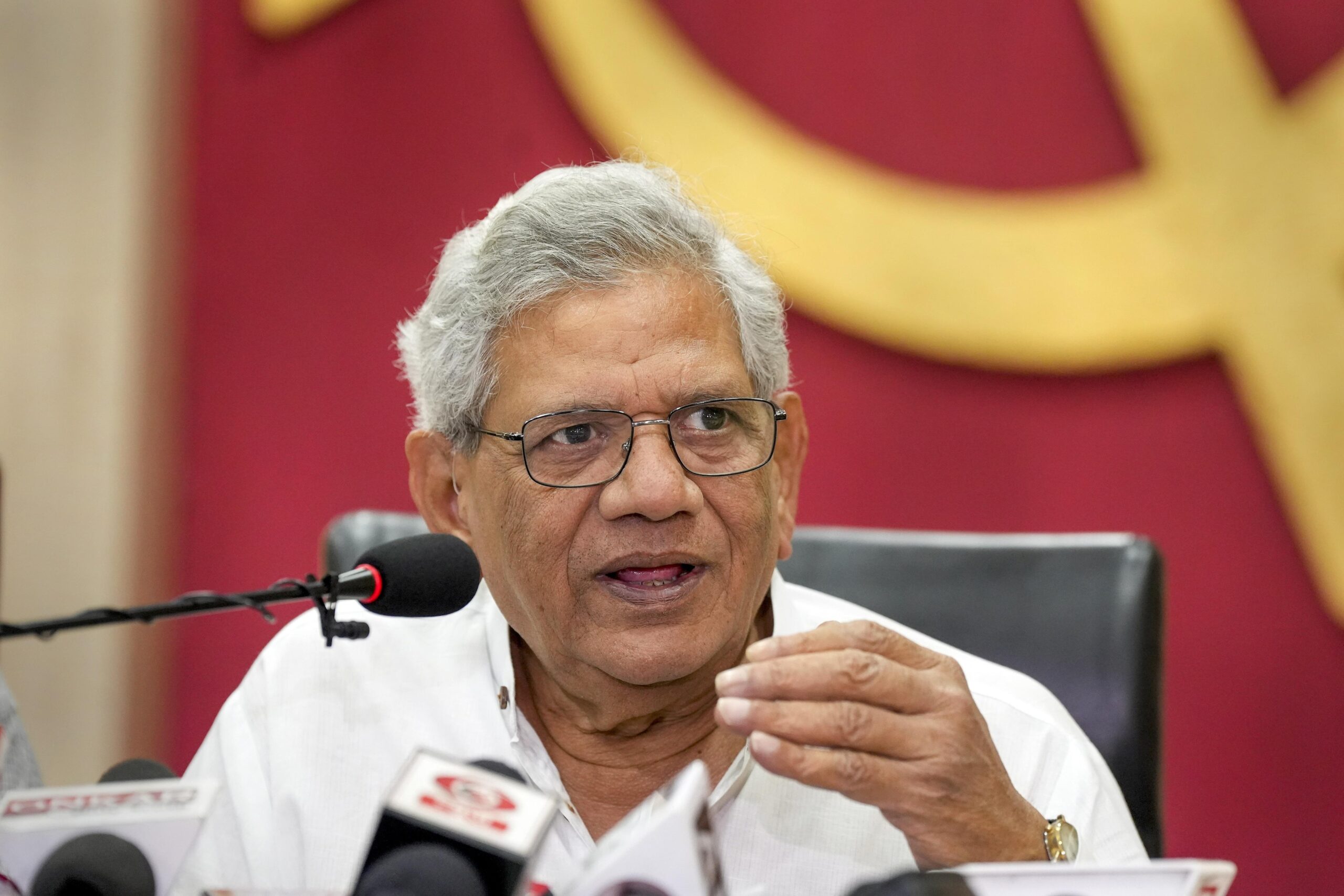
By Harihar Swarup The general secretary of the CPI-M, Sitaram Yechury, who passed away on September 12 at the age of 72, defied all the clichés one associates with hardcore “commies”. From his appearance to his demeanour, he was like “one of us”. Meaning, he didn’t shove his ideology down anybody’s throat, nor was he […]


The Central Bank of the UAE has upgraded its economic growth forecast for 2024, projecting a Gross Domestic Product (GDP) increase of 4%. This revision reflects a strong performance from the non-oil sector, which is anticipated to grow by 4.7% in both 2024 and 2025, contributing significantly to the overall economic expansion.

The updated outlook indicates resilience in the UAE’s economy despite global uncertainties, particularly influenced by fluctuations in oil prices and geopolitical developments. The bank’s projections suggest a continuation of positive trends observed in various sectors, such as tourism, logistics, and manufacturing. As a key driver of this growth, the non-oil sector has shown robust recovery and adaptability, supported by government initiatives aimed at diversifying the economy and enhancing investment.

Analysis from various economic experts highlights that the non-oil sectors, including tourism and logistics, have rebounded strongly post-pandemic. The UAE has implemented several strategic plans, such as the Economic Diversification Plan, which aims to reduce dependence on oil revenues and bolster non-oil industries. The real estate market also contributes to this growth trajectory, as demand for both commercial and residential properties remains high.

The UAE’s GDP growth is expected to be supported by government spending and investment in infrastructure projects. The 2024 budget reflects an ambitious plan to enhance public services and promote economic activity across various sectors. Investments in technology and sustainability initiatives are anticipated to further propel economic growth, making the UAE an attractive destination for foreign direct investment.

The UAE is set to host several high-profile international events in the coming years, which are likely to boost tourism and hospitality sectors. Events such as Expo 2025 in Osaka, where the UAE will have a prominent presence, are expected to enhance the country’s global profile and stimulate economic activity.

The Central Bank also projected a modest growth rate of 2.9% for the oil sector in 2024, reflecting a cautious outlook given the volatility in global oil markets. However, with the anticipated increase in global oil demand, particularly from Asia, the oil sector is expected to stabilize, contributing positively to the overall GDP.

In 2025, the Central Bank forecasts GDP growth to rise further to 5.2%, driven by ongoing developments in both oil and non-oil sectors. This continued growth reflects the UAE’s strategic focus on innovation and technological advancements, aligning with its long-term vision of becoming a global economic hub.

By Dr. Gyan Pathak September 25, 2024, is the tenth birth anniversary of Make in India. It was launched on September 25, 2014. PM Narendra Modi government has tried its best to promote ease of business in the country, but finding the scheme not getting desired momentum, it decriminalized 183 provisions in 2023, in the […]

Neopets has announced the upcoming launch of “Faerie Fragments,” a captivating match-3 puzzle game set in the enchanting realm of Faerieland. This new addition is part of a significant expansion of the Neopets universe and will be available for pre-registration on both iOS and Android platforms.

Players will join Luxinia, the Light Faerie, on an adventurous quest to restore Faerieland, which has faced upheaval. The game is designed around over 700 levels of engaging match-3 puzzles, where players can utilize special abilities and unique puzzle pieces, such as Baby Neopet tiles, to enhance their gameplay experience. As they progress, players will help Luxinia piece together her shattered memories, ultimately aiming to restore the celestial beauty of Faerieland.

The game offers a variety of challenges that encourage strategic thinking, making it accessible yet engaging for all ages. With its vibrant graphics and whimsical soundtrack, “Faerie Fragments” is designed to capture the charm of the original Neopets experience while appealing to both new and returning fans.

This launch comes at a time when the gaming industry sees a growing trend towards mobile gaming and casual gaming experiences. Neopets, known for its community-driven content and nostalgic appeal, aims to leverage this trend by introducing “Faerie Fragments” as a way to engage a younger audience alongside its longstanding fan base.

Developers have emphasized community feedback in shaping the game’s mechanics and story, ensuring that it resonates with the player base. The involvement of original Neopets creators in this project adds an extra layer of authenticity and excitement. Players can expect regular updates and events post-launch, which will keep the gameplay fresh and engaging.

Neopets has also hinted at potential collaborations and expansions related to “Faerie Fragments,” promising that the game will evolve with new content and features based on player engagement and feedback. This strategy aligns with the current gaming landscape where live-service models have gained traction, allowing developers to maintain player interest over time.

As the launch date approaches, anticipation continues to build among fans of the Neopets universe. Pre-registration is now available, with early registrants likely to receive exclusive in-game bonuses upon release. This initiative not only boosts player engagement but also helps the developers gauge interest levels and prepare for a successful launch.

 Symbiosis International (Deemed University), one of India’s most esteemed academic institutions, has successfully launched its first international campus in Dubai, officially licensed by the UAE Ministry of Education (MOE) and Knowledge and Human Development Authority (KHDA). 

All the academic programmes are accredited by the Commission for Academic Accreditation under the Ministry of Education UAE.

With over 50 years of academic excellence and a legacy rooted in global education, Symbiosis is bringing world-class education to the UAE, strengthening bilateral ties between India and the UAE.

With its Vedic principle, Vasudhaiva Kutumbakam—’The’World is One’Family’—Symbiosis has bridged global cultures and promoted inclusive education. Now, with the Dubai campus already in operation after officially commencing classes in the first week of September, Symbiosis is ready to make its mark on one of the world’s most dynamic cities.

The academic programmes include BBA in Accounting and Finance; MBA, BCA in AI and ML, Cloud Computing, Data Science and Data Analytics; BA in Media and Communication  with Digital marketing, Public Relations, Advertising and Corporate communications. 

Symbiosis’ establishment in Dubai strengthens the partnership between India and the UAE, contributing to both nations’ strategic goals. The move aligns with the UAE’s D33  Economic Agenda, which focuses on doubling the economy by 2033, with a strong emphasis on education and talent development. It also reinforces the Comprehensive Economic Partnership Agreement (CEPA) between India and the UAE, promoting educational and economic ties.

By Anjan Roy The Chinese economy is seeing deflation —that is, prices are really falling in real time— for 23 months straight. This has really raised the concerns of the Chinese political bosses which was reflected in the central bank move on Tuesday. The central bank cut its policy interest rates by the most ever […]

Telegram has announced temporary restrictions on its wallet service for users based in the United Kingdom, a move prompted by an internal decision as part of a corporate restructuring plan. This development comes at a crucial time for the company as it seeks to enhance compliance with regulatory standards in the region. The wallet restrictions will not affect users’ ability to withdraw their assets; existing customers in […]

Abdul Latif Jameel Motors and the King Abdullah University of Science and Technology (KAUST) have entered a groundbreaking partnership with Toyota to advance hydrogen fuel research. This collaboration aims to explore innovative approaches to sustainable energy, particularly in the realm of hydrogen production and utilization. The partnership reflects a significant move towards reducing carbon emissions and promoting clean energy solutions in the Middle East, a region heavily […]

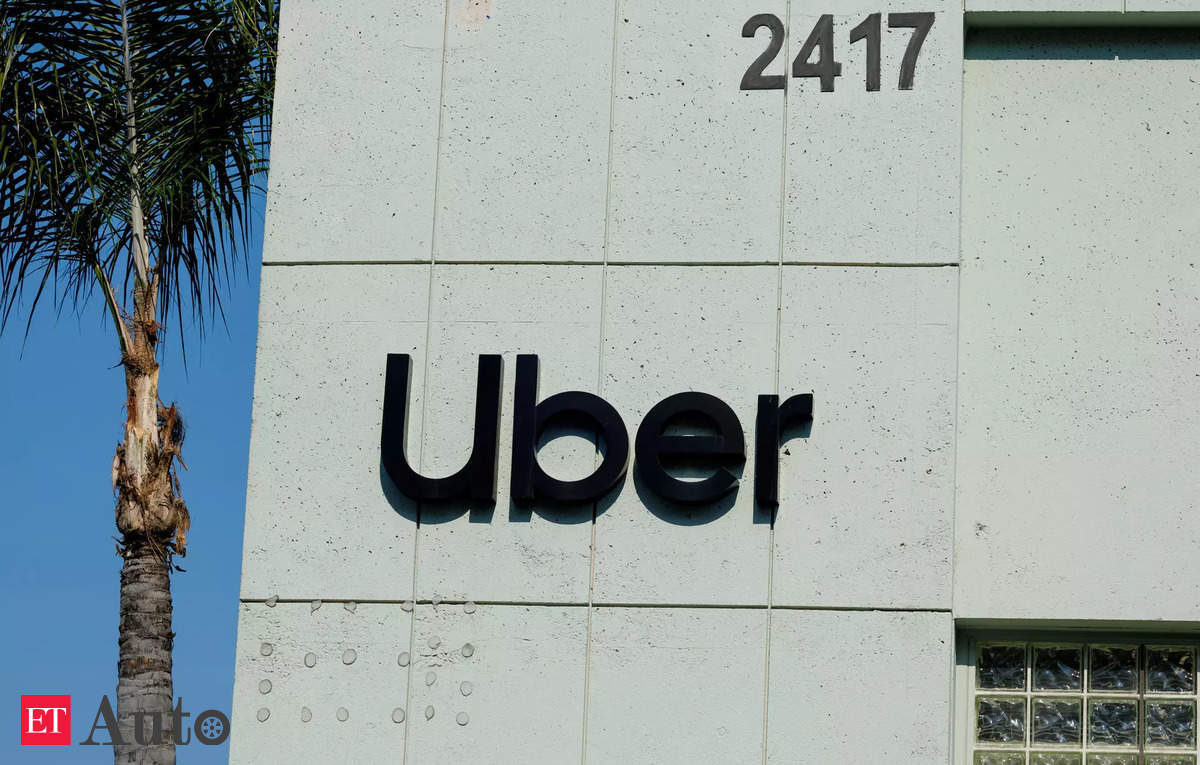
Uber has announced a strategic partnership with WeRide, a self-driving technology company based in China, to introduce autonomous vehicles to Abu Dhabi. This collaboration is expected to roll out later this year, marking a significant step forward in autonomous mobility in the region. Under the deal, a fleet of WeRide’s robotaxis will be made available through the Uber app, initially serving specific areas in the UAE capital.

The pilot program will target key locations in Abu Dhabi, such as Yas Island and Saadiyat Island, with expansion plans on the horizon. Passengers will have the option to select a self-driving vehicle for their trips when available, offering a futuristic alternative to traditional rideshare options. Uber’s CEO, Dara Khosrowshahi, emphasized that this initiative aligns with the company’s vision of a future where transportation is electric, shared, and autonomous.

WeRide, founded in 2017 and headquartered in Guangzhou, has been rapidly advancing in the autonomous driving industry. Its technology, known for its reliability and scalability, is already operational in several cities in China, where the company conducts various pilot programs. By partnering with Uber, WeRide aims to gain a foothold in the Middle Eastern market, building on its experience in deploying robotaxis in urban settings.

By P. Sudhir Anura Kumara Dissanayake, leader of the Janata Vimukti Perumana (JVP) and the National Peoples’ Power (an alliance of Left and progressive parties) won the presidential elections held on September 21 in Sri Lanka. He polled 57,40,179 votes (42.3 per cent) in these elections, which is a significant increase from the 4,18,553 votes […]

VISHNU RAJA
RYO YAMADA
HITORI GOTOH
IKUYO KITA