News related to
Arabia

The cryptocurrency market opened the week on a buoyant note, with Bitcoin soaring above $64,000, reflecting a robust demand from investors. This bullish sentiment extends beyond Bitcoin, with several major cryptocurrencies experiencing notable gains. In particular, memecoins captured significant attention over the weekend, driving trading volumes and investor interest.

Bitcoin’s recent ascent is attributed to various factors, including a wave of institutional investments and ongoing enthusiasm around cryptocurrency adoption. Many analysts highlight the role of exchange-traded funds (ETFs) in boosting market confidence, as institutional players increasingly seek exposure to digital assets. Bitcoin’s price spike comes amid a broader narrative of technological advancements within the blockchain ecosystem, which continues to capture the imagination of retail and institutional investors alike.

Ethereum, the second-largest cryptocurrency by market capitalization, also benefited from Bitcoin’s rally, rising over 5% in value. The upward momentum is attributed to several developments, including the upcoming Ethereum upgrade, which aims to improve network scalability and reduce gas fees. As Ethereum transitions to a proof-of-stake model, many analysts anticipate further institutional interest, given the platform’s essential role in decentralized finance (DeFi) and non-fungible tokens (NFTs).

Meanwhile, the excitement surrounding memecoins—typically inspired by internet memes and social media trends—has significantly influenced market dynamics. Tokens like Dogecoin and Shiba Inu witnessed substantial trading volumes as retail investors flocked to these assets, drawn by their perceived potential for high returns. Social media platforms played a pivotal role in amplifying this trend, with influencers and dedicated communities rallying support for these tokens. The continued engagement of these communities indicates a shift in trading patterns, where retail sentiment increasingly shapes market movements.

China’s latest stimulus announcements, while generating initial optimism, fell short of expectations, impacting broader market sentiments. The country’s efforts to stabilize its economy amid challenges posed by global supply chain disruptions and regulatory crackdowns have elicited mixed reactions from traders. Despite the lackluster stimulus measures, market participants remain hopeful, buoyed by Bitcoin’s upward trajectory and the resilience demonstrated by major cryptocurrencies.

Investors are closely monitoring regulatory developments in various jurisdictions as they navigate the evolving landscape of digital assets. The introduction of clearer regulations in regions such as Europe and the United States has fostered a more secure environment for institutional investments. However, uncertainty remains, particularly in regions where regulatory frameworks are still taking shape.

The recent performance of cryptocurrencies is also influenced by macroeconomic factors, including inflation concerns and shifts in monetary policy. Central banks’ responses to inflationary pressures may significantly impact investor sentiment, with many viewing cryptocurrencies as a hedge against traditional market volatility. As Bitcoin approaches all-time highs, discussions around its role as a digital store of value continue to gain traction among institutional investors.

Emerging trends within the cryptocurrency space, such as the growing popularity of decentralized finance applications, are further contributing to Bitcoin’s appeal. DeFi platforms have gained substantial traction, offering innovative financial services outside traditional banking systems. This trend aligns with a broader movement towards financial inclusivity, where individuals seek alternatives to conventional finance.

As Bitcoin maintains its upward momentum, analysts are keenly observing key price levels that may serve as psychological barriers. The $70,000 mark has become a focal point, with investors speculating on whether Bitcoin can sustain its rally and surpass this threshold. Historical price action suggests that breaking through significant resistance levels often leads to further price discovery, a phenomenon that many traders are keen to capitalize on.

Market sentiment remains a crucial driver of cryptocurrency prices, with investor behavior often influenced by social media trends and news cycles. The ability of key influencers to sway market dynamics underscores the importance of community engagement within the cryptocurrency ecosystem. This trend has been particularly evident with memecoins, where social media platforms act as catalysts for rapid price fluctuations.

The interplay between technological advancements and regulatory developments will continue to shape the cryptocurrency landscape as investors seek to navigate the complexities of digital assets. Institutions are increasingly recognizing the importance of blockchain technology, leading to heightened investment in research and development. This recognition of the underlying technology’s potential may spur further innovation and drive the next wave of adoption across various industries.
Ethena Labs has put forward a proposal to include Solana (SOL) in the collateral pool for its stablecoin, USDe. If approved, this move would position SOL alongside Bitcoin (BTC) and Ethereum (ETH) as part of Ethena’s diversified collateral strategy. The incorporation of SOL aims to enhance the stability and utility of USDe while tapping into the growing Solana ecosystem.

The proposal reflects Ethena Labs’ ongoing efforts to strengthen its product offerings and enhance the robustness of its stablecoin. Currently, USDe is backed by BTC and ETH, both of which have established themselves as reliable digital assets within the cryptocurrency market. By adding SOL, Ethena Labs hopes to leverage the asset’s increasing popularity and the broader developments in the Solana network.

Solana has garnered significant attention in recent years for its high throughput and low transaction costs. As the demand for efficient blockchain solutions grows, Solana has positioned itself as a leading contender. This is particularly relevant as various decentralized finance (DeFi) projects increasingly look for scalable solutions. Ethena Labs’ move to integrate SOL into USDe’s collateral mix could also signal a growing acceptance of diverse assets within the stablecoin market.

The proposal has sparked discussions among stakeholders within the cryptocurrency community, with many viewing it as a strategic alignment with current market trends. Several analysts believe that including SOL could help stabilize USDe by providing an additional layer of security and liquidity. Solana’s unique consensus mechanism, which allows for faster transaction speeds, could contribute positively to the stability of USDe, particularly during times of market volatility.

Industry experts point out that the successful integration of SOL will depend on regulatory compliance and market acceptance. Ethena Labs has emphasized its commitment to maintaining high standards of compliance and risk management as it navigates the complexities of including a new asset in its collateral pool. The company has also sought feedback from its community to ensure that all perspectives are considered before moving forward with the proposal.

The growing interest in Solana has not only been driven by its technological capabilities but also by its expanding ecosystem of projects and partnerships. As more developers build on Solana, its utility and value proposition are expected to increase, making it an attractive asset for collateralization. Ethena Labs’ strategic move could also encourage other stablecoin issuers to consider similar integrations, reflecting a broader trend of diversification in the stablecoin market.

Competitors in the space are also monitoring Ethena Labs’ proposal closely, as it may set a precedent for how stablecoins can adapt to the evolving cryptocurrency landscape. With the market continually shifting, the addition of diverse assets to stablecoin collateral pools could become increasingly common. This could help to further legitimize various cryptocurrencies as viable options for collateralization, enhancing their overall market presence.

The proposal for SOL’s inclusion in USDe collateral comes at a time when the stablecoin market is experiencing significant growth. With various stablecoins gaining traction among investors and users, the demand for innovative collateral strategies is paramount. By diversifying its collateral mix, Ethena Labs aims to enhance the resilience of USDe, providing greater confidence for users seeking stability in their digital assets.

Solana’s reputation as a scalable and efficient blockchain solution aligns with Ethena Labs’ objectives of improving the performance of its stablecoin. With SOL’s potential to contribute to faster transactions and lower fees, Ethena Labs is positioning itself to capture a segment of the market that values efficiency and innovation.

As discussions surrounding the proposal unfold, Ethena Labs has reaffirmed its commitment to transparency and stakeholder engagement. The company plans to conduct a thorough analysis of community feedback and regulatory implications before finalizing its decision on including SOL in USDe’s collateral framework. This approach underscores the importance of aligning business strategies with the expectations of users and regulators in the rapidly evolving cryptocurrency ecosystem.

The addition of SOL to Ethena Labs’ collateral mix would not only signify a strategic move for USDe but could also influence broader market dynamics. As stablecoins continue to gain popularity among traders and investors, the integration of diverse assets could reshape the landscape of digital currencies. Ethena Labs’ proactive approach reflects a growing recognition of the need for stablecoins to adapt to market changes while maintaining their core functions.

A resurgence of interest in cryptocurrencies has sparked renewed scrutiny of the iconic animated series The Simpsons, known for its uncanny ability to predict significant events and trends. This exploration highlights the show’s historical references to Bitcoin and other cryptocurrencies, providing a context for understanding its relevance in contemporary discussions about digital assets. Since 2012, The Simpsons has included multiple references to cryptocurrency, stirring intrigue among fans and analysts alike.

Levi, a prominent crypto analyst, examines various episodes to illustrate how the show has forecasted the trajectory of cryptocurrency trends. One notable episode aired in 2014, where the character Lisa Simpson mentions Bitcoin while discussing the future of money. This early reference highlights the show’s insight into emerging financial technologies, suggesting that the creators have an inherent understanding of the potential for digital currencies. Furthermore, Levi emphasizes that this foresight aligns with broader cultural trends, where entertainment mediums often reflect or predict societal changes.

Analysts argue that the show’s influence extends beyond mere coincidence. It has established a cultural framework that shapes public perceptions of cryptocurrencies. The interplay between humor and prediction engages audiences, prompting discussions that can impact market sentiments. Levi points out that such references can serve as a barometer for public interest in cryptocurrency, suggesting that they might precede significant market movements.

The series has tackled complex subjects such as blockchain technology and the implications of decentralization, underscoring the importance of these themes in today’s economic landscape. This focus may also be indicative of the writers’ awareness of the growing importance of financial literacy and technological advancement in society.

The show’s predictions, while entertaining, raise questions about their accuracy and potential influence. Critics argue that such references can contribute to speculative behavior in the cryptocurrency market. Viewers may be swayed by the association of cryptocurrencies with popular culture, leading to impulsive investment decisions based on the show’s portrayals rather than sound financial principles.

Despite skepticism, some observers note that The Simpsons has indeed predicted various real-world events beyond cryptocurrencies. From the election of Donald Trump to the emergence of smart watches, the show’s track record adds a layer of credibility to its supposed prophetic abilities. This has led to discussions about whether these predictions are coincidental or stem from a deeper understanding of societal trends by the show’s creators.

As the cryptocurrency market continues to evolve, the relationship between popular culture and digital assets becomes increasingly significant. The interplay between media and finance often shapes public discourse and investor behavior. Understanding this dynamic is crucial for navigating the complexities of the digital economy. Analysts highlight the importance of recognizing the influence of cultural references, particularly in a market as volatile as cryptocurrency.

Ongoing developments in the cryptocurrency landscape, including regulatory changes and technological advancements, create a fertile ground for further predictions and speculations. The launch of new cryptocurrencies and the integration of blockchain technology into mainstream finance signify a shift that is likely to be reflected in future episodes of *The Simpsons*. Such integrations can amplify the show’s cultural relevance and impact on the market.

As Levi continues his analysis, he underscores the necessity of critical thinking when interpreting pop culture predictions. Viewers are encouraged to approach these references with skepticism, recognizing that while they may offer insights, they are ultimately rooted in entertainment. The challenge lies in discerning between humor and genuine foresight, a task made more difficult by the speculative nature of the cryptocurrency market.

Emerging trends in digital assets further complicate the narrative. The rise of decentralized finance (DeFi) and non-fungible tokens (NFTs) presents new opportunities and challenges for investors. As these concepts gain traction, *The Simpsons* may provide commentary that reflects or critiques these developments, maintaining its role as a cultural touchstone.

Looking ahead, the impact of pop culture on financial markets is likely to grow. As cryptocurrencies become more integrated into everyday life, the portrayal of these assets in mainstream media will continue to influence public perception and investment behavior. The significance of The Simpsons in this context cannot be overlooked, as its references serve as a lens through which audiences can engage with complex financial concepts.

A businessman and a casino employee have been charged with defrauding a company out of 12 million pesos in Quezon City. Lavish Mohan Paryani, the businessman, and Reigna Reyes, who works as a cashier at a local casino, are accused of falsifying documents and manipulating financial transactions to execute the scheme. The charges stem from a complaint filed by the firm, which alleged that the duo used deceitful practices to secure funds under false pretenses.

According to the complaint, Paryani and Reyes colluded to create fraudulent invoices and documents to mislead the firm into releasing payments. The operation reportedly lasted several months, during which they managed to divert substantial funds to their accounts. Investigators revealed that the two individuals orchestrated the scheme by exploiting their positions, with Paryani allegedly using his business connections to facilitate the deception while Reyes provided the necessary operational support from within the casino.

The investigation into the fraudulent activities began when the firm noticed discrepancies in its financial records. A routine audit revealed that several invoices were associated with services that were never rendered. Alarmed by the findings, the company’s management initiated a deeper investigation, which eventually led to the identification of Paryani and Reyes as the key suspects in the fraud.

Law enforcement agencies swiftly responded to the investigation, gathering evidence that included transaction records, witness testimonies, and surveillance footage from the casino. The evidence presented showed that Reyes had processed several transactions without following proper protocols, raising red flags that prompted further scrutiny.

Both Paryani and Reyes were taken into custody after warrants were issued for their arrest. They are facing charges of fraud, forgery, and conspiracy to commit fraud. The authorities are also looking into whether more individuals were involved in the scheme, as the investigation continues to unfold.

In the aftermath of the charges, Paryani’s business operations are under scrutiny, with the potential for further investigations into his dealings. Regulatory bodies are examining the casino’s internal controls to determine if there were lapses in oversight that allowed such fraudulent activities to occur. The case has drawn attention not only for the substantial amount of money involved but also for the implications it has on the casino industry’s integrity.

Industry experts have noted that fraud in casinos can have far-reaching consequences, affecting not only the businesses involved but also the overall reputation of the sector. The Quezon City case serves as a stark reminder of the importance of implementing rigorous financial controls and conducting regular audits to prevent fraudulent activities. As the investigation progresses, stakeholders are keenly observing the responses from both the authorities and the casino management.

Legal experts suggest that the outcome of this case could set a precedent for how similar cases are handled in the future. The penalties for such fraudulent activities can be severe, potentially leading to lengthy prison sentences for those found guilty. Moreover, the case raises critical questions about corporate governance and the measures that can be taken to safeguard against fraud in various industries.

As this situation develops, the local business community is on alert, closely monitoring how the legal proceedings will unfold. Both Paryani and Reyes are expected to appear in court, where their defense will be presented. Their legal representatives have stated that they intend to contest the charges, asserting that the evidence against them is circumstantial and that they have been wrongly accused.

Minister of Investment Khalid Al-Falih revealed plans for the management of four Saudi airports by the private sector starting in 2025. Speaking at the inaugural Global Logistics Forum held at the King Abdullah Financial Center in Riyadh, Al-Falih emphasized the initiative’s potential to enhance operational efficiency and boost the nation’s logistics and transport sectors. This announcement is part of a broader strategy aimed at transforming Saudi Arabia […]

An initial public offering (IPO) by a leading Saudi human resource firm has garnered significant attention, with the offering fully subscribed within the first hour of trading. This surge in interest reflects growing investor confidence in the burgeoning Saudi market, driven by economic reforms and diversification efforts as outlined in the Vision 2030 initiative. The firm, which specializes in workforce management and recruitment services, has positioned itself […]

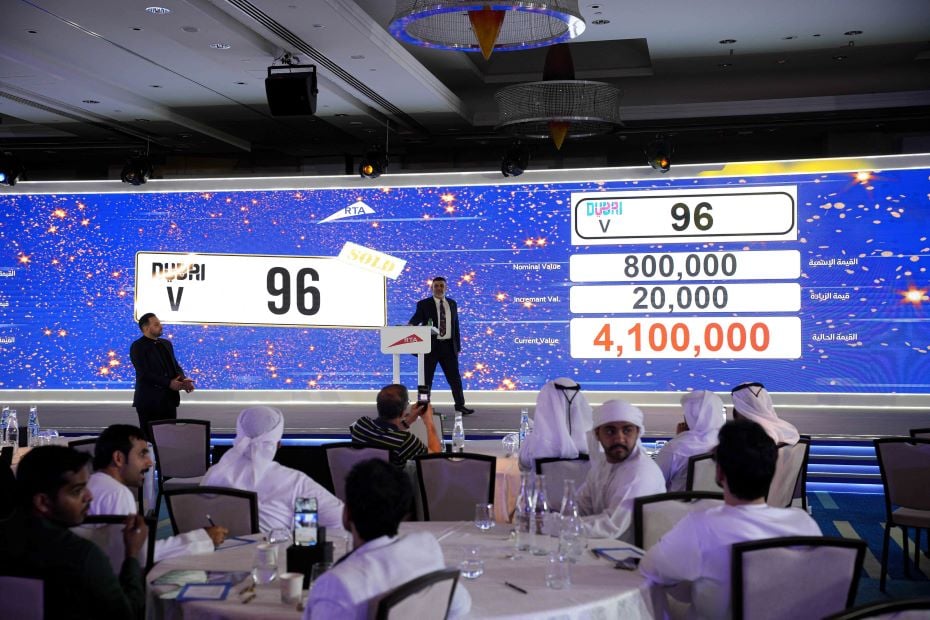
A recent auction for premium vehicle number plates in Dubai has attracted significant attention, culminating in a remarkable total of Dhs69.1 million in bids. The event, which marks the 116th edition of this popular auction, featured a collection of 90 exclusive plates, appealing to collectors and automobile enthusiasts alike. The plates ranged from two to five-digit combinations, showcasing a variety of unique and desirable options for bidders.

The Dubai Roads and Transport Authority (RTA) organized the auction, emphasizing its ongoing commitment to providing a platform for individuals to acquire distinctive vehicle registration numbers. The auction attracted a diverse group of participants, from seasoned collectors to first-time bidders, all vying for the chance to own these sought-after plates.

Notably, plate number “55” emerged as the highest-selling item, fetching Dhs10.1 million, underscoring the continued popularity and value of unique registration numbers in the emirate. Other notable sales included the plate “21,” which sold for Dhs8.5 million, and the plate “3,” purchased for Dhs8 million. These figures highlight the competitive nature of the bidding process, where individuals are willing to invest substantial sums for a coveted piece of identity on their vehicles.

The auction not only reflects the financial investment involved but also symbolizes the status associated with owning a unique plate number in Dubai’s luxury market. Plates with fewer digits are often perceived as more prestigious, leading to higher bids as participants seek to showcase their wealth and exclusivity.

The success of this auction is part of a broader trend within the region, where personalized vehicle registration numbers have become increasingly popular. Collectors often see these plates as both status symbols and investment opportunities, with many expecting their values to appreciate over time. This trend aligns with the luxurious lifestyle that many residents of Dubai embody, where unique possessions are a reflection of personal branding and social standing.

As Dubai continues to develop as a global hub for luxury goods and experiences, the demand for premium registration plates is expected to grow. The RTA has responded to this trend by regularly organizing auctions, providing a consistent opportunity for buyers to engage in this unique market. The authority’s efforts also include enhancing the overall experience for bidders, ensuring that each auction event is well-organized and transparent.

The vibrant atmosphere of the auction attracted media coverage, drawing in spectators who were eager to witness the bidding frenzy. Live updates and commentary provided a dynamic backdrop to the proceedings, heightening the excitement as bids escalated in real time. The combination of a lively audience and enthusiastic bidders created an electric environment that showcased the allure of premium plates.

The auction also serves as a reminder of Dubai’s position as a leading destination for luxury and extravagance. With an ever-expanding population of affluent residents and a growing number of international visitors, the demand for premium vehicle registration plates is likely to continue its upward trajectory. This market segment reflects the city’s broader economic landscape, characterized by opulence and a penchant for unique personal expression.

As the bidding wars unfolded, the auction featured a mix of familiar faces and newcomers eager to make their mark in the world of premium plates. Some participants shared their motivations for bidding, expressing a passion for collecting unique registration numbers while others highlighted the importance of these plates as investment assets.

The influence of social media cannot be overlooked in shaping perceptions around premium plates. Many bidders leverage platforms to showcase their new acquisitions, turning these plates into symbols of success that are often shared within their networks. This trend not only fuels competition but also raises awareness about the auction events, attracting a wider audience and increasing participation.

Looking ahead, the RTA plans to continue hosting such auctions, with the potential for expanding the offerings to include even more exclusive items. Participants are eager to see what unique combinations will be available in future events, and the authority is committed to maintaining high standards in both the quality of the plates offered and the overall auction experience.

Advertisements

DP World is moving forward with a $1.3 billion investment in its London Gateway port, reaffirming its commitment to one of the United Kingdom’s most significant infrastructure projects. This announcement from the British government comes after concerns emerged that the UAE-based logistics giant had put the project on hold following public criticism of its subsidiary, P&O Ferries. The government’s confirmation of the investment marks a significant win for the UK as it continues to court global investors, particularly ahead of a key business conference in the coming days.

Last week, speculation surfaced that DP World had paused the expansion in response to comments made by two ministers, who condemned the handling of layoffs at P&O Ferries. The subsidiary had attracted widespread criticism in 2022 when it abruptly fired 800 workers and replaced them with cheaper agency labor. The backlash sparked intense scrutiny of the company, with government officials calling the layoffs “shameful” and questioning DP World’s role in overseeing such practices. However, the firm’s decision to proceed with the London Gateway investment suggests that the tensions have not derailed its long-term infrastructure ambitions in the UK.

DP World, which operates ports, terminals, and logistics hubs worldwide, sees London Gateway as a key part of its global strategy. The expansion is expected to boost the capacity of the UK’s busiest deep-sea container port, enhancing its ability to handle larger vessels and more cargo. London Gateway, strategically located on the Thames Estuary, serves as a major logistics hub connecting Britain to global trade routes. The additional investment will fund the construction of a fourth berth at the port, along with supporting infrastructure to improve efficiency and sustainability.

The port’s expansion is not only a significant development for the UK’s maritime sector but also a reflection of DP World’s growing footprint in Europe. Since acquiring P&O Ferries and establishing a presence in the UK, the company has been a major player in the nation’s logistics network. Its London Gateway terminal already handles millions of containers annually, and the latest investment will further increase capacity, helping to meet growing demand for international trade.

The timing of DP World’s decision to move forward is critical. The UK government has been keen to secure high-profile investments as it seeks to rebuild investor confidence following a series of economic challenges. A number of global companies had expressed concerns about the country’s post-Brexit trade environment, and the British government is eager to demonstrate that the UK remains an attractive destination for foreign capital. The upcoming Global Investment Summit, where international investors are expected to gather, will likely be framed around the message that Britain is open for business. DP World’s continued commitment to the London Gateway project is expected to serve as a highlight of that narrative.

However, while the project’s progress is a positive signal, the controversy surrounding P&O Ferries has not entirely dissipated. The government’s reaction to the layoff scandal has been under scrutiny, with some critics accusing officials of not doing enough to hold DP World accountable for its subsidiary’s actions. There were calls for the government to review DP World’s involvement in UK ports, particularly given the outcry over P&O Ferries’ labor practices. The company’s decision to move forward with the London Gateway investment, despite the tensions, suggests a pragmatic approach by both sides, focusing on economic interests rather than dwelling on past conflicts.

The expansion of the port also aligns with broader trends in the shipping and logistics industry. Global supply chains have faced unprecedented disruptions in recent years, from the COVID-19 pandemic to geopolitical tensions and environmental concerns. As a result, ports and logistics companies worldwide are looking to increase capacity and resilience. London Gateway’s expansion is a clear example of this trend, with DP World investing heavily to future-proof its operations in the UK.

The project is also expected to create hundreds of new jobs, both during construction and in the long term. As a major employer in the region, DP World has committed to working with local communities and the British government to ensure that the benefits of the investment are widely felt. This is particularly important in the context of the ongoing debates over labor rights and corporate responsibility, which have been central to the P&O Ferries controversy.

From a financial perspective, the $1.3 billion investment is a testament to DP World’s confidence in the UK market. Despite the challenges of Brexit and economic uncertainty, the company clearly views the country as a vital hub for its global operations. The expansion of London Gateway is expected to further strengthen the UK’s position as a leading player in international trade, with the port set to handle even greater volumes of cargo in the coming years.

Damac Group, a Dubai-based conglomerate with diverse ventures in real estate and digital infrastructure, has unveiled plans to inject $1 billion into developing data centers in Thailand. This ambitious move, led by Damac’s subsidiary Edgnex Data Centers, is part of a strategic push to tap into the booming data-driven economy in the Asia-Pacific region. The project will be executed through a joint venture with Thailand’s Proen Corp, with Edgnex holding a majority stake in the partnership.

Thailand has emerged as a pivotal hub in the global data center market, driven by rapid digital transformation across sectors. The country’s ongoing initiatives in smart city development, big data analytics, and the Internet of Things (IoT) integration make it an attractive destination for investment. With the demand for data storage and processing growing exponentially, Edgnex’s investment aligns with the broader regional trends aimed at enhancing digital infrastructure.

The first phase of Edgnex’s investment will focus on constructing a state-of-the-art Tier 3 colocation facility in Bangkok’s Rama 9 Central Business District. Covering over 19,000 square meters, the facility is expected to be operational by 2026. This location offers excellent connectivity, sitting in proximity to key economic hubs like Thailand’s Stock Exchange and an international data center, ensuring that the new facility will meet both local and international data service needs. This project will commence with a 10MW output in the first building, with a second building adding another 10MW in the future.

Thailand’s growing data center market is projected to expand significantly in the coming years, largely fueled by the country’s focus on digital innovation. As businesses increasingly shift towards cloud computing, artificial intelligence, and blockchain technologies, the need for reliable and scalable data infrastructure has become more pronounced. Edgnex’s investment aims to meet this escalating demand while bolstering Thailand’s position as a key player in the global digital economy.

Hussain Sajwani, the founder and chairman of Damac Group, highlighted the strategic importance of this move. He pointed to the increasing need for robust digital infrastructure to support Thailand’s ambitious technological goals. As part of the broader APAC strategy, Edgnex’s projects are designed to foster economic competitiveness while also enhancing the quality of digital services available in the region.

In addition to its ventures in Thailand, Edgnex has also been expanding its footprint across the Asia-Pacific region, including the development of a data center in Jakarta, Indonesia. This multi-country approach underscores Damac Group’s commitment to building next-generation digital infrastructure that will power the future of data-driven economies.

While Proen Corp will play a key role in managing operations locally, Edgnex will oversee the strategic direction, leveraging its experience in constructing world-class data centers. The joint venture is expected to create substantial economic benefits for Thailand, including job creation and the facilitation of technology-driven business opportunities.

Damac’s venture in Thailand is part of a larger global trend of heightened investment in data centers, especially as companies and governments alike recognize the critical role digital infrastructure plays in future economic growth. With Asia-Pacific markets experiencing rapid technological advancements, investments such as these are vital to support the digital transformation efforts of businesses and governments.

As global data consumption rises exponentially, particularly driven by innovations in artificial intelligence, machine learning, and 5G networks, the role of data centers in managing and securing this data becomes ever more critical. Thailand, positioned at the intersection of these technological trends, stands to gain significantly from these developments, and Edgnex’s investment is expected to be a key driver of this growth.

Goldman Sachs has revised its projection for China’s 2024 economic growth, raising the country’s GDP forecast to 4.9%, signaling renewed confidence in Beijing’s economic recovery efforts. The investment bank’s upward revision stems from several factors, including stronger-than-expected data on industrial output and increased consumer spending, coupled with the effects of more targeted policy support. These adjustments suggest that Chinese authorities are focusing on stabilizing the economy through both fiscal measures and monetary easing.

China’s economic performance in 2023 faced significant hurdles, particularly due to sluggish consumer demand following the lifting of strict pandemic-related restrictions, and a property sector in turmoil. However, signs of stabilization have emerged, leading global financial institutions, including Goldman Sachs, to reassess their outlook on the world’s second-largest economy.

The Chinese government’s approach to managing the country’s growth has evolved, reflecting a shift from aggressive pandemic-era fiscal policies toward more measured economic interventions. Goldman Sachs noted that China’s leadership has implemented strategies aimed at striking a balance between economic stimulus and long-term sustainability. This shift has helped calm investor concerns about structural issues, particularly in real estate, while stimulating sectors such as manufacturing and technology.

The revised forecast aligns with other optimistic assessments, suggesting that China is poised to achieve moderate yet sustainable growth in 2024. Goldman Sachs’ economists highlighted that China’s renewed focus on infrastructure spending, along with a gradual recovery in the property market, are likely to support the nation’s GDP growth trajectory. Additionally, the bank predicts that consumer confidence will continue to rebound, boosted by government initiatives aimed at alleviating unemployment and expanding credit availability.

Analysts also emphasize the role of China’s exports, which have benefitted from the relative strength of global demand, particularly in sectors such as electronics and machinery. While geopolitical tensions, including trade relations with the U.S., remain a potential risk, the bank noted that China’s diverse manufacturing base and strategic partnerships with emerging markets will continue to bolster its economic resilience.

However, challenges persist, particularly within the property sector. Although authorities have taken steps to stabilize the real estate market, the sector remains fragile due to high levels of debt among property developers and continued concerns about housing affordability. Goldman Sachs pointed out that resolving these issues will be critical to maintaining the momentum of China’s broader economic recovery.

By Dr. Gyan Pathak In a countermove to INDIA bloc’s caste census promise, the ruling Mahayuti in Maharashtra taking clue form BJP’s gain in Haryana has decided to take the OBC politics in the state to a new level on the eve of Vidhan Sabha elections likely to be announced soon. How much this decision […]
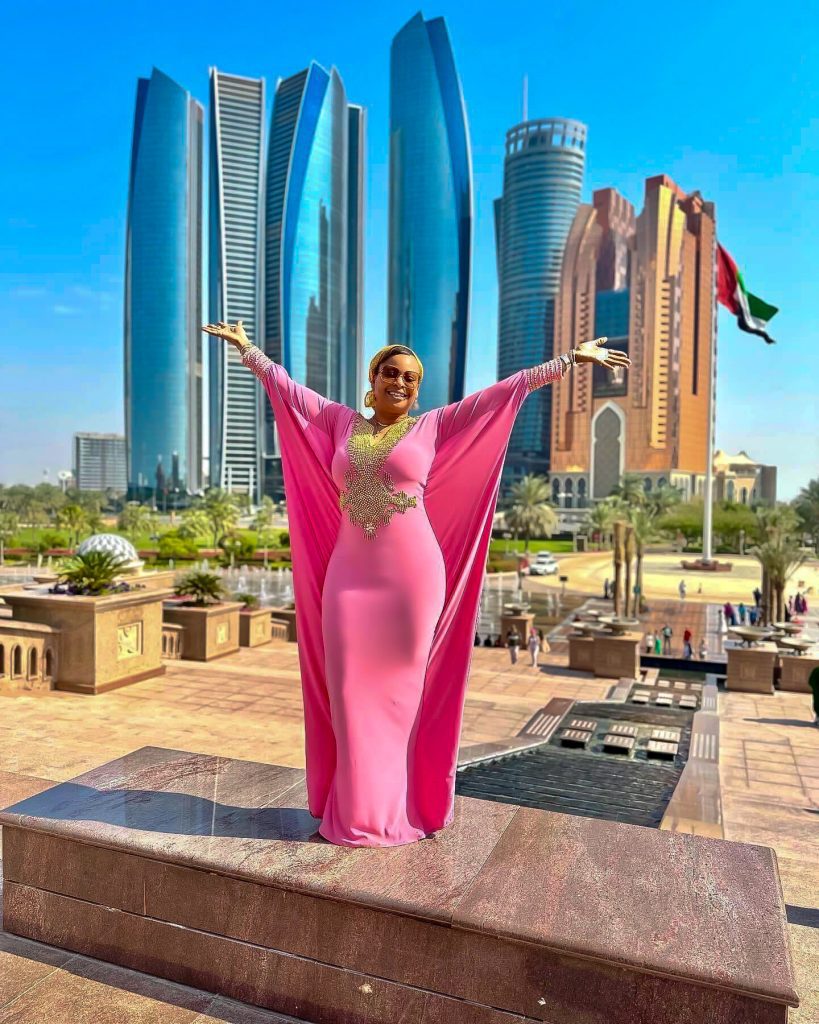

Dubai’s reputation as a global hub for blockchain innovation solidified further as industry leaders from across the globe gathered for the Future Blockchain Summit 2024. The summit, which runs from October 13 to 16 at Dubai Harbour, features cutting-edge discussions and presentations from experts in blockchain, crypto, NFTs, Web 3.0, and more, signaling a key moment in the advancement of the digital economy.

The Future Blockchain Summit, now in its sixth edition, has evolved into a premier platform for fostering collaborations between governments, enterprises, and startups. It continues to align with Dubai’s ambitious blockchain and digital transformation goals. The event promises to showcase transformative technologies that could redefine financial services, supply chains, healthcare, and governance.

Key highlights of the 2024 edition include insights from a diverse array of speakers, including thought leaders from both the public and private sectors. Major players in the blockchain space, such as Ethereum co-founder Vitalik Buterin and representatives from global blockchain firms, are expected to provide critical analysis on the evolution of decentralized systems, and the road ahead for mainstream blockchain adoption.

Dubai’s focus on blockchain technology is part of a broader strategic vision that began with the Dubai Blockchain Strategy and the Emirates Blockchain Strategy. This framework aims to digitize key government services using blockchain by 2025. The event’s organizers have highlighted the importance of this convergence, noting how governments and enterprises worldwide are increasingly exploring the potential of blockchain to drive efficiency, transparency, and trust in digital transactions.

This year’s summit emphasizes the practical applications of blockchain and its ability to disrupt industries beyond cryptocurrency. With the integration of NFTs, the Metaverse, and Web 3.0 technologies into the mainstream, blockchain is being recognized for its broader implications. During the summit, new solutions and case studies will be shared, shedding light on how blockchain can facilitate digital ownership, secure identity management, and more transparent business operations.

Beyond the focus on blockchain applications, the summit is expected to stimulate dialogue on regulation and sustainability. Policymakers and regulators are anticipated to discuss the creation of balanced frameworks that encourage innovation while ensuring the safety of participants in the digital space. Dubai, in particular, has been a key player in fostering a progressive regulatory environment that has attracted blockchain firms from around the globe.

Among the prominent names attending the event are representatives from DMCC (Dubai Multi Commodities Centre), a key participant in the event. DMCC has been instrumental in supporting blockchain enterprises through its crypto center and blockchain-related initiatives, further solidifying Dubai’s status as a hub for blockchain businesses. DMCC’s representatives will present their insights at the summit, discussing how the organization supports blockchain development within its award-winning free zone community.

The summit also offers opportunities for startups, with several exhibitions and networking events designed to connect emerging firms with potential investors. Several blockchain startups are expected to showcase their innovations, with a particular focus on solving industry-specific challenges through decentralized technologies.

This year, Dubai aims to further its vision as a “Smart City” by emphasizing the integration of blockchain into smart infrastructure projects. These initiatives aim to streamline everything from real estate transactions to cross-border payments. The event underscores how blockchain can enhance operational efficiency, promote transparency in government processes, and provide secure, tamper-proof records.

Notable discussions on the agenda include the future of decentralized finance (DeFi), which is gaining traction as a legitimate alternative to traditional banking. DeFi uses blockchain to eliminate intermediaries in financial transactions, potentially lowering costs and improving access to banking services in underserved markets. Additionally, the summit will explore the impact of blockchain on sustainable practices, particularly in the energy sector.

Dubai’s strategic importance in the global blockchain community is reflected in its hosting of this key event. As the blockchain industry continues to expand, the city is positioning itself as a leader in shaping the future of digital assets and decentralized technologies. The Future Blockchain Summit 2024 is expected to serve as a catalyst for further growth and collaboration within the blockchain ecosystem, helping to propel the technology toward mainstream adoption across industries.

Jamaica, known for its stunning landscapes, crystal-clear beaches, and vibrant culture, offers travelers a range of luxurious hotels that perfectly complement the island’s allure. From private beachfront villas to hilltop retreats, these hotels offer diverse experiences, blending modern comfort with local flavor. One of the standout choices is The Cliff Hotel, located on Negril’s famous cliffs. With breathtaking ocean views and a serene atmosphere, the hotel combines […]

A cryptocurrency whale has reportedly lost $55 million to a phishing scam, underscoring the ongoing vulnerabilities in the decentralized finance (DeFi) space. The incident, which took place in August, involved the unsuspecting crypto holder signing an unverified transaction that transferred ownership of their funds to a malicious address. The attackers quickly moved the assets, exchanging stablecoins for Ether, in a well-coordinated cyber theft.

Blockchain security firms have highlighted the increasing sophistication of phishing tactics targeting digital asset holders. These attacks, often disguised as legitimate transaction prompts, trick victims into surrendering control of their crypto wallets. This case is a stark reminder for users to remain vigilant, double-check transaction requests, and refrain from signing unknown contracts.

SHANGHAI, CHINA – Media OutReach Newswire – 12 October 2024 – China-based esports tournament organizer VSPO announced that it has appointed a new CEO and has engaged in an “international brand alignment,” renaming itself to “Hero Esports.” Danny Tang, co-founder and current CFO, will become the company’s new CEO, with the mission of expanding the company’s “operations and driving international growth.” Dino Ying, Founder and CEO of […]

By Nitya Chakraborty The U.S. Presidential elections on November 5 have assumed unusual significance in the shaping up of the future of Bangladesh which is presently ruled by an interim government headed by the Nobel Laureate Dr. Muhammad Yunus. In the last two weeks, hectic activities were on in both Dhaka as well as in […]

Advanced research into Earth’s magnetic field has enabled scientists to create a sound representation of the Laschamp Event, a significant geomagnetic reversal that occurred approximately 41,000 years ago. This groundbreaking work utilizes data collected by the European Space Agency’s Swarm mission, which employs three satellites to study the complexities of Earth’s magnetic environment. By converting this magnetic data into sound, researchers have offered a new auditory perspective on past geomagnetic events, enhancing our understanding of planetary processes.

The Laschamp Event is particularly notable due to its implications for the stability of Earth’s magnetic field. During this period, the magnetic field weakened significantly, which could have exposed the planet to increased levels of cosmic radiation. This weakening was accompanied by a rapid flip of the magnetic poles, a phenomenon that has piqued the interest of geophysicists and environmental scientists alike. The sound visualization project, spearheaded by a team of researchers, is seen as a novel approach to studying these complex events.

Dr. Romain L. Garret, one of the leading researchers involved in the sound mapping project, explained that the sounds created from the magnetic data capture the fluctuations in the magnetic field during the Laschamp Event. These sounds not only provide a unique listening experience but also serve as an effective tool for understanding the dynamics of geomagnetic reversals. The integration of auditory and scientific data bridges the gap between abstract scientific concepts and public understanding, enabling a more profound appreciation of Earth’s magnetic history.

The Swarm mission, launched in 2013, consists of three satellites working in tandem to gather data on the Earth’s magnetic field with unprecedented precision. The mission’s objectives include monitoring variations in magnetic intensity, mapping the gravitational field, and understanding the effects of magnetic forces on the planet’s climate and environment. The rich dataset produced by Swarm has opened new avenues for scientific inquiry, particularly in the fields of geology and climatology.

Through careful analysis of the data, researchers were able to pinpoint specific moments during the Laschamp Event when significant shifts occurred. This data was transformed into a soundscape that reflects the magnetic fluctuations over time. By listening to these sound waves, scientists and the public alike can grasp the magnitude of these changes in a more visceral manner, translating complex geophysical phenomena into an engaging auditory experience.

In addition to enhancing public engagement with scientific research, this sound mapping effort also has implications for ongoing studies related to current and future geomagnetic shifts. Understanding past magnetic reversals, such as the Laschamp Event, allows scientists to develop predictive models that may shed light on the behavior of Earth’s magnetic field today and in the future. These models are crucial for anticipating the potential impacts of geomagnetic changes, which could affect satellite operations, navigation systems, and even power grids.

Research indicates that geomagnetic reversals, while rare, can have profound effects on life on Earth. The last major reversal, the Brunhes-Matuyama transition, occurred approximately 780,000 years ago. Scientists have posited that as the magnetic field weakens, it may provide an opportunity for more solar radiation to penetrate the atmosphere, potentially affecting climate patterns and biological processes.

As the Swarm mission continues to gather data, the potential for further discoveries remains high. The ongoing analysis of Earth’s magnetic field not only aids in understanding our planet’s past but also informs preparations for its future. With advancements in technology and interdisciplinary research efforts, scientists are uncovering new insights into the interactions between the Earth’s magnetic field and various geological processes.

The sound visualization of the Laschamp Event represents a pivotal moment in Earth sciences, as it illustrates the power of innovative methodologies in presenting scientific findings. By transforming magnetic data into sound, researchers are fostering a more inclusive dialogue between the scientific community and the general public, demystifying complex scientific processes. This approach exemplifies how art and science can intersect, creating new pathways for education and engagement.

The visualization project also highlights the collaborative efforts required in modern scientific research. Teams comprising geophysicists, sound engineers, and educators worked together to develop this unique soundscape, demonstrating the benefits of interdisciplinary collaboration in advancing scientific understanding. By fostering partnerships across various fields, researchers can tackle complex questions about Earth’s past and present with a multifaceted approach.

Crown Prince Mohammed bin Salman will not participate in the upcoming BRICS summit scheduled for October 17-19 in Moscow. This decision marks a significant diplomatic moment, as Saudi Arabia engages in a complex geopolitical landscape that includes balancing relationships with both Western nations and emerging economies in the Global South. The absence of the Crown Prince at such a high-profile gathering raises questions about the Kingdom’s strategy […]

OKX, one of the leading global cryptocurrency exchanges, has officially launched its services in Dubai, marking a significant development in the emirate’s burgeoning digital asset market. The exchange’s entry into this region is seen as a strategic move to enhance its presence in the Middle East and cater to the growing demand for cryptocurrency trading. This initiative aligns with Dubai’s ambitions to become a global hub for fintech and blockchain technologies.

The newly launched exchange offers a comprehensive suite of services, including spot and derivatives trading, which allows users to trade a variety of cryptocurrencies, including Bitcoin, Ethereum, and a wide range of altcoins. As part of its commitment to user security and regulatory compliance, OKX has implemented robust security measures and enhanced verification processes tailored to meet local regulatory requirements. This move is expected to bolster user confidence and attract a broader user base in the region.

Dubai has emerged as a favorable environment for cryptocurrency enterprises due to its progressive regulatory framework and government support for blockchain innovation. The Dubai Multi Commodities Centre (DMCC), which has developed a dedicated Crypto Centre, has been instrumental in creating an ecosystem conducive to crypto businesses. With the establishment of its exchange, OKX aims to capitalize on this supportive infrastructure and the increasing interest in digital assets among retail and institutional investors.

Industry analysts view the entrance of OKX into Dubai as a game-changer in the local cryptocurrency landscape. The exchange’s global reputation and extensive experience in the digital asset space position it well to compete with other established platforms. According to recent reports, the demand for cryptocurrency trading in the Middle East has surged, driven by a youthful population eager to explore investment opportunities in digital currencies. OKX’s offerings are expected to cater to this demographic while also attracting seasoned traders looking for a reliable and feature-rich trading platform.

OKX is committed to educational initiatives aimed at fostering a better understanding of cryptocurrencies and blockchain technology among potential users. The exchange plans to launch various educational programs, webinars, and workshops designed to equip users with the knowledge and skills necessary for safe and effective trading. This focus on education is part of a broader strategy to demystify cryptocurrencies and encourage responsible investment practices.

In addition to its trading services, OKX aims to offer a suite of advanced trading tools and features, such as algorithmic trading, margin trading, and staking options. These tools are designed to enhance the trading experience and provide users with various ways to maximize their investments. As the cryptocurrency market evolves, the introduction of such features will likely attract a diverse range of traders, from novices to experienced investors.

Competition in the UAE’s cryptocurrency market is heating up, with several exchanges vying for market share. Binance, FTX, and BitOasis are among the other prominent players that have established a presence in the region. Each platform offers unique features and services, creating a dynamic landscape for cryptocurrency trading. The entry of OKX is expected to intensify this competition, leading to better services and lower fees for users, which will ultimately benefit the growing number of investors in the region.

As digital currencies gain acceptance and regulatory frameworks evolve, the potential for further growth in the Middle East’s cryptocurrency market is immense. The UAE government has been proactive in establishing a regulatory framework that encourages innovation while ensuring investor protection. The recent introduction of the Financial Services Regulatory Authority (FSRA) regulations reflects this approach, providing clarity and guidelines for cryptocurrency operators. OKX’s adherence to these regulations signals its commitment to compliance and operational integrity.

Looking ahead, the future of cryptocurrency trading in Dubai appears promising. With the launch of its exchange, OKX aims to not only facilitate trading but also contribute to the broader fintech ecosystem in the region. The exchange is exploring partnerships with local businesses and financial institutions to enhance its service offerings and foster a collaborative environment for crypto innovation.

The exchange is leveraging Dubai’s strategic location as a gateway to other markets in the Gulf Cooperation Council (GCC) and beyond. By positioning itself in Dubai, OKX is strategically placed to attract users from neighboring countries, tapping into a larger pool of potential customers eager to explore the benefits of cryptocurrency trading.

Growing interest in Dubai as a premier destination for high-net-worth individuals is intensifying discussions about the potential implementation of departure taxes on those leaving high-tax jurisdictions. This trend is primarily driven by a surge of wealthy expatriates relocating to Dubai to benefit from its tax-friendly environment, which boasts zero personal income tax, minimal corporate tax, and a lifestyle that attracts affluent individuals and families seeking an appealing alternative to more heavily taxed countries.

The UAE has established itself as a hub for international business and luxury living, drawing in millionaires from around the globe, particularly from Europe and North America. Factors contributing to this migration include favorable tax policies, a robust economy, and an attractive quality of life characterized by luxury amenities, safety, and a multicultural environment. The influx of wealth has raised concerns among governments in higher-tax regions, leading to discussions on implementing exit taxes for those leaving their jurisdictions for more favorable tax climates.

High-profile figures and successful entrepreneurs are among those choosing to relocate to Dubai. The UAE government has made concerted efforts to attract global talent, introducing initiatives such as the Golden Visa program, which grants long-term residency to investors, entrepreneurs, and skilled professionals. This program has proven particularly enticing for individuals seeking stability and security, as it allows them to reside in a tax-efficient environment while retaining their wealth.

Reports indicate that countries like the United Kingdom and France are contemplating implementing exit taxes to mitigate the loss of revenue associated with wealthy individuals relocating abroad. The UK, in particular, is facing increasing pressure to address its fiscal policies in light of the exodus of high-income earners. Notable figures in finance, entertainment, and technology have made headlines for their decision to move to Dubai, sparking discussions among policymakers about potential strategies to retain their tax base.

The implications of departure taxes could be significant. Governments may argue that such levies are necessary to safeguard public finances, ensuring that wealthy individuals contribute fairly to the welfare of their home countries. However, critics contend that these measures may inadvertently drive further migration, leading to a brain drain and exacerbating the very issues they aim to address.

Emerging trends in global taxation are also influencing this landscape. With the rise of digital nomadism and remote work, affluent individuals are increasingly seeking jurisdictions that provide a favorable tax regime and quality of life. Countries like Portugal and Malta have already implemented schemes targeting digital nomads, while Dubai continues to enhance its appeal through initiatives aimed at attracting tech-savvy professionals.

As the debate over departure taxes intensifies, Dubai’s allure as a tax haven will likely continue to grow. The city’s reputation as a destination for the wealthy is reinforced by its thriving economy, which has shown resilience in the face of global challenges, including the COVID-19 pandemic. The UAE’s diversified economy, characterized by sectors such as tourism, real estate, and technology, positions it as a robust alternative for high-net-worth individuals looking for new opportunities.

Experts suggest that as more millionaires flock to Dubai, local authorities may need to adapt their strategies to accommodate the influx while maintaining the city’s appeal as a desirable place to live and work. This could involve creating an environment that balances the needs of the wealthy with the broader interests of society, ensuring that the benefits of this migration extend beyond the elite.

The notion of departure taxes has sparked a broader conversation about wealth distribution and social equity. Policymakers are grappling with how to address the growing disparity between wealthy individuals who can relocate to tax-friendly jurisdictions and those who remain in high-tax areas. The challenge lies in creating a tax system that is both fair and conducive to economic growth, without alienating the very individuals it aims to tax.

As Dubai cements its status as a global magnet for wealth, the city is expected to play a pivotal role in shaping the future of international taxation. The dynamics of wealth migration are complex and multifaceted, driven by a confluence of factors ranging from fiscal policies to lifestyle preferences. The growing trend of millionaires relocating to Dubai is a testament to the city’s ability to adapt and thrive in an increasingly competitive global landscape.

Local businesses are reaping the rewards of this influx, with the luxury goods and services sectors experiencing significant growth. High-end real estate markets are booming, fueled by demand from affluent expatriates looking to invest in properties that reflect their newfound status. The impact on the local economy is palpable, as increased consumer spending by wealthy individuals bolsters various sectors, from hospitality to retail.

Dubai Silicon Oasis (DSO) has garnered the prestigious title of “Middle East Free Zone of the Year” at the Global Free Zones of the Year 2024 Awards, hosted by the Financial Times’ fDi Intelligence. This recognition underscores DSO’s commitment to fostering innovation and entrepreneurship within the region’s economic landscape. The accolade highlights DSO’s strategic initiatives aimed at enhancing the free zone’s competitiveness, infrastructure, and service offerings, positioning it as a premier hub for technology and innovation.

Established in 2006, Dubai Silicon Oasis serves as a Special Economic Zone (SEZ) that focuses on attracting technology-based companies and supporting innovative businesses. It is one of five Urban Zones identified within Dubai’s 2040 Urban Master Plan, reflecting the emirate’s vision to transform into a global center for knowledge and innovation. DSO’s robust framework facilitates the growth of start-ups and established companies alike, offering a conducive environment for research, development, and collaboration.

Key to DSO’s success is its state-of-the-art infrastructure, which includes a mix of residential, commercial, and educational facilities. The free zone boasts advanced telecommunications and technology systems, making it an attractive destination for businesses seeking to establish a presence in the UAE. Moreover, DSO provides a variety of incentives for companies, including tax exemptions, 100% foreign ownership, and full repatriation of profits, which are critical in attracting international firms.

The recent award signifies DSO’s proactive approach to evolving with industry demands. The zone has embraced innovative practices, such as implementing smart city technologies and promoting sustainability initiatives, which resonate with global trends in urban development. DSO has introduced initiatives aimed at integrating artificial intelligence and smart solutions within its operational framework, thereby enhancing the overall efficiency and competitiveness of businesses operating within its premises.

One of the key factors contributing to DSO’s recognition is its extensive support for start-ups and entrepreneurs through initiatives like the Dubai Technology Entrepreneur Campus (DTEC). DTEC serves as an incubator for technology-focused businesses, providing mentorship, networking opportunities, and access to funding. The center plays a pivotal role in nurturing local talent and encouraging innovation, positioning Dubai as a prominent player in the global technology ecosystem.

DSO actively collaborates with academic institutions and research centers to drive innovation. This partnership model ensures that businesses have access to cutting-edge research and development resources, further enhancing the zone’s appeal. The synergy between industry and academia fosters a vibrant ecosystem that encourages knowledge sharing and innovation.

DSO’s commitment to sustainability is also noteworthy. The free zone has launched several initiatives aimed at reducing its carbon footprint and promoting green practices among its tenants. This focus on sustainability not only aligns with global environmental goals but also attracts businesses that prioritize corporate social responsibility.

The recognition from fDi Intelligence is expected to further bolster DSO’s reputation as a leading free zone in the region. This accolade will likely enhance its attractiveness to foreign investors and companies looking to tap into the lucrative Middle Eastern market. As the UAE continues to position itself as a hub for technology and innovation, DSO is poised to play a critical role in shaping the future of the region’s economy.

In addition to attracting international businesses, DSO is focused on fostering a diverse and inclusive workplace culture. This approach has contributed to its reputation as an employer of choice among skilled professionals. The free zone’s commitment to diversity not only enriches its work environment but also drives creativity and innovation among its workforce.

As the competitive landscape among free zones intensifies, DSO’s ability to adapt to changing market conditions and embrace new technologies will be crucial. The ongoing investment in infrastructure and services indicates that DSO is well-positioned to maintain its leadership in the innovation sector. The zone’s emphasis on continuous improvement and customer-centric services ensures that it remains responsive to the needs of businesses.

DSO’s strategic location in Dubai enhances its accessibility to global markets, facilitating trade and collaboration. The free zone’s proximity to major transport hubs and its integration with Dubai’s extensive logistics network make it an ideal base for companies seeking to expand their reach.

Collaborative efforts between Veolia Energia Poznan and hosting provider Beyond.pl have launched a groundbreaking project aimed at recycling waste heat generated from data centers in Poznan, Poland. This partnership, marked by a signed letter of intent, seeks to channel thermal energy produced by Beyond.pl’s facilities into the city’s district heating network, effectively providing low-emission heating for local residents.

The initiative focuses on recovering heat from servers in Beyond.pl’s data centers, especially those powered by high-performance, AI-driven computing systems. It will incorporate advanced waste heat recovery technology utilizing industrial-grade heat pumps alongside high-density servers, facilitating the distribution of thermal energy suitable for integration into the district heating system. This innovative setup is projected to deliver thermal energy with a capacity of around 30 megawatts, primarily serving the southeastern area of Poznan.

Significantly, this project aims to reduce the city’s carbon footprint, with estimates indicating a potential decrease of approximately 52,500 tons of CO2 emissions annually and a reduction in water usage by around 76,500 cubic meters. By replacing fossil fuel sources with this waste heat, the initiative enhances energy security and sustainability for Poznan and its surroundings.

Luiz Hanania, CEO of Veolia Group in Poland, highlighted the alignment of this project with their GreenUp strategy, designed to promote decarbonization and improve quality of life through sustainable solutions. This approach underscores the company’s commitment to utilizing waste heat as a renewable energy resource, which contributes significantly to increasing the low-emission heating options in Poznan’s energy mix.

Beyond.pl, recognized as a leader in sustainable practices within the data center industry, has established its reputation by operating its facilities entirely on renewable energy. The data center located at Poznan’s campus, operational since 2016, has already been recycling waste heat for its office and logistics spaces, making this city-wide initiative a natural progression of its existing sustainability efforts.

BlackRock has achieved a milestone with its assets under management (AUM) surpassing $11.5 trillion, reflecting robust growth for the third consecutive quarter in 2024. This impressive increase can be attributed to significant inflows into the company’s exchange-traded funds (ETFs) and strategic acquisitions, notably the $12.5 billion acquisition of Global Infrastructure Partners. The surge in AUM is indicative of a broader trend in the investment management industry, where […]

The Federal High Court in Abuja has denied bail to Tigran Gambaryan, a senior executive at Binance Holdings, citing insufficient justification for his release despite health issues. Gambaryan has been in custody since February, facing allegations of money laundering and currency manipulation, with charges amounting to approximately $35.4 million. During a recent hearing, Gambaryan’s attorney, Mark Mordi, presented arguments claiming that his client was in “perilous” health […]

VISHNU RAJA
RYO YAMADA
HITORI GOTOH
IKUYO KITA