News related to
Arabia

Microsoft has announced that it will shut down its long-running Xbox Ambassadors program by mid-October, signaling a shift in its community engagement strategy. The program, which has been active for over 13 years, aimed to provide experienced Xbox gamers with a platform to assist others by answering support questions, hosting game sessions, and helping cultivate a positive gaming environment. In recognition of their efforts, Xbox Ambassadors received exclusive rewards and participated in special events.

The decision to discontinue the program aligns with Microsoft’s broader strategy of streamlining its community initiatives. The company cited changes in the gaming landscape and evolving needs of its global community as key reasons for this move. Over the years, the Ambassador program helped create a more inclusive and global gaming culture. However, Microsoft believes it is time to integrate the lessons and values from this initiative into other player engagement platforms like Xbox Fanfest, the Xbox Insider Program, and Xbox Rewards.

The closure of the Ambassadors program is scheduled for October 15, 2024. Ambassadors have until then to claim any remaining rewards, including redeeming codes, and the Xbox Ambassadors badge will receive a final legacy design. While the program is winding down, Microsoft will offer a series of special sweepstakes in its final weeks, providing members with one last opportunity to earn rewards.

Active participants in the current season of the program will receive a special “thank you” in the rewards section. Additionally, the Ambassador Champions program will transition into a new format, dubbed “Xbox Community Champions,” as part of this restructuring.

The Quad alliance, consisting of the United States, Japan, Australia, and India, solidified its growing significance as Prime Minister Narendra Modi emphasized India’s commitment to hosting the 2025 Quad Summit. Speaking at the Wilmington Summit, Modi underlined the alliance’s role in promoting stability and security in the Indo-Pacific region, while reaffirming that the grouping is not directed against any specific nation. This strategic partnership, formed in response to shared democratic values, continues to gain momentum amid evolving geopolitical tensions.

The Wilmington meeting marked a critical moment in the Quad’s development, furthering dialogue and cooperation between the four member states. Since its revival in 2021, the Quad has played a prominent role in fostering regional security, focusing on areas such as technological collaboration, climate action, and defense cooperation. Modi’s remarks highlighted India’s readiness to lead the next phase of the alliance, with preparations underway to host the 2025 summit.

As global challenges intensify, the Quad has emerged as a cornerstone of multilateral diplomacy in the Indo-Pacific. Modi pointed out the shared commitment to ensuring a free, open, and inclusive Indo-Pacific, with democratic principles at the core of the alliance. “The Quad is here to stay,” Modi stated, emphasizing that the grouping stands as a platform for collaborative solutions rather than a response to any particular nation or bloc. The assertion reflects the Quad’s non-confrontational approach, focusing instead on promoting collective security and economic prosperity across the region.

The Quad’s evolution since 2021 has been rapid, with member nations consistently expanding their areas of cooperation. Strategic experts have noted the alliance’s success in areas such as maritime security, with Quad navies conducting joint exercises aimed at improving interoperability. These exercises have not only bolstered defense capabilities but also demonstrated the alliance’s resolve to protect vital maritime routes, which are critical to global trade. With India poised to take on the next summit, expectations are high that the country will continue to push forward initiatives that reinforce regional security and economic growth.

The Wilmington Summit also underscored the importance of technology sharing and innovation. One of the key areas discussed was the development of resilient supply chains, particularly in the semiconductor industry, which has been under strain due to global shortages. The Quad countries are looking to collaborate on reducing dependency on specific nations for key technological inputs, enhancing supply chain diversification. Modi emphasized that the Indo-Pacific region, as a hub for technological development, could play a pivotal role in global supply chain stabilization. This effort reflects the Quad’s broader strategic aim of reducing vulnerabilities in critical industries while ensuring the equitable growth of emerging technologies.

The Quad’s expanding agenda now includes addressing climate change, a subject of critical importance for the Indo-Pacific, which is home to several vulnerable island nations. The Wilmington Summit reiterated the Quad’s commitment to reducing carbon emissions and promoting clean energy. Modi reinforced India’s role as a key player in the global climate conversation, showcasing the country’s strides in renewable energy development and its leadership in the International Solar Alliance. He noted that climate resilience would remain a core focus at the 2025 summit, as the Quad aims to balance economic growth with sustainable environmental practices.

While defense and economic issues dominated the Quad agenda, the alliance’s role in fostering people-to-people ties has not been overlooked. The Wilmington Summit highlighted educational exchanges and cultural collaborations between member states, reflecting the Quad’s broader ambition to strengthen ties beyond security and economics. By fostering a deeper understanding between citizens, the alliance seeks to build long-term partnerships that transcend geopolitical concerns. Modi’s vision for the 2025 summit includes a renewed focus on such exchanges, positioning India as a cultural and diplomatic bridge between the East and West.

Despite its progress, the Quad continues to face scrutiny, particularly from nations like China, which view the alliance as an attempt to contain their influence in the Indo-Pacific. However, Modi was quick to dispel this notion, stating that the Quad’s goals remain inclusive and transparent. The Quad’s diplomatic language has consistently emphasized collaboration over confrontation, seeking to engage with all nations willing to work toward a stable and prosperous region.

India’s growing role within the Quad has been noted by analysts, particularly in light of the country’s increasing influence in global economic and security forums. As the host of the 2025 summit, India is expected to leverage its diplomatic capabilities to further solidify the Quad’s position as a key player in the Indo-Pacific. Modi’s strategic vision includes strengthening defense ties with Quad members, while also expanding economic cooperation to address shared challenges such as trade imbalances and supply chain vulnerabilities.

The timing of India’s hosting of the 2025 Quad Summit is significant, as the Indo-Pacific continues to be a focal point for international diplomacy. Analysts have pointed out that India’s ability to navigate complex geopolitical dynamics will be crucial in ensuring the Quad’s continued success. With global powers vying for influence in the region, the Quad’s balanced and inclusive approach has positioned it as a diplomatic force for stability.

The Wilmington Summit also saw discussions on strengthening health security, with a focus on pandemic preparedness. The Quad’s efforts in distributing vaccines to Indo-Pacific nations have been well-received, showcasing the alliance’s capability to provide humanitarian assistance in times of crisis. Modi acknowledged the importance of continuing this collaboration, noting that health security would remain a priority in future Quad discussions. The pandemic’s impact on global health infrastructure has reinforced the need for multilateral approaches to address both current and future challenges, and the Quad is expected to play a vital role in these efforts moving forward.


SpaceX is under scrutiny for alleged safety violations during two launches in 2023, as the U.S. Federal Aviation Administration (FAA) has revealed. The company, led by Elon Musk, could face a fine of up to $630,000 due to failure to meet established launch safety requirements. The FAA disclosed that these violations occurred during two separate missions, raising concerns over adherence to regulatory standards governing commercial spaceflight.

The FAA’s enforcement proposal is based on findings that SpaceX committed three significant violations during its 2023 operations. These violations have prompted the agency to pursue a civil penalty amounting to $633,009, an amount calculated according to the civil penalty guidelines laid out by federal law. SpaceX has been given a 30-day period to respond to the FAA’s formal notice.

The first violation involves SpaceX’s failure to adhere to pre-flight safety protocols, which are designed to ensure that launch conditions are safe for both the crew and the public. The FAA stressed the importance of these protocols, emphasizing that any deviation from them poses potential risks to the mission’s success and to those involved in the launch process. This violation was reported to have occurred during a major satellite launch, which drew significant attention due to its payload and the complex nature of the mission.

The second violation occurred during another SpaceX mission later in 2023. This particular infraction concerned the post-launch safety measures, which are critical in preventing accidents that could arise from debris or malfunctions. The FAA’s findings indicate that SpaceX did not fully comply with the requirements for tracking and mitigating potential risks posed by falling rocket stages or debris that might threaten populated areas.

While SpaceX has been at the forefront of innovation in the space industry, the company has also drawn criticism for pushing the boundaries of regulatory frameworks. The FAA’s proposed fine underscores the tension between innovation and safety, especially as commercial space travel becomes increasingly accessible. SpaceX’s rapid cadence of launches has made it one of the most prolific players in the sector, but the FAA’s findings suggest that this speed may come at a cost to safety.

SpaceX has long been a critical partner in advancing U.S. spaceflight capabilities, working closely with NASA and private sector clients to deliver payloads to orbit and beyond. However, the 2023 violations point to a need for stricter compliance with federal safety regulations. Industry experts have highlighted that as the space industry expands, regulatory agencies such as the FAA must balance the need for innovation with stringent safety oversight to ensure that commercial spaceflight remains sustainable and safe for all stakeholders.

This is not the first time SpaceX has encountered challenges related to regulatory compliance. In previous years, the company faced investigations and scrutiny from federal agencies over various issues, including environmental concerns and noise complaints from communities near its launch sites. However, this proposed fine is one of the largest civil penalties the company has faced to date, signaling the FAA’s commitment to enforcing safety standards in the rapidly evolving commercial space sector.

Critics of SpaceX’s approach to launches argue that the company’s fast-paced operations may be contributing to oversight lapses. Some have raised concerns that the company’s focus on rapid development and frequent launches may come at the expense of rigorous safety checks. SpaceX has previously defended its track record, citing the overall success of its missions and its role in revolutionizing the space industry. Nevertheless, the violations in question indicate that more work may need to be done to ensure compliance with federal safety standards.

Industry analysts believe that the proposed fine could serve as a warning to other space companies operating under the FAA’s purview. The rise of private space ventures has transformed the landscape of space exploration, and with this transformation comes the need for robust oversight. The FAA’s decision to impose penalties on SpaceX could signal a broader shift toward stricter regulatory enforcement in an industry that has, until now, operated with relative freedom compared to other sectors.

SpaceX’s leadership is expected to respond to the FAA’s allegations within the specified 30-day window. It remains to be seen whether the company will contest the fine or take measures to address the violations. Should SpaceX decide to challenge the FAA’s findings, the case could set a significant precedent for how safety violations in commercial spaceflight are handled in the future. If the company chooses to settle, it could result in enhanced safety protocols for future missions and potentially stricter oversight from the FAA going forward.

The space industry is experiencing a period of unprecedented growth, with SpaceX at the forefront of this transformation. The company has achieved remarkable milestones, including the development of reusable rockets, which have lowered the cost of space travel and enabled a surge in commercial space activity. However, these achievements come with increased scrutiny from regulators, who are tasked with ensuring that safety standards keep pace with the rapid advancements in technology and operational scale.

SpaceX’s relationship with the FAA has seen both cooperation and conflict in the past. While the FAA has granted numerous licenses and approvals for the company’s operations, there have also been instances where SpaceX’s ambitious timelines have clashed with the FAA’s regulatory processes. One notable example occurred during a previous high-profile launch, when SpaceX proceeded with a test flight despite FAA objections over environmental concerns. The company’s assertiveness in pushing its agenda has won it praise for innovation but also criticism for occasionally sidestepping regulatory boundaries.

As the investigation into the 2023 violations unfolds, it is likely to fuel broader discussions about the future of space regulation. With more private companies entering the sector and the increasing frequency of launches, the FAA and other regulatory bodies face mounting pressure to ensure that safety protocols are consistently followed. The outcome of the SpaceX case could influence how these agencies approach enforcement in the coming years.

A significant investment has emerged from the Vanguard Group, a leading US-based financial services company, which has acquired shares in seven Indian companies for a total value of Rs 998 crore. This move underscores Vanguard’s growing interest in the Indian market, particularly within sectors that demonstrate promising growth potential.

Among the companies receiving investment are Concord Biotech, a prominent player in the biopharmaceutical sector, and Five-Star Business Finance, known for its innovative approach to financial services. The decision to invest in these firms highlights Vanguard’s strategy of diversifying its portfolio in emerging markets, where it anticipates robust growth driven by expanding consumer bases and technological advancements.

The investment by Vanguard Group is indicative of a broader trend of increasing foreign capital inflow into India. Analysts suggest that this influx is largely driven by the country’s favorable economic conditions, which include a growing middle class, government reforms aimed at enhancing the ease of doing business, and a focus on sustainable development. The Indian government has introduced measures to attract foreign investments, including liberalizing foreign direct investment (FDI) norms across various sectors.

Concord Biotech, in particular, has gained attention for its focus on developing and manufacturing a range of biopharmaceutical products. The company’s strong track record in research and development has positioned it well to benefit from the increasing global demand for high-quality biopharmaceuticals. This sector is poised for significant expansion as healthcare needs evolve and more countries seek innovative treatments.

Similarly, Five-Star Business Finance has carved a niche in providing loans to small and medium enterprises (SMEs), which play a crucial role in India’s economy. The firm has been recognized for its robust risk management practices and a customer-centric approach that has allowed it to thrive despite the competitive landscape. The capital injection from Vanguard Group will enable Five-Star to scale its operations and enhance its offerings to a broader clientele.

The move also aligns with global trends where institutional investors are increasingly seeking opportunities in markets outside their home countries. With the Indian economy projected to continue its growth trajectory, foreign investors are keen to tap into sectors such as technology, finance, and pharmaceuticals.

The rise of digital technology in India has opened up numerous avenues for investment. Companies focusing on digital transformation, fintech solutions, and e-commerce are attracting considerable attention from foreign investors, as they promise to leverage India’s tech-savvy population. This digital boom is expected to accelerate economic growth, making India an attractive destination for foreign investment.

Furthermore, the Indian government’s commitment to enhancing infrastructure through initiatives such as the National Infrastructure Pipeline has also played a vital role in attracting foreign capital. This initiative is expected to bolster various sectors, including transportation, energy, and urban development, providing a conducive environment for business operations.

Vanguard Group’s investment strategy often involves taking significant stakes in companies that demonstrate strong fundamentals and potential for long-term growth. This approach reflects a broader trend among institutional investors, who are increasingly focused on identifying companies that can provide sustained returns in rapidly evolving markets.

As the Indian economy continues to gain momentum, the interest from major global players like Vanguard Group signifies confidence in the country’s economic prospects. The involvement of foreign investors not only brings in capital but also enhances knowledge transfer and best practices, further boosting local industries.

Investments of this magnitude are likely to encourage other foreign institutional investors to explore opportunities in India, potentially leading to a cascading effect that could benefit various sectors. This growing trend of foreign investment is crucial for sustaining India’s economic growth and achieving its development goals.

The Vanguard Group’s focus on sectors such as biotechnology and financial services aligns with global investment patterns, where investors are gravitating towards industries that are resilient and exhibit potential for growth. As the landscape of global finance evolves, such strategic investments will play a pivotal role in shaping the future of the Indian economy.

Looking ahead, the focus will be on how these investments translate into performance for the companies involved and the broader economic impact on the Indian market. The ongoing monitoring of these developments will be essential for understanding the implications for investors, policymakers, and businesses alike.

Setec, a French multinational engineering giant, has embarked on a significant transformation of its global operations by partnering with GTT Communications. The move comes as Setec looks to modernize its infrastructure, enhance efficiency, and improve communications across its various business segments worldwide. GTT’s advanced cloud-based network solutions, combined with SIP trunking, are at the heart of this technological overhaul.

The collaboration aims to address growing operational complexities for Setec, which is known for delivering cutting-edge construction and engineering projects across the globe. Setec’s group CIO, Laurent Cuny, noted that this partnership is a critical step toward reducing costs while simultaneously boosting the company’s capacity to collaborate more effectively across borders. “By working with GTT as our trusted partner to upgrade our network and implement SIP Trunking, we have not only achieved a 15% reduction in total cost of ownership but also significantly improved the quality and speed of communication,” said Cuny.

The digital transformation enables Setec to consolidate its telecommunications infrastructure by replacing legacy telephony systems with a modern SIP-based network. GTT’s cloud networking solutions provide a more reliable and secure communication platform that supports seamless connectivity across all Setec’s international offices. The partnership has facilitated a drastic improvement in bandwidth—ranging from a 12-fold to 100-fold increase in some locations—allowing Setec’s global teams to collaborate more efficiently in real-time.

In addition to SIP trunking, GTT implemented robust networking solutions that include a multi-layered WAN architecture. Each of Setec’s primary locations now operates on a high-speed primary link with dedicated broadband for backup, ensuring continuous operations and minimizing the risk of downtime. This infrastructure overhaul also allowed Setec to centralize its data processing by consolidating numerous data centers spread across various sites into five major locations. This consolidation effort aligns with Setec’s broader goals of streamlining operations while enhancing data security and reducing overhead costs.

Setec, which operates in more than 20 countries, faces growing pressure to meet sustainability targets while delivering technically complex projects. As part of its mandate, Setec is increasingly focused on providing solutions that support global efforts to mitigate climate change. GTT’s secure cloud solutions are expected to play a role in enabling Setec to reduce its carbon footprint, as it shifts away from traditional, resource-heavy technologies to more energy-efficient cloud-based systems.

Tom Homer, president of GTT’s Europe Division, highlighted the significance of this partnership, noting that it marks a critical milestone in Setec’s digital transformation journey. “We are proud to be the catalyst for Setec’s digital transformation journey,” Homer said. The strategic focus of the collaboration has been on delivering solutions that not only meet Setec’s immediate operational needs but also future-proof the company’s global operations.

By Satyaki Chakraborty The junior doctors’ movement in West Bengal partially ended on its 41st day on September 20 Friday. The striking doctors joined their duties on September 21 in emergency services only in the state government run medical colleges and hospitals still keeping the OPD work and surgical operations out of their duty profile. […]


The rising tensions in the Red Sea, particularly due to Houthi rebel threats against shipping vessels, have led to a sharp increase in insurance premiums for maritime companies operating in the region. The volatile security environment, combined with the risk of targeted attacks on vessels linked to countries like the UK, US, or those having called at Israeli ports, has left insurers increasingly cautious about providing war-risk cover for ships transiting the waters.

War-risk insurance premiums have skyrocketed to as much as 2% of a vessel’s value for a single transit through the Red Sea. This steep increase reflects heightened concerns following several incidents, most notably the August 21 strike on the oil tanker Sounion, which was carrying about one million barrels of crude oil at the time. Though the tanker was safely towed without spillage, the attack underscored the vulnerability of maritime assets in the region, adding pressure on insurers and shipping companies alike.

The market for insuring ships passing through this critical shipping route has narrowed as smaller insurers retreat from offering coverage. A limited number of firms, mostly high-risk underwriters, continue to offer protection, but at significantly elevated costs. Industry insiders have noted that some vessels, especially those perceived as high-value targets for potential attacks, are struggling to secure any coverage at all.

The risks have intensified with the Houthis’ declaration that ships with certain affiliations would face potential attacks. While traditionally, war-risk cover has been available, the situation is unprecedented with underwriters outright refusing coverage, citing the region’s escalating risks. For shipping operators, this poses not only financial but also operational challenges, as the necessity of traversing the Red Sea for global oil and goods trade remains critical despite the threats.

A consortium of insurance underwriters led by Brit provided the war-risk cover for the Sounion, alongside firms such as Antares, Iquw, Hamilton, and others. However, many of these insurers have been notably silent regarding the details of coverage, which underscores the sensitivity and complexities of offering insurance in such a volatile region. The consortium’s willingness to continue offering protection contrasts with smaller players who are increasingly unwilling to take on such risks.

The situation has compounded concerns for global shipping companies, especially with the strategic importance of the Red Sea in connecting Europe, the Middle East, and Asia. As attacks threaten to disrupt not just oil shipments but broader trade routes, the rising insurance costs may further exacerbate existing challenges for global supply chains.

Maritime experts are urging caution as geopolitical tensions in the region show little sign of abating, with insurers increasingly exercising selective underwriting processes to minimize exposure. Ships perceived as having higher exposure to attacks are now finding it exceedingly difficult to secure coverage at any price. This selective process not only reflects the complexities of the situation but also highlights the unpredictable nature of risk in conflict-prone areas like the Red Sea.

As shipping companies scramble to mitigate these rising costs, the long-term impact on global trade remains a looming concern. Many in the industry are questioning how long they can sustain operations under such financial pressure and whether alternative routes or additional security measures might provide a viable solution in the coming months.

Advertisements

The Dubai Metro Music Festival is set to transform five key metro stations into vibrant cultural stages, beginning September 21 and running until September 27. Organized by Brand Dubai and the Roads and Transport Authority (RTA), the festival will feature 20 musicians from diverse backgrounds. The performances, which include a range of instruments like the Qanun, piano, and homemade instruments, will captivate commuters at The Dubai Mall, Mall of the Emirates, BurJuman, Union, and DMCC stations.

This year’s lineup includes a nine-year-old musical prodigy, a 14-year-old pianist with autism, and various avant-garde performances featuring recycled instruments. The event, held in open public spaces at the stations, aims to enrich the commuter experience through music that spans genres from classical to contemporary. Each evening, performances will rotate between the five stations from 5 p.m. to 10 p.m., ensuring a unique atmosphere for attendees across the city.

DreamHost has launched DreamHost Liftoff, an innovative AI-powered website builder designed to simplify the process of creating WordPress sites. This tool aims to empower users of all skill levels to effortlessly design professional-looking websites in a matter of minutes, responding to the growing demand for user-friendly web solutions.

Liftoff leverages artificial intelligence to guide users through the website creation process. The platform features a conversational interface that helps users select templates, customize designs, and incorporate content with ease. This approach minimizes the need for extensive technical knowledge, making website creation accessible to entrepreneurs, small business owners, and individuals seeking an online presence.

The launch of Liftoff aligns with a broader trend in the tech industry, where companies are increasingly integrating AI into their services to enhance user experience. As competition intensifies in the web hosting market, DreamHost’s introduction of this tool positions it strategically against rivals such as Wix and Squarespace, which have also embraced AI to streamline website building.

Liftoff not only simplifies design but also optimizes websites for performance and search engine visibility. By automatically generating SEO-friendly content and providing suggestions for improving site speed and accessibility, the tool ensures that users can create websites that meet industry standards without needing advanced expertise.

The AI-driven approach is particularly relevant in today’s digital landscape, where businesses are recognizing the importance of a strong online presence. According to a recent survey, nearly 70% of small businesses reported that having a website is crucial for their growth. DreamHost’s Liftoff aims to address this need by providing a solution that combines efficiency with functionality.

Moreover, the demand for website builders that cater to diverse user needs has grown significantly. The COVID-19 pandemic accelerated the digital transformation, prompting many individuals and organizations to establish or enhance their online platforms. Liftoff’s design caters not only to beginners but also to users who may have experience but are looking for a faster and more efficient way to build and manage their sites.

DreamHost has emphasized the importance of security and performance in Liftoff. The tool incorporates advanced security features, including automated updates and SSL certificates, which protect websites from potential threats. This focus on security is essential, as cyber threats continue to evolve, and website owners must remain vigilant to safeguard their online assets.

User feedback has played a crucial role in the development of Liftoff. DreamHost conducted extensive testing and gathered insights from potential users to refine the tool’s features. This iterative process ensured that the final product not only meets but exceeds user expectations. Testimonials from early adopters highlight the tool’s intuitive design and the ease with which they were able to create functional websites.

The introduction of DreamHost Liftoff also reflects the company’s commitment to innovation and customer satisfaction. As a leading provider of managed WordPress hosting, DreamHost aims to equip users with the tools necessary to thrive in a digital-first world. By harnessing AI technology, the company is poised to redefine how individuals and businesses approach website creation.

Market analysts anticipate that AI-driven website builders will continue to gain traction as more users seek quick and efficient solutions for establishing their online presence. DreamHost’s strategic move into this space signals its intent to be at the forefront of this evolving trend, catering to the needs of both novice and experienced web builders.

As users increasingly prioritize convenience and speed in website creation, DreamHost Liftoff positions itself as a compelling option. The combination of AI technology, user-friendly features, and a commitment to security establishes Liftoff as a valuable asset for those looking to create a professional online presence.

In a landscape where digital presence is more critical than ever, DreamHost’s Liftoff emerges as a timely solution for users seeking to navigate the complexities of website creation. The tool’s capabilities reflect an understanding of the current market demands and the future direction of web development.

Gulf Cooperation Council (GCC) countries are making steady progress towards a unified economic framework that would grant economic citizenship across the bloc. The move aims to boost regional integration, attract investments, and facilitate smoother economic relations among the six member states. These efforts are considered essential for strengthening economic cooperation, a goal that has been part of the bloc’s broader vision since its establishment in 1981. The […]

MGM Resorts, one of the world’s most prominent gaming and hospitality operators, has officially confirmed plans to expand its reach into the UAE by seeking a gaming license in Abu Dhabi. The move marks a significant development in the global gaming industry, as MGM becomes one of the first major players to explore the opportunity to establish gaming operations in the UAE. This announcement follows growing interest from international casino operators looking to enter the Gulf market, as regional governments consider diversifying their economies.

MGM Resorts CEO Bill Hornbuckle confirmed the company’s intent during a shareholders’ meeting, outlining how the expansion aligns with the company’s global strategy. While the UAE is traditionally known for its conservative stance on gambling, this marks a shift in the region’s approach to attracting global tourism. Hornbuckle expressed optimism about Abu Dhabi’s potential to become a key destination for luxury gaming resorts, similar to what MGM has established in locations such as Las Vegas and Macau.

The UAE has increasingly been recognized for its willingness to explore new avenues to enhance its tourism offerings. Abu Dhabi, in particular, has become a focal point for luxury hospitality, and MGM’s entry into this market could reshape the entertainment landscape. The capital city is already home to a number of world-class resorts, and the addition of MGM would likely attract a new demographic of tourists and international business.

Hornbuckle highlighted Abu Dhabi’s strategic location and reputation for high-end tourism as key factors in the decision. He also emphasized the Emirate’s growing status as a global hub for both leisure and business, noting the potential for MGM to contribute to the evolving landscape. The company aims to bring its signature blend of gaming, luxury accommodations, and entertainment to the region, further bolstering Abu Dhabi’s attractiveness to affluent travelers.

While specific details of the proposal are still under wraps, industry insiders suggest that the license would likely involve a large-scale integrated resort, combining gaming with a range of luxury amenities. This could include high-end restaurants, entertainment venues, and shopping, which are all hallmarks of MGM’s international projects. Should the license be granted, it would represent a pivotal moment for the gaming industry, marking the UAE as one of the few countries in the Middle East to allow such operations.

The UAE’s move toward legalizing gaming is seen as part of a broader effort to diversify its economy, which has long been reliant on oil revenues. In an era where tourism and entertainment are becoming key economic drivers, gaming could prove to be a significant contributor to Abu Dhabi’s growth. Many experts believe that introducing regulated gaming could further solidify the Emirate’s status as a global tourist destination, similar to Las Vegas or Singapore, both of which have leveraged integrated resorts to boost their economies.

Although the UAE has not yet officially confirmed the legalization of gaming, there have been several indicators that the government is exploring the possibility. Earlier this year, Wynn Resorts announced plans for an integrated resort in Ras Al Khaimah that would feature gaming facilities, signaling that the groundwork for regulated gaming might already be in place. The UAE’s consideration of such projects points to a broader trend of Gulf nations opening up to more liberal forms of entertainment and tourism to attract international visitors.

Market analysts are optimistic about MGM’s potential success in the region, citing the company’s track record of delivering high-quality resorts and entertainment experiences worldwide. Abu Dhabi, with its blend of cultural heritage and modern attractions, is seen as a fitting destination for MGM’s brand, which is synonymous with luxury and world-class service. Analysts have also pointed out that MGM’s expertise in navigating regulated gaming markets could give the company an advantage as the UAE considers introducing gaming regulations.

Despite the optimism, there remain challenges and uncertainties about how gaming will be regulated in the UAE, particularly in a region where cultural and religious factors play a significant role in governance. Analysts have noted that any gaming operations in Abu Dhabi would likely be subject to strict regulatory oversight and would need to cater to both local sensitivities and international standards. Hornbuckle acknowledged these complexities but expressed confidence in MGM’s ability to adapt to different markets while respecting local laws and customs.

As the region inches closer to potentially legalizing gaming, other international operators are also eyeing the UAE for expansion. Alongside MGM and Wynn Resorts, there has been speculation that Las Vegas Sands is also interested in entering the UAE market. These developments suggest that the UAE could become a new frontier for the global gaming industry, attracting billions in investments and creating thousands of jobs.

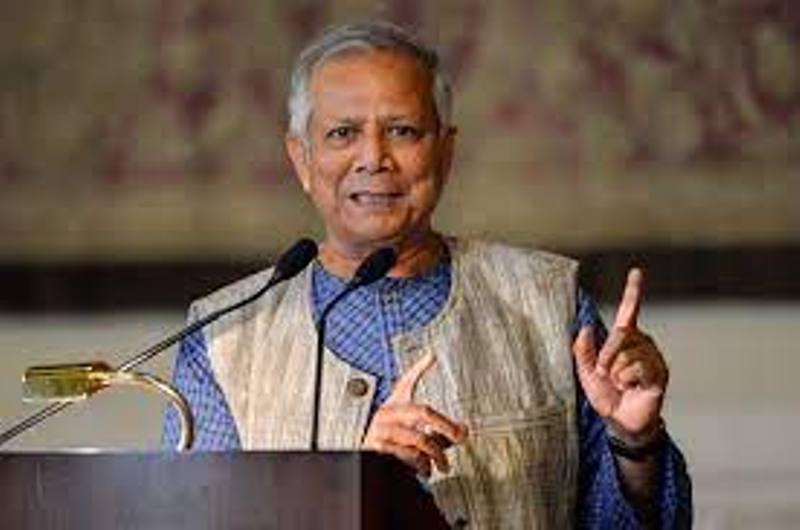
By Nitya Chakraborty The interim Government of Bangladesh headed by Dr. Muhammad Yunus is doing all the preparatory work for officially demanding the extradition from India of the ousted Prime Minister Sheikh Hasina as early as possible. Indications suggest that Dr. Yunus may mention of this demand at his address to the United Nations General […]

Regional stock markets across the Arab world reached a total market capitalization of $4.268 trillion in August, marking another significant milestone for the financial hubs of the Middle East. Major players such as Saudi Arabia, the UAE, and Qatar continue to lead the region’s stock exchanges, driven by robust economic conditions, high energy prices, and increased investor confidence in non-oil sectors. This rise reflects growing interest from […]

The Qatar Investment Authority (QIA) is intensifying its global investment strategy, focusing on major markets in Australia, South Korea, and Southeast Asia. This expansion underscores QIA’s commitment to diversifying its portfolio and enhancing its international presence amid shifting economic landscapes.

QIA, which manages the sovereign wealth of Qatar, aims to tap into the growth potential of these regions, particularly in sectors such as technology, renewable energy, and real estate. The fund’s strategy aligns with Qatar’s broader economic vision, which emphasizes sustainability and innovation.

In Australia, QIA is exploring opportunities in infrastructure and technology. The nation’s stable economic environment and strong regulatory framework make it an attractive destination for foreign investment. Recent reports indicate that QIA is in discussions to acquire stakes in several Australian tech firms, which are poised for significant growth. These investments not only promise financial returns but also facilitate knowledge transfer and technology sharing, vital for Qatar’s long-term economic diversification goals.

South Korea presents a similarly appealing landscape for QIA, especially in the realms of semiconductor manufacturing and renewable energy. As the global demand for advanced technology continues to rise, QIA is positioning itself to capitalize on South Korea’s leading role in this sector. The fund’s recent investments in local companies indicate a strategic move to leverage South Korea’s technological advancements while contributing to sustainable energy initiatives.

Southeast Asia is another focal point for QIA’s investment drive. The region is experiencing robust economic growth, driven by increasing consumer demand and digital transformation. QIA’s interest spans across various industries, including e-commerce, fintech, and logistics. By investing in these high-growth sectors, QIA aims to harness the region’s potential while fostering business relationships that could yield long-term benefits.

This expansion is part of QIA’s broader strategy to enhance its asset allocation. According to experts, diversifying investments across different geographies and sectors is critical for mitigating risks associated with global economic fluctuations. By increasing its footprint in these key markets, QIA not only aims for higher returns but also seeks to establish strategic partnerships that bolster Qatar’s economic influence.

The expansion into these markets aligns with the goals of Qatar’s National Vision 2030, which emphasizes sustainable development and economic diversification away from hydrocarbons. The QIA’s investments are instrumental in achieving these objectives, as they foster innovation and support job creation in the host countries.

Additionally, QIA’s growing investments may influence the broader investment landscape in these regions. As a significant player, the fund’s entry often attracts other investors, enhancing the overall appeal of local markets. This ripple effect can lead to increased capital inflow and foster a more dynamic investment climate.

Experts note that QIA’s approach reflects a careful assessment of risk and opportunity. The fund is known for its long-term investment horizon, often opting for strategic partnerships that allow for greater control and influence over its investments. This strategy is particularly evident in sectors like real estate, where QIA seeks to not only invest but also develop assets that align with its sustainability objectives.

The move also comes at a time when global investors are recalibrating their strategies in response to geopolitical tensions and economic uncertainties. By focusing on stable markets like Australia and technologically advanced countries like South Korea, QIA positions itself to weather potential global shocks more effectively.

As the fund continues to expand its investments, it remains committed to adhering to the highest ethical standards. Transparency and governance are at the forefront of QIA’s investment philosophy, ensuring that all ventures align with its values and contribute positively to the communities in which it invests.

Golf Saudi Entertainment has entered a strategic partnership with Topgolf Callaway Brands Corp., aiming to revolutionize the golfing landscape in Saudi Arabia. This collaboration will facilitate the construction of multiple Topgolf facilities across the kingdom, reflecting Saudi Arabia’s commitment to enhancing its sports infrastructure and boosting the local popularity of golf.

The initiative will see the development of three Topgolf venues by 2028, with the potential for two additional locations depending on market demand and success. This venture aligns with Saudi Arabia’s broader vision to diversify its economy and promote sports as a key component of a healthier lifestyle and a vibrant entertainment sector.

Topgolf, renowned for its innovative approach to golfing entertainment, combines a high-tech driving range with a lively social environment, appealing to both seasoned golfers and newcomers alike. The venues feature climate-controlled hitting bays, interactive games, and a diverse menu, creating a family-friendly atmosphere that encourages participation from various demographics. This strategic partnership is expected to attract both local residents and international tourists, further positioning Saudi Arabia as a global sports hub.

Golf Saudi has been actively working to elevate the sport within the country, promoting golf as part of its Vision 2030 agenda, which aims to diversify the economy and reduce dependence on oil revenues. This initiative complements other major sports investments, including hosting international golf tournaments, establishing golf academies, and creating community golf programs.

The construction of Topgolf venues is anticipated to provide significant economic benefits, generating jobs and stimulating local businesses. Each venue will not only create employment opportunities during the construction phase but will also provide ongoing jobs once operational, contributing to the kingdom’s efforts to improve job creation and economic diversification.

Moreover, the partnership reflects a growing trend in the Middle East, where countries are increasingly investing in leisure and entertainment facilities to cater to changing consumer preferences. As golf continues to gain traction in Saudi Arabia, this collaboration is poised to enhance the overall golfing experience, making it more accessible and enjoyable for the population.

Industry experts have noted that the introduction of Topgolf venues could serve as a catalyst for grassroots participation in golf, encouraging schools and community organizations to incorporate golf into their physical education programs. With increased accessibility, particularly in urban areas, more individuals are likely to engage with the sport, fostering a new generation of golf enthusiasts.

In recent years, golf has seen significant interest in Saudi Arabia, bolstered by the kingdom’s investment in high-profile events such as the Saudi International tournament. This event has attracted some of the world’s best golfers, showcasing the potential of the sport within the region and enhancing the visibility of Saudi Arabia on the global golfing map.

As the partnership between Golf Saudi and Topgolf unfolds, it will be critical to monitor its impact on both the golfing community and the broader sports landscape in Saudi Arabia. The development of these facilities represents not just an expansion of recreational options but also a significant step toward transforming the nation’s relationship with sports.

Saudi Arabia’s Vision 2030 initiative emphasizes the importance of sports in promoting health and well-being among its citizens, with the government investing heavily in infrastructure and facilities. This partnership with Topgolf exemplifies the kingdom’s dedication to creating vibrant sporting environments that inspire participation and foster community engagement.

As these venues are developed, they will serve as a testament to the kingdom’s commitment to enhancing its global standing in sports. The collaboration with Topgolf is expected to attract international visitors, bolstering tourism and enhancing the local economy.

With a focus on inclusivity, these new Topgolf locations will aim to cater to a diverse audience, ensuring that the facilities are welcoming to families, professionals, and casual players alike. This approach aligns with global trends in sports entertainment, which prioritize accessibility and community engagement.

As the golfing landscape in Saudi Arabia evolves, the partnership between Golf Saudi and Topgolf stands as a pioneering effort to blend traditional sporting values with modern entertainment. This initiative is set to reshape how golf is perceived and experienced within the kingdom, positioning it as an essential component of the nation’s recreational offerings.

Strategic economic discussions are at the forefront of the United Arab Emirates’ diplomatic agenda as officials prepare for President Mohamed bin Zayed Al Nahyan’s upcoming visit to Washington. This visit aims to reinforce economic partnerships and bolster trade relations, reflecting the UAE’s commitment to enhancing its global economic footprint amid shifting geopolitical dynamics.

The discussions are anticipated to focus on a range of issues, including technology investments, renewable energy, and sustainable development initiatives. The UAE has been proactive in positioning itself as a leader in renewable energy, with significant investments in solar and nuclear power projects. The visit comes at a time when the United States is keen on strengthening ties with Middle Eastern allies, especially in the context of energy security and economic stability.

Officials from both countries are expected to engage in talks to expand bilateral trade, which has shown resilience even in challenging global economic conditions. According to the UAE Ministry of Economy, trade between the two nations reached $24 billion in 2022, highlighting the potential for further growth. The discussions will likely include opportunities for U.S. companies to invest in the UAE’s burgeoning sectors, including technology and healthcare.

The UAE’s diversification efforts, particularly through its Vision 2021 and subsequent strategies, underscore its ambition to reduce reliance on oil revenues. With a strong focus on innovation and sustainability, the UAE is attracting foreign direct investment (FDI) and enhancing its reputation as a business hub. The ongoing development of the UAE’s technology landscape, with initiatives like the Dubai Future Foundation and Abu Dhabi’s Tech Investment Fund, positions it as an attractive destination for U.S. investors seeking new opportunities.

Key players from both sides are expected to participate in high-level meetings. Notable figures may include U.S. Secretary of State Antony Blinken and UAE Minister of Foreign Affairs Abdullah bin Zayed Al Nahyan. Their discussions are likely to revolve around fostering cooperation in areas such as cybersecurity, artificial intelligence, and advanced manufacturing. The emphasis on technology reflects the growing recognition of the digital economy’s role in driving future growth.

Moreover, the UAE’s role as a logistics and trade hub for the region presents further opportunities for collaboration. The country’s strategic location, coupled with its advanced infrastructure, makes it an ideal gateway for U.S. companies aiming to access markets in Africa, Asia, and Europe. Enhancing logistics and supply chain efficiency will be a key topic of discussion, particularly in the aftermath of the disruptions caused by the pandemic.

The economic dialogue also aligns with broader geopolitical interests. The UAE’s commitment to stability in the Gulf region is crucial for U.S. interests, particularly in light of ongoing tensions with Iran and other regional challenges. Strengthening economic ties serves to fortify alliances that are vital for regional security and economic resilience.

The upcoming visit also underscores the UAE’s efforts to position itself as a mediator in global conflicts and an advocate for multilateral cooperation. The nation’s diplomatic initiatives in promoting peace and stability in conflict zones such as Yemen and Libya have garnered international attention. This diplomatic approach is expected to be highlighted during the discussions, reinforcing the UAE’s role as a key player in regional and global politics.

Additionally, climate change is likely to be a significant theme during the meetings. The UAE has made notable commitments to sustainability, including hosting the COP28 climate summit in 2023. This platform will allow the UAE to showcase its initiatives in reducing carbon emissions and promoting green technologies. Cooperation with the U.S. on climate action can pave the way for joint ventures in renewable energy projects and innovative environmental solutions.

Furthermore, the visit may address concerns regarding the global supply chain, particularly in light of recent disruptions. Both countries are likely to explore collaborative strategies to enhance resilience in supply chains, focusing on technology-driven solutions to streamline processes and mitigate risks.

After years of contending with elevated inflation, all major central banks around the world have started to reverse their aggressive rate-hiking strategies. The Federal Reserve, European Central Bank (ECB), and the Bank of England, amongst their peers, are all cautiously easing monetary policy, signalling that the era of high inflation may finally be behind us. This pivot is creating new opportunities for investors, requiring a shift in […]

Donald Trump’s World Liberty Financial has entered the crypto arena with aspirations to redefine investment paradigms, led by his sons, Donald Jr. and Eric Trump. The launch event at Mar-a-Lago, broadcast via X Spaces and in collaboration with Rug Radio, set the stage for this ambitious project aimed at positioning the U.S. as a frontrunner in the cryptocurrency space. At the heart of World Liberty Financial is […]

By Nitya Chakraborty What is happening to Indian foreign policy during the third term of the Prime Minister Narendra Modi? Is India a vassal state to the United States in 2024 disconnecting all its political links with the country’s BRICS partners? On September 18, a day after our PM’s 74th birthday and completion of 100 […]
By Dr. Gyan Pathak People in 14 states and Union Territories of India were earning below the national average in 2023-24. Out of these 9 are larger states and UTs –Assam, Bihar, Jharkhand, Madhya Pradesh, Chhattisgarh, Odisha, Rajasthan, Uttar Pradesh, and West Bengal, while 5 are smaller – Manipur, Meghalaya, Nagaland, Tripura, and Jammu & […]

Saudi Arabia’s ambitious push toward electric vehicles (EVs) faces a significant challenge with the need to establish a comprehensive charging infrastructure. Industry leaders assert that to support the Kingdom’s transition to electric mobility, charging stations must be located approximately every 100 kilometers along major highways and urban areas. This development is crucial as Saudi Arabia, one of the world’s largest oil producers, aims to diversify its energy […]

The future of technology in the Middle East may hinge on the outcomes of the upcoming U.S. presidential election, as candidates Kamala Harris and Donald Trump present markedly different visions for foreign policy and economic engagement. Their policies could significantly influence the region’s technological landscape, which has seen accelerated growth in recent years. Kamala Harris, the current Vice President, has been a proponent of international cooperation and […]

By K Raveendran Narendra Modi’s administration, since its rise to power, has been actively distancing itself from the tradition of naming state-sponsored initiatives after members of the Nehru-Gandhi family. This practice has long been a hallmark of the Congress era, but the trend of eliminating or renaming these projects took on a new momentum after […]


Gold prices have hit a historic peak, driven by the U.S. Federal Reserve’s recent decision to cut interest rates. The move, aimed at stimulating economic growth, has sparked a surge in demand for gold, traditionally seen as a safe-haven asset in times of economic uncertainty. The Fed’s decision to lower the benchmark interest rate was influenced by persistent economic concerns, including weaker-than-expected growth figures and ongoing global […]

VISHNU RAJA
RYO YAMADA
HITORI GOTOH
IKUYO KITA