News related to
Arabia

RIYADH, SAUDI ARABIA – Media OutReach Newswire – 6 October 2024 – Sahm Capital transformed Al Othaim Mall into a vibrant hub of celebration and community engagement for Saudi National Day with the “Journey of Fun with Sahm!” event, held at Al Othaim Mall Rabwa, Saffori Land, from September 19 to 25. This week-long celebration fostered community spirit while highlighting the joys of investing. The festival created […]

Creators from across the Middle East gathered in Riyadh last month for the TikTok Creator Summit, which provided a platform for content creators to delve into new trends and learn strategies to enhance their presence on the popular platform. The event, hosted by TikTok, showcased the company’s commitment to the evolving content landscape in the Middle East, focusing on content strategy, creator education, and the platform’s role […]

Dubai has rolled out a new initiative aimed at recognizing exceptional educators within its private school system. Sheikh Hamdan bin Mohammed bin Rashid Al Maktoum, Crown Prince of Dubai, announced the eligibility criteria for private school teachers to apply for the UAE Golden Visa. The program, which was introduced on World Teachers’ Day, is part of a broader effort to appreciate the crucial role educators play in shaping Dubai’s future generations.

The Knowledge and Human Development Authority (KHDA) detailed the selection criteria that will allow teachers to qualify for the long-term residency permit. Only those who demonstrate outstanding achievements in their profession will be eligible to apply for the visa. This move is seen as a significant boost to Dubai’s private education sector, providing long-term stability and rewards to teachers who make substantial contributions to their students’ success.

Gulf states are rapidly advancing their initiatives to produce low-carbon metals as the European Union prepares to implement its carbon border adjustment mechanism (CBAM). This development represents a significant shift in the region’s industrial strategy, focusing on sustainable practices to align with global decarbonization trends. The EU’s carbon tax is designed to reduce greenhouse gas emissions by imposing tariffs on imported goods that do not meet certain […]

By Sant Kumar Sharma JAMMU: In something that is happening for the first time in its electoral history, Lieutenant Governor Manoj Sinha will soon nominate five members to the Legislative Assembly of Jammu & Kashmir. These nominated MLAs will have voting rights and can play an equal role as their elected counterparts in the formation […]

Saudia and Delta Air Lines have announced a strategic partnership aimed at significantly enhancing their global network, promising to expand travel options for passengers around the world. This collaboration is expected to strengthen their respective positions in the aviation market, allowing for a more integrated travel experience for customers flying between the United States and the Middle East.

Under the agreement, both airlines will offer reciprocal codeshare flights, facilitating smoother connections and increased travel options. This partnership is set to take effect soon, allowing travelers to book flights seamlessly across the two carriers’ networks. Customers will benefit from access to a broader range of destinations and improved connectivity between major cities in the United States, Saudi Arabia, and other international locations.

The collaboration comes at a time when the aviation industry is gradually rebounding from the challenges posed by the COVID-19 pandemic. Demand for air travel has been on the rise, particularly in the long-haul market, and both Saudia and Delta are eager to capitalize on this trend. The partnership allows both airlines to leverage their strengths, with Saudia providing extensive connections in the Middle East and Delta offering a robust presence in North America.

Delta Air Lines, based in Atlanta, Georgia, has long been a key player in the U.S. aviation sector, known for its extensive domestic and international network. Saudia, the national carrier of Saudi Arabia, boasts a strong foothold in the Middle East and Asia, operating flights to numerous destinations across the globe. By joining forces, both airlines aim to enhance their operational efficiencies while providing better service to their customers.

The expansion of the partnership is particularly timely as travel demand surges in key markets. The Middle East, in particular, has seen a significant increase in tourism and business travel, driven by a growing appetite for international travel. Saudia’s existing routes to cities like Riyadh, Jeddah, and Dammam complement Delta’s offerings from various U.S. hubs, creating a more attractive proposition for travelers looking to explore these regions.

This alliance reflects a broader trend in the aviation industry where airlines are increasingly seeking strategic partnerships to bolster their networks and market share. Codeshare agreements allow airlines to collaborate on pricing, scheduling, and marketing, thereby enhancing their competitive edge. As air travel continues to evolve, such partnerships are likely to become more common as airlines adapt to changing market conditions.

With this partnership, passengers will also have the advantage of combined loyalty programs, allowing travelers to earn and redeem miles across both airlines. This integration is expected to enhance customer satisfaction and encourage loyalty, as travelers increasingly prefer airlines that provide seamless travel experiences.

The collaboration aligns with the growing focus on sustainability in the aviation industry. Both Saudia and Delta have committed to reducing their carbon footprints and improving operational efficiencies. This partnership is expected to facilitate more efficient route planning and flight scheduling, ultimately contributing to a greener aviation sector.

Industry analysts view this collaboration as a significant move, potentially reshaping the competitive landscape in international air travel. By combining their resources, Saudia and Delta can provide more comprehensive travel solutions, catering to the needs of both leisure and business travelers. As global travel restrictions ease and demand for air travel grows, this partnership positions both airlines well to capture a larger share of the market.

In addition to expanding their network, this collaboration is likely to benefit cargo operations as well. Both Saudia and Delta have strong cargo divisions, and the partnership may lead to increased efficiency in cargo transportation between the U.S. and the Middle East. This could be particularly advantageous for businesses looking to streamline their supply chains and enhance their logistics capabilities.

The partnership is expected to evolve further, with both airlines exploring additional areas of collaboration. This may include joint marketing initiatives, shared airport lounges, and other customer-centric services that enhance the overall travel experience. As the aviation industry continues to recover, partnerships like this one will be crucial for airlines seeking to innovate and adapt to new market realities.

As the collaboration between Saudia and Delta Air Lines unfolds, it will be essential for both airlines to maintain a keen focus on customer service and operational excellence. Travelers will be looking for reliable, efficient, and enjoyable travel experiences, and both carriers will need to deliver on these expectations to ensure the partnership’s success.


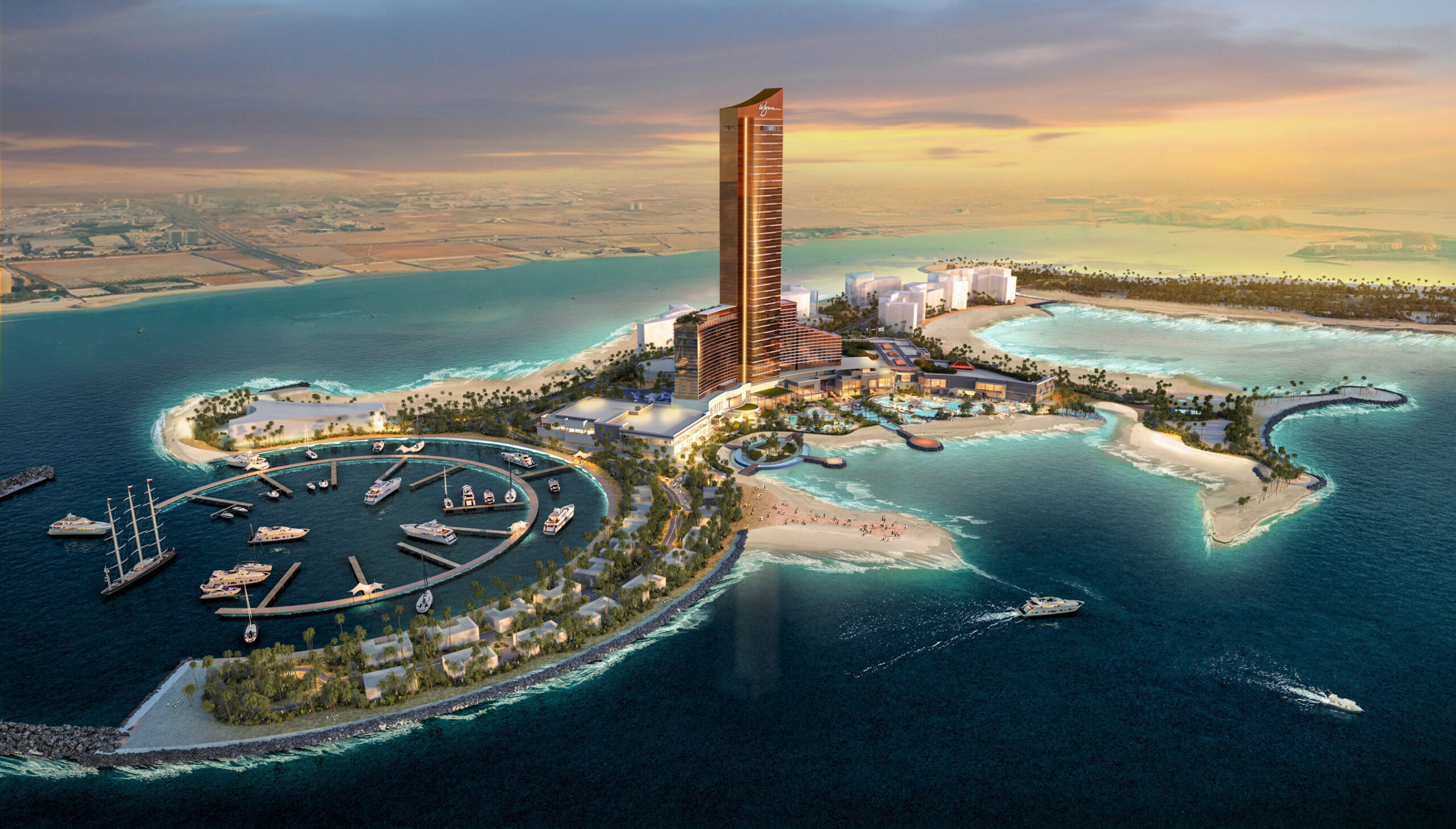
Wynn Resorts has officially received the first gaming license ever granted in the United Arab Emirates (UAE), marking a pivotal moment in the nation’s evolving stance towards regulated gambling. This approval paves the way for the company’s new multibillion-dollar integrated resort, which is currently under construction in Ras Al Khaimah and slated to open by 2027.

This significant development follows months of anticipation regarding the UAE’s potential move toward legalizing gambling, with Wynn Resorts at the center of the speculation. The project, titled Wynn Al Marjan Island, will include a luxury hotel, entertainment venues, and the nation’s first licensed casino, offering a highly curated experience that mirrors the glamour of Wynn’s Las Vegas operations. Wynn Resorts has expressed confidence in its ability to navigate the cultural and regulatory landscape in the region, highlighting that the gaming element will be incorporated sensitively to align with local expectations.

Ras Al Khaimah’s Tourism Development Authority has been instrumental in enabling this venture, introducing a new regulatory framework specifically to manage gaming activities. The Emirate’s regulations, crafted to uphold international standards of compliance, ensure responsible gaming practices are adhered to, with a focus on safeguarding social and economic interests. Ras Al Khaimah’s move appears strategic, aiming to bolster its tourism industry and compete with regional hubs, such as Dubai and Abu Dhabi, that have traditionally attracted tourists for non-gaming entertainment and luxury experiences.

For Wynn Resorts, this project marks its first foray into the Middle Eastern market, a bold step that positions the company as a trailblazer in the region’s nascent gaming sector. While Las Vegas Sands and MGM Resorts have also shown interest in expanding into Middle Eastern markets, Wynn’s success in securing the first license puts it ahead of its competitors.

As discussions about regulated gambling gain momentum across the UAE, it remains unclear whether this approval will set a precedent for future gaming licenses or whether Ras Al Khaimah will maintain its unique status. The UAE has long maintained strict regulations prohibiting gambling, making this decision a watershed moment for the country’s economic and social policies.

The investment is anticipated to bring significant economic benefits, with the resort set to create thousands of jobs and drive tourism to Ras Al Khaimah. Industry experts expect that the integrated resort could attract high-net-worth individuals from across the Gulf region, Europe, and Asia, helping to diversify the Emirate’s economy. This new focus on gaming as part of a broader tourism strategy represents a notable shift in Ras Al Khaimah’s ambitions to compete on a global scale.

Wynn Resorts, which operates successful properties in Las Vegas, Macau, and Boston, has stated that it aims to replicate the high standards of luxury and entertainment that it is known for worldwide. The company remains tight-lipped about the specifics of the gaming offerings, although it has been suggested that the casino will cater primarily to international tourists rather than local residents.

Advertisements

Family offices are playing a transformative role in Abu Dhabi’s economic landscape, driving diversification and growth across various sectors. Representing a significant portion of privately owned businesses in the UAE, these entities have expanded beyond traditional investments in real estate and finance, contributing to the emirate’s ambitions for sustainability and innovation.

Key developments in Abu Dhabi, such as the Abu Dhabi Industrial Strategy (ADIS), highlight the growing importance of family offices in fostering industrial growth, technology advancement, and clean energy projects. Under this strategy, the industrial sector’s GDP saw a remarkable surge from AED 83 billion in 2022 to AED 101 billion by 2023, with family offices continuing to boost these efforts through large-scale investments.

Family offices are now focusing on high-impact sectors like infrastructure, technology, and renewable energy, aligning with the emirate’s long-term goals. Their involvement is particularly notable in collaborative initiatives with the Abu Dhabi government, exemplified by agreements under programs like the Musataha initiative, which fosters private investment in state-owned land for community-driven projects.

The leadership in Abu Dhabi, including figures like Ahmed Jasim Al Zaabi, chairman of the Abu Dhabi Department of Economic Development, has been vocal about the strategic role of these family-owned businesses. Al Zaabi emphasized how initiatives like ADIS are not only growing the industrial sector but also positioning the emirate as a hub for innovation, advanced manufacturing, and clean technology.

Dubai’s Roads and Transport Authority (RTA) has lifted the restriction on foldable e-scooters within the Dubai Metro and Tram system, marking a shift in transport policy that comes with a firm set of guidelines. The RTA had initially introduced the ban in March 2024, citing concerns for commuter safety. However, with revised safety protocols in place, e-scooter riders are once again permitted to carry their devices on public transit, provided they adhere to stringent conditions aimed at maintaining safety and order within metro and tram stations.

The decision to relax the ban coincides with an increase in the popularity of e-scooters as a convenient mode of transport, especially for the last-mile commute in Dubai’s growing urban landscape. Foldable e-scooters have now been given the green light, provided they meet specific criteria set by the RTA. These scooters must be no larger than 120cmx70cmx40cm and weigh no more than 20kg. Additionally, they must be folded and placed in designated areas when inside stations or on public transport. This move comes as part of Dubai’s broader strategy to enhance eco-friendly transportation options, integrate diverse mobility solutions, and alleviate congestion in high-density areas.

Safety, however, remains a top priority. The new rules emphasize that riding e-scooters inside stations or on public transport is strictly prohibited, with the RTA reiterating that passengers must fold their scooters upon entering metro or tram premises. Failure to comply with these rules could lead to penalties, as part of the city’s drive to maintain high safety standards in public areas.

This policy adjustment reflects Dubai’s commitment to promoting sustainable transport, aligning with global trends that see cities embracing micro-mobility solutions. With e-scooters gaining traction in urban areas worldwide, especially in Europe and the US, cities are increasingly adopting frameworks to ensure these devices coexist safely with other forms of transport.

RTA’s renewed focus on safety is also evident in the broader context of its micro-mobility regulations. In addition to the size and weight restrictions, users are reminded that scooters must meet specific technical standards, such as brake functionality and proper lighting. Moreover, the RTA has announced that it will continue to monitor compliance and may introduce further updates to these regulations as necessary.

This regulatory shift follows a period of deliberation and review after the initial ban was imposed earlier this year. Public feedback and input from safety experts were reportedly considered in developing the new rules, ensuring that e-scooters can be integrated into the city’s public transport network without compromising the safety of metro and tram passengers.

By lifting the ban and putting these guidelines in place, Dubai joins a growing number of global cities that are actively working to incorporate micro-mobility solutions into their transport networks. It is yet another step in Dubai’s transformation into a smart city, enhancing the quality of life for residents by providing more flexible and sustainable transport options.

For e-scooter users, the easing of restrictions offers new convenience, particularly for commuters looking to bridge the gap between metro stations and their final destinations. As this mode of transport continues to evolve, the RTA is expected to remain vigilant in enforcing safety measures and adapting to the needs of a rapidly changing urban mobility landscape.

Coinbase has taken steps to delist certain stablecoins from its European platform as the European Union’s Markets in Crypto Assets (MiCA) regulatory deadline approaches. MiCA, which was officially adopted in 2023, is set to introduce a sweeping regulatory framework aimed at managing the cryptocurrency market within the EU. One of its key objectives is ensuring transparency, consumer protection, and compliance, particularly in stablecoin issuance and circulation. As […]

Private jets provide passengers with a high level of luxury and convenience, but choosing the right aircraft can be extremely overwhelming, especially with the range of options available. From nimble light jets to well-stocked long-range models, each category serves unique travel needs and customer preferences. This guide navigates the world of private aviation, breaking down popular jets by size and capability. We’ll explore their features, costs, and […]

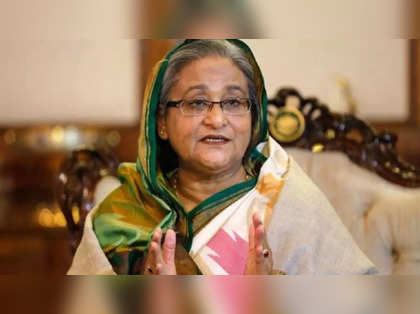
By Nitya Chakraborty Bangladesh has just completed two months after the ouster of Sheikh Hasina Wazed from power on August 5 following the mass upsurge led by the students of Anti-Discrimination Front, popularly known as anti Quota movement. The interim Government led by the Nobel Laureate Dr. Muhammad Yunus took oath on August 8 with […]

Gulf sovereign wealth funds are on track to collectively manage an unprecedented $7.3 trillion in assets by 2030, driven by significant global investments and domestic diversification efforts. Buoyed by surging oil revenues, these funds have evolved from passive actors into proactive players reshaping both local economies and global markets. The rise of these funds, especially over the last decade, has been fueled by sharp increases in oil […]

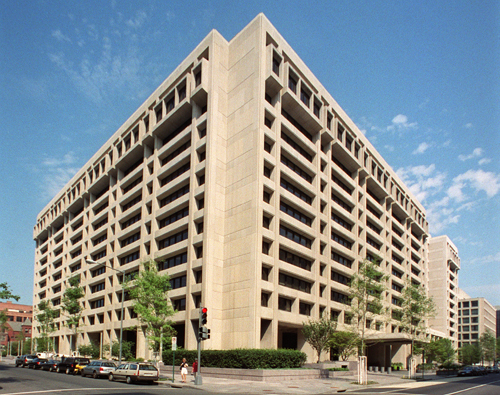
The International Monetary Fund (IMF) has raised serious concerns over the potential economic fallout from the escalating conflict in the Middle East. As violence spreads and tensions rise, the conflict threatens not only the region’s stability but also the global economy, particularly through disruptions in energy supplies, trade routes, and investor confidence.

The war in Gaza has intensified, drawing in multiple countries and raising fears of broader regional involvement. The IMF’s latest assessments highlight the possibility of severe economic impacts, particularly on energy markets. With the Middle East responsible for a significant portion of the world’s oil production, any disruptions could lead to increased volatility in oil prices. The IMF warned that sustained conflict could push oil prices higher, potentially surpassing $100 per barrel, a figure already approached during earlier hostilities this year. This price surge would have far-reaching consequences, especially for oil-importing nations, straining budgets and intensifying inflationary pressures.

Global financial markets have already shown signs of nervousness. Investors, traditionally wary of instability in key regions, have begun reallocating assets, with several stock indices experiencing sharp drops. Analysts suggest that if the conflict escalates further, the damage could spread beyond energy markets, affecting sectors such as manufacturing and technology that rely heavily on supply chains running through or near conflict zones.

The IMF’s mission chief underscored that while oil prices are the most immediate concern, the broader economic picture is equally troubling. Trade disruptions, particularly in critical shipping lanes like the Suez Canal, could severely impact the flow of goods, exacerbating the already fragile global supply chains. For nations in the region, the toll could be devastating. Countries like Lebanon and Egypt, already grappling with economic crises, could face further destabilization, compounding their debt issues and putting millions more at risk of poverty.

While energy exporters such as Saudi Arabia and the UAE may temporarily benefit from higher oil revenues, the broader economic instability could erode those gains, particularly if conflict spreads further across the region. Additionally, prolonged unrest could deter much-needed foreign investment in the Gulf region, which has been aggressively pursuing diversification away from oil dependency.

The IMF’s warning also extends to food security concerns, as the Middle East plays a crucial role in global grain trade. Egypt, for instance, is one of the world’s largest wheat importers, and disruptions to shipping could lead to shortages and price hikes. This would disproportionately affect lower-income nations, already struggling with inflationary food costs and economic stagnation.

As the situation continues to evolve, the IMF has urged regional governments and the international community to take immediate steps to prevent further escalation. In addition to diplomatic efforts, the IMF is advocating for emergency economic measures to protect the most vulnerable economies. These include securing financial aid, stabilizing food supply chains, and safeguarding energy markets from excessive speculation.

However, the global response remains uncertain. While Western powers and international organizations have expressed concern, efforts to mediate the conflict have so far been limited. The longer the fighting continues, the higher the economic risks become, making it crucial for governments to work towards de-escalation before the crisis spirals further out of control.

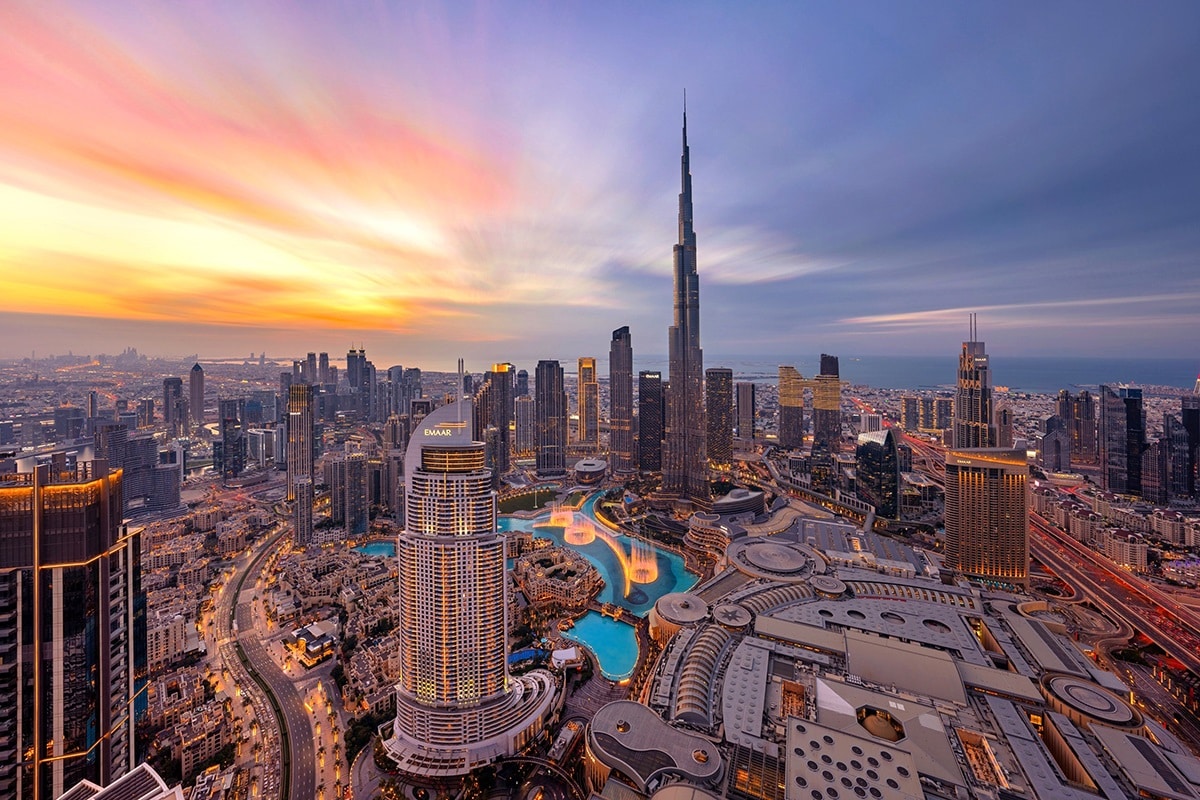
Dubai’s booming real estate market reached a record-breaking milestone in Q3 2024, posting an unprecedented $38.6 billion (Dh141.9 billion) in sales. This new benchmark represents the highest quarterly sales in the city’s history, surpassing the $33.8 billion (Dh124 billion) set in the previous quarter, underscoring a sustained surge in demand across the property sector.

The latest figures show a significant 30.1% year-on-year growth, signaling robust momentum that has been building throughout 2024. A total of 50,423 property sales were completed during the third quarter, marking a 16.6% rise from Q2 and an impressive 37.9% increase compared to the same period last year.

Apartments remained the dominant driver of this expansion, contributing 77% of all transactions. Over 39,000 apartment sales accounted for a combined value of $19.2 billion (Dh70.5 billion), representing a 43.9% surge in volume from Q3 2023. Villas, too, saw strong performance, with 8,156 units sold, generating $10.7 billion (Dh39.2 billion) in sales, up 16.6% in volume and 18.4% quarter-over-quarter. This marks the continued preference for premium residential living and underscores the growing interest in lifestyle-oriented properties.

The median price per square foot also climbed to $411 (Dh1,511), reflecting the rising property values in the city. The ongoing price appreciation is notable when compared to previous years, with a sharp rise from Dh1,017 per square foot in 2021 to Dh1,405 last year, illustrating the long-term trajectory of property value growth in Dubai.

BANGKOK, THAILAND – Media OutReach Newswire – 1 October 2024 – Being a part of the non-oil business unit of PTT Oil and Retail Business Plc. (OR), Café Amazon has developed its fame at a small corner of PTT Station for a meeting place to those who are fascinated with coffee flavors. Over two decades, it has grown up to the brand that successfully builds up a […]

KEZAD Group has launched a new business vertical named KZ Media, marking its foray into the media services sector. This initiative aims to leverage the increasing demand for integrated media solutions in the United Arab Emirates, catering to both local and international markets. KEZAD Group, a subsidiary of AD Ports Group, is already known as the largest operator of integrated economic zones in the UAE, focusing on providing customized services that enhance business efficiency and growth.

KZ Media is poised to become a comprehensive media outlet offering a diverse portfolio of services. These include content creation, branding, marketing strategies, and digital media management, aimed at assisting businesses in maximizing their outreach and engagement. The establishment of KZ Media reflects KEZAD’s strategy to diversify its offerings and meet the evolving needs of businesses operating within its economic zones. This move underscores the group’s commitment to supporting the growth of various sectors by providing essential services that enhance operational effectiveness.

The launch of KZ Media comes at a time when the media landscape in the UAE is rapidly evolving, driven by advancements in technology and changing consumer preferences. Businesses are increasingly seeking innovative media solutions that not only promote their products and services but also resonate with their target audiences. KZ Media aims to fill this gap by providing tailored media services that are both strategic and creative.

KEZAD Group has positioned itself as a key player in the economic development of the UAE through its focus on creating a conducive environment for businesses to thrive. The introduction of KZ Media aligns with the broader objectives of the group, which include fostering innovation, enhancing competitiveness, and facilitating the growth of a knowledge-based economy. By integrating media services into its portfolio, KEZAD Group is not only expanding its capabilities but also reinforcing its role as a catalyst for business development in the region.

The media sector in the UAE has been witnessing significant growth, with the government actively promoting initiatives to bolster the industry. This is evident from the various media-related events and exhibitions that take place annually, attracting global media players and professionals. The establishment of KZ Media is expected to contribute to this vibrant ecosystem by providing local businesses with access to high-quality media services that were previously limited or unavailable.

KZ Media’s team is expected to comprise seasoned professionals with extensive experience in media and communications, further enhancing the quality of services offered. This expertise will allow the new entity to deliver innovative and impactful media solutions that address the unique challenges faced by businesses in a competitive market. As the media landscape continues to evolve, KZ Media aims to stay at the forefront of industry trends, ensuring that its clients benefit from the latest advancements in media technology and strategy.

The introduction of KZ Media underscores KEZAD Group’s commitment to sustainability and corporate social responsibility. The new entity will focus on creating content that promotes positive narratives and fosters community engagement. By prioritizing socially responsible media practices, KZ Media aims to build trust and credibility among its clients and the broader public.

KEZAD Group’s expansion into the media sector aligns with global trends where integrated services are increasingly becoming a necessity for businesses. Organizations are seeking to consolidate their media and marketing efforts to enhance efficiency and effectiveness. KZ Media is positioned to address these needs by offering a one-stop solution for businesses looking to enhance their media presence and engage their target audiences effectively.

As KZ Media embarks on its journey, it will likely explore strategic partnerships with other media organizations, technology providers, and marketing firms to expand its service offerings further. This collaborative approach will enable KZ Media to enhance its capabilities and offer clients a broader range of innovative solutions tailored to their specific needs.

A groundbreaking initiative has been announced by Dubai Airports, marking the launch of the world’s largest solar rooftop project in collaboration with Etihad Clean Energy Development Company, a fully owned subsidiary of the Dubai Electricity and Water Authority (DEWA). This ambitious project aims to enhance the airport’s sustainability efforts and significantly contribute to Dubai’s clean energy targets.

The project involves the installation of solar photovoltaic panels on the rooftops of Dubai International Airport (DXB) and Dubai World Central (DWC). This effort is part of a broader commitment by Dubai Airports to adopt sustainable practices and support the emirate’s goal of becoming a global leader in renewable energy. The installation will generate a substantial amount of electricity, contributing to the operational energy needs of the airports while reducing carbon emissions.

Expected to generate up to 8 megawatts of power, the solar rooftop installation will occupy over 60,000 square meters of rooftop space across both airports. This initiative aligns with Dubai’s Clean Energy Strategy 2050, which aims to increase the share of clean energy in the city’s total energy mix to 75 percent by 2050. The solar project not only enhances the airports’ sustainability profile but also sets a benchmark for energy efficiency in the aviation sector.

This collaboration underscores the commitment of both Dubai Airports and DEWA to drive sustainable growth and innovation. The installation of solar panels at the airports is a pivotal step towards enhancing energy resilience and reducing reliance on fossil fuels. As part of the project, it is anticipated that the solar energy generated will power various airport facilities, thus optimizing operational efficiency.

The strategic partnership between Dubai Airports and Etihad Clean Energy Development Company highlights the importance of public-private collaborations in achieving sustainability goals. This project is poised to pave the way for similar initiatives in other sectors, reinforcing the UAE’s leadership in renewable energy adoption. Moreover, it exemplifies the proactive measures being taken by Dubai to address environmental challenges while supporting economic growth.

Several key players have contributed to the formulation and execution of this initiative. The project was developed following extensive feasibility studies and consultations with industry experts to ensure that it meets the highest standards of efficiency and effectiveness. DEWA, recognized for its commitment to innovation and sustainability, has been instrumental in supporting the integration of renewable energy solutions across the emirate.

Dubai Airports has a history of implementing sustainability measures, including the introduction of energy-efficient technologies and practices aimed at minimizing the environmental footprint of airport operations. The launch of the solar rooftop project represents a significant milestone in this ongoing effort and showcases Dubai’s ambition to lead by example in the global aviation industry.

In addition to the environmental benefits, the project is expected to have positive economic implications, providing job opportunities in the renewable energy sector and stimulating growth within the local economy. The focus on sustainability aligns with the broader vision of the UAE to diversify its economy and reduce its dependence on oil.

As part of its commitment to sustainability, Dubai Airports continues to explore innovative solutions to reduce energy consumption and enhance operational efficiency. The implementation of solar energy solutions is just one aspect of a comprehensive sustainability strategy that encompasses various initiatives aimed at minimizing waste, conserving resources, and promoting environmentally friendly practices.

This project represents a significant step forward in Dubai’s journey towards achieving a more sustainable future. The commitment to renewable energy aligns with the global shift towards cleaner energy sources and highlights the potential for airports and other major infrastructure to contribute positively to environmental sustainability.

Dubai’s leadership has emphasized the importance of such projects in realizing the emirate’s long-term sustainability goals. The solar rooftop initiative not only demonstrates the feasibility of large-scale renewable energy projects but also serves as a model for other cities and countries looking to enhance their sustainability efforts.

BBVA, one of Spain’s leading financial institutions, is pushing ahead with plans to introduce its own stablecoin next year in a collaboration with Visa. This initiative is part of Visa’s sandbox program designed to assist companies in developing tokenized assets. BBVA’s new stablecoin aims to streamline digital transactions, focusing on providing a secure settlement layer for asset tokenization, particularly in areas like real estate and private credit […]

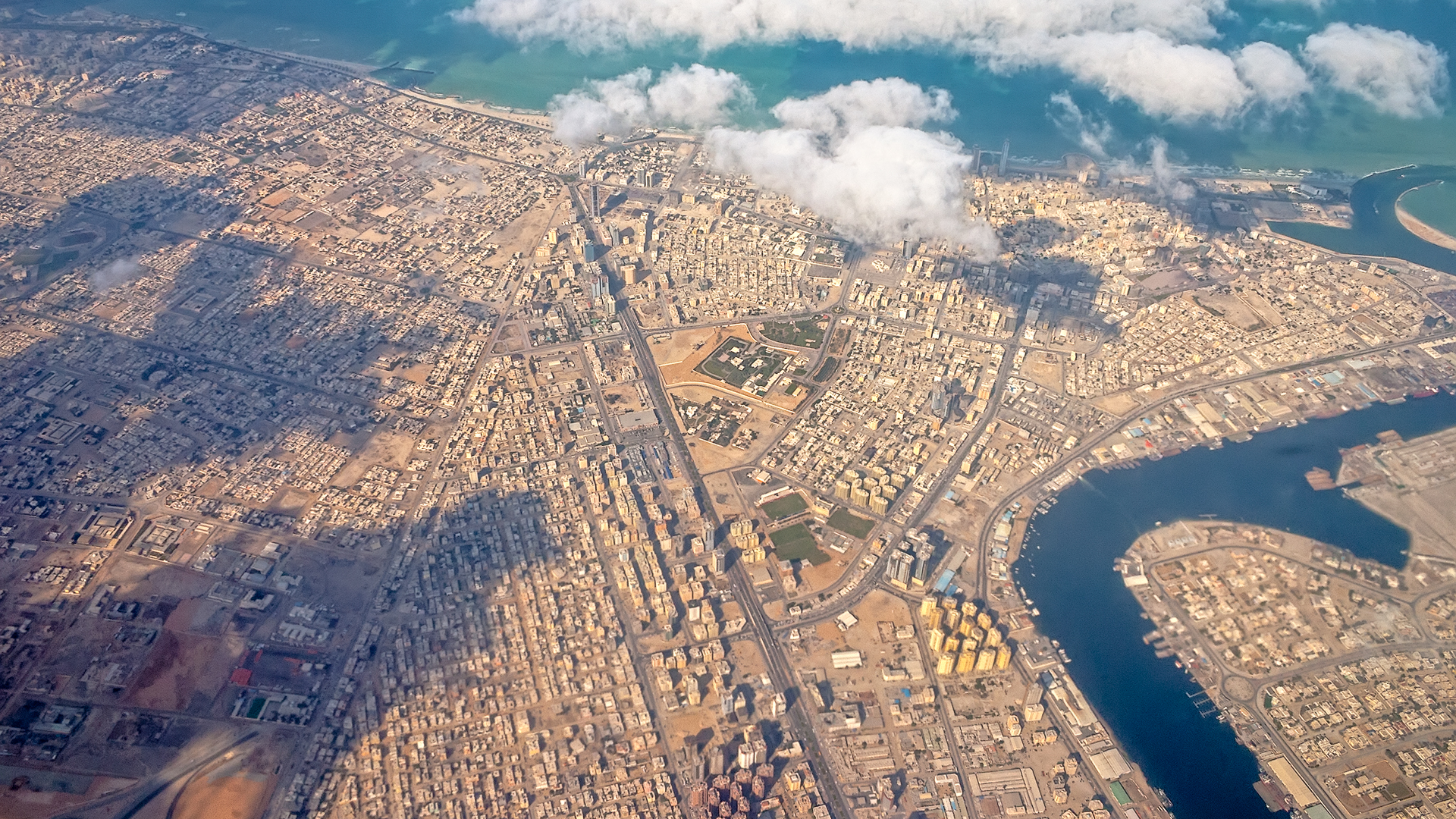
Ajman Municipality and Planning Department (MPDA) signed a significant Memorandum of Understanding (MoU) with TRENDS Research and Advisory, signaling a step forward in enhancing research cooperation. This partnership will focus on conducting joint social, political, economic, and future studies, field surveys, and the exchange of expertise between both organizations. It aims to leverage the skills of experts and researchers from both entities to generate research reports, encouraging professionals to write and contribute to their respective fields.

The agreement outlines collaborative efforts in the areas of social and economic development, aligning with Ajman’s long-term strategy for growth. TRENDS Research and Advisory, known for its robust analytical capabilities and global research projects, will provide Ajman’s municipality with the tools needed to tackle emerging challenges in urban planning and governance.

This agreement will also facilitate a deeper understanding of regional issues through comprehensive research, fostering innovative solutions in governance, policy-making, and infrastructure development. By pooling resources, the two entities will work toward producing reliable data to inform decisions affecting the Emirate’s future.

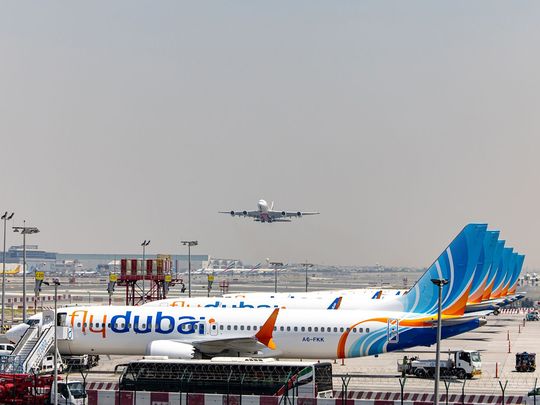
flydubai has confirmed that it will resume operations to key Middle Eastern destinations—Iran, Iraq, Israel, and Jordan—starting from October 4, 2024. This announcement follows temporary suspensions caused by the escalating geopolitical tensions, particularly the outbreak of hostilities between Israel and Hamas on October 1. The airline is closely monitoring the situation and has stated that it will remain flexible with its schedule should circumstances change.

While services to Iran, Iraq, Israel, and Jordan are set to resume, flights to Beirut remain grounded until at least October 7 due to the volatile security environment. Other UAE carriers, including Emirates and Etihad Airways, have extended their suspension of Beirut-bound flights until October 8. Emirates also announced the temporary halt of its flights to Baghdad, Basra, Tehran, and Amman for October 4 and 5, citing security concerns across the region.

Luxury real estate in Dubai has taken another leap forward as London Gate, a prominent UAE-based developer, and renowned Swiss watchmaker Franck Muller, have unveiled the Franck Muller Vanguard Tower. Set in Dubai Marina, this is their second major collaboration following the successful launch of Franck Muller Aeternitas Tower, which sold out swiftly after its release. The new residential tower promises to raise the bar for high-end living, combining Swiss precision with modern design and cutting-edge amenities.

This latest development continues the partnership between the two luxury brands, targeting an elite segment of homebuyers and investors looking for exclusive real estate in one of Dubai’s most sought-after areas. With its prime location in Dubai Marina, the Vanguard Tower aims to redefine contemporary luxury, blending Franck Muller’s craftsmanship with London Gate’s innovative architectural concepts.

The 38-story tower, designed by DAR Consult, will offer an array of upscale apartments, ranging from studios to three-bedroom units. It will feature state-of-the-art amenities such as a rooftop swimming pool, 24/7 security, dedicated retail spaces, and recreational areas for residents to relax and socialize. Notably, the building will integrate elements inspired by Franck Muller’s watchmaking heritage, reflecting the brand’s ethos of precision and artistry. Delivery is scheduled for the fourth quarter of 2027.

Blackstone Inc. is preparing to launch its third Asia-focused private equity fund, with an ambitious goal of raising more than $10 billion. The move comes as the investment giant continues its aggressive expansion in Asia, particularly in key markets like Japan and India. Sources familiar with the matter indicate that Blackstone’s latest initiative underscores its growing commitment to the region, which has seen heightened interest from global investors seeking opportunities in the fast-evolving economies of Asia.

The firm’s third fund for Asia is anticipated to be one of its largest regional efforts to date, following its previous Asia funds, the last of which closed at $6.4 billion in 2020. Blackstone’s decision to target $10 billion or more signals confidence in its ability to capitalize on a range of investment opportunities across various sectors, including technology, healthcare, consumer goods, and real estate.

Asia has become an increasingly vital part of Blackstone’s global strategy, with the firm steadily building its presence across the continent. Over the past several years, Blackstone has poured resources into expanding its portfolio in Asian markets, with particular emphasis on acquiring and managing assets in Japan and India. Japan, in particular, has emerged as a focal point for the firm, with Blackstone making significant moves in the country’s real estate and corporate sectors.

India, meanwhile, continues to draw attention from private equity players due to its fast-growing economy and the increasing prominence of its tech and startup ecosystem. Blackstone’s latest fund is expected to allocate a substantial portion of its resources to investments in Indian companies, where the firm has already established a solid presence through earlier deals. The firm’s expanding footprint in India mirrors its global strategy of targeting high-growth, scalable businesses that can offer long-term returns.

Blackstone’s decision to pursue such a large fund also highlights the growing appetite for private equity in Asia, where institutional investors are seeking higher returns in the face of ongoing global economic uncertainties. With interest rates rising in Western markets and concerns over inflation, investors are increasingly looking toward Asia as a source of steady, long-term growth. Blackstone’s expertise in asset management, coupled with its deep knowledge of the region, positions it well to attract capital from both existing and new investors.

The fund comes at a time when private equity firms are witnessing increasing competition in Asia, with several global players such as KKR, Carlyle, and Bain Capital also raising significant amounts of capital to deploy in the region. The race for assets in markets like Japan, China, and Southeast Asia has intensified in recent years, as firms vie for control of lucrative businesses poised for growth amid the region’s continued economic transformation.

Despite the competition, Blackstone remains one of the largest and most influential players in the private equity space, with a long track record of successful investments in Asia. The firm has leveraged its size and global reach to secure deals that have delivered significant returns for its investors, and the latest fund is expected to follow a similar strategy, focusing on buyouts, growth equity, and strategic investments in promising sectors.

As Blackstone moves forward with its fundraising efforts, the firm is likely to benefit from its strong reputation among institutional investors, particularly those looking for exposure to Asian markets. The firm’s past performance in the region, combined with its ability to manage large-scale investments across multiple industries, is expected to attract substantial interest from investors seeking to diversify their portfolios with high-quality assets.

Blackstone’s latest Asia fund is expected to play a crucial role in the firm’s broader global strategy, which has increasingly focused on expanding its presence in fast-growing economies. With Asia playing an ever-larger role in the global economy, Blackstone’s commitment to the region signals its recognition of the long-term potential of these markets, as well as its intention to remain a dominant force in the world of private equity.

In Japan, Blackstone has made headlines with several high-profile acquisitions, including the purchase of real estate and logistics assets. The firm’s interest in Japan reflects a broader trend among global investors, who see the country’s corporate sector as ripe for restructuring and consolidation, providing opportunities for buyouts and other forms of private equity investment.

Bybit, one of the prominent global cryptocurrency exchanges, has officially launched indices trading on its MetaTrader 5 (MT5) platform, allowing users to engage in major financial markets using USDT. This new offering includes access to key indices such as the China A50, Dow Jones, NAS100, Nikkei, and Hang Seng. The service, which went live on October 2, 2024, marks a significant expansion of Bybit’s trading capabilities, giving […]

VISHNU RAJA
RYO YAMADA
HITORI GOTOH
IKUYO KITA