News related to
Collapse

By Dr. Gyan Pathak A Joint Director of the Department of Woman and Child Development and the Special Secretary of the Health and Family Welfare Department of the National Capital Territory of Delhi placed public notices in newspapers on December 25, 2024, stating that two state government schemes of their respective departments were “fraudulent”. This […]

The all-weather indoor sportainment complex, JOYPOLIS SPORTS HONG KONG, grandly opens today. With five stories and nearly 30,000 square feet, it features dozens of sports entertainment activities. With the mission of “Sports for All Generations,” it combines sports and entertainment under the concept of Sportainment. The first SEGA-licensed SONIC Stadium and the top-floor themed restaurant “Hungry Tiger, Hidden Dragon” are also unveiled simultaneously. Mr Shuji Utsumi, SEGA […]

Homegrown tech companies sprawling influence and scouting international opportunities while offering a glimpse into the next steps of Global Booster HONG KONG SAR – Media OutReach Newswire – 18 December 2024 – Hong Kong Science and Technology Parks Corporation (HKSTP), in serial to the Innovation Mixer initiative and in parallel to the preparation of the second cohort of the Global Booster Programme: United States 2025, is set […]

HONG KONG SAR – Media OutReach Newswire – 18 December 2024 – Blue Cross (Asia-Pacific) Insurance Limited (“Blue Cross”) and Public Bank (Hong Kong) Limited (“Public Bank”) today announced and signed a bancassurance agreement. Customers of Public Bank can now purchase two selected insurance products “TravelSafe Plus” and “HomeSafe Protection Insurance” offered by Blue Cross, through the bank’s branch network and website. Mr. Chong Yam Kiang, Executive […]

OBERKOCHEN, GERMANY – Newsaktuell – 17 December 2024 – ZEISS Group revenue increased to just under 11 billion euros(10.894 billion euros), (up 8% on the prior year) – EBIT 1,444 million euros (prior year: 1,686 million euros, EBIT margin 13%). Mixed development in the segments. High spend on research and development equivalent to 15% of revenue, more than 46,000 employees worldwide. Increasingly challenging market environment for the […]

Forecast Projected Growth of Chinese Luxury Market in 2025: A Shift Towards Experience, Innovation, Chinese Brands and Sustainability HONG KONG SAR – Media OutReach Newswire – 13 December 2024 – MDRi, a leading provider of business insights, today released its China Luxury Consumer Forecast 2025, presenting an in-depth analysis of luxury consumption trends in Mainland China and Hong Kong. The report highlights a market in transition, where […]

Hong Kong Listed Companies with Increasing Focus on ESG Practices Top Performing Companies Adopted Robust Governance Structure HONG KONG SAR – Media OutReach Newswire – 12 December 2024 – Catherine Leung, Chairperson of the Chamber of Hong Kong Listed Companies (CHKLC) said at the Hong Kong Corporate Governance & ESG Excellence Awards 2024 (Awards) Gala Dinner tonight, “Hong Kong is at the stage of transition faced with […]

Advertisements

Matein Khalid The dramatic events of last week in Syria have only boosted President Erdogan’s role as the preeminent regional powerbroker in the heart of the Arab Levant as Turkish armed/financed Sunni militias engineered their collapse of the 54-year-old Assad dynastic tyranny in Damascus. Syria is once again a de facto Turkish protectorate, as it was in the five centuries since Sultan Selim Yavuz vanquished its Mamluk […]

10+ inventions won awards at the 4th Asia Exhibition of Innovations and Inventions Hong Kong HONG KONG SAR – Media OutReach Newswire – 10 December 2024 – The Hong Kong Exporters’ Association (HKEA)’s “Hong Kong Innovation & Invention” (HKII) today showcased over 40 locally invented innovations at Entrepreneur Day 2024. (From Left to right: 1) Eric Sun, Chairman of the Hong Kong Exporters’ Association; 2) David Taji […]

Binance has disclosed its 25th proof of reserves, showing mixed movements in the assets held by users. As of December 1, the crypto exchange’s report highlighted shifts across multiple currencies, with some showing significant increases while others experienced declines.

According to the latest data, Bitcoin (BTC) holdings on the platform decreased by 4.68% compared to the previous month, dropping to 580,000 BTC. Ethereum (ETH), however, saw a notable increase of 5.24%, with the total Ethereum reserve rising to 4.9 million ETH. The rise in Ethereum’s balance suggests a continued confidence in the second-largest cryptocurrency, which has maintained its relevance in the market amid shifting investor preferences.

In stark contrast to the fluctuations in BTC and ETH, Tether (USDT) reserves on Binance surged by 20.93%, reaching $25.2 billion. This growth highlights the continued demand for stablecoins, with USDT maintaining its status as a preferred stablecoin for traders and investors seeking to hedge against volatility in the broader crypto market.

Binance’s native token, Binance Coin (BNB), saw a slight decline of 2.15%, bringing the total BNB balance to 37.1 million. Despite this dip, BNB remains one of the key assets on the platform, closely tied to various Binance services and offerings.

The exchange’s regular release of proof of reserves has been part of its ongoing efforts to assure users of the safety and transparency of their holdings. This initiative was initially implemented following the collapse of FTX in late 2022, which triggered widespread concerns over the solvency of cryptocurrency exchanges. Binance, as one of the largest players in the space, has consistently aimed to bolster user trust through these detailed reports, which are generated in collaboration with independent auditors.

The latest proof of reserves report comes at a time when the global crypto market has seen fluctuating trends. After a year of turbulence, some market participants are showing increased caution, while others are taking the opportunity to reinvest in leading assets like Ethereum. The surge in stablecoin reserves, particularly USDT, reflects the market’s ongoing uncertainty and the preference for liquidity that stablecoins provide in volatile conditions.

While Binance has provided more transparency than many of its competitors, the report does not fully dispel concerns about market dynamics. Experts continue to stress the need for enhanced regulatory oversight in the crypto industry, particularly around proof of reserves and the way exchanges report their holdings. Some analysts have raised questions about the accuracy of the data provided in such reports, suggesting that further scrutiny may be necessary to fully ensure the security of user assets.

Binance’s disclosure of its reserves also aligns with broader industry trends. Following FTX’s collapse, exchanges worldwide have been under pressure to increase their transparency and undergo regular audits to prove they hold sufficient assets to cover user deposits. As the crypto market matures, regulatory frameworks are evolving to address concerns over liquidity, security, and the overall stability of the ecosystem.

Matein Khalid The late summer and autumn of 2024 may well go down in history as the Berlin Wall moment for the Middle East as the collapse of the nightmarish Assad dynastic dictatorship will have a seismic geopolitical fall out across the region. Iran has lost its land bridge/weapon supply conduit to its proxy militia Hezbollah, itself decapitated and militarily degraded by the IDF in Lebanon. Baathist […]

Syria is witnessing seismic shifts in its prolonged conflict, with President Bashar al-Assad’s regime facing growing challenges amid dwindling support from its critical allies, Russia and Iran. The rebel factions, spearheaded by Hayat Tahrir al-Sham (HTS), have made strategic advancements, creating uncertainty about the nation’s political future. This precarious balance raises concerns of a potential power vacuum with regional ramifications if Assad’s government collapses.

HTS, led by Abu Muhammad al-Julani, has intensified efforts to overthrow Assad’s rule, capturing key areas such as Aleppo and Hama in its latest offensive. The group, a splinter faction of al-Qaeda, has steadily consolidated power in northern Syria. It now serves as a dominant player in the opposition landscape, aiming to unify anti-Assad factions under its leadership. These developments coincide with a noticeable pivot by Assad’s key allies—Russia and Iran—toward addressing their respective internal and geopolitical priorities.

Russia’s involvement in Syria has been a cornerstone of Assad’s survival since the war began in 2011. However, its military and economic focus has shifted due to prolonged involvement in Ukraine, straining its capacity to maintain robust support for Damascus. Similarly, Iran, another critical ally, is grappling with its own domestic protests and regional tensions, which have curtailed its ability to extend substantial assistance to Syria. The weakening of external backing leaves Assad vulnerable as rebels push closer to his strongholds.

The United Nations reports that intensified fighting has displaced nearly 300,000 Syrians since late November, with estimates suggesting up to 1.5 million could be forced to flee if the conflict escalates further. These movements risk exacerbating the humanitarian crisis and fueling instability across neighboring countries. Regions like Homs and the coastal cities of Tartus and Latakia—home to Russian military bases—have witnessed increased civilian exodus as HTS fighters advance.

Strategically, HTS’s gains challenge the Assad regime’s hold on critical infrastructure, including the M5 highway connecting major urban centers. Russian forces have reportedly bombed key routes to hinder rebel advances, reflecting the gravity of the situation. The Syrian Observatory for Human Rights highlighted that HTS and allied factions have captured more than a dozen villages near Damascus, raising alarms about the regime’s shrinking control over territory.

The evolving dynamics of the Syrian conflict also have broader implications for Middle Eastern geopolitics. A power vacuum could embolden extremist groups, destabilize neighboring countries, and strain international diplomatic efforts to restore peace. The conflict has already drawn in multiple actors, including Turkey, whose backing of the Syrian National Army further complicates the landscape. This militia coalition, aligned with HTS in several battles, aims to expand its influence, positioning itself as a rival to the Assad regime.

Regional players like Iraq and Lebanon are closely monitoring developments, given their intertwined security interests. Iraq’s ongoing fight against ISIS and Lebanon’s fragile political situation underscore the interconnected nature of the region’s challenges. Meanwhile, the involvement of Gulf nations, particularly Qatar and Saudi Arabia, in supporting opposition factions has added layers to an already multifaceted conflict.

HTS leader Julani remains resolute in his calls for Assad’s removal, describing the regime as “propped up by external powers but fundamentally unsustainable.” This assertion resonates with segments of the Syrian population disillusioned by years of corruption, economic collapse, and military oppression under Assad’s rule. Yet, HTS’s classification as a terrorist organization by Western countries complicates its international recognition and the prospect of coordinated opposition leadership.

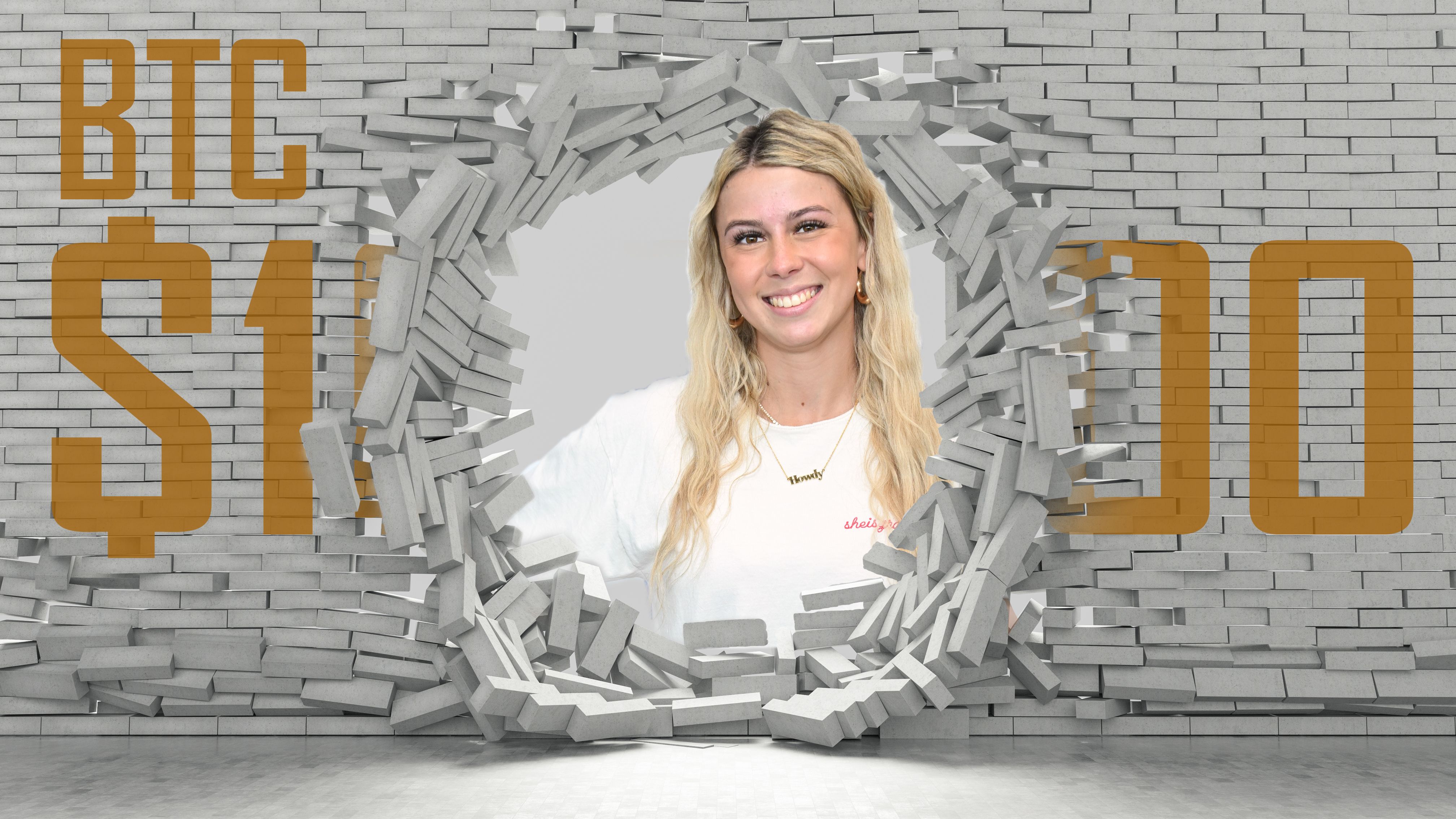
Bitcoin’s monumental climb to $100,000 had all the trappings of a historic achievement. The cryptocurrency’s value soared as market analysts predicted continued growth, and investors dreamed of an even greater financial revolution. Despite the fanfare surrounding Bitcoin’s rally, an unexpected event in the world of altcoins quickly drew significant attention: the sudden collapse of Hawk Tuah, a cryptocurrency that had captivated many. What was once seen as a promising token has now raised questions about the stability of digital assets and the volatile nature of the crypto space.

Bitcoin’s $100K achievement was anticipated for years by its most ardent supporters, who argue that the cryptocurrency is poised to disrupt traditional finance. Many analysts view Bitcoin as a store of value akin to gold, especially during times of economic instability. A surge in institutional investment and public interest contributed to the rise in Bitcoin’s price, spurred by fears of inflation, the erosion of traditional financial systems, and growing support from government-backed institutions worldwide. As Bitcoin breached the $100K mark, enthusiasts celebrated, hoping the moment would mark the beginning of a new era for digital currencies.

However, while Bitcoin was grabbing the headlines, an altcoin—Hawk Tuah—was making waves for a completely different reason. A social media frenzy about Hawk Tuah’s potential led to an influx of retail investors, many of whom viewed the coin as a shortcut to quick profits. Cryptocurrency enthusiasts, seeking new opportunities outside Bitcoin, were drawn to Hawk Tuah’s marketing promises, with influencers and self-styled financial gurus touting it as a major up-and-comer.

The coin’s rapid ascent was fueled by hype and speculation, yet the rapid downfall was equally abrupt. Less than a week after Hawk Tuah reached its all-time high, it became clear that the project was riddled with issues: broken promises, questionable development practices, and, in some cases, fraud allegations. In an industry plagued by instability and a lack of regulation, the Hawk Tuah crash was a stark reminder of the risks involved in crypto investments.

In many online communities, the collapse of Hawk Tuah overshadowed Bitcoin’s milestone. Enthusiasts who had once been excited about Bitcoin’s price surge seemed far more engaged in analyzing the rise and fall of the altcoin. Even conversations among casual investors and retail participants shifted focus toward the sudden evaporation of Hawk Tuah’s market capitalization. Some even compared the situation to the famous “pump and dump” schemes that have plagued the crypto space for years.

Experts have weighed in on why the drama surrounding Hawk Tuah stole attention from Bitcoin’s $100K moment. For one, the crypto space remains largely unregulated, making it difficult for investors to distinguish between legitimate projects and speculative ventures. As Bitcoin gains more mainstream acceptance, smaller projects like Hawk Tuah leverage social media and influencer marketing to attract the attention of everyday investors, often without offering a transparent roadmap or fundamental utility. These tactics have raised alarms among financial experts, who caution that the lack of due diligence can lead to catastrophic losses.

The emotional allure of altcoins often leads to impulsive decisions, driven by the fear of missing out on the next big thing. Retail investors, many of whom lack the expertise to fully assess the long-term viability of a crypto asset, tend to be drawn in by short-term price movements rather than evaluating the coin’s underlying technology and use case. Hawk Tuah was no exception. As news of its rapid price escalation spread across social media platforms, inexperienced traders piled in, hoping for a fast return.

While Bitcoin’s position as the leader of the cryptocurrency market remains undisputed, the Hawk Tuah debacle serves as a cautionary tale for investors. Even as Bitcoin’s market cap continues to soar, the volatility of altcoins like Hawk Tuah shows that the crypto landscape is still filled with uncertainty. The success of a few digital currencies can overshadow the broader, more dangerous realities of the market. While Bitcoin may continue to rise, the price of altcoins often remains susceptible to the whims of influencers, market sentiment, and, more ominously, scam artists.

For many, the Hawk Tuah disaster is emblematic of a larger issue in the crypto world: the lack of regulation and investor protections. Unlike traditional stocks, which are subject to stringent rules and oversight, the cryptocurrency market operates in a gray area, with minimal regulatory frameworks in place. This allows for rapid price fluctuations and allows unverified projects to thrive. With the crypto sector continually drawing new participants, questions surrounding accountability, transparency, and investor safety are growing louder.

Despite the turbulence in the altcoin market, Bitcoin’s fundamentals remain strong. Institutional adoption, continued mainstream integration, and growing interest from governments around the world are signs that Bitcoin’s rise may not be a fleeting moment but the start of a more stable, established financial instrument. Yet, even with Bitcoin’s increasing legitimacy, the volatility of the broader market continues to pose challenges for investors looking for consistent returns.


Marking a year of connecting semi-skilled job seekers and businesses, the platform has become an essential hiring partner in Singapore’s high-demand industries. Aligned with MOM’s emphasis on labour market resilience, Jobstreet Express supports businesses in overcoming barriers like unattractive pay and demanding work conditions, directly tackling hard-to-fill jobs in Singapore. SINGAPORE – Media OutReach Newswire – 5 December 2024 – Jobstreet Express, part of Jobstreet by SEEK, […]

Professional-Quality Camera System and Advanced Features Redefine the Mobile Photography Experience, arriving in Singapore on 6 December 2024 SINGAPORE – Media OutReach Newswire – 6 December 2024 – SHARP, the renowned leader in consumer technology, will officially launch its latest flagship smartphone, AQUOS R9 pro, tomorrow (6 December 2024). With professional-grade camera capabilities, immersive visuals, and robust performance, this new release is a dream come true for […]

Hong Kong Tourism Poised for Growth; Cruise Business Fuels Economic Recovery HONG KONG SAR – Media OutReach Newswire – 7 December 2024 – Royal Caribbean International, the world’s leading and Hong Kong’s longest-standing homeporting cruise line, is set to double its Hong Kong homeport sailings next year with an extended season of 10 roundtrip sailings. The Quantum Ultra Class Spectrum of the Seas and sister ship Ovation […]

The GameFi sector, which combines gaming and decentralized finance, has emerged as one of the most volatile areas within the blockchain industry. A new report by ChainPlay reveals staggering statistics, including the failure of 93% of GameFi projects, marking it as the sector with the highest rate of collapse. These findings underscore the significant risks investors and developers face when venturing into this rapidly evolving space.

GameFi projects, on average, last only four months, according to the ChainPlay analysis. The short lifespan of these initiatives suggests that many are struggling to gain traction or sustain long-term interest. This trend reflects broader challenges within the blockchain and cryptocurrency industries, where volatility and high turnover rates are not uncommon. GameFi’s focus on integrating traditional gaming elements with decentralized finance has led to a surge in interest but also to an overwhelming number of unsustainable projects.

The report also highlighted the impact of these failures on investors. Around 58% of venture capitalists (VCs) who invested in GameFi initiatives have experienced substantial losses, with some reporting a loss between 2.5% and as much as 99% of their investments. This staggering range of losses points to the unpredictability and speculative nature of investing in the GameFi market. For VCs, the combination of high-risk projects and a lack of long-term viability has led to significant financial setbacks, causing many to reassess their strategies within this niche sector.

The performance of GameFi projects has been disappointing in terms of price sustainability. On average, these projects have seen a drastic 95% decline from their all-time high prices. This sharp drop in value has affected not only investors but also the development teams, gaming communities, and stakeholders who were optimistic about the potential of combining gaming with blockchain technology. The lack of sustained growth and the overwhelming number of failures in this space have contributed to the disillusionment among many participants, causing them to question the long-term viability of GameFi.

Despite these challenges, a small number of successful GameFi projects have managed to maintain their presence in the market, showing that there is still potential for innovation in the sector. However, the data highlights a broader trend of overhyped projects that fail to deliver on their promises. The combination of a highly competitive environment, speculative investing, and a lack of regulation has made it difficult for many GameFi projects to thrive.

The failure of GameFi projects is part of a larger pattern of struggles within the broader cryptocurrency and blockchain industries. The market has faced significant hurdles, from regulatory challenges to the volatility of digital currencies. GameFi, which attempts to blend gaming with decentralized finance, finds itself at the intersection of two sectors already marked by uncertainty. While there is potential for growth in blockchain-based gaming, the overwhelming majority of projects have not been able to capitalize on this opportunity.

Several factors have contributed to the high failure rate in GameFi, including inadequate funding, lack of clear use cases, and poor execution. Many projects have failed to capture the attention of mainstream gamers or failed to create a compelling gaming experience that integrates well with decentralized finance. This has led to a lack of sustained user engagement, which is essential for the long-term success of any gaming project. Moreover, the speculative nature of the market, where some projects are launched more for investment purposes than for genuine gaming experiences, has created an unstable foundation for growth.

Another challenge facing GameFi is the high level of competition within the space. As new blockchain-based games are launched at a rapid pace, it becomes increasingly difficult for any single project to stand out and maintain long-term relevance. Many of these projects face challenges in attracting and retaining a dedicated user base, with some failing to differentiate themselves from one another. The lack of differentiation between GameFi projects contributes to their short lifespans, as gamers and investors alike move on to the next big opportunity.

GameFi’s integration with decentralized finance has raised concerns about its sustainability. While the concept of combining gaming and finance holds appeal, the lack of regulation in both industries has led to a volatile market where fraud, scams, and market manipulation can thrive. In many cases, GameFi projects have faced criticism for lacking transparency and failing to deliver on promises made to investors and users. This lack of accountability has been a key factor in the high failure rate, as many projects have been abandoned or left incomplete, leaving investors with little recourse for recovery.

Despite the overwhelming number of failures, there is still a glimmer of hope for the GameFi sector. Some developers are focusing on creating projects that offer genuine value to users, such as offering in-game assets that can be traded or creating games that appeal to mainstream gamers. Additionally, blockchain-based gaming offers the potential for new business models and revenue streams that traditional gaming cannot provide. However, for these innovations to succeed, the GameFi sector will need to overcome its current challenges and create a more sustainable ecosystem.

Professional-Quality Camera System and Advanced Features Redefine the Mobile Photography Experience, arriving in Singapore on 6 December 2024 SINGAPORE – Media OutReach Newswire – 5 December 2024 – SHARP, the renowned leader in consumer technology, will officially launch its latest flagship smartphone, AQUOS R9 pro, tomorrow (6 December 2024). With professional-grade camera capabilities, immersive visuals, and robust performance, this new release is a dream come true for […]

Cuba’s national power grid has collapsed, leaving millions of citizens without electricity and causing widespread disruption across the country. Late Wednesday, officials reported that the country was only generating enough electricity to meet one-sixth of its peak demand. This power failure comes as Cuba continues to grapple with energy infrastructure issues, highlighting the vulnerabilities in its aging electrical system.

The power outage, which began hours before the statement from the state-owned Electric Union of Cuba, resulted in a total blackout in several regions, including the capital Havana and major provincial cities. The grid collapse came as temperatures soared, exacerbating the already difficult living conditions for many Cubans. The government has faced mounting criticism over its inability to provide a consistent and reliable electricity supply, with the national grid experiencing periodic failures throughout the year.

Cuban officials blamed the national grid’s collapse on a combination of factors, including weather-related issues and aging infrastructure. While the authorities have taken steps to mitigate the crisis, such as shifting to emergency power generation and rationing electricity in some areas, the situation remains dire. Reports from residents describe long-lasting blackouts, with some parts of the country still waiting for power to be restored more than a day after the incident.

The impact of the blackout is severe, affecting daily life and businesses alike. Hospitals, schools, and other essential services have had to operate on backup generators, placing further strain on resources that were already stretched thin due to Cuba’s ongoing economic struggles. With the government focusing efforts on restoring power, many are also questioning the broader implications for the country’s energy policy and infrastructure development.

Power shortages have long been a concern in Cuba, with frequent blackouts and unreliable energy supplies being a part of daily life in many regions. The situation has worsened in recent months, as the country faces an economic crisis compounded by the ongoing effects of the COVID-19 pandemic and international sanctions. These challenges have placed significant pressure on the energy sector, which has been struggling to meet the needs of a population already facing considerable hardship.

Energy experts have pointed out that Cuba’s power grid is outdated and in need of significant investment and modernization. The country relies heavily on oil for electricity generation, but fuel shortages have been a common issue in recent years. The collapse of the power grid is seen by many as the latest sign of systemic failure within the country’s energy sector, which has failed to keep pace with the demands of a growing population and the complexities of modern energy production.

The government has said it is working to restore the grid and minimize further disruptions. However, some experts have warned that the root causes of the crisis will require long-term planning and investment to address. As part of its efforts, Cuba has turned to its allies in the region, seeking assistance with both emergency energy supplies and technical expertise to overhaul its electricity infrastructure.

In the meantime, the Cuban government has been forced to impose rolling blackouts, a move that has drawn widespread criticism from citizens who have endured long periods without power. Many have taken to social media to voice their frustration, accusing the government of failing to provide basic services despite the country’s vast natural resources. The government, for its part, has insisted that it is working diligently to restore full power, but has also acknowledged the difficulties in overcoming the challenges posed by the aging infrastructure.

The situation has prompted a broader debate over Cuba’s energy policy and its reliance on outdated systems and foreign aid. While the country is rich in renewable energy resources, such as solar and wind, it has been slow to transition to more sustainable energy solutions. Experts have long recommended that the government invest in renewable energy infrastructure, but progress has been slow. Critics argue that more aggressive steps should have been taken years ago to modernize the energy sector, reducing Cuba’s dependence on imported oil and providing more sustainable energy options for its citizens.

Cuban President Miguel Díaz-Canel, in a public address, acknowledged the severity of the power failure and promised to take immediate action to address the crisis. He reassured the public that the government would prioritize restoring power to the most affected areas and was working with international partners to bring in additional resources. However, the situation remains fluid, with many still uncertain about the long-term solutions to the country’s energy challenges.

This power outage is not the first of its kind in Cuba, and it is unlikely to be the last unless substantial investments are made to address the underlying issues. As the country continues to struggle with an outdated and overburdened grid, the question of how to modernize Cuba’s energy infrastructure and move towards more sustainable solutions is becoming increasingly urgent. The current crisis serves as a stark reminder of the challenges facing the Cuban government and its citizens in securing reliable access to electricity.

Balancing Global Dynamics HONG KONG SAR – Media OutReach Newswire – 4 December 2024 – Today, KGI has released its 2025 Market Outlook, covering regions including Mainland China, Hong Kong, Taiwan, the U.S., Singapore, and Indonesia. (From left) Cusson Leung, Chief Investment Officer at KGI; James Chu, Chairman at KGI Securities Investment Advisory; James Wey, Head of International Wealth Management at KGI; Kenny Wen, Head of Investment […]

Opens to the Public on December 4 Sparking Inspiration With a Line-up of Design Events HONG KONG SAR – Media OutReach Newswire – 4 December 2024 – Hong Kong Design Centre’s (HKDC) new landmark, DX design hub (the Hub) successfully concluded its Launching Party today. The celebratory event was attended by guests comprising of top government officials, business leaders and Mainland and France delegations. The Cultural and […]

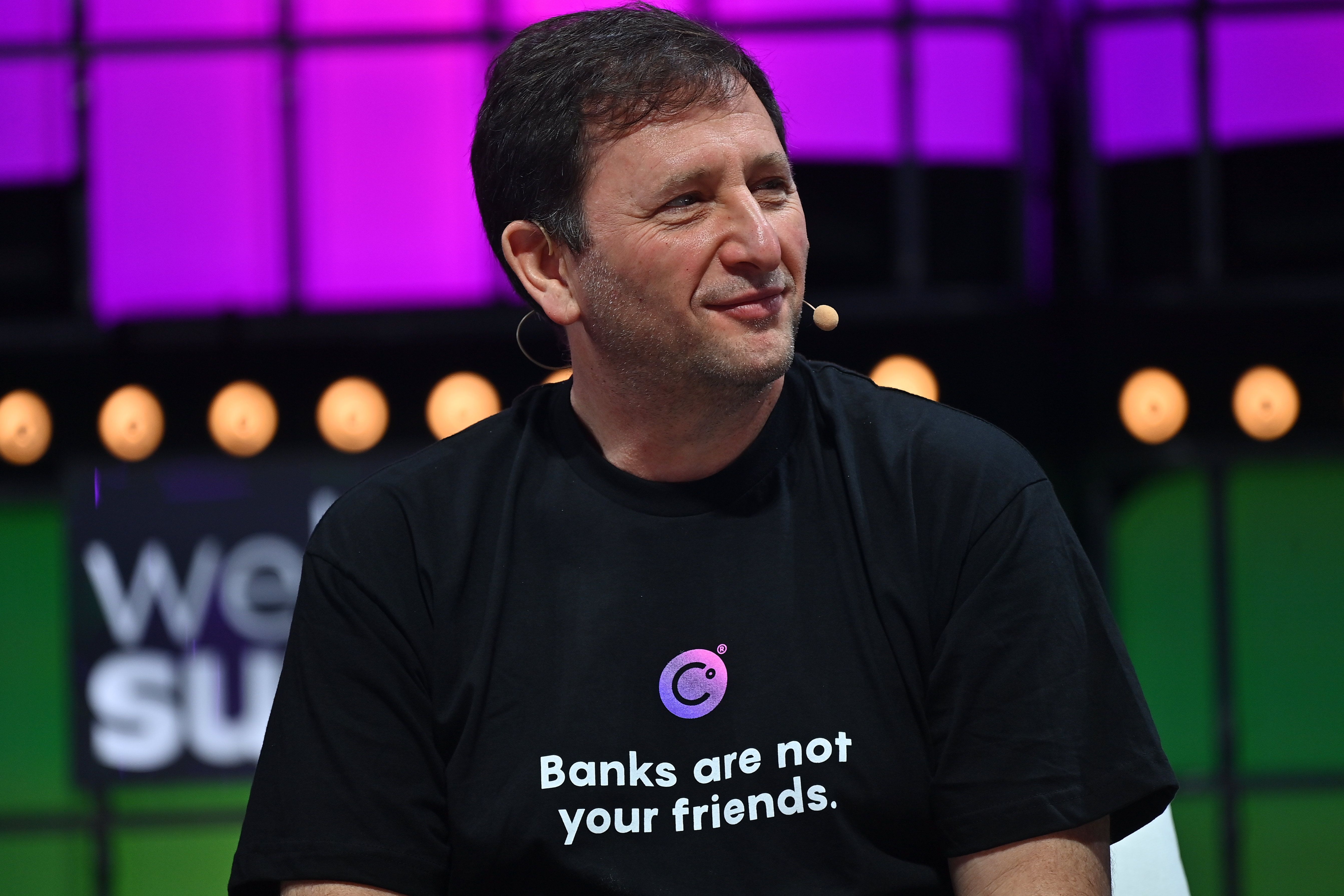
Alex Mashinsky, co-founder of Celsius Network, is set to plead guilty to charges of fraud tied to his role in artificially inflating the value of the CEL token, which was pivotal to the cryptocurrency platform. This development follows Mashinsky’s decision to change his plea, marking a significant shift in the high-profile case. Prosecutors allege that Mashinsky misled investors by manipulating the token’s price to attract users and generate personal profits, estimated at $42 million.

Celsius Network, once a major player in crypto lending, allowed users to earn returns on digital assets and access loans backed by cryptocurrency. However, its financial collapse in 2022 revealed vulnerabilities exacerbated by broader market turmoil, including the failure of the Terra-Luna ecosystem. Mashinsky is accused of using deceptive practices to assure investors of Celsius’s stability, despite the company’s mounting risks, and misrepresenting the safety of their deposits.

The charges against Mashinsky encompass fraud, securities violations, and market manipulation. Prosecutors highlight his attempts to inflate CEL’s value through fraudulent means, claiming this misled investors and caused significant losses. His upcoming guilty plea represents an acknowledgment of his role in these allegations and aligns with broader scrutiny on transparency within the crypto sector.

Celsius filed for bankruptcy in mid-2022 after halting customer withdrawals, with billions in assets trapped in the platform. Mashinsky’s case has drawn parallels to other high-profile crypto frauds, such as the collapse of FTX, where founder Sam Bankman-Fried faced criminal prosecution for mismanaging user funds. These incidents underscore the growing legal risks for executives in the digital asset industry and the heightened focus on regulatory enforcement.

The trial proceedings have also addressed complex legal interpretations of securities and commodities laws. Earlier attempts by Mashinsky to have charges dismissed were rejected, with judges affirming the validity of the allegations under both the Commodity Exchange Act and the Securities Exchange Act. If convicted on all counts, Mashinsky could face a lengthy prison sentence, reflecting the severity of his alleged misconduct.

U.S. President Joe Biden has pardoned his son, Hunter Biden, clearing federal convictions related to gun possession and tax offenses. This decision follows months of scrutiny over Hunter’s legal troubles, which had drawn significant public attention and political criticism. The pardon marks a reversal from the president’s prior stance, where he had assured he would not interfere in the judicial process concerning his son. Hunter Biden was […]

Over 80 Local and Overseas Creative Communities Engaging in Large-scale Installations & Exhibitions, Workshops, and Creative Voice Powering Inner Growth Through Design HONG KONG SAR – Media OutReach Newswire – 29 November 2024 – Presented by PMQ and sponsored by the Cultural and Creative Industries Development Agency (CCIDA), formerly known as Create Hong Kong (CreateHK), deTour design festival will take place from 29th November to 15th December […]

VISHNU RAJA
RYO YAMADA
HITORI GOTOH
IKUYO KITA
Just in:
December Is the Last Window for $800,000 U.S. Residency Investment // Valarmathi restarts fast as teachers defy police // Yicura BioMed Advances Dual Capital and Industrial Strategy: Completes First Closing of Series B Financing Led by Gobi Partners // Saudi fund assets forecast to cross $400 billion // Uforce reaches $6 billion valuation with British backing // ONYX Hospitality Group Unveils Plans for Amari Samui Resort and Villas, Elevating Its Premium Resort Offering on Koh Samui // U.S. Democratic Leadership Starts Dialogue With Progressive Bloc For Joint Strategy // L’OCCITANE Celebrates 50 Years Of Provençal Craftsmanship With Holiday 2026 Collection // How A Newly Elected Democratic Congress Could Reshape US–India Relations? // LANDMARK Presents ‘Destination CENTRAL’: A District-Wide Celebration Inviting Global Travellers to Explore the Dynamism, Luxury, and Soul of Central // MG Motor presents four electrified vehicles at Dubai exhibition // Turkish Airlines adds Chengdu to mainland China services // Electric and hybrid interest rises at Sharjah car market // High Court orders scrutiny of Thachankary hospitalisation // Court reinstates Police association rejig order // Crescent Enterprises venture arm funds Oyster Therapeutics development // Fujairah highway pile-up leaves 14 dead and 30 injured // Wizz Air half-year earnings sink as fuel costs surge // UAE crews sustain coastal oil removal as beaches reopen // Modi ally flags youth opportunities gap despite growth //