News related to
Dubai

Dubai’s healthcare sector is garnering increased global recognition for its quality and specialized services, according to a new report from the Dubai Health Authority (DHA). The report highlights Dubai’s growing reputation as a premier destination for health tourism, both regionally and internationally.

The DHA’s latest findings underscore Dubai’s competitive edge in the global healthcare landscape. The emirate has seen a surge in international patients seeking advanced medical treatments, driven by its state-of-the-art facilities and highly skilled medical professionals. This boost in global confidence reflects Dubai’s strategic investments in healthcare infrastructure and its commitment to maintaining high standards of medical care.

Healthcare institutions in Dubai have achieved notable milestones in various specialties, including cardiology, oncology, and orthopedics. The emirate’s hospitals and clinics are equipped with cutting-edge technology and adhere to rigorous international standards, contributing to their growing appeal among global patients.

The report attributes Dubai’s success in healthcare to several factors, including its robust regulatory framework, which ensures high-quality care and patient safety. The DHA has implemented comprehensive guidelines and quality assurance measures to maintain the excellence of medical services. Additionally, the emirate’s focus on integrating innovative technologies and personalized medicine has positioned it as a leader in advanced healthcare solutions.

Dubai’s healthcare sector has also benefitted from strategic partnerships and collaborations with leading global medical institutions. These alliances facilitate knowledge exchange, enhance the quality of care, and support research and development in various medical fields.

The emirate’s attractiveness as a health tourism destination is further enhanced by its luxurious amenities and world-class hospitality. Patients from around the world are drawn to Dubai not only for its advanced medical treatments but also for the opportunity to recover in a high-quality environment.

As Dubai continues to strengthen its position in the global healthcare market, the emirate is expected to attract even more international patients seeking top-tier medical services. The ongoing developments in healthcare infrastructure and the commitment to excellence are set to solidify Dubai’s reputation as a leading global health tourism hub.

This increased global confidence in Dubai’s healthcare services underscores the emirate’s successful efforts to build a competitive advantage in the health tourism industry. With its continued focus on quality and innovation, Dubai is poised to maintain its status as a premier destination for patients seeking exceptional medical care.

Finance House, listed on the Abu Dhabi Securities Exchange (ADX), has successfully repurchased 10% of its subscribed capital, equating to over 1.7 million shares. This move, disclosed in a Monday filing, underscores the company’s strategic financial adjustments and commitment to enhancing shareholder value.

The repurchase of shares is part of Finance House’s broader strategy to manage capital efficiently and potentially boost its stock price. By acquiring a significant portion of its shares, the company aims to consolidate its financial position and signal confidence in its future performance to investors.

The transaction is a notable step in Finance House’s efforts to optimize its capital structure. Share buybacks are often employed by firms to return value to shareholders, particularly when they believe their stock is undervalued or when they seek to improve key financial metrics such as earnings per share.

In the context of the Abu Dhabi financial market, such moves can influence investor sentiment and market dynamics. The buyback reflects broader trends in the market where companies engage in strategic financial maneuvers to enhance shareholder returns and stabilize stock prices.

Finance House’s decision aligns with practices observed among other companies in the region that utilize share repurchases as a tool for financial management and shareholder engagement. The firm’s proactive approach in managing its equity base is indicative of its confidence in the stability and growth prospects of its business operations.

As the Abu Dhabi Securities Exchange continues to evolve, the impact of such repurchases on stock liquidity and investor confidence will be closely monitored. The market’s response to Finance House’s move could provide insights into broader investor attitudes and market trends within the financial sector.

This development highlights Finance House’s ongoing efforts to strengthen its financial standing and reinforce its commitment to creating value for its shareholders. The company’s strategic actions are likely to influence its market position and contribute to its long-term growth objectives.

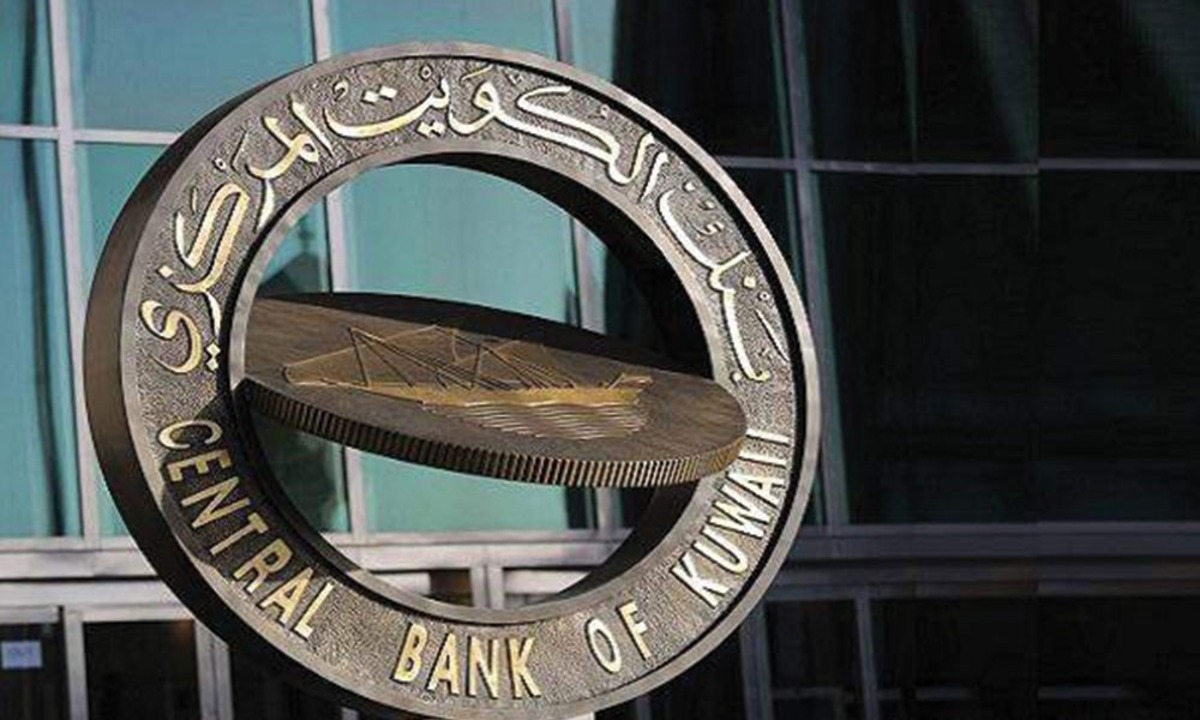
The Central Bank of Kuwait (CBK) has unveiled a substantial bond issuance totaling KD 240 million ($792 million), marking a significant move in the country’s financial strategy. This issuance comprises both conventional bonds and tawarruq, a financial instrument aligning with Islamic finance principles.

The latest financial maneuver by the CBK aims to bolster liquidity and stabilize the domestic financial market amid fluctuating economic conditions. Tawarruq, an Islamic finance arrangement, allows investors to obtain liquidity through the purchase of assets, which are then sold in a subsequent transaction, providing a compliant solution for generating cash flow in accordance with Sharia law.

This new issuance reflects the CBK’s ongoing strategy to manage the national monetary policy effectively. By introducing these bonds, the CBK intends to enhance the flexibility of the Kuwaiti dinar while offering attractive investment opportunities to local and international investors. The bonds are expected to attract significant interest due to their robust backing and the CBK’s strong financial position.

The decision to launch this bond issuance comes at a time of evolving global economic dynamics and regional financial shifts. The CBK’s move is anticipated to have a stabilizing effect on the local financial markets, addressing potential liquidity challenges and supporting the growth of the national economy.

The issuance includes both short-term and long-term bonds, providing a range of options for investors seeking to diversify their portfolios or secure steady returns. The incorporation of tawarruq underscores the CBK’s commitment to expanding its financial instruments in line with Islamic finance principles, catering to a diverse investor base.

This financial strategy aligns with the CBK’s broader objectives of maintaining monetary stability and fostering investor confidence. As the CBK continues to navigate the complexities of global financial markets, its latest bond issuance signifies a proactive approach to managing economic uncertainties and supporting Kuwait’s financial infrastructure.

Investors and financial analysts will closely monitor the impact of this bond issuance on the Kuwaiti financial landscape. The success of this initiative may set a precedent for future financial strategies and influence the broader regional financial market trends.

The CBK’s bond issuance is expected to play a pivotal role in strengthening Kuwait’s economic framework, with anticipated benefits extending across various sectors of the economy. As such, it represents a significant development in Kuwait’s financial sector and underscores the CBK’s ongoing efforts to adapt to evolving economic conditions while upholding its commitment to sound financial management.

The Indian aviation sector is on a transformative path that positions it as a major global hub by 2030. According to CAPA Advisory, Indian airlines are expected to significantly expand their fleets, with projections indicating the addition of 150 widebody aircraft by 2035. This expansion is set to be complemented by the integration of Airbus A321XLRs, designed for medium-haul routes, thereby enhancing connectivity and operational efficiency.

The rapid growth of the Indian aviation industry is driven by several factors, including a burgeoning middle class, increasing urbanization, and heightened economic activity. The country’s strategic geographic location between major global markets further reinforces its potential as a key aviation hub. With the government’s supportive policies and investments in infrastructure, including the development of new airports and the expansion of existing ones, India’s role in global air travel is set to become more prominent.

Indian airlines are focusing on modernizing their fleets to accommodate the rising passenger demand. The introduction of widebody aircraft will enable them to serve long-haul international routes more effectively. At the same time, the A321XLRs will address the need for efficient, medium-haul connectivity, making regional and international destinations more accessible.

Airline operators are also investing in technology and innovation to improve operational efficiency and enhance passenger experience. This includes advancements in aircraft maintenance, fuel efficiency, and customer service. As the aviation sector evolves, Indian carriers are positioning themselves to compete on a global scale, with a focus on delivering high-quality service and expanding their network reach.

The anticipated growth in passenger traffic is expected to double over the next decade, driven by the increasing affordability of air travel and the expansion of low-cost carriers. This surge in demand will necessitate significant investments in airport infrastructure, including terminal expansions and modernization of air traffic control systems, to accommodate the higher volume of passengers and flights.

The Indian government has been proactive in supporting this growth trajectory through various initiatives, including policies aimed at improving the regulatory environment and fostering private sector investment in the aviation sector. The development of new airports in underserved regions and the enhancement of existing facilities are central to this strategy, aimed at ensuring that infrastructure keeps pace with the expanding demand.

Industry experts highlight that the rise of Indian aviation as a global hub will have far-reaching economic implications, creating job opportunities, stimulating regional development, and fostering international trade and tourism. The increased connectivity will not only benefit passengers but also enhance cargo capacity, facilitating smoother global trade flows.

Overall, the Indian aviation sector’s expansion aligns with broader economic trends and demographic shifts, positioning the country as a key player in the global air travel market. As Indian airlines continue to expand their fleets and improve their services, they are set to play a significant role in shaping the future of global aviation.

U.S. intelligence agencies have officially attributed a recent series of cyberattacks targeting the 2024 presidential campaigns of Donald Trump and Kamala Harris to Iranian hackers. This confirmation, which marks a significant development in ongoing cybersecurity concerns, highlights Tehran’s broader strategy to interfere in U.S. politics and undermine trust in democratic institutions.

The cyber intrusion, which initially came to light through investigations by private cybersecurity firms, has now been explicitly linked to Iran by a joint statement from the FBI, the Office of the Director of National Intelligence, and the Cybersecurity and Infrastructure Security Agency. The statement underscores the escalating nature of Iran’s cyber operations, particularly as they relate to critical political events in the United States.

According to the U.S. government, these hacking efforts were part of a larger campaign by Iran aimed at influencing the outcome of the U.S. elections. The intrusions were not limited to Trump’s campaign; Harris’ campaign team was also targeted. Hackers reportedly sought to gain access to individuals closely associated with both campaigns, reflecting a concerted effort to gather intelligence and potentially manipulate electoral outcomes.

Private sector entities such as Microsoft and Google had previously issued warnings about similar activities, noting that Iranian groups linked to the Revolutionary Guard had attempted to infiltrate the personal email accounts of individuals connected to both Trump and Harris. These activities were seen as part of a broader pattern of foreign interference that has increasingly characterized U.S. electoral cycles.

Federal officials have emphasized the seriousness of these attacks, noting that they represent not just isolated incidents but a calculated strategy by Iran to exert influence over key aspects of American governance. This strategy, they argue, is particularly concerning given the potential implications for national security and the integrity of the democratic process.

The timing of these revelations, coming as the 2024 presidential race intensifies, adds another layer of complexity to an already fraught political landscape. As U.S. officials continue to investigate the full extent of Iran’s activities, there are growing calls for stronger cybersecurity measures to protect against foreign interference in American elections.

WETEX, the Water, Energy, Technology, and Environment Exhibition, has become a significant platform showcasing Dubai’s commitment to sustainability and innovation. Organized by the Dubai Electricity and Water Authority (DEWA), this event is a cornerstone in the emirate’s strategy to position itself as a leader in green technologies and sustainable development. Held under the leadership of His Highness Sheikh Mohammed bin Rashid Al Maktoum, WETEX has consistently drawn […]

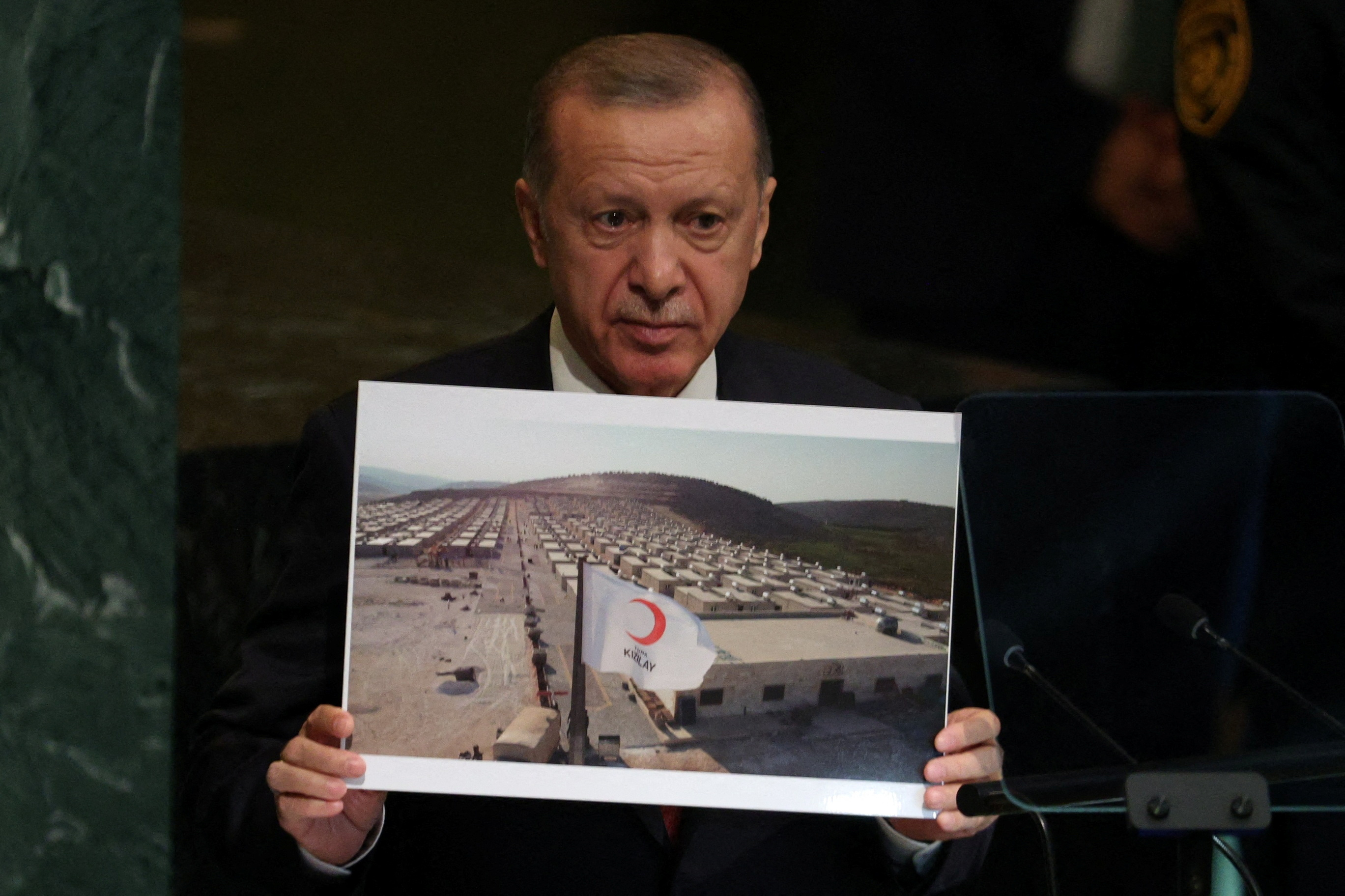
A new trade agreement between government-controlled and opposition-held areas in Syria marks a significant development in the Syrian conflict. This trade initiative, involving key economic exchanges between these once-divided regions, hints at a possible warming of relations between Syrian President Bashar al-Assad and Turkish President Recep Tayyip Erdogan.

The trade agreement comes amid shifting geopolitical dynamics, with Russia playing a pivotal role in facilitating dialogue between the Assad regime and various opposition factions. Moscow’s intervention in the Syrian conflict in 2015, aimed at restoring Assad’s control, has now expanded to include efforts to bridge the gap between conflicting parties. The recent trade pact underscores a potential realignment of alliances and objectives in the region.

The agreement involves the exchange of goods such as food, medicine, and construction materials, which are crucial for rebuilding efforts in the war-torn country. This trade is being managed through a network of intermediaries and is expected to alleviate some of the economic pressures faced by both sides. The move also reflects broader strategic interests, with both Assad and Erdogan seeking to stabilize their respective positions in the region.

The initiative has garnered attention from various international observers and analysts, who view it as a strategic maneuver by both leaders to consolidate their control and influence. The Syrian government sees this trade agreement as a means to reinforce its authority and address humanitarian needs, while Erdogan’s administration is leveraging the opportunity to address economic and political pressures within Turkey.

The trade pact aligns with Russia’s broader objectives in Syria, where Moscow has been working to strengthen its diplomatic and strategic foothold. The Russian government has been actively involved in brokering discussions and mediating between conflicting parties, aiming to create a more stable and cooperative environment in Syria. This recent development is seen as a part of Russia’s strategy to enhance its influence and facilitate a more sustainable resolution to the conflict.

The reaction from the international community has been mixed. While some view the agreement as a positive step towards reducing tensions and fostering dialogue, others remain skeptical about its long-term impact on the broader conflict. Critics argue that while the trade initiative may offer short-term benefits, it does not address the underlying political and security challenges that continue to plague Syria.

As the situation evolves, stakeholders are closely monitoring how this trade agreement will affect the broader dynamics of the Syrian conflict. The potential for improved relations between Assad and Erdogan could reshape the geopolitical landscape of the region, influencing not only Syria’s internal politics but also its interactions with neighboring countries and international actors.

The trade agreement between Syrian regime and rebel areas represents a notable shift in the ongoing conflict, with implications for both regional politics and international diplomacy. The development highlights the complex and evolving nature of the Syrian crisis, reflecting broader trends and strategic interests that continue to shape the region’s future.

Advertisements

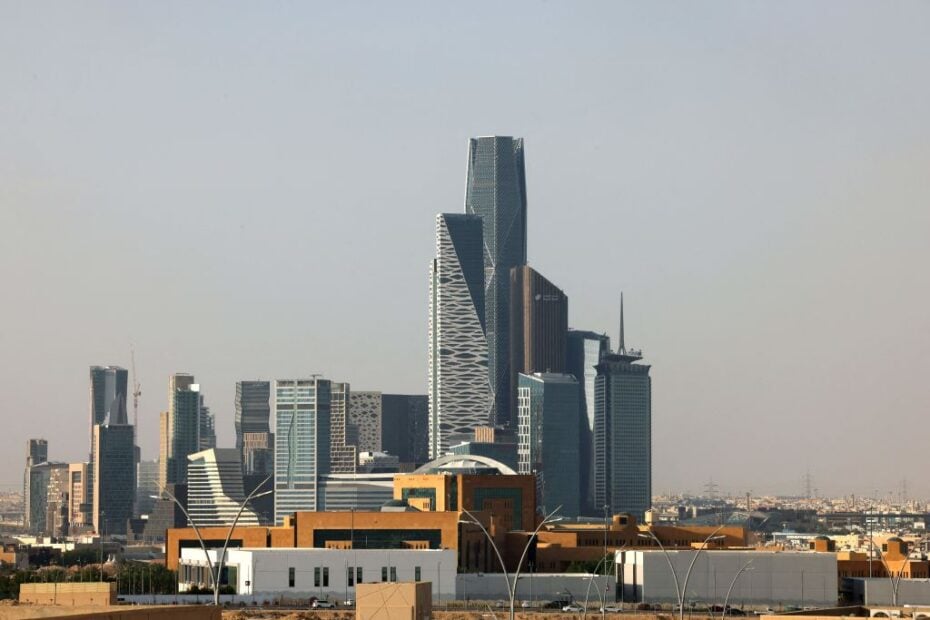
The Saudi Public Investment Fund (PIF) has achieved notable financial gains following a global market upswing, significantly boosting its returns. This surge is attributed to a series of positive developments across various global markets, enhancing the value of PIF’s diverse investment portfolio.

In the past quarter, PIF’s investment performance has markedly improved, reflecting a broader positive trend in global equities. The rally in major stock indices, including those in the US and Europe, has contributed substantially to the fund’s recent success. Particularly strong performances in the technology and energy sectors have been instrumental, with stocks in these areas achieving substantial growth.

The PIF, known for its strategic investments in sectors such as technology, entertainment, and infrastructure, has benefited from its early and diversified investments in high-growth areas. Investments in cutting-edge technology firms and renewable energy projects have yielded impressive returns, aligning with the global emphasis on innovation and sustainability.

Recent data reveals that the PIF’s stake in various tech giants and renewable energy companies has been a key driver behind the improved performance. Companies focusing on artificial intelligence, clean energy, and digital transformation have seen their stock values rise significantly, thereby boosting the value of PIF’s investments.

In addition to equity investments, PIF’s strategic acquisitions and partnerships have played a crucial role. The fund’s engagement in major international projects and joint ventures has not only diversified its investment portfolio but also enhanced its global footprint. This approach has allowed PIF to leverage emerging market trends and capitalize on lucrative opportunities.

Moreover, the PIF’s focus on geographic diversification has helped mitigate risks associated with market volatility. By investing across various regions and sectors, the fund has effectively balanced its portfolio, ensuring stability and growth despite fluctuations in specific markets.

The recent market rally has also been supported by favorable macroeconomic conditions, including low-interest rates and strong economic recovery signals from key markets. This environment has created a conducive backdrop for investment gains, further amplifying the positive impact on the PIF’s returns.

Looking ahead, the PIF is expected to continue benefiting from ongoing global market trends and its strategic investment choices. The fund’s proactive approach to identifying and investing in high-potential sectors positions it well to capitalize on future market opportunities and maintain its robust financial performance.

As the global economy evolves, the PIF’s ability to adapt and strategically align its investments with emerging trends will be crucial. The fund’s continued focus on diversification and innovation will likely play a significant role in sustaining its growth trajectory and reinforcing its position as a leading global investment player.

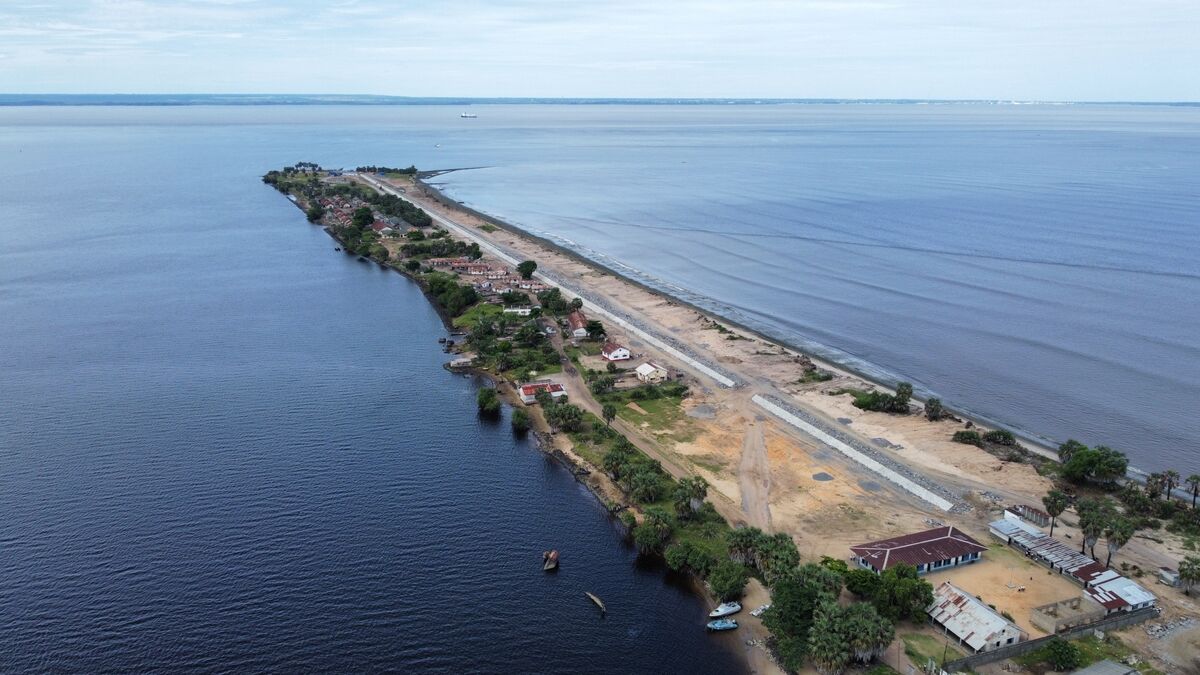
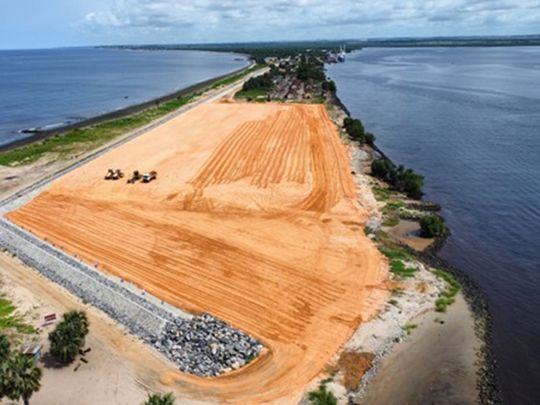
A major infrastructure venture is underway as DP World and British International Investment join forces to establish the Democratic Republic of Congo’s first deep-water port. This landmark project aims to significantly reduce trade costs and stimulate the local economy by creating approximately 85,000 jobs.

The deep-water port, strategically located on the Atlantic coast, will enhance Congo’s trade capabilities by accommodating larger vessels and improving logistical efficiency. Currently, Congo’s maritime infrastructure is limited, with most ports unable to handle significant cargo volumes due to shallow waters. The new port will address these constraints, offering a modern facility that can support the country’s growing trade demands.

Trade experts anticipate that the port will lower the cost of importing and exporting goods by up to 12%. This reduction is expected to have a broad economic impact, facilitating more affordable access to international markets for Congolese businesses and boosting the nation’s economic competitiveness on the global stage.

The project represents a substantial investment in Congo’s economic infrastructure, signaling a robust commitment from both DP World and British International Investment to the region’s development. By improving port facilities, the initiative will also enhance supply chain efficiency, which is crucial for Congo’s key export sectors, including mining and agriculture.

Construction of the port is projected to commence in the coming months, with the development phase anticipated to last several years. During this period, the project will generate significant employment opportunities, ranging from construction jobs to roles in port operations and logistics. The anticipated job creation is expected to provide a substantial boost to the local economy, supporting thousands of families and contributing to broader economic stability in the region.

The deep-water port is poised to transform the economic landscape of the Democratic Republic of Congo. It will not only modernize the country’s maritime infrastructure but also catalyze growth across various sectors, from trade and logistics to regional development.

As work on the port progresses, the collaboration between DP World and British International Investment is expected to attract additional international interest and investment in Congo’s infrastructure projects. The partnership underscores a growing trend of global investors focusing on the development of critical infrastructure in emerging markets, recognizing the long-term economic benefits these projects can deliver.

This ambitious initiative highlights the potential for significant progress in Congo’s economic development through strategic investments in infrastructure. The establishment of a deep-water port marks a pivotal step forward, promising to enhance trade efficiency, stimulate job creation, and support broader economic growth.

BluSmart, the prominent Indian electric vehicle (EV) startup, is making strides in the United Arab Emirates (UAE) as it aims to transform the region’s transportation sector. The company is set to introduce a comprehensive fleet of electric taxis, leveraging its experience in sustainable mobility to address the UAE’s growing environmental concerns. BluSmart’s entry into the UAE market aligns with the country’s strategic vision to diversify its energy […]

Trade between Syria’s regime-held territories and rebel-controlled regions in Idlib has begun to show signs of increased cooperation, potentially hinting at a warming relationship between Syrian President Bashar al-Assad and Turkish President Recep Tayyip Erdogan. This development comes after years of hostilities that have defined the Syrian civil war and the broader geopolitical dynamics in the region.

The Bab al-Hawa crossing, a critical gateway for humanitarian aid and commercial trade between Syria and Turkey, is now functioning under the control of Hayat Tahrir al-Sham (HTS), an Islamist rebel group that dominates the Idlib region. Despite Turkey’s classification of HTS as a terrorist organization, the crossing has become a vital economic lifeline, with HTS reportedly generating millions of dollars in revenue from customs and tariffs imposed on goods passing through the border.

In a more controversial move, HTS has initiated trade with areas under the control of the Syrian regime, particularly through the Saraqib crossing. This crossing, which reopened following negotiations involving HTS, Syrian regime representatives, and Russian commanders, was touted as a means to revitalize the local economy. HTS claimed that the reopening would alleviate the severe shortages of medicine and other essential goods in Idlib, while also boosting the region’s agricultural sector.

The reopening of the Saraqib crossing has been met with mixed reactions. While HTS argues that this economic cooperation is necessary to sustain the local population and reduce reliance on smuggling, critics view it as a betrayal of the rebel cause, potentially signaling a shift in HTS’s stance towards the Assad regime. Additionally, there are reports of ongoing consultations between HTS and Turkey regarding the crossing, indicating a complex interplay of interests that could be influencing the group’s decisions.

The potential rapprochement between Assad and Erdogan is further complicated by Russia’s role in mediating and promoting these trade links. Russia, a key ally of the Syrian government, has been pushing for a normalization of relations between Turkey and Syria, as part of its broader strategy to stabilize the region and secure its interests. This effort aligns with Russia’s goal of strengthening Assad’s position while ensuring that Turkey, which backs several rebel factions, remains engaged in the political process rather than pursuing military options.

However, the thaw in relations is not without challenges. Turkey continues to support rebel groups in Idlib, and any overt alignment with the Assad regime could undermine Erdogan’s standing domestically and among Syrian opposition groups. Moreover, the economic benefits of these trade arrangements, while significant, do not address the underlying political and military tensions that persist between the two sides.

As trade between regime and rebel areas continues to expand, observers are closely monitoring whether this economic cooperation will lead to a broader political detente or if it will merely serve as a pragmatic arrangement in a protracted conflict. The implications of this development could have far-reaching consequences for the future of Syria and the region, particularly if it leads to a recalibration of alliances and power dynamics.

The American University of Ras Al Khaimah (AURAK) has introduced a Bachelor of Science in Artificial Intelligence designed to align with the soaring demand for AI expertise. The program addresses the rapid expansion of the AI industry, which has been growing at an annual rate of 37.3%.

This new degree is tailored to equip students with the skills and knowledge necessary to thrive in a market increasingly driven by artificial intelligence innovations. It combines advanced theoretical understanding with practical experience, reflecting the evolving needs of the job market. Students will engage in hands-on projects and research, ensuring they are well-prepared to enter the workforce immediately upon graduation.

AURAK’s program focuses on providing students with expertise in AI technologies and applications, ranging from machine learning to data analysis and automation. The curriculum is designed to foster a deep understanding of both the technical and ethical aspects of AI, preparing graduates for various roles in the technology sector.

The decision to launch this program comes in response to the escalating global demand for AI professionals. As industries from healthcare to finance increasingly rely on AI for innovation and efficiency, the need for well-trained experts has surged. AURAK’s program aims to fill this gap by producing graduates who are not only knowledgeable in the latest AI advancements but also equipped with practical skills to apply this knowledge effectively.

Industry experts and academic professionals have highlighted the significance of such initiatives in addressing the skills shortage in AI fields. By focusing on both theoretical and practical elements, AURAK’s program seeks to ensure that students are not just proficient in AI concepts but also adept at applying them in real-world scenarios.

Furthermore, the program is structured to include industry collaborations and internships, providing students with valuable exposure to potential employers and hands-on experience. This approach is expected to enhance job readiness and increase employability upon graduation.

The introduction of this degree reflects a broader trend among educational institutions globally, responding to the accelerating pace of technological change and the corresponding demand for skilled professionals. As AI continues to expand its influence across various sectors, programs like AURAK’s are crucial in preparing the next generation of experts to lead and innovate in this dynamic field.

Leaders from the Southern African Development Community (SADC) gathered for their 44th Ordinary Summit in Maputo, Mozambique, with Seychelles making a significant appearance. The summit, which took place on August 16-17, 2024, focused on critical regional issues including economic integration, climate change, and security.

President Wavel Ramkalawan of Seychelles led the nation’s delegation, emphasizing the country’s commitment to regional collaboration and sustainable development. Seychelles, an island nation with a strategic position in the Indian Ocean, has been an active participant in SADC’s efforts to foster economic growth and political stability in Southern Africa.

During the summit, discussions centered on enhancing economic partnerships within the SADC region. Leaders debated strategies to boost intra-regional trade and investment, aiming to reduce economic vulnerabilities and improve resilience against global economic uncertainties. Seychelles has expressed strong support for initiatives aimed at promoting trade and investment, recognizing the potential benefits for its own economy and the broader region.

Climate change emerged as a key topic, with the region’s vulnerability to environmental changes underscored. The summit addressed the need for collective action to mitigate the impacts of climate change, including strategies for disaster preparedness and sustainable resource management. Seychelles, with its unique geographic challenges, has been vocal about the importance of robust climate action and shared resources among member states.

Security concerns also featured prominently in the discussions, reflecting ongoing issues such as maritime security and regional conflicts. The summit reaffirmed the commitment of SADC members to collaborate on security matters, aiming to enhance peace and stability across the region. Seychelles, with its strategic location and maritime interests, has been an active participant in regional security initiatives and cooperative efforts.

The summit provided a platform for the exchange of views and experiences among member states. It highlighted Seychelles’ role in advocating for policies that align with its national interests while contributing to the collective goals of the SADC. The island nation’s engagement in the summit underscores its dedication to fostering regional cooperation and addressing shared challenges.

In addition to these key areas, the summit also included discussions on enhancing institutional frameworks within SADC. Leaders reviewed the effectiveness of existing structures and explored opportunities for strengthening organizational capacities. Seychelles’ participation in these deliberations reflects its ongoing commitment to improving the operational efficiency of the SADC and ensuring that it effectively addresses the needs of its member states.

The outcomes of the summit are expected to shape the future direction of the SADC and influence regional policies. Seychelles’ contributions and active involvement are likely to play a significant role in the implementation of the summit’s resolutions, particularly in areas related to economic development, climate resilience, and regional security.

The 44th Ordinary Summit of SADC Heads of State and Government marks a continued effort towards enhancing regional integration and cooperation. Seychelles’ engagement highlights its strategic role within the organization and its dedication to advancing shared goals and addressing collective challenges in Southern Africa.

A growing number of individuals are selecting the United Arab Emirates (UAE) as their retirement destination, drawn by its appealing lifestyle, tax incentives, and strategic location. This trend marks a significant shift as the UAE increasingly becomes a preferred locale for retirees seeking a blend of modern amenities and a favorable economic environment.

The UAE’s allure for retirees is underscored by its robust economic stability and luxurious living standards. The nation offers a range of residency options tailored to retirees, including long-term visas that facilitate a comfortable transition to retirement life. These residency programs are designed to attract retirees from various global regions, promising benefits such as tax-free income and high-quality healthcare.

Recent reports highlight a noticeable increase in the number of retirees moving to the UAE, particularly to cities like Dubai and Abu Dhabi. These urban centers are celebrated for their cosmopolitan atmosphere, advanced infrastructure, and an array of leisure and cultural activities that cater to diverse tastes and preferences. Additionally, the UAE’s strategic location serves as a convenient hub for international travel, enhancing its appeal to retirees who value global connectivity.

Economic factors also play a critical role in this migration trend. The UAE’s favorable tax regime, including no income tax and minimal estate taxes, is a significant draw for retirees looking to maximize their financial resources. The country’s real estate sector offers a range of housing options, from high-end apartments to villas, aligning with the diverse preferences of retirees. This financial attractiveness is complemented by a stable and secure environment, contributing to the UAE’s growing reputation as a retirement haven.

Moreover, the UAE’s commitment to creating a welcoming environment for expatriates is evident in its efforts to ensure that retirees can integrate smoothly into society. Initiatives aimed at enhancing social inclusion and providing tailored services for retirees reflect the country’s dedication to accommodating this demographic.

The trend of retiring in the UAE is supported by data showing an increase in inquiries and applications for retirement visas from countries such as the United States, the United Kingdom, and various European nations. This international interest underscores the UAE’s competitive position in the global retirement market.

Healthcare services in the UAE are another pivotal factor attracting retirees. The country boasts a world-class healthcare system with cutting-edge facilities and a high standard of medical care, which is crucial for retirees who may have specific health needs. The availability of quality healthcare enhances the overall appeal of the UAE as a desirable location for retirement.

The lifestyle benefits offered by the UAE further strengthen its position as a prime retirement destination. The country provides a safe and secure environment, with low crime rates and a high standard of living. Additionally, the diverse range of recreational and cultural activities available ensures that retirees can enjoy a fulfilling and active lifestyle.

As the UAE continues to develop and enhance its retirement offerings, it is likely to see sustained growth in the number of retirees choosing to make it their home. This trend reflects broader shifts in global retirement patterns, where individuals are increasingly seeking destinations that offer a combination of financial advantages, quality of life, and comprehensive support systems.

The UAE’s emergence as a leading retirement destination highlights its growing appeal and competitive advantages in the global market. With its attractive lifestyle, economic benefits, and commitment to retiree welfare, the UAE is well-positioned to continue drawing retirees from around the world.

Criterion Capital has announced a significant financial milestone with the successful acquisition of $32.3 million in funding from Bank of London and the Middle East (BLME). This capital will be directed towards the transformation of a landmark building in Trafalgar Square into a modern hotel. The redevelopment project is poised to be a notable addition to London’s hospitality sector, reflecting the city’s ongoing appeal to both tourists and business travelers.

The Trafalgar Square property, situated in a prime location, is set to undergo extensive renovations aimed at enhancing its functionality and aesthetic appeal. The transformation will include the conversion of the historic building into a high-end hotel, expected to offer state-of-the-art amenities and services tailored to meet the needs of a diverse clientele. The investment from BLME marks a significant commitment to revitalizing this iconic site and is anticipated to bring new energy to the area.

Criterion Capital, a prominent player in real estate development, is known for its focus on high-profile projects in key urban locations. The company’s decision to invest in this project underscores its confidence in London’s robust hospitality market and the strategic value of the Trafalgar Square location. By leveraging this financial support, Criterion Capital aims to deliver a premier hotel experience that aligns with the high standards of the city’s luxury accommodations.

BLME’s involvement in the project highlights the bank’s role in supporting significant real estate ventures. As a leading provider of Sharia-compliant financial services, BLME’s investment reflects its strategic interest in the London property market. The bank’s support is seen as a crucial factor in advancing the project’s development and ensuring its successful completion.

The conversion of the Trafalgar Square property is expected to create numerous job opportunities and contribute positively to the local economy. With the hospitality industry recovering and evolving, this project represents a forward-looking investment that capitalizes on London’s enduring status as a major global travel destination.

As the project progresses, the redevelopment of this Trafalgar Square site will be closely watched by industry stakeholders and local residents alike. The transformation of such a prominent location into a luxury hotel is anticipated to set new standards for high-end accommodations in the capital.

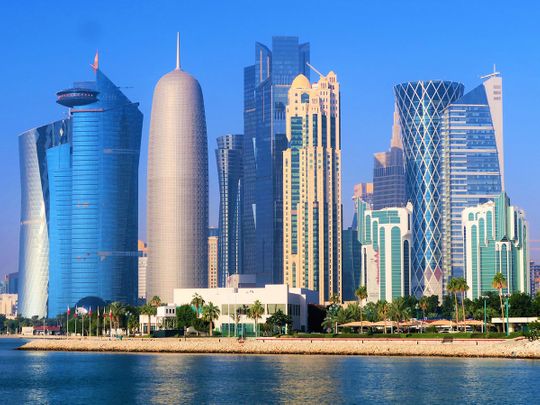
The Qatar Financial Centre (QFC) has reported a staggering 230% increase in new firm registrations over the past year, highlighting its growing appeal as a business hub in the Middle East. This surge underscores the QFC’s strategic role in attracting international companies and fostering a dynamic economic environment.

The remarkable growth in registrations reflects the QFC’s ongoing efforts to enhance its business-friendly environment and regulatory framework. The center’s success can be attributed to its streamlined procedures, tax incentives, and supportive infrastructure that cater to a diverse range of industries. The QFC has positioned itself as a pivotal player in Qatar’s economic diversification strategy, aligning with the nation’s broader goals of reducing dependency on hydrocarbon revenues and boosting other sectors.

Several factors have contributed to this dramatic increase. The introduction of more flexible regulations and the simplification of the registration process have made it easier for businesses to enter the Qatari market. Additionally, the QFC’s emphasis on providing a robust legal and financial framework has attracted multinational corporations looking to establish a presence in the region. This trend is part of a larger pattern of increasing foreign investment in Qatar, driven by its stable political environment and strategic location.

Key sectors experiencing growth include technology, financial services, and professional services. The QFC has also seen a notable influx of companies involved in renewable energy and sustainable development, reflecting Qatar’s commitment to integrating sustainability into its economic model. The rise in registrations is not only a testament to the QFC’s attractiveness but also a sign of Qatar’s expanding role in the global economy.

The QFC’s achievements come in the context of Qatar’s broader economic strategy, which includes significant investments in infrastructure and development projects. This strategy aims to enhance the country’s global competitiveness and create a more diversified economic landscape. The substantial increase in firm registrations is a positive indicator of the effectiveness of these policies and the growing confidence of international investors in Qatar’s economic prospects.

Looking ahead, the QFC is expected to continue its momentum, with ongoing initiatives designed to further ease the process for new businesses and expand its range of services. The center’s leadership remains committed to maintaining a competitive and attractive environment for both local and international firms, ensuring that Qatar remains a top destination for investment and business growth in the region.

This significant uptick in new firm registrations underscores the QFC’s pivotal role in Qatar’s economic expansion and its continued success as a key business hub. The center’s proactive approach to enhancing its offerings and regulatory environment demonstrates its commitment to fostering a thriving economic ecosystem in the Middle East.

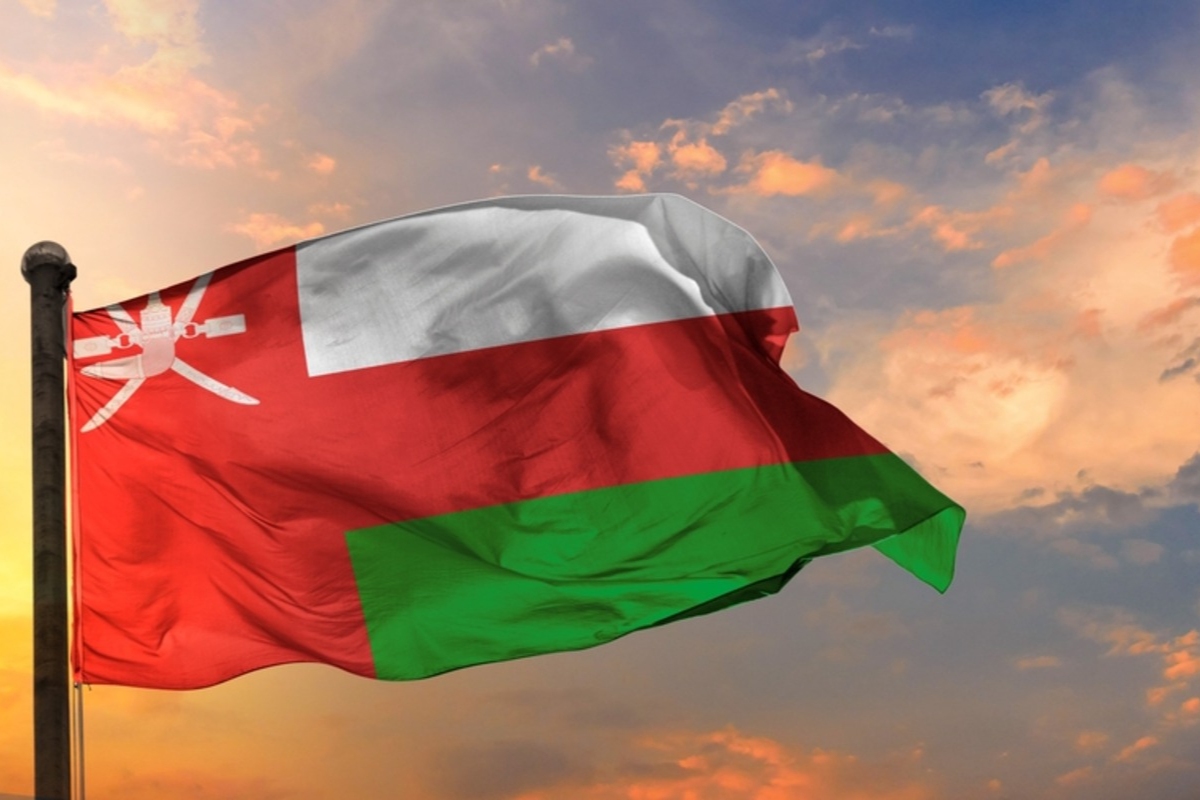
Oman’s sovereign wealth fund, the State General Reserve Fund (SGRF), has reported a significant increase in its total assets for 2023, reaching $49.9 billion. This marks a substantial growth from previous years, reflecting a positive shift in the fund’s investment strategy and global financial conditions.

The SGRF’s growth in assets is attributed to various factors including strategic investments in diverse global markets and favorable returns from its portfolio. The fund has been actively diversifying its investments, focusing on high-growth sectors and regions to maximize returns and minimize risks. This strategy appears to be paying off, with notable gains reported in both public and private investments.

Recent investments by the SGRF have spanned multiple sectors including technology, infrastructure, and energy. By positioning itself in these high-potential areas, the fund has managed to capitalize on global economic trends and emerging market opportunities. This approach has not only enhanced the fund’s asset base but also strengthened its financial stability.

The increase in assets also reflects broader economic trends and market performance over the past year. Global financial markets have seen volatility and shifts, but strategic asset management and a forward-looking investment strategy have allowed the SGRF to navigate these challenges effectively. The fund’s performance is indicative of its robust risk management practices and adept investment decisions.

Moreover, the SGRF has been emphasizing sustainability and responsible investment practices. The fund’s commitment to Environmental, Social, and Governance (ESG) criteria is evident in its investment choices, with a growing portion of its portfolio allocated to sustainable and socially responsible investments. This aligns with global investment trends where sustainability is becoming increasingly pivotal.

The fund’s strategic expansion into emerging markets and sectors with high growth potential has been a key driver of its asset growth. By leveraging opportunities in dynamic and evolving markets, the SGRF is positioning itself to capitalize on future economic shifts and trends.

As the global economic landscape continues to evolve, the SGRF’s performance highlights its adaptive strategy and proactive management. The increase in assets underscores the fund’s resilience and its ability to generate value amid fluctuating market conditions. With a focus on diversified investments and sustainability, the SGRF is set to continue its role as a significant player in the global investment arena.

Oman’s sovereign wealth fund’s impressive asset growth for 2023 is a testament to its strategic vision and effective management. As it continues to explore new opportunities and refine its investment approach, the SGRF remains a critical component of Oman’s financial strategy, contributing to the nation’s long-term economic stability and growth.

The UK government has allocated $35 million towards the enhancement of the Congo container port, in partnership with Dubai-based DP World. This investment aims to bolster the port’s infrastructure and operational capacity, positioning it as a key player in the region’s trade network.

The funding will be directed towards upgrading facilities, including the construction of new docks and the implementation of advanced cargo handling technology. The project is expected to significantly increase the port’s throughput and efficiency, addressing longstanding bottlenecks that have impeded trade in the Congo Basin.

DP World, a leading global port operator, will oversee the project’s execution. The collaboration leverages DP World’s extensive experience in port management and development, promising to enhance the logistical framework necessary for fostering economic growth in the region.

The Congo container port is strategically located and serves as a crucial node for both regional and international shipping routes. With the anticipated upgrades, it is projected to handle a higher volume of cargo and facilitate smoother transit for goods entering and leaving the Congo.

Economic analysts view this development as a pivotal step towards integrating Congo more firmly into the global supply chain. The improved port infrastructure is expected to attract additional investments and trade opportunities, further stimulating economic development in the area.

Moreover, the initiative is set to create numerous job opportunities, both directly within the port and indirectly through associated industries. This will contribute to local economic advancement and provide a much-needed boost to the region’s employment rates.

The UK’s commitment to this project underscores its strategic interest in enhancing trade routes and fostering economic stability in Africa. This investment reflects a broader trend of international collaboration aimed at modernizing infrastructure in developing regions, which is seen as vital for global trade and economic growth.

As the project progresses, it will be closely monitored to ensure that the infrastructure improvements meet the planned objectives and contribute effectively to the region’s economic landscape.

Saudi Arabia is actively seeking to boost its foreign direct investment (FDI) inflows from both Asia and Europe, with a clear strategy to diversify its investment sources and enhance economic growth. The country’s vision for this expansion aligns with its broader economic reform plans aimed at reducing dependency on oil revenue and fostering a more diversified economy.

The move comes as part of Saudi Arabia’s Vision 2030 initiative, which seeks to transform the economy by attracting global investors and establishing new industry hubs. The focus on Asian and European markets is a strategic response to the changing global investment landscape, which has seen a shift in the patterns of FDI flows.

Saudi Arabia’s Assistant Minister for Investment, Abdullah Al-Mubarak, highlighted that the country is targeting specific sectors where it sees high potential for growth and collaboration. These sectors include technology, renewable energy, and infrastructure. Al-Mubarak emphasized that the Kingdom is positioning itself as a gateway to the Middle East and North Africa (MENA) region, offering attractive incentives for foreign investors.

To achieve this, Saudi Arabia has implemented several reforms aimed at improving its business environment. These include streamlined regulatory processes, enhanced investor protections, and new initiatives to facilitate easier market entry for foreign companies. Additionally, the Kingdom is actively promoting its economic zones, which offer preferential terms and tax benefits to international businesses.

Asian investors, particularly from China, Japan, and South Korea, are being courted due to their growing economic influence and their significant investments in infrastructure and technology. Similarly, European investors are being attracted by Saudi Arabia’s efforts to create a more stable and diverse economic environment, as well as its strategic location for accessing broader regional markets.

Recent investment conferences and bilateral meetings between Saudi officials and international business leaders have underscored the Kingdom’s commitment to this strategy. High-profile engagements with multinational corporations and investment funds are part of a concerted effort to showcase Saudi Arabia’s economic potential and investment opportunities.

The Kingdom’s efforts to attract foreign investment are also supported by its ambitious projects, such as the development of NEOM, a $500 billion mega-city that aims to be a hub for innovation and sustainable living. Such projects are designed to appeal to global investors by demonstrating Saudi Arabia’s commitment to cutting-edge technologies and forward-thinking economic practices.

Saudi Arabia’s strategic focus on diversifying its investment sources is not only about increasing FDI but also about building long-term economic partnerships that align with its national interests. By leveraging its geographic advantage and substantial economic reforms, the Kingdom aims to secure a stable and diversified economic future, making it a compelling destination for investors from Asia and Europe.

This push for greater foreign investment marks a significant step in Saudi Arabia’s broader economic transformation, highlighting its evolving role in the global investment landscape. As the Kingdom continues to implement its Vision 2030 objectives, it remains committed to fostering a robust and diversified economy through enhanced international investment collaborations.

Kamala Harris is poised to secure the Democratic nomination for the 2024 presidential election at the Democratic National Convention (DNC), despite mounting concerns over potential protests. The convention, scheduled to take place in Chicago, will see Harris officially endorsed as the party’s candidate, as Democrats aim to solidify their campaign strategy ahead of the November 5 election.

The nomination process will unfold amidst heightened scrutiny and potential disruptions. Protest groups have indicated plans to demonstrate, reflecting broader discontent with current administration policies and electoral strategies. Security measures are being ramped up to address these concerns and ensure the convention proceeds smoothly.

Harris, who currently serves as Vice President, has faced both criticism and support from within the party. Supporters highlight her role in advancing key policies and representing the party’s values. Opponents, however, question her effectiveness and the overall direction of her campaign. The convention is expected to address these internal divisions and set a clear path forward for the party.

The event will feature speeches from notable party figures, aiming to unify the base and generate momentum for the upcoming election. Organizers are focusing on showcasing Harris’s achievements and vision for the future, while also addressing the concerns of dissenters within the party.

The 2024 election landscape is shaping up to be highly competitive, with both major parties intensifying their campaigns. The Democratic convention will be a critical moment for Harris to galvanize support and lay the groundwork for a successful campaign.

As the convention approaches, the Democratic Party is preparing for a series of events designed to engage voters and consolidate support. These include policy announcements, rallies, and outreach initiatives aimed at addressing key voter concerns and building a strong electoral coalition.

Harris’s nomination is a significant milestone in her political career and will be closely watched by both supporters and critics. The outcome of the convention will play a crucial role in shaping the trajectory of the Democratic campaign and its strategy for the general election.

With the election only a few months away, the stakes are high for Harris and the Democratic Party. The convention’s success in rallying the base and addressing internal divisions will be pivotal in determining their readiness for the upcoming electoral battle.

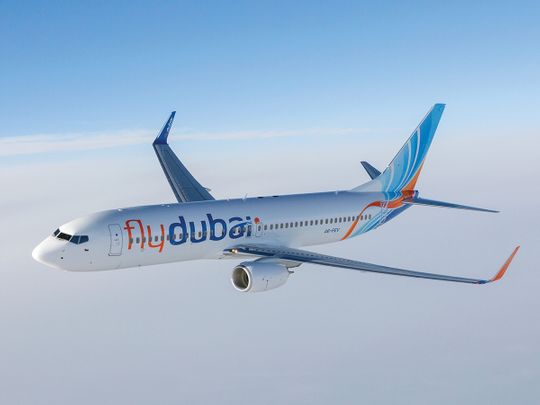
Flydubai flight FZ 141, en route from Dubai International Airport to Salalah, Oman, encountered technical difficulties on Sunday, necessitating an emergency landing in Muscat. The aircraft, a Boeing 737-800, was operating a routine service when the crew detected a malfunction in the aircraft’s systems.

The flight, carrying 176 passengers and crew, was approximately midway through its journey when the issue arose. The decision to divert to Muscat was made as a precaution to ensure passenger safety and to address the technical issue with greater support on the ground. The aircraft landed safely at Muscat International Airport around 2:30 PM local time.

Upon landing, emergency services were on standby, and all passengers were safely disembarked. The airline arranged alternative transportation for those heading to Salalah, including a chartered flight to continue their journey. Flydubai stated that they are investigating the incident and have initiated a thorough inspection of the aircraft.

This incident marks one of several recent disruptions in regional air travel, reflecting ongoing challenges in aviation maintenance and safety protocols. The airline industry has faced scrutiny over aircraft reliability and maintenance procedures, particularly in the wake of increasing travel demands and operational pressures.

Flydubai, a major player in the Middle Eastern low-cost carrier market, has maintained a generally strong safety record. However, any technical failure raises concerns among passengers and industry regulators alike. The airline has committed to fully cooperating with the investigation and ensuring that all safety standards are met.

Muscat International Airport handled the situation efficiently, with minimal disruption to its operations. Passengers were provided with necessary support, including refreshments and accommodation, while awaiting further travel arrangements. The incident highlights the importance of robust contingency plans and rapid response capabilities in the aviation sector.

As the investigation continues, Flydubai is expected to release further details about the nature of the technical issue and any implications for future flights. The airline’s response and the outcome of the investigation will likely influence perceptions of its reliability and operational practices.

Aviation safety experts suggest that incidents like this underscore the need for continuous monitoring and improvement of aircraft maintenance protocols to prevent similar occurrences. Ensuring the reliability of aircraft systems and addressing any potential issues proactively is crucial for maintaining passenger trust and safety in the aviation industry.

The airline and relevant authorities are working together to resolve the situation and restore normal operations as soon as possible.

Dammam, Saudi Arabia – August 19, 2024: Executives from Oil Park Development Company (OPDC) engaged in pivotal discussions with International Maritime Industries (IMI) regarding their strategic collaboration for the ambitious THE RIG. project. This partnership will see IMI providing essential ferries and support services aimed at enhancing the operational efficiency and visitor experience of THE RIG., an innovative offshore adventure destination modeled after offshore oil platforms.

Raed Bakhrji, CEO of OPDC, led the delegation to IMI’s headquarters. The meeting was a crucial step in formalizing their joint efforts to optimize maritime logistics for THE RIG., which promises to be a unique global attraction. Abdullah Al Ghamdi, CEO of IMI, welcomed Bakhrji and his team, highlighting the importance of this collaboration in advancing the project’s goals.

The partnership between OPDC and IMI is designed to address the logistical and operational needs of THE RIG. by providing specialized ferries that will facilitate seamless transportation of visitors and materials to the offshore site. This strategic move aims to ensure that THE RIG. operates smoothly, maintaining high standards of safety and efficiency.

IMI’s role extends beyond ferry provision, encompassing a range of services to support OPDC’s maritime operations. This includes the deployment of advanced technology and expertise to manage the complex logistical requirements of an offshore adventure park. By leveraging IMI’s extensive experience in maritime operations, OPDC aims to set a new benchmark in offshore tourism.

THE RIG., slated to be the world’s first offshore adventure park, is inspired by the design and functionality of offshore oil platforms. It will feature a variety of attractions and experiences, offering visitors a unique adventure in an unparalleled setting. The project represents a significant investment in the tourism sector, reflecting a growing trend towards innovative and immersive travel experiences.

The collaboration between OPDC and IMI underscores a broader trend of integrating specialized maritime services with large-scale tourism projects. As offshore adventure tourism gains traction, the need for robust logistical support and advanced transportation solutions becomes increasingly critical. This partnership is expected to play a key role in setting new standards for such ventures.

Both companies are committed to ensuring that THE RIG. meets the highest standards of operational excellence. The integration of IMI’s maritime expertise with OPDC’s vision for THE RIG. highlights the growing synergy between industry leaders in delivering cutting-edge tourism experiences. This partnership is poised to contribute significantly to the success and sustainability of the project, paving the way for future developments in offshore adventure tourism.

As THE RIG. project progresses, the collaboration with IMI will be instrumental in addressing the challenges associated with operating in an offshore environment. The successful implementation of this partnership is expected to enhance the visitor experience, ensuring that THE RIG. stands out as a premier destination in the global tourism landscape.

Saudi Arabia’s Minister of Communications and Information Technology, H.E. Eng. Abdullah Alswaha, has been confirmed as a guest speaker for an upcoming panel discussion focusing on the gaming and esports industry. This announcement highlights the Kingdom’s ongoing commitment to leveraging these sectors for economic and cultural advancement.

The event, organized by the Saudi Esports Federation, will feature a range of discussions aimed at exploring the transformative impact of gaming and esports on Saudi Arabia’s economy and society. HRH Prince Faisal bin Bandar bin Sultan, Chairman of the Saudi Esports Federation, emphasized the sector’s role in reshaping the Kingdom into a vibrant hub of creativity and engagement. He noted, “The gaming and esports industry has been at the forefront of transforming the Kingdom’s economic, social, and cultural landscape into a dynamic hub of creativity and engagement.”

Saudi Arabia has increasingly positioned itself as a significant player in the global gaming and esports arena. This strategic focus aligns with the Kingdom’s Vision 2030 initiative, which aims to diversify the economy and reduce dependence on oil revenues. By investing heavily in the gaming sector, Saudi Arabia seeks to boost its global presence and foster innovation and collaboration.

Brian Ward, CEO of Savvy Games Group, highlighted the Kingdom’s proactive stance in this industry. He stated, “Saudi Arabia has foreseen the potential and positioned itself as a leader that enhances its global presence and fosters a spirit of collaboration and innovation.” His remarks underscore the strategic importance of the gaming sector in Saudi Arabia’s broader economic and cultural strategies.

The panel discussion will address several key topics, including the role of gaming in driving economic growth, enhancing social engagement, and fostering creative industries. The event is expected to draw participation from industry leaders, policymakers, and other stakeholders interested in the development of the gaming and esports sectors.

The inclusion of H.E. Eng. Abdullah Alswaha in the panel reflects the government’s commitment to supporting and advancing this industry. His participation underscores the strategic importance of gaming and esports within the Kingdom’s broader economic vision.

The focus on gaming and esports is part of a larger trend in the region, with several Middle Eastern countries investing in digital and entertainment industries as part of their economic diversification strategies. Saudi Arabia’s efforts are particularly notable for their scale and ambition, positioning the Kingdom as a leading hub in the global gaming landscape.

The upcoming panel discussion is anticipated to provide valuable insights into the future of gaming and esports in Saudi Arabia and its role in the Kingdom’s broader economic transformation. As the industry continues to grow, it is expected to play a significant role in shaping Saudi Arabia’s economic and cultural future.

The event will offer a platform for discussing the intersection of technology, creativity, and economic development, showcasing Saudi Arabia’s leadership and innovation in the global gaming and esports industry.

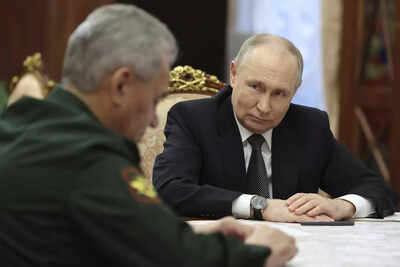
Ukraine has targeted critical infrastructure in Russia’s Kursk region, significantly disrupting supply lines. Over the weekend, Ukrainian forces destroyed a major bridge and damaged another near the area, marking a significant escalation in the ongoing cross-border conflict.

The Ukrainian government confirmed that the assault on these bridges is part of a broader strategy to establish a buffer zone within Russian territory. This tactic aims to create a secure area to better protect Ukrainian-controlled regions and to exert pressure on Russian logistical networks.

The destruction of these bridges is seen as a strategic move to impair Russia’s ability to move troops and supplies efficiently within the Kursk region. Ukrainian officials assert that this operation is crucial for maintaining momentum in their offensive and ensuring the safety of their advancing forces.

The Kursk region, located in western Russia, has been a focal point of the cross-border incursions that began earlier this month. The Ukrainian military’s actions are a part of a broader strategy to counter Russian advances and assert Ukrainian dominance in contested areas. By targeting key infrastructure, Ukraine seeks to undermine Russian operational capabilities and force a strategic realignment.

This development underscores the ongoing volatility of the conflict and the intensifying efforts by both sides to gain an upper hand. The Ukrainian government has been vocal about its need to disrupt Russian supply chains as part of its broader military strategy. The successful execution of these operations demonstrates the effectiveness of Ukraine’s approach and its commitment to its strategic objectives.

The Russian response to these attacks has been swift, with increased security measures and military mobilization in the affected areas. Russian officials have condemned the incursions and vowed to take measures to safeguard their infrastructure and reinforce their defensive positions.

As the situation continues to evolve, the impact of these actions on the broader conflict remains to be seen. The Ukrainian offensive highlights the high stakes of the ongoing struggle and the critical role of infrastructure in modern warfare.

VISHNU RAJA
RYO YAMADA
HITORI GOTOH
IKUYO KITA