News related to
Dubai

Pacific Investment Management Co. , a leading global investment firm managing approximately $2 trillion in assets, has inaugurated a new office in Dubai. This move signifies the company’s strategic effort to strengthen its presence in the Middle East, a region witnessing increased interest from major asset managers. The Dubai Financial Services Authority granted PIMCO a license on Wednesday, enabling the firm to operate within the Dubai International […]

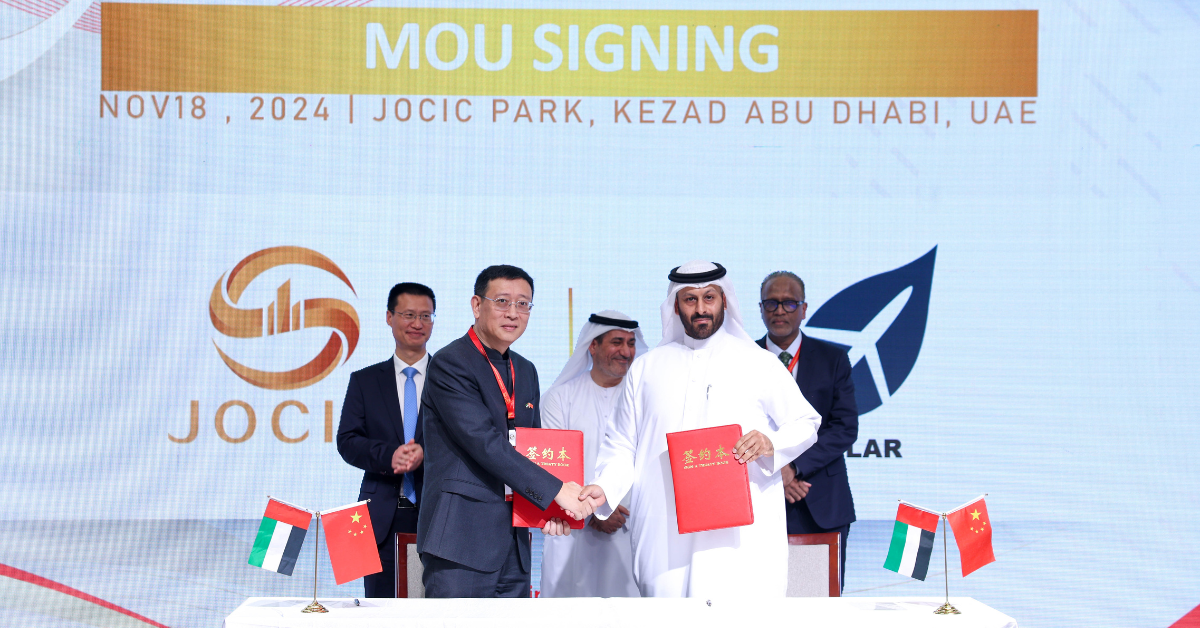
Hong Kong-based Volar Air Mobility has announced plans to manufacture electric aircraft in Abu Dhabi, aligning with the United Arab Emirates’ commitment to sustainable transportation. The company aims to produce the RX4E, a four-seater electric aircraft designed for various applications, including eco-tourism, pilot training, medical evacuations, border control, and surveillance. The RX4E has achieved a significant milestone by becoming the world’s first electric aircraft certified under Part 23 regulations for commercial use. citeturn0search3

Volar Air Mobility has been actively collaborating with UAE authorities to advance green aviation initiatives. In September 2024, the company signed a Memorandum of Understanding with the UAE’s General Civil Aviation Authority to establish a Green Aviation technological development hub in the country. Additionally, Volar partnered with Etihad Aviation Training to explore the development of a sustainability cluster focused on research and development in green aviation within the UAE. citeturn0search0

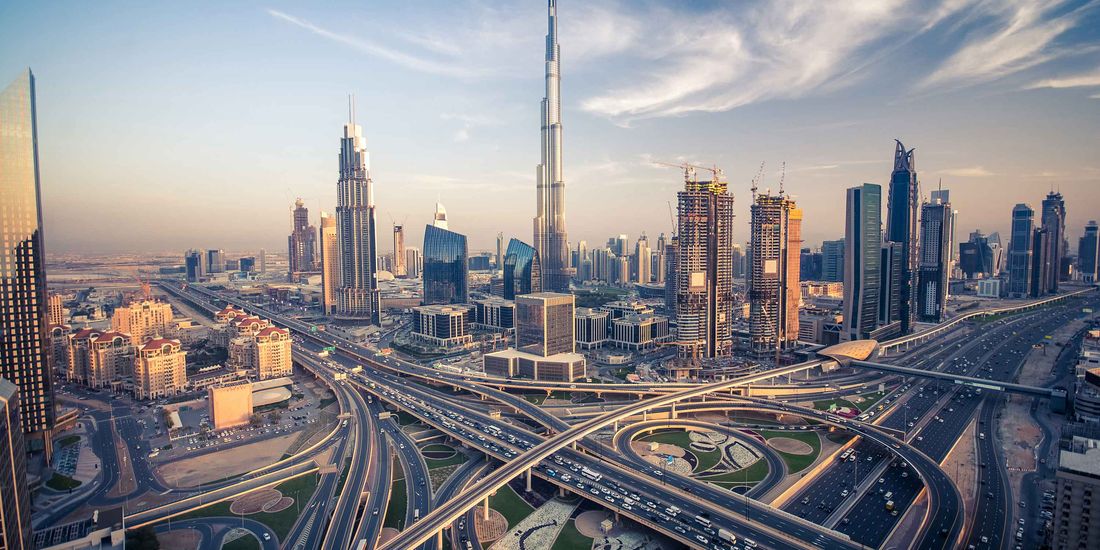
The UAE has been investing in sustainable transportation modes, including electric vehicles, buses, and the Dubai Metro system, significantly reducing the number of cars on the road. citeturn0search2 The UAE’s Net Zero 2050 Strategy aims to stimulate economic and societal advancement by leading the transition to net zero emissions. citeturn0search16

Volar’s decision to establish production facilities in Abu Dhabi aligns with the UAE’s strategic vision for sustainable development. The RX4E’s applications in eco-tourism and pilot training are expected to contribute to the nation’s environmental goals. The aircraft’s capabilities in medical evacuations, border control, and surveillance also offer potential enhancements to public services.

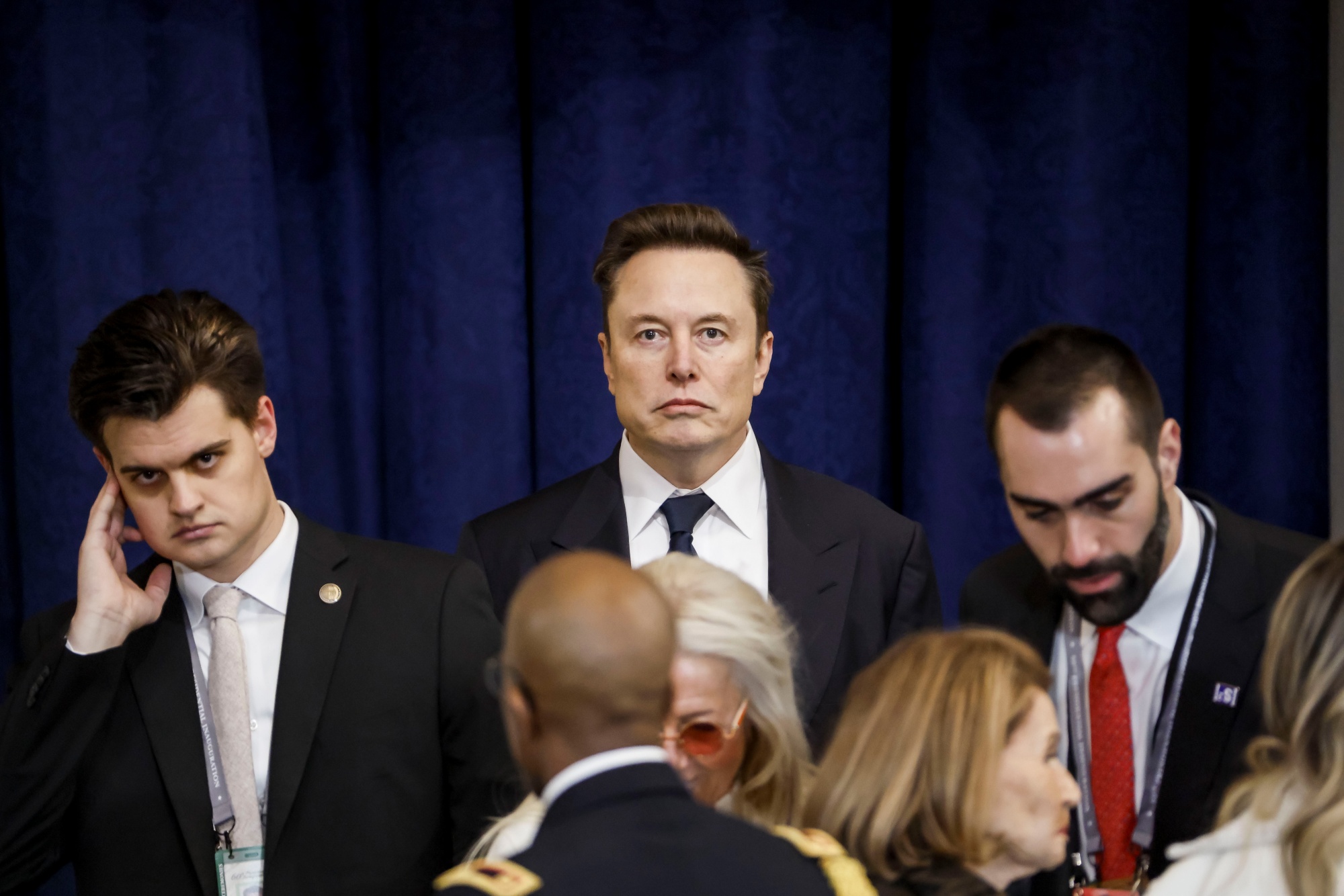
Elon Musk announced that Grok 3, his latest AI chatbot developed by xAI, is in its final stages and set for release within a week or two. Speaking via video call at the World Governments Summit in Dubai, Musk highlighted Grok 3’s advanced reasoning capabilities, stating it has outperformed existing chatbots in tests conducted so far.

Musk, who co-founded OpenAI in 2015 but departed in 2018 due to strategic disagreements, established xAI to rival AI leaders like OpenAI and Google’s DeepMind. His renewed focus on AI comes as a consortium led by him has offered $97.4 billion to acquire the nonprofit controlling OpenAI. This move aims to prevent OpenAI’s transition to a for-profit model, a shift Musk has publicly criticized.

OpenAI’s leadership, including CEO Sam Altman, has dismissed Musk’s offer as a tactic to disrupt the company’s restructuring plans. Altman emphasized that OpenAI is not for sale and remains committed to its mission of developing safe and beneficial AI technologies.

The proposed acquisition has raised concerns about the concentration of power in the AI industry. Regulatory authorities in the United States are scrutinizing major AI firms, including OpenAI and its partners, for potential antitrust violations. Musk’s bid, coupled with his legal actions against OpenAI’s leadership, underscores the escalating tensions and competition within the AI sector.

Alpha Data, a prominent UAE-based technology services firm, has unveiled plans to list on the Abu Dhabi Securities Exchange by offering 400 million shares, representing 40% of its capital. This move marks the inaugural public offering on the ADX for 2025. The shares being offered are currently held by Bin Hamoodah and Ibbini Investment, who retain the discretion to adjust the offering size before the subscription period concludes.

In the fiscal year 2024, Alpha Data reported a net profit of AED 127 million and revenue totaling AED 2.32 billion. The company has engaged EFG Hermes and Emirates NBD Capital as advisors for the potential share sale. While the specifics of the sale are preliminary and subject to change, the firm is reportedly aiming to raise approximately $200 million through this listing.

The ADX is poised to witness several major IPOs this year, including the Gulf’s first airline IPO by Etihad Airways, which has already engaged advisors for the sale, and supermarket chain LuLu Group. Additionally, the exchange recently saw the IPO of edtech firm Alef Education.

Alpha Data’s decision to go public aligns with a broader trend of private-sector companies in the GCC region pursuing IPOs, particularly in sectors such as e-commerce and IT. Analysts anticipate that private-sector IPOs in the GCC will range between $300 million to $500 million this year, with government listings likely to be larger.

The ADX has been actively encouraging private companies to list, aiming to diversify its offerings and attract a broader range of investors. Alpha Data’s IPO is expected to contribute to this diversification and provide investors with exposure to the growing technology services sector in the UAE.

The offering is anticipated to attract significant interest from both regional and international investors, given Alpha Data’s established presence in the UAE’s technology sector and the ADX’s reputation as a leading financial market in the region.

ADNEC Group has announced that TAG Dynamics, a globally recognised leader in manufacturing custom armoured and non-armoured vehicle solutions, will serve as a Premium Partner for the upcoming International Defence Exhibition and Naval Defence & Maritime Security Exhibition 2025. These events are scheduled from 17th to 21st February at the Abu Dhabi National Exhibition Centre .

IDEX and NAVDEX have, for over three decades, convened global leaders, policymakers, and experts to showcase the latest advancements in defence technologies. The exhibitions offer a comprehensive view of innovations shaping the future of international security.

Saeed Al Mansoori, Advisor for Defence Exhibitions at Capital Events, a subsidiary of ADNEC Group, emphasised the significance of this collaboration: “The partnership with TAG Dynamics highlights the true purpose of IDEX and NAVDEX: to bring the world together to showcase advanced technologies and forge meaningful collaborations, aligning with the UAE’s vision for progress and security through collaboration and partnership.”

TAG Dynamics plans to unveil a series of groundbreaking innovations designed to enhance security, mobility, and operational effectiveness. These developments reflect the company’s commitment to pushing the boundaries of technology in service of the defence sector.

Mahmoud Gharghar, Chief Executive Officer of TAG Dynamics, expressed the company’s enthusiasm: “IDEX and NAVDEX 2025 represent a cornerstone for innovation and collaboration in the defence industry, and TAG Dynamics is honoured to serve as the Premium Partner of this prestigious event. Our commitment to advancing safety through cutting-edge technologies such as AI and remote-controlled systems is at the heart of everything we do.”

IDEX and NAVDEX 2025 are anticipated to attract a significant number of international delegations, defence contractors, and industry professionals. The events will feature live demonstrations, product launches, and discussions on the latest trends in defence and maritime security.

The collaboration between ADNEC Group and TAG Dynamics underscores a shared vision of fostering innovation and strengthening global defence partnerships. As the defence landscape evolves, such alliances play a crucial role in addressing emerging security challenges and advancing technological frontiers.

The UAE continues to position itself as a central hub for international defence exhibitions, facilitating dialogue and collaboration among global stakeholders. The upcoming IDEX and NAVDEX 2025 are set to further this objective, providing a platform for showcasing cutting-edge technologies and fostering strategic partnerships.

TAG Dynamics’ participation as a Premium Partner highlights the company’s dedication to contributing to global security and its commitment to innovation in defence technology. Attendees can look forward to experiencing the latest advancements that TAG Dynamics and other industry leaders will present during the exhibitions.

As the defence sector faces rapidly changing challenges, events like IDEX and NAVDEX serve as vital platforms for collaboration, knowledge exchange, and the promotion of peace and security worldwide. The partnership between ADNEC Group and TAG Dynamics exemplifies the collaborative efforts necessary to navigate the complexities of modern defence and security landscapes.


The United Arab Emirates has secured a position among the top ten countries globally for the number of artificial intelligence companies per million inhabitants, as highlighted in the Global AI Competitiveness Index. This achievement underscores the nation’s rapid advancement in the AI sector.

The Global AI Competitiveness Index, a collaborative effort between the International Finance Forum and Deep Knowledge Group, analyzed over 55,000 AI companies worldwide to assess their density, financing, and development. The UAE’s prominent ranking reflects its strategic focus on fostering AI innovation and enterprise.

In 2017, the UAE appointed the world’s first Minister of State for Artificial Intelligence, signaling its commitment to AI development. Subsequently, the National Strategy for Artificial Intelligence 2031 was launched, aiming to position the UAE as a global leader in AI by 2031. This strategy aligns with the broader UAE Centennial 2071 vision, focusing on economic, educational, and governmental transformation through AI.

The National Strategy for Artificial Intelligence 2031 outlines several key objectives, including establishing a network of researchers, industry experts, and policymakers; supporting the development of domestic AI startups and products; encouraging foreign direct investment and partnerships with global AI firms; and providing guidance and financial support for local businesses to expand globally.

The UAE’s strategic investments in AI are evident through initiatives such as the establishment of the Technology Innovation Institute, which has developed advanced open-source large language models like Falcon. Additionally, the UAE has launched the $100 billion MGX fund, targeting AI investments globally. These efforts are complemented by partnerships with major U.S. technology companies, including Nvidia, AMD, Microsoft, OpenAI, and IBM, enhancing the UAE’s access to cutting-edge AI technologies.

The World Governments Summit 2025 concluded its three-day event in Dubai on Thursday, uniting over 30 heads of state and government, more than 80 international and regional organizations, and 140 government delegations. Under the theme “Shaping Future Governments,” the summit addressed pressing global challenges and explored innovative solutions for effective governance.

French President Emmanuel Macron, speaking at the AI Action Summit in Paris earlier this week, emphasized the need for streamlined regulatory processes and significant investment in artificial intelligence to compete with global powers. He advocated for increased European cooperation and a unified strategy for AI development, highlighting France’s commitment to investing €109 billion in the sector.

In a notable session, industry leaders underscored the critical importance of digital access for societal advancement. Margherita Della Valle, CEO of Vodafone, highlighted the widening gap between those with internet access and those without, noting that approximately 2.6 billion people remain offline, with 300 million residing in remote areas lacking connectivity infrastructure. Hatem Dowidar, CEO of the e& group, discussed his company’s evolution towards offering services in fintech, cybersecurity, and cloud computing, reflecting a broader industry shift towards comprehensive digital solutions.

The summit also featured discussions on the ethical deployment of AI and the necessity for robust networks to support its implementation. Mickey Mikitani, CEO of Japan’s Rakuten, called for a radical transformation of the telecommunications sector and the removal of entry barriers to foster innovation. Panelists emphasized the importance of dialogue between governments and industry leaders to develop regulations that address current and future challenges in the AI landscape.

Advertisements

Elevision, a leading digital-out-of-home media company in the UAE, has announced a strategic partnership with Dubai Design District , a member of TECOM Group PJSC. This collaboration aims to revolutionise urban digital media within Dubai’s creative hub. The agreement entails the installation of advanced digital screens throughout d3’s premises, enhancing the district’s digital infrastructure. This initiative is designed to provide brands with innovative platforms to engage with […]

ManageEngine, the enterprise IT management division of Zoho Corporation, is set to host its Middle East User Conference in Dubai, focusing on the integration of artificial intelligence into enterprise IT systems. The event aims to equip businesses with strategies to effectively adopt AI technologies, enhancing operational efficiency and competitiveness.

The conference will feature keynote speeches from ManageEngine’s technology and domain experts, covering topics such as the evolving IT and cybersecurity landscape and leveraging new technologies to stay ahead in the market. Rajesh Ganesan, Vice President at ManageEngine, will discuss the changing role of IT departments in the current era, emphasizing the shift towards remote work and a digital-first customer approach.

In the Middle East, AI is poised to significantly impact the economy. A report by PwC estimates that AI could contribute up to $320 billion to the region’s economy by 2030, accounting for 2% of the total global benefits. Saudi Arabia is expected to see the largest absolute gains, with AI contributing over $135.2 billion to its economy, equivalent to 12.4% of its GDP. In relative terms, the UAE is anticipated to experience the most substantial impact, with AI contributing close to 14% of its 2030 GDP.

The annual growth in AI’s contribution to the Middle East’s economy is projected to range between 20-34% per year, with the fastest growth in the UAE, followed by Saudi Arabia. This growth is attributed to the significant investments these countries are making in AI technologies and their efforts to integrate AI across various sectors.

The ManageEngine conference will also highlight the company’s latest solutions designed to assist enterprises in navigating the complexities of AI integration. Attendees will have the opportunity to participate in detailed walkthroughs and live demonstrations of ManageEngine’s major solutions, including ServiceDesk Plus, OpManager Plus, Applications Manager, Desktop Central, Mobile Device Manager Plus, Log360, Site24x7, and the suite of Active Directory management products.

Thailand is advancing plans to establish a casino industry aimed at bolstering tourism and economic growth. The government has approved a draft law to legalise gambling and casinos, envisioning integrated resorts that combine gaming facilities with entertainment options. However, experts caution that the success of this initiative hinges on the meticulous development and implementation of regulatory frameworks.

The proposed legislation, known as the Integrated Entertainment Business Act or the Entertainment Complex Bill, seeks to permit casinos within large-scale entertainment complexes. These complexes would encompass hotels, shopping centres, and theme parks, aiming to attract both domestic and international tourists. Prime Minister Paetongtarn Shinawatra has expressed optimism that legalising casinos will enhance tourism, create employment opportunities, and stimulate investment.

Projections indicate that Thailand’s gaming revenue could surpass that of Singapore, potentially positioning it as the third-largest gaming market globally. Analysts estimate that a mature Thai gaming industry could generate annual gross gaming revenues of approximately $9.1 billion, with some studies suggesting figures as high as $15.1 billion. Potential locations for these integrated resorts include Bangkok, Phuket, Chiang Mai, and Pattaya.

Despite the promising economic prospects, the initiative faces significant challenges. Public and political support for legalised gambling in Thailand is limited, with concerns about potential social issues such as gambling addiction and increased household debt. A survey conducted in January revealed that a majority of respondents opposed the establishment of casinos, citing moral and social concerns.

To attract leading international casino operators, the Thai government must ensure a competitive and transparent development process. This involves balancing the interests of investors with the need to implement strong social safeguards. The proposed legislation includes measures such as prohibiting individuals under the age of 20 from entering casinos and requiring Thai nationals to register and pay an entry levy. However, the effectiveness of these measures will depend on rigorous enforcement and public education campaigns.

As Hong Kong witnesses a burgeoning interest in health insurance, Singapore grapples with the challenges of rising medical costs and financial risk management. Budget Priorities: Respondents in both regions allocate significant portions of their budgets to Family, Finance, and Health. Notably, there is a strong intent to increase health budgets in 2025, particularly among the middle-income segment, with 31% in Singapore and 26% in Hong Kong planning […]

DUBAI, UAE – Media OutReach Newswire – 11 February 2025 – The World Government Summit, known as “the world’s largest and most influential” intergovernmental forum, was held in Dubai, UAE, from 11 to 13 February. Themed as “Shaping Future Governments”, the Summit attracts about 6,000 participants, including more than 30 heads of state and government, over 80 heads of international organizations and 140 government delegations. The Summit […]

The Middle East confronts a significant and widening disparity between its climate adaptation funding requirements and actual expenditures. According to the Brookings Institution, the region’s national adaptation plans and nationally determined contributions estimate a need for $8.2 billion annually until 2030. However, modelled adaptation costs are projected at $17.1 billion per year, highlighting a substantial and growing financial gap. Amar Bhattacharya, a senior fellow at the Brookings […]

Gold prices have surged to an all-time high, reflecting investor anxiety following President Donald Trump’s declaration of a 25% tariff on steel and aluminium imports. Spot gold advanced 1.1% to $2,939.80 per ounce, briefly touching $2,942.70, while U.S. gold futures climbed 1.1% to $2,966.00. This marks the eighth record high for gold this year, underscoring its role as a safe-haven asset amid escalating trade tensions and inflation […]

Abu Dhabi-based Ittihad International Investment LLC has secured a $450 million sustainability-linked revolving credit facility with a consortium of local banks. The facility was arranged by Emirates NBD, Commercial Bank of Dubai, and First Abu Dhabi Bank, serving as mandated lead arrangers and bookrunners, as well as sustainability joint coordinators. Additionally, Abu Dhabi Commercial Bank, Abu Dhabi Islamic Bank, and Emirates Islamic acted as joint arrangers. The […]

The United Arab Emirates is intensifying its commitment to sustainable transportation by planning to install 500 electric vehicle charging stations nationwide by the end of 2025. This initiative aims to support the growing adoption of EVs and reduce carbon emissions, aligning with the country’s broader environmental objectives. Sharif Al Olama, Under-Secretary for Energy and Petroleum Affairs at the Ministry of Energy and Infrastructure, announced that over 100 […]

The Gulf Cooperation Council is on track to see its debt capital market exceed $1 trillion in outstanding issuances by the end of 2025, driven by government initiatives aimed at market development, economic diversification, and the need to fund fiscal deficits and upcoming debt maturities. Fitch Ratings reports that the DCM in the GCC reached $940 billion by the close of the first quarter of 2024, marking a 7% year-on-year increase.

Saudi Arabia and the United Arab Emirates lead the region’s DCM, holding 43% and 30% of the market share, respectively. Approximately 40% of the GCC’s outstanding debt comprises sukuk, with the remainder in conventional bonds. Fitch Ratings, which assesses over 70% of the GCC’s US dollar-denominated sukuk, notes that 81% of these are investment-grade, with no defaults reported.

The anticipated growth in debt issuances is attributed to several factors, including projected declines in oil prices to $65–$70 per barrel in 2025 and 2026, which may prompt increased sovereign borrowing to cover budgetary shortfalls. Additionally, government-led initiatives to enhance debt capital markets and diversify funding sources are expected to play a significant role. Bashar Al Natoor, Global Head of Islamic Finance at Fitch Ratings, emphasizes that “most GCC countries have come a long way in developing their DCMs, with the bloc now accounting for almost a third of total emerging-market dollar issuance, excluding China.”

Despite these advancements, the GCC’s debt capital markets remain less mature compared to more developed regions and exhibit varying stages of development across member states. Saudi Arabia and the UAE possess the most advanced markets, while Qatar and Oman have seen contractions due to debt repayments. Kuwait’s absence of a debt law limits its funding options, and Bahrain continues to rely heavily on DCM access and support from other GCC nations amid persistent deficits.

In the banking sector, GCC banks are projected to issue over $30 billion in US dollar-denominated debt in 2025, a decrease from the record $42 billion issued in 2024. This decline is partly due to the maturation of approximately $23 billion in existing debt, with Qatari banks accounting for about a third of these maturities, and UAE and Saudi banks each representing around a quarter. Fitch Ratings anticipates that most additional Tier 1 instruments with first call dates in 2025 and 2026 will be called, given favorable financing conditions.

The US Federal Reserve is expected to reduce interest rates by 100 basis points in 2025, potentially leading to more favorable financing conditions for GCC banks. Strong credit growth, particularly in Saudi Arabia and the UAE, is also anticipated to support further issuances. In 2024, GCC banks’ US dollar debt issuance reached an unprecedented level, driven by high credit growth in Saudi Arabia, efforts to diversify funding bases, and substantial debt maturities.

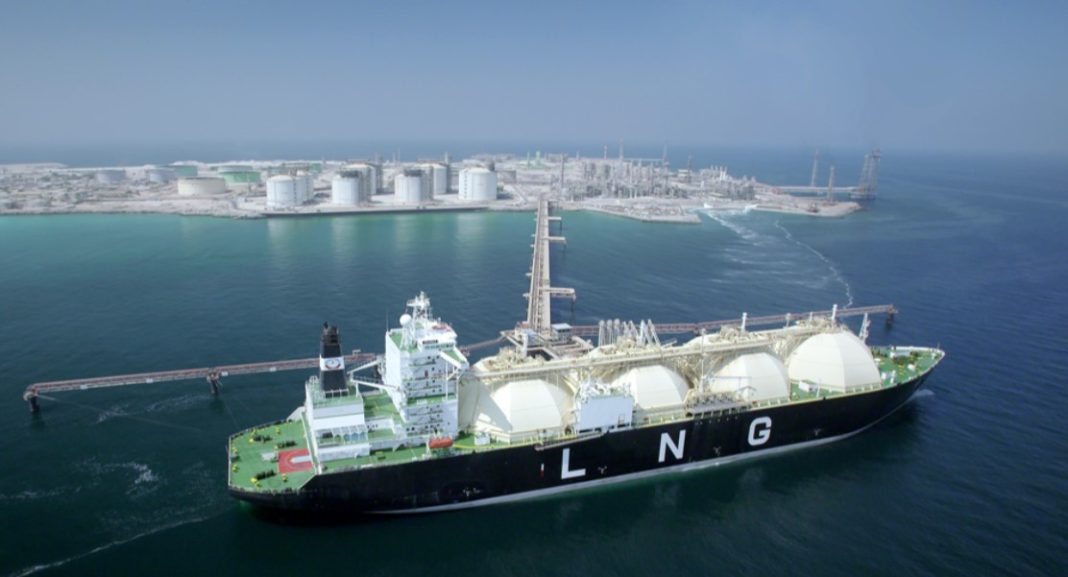
Abu Dhabi National Oil Company has entered into a five-year contract to supply 2.5 million tonnes of liquefied natural gas to Bharat Petroleum Corporation Limited , according to sources familiar with the matter. Under this agreement, BPCL is set to receive 40 LNG cargoes, with deliveries commencing in April. The initial two years will see a gradual increase in supply volumes.

The formal signing of the deal is scheduled during the four-day India Energy Week conference. This partnership underscores the strengthening energy ties between the United Arab Emirates and India, reflecting a mutual commitment to energy security and diversification.

Lior Div, the Chief Executive Officer of cybersecurity firm Cybereason Inc., has filed a lawsuit against former U.S. Treasury Secretary Steven Mnuchin and the SoftBank Vision Fund, alleging that their financial maneuvers have jeopardized the company’s financial stability. The legal action centers on claims that the investment strategies employed by Mnuchin’s Liberty Strategic Capital and the SoftBank Vision Fund have placed Cybereason at risk of insolvency.

In 2021, Cybereason secured a $275 million investment led by Liberty Strategic Capital, Mnuchin’s private equity firm. This funding round was intended to bolster the company’s position in the cybersecurity market, with plans to expand its workforce and pursue acquisitions in the Extended Detection and Response and cloud security sectors. The investment was seen as a strategic move to enhance Cybereason’s capabilities in combating sophisticated cyber threats.

However, the lawsuit contends that the terms of the investment and subsequent financial decisions have adversely affected Cybereason’s financial health. Specific details of the alleged detrimental actions have not been disclosed publicly, but the legal filing suggests that the strategies implemented by Mnuchin and the SoftBank Vision Fund have led to significant financial strain on the company.

Cybereason, founded in 2012 by Lior Div, Yonatan Striem-Amit, and Yossi Naar, has been recognized for its innovative approach to cybersecurity, particularly in delivering proactive threat detection and response solutions. The company has previously attracted substantial investments, including a $59 million Series C funding round led by SoftBank in 2015, which facilitated its expansion into the Japanese market.

The involvement of high-profile investors such as Mnuchin and the SoftBank Vision Fund was initially perceived as a vote of confidence in Cybereason’s technology and market potential. Mnuchin, upon leading the 2021 investment, expressed enthusiasm about partnering with Cybereason to defend critical information networks against the growing danger of cyberattacks.

The current legal dispute raises questions about the dynamics between startup companies and their investors, particularly concerning the influence of investment terms on a company’s operational autonomy and financial well-being. The outcome of this lawsuit could have broader implications for the venture capital landscape, especially in the technology sector, where substantial investments are often accompanied by strategic control exerted by investors.

Dubai Electricity and Water Authority has announced a significant change in its water consumption measurement, transitioning from the imperial gallon to the cubic metre starting with the March 2025 billing cycle. This move aligns with Cabinet Resolution No. of 2023 and Ministerial Resolution No. of 2024, issued by the Ministry of Industry and Advanced Technology, which mandate the discontinuation of the imperial gallon unit in water meters across the UAE.

Saeed Mohammed Al Tayer, MD & CEO of DEWA, emphasized the importance of this transition, stating that adopting the cubic metre as a uniform and globally recognized measurement unit is a significant step towards enhancing alignment with international best practices. He noted that this change would facilitate benchmarking across sectors and support DEWA’s efforts to provide world-class services, ultimately benefiting customers and stakeholders.

To ensure a smooth transition, DEWA has confirmed that the current smart meters installed for customers are already compatible with the cubic metre measurement system, eliminating the need for any changes to customers’ meters. During the preparatory phase, DEWA will include both units in water bills and on the customer dashboard. The final adoption of the new unit will take effect with the March 2025 billing cycle. Customers will be informed of the change through official communication channels.

This initiative reflects DEWA’s commitment to adhering to local and international regulations to ensure services meet the highest standards of quality, efficiency, reliability, and availability. By aligning with international best practices, DEWA aims to enhance its leadership in innovation and sustainability.

The adoption of the cubic metre as the standard unit for measuring water consumption is expected to provide customers with a clearer understanding of their water usage, promoting more efficient consumption patterns. This change also aligns DEWA with other utilities in the UAE, fostering a unified approach to resource management across the nation.

In the lead-up to the March 2025 implementation, DEWA plans to engage in extensive customer outreach to ensure that all users are well-informed about the upcoming changes. This will include detailed explanations of the new billing units and guidance on interpreting water consumption data in cubic metres.

The shift from the imperial gallon to the cubic metre is part of a broader strategy to modernize utility services in Dubai. By standardizing measurement units, DEWA aims to improve transparency in billing and enhance customer satisfaction.

President Donald Trump is set to meet Jordan’s King Abdullah II at the White House today to deliberate on the U.S. administration’s contentious plan concerning the Gaza Strip. The proposal involves relocating Gaza’s Palestinian population to neighboring countries and redeveloping the territory under U.S. oversight—a strategy that has ignited widespread criticism across the Middle East.

Trump has advocated for the evacuation of Gaza’s 2.2 million residents, suggesting their resettlement in nations such as Jordan and Egypt. He envisions transforming the war-torn enclave into a prosperous area, referring to it as the potential “Riviera of the Middle East.” In a recent interview, Trump stated that Palestinians would not have the right to return to Gaza, proposing instead to provide them with better housing in neighboring countries.

This proposal has been met with firm opposition from key regional players. King Abdullah has unequivocally rejected the idea, emphasizing that Jordan will not accept any forced displacement of Palestinians from their homeland. He has labeled such proposals as a “red line,” underscoring the potential threat they pose to regional stability.

Egypt has also dismissed the plan, with officials reiterating their refusal to compromise on the Palestinian right to self-determination and return. The Egyptian government has emphasized that any attempts to annex land and displace Palestinians are unacceptable.

The Palestinian Authority and Hamas have condemned the proposal, viewing it as an attempt at ethnic cleansing. Hamas spokespersons have asserted that Gaza is not for sale and remains an integral part of Palestinian land.

Within the U.S., the plan has encountered skepticism from several Republican lawmakers. Critics argue that forcibly relocating an entire population could lead to further instability in the Middle East and damage America’s standing in the region.

Despite the backlash, Trump has indicated that he may leverage U.S. aid to encourage compliance with his plan. He has suggested the possibility of withholding financial assistance from countries that refuse to accept Palestinian refugees, a move that could significantly impact nations like Jordan and Egypt, which are among the largest recipients of U.S. aid in the region.

The meeting between Trump and King Abdullah comes at a critical juncture, as a fragile ceasefire between Israel and Hamas hangs in the balance. Trump has issued an ultimatum to Hamas, demanding the release of all hostages by midday Saturday, threatening to propose the cancellation of the ceasefire if his demands are not met. He has warned that failure to comply would result in severe consequences, stating that “all hell is going to break out” if the hostages are not freed.

Analysts suggest that King Abdullah’s visit to Washington is pivotal. As the first Arab leader to meet with Trump since his return to office, Abdullah is expected to present practical Arab perspectives on the Gaza situation. He aims to balance Jordan’s national security interests and domestic concerns while maintaining its crucial relationship with the United States.

Singapore has committed to reducing its greenhouse gas emissions to between 45 and 50 million tonnes of carbon dioxide equivalent by 2035, a notable decrease from the projected 60 MtCO₂e in 2030. This pledge, submitted to the United Nations Framework Convention on Climate Change on 10 February 2025, aligns with the nation’s broader strategy to achieve net-zero emissions by 2050.

Achieving these ambitious targets will necessitate the development and deployment of advanced technologies. The Energy Market Authority has announced plans to co-fund feasibility studies on carbon capture and storage for power generation. These studies will explore both post-combustion carbon capture for combined-cycle gas turbines and pre-combustion carbon capture to produce hydrogen. Such initiatives are crucial for mitigating emissions from natural gas, which currently accounts for over 95% of Singapore’s electricity generation.

In addition to CCS, Singapore is investing in low-carbon energy imports. The nation aims to import up to 6 gigawatts of low-carbon electricity by 2035, potentially supplying around 30% of its energy needs. Conditional approvals have been granted for projects in Australia, Cambodia, Indonesia, and Vietnam. To support these ventures, Singapore is prepared to offer 30-year import licences, providing companies with the long-term security needed to justify substantial investments in infrastructure.

The government is also focusing on enhancing energy efficiency across various sectors. Initiatives include the Genco Energy Efficiency Grant Call, which encourages power generation companies to adopt energy-efficient technologies by co-funding up to 50% of their projects. In the transportation sector, efforts are underway to transition to cleaner energy sources. All new public bus purchases are now cleaner energy buses, including electric or hybrid models, with a target to replace all existing diesel buses by 2040. Additionally, the cycling path network is set to expand to 1,300 km island-wide by 2030, promoting sustainable urban mobility.

However, the path to these goals is fraught with challenges. The success of these initiatives hinges on the successful development and implementation of new technologies, as well as sustained global cooperation. The high upfront costs associated with infrastructure development, such as large-scale solar farms, battery storage systems, and extensive power cables for energy imports, present significant financial hurdles. The government acknowledges these challenges and is taking steps to mitigate them, including offering long-term import licences and co-funding feasibility studies.

Dubai’s fitness scene is constantly evolving, but 2025 is shaping up to be a standout year. As the city moves ahead with its unique blend of innovation and ambition, we’re seeing new trends on the horizon that promise to transform the way people approach health and wellness. Predicted fitness trends taking over Dubai in 2025 suggest a focus on personalization, community-based activities, and cutting-edge technology that meets […]

A duplex penthouse, known as the “Sky Palace,” occupying the 108th floor of Dubai’s Burj Khalifa, has been listed for $51 million. This 21,000-square-foot residence, situated approximately 460 meters above ground, offers unparalleled 360-degree views of the Arabian Gulf, Palm Jumeirah, and the mountains of Ras Al Khaimah. The property is currently a shell unit, allowing buyers to customize the interior to their preferences. An estimated additional […]

VISHNU RAJA
RYO YAMADA
HITORI GOTOH
IKUYO KITA