News related to
Dubai

Everdome, a Dubai-based leader in the metaverse space, has announced a strategic partnership with Immerso, an artificial intelligence company affiliated with one of the largest film studios globally. This collaboration marks a significant milestone in the evolution of digital entertainment, blending cutting-edge technology with immersive virtual experiences. The partnership aims to harness Immerso’s AI capabilities alongside Everdome’s virtual reality infrastructure to offer innovative entertainment experiences. Immerso, a […]

Tesla and SpaceX CEO Elon Musk’s ambitious “buyout” offer, made available to employees, has seen an overwhelming response as the deadline draws near. By Wednesday, more than 40,000 employees from a mix of industries had expressed interest in the scheme. The initiative, which provides employees with the opportunity to exit their respective positions in exchange for a generous severance package, is creating a ripple effect across the corporate landscape.

Musk, known for his unorthodox management style, initially pitched the buyout programme with the goal of reducing costs and restructuring his growing empire. The offer, which includes a lump-sum severance and additional benefits, was extended to both salaried and hourly employees. However, it also comes with the stipulation that interested parties must leave by the end of February, with a severance package set to be paid out through September.

Industry observers have expressed mixed reactions to Musk’s strategy. On one hand, it could be a calculated move to reduce headcount while offering an attractive exit for employees seeking a change. On the other hand, the rapid sign-up rates have sparked concerns over potential long-term impacts on talent retention within Musk’s companies.

The initial wave of interest is largely attributed to the promise of a significant payout, which is perceived as a rare opportunity for employees to leave with financial security. While some see this as a chance to pursue personal or entrepreneurial goals, others have raised questions about the longer-term implications for Musk’s companies, particularly in light of the growing demands on SpaceX’s staffing and Tesla’s continued expansion.

The offer also reflects broader trends within corporate restructuring and employee turnover. Many companies are increasingly offering severance packages as part of cost-cutting measures, especially as the global economy faces uncertainty. These buyout schemes are seen by some as a win-win: employees get a financial cushion, while companies streamline their workforce to navigate economic pressures.

Though the buyout offer has been met with a high level of interest, particularly among those seeking a fresh start or financial independence, it is also revealing deeper issues within Musk’s companies. Employees have voiced concerns about the overall work environment, including high stress, long hours, and the fast-paced nature of the job. These concerns have contributed to the attractiveness of the buyout, especially among those who feel they may be reaching a breaking point.

Despite the swelling numbers of employees seeking to leave, Musk’s companies are not facing an immediate staffing crisis. Experts suggest that many of those opting for the buyout may not represent critical roles, and the company could ultimately come out ahead by shedding positions that are not central to its operations. Furthermore, it allows Musk to consolidate control and reduce costs, which is a common goal for companies seeking to increase profitability.

However, the growing popularity of the buyout scheme highlights a significant shift in employee-employer dynamics. With workers increasingly looking for work-life balance and more control over their professional futures, companies are being forced to reconsider their relationship with staff. Musk’s initiative could be seen as an attempt to meet this demand by offering a financial exit, but it may also be indicative of the pressures faced by employees in high-performance environments like those at Tesla and SpaceX.

The ultimate success of the buyout offer will likely hinge on its ability to balance financial incentives with long-term strategic goals. While Musk is not new to bold business strategies, this offer marks a critical juncture for the companies he leads. Employees’ decision to accept or decline the buyout will shape the future direction of Tesla, SpaceX, and other ventures under Musk’s control.

As the deadline for the buyout scheme approaches, Musk will likely face tough decisions regarding the impact on his companies. If more employees continue to sign up, the effect on organisational structure and morale could become a pressing concern. Conversely, if a smaller pool of workers leaves, Musk could be seen as having succeeded in streamlining operations without sacrificing too much talent.

Vietjet Aviation Joint Stock Company has reported unprecedented financial performance for 2024, marking its most successful year since the onset of the COVID-19 pandemic. The airline’s consolidated revenue reached approximately 52.2 trillion VND , reflecting a 19% increase compared to the previous year. Consolidated after-tax profit stood at 1.4 trillion VND , a significant rise of 564% year-over-year.

Throughout 2024, Vietjet transported over 19.6 million passengers across 104,000 flights, achieving year-over-year increases of more than 6% in passenger numbers and 2% in flight operations. The airline’s fleet of 85 aircraft maintained an average seat utilization rate of 87% and a technical reliability rate of 99.7%. Cargo operations also saw substantial growth, with a total volume of 88,964 tons transported, marking a 73% increase from the previous year and capturing over 10% of the freight market share among Vietnamese airlines.

As of September 30, 2024, Vietjet’s total assets were valued at nearly 94 trillion VND . The company’s debt-to-equity ratio was reported at 2.25, and its liquidity ratio stood at 1.4, both considered safe levels within the aviation industry. Cash, bank deposits, and cash equivalents totaled nearly 3,997 billion VND , ensuring sufficient liquidity and working capital.

In the first nine months of 2024, Vietjet paid nearly 5.56 trillion VND in direct and indirect taxes and fees, underscoring its role as a significant contributor to economic growth, trade, and tourism.

The airline expanded its network to 155 routes, comprising 43 domestic and 112 international destinations. New direct routes were launched, including Da Nang to Ahmedabad and Xi’an to Ho Chi Minh City, with increased frequencies on existing routes such as Ho Chi Minh City to Perth, as well as other regional destinations like South Korea, Japan, and Hong Kong.

In line with its fleet expansion strategy, Vietjet and Airbus signed a contract for 20 new-generation wide-body A330neo aircraft, valued at US$7.4 billion. Additionally, the airline partnered with Rolls-Royce for the supply of 40 Trent 7000 engines and TotalCare services for the A330neo aircraft. A comprehensive service agreement was also signed with Lufthansa Technik, a leading provider of aircraft maintenance services.

Vietjet has been actively pursuing the research, development, and use of sustainable aviation fuel in collaboration with international partners, as part of its commitment to environmental, social, and governance goals. The airline continues to innovate consumer services on its e-commerce platform, prioritizing technology-driven solutions for a seamless passenger experience.

Bain Capital is in the final stages of negotiations to acquire Mitsubishi Chemical Group’s pharmaceutical subsidiary, Mitsubishi Tanabe Pharma, for over 500 billion yen . This move aligns with Mitsubishi Chemical’s strategy to streamline its operations and concentrate on core sectors such as vehicle electrification, semiconductor manufacturing, and food production.

Established over 90 years ago in Osaka, Mitsubishi Tanabe Pharma specializes in developing treatments for central nervous system disorders, immuno-inflammation, and oncology. The company has a global presence, with operations spanning multiple continents. Notably, its drug Radicava, used in the treatment of amyotrophic lateral sclerosis , has been a significant contributor to its revenue growth.

In the first half of the fiscal year ending March 2025, Mitsubishi Chemical’s pharmaceutical segment reported a 6% increase in sales revenue, reaching 232.5 billion yen, and a 28% rise in core operating income to 41.4 billion yen. Despite these positive figures, Mitsubishi Chemical has been reassessing its business portfolio to focus on areas with higher growth potential. The potential divestiture of its pharmaceutical unit is part of this broader strategy.

Bain Capital has been granted preferential negotiation rights, indicating its position as the leading candidate to finalize the acquisition. This development follows earlier reports that both Bain Capital and Blackstone were among the final bidders for Mitsubishi Tanabe Pharma, with valuations estimated between $3 billion and $3.5 billion. Local private equity firm Japan Industrial Partners was also reported to be in the bidding process.

This prospective acquisition is part of a broader trend of increased mergers and acquisitions activity in Japan. Bain Capital has been particularly active in the Japanese market, having previously led the acquisition of Kioxia Holdings, a prominent chipmaker. The firm’s interest in Mitsubishi Tanabe Pharma underscores its strategy to invest in sectors with strong growth prospects and innovative capabilities.

Mitsubishi Chemical has not provided specific comments on the ongoing negotiations but has stated that it is continuously reviewing its business portfolio, considering all options, including potential divestitures, to optimize its operations and focus on strategic areas. The company aims to better align its resources and capabilities to meet evolving market demands and technological advancements.

First Abu Dhabi Bank , the UAE’s largest lender, reported a profit before tax of AED 19.9 billion for 2024, marking a 13% increase from the previous year. This growth was underpinned by a 15% rise in revenue, reaching AED 31.6 billion.

The bank’s net profit stood at AED 17.1 billion, reflecting a 4% year-on-year growth. This performance was driven by robust client activity and favorable economic conditions, leading to a 15% increase in operating income to AED 31.6 billion. Both net interest and non-interest income contributed to this uptick.

FAB’s total assets expanded by 5% to AED 1.2 trillion. Loans and advances grew by 9% to AED 528 billion, while customer deposits increased by 8% to AED 820 billion. The international segment of FAB’s operations saw a 33% rise in revenue, now accounting for 22% of the group’s total revenue.

The bank maintained strong asset quality, with a non-performing loan ratio of 3.8% and a liquidity coverage ratio of 140%. The return on tangible equity was reported at 17.1%, aligning with the bank’s medium-term target of over 16%.

Hana Al Rostamani, FAB’s Group Chief Executive Officer, highlighted the bank’s client-centric strategy as a key factor in its performance. She emphasized the importance of enhancing customer engagement and broadening relationships across various segments, contributing to the bank’s growth both domestically and internationally.

Lars Kramer, Group Chief Financial Officer, noted that strong business momentum and favorable economic conditions were reflected in volume growth and diversified income streams. He also pointed out the significant role of the bank’s international franchise in delivering diversified sources of growth.

FAB’s performance aligns with the UAE’s broader economic growth, supported by diversification efforts and strategic initiatives. The UAE Central Bank has projected a 4% GDP growth for 2024, bolstered by non-oil sector expansion and global economic agreements.

In the first half of 2024, FAB reported a net profit of AED 8.4 billion, with a 16% increase in revenue to AED 15.7 billion. The bank’s total assets at the end of June 2024 were AED 1.2 trillion, reinforcing its position as the largest bank in the UAE.

The bank’s strategic focus includes leveraging its international network to capitalize on global market opportunities and reinforcing its position as a leading financial institution in the MENA region. This approach is in line with the UAE’s national ambitions and economic diversification strategies.

SINGAPORE – Media OutReach Newswire – 5 February 2025 – Coopers Hill, an international consultancy specialising in landscape architecture, urban design and masterplanning, today announced its acquisition of Scape Design UK, Europe’s premier hospitality and luxury lifestyle landscape architects. With its new London studio, Coopers Hill establishes its first European office marking the firm’s seventh international office following its Dubai opening in 2023. With a 40-year legacy […]

The surge in gold prices has sparked a corresponding rise in gold-backed cryptocurrencies, which have gained significant traction in the wake of global economic uncertainties and a prolonged trade war. The value of gold has climbed nearly 10% this year, reaching new heights as investors look for stable assets amidst volatile market conditions, while most major cryptocurrencies have struggled to maintain positive momentum.

Gold-backed digital currencies, which are pegged to the price of gold, have become increasingly popular as both a hedge against inflation and a secure store of value. These cryptocurrencies provide investors with the benefits of blockchain technology, offering fast, secure transactions and lower fees, while still being tied to the tangible value of gold. As the price of gold breaks records, these digital assets have seen a sharp rise in value, attracting attention from institutional investors who are traditionally more risk-averse and have historically favoured physical gold for their portfolios.

The economic backdrop fueling this surge is primarily the ongoing trade tensions between major global economies. With trade disputes, particularly between the United States and China, showing no signs of abating, the global economy faces mounting pressure. These trade conflicts have led to fears of inflation and slower growth, pushing investors to seek refuge in traditional safe-haven assets like gold. As a result, the demand for gold-backed cryptocurrencies has risen, with investors increasingly willing to embrace digital assets that offer stability amid uncertain times.

Gold-backed cryptocurrencies differ from typical cryptocurrencies such as Bitcoin and Ethereum, which are not directly tied to any physical asset. Instead, the value of gold-backed tokens is directly correlated to the price of gold, which has proven to be a reliable store of value for centuries. This connection appeals to investors who seek the benefits of cryptocurrency without the volatility associated with unbacked tokens.

Several platforms have emerged in recent years offering gold-backed digital currencies, and their growth is being driven by the increasing adoption of blockchain technology across multiple sectors. These platforms typically work by holding physical gold reserves in vaults and issuing tokens that represent ownership of a specific amount of gold. Investors can trade these tokens on various exchanges, and they can also redeem them for physical gold if desired. This hybrid approach offers a unique combination of traditional financial instruments and the advantages of digital currencies.

Notably, the surge in gold prices has been driven by several factors, including concerns over inflation, geopolitical tensions, and the economic fallout from the ongoing trade war. As central banks continue to print money to stimulate economies, the fear of inflation has grown, leading to greater demand for gold as a hedge. In times of economic instability, gold has historically served as a safe-haven asset, with its value often rising when other markets falter. With the US dollar weakening and bond yields remaining low, gold’s appeal as an investment has only increased.

Meanwhile, the trade war, which has disrupted global supply chains and created uncertainty in the markets, has further compounded these concerns. Both the US and China have imposed tariffs on each other’s goods, resulting in higher prices for consumers and reduced global trade. This ongoing uncertainty has prompted many investors to turn to assets like gold-backed cryptocurrencies, which offer the potential for stability in an unpredictable economic environment.

One of the key advantages of gold-backed cryptocurrencies is their ability to provide exposure to the price of gold without the need for physical ownership or storage. Traditional gold investors often face challenges related to the high costs of securing and storing physical gold. By contrast, digital currencies offer a more accessible and efficient way to invest in gold. As more investors seek to diversify their portfolios, gold-backed tokens provide an attractive option for those looking to capitalise on the price of gold while avoiding some of the logistical issues associated with owning physical gold.

Despite the growth of gold-backed cryptocurrencies, challenges remain. The volatility of the broader cryptocurrency market can still affect the price of gold-backed tokens, and there are concerns around regulation and the potential for government crackdowns on digital currencies. While some countries have embraced blockchain technology and cryptocurrency as part of their financial systems, others remain cautious or outright hostile to the sector. This regulatory uncertainty could pose a risk to the long-term growth of gold-backed cryptocurrencies, as potential investors weigh the risks of government intervention and the stability of the market.

Advertisements

Arabian Post Staff -Dubai The UAE Cabinet, led by Sheikh Mohammed bin Rashid Al Maktoum, convened at Qasr Al Watan in Abu Dhabi to approve a series of initiatives aimed at enhancing the nation’s development across various sectors. The meeting was attended by key government officials, including Sheikh Mansour bin Zayed Al Nahyan, Sheikh Maktoum bin Mohammed bin Rashid Al Maktoum, and Lt. General Sheikh Saif bin […]

Dubai’s real estate sector has commenced 2025 with a significant upswing, recording AED44.4 billion in sales for January. This robust performance underscores the city’s enduring appeal as a premier destination for property investment.

Land sales have notably led this surge, reflecting heightened investor interest in Dubai’s expansive development opportunities. The overall transaction count reached 14,236, further cementing the city’s status as a global property hotspot.

In 2024, Dubai’s real estate market achieved unprecedented heights, with 180,900 transactions totaling AED522.1 billion. This marked a 36% increase in transaction volume and a 27% rise in sales value compared to 2023, which saw 133,100 transactions worth AED411.1 billion.

The primary market experienced a 30% year-on-year growth, reaching AED334.1 billion. This was driven by strong demand for new developments and off-plan properties, with transaction volumes in this segment rising by 51% to 119,800. The average price per square foot increased by 10% to AED1,600.

Several factors contributed to this growth, including new project launches, attractive payment plans, visa reforms, and residency incentives, all of which fueled foreign investor interest.

The secondary market also demonstrated healthy demand, with a 21% increase in re-sales, totaling AED188.1 billion in 2024. Transaction volumes grew by 14% to 61,100, and the average price per square foot rose by 12% to AED1,300. This reflects buyers’ preference for ready properties offering immediate occupancy and high rental yields. Infrastructure developments further bolstered property appeal in this segment.

Apartment sales saw a 42% year-on-year rise, with 141,168 transactions valued at AED260.6 billion. Villa sales increased by 21.1% to 30,938 units worth AED164.1 billion. Commercial property transactions rose by 10.1% to 4,304 units, amounting to AED9.7 billion. Land plot sales reached 4,352 units worth AED86.5 billion, a 2.6% increase from the previous year.

In the primary market, Al Barsha South 4 recorded the highest sales volume, with 12,878 first sales from developers, reflecting its popularity among both investors and end-users. Business Bay led in overall sales value, with 6,888 transactions worth AED21.1 billion. Emerging communities like Madinat Al Mataar and Wadi Al Safa 5 also gained traction, driven by increasing demand for suburban living and integrated developments.

Firas Al Msaddi, CEO of fäm Properties, noted, “This was a remarkable year for Dubai real estate, with transaction volumes growing despite global economic uncertainties, indicating resilient demand and an expanding buyer base. Sales values broke historical records, and with strong rental demand and luxury resilience, the market continues to attract global investors, reinforcing its status as a top real estate destination.”

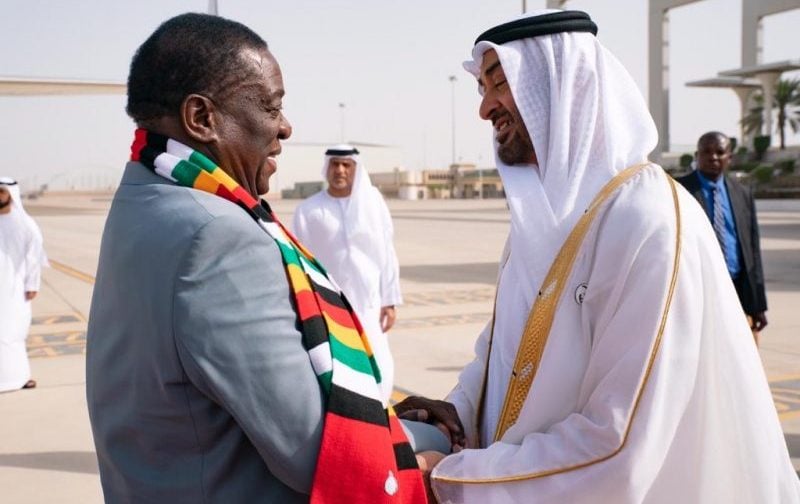
Zimbabwe’s economic landscape is undergoing a significant transformation, with the United Arab Emirates emerging as a pivotal partner. Bilateral trade between the two nations has surged, reaching approximately US$2 billion in 2022, positioning the UAE as Zimbabwe’s second-largest trading partner.

This burgeoning relationship is underscored by a remarkable 300% increase in trade over a three-year period. In 2019, trade volumes stood at around US$400 million, escalating to US$1.6 billion by 2021. Precious metals, particularly gold and diamonds, constitute a substantial portion of this trade, accounting for about 80% of the total exchange. Agricultural and food products also play a significant role in the bilateral trade dynamics.

The UAE’s investment footprint in Africa has expanded notably, with commitments totaling $110 billion between 2019 and 2023. Of this, $72 billion has been allocated to renewable energy projects, underscoring the UAE’s role in Africa’s green energy transition. However, concerns have been raised regarding labor rights, environmental standards, and the UAE’s support for hydrocarbon projects.

In Zimbabwe, the UAE’s investments span various sectors, including agriculture, mining, and energy. Zimbabwean businesses are actively exploring opportunities in the UAE’s food and agriculture sectors, while Emirati investors have shown keen interest in Zimbabwe’s gold and precious metals industries. This mutual interest is fostering deeper economic collaboration between the two nations.

The establishment of the Zimbabwean Business Council in Dubai aims to further bolster these ties. The council’s primary objective is to promote the commercial interests of Zimbabwe and Zimbabwean businesses in Dubai, facilitating increased trade and investment flows between the two countries.

Despite these positive developments, Zimbabwe faces internal challenges that could impede its economic progress. Policies such as the requirement for exporters to convert 25% of their foreign currency earnings into local currency have been criticized for hindering the recovery of sectors like horticulture. Additionally, farmers encounter difficulties in securing funding due to uncertain land tenure and past arbitrary state land acquisitions. The lack of government support further exacerbates these challenges, highlighting the need for policy reforms to create a more conducive environment for business growth.

Infrastructure development is another critical area requiring attention. The National Railways of Zimbabwe has opened its network to private firms to boost freight volumes, which had declined due to decades of underinvestment. Collaborations with companies like South Africa’s Grindrod have been initiated to revitalize the railway system, essential for supporting the country’s mining and agricultural sectors.

Gold prices have reached unprecedented levels, with spot gold climbing to $2,858.12 per ounce. This surge is attributed to escalating trade tensions between the United States and China, following Beijing’s imposition of tariffs on U.S. imports in retaliation to new U.S. duties on Chinese goods. The heightened trade conflict has led investors to seek refuge in safe-haven assets like gold. Ilya Spivak, head of global macro at […]

IMAX Corporation has reported a record-breaking box office performance during the Chinese New Year period, amassing $61.3 million in ticket sales. This figure represents a 72% increase compared to the same period in the previous year, underscoring a significant resurgence in the Chinese cinema market.

Leading this impressive performance was “The Wandering Earth 2,” which has become IMAX’s highest-grossing local language film to date. The film generated $50.4 million on IMAX screens across China, accounting for 9% of its total box office revenue, despite IMAX screens comprising less than 1% of the total available. This achievement also places “The Wandering Earth 2” as IMAX’s third highest-grossing release ever in the Chinese market.

IMAX CEO Rich Gelfond highlighted the importance of these results, stating that the Chinese box office is experiencing a robust recovery. He emphasized that, just two months into 2023, IMAX has delivered record-breaking results with its Chinese New Year slate and has seen a strong performance in China for “Avatar: The Way of Water,” with a promising lineup of Hollywood films yet to come. Gelfond noted that with China reemerging as a leading moviegoing market, IMAX is making significant strides toward returning to pre-pandemic levels of global box office performance.

Since fully reopening in December, China’s box office has demonstrated a remarkable comeback, more than doubling North American box office figures for January. Up to February 16, IMAX has generated $82 million in the Chinese market for 2023, already surpassing half of the $152.5 million earned throughout 2022. A significant contributor to this success is James Cameron’s “Avatar: The Way of Water,” which has earned over $52 million in China since its December 16 release, making it only the third film to surpass the $50 million mark in the country.

The diverse Chinese New Year slate also included Zhang Yimou’s period drama “Full River Red,” animated film “Deep Sea” produced by Enlight Film, and espionage thriller “Hidden Blade” produced by Bona Film and Xiyue Film. Daniel Manwaring, CEO of IMAX China, expressed optimism for the future, stating that the excellent slate of Chinese New Year films provides a great springboard for the year ahead. He congratulated Chinese studio and filmmaking partners for reigniting the country’s passion for moviegoing and looked forward to more successes in 2023.

In the coming weeks, several high-profile Hollywood releases are set to debut across the IMAX China network, including Disney/Marvel’s “Ant-Man and the Wasp: Quantumania,” Warner Bros./DC’s “Shazam! Fury of the Gods,” and Paramount’s “Dungeons and Dragons: Honor Among Thieves.” These releases are anticipated to further bolster IMAX’s performance in the Chinese market.

Analyst firm Benchmark has also noted IMAX’s strong position, suggesting that the company is poised to benefit from a robust 2025 box office, despite some underperforming major releases in late 2024. Benchmark analyst Mike Hickey acknowledged a softer-than-expected box office but viewed the resulting share-price weakness as a buying opportunity. He emphasized confidence in the company’s growth prospects, highlighting the importance of a rebounding IMAX China box office. Hickey expressed optimism that the Chinese New Year, beginning January 29, would kickstart the recovery, though he noted that the durability and magnitude of the rebound beyond the holiday remain uncertain.

China is positioned for significant growth in 2025, with the Chinese New Year slate featuring promising titles like “Creation of the Gods II,” “Ne Zha 2,” “Detective Chinatown,” and “Legend of the Condor Heroes,” expected to drive strong box-office performance. Upcoming Hollywood blockbusters such as “Mission: Impossible – Dead Reckoning Part Two,” “Avatar 3,” “Formula 1,” and “Zootopia 2” are also anticipated to bolster 2025 prospects. IMAX China’s strong ties to the film bureau are expected to enable Hollywood releases with minimal cuts, further enhancing the company’s outlook.

Nestlé has forged a strategic alliance with Dubai AI Campus to develop an advanced AI-powered platform designed to enhance product innovation. The collaboration aims to leverage artificial intelligence to identify emerging trends, offering valuable consumer insights that could revolutionize Nestlé’s approach to market strategies. The new tool, which combines Nestlé’s extensive industry experience with the cutting-edge capabilities of AI, will focus on processing large volumes of data. […]

Foodics, a renowned leader in restaurant and payment technology, has teamed up with MoneyHash, a prominent payment orchestration and revenue operations platform in the Middle East and Africa region, aiming to revolutionize payment solutions for the restaurant and foodservice sectors. The partnership is poised to streamline payment processes, improve operational efficiency, and boost growth for businesses in an industry that is undergoing rapid transformation.

This strategic collaboration is designed to empower food and beverage businesses by addressing some of the most pressing challenges they face in payment management. With the market for online and digital payment services growing rapidly in the region, Foodics, known for its cutting-edge technology, is leveraging MoneyHash’s innovative capabilities to offer businesses a more seamless, flexible, and efficient way to manage their payment systems.

By integrating MoneyHash’s versatile platform, Foodics will enable restaurants to connect to multiple payment providers and optimize their revenue streams through advanced reporting and analytics. This will help businesses minimize friction, reduce operational overhead, and enhance the customer experience by offering more payment options. The system also supports different payment methods, including credit and debit cards, mobile payments, and wallets, ensuring that customers enjoy a smooth transaction experience.

The MEA region has seen significant growth in the adoption of digital payment methods. According to recent reports, the adoption of digital payments in the region has been outpacing global trends, driven by rising smartphone penetration, changing consumer behaviors, and the expansion of e-commerce. However, despite this growth, many food service businesses have struggled to integrate diverse payment systems into a unified platform, leading to inefficiencies and increased costs.

By joining forces, Foodics and MoneyHash aim to address these gaps by providing a single platform that consolidates payment services, making it easier for restaurant owners and operators to manage their transactions, understand their financial data, and make informed decisions to grow their businesses. The partnership combines Foodics’ deep expertise in restaurant technology with MoneyHash’s strong reputation for managing payment flows, offering a comprehensive solution for an industry in need of modernized systems.

The shift to integrated payment solutions is particularly critical in the context of the ongoing digital transformation of the foodservice industry. As more consumers turn to online platforms and delivery services, the demand for fast, reliable, and secure payment processing has never been higher. Operators are increasingly looking for ways to reduce payment friction, enhance customer loyalty, and improve financial transparency. The collaboration between Foodics and MoneyHash represents a significant step toward achieving these goals, providing F&B businesses with the tools they need to thrive in an increasingly competitive environment.

Foodics, with its vast portfolio of technology solutions, has long been focused on helping F&B businesses streamline their operations, from point-of-sale systems to inventory management. The company’s mission to empower entrepreneurs and restaurant owners aligns with MoneyHash’s goal of improving financial management through cutting-edge technology. MoneyHash’s platform enables businesses to connect to a range of payment providers and systems, automating the processing of payments and generating real-time data analytics that give operators better visibility into their financial operations.

The collaboration also promises to have far-reaching effects on payment security and fraud prevention. By integrating a robust payment orchestration system, businesses can ensure that payment processing is both secure and compliant with regional regulations. MoneyHash’s platform employs advanced security protocols and tools to mitigate fraud risks, offering businesses and their customers greater peace of mind when making transactions.

As part of their commitment to transforming the F&B industry, both companies are working toward expanding their presence across the MEA region. The partnership will provide local restaurants with access to innovative technology that can scale as their businesses grow. Both Foodics and MoneyHash recognize the importance of adapting to the unique challenges and opportunities presented by different markets within the region, ensuring that their solutions remain flexible and accessible to businesses of all sizes.

Industry analysts have noted that this collaboration is a crucial step toward addressing the fragmented nature of the payment ecosystem in the MEA region. With so many different payment providers operating across the area, F&B businesses often face challenges in integrating multiple systems and maintaining visibility into their payment operations. The alliance between Foodics and MoneyHash aims to reduce this fragmentation by offering an all-in-one solution that simplifies payment orchestration and revenue management.

This partnership also positions both companies at the forefront of an emerging trend in the global payments landscape: the growing importance of payment orchestration platforms. These platforms are becoming essential tools for businesses across various sectors, enabling them to manage multiple payment service providers through a unified interface. As businesses in the F&B sector increasingly adopt digital solutions, the need for such platforms is expected to continue growing, and the collaboration between Foodics and MoneyHash places them in an excellent position to meet this demand.

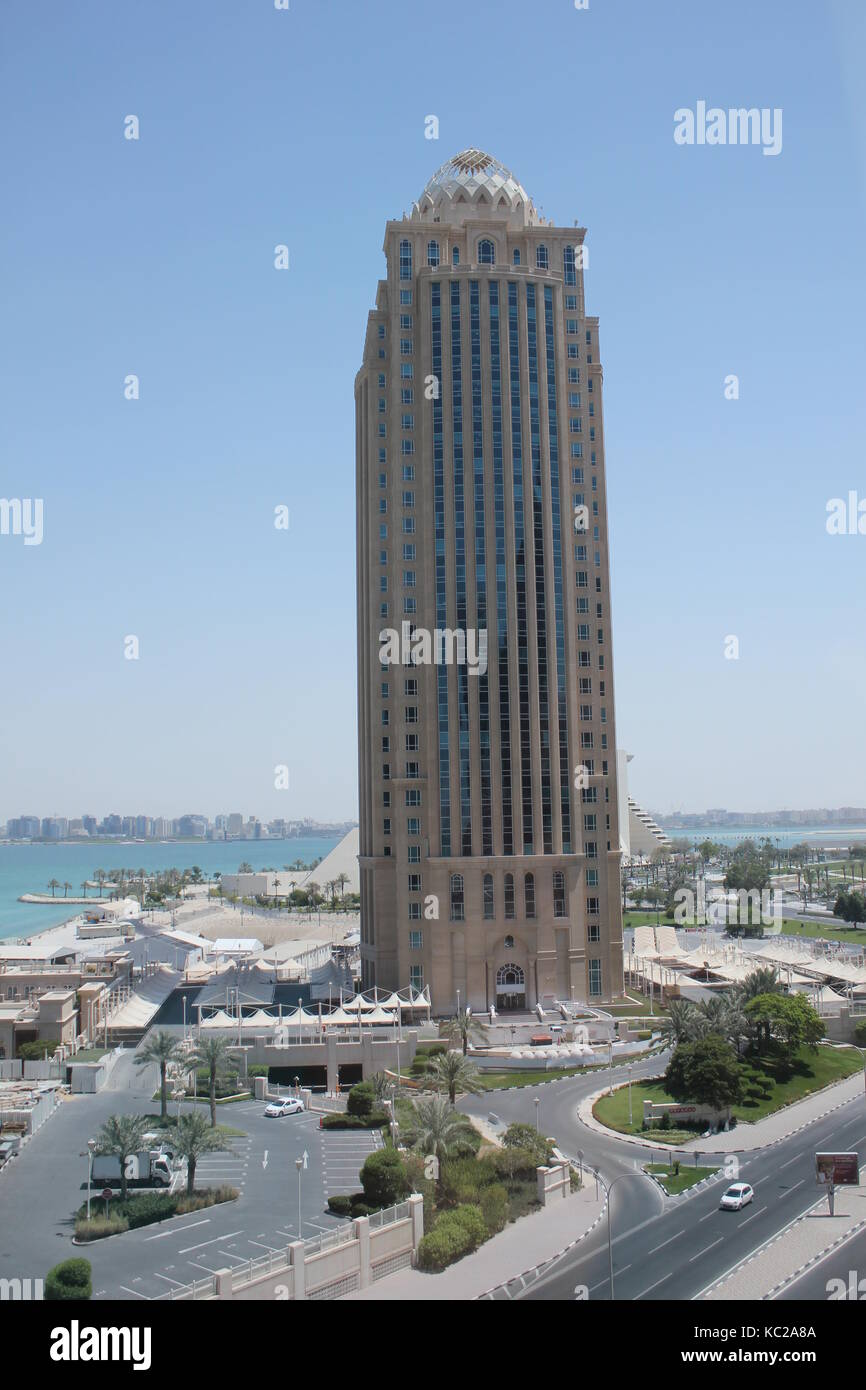
Ooredoo and DE-CIX have officially launched Doha IX, a state-of-the-art internet exchange platform aimed at boosting Qatar’s digital infrastructure. The partnership seeks to provide a secure and carrier-neutral solution to enhance network performance, offering businesses in Qatar and across the region improved connectivity.

Doha IX is designed to facilitate the exchange of low-latency internet traffic between operators, service providers, and content providers. The platform will also support remote peering services, allowing organizations to connect more effectively with global and regional networks. By providing a carrier-neutral environment, it offers flexibility to businesses and internet service providers, enabling them to select their preferred partners for traffic exchange without relying on a single carrier. This flexibility could be a significant advantage for companies looking to optimize their networks in a highly competitive market.

The new exchange will help alleviate some of the challenges faced by businesses in Qatar, particularly in terms of maintaining fast, efficient, and secure connections. As Qatar continues to grow as a technology and business hub in the Middle East, reliable and efficient connectivity infrastructure becomes a critical element of its economic development. Doha IX is poised to play a key role in this by providing businesses with the tools necessary to improve their network performance and stay ahead of emerging trends in the digital economy.

The establishment of the exchange comes at a time when the demand for high-quality connectivity is surging across the region. With more businesses moving toward cloud-based services and data-centric models, the need for reliable, low-latency connections is crucial. Doha IX is expected to meet this demand by offering the infrastructure needed to support a wide variety of digital applications, from e-commerce and financial services to entertainment and content delivery.

This development is also in line with Qatar’s broader goal of becoming a leading digital economy in the region. The country’s Vision 2030 plan emphasizes the importance of digital infrastructure as part of its national strategy for economic diversification. The launch of Doha IX aligns with this vision by enhancing the country’s ability to serve both local and international businesses. It also strengthens Qatar’s position as a regional hub for the internet exchange ecosystem.

DE-CIX, a leading global operator of internet exchange platforms, brings a wealth of expertise and experience to this partnership. With over 25 years of experience in running internet exchanges around the world, DE-CIX operates some of the largest and most secure peering platforms globally. Its involvement in Doha IX provides a significant boost to the exchange’s credibility and operational reliability.

The launch of Doha IX is expected to attract international players to the Qatari market, further driving competition and innovation. The platform offers a unique advantage for global content providers and internet service providers who are looking for a reliable and low-latency traffic exchange in the region. It also provides a platform for local businesses to connect with global partners, creating new opportunities for collaboration and growth.

As part of the launch, Ooredoo will provide infrastructure and connectivity support for the exchange, leveraging its extensive network to ensure smooth operations and minimal downtime. Ooredoo’s involvement further enhances the credibility of Doha IX and underscores its commitment to supporting the growing demand for high-quality internet services in Qatar.

For DE-CIX, the establishment of Doha IX marks a strategic expansion into the Middle East, a region that has seen rapid growth in digital and internet services over the past decade. The company’s presence in Qatar further strengthens its position as a global leader in the internet exchange market and offers it a chance to tap into one of the fastest-growing economies in the region.

Looking ahead, Doha IX is poised to become a key player in the digital infrastructure landscape in Qatar. As the country’s business environment becomes increasingly digital, the demand for reliable and efficient connectivity will continue to rise. The platform will provide businesses with the necessary infrastructure to stay connected and competitive in an ever-evolving global market.

Dubai’s real estate sector is showing remarkable growth, with off-plan property sales dominating the market. A new report from Engel & Völkers Middle East reveals that off-plan transactions now account for 63 percent of all property sales in 2024, marking a significant increase from 54 percent in 2023. This shift highlights an evolving demand for newly developed properties, driven by a mix of competitive pricing, flexible payment […]

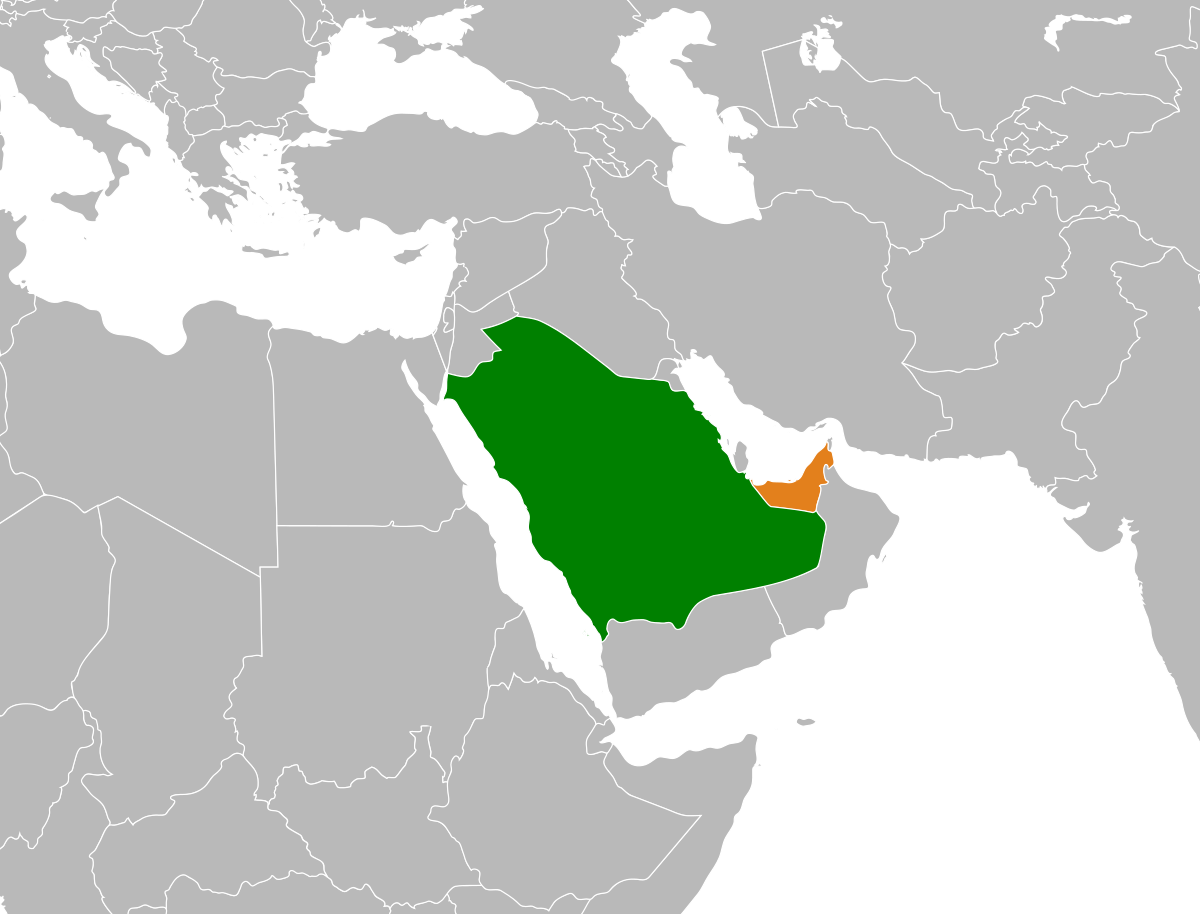
Discussions between Russian and US officials have surfaced regarding a potential summit between President Donald Trump and President Vladimir Putin, with Saudi Arabia and the United Arab Emirates being considered as the possible locations for the high-stakes meeting. According to two Russian sources familiar with the matter, both Middle Eastern nations have emerged as viable venues for the summit, a move that reflects the growing geopolitical engagement of these countries in the Russia-US relations.

Trump, who has long positioned himself as a proponent of international diplomacy, stated his intentions to end the war in Ukraine as swiftly as possible. He reiterated his readiness to engage with Putin, emphasizing the desire to address the ongoing conflict and other shared concerns. In return, President Putin congratulated Trump following his re-election and voiced his own readiness to meet and discuss critical issues, including the war in Ukraine and energy policies, which remain central to the broader global conversation on security and economic stability.

Despite these declarations, Russian officials have firmly denied any direct communications with the United States regarding plans for a phone call or a potential in-person meeting between the two leaders. These officials insist that any forthcoming discussions, if they occur, would be arranged at a later stage, with careful consideration of timing and venue.

The prospect of such a summit, especially in the context of Russia’s recent military actions in Ukraine, has sparked interest on the international stage. The geopolitical ramifications of such a meeting would likely be far-reaching, impacting global energy markets, NATO relations, and the future of the conflict in Eastern Europe. Although some observers view this as an opportunity for peacebuilding, others remain skeptical, given the contentious history of US-Russia relations.

Saudi Arabia and the UAE, with their growing influence on the global diplomatic stage, are being considered due to their neutral stance in the Ukraine conflict and their established relationships with both Russia and the United States. These nations have long been involved in energy markets, which would make them attractive hosts for a meeting focused on energy policies and economic security. Russia’s energy exports, including oil and natural gas, remain a critical factor in shaping international relations, particularly in light of sanctions imposed by the West in response to Russia’s actions in Ukraine.

Trump’s position on Ukraine has been a point of divergence from that of his political opponents, with some criticizing his favorable rhetoric toward Russia. However, his approach has consistently focused on resolving the conflict through direct negotiations, an approach he has applied to other global tensions during his presidency. The idea of a Trump-Putin summit reflects his broader foreign policy philosophy, which emphasizes personal diplomacy over multilateral frameworks.

Despite public statements from both leaders expressing interest in talks, the reality of organizing a summit remains complex. The diplomatic groundwork necessary to bring the two leaders to the same table would require careful coordination, especially with ongoing tensions over Ukraine. Moreover, the absence of direct communication between the US and Russia regarding the summit preparations has raised questions about the seriousness of the plans and the potential obstacles that may arise in the months ahead.

The role of intermediaries, such as Saudi Arabia and the UAE, in facilitating this meeting underscores the shifting dynamics of international diplomacy. Both nations have increasingly positioned themselves as key players in mediating between conflicting global powers. Saudi Arabia’s leadership within OPEC, combined with its strategic partnerships with both Russia and the United States, places it in a unique position to influence global discussions, particularly in the energy sector. Similarly, the UAE, with its expansive diplomatic network and strong ties to both Moscow and Washington, has become a focal point for international peace efforts and negotiations.

The consideration of Saudi Arabia and the UAE as potential hosts for the Trump-Putin summit aligns with their broader strategy of asserting themselves as mediators in global political disputes. The Middle East, long a region of contention, is now emerging as a diplomatic hub where major powers can engage in dialogue, far from the direct theater of conflict. This shift in geopolitical dynamics highlights the region’s growing importance as a neutral ground for major power negotiations, particularly in an era marked by heightened tensions and polarized global politics.

While a Trump-Putin summit would be a significant event on the world stage, it would also require both leaders to overcome a range of diplomatic and political challenges. The ongoing war in Ukraine remains a central issue, and any discussions between Trump and Putin would likely revolve around finding a peaceful resolution to the conflict, while balancing the interests of their respective countries. However, any breakthroughs or agreements arising from such a summit would be closely scrutinized by the international community, particularly given the historical tensions that have defined US-Russia relations.

The UAE further consolidates its position as a global business hub with the launch of its ambitious ‘Future Free Zone’ initiative in 2025. The World Free Zone Organization announced this visionary project to transform the free zones of the nation into international focal points of innovation. Fostering entrepreneurship, the UAE continues to stride toward sustainable growth. The ‘Future Free Zone’ project has been launched to drive advancements […]

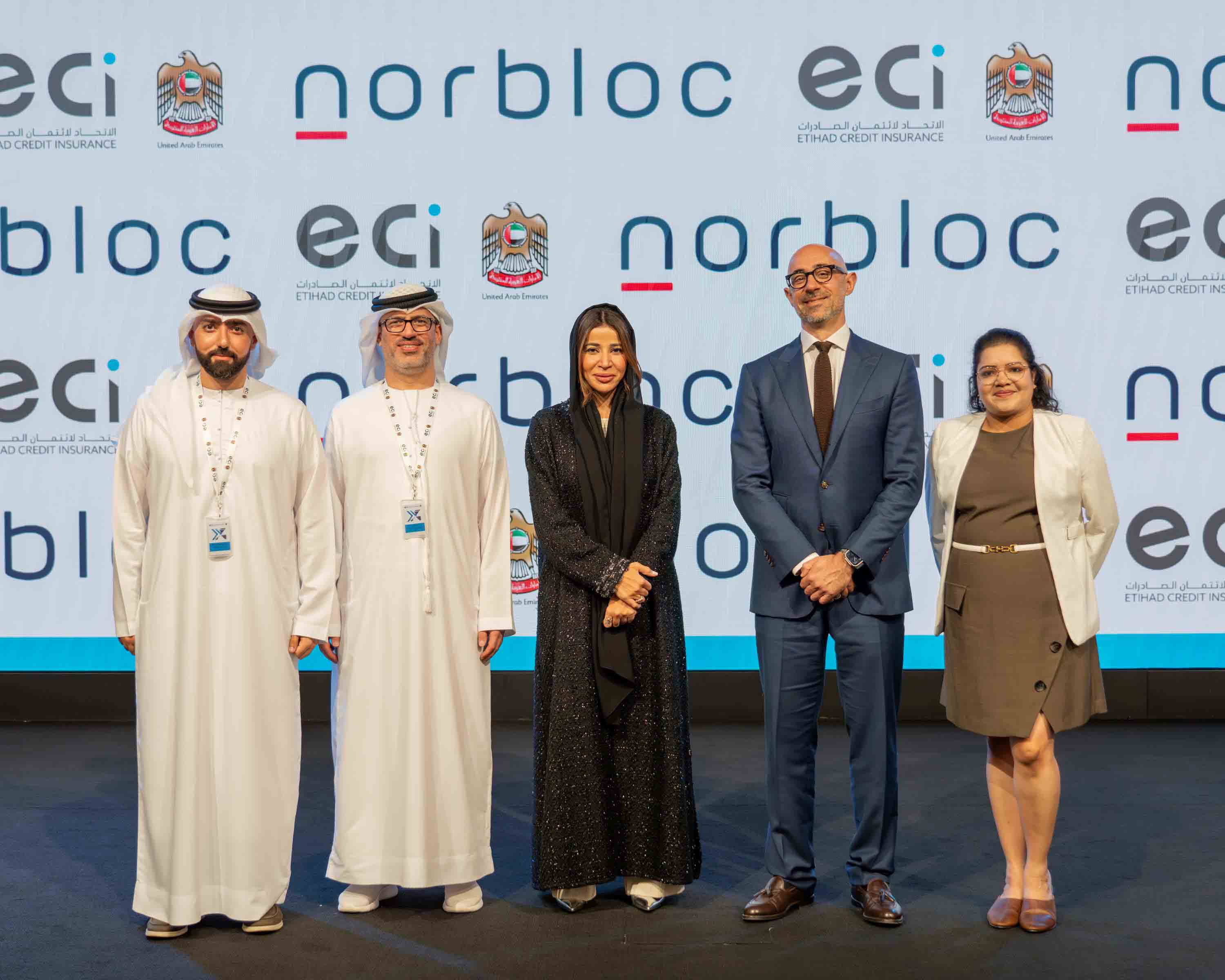
Etihad Credit Insurance , a prominent UAE Federal export credit company, has joined the Know Your Customer Blockchain Platform, marking a milestone for the country’s insurance sector. The partnership, aimed at enhancing the efficiency of customer identity verification, places ECI at the forefront of adopting blockchain technology within the financial industry.

This move reflects a broader trend in the UAE’s ongoing efforts to modernize its financial and insurance sectors. By integrating blockchain-based solutions, ECI joins several other entities striving to increase transparency, reduce fraud, and improve operational efficiency. The KYC Blockchain Platform itself, led by the Dubai Department of Economy and Tourism , represents a key innovation within the region’s fintech ecosystem.

Blockchain’s decentralized nature offers significant advantages for KYC processes. Traditionally, verifying customer identities involves complex, time-consuming procedures that are susceptible to human error and fraud. The adoption of blockchain ensures secure, immutable records, allowing for smoother and faster transactions. By participating in this platform, ECI aims to streamline its own compliance procedures, reducing the need for manual checks and minimizing risks associated with identity theft.

The KYC Blockchain Platform has already gained traction with a growing number of financial institutions and government entities looking to optimize their services. For ECI, the decision to integrate blockchain into its operations comes at a time when trust in digital solutions is paramount. In particular, the move is expected to strengthen the company’s ability to offer enhanced trade credit services, which are crucial for UAE-based businesses involved in international trade.

ECI’s commitment to embracing blockchain technology aligns with the UAE government’s broader push to position the nation as a leader in digital innovation. The country’s strategic focus on blockchain as a key enabler of economic growth is evident in its continued investment in the technology. By incorporating blockchain solutions into its operations, ECI not only aims to simplify its compliance processes but also to contribute to the larger goal of building a more secure and transparent digital economy in the UAE.

Blockchain’s integration into the KYC platform also paves the way for greater collaboration between public and private sectors. Government institutions have been proactive in creating the necessary infrastructure to support blockchain adoption. The Dubai Department of Economy and Tourism’s leadership in this initiative highlights the UAE’s determination to become a global blockchain hub, with numerous projects already underway to explore its applications in diverse sectors such as finance, healthcare, and logistics.

As the UAE continues to embrace new technologies, the success of the KYC Blockchain Platform could serve as a model for other nations aiming to digitize their financial and regulatory systems. The platform’s design, which facilitates secure and real-time sharing of customer information between institutions, addresses one of the most pressing challenges in the global financial sector: the need for robust and efficient identity verification.

The integration of blockchain into KYC processes also aligns with the UAE’s commitment to compliance with global anti-money laundering standards. As the international financial landscape becomes more interconnected, regulatory bodies around the world are increasingly requiring organizations to meet stringent customer verification and monitoring obligations. Blockchain technology’s ability to ensure data accuracy, security, and accessibility provides institutions with the tools they need to comply with these regulations more effectively.

For ECI, this integration represents more than just a technological upgrade. It is part of a larger strategy to remain competitive in an evolving financial environment. The company’s ability to leverage blockchain for more efficient KYC processes enhances its appeal to both local and international businesses. As the UAE’s trade and export sectors grow, having a streamlined and secure system for verifying customers’ identities will be a critical differentiator for businesses operating within the region.

The ECI’s blockchain initiative also promises to have broader implications for the insurance industry in the UAE and beyond. Insurance companies have long faced challenges related to fraud and regulatory compliance. With blockchain’s potential to offer transparent and tamper-proof records, the platform could drive significant changes in how insurers conduct their operations. Moreover, it could encourage more insurers to explore blockchain solutions, further accelerating the sector’s digital transformation.

This development positions ECI as a trailblazer within the UAE’s rapidly expanding blockchain ecosystem. As more companies begin to realize the benefits of blockchain for KYC and other operations, the region could see even greater adoption of this technology. By taking this bold step, ECI not only enhances its own operational capabilities but also contributes to shaping the future of blockchain in the global financial services landscape.

Dubai International Chamber has successfully attracted 207 new companies in 2024, marking a significant 56% rise compared to the previous year. This surge reflects the chamber’s strategic initiatives to strengthen Dubai’s position as a global business hub and enhance its appeal to international enterprises. The chamber’s efforts have also led to an influx of 182 delegations, comprising over 500 international participants, aimed at fostering new partnerships and exploring investment opportunities.

The Dubai International Chamber has long been a key player in the emirate’s ambitious economic strategy, which is focused on diversifying the economy and establishing Dubai as a center of trade, innovation, and global commerce. Through various initiatives, including business matchmaking events, networking platforms, and bilateral talks, the chamber has facilitated connections between Dubai-based businesses and international counterparts.

One of the driving factors behind the chamber’s success is Dubai’s robust economic framework, which includes pro-business policies, tax incentives, and state-of-the-art infrastructure. These factors continue to attract both new businesses and foreign investors, making the city an ideal location for expansion and growth in diverse sectors, including technology, finance, trade, and manufacturing.

The influx of companies is a reflection of Dubai’s global stature and economic resilience, which were put to the test during the global challenges of the past few years. In particular, sectors like fintech, renewable energy, and tourism have seen significant growth, aligning with Dubai’s broader economic objectives. By attracting a diverse range of companies, Dubai International Chamber is helping to strengthen not only the local economy but also regional and global trade networks.

The 56% increase in new businesses in 2024 comes as part of Dubai’s ongoing efforts to create a business-friendly environment. The Dubai International Chamber, under the direction of Dubai Chamber of Commerce, has consistently worked to provide valuable support for companies looking to establish a presence in the emirate. Services offered by the chamber include assistance with legal, regulatory, and logistical challenges, as well as facilitating access to Dubai’s world-class infrastructure and market opportunities.

The chamber’s strong push to engage international delegations has also proven successful. By hosting 182 delegations, the chamber has facilitated critical discussions that focus on international cooperation, investment, and trade partnerships. With over 500 participants in these delegations, Dubai has further cemented its role as a major gateway for global commerce.

The year 2024 also marked an expansion in Dubai’s global network, with significant engagement in the Middle East, Asia, Europe, and Africa. International companies are increasingly looking to Dubai as a springboard for their regional expansion, thanks to its strategic location, modern infrastructure, and well-established business ecosystem.

Dubai’s approach to international partnerships has resonated with companies seeking to tap into the growing markets of the Gulf Cooperation Council region and beyond. Dubai’s free zones, which offer tax exemptions, 100% foreign ownership, and simplified regulatory procedures, continue to be a major draw for foreign businesses.

According to experts, Dubai’s integration into global trade networks has been instrumental in boosting investor confidence. The city has long been recognized for its stability, high quality of life, and ease of doing business, factors that are particularly appealing to multinational companies.

As businesses from a variety of sectors choose Dubai as their base for expansion, the city has positioned itself as a leader in key industries such as technology, fintech, logistics, and sustainability. This is further evidenced by the growing number of tech startups, venture capital investments, and global corporations establishing operations in Dubai.

The Dubai International Chamber’s growing prominence highlights the city’s pivotal role in driving economic growth and fostering international collaboration. As part of its mission, the chamber is committed to ensuring that Dubai remains a global business hub that attracts investment, supports entrepreneurship, and provides companies with the resources needed to thrive in the global market.


Japan has taken a major step toward bolstering its space capabilities with the successful launch of a navigation satellite aboard its new H3 rocket on February 3, 2025. The launch marks a significant milestone in Japan’s pursuit of an independent, more precise satellite-based positioning system, designed to reduce reliance on foreign alternatives such as the United States’ GPS system.

The satellite, launched from the Tanegashima Space Center, is part of the country’s efforts to enhance its infrastructure and technological prowess. Japan’s space agency, JAXA, led the mission, which aims to place the country on a trajectory to develop a more autonomous and reliable global navigation system. This ambitious project, known as the Quasi-Zenith Satellite System , has been under development for several years and is seen as vital for both national security and economic growth.

The QZSS is expected to complement, and eventually replace, some aspects of global positioning systems , providing more reliable and accurate data in urban areas, mountainous regions, and other places where satellite signals from foreign systems can be weak or blocked. This development is seen as part of Japan’s broader efforts to ensure its technological sovereignty in the face of global geopolitical shifts, as well as a response to growing concerns about cybersecurity and the risks of dependency on external sources for critical navigation information.

One of the key features of the QZSS is its ability to offer highly precise positioning in regions where the GPS system struggles. Unlike GPS, which relies on a constellation of satellites orbiting the Earth, the QZSS will use a combination of geostationary and inclined geosynchronous satellites. This arrangement allows for better coverage over Japan and surrounding areas, ensuring more consistent and accurate positioning, even in dense urban areas or mountainous terrain.

The launch of this satellite represents the latest development in Japan’s space exploration efforts, which have accelerated in recent years. The country has made significant investments in space technologies, with a focus on both civilian and military applications. This new positioning system will not only improve navigation for the general public but also support the country’s burgeoning space industries, autonomous vehicle technologies, and the Internet of Things .

Japan’s focus on self-reliance in space technology is also a reflection of the evolving global space race. With countries like China and the United States making rapid advancements in space exploration and satellite systems, Japan aims to position itself as a leader in space technology. The success of the H3 rocket launch further strengthens Japan’s ambitions, as the H3 is designed to be a more cost-effective and reliable means of deploying satellites into orbit.

The H3 rocket, which carried the new navigation satellite, is an upgraded version of Japan’s H-IIA rocket, which has been used for a variety of missions over the past two decades. The new design is intended to lower the cost of launching satellites while maintaining the high reliability that Japan’s space programs are known for. This successful mission signals that Japan’s space agency has overcome some of the technical challenges associated with the H3’s development, and it sets the stage for future satellite launches.

The H3 rocket’s successful deployment of the QZSS satellite is expected to open new opportunities for Japanese companies involved in satellite manufacturing and launch services. It also positions Japan as a potential player in the global satellite services market, where demand for accurate and secure positioning data is growing rapidly. As global navigation and communication systems become more integral to economies and military operations, the ability to control and operate one’s own satellite network is viewed as an increasingly important asset.

In addition to its economic and security benefits, Japan’s new navigation satellite system will also have applications in disaster management. Japan, which is prone to earthquakes, tsunamis, and typhoons, could benefit greatly from having a more reliable navigation system in place during natural disasters. The QZSS can provide real-time data that can help coordinate rescue operations, monitor disaster zones, and even support evacuation efforts, ensuring that critical services can be delivered in times of crisis.

The QZSS satellite is the first in a series of planned launches as Japan builds out its own navigation system. The country aims to have a full constellation of satellites in orbit by the early 2030s, providing global coverage and ensuring that it has a fully operational navigation system that can compete with international systems. As Japan moves forward with this initiative, it is also exploring potential collaborations with other nations and private companies to enhance its capabilities and expand its reach in the global space community.

The South Korean won has plunged to its lowest value against the U.S. dollar in 2025, reflecting growing concerns about global economic challenges and domestic market dynamics. As of Monday morning, the won was trading at 1,471.35 per dollar, a drop of 13.3 won from the previous session. This marks the weakest performance for the currency this year, signaling a potential shift in the financial landscape of the region.

Several factors are contributing to the depreciation of the Korean won, primarily the U.S. Federal Reserve’s tightening of monetary policy. With interest rates in the United States remaining high, capital flows are increasingly favoring the dollar, leaving emerging market currencies like the won under pressure. As the U.S. economy maintains its growth trajectory, the dollar’s strength has increased, putting further downward pressure on the won. Analysts predict this trend could continue if the Fed’s policies remain unchanged in the near term.

The fluctuation of the won is closely tied to South Korea’s economic performance, particularly its trade balance. Exports, a critical component of South Korea’s economy, have been struggling due to reduced global demand, particularly from China, one of the country’s largest trading partners. South Korea’s semiconductor exports, once a pillar of its economy, have experienced a significant slowdown, a trend exacerbated by a global semiconductor oversupply and tightening chip export controls from neighboring countries.

While South Korea’s central bank, the Bank of Korea , has attempted to stabilize the won through currency interventions, these efforts have not been enough to reverse the trend. The BOK’s decision to keep interest rates steady for most of last year, alongside its cautious approach to monetary easing, has raised concerns about its ability to support the won in the face of external pressures. This has led to increased speculation about future rate cuts, which could further weaken the won.

Domestic economic concerns also contribute to the currency’s poor performance. Consumer confidence has taken a hit amid rising living costs and a struggling job market. Youth unemployment, in particular, remains a challenge, and inflation, though moderate, has been persistent. These factors have kept domestic demand subdued, affecting the broader economic outlook and fueling fears of stagnation.

The won’s dip also reflects wider regional trends. Many other Asian currencies, including the Japanese yen and the Chinese yuan, have also faced downward pressure as the global economic environment remains volatile. However, the won’s sharp decline is drawing more attention, particularly given the importance of South Korea’s exports to the global technology supply chain. As a major exporter of semiconductors, displays, and other electronic components, the health of the South Korean economy is critical to the global tech sector.

The Korean government is under increasing pressure to address the weakening won. President Yoon Suk-yeol’s administration has faced criticism for not taking decisive action to support the currency. Financial experts have called for more robust measures, including potential interventions in the currency market or revising fiscal policies to stimulate economic growth. However, any intervention risks further destabilizing the economy, particularly in the face of persistent global inflation and supply chain disruptions.

For investors and businesses in South Korea, the weakening of the won presents both risks and opportunities. Importers, particularly those reliant on raw materials priced in U.S. dollars, are likely to see increased costs, further squeezing their margins. On the other hand, exporters may benefit from the weaker won as their products become more competitive in global markets. However, this potential upside for exporters is tempered by the ongoing global economic slowdown and the uncertainty surrounding future demand for South Korean goods.

The decline in the won also raises questions about South Korea’s broader economic strategy. Some experts argue that the government needs to adopt a more flexible monetary policy, potentially focusing on greater fiscal stimulus to support domestic demand and alleviate the burden on businesses. The government could also look at diversifying its trade partners and finding new markets for its exports, particularly in regions less affected by global economic fluctuations.

On the international stage, the won’s depreciation could complicate South Korea’s relationships with key partners, particularly the U.S. and China. A weak currency can make trade more challenging, potentially raising the cost of South Korean exports and creating diplomatic tensions. South Korea’s geopolitical position, as a key player in both the U.S.-led security alliance and its economic relationship with China, makes currency fluctuations a sensitive issue in global diplomacy.

Bitcoin and Ethereum exchange-traded funds have drawn significant investment inflows, despite a sharp decline in cryptocurrency prices. A notable $318.56 million was poured into Bitcoin ETFs, while Ethereum ETFs saw a more modest but still considerable $27.78 million, signaling investor confidence in these digital assets even amid market uncertainty.

The surge in Bitcoin ETF investments comes at a time when the cryptocurrency has seen substantial volatility. Bitcoin’s value has fluctuated dramatically, yet it remains a central figure in the broader digital asset landscape. Despite this instability, investors have expressed their continued belief in the long-term potential of Bitcoin, driven by increasing institutional interest and Bitcoin’s role as a store of value.

Ethereum, although less volatile than Bitcoin, has also experienced challenges in recent months, but its relatively stable performance in comparison to other altcoins has contributed to its steady inflow of investment into ETFs. Ethereum’s role as the underlying network for decentralized finance applications, alongside its recent network upgrades, has maintained its appeal.

The rise of Bitcoin and Ethereum ETFs is a reflection of a broader trend where institutional investors are beginning to explore digital assets through traditional financial vehicles, providing a sense of legitimacy and accessibility to cryptocurrency markets. These ETFs allow investors to gain exposure to cryptocurrencies without directly holding the underlying assets, providing a safer option for those wary of the risks of self-custody and the volatility in crypto markets.

The appeal of Bitcoin ETFs has been particularly strong in the United States, where regulatory developments have slowly begun to shape the future of cryptocurrency trading. The U.S. Securities and Exchange Commission has been cautious about approving crypto ETFs but has recently signaled increasing openness to their potential. This regulatory stance, while stringent, has created a foundation for the growing number of Bitcoin ETFs, making the asset more accessible to a wider audience. A Bitcoin ETF effectively offers exposure to the digital asset with the benefits of liquidity, security, and the oversight of regulated financial markets.

Ethereum ETFs, though not as numerous, have gained traction as investors look to capitalize on the expanding Ethereum ecosystem. Ethereum’s move to proof-of-stake with the Ethereum 2.0 upgrade has made the network more energy-efficient and scalable, which in turn bolstered its investment prospects. The Ethereum network’s prominence in smart contracts and DeFi projects positions it well for future growth, maintaining investor enthusiasm even when broader market conditions are challenging.

Despite the downturn in the broader crypto market, where other digital currencies have suffered heavy losses, Bitcoin and Ethereum continue to be seen as strong pillars in the space. According to recent reports, Bitcoin’s dominance in the market remains high, and Ethereum’s blockchain continues to be the backbone of many decentralized applications , providing further justification for the influx into their respective ETFs.

The cryptocurrency market’s decline, however, has not been without its consequences. The broader market correction has led to a drop in valuations across the board, impacting altcoins and other tokens. Despite this, Bitcoin and Ethereum remain relatively insulated due to their established networks and larger market caps. As a result, institutional investors are likely to continue favoring these two cryptocurrencies, not only because of their relative stability but also because of the increasing institutional infrastructure that supports their adoption.

Crypto ETFs have also grown in popularity outside the U.S., with Canadian and European markets seeing an influx of Bitcoin and Ethereum-focused ETFs. These markets have been more progressive in embracing crypto-based ETFs, which have now become a significant part of the investment landscape. Europe, in particular, has seen rapid adoption of cryptocurrency ETFs as investors look for more regulated exposure to digital assets.

The correlation between traditional financial markets and cryptocurrency prices has been a focal point for analysts. Many believe that the increase in ETF inflows into Bitcoin and Ethereum may be a sign of institutional investors diversifying their portfolios to hedge against inflation and economic uncertainty. The expansion of ETFs into the crypto space reflects broader trends in the financial markets, where there is growing interest in incorporating alternative assets into investment portfolios.

Umm Al Qura for Development and Construction has announced plans to launch an initial public offering on the Saudi Exchange, aiming to raise capital for the MASAR Destination project, a significant redevelopment initiative in Mecca valued at 100 billion riyals . The company intends to offer 130.8 million new shares, representing 9.09% of its post-capital increase, with the proceeds earmarked for infrastructure development, land settlements, and project […]

VISHNU RAJA
RYO YAMADA
HITORI GOTOH
IKUYO KITA