News related to
Dubai

Dubai’s rental market continues to show pronounced growth, with mid-income neighborhoods emerging as hotspots for rental increases as more tenants choose to renew leases rather than face escalating costs for new contracts. Analysts attribute this trend to strong demand, limited supply, and landlords maintaining an advantageous position. Tenancy renewal activity has surged in Dubai, with Ejari records indicating a 23.6% rise in renewals over the past year, […]

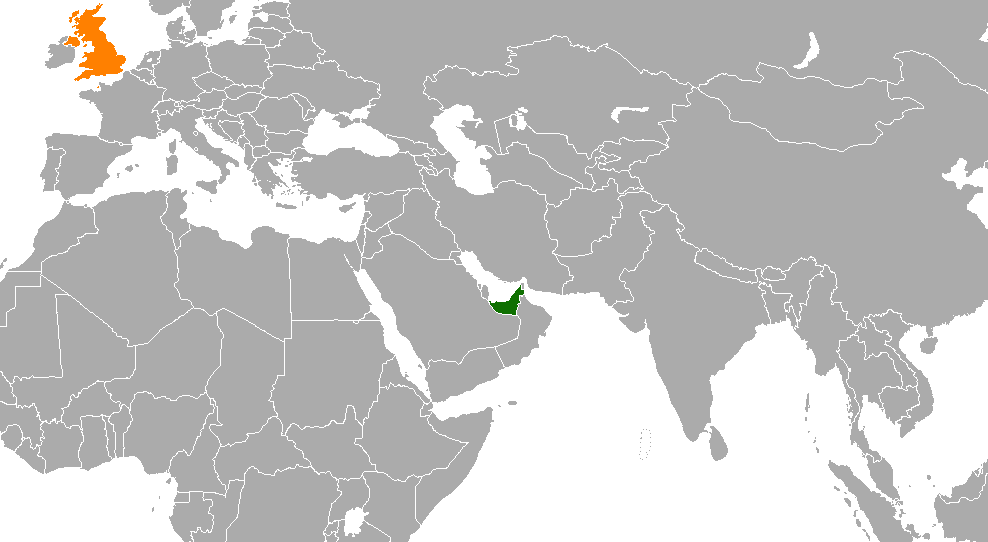
An increasing number of British residents, particularly high-net-worth individuals (HNWIs), are seeking a move to the UAE, drawn by the nation’s tax-friendly environment and strategic economic opportunities. This trend is amplified by the UK’s proposed reforms targeting non-domiciled residents and heightened post-Brexit challenges.

The UK government is set to introduce significant changes to its tax structure for non-domiciled individuals starting April 2025. This will extend taxation to global income after a four-year grace period, a measure projected to generate £2.7 billion annually by 2028. Coupled with stricter immigration rules and economic uncertainty, these changes are driving more residents to explore overseas options.

The UAE, particularly Dubai, has emerged as a top destination for British expatriates. Offering zero income tax, world-class infrastructure, and diverse investment opportunities, the UAE provides a stark contrast to the rising tax burdens in the UK. According to reports, the UAE is poised to attract 6,700 millionaires in 2024 alone, solidifying its status as a global hub for affluent expatriates.

Dubai’s real estate market exemplifies the appeal for British investors. Property transactions involving UK nationals surged by 43% in the first quarter of 2024 compared to the same period last year. The city’s attractive rental yields, high-quality developments, and residency incentives such as the Golden Visa make it a compelling choice for long-term investment and relocation. British buyers now feature prominently in popular neighborhoods like Palm Jumeirah and Dubai Marina, underscoring the UAE’s pull amid shifting global economic landscapes.

The migration trend also reflects broader changes in the UK’s workforce dynamics. Brexit-related policies have curtailed the mobility of skilled professionals and tightened visa regulations, affecting sectors like healthcare and technology. Simultaneously, Dubai’s robust economy, driven by tourism, tech, and real estate, offers a stable environment for career growth and entrepreneurship.

Researchers at MIT’s Computer Science and Artificial Intelligence Laboratory (CSAIL) have unveiled a novel wearable robotic technology leveraging soft actuators with integrated sensing capabilities. These devices, designed for potential applications in rehabilitation and assistive technologies, feature a unique aesthetic and functional resemblance to banana-shaped appendages.

The development, achieved through an innovative system termed “PneuAct,” combines machine knitting techniques with pneumatic actuation. This process enables rapid, scalable production of soft robotic components, integrating conductive yarn for tactile feedback. These actuators, capable of perceiving pressure and touch, aim to enhance the responsiveness and versatility of wearable devices. The design method requires minimal manual intervention, as patterns and movements are pre-programmed and fabricated autonomously using a specialized knitting machine.

With their inherent flexibility and compliance, the actuators have been integrated into gloves and other wearable systems. These could significantly improve mobility for individuals with disabilities or aid in physical therapy. The yellow fabric used in the prototypes adds a whimsical yet functional touch, contributing to their banana-like appearance while maintaining high mechanical performance.

Blockchain networks witnessed a surge in on-chain transactions during the week of the U.S. elections, with total transactions reaching an unprecedented 172 million, according to data from Dune Analytics. This marked the highest on-chain transaction count recorded in a single week, reflecting a significant uptick in activity across various blockchain platforms.

Among the major blockchain networks, Solana led the charge with 106.6 million transactions, a substantial portion of the total transaction volume. The surge in Solana’s activity is particularly notable as it surpassed its competitors by a wide margin. Following Solana, Tron registered 14.7 million transactions, while Binance’s BNB chain saw 12.1 million. Polygon and Ethereum experienced smaller but still notable transaction volumes, with Polygon handling 6.56 million transactions and Ethereum 6.55 million. Arbitrum, a layer-2 solution built on Ethereum, also recorded a considerable 5.7 million transactions, and Bitcoin, the largest cryptocurrency by market capitalization, accounted for 3.2 million.

The timing of this surge coincides with a high level of public and financial market attention surrounding the U.S. elections, which could have driven increased activity across various blockchain applications, particularly in decentralized finance (DeFi) platforms and other cryptocurrency-based services. It is possible that the surge was fueled by both speculative trading and a growing interest in blockchain technology as a means of securing financial transactions during a period of heightened geopolitical uncertainty.

Blockchain networks, known for their decentralized nature and transparent transaction records, have been increasingly viewed as a viable alternative to traditional financial systems, especially during times of political or economic instability. As a result, many investors and users may have turned to blockchain platforms for executing transactions with greater security, speed, and anonymity, which are some of the advantages offered by these networks.

While Solana’s dominant position in this surge is notable, it highlights a trend that has been growing over the past several months. Solana has been gaining traction as a faster, lower-cost alternative to Ethereum, attracting developers and users seeking to leverage its benefits in decentralized applications (dApps), non-fungible tokens (NFTs), and DeFi projects. Its high transaction volume during this period is a testament to its increasing popularity in the blockchain space.

Meanwhile, Tron, which has long been known for its focus on supporting decentralized applications and facilitating fast and low-cost transactions, also saw a significant increase in activity. The network’s positioning as a platform for entertainment, gaming, and DeFi applications may have driven a surge in user engagement during a time when many sectors, particularly those related to gaming and entertainment, were experiencing a boom in online activity.

Despite the dominance of Solana and Tron, the BNB chain, which is tied to Binance, the world’s largest cryptocurrency exchange by trading volume, also registered strong performance. BNB’s rise in transactions can be attributed to the continued expansion of the Binance ecosystem, with Binance Smart Chain (BSC) facilitating a wide range of decentralized finance products and services that attract both retail and institutional users. Binance’s ecosystem has been consistently growing in prominence, with many projects and tokens opting to build on BNB due to its low fees and fast processing speeds.

Ethereum, which has historically been the dominant blockchain for decentralized applications, including DeFi and NFTs, recorded 6.55 million transactions during the election week. Ethereum’s lower transaction volume compared to its competitors during this period is partly due to the high gas fees and scalability concerns that have plagued the network in recent months. However, the launch of Ethereum 2.0 and the ongoing improvements to its scalability through sharding and layer-2 solutions are expected to mitigate these issues and possibly lead to a resurgence in Ethereum’s transaction volume in the future.

Arbitrum, which has gained significant attention as a layer-2 scaling solution for Ethereum, also saw a notable increase in transaction activity. This could be attributed to the growing adoption of layer-2 technologies, which aim to address Ethereum’s scalability issues by processing transactions off-chain while still ensuring security and decentralization. Arbitrum’s success in handling 5.7 million transactions during this period highlights its growing role in the broader Ethereum ecosystem and the increasing reliance on layer-2 solutions to improve transaction speeds and lower costs.

Bitcoin, often seen as a store of value rather than a network for daily transactions, accounted for 3.2 million transactions during the election week. While this represents a smaller portion of the overall transaction volume, it is still a significant figure for the Bitcoin network, which tends to see lower transaction volume compared to other platforms that are more tailored to smart contracts and decentralized applications. Bitcoin’s activity during this period may have been driven by both market speculation and the ongoing institutional interest in the cryptocurrency as a hedge against inflation and geopolitical risk.

The surge in blockchain transactions also points to the broader trend of increased institutional involvement in the blockchain and cryptocurrency sectors. As more financial institutions, corporations, and governments explore the potential of blockchain technology for use in areas like supply chain management, finance, and voting systems, it is likely that the volume of on-chain transactions will continue to rise. Additionally, the growing interest in tokenized assets, digital currencies, and decentralized governance models is further pushing the adoption of blockchain networks across various industries.


Global oil markets are headed toward a significant surplus in 2025, according to the International Energy Agency (IEA). The forecast, which emerged as part of the IEA’s latest oil market report, highlights the combination of weak demand growth and ample supply as key factors shaping the oil landscape in the coming year.

Oil demand growth is expected to slow considerably in 2025, with global consumption rising by only about 1 million barrels per day (mb/d), compared to nearly double that in 2023. This is mainly due to lackluster demand from major consumers like China, where oil consumption has been declining, adding pressure to an already softening market. The IEA’s predictions also reflect the subdued expectations for demand in the aviation sector, despite signs of recovery in some parts of the world.

Meanwhile, oil supply is on course to exceed demand growth, with non-OPEC countries, particularly in the Americas, poised to make substantial gains. The United States, Brazil, and Canada are expected to be key drivers of supply, contributing over 1 mb/d each in 2024 and 2025. This surge in output, coupled with spare capacity in OPEC+ countries, including major producers like Saudi Arabia and Russia, further amplifies the outlook for surplus production.

The IEA also flagged concerns over global refining margins, which have been under pressure due to weaker demand for refined products such as gasoline and diesel. This trend has led to a reduction in crude oil processing rates, adding to the surplus in the market. Refining activity could continue to struggle unless global demand rebounds, a scenario that seems unlikely under current economic conditions.

As the surplus looms, global oil inventories are being closely monitored. Although crude stock levels have dropped recently, they remain at relatively high levels compared to historical averages. Refined product stocks, on the other hand, have increased, further tightening margins for refineries globally. This situation points to an oversupplied market, especially if demand growth fails to meet expectations.

Despite these market dynamics, geopolitical tensions in oil-producing regions like the Middle East have continued to influence market volatility. However, unless significant disruptions occur, such as a major escalation of conflicts or natural disasters, the IEA anticipates that oil prices will remain under pressure in 2025. Although prices briefly spiked earlier in the year due to fears of supply disruptions, these fears have subsided, leaving the market in a precarious position.

Lulu Retail’s long-awaited debut on the Abu Dhabi Securities Exchange (ADX) failed to live up to expectations as its shares closed flat on the first day of trading. Despite initial excitement and substantial oversubscription, the hypermarket operator’s stock showed little movement, highlighting a shift in investor sentiment after the IPO frenzy. The Lulu Retail Holding Company, which raised AED 1.7 billion in the UAE’s largest IPO of […]

The UAE real estate market delivered strong performance in the third quarter of 2024, marked by an uptick in both residential and commercial sectors. As per the latest insights from Asteco, a leading property consultancy, key markets across the Emirates displayed resilience, with Dubai and Abu Dhabi continuing to see heightened demand for both sales and rentals. Despite global economic uncertainties, the property landscape in the UAE […]

Advertisements

Salik, the toll operator for Dubai’s roadways, has posted a significant increase in its earnings, signaling a promising growth trajectory. The toll operator, which manages Dubai’s Salik toll system, revealed that its profits have surged, bolstered by an uptick in traffic volumes and improved operational efficiencies. The company, which operates the electronic toll collection system across Dubai, saw its revenues climb sharply. The key factor behind this […]

Viu, the pan-regional OTT video streaming service operated by PCCW, has expanded its offerings in the UAE by introducing a new benefit for its Viu Premium subscribers. As part of this initiative, new subscribers to the Viu Premium service will receive a complimentary Careem Plus subscription, enhancing their streaming experience with added value.

The partnership between Viu and Careem, the popular ride-hailing and services platform, brings together two prominent players in the region’s digital landscape. Careem Plus offers a variety of perks, including discounts on rides, food delivery, and more. This collaboration aims to not only strengthen Viu’s position in the competitive streaming market but also provide a broader suite of benefits for consumers.

This move follows a series of efforts by Viu to maintain its relevance in the increasingly crowded OTT sector. Viu has been expanding its content library and services across the Middle East and North Africa (MENA) region, targeting a growing base of digital-first consumers who are looking for diverse entertainment options. By offering added value through the Careem Plus subscription, Viu seeks to differentiate itself from other streaming platforms operating in the UAE and the larger Gulf region.

The strategy also aligns with broader regional trends, where OTT platforms are increasingly bundling services to offer more comprehensive packages. The integration of third-party services, such as ride-hailing or food delivery, has become a key strategy for service providers to boost customer loyalty and enhance user experience. This type of cross-sector partnership is growing in popularity, as it creates a more holistic ecosystem for consumers, blending entertainment with convenience.

For Careem, the collaboration with Viu allows the company to tap into the expanding base of Viu subscribers, potentially increasing its reach in the UAE. Careem’s move to offer exclusive perks to Viu Premium subscribers further underscores the platform’s efforts to enhance its value proposition, especially as it continues to evolve beyond its original ride-hailing model. The company, which has expanded into services like food delivery and digital payment solutions, has long been striving to position itself as an all-in-one lifestyle app in the region.

Viu’s premium service offers a wide range of on-demand content, including popular Arabic, Asian, and international shows, as well as movies and exclusive originals. With the addition of the Careem Plus subscription, Viu is aiming to elevate its value offering and cater to a broader audience who may be interested in both entertainment and lifestyle services. The initiative also highlights a broader trend in the OTT space, where platforms are looking for innovative ways to keep their customers engaged and retain their subscriptions in an environment where consumer loyalty is hard to maintain.

The UAE market, known for its high smartphone penetration and advanced digital infrastructure, has seen a rapid increase in the adoption of OTT services over the past few years. The shift toward on-demand entertainment, accelerated by the global pandemic, has contributed to the growth of digital streaming platforms. However, the competition remains fierce, with global players like Netflix, Amazon Prime, and regional services such as OSN and Shahid vying for consumer attention.

Viu, which operates in 16 markets across the Asia-Pacific and MENA regions, faces increasing competition in the UAE and wider MENA market, where local and international content providers are aggressively pursuing market share. By introducing perks such as the Careem Plus subscription, Viu hopes to add a layer of convenience that appeals to the diverse and digitally savvy consumers of the UAE, who are accustomed to seamless, multifaceted services.

The Viu-Careem collaboration also highlights a shift in the region’s approach to digital services, with companies moving toward integrated digital ecosystems. By bundling various services under one umbrella, companies are encouraging consumer stickiness. For instance, Viu subscribers can now enjoy discounts on Careem rides or deliveries, while Careem users can benefit from entertainment options from Viu. This model may set a new precedent for future partnerships in the region, where the boundary between entertainment, travel, and lifestyle services continues to blur.

The promotion is available to new Viu Premium subscribers in the UAE, with terms and conditions applicable to the complimentary Careem Plus subscription. The launch comes at a time when many OTT platforms are re-evaluating their strategies to stay competitive. As subscription fatigue sets in among users who are overwhelmed by an abundance of platforms, value-added features like the Careem Plus subscription can help sway potential customers toward Viu’s premium offering.

UAE investors have seen their wealth soar following a remarkable surge in Bitcoin prices, attributed to the political and economic shifts following Donald Trump’s victory in the US election. The cryptocurrency, which had been volatile in the years preceding the win, experienced unprecedented growth as markets reacted to the shifting political landscape, with many investors in the UAE now seeing significant returns on their investments.

Bitcoin’s price surged sharply after the US election results were confirmed, with many financial analysts predicting the trend would continue as uncertainty around Trump’s policies drove investors toward assets perceived as safer or potentially more profitable. The volatile nature of cryptocurrencies makes them an attractive option for those willing to accept the risks for the potential rewards. For investors in the UAE, Bitcoin presented a new opportunity, and many took advantage of the fluctuating prices in anticipation of future growth.

Several prominent cryptocurrency investment platforms have seen increased activity in the UAE, with more people turning to Bitcoin as a hedge against inflation and political instability. The surge in Bitcoin’s value has not only been a boon for individual investors but also for cryptocurrency trading platforms and firms offering Bitcoin-based investment products. Several such platforms reported a spike in sign-ups and transactions in the wake of Trump’s election win, which, combined with the global economic uncertainty that followed, has sparked an interest in digital currencies as an alternative to traditional investments.

In Dubai, where many investors have a global outlook, Bitcoin is quickly becoming a key component of wealth management strategies. The local cryptocurrency market has witnessed a rise in demand for both Bitcoin and other digital assets. Investors are diversifying their portfolios with more aggressive positions in cryptocurrency, banking on the potential for continued growth amid the global economic challenges. Some have even opened Bitcoin-specific funds, offering high-risk, high-reward opportunities to those seeking to capitalize on the digital currency’s upward trajectory.

A key factor contributing to this wave of Bitcoin investment is the cryptocurrency’s appeal as an alternative store of value. With concerns around traditional financial systems, particularly in the Middle East, many are seeking to protect their wealth by investing in assets that are decentralized and not subject to the fluctuations of regional currencies or government policies. Bitcoin, with its promise of independence from state-controlled monetary systems, offers a solution that is increasingly attractive to investors in the UAE.

The global appeal of Bitcoin, combined with its growing legitimacy, has made it a more palatable option for UAE investors, many of whom are looking to broaden their financial horizons. The UAE’s status as a financial hub with a progressive regulatory environment for cryptocurrencies has further contributed to the growing interest. While cryptocurrencies remain largely unregulated in many parts of the world, the UAE has been one of the leading countries in the region to introduce frameworks aimed at fostering innovation while protecting investors.

The surge in Bitcoin prices has also prompted a flurry of interest from young, tech-savvy investors in the UAE. As more millennials and Gen Z individuals enter the investment landscape, they are increasingly looking toward digital currencies as a means of growing their wealth. The UAE has one of the highest concentrations of cryptocurrency holders in the Middle East, with a growing number of younger investors taking positions in Bitcoin as part of a broader trend of tech-driven financial strategies.

While the surge in Bitcoin’s price has created substantial wealth for some investors, the cryptocurrency market remains highly volatile, and many caution against overexposure. Financial advisors emphasize the importance of diversifying portfolios, as the rapid rise in Bitcoin’s value could be followed by equally dramatic declines. Investors are urged to remain cautious, keeping in mind that the cryptocurrency market’s unpredictability makes it unsuitable for all types of investors.

The geopolitical factors that contributed to Bitcoin’s rise are also critical to understanding the broader trends at play. Following Trump’s win, the global economy experienced shifts in trade relations and economic policies, which, in turn, affected investor behavior. As Bitcoin’s value continues to fluctuate in response to these political developments, the currency remains a speculative asset. However, for many in the UAE, the rewards have been substantial, allowing some to realize returns on their investments that were previously unimaginable.

Following the victory of Donald Trump in the 2024 U.S. presidential elections, the UAE has experienced a significant surge in remittance flows, with major beneficiaries being India and the Philippines. This spike is attributed to a combination of factors, including a shift in economic dynamics, increasing confidence in the stability of the global economy, and adjustments in the exchange rates. With these countries historically being some of the largest recipients of remittances from the UAE, the recent growth reflects deeper patterns in the region’s labor markets, trade relations, and the broader economic impact of political developments in the United States.

The rise in remittances highlights an enduring trend of expatriates from South Asia and Southeast Asia sending money home, especially in the face of shifting geopolitical and economic landscapes. While the UAE has long been a hub for foreign workers, the current influx of financial support underscores both the strength of these diasporas and their economic significance to the countries of origin. India and the Philippines, two of the top remittance-receiving nations globally, have seen increases that could have significant effects on their local economies, particularly in terms of poverty reduction, infrastructure development, and consumption spending.

For India, which is consistently one of the largest recipients of remittances globally, the increase reflects ongoing economic stability. Many Indian workers in the UAE are employed in sectors such as construction, hospitality, and services, industries that have been impacted by fluctuating global demand. However, with Trump’s victory, there has been a renewed optimism about the UAE’s economic outlook, boosting confidence among remitters. Additionally, the Indian Rupee’s performance against the UAE Dirham has also played a crucial role in making remittance transfers more lucrative for Indian workers, with an improved exchange rate encouraging them to send more money home.

Philippine remittance volumes have mirrored this surge, driven by the large number of Filipino workers across various sectors in the UAE. The increase in remittances to the Philippines is tied to both economic and political factors. With Trump’s win, many Filipino workers have reported feeling more confident in their job security within the UAE, leading to higher disposable incomes and an increased desire to support their families back home. The Duterte administration’s improved diplomatic relations with the UAE, as well as the UAE’s robust labor laws, have also contributed to a more secure working environment for Filipino expatriates. Furthermore, the Philippine government has actively encouraged remittances as a key element in sustaining the country’s economic growth, which is evident in the increased financial flows back home.

One of the key drivers behind the rising remittance numbers is the favorable exchange rate that has emerged following Trump’s victory. The UAE Dirham is pegged to the U.S. Dollar, and with Trump’s anticipated pro-business policies, many economists predict continued economic growth in the region, leading to stronger currencies like the Dirham. As a result, workers from India and the Philippines are able to send larger amounts of money home for each unit of foreign currency they earn.

This surge also aligns with broader trends in global migration patterns, where many labor-exporting countries have seen their nationals continue to seek employment in the UAE despite challenges posed by the global economy. With job opportunities available in sectors like construction, health care, and information technology, both India and the Philippines remain major exporters of labor to the UAE, a relationship that continues to be a vital component of both nations’ economic strategies.

Another factor influencing the rise in remittances is the UAE’s active role in international trade. Trump’s foreign policy outlook, which tends to favor global markets and open trade policies, has reinforced investor confidence in the UAE, positioning it as a leading financial center in the region. This has had a trickle-down effect on remittances, as expatriates feel more secure in sending money back home, knowing that the overall economic stability of the UAE is likely to hold steady.

For both India and the Philippines, remittances are a critical pillar of economic support. The funds sent by workers abroad contribute significantly to the countries’ GDP, provide direct financial assistance to households, and bolster government revenues. In India, remittances have been linked to the reduction of poverty, greater access to education and healthcare, and even the growth of small businesses. Similarly, in the Philippines, remittances support everything from consumer spending to investments in rural development and infrastructure projects.

Despite the positive impact of these remittance flows, challenges persist. The COVID-19 pandemic had a brief dampening effect on global remittances due to economic uncertainties and travel restrictions, but the post-pandemic recovery has led to a strong rebound in money transfers, especially from the UAE. Many of the expatriate workers in the UAE rely heavily on their income to support families in their home countries, making the rise in remittances particularly crucial for those living in more economically vulnerable regions.

Dubai has launched a suite of groundbreaking initiatives aimed at enhancing the city’s safety and technological infrastructure, with a focus on future-facing innovation. His Highness Sheikh Mohammed bin Rashid Al Maktoum, Ruler of Dubai, revealed a series of projects worth a total of Dhs2 billion, solidifying the Emirate’s reputation as a leader in cutting-edge law enforcement technology. These initiatives are designed to modernize the operational capabilities of […]

Dubai has marked a new milestone in its push to become a leader in futuristic transport solutions with the commencement of construction for the city’s first air taxi station. Located close to Dubai International Airport (DXB), this development is a pivotal step toward integrating urban air mobility (UAM) into the city’s transportation infrastructure. This ambitious project, spearheaded by Dubai’s Roads and Transport Authority (RTA) in collaboration with […]

RIYADH, SAUDI ARABIA – EQS Newswire – 13 November 2024 – President and CEO Philippe Delorme of KONE (www.KONE.com), a global leader in the elevator and escalator industry, is visiting the Gulf Cooperation Council (GCC) region following the launch of KONE’s new global strategy ‘Rise’, to discuss how digital and sustainable vertical transport innovations are critical in helping address the rapid growth across the GCC. “With urban […]

Dubai is advancing its goal to become a global pioneer in urban air mobility, unveiling plans for its first vertiport station, strategically located adjacent to Dubai International Airport (DXB). The station, spanning 3,100 square meters, represents a key element in Dubai’s vision to implement a sustainable air taxi network, which is projected to serve as many as 170,000 passengers annually once operational in 2026.

In collaboration with Dubai’s Roads and Transport Authority (RTA), Skyports Infrastructure, and Joby Aviation, the vertiport will mark a significant milestone for Dubai’s aviation ambitions, aiming to connect seamlessly with Dubai Metro and other public transport systems. The facility will include an elevated deck to allow for the vertical take-off and landing of electric vertical take-off and landing (eVTOL) aircraft, essential for efficient air taxi operations in urban environments. Foster + Partners, an architectural firm known for its innovative designs, is leading the terminal’s design, integrating it with Dubai’s urban landscape to reflect both modernity and sustainability. The architectural design promises an open, elevated layout that prioritizes passenger comfort while offering panoramic views of both the city and aircraft activity.

Dubai’s air taxi service, a key aspect of the emirate’s urban mobility strategy, was initially announced by Sheikh Mohammed bin Rashid Al Maktoum earlier in 2024, with the aim of achieving operational readiness by 2026. With this vision, Dubai seeks to establish itself as the first city globally to operate a dedicated network of vertiports for air taxis, an achievement expected to bring a new wave of innovation to the city’s public transportation system. The initiative, which aligns with the UAE’s commitment to sustainable development, will enable eVTOL aircraft to traverse Dubai’s most prominent locations, including the Downtown area, Palm Jumeirah, and Dubai Marina.

Emaar Properties, one of the largest real estate developers in the UAE, has reported a modest growth in its profits for the first nine months of the year. The company’s net income rose compared to the same period last year, driven primarily by strong performance in its core real estate development and retail segments. The Dubai-based developer, which operates a diverse portfolio of real estate and hospitality […]

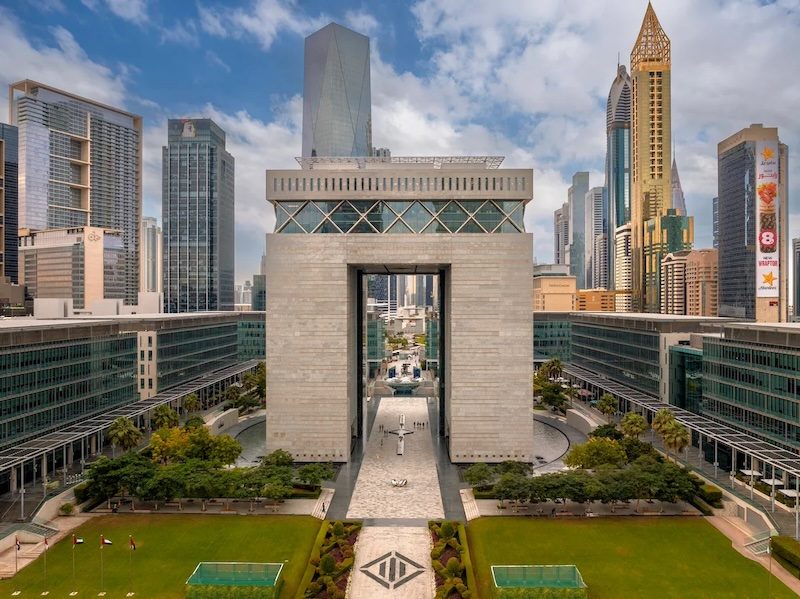
The Dubai International Financial Centre (DIFC) has repaid a $700 million sukuk, a significant milestone in its ongoing development efforts. This bond, originally issued to finance the expansion of the DIFC, helped fund key infrastructure projects, including the growth of its real estate sector and the development of the Gate Avenue retail precinct, which has become a central feature of the financial hub.

The repayment of the sukuk demonstrates the DIFC’s strong financial position, underscoring its ability to service its debt while continuing its mission to evolve as a global financial hub. The sukuk was part of a broader strategy to enhance the DIFC’s infrastructure and attract further investment to the region, reinforcing its status as one of the world’s leading financial centers.

Launched in 2004, the DIFC has seen exponential growth over the past two decades, with its strategic location and favorable business environment making it an attractive destination for international and regional firms. The expansion of DIFC’s real estate and retail offerings, particularly the Gate Avenue precinct, aligns with broader efforts to diversify its revenue streams and cement its position as a global business and lifestyle destination.

The Gate Avenue project, which was central to the sukuk issuance, transformed the DIFC area into a vibrant, mixed-use space combining commercial, retail, and residential offerings. The development has played a critical role in supporting the growth of the financial district, not only as a hub for businesses but also as a dynamic space for leisure and commerce. Gate Avenue features high-end retail outlets, restaurants, art galleries, and a host of premium office spaces, positioning the DIFC as a global destination for business and tourism alike.

The financial success of the sukuk reflects the increasing confidence in the DIFC’s ability to attract investment, maintain a strong credit rating, and manage large-scale projects effectively. The successful completion of the sukuk repayment follows a broader trend of fiscal responsibility within the Dubai government and its key development areas, including the Dubai Economic Agenda and the vision for the city’s continued diversification into non-oil sectors.

Dubai has steadily strengthened its position as a financial center, not just regionally but globally, through strategic investments in infrastructure, fintech, and real estate development. By repaying the sukuk, DIFC reaffirms its reputation as a key pillar of Dubai’s ambitious economic agenda. This action signals to both international investors and local stakeholders that DIFC remains a secure and attractive investment destination.

The sukuk’s issuance and repayment were also a part of the larger trend of Islamic financing mechanisms that have been growing in popularity in the UAE and other parts of the Gulf region. Sukuk, a Sharia-compliant alternative to conventional bonds, are increasingly viewed as an effective tool for raising capital for large-scale infrastructure and development projects. With the growing interest in sustainable finance, sukuk structures are adapting to include green and socially responsible investment components, further broadening their appeal.

The DIFC’s continued investment in its infrastructure is also reflected in its increasing number of financial firms, including major international banks, wealth management firms, and insurance companies, which have made the center their regional base. This is a testament to DIFC’s ability to provide a competitive and secure environment for financial operations, from asset management to fintech innovation.

The development of Gate Avenue, which connects the DIFC’s two main buildings with a series of bridges and corridors, offers not only commercial and office spaces but also cultural experiences that draw visitors and residents alike. This expansion helps differentiate the DIFC from other global financial hubs by offering a comprehensive lifestyle experience beyond the traditional financial operations. Its blend of culture, art, and luxury retail spaces makes it a unique offering in the competitive global financial landscape.

The repayment of the sukuk comes at a time when Dubai is positioning itself as a major player in the global financial and fintech sectors. As part of the Dubai 2040 Urban Master Plan, the city is focused on further expanding its financial infrastructure, which aligns with the UAE’s broader goal of diversifying its economy and attracting foreign investment. Projects like the DIFC’s development and the Gate Avenue precinct are designed to support this long-term vision and are expected to continue to bolster the UAE’s competitive edge.

DIFC’s financial success, evidenced by its ability to meet debt obligations, is closely tied to the broader economic strategies set out by Dubai and the UAE. The city has made substantial investments in becoming a global leader in fintech, with regulatory frameworks designed to foster innovation, while also strengthening its existing financial infrastructure. These efforts are part of a greater strategy to ensure Dubai’s place at the center of international finance, even as global markets face uncertainty.

As the DIFC looks to the future, it will likely continue its focus on sustainable development, leveraging its strategic location to attract global financial institutions and investors. The success of the sukuk repayment highlights the district’s ongoing stability and growth, which in turn strengthens Dubai’s position as a critical financial and business hub in the Middle East and beyond.

Nakheel, a leading Dubai-based developer, has unveiled plans for a collection of luxury waterfront villas located on the iconic Palm Jebel Ali. The development is set to redefine high-end living, with exclusive designs aimed at offering a prestigious lifestyle on one of the world’s most sought-after real estate locations. The new project will feature a series of ultra-luxurious homes, offering sweeping views of the Arabian Gulf. The […]

Apollo Global Management and Mubadala Investment Company have agreed to extend their high-profile partnership, a move that aims to bolster Apollo’s Capital Solutions business. The extension will allow both entities to expand their reach and enhance their ability to originate investment opportunities across various asset classes, solidifying their long-term collaboration.

The extended partnership, which involves several billion dollars, is a significant development in the investment world. It builds upon the strategic relationship that began several years ago, positioning both Apollo and Mubadala for future growth in a rapidly evolving global market. By pooling their resources, the two firms plan to tap into new investment opportunities, with a focus on large-scale, complex transactions across sectors such as real estate, infrastructure, and private equity.

As part of the agreement, Apollo will leverage Mubadala’s global network and significant financial backing to drive its Capital Solutions platform forward. This platform, which specializes in providing flexible, innovative financing solutions, will be further strengthened through this partnership. Apollo has long been a leader in alternative investment strategies, and the continued support from Mubadala enhances its ability to execute its high-value transactions worldwide.

Mubadala, which is the sovereign wealth fund of Abu Dhabi, has long been a key player in the global investment arena. Its robust portfolio spans multiple industries, including energy, technology, and healthcare. By deepening its ties with Apollo, Mubadala gains access to Apollo’s wide-ranging expertise in alternative investments, which is particularly advantageous given the volatile global economic climate.

The extension of the partnership is also expected to accelerate the deployment of capital into high-impact investments. Apollo’s Capital Solutions business, known for structuring and managing bespoke financing arrangements, will benefit from Mubadala’s substantial capital reserves. The partnership’s focus will be on identifying attractive opportunities in both established markets and emerging sectors. This will allow the firms to be well-positioned to respond to market dynamics and provide value to investors.

In addition to the financial and strategic advantages, the expanded collaboration between Apollo and Mubadala is expected to bring greater innovation to the investment management space. The firms will work together to identify new methods for creating value, from investment structuring to risk management. By combining their expertise, the partners aim to develop differentiated solutions for investors, which could include specialized vehicles, bespoke financing options, and new asset classes.

This partnership extension is particularly significant in the context of growing competition in the global investment sector. With rising interest rates and market volatility, institutional investors are looking for partners with proven track records and the capacity to adapt to changing conditions. Apollo and Mubadala’s collaboration offers just that, with both firms having established reputations for managing complex investments and delivering strong returns for their stakeholders.

As part of the broader strategic goals, the extended partnership also aligns with Mubadala’s long-term investment vision. The sovereign wealth fund is keen to diversify its portfolio and deepen its engagement with global markets. By aligning with Apollo’s expertise, Mubadala strengthens its position in the alternative investments space, which has become an increasingly important segment for institutional investors looking for non-traditional assets that offer higher returns.

Apollo’s experience and track record in the global capital markets are another factor that makes this partnership particularly appealing. With a strong presence in private equity, real estate, and credit, Apollo has consistently demonstrated its ability to generate value for investors in both favorable and challenging market environments. Mubadala, by extending its relationship with such a prominent player, ensures it has access to top-tier investment opportunities across the spectrum of asset classes.

The partnership extension also underscores the growing importance of cross-border collaborations in today’s interconnected financial markets. As global investors seek to broaden their exposure to diverse markets and asset types, relationships like the one between Apollo and Mubadala play a crucial role in facilitating capital flows across regions. This is particularly relevant as both companies continue to pursue their respective strategies in global markets, positioning themselves for future success amid evolving macroeconomic conditions.

Looking forward, the partnership is expected to deepen in the coming years, with both Apollo and Mubadala exploring new opportunities for collaboration. This could include expanding their joint investments into new geographies, further diversifying their asset portfolios, or exploring emerging sectors like technology and clean energy. The firms have already shown an appetite for exploring innovative investment structures and new technologies, which could become key drivers of their future success.

A significant step forward in Azerbaijan’s energy infrastructure modernization came with the announcement of a joint venture deal valued at $480 million, aimed at overhauling the country’s gas distribution network. The deal, which combines the expertise of several industry leaders, is poised to significantly enhance the operational efficiency and safety of gas distribution systems across the country, aligning with Azerbaijan’s broader energy sector goals.

The partnership, formed by Presight, a key player in the energy sector, and local Azerbaijani firms, will target several areas in the gas distribution system, including upgrading pipelines, boosting the capacity of compressor stations, and improving metering systems. This overhaul is expected to deliver improved service reliability, reducing gas losses, and enhancing customer satisfaction.

With Azerbaijan increasingly focused on maintaining its energy security and integrating cleaner technologies, the deal will also help streamline the country’s natural gas operations, making them more sustainable and resilient to market fluctuations. The modernization is seen as a pivotal project in the country’s long-term energy strategy, which aims to position Azerbaijan as a regional leader in energy distribution.

The country has long depended on its oil and natural gas resources for economic stability, but with rising global energy demands and environmental concerns, there’s an urgent need to upgrade and diversify its energy infrastructure. This development reflects Azerbaijan’s commitment to maintaining robust, efficient energy systems while also responding to both domestic needs and international expectations for higher environmental standards.

The joint venture deal is the result of years of meticulous planning, as energy companies have been assessing and identifying weaknesses within Azerbaijan’s existing gas grid. The country’s government has also recognized the necessity of modernizing its energy infrastructure to meet both current demand and the growing aspirations for energy security in a rapidly changing global market. Additionally, the Azeri government has pledged to prioritize sustainable development practices in its energy sector, ensuring that economic growth does not come at the expense of environmental preservation.

For Presight, the deal marks a significant milestone in its global expansion strategy, as the company continues to build on its successes in the Middle East and North Africa. By partnering with local Azerbaijani firms, Presight will leverage local knowledge and expertise to navigate regulatory complexities and tailor its solutions to the specific needs of the region.

The collaboration highlights the growing trend of international energy companies partnering with local enterprises to implement large-scale infrastructure projects in emerging markets. By combining global expertise with a deep understanding of regional needs, these partnerships create opportunities for innovation and more efficient energy solutions.

Local businesses in Azerbaijan stand to benefit substantially from this partnership, as it will bring both capital investment and technical know-how to the region. The deal is expected to create new jobs, with skilled labor being required to implement the various components of the modernization effort. Additionally, local suppliers and contractors will have opportunities to support the project, further strengthening the Azerbaijani economy.

Energy experts view this deal as a critical piece of Azerbaijan’s broader strategy to enhance its energy security. The country’s position as a major transit hub for energy supplies between Europe and Asia underscores the importance of maintaining a reliable and safe energy infrastructure. With its expanding role as a regional energy supplier, the modernization of its gas distribution network will help ensure that the country remains a key player in the global energy market.

Beyond economic factors, environmental sustainability has also been a key consideration in the project’s design. Modernizing the gas network is expected to reduce methane emissions, one of the most potent greenhouse gases, by curbing gas leaks and improving system monitoring. This aligns with global climate commitments and enhances the country’s environmental credentials as it seeks to balance energy demands with climate goals.

Azerbaijan’s natural gas reserves are among the largest in the world, with the country playing a pivotal role in the diversification of Europe’s energy sources. This deal is an example of the strategic importance of Azerbaijan’s energy sector, particularly as global energy security becomes a priority amid geopolitical shifts and fluctuating energy prices. Azerbaijan is positioning itself not just as a supplier of energy, but as a leader in energy innovation and sustainability.

Azerbaijan has long been a central player in the geopolitics of energy, balancing its relationships with Europe, Russia, and neighboring countries. As energy markets evolve, the country’s ability to modernize its infrastructure is seen as an essential part of its efforts to navigate these shifting dynamics. The latest deal with Presight underscores Azerbaijan’s strategy to maintain its place as a reliable and efficient energy exporter.

Dubai’s morning peak traffic has seen a significant reduction, with travel times decreasing by as much as 30%. This shift comes in the wake of widespread adoption of flexible working hours and remote work policies that have reshaped daily commutes across the city. The transformation highlights the growing impact of workplace changes on urban mobility patterns and traffic congestion.

The move towards more adaptable work schedules, accelerated by the pandemic, has seen a marked decline in the number of commuters rushing to the office during traditional hours. As companies continue to embrace hybrid work models, employees have greater autonomy over when they begin their workday, thus spreading out peak travel times.

Dubai, one of the world’s most bustling cities, had long struggled with traffic congestion. The morning rush hour often brought gridlock to key roads, with long waits on highways and delays in public transportation. However, the integration of flexible hours has provided a unique solution. According to traffic management experts, the reduction in office-bound commuters during the congested morning period has relieved pressure on the city’s infrastructure.

The Dubai government’s push for digital transformation and work flexibility has been central to this change. Various private and public sector organizations implemented remote work and staggered hours as part of their long-term business strategies. These policies have allowed workers to avoid the intense traffic rush typical of the early morning commute, particularly along major roads like Sheikh Zayed Road and Emirates Road.

For commuters, the effects of these changes are tangible. Daily travel times have shortened, not only for those who work from home but also for individuals who now choose to drive or take public transportation during non-peak hours. Traffic reports indicate a steady decline in congestion around office-heavy districts such as Business Bay and Dubai International Financial Centre (DIFC).

Dubai’s government has also introduced new traffic management strategies, which include rerouting certain traffic flows and expanding the metro network. These measures, combined with flexible work policies, have created a more efficient and less stressful commuting experience. Authorities have noted that traffic data collected over the past few months shows improved traffic speeds during the early hours of the workday, corroborating the positive effects of these adjustments.

Experts argue that this shift could have long-term benefits for the city’s infrastructure. By spreading out commuting times and reducing the number of vehicles on the road at any given moment, Dubai may be able to delay or even avoid costly investments in road expansions or additional public transport services. Furthermore, the environmental impact is expected to be favorable, with fewer vehicles idling during peak hours, reducing emissions and contributing to the city’s sustainability goals.

Flexibility in the workplace is also expected to continue influencing the way people travel. While Dubai has long been known for its emphasis on innovation, the trend of remote and hybrid working is likely to become a permanent fixture in the city’s labor landscape. This shift also aligns with global trends, as more businesses worldwide adopt similar policies in response to employee demands for better work-life balance.

Local businesses have taken notice of these changes and adjusted their operations accordingly. Companies are increasingly offering employees the option to work from home or choose flexible hours as part of their standard benefits packages. As a result, more people are opting to work remotely for at least part of the week, which further contributes to the reduction in commuter traffic during the busiest hours.

Public transport systems have also seen a positive shift, with trains, buses, and taxis benefiting from a more balanced distribution of passengers throughout the day. The Dubai Metro, which serves as a key mode of transportation for many, has experienced less overcrowding in the morning, offering a more comfortable ride for those who continue to commute to work.

The shift to remote work and flexible hours has also led to noticeable changes in the behavior of businesses. Firms in sectors like technology, finance, and consulting have been quick to embrace hybrid work models, recognizing both the benefits to employee satisfaction and the reduction in operational costs. For employees, this new approach to work offers greater autonomy, allowing them to optimize their schedules for productivity and personal well-being.

Despite these successes, some challenges remain. Although traffic congestion has been alleviated, certain areas of Dubai, particularly near popular commercial hubs, continue to see significant numbers of commuters at specific times of the day. Some business owners worry that widespread adoption of remote work could have unintended consequences, such as a decline in in-person collaboration and innovation. However, many firms are mitigating these concerns by establishing clear guidelines for when employees should be in the office, ensuring that face-to-face meetings and team-building activities continue to play a vital role in business operations.

Dubai is such a vast and diverse city, yet it has certain neighborhoods where most people would love to live. Colife Dubai, an all-in-one solution for modern tenants, property owners, and private investors headquartered in Dubai, highlights the city’s most sought-after neighborhoods. Most often, tenants request rental housing in Marina, JLT and Business Bay. Why? These areas offer a variety of lifestyles to suit anyone’s needs. The […]

Dubai-based siblings Jainam and Jivika have put forward an unexpected proposal to offer the JioHotstar domain they purchased from a Delhi-based developer to Reliance Industries without expecting any monetary gain. The move comes despite receiving offers that could have brought them substantial profit. Their decision to provide the domain at no cost reflects their commitment to supporting the developer and their philanthropic intentions.

The JioHotstar domain, a potential asset for the rapidly evolving streaming industry, was acquired by Jainam and Jivika after it was initially developed by a web developer based in Delhi. Though many anticipated the siblings might sell the domain to the highest bidder, they have instead chosen a path that prioritizes the welfare of the developer, who had originally faced challenges in securing ownership of the domain.

Jainam and Jivika, both entrepreneurs with diverse business interests in the UAE, have stated that their decision is not driven by financial incentives but by a desire to support the struggling developer. The siblings have emphasized that the domain acquisition was never about profit but was seen as a way to rectify the developer’s difficulties with the domain, which had drawn interest from several major companies, including tech giants.

Although the siblings had received lucrative offers from other parties, they remained firm in their commitment to offering the domain to Reliance for free. This gesture has sparked significant attention, especially given the potential role that JioHotstar could play in the Indian market, where Reliance’s streaming platform, JioCinema, is a major player. The platform’s recent expansion into diverse content offerings and its aggressive pursuit of digital media initiatives have made it an attractive entity for acquiring such assets.

Industry analysts believe that this offer could significantly benefit Reliance, positioning them for further growth in the digital entertainment space. JioHotstar, a name that evokes a strong connection with streaming services in India, could integrate well with Reliance’s expansive digital ecosystem, including its telecom arm, Jio. The platform, which previously merged the offerings of Hotstar with Jio’s services, is seen as a key player in the competition with other streaming platforms in India, such as Netflix and Amazon Prime Video.

Despite the substantial commercial value of the domain, Jainam and Jivika have made it clear that their philanthropic goal is not to profit from the domain but rather to facilitate the success of the developer and the potential growth of Reliance’s digital offerings. This stance has been commended by several figures in the technology and business sectors, who view it as an unusual yet honorable decision in a space often driven by competitive profit motives.

The siblings’ proposal is also notable for the transparency with which they have communicated their motives. Jainam stated, “Our primary goal is to support the developer who created the domain. We are not in this for financial gain but to do something good for the digital ecosystem.” His sister Jivika echoed these sentiments, emphasizing that the siblings felt a responsibility to step in and provide the developer with the platform for success.

JioHotstar, as a domain name, holds significant strategic value. The blend of Jio’s telecom presence and Hotstar’s entertainment reputation gives the domain a unique edge in the Indian digital landscape. Analysts speculate that this move could indicate a shift in the relationship between tech and entertainment companies, with a more collaborative approach replacing traditional, profit-driven transactions.

Reliance, meanwhile, has yet to make an official statement regarding the offer. However, industry experts suggest that the company would be wise to accept the offer, given the alignment with its long-term goals in the streaming and telecom sectors. The potential synergy between the domain and Reliance’s growing digital content portfolio could allow the company to further consolidate its position in the market.

The domain offer also raises broader questions about the intersection of business and philanthropy. In a time when many businesses are grappling with ethical considerations and social responsibility, Jainam and Jivika’s decision challenges the typical business model and demonstrates how commercial interests can sometimes take a backseat to personal ethics and corporate social responsibility.

While the siblings’ move might be viewed as altruistic, it also positions them as key figures in the burgeoning intersection of digital assets and entertainment, particularly in markets like India, where streaming services continue to see explosive growth. For Reliance, the acquisition of JioHotstar could further solidify its dominance in the country’s rapidly evolving entertainment ecosystem, which has become a hotbed of competition as companies vie for consumers’ attention and subscription dollars.

The Dubai-based siblings’ offer has also sparked conversations about the future of domain acquisitions in the tech and entertainment sectors. The gesture has brought attention to the impact that individual decisions can have on larger corporate strategies. It highlights how domain names—often perceived as simple digital assets—can be pivotal in shaping the direction of major players in the streaming and telecom industries.

Cathay Pacific has expanded its international network with the launch of direct flights between Hong Kong and Riyadh, marking a significant milestone in the airline’s growth strategy. This new route provides both business and leisure travelers with a more efficient travel option, strengthening connectivity between two major economic hubs in Asia and the Middle East.

The inaugural flight, which took off in early November, was celebrated with a ceremony attended by key officials from both Hong Kong and Saudi Arabia. Among the notable attendees were Financial Secretary of the Hong Kong SAR Government Paul Chan Mo-po, Consul General of Saudi Arabia in Hong Kong Hamad Aljebreen, and Cathay Group Chair Patrick Healy. The event underscored the growing ties between Hong Kong and the Kingdom of Saudi Arabia, particularly in the context of expanding air connectivity.

The new flight will operate four times a week, offering travelers more flexibility when flying between the two cities. Riyadh, the capital of Saudi Arabia, is a growing business center with increasing demand for direct international flights, particularly from Asia. Hong Kong, as one of the world’s major financial and trading hubs, is a natural gateway for Saudi nationals seeking to conduct business in Asia, and for Hong Kong residents wishing to explore the expanding opportunities in the Kingdom.

The service will be operated using Cathay Pacific’s Airbus A350-900 aircraft, which provides a comfortable flying experience with both business and economy class options. This aircraft is known for its fuel efficiency and advanced technology, making it a fitting choice for long-haul flights.

Lavinia Lau, Cathay Pacific’s Chief Customer and Commercial Officer, highlighted the importance of this new service, noting that it will significantly enhance the airline’s connectivity within the Middle East and further strengthen its presence in Asia. She emphasized the airline’s commitment to offering quality service and expanding its network to meet the evolving demands of its passengers.

The launch of the Hong Kong-Riyadh route is part of Cathay Pacific’s broader strategy to increase its presence in the Middle East. The airline has long been focused on providing convenient connections to key destinations in Asia, Europe, and North America, and this new flight is seen as a key step in maintaining the airline’s competitive edge in the global aviation industry.

Riyadh, as the economic heart of Saudi Arabia, is undergoing rapid transformation under the country’s Vision 2030 initiative. This ambitious plan aims to diversify the economy and reduce the Kingdom’s dependency on oil. As part of this vision, there is a concerted effort to build up the tourism and business sectors, with the government seeking to attract more international investment. This has created a strong demand for enhanced air links between Riyadh and key international destinations.

The direct flight between Hong Kong and Riyadh will play an integral role in fostering economic and cultural ties between the two regions. The Kingdom of Saudi Arabia has long been a major trade partner for Hong Kong, with bilateral trade continuing to grow in recent years. The direct air link will further support trade, tourism, and business opportunities by reducing travel time and increasing convenience for travelers.

The launch comes at a time when airlines are cautiously recovering from the pandemic’s effects on global air travel. Cathay Pacific, like many other carriers, faced significant challenges during the pandemic but has been gradually rebuilding its network as travel demand returns. The Hong Kong-Riyadh route signals the airline’s confidence in the recovery of international travel and its commitment to expanding its network in key markets.

Hong Kong’s Airport Authority also played a crucial role in making the direct flight route a reality. Vivian Cheung, Acting Chief Executive Officer and Chief Operating Officer of the Airport Authority Hong Kong, expressed enthusiasm for the new service, emphasizing that the launch reflects the airport’s continued effort to strengthen its global connectivity and solidify Hong Kong’s status as an international aviation hub.

With the increased demand for air travel between Hong Kong and the Middle East, this new service is expected to benefit not just business travelers but also tourists. Saudi Arabia has been making strides in opening up to international tourism, particularly with the introduction of new visa options and its ongoing efforts to position itself as a major tourist destination in the region. Hong Kong, with its mix of cultural heritage and modern attractions, is well-positioned to attract tourists from Saudi Arabia who are keen to explore Asia’s vibrant cities.

VISHNU RAJA
RYO YAMADA
HITORI GOTOH
IKUYO KITA