News related to
Dubai

Sheikh Mohammed bin Rashid Al Maktoum, Vice President and Prime Minister of the UAE and Ruler of Dubai, recently conducted a comprehensive review of the progress of multiple development initiatives in Hatta, a picturesque enclave situated in the UAE’s Hajar Mountains. These initiatives, part of a broader $980 million revitalization program, aim to transform the region into a prime tourism and economic hub, enhancing the quality of […]

Derayah Financial, a prominent Saudi-based investment firm, has secured approval from the Kingdom’s Capital Market Authority (CMA) to launch an Initial Public Offering (IPO), marking a significant milestone in the firm’s growth trajectory. This development comes as part of Saudi Arabia’s broader strategy to bolster its financial sector and increase the number of publicly traded companies on its stock exchange, Tadawul. The approval positions Derayah Financial as one of the key players in the Kingdom’s evolving financial landscape.

The company, which provides a range of services including asset management and investment advisory, has been preparing for its public offering for several months. The move to go public is seen as part of its long-term strategy to expand its client base, raise capital, and further diversify its business operations. By listing on Tadawul, Derayah aims to increase its financial stability and strengthen its competitive position within the regional financial market.

Derayah Financial’s IPO is part of a broader trend in Saudi Arabia, where the government has actively encouraged private companies to list on the stock exchange. This initiative aligns with the Kingdom’s Vision 2030, which seeks to transform the economy and reduce its dependency on oil exports by promoting the private sector and diversifying economic activities. The government’s push to increase the number of publicly listed companies is a key element of this vision, aiming to unlock new sources of capital and create more investment opportunities for both local and international investors.

Analysts have been closely watching Derayah Financial’s progress, noting that its IPO could pave the way for other firms in the asset management and financial services sectors to follow suit. With Saudi Arabia’s financial market continuing to mature, firms in the sector are increasingly recognizing the benefits of public listings. By tapping into the public equity market, companies can access a larger pool of capital and potentially gain broader investor exposure, which is crucial for long-term growth.

The CMA’s approval of Derayah’s IPO is also a testament to the continued regulatory enhancements in Saudi Arabia’s capital markets. Over the past few years, the CMA has implemented a series of reforms to improve market transparency, ensure investor protection, and enhance the overall investment climate in the Kingdom. These reforms have been pivotal in attracting both local and foreign investors to the Saudi stock market, making it one of the most active in the Middle East.

Market observers expect strong demand for Derayah Financial’s shares when the IPO is officially launched. As a well-established name in the Saudi financial sector, the company’s strong track record in asset management and investment advisory services has generated substantial interest among potential investors. The firm’s focus on digital transformation, coupled with its efforts to expand its service offerings, has positioned it as a forward-thinking company with promising prospects in the financial industry.

Derayah’s IPO is expected to provide a significant boost to the Saudi stock market, further solidifying Tadawul’s role as a leading regional exchange. Over the past few years, the Saudi bourse has seen a series of successful IPOs, many of which have attracted considerable attention from both domestic and international investors. The success of these offerings has bolstered investor confidence in the Kingdom’s financial market, and Derayah’s listing is likely to follow a similar pattern, contributing to the market’s continued expansion.

As part of the IPO process, Derayah Financial will disclose key financial information and offer shares to the public, providing insight into its business model, financial health, and growth potential. Investors will be able to gauge the company’s performance and outlook, which will play a critical role in determining the success of the offering. The IPO will also provide a valuable benchmark for other companies in the sector considering a similar move.

Beyond its immediate business objectives, Derayah’s IPO is likely to have broader implications for the Saudi economy. By providing a new avenue for capital raising and increasing the number of publicly traded firms, the offering is expected to enhance market liquidity and create new investment opportunities. Furthermore, it aligns with the Saudi government’s efforts to attract foreign investment and promote the Kingdom as a regional financial hub.

Despite the positive outlook, analysts caution that the success of Derayah’s IPO will depend on various factors, including broader market conditions, investor sentiment, and the performance of the financial sector in the coming months. While the company’s prospects appear strong, the market remains subject to fluctuations that could impact investor confidence. However, given the continued growth of Saudi Arabia’s financial services industry and the government’s support for the IPO process, many expect the offering to be a success.

Emirates NBD has formally joined the National Incubator Network through a newly signed memorandum of understanding (MoU) with Sandooq Al Watan, a strategic step aimed at enhancing the country’s startup ecosystem. The collaboration is expected to unlock new opportunities for entrepreneurs and further drive the UAE’s vision of fostering a dynamic, innovation-driven economy.

The MoU, signed by Yasser Al Gergawi, Director-General of Sandooq Al Watan, and representatives from Emirates NBD, marks a significant development in the UAE’s efforts to provide enhanced support for emerging businesses. This partnership will integrate Emirates NBD’s business incubator into the National Incubator Network, aligning the bank’s existing resources and expertise with a national strategy to empower local startups and entrepreneurs.

The move is seen as a direct response to the growing demand for incubators and accelerators that can help navigate the challenges faced by startups, particularly in competitive sectors such as technology, fintech, and healthcare. As the UAE continues to position itself as a hub for innovation, initiatives like this are crucial in ensuring that new businesses have the tools and networks needed to scale and succeed.

Emirates NBD’s business incubator brings a wealth of resources to the table, including access to funding, strategic mentorship, and operational support. These elements are designed to help startups refine their business models, gain market traction, and ultimately reach their potential in an increasingly complex marketplace. Through this collaboration, entrepreneurs will have the opportunity to tap into a wide range of resources from both the bank and other key players in the National Incubator Network.

Sandooq Al Watan’s involvement adds another layer of support, providing access to its vast network of investors, thought leaders, and other stakeholders crucial for business development. With its mission to drive sustainable economic growth through innovation and knowledge sharing, Sandooq Al Watan plays a pivotal role in connecting the dots between entrepreneurs and potential sources of funding and expertise. This collaboration will not only boost the prospects of individual startups but will also contribute to the broader objective of diversifying the UAE’s economy away from its traditional reliance on oil and gas.

The National Incubator Network, a key initiative under the UAE government’s broader innovation agenda, has seen growing momentum since its inception. The network’s focus on collaboration, knowledge exchange, and resource-sharing is expected to create a more robust and interconnected ecosystem for entrepreneurs. By joining this network, Emirates NBD and Sandooq Al Watan are signaling their commitment to nurturing homegrown talent and supporting the growth of startups that can drive forward the UAE’s long-term economic vision.

This initiative also aligns with the UAE’s broader vision for the future, where innovation is a cornerstone of national development. With a growing focus on sustainable industries, the UAE has been keen to promote the development of technology-driven startups that can address key challenges such as climate change, urbanization, and healthcare.

The partnership between Emirates NBD and Sandooq Al Watan is not only a win for entrepreneurs but also an indication of the increasing role that private sector institutions are playing in the UAE’s broader economic transformation. Banks and financial institutions, traditionally viewed as gatekeepers to capital, are now becoming key players in the startup ecosystem, offering more than just financial support. The collaboration between the two organizations exemplifies this shift, providing entrepreneurs with a comprehensive package of services and opportunities designed to accelerate their business growth.

One of the notable aspects of this collaboration is the focus on knowledge sharing. Both Emirates NBD and Sandooq Al Watan are well-positioned to leverage their extensive networks to connect startups with mentors, industry leaders, and investors who can provide invaluable advice and insights. This exchange of knowledge is critical in helping young companies navigate the challenges of scaling operations, managing growth, and positioning themselves for long-term success.

As the UAE moves forward with its innovation agenda, it is clear that partnerships like the one between Emirates NBD and Sandooq Al Watan will play an integral role in shaping the future of the country’s startup ecosystem. By connecting entrepreneurs with the right resources, expertise, and networks, this collaboration is set to drive forward a new wave of growth and innovation in the UAE’s economy.

The much-anticipated release of Netflix’s “Squid Game” Season 2 on December 26, 2024, has coincided with a notable decline in the stock prices of several South Korean companies linked to the series. Investors had high expectations for the new season, hoping it would replicate the unprecedented success of its predecessor. However, early reviews suggest that while the season offers compelling thrills, it may not fully meet the lofty anticipations set by the original.

On December 27, the Korea Composite Stock Price Index (KOSPI) experienced a downturn, with entertainment and media companies bearing the brunt. Notably, shares of Studio Dragon, a prominent South Korean production company, fell by 3.5%, closing at 82,000 KRW. Similarly, CJ ENM, a major entertainment conglomerate, saw its stock decline by 2.8% to 115,000 KRW. These movements reflect investor sentiment influenced by the mixed critical reception of “Squid Game” Season 2.

The new season continues the narrative of protagonist Seong Gi-hun, portrayed by Lee Jung-jae, as he re-enters the deadly competition with the aim of dismantling it from within. Critics have noted that while the season introduces intense new challenges and delves deeper into character backgrounds, it serves more as a bridge to the anticipated third season rather than delivering a standalone arc. This perception may have tempered investor enthusiasm, impacting related stock performances.

Despite the stock market reaction, “Squid Game” remains a significant cultural phenomenon, with the new season attracting substantial global viewership. Netflix’s stock (NFLX) showed resilience, with only a marginal decline of 0.85%, closing at $924.14 on December 26. This suggests that while regional partners may experience volatility, the streaming giant continues to maintain investor confidence.

Industry analysts advise monitoring the performance of South Korean entertainment stocks in the coming weeks, as audience reception and viewership metrics for “Squid Game” Season 2 become more apparent. The series’ impact on the global entertainment landscape underscores the interconnectedness of media productions and financial markets, highlighting the importance of critical reception in influencing investor behavior.

As the season unfolds, its reception will likely play a pivotal role in shaping the financial trajectories of associated companies. Investors and stakeholders should remain attentive to audience feedback and critical analyses to gauge the long-term implications of the series’ performance on the South Korean entertainment industry.

HANOI, VIETNAM – Media OutReach Newswire – 26 December 2024 – While the EV industry is entering a period of sustainable but somewhat slower growth, VinFast’s long-term commitment to pure electric vehicles and the support of its parent company, Vingroup, give it a unique advantage. With a long-term vision for green mobility, VinFast has leveraged the industry slowdown to strategically expand its presence and build strong growth […]

Dubai has launched the Dubai Resilience Centre, a new entity dedicated to strengthening the city’s ability to manage risks, emergencies, crises, and disasters. This initiative, established by a decree from Sheikh Mohammed bin Rashid Al Maktoum, Vice President and Prime Minister of the UAE and Ruler of Dubai, aims to position Dubai as a global leader in operational agility and crisis response. Operating under the Supreme Committee […]

Dubai Electricity and Water Authority (DEWA) has unveiled plans to invest AED 7 billion ($1.9 billion) in a comprehensive smart grid project, aiming for completion by 2035. This initiative is designed to enhance the efficiency, reliability, and sustainability of Dubai’s electricity and water services. The smart grid will integrate advanced technologies from the Fourth Industrial Revolution, including artificial intelligence (AI) and the Internet of Things (IoT). These […]

Advertisements

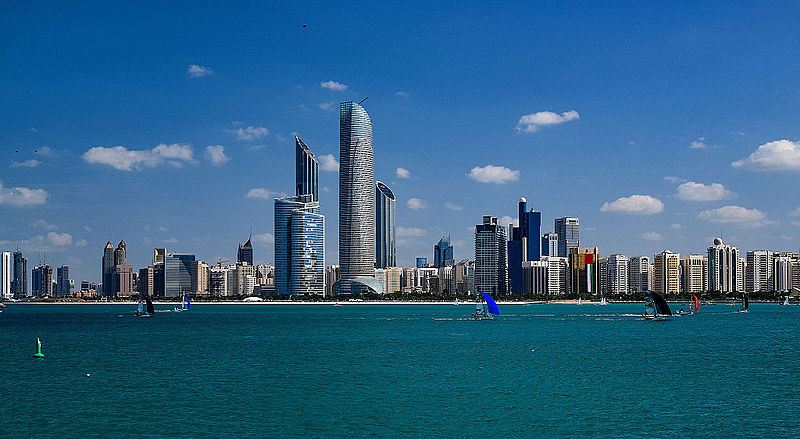
Abu Dhabi’s tourism industry is experiencing significant growth, marked by a substantial increase in visitor numbers and a corresponding expansion of its workforce. From January to October 2024, the emirate welcomed 4.8 million hotel guests, surpassing pre-pandemic figures and achieving a 26 percent increase in international arrivals compared to 2023.

This surge in tourism has been accompanied by a notable rise in employment within the sector. The World Travel & Tourism Council (WTTC) forecasts that by the end of 2024, the UAE’s travel and tourism sector will employ nearly 833,000 individuals, reflecting an increase of more than 23,500 jobs from the previous year.

Abu Dhabi’s ambitious Tourism Strategy 2030 aims to further elevate the sector’s contribution to the economy. The strategy sets a target of attracting 40 million visitors and generating 178,000 new jobs by 2030, which would bring the total employment in the tourism sector to approximately 366,000.

The emirate’s hotel industry has mirrored this upward trend. In the first five months of 2024, Abu Dhabi hotels received over 2.4 million guests, generating revenues totaling AED 3.18 billion. The distribution of hotel guests during this period was as follows: 498,700 in January, 507,400 in February, 433,700 in March, 500,080 in April, and 471,800 in May.

The UAE’s broader tourism sector has also demonstrated robust performance. In the first half of 2024, hotel establishment revenues across the seven emirates increased by 7 percent to reach AED 24.6 billion. The number of hotel guests during this period reached approximately 15.3 million, reflecting a 13 percent growth compared to the same period in 2023.

Abu Dhabi’s commitment to enhancing its tourism offerings is evident in its strategic initiatives and investments. The Department of Culture and Tourism – Abu Dhabi (DCT Abu Dhabi) has been instrumental in promoting the emirate as a premier global destination, focusing on cultural tourism, heritage preservation, and the development of world-class attractions. Notably, more than 3.9 million visitors have engaged with Abu Dhabi’s cultural sites, museums, and landmarks, underscoring the increasing importance of cultural tourism as part of the city’s diverse offerings.

The private sector has also played a pivotal role in this growth trajectory. Etihad Airways, the state-owned Abu Dhabi carrier, reported a 66 percent increase in net profit for the first nine months of 2024, earning AED 1.4 billion compared to AED 814 million in the same period the previous year. This financial upturn is attributed to a 35 percent increase in passenger traffic, with the airline transporting 13.6 million passengers over the year.

The expansion of the tourism sector has had a positive ripple effect on employment. The WTTC forecasts that by 2034, the sector will contribute more than AED 275 billion to the UAE economy, accounting for almost 11 percent of the GDP, and is projected to employ over 928,000 people across the country, with one in nine residents working in the sector.

Abu Dhabi’s strategic vision for tourism is not only focused on increasing visitor numbers but also on enhancing the quality of experiences offered. The emirate is investing in infrastructure development, regulatory improvements, and the advancement of digital transformation in civil aviation to support the ongoing travel recovery and ensure seamless and secure cross-border mobility.

Kuwait’s Council of Ministers has approved a new tax measure imposing a 15% levy on multinational corporations operating within the country, effective January 1, 2025.

The legislation targets multinational entities engaged in cross-border operations, aligning Kuwait’s tax policies with international standards aimed at curbing tax evasion and ensuring the retention of tax revenues domestically.

Deputy Prime Minister and Minister of State for Cabinet Affairs, Sherida Abdullah Al-Muasherji, confirmed the cabinet’s endorsement of the “Multinational Entities Group Tax Law,” emphasizing its role in preventing the diversion of tax revenues to other jurisdictions.

This initiative is part of a broader global movement toward implementing a minimum corporate tax rate, following agreements facilitated by the Organisation for Economic Co-operation and Development (OECD). The OECD’s Inclusive Framework on Base Erosion and Profit Shifting (BEPS) introduced a two-pillar solution to address tax challenges arising from the digitalization of the economy. Pillar Two establishes a global minimum corporate tax rate of 15%, applicable to multinational groups with revenues exceeding €750 million.

Kuwait’s decision mirrors similar actions by neighboring Gulf Cooperation Council (GCC) countries. The United Arab Emirates (UAE) announced an increase in corporate tax to 15% for large multinational enterprises, effective January 1, 2025. This domestic minimum top-up tax applies to multinational enterprises with consolidated global revenues of €750 million or more in at least two of the four financial years immediately preceding the financial year in which the tax applies.

Bahrain has also indicated plans to introduce a domestic minimum top-up tax starting January 1, 2025, targeting large multinational enterprises.

These measures reflect a regional commitment to adhering to international tax reforms designed to promote fairness and transparency in the global financial system. By implementing the 15% tax on multinational corporations, Kuwait aims to enhance its fiscal framework, reduce tax base erosion, and ensure that profits generated within its borders are adequately taxed.

The new tax law is expected to impact various sectors where multinational corporations have a significant presence, including oil and gas, finance, and telecommunications. Companies operating in Kuwait will need to assess their tax strategies and compliance mechanisms to align with the forthcoming regulations.

Abu Dhabi’s Mubadala Investment Company has acquired an 80% stake in both Global Medical Supply Chain (GMSC) and Al Ittihad Drug Store (IDS) from GlobalOne Healthcare Holding (GHH), which retains a 20% share. This strategic move enhances Mubadala’s presence in healthcare logistics and pharmaceutical distribution, aligning with the UAE’s vision to establish a robust life sciences infrastructure.

Established in 2015, GMSC offers comprehensive supply chain services for medical products, including demand planning, procurement, logistics, inventory management, warehousing, and maintenance. Serving over 200 medical facilities across the UAE, GMSC sources a wide range of products from nearly 400 suppliers, ensuring a reliable supply chain for medical needs.

Founded in 1987, IDS is a leading distributor of pharmaceutical and consumer healthcare products in the UAE. With a portfolio exceeding 1,000 products from over 40 suppliers, IDS services hospitals, pharmacies, and supermarkets nationwide, covering therapeutic categories such as anti-infectives, asthma, diabetes, and oncology.

Ismail Ali Abdulla, Executive Director of UAE Clusters at Mubadala’s UAE Investments Platform, stated that the expanding pharmaceutical market drives an increasing demand for specialized and efficient drug logistics solutions. By integrating GMSC and IDS into their portfolio, Mubadala aims to create a vertically integrated life sciences sector in the UAE, encompassing the entire value chain from logistics and distribution to specialized manufacturing.

This acquisition follows Mubadala’s recent strategic growth in the healthcare sector. Its specialty pharmaceutical business, KELIX bio, acquired a 100% stake in four pharma assets from GHH, including Bioventure, Bioventure Healthcare, Gulf Inject, and Wellpharma. These efforts underscore Mubadala’s commitment to strengthening the UAE’s healthcare and pharmaceutical sectors as part of broader national ambitions for drug security and economic diversification.

HO CHI MINH CITY, VIETNAM – Media OutReach Newswire – 24 December 2024 – JustMarkets concludes 2024 with notable achievements that highlight their ongoing focus on reliable and smart solutions for the worldwide trading community. The outgoing year marked the company’s 12th anniversary, a milestone underscoring JustMarkets‘ long-standing presence in the financial sector. Over these years, the broker achieved numerous victories, earned 50+ awards, and welcomed more […]

HONG KONG SAR – Media OutReach Newswire – 23 December 2024 – DYXnet, a wholly-owned subsidiary of VNET Group, Inc. (NASDAQ: VNET), is proud to celebrate its 25th anniversary in 2024, marking a quarter-century of excellence in supporting enterprises on digital transformation journeys. DYXnet hosted the Annual Luncheon 2024 in December, themed “Each Chapter a Milestone, Each Step a Leap Forward”, to kick off a new era […]

Saudi Arabia is ramping up its digital transformation within the transportation sector, unveiling a series of strategic initiatives aimed at improving mobility, boosting efficiency, and fostering economic growth. As the Kingdom continues its push to modernize under Vision 2030, these efforts reflect a growing focus on technology-driven solutions that are expected to reshape the way people and goods move across the country.

The government’s latest plans involve deploying cutting-edge technologies such as artificial intelligence (AI), Internet of Things (IoT), and smart mobility solutions across various transportation systems. A key component of this digital overhaul is the integration of data analytics to optimize traffic management, enhance logistics services, and provide a seamless experience for commuters. These efforts are designed not only to address current challenges but also to position Saudi Arabia as a leader in global transportation innovation.

One of the most ambitious projects is the introduction of autonomous vehicles within the Kingdom. Saudi Arabia has already begun trials of driverless cars, with the aim of incorporating them into public transport networks in major cities like Riyadh and Jeddah. This initiative is part of a broader effort to reduce road congestion and carbon emissions while improving safety and convenience for travelers.

The digitalization of the transport sector is also closely tied to Saudi Arabia’s efforts to expand its rail network. The Haramain High-Speed Railway, which connects Mecca and Medina, is a prime example of how digital systems are enhancing the efficiency of rail travel. With the integration of AI-powered systems, the railway’s operations are becoming more streamlined, with real-time data helping to manage train schedules, predict maintenance needs, and ensure the safety of passengers.

The Kingdom is investing heavily in the development of smart airports. King Khalid International Airport in Riyadh and King Abdulaziz International Airport in Jeddah are set to undergo major digital upgrades that will introduce biometric screening, automated check-ins, and enhanced baggage tracking. These advancements aim to make air travel more efficient and secure, aligning with global trends in aviation technology.

As part of the Vision 2030 initiative, Saudi Arabia is also enhancing its maritime transport sector. Digital tools are being implemented in port management to increase efficiency in cargo handling and reduce turnaround times for ships. The adoption of blockchain technology for logistics and supply chain management is also being explored, ensuring that Saudi Arabia’s ports remain competitive on the global stage.

The private sector is playing an integral role in these transformations, with a number of tech firms collaborating with the government to develop smart transportation solutions. For instance, partnerships with international companies are bringing advanced AI technologies and IoT systems to help manage urban mobility. These collaborations are not only helping to fast-track the digitalization process but also positioning Saudi Arabia as an attractive hub for global tech investors.

The government has also launched several initiatives to promote the development of digital skills among the Saudi workforce. A growing emphasis on tech education and training programs is expected to ensure that local talent is equipped to drive the digital revolution in transportation. This focus on education and workforce development is seen as crucial to the long-term sustainability of these innovations.

While the initiatives have been met with optimism, there are challenges that Saudi Arabia will need to address to fully realize the potential of its digital transformation. Cybersecurity concerns, the need for significant infrastructure investment, and the management of large-scale data systems will be key areas to monitor as the projects progress. Moreover, ensuring equitable access to these technologies, particularly in rural areas, will be an important consideration to avoid creating digital divides.

Internationally, Saudi Arabia’s digital transport initiatives are receiving attention as a model for other nations aiming to modernize their transportation systems. The Kingdom’s strategic location as a global logistics hub is further underscored by these projects, as they are expected to strengthen its position in the broader global supply chain network. As such, these developments not only serve local needs but also contribute to Saudi Arabia’s ambitions to diversify its economy and reduce its dependency on oil revenues.

Oil prices experienced a modest increase on Monday, buoyed by lower-than-expected U.S. inflation data that has rekindled hopes for potential policy easing. However, the market remains cautious due to projections of a supply surplus in the coming year.

Brent crude futures rose by 36 cents, or 0.5%, reaching $73.30 per barrel. Similarly, U.S. West Texas Intermediate (WTI) crude futures climbed 39 cents, or 0.6%, to $69.85 per barrel. This uptick follows a period where both benchmarks had seen declines exceeding 2% in the previous week, influenced by signals from the U.S. Federal Reserve indicating a more measured approach to policy easing.

Analysts interpret the subdued inflation figures as a potential catalyst for the Federal Reserve to consider easing monetary policies, which could stimulate economic growth and, by extension, increase energy demand. Tony Sycamore, an analyst at IG Markets, noted that the cooling inflation data has alleviated concerns following the Federal Reserve’s recent hawkish stance on rate cuts.

Despite these positive indicators, the oil market is contending with forecasts of a supply surplus in 2025. J.P. Morgan analysts project that supply will outpace demand by approximately 1.2 million barrels per day next year, exerting downward pressure on prices. This anticipated surplus is compounded by expectations of peaking oil consumption in major markets.

In China, the world’s largest crude importer, state-owned refiner Sinopec forecasts that the nation’s oil consumption will peak by 2027, driven by declining demand for diesel and gasoline. This projection adds to concerns about future demand in a market already wary of oversupply.

The strength of the U.S. dollar is another factor influencing oil prices. A robust dollar makes oil more expensive for holders of other currencies, potentially dampening demand. The dollar’s recent ascent to a two-year high has added pressure to commodity prices, including oil.

PHU QUOC, VIETNAM – Media OutReach Newswire – 19 December 2024 – Phu Quoc is rapidly solidifying its position as a new luxury resort paradise in the world, with the arrival of renowned hospitality brands, including Rixos, Ritz-Carlton Reserve and The Luxury Collection in the near future. This December represents a pivotal moment for Phu Quoc and Vietnam, with two events being hailed as ‘historic milestones’ for […]

DUBAI, UAE – Media OutReach Newswire – 19 December 2024 – The Best Places to Work organization has officially announced the Top 50 Best Places to Work in the Middle East for 2024, showcasing the companies that lead the way in employee satisfaction, engagement, and workplace culture. This year’s rankings highlight organizations that have demonstrated exceptional commitment to creating positive work environments, fostering employee growth, and embracing […]

Hyundai’s commitment to sustainable transport solutions has taken a significant step forward with the launch of two Hydrogen Fuel Cell Buses into public service in Abu Dhabi. This move marks a milestone in the Emirate’s ongoing efforts to reduce its carbon footprint and transition toward more environmentally friendly transportation options. The buses, Hyundai’s Elec City FC and Universe FC, are now operational, providing a cleaner, quieter alternative to conventional diesel-powered vehicles.

The buses are part of a broader initiative to enhance the UAE’s public transport infrastructure with cutting-edge, eco-friendly technologies. Hyundai, in partnership with its exclusive UAE distributor, Juma Al Majid Co., is working to introduce hydrogen-powered vehicles that align with the UAE’s sustainability goals. These buses emit zero emissions, relying on hydrogen fuel cells to generate electricity, which is a significant step in tackling urban pollution and promoting energy-efficient transit options.

The launch follows the successful delivery of the first two hydrogen fuel cell buses in November 2024. The Emirate of Abu Dhabi has set its sights on becoming a leader in green technologies, with public transportation being a key area of focus. The hydrogen buses are a critical part of this transition, offering a practical solution to reducing the reliance on fossil fuels while meeting growing urban mobility demands.

The new buses are designed for both efficiency and comfort, providing passengers with a smooth and quiet ride. The Elec City FC is a fully electric bus equipped with a hydrogen fuel cell system, while the Universe FC, a larger model, is intended for longer journeys and is also powered by hydrogen fuel cells. Both models are expected to meet the rigorous standards of public transport fleets while offering a significant reduction in greenhouse gas emissions.

Juma Al Majid Co. has been instrumental in making this transition possible. As Hyundai’s exclusive distributor in the UAE, the company has facilitated the deployment of these advanced vehicles as part of its wider strategy to introduce green technology solutions across various sectors in the UAE. Their efforts are aligned with the UAE’s Vision 2021, which includes plans to reduce the country’s carbon emissions by 16 percent by 2025.

The UAE government’s commitment to clean energy is exemplified by the National Agenda, which includes ambitious targets for sustainability and diversification of energy sources. The introduction of hydrogen buses is a step toward fulfilling these targets, particularly in the transport sector, which is one of the largest contributors to emissions. Public transport in Abu Dhabi, already home to a growing fleet of electric buses, is being transformed into a more energy-efficient system through such innovations.

Hydrogen-powered vehicles have been gaining traction globally due to their ability to offer long ranges and quick refueling times compared to traditional battery-powered electric vehicles. Hydrogen buses, which use fuel cells to convert hydrogen into electricity, are particularly suited to long-distance travel and heavy-duty applications like public transportation. The technology behind hydrogen fuel cells allows for a high energy density, enabling the buses to travel longer distances without the need for frequent refueling.

The UAE has increasingly focused on hydrogen as a key component of its energy strategy, with a series of government-backed initiatives aimed at making the nation a hub for hydrogen production and utilization. The launch of the hydrogen fuel cell buses is part of a broader strategy to position the UAE as a leader in the global shift towards hydrogen energy. The nation is working on establishing hydrogen hubs and expanding its infrastructure for the production, storage, and distribution of hydrogen fuel.

Experts suggest that hydrogen will play an essential role in the future of transportation, not just in the UAE, but globally. With its clean energy potential, hydrogen is seen as a promising solution for reducing emissions in sectors that are difficult to electrify, such as long-haul transport, heavy-duty trucks, and buses. The successful operation of the first hydrogen fuel cell buses in Abu Dhabi may pave the way for other cities across the UAE to adopt similar technologies, contributing to the region’s green transition.

The introduction of these buses comes at a time when the world is increasingly focused on sustainable transportation solutions. With the transport sector contributing significantly to global carbon emissions, many countries are investing in green technologies to reduce their environmental impact. Hydrogen fuel cells, alongside electric batteries, are seen as key alternatives to conventional fossil fuel engines.

Abu Dhabi’s use of hydrogen buses is expected to encourage further investment in alternative fuel technologies. The public sector’s role in championing clean energy solutions is essential in building consumer confidence in these new technologies. The continued success of hydrogen-powered buses will not only help reduce emissions but also serve as a model for other cities in the region.

The long-term impact of this initiative could extend beyond public transportation. As hydrogen technology advances, the integration of hydrogen fuel cells into other sectors, such as construction, logistics, and even aviation, could become a viable option. In the coming years, the infrastructure for hydrogen production and distribution is expected to expand significantly, further enabling its adoption across various industries.

Arabian Post Staff -Dubai Jared Kushner’s investment firm, Affinity Partners, has secured an additional $1.5 billion in funding from the Qatar Investment Authority and Abu Dhabi-based asset manager Lunate. This significant capital infusion extends the investment period of Affinity’s debut fund to 2029, positioning the firm for sustained growth in the competitive private equity landscape. Kushner, founder of the Miami-based firm, disclosed these developments during an episode […]

OpenAI has unveiled its latest artificial intelligence models, o3 and o3-mini, marking a significant advancement in AI reasoning and problem-solving abilities. These models are currently undergoing internal safety testing, with plans for broader access to security researchers before a public release scheduled for early 2025.

The o3 models represent a progression from OpenAI’s previous o1 series, which debuted in September 2024. Unlike their predecessors, the o3 models incorporate a “self-checking” mechanism that enables the AI to internally plan and articulate its decision-making process. This feature allows users to adjust the model’s “thinking time,” balancing response speed with accuracy.

Early internal benchmarks indicate that o3 achieves an 87.5% score on the ARC-AGI benchmark, a substantial improvement over the 25–32% range recorded by o1. Additionally, o3 has attained a 96.7% score on the AIME 2024 assessment and 87.7% on the GPQA Diamond benchmark, underscoring its enhanced reasoning capabilities.

OpenAI’s CEO, Sam Altman, emphasized that the o3 models are designed to tackle complex reasoning tasks, positioning them as formidable competitors to AI systems developed by other tech giants, such as Google’s Gemini model. Altman stated that o3 signifies the beginning of the “next phase” of AI development, focusing on advanced problem-solving and decision-making abilities.

The o3-mini variant offers an adaptive thinking time feature, allowing for low, medium, and high processing speeds. OpenAI reports that higher compute settings yield more accurate results. The o3-mini has demonstrated superior performance compared to its predecessor, o1, particularly on the Codeforces benchmark, which evaluates coding proficiency.

OpenAI has opened applications for external researchers interested in testing the o3 models, with the application window closing on January 10, 2025. This initiative aims to ensure comprehensive safety evaluations before the models become publicly accessible. The company plans to release o3-mini by late January 2025, followed shortly by the full o3 model.

The introduction of the o3 models has intensified the competitive landscape in AI development, with OpenAI securing a $6.6 billion funding round in October 2024 to support its advancements. This development follows closely on the heels of Google’s release of its Gemini model, highlighting the rapid pace of innovation in the field.

OpenAI’s commitment to enhancing AI reasoning capabilities reflects a broader industry trend toward developing models that can perform complex tasks with greater accuracy and reliability. The o3 models’ self-checking feature represents a notable step toward AI systems that can not only generate responses but also provide insights into their decision-making processes, potentially increasing user trust and transparency in AI interactions.

HONG KONG SAR – Media OutReach Newswire – 20 December 2024 – The “Immersive Hong Kong” exhibition opened today (December 20) in Dubai, the United Arab Emirates, making its fifth stop after successful runs in Jakarta, Indonesia; Bangkok, Thailand; Kuala Lumpur, Malaysia; and Guangzhou, China, staged by the Information Services Department of the Hong Kong Special Administrative Region Government. Organised in collaboration with the Hong Kong Economic […]

DP World, the Dubai-based global logistics leader, has issued a $100 million Blue Bond, marking the Middle East and North Africa’s inaugural corporate Blue Bond. This five-year bond, priced at a 5.25% coupon rate, aims to fund sustainable projects in marine transportation, port infrastructure, marine pollution mitigation, and water-positive initiatives. The primary investor in this groundbreaking issuance is T. Rowe Price Associates, Inc., a prominent investment management […]

The Central Bank of the United Arab Emirates (CBUAE) and the Hong Kong Monetary Authority (HKMA) have formalized an agreement to enhance cooperation between their financial markets. This development follows a bilateral meeting held in Hong Kong on December 20, 2024, where both institutions signed a Memorandum of Understanding (MoU) aimed at establishing connectivity between their debt capital markets and related financial infrastructures. The MoU focuses on […]

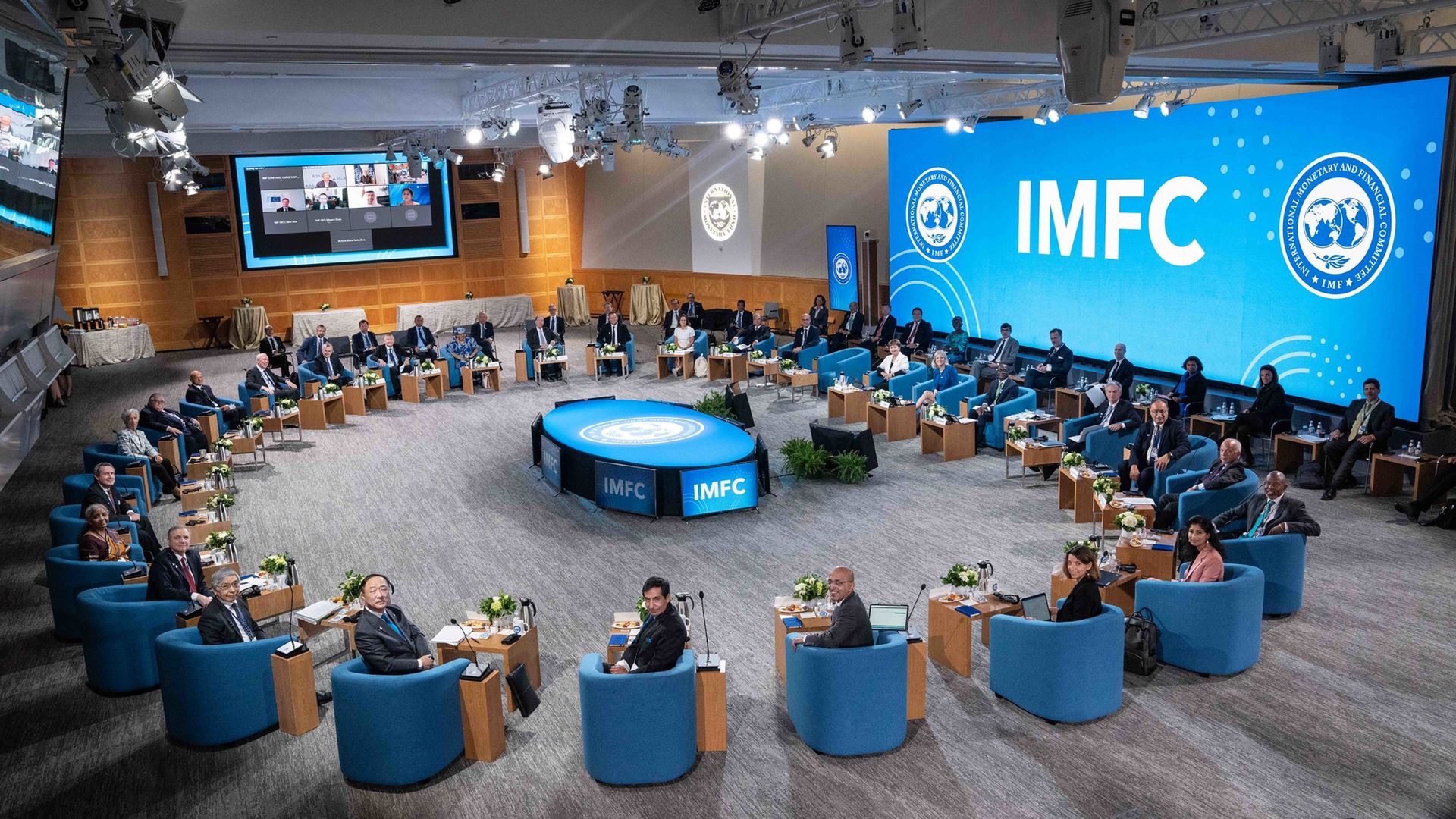
The Gulf economies are expected to continue their upward trajectory despite ongoing geopolitical tensions across the Middle East, according to the latest report from the International Monetary Fund (IMF). The region’s resilience, the IMF suggests, is driven by its diversified economic base, robust fiscal policies, and higher oil prices, which have counterbalanced the adverse effects of regional instability.

While the Middle East remains a hotspot for geopolitical risks, including tensions in Yemen, Syria, and Iran, the Gulf Cooperation Council (GCC) states—namely Saudi Arabia, the UAE, Qatar, Kuwait, Bahrain, and Oman—are poised for solid growth. The IMF’s economic outlook for the Gulf for the upcoming year signals a stable trajectory, with growth projections ranging from 3.2% to 3.5% for most of the member states. This comes on the back of strong economic fundamentals and the region’s strategic efforts to diversify away from oil dependency.

According to the IMF, the GCC’s fiscal prudence and economic diversification initiatives are vital drivers of the positive outlook. Non-oil sectors such as finance, real estate, tourism, and technology have become key contributors to economic growth. Saudi Arabia, for instance, has ramped up its Vision 2030 reform plan, focusing on broadening its economic base and reducing the country’s dependency on hydrocarbons. These efforts have led to an uptick in foreign direct investment and economic activity outside of oil.

The region’s handling of fiscal policies has played a crucial role in shielding it from the negative impacts of external shocks. Governments in the Gulf have generally maintained sound fiscal policies, with substantial fiscal surpluses bolstering state coffers, even as global oil prices fluctuate. For instance, Saudi Arabia and the UAE have used their oil revenues to fund ambitious infrastructure and diversification projects that promote long-term stability.

Saudi Arabia’s economic transformation efforts, notably under the leadership of Crown Prince Mohammed bin Salman, are already yielding results. The kingdom’s GDP has experienced robust growth, especially in non-oil sectors such as entertainment, sports, and tourism. Major projects like Neom, the futuristic city being developed in the northwest, and the Red Sea Project are expected to generate significant economic activity in the coming years. These initiatives reflect a long-term vision to create new economic hubs and reduce reliance on oil.

The UAE, another key player in the Gulf, has also shown a remarkable shift towards diversifying its economy. Dubai’s push to become a global center for technology and finance is starting to pay off, with the city positioning itself as a regional leader in both fintech and blockchain. Abu Dhabi’s focus on renewable energy and clean technologies is further strengthening the UAE’s long-term economic resilience. With such initiatives, the UAE is set to continue its strong performance, with growth forecasts suggesting the economy will expand by 4% over the next year.

Qatar has similarly proven its economic resilience. The country’s investment in liquefied natural gas (LNG) projects has enhanced its export capabilities, enabling it to weather external market fluctuations. Qatar has also shifted its focus to developing a more diverse economy, emphasizing finance, sports, and education, particularly through initiatives like the Qatar National Vision 2030.

The IMF also highlighted that Kuwait and Oman are expected to experience moderate growth, driven by their diversified economies and investments in non-oil sectors, including infrastructure and services. Although Oman has faced fiscal challenges in the past, its recent economic reforms and strategic investments are expected to yield positive results in the coming years. Similarly, Kuwait’s substantial sovereign wealth fund continues to provide a financial cushion, enabling the country to continue its development plans despite challenges.

Despite the ongoing tensions in neighboring countries, the Gulf states have managed to maintain political stability, a crucial element in sustaining investor confidence. The UAE’s role as a neutral hub for international trade, coupled with Qatar’s robust diplomatic efforts, has further insulated the region from potential instability. While conflicts in Yemen, Syria, and Iraq present challenges, the Gulf countries have largely shielded their economies from these disturbances through strong governance and military spending.

The Gulf’s active participation in global energy markets continues to provide it with a cushion against external shocks. Oil remains a crucial driver of revenue, but the higher global oil prices in the past year have supported economic resilience. Saudi Arabia and the UAE have also taken steps to ensure that their energy resources are used sustainably, with the UAE focusing on clean energy initiatives and Saudi Arabia looking to become a leader in green hydrogen production.

The region’s financial markets have also performed admirably in the face of geopolitical risk. Stock exchanges across the Gulf have been showing positive growth, with investors confident in the long-term prospects of the region. The UAE, in particular, has seen a surge in its financial markets, fueled by investor confidence in its economic diversification plans. Furthermore, the region’s strong banking sectors and their adaptation to digital banking and fintech have made them more attractive to foreign investors.

On the global stage, the Gulf has increasingly become a key partner in trade and investment. Its strategic location, at the crossroads of Europe, Asia, and Africa, continues to make it a central hub for international trade. In addition, initiatives such as the GCC’s Free Trade Agreement and the bloc’s involvement in the World Trade Organization (WTO) strengthen its position as a trade powerhouse.


Elite Group Holding, a diversified UAE-based conglomerate, has announced plans to develop a one million square foot integrated facility in Dubai Industrial City, with an investment of Dhs100 million. This strategic move aims to bolster the company’s presence in the automotive and e-commerce sectors.

The new facility is expected to support Elite Group Holding’s expansion and strengthen its foothold in these industries. The company, known for its luxury automotive dealership, The Elite Cars, holds exclusive partnerships with brands such as Zenvo Automotive, Jetour, and Soueast. Additionally, it operates ART Elite Car Rental and other subsidiaries.

Saud Abu Alshawareb, Executive Vice President of Industrial at TECOM Group, emphasized the significance of the automotive industry’s pursuit of innovation in driving economic activity, attracting investment, and creating new skill-based jobs. He noted that Elite Group Holding’s investment underscores the growing confidence in the UAE’s robust business ecosystem and its attractiveness for companies seeking to expand their regional footprint.

The project aligns with several UAE national strategies, including Operation 300bn, Make it in the Emirates, and the Dubai Economic Agenda ‘D33’. By enhancing efficiencies across vital sectors such as automotive and e-commerce, the new hub is expected to catalyze industry excellence and positively impact society and the economy.

Tamer Abu Khalaf, partner of Elite Group Holding, expressed enthusiasm about the company’s future growth and the project’s role in expanding its presence in key sectors. He stated that this investment marks a pivotal step in broadening their footprint across key sectors and solidifying their presence in the dynamic region. Khalaf highlighted that Dubai Industrial City aligns perfectly with their vision to innovate and lead in industries shaping tomorrow’s economy, offering a center of excellence to drive efficiency, sustainability, and innovation across their operations.

The group’s growth strategy includes launching new branches, expanding dealership networks, and building strategic partnerships to bring leading luxury and premium automotive brands to the UAE. Their focus on eco-friendly solutions, such as electric and hybrid vehicles, and advancing digital integration across e-commerce and automotive operations aligns with the UAE’s sustainability goals.

The facility’s strategic location within Dubai Industrial City offers several advantages, including proximity to Al Maktoum International Airport, Jebel Ali Port, and key national roadways. This positioning will allow Elite Group Holding to streamline operations and expand its reach in both local and international markets. The site will also benefit from an Etihad Rail freight terminal, further enhancing its logistics capabilities.

VISHNU RAJA
RYO YAMADA
HITORI GOTOH
IKUYO KITA