News related to
Dubai

Lulu Retail Holdings, the prominent Middle Eastern retail chain, expanded its IPO on the Abu Dhabi Securities Exchange (ADX) from 25% to 30% due to substantial investor interest. This adjustment potentially positions Lulu to raise AED 6.32 billion (approximately $1.72 billion) based on the revised stake size, highlighting the Gulf region’s ongoing appeal for significant IPO activity and interest in consumer-driven sectors.

Setting an initial price range between AED 1.94 and AED 2.04 per share, Lulu’s IPO reflects an alignment with regional valuation norms, expected to yield a market capitalization between AED 20.04 billion and AED 21.07 billion. The subscription window, open until November 5, 2024, aims to attract a diverse mix of retail and institutional investors, both regional and international. With these developments, Lulu’s expected proceeds could make this one of the most notable IPOs in Abu Dhabi this year.

This expansion in IPO size reflects broader Gulf trends, where IPOs in sectors ranging from energy to retail have gained traction, driven by favorable macroeconomic conditions and rising consumer spending across GCC countries. Lulu, which operates over 240 stores across the region and holds a dominant market share in countries such as Qatar and Oman, is well-positioned to capitalize on these trends. In the UAE, the retail chain ranks as the second-largest grocery retailer by market share, supporting its robust financial standing and growth potential.

The regional economic environment, marked by population growth and increasing consumer demand, has fortified Lulu’s market footprint, with a 5.6% rise in revenue reported for the first half of 2024, reaching $3.9 billion. Earnings before interest, taxes, depreciation, and amortization (EBITDA) also rose to $391 million, reflecting Lulu’s steady revenue trajectory and focus on operational efficiencies, especially in logistics and e-commerce channels.

The UAE’s non-oil sector marked a robust expansion in October, driven by strong demand and increasing business confidence, a development that reaffirms the resilience of the country’s economy. According to data from S&P Global’s UAE Purchasing Managers’ Index (PMI), the index rose to 57.7 in October, up from 56.7 in September, reaching its highest level since June 2019. This boost is attributed to a surge in new business orders, buoyed by demand from both domestic and foreign markets, as businesses scale up activity despite global economic headwinds.

This latest rise in PMI, an indicator of economic health in the private sector, highlights the sustained momentum in the UAE’s diversification strategy away from oil dependency. Businesses across sectors report strong gains, especially in areas like construction, tourism, and logistics, where increased investments and government support have led to substantial growth. The index reveals that new order volumes increased at one of the highest rates in the year, with companies scaling up hiring efforts to meet rising demand.

The expansion of non-oil business activities aligns with the UAE government’s focus on economic diversification. Policies that encourage foreign investment and enhance business-friendly regulatory frameworks continue to bolster private sector confidence, despite a challenging global landscape marked by inflation and supply chain issues. Price pressures, however, remain an area of concern, with input costs for businesses rising, especially in raw materials and logistics. Companies, in turn, have passed on some of these costs to consumers, leading to moderate inflation in service and goods prices.

Saudi Aramco reported a notable 15% decline in its third-quarter profit, dropping to $30.6 billion from $35.5 billion in the same period last year. This dip primarily reflects a challenging energy market characterized by lower crude oil prices and weaker refining margins, marking a sharp shift from the high revenue periods driven by last year’s energy crisis.

The oil giant’s revenues reached approximately $110 billion, down from $113 billion, a decrease in line with broader market conditions as Brent crude prices moderated. This price shift has dampened Aramco’s earnings compared to 2022, when energy markets saw historic highs amid global supply disruptions. Although this downturn is partly attributed to the natural easing of prices, the effects have been compounded by Aramco’s reduced sales volumes.

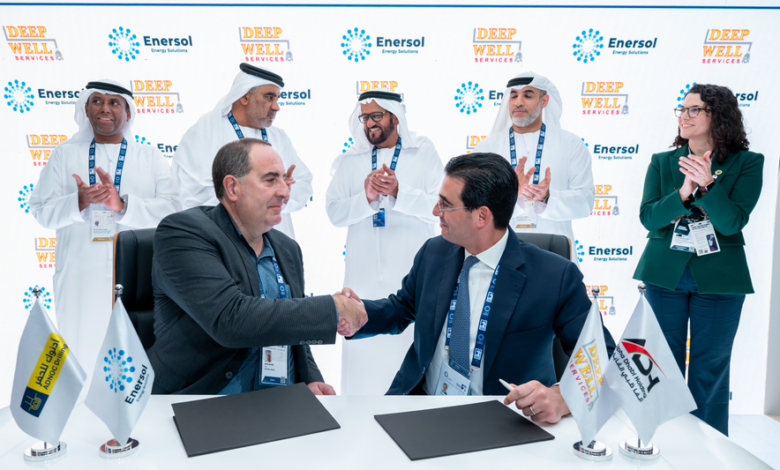
ADNOC Drilling, a subsidiary of Abu Dhabi National Oil Company, has finalized the acquisition of a 95% stake in the U.S.-based Deep Well Services (DWS) through its specialized investments arm, Enersol. This strategic move, valued at approximately $223 million, represents a significant step in ADNOC’s long-term strategy to expand its technological capabilities and strengthen its global footprint, particularly within the U.S. market. The acquisition aligns closely with ADNOC’s broader commitment to enhancing production efficiency and sustainability in drilling operations.

DWS, headquartered in the U.S., specializes in complex well interventions and completions, offering cutting-edge snubbing and well intervention technologies essential for operating in unconventional fields. Known for its advanced methodologies and patented technology portfolio, DWS has established itself as a leader in the U.S., working with major exploration and production (E&P) companies across shale and other high-demand oil and gas fields. By acquiring a significant share in DWS, ADNOC Drilling aims to leverage this technology within the Middle East and North Africa (MENA) region, strengthening its position in unconventional gas and oil extraction—a crucial step as ADNOC targets production increases while lowering carbon intensity across its operations.

Leonteq announced today that it has enabled its Shari’a-compliant structured product offering on its digital investing platform, LYNQS. ZURICH, SWITZERLAND – EQS Newsroom – 5 November 2024 – Following the opening of its office in Dubai in 2021, and as part of its growth ambition to service the broader Gulf Cooperation Council (GCC) market, Leonteq has expanded its product offering with the launch of Shari’a-compliant trust certificates […]

Dubai Design Week has launched its 2024 edition at Dubai Design District (d3), gathering over 500 designers from 40 nations in a celebration of innovation and cross-cultural creativity. Running until November 10, this year’s event marks a milestone—its 10th anniversary—and introduces pioneering concepts like *Editions*, a new fair dedicated to limited-edition art and design. The inclusion of *Editions* is expected to redefine art and design collecting in the region, making high-caliber works more accessible to diverse audiences through exhibits in ceramics, contemporary prints, photography, and more.

This year’s program places a marked emphasis on sustainability, with installations and exhibitions that interrogate the intersections of design and environmental consciousness. Notably, the anchor event, *Downtown Design*, returns to its iconic d3 location, showcasing cutting-edge interior design solutions alongside exclusive installations and curated pop-up concepts. From November 6-9, attendees can explore the latest in furniture, lighting, and home accessories, while participating in talks and masterclasses that probe the role of design in addressing ecological challenges.

Central to this year’s theme, the *Urban Commissions* competition spotlighted designs inspired by community gathering spaces. Oman-based Altqadum Studio won with *TukTuKDum*, a communal table concept that encourages interaction and draws on Gulf cultural traditions of music and social gathering. This dynamic installation highlights how furniture can evolve into a shared experience, aligning with Dubai Design Week’s commitment to socially responsive design.

*Abwab*, a longstanding Dubai Design Week platform that supports creators from the South West Asian and North African region, returns with installations emphasizing vernacular architecture. This program continues to encourage sustainable practices by engaging with local materials and construction techniques, reinforcing Dubai’s identity as a UNESCO City of Design and its dedication to cultivating talent and environmentally aware initiatives.

The IPO market in the Gulf Cooperation Council (GCC) region is forecasted to maintain its growth trajectory into 2024, as demand for public offerings remains strong across sectors. Despite a quieter third quarter, characterized by fewer listings and a modest decline in proceeds, PwC’s latest report suggests that the GCC’s financial climate and ongoing economic reforms continue to drive interest in initial public offerings. The Middle East is anticipated to sustain a high level of activity, with the broader economic diversification strategies across the Gulf states playing a significant role.

PwC’s analysis indicates a downturn in Q3 2024 IPO activity across the GCC, with total proceeds for the quarter at approximately $900 million, a decline from the earlier quarters that marked a robust first half of the year. While the number of IPOs decreased, companies in sectors including financial services, healthcare, and utilities exhibited strong investor interest. The UAE and Saudi Arabia led the region’s IPO landscape in terms of total proceeds, with companies in both countries achieving record valuations.

In Saudi Arabia, regulatory support from Tadawul, the Kingdom’s stock exchange, coupled with favorable market conditions, has bolstered the appeal of public listings. Saudi firms raised over $4.2 billion in the first nine months of the year, predominantly through listings on Tadawul’s main market and the Nomu parallel market, which caters to small and medium enterprises (SMEs). The Kingdom’s Vision 2030 agenda aims to diversify revenue sources beyond oil, incentivizing companies to go public as part of its economic development blueprint. The Saudi government’s ongoing privatization drive is expected to increase the number of IPOs in key sectors, particularly energy and finance, over the next year.

Similarly, in the UAE, the public markets are being buoyed by ambitious government-led economic plans, with key initiatives from the Abu Dhabi Securities Exchange (ADX) and the Dubai Financial Market (DFM) that attract local and international investments. Notably, ADX has introduced programs to enhance liquidity and broaden access to various asset classes, while Dubai has prioritized IPO listings as part of its 2024 economic strategy. This is aimed at solidifying its status as a leading financial hub in the region, with both private and semi-private entities expressing interest in going public. Among the year’s notable listings was Abu Dhabi’s AD Ports Group, which raised significant funds on the ADX, signaling strong investor demand in sectors tied to infrastructure and logistics.

PwC also highlighted the role of government-backed entities, which accounted for a substantial portion of 2024’s IPOs. These listings typically attract significant investor attention due to their perceived stability and backing by national economic policies. Moreover, as global financial markets face headwinds from inflationary pressures and higher interest rates, the relative stability of GCC economies has enhanced the appeal of the region’s IPOs among both regional and international investors. Analysts predict that GCC markets will continue to draw substantial foreign investment, with the Middle East emerging as a unique IPO hotspot compared to other global regions where IPO activity has stagnated.

Investment experts note that while Q3 may have shown slower activity, it reflects a common cyclical slowdown rather than a downturn in interest. The anticipation for the fourth quarter is high, with several large-scale IPOs scheduled for listing across GCC exchanges, particularly in sectors aligned with government diversification priorities such as renewable energy, technology, and digital services. This aligns with the broader trend of market expansion in the GCC, where digital transformation, energy transition, and healthcare modernization are generating sustained investor interest.

In Oman and Kuwait, where public offerings have traditionally been more limited, regulators are introducing measures to improve market access. Oman’s Capital Market Authority (CMA) has been streamlining processes to support more listings, particularly for companies in growth-oriented sectors. In Kuwait, reforms aimed at increasing foreign ownership and easing regulatory requirements are seen as steps to boost investor confidence. Bahrain, while smaller in market size, has also benefited from the uptick in GCC investor interest, as it targets niche sectors with high growth potential.

Advertisements

Stablecoin usage in the UAE has surged by 55% over the past year, signaling a growing acceptance of digital currencies within the country’s economic and regulatory landscape. As the UAE implements clearer crypto regulations and prepares for innovative developments, such as the issuance of the dirham-pegged stablecoin (DGX), the government aims to balance innovation with compliance. This approach reflects a growing global trend where regulatory frameworks adapt to crypto assets, fostering an environment in which stablecoins play an increasingly prominent role in daily transactions and investment.

The UAE has quickly emerged as one of the more progressive nations in the Middle East concerning digital finance. In 2022, the country introduced the Virtual Asset Regulatory Authority (VARA) in Dubai to govern digital assets, making it the first of its kind in the region. This entity provides a structured pathway for crypto firms and fintech innovators to operate legally within the UAE. VARA’s jurisdiction includes significant rules on anti-money laundering (AML) and counter-terrorism financing (CTF), aligning with the UAE’s commitment to international financial standards and attracting global players in the digital asset sector. According to Tether, a leader in stablecoins, the growing regulatory certainty has helped increase UAE adoption rates as businesses and consumers find stablecoins reliable for transactions, bridging fiat and crypto worlds.

Stablecoins, generally pegged to traditional currencies, offer a less volatile means for entering the crypto ecosystem, thus appealing to companies looking for smoother payment channels. The DGX, for example, is expected to draw particular interest, potentially streamlining cross-border trade and e-commerce due to its reduced volatility in comparison to cryptocurrencies like Bitcoin or Ethereum. Additionally, reports indicate a stronger focus on blockchain innovations across sectors in the UAE, aiming for increased efficiency and reduced transaction costs, factors that have further encouraged the adoption of stablecoins.

The rapid adoption of stablecoins in the UAE coincides with the government’s broader goals outlined in its UAE Digital Economy Strategy, launched last year to establish the nation as a global tech hub by 2031. This vision aligns with other regulatory strides seen in Abu Dhabi’s Global Market (ADGM), which has created its own set of comprehensive guidelines for digital assets, further legitimizing the sector. While VARA and ADGM govern different jurisdictions, their regulations collectively contribute to a stable environment that inspires confidence among users and investors.

Amid the rise of stablecoin usage, industry experts caution that regulations must strike a balance between fostering innovation and protecting consumers. The UAE Central Bank has emphasized that it will monitor stablecoin developments closely, aiming to safeguard users without stifling growth in the sector. Industry players like Binance, which has expressed interest in expanding operations in the UAE, view these regulatory frameworks as supportive. They suggest that the UAE’s approach can serve as a blueprint for other nations looking to adopt crypto regulations without undermining user protections.

Dubai’s hospitality landscape is set for a fresh addition as the city debuts its first licensed street for nightlife and dining, known as 25 Jump Street, situated in the bustling area of One Central. Developed by 7 Management, the street aims to elevate Dubai’s nightlife by blending a vibrant mix of entertainment, culinary options, and event spaces. The street, nestled close to the 25hours Hotel Dubai in the World Trade Centre district, has already piqued interest with its promise of year-round attractions, aligning with Dubai’s continued push to redefine urban leisure experiences.

25 Jump Street will feature an array of dining venues, each offering distinct flavors and experiences designed to attract both residents and tourists. In a nod to Dubai’s multicultural demographic, the establishments on this street will serve a mix of international cuisines alongside specialized bars and lounges, fostering a lively atmosphere that resonates with Dubai’s dynamic social scene. One Central’s surrounding infrastructure, with its walkable boulevards and vibrant community, has been designed to accommodate high foot traffic, underscoring the destination’s aspirations to become a go-to nightlife hub.

The strategy behind 25 Jump Street is to cater to a wide audience with varying tastes, integrating casual dining spots with upscale restaurants and licensed venues. Prominent examples in the area include the Tandoor Tina, which blends British and Indian cuisines, and Monkey Bar, renowned for its Latin American dishes and panoramic views of Dubai’s iconic Museum of the Future and Burj Khalifa. These options are expected to create an immersive dining experience, enhanced by the scenic backdrop of Dubai’s cityscape.

Looking beyond food, 25 Jump Street is positioning itself as a year-round entertainment spot. The management has outlined plans for hosting themed events, live performances, and seasonal festivals, all crafted to add an extra layer of excitement to the area. These regular events will contribute to the city’s cultural fabric by offering a steady flow of activities for both locals and international visitors. A variety of markets, pop-up stalls, and open-air events are anticipated, turning the street into a seasonal focal point within Dubai’s thriving leisure sector.

The concept also supports Dubai’s broader goals of expanding its tourism portfolio, aligning with the emirate’s strategy to attract over 25 million visitors annually by fostering world-class attractions. As part of this vision, One Central itself has been developed to serve as a lively mixed-use area, comprising office spaces, hotels, dining, and retail outlets, all integrated within a pedestrian-friendly zone. By situating 25 Jump Street within this context, Dubai hopes to cement the area as an essential part of the city’s leisure map.

A new open-source code editor named Zed is gaining traction in the developer community, touted for its performance and features rooted in modern programming practices. Developed by the same team that created the now-defunct Atom editor, Zed aims to provide a seamless coding experience that integrates artificial intelligence with a Rust-based architecture. This innovative approach positions Zed as a next-generation tool, appealing to developers looking for enhanced […]

A spectacular display of national pride has emerged at Umm Suqeim Beach, featuring an impressive 11,600 UAE flags arranged to form a vivid portrait of the nation’s founding leaders, Sheikh Zayed and Sheikh Rashid. This monumental installation, which spans an area of 75 by 104 meters, was unveiled in conjunction with UAE Flag Day, celebrated on November 3.

The Flag Garden serves as a visual celebration of the UAE’s heritage, symbolizing unity and patriotism. This year’s iteration not only highlights the enduring legacy of the country’s founders but also reaffirms the deep-rooted values of loyalty and respect among Emiratis. The installation has become a focal point for both residents and tourists, who flock to admire the vast expanse of flags that capture the spirit of the nation.

Visitors are invited to experience the installation free of charge until January 10, 2025, allowing ample opportunity for families, students, and tourists to engage with this symbol of national pride. The site offers stunning views of the iconic Burj Al Arab, adding to the aesthetic appeal and providing a picturesque backdrop for photographs. The presence of the Burj Al Arab, one of the most recognized structures in the world, further enhances the significance of the installation, creating a blend of cultural heritage and modern architecture.

Community engagement has played a crucial role in the Flag Garden’s creation, as local artists and students collaborated to construct this magnificent display. Their efforts underscore a commitment to fostering a sense of belonging and collective identity within the Emirati community. The project aligns with the broader goals of promoting cultural initiatives that encourage civic participation and national pride.

The Flag Day installation is part of a series of events that take place throughout the year in celebration of the UAE’s achievements and heritage. These events aim to educate the public on the history of the UAE and its leaders, while also providing opportunities for cultural exchange and dialogue. The emphasis on education is evident, as school groups are encouraged to visit and learn about the significance of the flags and the leaders they represent.

As part of the installation’s launch, local authorities have organized a range of activities designed to engage visitors of all ages. These include guided tours, interactive workshops, and artistic performances that celebrate Emirati culture. Such initiatives not only enrich the visitor experience but also strengthen community ties and promote an understanding of the UAE’s cultural landscape.

The visual impact of the Flag Garden cannot be overstated. The vibrant colors of the flags, fluttering in the sea breeze, create a striking contrast against the blue skies and sandy beach, captivating onlookers from afar. Social media has played a vital role in amplifying awareness of the installation, with many visitors sharing their experiences and photographs online. This has helped to generate excitement and interest, drawing even more visitors to Umm Suqeim Beach.

The significance of the Flag Garden extends beyond its aesthetic appeal; it serves as a powerful reminder of the values of tolerance, resilience, and unity that underpin the UAE’s identity. As the nation continues to evolve and grow, installations like the Flag Garden help to preserve the collective memory of its past while inspiring future generations to honor the principles upon which the country was founded.

With its ambitious scale and meaningful tribute, the Flag Garden installation stands as a testament to the Emirati spirit. It invites reflection on the journey of the UAE since its establishment, honoring the contributions of its leaders and the sacrifices made in the pursuit of progress and prosperity.

As visitors explore the installation, they are reminded of the importance of patriotism and community. The experience fosters a deeper connection to the nation’s history, encouraging individuals to engage actively in preserving and promoting Emirati culture. The Flag Garden, therefore, serves not only as a beautiful visual display but also as an educational platform that enhances awareness of the UAE’s heritage.

TECOM Group has reported a substantial rise in net profit for the first nine months of 2024, marking a 23% increase year-on-year. The group’s net profit reached AED 943 million ($256 million), driven by robust revenue figures that hit AED 1.7 billion, an impressive 10% increase compared to the same period in the previous year. This performance reflects the ongoing demand for premium commercial and industrial real […]

Dubai’s Crown Prince, Sheikh Hamdan bin Mohammed bin Rashid Al Maktoum, has assessed the Roads and Transport Authority’s (RTA) ambitious infrastructure plan, which encompasses an investment of approximately $4.35 billion for the years 2024 to 2027. This extensive project aims to enhance road networks across the emirate, reflecting the ongoing commitment to improving transportation infrastructure in alignment with Dubai’s strategic vision for growth and sustainability. During a […]

Actress and filmmaker Olivia Wilde has entered the world of venture capital with the launch of her new firm, which aims to invest in innovative start-ups across various industries. This move marks a significant shift from her Hollywood career and positions Wilde as a burgeoning player in the investment landscape. With a focus on nurturing creativity and fostering entrepreneurial spirit, the firm seeks to support companies that align with Wilde’s values, particularly those led by women and underrepresented founders.

Wilde’s firm has been described as an extension of her long-standing commitment to advocating for diverse voices in the entertainment industry. By transitioning into venture capital, she intends to amplify these efforts by providing financial backing to emerging companies that challenge the status quo. This venture comes at a time when the tech and entertainment sectors are increasingly intertwined, offering unique opportunities for innovative collaborations.

In her announcement, Wilde emphasized her desire to empower entrepreneurs who prioritize ethical practices and social responsibility. The firm is particularly interested in companies that address pressing global issues, such as climate change and social inequality. This aligns with Wilde’s own advocacy work and reflects a broader trend among investors who are increasingly seeking to make a positive impact through their financial decisions.

The establishment of Wilde’s venture capital firm reflects a growing trend among Hollywood figures who are diversifying their portfolios and engaging in investment activities. Celebrities such as Ashton Kutcher and Serena Williams have also made headlines with their venture capital endeavors, demonstrating that the intersection of entertainment and entrepreneurship is becoming more commonplace. These figures leverage their influence and resources to identify and support promising start-ups, often bringing valuable connections and insights from their respective industries.

Wilde’s approach to venture capital aims to differentiate her firm from traditional investment models. By prioritizing personal connections and collaborative relationships with entrepreneurs, she seeks to create a supportive ecosystem where start-ups can thrive. This ethos is particularly relevant in a market that can be notoriously challenging for new businesses to navigate.

Emerging trends in the venture capital landscape indicate a growing demand for investments in technology that address sustainability and social justice. As investors increasingly recognize the importance of Environmental, Social, and Governance (ESG) criteria, Wilde’s firm appears well-positioned to capitalize on this shift. Many investors are prioritizing companies that not only show potential for financial returns but also contribute positively to society.

Wilde’s entry into venture capital also comes at a time when the start-up ecosystem is witnessing unprecedented growth. According to industry reports, investment in start-ups has surged in various sectors, including health tech, fintech, and green technology. This influx of capital has created a competitive landscape, making it crucial for entrepreneurs to differentiate themselves to attract funding. Wilde’s firm may offer a unique advantage to start-ups that resonate with her values and vision.

The firm has already begun to explore potential investment opportunities, actively engaging with founders and attending pitch events. With Wilde’s celebrity status and industry connections, she can leverage her platform to elevate the visibility of the start-ups she chooses to support. This aspect of her venture could open doors for promising companies that might otherwise struggle to gain traction in a crowded market.

Wilde’s commitment to mentorship is expected to be a hallmark of her investment strategy. By offering guidance and resources to start-ups, she aims to foster an environment where innovative ideas can flourish. This hands-on approach contrasts with the more traditional model of passive investment, positioning Wilde’s firm as a collaborative partner in the entrepreneurial journey.

The impact of Wilde’s venture capital firm may extend beyond financial support; it could also inspire other figures in the entertainment industry to explore similar paths. As more celebrities engage in venture capital, the potential for creative partnerships and cross-industry innovation grows. This could lead to exciting developments in sectors ranging from technology to sustainability.

As Wilde embarks on this new chapter, her background as a filmmaker may influence her investment choices. Her experience in storytelling and understanding of audience engagement could guide her in identifying start-ups with compelling narratives and strong market potential. By focusing on the human element of entrepreneurship, Wilde’s firm is likely to emphasize not just the financial metrics but also the stories behind the companies and their founders.

OPEC+ has announced a delay in the anticipated resumption of oil supply cuts, reflecting the ongoing challenges within the global crude market as prices continue to struggle. This decision follows a meeting of the coalition’s Joint Ministerial Monitoring Committee, where key players voiced concerns over persistent low oil prices and their impact on market stability.

In its recent deliberations, OPEC+ leaders emphasized the need for a strategic approach to support oil prices, which have seen significant fluctuations in the past year. Current benchmarks for crude oil have hovered around $80 per barrel, well below the levels needed for many member countries to balance their budgets. The ongoing geopolitical tensions and the potential economic fallout from inflationary pressures have further complicated the landscape, prompting OPEC+ to reconsider its production strategy.

The decision to delay the resumption of supply cuts is particularly notable given that earlier predictions had pointed towards an increase in production levels by the end of the year. Several member states, particularly those reliant on oil revenue, had anticipated a gradual easing of the cuts implemented to stabilize the market amid the COVID-19 pandemic. Instead, the coalition now appears to be adopting a more cautious stance, prioritizing price recovery over volume increase.

Saudi Arabia, the de facto leader of OPEC, has been vocal in advocating for measures to sustain oil prices. The Kingdom’s Energy Minister, Prince Abdulaziz bin Salman, reiterated the importance of market stability, emphasizing that the organization must remain vigilant in its assessment of global demand and supply dynamics. His remarks highlight the broader sentiment among OPEC+ members regarding the delicate balance required to navigate current market conditions.

Market analysts have pointed to several factors contributing to the ongoing volatility in oil prices. Demand forecasts have been revised downward, largely influenced by slowing economic growth in major economies such as China and Europe. Additionally, concerns regarding a potential resurgence of COVID-19 variants and their impact on global mobility have added to the uncertainty. As a result, some analysts project that oil demand may not rebound to pre-pandemic levels for some time.

Iran’s position within OPEC+ has also added complexity to the group’s dynamics. With ongoing negotiations surrounding the Joint Comprehensive Plan of Action, there is speculation about Iran’s potential return to the market. Should sanctions be lifted, the influx of Iranian oil could further exacerbate supply challenges, undermining efforts to stabilize prices. The coalition remains divided over how to handle Iran’s situation, as some members fear that increased production from Iran could lead to an oversupply, thereby pushing prices lower.

U.S. shale production continues to be a significant player in the global oil market. The American shale industry has proven to be remarkably resilient, adapting quickly to changing price environments. As crude prices struggle, shale producers have ramped up production, providing a counterbalance to OPEC+’s efforts to restrict supply. This dynamic has led to a tug-of-war in the market, with OPEC+ trying to manage its output while the U.S. shale industry responds to price signals by increasing production.

As OPEC+ deliberates its next steps, the energy market is also keeping a close eye on the potential impacts of environmental policies and the transition towards renewable energy sources. The global shift towards sustainability and decarbonization is expected to influence long-term oil demand. Many analysts predict that the transition could accelerate, particularly as countries commit to more aggressive climate goals. This has raised questions about the future role of oil in the global energy mix and how OPEC+ will adapt to these changes.

Looking ahead, OPEC+ faces the challenge of balancing its traditional role as a stabilizer in the oil market with the evolving landscape of energy consumption and production. The coalition’s next meeting, scheduled for December, will be crucial in shaping its strategy. Participants will likely focus on assessing both the short-term market outlook and the long-term implications of the ongoing transition towards alternative energy sources.

Roblox Corporation has announced a remarkable surge in its financial performance for the third quarter of 2024, reporting total bookings of $1.1 billion. This figure represents a substantial increase driven primarily by a notable uptick in activity within its console gaming segment. The company’s performance highlights the growing popularity of its platform and its ability to attract new users.

Roblox’s financial report reveals that bookings, which include both virtual currency sales and user-generated content, rose 20% year-over-year. This growth underscores the platform’s ongoing expansion and its appeal to a diverse demographic, particularly among younger audiences. The company’s Chief Financial Officer, Michael Guthrie, noted that the increase was partly attributed to “unusually high growth” in the console market, which has become a significant contributor to the company’s revenue.

The surge in console bookings can be linked to several factors, including the launch of new features that enhance user engagement and the introduction of exclusive content that draws players back to the platform. As gaming increasingly shifts to console platforms, Roblox has capitalized on this trend by optimizing its offerings to cater to console gamers. The company has been proactive in expanding its partnerships with major gaming console manufacturers, allowing it to leverage their marketing capabilities and reach a broader audience.

The user engagement metrics indicate a positive trajectory. Average daily active users (DAUs) for the quarter reached 66 million, reflecting a 15% increase from the same period in the previous year. This growth is crucial as it not only drives bookings but also fosters a vibrant community that attracts developers and advertisers alike. The platform’s ability to maintain a high level of user activity is vital for its long-term sustainability and growth.

Roblox’s ecosystem benefits from its user-generated content model, which allows developers to create and monetize games on the platform. During the third quarter, Roblox paid out approximately $250 million to developers, marking a 30% increase compared to the same quarter last year. This investment in its developer community not only incentivizes quality game creation but also enhances the overall gaming experience for users. By fostering a diverse array of experiences, Roblox ensures that its platform remains fresh and engaging.

The company has also been focusing on international markets, seeking to expand its footprint beyond its primary user base in North America. By investing in localized content and marketing strategies, Roblox aims to attract users in regions such as Europe and Asia, where gaming culture is rapidly evolving. The localization efforts have proven fruitful, with international bookings contributing a larger share to total revenues. As the global gaming market continues to grow, Roblox’s international strategy positions it well for future expansion.

Another significant development for Roblox is its ongoing commitment to safety and moderation. The company has enhanced its content moderation systems to ensure a safe environment for younger users. This focus on user safety has become increasingly important as regulatory scrutiny on online gaming platforms intensifies. By prioritizing safety, Roblox aims to build trust with parents and guardians, which is essential for the platform’s sustained growth.

Roblox’s strategic initiatives extend to technological advancements. The company has been actively investing in augmented reality (AR) and virtual reality (VR) technologies to enhance user experiences. As the gaming landscape evolves, the integration of AR and VR features could provide Roblox with a competitive edge, attracting a more diverse user base interested in immersive gaming experiences.

Despite the impressive financial results, Roblox faces challenges, including increased competition from other gaming platforms and social media networks. Companies like Fortnite and Minecraft continue to vie for the attention of gamers, prompting Roblox to innovate and differentiate its offerings. To remain competitive, Roblox must continually refine its platform, expand its content library, and enhance user experiences.

Price fluctuations for Bitcoin have surged, reaching levels not seen in three months as the U.S. presidential election approaches. This spike in volatility reflects the heightened uncertainty and speculation among investors in both cryptocurrency and traditional financial markets. As the electoral landscape becomes more complex, analysts suggest that market participants are increasingly turning their attention to the potential impacts of the upcoming election on economic policies and financial regulations.

Bitcoin’s price, a benchmark for the broader cryptocurrency market, recently showed significant swings, underscoring the tendency of digital assets to react strongly to political developments. Analysts note that this uptick in volatility is closely linked to investor sentiment regarding regulatory frameworks that could emerge post-election. With candidates from both major political parties holding contrasting views on cryptocurrency regulation, the stakes for Bitcoin and other digital currencies have escalated.

Investors are particularly attentive to signals from leading candidates, such as the incumbent President and potential challengers. Their positions on digital currency policies and broader economic strategies are being closely monitored, as they could influence the legislative environment surrounding cryptocurrencies. The outcome of the election could determine the trajectory of regulatory measures impacting the sector, which many see as critical for the long-term viability of digital assets.

Market observers emphasize that the correlation between political events and Bitcoin price movements is becoming increasingly pronounced. The volatility jump is viewed as a precursor to more significant price adjustments that could follow the election. Historically, political events have played a crucial role in shaping investor behavior in financial markets, and cryptocurrencies are no exception.

In addition to regulatory concerns, macroeconomic factors such as inflation rates and monetary policy are also contributing to Bitcoin’s volatility. The Federal Reserve’s stance on interest rates and inflationary pressures are vital considerations for investors. A potential change in the administration could result in shifts in fiscal policy that directly affect financial markets, leading to speculative trading behavior.

With analysts predicting increased trading volumes in the lead-up to the election, the interplay between market sentiment and political developments is likely to intensify. Investors in Bitcoin are now more focused on potential outcomes and their implications for the digital currency space, which could lead to rapid price changes. The market’s response to the election will also be influenced by key economic indicators released in the weeks leading up to voting day, such as job reports and inflation data.

The heightened volatility comes amid a broader trend of increasing institutional interest in Bitcoin. Major financial institutions are beginning to incorporate cryptocurrencies into their portfolios, signaling a shift in acceptance and potential mainstream integration of digital assets. This institutional involvement adds another layer of complexity to market dynamics, as larger players with substantial capital can amplify price movements in response to political news.

As traders navigate these turbulent waters, the focus remains on strategies to mitigate risks associated with price swings. Many are employing advanced trading techniques, including options and futures contracts, to hedge against potential losses. This trend reflects a growing sophistication in the cryptocurrency market, as participants become more adept at managing volatility.

The decentralized nature of Bitcoin and its underlying technology, blockchain, continues to attract attention as a revolutionary force in finance. As debates around digital currency regulations unfold, advocates for cryptocurrency assert that the technology can provide financial inclusion and transparency, regardless of the election outcome. However, concerns regarding security, fraud, and consumer protection remain central to discussions on regulation.

In the context of international markets, Bitcoin’s performance is also being viewed against the backdrop of global economic conditions. Investors are keenly aware of how changes in U.S. policy could ripple through global markets, influencing everything from trade relationships to investment flows. The interconnectedness of financial systems means that developments in the U.S. can have significant implications for the broader cryptocurrency ecosystem.

As election day approaches, investors and analysts alike are keeping a close eye on sentiment shifts and potential surprises in the political landscape. The ability of Bitcoin to weather these fluctuations will likely depend on the clarity and stability of regulatory frameworks established post-election. Market participants are poised for action, recognizing that the outcomes of political contests often reverberate far beyond the ballot box, impacting investment strategies and market valuations.


Phasmophobia, the co-op horror game developed by Kinetic Games, has achieved a significant milestone by surpassing 20 million copies sold globally. This accomplishment marks a notable success in the gaming industry, particularly for an indie title that was released in early access in September 2020. The game’s unique premise, which revolves around players taking on the roles of ghost hunters, has captivated a diverse audience and garnered considerable attention on various streaming platforms.

Since its launch, Phasmophobia has attracted a robust player base due to its immersive gameplay and social elements. The game allows up to four players to investigate haunted locations, utilizing various tools and gadgets to gather evidence of paranormal activity. The combination of cooperative gameplay, strategic planning, and the thrill of encountering supernatural elements has resonated with players, contributing to its remarkable sales figures.

Kinetic Games, a small independent studio, initially created Phasmophobia as a part-time project. The developers aimed to blend horror with teamwork, offering players an experience that evokes both fear and camaraderie. As word of mouth and streaming videos showcased the game’s engaging features, its popularity soared, leading to rapid sales growth. The game quickly climbed the charts on platforms like Steam, where it gained prominence in the horror game category.

The rise of Phasmophobia can be attributed to its effective utilization of social media and streaming platforms. Influencers and streamers played a pivotal role in showcasing the game to wider audiences, creating a ripple effect that significantly boosted its visibility. Platforms such as Twitch and YouTube became essential in demonstrating gameplay, sharing reactions, and fostering community engagement. This virality, coupled with positive reviews from players and critics alike, helped cement Phasmophobia’s place in gaming culture.

Continuous updates and community engagement have further enhanced the game’s longevity. Kinetic Games has actively listened to player feedback, implementing new features, maps, and ghosts to keep the gameplay fresh and exciting. Seasonal events and updates have also contributed to player retention, ensuring that the community remains engaged. As players return for new content, the cycle of engagement helps sustain sales momentum.

In a competitive gaming landscape, Phasmophobia stands out not only for its unique concept but also for its ability to adapt to player preferences. The developers have introduced quality-of-life improvements and gameplay enhancements, such as better graphics, sound design, and user interface adjustments. This commitment to ongoing development has fostered a loyal player base, eager to experience the latest updates and improvements.

The rise of the horror genre in gaming cannot be overlooked. Phasmophobia has benefited from a broader trend where horror games have seen increased popularity. Titles like Resident Evil Village and the resurgence of classic franchises have reignited interest in horror gaming, leading players to explore new experiences like Phasmophobia. This trend has created an environment conducive to the growth of indie horror games, allowing smaller studios to thrive.

Phasmophobia’s success has also inspired other developers to explore cooperative horror gameplay. Several new titles are emerging in the market, aiming to replicate the winning formula of teamwork and suspense that Phasmophobia has popularized. This trend highlights a shift in consumer interest toward multiplayer experiences that blend horror with collaboration, paving the way for innovative game design.

As the gaming industry evolves, Phasmophobia remains at the forefront of a thriving niche market. The 20 million copies sold represent not just a sales figure but a testament to the power of community-driven gameplay and the effectiveness of grassroots marketing strategies. Kinetic Games has proven that a small studio can achieve monumental success by prioritizing player engagement and fostering a vibrant community.

Venture capital funding in the Americas took a significant lead in Q3 2024, according to KPMG’s Q3 Venture Pulse Report, reflecting both the strength of U.S. technology sectors and ongoing international interest in AI, defense technology, and clean energy. Despite an overall decline in global funding volume, the Americas have continued to dominate, with North American firms capturing the lion’s share of investments, led by growth in generative AI, defense tech, and other high-stakes innovations, even as other regions recorded slower capital inflows.

The third quarter saw roughly $38 billion raised by VC-backed companies globally, with over half of this funding directed to American companies. AI alone accounted for an impressive 33% of all U.S. venture capital funding, showing the sector’s resilience even as some high-profile names, such as Anthropic and OpenAI, completed multimillion-dollar funding rounds this year. Notably, VC funding in Europe, the Middle East, and Asia has contracted compared to previous quarters. In Europe, market watchers note that funding has slowed down, especially in fintech and climate tech, previously fast-growing sectors. In Asia, investments have shown mixed results; China’s subdued economic environment impacted overall venture capital inflows, although China saw continued investment in artificial intelligence, robotics, and advanced manufacturing.

A shift in defense technology investments has emerged in 2024, with the U.S. and allied nations emphasizing strategic technologies that support national security. This has resulted in significant funding growth for American defense-tech firms, which benefited from increased federal spending and private sector collaboration. Noteworthy deals included significant rounds raised by emerging defense-tech firms that are leveraging AI to enhance surveillance, reconnaissance, and cybersecurity operations. The U.S. government’s increased focus on countering security risks from AI-related technologies has spurred both private and public investment in dual-use tech—civilian technologies with potential military applications, which are becoming increasingly prioritized.

Generative AI has maintained its role as a primary driver of VC funding. According to data from Accel, AI-related startups received nearly two-thirds of all generative AI funding across the U.S., Europe, and Israel. This trend was most visible in large-scale investments in foundational AI infrastructure, including cloud services, model training, and neural network development. Market research indicates that U.S. firms like OpenAI continue to set records, raising approximately $18.9 billion since early 2023, with Anthropic following closely with $7.8 billion. Notably, new players such as Elon Musk’s xAI have also seen significant investments, reflecting the strategic importance and market enthusiasm for AI innovation.

In Europe, artificial intelligence continues to attract capital, albeit at a slower pace. Notable AI recipients included Wayve, a UK-based autonomous driving startup, and Mistral, a French AI firm focusing on natural language processing. While European investment levels have softened overall, AI and defense-related sectors show continued resilience, aligning with national priorities and security considerations.

Globally, clean energy investments also attracted substantial VC interest, especially in areas related to hydrogen and battery technologies. Despite the sector’s promise, climate tech funding was one of the hardest-hit areas globally, affected by economic uncertainties and fluctuating energy prices. This has led to a more conservative approach from investors, although breakthroughs in energy storage, carbon capture, and hydrogen fuel cells remain attractive for long-term investors looking at green energy’s potential within sustainability mandates and decarbonization policies.

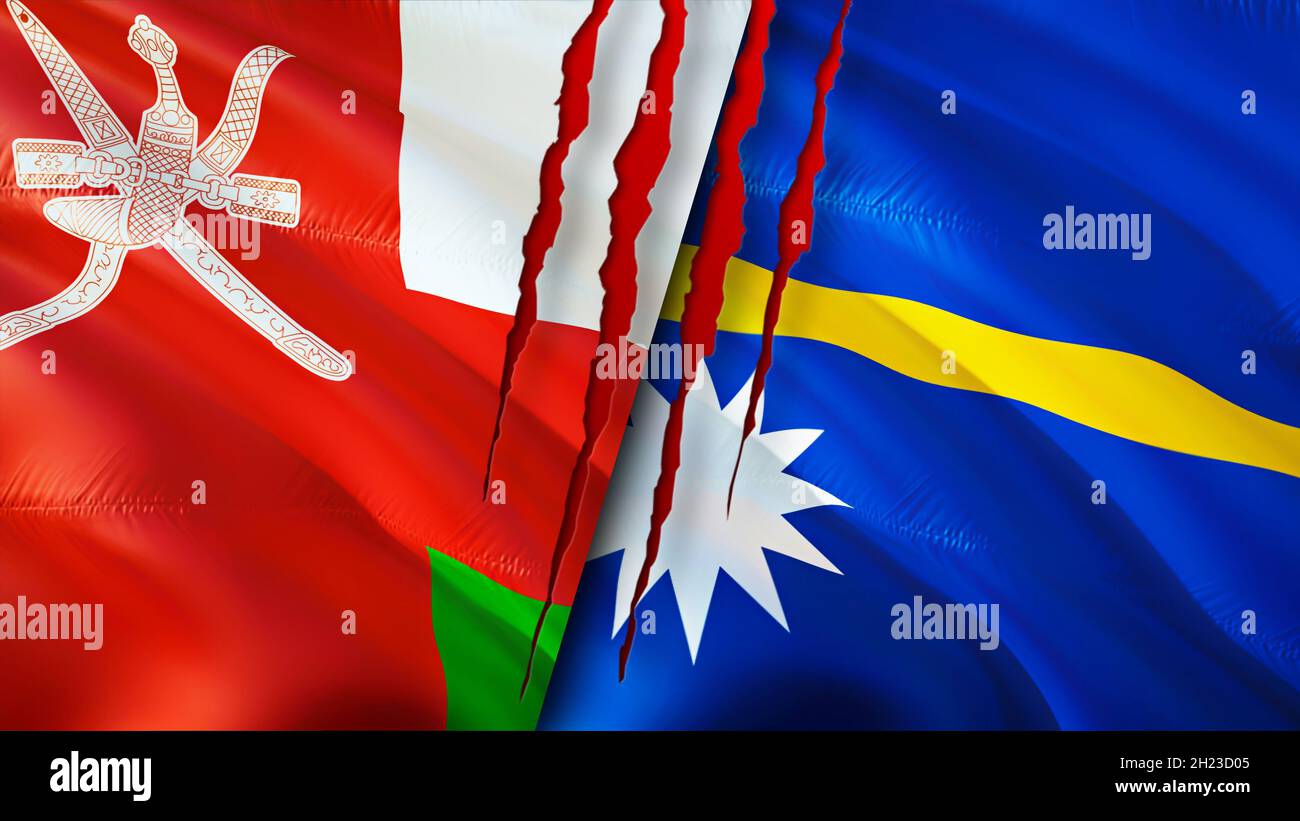
Oman and Nauru are exploring ways to enhance bilateral relations, focusing on economic, diplomatic, and developmental cooperation, as both nations seek mutual benefits in diverse sectors. Oman’s Foreign Minister Sayyid Badr Hamad Al Busaidi welcomed Nauru’s President David Ranibok Adeang in Muscat, underscoring Oman’s strategic interest in expanding its diplomatic reach. The discussions highlighted Oman’s Vision 2040, a national strategy emphasizing economic diversification through sectors like logistics, tourism, and technology, which aligns with Nauru’s developmental needs and ambitions.

The meeting emphasized Oman’s positioning as a major logistics and trade hub. Ports in Salalah, Duqm, and Sohar serve as pivotal centers for regional commerce, with plans to extend facilities that could support Nauru’s trade interests and benefit from its location in the Pacific. Both nations have identified tourism as a shared area of interest, and Oman’s plans for tourism expansion—aiming to attract 11 million annual visitors by 2040—could include tailored partnerships with Nauru to enhance cultural and environmental tourism in both regions. Similarly, Oman’s ports, critical in the global maritime routes, provide additional infrastructure and maritime trade support that may serve the strategic needs of Nauru’s Pacific-based trade interests.

Oman’s Vision 2040 agenda also prioritizes advanced technology and infrastructure development, areas where Nauru could collaborate on sustainable projects. As Oman pursues the expansion of its broadband connectivity, partnerships in information and communication technology (ICT) could allow Nauru access to advancements that boost digital connectivity and infrastructure. The Oman Broadband Company, a leader in the region’s digital initiatives, has successfully laid fiber-optic networks and built high-speed internet infrastructure with support from major international financing groups. Nauru, with its need for reliable communication networks, could benefit significantly from these technological exchanges, aiding both domestic and international connectivity.

Energy cooperation also offers promising potential. Oman’s interest in renewable energy and sustainable development, alongside its established oil and gas sector, positions it as a possible partner in energy-related projects. Oman’s Al Wusta governorate, a central oil production area, has expanded oil and gas field development to boost output and meet both local and export demands. Nauru’s resource-dependent economy may find utility in Oman’s experience in balancing resource extraction with sustainability measures, possibly adapting these practices to foster responsible resource management within its own industries.

In a major endorsement for the Abu Dhabi Securities Exchange (ADX), U.S.-based GQG Partners has injected a substantial $500 million investment into Alpha Dhabi, a prominent UAE-based conglomerate and a subsidiary of the International Holding Company (IHC). The transaction reflects the escalating international interest in ADX-listed firms and highlights Alpha Dhabi’s expanding portfolio and growing influence across the region. This investment is part of GQG’s broader strategy to tap into high-potential markets with robust growth forecasts, further amplifying ADX’s stature on the global investment landscape.

Alpha Dhabi, recognized as one of the Middle East’s fastest-growing investment holding companies, has been strategically enhancing its diverse portfolio, with stakes in construction, healthcare, hospitality, and energy sectors. This recent infusion by GQG marks a significant affirmation of its corporate strategy, coming on the heels of a year that saw heightened activity on the ADX, with foreign investments increasingly flowing into the Emirati market. The investment aligns with ADX’s ambitions to draw more international capital and attract a diversified investor base.

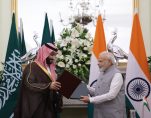
Saudi Arabia and India have signed a Memorandum of Understanding (MoU) to jointly explore the potential of establishing a transnational electricity grid. The agreement, signed between Saudi Energy Minister Prince Abdulaziz bin Salman and India’s Power Minister Raj Kumar Singh, represents a significant step towards energy collaboration, aligning with both nations’ ambitions to foster energy security, reduce emissions, and support the production of green hydrogen. This MoU was formalized during the Middle East and North Africa Climate Week in Riyadh, a platform that convened leaders to discuss sustainability and climate action.

The agreement outlines plans for technical and economic feasibility studies to assess the viability of cross-border power connectivity. Officials from both sides have expressed optimism about the project’s potential, which would facilitate the exchange of electricity during peak periods and in emergencies. The grid is expected to allow for efficient electricity trade between the two nations, leveraging renewable energy sources to stabilize their respective grids and reduce reliance on fossil fuels. This partnership comes amid broader efforts by both governments to prioritize sustainable energy and manage peak energy demands through enhanced interconnectivity.

In addition to the grid, Saudi Arabia and India agreed to explore opportunities in green hydrogen production, aiming to establish robust supply chains for materials essential to the renewable energy industry. These initiatives will rely on both countries’ natural resources and technological capabilities. India, with its extensive renewable energy infrastructure, and Saudi Arabia, with its abundant solar energy potential, are seen as complementary partners in this endeavor.

Cancer awareness campaign completes 10 years Manju Ramanan “In a world full of entertainment events, it is always a gratifying challenge to venture into an event that inspires and empowers all. The Beyond October Cancer Campaign that I started in 2014 as a Can Defeat Cancer Campaign is just that,” says Manju Ramanan, a journalist, author and Founder of the Beyond October Cancer Campaign. The platform exclusive to […]

Mubadala Capital and Temasek’s Seviora Holdings are embarking on a collaborative journey to explore investment opportunities in the global market. This strategic partnership aims to leverage each firm’s unique strengths and expertise to identify promising sectors, particularly in technology, healthcare, and sustainability. The collaboration signals a proactive approach in a rapidly evolving investment landscape, as both entities seek to capitalize on emerging trends and the potential for high returns.

Mubadala Capital, the asset management arm of the Abu Dhabi-based Mubadala Investment Company, has a strong reputation for fostering innovative ventures and driving economic diversification. It manages a diverse portfolio that spans multiple sectors, including technology, healthcare, real estate, and energy. The firm has been actively investing in global markets, aiming to enhance the UAE’s economic landscape while ensuring sustainable growth. Their focus on strategic investments has led them to seek partnerships that can amplify their reach and impact.

Temasek’s Seviora Holdings, part of the Singaporean investment giant, also emphasizes a diversified portfolio, with substantial investments in growth sectors across the globe. Seviora Holdings aims to deliver long-term value by concentrating on companies and technologies that are expected to shape the future. This alignment with Mubadala Capital’s ethos presents a significant opportunity for both firms to share insights and resources, ultimately enhancing their investment strategies.

The collaboration comes at a time when global investment dynamics are shifting, particularly in the wake of economic uncertainties and geopolitical tensions. Investors are increasingly prioritizing sectors that not only promise financial returns but also contribute to social and environmental sustainability. This trend is reflected in Mubadala Capital and Seviora Holdings’ strategic focus, emphasizing investments that are resilient and aligned with sustainable development goals.

Both firms are likely to explore opportunities in technology, particularly in areas such as artificial intelligence, fintech, and digital health. The COVID-19 pandemic has accelerated digital transformation across various industries, leading to an influx of innovative startups seeking capital. Mubadala Capital has already established a strong presence in the technology sector through investments in prominent companies and venture funds. This expertise positions them well to identify and support promising technological innovations.

Healthcare is another area of interest for the partnership. The pandemic highlighted the critical need for advancements in healthcare technology and infrastructure. Both Mubadala Capital and Seviora Holdings recognize the potential for significant returns in this sector, particularly as the demand for innovative healthcare solutions continues to rise. Investments in telemedicine, biotechnology, and healthcare-related technologies are expected to remain focal points for both firms.

Sustainability is increasingly becoming a core aspect of investment strategies worldwide. Both Mubadala Capital and Seviora Holdings have demonstrated a commitment to sustainable investing, aligning their portfolios with environmental, social, and governance (ESG) criteria. The global shift towards renewable energy, waste management, and sustainable agriculture presents fertile ground for new investment opportunities. The partnership is expected to actively seek out ventures that not only offer financial returns but also contribute positively to society and the environment.

Geopolitical considerations are also influencing investment decisions. The partnership between Mubadala Capital and Seviora Holdings may allow them to navigate complex international markets more effectively, utilizing their combined knowledge and networks. Their collaboration could enable them to identify emerging markets and sectors that are poised for growth, especially in regions that are becoming increasingly attractive for foreign investment.

As Mubadala Capital and Seviora Holdings move forward with their investment exploration, their focus will likely remain on fostering partnerships with innovative companies and dynamic startups. The potential for co-investments and sharing of expertise will be crucial in identifying and nurturing businesses that can deliver strong returns while addressing pressing global challenges.

The economic landscape continues to evolve, with investors becoming more discerning in their choices. The collaboration between these two influential investment firms represents a significant step towards capitalizing on new opportunities while adhering to ethical and sustainable investment practices. As they seek out ventures that align with their strategic goals, the partnership is poised to play a vital role in shaping the future of investment in key sectors.

VISHNU RAJA
RYO YAMADA
HITORI GOTOH
IKUYO KITA