News related to
Dubai

Zain KSA and Dell Technologies have entered into a strategic partnership aimed at revolutionising Saudi Arabia’s cloud ecosystem. The collaboration seeks to position Zain KSA as the premier provider of seamless cloud solutions for businesses across the Kingdom.

The Memorandum of Understanding was formalised during the LEAP 2025 technology conference in Riyadh. The agreement was signed by Mohamed Talaat, Vice President for Saudi Arabia and Egypt at Dell Technologies, and Fahad Alsahmah, Chief Business Officer at Zain KSA. This partnership is set to leverage Dell’s extensive expertise in Infrastructure-as-a-Service , Software-as-a-Service , and Anything-as-a-Service models to enhance Zain KSA’s cloud offerings.

Under the terms of the MoU, Zain KSA will utilise Dell’s advanced cloud solutions to develop an open cloud architecture. This architecture is designed to provide businesses with unparalleled flexibility and choice in managing their cloud requirements. The automated platform will enable customers to seamlessly onboard, access services, and manage invoicing through a user-friendly interface. This initiative aims to simplify cloud adoption for enterprises of all sizes, thereby accelerating digital transformation efforts within the region.

Fahad Alsahmah expressed enthusiasm about the collaboration, stating, “By leveraging Dell’s technical expertise, we are poised to create a transformative platform that streamlines cloud adoption for businesses. This unified marketplace will grant access to premier cloud solutions from leading providers, empowering enterprises to manage their cloud services with ease and advance their digital transformation journeys.”

Mohamed Talaat highlighted Dell’s commitment to supporting innovation and digitalisation in Saudi Arabia. He remarked, “Our profound understanding of cloud technologies, coupled with our consultancy prowess, positions us to furnish Zain KSA with a cutting-edge cloud platform. We are eager to collaborate closely with Zain KSA to define and establish a comprehensive framework for these transformative technological solutions.”

This partnership aligns with Saudi Arabia’s Vision 2030 objectives, which emphasise the importance of digital transformation and technological innovation. By enhancing the cloud infrastructure, Zain KSA and Dell Technologies aim to provide businesses with the tools necessary to navigate multi-cloud environments effectively. This will enable organisations to bolster their digital strategies, optimise operational efficiency, and reduce costs through a flexible, pay-as-you-go model.

The introduction of Zain Multi Cloud, as part of this collaboration, signifies a significant advancement in Saudi Arabia’s cloud services landscape. This unified platform integrates public, private, and hybrid cloud environments, offering businesses a centralised system to manage their diverse cloud needs. Compatibility with leading cloud providers—including Alibaba Cloud, Google Cloud, Microsoft Azure, AWS, Oracle Cloud, Huawei Cloud, and Zain Cloud—ensures that enterprises can select services that best align with their specific requirements.

The user-centric design of the platform features an intuitive control panel, simplifying the management process and strengthening governance over cloud infrastructures. This approach not only enhances the user experience but also reinforces security and compliance measures, which are critical in today’s rapidly evolving digital landscape.

As cloud computing becomes increasingly integral to the strategic operations of both public and private sectors, this partnership is poised to play a pivotal role in driving the Kingdom’s digital economy forward. By providing robust, scalable, and efficient cloud solutions, Zain KSA and Dell Technologies are set to empower businesses to innovate and thrive in an increasingly competitive market.

Berjaya Food Bhd, the operator of Starbucks outlets in Malaysia, has reported a net loss of RM35.33 million for the second quarter ending December 31, 2024. This marks the company’s fifth consecutive quarter in the red, with revenue declining by one-third to RM123.1 million compared to RM182.55 million in the same period last year. The ongoing boycotts of U.S. fast-food brands, sparked by geopolitical tensions in the Middle East, have significantly impacted consumer sentiment and sales.

The boycotts, initiated in response to the conflict in Gaza, have targeted several American franchises, including Starbucks, McDonald’s, and KFC. In Malaysia, these campaigns have led to temporary closures of numerous outlets. KFC Malaysia, for instance, has shuttered over 100 restaurants, particularly in Muslim-majority regions such as Kelantan, Kedah, and Terengganu. Similarly, McDonald’s and Pizza Hut have experienced closures and a notable decline in patronage.

Berjaya Food’s financial struggles are further underscored by a 46.4% drop in revenue for the first half of FY2025, amounting to RM247.3 million, down from RM461.09 million in the previous year. The company attributes these losses primarily to the “current sentiment in relation to the conflict in the Middle East,” which has adversely affected consumer behavior and sales.

In an effort to mitigate the financial downturn, Berjaya Food has temporarily closed 50 Starbucks outlets during the three months ending September 30, 2024, representing 12% of its total network. Despite these measures, the company remains “cautiously optimistic” about a gradual improvement in financial performance in 2025, acknowledging the challenging macroeconomic environment.

The impact of the boycotts extends beyond Berjaya Food. Americana Restaurants, which operates KFC and Pizza Hut in the Middle East, reported a 40% drop in profits, despite expanding its number of outlets. This trend highlights the broader financial repercussions for Western brands operating in regions where consumer boycotts have gained momentum.

The boycotts have been largely driven by social media campaigns and movements such as the Boycott, Divestment, and Sanctions initiative, which seeks to apply economic pressure in response to geopolitical conflicts. These campaigns have rapidly mobilized consumers, leading to significant financial losses for multinational corporations perceived to be linked to contentious geopolitical actions.

In response to the sustained boycotts, Berjaya Food is exploring diversification strategies to reduce its reliance on the domestic market. In August 2024, the company secured franchising rights to operate the Starbucks brand in Nordic countries, aiming to offset losses incurred in Malaysia. Additionally, Berjaya Food has entered into agreements to expand its licensed Paris Baguette outlets in Southeast Asia, seeking to tap into new markets and revenue streams.

British asset management firm Abrdn is in advanced discussions with CITIC Bank to establish a joint venture in China, aiming to strengthen its presence in the world’s second-largest economy. This strategic move comes as relations between the United Kingdom and China show signs of improvement, contrasting with the trend of Western financial institutions scaling back operations in the region due to economic and geopolitical concerns.

According to individuals familiar with the matter, Abrdn intends to hold a majority stake in the proposed venture, with the remaining shares owned by CITIC Bank’s subsidiary, CITIC Wealth. CITIC Wealth, as of the end of last year, manages assets totaling 2 trillion yuan , positioning it as China’s third-largest bank-owned wealth management entity.

The collaboration between Abrdn and CITIC Bank has been under discussion for the past couple of years, focusing on either establishing a new venture within mainland China or Abrdn acquiring a stake in CITIC Wealth. These negotiations gained momentum following the recent resumption of high-level economic and financial dialogues between China and the UK, which had been on hold for nearly six years.

This development is particularly noteworthy given the backdrop of several Western financial institutions reevaluating their strategies in China. Concerns over the health of the Chinese economy and escalating tensions between Beijing and Washington have led some firms to reduce their workforce or halt expansion plans in the region. In contrast, Abrdn’s initiative reflects a strategic decision to deepen its engagement with the Chinese market, leveraging the extensive client base and local expertise of CITIC Wealth.

The timing of this potential partnership aligns with broader efforts to enhance financial cooperation between the UK and China. Both governments have recently committed to exploring the feasibility of establishing exchange-traded fund and wealth management connect schemes, aiming to link their capital markets more closely. These initiatives are part of a concerted effort to strengthen financial services relations and improve economic ties between the two nations.

While official comments from Abrdn and CITIC Bank are yet to be made, the proposed joint venture signifies a strategic alignment that could offer mutual benefits. For Abrdn, gaining a majority stake in a Chinese asset management entity provides a platform to tap into the growing wealth management market in China. For CITIC Bank, partnering with an established international asset manager like Abrdn could enhance its product offerings and global reach.

Abu Dhabi National Oil Company has announced plans to sell approximately 3.1 billion shares, equating to a 4% stake, in its subsidiary ADNOC Gas. This strategic move is projected to raise up to $3 billion, marking one of the most significant share sales in the Middle East and North Africa region since Saudi Aramco’s $12.3 billion offering in June of the previous year.

The offering is set to commence immediately and is expected to conclude on Friday, February 21, 2025. It will be open to qualified institutional and other investors across various countries, including the United Arab Emirates. The final number of shares to be placed and the offering price will be determined at the close of the book-building process, in accordance with the Block Trade Rules of the Abu Dhabi Securities Exchange .

ADNOC currently holds a 90% majority stake in ADNOC Gas. At the last closing price of AED 3.58 per share, the offering is valued at approximately AED 11.1 billion . This initiative aligns with ADNOC’s strategic objectives to enhance the liquidity and free float of ADNOC Gas, while providing a pathway to a more diversified shareholder base and potential inclusion in major indices.

Khaled Al Zaabi, Group Chief Financial Officer at ADNOC, stated, “Since its IPO in March 2023, ADNOC Gas has consistently delivered strong growth, robust financial performance, and superior shareholder returns. As a world-class integrated gas processing company, ADNOC Gas is ideally positioned for further expansion.”

The offering will be subject to a customary 180-day lock-up period for both ADNOC and ADNOC Gas, subject to certain exceptions and unless waived by the joint global coordinators. Major financial institutions, including BofA Securities, Citi, EFG-Hermes, First Abu Dhabi Bank, HSBC, and International Securities, are acting as joint global coordinators and joint bookrunners for this offering.

This move follows ADNOC Gas’s initial public offering in March 2023, which raised approximately $2.5 billion, marking one of the region’s largest IPOs at that time. The company was formed earlier that year by consolidating various gas processing operations into a single entity, aiming to streamline operations and enhance efficiency.

In May of the previous year, ADNOC also raised $935 million by selling a 5.5% stake in its drilling unit to institutional investors, reflecting the company’s ongoing strategy to monetize assets and attract foreign investment.

ADNOC Gas operates an extensive network, managing over 3,000 kilometers of pipeline infrastructure and 26 processing trains. The company plays a crucial role in processing and distributing natural gas within the UAE and to international markets. The funds raised from this stake sale are expected to support ADNOC Gas’s ambitious growth plans, including expanding its processing capacities and exploring new markets.

The energy sector in the UAE has seen significant foreign direct investment in recent years. In 2019, ADNOC attracted major investments from U.S. asset managers BlackRock and KKR, as well as Italian firm Eni, collectively bringing in billions of dollars. These investments have been pivotal in expanding ADNOC’s infrastructure and operational capabilities.

The decision to divest a portion of ADNOC Gas aligns with the company’s broader strategy to optimize its portfolio, enhance capital efficiency, and provide attractive opportunities for global investors. As the global energy landscape continues to evolve, ADNOC remains committed to adapting its business model to meet emerging challenges and capitalize on new opportunities.

The Abu Dhabi Investment Office has entered into a strategic partnership with China’s leading financial information services provider, Wind Information, to enhance investment intelligence and deepen economic relations between Abu Dhabi and China. This collaboration was formalized during the Abu Dhabi Investment Forum held in Shanghai, underscoring Abu Dhabi’s commitment to strengthening its economic connections with China’s financial sector.

As part of the agreement, Wind Information will serve as ADIO’s preferred knowledge partner in China, offering investors improved access to the dynamic investment landscapes of both regions. The partnership aims to facilitate the exchange of financial market intelligence and investment insights, providing Chinese investors and family offices with comprehensive research and analysis on key market opportunities. Wind Information will actively link ADIO with prominent investors and financial institutions in China, while ADIO will assist Abu Dhabi-based investors in exploring prospects within the Chinese market. Additionally, both organizations plan to co-host investment forums in the UAE and China to promote opportunities and strengthen bilateral ties.

His Excellency Badr Al Olama, Director-General of ADIO, emphasized the significance of this partnership, stating that it reinforces Abu Dhabi’s dedication to enhancing economic ties with China and creating a seamless investment ecosystem. He highlighted that by providing access to market data and financial insights, Abu Dhabi ensures an environment where investors can thrive, make informed decisions, and contribute to the sustainable growth of both economies.

Li Zhou, Co-Founder of Wind Information, expressed commitment to connecting capital markets and investment opportunities between China and the world. He noted that the collaboration with ADIO would empower investors with data-driven insights, enhancing the investment corridor between China and the UAE.

In a related development, ADIO has also signed a strategic partnership with Fosun International Limited, a global innovation-driven consumer group, to expedite the expansion of Fosun’s subsidiaries into Abu Dhabi and the broader Middle East. This agreement, announced at the same forum in Shanghai, aims to strengthen economic ties and reinforce Abu Dhabi’s position as a global investment hub.

Under this partnership, ADIO will offer tailored investor support, streamlined market access, and strategic guidance to accelerate Fosun’s presence in key growth sectors within Abu Dhabi, including wealth management, fintech, premium residential real estate, and healthcare innovation. Fosun International, with a revenue of approximately $13.4 billion in the first half of 2024 and a global workforce exceeding 110,000 employees, operates across various industries such as pharmaceuticals, healthcare, tourism, insurance, financial services, and intelligent manufacturing. By establishing Abu Dhabi as a regional gateway to the Middle East, Africa, and Southeast Asia, Fosun aims to leverage the emirate’s dynamic business ecosystem and substantial investor base.

ADIO has entered into a strategic partnership with Hejun Group, one of China’s leading consulting firms, to accelerate Chinese investment in Abu Dhabi. This agreement, also announced at the Abu Dhabi Investment Forum in Shanghai, paves the way for high-growth enterprises to expand into Abu Dhabi’s thriving business environment.

Hejun Group, operating both consulting and capital activities under Hejun Capital, manages more than $2 billion in cumulative assets. The firm will introduce Abu Dhabi’s investment opportunities to its network of over 2,000 publicly listed companies and leading private enterprises in China. ADIO will provide dedicated support to these Chinese companies, facilitating their business setup and long-term growth in Abu Dhabi.

The Abu Dhabi Investment Forum in Shanghai, organized by ADIO in partnership with Abu Dhabi Global Market , served as a platform for in-depth discussions on investment opportunities in Abu Dhabi. The forum, themed “Invest with Abu Dhabi,” brought together business leaders and investors to explore the emirate’s growth potential. As one of the fastest-growing economies in the Middle East and North Africa, Abu Dhabi has increasingly become a key destination for international investments.

During the forum, participants engaged in discussions on Abu Dhabi’s role as a global financial, trade, and technology hub. Experts analyzed the emirate’s economic competitiveness and highlighted its strategic position in global capital flows, emphasizing its stable economic environment, flexible regulatory framework, and well-developed financial infrastructure, which make it an attractive destination for investors worldwide.

The discussions also addressed Abu Dhabi’s expanding role in facilitating international trade and strengthening global supply chains. Participants explored the emirate’s rapid advancements in technological innovation, particularly in financial technology, artificial intelligence, blockchain, and digital transformation.

The International Defence Exhibition 2025, held at the Abu Dhabi National Exhibition Centre from 17 to 21 February, has become a focal point for unveiling advanced artificial intelligence technologies poised to redefine modern warfare. Leading defense firms from around the globe have introduced cutting-edge AI-powered systems, emphasizing the transformative impact of AI on defense strategies and capabilities.

One of the prominent exhibitors, TAG Dynamics, a UAE-based defense manufacturer, presented a suite of advanced armored vehicles and defense solutions. Their lineup includes the Terrier X, ARX NS-II, SAIF ST-III, ROBUR LT-300, and BATT UMG ST-II, each designed to enhance battlefield effectiveness through AI integration. Notably, TAG Dynamics unveiled the AI-Enabled Agentic Guard Tower, an armored surveillance platform equipped with sophisticated threat detection systems, 360-degree cameras, and a remote weapon station, offering comprehensive situational awareness and autonomous response capabilities.

In a significant development, EDGE, an advanced technology group based in the UAE, launched a next-generation AI-powered geospatial intelligence platform at IDEX 2025. This platform is engineered to provide real-time analytics and situational awareness, enabling military forces to make informed decisions rapidly. By harnessing AI, the system can process vast amounts of geospatial data, delivering precise target tracking and enhanced operational planning.

The exhibition also highlighted the growing trend of AI integration in unmanned systems. Companies showcased autonomous drones and ground robots capable of executing complex missions without human intervention. These systems are designed to operate in high-risk environments, reducing the need for personnel deployment in hazardous zones. The AI-driven capabilities of these unmanned systems include obstacle navigation, target recognition, and adaptive mission planning, marking a significant leap in autonomous military operations.

Industry experts at IDEX 2025 emphasized the strategic importance of AI in modern defense. The integration of AI into defense systems is not merely a technological advancement but a strategic imperative, enhancing operational efficiency and decision-making speed. As AI continues to evolve, its applications in defense are expected to expand, encompassing areas such as cybersecurity, logistics, and intelligence analysis.

President Donald Trump has announced plans to impose tariffs of 25% or more on imported pharmaceuticals, automobiles, and semiconductors, aiming to reduce the U.S. trade deficit and bolster domestic manufacturing. The tariffs are slated for formal announcement on April 2, following a comprehensive review of trade policies concluding on April 1. This move signifies a significant shift in U.S. trade policy, as pharmaceutical products have traditionally been exempt from such tariffs under World Trade Organization rules.

The U.S. pharmaceutical market, valued at approximately $560 billion in 2024, relies heavily on imports, with around $200 billion worth of pharmaceutical products sourced from abroad. Major suppliers include Ireland, Germany, and Switzerland, which are expected to be significantly impacted by the proposed tariffs. India, another key exporter, sent pharmaceutical goods worth $8.73 billion to the U.S. in the fiscal year 2024, accounting for 31% of its total pharmaceutical exports. Following the tariff announcement, Indian pharmaceutical stocks experienced a notable decline, with the sector’s index dropping 2% to a seven-month low. Companies such as Sun Pharma and Dr. Reddy’s Laboratories saw their shares fall by 2% and 4%, respectively.

Industry experts warn that these tariffs could lead to increased drug prices for U.S. consumers and exacerbate existing medication shortages. The Healthcare Distribution Alliance , representing pharmaceutical distributors, expressed concerns that tariffs on generic drug products developed outside the U.S. could worsen shortages and elevate costs for patients, including those in Medicare and Medicaid programs. The HDA emphasized that distributors operate on low profit margins—approximately 0.3%—limiting their ability to absorb additional costs.

The global pharmaceutical supply chain is intricately linked, with many active pharmaceutical ingredients and raw materials sourced from countries like China and India. Approximately 13% of APIs used in the U.S. originate from China. Imposing tariffs on these imports could disrupt the supply chain, leading to production delays and increased manufacturing costs. Caroline Shleifer, CEO of regulatory research firm RegASK, noted that higher raw material costs are likely to cascade through the supply chain, raising overall production expenses and potentially leading to inflationary pressures in healthcare.

The proposed tariffs also pose challenges for domestic manufacturers. While the intent is to encourage companies to relocate production to the U.S., establishing new manufacturing facilities is a complex and time-consuming process. It requires significant investment in infrastructure, adherence to stringent regulatory approvals, and a skilled workforce. In the interim, consumers may face higher prices and limited access to essential medications.

The tariffs could have broader economic implications, potentially triggering retaliatory measures from affected trading partners. Such trade disputes may lead to a contraction in global trade, affecting not only the pharmaceutical industry but also other sectors interconnected through international supply chains. The uncertainty surrounding these developments has already led to volatility in global stock markets, with investors closely monitoring the situation.

Advertisements

Confidence within the energy sector regarding the attainment of global net-zero emissions by 2050 has markedly decreased. The Energy Industries Council reports that only 16% of industry leaders now believe these climate goals are achievable, a significant drop from 45% the previous year. This decline is attributed to policy instability, financial uncertainties, and protracted project approval processes. The EIC’s “Net Zero Jeopardy Report II” highlights that inconsistent […]

DP World’s Jebel Ali Port has achieved its highest cargo volumes since 2015, handling 15.5 million twenty-foot equivalent units in 2024, an increase of 1 million TEUs from the previous year. This surge represents nearly 18% of DP World’s total global container throughput of 88.3 million TEUs for the year.

The growth in container throughput was driven by strong local and regional demand, particularly from Asia and the Indian Subcontinent. New shipping services enhanced global connectivity, and efficient operations ensured smooth cargo flow despite challenges such as the Red Sea crisis.

Breakbulk cargo also experienced significant growth, surging by 23% year-on-year to reach 5.4 million metric tonnes , marking the second-highest performance in nearly a decade. This increase was fueled by the region’s investments in infrastructure, renewable energy, and industrial development. Jebel Ali handled large shipments of wind turbines, solar panels, heavy machinery, and construction materials, with imports constituting 80% of total shipments. Outbound shipments were led by sugar, iron, and steel.

Abdulla Bin Damithan, CEO and Managing Director of DP World GCC, stated, “This performance reflects the strength of our world-class ports and logistics infrastructure. The 15.5 million TEUs handled at Jebel Ali in 2024, along with the strong growth in breakbulk cargo, show our capacity to meet increasing demand in both sectors.”

DP World’s global operations have also seen remarkable growth. The Posorja terminal in Ecuador reported an 87% increase in volume, handling nearly 1 million TEUs. Other terminals, including San Antonio in Chile, Yarimca in Türkiye, Chennai in India, Callao in Peru, Antwerp in Belgium, and London Gateway in the UK, experienced double-digit growth. The company’s global container terminal capacity has now surpassed 100 million TEUs annually.

Sultan Ahmed bin Sulayem, Group Chairman and CEO of DP World, commented, “During the last 10 years, we have invested more than $11 billion in world-class ports and logistics infrastructure to make trade flow. This record performance is further evidence that our long-term investment is providing the right services for our customers in the right places.”

Saudi Arabia’s state-owned oil giant, Aramco, has signed definitive agreements to acquire a 25% equity stake in Unioil Petroleum Philippines, a prominent player in the Philippine petroleum sector. This strategic move aims to capitalize on the anticipated growth of the high-value fuels market in the Philippines and represents a significant step in Aramco’s global downstream expansion.

Established in 1966, Unioil operates a robust network of 165 retail stations and four storage terminals across the Philippines. The company’s diversified operations have positioned it as one of the fastest-growing entities in the country’s fuel industry. By acquiring a substantial stake in Unioil, Aramco plans to extend its brand presence and introduce its range of products, including Valvoline-branded lubricants, to selected retail stations within the archipelago.

Yasser Mufti, Aramco’s Executive Vice President of Products and Customers, expressed enthusiasm about the partnership, stating, “This investment represents another step forward in our global strategy to expand Aramco’s retail network, and we look forward to introducing Aramco’s high-quality products and services to customers in the Philippines.” This sentiment underscores Aramco’s commitment to enhancing its participation in vibrant economies through collaboration with established local partners.

The financial specifics of the transaction have not been publicly disclosed. However, the acquisition aligns with Aramco’s broader strategy to secure additional outlets for its refined products and strengthen its global retail footprint. This move follows Aramco’s previous retail acquisitions in Chile and Pakistan, highlighting a consistent pattern of strategic investments aimed at diversifying its market presence and tapping into emerging economies with growing energy demands.

The Philippines, with its expanding economy and increasing energy consumption, presents a lucrative opportunity for Aramco. The country’s demand for high-value fuels is projected to rise, driven by rapid urbanization, industrial growth, and a burgeoning middle class. By integrating into the Philippine market, Aramco positions itself to meet this rising demand while fostering economic growth within the region.

Unioil’s Chief Executive Officer, Janice Co Roxas-Chua, welcomed the partnership, noting that the collaboration with Aramco is poised to enhance Unioil’s service offerings and operational capabilities. “Partnering with a global leader like Aramco allows us to bring world-class products and services to our customers, further elevating the standards of the Philippine fuel industry,” she remarked.

This acquisition is subject to customary closing conditions, including regulatory approvals. Both companies are expected to work closely with Philippine authorities to ensure compliance and facilitate a smooth transition. Upon completion, consumers in the Philippines can anticipate access to a broader range of high-quality fuel products and services, reflecting the combined expertise and resources of Aramco and Unioil.

Etihad Airways has reported a record after-tax profit of $476 million for 2024, more than tripling its 2023 profit of $143 million. This significant financial upturn is attributed to a surge in passenger numbers, a robust recovery in cargo operations, and enhanced operational efficiencies.

The Abu Dhabi-based carrier’s total revenue reached nearly $6.9 billion in 2024, up from $5.5 billion the previous year. Passenger revenue alone accounted for $5.7 billion, reflecting a 25% increase. The airline transported 18.5 million passengers, a 32% rise from 14 million in 2023, with a passenger load factor of 87%. This growth was supported by a 28% increase in Available Seat Kilometres .

Cargo operations also experienced a notable boost, with revenues climbing 24% to $1.1 billion. The volume of cargo transported increased to 646,000 tonnes from 579,000 tonnes in 2023, driven by expanded capacity and improved yields in the latter half of the year.

Etihad’s Chief Executive Officer, Antonoaldo Neves, credited the airline’s workforce for the remarkable performance, stating, “Our team’s dedication has been instrumental in achieving these record results. We are committed to maintaining our financial strength and delivering exceptional customer experiences.”

The airline’s operational efficiency improved, with a 4% year-on-year reduction in Cost per Available Seat Kilometre excluding fuel. This was achieved through strategic network expansion, including the addition of over 20 new destinations such as Boston, Jaipur, Bali, and Nairobi, and increased frequencies on 25 existing routes. Etihad’s fleet grew by 12 aircraft, incorporating six new A320 NEOs and the reintroduction of its fifth A380.

In line with the United Arab Emirates’ strategy to diversify its economy through tourism, Etihad’s growth aligns with national objectives. The airline plans to expand its network to over 125 airports by 2030, further enhancing its global connectivity.

Industry analysts note that while Etihad’s profit remains modest compared to Emirates’ $4.7 billion profit in 2023, the airline’s turnaround signifies a positive trajectory. Etihad’s focus on operational efficiency, strategic expansion, and customer satisfaction positions it well for sustained growth in the competitive aviation sector.

BENEFIT, Bahrain’s leading fintech and electronic financial transactions service provider, has formalised a partnership with haifin, an e& enterprise company from the UAE, aiming to revolutionise Bahrain’s banking sector. This collaboration is poised to enhance financial resilience and foster innovation across the industry.

Established in the UAE in 2021, haifin has a proven track record in de-risking trade finance lending. The platform employs advanced technologies, including blockchain and artificial intelligence, to detect and prevent fraud in real-time. To date, haifin has safeguarded over $150 million for its consortium members by identifying and mitigating fraudulent activities.

The strategic alliance between BENEFIT and haifin is set to bolster Bahrain’s banking industry’s ability to manage risks and combat fraud, particularly within trade finance. By integrating haifin’s cutting-edge solutions, Bahraini banks are expected to experience increased lending confidence, leading to higher revenues and improved access to liquidity for small and medium-sized enterprises and corporate borrowers.

The official signing ceremony took place at BENEFIT’s headquarters in Bahrain. Abdulwahed AlJanahi, Chief Executive of BENEFIT, emphasised the significance of this partnership, stating that it represents a pivotal step in strengthening Bahrain’s financial ecosystem through advanced technology. He noted that by providing banks with state-of-the-art tools to proactively combat fraud and streamline trade finance, the sector is empowered to operate with unparalleled efficiency and confidence. This collaboration aims to reinforce trust, security, and innovation at the core of the industry’s future, setting the stage for a more resilient and digitally advanced banking landscape in Bahrain.

Zul Javaid, Chief Executive of haifin, highlighted the importance of this partnership, noting that after their success in the UAE and ambition to address similar challenges across the Middle East and Africa region, this collaboration with BENEFIT marks a major milestone. Together, they aim to deliver advanced technology solutions that enhance risk management, ultimately driving growth for banks.

Since its inception, haifin has expanded its network from seven banks in 2021 to 15 lending institutions, including 13 major UAE banks and two fintech companies. The platform has processed transactions exceeding AED 200 billion and has identified potential frauds amounting to several million dirhams. Handling over 4 million data points monthly, haifin’s machine learning capabilities continue to evolve, offering robust solutions to its members.

This partnership aligns with Bahrain’s broader efforts to enhance its financial infrastructure. Earlier this month, the Ministry of Industry and Commerce signed a Memorandum of Understanding with BENEFIT to develop a corporate credit rating system. This initiative aims to provide accurate and transparent credit ratings, facilitating SMEs’ access to necessary financing and promoting investment across the country.

Arabian Post Staff With the GCGRA continuing to license gaming vendors, the UAE is expected to introduce new gaming products, including lotteries, prize draws, and integrated gaming systems for both online and land-based casinos. Although Internet and Sports Wagering licenses have yet to be approved, industry experts predict that 2025 could bring regulatory changes, with potential breaking news on online gaming licenses. Meanwhile, the focus remains on physical casinos and lottery expansions, shaping the UAE’s […]

Young Valens, Dubai’s first dedicated child mental health center, proudly announces its official launch at the renowned 777 Center. Following a successful soft opening on February 1, Young Valens now welcomes families and mental health professionals to its grand opening event on February 24, 2025. This milestone marks a significant advancement in specialized mental health care for children and adolescents in the region. Born from the trusted […]

The digital landscape is undergoing a significant transformation as passkeys emerge as a secure and user-friendly alternative to traditional passwords. Major technology companies, including Apple, Google, and Microsoft, are integrating passkey support into their platforms, signaling a shift towards a passwordless future. Passkeys are digital credentials designed to replace passwords, offering a seamless and secure authentication experience. Developed collaboratively by the FIDO Alliance and the World Wide […]

The United Arab Emirates has solidified its position as a premier destination for luxury real estate investment, driven by liberal policies, economic stability, and an influx of high-net-worth individuals . In 2024, Dubai’s luxury property transactions surpassed AED 71 billion, marking a 688% increase since 2015. This surge is attributed to the UAE’s investor-friendly environment and strategic initiatives. Dubai’s luxury real estate market has demonstrated remarkable resilience, […]

Sharjah Islamic Bank has successfully issued a $500 million sukuk, marking its sixth offering under the bank’s $3 billion Trust Certificate Issuance Programme established in 2013. The five-year Islamic bond, maturing in July 2029, attracted robust interest from both regional and international investors, with orders reaching $1.5 billion, resulting in an oversubscription rate of three times the offered amount. The sukuk has been dual-listed on Nasdaq Dubai […]

The Dubai International Financial Centre has reported unprecedented financial performance for 2024, coinciding with its 20th anniversary. The centre’s total revenue reached AED 1.78 billion , a 37% increase from the previous year, while operating profit surged by 55% to AED 1.33 billion . These figures represent the most significant annual growth since DIFC’s establishment. The number of active companies within DIFC expanded by 25%, totaling 6,920 […]

Saudi Arabia’s ACWA Power has entered into a definitive agreement to acquire significant stakes in power generation and water desalination assets from French utility developer ENGIE. The transaction, valued at $693 million, marks ACWA Power’s strategic expansion into Kuwait and a bolstered presence in Bahrain.

The acquisition encompasses a combined capacity of 4.61 gigawatts in gas-fired power generation and 1.11 million cubic meters per day of water desalination. Additionally, the deal includes the associated operations and maintenance companies in both countries.

In Kuwait, ACWA Power will acquire an 18% stake in the Az Zour North Independent Water and Power Project . This facility, operational since 2016, boasts a 1,500 MW gas-fired combined cycle power plant and a desalination plant capable of producing 107 million imperial gallons of water daily. The plant operates under a 40-year Energy Conversion and Water Purchase Agreement with Kuwait’s Ministry of Electricity and Water.

In Bahrain, the acquisition involves several key assets:

– Al Ezzel Independent Power Plant : ACWA Power will obtain a 45% stake in this 940 MW facility, which has been a cornerstone of Bahrain’s power infrastructure.

– Al Dur IWPP: A 45% stake in this project will be transferred to ACWA Power. The facility has a power generation capacity of 1,234 MW and a desalination capacity of 218,000 cubic meters per day.

– Al Hidd IWPP: ACWA Power will acquire a 30% stake in this plant, which provides 1,000 MW of power and produces 410,000 cubic meters of desalinated water daily.

Marco Arcelli, CEO of ACWA Power, stated, “We consolidate our presence in Bahrain, where we are already a reliable supplier of power and water, and we enter Kuwait, where we recently submitted a bid for a large power and desalination plant.”

The transaction is subject to customary regulatory and stakeholder approvals. Upon completion, ACWA Power will assume responsibility for the operations and maintenance of the acquired assets, further solidifying its position as a leading provider of power and water solutions in the Middle East.

This strategic move aligns with ACWA Power’s broader objectives to expand its footprint in the Gulf region and enhance its portfolio of energy and water projects. By integrating these assets, the company aims to leverage operational synergies and contribute to the sustainable development of the region’s infrastructure.

ENGIE’s decision to divest its stakes in these assets is part of its strategic realignment to focus on achieving net-zero carbon emissions by 2045. The proceeds from the sale are expected to be reinvested into renewable energy projects and other sustainable initiatives.

The Az Zour North plant in Kuwait represents a significant milestone as the country’s first IWPP, developed under a public-private partnership framework. Its successful operation has paved the way for increased private sector participation in Kuwait’s utility sector.

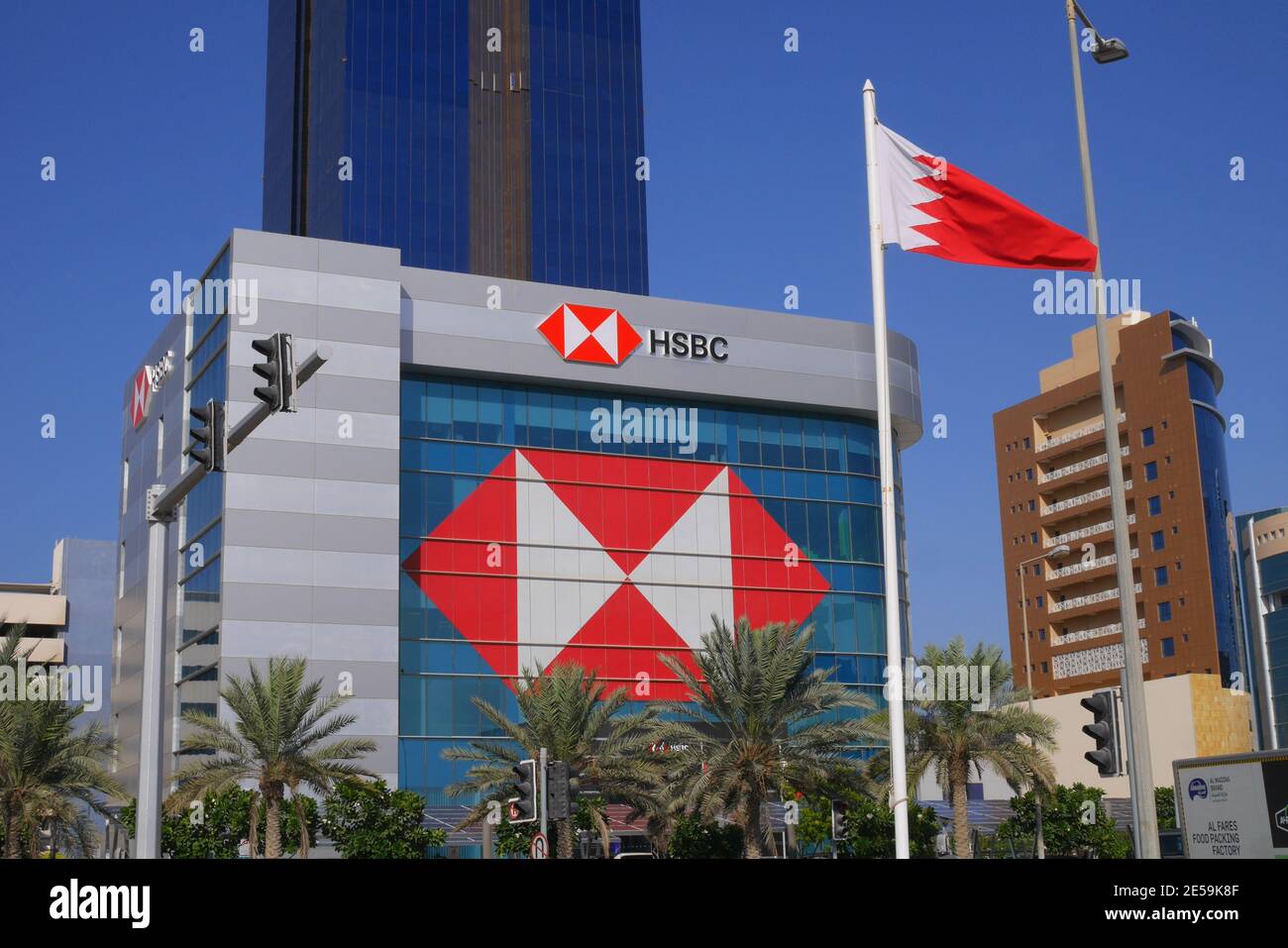
HSBC has announced the sale of its retail banking operations in Bahrain to the Bank of Bahrain and Kuwait , transferring approximately 76,000 customer accounts. This move aligns with HSBC’s ongoing global restructuring strategy, focusing on streamlining operations and enhancing profitability.

The transaction encompasses the transfer of retail loans, deposits, and customer accounts to BBK, a financial institution predominantly owned by the governments of Bahrain and Kuwait. Notably, HSBC’s corporate and private banking services in Bahrain are excluded from this deal. While the financial specifics remain undisclosed, the completion of the transaction is anticipated in the fourth quarter of 2025.

This divestment is a component of HSBC’s broader initiative to reduce its global footprint in less profitable markets. Under the leadership of CEO Georges Elhedery, who assumed his role in October 2024, the bank has been actively reassessing its international operations. Elhedery’s restructuring plan aims to achieve $1.5 billion in annual cost savings by the end of 2026, reallocating resources from non-strategic areas to more competitive sectors. This strategy has already led to significant changes, including the consolidation of commercial and investment banking divisions and a revamp of the leadership structure.

In line with these efforts, HSBC has been withdrawing from various retail banking markets worldwide. The bank has exited retail operations in countries such as Thailand, Japan, South Korea, Brazil, and New Zealand over the past decade. More recently, HSBC has been evaluating its retail banking presence outside the UK and Hong Kong, considering scaling back in markets like Mexico, Malaysia, and Indonesia to concentrate on wealthier “premier” clients and wealth management services.

The decision to sell the Bahrain retail unit reflects HSBC’s commitment to optimizing its global operations and focusing on core markets where it holds a competitive advantage. By divesting from less profitable regions, the bank aims to enhance efficiency and profitability, ensuring resources are allocated to areas with the highest growth potential.

BBK, established in 1971, stands as one of Bahrain’s leading commercial banks. The acquisition of HSBC’s retail operations is poised to bolster BBK’s market position, expanding its customer base and retail banking assets. This strategic move aligns with BBK’s growth objectives, enabling the bank to offer an expanded range of services to its clients.

The global banking landscape has been undergoing significant transformations, with major institutions like HSBC reevaluating their strategies to adapt to evolving market conditions. Factors such as technological advancements, changing customer preferences, and economic shifts have prompted banks to streamline operations and focus on core competencies. HSBC’s restructuring efforts are indicative of a broader trend among global banks aiming to enhance agility and competitiveness in a rapidly changing environment.

In addition to divesting from certain markets, HSBC has been implementing cost-cutting measures across its operations. The bank reported a 3% reduction in headcount, bringing the total number of employees to approximately 220,928. This reduction is part of a concerted effort to manage expenses and improve operational efficiency. Despite these cuts, HSBC’s bonus pool remained relatively stable at $3.80 billion, reflecting the bank’s commitment to rewarding performance while maintaining fiscal prudence.

The restructuring has also led to strategic shifts in HSBC’s investment banking sector. The bank has laid off around 40 investment bankers in Hong Kong and announced plans to wind down its mergers and acquisitions and certain equities businesses in Europe and the Americas. These changes underscore HSBC’s strategic pivot towards focusing more on the Asian market, where it anticipates higher growth opportunities.

Financially, HSBC has demonstrated resilience amid these transitions. The bank’s annual pre-tax profit rose by 6.6% to $32.3 billion, surpassing market expectations. This growth was driven by increased revenue in wealth and markets businesses, highlighting the effectiveness of HSBC’s strategic focus on these areas. Additionally, the bank has announced a dividend of 87 cents per share and a $2 billion share buyback, signaling confidence in its financial position and future prospects.

The sale of the Bahrain retail banking operations is subject to regulatory approvals and customary closing conditions. Both HSBC and BBK are collaborating closely to ensure a seamless transition for customers and employees affected by the transaction. The banks have committed to maintaining transparent communication throughout the process to minimize disruptions and uphold service quality.

Hong Kong’s Securities and Futures Commission has granted a license to Bullish, a prominent virtual asset trading platform, marking a significant milestone in the city’s ambition to become a leading hub for digital assets. This approval allows Bullish to operate within Hong Kong’s regulated framework, offering trading services to both institutional and retail investors.

The SFC’s decision to license Bullish is part of a broader strategy to enhance Hong Kong’s competitiveness in the global digital asset market. Financial Secretary Paul Chan announced that, to date, nine digital asset trading platform licenses have been issued, with eight additional applications under review. This initiative underscores the city’s commitment to fostering a robust and secure environment for virtual asset trading.

Julia Leung, the SFC’s Chief Executive, highlighted that the regulatory body is evaluating the introduction of new cryptocurrency products, including derivatives and margin lending, specifically tailored for professional investors. Speaking at Coindesk’s Consensus Hong Kong 2025 conference, Leung emphasized that these considerations aim to expand the range of services available to investors, thereby solidifying Hong Kong’s position as a regional digital assets hub.

Bullish’s entry into Hong Kong’s regulated market is expected to enhance the city’s digital asset ecosystem. The platform, known for its innovative trading solutions, integrates advanced technologies to provide deep liquidity and secure transactions. By obtaining the SFC license, Bullish demonstrates its commitment to adhering to stringent regulatory standards, offering users a trustworthy platform for virtual asset trading.

The SFC has been proactive in refining its regulatory framework to accommodate the evolving digital asset landscape. In January 2025, the commission introduced a streamlined licensing process for virtual asset trading platforms. This new procedure requires a single external assessment report, replacing the previous two-phased assessment, thereby expediting the approval process for applicants. This move aims to attract more virtual asset service providers to establish operations in Hong Kong, contributing to the city’s growing digital economy.

Hong Kong’s efforts to position itself as a digital asset hub come amid increasing global competition. Jurisdictions such as Singapore and Dubai are also vying for prominence in the virtual asset sector, offering regulatory incentives and establishing comprehensive frameworks to attract blockchain and cryptocurrency enterprises. Hong Kong’s strategic approach, characterized by rigorous regulatory oversight combined with industry-friendly policies, seeks to balance investor protection with innovation.

The city’s regulatory advancements have coincided with notable movements in the cryptocurrency market. Bitcoin, the leading cryptocurrency, experienced a significant surge, reaching an all-time high of $109,071 in January 2025 before stabilizing around $96,000. This upward trajectory reflects growing investor confidence and increased institutional adoption of digital assets. Analysts attribute this trend to favorable regulatory developments and the mainstream acceptance of cryptocurrencies as a legitimate asset class.

In addition to licensing trading platforms, Hong Kong is advancing regulations for stablecoins—digital currencies pegged to stable assets like fiat currencies. The SFC is formulating guidelines to govern the issuance and management of stablecoins, aiming to mitigate risks associated with their use and ensure financial stability. This regulatory clarity is anticipated to encourage the development of stablecoin projects within the region, further diversifying Hong Kong’s digital asset offerings.

Market participants have responded positively to these regulatory developments. The introduction of new licensed platforms is expected to enhance market liquidity and provide investors with a wider array of trading options. Furthermore, the presence of regulated entities like Bullish is likely to attract institutional investors seeking compliant and secure avenues for digital asset exposure. This influx of institutional capital could contribute to the maturation and stabilization of the cryptocurrency market in Hong Kong.

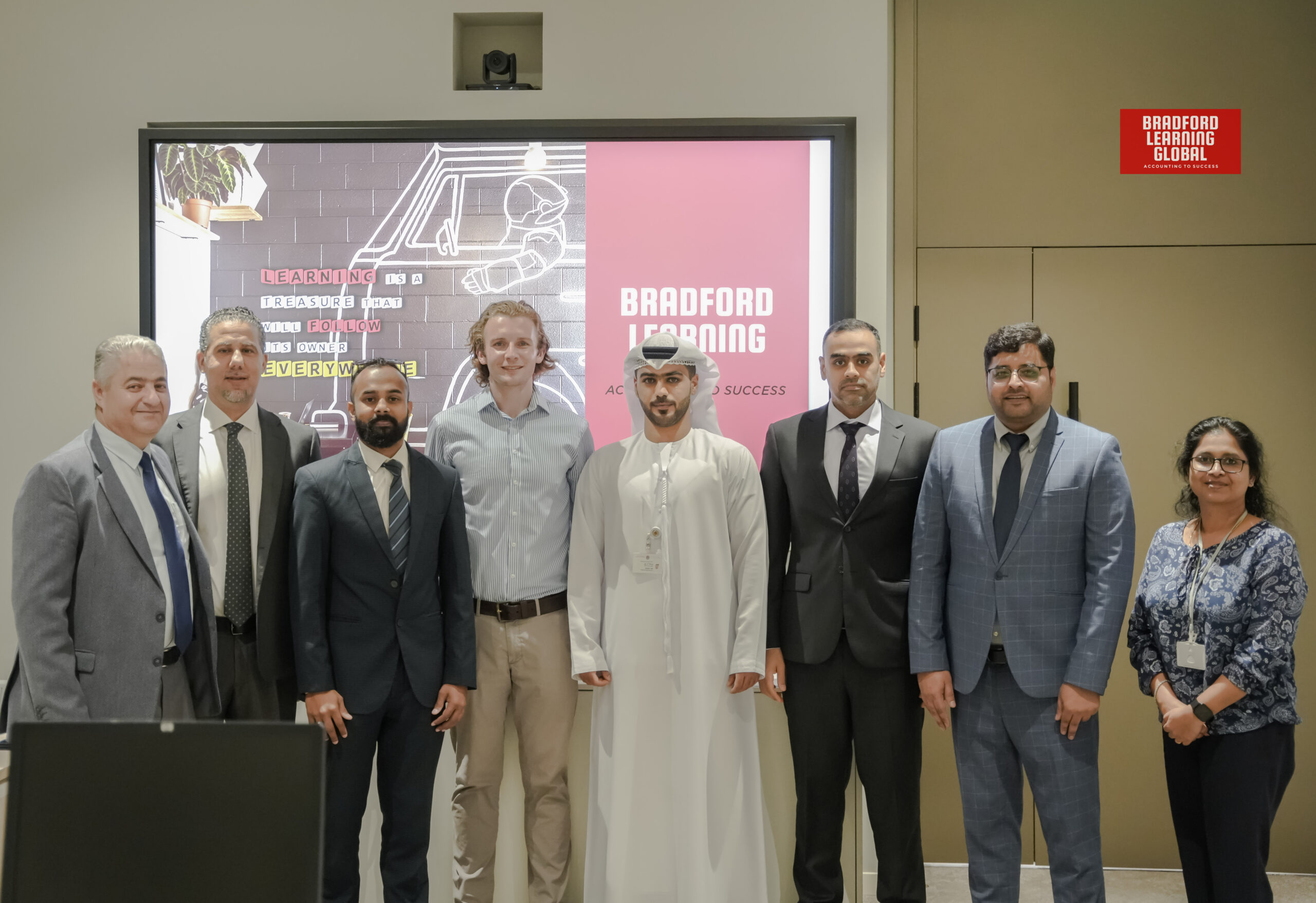
The United Arab Emirates’ Ministry of Finance has unveiled a new certification program in International Public Sector Accounting Standards , developed in partnership with the Association of Chartered Certified Accountants . This initiative aims to enhance the financial acumen of federal government employees, aligning the nation’s public sector accounting practices with globally recognized standards.

The IPSAS certification program commenced with an inaugural training session in Dubai on 17 February 2025. This session marked the beginning of a comprehensive effort to equip finance professionals within the UAE’s federal entities with the necessary skills to implement accrual-based accounting effectively. By adopting these standards, the MoF seeks to improve the quality, consistency, and transparency of financial reporting across public sector institutions.

H.E. Younis Haji Al Khoori, Undersecretary of the Ministry of Finance, emphasized the significance of this collaboration, stating that it reflects the ministry’s commitment to fostering strategic partnerships and reinforcing its position as a global leader in public finance. He highlighted that the adoption of IPSAS is a critical step towards achieving financial sustainability and enhancing the efficiency of government financial operations.

The partnership with ACCA is particularly noteworthy, as the association is renowned for its expertise in accounting certifications worldwide. The ACCA’s Certificate in International Public Sector Accounting Standards is designed to provide participants with a thorough understanding of IPSAS, covering various aspects such as financial statement presentation, accounting policies, and the treatment of assets and liabilities. The program also delves into the nuances of financial performance, consolidation, and the disclosure of financial information, ensuring that participants are well-versed in the comprehensive application of these standards.

In addition to the IPSAS certification, the MoF has signed a Memorandum of Understanding with the American University in Dubai to launch an Executive Diploma Program in Government Financial Policy Sustainability. Scheduled for the 2024-2025 academic year, this diploma aims to delve into topics such as financial sustainability, emerging trends in government finance, and the impact of artificial intelligence on financial analysis. Dr. Kyle Long of AUD expressed enthusiasm about the collaboration, noting that it has the potential to transform financial management within federal agencies and prepare professionals to tackle contemporary challenges.

The MoF’s dual approach—offering both the IPSAS certification and the executive diploma—underscores its dedication to building a robust financial framework within the UAE’s public sector. By investing in the education and training of its financial workforce, the ministry aims to ensure that government entities are not only compliant with international standards but are also pioneers in adopting innovative financial practices.

This initiative is part of a broader strategy by the UAE government to modernize its financial systems and promote transparency. By aligning with international accounting standards, the UAE aims to enhance investor confidence and foster a more attractive environment for foreign investments. Moreover, the adoption of IPSAS is expected to facilitate better decision-making processes within government entities, as accurate and transparent financial information is crucial for effective policy formulation and implementation.

The training sessions are structured to provide participants with both theoretical knowledge and practical applications of IPSAS. Through case studies, interactive exercises, and real-world examples, attendees will gain insights into the challenges and solutions associated with implementing these standards. The program also offers a platform for finance professionals to engage in discussions, share experiences, and develop a network of peers committed to advancing public sector financial management.

Malik Sarieddine of ACCA highlighted the importance of this certification, stating that it equips finance professionals with the necessary tools to lead initiatives aligned with global standards. He emphasized that the training will enable participants to navigate the complexities of public sector accounting, ensuring that financial reports are both accurate and reflective of the true financial position of government entities.

The MoF’s commitment to continuous improvement is evident in its proactive approach to adopting international best practices. By collaborating with esteemed institutions like ACCA and AUD, the ministry is taking concrete steps to elevate the proficiency of its financial professionals. This, in turn, is expected to lead to more efficient public spending, improved resource allocation, and enhanced public trust in government financial operations.

Arabian Post Staff -Dubai Arabian Drilling and Shelf Drilling have signed a memorandum of understanding to establish a strategic alliance aimed at enhancing their international offshore drilling capabilities. This collaboration seeks to leverage the strengths of both companies to offer comprehensive services to a broader clientele and increase their competitiveness in the global market. Under the terms of the MoU, Arabian Drilling will gain access to Shelf […]

The United Arab Emirates is set to enhance its aerospace capabilities through a collaboration between Tawazun Council and Mubadala Investment Company. This partnership aims to establish a state-of-the-art Maintenance, Repair, and Overhaul facility in Al Ain, focusing on aircraft engines. The initiative underscores the UAE’s commitment to becoming a regional hub for advanced aerospace technologies.

Announced at the International Defence Exhibition 2025, the project involves Mubadala’s subsidiary, Sanad, joining forces with global aerospace leader Pratt & Whitney. The facility will be the first of its kind in the Middle East, North Africa, and South Asia regions, providing comprehensive MRO services for Pratt & Whitney’s GTF™ engines. Once operational, it is expected to handle up to 350 engine shop visits annually.

Dr. Bakheet Al Katheeri, CEO of Mubadala’s UAE Investments platform, highlighted the strategic importance of the collaboration: “This partnership between Mubadala and Tawazun is a clear demonstration of the Mubadala UAE Investments platform delivering on its mandate. We are building national champions in the aerospace sector, fostering a vibrant aerospace ecosystem, and partnering with world-class entities like Pratt & Whitney to accelerate the transformation of Abu Dhabi’s economy.”

The facility, slated to open in the third quarter of 2028, will be located at the Al Ain Aerospace Park. It is poised to generate several hundred jobs, contributing significantly to the local economy and supporting the UAE’s broader economic diversification strategy. The collaboration also serves to fulfill Raytheon’s offset obligations to the UAE, marking a unique instance where a civil project offsets military purchases.

Marc Meredith, Vice President of GTF Commercial Aftermarket at Pratt & Whitney, expressed enthusiasm about the venture: “Pratt & Whitney have been talking to Sanad about developing our relationship with them. This is a really exciting, generational project, both for us and for them.” The partnership builds upon a decade-long relationship between Pratt & Whitney and Sanad, which currently operates an MRO facility for IAE V2500 engines in Abu Dhabi.

The decision to establish a new site in Al Ain, rather than expanding the existing facility, was driven by the anticipated scale of future GTF engine production. Meredith noted the substantial opportunities ahead: “There is a massive opportunity in front of us.”

Tawazun Council, an independent government entity collaborating closely with the Ministry of Defence and security agencies in the UAE, plays a pivotal role in this initiative. The Council’s involvement ensures alignment with national defense and security objectives, while also promoting the growth of the UAE’s aerospace sector.

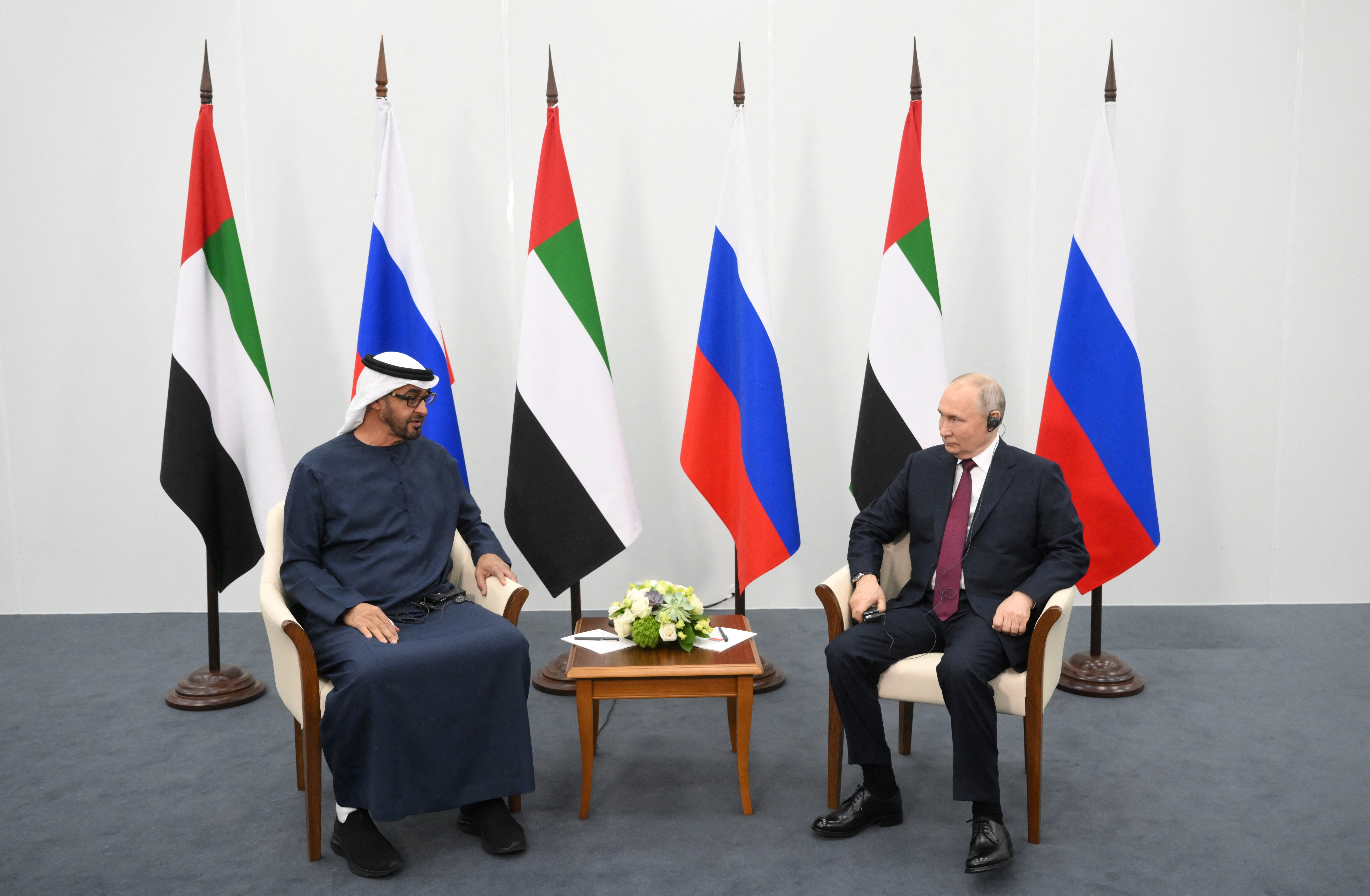
In a significant diplomatic and economic development, the United Arab Emirates and Ukraine have formalized a Comprehensive Economic Partnership Agreement during Ukrainian President Volodymyr Zelensky’s official visit to Abu Dhabi. The accord aims to bolster bilateral trade, investment, and economic collaboration between the two nations, marking a pivotal moment in their diplomatic relations.

The signing ceremony, held in Abu Dhabi, was attended by UAE President Sheikh Mohamed bin Zayed Al Nahyan and President Zelensky. Under the terms of the CEPA, 99% of Ukrainian imports of UAE goods and 97% of Ukrainian exports to the UAE will be exempt from customs duties, effective immediately. This strategic move is projected to contribute approximately $369 million to the UAE’s Gross Domestic Product and $874 million to Ukraine’s GDP by 2031. The agreement is also expected to accelerate Ukraine’s economic recovery and create new opportunities for cooperation in sectors such as infrastructure, heavy industry, aviation, aerospace, and information technology.

President Zelensky’s visit to the UAE comes at a time when momentum is building for potential peace talks to end the ongoing conflict in Ukraine. The UAE, home to a significant number of Russian and Ukrainian expatriates, has been considered a potential site for these discussions. During his visit, President Zelensky emphasized priorities such as repatriating Ukrainian captives, enhancing economic partnerships, and initiating humanitarian programs. He expressed gratitude for the UAE’s mediation efforts, which have reportedly resulted in saving many lives.

In addition to the CEPA, the two leaders agreed to establish a Ukraine-UAE Investment Council, aiming to explore promising investment opportunities in Ukraine, particularly in infrastructure projects. This initiative underscores the UAE’s commitment to supporting Ukraine’s economic development and post-war reconstruction efforts.

The UAE’s involvement in facilitating dialogue and supporting Ukraine’s sovereignty has been evident through its diplomatic engagements. Sheikh Mohamed bin Zayed Al Nahyan reaffirmed the UAE’s dedication to supporting peaceful resolution efforts and alleviating the humanitarian impact of the Ukraine conflict. He emphasized the importance of reaching peaceful solutions to crises around the world and reiterated the UAE’s commitment to building partnerships based on cooperation and understanding to promote peace, stability, and prosperity for all.

Concurrently, high-level talks between U.S. and Russian officials are set to occur in Saudi Arabia, aiming to explore a peace dialogue regarding the Ukraine conflict. Notably, Ukraine has been excluded from these discussions, a move President Zelensky criticizes, emphasizing the necessity of consulting strategic partners before any negotiations with Russia. He has declared that Ukraine will disregard any peace agreements forged between the U.S. and Russia without its involvement, underscoring the importance of including Ukraine in any peace negotiations.

The CEPA between the UAE and Ukraine is the first such agreement Ukraine has signed with a Gulf country, highlighting the UAE’s role as a strategic partner in Ukraine’s economic and diplomatic endeavors. Bilateral trade between the two nations reached $372.4 million in 2024, and the new agreement aims to further enhance this economic relationship by reducing or eliminating customs duties and opening new avenues for collaboration in various sectors.

This development reflects a broader trend of Middle Eastern countries engaging more actively in global diplomatic efforts, positioning themselves as neutral grounds for conflict resolution and as pivotal players in international economic partnerships. The UAE’s strategic support and facilitation of dialogue underscore its growing influence in global affairs, particularly in fostering peace and stability in conflict regions.

As the situation in Ukraine remains fluid, the international community continues to monitor the developments closely. The UAE’s proactive approach in mediating and supporting Ukraine’s sovereignty may serve as a model for other nations seeking to play a constructive role in global peace efforts. The success of the CEPA and the potential for future diplomatic resolutions could significantly impact the geopolitical landscape, offering a pathway toward stability and economic growth in the region.

Telecommunications provider du has become the first operator in the United Arab Emirates to commercially launch 5G Voice over New Radio services. This development signifies a significant advancement in the nation’s telecommunications infrastructure, enhancing voice call quality and network performance for users.

The introduction of 5G VoNR allows for voice calls to be transmitted entirely over the 5G network, eliminating the need to revert to 4G during calls. This results in faster call setup times, high-definition voice quality, and improved battery efficiency for compatible devices. du’s extensive 5G Standalone Access network underpins this service, offering widespread coverage across the UAE.

In addition to launching VoNR, du has received full certification from leading handset manufacturers, ensuring compatibility of their devices with du’s 5G SA network. This certification guarantees that users with certified devices can seamlessly access the enhanced voice services without additional configurations.

Saleem AlBlooshi, Chief Technology Officer at du, emphasized the company’s dedication to advancing its network capabilities: “Our commitment to evolving and elevating our network to superior standards has resulted in the 5G SA network certification, guaranteeing that du customers experience ultra-modern connectivity and unparalleled digital experiences.” He highlighted that the VoNR service is set to reshape voice communications by providing seamless 5G connectivity during calls, faster call setups, high-definition voice quality, and enhanced battery life.

The deployment of 5G SA technology is a strategic move to meet the growing demand for high-speed, reliable connectivity among consumers and businesses. This infrastructure supports advanced applications such as augmented reality, immersive communications, and other data-intensive services that require low latency and high bandwidth.

Karim Benkirane, Chief Commercial Officer at du, stated: “The introduction of the 5G SA network and the enablement of VoNR over 5G network represent a giant leap forward in our mission to deliver exceptional service and innovative solutions to our customers.” He noted that this technology not only enhances user experience with superior speeds and call quality but also opens new possibilities for businesses and public services, propelling the UAE closer to its smart city goals.

The 5G SA network’s capabilities extend beyond consumer applications. Enterprises can leverage network slicing, a feature that allows the creation of virtual networks tailored to specific requirements. This enables businesses to deploy customized solutions with dedicated resources, ensuring optimal performance for critical applications.

In the broader context, du’s collaboration with technology partners has been instrumental in this rollout. In October 2024, du entered into an agreement with Ericsson to expand its 5G network, aiming to enhance capacity and deliver next-generation services. This partnership focuses on utilizing Ericsson’s Radio Access Network portfolio to bolster du’s infrastructure.

In December 2024, du and Nokia announced the deployment of the first commercial 5G Cloud Radio Access Network solution in the Middle East and Africa. This initiative underscores du’s hybrid RAN strategy, which combines purpose-built and cloud-native infrastructures to offer greater flexibility and scalability in network management.

The commercial launch of 5G VoNR and the expansion of the 5G SA network align with the UAE’s vision to be at the forefront of technological innovation. These advancements are poised to support various sectors, including healthcare, education, and entertainment, by providing the necessary infrastructure for digital transformation.

As the first operator in the UAE to achieve these milestones, du sets a precedent in the region’s telecommunications landscape. The company’s proactive approach in adopting and deploying cutting-edge technologies reflects its commitment to meeting the evolving needs of its customers and contributing to the nation’s digital economy.

Abu Dhabi National Oil Company for Distribution has announced plans to inaugurate its first flagship service station in Egypt within the year. This strategic move signifies the company’s commitment to expanding its footprint in the North African energy market.

The upcoming service station, slated for New Cairo, will feature an enhanced ADNOC Oasis convenience store and a comprehensive suite of automotive services. This development aims to elevate the customer experience, aligning with ADNOC Distribution’s standards observed in its flagship stations across Abu Dhabi and Dubai.

This initiative is part of the broader collaboration between ADNOC Distribution and TotalEnergies, marked by the two-year anniversary of their joint venture, TotalEnergies Marketing Egypt . Established in 2023, TEME oversees over 240 fuel retail sites across Egypt, encompassing wholesale fuel distribution, aviation fuel services, and lubricant blending operations.

Eng. Bader Saeed Al Lamki, CEO of ADNOC Distribution, highlighted the significance of this expansion: “The ongoing success of our TEME joint venture demonstrates the value of our international expansion strategy in driving value-accretive growth. Egypt, with its significant economic potential, is a key part of our growth journey.”

Thomas Strauss, Managing Director and Country Chair of TotalEnergies Marketing Egypt, echoed this sentiment: “This partnership underscores our mutual dedication to strengthening Egypt’s energy solutions. We recognise the immense potential of the Egyptian market and are committed to fostering sustainable growth.”

In addition to the flagship station, ADNOC’s Voyager lubricants, blended locally by TEME, are set to expand their availability through independent distributors later this year. This move aims to extend the brand’s reach beyond existing ADNOC Distribution service stations, positioning Egypt as a pivotal hub for lubricant production and export.

Looking ahead, TEME is focusing on enhancing its presence in Egypt’s aviation fuel market, a sector integral to the country’s transport and tourism industries. This strategic emphasis aligns with Egypt’s role as a regional nexus, poised to meet the escalating energy demands of the area.

ADNOC Distribution, established in 1973 and headquartered in Abu Dhabi, has evolved into a leading mobility retailer in the UAE. The company’s operations span fuel retail, aviation fueling, car services, lubricants, and convenience stores. Its expansion into Egypt, facilitated by the TEME joint venture, underscores its commitment to broadening its regional influence and delivering premium energy solutions.

The forthcoming flagship service station in New Cairo is poised to set a new benchmark for customer service and operational excellence in Egypt’s fuel retail sector. As ADNOC Distribution and TotalEnergies celebrate their collaborative achievements, they remain steadfast in their mission to support Egypt’s energy infrastructure and economic development.

This development not only signifies a milestone in ADNOC Distribution’s growth trajectory but also reflects the dynamic and evolving landscape of Egypt’s energy market. With continued investments and a focus on innovation, the TEME joint venture is well-positioned to contribute significantly to the region’s energy needs and economic prosperity.

Prointek, a prominent player in the interactive technology and unified communication sectors, has officially opened its latest manufacturing facility in Greater Noida, marking a significant step towards bolstering India’s self-reliance in high-tech production. This new facility, strategically located in the National Capital Region, is expected to not only increase the company’s production capacity but also enhance its contribution to the rapidly expanding sector.

The 250,000-square-foot plant, which has been in development for several months, will focus on the production of a variety of interactive displays and unified communication solutions. The facility is a response to the growing demand for high-quality tech products that support modern communication systems, particularly as businesses and educational institutions continue to embrace digital transformation.

Prointek’s expansion aligns with the government’s ongoing push for “Atmanirbhar Bharat” , which encourages domestic manufacturing and aims to reduce dependency on foreign imports. By investing in local production capabilities, Prointek seeks to not only cater to the local market but also expand its presence globally, making the plant a crucial element in the company’s long-term strategy.

The company’s expansion is poised to have a significant impact on the regional economy as well. The facility is expected to create numerous job opportunities, both in the manufacturing sector and in associated roles such as research and development, logistics, and sales. Local suppliers of materials and components are also likely to benefit from the enhanced production activity, fostering growth in ancillary industries.

Prointek’s decision to build the facility in Greater Noida reflects the area’s attractiveness for tech-focused investments. The region has become a hub for IT and electronics manufacturing, with proximity to Delhi and well-established infrastructure facilitating easier access to global markets. The presence of skilled labour and a supportive business environment has also made Greater Noida an ideal location for such expansions.

The new manufacturing plant will primarily focus on producing cutting-edge interactive displays, smartboards, and video conferencing systems. These products are highly sought after in various sectors, including education, corporate communications, government services, and healthcare. As hybrid work models and remote learning continue to gain popularity, the demand for advanced technology solutions that bridge physical and virtual spaces has seen substantial growth.

In line with its commitment to sustainability, Prointek has incorporated green technologies into the facility’s design and operations. The plant is equipped with energy-efficient systems and has adopted a zero-waste policy, reflecting the company’s dedication to minimizing its environmental footprint while meeting the demands of the digital age. This move positions Prointek as a leader in eco-conscious manufacturing practices within the technology sector.

The expansion is not only about increasing production capacity but also about enhancing the company’s research and development efforts. Prointek plans to leverage the new facility as a hub for innovation, where cutting-edge technologies can be developed to meet the evolving needs of global markets. With a growing focus on artificial intelligence and machine learning in interactive systems, the company aims to integrate these technologies into its products to provide more dynamic and user-friendly solutions.

Prointek’s growth trajectory has been impressive, with the company already enjoying a strong presence in key international markets. The establishment of the Greater Noida facility is expected to strengthen its competitive edge, enabling the company to meet increasing demand across the globe. As technology continues to play an integral role in communication and business operations, Prointek’s commitment to quality and innovation positions it for continued success.

This move comes at a time when the Indian government is actively encouraging foreign direct investment and supporting the growth of the manufacturing sector through initiatives such as the Production Linked Incentive scheme. These policies are designed to attract global tech companies and encourage domestic companies like Prointek to expand their capabilities. The opening of the new facility is likely to act as a catalyst for further investments in India’s tech manufacturing space.

The growth of Prointek’s operations in India reflects the broader trend of tech companies increasing their local manufacturing presence. This shift is driven by various factors, including the desire to mitigate supply chain risks, reduce lead times, and take advantage of the favourable business environment in India. The opening of Prointek’s plant is a clear indication that India is becoming an increasingly important player in the global tech manufacturing landscape.

Industry analysts expect that Prointek’s new facility will further strengthen India’s position in the global technology market. As more companies follow suit and ramp up domestic manufacturing capabilities, India could become a key hub for the production of high-tech products, offering a competitive alternative to traditional manufacturing centres in Asia and beyond.

Privacy advocates continue to challenge the widespread perception that personal data protection is futile in today’s digital age. A growing narrative posits that privacy is dead, suggesting there is little point in striving for data security amid the growing dominance of surveillance and data exploitation. However, this line of thinking has been fiercely contested by experts who argue that not only is privacy very much alive, but it is also more crucial than ever in safeguarding human rights and personal freedoms.

The claim that privacy is dead is rooted in a sense of resignation, often referred to as the “abdication mindset.” This philosophy, which believes that the battle to protect privacy is lost, has gained traction with the increasing prevalence of online data breaches, mass surveillance, and the power of tech giants. However, privacy advocates argue that such a defeatist perspective is self-fulfilling. The more individuals and institutions accept the idea of privacy’s demise, the more difficult it becomes to reverse the tide of data misuse and erosion of privacy rights.

Human rights, including privacy, have historically been preserved and advanced through determined efforts. As with any human right, protecting privacy is an ongoing fight. The struggle may seem overwhelming, but victories in this domain, such as the establishment of the European General Data Protection Regulation , show that change is possible. Privacy advocates contend that this perspective should inspire action rather than resignation. If privacy is allowed to wither away without resistance, it could indeed fade into obsolescence.

Another common misconception is that for privacy to hold any value, it must be 100% foolproof—secure to an absolute degree. This view, though well-intentioned, often hinders progress by setting unrealistic standards. While it is undeniable that privacy-enhancing tools and practices should continuously improve, expecting absolute perfection in data security is both impractical and counterproductive. In reality, privacy is a spectrum, and striving for incremental improvements rather than an unattainable ideal is essential for creating sustainable privacy frameworks.

Striving for flawless data security may lead to a situation where organisations or individuals feel that since perfect privacy is unachievable, there is little point in pursuing better security measures at all. This all-or-nothing mentality, much like the abdication mindset, undermines the very efforts that can make a tangible difference. Privacy, in this case, suffers from a lack of proactive development and is left vulnerable to exploitation.

Instead of waiting for a perfect solution, experts argue that ongoing improvements—though perhaps small—are essential in making meaningful progress. This attitude encourages the adoption of privacy practices and technologies that can address real concerns, rather than becoming paralysed by the notion that only a flawless system is worth building.

The battle for privacy is far from over, and those in the advocacy field continue to push for enhanced data protection laws, better consumer education, and more robust technological solutions. Additionally, many argue that privacy should not be seen solely through the lens of technology. It is also about broader societal and political movements. Efforts to push back against invasive surveillance practices and call for corporate transparency on data usage reflect a shift towards a deeper recognition of privacy as a fundamental right.

One of the key reasons privacy matters is its deep connection to individual freedom. In a world where personal data is continuously harvested and commodified, privacy becomes an essential tool for autonomy. Without privacy, individuals risk losing control over their personal information, opening the door to manipulation, surveillance, and exploitation by both state and corporate entities. This makes privacy not merely a technical issue, but a vital aspect of a democratic society.

Protecting privacy ensures that individuals retain control over their personal lives and decisions. It is not just about keeping sensitive data safe but about asserting one’s autonomy in an increasingly interconnected world. The right to privacy enables individuals to make personal decisions without fear of being watched or judged, empowering them to engage in free expression and democratic participation.

Privacy protection is essential in preserving the integrity of personal relationships and freedom of association. In the absence of privacy, individuals may hesitate to engage in sensitive or intimate conversations, avoid certain groups or causes, or make personal choices that they believe could expose them to risk. Such chilling effects on personal behaviour ultimately undermine the fabric of civil society.

A nuanced approach to privacy protection, therefore, should focus on striking a balance between securing data and preserving individual freedoms. It is important to understand that privacy is not an all-or-nothing proposition. As technology continues to evolve, so too should our approach to protecting privacy. Incremental steps in policy-making, consumer advocacy, and technological design can make a significant difference in improving privacy protections while accommodating the practical realities of the modern world.

By L S Herdenia BHOPAL: Bhopal is decorating itself to accord warn welcome to over 100 big industrial magnets who will be in the capital city to attend Madhya Pradesh government sponsored Industrial Summit. The Summit will be inaugurated by the Prime Minister Narendra Modi on February 24. Nearly a hundred distinguished industrialists and chiefs […]

VISHNU RAJA
RYO YAMADA
HITORI GOTOH
IKUYO KITA