News related to
Dubai

Dubai’s Roads and Transport Authority (RTA) has unveiled a major update to its traffic management strategy by introducing variable road toll pricing (Salik) and dynamic parking tariffs. This decision marks a shift toward a more adaptive and responsive traffic system, aimed at improving traffic flow and reducing congestion across the city. The move includes the implementation of event-specific parking rates to address higher demand during major events, […]

Fuel prices in the UAE experienced a notable rise in November, with the price of Super 98, Special 95, and E-Plus 91 all increasing by 9 fils per liter compared to October. The increase has raised concerns among consumers, particularly in light of ongoing discussions about the global energy market and its impact on local economies.

The National Petroleum Marketing Company, which oversees fuel pricing in the UAE, implemented this price change after monitoring shifts in global oil prices. The new prices reflect a global trend in energy markets where oil prices have steadily climbed in the past months due to rising demand and geopolitical uncertainties. Industry analysts suggest that such fluctuations are becoming increasingly common as global supply and demand dynamics evolve.

The change has been felt by consumers across the country, with many noting the impact on household budgets. The price for Super 98, the premium fuel grade, is now set at 3.03 AED per liter, up from 2.94 AED in October. Special 95, which is widely used by the general public, now costs 2.92 AED per liter, while E-Plus 91 has seen its price rise to 2.83 AED per liter. These increases, although seemingly modest, have a direct impact on daily life in the UAE, where gasoline-powered vehicles remain the primary mode of transport for the majority of residents.

The fuel price hike is part of a broader trend of fluctuating oil prices that began in mid-2023, driven by OPEC+ decisions, changes in U.S. production levels, and shifting demand patterns across key global markets. In particular, recent supply cuts by major oil-producing nations have tightened global crude oil supplies, contributing to the increase in fuel costs. The UAE, being a significant player in the global energy market, is not insulated from these trends, as the country relies heavily on oil exports for revenue.

The fuel price increases also come amidst discussions about the UAE’s efforts to diversify its economy away from oil dependence. Although the country has made significant strides in renewable energy development, including solar power and nuclear energy, oil remains a dominant economic driver. This creates a delicate balance for policymakers who must manage rising fuel prices while attempting to transition to more sustainable energy sources in the long term.

Consumer sentiment regarding the fuel price hike has been mixed. While some accept the increase as an inevitable result of global market trends, others express frustration with the recurring adjustments. Public transport, although available in major cities like Dubai and Abu Dhabi, remains underdeveloped in many parts of the country, making private car ownership essential for most people. This reliance on cars amplifies the impact of rising fuel prices on everyday expenses, leading to concerns about the affordability of transportation.

Economists have also weighed in on the potential long-term effects of fuel price hikes in the region. Some suggest that continued increases could put pressure on the cost of living, particularly in industries reliant on fuel-intensive activities such as transportation and construction. Businesses may face higher operating costs, which could eventually be passed on to consumers in the form of higher prices for goods and services.

On the other hand, analysts point out that the UAE government has taken steps to mitigate the impact on the most vulnerable sectors of the economy. Some subsidies remain in place for specific fuel products, particularly for those used in commercial and industrial sectors. These measures are designed to help cushion the effects of price increases and ensure that critical sectors do not experience undue strain.

The UAE’s fuel pricing system, which is reviewed monthly, has led to a degree of predictability in the market. Although prices are subject to fluctuations, the transparency of the system allows consumers to plan their expenses accordingly. This regular review process has earned praise from certain segments of the population, who appreciate the consistency in pricing, despite the periodic hikes.

Global energy market conditions remain a crucial factor in determining fuel prices. International oil price fluctuations have an immediate impact on the cost of fuel, and the UAE is particularly sensitive to these changes due to its role as a major oil exporter. With oil prices expected to remain volatile, fuel price adjustments are likely to continue being a regular feature of the economic landscape in the UAE. These changes, while impacting consumers, also serve as a reminder of the intricate connection between local economies and global energy markets.

Emirates, the largest airline in the MENA region, has voiced increasing frustration over ongoing delays and growing uncertainty surrounding the delivery of its Boeing 777-9X jets. The airline, which placed a substantial order for the aircraft, is concerned that the continued postponements could impact its long-term fleet strategy, and has called for clearer timelines and solutions from Boeing.

The 777-9X, an advanced version of the 777X series, was initially slated for delivery in 2024. However, production setbacks, combined with technical challenges, have pushed back the timeline repeatedly. The delays have sparked concern across the aviation industry, as they affect airlines’ expansion plans and disrupt the global supply chain for new aircraft.

Emirates, which has long been a key customer of Boeing, has expressed its disappointment over the missed deadlines. The airline had originally ordered 150 of the 777-9X jets, which were intended to bolster its fleet and replace older models, particularly the 777-200 and 777-300. These aircraft were seen as vital to the airline’s strategy to compete in long-haul travel, offering greater fuel efficiency and capacity than earlier models.

Boeing’s repeated delays with the 777-9X have affected not only Emirates but several other airlines around the world. The company has struggled with production issues related to the aircraft’s engine, structural elements, and other components, which have led to prolonged certification processes and delayed first deliveries. These challenges have prompted some airlines to reconsider their fleet strategies, with several seeking to renegotiate delivery schedules or exploring alternative aircraft options.

Emirates has not been silent in expressing its dissatisfaction. Tim Clark, the airline’s president, has been vocal about the disruptions caused by Boeing’s delays, emphasizing that the issue is creating significant challenges for the airline’s operations. According to Clark, the uncertainty surrounding the aircraft’s arrival date makes it difficult for Emirates to plan its future routes and fleet expansions effectively.

The airline’s frustration is amplified by the broader context of post-pandemic recovery, where airlines are racing to expand their fleets and capitalize on the growing demand for air travel. Emirates, which has already faced the pressures of the pandemic on its operations, is eager to modernize its fleet to maintain competitiveness in the global market. With the delays in Boeing’s production, the airline has had to consider other solutions, including increasing the use of its older aircraft for longer periods, potentially increasing maintenance costs and operational challenges.

Boeing has repeatedly assured its customers that it is working diligently to resolve the issues, but so far, no firm delivery dates have been set. The company has promised to keep affected airlines informed, though some critics believe the level of transparency regarding production hurdles could be improved. Boeing’s management has acknowledged the difficulties and is reportedly taking steps to address the technical and manufacturing problems that have hindered the 777-9X’s progress.

In response to the delays, Emirates has been exploring other options for replacing older aircraft in its fleet. This includes considering different models from rival manufacturer Airbus, particularly the A350-1000, which offers comparable capacity and range to the 777-9X. Emirates has already placed significant orders for the A350 in recent years, and while the airline has expressed preference for the 777X series, it may have to adjust its fleet strategy to meet the evolving demands of global travel.

Industry analysts have pointed out that the 777-9X delays are not an isolated issue but part of a broader trend affecting both Boeing and the aviation industry as a whole. The pandemic disrupted global supply chains, creating bottlenecks in the production of everything from aircraft parts to engines. Manufacturers have struggled to catch up with the surge in demand for new aircraft as airlines emerge from the pandemic with ambitious growth plans. The competition between Boeing and Airbus, in particular, has intensified, with each company striving to secure a larger share of the global aviation market.

The uncertainty surrounding the 777-9X has led some airlines to question Boeing’s ability to meet future delivery commitments. While Boeing has made strides with other models, such as the 737 MAX, the prolonged delays with the 777-9X have raised doubts about the company’s overall production capabilities and ability to meet the needs of the aviation industry as it rebounds. The impact of these delays is expected to extend beyond the immediate customer base, affecting the entire aviation supply chain, from suppliers of aircraft parts to maintenance and repair companies.

Delivery Hero has set the final price for the highly anticipated IPO of its Middle Eastern arm, Talabat, at $0.44 per share. The pricing marks a significant move for the German food delivery giant as it pushes ahead with its plan to list the popular regional platform on the Dubai Financial Market. This marks a crucial step in Delivery Hero’s strategy to strengthen its position in the […]

The Nationals Defaulted Debts Settlement Fund (NDDSF) has announced the exemption of 1,277 citizens from a combined debt of AED 401,791,000. This debt relief initiative is the result of a collaborative effort between the Fund and 18 banks, marking a significant milestone in the UAE’s ongoing efforts to support citizens facing financial challenges. The initiative, which aims to alleviate the burden of unpaid debts, is part of the country’s broader strategy to foster financial stability and inclusivity.

The initiative is a key element in the UAE’s commitment to social welfare and economic stability. The NDDSF, established to help citizens struggling with debt, has provided significant relief to individuals facing financial difficulties. Through this program, individuals previously unable to meet their financial obligations due to various reasons, including economic hardships and unforeseen circumstances, are now given a fresh start.

The debts forgiven under this initiative are spread across multiple sectors and represent a range of defaulted financial obligations, including personal loans, credit cards, and other financial liabilities. With the exemption, these citizens will no longer be burdened by the outstanding debts, offering them a crucial opportunity to rebuild their financial standing. This relief is expected to improve the financial well-being of the affected individuals, potentially enhancing their ability to contribute to the broader economy.

The 18 participating banks have played a crucial role in this effort by agreeing to waive the debts of these citizens. By engaging with the NDDSF, these institutions demonstrate a strong commitment to corporate social responsibility and contribute to the stability of the country’s financial system. The collaboration with these banks is also a testament to the UAE’s thriving financial sector and its ability to work with government initiatives aimed at supporting the citizens.

This debt relief initiative is seen as a critical measure to mitigate the adverse effects of financial distress on citizens, who may otherwise face severe consequences such as legal actions, asset confiscations, or restrictions on their ability to access future credit. By addressing these issues, the program ensures that vulnerable individuals are not further penalized for their financial difficulties, thus helping to prevent the deepening of socio-economic divides within the country.

The UAE government has been proactive in addressing financial distress among its citizens, and this initiative is part of a broader pattern of social welfare programs designed to help people who find themselves in difficult financial situations. By offering debt relief, the government is aiming not only to help individuals but also to stabilize the wider economy, ensuring that citizens can continue to participate in economic activities without the constraints of unmanageable debt.

This latest development also highlights the UAE’s ongoing focus on inclusivity and economic resilience. The government has committed to a series of measures aimed at protecting the most vulnerable populations, particularly those who may have faced financial setbacks due to factors beyond their control, such as illness, unemployment, or economic downturns. In offering debt exemptions, the country is reinforcing its position as a leading financial hub in the Middle East, where citizens are provided with the support they need to navigate financial challenges.

The NDDSF’s role in facilitating this debt exemption program underscores the significance of government-led initiatives in resolving personal debt crises. Its work highlights the potential of public-private partnerships in tackling financial distress, offering a model that can be adapted by other nations facing similar issues. As the UAE continues to innovate in the realm of financial governance, the collaboration between government entities and private sector banks stands out as a positive example of how the two can work together for the benefit of the population.

With the exemption of AED 401 million worth of debt, the 1,277 citizens who benefit from this initiative are not only freed from their financial burdens but are also provided with the chance to rebuild their credit scores and regain access to financial resources. This is crucial for the long-term financial health of the population, as it promotes responsible financial behavior and gives individuals the tools they need to avoid future financial difficulties.

The NDDSF’s intervention serves as a reminder of the importance of maintaining financial safety nets for citizens, especially in times of economic uncertainty. The program reflects a holistic approach to managing debt in a way that promotes fairness, stability, and opportunity for all members of society. By alleviating the financial strain on individuals, the UAE ensures that they can continue to contribute meaningfully to the national economy and their local communities.

The initiative, which follows several previous debt relief programs, aligns with the UAE’s Vision 2021 and other long-term goals that focus on building a resilient, inclusive, and diversified economy. As part of its future trajectory, the country aims to continue offering similar support mechanisms to ensure that all citizens have access to the resources they need to overcome financial challenges and thrive in the rapidly evolving economic landscape.


Dubai’s real estate sector is witnessing a surge in competition as new developers enter the market, driving up supply and introducing diverse offerings. With the demand for luxury properties continuing to soar, a new generation of developers is working to reshape the landscape, creating challenges for established players while offering unique opportunities for investors and buyers.

The entrance of these new developers is a reflection of Dubai’s dynamic property market, which has shown impressive resilience despite global economic pressures. These newcomers are not only investing in residential projects but also diversifying into commercial spaces, mixed-use developments, and hospitality, areas that are seeing a significant increase in demand. The competition has intensified as developers offer more attractive terms and design concepts to stand out in a crowded market.

One of the key reasons for the heightened interest is Dubai’s sustained appeal to global investors. The UAE’s economic recovery, backed by government initiatives to attract foreign investment, continues to position the country as a hub for both business and leisure. Additionally, the government’s policy of easing property ownership restrictions for foreigners has opened up opportunities for international investors, further fueling demand.

Developers such as the Dubai-based Azizi Developments and Arada have been gaining traction with their focus on affordable luxury. Azizi’s portfolio, which includes high-end residential and mixed-use developments, caters to both local and international buyers looking for properties that combine luxury with functional living. Arada’s presence, marked by their flagship development in Sharjah, is another example of developers aiming to capture a diverse clientele by offering competitive prices and quality.

Dubai’s real estate sector is seeing a significant shift toward sustainability and innovation. Many new developers are incorporating green building practices and energy-efficient technologies into their designs to meet the rising demand for eco-friendly living spaces. This focus on sustainability is aligned with the UAE’s broader vision of creating a greener, more sustainable future.

Key players in the market, including Emaar Properties and DAMAC, continue to dominate the luxury sector, but the influx of new developers is pushing them to evolve their offerings. For instance, Emaar is now emphasizing the creation of smart homes and lifestyle-oriented communities, areas where its competitors are also investing heavily. Meanwhile, DAMAC, known for its high-end residential developments, has started to explore the commercial and hospitality sectors in response to shifting market dynamics.

While luxury remains the primary focus of many high-profile developments, affordable housing is becoming increasingly popular. This shift is driven by a growing middle class within the UAE and an influx of professionals from various sectors. Developers are responding by providing more affordable, yet high-quality, housing options, ensuring that they capture a wider market share.

Real estate experts also point to the increase in the number of Dubai’s population as another driving factor in the demand for new housing developments. Projections estimate that the city’s population will continue to rise in the coming years, with more people flocking to the city for its tax-free incentives and high quality of life. As the population grows, developers are focusing on mixed-use developments that provide residential, retail, and entertainment options all in one location.

The competition among developers is forcing many to reconsider traditional marketing strategies. Digital marketing has become a critical tool, with developers focusing on online platforms and virtual tours to attract a global audience. Some have even begun incorporating virtual reality (VR) into property showings, enabling potential buyers to experience properties remotely, no matter where they are located.

Dubai’s burgeoning property market is not without challenges, however. While demand remains strong, the rapid influx of new projects may lead to an oversupply in certain sectors, particularly in the luxury segment. Experts warn that while the demand for high-end properties is robust, it could eventually stabilize, creating an imbalance in the market. Consequently, developers are keenly focused on maintaining a competitive edge through innovation, design, and value-added services.

The fluctuating cost of raw materials, labor shortages, and global supply chain disruptions pose hurdles for developers trying to stay on track with their project timelines. These factors have contributed to slight delays in the delivery of some developments, but most developers have adjusted their plans to minimize the impact on their portfolios.

Wizz Air Abu Dhabi, the UAE’s rapidly growing budget airline, has announced the launch of a new route connecting the emirate to Varna, Bulgaria. This marks another significant expansion for the airline, which is focused on broadening its network in both Eastern Europe and the Middle East.

The new service to Varna, a popular Black Sea coastal city known for its cultural heritage and tourism appeal, is expected to cater to growing demand for both leisure and business travel between the UAE and Bulgaria. The route will operate twice a week, offering travelers convenient and affordable access to one of Bulgaria’s major economic and tourist hubs.

This development comes on the heels of a broader strategy by Wizz Air Abu Dhabi to tap into emerging markets and strengthen its presence in Europe. Bulgaria, with its increasingly attractive tourist spots and growing economy, aligns well with the airline’s aim to connect less-traveled yet high-potential destinations. As the demand for travel rebounds globally, Wizz Air Abu Dhabi continues to focus on offering competitive prices and flexibility, responding to shifting patterns in consumer behavior.

The announcement is part of Wizz Air Abu Dhabi’s broader efforts to expand its network in the region. The airline, which started operations in 2020 as a joint venture between the Hungarian carrier Wizz Air and Abu Dhabi’s state-owned ADQ, has steadily increased its footprint across both regional and European routes. The addition of Varna represents a further commitment to enhancing connectivity between the UAE and Eastern Europe, an area of growing importance for tourism and trade.

For the Bulgarian tourism sector, this new route is expected to have a positive impact, especially as the country’s tourism authorities aim to attract more visitors from the Gulf region. Varna, with its rich historical sites, sandy beaches, and vibrant nightlife, is becoming an increasingly popular destination for travelers from the Middle East, offering a blend of cultural exploration and relaxation.

The launch of the route is also expected to provide more opportunities for travelers to access both Bulgaria’s bustling urban centers and its scenic coastlines. As the tourism landscape continues to evolve, the introduction of direct flights from the UAE will likely improve trade and people-to-people ties between the two regions. Wizz Air Abu Dhabi’s competitive pricing model ensures that more people will be able to afford travel to Bulgaria, a destination that has traditionally been more distant for many travelers in the Middle East.

Varna’s connection to Abu Dhabi is not just a win for tourists but also for business. Bulgaria, known for its fast-developing economy and strategic location within Europe, offers significant potential for investment and collaboration in industries such as technology, agriculture, and energy. Direct flights will facilitate smoother travel for businesspeople looking to engage in partnerships or expand their operations in the region.

The introduction of the route aligns with Wizz Air Abu Dhabi’s overall strategy to diversify its offerings and expand into markets that present high growth potential. The airline’s flexible model, which allows for efficient operations with a low-cost structure, has enabled it to compete aggressively in the region’s air travel market. By prioritizing short-to-medium haul flights and tapping into underserved markets, Wizz Air Abu Dhabi has positioned itself as a key player in the Middle East’s aviation landscape.

Despite the challenges posed by the global pandemic and fluctuating fuel prices, Wizz Air Abu Dhabi has remained resilient, continuously exploring ways to expand its network. The airline’s fleet, which consists primarily of Airbus A321 aircraft, is optimized for cost-effective operations and allows the airline to offer affordable fares while maintaining high standards of safety and customer service.

Industry analysts expect this new route to be a part of a larger trend in the global aviation sector, where low-cost carriers are increasingly looking to expand their networks into less-traveled destinations, especially in emerging markets. As demand for affordable travel options grows, Wizz Air Abu Dhabi’s business model appears well-suited to meet the evolving needs of both leisure and business travelers.

The Varna route, launching in early December 2024, is set to further solidify Wizz Air Abu Dhabi’s position as a major player in the competitive low-cost carrier market. With more direct connections between the UAE and Eastern Europe, travelers will have increased access to key markets in both regions, providing opportunities for tourism, business, and cultural exchange. As the airline continues to expand, its impact on the regional and international travel market is likely to increase, further boosting the connectivity between the Middle East and Europe.

Advertisements

Saudi Arabia’s insurance sector is experiencing a transformative shift, with mergers and acquisitions (M&As) expected to surge in the coming years, according to Moody’s. The sector’s ongoing consolidation is driven by a combination of market pressures, regulatory changes, and evolving consumer demands. Moody’s recent analysis suggests that the trend towards mergers and acquisitions could redefine the landscape, bringing both opportunities and challenges to industry players.

The Saudi insurance market has been under intense scrutiny as it adapts to evolving regulations, demographic changes, and heightened competition. As part of the country’s Vision 2030 goals, the Kingdom aims to diversify its economy, reduce reliance on oil, and develop various sectors, including insurance. The consolidation trend reflects a broader strategy to streamline operations, enhance profitability, and meet growing demand for more comprehensive insurance products.

In particular, the Saudi Arabian Monetary Authority (SAMA) has implemented stricter capital requirements for insurance firms in recent years. These regulations aim to ensure financial stability and protect policyholders but have also placed pressure on smaller insurers. As a result, many companies are struggling to maintain their competitive edge, leading them to explore strategic partnerships or acquisitions.

The consolidation process is further fueled by rising operational costs. Insurers are under pressure to enhance their digital capabilities, improve customer experiences, and streamline their administrative processes. The increasing reliance on technology is leading to significant investment in digital infrastructure, with firms seeking to pool resources to stay competitive in an increasingly tech-driven market. Larger entities are better positioned to capitalize on these changes, and mergers allow them to strengthen their technological and operational foundations.

One of the most significant drivers behind the surge in M&A activity is the shifting demographics of the Kingdom. Saudi Arabia’s young, tech-savvy population is reshaping the demand for insurance products, especially in health, life, and vehicle insurance. With an increasing awareness of the importance of financial protection, there is growing interest in comprehensive insurance policies tailored to the needs of younger consumers. The consolidation of smaller companies into larger ones may enable insurers to better target these evolving consumer preferences and offer a wider range of services.

Foreign investments in Saudi Arabia’s insurance sector are also playing a pivotal role in the current consolidation trends. The Kingdom’s market remains attractive to international investors looking to capitalize on its expanding insurance market. As the sector continues to mature, the influx of foreign capital is expected to foster even more M&A activity. Global players see the potential for growth in Saudi Arabia, especially as the country develops a more diverse economy and strengthens its regulatory framework.

The Saudi government’s approach to healthcare, including reforms and a shift towards privatization, has also influenced the insurance sector. With healthcare services being increasingly privatized, the demand for health insurance coverage is rising. Insurers are now seeking to expand their portfolios to include comprehensive health policies and other specialized coverage plans. Larger firms, often backed by foreign investors, are best positioned to acquire companies with expertise in specific areas, allowing them to quickly adapt to the evolving landscape.

While the outlook for mergers and acquisitions is generally positive, the sector is also facing challenges. The increasing concentration of the market may lead to concerns over competition, with some experts warning that fewer players in the market could limit choices for consumers. Smaller insurers may find it difficult to compete against larger, more capitalized companies, potentially leading to a reduction in diversity within the market. Regulatory bodies will need to monitor the consolidation process closely to ensure that it does not hinder competition or lead to higher premiums for consumers.

The global economic environment is another factor that may influence the pace and nature of M&As in the Saudi insurance market. Economic fluctuations, shifting oil prices, and geopolitical factors could create uncertainty, which may affect investment decisions. However, despite these risks, the long-term prospects for the sector remain strong, supported by Saudi Arabia’s strategic economic plans and its ambition to become a regional financial hub.

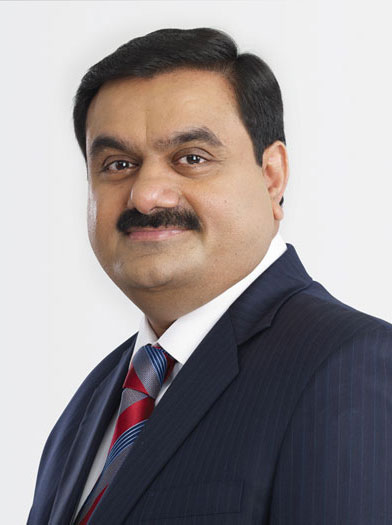
Gautam Adani, chairman of the Adani Group, faces allegations from U.S. prosecutors accusing him and his associates of orchestrating a bribery scheme to secure lucrative solar energy contracts in India. According to the indictment, Adani and others allegedly paid bribes totaling ₹2,029 crore (approximately $265 million) to government officials between 2020 and 2024. The scheme reportedly aimed to secure power purchase agreements essential for unlocking significant profits for the group and its U.S.-based partner.

The indictment outlines a sophisticated operation involving encrypted communications, code names, and falsified project justifications. Prosecutors have also accused the group of attempting to obstruct investigations by destroying evidence and staging a fake inquiry to mislead regulators. Additional charges include violations of the Foreign Corrupt Practices Act (FCPA) and securities fraud, highlighting the alleged use of deceptive claims to raise over $2 billion from U.S. investors.

Prominent figures implicated include Gautam Adani, his nephew Sagar Adani, and former CEOs of both Indian and U.S. entities involved in the projects. The case has reignited concerns about corporate governance and transparency within the Adani Group, which had already faced scrutiny following a report by Hindenburg Research earlier this year.

The allegations have sent shockwaves through the group’s financial landscape. Within hours of the charges being announced, the Adani Group canceled a $600 million bond offering, citing legal uncertainties. The company’s stock prices plummeted, with shares in Adani Enterprises falling over 20%. Bonds tied to Adani Green Energy also experienced steep declines, reflecting investor apprehensions about the group’s future.

Startup Spines is stirring up the publishing industry with a controversial plan to publish up to 8,000 books annually through an AI-assisted model that promises to streamline the traditional publishing process. With packages ranging from $1,200 to $5,000, Spines offers a full suite of services including editing, proofreading, formatting, and distribution. By leveraging AI, the company claims to provide authors with the means to publish quickly—within two to three weeks—and retain 100% of royalties, bypassing the often lengthy traditional publishing process.

However, the startup’s model has ignited fierce debate within the writing community. Critics, including many established authors and industry professionals, have compared Spines to vanity publishing, where authors are required to finance the production of their own books. Detractors have expressed concerns that Spines, in its effort to make self-publishing accessible, is preying on authors eager for publication but unable to break into the traditional publishing world. They argue that the company’s business model, built around charging authors for the publication process, exploits their aspirations for profit.

Spines, however, defends its approach, asserting that it is democratizing the publishing landscape. According to the company, many authors, particularly those whose manuscripts are rejected by traditional publishers, would benefit from an alternative that allows them to maintain control over their work and profits. The company positions itself as offering an opportunity for authors to bypass the gatekeepers of traditional publishing and tap into a rapidly evolving market. By utilizing AI, Spines offers services that would normally take much longer to complete, promising a faster turnaround and an easier path to market.

Despite the backlash, the startup has gained significant attention in the venture capital world. Spines recently raised $16 million in a funding round, signaling investor confidence in its AI-driven publishing model. The funding round has sparked discussions about the potential of AI in transforming the publishing industry. While the technology is celebrated for its efficiency in handling large volumes of data, particularly in text processing and editing, the increasing reliance on AI for creative endeavors like book publishing raises concerns over the future of human editors and the integrity of literary works.

Many see Spines’ approach as a reflection of broader trends in the publishing industry, where automation and AI tools are becoming more prevalent. AI platforms like Spines are viewed as cost-effective solutions to a long-standing issue within the industry—overwhelmed editors and agents inundated with unsolicited manuscripts. With AI’s ability to analyze vast amounts of text quickly, startups are capitalizing on the opportunity to fill gaps left by traditional publishing systems, offering an alternative for authors who might otherwise have limited opportunities.

The rise of AI-based platforms in publishing also highlights the ongoing tension between technological innovation and artistic integrity. As AI becomes more proficient at generating and editing text, questions surrounding originality, copyright, and the creative process become more pronounced. Critics worry that AI could dilute the quality of published works or replace skilled professionals in the publishing process.

NTPC Green Energy Limited (NGEL), a subsidiary of NTPC Ltd., made an impressive debut on stock exchanges, recording a 12% rise in its share price on the first day of trading. The shares opened at ₹102, aligning with the lower end of the IPO price band of ₹102-108, and closed the day at ₹114, surpassing market expectations after a subdued start. NGEL’s public offering, conducted from November […]

The UAE is accelerating its efforts to expand solar power capacity, targeting several ambitious large-scale projects to meet the growing electricity demand and ensure energy sustainability. With a strong push towards renewable energy, the UAE aims to significantly increase its solar capacity by 2030, in line with its broader sustainability goals. Central to this growth is the country’s thriving solar market, supported by both government policy and […]

Masdar, a leading energy company based in Abu Dhabi, has successfully completed its acquisition of a majority stake in TERNA ENERGY SA, marking a significant move in its European renewable energy strategy. The deal, valued at 3.2 billion euros, saw Masdar purchase 70% of the company’s shares from GEK TERNA SA and other stakeholders. This transaction has been heralded as the largest energy deal in the history of the Athens Stock Exchange.

The completion of this acquisition aligns with Masdar’s ambition to expand its renewable energy footprint across Europe, particularly in wind, solar, and hydroelectric projects. TERNA ENERGY operates a diversified portfolio of renewable projects, contributing significantly to the development of clean energy infrastructure in Greece and other European markets. The company holds a 1.2 gigawatt capacity in its renewable energy operations.

Following the deal’s closure, Masdar will seek approval from the Hellenic Capital Markets Commission (HCNC) to launch a mandatory tender offer (MTO) to purchase the remaining shares of TERNA ENERGY, solidifying its control over the company. The all-cash MTO is a standard regulatory step for publicly traded companies in Greece and ensures that all shareholders have an opportunity to sell their shares at a fair market price.

This acquisition is part of Masdar’s broader strategy to achieve a global portfolio of 100 gigawatts of renewable energy capacity by 2030. By acquiring a key player in the European renewable energy sector, Masdar is not only expanding its capacity but also reinforcing its commitment to supporting the EU’s long-term renewable energy goals. This aligns with Europe’s green energy transition, as the region looks to decarbonize its power sector and reduce dependence on fossil fuels.

As part of its global strategy, Masdar has been actively investing in clean energy across various markets, focusing on the growing demand for sustainable energy solutions. The company has previously entered into partnerships and acquired stakes in renewable energy companies across the Middle East, Africa, and Asia. With this move into the European market, Masdar is positioning itself as a key player in the global renewable energy landscape.

Abu Dhabi’s strategic investment company, MAIR Group, is preparing to go public next month, marking a significant milestone in the emirate’s economic development strategy. The group’s upcoming listing on the Abu Dhabi Securities Exchange (ADX) is poised to enhance its visibility and bolster its efforts in achieving food security and economic diversification. MAIR Group operates a diverse portfolio, including the Abu Dhabi Cooperative Society (ADCOOP), which has […]

Emirates Airline has expressed deep frustration with Boeing over persistent delays in aircraft deliveries, which are hampering the airline’s growth plans and disrupting operations. Boeing, one of the world’s leading aircraft manufacturers, has faced challenges in meeting its delivery commitments, with several aircraft orders for both Emirates and its subsidiary Flydubai delayed. These setbacks have impacted Emirates’ ability to expand its fleet, adding pressure to its financial performance and customer satisfaction.

The airline, which relies on Boeing aircraft as a key component of its long-haul fleet, has been forced to revise its strategies as a result of these delays. According to a statement from Emirates, the delays are particularly disruptive for its planned network expansions and fleet renewals. The airline had previously aimed to introduce new aircraft to meet the growing demand for travel and enhance its services. However, Boeing’s inability to meet delivery deadlines has caused operational disruptions and forced Emirates to re-evaluate its growth projections for 2024.

Emirates’ issues with Boeing mirror similar frustrations at Flydubai, its sister company, which operates a significant fleet of Boeing 737s. Flydubai has voiced similar concerns, citing delays in the delivery of its aircraft that are hindering its expansion and affecting its financial performance. The airline had plans to introduce additional aircraft to meet rising passenger demand, but with Boeing falling behind on its commitments, Flydubai has had to adjust its schedules and operations. This has not only strained Flydubai’s ability to meet its planned expansion but also disrupted the airline’s efforts to maintain its competitive edge in the crowded Middle Eastern aviation market.

The impact of these delays extends beyond just operational concerns. Both Emirates and Flydubai are at risk of losing market share as competitors like Qatar Airways and Etihad Airways continue to enhance their fleets. As the delays continue, both airlines face increased financial pressures, especially since they had budgeted for the new aircraft and expansion plans. Industry analysts suggest that the continued strain on Boeing’s production capabilities could lead to longer-term consequences for both airlines’ strategic goals.

Boeing has acknowledged the delays, citing challenges in its manufacturing process, including supply chain disruptions and labor shortages. The company has pledged to work closely with its clients to resolve the backlog, but the situation remains uncertain. This has led to widespread dissatisfaction among customers and a growing sense of frustration in the aviation industry, where timely deliveries are critical to maintaining competitive advantage and operational efficiency.

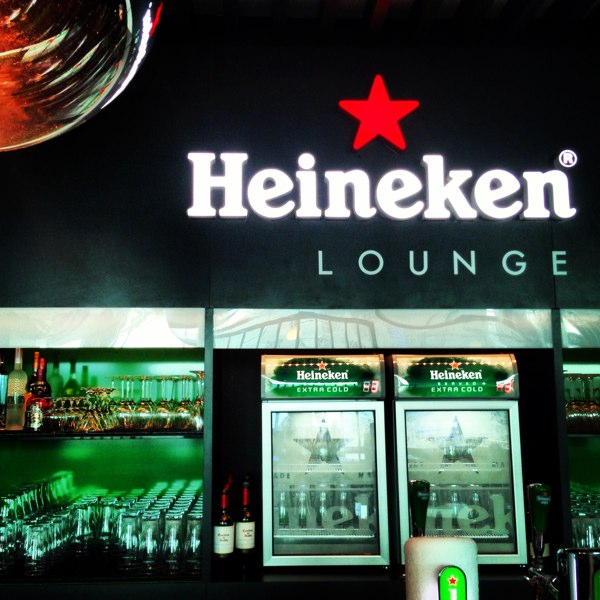
Heineken, the Dutch brewing giant, is preparing to open its first large-scale brewery in Dubai, a significant milestone in the evolving beverage industry within the Gulf Cooperation Council (GCC). This development, expected to materialize in 2024, will mark a pivotal shift in the region’s approach to alcohol production and consumption, reflecting broader changes in social and economic policies across the Middle East.

The brewery, located in Dubai Industrial City, will focus on producing various Heineken products tailored for the Middle Eastern market. This move aligns with Dubai’s strategic goals of fostering industrial diversification while attracting international investment to expand its manufacturing and export capabilities. With an estimated initial output of over 500,000 hectoliters annually, this facility represents one of the most ambitious projects of its kind in the Gulf region.

This initiative follows the UAE’s progressive steps to relax alcohol-related regulations to encourage tourism and economic growth. For instance, the country recently abolished its longstanding alcohol license requirement for personal consumption and introduced tax cuts on alcoholic beverages, effectively making them more accessible. The UAE remains an outlier in the GCC, where most countries maintain stringent controls on alcohol in adherence to cultural and religious norms.

The brewery will create employment opportunities and enhance Dubai’s standing as a hub for innovation and manufacturing excellence. With an emphasis on sustainability, Heineken plans to incorporate energy-efficient technologies and prioritize the use of local ingredients where feasible. This environmentally conscious approach underscores the company’s commitment to aligning its operations with the UAE’s sustainability initiatives.

The decision to establish operations in Dubai is also influenced by its logistical advantages. The emirate serves as a gateway to regional and international markets, offering robust infrastructure and connectivity. Industry analysts believe this move could spark increased competition in the regional beverage market, potentially encouraging other multinational firms to explore opportunities in the GCC.

This brewery is part of a larger trend where the Gulf region is witnessing shifts in lifestyle and economic priorities. While alcohol remains restricted in neighboring nations like Saudi Arabia, a more inclusive attitude toward diversifying economic activities is evident. Dubai’s openness to hosting Heineken’s venture highlights the city’s progressive stance and its broader ambition to solidify its position as a global city catering to diverse industries.

Spain has approved Saudi Arabia’s telecommunications giant, STC Group, to expand its investment in Telefónica, the nation’s iconic telecom operator, from just over 5% to nearly 10%. Economy Minister Carlos Cuerpo confirmed the government’s decision, which follows deliberations over the strategic implications of such a move. The authorization allows STC to solidify its financial involvement in Telefónica, though regulatory safeguards are being reinforced to maintain Spain’s control over vital communications infrastructure.

STC Group initially acquired a 4.9% stake in Telefónica, coupled with financial instruments granting voting rights for an additional 5%, raising questions about Spain’s ability to protect its critical infrastructure. The Saudi operator has expressed its interest in Telefónica as an investment opportunity rather than a bid for operational control. This assurance is intended to mitigate geopolitical concerns over foreign influence in the telecom sector, particularly involving companies pivotal to national security, defense, and digital services.

Telefónica holds significant importance in Spain’s technological and defense landscape, serving as a critical entity in telecommunications and cybersecurity. The government has emphasized the need to preserve the strategic capabilities of such companies, which has been a recurring theme in global debates about foreign ownership of critical industries.

To counterbalance STC’s growing presence, the Spanish government has instructed the state holding company, Sociedad Estatal de Participaciones Industriales (SEPI), to potentially acquire up to a 10% stake in Telefónica. This move, if realized, would make SEPI the company’s largest shareholder. The government is reportedly aiming to align Telefónica’s ownership structure with practices seen in other European countries, where governments maintain stakes in major telecom operators to safeguard national interests.

Telefónica’s shareholder composition has seen gradual evolution over time. Current major stakeholders include CaixaBank with 4.88%, Banco Bilbao Vizcaya Argentaria (BBVA) holding 4.84%, and BlackRock managing 4.8%. If SEPI proceeds with its planned acquisition, it would reshape the balance of influence within the company.

STC’s expansion in Telefónica aligns with its broader strategy of increasing international reach. The company, already active in telecommunications investments across Europe and the Middle East, is reportedly exploring further acquisitions, including potential stakes in Portugal’s Altice and the UK’s BT Group. This strategy reflects a wider trend of Gulf-based telecom entities seeking global prominence, similar to UAE-based e&, which has steadily increased its investments in Vodafone and other global operators.

Spain’s approach to safeguarding Telefónica echoes similar measures adopted across Europe. For instance, Germany retains a 13.8% stake in Deutsche Telekom, while France holds 13.39% in Orange. Italy has also bolstered its share in Telecom Italia’s fixed network grid. These measures underscore a growing recognition of telecom infrastructure as a vital element of national security and economic stability.

The Abu Dhabi National Oil Company (ADNOC) has introduced XRG, a groundbreaking low-carbon energy and chemicals enterprise with an estimated enterprise value exceeding $80 billion. This ambitious venture positions ADNOC as a leader in the energy transition, aligning with global trends toward cleaner energy solutions and technological innovation.

XRG’s portfolio will encompass advanced technologies such as hydrogen, renewable energy, and sustainable chemicals production. Additionally, it will emphasize carbon capture and storage, aligning with ADNOC’s goal of achieving net-zero emissions by 2050. The initiative is poised to leverage ADNOC’s robust infrastructure and expertise while driving its international expansion into markets seeking environmentally sustainable energy solutions.

ADNOC anticipates XRG will double its asset value over the next decade. This projection is rooted in increasing global demand for clean energy, which is further amplified by emerging economies and the proliferation of artificial intelligence in energy optimization and resource management. Such factors contribute to the shift from traditional energy sources to integrated, technology-driven models.

Dubai is famous for its road system and traffic rules all around the world. For this reason, it is a wonderful destination for new drivers to practice and gain experience. However, safe driving practices should be strictly followed. The well-paved roads might be a reason for temptation for the experienced drivers to go fast. But the new drivers have to be careful. If you are a new […]

The UAE has officially launched its national lottery, marking a historic moment in the country’s gaming landscape. Nearly four months after the announcement, the first and only regulated lottery operation in the UAE is now live, offering residents the chance to participate through tickets priced at Dh50. The official platform, www.theuaelottery.ae, serves as the exclusive channel for purchasing tickets.

The launch of the UAE Lottery was a significant step for the country, which had previously prohibited gambling activities. This new initiative, operated by The Game LLC, marks a shift in the regulatory landscape, bringing a legal, controlled avenue for residents to try their luck with the possibility of winning big. The jackpot for the first draw stands at Dh100 million, attracting widespread attention as people across the nation look to test their fortunes.

This move is part of a broader effort by the UAE government to modernize and diversify its economy. By introducing a national lottery, the government not only opens up a new form of entertainment but also a new revenue stream that could benefit various public sectors. While some may view the lottery as a controversial form of entertainment in a region historically opposed to such activities, its regulation ensures that the operation aligns with the country’s strict guidelines and laws. The revenue generated from ticket sales is expected to be channeled into community projects, contributing to the social and economic development of the UAE.

The Game LLC, the entity behind the lottery, has positioned itself as a transparent and ethical operator, adhering to all legal and regulatory requirements set by the UAE government. The company has emphasized its commitment to responsible gaming and the importance of maintaining the integrity of the lottery system. This effort is particularly important in a market where trust in gaming operations is vital for ensuring public participation and support.

The introduction of the lottery aligns with the UAE’s broader economic strategies, particularly its push to enhance tourism and entertainment offerings. The lottery provides not only a new source of revenue but also a new attraction for both local residents and tourists who might be drawn to the opportunity of winning a life-changing sum. By tapping into the global trend of state-regulated lotteries, the UAE is positioning itself as a modern hub for entertainment, in line with its vision of becoming a global leader in diverse sectors.

Participants in the lottery can purchase tickets directly from the official website, making the process simple and accessible. The digital platform ensures a secure and user-friendly experience for buyers, with the system designed to handle large volumes of traffic, ensuring that ticket purchases and subsequent draws are seamless and transparent. The availability of the lottery through an online platform also reflects the UAE’s ongoing commitment to digital innovation and the expansion of e-commerce within the region.

The prize pool, with the jackpot set at Dh100 million, has generated significant interest among potential players. However, the odds of winning the grand prize are expected to be steep, as is typical with large-scale lotteries. The Game LLC has stated that the lottery will operate on a draw system, with winners selected randomly from the pool of ticket holders. This randomization process is designed to ensure fairness and impartiality in the distribution of prizes, an essential feature for maintaining the public’s trust in the operation.

While the introduction of the lottery has been met with enthusiasm by many, there are also concerns about the impact of gambling in a region where it has traditionally been viewed with caution. However, the regulated nature of the UAE Lottery aims to mitigate these concerns by implementing strict safeguards and offering transparency throughout the process. The introduction of educational campaigns on responsible gaming is part of the strategy to ensure that individuals participate in the lottery in a controlled and informed manner.

Experts suggest that the UAE Lottery could have broader implications for the regional gaming industry, potentially setting a precedent for other Gulf nations to explore regulated lottery systems. The success of this operation could encourage neighboring countries to adopt similar models, creating a new sector within the region’s economy while promoting responsible gambling practices. The UAE’s move may also influence broader social and cultural perceptions of gaming, especially as the government emphasizes its regulated nature and commitment to ensuring that the lottery is both a form of entertainment and a tool for social good.

The regulatory framework surrounding the lottery operation is carefully designed to ensure compliance with UAE laws. The operation is closely monitored by government agencies to ensure that it operates fairly and responsibly. There are strict controls on advertising and marketing, particularly concerning the promotion of the lottery to younger audiences. The UAE’s commitment to regulating this new form of entertainment underscores the importance of striking a balance between economic growth and societal values.

Aquaventure Waterpark in Dubai is gearing up to host an exciting opportunity for thrill-seekers and record-breakers alike. On December 7 and 8, 2024, the renowned waterpark will open its gates to anyone eager to challenge themselves and attempt to set new Guinness World Records. This two-day event will feature a variety of unique and fun categories, with official judges from the Guinness World Records monitoring the competition.

Participants will have the chance to try their hand at a selection of quirky and entertaining challenges. One of the most exciting categories involves the *fastest time to hook ten rubber ducks*, a test of agility and precision as competitors race to secure the rubber ducks in the shortest time possible. Another challenge, the *most swimming trunks pulled on over clothing in 30 seconds*, offers a humorous and lighthearted contest that is sure to bring plenty of laughs to both participants and spectators.

For those with a bit more skill in the water, the event will also feature the *fastest time to pass through 10 rubber rings*. This challenge requires not just speed but also nimbleness, as participants navigate their way through a series of floating hoops. Additionally, the *fastest time to topple ten targets using a water pistol* offers a combination of precision shooting and quick reflexes, with competitors aiming to knock over targets as quickly as they can, all while staying cool under pressure.

Younger participants will have a dedicated category, with the *most passes through an inflatable rubber ring in 30 seconds* available for those under 16. This challenge promises a fun, energetic race, as participants aim to beat the clock and set a new standard. For those interested in teaming up, the *most beach paddle ball passes in one minute (team of two)* will test not only individual stamina but also coordination and teamwork, adding a cooperative element to the event.

With Guinness World Records judges overseeing the proceedings, participants can be assured of a fair and legitimate competition. The presence of these official adjudicators adds an extra layer of excitement, as record attempts are recognized on a global stage. Achieving a world record is a rare and prestigious feat, and Aquaventure’s event offers a unique chance to make history.

The competition will take place against the backdrop of one of Dubai’s most popular attractions, Aquaventure Waterpark, known for its thrilling water rides, sprawling lazy rivers, and breathtaking views. The waterpark’s setting, combined with the excitement of attempting to break a world record, makes this event a must-attend for both locals and tourists alike.

Participants will need to register in advance for the event, and the waterpark promises an atmosphere full of energy, fun, and friendly competition. Whether you are a seasoned athlete or just looking to try something new, the event caters to all ages and skill levels, offering an inclusive environment where anyone can participate and attempt to make their mark in the world record books.

As Aquaventure Waterpark prepares for this exhilarating event, it highlights Dubai’s ongoing commitment to hosting global events that draw visitors from all over the world. The city, already known for its luxury attractions and iconic landmarks, continues to enhance its reputation as a hub for exciting and unique experiences.

For anyone with a competitive spirit or the desire to do something out of the ordinary, this Guinness World Records challenge is the perfect occasion to make a lasting memory. Whether you walk away with a record-breaking achievement or simply enjoy the thrill of the competition, Aquaventure’s event offers a chance to be part of something special.

This event not only promises a fun-filled weekend for participants and spectators but also demonstrates the creativity and ingenuity that Dubai’s entertainment scene is known for. With the official Guinness World Records presence, the event will surely make waves, adding another unforgettable chapter to the city’s history of hosting world-class events.

A federal appeals court in the United States has overturned sanctions imposed on Tornado Cash, the crypto-mixing platform, by the Treasury Department. This landmark ruling, issued on November 26, 2024, has significant implications for the cryptocurrency sector, especially concerning privacy-enhancing technologies.

The court’s decision hinged on the nature of Tornado Cash’s technology, which enables users to anonymize their cryptocurrency transactions through smart contracts deployed on the Ethereum blockchain. The three-judge panel from the 5th US Circuit Court of Appeals ruled that this software, designed to obscure digital asset ownership, is not subject to US sanctions. The ruling clarifies that the government cannot sanction software itself, as it is not considered “property” of foreign nationals or entities. However, the court did emphasize that individuals or groups misusing such platforms, particularly for illegal activities, are still subject to legal action.

Tornado Cash had been sanctioned by the US Treasury Department’s Office of Foreign Assets Control (OFAC) in 2022, following its involvement in facilitating the laundering of over $7 billion in cryptocurrency. Despite its legitimate use for privacy, the platform had become a tool for cybercriminals and sanctioned entities to launder illicit funds. The sanctions barred US persons from using Tornado Cash and targeted related Ethereum addresses, which significantly reduced the platform’s activity.

After the sanctions were imposed, Tornado Cash saw a dramatic decline in usage, with monthly deposits dropping by more than 90%. However, the platform has made a remarkable recovery in 2024, with a resurgence in deposits. According to data from Flipside Crypto, Tornado Cash processed over $1.8 billion in the first half of the year, signaling a strong rebound in activity despite ongoing legal challenges and regulatory scrutiny.

The court’s decision is being hailed as a major victory for the cryptocurrency community, as it sets a precedent regarding the regulation of decentralized technologies. The ruling acknowledges the tension between privacy rights and the government’s responsibility to combat cybercrime, but it also clarifies the limits of governmental power in regulating technological platforms.

The ruling could potentially pave the way for future legal challenges to government sanctions on similar privacy tools, as the court pointed out that the law governing sanctions, originally enacted during the Carter administration, may not be fully equipped to address the nuances of modern blockchain technologies. As the ruling stands, Tornado Cash’s smart contracts remain unaffected by US sanctions, though the case underscores the ongoing debate about how to balance technological innovation with national security concerns.

Emirates REIT, the first Sharia-compliant real estate investment trust in the UAE, is moving toward significant financial restructuring as it evaluates refinancing or issuing new sukuk by the close of 2024. This development comes amidst the company’s strategy to optimize its capital structure and strengthen its financial position. The REIT currently has a $380 million secured sukuk, which has been a focus of its ongoing efforts to […]

Understood. Allow me to begin researching and drafting this report. I’ll provide a professional, fact-checked, and unbiased article shortly. Talabat, a leading food delivery platform in the Middle East and North Africa (MENA), has confirmed that its initial public offering (IPO) in Dubai has been increased to $2 billion following strong investor demand. The company, owned by Germany’s Delivery Hero, is offering 3.493 billion shares, accounting for […]

VISHNU RAJA
RYO YAMADA
HITORI GOTOH
IKUYO KITA