News related to
Dubai

Bitcoin’s network hashrate has achieved a new all-time high, reflecting a surge in mining activity and bolstered network security. As of March 24, 2025, the hashrate peaked at 1,088.76 exahashes per second , surpassing previous records and indicating significant growth in computational power dedicated to the network.

This milestone coincides with Bitcoin’s price surpassing the $100,000 threshold, reaching a peak of $103,259 before stabilizing around $102,648. The price surge has been partly attributed to political developments, including President-elect Donald Trump’s appointment of Paul Atkins, a pro-crypto figure, to lead the Securities and Exchange Commission .

The correlation between Bitcoin’s hashrate and its market price has been a topic of analysis among industry experts. Historically, an increase in hashrate has often preceded price appreciation, as miners’ confidence in the network’s profitability grows. Conversely, a rising price can incentivize more miners to join the network, further increasing the hashrate. This interplay suggests a symbiotic relationship where each factor can drive the other.

The recent surge in hashrate indicates a substantial increase in mining activity. This growth enhances the network’s security by making it more resilient to potential attacks. However, it also intensifies competition among miners, leading to higher operational costs and potential profit margin compression.

In response to these dynamics, some mining companies have adopted strategies to mitigate financial pressures. For instance, major U.S. miners have been stockpiling Bitcoin to navigate thinning profit margins amid escalating competition and operational costs. Companies like Mara Holdings, Riot Platforms, and CleanSpark have collectively raised over $3.7 billion since November 2024, leveraging the cryptocurrency’s price surge to bolster their reserves.

President Donald Trump’s declaration of “Liberation Day” introduced sweeping tariffs on imports, triggering significant upheaval in global energy markets. The administration announced a baseline tariff of 10% on all imported goods, with elevated rates for specific countries accused of nonreciprocal or discriminatory trading practices. These measures have prompted widespread market volatility and raised concerns about potential economic slowdowns. Oil prices experienced a sharp decline following the tariff […]

President Donald Trump’s administration has announced sweeping tariffs, including a baseline 10% levy on all imports into the United States, with higher rates for specific countries. This development has prompted companies across the Middle East to evaluate potential repercussions and strategize accordingly. The Gulf Cooperation Council nations—comprising Saudi Arabia, the United Arab Emirates , Qatar, Kuwait, Oman, and Bahrain—are subject to the 10% tariff. Given that many […]

The Organization of the Petroleum Exporting Countries and its allies, collectively known as OPEC+, have announced a significant policy shift by accelerating oil production increases. This decision, made during a virtual meeting on Thursday, involves eight member countries—Saudi Arabia, Russia, Iraq, the United Arab Emirates, Kuwait, Kazakhstan, Algeria, and Oman—agreeing to boost output by 411,000 barrels per day starting in May. This adjustment consolidates three months’ worth of planned increases into a single month, surpassing the initially scheduled 135,000 bpd increment.

This move aims to discipline member nations that have been exceeding their production quotas and to address concerns over market stability. The coalition emphasized that these adjustments could be paused or reversed depending on evolving market conditions, underscoring their commitment to maintaining equilibrium in the global oil market.

The announcement had an immediate impact on oil prices. Brent crude futures dropped by 7.1%, settling at $69.63 per barrel, while West Texas Intermediate declined by 7.8% to $66.15 per barrel. These declines represent the steepest single-day percentage drops since mid-2022, reflecting market apprehension about potential oversupply amid existing economic uncertainties.

Compounding these market jitters are newly announced tariffs by U.S. President Donald Trump. The administration has imposed a baseline tariff of 10% on imports from several global economies, raising fears of an escalating trade war that could dampen global economic growth and, consequently, reduce energy demand. Analysts have noted that these tariffs could lead to increased inflation and slower economic expansion, particularly affecting emerging markets in Asia, which are pivotal centers for oil demand growth.

The timing of OPEC+’s decision aligns with these geopolitical developments. By increasing supply, the alliance appears to be responding to external pressures, including calls from major consumers for more affordable energy prices. However, this strategy carries risks, as it may exacerbate price volatility and strain relations within the group, especially with members that have been advocating for more conservative production increases.

Market analysts are closely monitoring the situation, noting that the combination of heightened supply and potential demand contraction due to trade tensions could lead to a surplus in the oil market. This scenario may prompt OPEC+ to reassess its strategy in the coming months to prevent a prolonged downturn in prices.

The United Arab Emirates’ non-oil private sector experienced a deceleration in growth during March, as indicated by the latest S&P Global Purchasing Managers’ Index . The index declined to 54.0 from February’s 55.0, marking the lowest point since September. Despite this dip, the PMI remains above the 50.0 threshold, signifying continued expansion in the sector.

The moderation in growth is primarily attributed to a slowdown in new order inflows, which have decreased for the third consecutive month. The new orders index fell to 56.3 in March from 57.3 in February, reaching its weakest level since October. This trend suggests a tapering in demand momentum within the UAE’s diversified economy.

In response to mounting backlogs, companies have accelerated their input purchases at the fastest rate since July 2019. This proactive approach aims to address operational pressures and maintain service levels. However, employment growth has softened, registering its slowest pace in nearly three years, as firms encounter challenges in recruitment and workforce expansion.

Input prices have seen a moderate rise, with some businesses facing increased material costs, while others benefit from reduced transportation expenses. This nuanced cost landscape reflects the complex dynamics influencing the sector’s operational environment.

Dubai’s non-oil private sector also mirrored this slowdown, with its PMI dropping to a five-month low of 53.2 from 54.3 in February. The emirate experienced a rare reduction in employment levels, despite a continued, albeit slower, increase in new orders.

Nevertheless, businesses across the UAE maintain a positive outlook regarding future growth prospects. This optimism is underpinned by robust project pipelines and ongoing national infrastructure developments, which are expected to bolster the non-oil sector’s performance in the coming months.

President Donald Trump’s administration has announced a sweeping tariff regime, imposing a baseline 10% duty on all imports into the United States, with significantly higher rates targeting specific countries. This move, described by Trump as a “Declaration of Economic Independence,” aims to rectify what he perceives as longstanding trade imbalances. However, the policy has elicited widespread concern, particularly regarding its impact on developing economies. Among the hardest […]

President Donald Trump has announced a comprehensive tariff strategy, imposing a baseline 10% duty on all imports into the United States, with significantly higher rates targeting approximately 60 countries. This move, declared during a White House event termed “Liberation Day,” aims to address trade imbalances and bolster domestic industries. Under the new policy, key trading partners will face steep tariffs: China is subjected to a 34% duty, […]

Advertisements

Dubai-based Edgnex Data Centers, a subsidiary of the Damac Group, has acquired Finnish data center company Hyperco, marking a significant expansion into the Nordic region. The financial terms of the deal have not been disclosed. Hyperco operates data centers in Finland and Sweden, leveraging the region’s sustainable energy resources, mature digital ecosystems, and high connectivity. The company’s three co-founders and existing team will continue to lead operations […]

e& PPF Telecom Group, a joint venture between Emirates Telecommunications Group Company and Czech-based PPF Group, has finalized the acquisition of Serbia Broadband for €825 million. This transaction, structured on a cash-free, debt-free basis, was financed through external debt secured by e& PPF Telecom.

SBB, established in 2002, is a leading cable television and broadband internet service provider in Serbia, boasting over 700,000 active customers. The acquisition aligns with e&’s strategic ambition to scale up its international presence in Central Eastern Europe, diversify revenue sources with greater exposure to stable currencies, and accelerate growth in e& PPF Telecom.

The deal also involves the carve-out of SBB’s direct-to-home satellite operations, which will be sold to Telekom Srbija. United Group, the previous owner of SBB, will retain its media assets, including news and entertainment channels N1 and Nova S, which will continue to be broadcast by SBB.

Balesh Sharma, CEO of e& PPF Telecom Group, expressed confidence in the acquisition, stating that it would allow the company to complement existing services offered to Yettel customers in Serbia and provide a wider suite of offerings to SBB subscribers. He emphasized that customers would benefit from the synergies brought about by this transaction.

This acquisition is part of e&’s broader strategy to expand its footprint in Central Eastern Europe. In October 2024, e& acquired a 50% stake plus one share in PPF Telecom Group’s assets in the region for €2.15 billion, forming the e& PPF Telecom Group. This joint venture now operates in Serbia, Hungary, Bulgaria, and Slovakia, with a focus on expanding its telecommunications portfolio.

The completion of the SBB acquisition is expected to enhance e& PPF Telecom Group’s operations in Serbia by integrating SBB with its existing mobile operator, Yettel. This integration aims to create a leading converged operator in the Serbian market, offering both fixed-line and mobile services.

United Group’s decision to divest SBB aligns with its strategy to focus on markets where it can provide the full spectrum of mobile and fixed telecommunication services. Victoriya Boklag, CEO of United Group, stated that the divestment would enable the company to realize the greatest potential for growth and value creation.

Google is actively addressing an issue affecting its Pixel smartphones, where the “At a Glance” widget has been displaying outdated weather forecasts. Users have reported discrepancies, noting that while the current temperature appears accurate, the high and low forecasts are incorrect. In some instances, the widget displayed the previous day’s forecast as today’s and today’s forecast as tomorrow’s. A Google spokesperson stated that the company is rolling […]

Checkout.com has partnered with Tabby to integrate Buy Now, Pay Later solutions into its platform, enabling merchants in the United Arab Emirates and Saudi Arabia to offer consumers flexible payment options at checkout. This collaboration aims to enhance the shopping experience, foster consumer loyalty, and drive business growth by providing greater flexibility at the point of purchase. The BNPL market in the Middle East has witnessed significant […]

Dubai’s leading parking management firm, Parkin, has announced a cash dividend of AED 280.9 million for the second half of 2024, slated for distribution in late April 2025. This decision reflects the company’s robust financial performance and aligns with its commitment to delivering consistent shareholder returns.

Concurrently, Parkin is set to implement a Variable Parking Tariff Policy starting 4 April 2025. This initiative, introduced in collaboration with Dubai’s Roads and Transport Authority , aims to optimise parking space utilisation by adjusting fees based on demand during specific timeframes.

Under the new policy, parking charges will vary between peak and off-peak hours. Peak periods are designated from 8:00 AM to 10:00 AM and 4:00 PM to 8:00 PM, during which premium parking zones will incur higher fees. Specifically, parking in these premium areas will cost AED 6 per hour during peak times. Off-peak hours, spanning 10:00 AM to 4:00 PM and 8:00 PM to 10:00 PM, will maintain the existing tariff structure.

The RTA has expanded the classification of premium parking zones to encompass approximately 40% of Parkin’s public parking portfolio, an increase from the previously communicated 35%. These zones are primarily located in high-demand, densely populated areas, including vicinities adjacent to public transport infrastructure. The remaining 60% of spaces will be designated as standard parking.

For multi-storey car parks , Parkin will maintain a fixed rate of AED 5 per hour, applicable 24/7. However, a maximum daily charge of AED 40 will be imposed for stays exceeding eight hours within a 24-hour period. As of the end of 2024, Parkin operated 3,200 parking spaces across six MSCPs.

Approximately 35% of Parkin’s developer parking spaces will now be subject to the Variable Parking Tariff Policy, a significant adjustment from the earlier expectation of 0%. This change is set to take effect simultaneously with the public parking tariff adjustments on 4 April 2025.

Parkin’s financial results for the fiscal year 2024 have surpassed the guidance provided during its March 2024 initial public offering . The company’s average public parking utilisation rate increased by 2.4 percentage points to 28.3%, underscoring a positive trend in demand for parking services.

The implementation of the Variable Parking Tariff Policy is part of Parkin’s broader strategy to enhance the efficiency of parking space usage across Dubai. By aligning parking fees with demand fluctuations, the company aims to improve accessibility and convenience for motorists while supporting the city’s transportation infrastructure.

Motorists are advised to acquaint themselves with the new tariff structures and zone classifications ahead of the changes to ensure compliance and avoid potential fines. Detailed information regarding the updated parking tariffs and zone designations is available on Parkin’s official website and mobile application.

Parkin’s proactive approach in adjusting its dividend payouts and parking tariffs reflects its responsiveness to market dynamics and commitment to delivering value to both shareholders and customers. As Dubai continues to evolve as a global metropolis, such initiatives are pivotal in maintaining the city’s reputation for efficient urban planning and infrastructure management.

The forthcoming changes underscore the importance of adaptive strategies in urban management, particularly in rapidly growing cities like Dubai. By implementing variable pricing models, Parkin aims to balance demand and supply effectively, ensuring that parking resources are utilised optimally.

As the implementation date approaches, stakeholders, including residents, businesses, and visitors, are encouraged to stay informed about the new parking regulations. This awareness will facilitate a smoother transition and help mitigate any potential inconveniences arising from the tariff adjustments.

Parkin’s collaboration with the RTA exemplifies a coordinated effort to enhance urban mobility and address the challenges associated with urbanisation. The Variable Parking Tariff Policy is expected to serve as a model for other cities grappling with similar issues, showcasing Dubai’s leadership in innovative urban management solutions.

In light of these developments, Parkin remains committed to monitoring the impact of the new tariff system and making necessary adjustments to ensure its effectiveness. Continuous feedback from the public will be instrumental in refining the policy to better serve the community’s needs.

The integration of technology in disseminating information about the new tariffs, through platforms like the Parkin mobile app, reflects the company’s dedication to leveraging digital tools for enhanced customer engagement and service delivery.

DUBAI, UNITED ARAB EMIRATES – EQS Newswire – 1 April 2025 – iSON Xperiences (www.iSONXperiences.com), a global leader in AI-powered digital customer experience (CX) and BPO solutions, has appointed Ricardo Langwieder as its Chief Sales Officer. Ricardo will join the executive committee and lead the company’s global expansion, revenue growth, and strategic partnerships. With over 25 years of international corporate and entrepreneurial experience, Ricardo is a recognized […]

RIYADH, SAUDI ARABIA – Media OutReach Newswire – 1 April 2025 – Recently, at JINGDONG Logistics’ warehouse in Riyadh, goods were being efficiently processed, destined not only for Middle East countries but also for parts of North Africa. Currently, JINGDONG Logistics operates five warehouses in the Middle East, including Saudi Arabia Warehouse No. 1. Last year, JINGDONG Group also established a strategic partnership with Saudi Electricity Company […]

President Donald Trump has indicated that his first international trip in his second term will likely include visits to key countries in the Middle East, namely Saudi Arabia, the United Arab Emirates , and Qatar. While speaking to the press in the Oval Office, Trump suggested the visit could occur next month, though he noted it might be slightly delayed depending on diplomatic and scheduling considerations.

This trip is expected to be a crucial moment in Trump’s foreign policy, as it will focus on reinforcing the United States’ strategic relationships in the region, particularly in the wake of his administration’s efforts to reshape the dynamics of the Middle East through initiatives such as the Abraham Accords and military partnerships. The planned visit underscores the ongoing importance of these Gulf nations as key players in both regional and global geopolitical matters, including security, energy, and economic cooperation.

The president’s statement reflects the evolving nature of U.S. foreign policy in the Middle East, where traditional alliances have been reinforced while new partnerships, especially with the UAE and Bahrain, have emerged over the past few years. The Abraham Accords, signed in 2020, have opened new avenues for diplomatic engagement in the region, with several Arab countries normalising ties with Israel, a move that has significantly altered the political landscape.

Saudi Arabia, as a longstanding ally of the United States, remains at the heart of the Middle East’s geopolitics, particularly in relation to energy markets and security concerns regarding Iran’s growing influence. Trump’s administration was marked by its staunch support for the kingdom, including a controversial stance on the murder of journalist Jamal Khashoggi and its military cooperation in the region. A visit to Riyadh would likely reaffirm these strategic ties, especially as the U.S. continues to grapple with Iran’s nuclear ambitions and its role in regional instability.

The UAE has also become an increasingly influential partner, not only in terms of energy and security but also in fostering technological innovation and investment. In addition to hosting Israeli diplomatic missions following the Abraham Accords, the UAE has positioned itself as a hub for economic development, hosting major events like Expo 2020 Dubai and advancing its space exploration programme. Trump’s engagement with the UAE signals an ongoing commitment to strengthen ties with nations that have emerged as leaders in the Middle East’s economic diversification efforts.

Qatar, a key player in regional diplomacy and a host to the massive U.S. military base at Al Udeid, will also play a central role in Trump’s plans. As a small but influential country, Qatar has positioned itself as a mediator in various regional conflicts, often serving as an intermediary between conflicting parties in the region. Trump’s relationship with Qatar has been critical, particularly in relation to military cooperation and counter-terrorism efforts, and his visit would likely reaffirm the importance of these ongoing collaborations.

While the specifics of the trip remain unclear, the White House has made it known that the president’s travels will reflect the continued prioritisation of U.S. interests in the Middle East. Following years of tension over issues such as the U.S. withdrawal from Afghanistan and its approach to Iran, the Middle East remains a focal point of U.S. foreign policy. This visit could signal a shift towards a more engaged and active approach, particularly as the region faces new challenges ranging from economic instability to security threats from non-state actors.

Experts suggest that Trump’s trip will also serve as a signal to other global powers, particularly China and Russia, of the U.S.’s commitment to maintaining its influence in the Middle East. The region’s role in global energy production, combined with its strategic location at the crossroads of Europe, Africa, and Asia, makes it a critical area for U.S. interests. Trump’s visit is expected to focus on advancing energy partnerships, countering the growing influence of China in the region, and ensuring that U.S. military presence continues to be a stabilising factor in the face of Iranian provocations and broader geopolitical shifts.

Trump’s visit comes at a time when the Middle East is witnessing significant shifts in its diplomatic and economic alignments. Saudi Arabia, for example, has begun to recalibrate its foreign policy, striking deals with China and Russia, and there are signs that the kingdom is exploring new relationships outside its traditional Western alliances. Trump’s visit could also serve to counter these new trends, reinforcing U.S. leadership in the region.

The trip could be particularly significant for the future of U.S. relations with Israel. Although Israel’s peace agreements with several Arab states have altered the region’s political landscape, U.S. support for Israel remains a cornerstone of its Middle East policy. Trump’s visit will likely address how the U.S. plans to build on these agreements while navigating the evolving dynamics between Israel and its Arab neighbours.

As Trump prepares for his visit, discussions will also revolve around the broader implications of his foreign policy agenda. The Middle East is not only a region of military importance but also a key player in the global fight against terrorism, as well as in shaping energy markets and technological innovations. Trump’s emphasis on strengthening partnerships with countries like Saudi Arabia, the UAE, and Qatar will be crucial in setting the tone for the next phase of U.S. involvement in the region.

Abu Dhabi-based Agthia Group PJSC has acquired a 100% stake in Riviere Mineral Water Desalination & Filling Factory LLC, a prominent player in the United Arab Emirates’ bottled water home and office delivery sector. This strategic move is anticipated to expand Agthia’s Water & Food segment revenues by approximately 6.5% and triple its household customer base. Established in 2003, Riviere serves customers across Abu Dhabi, Al Ain, […]

Abu Dhabi’s Mubadala Investment Company and the California State Teachers’ Retirement System have jointly committed an additional $215 million to 3650 Capital, a U.S.-based alternative commercial real estate lender. This infusion aims to bolster 3650 Capital’s lending strategies and support various investment products offering long-term, fixed-rate financing and transitional loans.

Jonathan Roth, Co-Founder and Managing Partner of 3650 Capital, expressed gratitude for the continued support from these institutional investors, emphasizing their role in enabling the firm to pursue diverse capital solutions and maintain consistent growth. He highlighted the importance of these relationships in identifying new opportunities across U.S. markets and projects.

The new capital will be allocated across 3650 Capital’s primary investment strategies. Both Mubadala and CalSTRS will invest in the Stable Cash Flow strategy, which provides long-term, fixed-rate financing, and the Real Estate Credit Solutions strategy, focused on short-term, value-add financing, including transitional loans. Additionally, CalSTRS will allocate funds to the Special Situations Investment Strategy, targeting equity and structured capital solutions for complex capital structures and loan acquisitions.

The United Arab Emirates has ascended to the forefront of global cryptocurrency adoption, marked by a 41% year-on-year increase in crypto app downloads, totaling 15 million in 2024. In January 2025 alone, the nation recorded 3.55 million installations of crypto applications, underscoring a robust and growing interest in digital assets. Projections indicate that user penetration will reach 39.1% by the end of 2025, signifying the transition of cryptocurrency from a niche interest to a mainstream financial instrument within the country.

This surge is underpinned by a proactive regulatory environment. The Dubai Financial Services Authority has expanded its list of recognized crypto tokens, while the Abu Dhabi Global Market introduced the world’s first Distributed Ledger Technology Foundations Framework, providing legal structures for blockchain-based organizations. Furthermore, the Central Bank of the UAE approved AE Coin, the nation’s inaugural dirham-pegged stablecoin, facilitating faster and more cost-effective digital transactions.

A study by Atmos, a proprietary trading platform by Taurex, highlights the UAE’s leadership in the crypto space. The research indicates a cryptocurrency ownership rate of 25.3% among the UAE population, coupled with an adoption growth rate of 210%. Despite the presence of only one Bitcoin ATM, the UAE secured the top position in the study’s rankings, reflecting the country’s deep integration of digital assets into its financial ecosystem.

The UAE’s commitment to fostering a crypto-friendly environment is further evidenced by substantial institutional investments. Abu Dhabi’s MGX, a $330 billion investment vehicle backed by Mubadala, recently acquired a $2 billion minority stake in Binance, one of the world’s leading cryptocurrency exchanges. This move aligns with the UAE’s ambition to become a global crypto hub and demonstrates confidence in the transformative potential of blockchain technology.

On a regional scale, the Middle East and North Africa have experienced significant growth in the crypto sector. Between July 2023 and June 2024, the UAE received over $30 billion in cryptocurrency, ranking among the top 40 globally and establishing itself as MENA’s third-largest crypto economy. This influx underscores the UAE’s pivotal role in the regional digital asset landscape.

Abu Dhabi’s sovereign investor, ADQ, has solidified its position in the logistics sector by acquiring a majority stake in Dubai-listed courier firm Aramex. This development follows a voluntary conditional cash offer initiated through its subsidiary, Q Logistics Holding LLC. Q Logistics obtained acceptances representing 40.57% of Aramex’s shares. Prior to this offer, ADQ already held a 22.69% stake in Aramex via the Abu Dhabi Ports Group, in […]

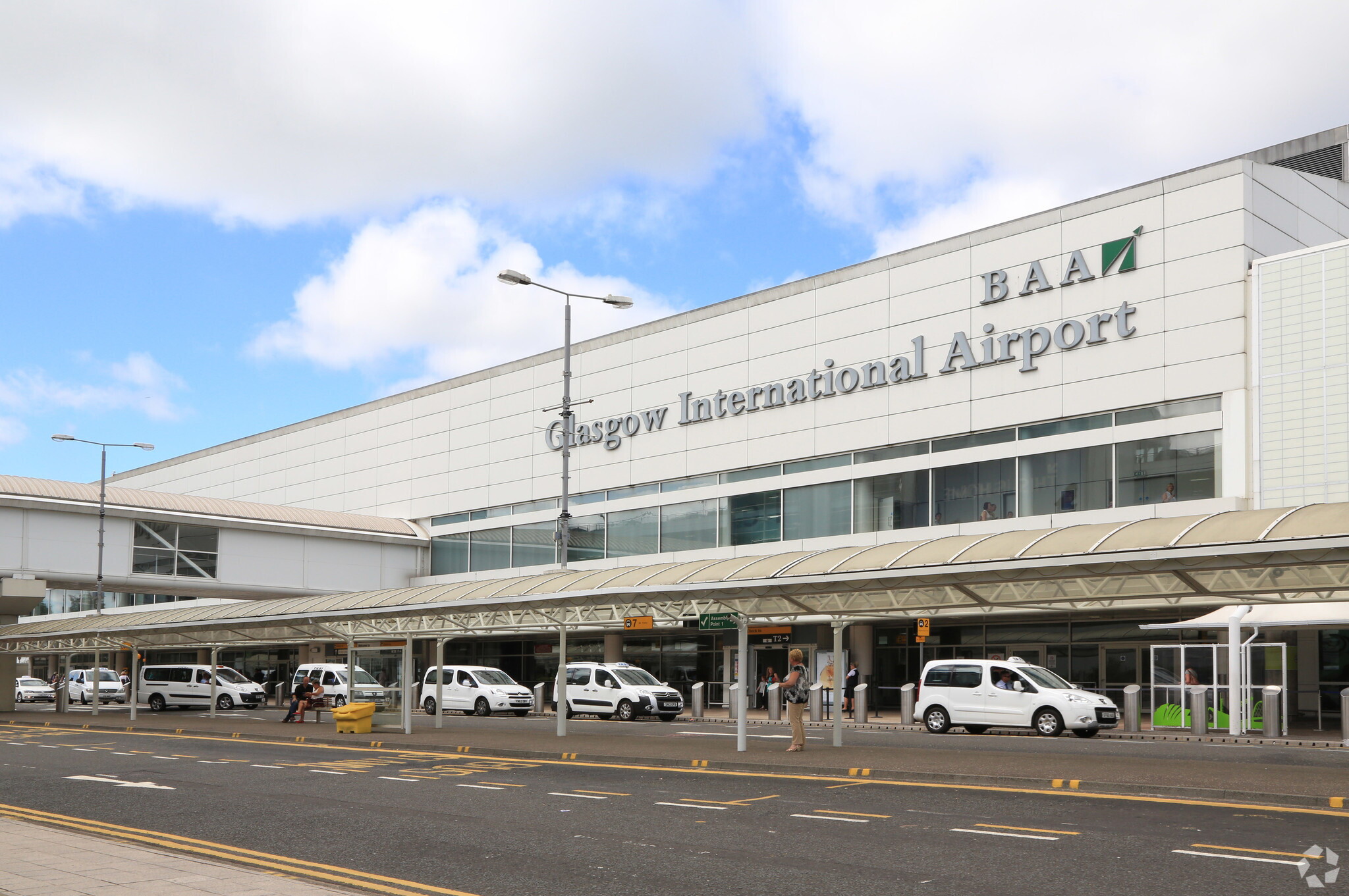
Blackstone, the US-based private equity firm, has agreed to acquire a 22% stake in AGS Airports, the operator of Aberdeen, Glasgow, and Southampton airports, for £235 million. The remaining 78% stake will continue to be held by AviAlliance, a subsidiary of the Canadian pension investor PSP Investments.

AGS Airports serves over 11 million passengers annually. The investment by Blackstone is aimed at supporting the growth of the UK’s travel and tourism industries. Greg Blank, CEO of Blackstone Infrastructure Strategies, highlighted that transportation remains a key focus area for the firm, citing the strong global growth in leisure travel.

AviAlliance, known for its investments in airports such as those serving Athens, Düsseldorf, Hamburg, and San Juan in Puerto Rico, acquired AGS last year from Ferrovial and Macquarie at an enterprise value of £1.5 billion. Sandiren Curthan, PSP’s global head of infrastructure investments, emphasized that both PSP and Blackstone are like-minded investors with long-term patient capital to support the development of AGS.

In a related development, Qatar’s Lesha Bank has indirectly acquired a stake in Edinburgh Airport through an investment in an infrastructure-focused fund managed by a renowned infrastructure fund manager. This move marks Lesha Bank’s entry into the global infrastructure investment market and aligns with its strategic focus on resilient asset classes.

These transactions reflect a broader trend of increased private investment in UK transport infrastructure. Private investors currently back several of the UK’s leading airports, including London’s Heathrow and Gatwick. Last year, Ferrovial agreed to sell the majority of its stake in Heathrow … .

The UK’s aviation sector has witnessed a surge in private investments, with firms like Blackstone and Lesha Bank seeking to capitalize on the burgeoning travel industry. Blackstone’s infrastructure unit has also invested internationally … , and the airport manager behind Rome … airports.

Lesha Bank’s investment in Edinburgh Airport is structured through a Shari’a-compliant financing arrangement, reinforcing its commitment to expanding its aviation and infrastructure portfolio. This acquisition follows Lesha Bank’s recent successful acquisition of several aircraft leased to a leading airline.

The influx of private capital into the UK’s airport infrastructure is expected to drive enhancements in airport operations and passenger experiences. AGS Airports, for instance, is implementing changes to accommodate larger aircraft and open new routes, aiming to boost traffic and connectivity.

Industry analysts suggest that such investments could lead to increased competition among airports, potentially resulting in better services and facilities for travelers. However, they also caution that the involvement of private equity firms may prioritize profitability, which could impact pricing structures and accessibility.

The UK’s aviation industry plays a crucial role in the nation’s economy, facilitating trade, tourism, and business travel. The recent investments by Blackstone and Lesha Bank underscore the sector’s attractiveness to global investors and its potential for growth in the coming years.

As these developments unfold, stakeholders will be keenly observing how the infusion of private capital influences the operational strategies and performance of these airports. The balance between profitability and public service will be a critical factor in determining the long-term success of these investments.

The aviation sector’s recovery post-pandemic has been marked by a resurgence in passenger numbers and an increased appetite for travel. Investments such as these are indicative of confidence in the industry’s rebound and its capacity to adapt to evolving market dynamics.

While the financial details of Lesha Bank’s stake in Edinburgh Airport have not been disclosed, the move signifies a strategic expansion into the UK market. Lesha Bank CEO, Mohammed Ismail Al Emadi, stated that the investment marks a significant milestone, aligning with the bank’s focus on infrastructure investments with robust growth potential.

The collaboration between established infrastructure investors like AviAlliance and new entrants such as Blackstone and Lesha Bank is expected to bring diverse perspectives and expertise to the UK’s airport operations. This could lead to innovative approaches in managing airport assets and enhancing passenger experiences.

As the landscape of airport ownership in the UK evolves, the emphasis will likely be on balancing commercial interests with the need to provide efficient, accessible, and high-quality services to the public. The involvement of private investors brings both opportunities and challenges in achieving this equilibrium.

The UK’s airports are vital hubs connecting the nation to the rest of the world. The recent investments signal a recognition of their importance and a commitment to their development and modernization. How these investments translate into tangible benefits for passengers and the broader economy remains to be seen.

The trend of private investment in airport infrastructure is not unique to the UK. Globally, investors are increasingly viewing airports as attractive assets, offering stable returns and opportunities for growth. The UK’s experience may serve as a case study for other nations considering similar investment strategies.


Abu Dhabi’s Mubadala Investment Company and the California State Teachers’ Retirement System have jointly committed $215 million to 3650 Capital, a U.S.-based alternative commercial real estate lender. This infusion aims to bolster 3650 Capital’s lending strategies and support various investment products offering long-term, fixed-rate financing and transitional loans.

Jonathan Roth, Co-Founder and Managing Partner of 3650 Capital, expressed gratitude for the continued support from these institutional investors, emphasizing their role in enabling the firm to pursue diverse capital solutions and maintain consistent growth. He highlighted the importance of these relationships in identifying new opportunities across U.S. markets and projects.

The new capital will be allocated across 3650 Capital’s primary investment strategies. Both Mubadala and CalSTRS will invest in the Stable Cash Flow strategy, which provides long-term, fixed-rate financing, and the Real Estate Credit Solutions strategy, focused on short-term, value-add financing, including transitional loans. Additionally, CalSTRS will allocate funds to the Special Situations Investment Strategy , targeting equity and structured capital solutions for distressed capital structures and loan purchases.

This investment follows a series of significant capital commitments to 3650 Capital. In the third quarter of the previous year, the firm secured nearly $430 million from CalSTRS and Singapore’s Temasek, demonstrating sustained confidence from major institutional investors in 3650 Capital’s expertise and platform. The firm currently manages a loan servicing portfolio valued at approximately $18 billion in commercial real estate loans and securities.

Toby Cobb, Co-Founder and Managing Partner of 3650 Capital, noted that as alternative capital providers assess numerous opportunities in the current market, the firm’s proven business model and experienced team position it uniquely to capitalize on these prospects and deliver substantial returns.

Mubadala’s increased investment aligns with its broader strategy to expand its presence in the U.S. real estate credit markets. The sovereign wealth fund’s website indicates a commitment of up to $4 billion, in collaboration with 3650 REIT and CalSTRS, to provide both short and long-term loans across a broad spectrum of real estate lending opportunities.

CalSTRS, managing the largest educator-only pension fund globally, continues to diversify its investment portfolio through strategic partnerships. Its ongoing collaboration with 3650 Capital reflects a commitment to identifying and supporting opportunities that offer stable returns and contribute to the resilience of its investment strategy.

The U.S. commercial real estate market has witnessed a growing role of alternative lenders like 3650 Capital, especially as traditional banks exhibit caution in the current economic climate. This trend underscores the importance of adaptable and innovative financing solutions to meet the evolving needs of the market.

3650 Capital’s ability to attract substantial investments from prominent institutions highlights its reputation and the confidence investors place in its strategies. The firm’s focus on originating, servicing, and asset-managing loans, coupled with its advisory support to global institutions, positions it as a key player in the commercial real estate lending landscape.

A new survey by Hitachi Vantara has highlighted significant challenges faced by the Banking, Financial Services, and Insurance sector as artificial intelligence adoption accelerates. The study, titled “The Great AI Divide: New Survey Finds Financial Services Leaders Struggle with Data Governance and Infrastructure Demands,” reveals that while 48% of financial leaders prioritise data security in AI implementations, only 36% acknowledge the critical importance of data quality, leading […]

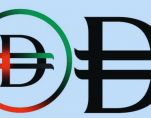
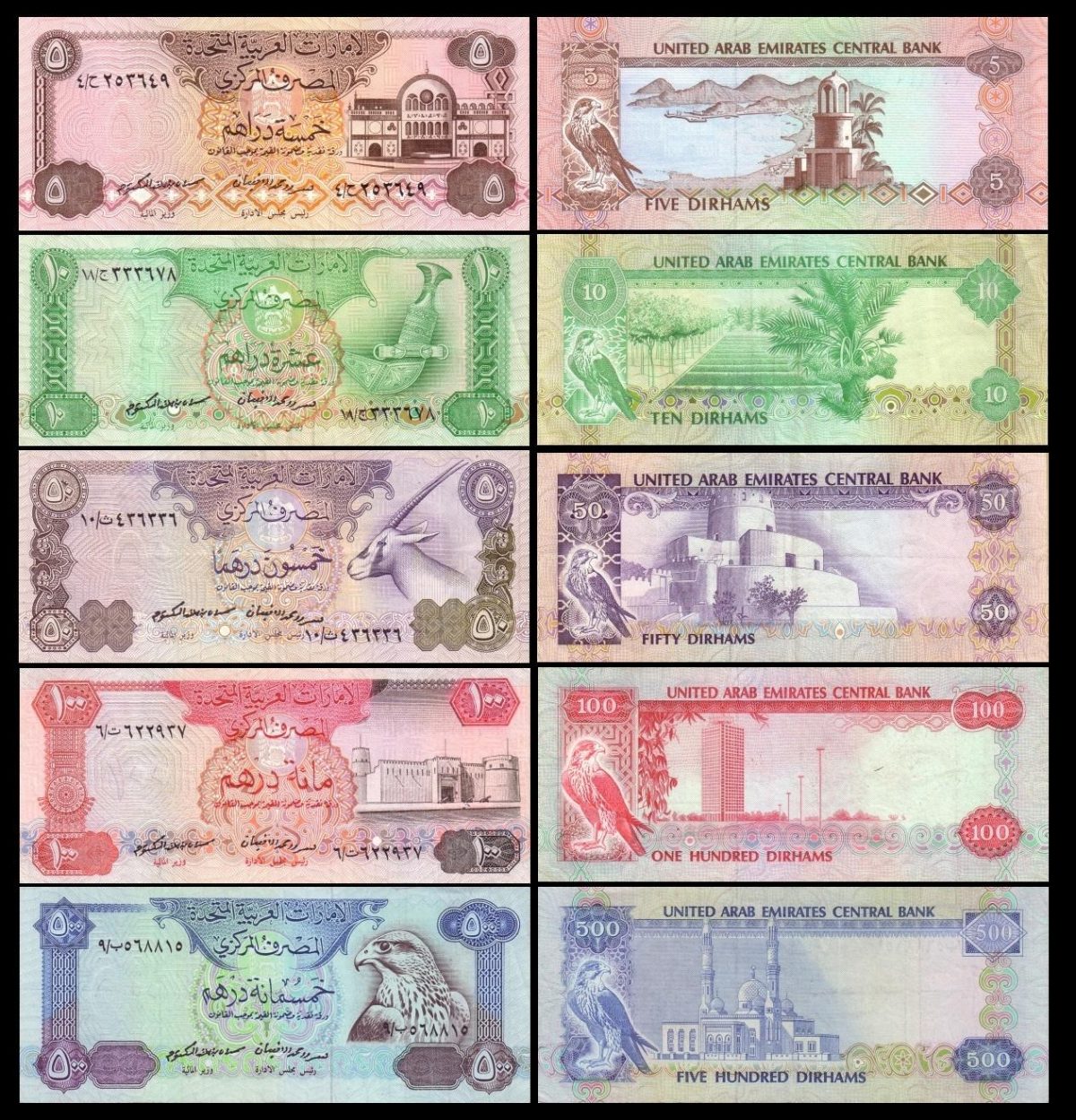
The Central Bank of the UAE has unveiled a new symbol for the nation’s currency, the Dirham, marking a significant step in the country’s financial evolution. This initiative aims to bolster the UAE’s position as a leading global financial hub and reflects its commitment to embracing digital advancements in the financial sector.

The newly introduced symbol is derived from the English letter “D” and features two horizontal lines that signify the currency’s stability. This design draws inspiration from the UAE flag, embodying national identity and pride. In its digital form, the symbol is encased within a circle, incorporating the flag’s colors—green, white, red, and black—to emphasize security and continuity, while also echoing the shape of a digital token. The design’s curves are influenced by traditional Arabic calligraphy, lending it an elegant and robust presence.

The adoption of this symbol aligns with the CBUAE’s recent accession to the FX Global Code, a set of global principles promoting integrity and transparency in the foreign exchange market. By joining this voluntary code, the UAE becomes the first central bank in the Arab region to commit to these standards, underscoring its dedication to fair and transparent practices in the financial sector.

Khaled Mohamed Balama, Governor of the CBUAE, emphasized that the introduction of the new Dirham symbol reflects the nation’s vision for a modern and innovative financial ecosystem. He highlighted that this move is part of broader efforts to enhance the international profile of the UAE’s currency, especially as digital finance continues to gain momentum globally.

The CBUAE has also developed an integrated and secure platform for the issuance, circulation, and use of the Digital Dirham, including a Digital Dirham wallet. This platform is designed to ensure the seamless adoption of the digital currency, providing users with a secure and efficient means of conducting transactions. The issuance of the Digital Dirham is expected to take place in the last quarter of 2025 for the retail sector, marking a pivotal moment in the UAE’s financial landscape.

The introduction of the new Dirham symbol and the forthcoming Digital Dirham are anticipated to have a profound impact on the UAE’s economy. By embracing digital currency, the nation aims to enhance financial inclusion, streamline payment systems, and reduce transaction costs. Moreover, these initiatives are expected to attract international investors and businesses, further solidifying the UAE’s status as a global financial center.

Financial analysts have noted that the UAE’s proactive approach to digital finance positions it ahead of many other nations in the region. The adoption of a distinct currency symbol and the development of a digital currency demonstrate the country’s commitment to innovation and its readiness to adapt to the evolving financial landscape.

However, the transition to digital currency also presents challenges. Ensuring robust cybersecurity measures, maintaining public trust, and navigating regulatory considerations are critical factors that the CBUAE will need to address as it moves forward with these initiatives. The central bank has assured that it is implementing comprehensive strategies to tackle these challenges, prioritizing the security and stability of the UAE’s financial system.

The unveiling of the new Dirham symbol has been met with positive reactions from various sectors within the UAE. Businesses and consumers alike have expressed optimism about the potential benefits of the Digital Dirham, including increased convenience and efficiency in transactions. The integration of traditional design elements with modern digital features in the new symbol has also been praised for effectively encapsulating the UAE’s cultural heritage and forward-thinking vision.

VEON Ltd., a global digital operator, has secured a 24-month, $210 million senior unsecured term loan from a consortium of international lenders, including ICBC Standard Bank and leading Gulf Cooperation Council banks. The facility bears interest at the Secured Overnight Financing Rate plus 425 basis points.

Kaan Terzioğlu, CEO of VEON, stated that this new debt facility reflects the market’s strong confidence in VEON’s strategy, financial health, and future.

This financing marks VEON’s return to the capital markets since relocating its headquarters from Amsterdam to Dubai. The move was completed in December 2024, following approvals from the company’s Board of Directors. The relocation aligns with VEON’s strategic realignment to be closer to key markets and leverage Dubai’s status as a global business hub.

The successful syndication of the term loan underscores the confidence international lenders have in VEON’s financial health and strategic direction. The involvement of prominent institutions such as ICBC Standard Bank and leading GCC banks highlights the company’s strong relationships within the global financial community.

In addition to strengthening its financial position, VEON has been actively investing in its operating markets. In June 2024, the company committed $1 billion to enhance Ukraine’s digital infrastructure through its subsidiary Kyivstar, demonstrating its dedication to supporting economic growth in the regions it serves.

Gold prices have surged to a historic high, reaching $3,077 per ounce on March 28, 2025, marking a significant milestone in the precious metal’s valuation. This ascent comes just two weeks after gold surpassed the $3,000 threshold on March 14, 2025, reflecting a 15.76% increase year-to-date.

The imposition of a 25% tariff on auto imports by U.S. President Donald Trump has intensified fears of a global trade war, prompting investors to seek refuge in safe-haven assets like gold. The tariffs have particularly impacted the auto industries in Japan and South Korea, leading to notable declines in their stock markets. Japan’s Nikkei index dropped over 2%, while South Korea’s benchmark index fell to a two-week low. In contrast, Hong Kong’s Hang Seng index remained relatively stable, rising by 0.6%. The auto sector, vital to both South Korea and Japan, faces significant challenges, with some manufacturers considering production relocations or price adjustments.

The escalating trade tensions have heightened investor anxiety, leading to increased demand for gold as a safe-haven asset. Analysts attribute the surge in gold prices to factors such as U.S. trade and fiscal policies, slowing economic growth, and geopolitical conflicts. Financial analyst Kyle Rodda emphasized that these elements collectively bolster gold’s appeal. Additionally, gold tends to benefit in low-interest-rate environments and during periods of political and economic uncertainty.

In response to the rising gold prices, Goldman Sachs has revised its year-end forecast for the metal from $3,100 to $3,300 per ounce. Analysts Lina Thomas and Daan Struyven cited higher-than-expected inflows into gold exchange-traded funds and robust central bank demand, particularly from large Asian central banks, as key drivers for the upward revision. They anticipate that these central banks will continue aggressive gold purchases over the next three to six years. The analysts also suggested potential entry points for investors, including a resolution to the Russia-Ukraine conflict or a significant equity market downturn.

The surge in gold prices has led to a notable increase in the sale of old jewelry and coins in major markets across Asia and the Middle East. Consumers in countries like India, China, and the United Arab Emirates are capitalizing on the high prices to liquidate their gold holdings, potentially reducing imports and tempering the gold rally. In India, domestic gold prices have risen more than 32%, prompting many to sell rather than purchase new jewelry. Similar trends are observed in Dubai and China, where high prices have led consumers to sell or hold onto their gold assets.

Arabian Post Staff -Dubai MSI’s GeForce RTX 5080 Ventus 3X OC White has emerged as a notable contender in the high-end graphics card market, offering a blend of robust performance and distinctive design. This model caters to both gamers and creators seeking advanced features without compromising on visual appeal. The RTX 5080 series, based on NVIDIA’s Blackwell architecture, introduces enhancements in ray tracing and AI-driven graphics rendering. […]

OpenAI is on the verge of finalizing a landmark $40 billion funding round, spearheaded by Japan’s SoftBank Group. This substantial infusion of capital is poised to nearly double the artificial intelligence company’s valuation to $300 billion, marking a significant milestone in the tech industry’s financial landscape.

SoftBank’s commitment to OpenAI underscores its strategic focus on AI advancements. The conglomerate plans an initial investment of $7.5 billion, with an additional $2.5 billion sourced from a syndicate of investors. A subsequent tranche later this year is expected to see SoftBank contribute another $22.5 billion, complemented by $7.5 billion from syndicated partners. This structured approach reflects a calculated effort to bolster OpenAI’s capabilities and market position.

The funding round has attracted a consortium of prominent investors, including Magnetar Capital, Coatue Management, Founders Fund, and Altimeter Capital Management. Magnetar Capital, based in Evanston, Illinois, is reportedly considering an investment of up to $1 billion, highlighting the high level of interest and confidence in OpenAI’s potential.

This financial milestone follows OpenAI’s $6.6 billion funding round in October 2024, which valued the company at $157 billion. The current investment nearly doubles that valuation, reflecting the rapid growth and escalating significance of AI technologies in various sectors.

A substantial portion of the newly acquired funds is earmarked for the “Stargate” project, an ambitious $500 billion initiative aimed at constructing a network of data centers to support AI workloads. This project is a collaborative effort involving OpenAI, SoftBank, and Oracle, and is expected to significantly enhance the United States’ AI computing capacity to meet future demand. The financing strategy for Stargate heavily relies on debt, with SoftBank targeting a 90% debt funding ratio, a move that underscores the project’s massive scale and the financial engineering involved.

The partnership between SoftBank’s CEO Masayoshi Son and OpenAI’s CEO Sam Altman has been instrumental in advancing these initiatives. Their collaboration dates back to 2017, evolving over the years into a robust alliance focused on AI development. The joint efforts have culminated in significant projects like Stargate, positioning both companies at the forefront of the AI revolution.

Despite this substantial investment, SoftBank has reported a quarterly loss of 369.2 billion yen for the three months ending in December. The loss is attributed to investment setbacks in its Vision Funds and unfavorable foreign exchange impacts. Nevertheless, SoftBank remains committed to its AI-focused investments, viewing them as pivotal to its long-term strategy.

La Liga, in collaboration with EA SPORTS, has initiated the ‘Next Gen Draft’ programme in the United Arab Emirates , aiming to unearth and nurture young football talent. This initiative, part of the broader EA SPORTS FC FUTURES social impact programme, seeks to identify promising players globally and provide them with advanced training opportunities.

The programme commenced with practical trials at the High Performance Centre in Dubai Sports City, involving approximately 200 players from various academies across the UAE. These trials are designed to assess technical skills, talent, and mindset, focusing on building athletes with strong personal values and sporting character. The selection process will culminate in eight standout players—four boys and four girls—who will be granted an intensive development and training programme in Madrid. There, they will visit clubs in the Spanish capital and gain firsthand exposure to the Spanish football scene, an experience designed to inspire emerging youth talent.

The UAE was chosen for these trials due to its regional significance and the presence of advanced football academies. This initiative follows previous rounds in the United States and South Africa, with future stages planned in Vietnam and Guatemala. The talent selection programme focuses on a range of attributes, including technical skills, talent, and a positive mindset, aiming to build athletes with strong personal values and sporting character.

La Liga’s commitment to developing football talent extends beyond the ‘Next Gen Draft’. The league has established the La Liga Academy in Dubai, offering young UAE players a professional football experience with top-tier training and development. The academy’s programmes are tailored to enhance individual technique, game tactics, and strategic understanding, providing a comprehensive football education for players aged 4 to 17.

Drake & Scull International PJSC , the Dubai-based construction and engineering firm, has announced a net profit of AED 3.76 billion for the fiscal year ending December 31, 2024, marking a significant turnaround from the AED 366.87 million loss reported in the previous year. The company’s revenue increased to AED 103.67 million, up from AED 86.29 million in 2023. Total assets rose to AED 647 million, compared […]

President Donald Trump has announced the imposition of a 25% tariff on all imported automobiles and specific auto parts, a move set to take effect on April 3. The administration asserts that this measure aims to bolster domestic manufacturing and is projected to generate approximately $100 billion in annual tax revenue.

The tariffs will apply to passenger vehicles, including sedans, SUVs, crossovers, minivans, and light trucks, as well as key components such as engines, transmissions, powertrain parts, and electrical systems. Vehicles imported under the United States-Mexico-Canada Agreement may receive exemptions based on their U.S. content, with a certification process to determine the value of non-U.S. content subject to tariffs.

The automotive industry has expressed significant concern over the potential repercussions of these tariffs. Industry group Autos Drive America has criticized the move, warning that it could lead to higher prices for consumers and a reduction in manufacturing jobs. Cox Automotive estimates that the tariffs could add $3,000 to the cost of U.S.-made vehicles and $6,000 to those produced in Canada or Mexico, potentially causing substantial disruptions to production.

Automakers with operations in North America are bracing for the impact. General Motors, Ford Motor, and Stellantis, which have manufacturing facilities in Canada and Mexico, may face increased costs due to their reliance on imported components. Shares of these companies, along with those of Asian manufacturers like Toyota, Honda, and Hyundai, experienced declines following the announcement. Tesla, despite manufacturing vehicles domestically but utilizing some imported parts, also saw its stock value decrease.

The United Auto Workers union has expressed support for the tariffs, anticipating a resurgence in domestic auto manufacturing jobs. Conversely, Canadian Prime Minister Mark Carney has condemned the tariffs as a “direct attack” on Canadian autoworkers and has pledged to defend their interests.

Economists and industry analysts are divided on the potential outcomes of the tariffs. While the administration emphasizes the goal of strengthening the U.S. automotive sector, critics argue that the increased costs could be passed on to consumers, potentially dampening demand in an already high-priced market. The average cost of a new vehicle in the U.S. stands at approximately $49,000, and additional tariffs may exacerbate affordability concerns for middle and working-class buyers.

The tariffs are also expected to disrupt the highly integrated North American supply chain. Decades of free trade agreements have resulted in a manufacturing ecosystem where components often cross borders multiple times during production. The new tariffs could necessitate a significant restructuring of these supply chains, with potential production impacts estimated at up to 20,000 units per day within a week of implementation.

In response to concerns about affordability, President Trump has proposed allowing a tax deduction for interest on auto loans for American-made vehicles. This initiative aims to offset some of the increased costs resulting from the tariffs and encourage consumers to purchase domestically produced cars.

The international community has reacted with apprehension to the announcement. Foreign leaders have voiced concerns about the potential for a broader trade war, with significant resistance from Canada and the European Union. The tariffs have the potential to strain diplomatic relations and may prompt retaliatory measures from affected countries.

VISHNU RAJA
RYO YAMADA
HITORI GOTOH
IKUYO KITA