Just in:
ADIA and partners establish $1.4 billion aviation venture // Hong Kong mandates crypto transaction disclosures to tax authorities // Utilities pursue ₹1,992 cr in unpaid bills // Dubai boat show confirms international shipyard line-up for November // SC to examine students’ exam plea today // Cloudflare unveils Zero Wire vulnerability intelligence service // The “1st Greater Bay Area Health and Longevity Summit & Awards Ceremony” concludes successfully in Macao // Fast Just Got Fastest: STING Energy Boost™ Celebrates Kimi Antonelli’s Formula 1® World Championship and the Fan Energy Behind It // Meraas showcases five residential zones at Dubai Design Week // Miss Universe Hong Kong Jen Zhou Departs for Puerto Rico to Compete in the 75th Miss Universe World Final // Oil and chip shares retreat after Democratic victories // Ousted top Kochi cop gets IG post // Asia Left Behind: Ten international companies have yet to report delivering on their cage-free egg pledges across the region // Private varsities bill all set to face the axe // After Reaching 7 Million Users in the Philippines, Skyro Launches Transparent Cash Loans in Malaysia // OpenAI identifies 948 Linux privilege escalation flaws using AI // Emirates Group records AED 4.1 billion half-year profit // CR Longdation Aethereal Cybersecurity × Global Cybersecurity Alliance (GCSA) Join Hands to Establish the “AI and Cybersecurity Research Centre” // e-Crime Bureau Signs Cybersecurity Partnership With Smart Africa, Reinforcing Its Global Expansion // Middle East governments assess Iran war after US vote //

News related to
Dubai

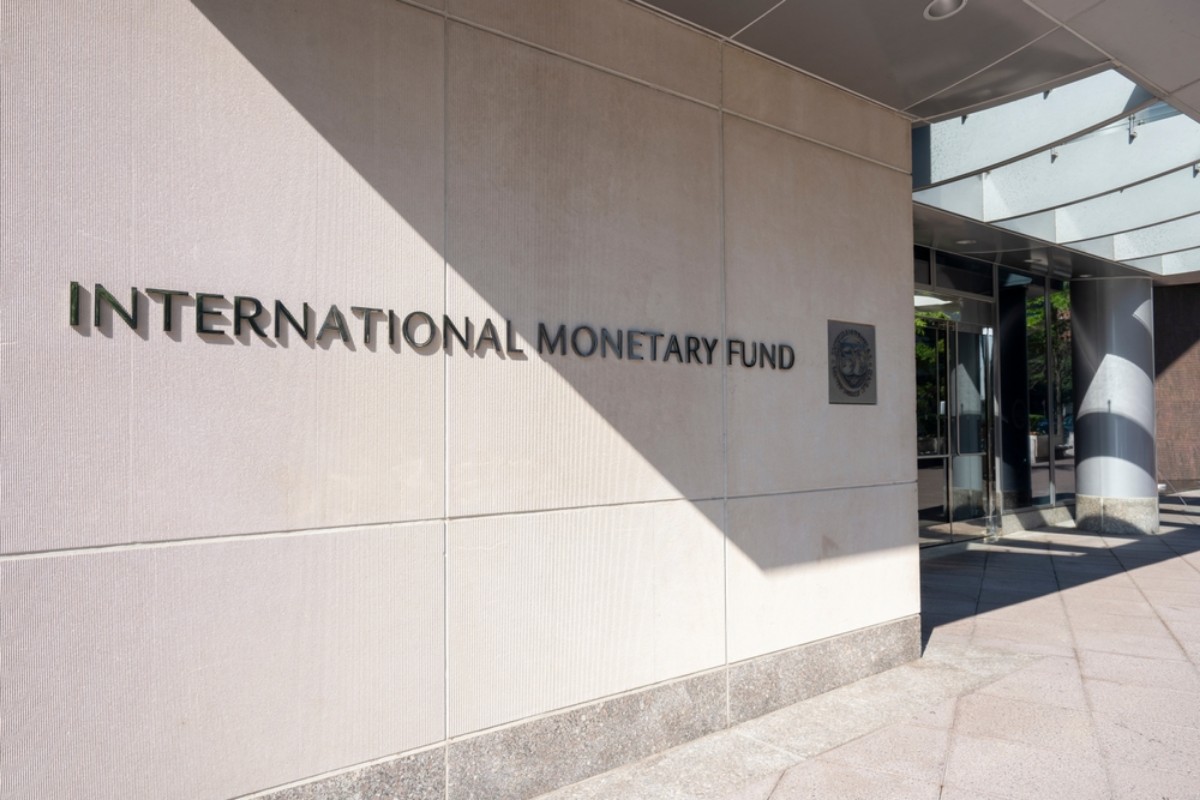
The International Monetary Fund (IMF) has revised its 2025 gross domestic product (GDP) growth projection for Saudi Arabia downward to 3.3%, attributing this adjustment primarily to the extension of oil production cuts by the Organization of the Petroleum Exporting Countries and its allies (OPEC+).

This revision marks a significant decrease from the IMF’s earlier forecast of 4.6% growth for the same period. The 2024 growth estimate has also been lowered to 1.4%. These adjustments have influenced the broader economic outlook for the Middle East and Central Asia region, with the IMF now anticipating a growth rate of 3.6% in 2025, down from the 3.9% projected in October.

The downward revision is largely due to the decision by OPEC+ to extend oil production cuts. In December, the alliance, which includes Saudi Arabia, postponed the commencement of output increases by three months to April 2025 and further extended the full unwinding of cuts, citing concerns over weak demand and rising production from non-OPEC+ countries.

Despite the anticipated slowdown in oil sector growth, Saudi Arabia is actively pursuing its Vision 2030 initiative, aimed at diversifying the economy and reducing dependence on oil revenues. The non-oil sector has shown resilience, with projections indicating growth rates exceeding 4% in both 2024 and 2025. This expansion is supported by substantial investments in large-scale projects, including NEOM and the Red Sea developments.

The IMF also forecasts a 2.6% decline in energy commodity prices for 2025, a more significant drop than previously expected. This projection reflects the complex dynamics of global oil markets, where production decisions by major exporters like Saudi Arabia play a crucial role in influencing prices.

DUBAI, UNITED ARAB EMIRATES – EQS Newsroom – 22 January 2025 – COFICERT announces the renewal of the University of Dubai’s MSI 20000 certification for a second consecutive cycle, marking its continuous compliance with the standard requirements. Late 2020, the University of Dubai undertook an in-depth assessment of its financial governance in accordance with the MSI 20000 Standard, to become the first educational institution in the region […]

Youthful, glowing skin is often associated with health, vitality, and confidence. As we age, however, our skin undergoes changes that can make it appear dull, uneven, and less radiant. While these changes are natural, they can affect how we feel about ourselves. For many, the quest to maintain or restore youthful skin leads to exploring advanced cosmetic treatments. Laser treatments for face have emerged as one of […]

Dubai-based developer Sobha Realty is set to unveil a range of new projects in the UAE this year, capitalizing on the nation’s property boom. The company’s founder recently confirmed plans to introduce eight to 10 new ventures, collectively valued in the multibillion-dirham range. These upcoming developments come at a time when the UAE’s real estate market has shown significant signs of resilience and growth, despite global economic […]

Dubai Islamic Bank (DIB), the United Arab Emirates’ largest Shariah-compliant lender by assets, has increased its shareholding in Türkiye’s T.O.M. Group from 20% to 25%. This strategic move underscores DIB’s commitment to expanding its presence in Türkiye’s burgeoning digital banking and financial technology sectors. The initial acquisition occurred in October 2023, marking DIB’s entry into Türkiye’s digital financial services market. The T.O.M. Group, established by Aydın Group, […]

Hedge funds are recalibrating their positions in the oil market as geopolitical tensions in the Middle East introduce new uncertainties. The recent escalation of conflicts, particularly involving Israel and Iran, has prompted a reassessment of oil price trajectories among major financial players.

In October 2024, oil futures and options trading reached unprecedented levels. The Intercontinental Exchange (ICE) reported a total of 68.44 million barrels traded, surpassing the previous record set in March 2020. Similarly, the CME Group noted a single-day volume record for weekly crude oil options on October 18, with 58,132 contracts exchanged. This surge in trading activity reflects heightened concerns over potential disruptions to oil infrastructure and anticipated price volatility due to the ongoing Middle East conflicts.

Despite the geopolitical turmoil, oil prices have exhibited volatility. Following initial spikes due to fears of supply disruptions, Brent crude futures experienced a decline of approximately $4 per barrel, fluctuating between $70 and $81 throughout October. This price movement underscores the market’s complex response to geopolitical events and underlying supply-demand dynamics.

Market analysts have observed that while geopolitical conflicts pose upward risks to oil prices, traders are also contending with weak fundamentals projected for 2025. Factors such as potential oversupply, especially if OPEC+ decides to increase production, contribute to a bearish outlook. In response, the market has seen a notable 38% year-on-year increase in West Texas Intermediate (WTI) crude oil monthly options traded on the CME, indicating a strategic shift towards options for risk management.

The Organization of the Petroleum Exporting Countries and its allies (OPEC+) have played a pivotal role in influencing market sentiment. In October, OPEC+ decided to delay its planned December output increase by one month to counteract weak demand and rising supply pressures. This decision reflects the group’s cautious approach in navigating the delicate balance between supporting prices and maintaining market share.

Hedge funds’ strategies have evolved in tandem with these developments. In September 2024, money managers reduced their combined net-long positions on Brent and WTI by 99,889 lots, bringing the total to 139,242 lots—the lowest level recorded since March 2011. This significant reduction in bullish bets indicates a cautious stance amid concerns of growing supply and weakening demand.

However, the landscape shifted in October as geopolitical tensions escalated. The increased risk of a region-wide Middle East war led to a 3% rise in oil prices, with Brent surpassing $80 per barrel for the first time since August. This price movement was likely driven by money managers closing bearish bets due to the heightened risk of disruptions to Middle Eastern oil supplies.

The United Arab Emirates (UAE) has solidified its position as the leading destination for foreign direct investment (FDI) within the Arab region, according to the Arab Investment and Export Credit Guarantee Corporation (Dhaman). In 2022, the UAE accounted for approximately 57% of all FDI projects in Arab countries, translating to 923 out of 1,617 total projects. This significant influx of investment is attributed to the UAE’s strategic […]

Advertisements

The Dubai Land Department (DLD) has announced that private property owners along Sheikh Zayed Road—from the Trade Centre Roundabout to the Water Canal—and in the Al Jaddaf area are now eligible to convert their properties to freehold ownership. This policy change is applicable to all nationalities, encompassing a total of 457 plots: 128 on Sheikh Zayed Road and 329 in Al Jaddaf.

To initiate the conversion process, property owners should first verify their eligibility through the “Dubai REST” application. The procedure requires submitting an application to the DLD for property evaluation and valuation. Following this, common area fees and service charges will be determined in line with the Real Estate Regulatory Authority’s guidelines. A conversion fee amounting to 30% of the property’s valuation, based on its Gross Floor Area, will be applicable. Upon payment, a new map and freehold ownership title deed will be issued to the owner.

This initiative is anticipated to enhance the market value of properties in these areas, particularly for those opting for freehold conversion. It is also expected to bolster the economic appeal of these locations, paving the way for real estate developments tailored to freehold investors and attracting new investment to Sheikh Zayed Road and Al Jaddaf.

Eng. Marwan Ahmed bin Ghalita, Director General of DLD, stated that enabling private property owners in the designated areas to convert their properties to freehold ownership will drive significant growth in Dubai’s real estate sector. This move aligns with Dubai’s Real Estate Strategy 2033, reinforcing the city’s position as a global economic hub and a leading destination for real estate investment.

The distinction between leasehold and freehold ownership is significant. Leasehold grants property rights for a fixed term, up to 99 years, without ownership of the land. In contrast, freehold ownership provides absolute ownership of both the property and the land it occupies, allowing owners to sell, lease, or occupy at their discretion. While the initial cost of purchasing a leasehold property may be lower, there are limitations on modifications, which often require approval from the freehold owner.

The UAE Securities and Commodities Authority (SCA) has appointed a new chairperson following the resignation of its CEO, marking a significant leadership transition at the country’s main financial regulatory body. This appointment comes as the UAE continues its efforts to modernize and enhance the resilience of its financial markets amidst global challenges.

The SCA, tasked with overseeing the UAE’s securities and commodities markets, plays a crucial role in shaping the financial ecosystem, ensuring transparency, and safeguarding investor interests. This leadership change is being closely observed by financial stakeholders, especially as the region seeks to bolster investor confidence and attract global capital.

Industry experts point to the leadership change as part of a broader wave of reforms aimed at streamlining the regulatory environment. Over the past few years, the UAE has enacted several measures to strengthen its financial infrastructure, promote corporate governance, and boost market liquidity. This reshuffle at the SCA comes at a time when the government is keen on expanding the role of the UAE’s stock markets on the global stage.

The outgoing CEO had held the position for several years, during which he was instrumental in driving the authority’s modernization initiatives. Under his leadership, the SCA took steps to improve the regulatory framework and enhance market supervision, earning praise for its efforts in fostering a more transparent environment. However, his departure, described as a personal decision, comes at a time when the UAE stock market is seeing increasing volatility, driven by external factors such as oil price fluctuations and shifting geopolitical dynamics.

The incoming head of the SCA is well-regarded within the financial community for their experience in both private and public sector financial services. Experts believe the new leadership will bring a renewed focus on innovation, digital transformation, and the diversification of financial products. Analysts are optimistic that the new chairperson will continue to build on the momentum of regulatory reforms while focusing on long-term sustainability and investor protection.

As the UAE stock market continues to evolve, regulatory oversight will remain a key element in its development. Analysts predict that the SCA’s new leadership will prioritize initiatives aimed at increasing market transparency and aligning with global best practices. These efforts are seen as essential in maintaining investor confidence, particularly in an era of rapid technological advancements and growing demands for sustainable finance.

Financial analysts also note the critical role that the SCA will play in the UAE’s broader economic diversification efforts. With the government’s ambitious Vision 2030 initiative in full swing, the financial sector is expected to contribute more significantly to the country’s GDP, particularly as sectors like technology, renewable energy, and tourism continue to expand. The new leadership is expected to drive initiatives that not only safeguard financial stability but also support the growth of non-oil industries, which are increasingly becoming central to the country’s economic future.

Market analysts will be watching the SCA’s next moves closely, especially as the UAE government seeks to enhance its attractiveness as a financial hub. This will include aligning with global standards for financial reporting and disclosure, which is seen as a crucial step in attracting more international investors. As the global economy continues to face headwinds, from trade tensions to economic slowdowns, the UAE’s efforts to position itself as a robust financial center will be critical to its long-term success.

With the leadership transition underway, there is anticipation that the SCA will further accelerate its efforts to improve market liquidity, streamline regulations, and increase the range of investment products available to both domestic and international investors. Many expect the incoming leadership to continue efforts to expand the scope of capital markets, exploring new avenues such as sustainable investing and green finance, in line with the UAE’s commitment to sustainable development goals.

By Saifur Rahman Government of Iraq is undertaking a number of reforms including extending sovereign guarantees to boost foreign investment and trade to re-build its economy badly affected from the Gulf War, sectarian strife, terrorism and COVID-19, a top official told delegates at a conference in Dubai. “We have unified the tax system in Iraq and are currently in the process of empowering the private sector to […]

The United Arab Emirates (UAE) is accelerating its renewable energy initiatives, positioning itself as a leader in solar power development. The nation has unveiled several significant projects aimed at enhancing its clean energy capacity and reducing reliance on fossil fuels.

In January 2025, the UAE’s state-owned renewable energy company, Masdar, inaugurated a $6 billion facility designed to generate 1 gigawatt of uninterrupted clean power. Located in the Abu Dhabi desert, the facility spans 90 square kilometers and is set to commence operations by 2027. This project is a pivotal step in making renewable energy a reliable baseload power source, as emphasized by Sultan Al Jaber, Chairman of Masdar and CEO of Abu Dhabi National Oil Co (ADNOC). Energy Minister Suhail al-Mazrouei highlighted that this initiative marks the beginning of unlocking solar energy’s full potential in the region.

In addition to domestic projects, the UAE is extending its renewable energy expertise internationally. On January 15, 2025, Italy, Albania, and the UAE signed a clean energy cooperation agreement. This agreement aims to utilize the UAE’s experience to produce solar, wind, and other renewable energy sources in Albania, with a portion of the energy transmitted to Italy via an undersea cable. The project, valued at approximately €1 billion, is expected to assist Italy in meeting its electricity needs and fulfilling sustainable energy commitments made at United Nations climate conferences. Sultan al-Jaber noted that the agreement contributes to tripling renewable energy, aligning with the UAE’s goal of achieving carbon neutrality by 2050.

Domestically, the UAE continues to expand its solar energy infrastructure. The Mohammed bin Rashid Al Maktoum Solar Park in Dubai, the world’s largest single-site solar park, is projected to reach a production capacity of 5,000 MW by 2030. This initiative is expected to reduce annual carbon emissions by over 6.5 million tons upon completion. Owned by Dubai Electricity and Water Authority (DEWA), the sixth phase of the park will provide clean energy to 540,000 residences in Dubai.

The UAE has approved four renewable energy projects totaling 4.6 GW. These include three photovoltaic plants in Al Faya, Al Khazna, and Al Zarraf, and a 140-megawatt wind farm in Sila. These developments are part of the UAE’s broader efforts to reduce reliance on fossil fuels and promote an ambitious energy transition.

Emaar Properties, Dubai’s largest real estate developer, is in discussions with several Indian entities, notably the Adani Group, to divest a portion of its Indian operations. The company has not disclosed specific details regarding the valuation or terms of the potential transaction. This development follows reports indicating that Adani Realty, the real estate division of Indian billionaire Gautam Adani’s conglomerate, is in advanced talks to acquire a […]

Wizz Air Abu Dhabi is evaluating the potential to introduce flights to Syria, aiming to broaden its network and offer more travel options to passengers. This consideration aligns with the airline’s strategy to expand its presence in the Middle East and connect underserved destinations.

The airline has experienced significant growth, carrying over 3.5 million passengers in 2024, a 20% increase from the previous year. This expansion has been accompanied by the introduction of innovative travel products, such as the Wizz MultiPass and All You Can Fly memberships, which sold out within 48 hours of their launch. These initiatives cater to travelers seeking affordable and flexible options for exploring multiple destinations throughout the year.

In addition to exploring new routes, Wizz Air Abu Dhabi is increasing the number of flights between Abu Dhabi and Tel Aviv following the recent ceasefire agreement between Israel and Hamas. The airline had previously scaled back its Tel Aviv-Abu Dhabi service due to the conflict but is now working to restore services to meet growing demand.

A significant legal dispute has emerged between Abu Dhabi’s Mubadala Investment Company and Getir’s founders, centering on control of the Turkish rapid delivery service. Founder Nazım Salur has announced plans to pursue legal action against Mubadala, accusing the investment firm of breaching a June 2024 restructuring agreement. Salur alleges that Mubadala is attempting an “illegal coup” to seize the founders’ shares.

In response, Mubadala asserts that its actions aim to ensure Getir’s financial stability and protect employment for over 18,000 Turkish employees. The company claims that its proposed plan has been unanimously approved by Getir’s independent directors and is set to be presented to shareholders for approval at an upcoming extraordinary general meeting.

This dispute follows a significant restructuring in June 2024, when Getir secured a $250 million investment from Mubadala. The restructuring involved splitting the company into two entities: one focusing on food and grocery delivery operations in Turkey, managed by Mubadala, and the other handling e-commerce, finance, and mobility services, led by Salur and the other founders.

Aldar Properties PJSC has secured a $2.45 billion (AED 9 billion) sustainability-linked syndicated revolving credit facility, marking the largest such deal by a real estate company in the Middle East. This five-year senior unsecured facility comprises both conventional and Islamic tranches in UAE dirham and US dollar currencies, enhancing Aldar’s liquidity to approximately AED 27 billion.

The syndication attracted participation from 15 prominent international and regional financial institutions, including Abu Dhabi Commercial Bank, Bank of China, Citi, Dubai Islamic Bank, HSBC, and J.P. Morgan. This broad participation underscores the strong confidence in Aldar’s creditworthiness and strategic growth plans.

Faisal Falaknaz, Group Chief Financial and Sustainability Officer at Aldar, stated that the facility is a significant milestone reflecting the trust and confidence that global and regional banks place in Aldar’s business model and growth trajectory. He emphasized that this facility, along with a recent $1 billion hybrid notes issuance, positions Aldar to drive strategic initiatives and capitalize on emerging opportunities.

The facility is linked to sustainability performance targets, showcasing Aldar’s commitment to measurable environmental, social, and governance (ESG) objectives. By integrating sustainability into its financing framework, Aldar reinforces its position as a leader in sustainable growth while supporting its broader ambitions of creating long-term value for stakeholders.

Hot weather makes keeping a car looking good very important. The intense sun and high temperatures create problems. These pose important challenges for vehicle owners. UV rays rapidly oxidize paint, causing colors to fade as well as surfaces to dull. Heat, furthermore, can worsen minor imperfections like swirl marks as well as scratches, thus increasing their visibility in addition to making them more difficult to fix later. […]

Salik, the Dubai-based road toll operator, is set to introduce a dynamic toll pricing system by the end of January. This move is part of the company’s broader strategy to adjust its toll fees based on traffic flow and demand. However, as the company prepares to launch this pricing model, there are growing concerns over the valuation of its stock, which has been a standout performer on […]

Dubai has unveiled the Creators HQ, a pioneering initiative aimed at attracting 10,000 influencers to the United Arab Emirates (UAE) in the coming years. Located in Emirates Towers, this hub is designed to empower digital content creators by providing comprehensive support, including assistance with UAE Golden Visa applications, relocation services, and business setup facilitation. The Creators HQ was inaugurated during the third edition of the 1 Billion […]

A Dubai court has ordered the former CEO of Drake & Scull International, Khaldoun Al Tabari, alongside a former employee, to pay a staggering $41.3 million in damages. The court ruling follows the company’s involvement in financial mismanagement that led to significant losses. Al Tabari and the ex-employee, identified as an unnamed former senior manager, were found guilty of embezzlement and fraudulent practices during their tenure at […]

With alcohol sales in both the U.S. and China experiencing a decline, global spirits giants Diageo and Pernod Ricard are shifting their focus to the South Asian market, specifically targeting a new generation of drinkers. Both companies, recognized for their premium brands such as Johnnie Walker, Guinness, and Chivas Regal, have identified India and neighboring countries as pivotal in their plans for growth. This region, with its expanding middle class and evolving consumer behavior, presents an untapped opportunity to offset the challenges they face in more established markets.

In the U.S., consumption of alcohol has been on a downward trajectory for years, as changing social attitudes and concerns about health have altered traditional drinking habits. A similar trend is observed in China, where alcohol consumption has slowed amid an economic downturn and increasing government pressure against excessive drinking. The shift in consumer preferences in these regions has led Diageo and Pernod Ricard to recalibrate their strategies and focus more heavily on markets with burgeoning potential.

India, in particular, stands out as a key market for these companies, with its large, young population and rising disposable income. A growing number of millennials and Generation Z consumers are becoming more interested in Western-style alcoholic beverages, which has spurred the development of tailored marketing campaigns. Diageo and Pernod Ricard are not only aiming to introduce their premium brands but also creating a cultural shift toward drinking in social settings and a higher acceptance of international alcoholic beverages.

While the alcohol market in India is still highly regulated, with state-level restrictions and varying taxes across regions, the demand for spirits, especially whisky, is substantial. Whisky remains the preferred alcoholic drink in the country, and international brands have found a niche within this preference. Both Diageo and Pernod Ricard have been ramping up their investments in the subcontinent, focusing on establishing a foothold in India’s rapidly growing urban centers.

Pernod Ricard, for example, has introduced a wide range of products tailored to local tastes while maintaining the global appeal of its brands. The company’s strategy has been to offer products at different price points, allowing them to target both the premium and mass markets. Similarly, Diageo’s Johnnie Walker has launched region-specific campaigns that cater to India’s burgeoning demand for luxury spirits while also targeting younger drinkers through social media platforms.

One of the biggest advantages for both companies is the growing number of young consumers who are eager to experiment with new tastes and experiences. This demographic is highly active on digital platforms, where global trends in fashion, food, and drink have a quicker impact. Social media marketing has proven effective in India, with influencers and brand ambassadors reaching millions of consumers daily. Diageo and Pernod Ricard have capitalized on this trend, using digital media to promote their products and tap into the aspirational mindset of Indian youth.

In addition to traditional retail outlets, the rise of e-commerce in India has provided another channel for alcohol sales. Platforms such as Amazon and local players like BigBasket now offer alcohol delivery in select regions, expanding the accessibility of international spirits. The availability of premium alcohol through these channels aligns with a shift in consumption patterns, where convenience is as important as quality. With more consumers preferring to shop online, Diageo and Pernod Ricard are ensuring their products are visible and accessible in the digital marketplace.

While the potential in India is significant, it comes with its challenges. Cultural norms around drinking vary widely across the country, and alcohol consumption is still taboo in some communities. Moreover, navigating the labyrinth of state-imposed regulations presents an ongoing hurdle for both Diageo and Pernod Ricard. The two companies have had to collaborate with local distributors and build relationships with regional governments to ensure that their products meet regulatory standards and can be sold across the diverse Indian market.

Beyond India, the broader South Asian market, which includes countries like Pakistan, Bangladesh, and Sri Lanka, also holds promise for growth. However, these nations present their own unique set of challenges. In Pakistan, for instance, where alcohol is heavily restricted, the market for foreign spirits is limited to the non-Muslim population and expatriates. Nevertheless, these markets are still considered important in the long-term strategy of Diageo and Pernod Ricard as they seek to diversify their consumer base.

To further boost their presence, both companies are also exploring opportunities in the craft beverage sector. Craft spirits have been gaining traction in urban areas in India and other parts of South Asia, where consumers are looking for unique and locally inspired flavors. Diageo’s push into craft gin and local distillery partnerships is part of a broader strategy to cater to the growing interest in premium and artisanal drinks. Pernod Ricard has followed suit by promoting craft options and expanding its portfolio to include Indian-made liquors, creating products that blend traditional flavors with modern drinking preferences.


Abu Dhabi’s Emirates Nuclear Energy Corporation (ENEC) is strategically expanding its footprint in the global nuclear power industry, aiming to become a significant player in energy markets beyond the UAE. The initiative comes at a time when the world is focusing on achieving carbon-neutral goals and ensuring sustainable energy solutions. ENEC’s pursuit of global growth underscores the UAE’s ambition to diversify its energy sources and establish itself as a leader in clean energy technologies.

ENEC, founded in 2009, has made considerable strides in the UAE’s nuclear power sector, with the Barakah Nuclear Energy Plant being the centerpiece of its operations. The plant, located in the Al Dhafra region, is the first nuclear power plant in the Arab world, with four reactors now operational. The successful implementation of Barakah has positioned ENEC as a model for nuclear energy projects in the Middle East and has given it the confidence to pursue expansion into international markets.

One of the key drivers behind ENEC’s global ambitions is its desire to capitalize on growing global demand for low-carbon energy solutions. As countries strive to meet their climate goals, there is an increasing emphasis on nuclear energy as a reliable and scalable option for reducing greenhouse gas emissions. The International Atomic Energy Agency (IAEA) has reported a steady rise in interest in nuclear power projects worldwide, especially in Asia and Europe, where governments are pushing for clean energy investments.

The UAE’s commitment to carbon neutrality by 2050 has propelled ENEC’s expansion plans. Nuclear energy, which is free from carbon emissions during its generation phase, aligns with the country’s goal of reducing reliance on fossil fuels. By expanding its nuclear operations globally, ENEC is not only seeking to help other nations achieve their climate objectives but also to strengthen the UAE’s geopolitical standing as a leader in energy innovation.

ENEC’s global ambitions are supported by the robust technological expertise it has developed over the years. The company has already partnered with international firms and organizations to develop state-of-the-art nuclear power technologies. One of the most notable partnerships is with Korea Electric Power Corporation (KEPCO), which has provided engineering and design expertise for the Barakah plant. This collaboration has enhanced ENEC’s capacity to build and operate nuclear power plants efficiently, making the company well-positioned to expand its presence abroad.

ENEC’s strategy to pursue international nuclear energy ventures is multifaceted. The company is looking at countries with high energy demands and those committed to reducing their carbon footprints. In particular, ENEC is eyeing markets in Asia, Europe, and parts of Africa, where energy infrastructure is rapidly developing, and nuclear power is seen as a critical part of the energy mix.

In Asia, where the demand for electricity continues to grow, nuclear power is gaining traction as a solution to meet the surging energy needs while curbing emissions. Countries like India, China, and South Korea are already investing heavily in nuclear energy projects, and ENEC’s experience and expertise make it an attractive partner for these nations. Additionally, ENEC has expressed interest in the potential of expanding its influence in Eastern Europe, where countries such as Ukraine and Poland are looking to diversify their energy sources in the face of rising energy security concerns.

ENEC’s drive for global expansion is not limited to providing nuclear plants; the company is also looking to position itself as a comprehensive energy services provider. This includes offering nuclear safety consultancy, training services for operating nuclear plants, and contributing to the development of nuclear infrastructure in emerging economies. ENEC’s efforts to enhance its global standing go hand in hand with its long-term commitment to developing nuclear energy that adheres to the highest international safety standards.

While ENEC’s expansion plans are ambitious, they come with challenges. Nuclear energy, while growing in demand, still faces significant scrutiny due to concerns about safety, waste management, and the long-term environmental impact. Despite the rigorous safety standards that ENEC follows, including compliance with the highest regulatory protocols from the UAE’s nuclear authorities, the company will need to work proactively to address public concerns about nuclear energy’s potential risks. Furthermore, the costs associated with nuclear power plants, including construction, decommissioning, and waste disposal, remain high, which could be a deterrent for some countries exploring nuclear options.

Nevertheless, ENEC’s management believes that the long-term benefits of nuclear power far outweigh these concerns. By promoting nuclear energy as a key component of a diversified energy strategy, ENEC hopes to help countries reduce their reliance on fossil fuels, stabilize energy prices, and enhance energy security. Nuclear power, with its capacity for reliable, large-scale energy generation, can complement renewable sources like wind and solar, ensuring a balanced energy grid that is capable of meeting the needs of an evolving global market.

Global sukuk issuance is forecasted to approach $190 billion to $200 billion in 2025, driven by monetary easing and substantial financing needs in core Islamic finance countries, according to S&P Global Ratings.

In 2024, the total issuance stabilized at $193.4 billion, slightly down from $197.8 billion in 2023. This performance was underpinned by a significant increase in foreign currency-denominated issuance and a drop in local-currency issuance. The stabilization was further aided by strong financing needs in core Islamic finance countries, the need to attract foreign capital, and improving global liquidity conditions, with major central banks starting to ease their monetary policy.

Local currency-denominated sukuk issuance fell by 14.6% year on year, primarily due to lower issuance in Malaysia, Pakistan, Turkiye, and Indonesia. The largest drop was in Malaysia, where government issuance decreased because of a smaller fiscal deficit due to the reduction of subsidies. Similarly, Malaysia’s central bank’s issuance fell as a result of tighter liquidity conditions for the Islamic banks as their financing growth continued to outpace deposit growth. Pakistan also saw lower local-currency issuance, as the government’s fiscal position remains under pressure and monetary conditions remain tight, as did Turkiye, where tight monetary conditions resulted in lower local currency-denominated issuance. However, local-currency issuance in Saudi Arabia resumed its growing trend as the government tapped the market with jumbo issuance and started issuing retail sukuk.

Conversely, foreign currency-denominated sukuk issuance increased significantly, rising to $72.7 billion in 2024 from $56.5 billion in 2023. This surge was mainly attributable to the Gulf Cooperation Council (GCC) countries, Malaysia, and Indonesia. Among GCC countries, Saudi Arabia and Kuwait led the way, with banks, corporations, and the government of Saudi Arabia stepping up their foreign-currency issuance, while banks and corporations in Qatar and Oman were also more active in this area. The United Arab Emirates ended the year with marginally lower foreign-currency sukuk issuance than last year. In Malaysia, performance was mainly underpinned by increased issuance by the International Islamic Liquidity Management Corporation and a couple of issuances by the central bank and the sovereign wealth fund. Indonesia’s higher sukuk volumes were due to the country’s increased sovereign issuance.

Fitch Ratings reported that global outstanding sukuk grew 8.5% year-on-year to $900 billion by the end of the third quarter of 2024. Sukuk held a large 30% share of the global debt capital market outstanding in core markets. In the GCC, the debt capital market is about $1 trillion outstanding, with sukuk holding a 37% share.

The U.S. Federal Reserve’s 50-basis-point rate cut in September improved financing conditions, leading to a rise in global sukuk issuances. Fitch expects rates to reach 4.5% at the end of 2024 and 3.5% at the end of 2025, boosting issuance activity in the fourth quarter of 2024 and into 2025. A further decline in interest rates is anticipated to support refinancing upcoming maturities and funding diversification goals.

Despite the positive outlook, risks to the sukuk pipeline remain. Sharia-related complexities, rising geopolitical risks, and oil price volatilities could affect market growth. Bashar Al Natoor, global head of Islamic finance at Fitch Ratings, noted that while there is a build-up of the sukuk pipeline partially supported by the recent Fed cut, these downside risks could impact the market.

In the first half of 2024, global sukuk issuance reached $91.9 billion, a slight increase from $91.3 billion during the same period in 2023. This growth was significantly influenced by a 23.8% rise in foreign currency issuances, which hit $32.7 billion by June 30, 2024, up from $26.4 billion the previous year. Saudi Arabia, the United Arab Emirates, Oman, Malaysia, and Kuwait were the main contributors to this increase.

However, the market might face disruptions starting next year with the adoption of the Accounting and Auditing Organization for Islamic Financial Institutions’ (AAOIFI) Standard 62 guidelines. These guidelines, which transition the industry toward asset-backed sukuk by requiring the real transfer of underlying assets to investors, could impact the market depending on investor and issuer response. Despite potential challenges, existing sukuk are unlikely to be disrupted as any changes in contractual obligations would require investor consent.

AM Green, a prominent producer of green hydrogen and ammonia, has entered into a strategic partnership with DP World, a global logistics leader, to establish a sustainable supply chain for green fuels and chemicals. This collaboration aims to position India as a central hub for the export of green ammonia and methanol, significantly contributing to global decarbonization efforts. Under the Memorandum of Understanding (MoU) signed in December, […]

Dubai’s private education sector has achieved a notable milestone, with student enrolment increasing by 6% in the 2024-25 academic year, reaching a total of 387,441 students across 227 private schools. This growth underscores the city’s commitment to providing diverse and high-quality educational options to its expanding and diverse population. In alignment with Dubai’s Education Strategy E33, which aims to establish at least 100 new private schools by […]

VISHNU RAJA
RYO YAMADA
HITORI GOTOH
IKUYO KITA