Just in:
Ex-minister named accused in Messi visit fraud case //
Rahul addresses League’s INDIA bloc grievances
// Workday targets Honeydew purchase to unify AI metrics // Singapore regulator cautions against AI access to bank logins // Sui activates Hashi Bitcoin lending across partner network // Dubai Introduces SHARH, an AI-Powered Platform Helping Entrepreneurs Buy, Sell and Manage Businesses in the UAE // Sabarimala booking discrepancies prompt sabotage angle probe // Technology at Work, Heritage for All: The “Chinese Approach” to Safeguarding the Leshan Giant Buddha // PayerMax and ShopeePay Strengthen Strategic Partnership to Advance Digital Payment Collaboration in Southeast Asia // 2026 Tropical Rainforest Ecosystem Partners Conference Kicks off in Hainan // Egypt’s African Union trade climbs to $8.2 billion // Yeebo Announces Interim Results for FY26/27 Revenue Increases by 45.5% to HK$806.7 Million Profit Attributable to Owners Surges 87.6% to HK$2,284.7 Million // Promoting Common Human Development Through Exchanges and Mutual Learning Among Civilizations // Padmini follows Padmaja for ‘ghar vapsi’ // Dalilk Academy reaches 27 million, targets 100 million by 2030 // ED searches five districts in probe against hawala // Jaiedco and Golden Bridge Announce Strategic Collaboration for a New Dubai Islands Development // Balagopal challenges CM over tax revenue // Phancy Announces Business Performance for the Nine Months Ended September 30, 2026 // Toward a Shared Future for Humanity: Rethinking Civilizational Exchange //

News related to
Dubai

Arabian Post Staff Flydubai has expanded its network with the introduction of direct flights to EuroAirport Basel-Mulhouse-Freiburg, a tri-national airport serving Switzerland, France, and Germany. This development marks the first time a UAE-based airline has offered non-stop service to this regional hub. The inaugural flight, which took off from Dubai International Airport, represents a strategic move by flydubai to enhance connectivity between the UAE and the EuroAirport […]

Arabian Post Staff Holon, an Australian leader in innovation and technology, has established a strategic partnership with the Dubai AI & Web3 Festival through a newly signed Memorandum of Understanding (MoU). This collaboration aims to drive advancements in artificial intelligence (AI) and property infrastructure integration within the Web3 ecosystem and data storage sectors. The alliance underscores Holon’s dedication to aligning with the UAE’s ambitious vision for technological […]

The imposition of gambling taxes worldwide has generated significant economic impact, reflecting broader trends in regulatory measures across various regions. As governments increase their focus on taxing gambling activities, the economic ramifications are becoming increasingly apparent, influencing national revenues and shaping industry practices.

Recent data highlights a notable surge in tax revenues from gambling, driven by expanding regulatory frameworks in key markets. Countries with historically lax gambling regulations are now instituting comprehensive tax policies, contributing to a substantial rise in government income. For instance, recent changes in the regulatory environment in several European countries have resulted in notable increases in tax revenue, as these nations capitalize on the burgeoning gambling industry.

In the United States, states such as New Jersey and Pennsylvania have seen considerable revenue boosts from gambling taxes, following the legalization and expansion of sports betting and online gambling. This trend underscores a broader shift where states are leveraging gambling as a significant revenue source, which is particularly relevant given the economic challenges posed by the COVID-19 pandemic.

Moreover, the increased revenue from gambling taxes is influencing public policy and infrastructure projects. Governments are channeling these funds into various sectors, including healthcare, education, and public safety. This redistribution is creating a tangible impact on local communities, with enhanced public services and infrastructure improvements becoming increasingly common in regions benefiting from gambling tax revenues.

On a global scale, the economic impact of gambling taxes extends beyond mere revenue generation. The tax policies are also reshaping the gambling landscape, prompting operators to adjust their strategies and comply with new regulations. This regulatory shift is fostering a more transparent and competitive market, where operators are incentivized to enhance their compliance measures and contribute to a more stable industry.

Despite the positive economic impact, the rise in gambling taxes has also sparked debate. Critics argue that higher taxes could lead to negative consequences, such as driving gambling activities underground or creating financial strain on operators. Some experts suggest that overly stringent tax policies might discourage investment in the gambling sector and reduce the overall tax base over time.

As gambling taxes continue to evolve globally, the broader implications for the industry and government revenues are being closely monitored. The ongoing adjustments in tax policies reflect a balancing act between maximizing revenue and ensuring the long-term sustainability of the gambling industry.

The current trajectory indicates that gambling taxes will remain a pivotal element in the economic strategies of many countries. The expanding role of these taxes highlights the growing recognition of gambling as a significant source of public revenue, reshaping both the economic landscape and regulatory frameworks worldwide.

The comprehensive analysis of gambling tax impacts reveals a complex interplay between economic benefits and regulatory challenges, with significant implications for both government revenue and industry dynamics.

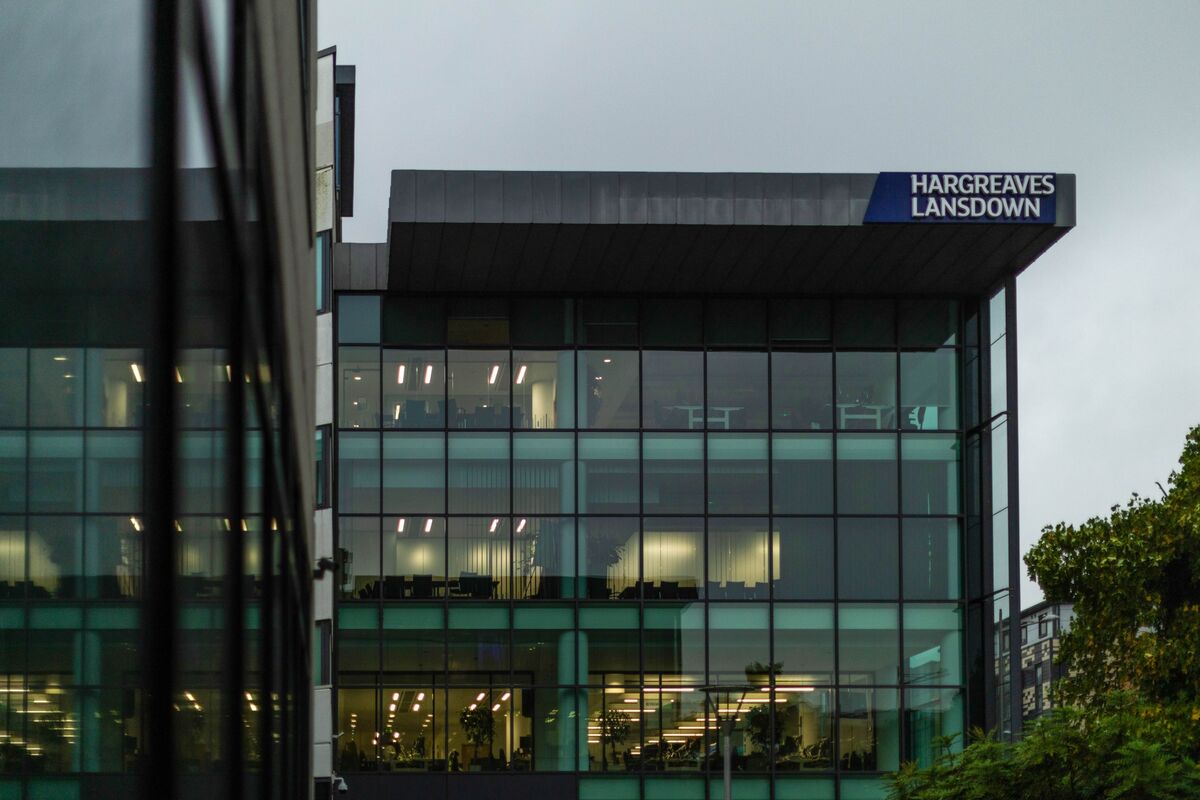
A consortium led by the Abu Dhabi Investment Authority (ADIA) and CVC Capital Partners has acquired UK-based financial services firm Hargreaves Lansdown for $6.9 billion. This transaction marks one of the largest private equity deals in the UK this year, reflecting a significant shift in the financial services sector amid fluctuating market conditions.

Hargreaves Lansdown, a leading player in the investment services sector, provides retail investment products and services and has a substantial market presence in the UK. The acquisition by ADIA and CVC, two prominent global investment entities, aims to bolster the firm’s growth trajectory and expand its market reach.

The deal underscores a growing trend of substantial private equity investments in established financial firms as investors seek to capitalize on stable revenue streams and long-term growth potential. The transaction also highlights the increasing role of Middle Eastern and global private equity in shaping the future of the financial services industry.

This acquisition is expected to provide Hargreaves Lansdown with additional capital and strategic guidance to enhance its operations and innovation capabilities. The investment partners have emphasized their commitment to supporting the firm’s ongoing initiatives and expansion plans, aiming to drive both operational efficiency and market penetration.

Market analysts view this move as a strategic play to leverage Hargreaves Lansdown’s established market position and broad customer base, which could offer substantial returns for the investors. The deal also reflects a broader trend where private equity firms are targeting financial services firms with strong growth prospects and stable business models.

The acquisition is anticipated to undergo regulatory reviews, with the involved parties confident that the transaction will receive the necessary approvals. Both ADIA and CVC Capital Partners have expressed optimism about the potential synergies between the consortium’s strategic vision and Hargreaves Lansdown’s operational strengths.

Hargreaves Lansdown’s board has unanimously approved the deal, highlighting the benefits of joining forces with ADIA and CVC. The firm’s management is expected to remain in place to ensure a smooth transition and continued focus on delivering value to its clients.

This significant investment by ADIA and CVC Capital Partners underscores the growing interest in the UK financial sector and the broader European market. The deal is set to reshape the competitive landscape of investment services and could potentially lead to further consolidation in the sector as private equity continues to seek opportunities in financial services.

As the financial industry evolves, this acquisition represents a key milestone, reflecting both the confidence of global investors in the UK market and the strategic shifts occurring within the financial services sector. The coming months will reveal how the integration unfolds and the impact it will have on both the firm’s operations and the broader market dynamics.

Tanishq, renowned as one of the most trusted names in the jewellery industry, has introduced its much-anticipated Festival of Diamonds in Dubai. This event, celebrated for its elegance and variety, brings forth a dazzling array of diamond jewellery, offering substantial discounts across its collection, designed to captivate a wide range of tastes and preferences. The Festival of Diamonds is not just a sale; it is an experience […]

Arabian Post Staff Dubai’s thriving jewellery market experienced a surge in activity from June 10 to July 20, 2024, as the Dubai Jewellery Group (DJG) launched its highly anticipated ‘City of Gold Surprises’ campaign. This initiative, part of the Dubai Summer Surprises (DSS), attracted a significant number of shoppers eager to take advantage of exclusive deals and promotions on gold, diamond, and pearl jewellery. The ‘City of […]

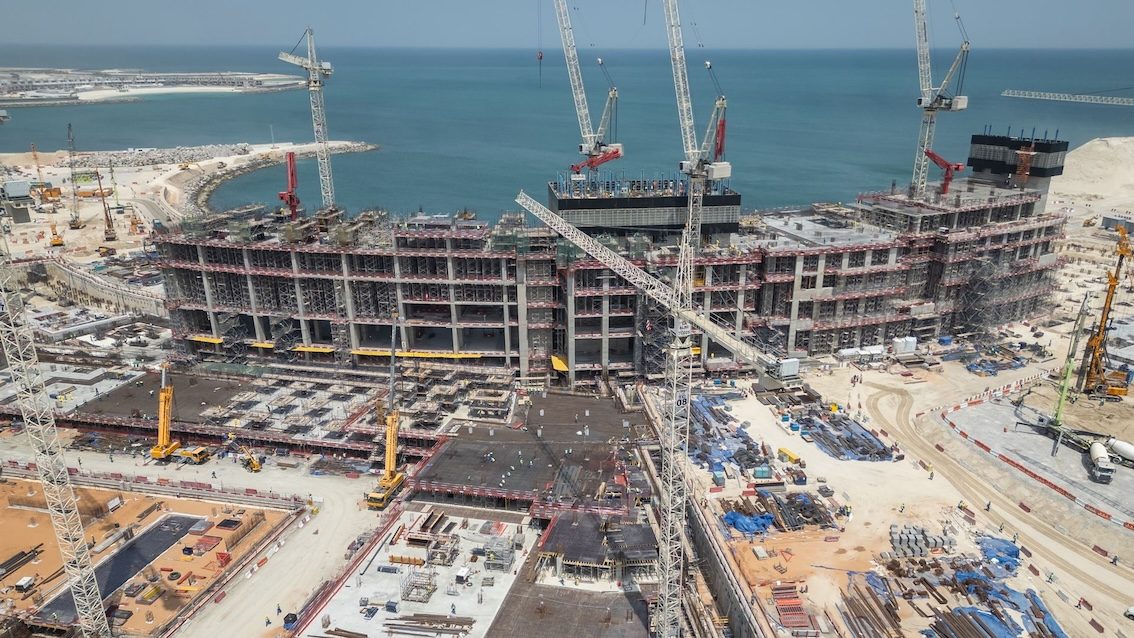
Wynn Resorts has announced a significant investment of $514.4 million into a new development on Al Marjan Island in Ras Al Khaimah, set to become a major attraction by early 2027. The move is part of the company’s broader strategy to capture a growing segment of the luxury tourism market in the UAE.

The ambitious project, known as Wynn Al Marjan Island, will include a luxury hotel, a sprawling casino, and a range of high-end dining and entertainment options. The development is expected to cater to an international clientele, with a particular focus on attracting visitors from Europe and India, where demand for luxury travel experiences is on the rise.

Wynn Resorts’ CEO, Craig Billings, highlighted that the investment aligns with the company’s vision to expand its global footprint and diversify its offerings. He hinted at potential future expansions in the region, reflecting the company’s confidence in the growing appeal of Ras Al Khaimah as a premium travel destination.

The choice of Al Marjan Island as the site for this new venture is strategic, as it is rapidly emerging as a hub for luxury tourism in the UAE. The island’s development is being closely watched by industry analysts, who see it as a key indicator of the region’s evolving tourism landscape.

The investment by Wynn Resorts is also expected to stimulate local economic growth, creating numerous job opportunities and boosting related industries in Ras Al Khaimah. The project’s scale and scope are likely to make it a landmark in the UAE’s hospitality sector, setting new standards for luxury and entertainment.

As the opening date of Wynn Al Marjan Island approaches, anticipation is building among travel industry experts and potential visitors. The development promises to enhance the UAE’s reputation as a premier destination for luxury tourism and high-stakes gaming, reinforcing Wynn Resorts’ position as a leader in the global hospitality market.

Advertisements

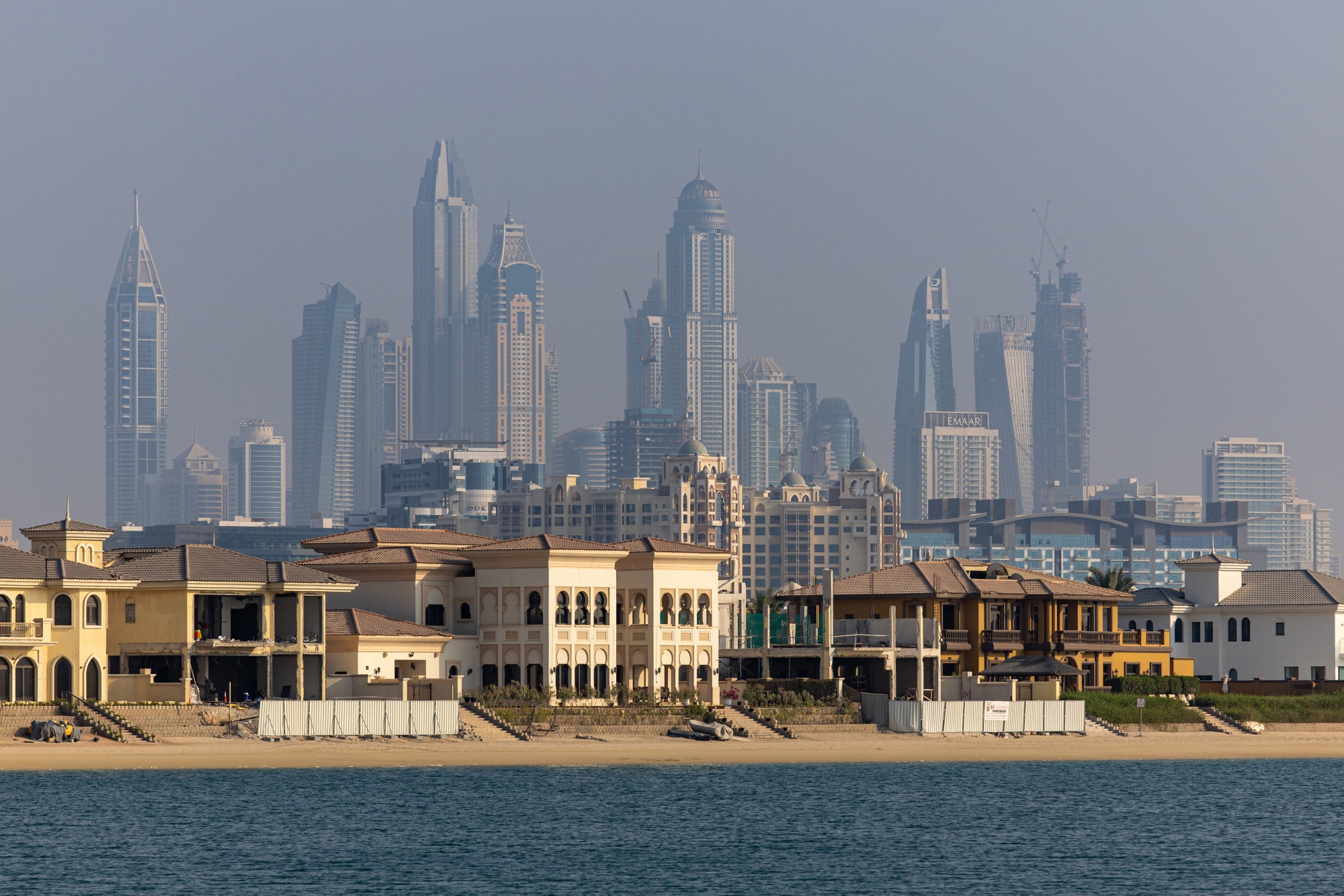
Emaar Properties and its development arm, Emaar Development, have announced significant gains in net profit for the first half of the year, buoyed by a robust increase in property sales. The results highlight the continuing strength of Dubai’s real estate sector, which has seen a resurgence in demand.

Emaar Properties, a major player in the global real estate market, reported a notable rise in net profit, reflecting a 22% increase compared to the same period last year. The company’s strong performance is attributed to a surge in property transactions and the successful delivery of several high-profile projects. This growth underscores the ongoing recovery and expansion of Dubai’s property market.

Emaar Development, a subsidiary specializing in residential and commercial projects, mirrored this upward trend with a 20% increase in net profit. The company’s performance has been fueled by high sales volumes and increased revenue from its development projects. The positive results from both Emaar Properties and Emaar Development signal a sustained confidence in Dubai’s real estate sector, driven by both domestic and international buyers.

Key projects contributing to the sales surge include the launch of several luxury residential towers and commercial spaces in Dubai. These projects have attracted significant interest, reflecting a broader trend of increased investment in high-end real estate across the city. Analysts attribute the strong performance to both the ongoing economic recovery in the region and strategic expansions by Emaar Properties.

The real estate market in Dubai has experienced a transformative period, marked by a rise in demand for premium properties and a stable economic environment. Emaar Properties and Emaar Development have capitalized on these trends, leveraging their established market presence and extensive project portfolios to drive growth. Their strong financial results reflect not only their operational success but also the broader health of Dubai’s real estate sector.

The positive financial performance is expected to continue, with industry experts predicting sustained growth in property sales and market activity. Both companies are poised to benefit from the ongoing expansion and development in Dubai, which continues to attract investors and buyers seeking high-quality real estate opportunities.

Emaar Properties’ and Emaar Development’s results are indicative of the broader trends in Dubai’s real estate market, showcasing the resilience and potential of the sector. Their success highlights the effectiveness of their strategic initiatives and the favorable conditions for real estate investment in the region.

Overall, the strong financial performance of Emaar Properties and Emaar Development reflects a positive outlook for Dubai’s real estate sector, marked by robust sales and continued investor interest. This upward trend is likely to shape the market dynamics for the foreseeable future, reinforcing the region’s position as a key player in the global real estate landscape.

Arabian Post Staff Muscat has been recognized as the third most scenic city at night in a new global ranking that highlights the Omani capital’s mesmerizing nocturnal beauty. This accolade places Muscat just behind Dubai and Tokyo, which secured the top two positions, respectively. The ranking was part of a study conducted by a prominent international travel platform, which evaluated cities worldwide based on their nighttime aesthetics. […]

Flydubai has launched its inaugural flights to Basel, marking a significant expansion of its European network. The Dubai-based airline, renowned for its extensive regional and international routes, has now added the Swiss city to its list of destinations, reflecting a growing demand for connectivity between the Middle East and Switzerland. The new route, which commenced operations this week, connects Dubai International Airport with EuroAirport Basel-Mulhouse-Freiburg. This addition […]

Tensions between Israel and Hezbollah have reached a critical point, significantly affecting daily life in Lebanon. Over the past few days, Israeli airstrikes targeted multiple Hezbollah positions in southern Lebanon, including the villages of Maifadoun and Khiam. These strikes have resulted in the deaths of several Hezbollah members and disrupted the lives of civilians living nearby.

On Tuesday, Israeli warplanes carried out strikes on Hezbollah military bases in Yaroun and Kfarkela, which the Israeli Defense Forces (IDF) stated were used for terrorist activities. This response came after Hezbollah launched a series of drone and rocket attacks into northern Israel, injuring 19 Israelis in the city of Nahariya and causing substantial property damage. The IDF intercepted several of these drones and rockets, but not all, leading to civilian casualties and heightened fear among residents.

The current wave of violence was triggered by the assassination of Ismail Haniyeh, a prominent Hamas leader, in Tehran. This event, coupled with the killing of Hezbollah’s military commander Fuad Shukr in Beirut, has escalated the conflict. Iran has vowed retaliation, increasing the regional stakes and bringing more uncertainty to Lebanon’s already fragile state.

Hezbollah has been conducting regular attacks on Israeli border communities and military posts, citing support for Gaza amid the ongoing conflict with Hamas. These skirmishes have resulted in significant casualties on both sides. The IDF has reported the deaths of 25 civilians and 18 soldiers, while Hezbollah has acknowledged the loss of 399 members, mostly in Lebanon. Additionally, numerous civilians and operatives from other militant groups have also been killed.

Lebanon’s infrastructure and economy, already struggling, are further strained by this ongoing conflict. The continuous airstrikes and retaliatory attacks have disrupted daily activities, causing fear and uncertainty among the Lebanese population. The border regions are particularly affected, with residents facing constant threats to their safety and livelihoods.

The international community has expressed concern over the escalating violence, urging both sides to seek diplomatic solutions. However, with the cycle of retaliation and defense firmly in place, achieving peace remains a challenging prospect. The potential for a broader regional conflict looms large, with implications that could extend far beyond the immediate area.

In light of these developments, Lebanon finds itself at a crossroads, grappling with the immediate consequences of the conflict while seeking a path towards stability. The resilience of its people and the effectiveness of international diplomatic efforts will be crucial in navigating this tumultuous period.

The situation remains fluid, with new developments occurring rapidly, and the region bracing for further escalations. The impact on Lebanon’s socio-economic fabric is profound, with the specter of war casting a long shadow over its future.

Dubai is hosting the first International Critical Care and Organ Donation and Transplant Conference, organized by Emirates Health Services (EHS). The three-day event, held from February 9-11, 2024, is a significant milestone aimed at fostering collaboration and knowledge exchange among global medical professionals. Dr. Sumaya Al Zarouni, Assistant Director for Medical Affairs at Al Qassimi Hospital, highlighted the event’s focus on the latest advancements in critical care […]

The construction industry in the Middle East and North Africa (MENA) is demonstrating remarkable growth, outpacing global trends in several key metrics. The sector’s resilience and strategic investments have fueled this unprecedented performance, setting the MENA region apart from other global markets. Recent data indicates that the MENA construction sector is expanding at an accelerated pace compared to other regions. The growth is driven by a combination […]

The regulatory framework for cryptocurrencies in the United Arab Emirates has significantly increased investor confidence, according to Ripple’s General Counsel. The new guidelines, which streamline operations for digital assets and provide clear compliance standards, are seen as a catalyst for growth in the region’s crypto sector. The UAE’s decision to formalize its approach to cryptocurrency regulation aims to balance innovation with robust oversight. This development is viewed […]

Dubai is set to implement a four-day work week for public sector employees, marking a significant shift in the region’s labor practices. This new schedule will reduce the standard working week from five days to four, with employees working nine-hour days from Monday to Thursday. The change is part of Dubai’s broader strategy to enhance work-life balance and increase productivity.

The decision aligns with Dubai’s vision to position itself as a progressive and innovative hub. The move aims to address the evolving needs of the modern workforce and to improve employee satisfaction by providing a longer weekend. This trial will affect a range of government departments and public institutions, with the potential for future expansion depending on the results.

The initiative reflects a growing global trend towards shorter work weeks, driven by studies indicating potential benefits such as increased job satisfaction and improved mental health. Dubai’s adoption of this model positions it as a leader in regional labor reform and aligns with its goals of fostering a more dynamic and flexible work environment.

In parallel, other countries and companies worldwide have explored or adopted similar changes, seeking to balance the demands of productivity with employee well-being. As Dubai embarks on this trial, it will be closely watched by both regional and international observers interested in the impacts on workplace efficiency and employee morale.

Economic experts suggest that the shortened work week could lead to various outcomes, including a potential boost in productivity and reductions in operational costs. The success of this trial could serve as a benchmark for other nations and organizations considering similar changes. Dubai’s experiment is expected to provide valuable insights into the feasibility and benefits of a reduced work week in diverse professional settings.

The four-day work week trial is set to commence in the coming months, with initial evaluations scheduled to assess its impact on public sector efficiency and employee satisfaction. If successful, the model could influence labor practices across both the public and private sectors in the region.

As Dubai continues to position itself at the forefront of innovative practices, the trial of a four-day work week represents a bold step towards redefining traditional work patterns. The outcome of this trial may well shape future policies and set a precedent for other regions exploring similar work structure changes.

Abu Dhabi is experiencing a significant increase in office rental rates, driven by a surge in investments and economic growth. This trend reflects a broader recovery in the real estate market, with both commercial and residential sectors showing robust performance.

Office rental rates in prime areas of Abu Dhabi have surged by 7 to 10 percent. This rise is largely attributed to increased demand from foreign companies establishing operations in the city. The limited availability of high-quality office space has further intensified competition among tenants, pushing rents higher.

Al Maryah Island, a rapidly developing business hub, is at the forefront of this trend. Known for its luxury real estate and business centers, Al Maryah Island has attracted significant interest from investors and corporations. The island’s strategic location and state-of-the-art infrastructure make it an ideal choice for businesses looking to establish a presence in Abu Dhabi.

Yas Island and Al Reem Island are also witnessing increased interest from investors. Yas Island, renowned for its entertainment and recreational facilities, continues to be a top choice for both residential and commercial investments. Al Reem Island, with its well-developed infrastructure, remains a preferred location for premium real estate projects.

The overall real estate market in Abu Dhabi is benefiting from the government’s efforts to diversify the economy and attract foreign investment. Major infrastructure projects, such as the expansion of the Abu Dhabi International Airport and new transport links, are enhancing the city’s appeal to investors.

Developers are responding to the growing demand by launching new luxury projects. These developments are expected to meet the needs of both local and international investors, providing a range of options from budget-friendly properties to ultra-luxurious residences.

Economic expansion and favorable government policies are key drivers behind this investment influx. The city’s focus on creating a business-friendly environment and improving living standards is paying off, attracting a diverse range of investors. The increase in foreign investment is not only boosting the real estate market but also contributing to the overall economic growth of Abu Dhabi.

Market analysts predict that this upward trend in office rental rates will continue as more businesses seek to capitalize on Abu Dhabi’s strategic location and economic opportunities. The city’s commitment to innovation and development positions it as a leading destination for both business and leisure.

Abu Dhabi’s real estate market is poised for sustained growth, with rising demand for office and residential spaces. Investors are likely to benefit from the strong rental yields and capital appreciation in the coming years, making Abu Dhabi a lucrative destination for real estate investment.

Sources:
– Gulf Business
– The National
– Property Shop Investment Blog
– Abu Dhabi Off Plan
– PSI Blog

Nuvama Private, the private banking arm of the Nuvama Group, has launched its operations in the Dubai International Financial Centre (DIFC), marking a significant step in its strategy to serve the wealth management needs of the Indian diaspora and other high-net-worth individuals (HNWIs) in the Middle East. This move comes as Nuvama Private aims to leverage Dubai’s position as a major financial hub to cater to the growing demand for comprehensive wealth management services among non-resident Indians (NRIs) and global investors.

With the acquisition of a Category III C license, Nuvama Private is one of the few Indian private banks authorized to provide advisory services and distribute investment products in the region. This expansion will facilitate greater access for NRIs and other clients to the rapidly growing Indian markets, which have seen significant developments in both public and private sectors over the past few years.

Alok Saigal, President and Head of Nuvama Private, emphasized the importance of this expansion, noting that approximately one-quarter of Dubai’s expatriate population consists of NRIs, many of whom are ultra-high-net-worth individuals (UHNWI). Saigal stated, “There is a growing aspirational class of global investors eager to participate in the India growth story. We understand the unique needs of the Indian mindset and are committed to providing tailored wealth management solutions for both onshore and offshore clients.”

The new office in DIFC will also help Nuvama Private meet the evolving needs of Indian clients seeking to diversify their investments beyond India. Vivek Sharma, Head of Offshore at Nuvama Private, highlighted the bank’s role in addressing these global needs, saying, “With the evolution of Indian UHNW families, their requirements are becoming global. Our DIFC arm will play an integral role in serving both local and international needs alongside our established practice in India.”

The leadership team for the DIFC office includes Vishwajit Patil, who brings over 20 years of experience in banking and wealth management to his role as Senior Executive Officer. Patil’s extensive background is expected to contribute significantly to the success of Nuvama’s regional operations.

Salmaan Jaffery, Chief Business Development Officer at DIFC Authority, welcomed Nuvama Private to the center, acknowledging Dubai’s status as the Middle East city with the highest concentration of wealth. Jaffery remarked, “We are pleased to have Nuvama in our ecosystem, which offers vast opportunities for wealth and asset management clients. The significant non-resident Indian population in Dubai, familiar with Nuvama, provides a strategic advantage.”

The establishment of the DIFC office aligns with Nuvama Private’s broader strategy to become a preferred partner for private banking needs, providing comprehensive solutions tailored to the aspirations of HNWIs and UHNWI clients. As the firm continues to expand its footprint, it aims to strengthen its position as a leading player in the global wealth management industry.

This strategic move by Nuvama Private not only enhances its service offerings but also underscores the importance of Dubai as a pivotal hub for connecting investors to opportunities in one of the world’s fastest-growing markets.

Sources:
– [International Adviser](https://international-adviser.com/nuvama-private-targets-non-resident-indians-through-new-difc-office)
– [Trade Arabia](https://tradearabia.com/news/BANK_416710.html)

Raja Salameh, brother of Lebanon’s former central bank governor Riad Salameh, has come under investigation in France as part of a corruption probe. This investigation is focused on the alleged embezzlement of over $330 million from Lebanon’s central bank. French authorities suspect that Raja, along with his brother, diverted these funds between 2002 and 2015, funneling them into European investments.

The case has drawn significant attention due to the extensive tenure of Riad Salameh as governor, a role he held for three decades. During this time, Riad became a prominent figure, especially as Lebanon grappled with severe economic challenges, culminating in the financial crisis that erupted in 2019.

Prosecutors from Germany, France, and Luxembourg have been actively involved in the investigation, conducting interviews with Lebanese bankers and officials in Beirut. The focus of their inquiries has been on the commissions collected by the central bank, which were purportedly transferred to Forry Associates, a company owned by Raja Salameh. The central bank allegedly collected these commissions from bond buyers and, instead of retaining them, funneled the money to Forry Associates without clear disclosure to private banks.

Despite the allegations, both Riad and Raja Salameh have denied any wrongdoing. Riad maintains that the $300 million was earned legally, emphasizing that he is being used as a scapegoat for the country’s financial woes. Pierre-Olivier Sur, Riad’s French lawyer, argued that the commissions were legitimate payments for intermediation work conducted by Forry Associates, authorized by the central bank’s management and supervisory bodies.

The revelations have intensified scrutiny of Lebanon’s financial sector and the role of its central bank. Lebanese authorities have also pursued their own investigations, leading to charges of illicit enrichment against Riad Salameh in March, which he has denied.

Riad Salameh continues to have the support of key Lebanese political figures, including Nabih Berri, the long-standing Speaker of Parliament. However, the unfolding investigations in Europe and Lebanon are likely to exert increasing pressure on him and his associates as authorities seek to uncover the full extent of the alleged financial misconduct.

The case highlights the broader challenges facing Lebanon, where endemic corruption and financial mismanagement have severely impacted the country’s economy, contributing to widespread public distrust in its institutions. As European prosecutors proceed with their investigation, the international community watches closely, hoping for accountability and transparency in addressing these serious allegations.

Iranian-backed forces have intensified their attacks on areas controlled by US-backed Kurdish fighters in eastern Syria. The clashes have primarily centered around the oil-rich Deir Ezzor province, escalating tensions in a region already fraught with conflict.

Violence erupted when Syrian government-backed mercenaries and local Arab tribal fighters launched a series of attacks on Kurdish-held villages, including Dhiban, Latwa, and Abu Hamam. These areas, situated near the strategically important Al-Omar oil field, have been scenes of heavy fighting, with casualties reported on both sides.

According to the Syrian Democratic Forces (SDF), the Iranian-backed attackers managed to inflict significant damage, including the destruction of military vehicles and the capture of SDF soldiers. The SDF has since imposed curfews in the affected areas, mobilizing reinforcements to regain control and prevent further incursions.

This surge in hostilities follows a series of provocative actions in the broader Middle East. Notably, the killings of key figures in the Hezbollah and Hamas movements have heightened regional tensions, prompting vows of retaliation from Iranian allies.

The US military, which maintains a presence in eastern Syria to support the SDF against ISIS remnants, has been put on high alert. American forces have been actively involved in the conflict, providing aerial surveillance and support to their Kurdish allies. The situation remains volatile, with US helicopters and drones conducting continuous operations over the conflict zones.

The clashes underscore the fragile nature of alliances and the complexity of the Syrian conflict, where multiple factions vie for control and influence. Iranian influence in the region, bolstered by alliances with local tribes and Syrian government forces, continues to challenge US interests and stability efforts in Syria.

As the conflict unfolds, the humanitarian impact is becoming increasingly severe. Civilians caught in the crossfire face displacement and loss, with access to essential services disrupted by the ongoing violence. The international community watches closely, concerned about the potential for a broader escalation that could draw in more regional powers and further destabilize the Middle East.

Expansion reinforces commitment to economic growth and business advisory services in underserved GCC markets. West Palm Beach, Fla: Transworld Business Advisors (Transworld), the world’s largest business brokerage franchise, proudly announces the expansion of its UAE operations to the entire Gulf Cooperation Council (GCC) region. Transworld GCC will soon extend its services to include Saudi Arabia, Kuwait, Bahrain, Qatar, and Oman in addition to its current United Arab […]

Dubai has introduced a pilot project to test a four-day work week for government employees during the summer. The initiative, named “Our Flexible Summer,” will run from August 12 to September 30, 2024, and will involve 15 government entities. Under this plan, the workday will be reduced to seven hours, with Fridays off.

The Dubai Government Human Resources Department (DGHR) spearheaded this initiative to enhance work-life balance and improve the overall well-being of government employees. The project aligns with the Dubai Quality of Life Strategy 2033, which aims to make Dubai a leading global destination for living and working by enhancing the quality of life for its residents.

This move also aims to reduce energy consumption within government departments and provides employees with more time for leisure activities. The DGHR will gather feedback throughout the trial period to assess the initiative’s impact and its feasibility for broader implementation.

The initiative underscores the city’s commitment to progressive workplace policies and aims to foster a more flexible and productive work environment, contributing to the broader goal of positioning Dubai as a top city for long-term settlement and employment.

Arabian Post Staff Dubai Chamber of Digital Economy, in partnership with the Dubai World Trade Centre, has successfully concluded a series of 12 international roadshows aimed at promoting Expand North Star, the largest global event for startups and investors, set to take place from October 13-16 in Dubai Harbour. The roadshows spanned cities across Poland, India, Brazil, China, Morocco, France, Switzerland, the UK, and the Netherlands, engaging […]

Dubai International Airport (DXB) has set a new record, handling 44.9 million passengers in the first half of 2024. This marks an 8% increase compared to the same period last year, underscoring DXB’s significant role as a global aviation hub. The surge in passenger numbers is closely tied to Dubai’s broader economic growth. Dubai’s GDP reached AED 115 billion in Q1 2024, reflecting a 3.2% year-on-year increase. […]

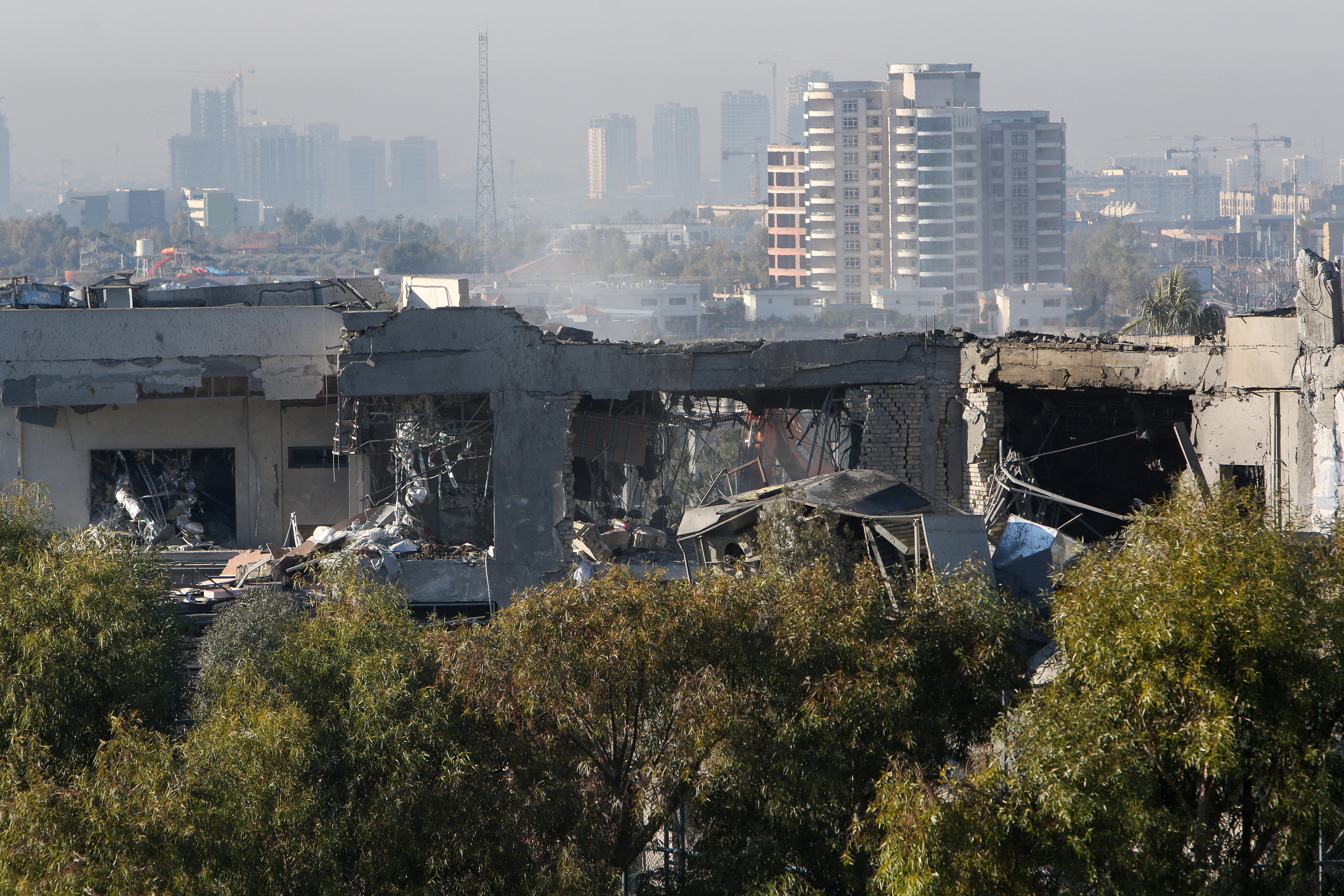
A rocket attack on US forces stationed in Iraq on Monday has escalated tensions, complicating ongoing negotiations regarding the withdrawal of foreign troops from the country. The attack, which resulted in multiple injuries, has been attributed to Iran-backed militia groups operating within Iraq. US officials have pointed fingers at Kataib Hezbollah, a powerful militia with a history of targeting American assets in the region.

The rocket strike targeted the Ain al-Asad airbase, a key location for US troops in Iraq. This base has been the focal point of several assaults over the years, highlighting the volatile security situation in the region. Diplomatic efforts to reduce the foreign military footprint in Iraq might be significantly affected by this incident, with both US and Iraqi officials expressing concerns about the future stability of the area.

US Central Command spokesperson confirmed the attack, noting the use of 107mm rockets, which have been a preferred weapon of Iran-backed groups. The assault led to immediate military responses, with US forces conducting airstrikes targeting militia positions suspected of orchestrating the attack. This retaliatory measure underscores the ongoing tit-for-tat dynamics between US forces and Iran-aligned militias in Iraq.

Iraq’s Prime Minister condemned the attack, emphasizing the need for a thorough investigation to hold those responsible accountable. He reiterated the Iraqi government’s stance on preventing the country from becoming a battleground for proxy conflicts. However, the ability of the Iraqi government to rein in these powerful militias remains questionable, given their deep-rooted influence and substantial military capabilities.

The attack also comes at a critical juncture as the US and Iraq have been engaged in strategic dialogue aimed at determining the future of US military presence in the country. These talks are crucial for shaping the long-term security and political landscape of Iraq. However, the rocket attack has introduced new complexities, potentially hardening US positions and influencing the terms of any future agreements.

Iran, while not directly implicated in the attack, has been accused of supporting and supplying these militia groups. The broader geopolitical tensions between the US and Iran continue to spill over into Iraq, with local militias often acting as proxies for Tehran’s regional ambitions. This dynamic further complicates the efforts of Iraqi authorities to stabilize the country and assert full sovereignty.

The international community has been closely monitoring these developments, with several countries expressing concerns about the potential for further escalation. The United Nations has called for restraint from all parties and urged a return to diplomatic negotiations to address underlying issues.

This latest incident is part of a broader pattern of violence and instability that has plagued Iraq since the US-led invasion in 2003. The presence of foreign troops, the influence of various militia groups, and the ongoing threat of extremist organizations like ISIS continue to pose significant challenges for Iraq’s security apparatus.

The future of US-Iraq relations remains uncertain, with the rocket attack serving as a stark reminder of the fragile state of affairs. Both nations must navigate this complex environment carefully to avoid further escalation and work towards a sustainable resolution that ensures the stability and security of the region.

This attack and its aftermath will likely have far-reaching implications, not just for Iraq but for the broader Middle East, where the interplay of regional powers continues to shape the geopolitical landscape. The outcome of the US-Iraq negotiations will be critical in determining the direction of future US involvement in the region and the overall stability of Iraq.


VISHNU RAJA
RYO YAMADA
HITORI GOTOH
IKUYO KITA