News related to
Dubai

Cullman High School seniors Nora Sheffield and Elianna Hollis have been distinguished as National Merit Finalists, a prestigious recognition awarded to high-achieving students across the United States. This accolade underscores their exceptional academic performance and dedication.

The National Merit Scholarship Program annually identifies and honors students who demonstrate outstanding academic abilities. Out of approximately 1.3 million entrants, only about 15,000 advance to the Finalist stage, representing less than 1% of U.S. high school seniors. These students are now eligible for various National Merit Scholarships, which will be awarded based on their abilities, skills, and accomplishments.

Principal Allison Tuggle of Cullman High School expressed immense pride in Sheffield and Hollis’s achievements. “This incredible achievement is a testament to their hard work, dedication, and academic excellence,” Tuggle stated. “Reaching this level of distinction is no small feat, and it reflects not only their academic prowess but also their commitment to personal growth and excellence.”

The journey to becoming a National Merit Finalist begins with the Preliminary SAT/National Merit Scholarship Qualifying Test , which serves as an initial screening for program entrants. Students who score in the top percentile are designated as Semifinalists and must then fulfill several requirements to advance to the Finalist stage. These include maintaining an outstanding academic record, securing a recommendation from a school official, writing a personal essay, and achieving SAT or ACT scores that confirm their earlier performance.

In addition to Sheffield and Hollis, St. Bernard Preparatory School’s senior Willa Smith has also been named a National Merit Finalist. Headmaster Phuong Nguyen announced Smith’s accomplishment during a gathering in the school’s dining hall, highlighting the significance of her achievement. “Out of 3.6 million students who took the PSAT/NMSQT, Willa is among the 15,000 students nationwide who have advanced to Finalist standing,” Nguyen remarked. “This distinction not only recognizes her exceptional academic ability but also qualifies her for National Merit Scholarship opportunities.”

Smith’s peers, faculty, and family celebrated her success with a congratulatory event, acknowledging her hard work and dedication. She plans to attend the University of Alabama in Tuscaloosa, aiming to further her education and pursue her academic interests.

The National Merit Scholarship Corporation is a not-for-profit organization established in 1955 to conduct the National Merit Scholarship Program. Its mission is to recognize and honor academically talented students and to encourage the pursuit of academic excellence at all levels of education. Each year, the NMSC awards approximately 7,500 National Merit Scholarships, worth more than $30 million, to deserving students.

The recognition of Sheffield, Hollis, and Smith as National Merit Finalists brings pride not only to their respective schools but also to the broader Cullman community. Their achievements serve as an inspiration to fellow students, exemplifying the rewards of dedication, hard work, and a commitment to academic excellence.

As these students advance in the National Merit Scholarship competition, they embody the values of perseverance and intellectual curiosity. Their successes reflect the supportive educational environments fostered by Cullman High School and St. Bernard Preparatory School, institutions committed to nurturing the potential of their students.

The National Merit Scholarship winners are slated to be announced between April and July 2025. These scholarships are awarded based on a comprehensive evaluation of the Finalists’ academic records, the rigor of the courses taken, leadership roles, contributions to school and community activities, and other significant accomplishments.
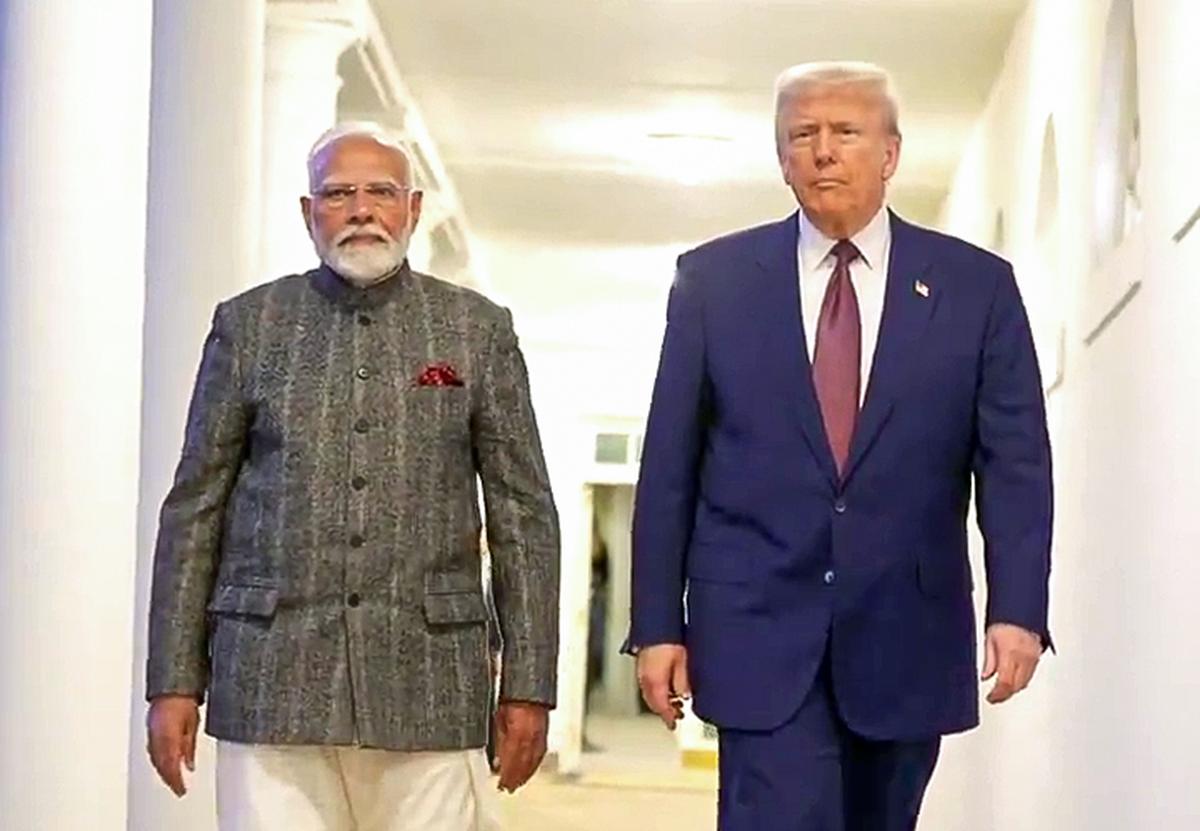

By Nitya Chakraborty The outcome of Prime Minister Narendra Modi’s meeting with the U.S. President Donald Trump in White House on February 13 may have its impact on the interim government of Bangladesh headed by Dr. Mohammad Yunus, who is in power since August 8, 2024 in the wake of the ouster of Sheikh Hasina […]


Dubai’s Roads and Transport Authority has completed a significant upgrade to Kite Beach Street in Jumeirah, effectively doubling its capacity and reducing travel time from 15 minutes to just 5 minutes. The project expanded the road from a single lane in each direction to two lanes in the same direction, addressing congestion issues caused by parking and pedestrian pathways.

The RTA announced the completion of this project on February 13, 2025, as part of its ongoing efforts to enhance traffic flow across the emirate. The authority stated that the modifications are in line with continuous efforts towards smoother traffic movement in various areas of Dubai, particularly to manage the high traffic volumes on Kite Beach Road.

In addition to lane expansion, the RTA has introduced extra parking spaces to accommodate the increasing number of visitors to Kite Beach, one of Dubai’s most popular leisure destinations. These enhancements aim to alleviate traffic congestion exacerbated by limited parking and pedestrian activity in the area.

Hussain Al Banna, CEO of the Traffic and Roads Agency at RTA, highlighted that these improvements have played a crucial role in optimizing vehicle movement on major roads while increasing the capacity of road networks as well as entry and exit points. He emphasized that the project aligns with the city’s urban expansion and the need to accommodate growing traffic volumes.

This initiative is part of a broader strategy by the RTA, which completed traffic enhancements at more than 50 locations across Dubai in 2024. These efforts have collectively improved the efficiency of the city’s roads, achieving a 60% reduction in travel time and increasing road capacity by up to 20% in various areas.

The comprehensive plan includes the Dh16 billion Main Roads Development Plan for 2024-2027, unveiled by Sheikh Hamdan bin Mohammed bin Rashid Al Maktoum, Crown Prince of Dubai and Chairman of the Dubai Executive Council. This plan encompasses 22 strategic projects aimed at bolstering the city’s infrastructure to support Dubai’s expanding population, benefiting over six million residents and enhancing connectivity across the emirate.

Key projects under this development plan include the Latifa bint Hamdan Street and Meydan Road developments, which are expected to boost road capacity and significantly reduce travel times in critical areas. These projects are designed to address the increasing demand on Dubai’s road networks and to facilitate smoother traffic flow throughout the city.

In line with Dubai’s commitment to incorporating technology-driven solutions in public transit, the RTA has integrated AI-powered traffic management systems and autonomous transport initiatives. These advancements are part of the city’s Smart Self-Driving Transport Strategy, aiming to transform 25% of total mobility journeys in Dubai into driverless journeys by 2030.

The city’s road network has seen substantial growth, expanding from 8,715 lane-kilometers in 2006 to 18,990 lane-kilometers, now facilitating 2.2 million daily public transport riders. This expansion reflects Dubai’s rapid urban development and the RTA’s proactive approach to infrastructure planning and traffic management.

The RTA’s continuous efforts to enhance road infrastructure and traffic flow are pivotal in accommodating the city’s growth and ensuring a high quality of life for residents and visitors alike. The successful upgrade of Kite Beach Street serves as a testament to Dubai’s commitment to developing efficient and sustainable urban mobility solutions.

As Dubai continues to evolve, the RTA remains dedicated to implementing strategic projects that address current challenges and anticipate future needs. The integration of advanced technologies and comprehensive planning underscores the city’s vision of becoming a global leader in smart and sustainable transportation.

The recent enhancements to Kite Beach Street not only improve the daily commute for motorists but also contribute to the overall safety and accessibility of the area. By providing additional parking and expanding road capacity, the RTA ensures that both residents and tourists can enjoy one of Dubai’s most cherished beachfronts with greater ease and convenience.

Dubai has rapidly emerged as a global hub for cryptocurrency and blockchain technology, attracting investors, entrepreneurs, and innovators worldwide. This ascent is largely attributed to the emirate’s progressive regulatory framework, which aims to foster innovation while ensuring compliance with international standards. However, this balancing act presents a complex challenge: how can Dubai promote the growth of the crypto industry while adhering to the stringent guidelines set by global watchdogs like the Financial Action Task Force ?

In recent years, Dubai has implemented a series of initiatives to position itself at the forefront of the digital asset revolution. The establishment of the Virtual Assets Regulatory Authority exemplifies this commitment. VARA is tasked with overseeing the regulation, licensing, and governance of virtual assets within the emirate, ensuring that all crypto-related activities align with both local and international laws. This proactive approach has been pivotal in attracting major players in the crypto space to set up operations in Dubai.

A significant aspect of Dubai’s strategy is its favorable tax environment. The city imposes zero percent personal income tax and capital gains tax, extending this benefit to gains from cryptocurrency activities such as disposals, staking, and mining for individuals. This tax incentive has made Dubai an appealing destination for crypto investors and businesses seeking a conducive environment for growth.

Dubai has embraced blockchain technology across various sectors. The Dubai Land Department, for instance, has integrated blockchain into its operations, enhancing transparency and efficiency in real estate transactions. Such initiatives underscore the emirate’s dedication to leveraging technology to improve public services and drive economic growth.

However, with innovation comes the responsibility of ensuring that these new technologies are not misused. The FATF, an international body that sets standards for combating money laundering and terrorist financing, has been closely monitoring developments in the virtual asset space. It has issued binding standards to prevent the misuse of virtual assets, emphasizing the need for robust regulatory frameworks.

One of the key FATF recommendations is the “Travel Rule,” which mandates that Virtual Asset Service Providers obtain and share identifying information about the originator and beneficiary of virtual asset transfers exceeding a certain threshold. This measure aims to enhance transparency and deter illicit activities within the crypto ecosystem.

Dubai, through VARA, has taken steps to align with these international standards. Effective from October 1, 2024, VARA introduced new marketing regulations for virtual assets, requiring businesses to comply with specific guidelines when promoting crypto-related activities. This move ensures that marketing practices are transparent and do not mislead consumers, thereby fostering a safer investment environment.

The UAE amended its Value Added Tax regulations in November 2024, exempting most transactions involving virtual assets from the standard 5% VAT. This exemption reflects the government’s intent to encourage the use of virtual assets in everyday transactions, integrating them more seamlessly into the economy.

Despite these advancements, challenges persist. The rapid evolution of the crypto industry often outpaces regulatory developments, necessitating continuous updates to existing laws and guidelines. Additionally, while Dubai’s regulatory environment is conducive to innovation, it must remain vigilant to prevent potential misuse of virtual assets for illicit purposes.

American University of Sharjah has celebrated its 25th annual Global Day, a vibrant two-day event that showcased the rich tapestry of cultures represented within its community. The festivities, aligning with the UAE’s designation of 2025 as the “Year of Community,” underscored the university’s commitment to fostering global understanding and inclusivity.

Her Excellency Sheikha Bodour bint Sultan Al Qasimi, President of AUS, inaugurated the event, emphasizing the institution’s role as a nexus for cultural engagement and international collaboration. This year’s theme, “Bridging Cultures: Building Communities,” resonated throughout the campus, highlighting the transformative power of cultural exchange in nurturing a sense of belonging among the university’s diverse populace.

The celebration saw participation from 36 cultural clubs, marking a significant increase of nearly 25 percent compared to the previous year. These student-led groups transformed the campus into a global stage, offering immersive experiences that spanned history, art, and cuisine. Attendees had the opportunity to traverse various pavilions, each meticulously curated to represent the unique traditions of the 90 nationalities present at AUS.

Venues such as the Main Auditorium and Plaza were abuzz with dynamic performances, interactive activities, and exhibitions. Traditional dances, musical performances, and art displays provided a sensory journey through different cultures, fostering an environment of mutual respect and appreciation.

In her opening remarks, Sheikha Bodour highlighted the importance of such events in promoting dialogue and understanding. “Our diversity is our strength,” she stated. “By coming together to celebrate our unique heritages, we build bridges that connect us and fortify the fabric of our community.”

Students, faculty, and visitors expressed enthusiasm for the event, noting its role in enhancing cross-cultural interactions. “Global Day is a testament to AUS’s dedication to embracing diversity,” said Ahmed Khan, a third-year engineering student. “It offers us a platform to share our traditions and learn from others, enriching our university experience.”

The event also featured culinary delights from around the world, with food stalls offering traditional dishes prepared by students and local chefs. This gastronomic exploration allowed attendees to savor flavors from different continents, further enhancing the multicultural ambiance.

Workshops and seminars were conducted alongside the festivities, focusing on topics such as intercultural communication, global citizenship, and the role of youth in fostering inclusive societies. These sessions aimed to equip participants with the knowledge and skills necessary to navigate and contribute positively to an increasingly interconnected world.

Etihad Salam Telecom Company has announced a strategic partnership with Genesys to revolutionise customer service across Saudi Arabia. This collaboration aims to integrate advanced technologies into Etihad Salam’s offerings, enhancing both customer interactions and operational efficiency.

The partnership focuses on implementing a comprehensive telecommunications solution that combines advanced Session Initiation Protocol trunk services with sophisticated call centre platforms. By leveraging artificial intelligence, automation, and cloud-based technologies, the initiative seeks to transform traditional customer service models, providing more personalised and efficient experiences.

Eng. Amjad Arab, Chief Wholesale and Partnerships Officer at Etihad Salam, highlighted the significance of this alliance: “Our mission is to provide robust, innovative solutions that support the rapid expansion of digital content and seamless technology experiences. Collaborating with Genesys allows us to offer enriched connectivity services and bring content closer to end-users, ultimately empowering businesses to thrive in an increasingly digital landscape.”

This development comes at a time when Saudi Arabia’s information and communication technology sector is experiencing substantial growth. Projections indicate that the sector will reach a valuation of USD 82.51 billion by 2030. The partnership between Etihad Salam and Genesys is poised to contribute significantly to this growth by introducing cutting-edge customer service solutions that align with the Kingdom’s digital transformation goals.

In addition to this collaboration, Etihad Salam has been actively engaging in other strategic partnerships to bolster the nation’s digital infrastructure. Recently, the company strengthened its alliance with center3, a subsidiary of the stc Group, to enhance network resilience and connectivity. This joint effort aims to deliver unparalleled digital infrastructure, benefiting businesses, cloud providers, and content creators alike.

Etihad Salam has partnered with ServiceNow to support the burgeoning small and medium-sized enterprise sector in Saudi Arabia. With the SME sector witnessing a 60% year-on-year growth and over 135,000 new registrations in the last quarter, this collaboration aims to provide tailored solutions that address the unique needs of these businesses. By combining Etihad Salam’s connectivity and managed services with ServiceNow’s expertise in automating administrative processes, the partnership seeks to facilitate agile business setups and operations.

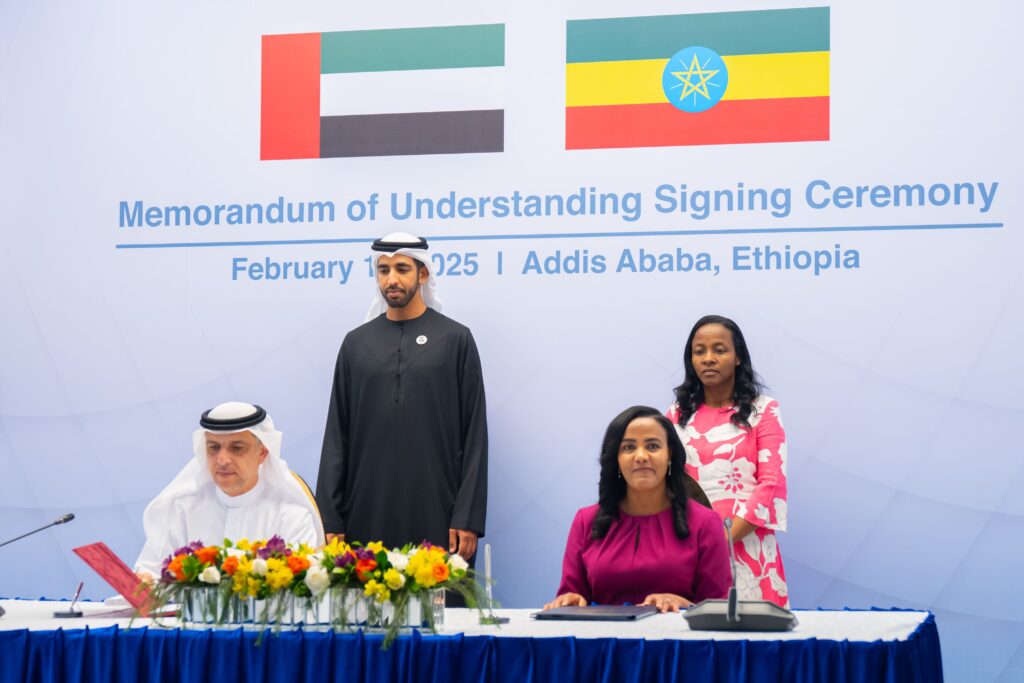
The United Arab Emirates has unveiled a $60 million initiative to develop schools tailored for visually impaired students across Ethiopia. This significant investment, announced ahead of the African Union Summit, underscores the UAE’s commitment to inclusive education and support for underserved communities.

The Khalifa Bin Zayed Al Nahyan Foundation, operating under Erth Zayed Philanthropies, will spearhead this project in collaboration with the Ethiopian government. The agreement was formalized by Mohamed Haji Al Khoori, Director General of the Foundation, and Ethiopia’s First Lady, Zinash Tayachew. The signing ceremony was witnessed by Sheikh Shakhboot bin Nahyan, UAE Minister of State and Trustee of Erth Zayed Philanthropies.

Ethiopia faces a pressing need in this sector, with approximately 1.2 million individuals living with visual impairments, including 332,000 who are blind. The country also contends with one of the highest global rates of trachoma, a preventable eye disease prevalent in underserved regions. This initiative aims to address these challenges by constructing schools equipped with advanced assistive technologies, specialized curricula, and vocational programs designed to empower visually impaired students for higher education and employment opportunities.

Sheikh Theyab bin Mohamed bin Zayed Al Nahyan, Deputy Chairman of the Presidential Court for Development and Fallen Heroes’ Affairs and Chairman of the Board of Trustees of Erth Zayed Philanthropies, emphasized the UAE’s dedication to supporting people of determination worldwide. He stated that providing visually impaired students in Ethiopia with inclusive learning environments is crucial for enabling them to reach their full potential.

Sheikh Shakhboot bin Nahyan highlighted the importance of sustainable development and strategic collaboration as drivers of lasting change. He noted that this initiative reflects the UAE’s unwavering commitment to uplifting communities, creating economic opportunities, and expanding access to essential services.

First Lady Zinash Tayachew expressed gratitude for the UAE’s continued partnership, which aligns with Ethiopia’s goal of ensuring that every citizen, regardless of abilities, has access to quality education. She emphasized that this collaboration will help create a more inclusive society where every student has the opportunity to succeed.

Mohamed Haji Al Khoori underscored that education is a fundamental right and that every child deserves the opportunity to learn in an environment that supports their unique needs. He added that strengthening educational systems lays the foundation for a more inclusive and equitable future, reaffirming the power of global partnerships in driving lasting impact.

This initiative builds upon the success of the Sheikha Fatima bint Mubarak School for the Blind in Addis Ababa, inaugurated in May 2024. The new schools will form a network across Ethiopia, expanding access to inclusive education and ensuring that visually impaired children, regardless of socioeconomic background, can thrive in supportive learning environments.

Fikeru Bejo, an IT teacher at the Sheikha Fatima bint Mubarak School for the Blind, shared insights into the transformative impact of such initiatives. He highlighted the resilience and determination of students to overcome challenges and achieve their goals, attributing their progress to the enhanced facilities, specialized teacher training, and introduction of assistive technology made possible by the UAE’s support.

Advertisements

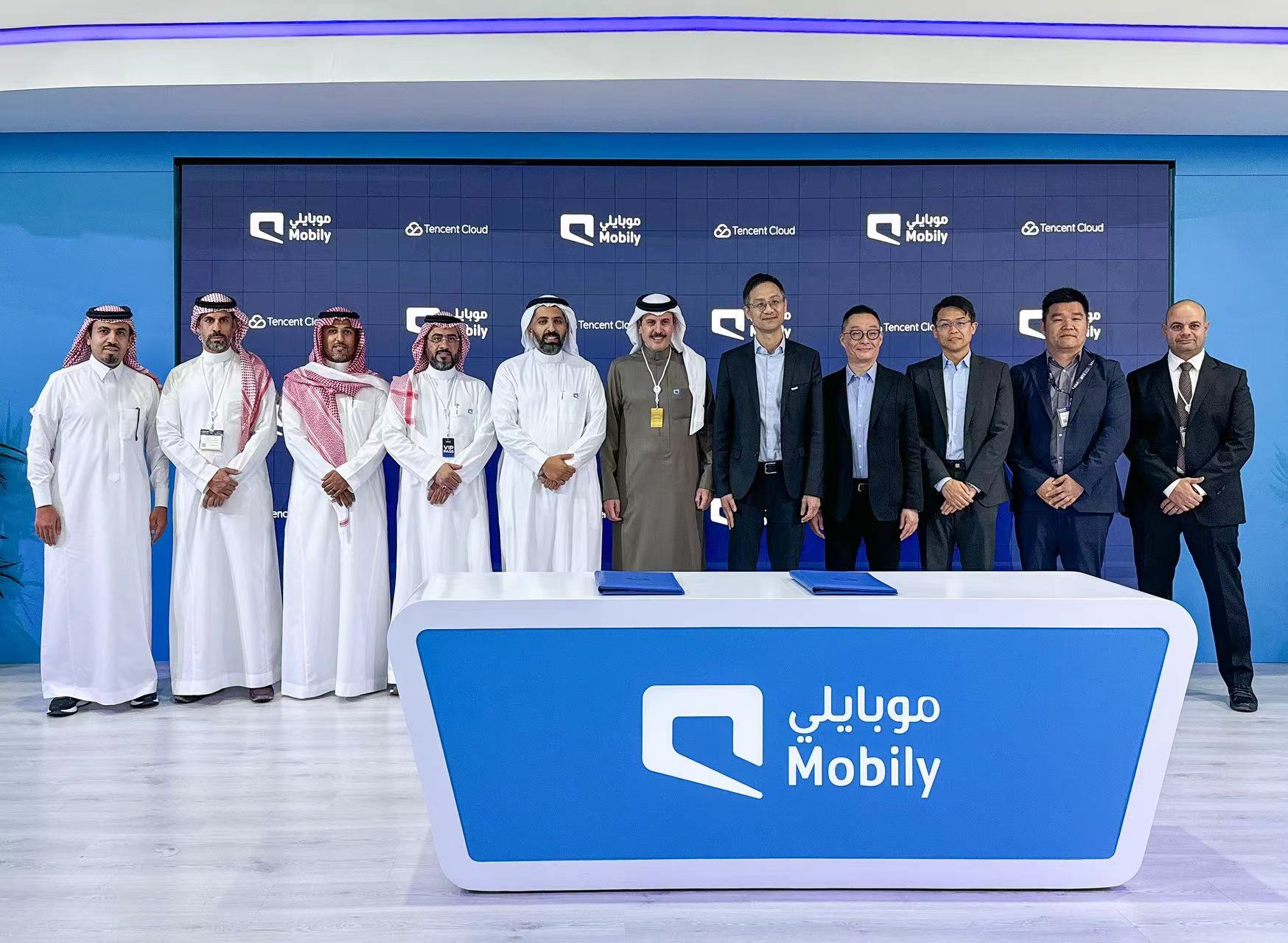
Tencent Cloud has unveiled plans to launch its inaugural Middle East Cloud Region in Saudi Arabia, marking a pivotal expansion in the company’s global infrastructure. Announced at the LEAP 2025 technology summit in Riyadh, the new cloud region will encompass two availability zones, each designed with full redundancy to ensure robust and reliable services. This development is slated to become operational by 2025, aligning with Saudi Arabia’s ambitious Vision 2030 objectives to foster digital transformation and economic diversification.

The strategic move includes an investment exceeding $150 million over the forthcoming years, underscoring Tencent Cloud’s commitment to bolstering the Kingdom’s burgeoning digital economy. Dan Hu, Vice President of Tencent Cloud International for the Middle East and North Africa, emphasized the significance of this initiative, stating, “We’re excited to have grown alongside the Kingdom of Saudi Arabia and look forward to ramping up cloud support for the Middle East. The new Cloud Region strengthens our ability to support the country’s digital transformation journey.”

This expansion will integrate Saudi Arabia into Tencent Cloud’s extensive global network, which currently comprises over 50 availability zones across 21 regions. The new infrastructure is poised to deliver a comprehensive suite of advanced cloud services, including artificial intelligence capabilities, data analytics, and digital media solutions. These offerings are tailored to meet the diverse needs of industries such as finance, gaming, media, and e-commerce within the region.

Saudi Arabia’s cloud computing market is experiencing rapid growth, driven by the government’s proactive digital initiatives and the private sector’s increasing adoption of cloud technologies. Projections indicate that annual spending on public cloud services in the Kingdom is expected to reach $2.5 billion by 2026, reflecting a compound annual growth rate of 25%. This surge is attributed to the nation’s focus on emerging technologies, including AI, cloud computing, and the Internet of Things , as integral components of its Vision 2030 plan.

The LEAP 2025 summit, where Tencent Cloud’s announcement was made, has emerged as a significant platform for technological collaboration and investment in Saudi Arabia. The event witnessed the Kingdom securing $14.9 billion in new investments aimed at advancing its digital infrastructure and AI capabilities. Notably, global cloud service providers are increasingly recognizing the potential of the Saudi market. For instance, Amazon Web Services has partnered with stc Group to accelerate cloud adoption and AI-driven innovation across various sectors, including healthcare, finance, and education.

Tencent Cloud’s entry into the Middle East market is anticipated to intensify competition among cloud service providers, offering businesses in the region a broader array of options to enhance their digital operations. The establishment of local data centers is particularly advantageous, as it addresses data residency requirements and reduces latency, thereby improving the performance of cloud-based applications and services.

In addition to infrastructure development, Tencent Cloud is expected to collaborate with local enterprises and governmental bodies to provide training and support, fostering a skilled workforce adept in cloud technologies. This initiative aligns with Saudi Arabia’s broader goals of nurturing innovation and entrepreneurship, ultimately contributing to a diversified and knowledge-based economy.

The Middle East’s strategic importance in the global technology landscape is increasingly evident, with countries like Saudi Arabia investing heavily in digital transformation. Tencent Cloud’s expansion into the region not only signifies confidence in the local market’s potential but also reinforces the Kingdom’s position as a burgeoning hub for technological advancement and innovation.

As the cloud computing landscape in Saudi Arabia continues to evolve, the presence of global players like Tencent Cloud is poised to accelerate the adoption of cutting-edge technologies. This development is expected to drive economic growth, enhance competitiveness, and pave the way for new business models and opportunities within the region.

Alibaba Cloud has inaugurated its second data center in Thailand, aiming to meet the growing demand for cloud computing services and support the country’s digital transformation initiatives. This development aligns with Thailand’s strategic efforts to enhance its digital economy and infrastructure.

The new facility is designed to provide advanced cloud services, including support for artificial intelligence applications, to businesses and government agencies across Thailand. By expanding its data center footprint, Alibaba Cloud seeks to offer more robust and reliable services, catering to the increasing needs of enterprises adopting digital technologies.

Thailand has been actively pursuing a comprehensive digital transformation strategy, encapsulated in policies like “Thailand 4.0” and the “National Digital Economy and Society Development Plan.” These initiatives focus on building high-capacity digital infrastructure, promoting e-government solutions, and fostering innovation and technology adoption across various sectors. The government’s commitment is further evidenced by the approval of the national AI strategy and action plan , which aims to drive AI development and integration throughout the country.

The establishment of Alibaba Cloud’s second data center is poised to bolster these governmental efforts by providing the necessary infrastructure to support AI and other emerging technologies. This move is expected to enhance the competitiveness of Thai businesses, particularly small and medium-sized enterprises , by offering scalable and secure cloud solutions that facilitate innovation and efficiency.

In addition to infrastructure development, Thailand is focusing on digital skills enhancement and inclusivity. The government has launched initiatives to train individuals through community digital centers, aiming to bridge the digital divide and ensure that the benefits of digital transformation are accessible to all segments of the population. These efforts are crucial in creating a digitally literate workforce capable of leveraging new technologies to drive economic growth.

The collaboration between global technology providers like Alibaba Cloud and the Thai government signifies a strategic partnership that leverages international expertise to accelerate national digital goals. Such alliances are instrumental in positioning Thailand as a regional digital hub, attracting further investments, and fostering a vibrant ecosystem of innovation and technological advancement.

As Thailand continues to implement its digital economy strategies, the expansion of cloud infrastructure by industry leaders like Alibaba Cloud will play a pivotal role in supporting the nation’s objectives. This development not only addresses the immediate needs for advanced computing resources but also lays the foundation for sustainable digital growth in the years to come.

The integration of enhanced cloud services is anticipated to have a transformative impact on various sectors, including finance, healthcare, education, and manufacturing. By providing scalable and efficient cloud solutions, businesses can innovate more rapidly, improve operational efficiencies, and deliver better services to their customers. Moreover, the availability of local data centers ensures compliance with data sovereignty requirements, which is a critical consideration for many organizations.

In the financial sector, for instance, banks and fintech companies can leverage cloud-based AI analytics to offer personalized services and detect fraudulent activities more effectively. The healthcare industry can utilize cloud platforms to manage patient data securely and deploy telemedicine solutions, expanding access to medical services, especially in remote areas. Educational institutions can adopt e-learning platforms hosted on the cloud, providing students with flexible and interactive learning experiences. Manufacturers can implement IoT solutions to monitor production lines in real-time, enhancing productivity and reducing downtime.

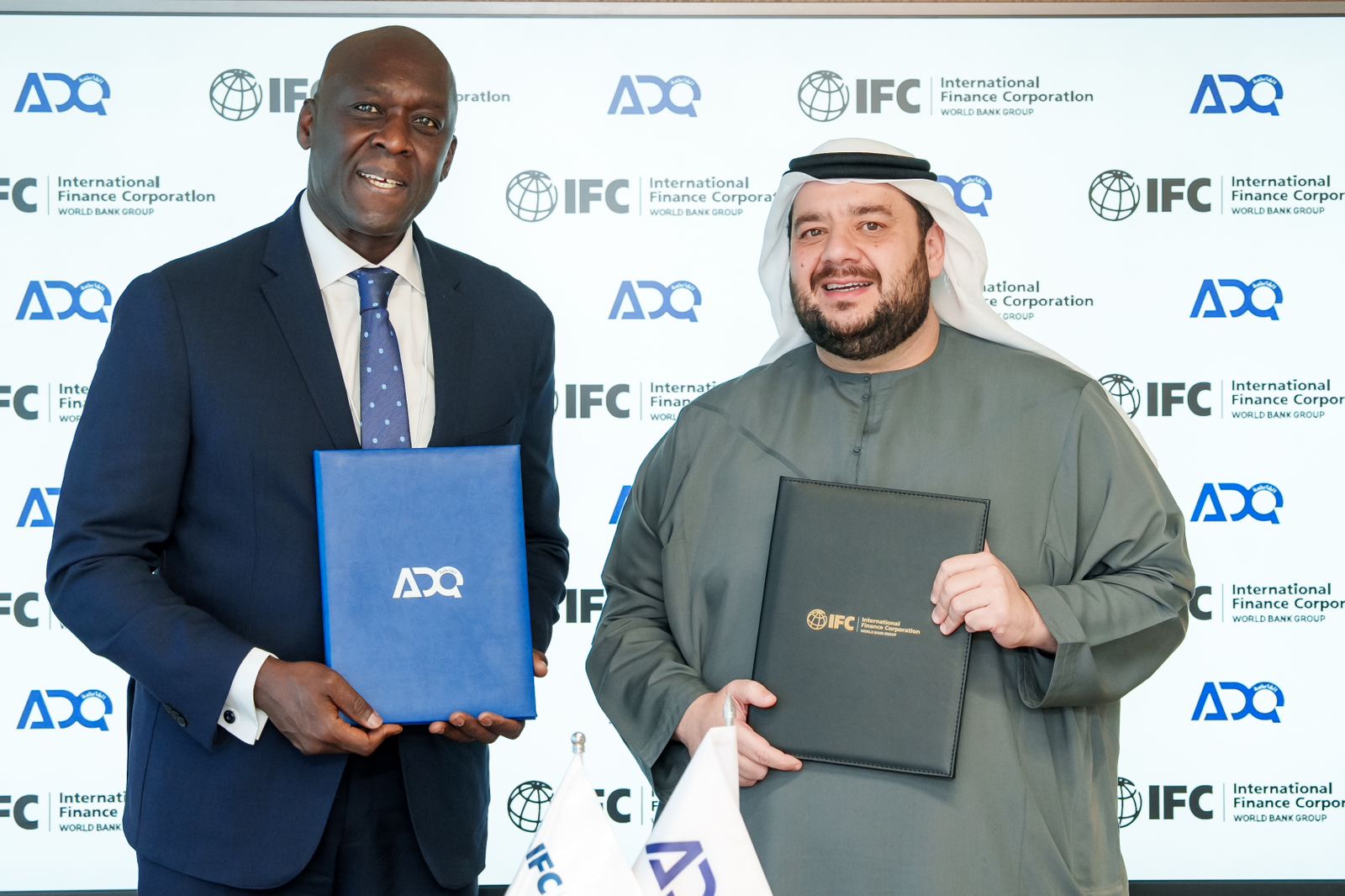
Abu Dhabi’s sovereign wealth fund, ADQ, has formalised a partnership with the International Finance Corporation to spearhead high-impact development projects across emerging markets. This collaboration aims to mobilise capital and expertise, focusing on sectors pivotal to sustainable economic growth.

The Memorandum of Understanding between ADQ and IFC establishes a framework for co-investment opportunities. By leveraging IFC’s proficiency in mobilising commercial capital and ADQ’s extensive experience in infrastructure development and supply chain resilience, the partnership seeks to address critical needs in various regions.

Key areas of focus include enhancing food security, promoting agricultural innovation, and strengthening healthcare infrastructure. These sectors are deemed essential for the socio-economic advancement of emerging markets, and the combined efforts of ADQ and IFC are poised to make significant contributions.

In addition to these sectors, the alliance will explore investments in energy security and sustainability, transport and logistics, as well as real estate and urban development. Such investments are intended to bolster economic resilience, improve quality of life, and enhance connectivity and competitiveness in a rapidly evolving global landscape.

His Excellency Mohamed Hassan Alsuwaidi, Managing Director and Group Chief Executive Officer of ADQ, emphasised the strategic importance of the partnership: “Collaborating with IFC reflects our shared commitment to creating enduring value and driving sustainable impact across emerging and developing markets. By combining our strengths, we aim to extend the expertise of our portfolio companies to new markets, undertaking transformative infrastructure projects that enhance communities and generate lasting economic benefits.”

Makhtar Diop, Managing Director of IFC, highlighted the role of sovereign wealth funds in fostering sustainable growth: “This partnership underscores the crucial role of sovereign wealth funds in promoting sustainable development in emerging markets. It also reflects the UAE’s leadership in facilitating South-South investments, enhancing economic cooperation, and creating global opportunities. By merging IFC’s global expertise with ADQ’s strategic investments, we aim to mobilise private capital and accelerate transformative, long-term development across key sectors.”

ADQ, established in 2018, manages a diverse portfolio spanning sectors such as energy and utilities, transport and logistics, food and agriculture, and healthcare and life sciences. With total assets amounting to USD 225 billion as of June 2024, ADQ has a track record of building strategic alliances and exporting the expertise of its portfolio companies to markets including Egypt, Turkey, Greece, Oman, and Jordan.

ROSHN Group, Saudi Arabia’s prominent multi-asset real estate developer and a Public Investment Fund company, has finalized a SAR 2 billion Shariah-compliant credit facility with Saudi National Bank . This seven-year financing arrangement is designated for the acquisition of ROSHN Front, a premier commercial and retail complex in Riyadh.

The strategic acquisition of ROSHN Front signifies ROSHN Group’s deliberate expansion into the commercial and retail sectors, complementing its existing residential projects. Opened in 2019, ROSHN Front has become a central hub for both shoppers and businesses, drawing over 7 million visitors annually. The development comprises two main sections: ROSHN Front—Retail, offering more than 81,800 square meters of leasable space occupied by leading retail and dining brands; and ROSHN Front—Business, providing over 78,900 square meters of office space housing esteemed government agencies, private enterprises, and multinational corporations.

Avinash Pangarkar, Group Chief Finance Officer of ROSHN Group, emphasized the importance of this financial partnership, stating that the agreement with Saudi National Bank is a pivotal milestone for ROSHN Group, enabling the unlocking of significant value from the acquisition and creating long-term benefits for stakeholders and the communities served.

The integration of ROSHN Front into ROSHN’s portfolio is poised to enhance the retail and commercial landscape of the area, elevate tenant experiences, and attract top-tier brands and businesses. This move aligns with ROSHN’s broader mission to develop integrated, human-centric communities that enrich the quality of life across the Kingdom.

The acquisition of ROSHN Front, formerly known as Riyadh Front, was initially announced in December 2022, with the rebranding to ROSHN Front occurring in September 2023. The complex is strategically located adjacent to ROSHN’s flagship SEDRA project in Riyadh, facilitating potential synergies between the developments. SEDRA is envisioned to house approximately 30,000 new homes upon completion, and the proximity to ROSHN Front is expected to provide residents with enhanced access to amenities, exclusive promotions, and diverse retail and commercial options.

The financing agreement with SNB not only underscores ROSHN’s commitment to expanding its footprint in the Kingdom’s real estate sector but also reflects the confidence of financial institutions in ROSHN’s strategic vision and operational capabilities. As a PIF-backed entity, ROSHN continues to play a vital role in advancing Saudi Arabia’s Vision 2030 objectives by developing sustainable and vibrant communities that cater to the evolving needs of its populace.

Warships from various nations have begun arriving at Abu Dhabi’s National Exhibition Centre Marina, marking the commencement of the eighth Naval Defence and Maritime Security Exhibition 2025. This biennial event, scheduled from 17 to 21 February 2025, runs concurrently with the International Defence Exhibition and Conference , positioning Abu Dhabi as a central hub for global defence and maritime security discussions.

The initial fleet of naval vessels navigated through the city’s waterways to berth at the ADNEC Marina, showcasing a diverse array of ships varying in size and function. Additionally, several participating naval vessels have docked at Mina Zayed, further enhancing the event’s international maritime presence.

Saeed Al Mansoori, Defence Events Advisor at ADNEC Group, highlighted NAVDEX’s evolution, stating, “The current edition of NAVDEX has become a leading platform for showcasing the latest innovations in naval defence and security.” He emphasized that the expanded exhibition space and increased participation from global companies underscore Abu Dhabi’s prominence in the defence industry.

NAVDEX 2025 offers exhibitors a unique opportunity to display their vessels in a dedicated waterborne exhibition area, where ships can be moored at the temporary marina equipped with floating docks. The event will present a carefully curated daily schedule of live demonstrations, many led by exhibitors themselves, providing an engaging experience for visitors. Guests at the grandstand overlooking the waterfront and adjacent to the exhibition area will have a front-row view of the latest maritime technologies and capabilities in action.

A notable feature of this year’s exhibition is NAVDEX Talks, a series of lectures and panel discussions where experts and specialists will explore emerging trends, present real-world case studies, and highlight the latest advancements in naval defence technology. These sessions aim to foster strategic collaboration and knowledge exchange among industry leaders, decision-makers, and innovators.

Under the patronage of His Highness Sheikh Mohamed bin Zayed Al Nahyan, President of the UAE and Supreme Commander of the UAE Armed Forces, NAVDEX 2025 is organized by Capital Events in association with the UAE Armed Forces. The event provides a dedicated platform for international naval defence and maritime security companies to showcase their technologies and services to a global audience.

The exhibition hall features over 3,000 square meters of space, accommodating local and international exhibitors specializing in naval, maritime, and coastal security technologies, equipment, and crafts. The on-water exhibits at the ADNEC Marina enable exhibitors to berth their crafts and vessels on temporary marina pontoons, facilitating daily live demonstrations that offer practical insights into the capabilities of the showcased technologies.

BEIJING, CHINA – Media OutReach Newswire – 15 February 2025 – Cultural exchange has become an essential bridge for communication between nations. Recently, products associated with China, such as the AI technology DeepSeek, the animated film Ne Zha 2, and the food documentary A Bite of China (Season 4), have converged to create a powerful wave of “Chinese style” that is making waves across the globe. Among […]

The United Arab Emirates has embarked on a groundbreaking initiative to map air corridors and develop a regulatory framework for piloted and autonomous air taxis and cargo drones. This strategic move aims to seamlessly integrate advanced air mobility solutions into the nation’s transportation infrastructure. In collaboration with the Advanced Technology Research Council entities—Technology Innovation Institute and ASPIRE—the General Civil Aviation Authority is spearheading this project. The plan […]

Emaar Properties PJSC has reported unprecedented financial results for 2024, with total property sales reaching AED 70 billion , marking a significant milestone in the company’s history. This achievement is set against the backdrop of a robust UAE real estate market, which has experienced remarkable growth over the past year. The company’s revenue for the year stood at AED 35.5 billion, reflecting a 33% increase from the […]

Saudi Arabia’s Crown Prince Mohammed bin Salman has assumed a pivotal role in shaping the international landscape under U.S. President Donald Trump’s administration. As traditional diplomatic norms give way to a more transactional approach, the Crown Prince’s influence is increasingly evident in critical geopolitical arenas, notably the Middle East and Eastern Europe.

In the Middle East, Saudi Arabia is leading an urgent Arab initiative to counter President Trump’s contentious proposal for Gaza. The U.S. plan suggests relocating Palestinians to neighboring countries, a move that has been met with widespread rejection from regional stakeholders. In response, Saudi Arabia, in collaboration with Egypt, Jordan, and the United Arab Emirates, is formulating an alternative strategy. This plan emphasizes the establishment of a Gulf-funded reconstruction program and the marginalization of Hamas, aiming to stabilize Gaza while preserving Palestinian national aspirations. A summit in Riyadh is scheduled to further deliberate on these proposals, underscoring Saudi Arabia’s commitment to regional stability and its willingness to challenge U.S. policies when they conflict with Arab interests.

Beyond the Middle East, Crown Prince Mohammed bin Salman is extending his diplomatic reach to address the ongoing conflict in Ukraine. The Trump administration has announced potential peace talks with Russian officials, a move that has elicited mixed reactions from the international community. European leaders have expressed concerns that this approach may inadvertently legitimize Russian aggression. Amid these tensions, Saudi Arabia has offered to host summit talks in Riyadh, positioning itself as a neutral ground for dialogue. This initiative not only highlights the Crown Prince’s ambition to elevate Saudi Arabia’s global diplomatic profile but also reflects a strategic alignment with President Trump’s unconventional foreign policy methods.

Abu Dhabi’s sovereign wealth fund, Mubadala Investment Company, has made a significant entry into the cryptocurrency market by acquiring $436.9 million worth of shares in BlackRock’s iShares Bitcoin Trust ETF during the fourth quarter of 2024. This move underscores the growing institutional interest in digital assets among sovereign wealth funds.

According to the latest 13F filings with the U.S. Securities and Exchange Commission, Mubadala purchased approximately 8.2 million shares of IBIT, marking its inaugural investment in a Bitcoin exchange-traded fund. This acquisition aligns with a broader trend of institutional investors increasing their exposure to cryptocurrency-linked financial products.

The fourth quarter of 2024 witnessed a surge in Bitcoin’s value, with the cryptocurrency appreciating by 47%. This upward trajectory has been a catalyst for various asset managers, including wealth management firms, hedge funds, and pension funds, to bolster their investments in Bitcoin ETFs. Notably, the State of Wisconsin Investment Board more than doubled its holdings in the iShares Bitcoin Trust ETF to 6 million shares by the end of December. Similarly, Tudor Investment Corp, a prominent hedge fund, increased its stake to 8 million shares, valued at $426.9 million at the close of the year.

Mubadala’s strategic investment reflects a growing confidence among sovereign wealth funds in the viability of digital assets. This move is particularly significant given the Middle East’s increasing engagement with blockchain technology and cryptocurrencies. In 2023, Abu Dhabi demonstrated its commitment to the digital asset space by investing in Bitcoin mining operations, collaborating with Marathon Digital and local firm Zero Two to develop a large-scale mining facility in the capital.

The iShares Bitcoin Trust ETF, managed by BlackRock, has emerged as a leading product in the market, amassing over $55 billion in assets under management. BlackRock’s expansion into Abu Dhabi in November 2024, securing a commercial license to operate, may have further facilitated Mubadala’s investment decision.

Industry experts view Mubadala’s substantial allocation to Bitcoin ETFs as a pivotal moment in the institutional adoption of digital assets. Anthony Pompliano, a well-known Bitcoin advocate, highlighted the strategic implications of such investments, suggesting that sovereign wealth funds’ involvement could prompt other nations to consider integrating Bitcoin into their reserves.

Financial advisory firms have also been active in this domain. Cetera Advisors and NewEdge Advisers, for instance, have increased their holdings across multiple Bitcoin ETFs, including those offered by Fidelity, ARK Investments, and Invesco. This trend indicates a rising demand from clients seeking exposure to digital assets through traditional investment vehicles.

While Mubadala’s investment marks a significant milestone, it is part of a broader pattern of institutional investors recognizing the potential of cryptocurrency assets. As digital currencies continue to gain mainstream acceptance, the involvement of sovereign wealth funds like Mubadala could signal a transformative shift in the global financial landscape.

The 13F filings provide a window into the investment strategies of large institutional players, offering insights into their positions at the end of each quarter. These disclosures, while not reflective of real-time holdings, are instrumental in understanding market dynamics and the evolving sentiment toward emerging asset classes like cryptocurrencies.

Mubadala’s foray into Bitcoin ETFs not only enhances its diversified investment portfolio but also positions Abu Dhabi as a forward-thinking participant in the rapidly evolving digital economy. As other sovereign wealth funds observe and assess the outcomes of such investments, a ripple effect leading to broader adoption of digital assets in institutional portfolios worldwide is plausible.

Starbucks has unveiled an ambitious plan to significantly increase its presence in the Middle East by opening approximately 500 new stores over the next five years. This expansion is expected to create around 5,000 jobs in the region, underscoring the company’s commitment to growth in this market. Chief Executive Officer Brian Niccol emphasized the strategic importance of this move, stating that the Middle East offers substantial opportunities […]

Deyaar Development PJSC, a prominent Dubai-based real estate developer, has unveiled plans to initiate five new property projects in 2025, collectively valued at approximately Dh8 billion . This strategic move aims to capitalize on the robust demand within the emirate’s property market. The company’s Chief Executive, Saeed Mohammed Al Qatami, highlighted that these forthcoming projects will encompass a diverse range of residential, commercial, and hospitality developments. He […]

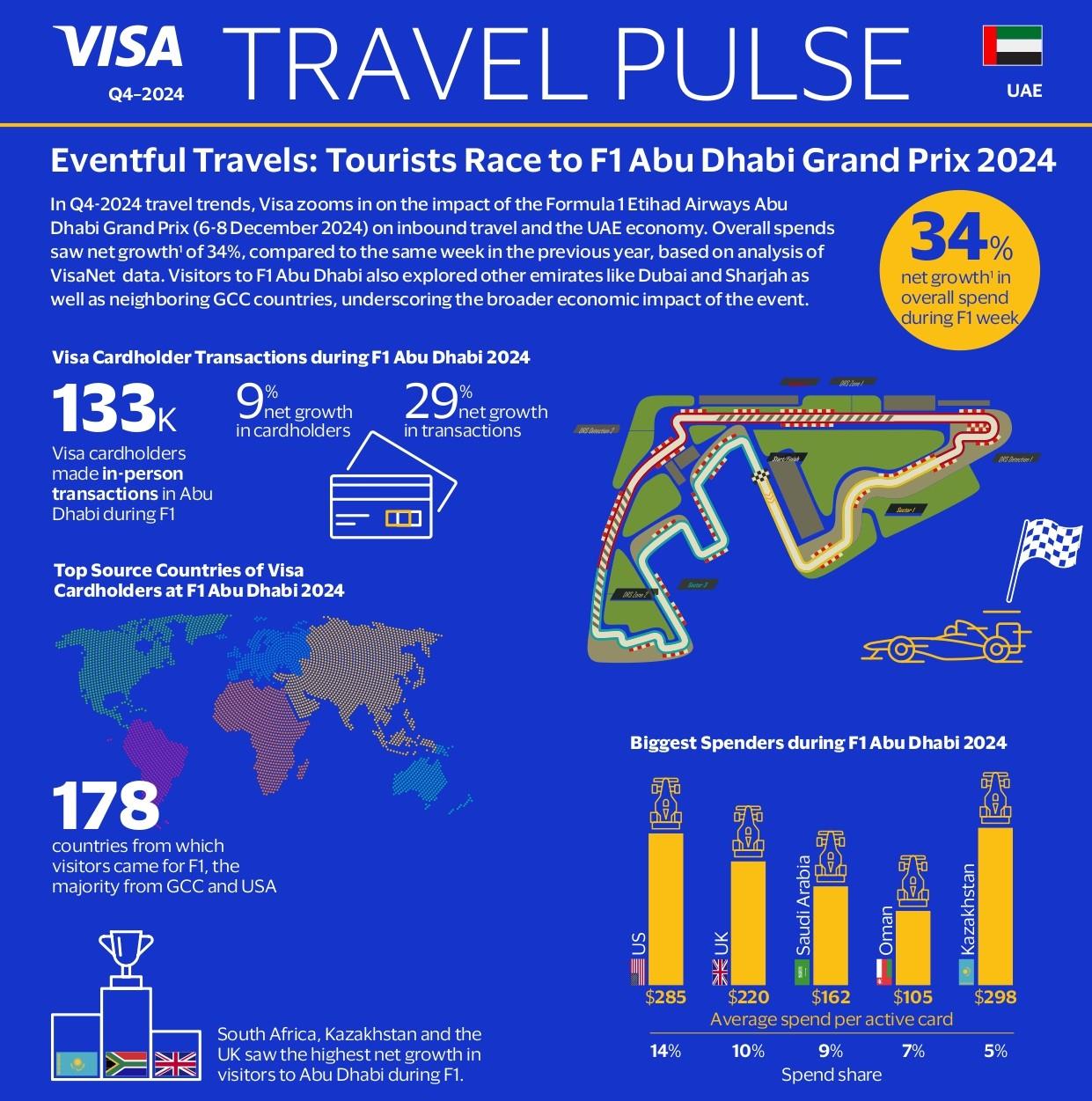
The 2024 Formula 1 Etihad Airways Abu Dhabi Grand Prix significantly boosted the local economy, with international visitor spending in Abu Dhabi increasing by 34% compared to the same week in 2023, according to Visa’s latest Travel Pulse report. During the event, 133,000 Visa cardholders from 178 countries made in-person transactions in the city, marking a 9% rise in visitors and a 29% uptick in transactions.

Visitors from the United States led in spending, accounting for 14% of the total, with an average spend per card of $285, which is 29% higher than the overall average for the event. Other top-spending nationalities included Kazakhstan , the United Kingdom , Saudi Arabia , and Oman .

The Grand Prix’s economic impact extended beyond Abu Dhabi, as 62% of these visitors also spent in other emirates, particularly Dubai and Sharjah. Additionally, 4% of non-GCC visitors continued their journeys to other GCC countries during or after the event, highlighting the boost to regional tourism.

In Abu Dhabi, spending on travel services experienced the largest growth, rising by 68% and representing 18% of the total spend during the F1 weekend. Dining expenditures also saw a notable increase, up 53%, accounting for 19% of the total spend in the emirate. Retail spending grew by 17%, contributing 14% to Abu Dhabi’s overall spend.

Across the UAE, travel services saw an 18% increase, making up 9% of the total spend. Dining spend rose 27%, contributing 8% to the total spend across the nation. Retail spending witnessed an impressive 83% surge, accounting for 27% of the total spend across the UAE during the F1 weekend.

Dubai’s Roads and Transport Authority has entered into a Memorandum of Understanding with Elon Musk’s The Boring Company to explore the development of the ‘Dubai Loop’ transport project. The agreement was formalized during the World Governments Summit in Dubai, in the presence of His Highness Sheikh Hamdan bin Mohammed bin Rashid Al Maktoum, Crown Prince of Dubai.

The proposed Dubai Loop is a 17-kilometer underground transport system featuring 11 stations, designed to transport over 20,000 passengers per hour. The system aims to connect major hubs throughout Dubai, significantly reducing travel times between key points in the emirate to just minutes. Utilizing electric vehicles traveling at speeds of up to 160 kilometers per hour, the loop will facilitate direct, non-stop journeys to destination stations.

This initiative aligns with Dubai’s vision for smart and sustainable transport solutions, leveraging advanced tunneling technologies to enhance urban mobility. The Boring Company’s loop system has been operational in Las Vegas since 2021, where it has transported over two million passengers. The Vegas Loop is currently under active development, with plans for 104 stations and 110 kilometers of tunnel, eventually transporting over 90,000 passengers per hour throughout the system.

The collaboration between RTA and The Boring Company will focus on exploring the use of sustainable, innovative technologies to safely and efficiently transport passengers via the loop system. The MoU includes research on tunneling technology, mobility trends, and safety standards, with a focus on pioneering solutions for Dubai’s evolving transportation needs.

Elon Musk, speaking at the World Governments Summit via video link, emphasized the advantages of tunnel systems over alternatives like flying cars, citing the practicality, safety, and efficiency of tunnels, which are protected from weather and noise, offering a smoother experience for passengers.

The Dubai Loop project is part of a larger plan to develop a citywide loop transportation system, aiming to alleviate traffic congestion by providing a high-speed underground alternative to traditional roadways. The initiative also supports Dubai’s ambitious sustainability goals, aligning with the Dubai Clean Energy Strategy 2050.

Alibaba Chairman Joe Tsai announced a partnership with Apple to integrate advanced artificial intelligence features into iPhones sold in China. Speaking at the World Governments Summit in Dubai on Thursday, Tsai emphasized the significance of this collaboration for both companies.

This strategic move comes as Apple faces declining iPhone sales in China, attributed to intense competition from domestic brands like Huawei and Vivo. The integration of Alibaba’s AI technology aims to bolster Apple’s position in the Chinese market by offering enhanced functionalities tailored to local consumers.

Following the announcement, Alibaba’s Hong Kong-listed shares surged by 9.2%, reaching a three-year high. This uptick reflects investor confidence in Alibaba’s AI capabilities and the potential success of the partnership.

Industry analysts have noted that the absence of advanced AI features has been a disadvantage for Apple in China. Local competitors have been quick to incorporate AI into their devices, appealing to tech-savvy consumers. By collaborating with Alibaba, Apple seeks to bridge this gap and meet the growing demand for intelligent smartphone features.

Alibaba has been at the forefront of AI development in China. The company recently unveiled its Qwen 2.5 model, which has been well-received in the tech community. This advancement has solidified Alibaba’s reputation as a leader in AI innovation, making it a valuable partner for global companies aiming to enhance their technological offerings in China.

The partnership is also expected to provide Apple with insights into Chinese consumer behavior, leveraging Alibaba’s extensive data on shopping and payment habits. This data-driven approach will enable the development of personalized AI services, enhancing the user experience for iPhone customers in China.

Rajiv Jain, the billionaire founder and chairman of Florida-based investment firm GQG Partners, is actively expanding his investment footprint in the United Arab Emirates and Saudi Arabia. Following significant deals with prominent UAE entities such as International Holding Company , Aldar Properties, and ADNOC Gas, Jain is exploring further opportunities in these burgeoning markets. GQG Partners, managing assets worth approximately $160.4 billion, has recently executed a substantial […]

Pacific Investment Management Co. , a leading global investment firm managing approximately $2 trillion in assets, has inaugurated a new office in Dubai. This move signifies the company’s strategic effort to strengthen its presence in the Middle East, a region witnessing increased interest from major asset managers. The Dubai Financial Services Authority granted PIMCO a license on Wednesday, enabling the firm to operate within the Dubai International […]

VISHNU RAJA
RYO YAMADA
HITORI GOTOH
IKUYO KITA