News related to
Investment

Arf, a blockchain-powered fintech platform, has entered into a significant strategic partnership with LuLu Financial Holdings to transform global payment systems. The collaboration will focus on enabling T-0 settlement for cross-border transactions, aiming to revolutionize the speed and efficiency of payments across international borders. This innovative solution seeks to provide businesses and consumers with real-time settlement options, eliminating delays traditionally associated with international payments. Arf, known for […]

Bank Alfalah has secured a strategic investment in Jingle Pay, a prominent UAE-based fintech company, marking a significant step in its pursuit of growth in the digital financial sector. The acquisition comes amid an ongoing trend of traditional financial institutions increasingly eyeing fintech ventures as a means of broadening their service offerings in the region.

Jingle Pay, which has gained considerable traction with its innovative solutions in digital payments, is expected to benefit from the partnership by leveraging Bank Alfalah’s extensive network and resources. The deal signifies a pivotal moment for both entities, with Bank Alfalah positioning itself as a key player in the UAE’s fast-evolving digital payments landscape.

The strategic move is part of a broader strategy by Bank Alfalah to capitalize on the rapid growth of fintech in the Gulf Cooperation Council (GCC) countries, driven by rising demand for mobile banking services, peer-to-peer transactions, and other digital finance solutions. The deal will not only strengthen Bank Alfalah’s footprint in the UAE market but also enable Jingle Pay to scale its offerings to a larger customer base across the region.

Industry analysts see this as a critical partnership that underscores the increasing convergence between traditional banks and fintech startups. The global rise of digital payments, coupled with a shift in consumer preferences toward cashless transactions, has created fertile ground for such collaborations. As consumers embrace digital wallets and online payment systems, financial institutions are moving quickly to incorporate such technologies into their service offerings.

The UAE’s fintech ecosystem has become a focal point for global investors, spurred on by a favorable regulatory environment, including initiatives like the Dubai International Financial Centre’s (DIFC) fintech hub. The country’s commitment to fostering innovation and digital transformation in financial services is reflected in its rapid adoption of technologies such as blockchain, artificial intelligence, and machine learning, which are revolutionizing financial services.

Bank Alfalah, one of Pakistan’s largest private banks, has been diversifying its portfolio with a focus on tech-driven financial products. Its move into fintech partnerships aligns with its goal of offering enhanced financial solutions to both individual consumers and businesses in the GCC region. The strategic acquisition of a stake in Jingle Pay enhances its ability to deliver next-generation payment systems, addressing the growing demand for seamless and secure payment methods.

Jingle Pay, which offers both individual and corporate clients a wide array of financial services including mobile wallet solutions and bill payment facilities, is well-positioned to benefit from this infusion of capital and expertise. With the backing of Bank Alfalah, the company plans to accelerate its expansion and continue innovating in the fast-paced fintech space. Jingle Pay’s growth trajectory will also be boosted by its ability to tap into Bank Alfalah’s robust infrastructure, which includes a vast network of ATMs, branches, and financial products, giving the fintech company access to a broader spectrum of potential clients.

This partnership could also set a precedent for further consolidation in the fintech sector as larger financial institutions continue to seek out emerging players in the digital payments space. As more banks embrace digital transformation, the line between traditional banking services and fintech solutions continues to blur, creating new opportunities for both established financial players and disruptive startups. For consumers, this is likely to mean more options for managing their finances digitally, from making payments to accessing loans and other financial products, all from their smartphones.

For the UAE market, this deal between Bank Alfalah and Jingle Pay is expected to contribute to the growth of the fintech sector, offering greater competition and innovation in the financial technology space. The integration of traditional banking resources with fintech innovation has the potential to reshape how consumers and businesses interact with financial institutions, making digital finance more accessible and efficient.

KUALA LUMPUR, MALAYSIA – Media OutReach Newswire – 10 January 2025 – Developments such as Forex market volatility, rising commodity prices, and Southeast Asia’s economic growth are poised to reshape the trading landscape in 2025. Market participants need to be aware of these trends to develop strategic approaches and mitigate risks. Kar Yong Ang, a financial market analyst at Octa broker, highlights key trading trends to expect […]

Actively Pursuing Vast Opportunities in GreenTech and AI in Southeast Asia HONG KONG SAR – Media OutReach Newswire – 9 January 2025 – The Hong Kong Science and Technology Parks Corporation (HKSTP) participated in the “Think Business, Think Hong Kong” promotional event organised by the Hong Kong Trade Development Council in Jakarta, Indonesia, on 8 January. During the event, HKSTP highlighted innovative green technologies and artificial intelligence […]

“SME ESG Charter” 2024 enhanced brand image and expanded business opportunities for participating SMEs HONG KONG SAR – Media OutReach Newswire – 9 January 2025 – Close to 90% of small and medium enterprises (“SMEs”) participating in the SME ESG Charter 2024 (“ESG Charter 2024”) have acknowledged that they have benefited from enhanced brand image, reflecting the significance of the ESG Charter 2024 jointly launched by Dah […]

HONG KONG SAR – Media OutReach Newswire – 9 January 2025 – Award-winning brokerage VT Markets, a global leader in financial services, has released its 2025 Q1 Economic Outlook. In the report, the broker spotlights the remarkable trajectory of gold in 2024 and its potential market performance in the coming year. The report further delves into key drivers of gold’s price movement; an explainer on why the […]

A consortium led by the Arab Energy Fund (TAEF), formerly known as the Arab Petroleum Investments Corporation (APICORP), has acquired a 100% stake in Metito Utilities, a Dubai-based global investor and operator specializing in sustainable water management solutions. The acquisition, conducted in partnership with Saudi Arabia’s Zamil Group Investment Company and the Ghandour family, aligns with TAEF’s strategic vision to enhance energy security and sustainability by investing […]

Advertisements

Saudi Arabia’s Public Investment Fund (PIF) has made a significant investment of $200 million into the first globally listed exchange-traded fund (ETF) based in the Kingdom. The strategic move aims to bolster Saudi Arabia’s ambitions of diversifying its economy beyond oil and positioning the nation as a key player in global financial markets. This infusion of capital marks a notable step in the PIF’s growing efforts to […]

Kuwait’s Warba Bank has entered into a significant agreement to acquire a nearly 33% stake in Gulf Bank, marking a major development in the country’s banking sector. The move is seen as part of Warba’s strategy to enhance its market position and diversify its portfolio in an increasingly competitive financial environment.

Under the terms of the deal, Warba Bank will purchase a substantial portion of Gulf Bank’s shares, subject to regulatory approval. The acquisition is expected to provide Warba with increased influence over Gulf Bank’s operations, while also bolstering its financial strength and expanding its customer base.

The decision to acquire a stake in Gulf Bank is part of a broader trend in the Gulf Cooperation Council (GCC) region, where financial institutions are increasingly consolidating and forming strategic alliances to strengthen their market presence. Kuwait’s banking sector, in particular, has witnessed a series of mergers and acquisitions in recent years as institutions seek to increase efficiency and adaptability amidst changing economic conditions.

Gulf Bank, established in 1960, has long been one of the prominent players in Kuwait’s banking landscape. It has earned a reputation for its diverse range of services, which include retail banking, corporate banking, and investment solutions. The bank’s solid financial standing and track record of growth make it an attractive partner for Warba, which has been aggressively pursuing expansion opportunities since its establishment in 2010.

For Warba Bank, the acquisition represents a significant step toward achieving its long-term growth objectives. The bank has positioned itself as a major player in Kuwait’s financial sector, with a focus on innovation and digital banking solutions. Warba’s leadership sees the Gulf Bank acquisition as a key opportunity to expand its footprint and increase its market share, particularly in the retail and corporate banking segments.

Experts in the financial sector have pointed out that this acquisition will likely create a more formidable competitor within Kuwait’s banking market. Warba Bank, which has steadily gained market recognition for its commitment to technology and customer service, stands to benefit from Gulf Bank’s established brand and network. Additionally, Gulf Bank’s extensive branch network will provide Warba with access to new customer segments, particularly in the corporate banking sector, where Gulf Bank has a strong presence.

The merger is also seen as a response to the evolving economic climate in the Gulf region. As the region continues to recover from the effects of the global pandemic and fluctuating oil prices, financial institutions are seeking to solidify their positions by strengthening their balance sheets and diversifying their service offerings. This strategic acquisition allows Warba to better position itself to weather future economic uncertainties while capitalizing on new growth opportunities.

While the acquisition is expected to be beneficial for both banks, it does not come without challenges. One of the primary hurdles will be aligning the corporate cultures and operational frameworks of Warba and Gulf Bank, both of which have distinct organizational structures. Integrating the two institutions will require careful management, particularly in terms of consolidating resources, aligning business strategies, and retaining key talent from both sides.

Regulatory approval will also play a crucial role in determining the success of the acquisition. The Kuwait Central Bank (CBK) will need to assess the potential impact of the merger on competition in the local market, as well as ensure that both banks comply with the relevant financial regulations. Given the size and significance of the deal, industry observers expect a thorough review process before the deal can proceed.

The acquisition is expected to be a positive move for Kuwait’s banking sector overall, signaling confidence in the country’s financial stability and the resilience of its banking institutions. Analysts believe that this deal could pave the way for further consolidation within the sector, as other banks look for opportunities to enhance their competitive edge in the face of an evolving market landscape.

Warba Bank’s decision to acquire a stake in Gulf Bank also highlights the growing importance of strategic partnerships in the GCC’s banking industry. In a region where banks are increasingly focusing on digital transformation and the expansion of financial services, partnerships and acquisitions allow institutions to rapidly scale and access new technologies and markets.

The broader implications of the deal could extend beyond Kuwait, with the possibility of similar acquisitions and partnerships taking place across the GCC region. As Gulf economies continue to diversify away from oil dependency, financial institutions are expected to play a key role in supporting the development of new industries and sectors. For Warba Bank, the acquisition of Gulf Bank provides an opportunity to be at the forefront of this shift, positioning itself as a leading financial institution in a rapidly changing economic environment.

MANILA, PHILIPPINES – Media OutReach Newswire – 8 January 2025 – GAOC Group of Companies (GGC) is the largest dental conglomerate in the Philippines, led by its flagship clinic, Gan Advanced Osseointegration Center (GAOC). GGC provides comprehensive dental services, including advanced surgeries and implantology. The group encompasses a plethora of reputable brands, including Novodental, a mid-tier chain offering general and cosmetic dentistry and Samura Dental Laboratory, a […]

Andrey Rogachev provides insights into the dynamics of Dubai as the regional design and architectural hub. Investor and strategic management expert Andrey Rogachev discusses the role of international partnerships in the UAE, using the example of the exclusive representation of the German premium construction paint brand Profitec. in an interview with Arabian Post, he shares insights on how industry leaders are driving nearby markets forward to take […]

Offer extended to 17 January 2025. Offer Price remains firm at RM11.00 Per Share KUALA LUMPUR, MALAYSIA – Media OutReach Newswire – 8 January 2025 – Gateway Development Alliance Sdn Bhd (“GDA“) and its shareholders (collectively, the “Consortium“) announced that as at 5:00 p.m. today, it has received valid offer acceptances of 1,385.5 million shares and a further 18.2 million shares have accepted the offer pending verification, […]

By K Raveendran As we enter 2025, the accelerating proliferation of artificial intelligence (AI) is poised to reshape the global landscape in ways akin to the transformational impact the internet had in the late 20th century. Within the first few days of the year, AI-driven technology stocks have seen substantial surges, with shares of major […]

Largest-ever delegation of homegrown tech companies capturing global attention and potential business opportunities HONG KONG SAR – Media OutReach Newswire – 8 January 2025 – Hong Kong Science and Technology Parks Corporation (HKSTP) marked significant presence at the Consumer Electronics Show (CES) 2025 in Las Vegas, where a largest-ever delegation of 51 tech companies and institute at Hong Kong Tech Pavilions is capturing the attention of industry […]

The government of Sharjah has made a strategic decision to transfer a 20% stake in Invest Bank to a sovereign security fund. This transaction signals a pivotal shift in the emirate’s banking sector, with potential implications for the financial landscape. The move underscores Sharjah’s commitment to bolstering its financial stability and growth prospects. Invest Bank, a key player in the UAE’s banking sector, has seen substantial developments […]

ADNOC Logistics & Services Plc (ADNOC L&S), a prominent player in the global energy maritime logistics sector, has secured a hybrid capital instrument valued between $1.1 billion and $2 billion. This financial move is strategically aligned with the company’s ambitious growth and investment plans. The initial drawdown from this facility amounts to $1.1 billion, with an additional $900 million available for future investments until December 31, 2026. […]

Emirates NBD Bank PJSC, a leading financial institution based in Dubai, has announced the issuance of five-year notes, set to be listed on the Taipei Stock Exchange (TPEx) in Taiwan. This strategic move aims to diversify the bank’s investor base and enhance its presence in the Asian financial markets. The notes, denominated in U.S. dollars, are scheduled for listing on TPEx on or about January 31, 2024. […]

The Abu Dhabi National Oil Company (ADNOC) is poised for significant expansion in global markets, with its CFO, Alvaro Silva, indicating that this growth could play a crucial role in boosting the development of the company’s drilling units. The state-owned oil giant, one of the largest and most profitable energy firms globally, is concentrating on increasing its international footprint as part of a broader strategy to diversify […]

Venture capital funding in Saudi Arabia and the UAE has experienced a notable decline, as shifting investor priorities and regional economic trends impact the growth of startups and early-stage businesses in both countries. The drop reflects broader changes in the global investment landscape, marked by a heightened focus on risk-adjusted returns and increased caution in the face of global economic uncertainty. In the past year, venture capital […]

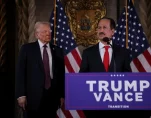
Emirati billionaire Hussain Sajwani has pledged to invest $20 billion in the U.S. data center industry, a move announced alongside President-elect Donald Trump at his Mar-a-Lago residence in Palm Beach, Florida.

Sajwani, chairman of Dubai-based DAMAC Properties, expressed his intention to potentially exceed the $20 billion investment, contingent upon favorable market conditions. This substantial commitment underscores the growing demand for data infrastructure to support advancements in artificial intelligence and cloud services.

DAMAC Properties, under Sajwani’s leadership, has a history of collaboration with the Trump Organization, notably developing the Trump International Golf Club in Dubai, which opened in 2017. Sajwani’s relationship with Trump has been well-documented, with the two families sharing both business and personal ties.

The announcement comes amid a surge in investments in AI technology and the necessary infrastructure to support it. Since the introduction of OpenAI’s ChatGPT in late 2022, there has been a significant increase in funding directed toward generative AI technology and the infrastructure required to support it. For instance, Microsoft announced plans to invest approximately $80 billion this fiscal year to expand its AI capacity.

President-elect Trump has emphasized his commitment to bolstering domestic industries and attracting foreign investment. During his campaign, he proposed higher tariffs on Chinese goods to limit China’s access to advanced data center technology. The announcement of Sajwani’s investment aligns with Trump’s economic agenda, aiming to stimulate job creation and technological advancement within the United States.

However, it’s worth noting that not all previously announced investments have come to fruition. Early in his first term, Trump announced a $10 billion investment by Foxconn in a Wisconsin factory, which promised thousands of jobs but was largely abandoned. Despite such precedents, the current investment climate, particularly in AI and data infrastructure, appears more robust, with multiple tech giants committing substantial funds to expand their capabilities.

Sajwani’s investment is expected to focus on the construction of data centers across various U.S. states, including Texas, Arizona, Oklahoma, Ohio, Illinois, Louisiana, Michigan, and Indiana. These facilities will play a crucial role in supporting the growing demands of AI applications and cloud computing services.

The U.S. data center industry has been experiencing significant growth, with estimates suggesting that the country could attract up to $1 trillion in data center investments over the next five years. Sajwani’s commitment represents a notable contribution to this expanding sector, highlighting the increasing importance of data infrastructure in the digital economy.

In addition to his ventures in real estate and data centers, Sajwani has diversified his business interests through his private investment firm, which acquired Italian fashion group Roberto Cavalli in 2019. He has also invested in luxury developments in London, including the Versace-branded DAMAC Tower in Nine Elms.

The collaboration between Sajwani and Trump has not been without scrutiny. Their business dealings have raised questions about potential conflicts of interest, given Trump’s political position and the international scope of their ventures. Nonetheless, both parties have maintained that their relationship is strictly professional, centered around mutually beneficial business opportunities.

As the U.S. continues to tighten restrictions on the export of AI chips to China, investments like Sajwani’s are seen as strategic moves to bolster domestic technological infrastructure. The Biden administration had previously implemented measures to limit China’s access to advanced AI technology, a stance that President-elect Trump appears poised to continue with key appointments in his administration.

Sajwani’s commitment to investing in U.S. data centers reflects a broader trend of international investors recognizing the potential of the American technology sector. With the increasing integration of AI and cloud services into various industries, the demand for robust data infrastructure is set to rise, making such investments both timely and strategically significant.

The announcement has been met with optimism from industry analysts, who view it as a positive indicator of continued growth and innovation in the U.S. technology sector. As these data centers become operational, they are expected to create numerous job opportunities and contribute to the advancement of AI and cloud computing technologies.

While the full impact of Sajwani’s investment will unfold over the coming years, its alignment with current technological trends and economic policies suggests a significant boost to the U.S. data center industry. As the digital economy expands, the importance of such infrastructure investments cannot be overstated, positioning the United States as a continued leader in technological innovation.


Foster Environmental, Social and Governance (ESG) adoption by Singapore enterprises through national frameworks, grants, and a hub to align with global sustainability standards. Accelerate innovation through increased funding for the development of sustainable technologies and the adoption of artificial intelligence. Strengthen workforce capabilities with targeted professional growth programmes, leadership benchmarks, and micro-credentialling to prepare talent for global challenges. SINGAPORE – Media OutReach Newswire – 8 January 2025 […]

A Ultimate Destination for Festive Activities to Ring in a Joyful and Prosperous Year with Family and Friends MACAU SAR – Media OutReach Newswire – 7 January 2025 – As the twelfth lunar month arrives, festive aromas fill the air, marking the approach of the Lunar New Year—China’s most significant traditional festival, now proudly recognized as a UNESCO Intangible Cultural Heritage of Humanity. This year, the vibrant […]

SHANGHAI, CHINA – Media OutReach Newswire – 7 January 2025 – In today’s era of diversity, freedom, and a pursuit of high-quality living, recreational vehicles (RVs) have become the preferred choice for many seeking to explore the world and enjoy life. As a pioneer in creating the “mobile home” experience, New Gonow has leveraged its exceptional product capabilities, keen market insights, and strong innovation to gain widespread […]

The UAE’s construction sector is witnessing a significant surge in tender prices as the country’s real estate market continues its upward trajectory. The sharp increase is primarily attributed to soaring demand for residential, commercial, and hospitality projects, fueling competition among contractors and suppliers. As a result, construction companies are facing higher material and labor costs, which in turn has led to inflated tender bids.

Analysts and industry experts have pointed out that this rise in tender prices is indicative of the broader economic recovery within the UAE, where the real estate market has seen remarkable growth. With major developments underway in cities like Dubai and Abu Dhabi, the demand for construction services and materials has skyrocketed, resulting in an intensified bidding environment. This trend is expected to persist as the UAE gears up to host major international events, such as the World Expo 2025 and the FIFA World Cup 2026, driving further demand for infrastructure projects.

In particular, high-end residential and commercial real estate developments have seen the sharpest price increases in tenders. Dubai’s luxury residential projects, including sprawling villas and multi-story towers, have been in high demand. These projects often require specialized labor and premium materials, pushing up both direct and indirect costs. As developers rush to complete these high-profile projects, contractors are forced to submit higher tenders to secure the necessary resources and meet the expected timelines.

Meanwhile, the UAE government’s investment in infrastructure projects has also contributed to the surge in prices. Initiatives such as the development of new airports, expanded metro systems, and ambitious plans for sustainable urban growth have intensified the competition for skilled labor and construction materials. Experts highlight that these large-scale government-funded projects are consuming a significant portion of the available workforce, further driving up tender prices.

The pressure on construction companies is further compounded by global supply chain disruptions. Factors such as the ongoing geopolitical tensions, rising fuel prices, and inflation have contributed to higher costs for imported construction materials, such as steel, cement, and aluminum. This has made it more challenging for contractors to keep tender prices competitive without compromising on the quality of their work.

Labor shortages have become a pressing issue in the UAE’s construction sector. The rapid expansion of the real estate market has created a demand for skilled workers, leading to rising wages, particularly in niche trades such as electrical and mechanical installation. As a result, contractors are adjusting their pricing models to reflect these elevated labor costs, further pushing up tender prices. Additionally, the labor shortage is expected to worsen as new construction projects are announced, making it difficult for companies to meet deadlines and cost expectations without increasing bids.

Some industry players have warned that this trend could lead to delays in project completion. With construction costs spiraling, developers may face challenges in managing their budgets, which could result in postponed or scaled-back projects. This scenario is already unfolding in some sectors, with several major real estate projects experiencing delays due to the rising costs of construction and labor.

On the other hand, real estate developers continue to express optimism about the future prospects of the UAE’s property market. Despite the soaring tender prices, many believe that the long-term value of their investments will more than offset the increased upfront costs. Dubai, in particular, continues to attract international investors and homebuyers, with its status as a global financial hub and safe haven from geopolitical uncertainties. The influx of foreign capital is expected to keep demand for real estate high, even as construction costs climb.

The real estate boom is also being bolstered by the UAE government’s ongoing efforts to attract foreign investment. Initiatives such as the implementation of long-term visas for investors and the expansion of freehold property ownership for expatriates have increased demand for residential and commercial properties. Additionally, the UAE’s focus on becoming a hub for technology and innovation has driven up demand for modern office spaces and smart city infrastructure, further stimulating the construction sector.

One noteworthy impact of this real estate boom is the shift towards sustainability and green building practices. Developers are increasingly incorporating energy-efficient technologies and sustainable materials into their projects to meet both local and international environmental standards. While these features can add to the cost of construction, they also offer long-term savings through lower energy consumption and maintenance costs. This focus on sustainability has attracted global investors who are willing to pay a premium for green-certified properties, thereby helping to offset some of the rising construction costs.

However, the rise in tender prices may present challenges for smaller construction firms. As larger companies dominate the bidding process for major projects, smaller contractors may struggle to remain competitive. This could lead to a consolidation of the market, where larger, more established construction firms are able to absorb the rising costs, while smaller firms face greater difficulties securing contracts. Industry experts believe that this could result in a shift towards greater specialization, with smaller firms focusing on niche markets or lower-scale projects that do not face the same degree of competition as larger developments.

VISHNU RAJA
RYO YAMADA
HITORI GOTOH
IKUYO KITA