News related to
Russian

Barloworld has concluded an internal examination and submitted a voluntary self‑disclosure report to the U. S. Department of Commerce’s Bureau of Industry and Security, acknowledging apparent breaches of U. S. export control rules—while confirming no violations of U. S. sanctions were identified. The probe focused on the company’s Russian subsidiary, Vostochnaya Technica, responsible for distributing Caterpillar machinery in Siberia. The investigation unearthed potential export control infractions, although […]

By T N Ashok NEW YORK: For the first time since 2018, Indian Prime Minister Narendra Modi landed in China in late August 2025, greeted warmly by President Xi Jinping for the annual Shanghai Cooperation Organisation (SCO) Summit. Alongside Russian President Vladimir Putin, the trio projected a striking image of solidarity—three leaders from the world’s […]

Canada is advancing its Arctic security and defence strategy by expanding collaborations with NATO’s newest members—Finland and Sweden. As the geopolitical landscape shifts, Ottawa is actively moving beyond traditional reliance on the United States to forge deeper military, industrial and technological ties with Nordic allies, reinforcing its sovereignty and resilience in the High North. The Honourable Anita Anand, Minister of Foreign Affairs, has formalised a Canada–Finland strategic […]

Chinese President Xi Jinping delivered a bold address at the Shanghai Cooperation Organisation summit in Tianjin, asserting China’s leadership role in global affairs and unveiling a series of strategic initiatives—most notably a new AI cooperation centre and a development bank—that signal an assertive pivot towards a multipolar world order. With over 20 leaders present, including Russian President Vladimir Putin and Prime Minister Narendra Modi, the summit stood […]

The Amadea, a striking 106‑metre superyacht once valued at around $325 million, is slated for a sealed‑bid auction in the United States on 10 September 2025, yet mounting litigation and financial burdens cloud its prospects. Built by renowned German shipyard Lürssen and completed in 2017, the six‑deck vessel offers unparalleled opulence: spa, gym, helipad, swimming pool, cinema and marble‑clad interiors by François Zuretti, plus accommodation for 16 guests […]

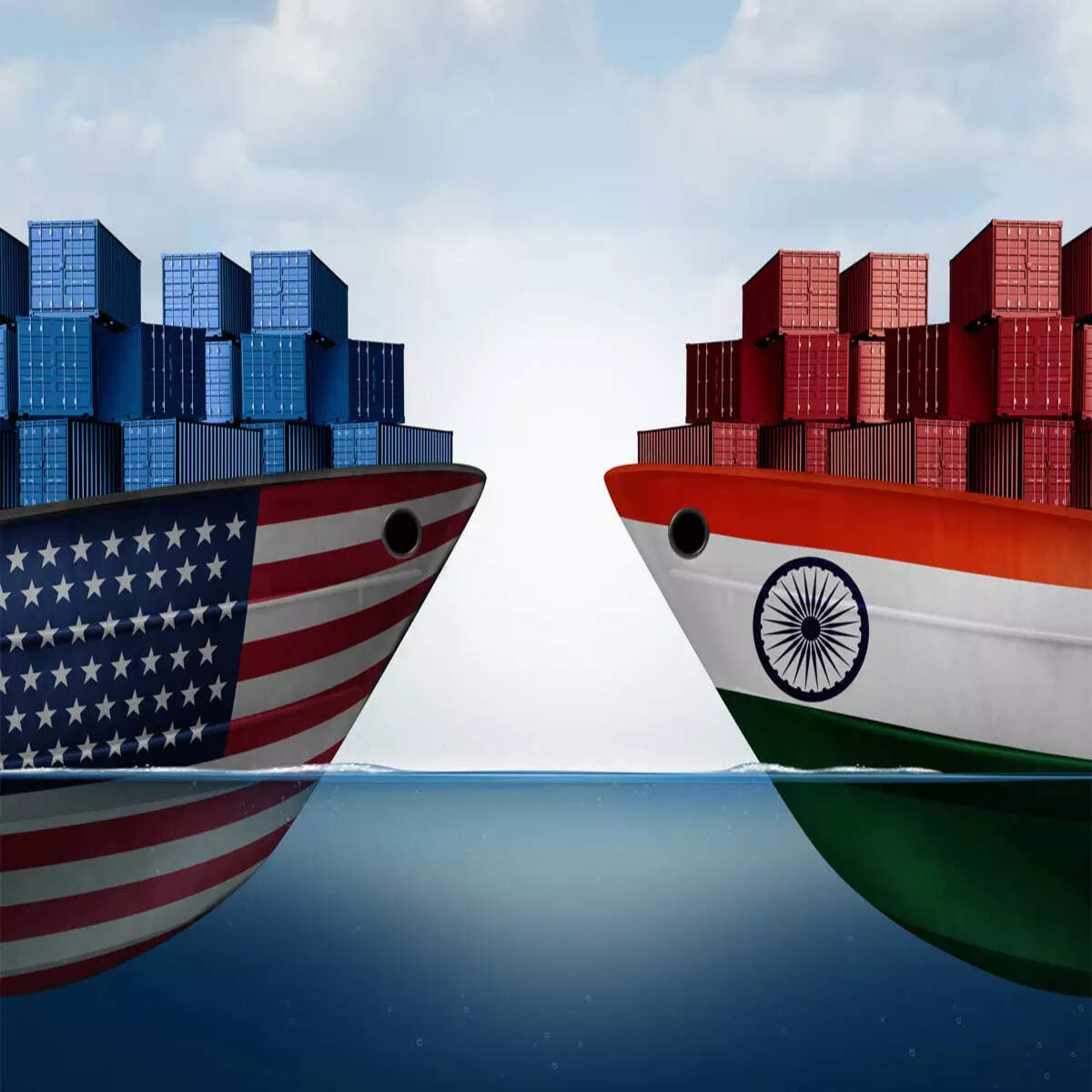
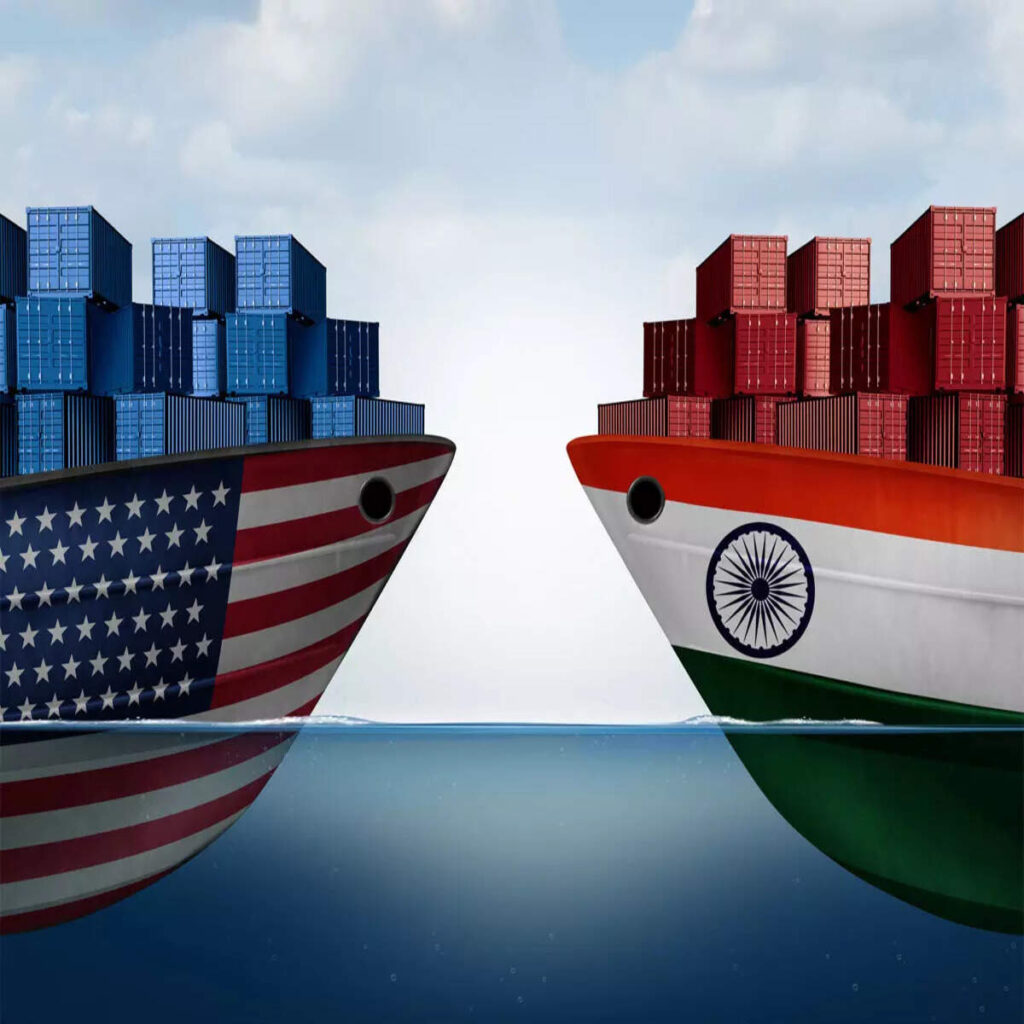
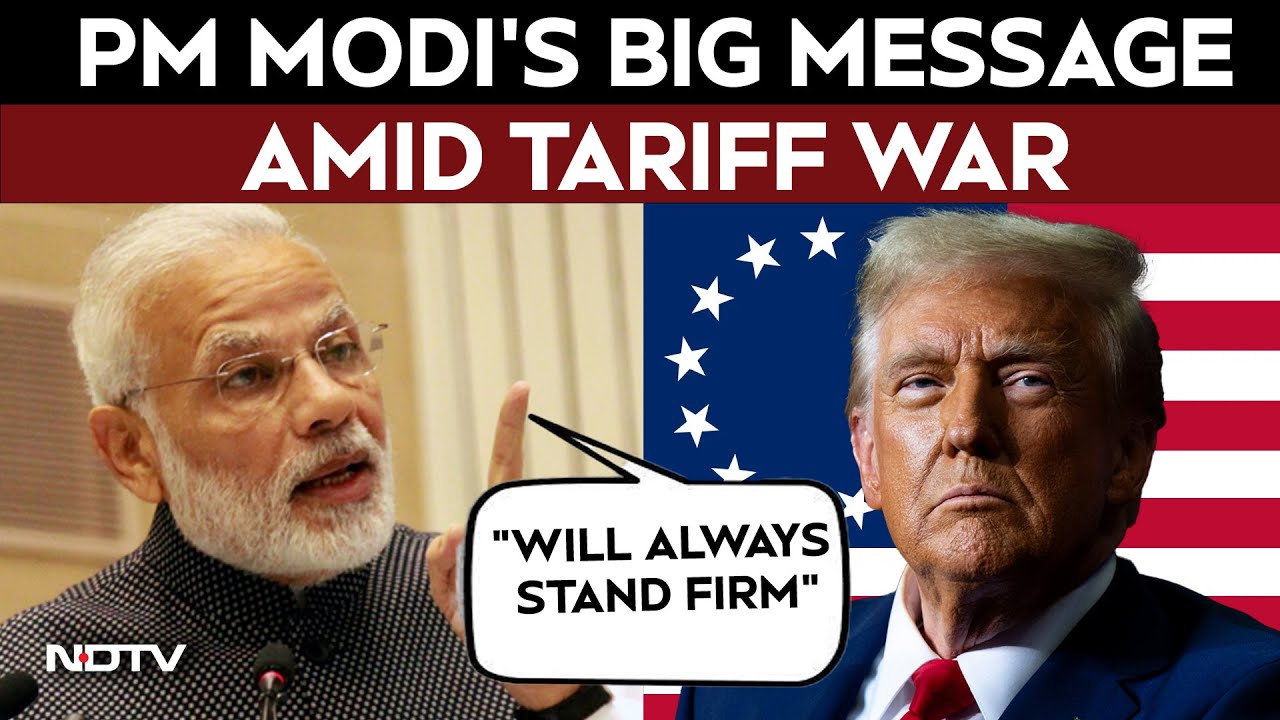
By T N Ashok NEW YORK: Trump’s 50% tariffs on Indian exports took effect from Wednesday as there has been no resolution to the dispute over Russian oil buys in by India. In a move that has stunned global markets and rattled one of America’s most strategically important partnerships, President Donald Trump on Wednesday imposed […]

MOSCOW, RUSSIA – Media OutReach Newswire – 28 August 2025 – SIBUR has produced the first test batch of hexene – a key component in the production of premium grades of polyethylene – at the first hexene facility in Russia and the CIS. The company plans to supply the product both to the domestic market and for export to the CIS and Asian countries, including China and […]

Advertisements
By K Raveendran The oil market has by now mastered the skill to absorb shocks, even when they appear designed to disrupt trade flows and destabilise long-term patterns. Rather than creating turbulence, as many initially feared, the global oil market has taken the imposition of punitive tariffs by the United States on India’s Russian oil […]

A surge in U. S. import duties has swiftly altered the economic landscape, with substantive implications for oil markets, trade dynamics and strategic alliances. U. S. President Donald Trump has enacted additional tariffs of up to 50 percent on imports from India in response to New Delhi’s continued purchases of discounted Russian crude. The escalation, applied in two stages and bringing tariffs from 25 percent to 50 percent, took effect on Wednesday, disrupting both markets and diplomatic ties.

Oil prices slipped as traders absorbed the news, with crude extending its decline as markets weighed the ripple effects of the heightened tariffs. The move is expected to erode India’s export earnings while simultaneously undermining the financial benefit of cheaper Russian oil.

Analysts calculate that India has saved around $17 billion by ramping up imports of Russian crude since early 2022. Now, with the tariffs in place, export revenues could shrink by more than $37 billion this fiscal year—nearly halving the gains previously made in energy procurement. The most vulnerable sectors include labour-intensive industries such as textiles, gems, jewellery, seafood and organic chemicals, where job losses may be significant.

New Delhi has resisted external pressure to cease its oil trade with Russia, citing national interest and energy security. Refiners and government officials have indicated that the message from the centre is clear: strategic autonomy takes precedence over commercial coercion. At the same time, discussions are in progress through virtual channels, encompassing trade, energy and critical mineral collaboration.

The tariffs are not only triggering economic recalibration but also intensify diplomatic friction. Experts warn this could become the most serious crisis in U. S.–India relations in decades. The uneven application—targeting India while China remains largely exempt—has heightened perceptions of hypocrisy and could push India closer to alternative partners such as Russia or China.

Domestic responses are underway. Authorities are exploring measures to cushion the blow, such as reducing tax burdens, providing credit support to exporters, and diversifying trade destinations towards Latin America, Africa, Southeast Asia and the EU. On the U. S. side, certain sectors—including pharmaceuticals and electronics—remain exempt from the higher tariffs, partly shielding U. S. companies such as Apple which have investments in Indian manufacturing.

Currency markets and investor sentiment reacted sharply, with Indian stock indices tumbling as concerns mounted over export disruption and broader economic repercussions.

By Nitya Chakraborty Prime Minister Narendra Modi will be facing his major test in diplomacy at the coming summit of the Shanghai Cooperation Organisation (SCO) to be held in Tianjin in China on August 31 and September 1 this year. The SCO meet will be hosted by Chinese President Xi Jinping and will be attended […]
By Nitya Chakraborty India-China political relations have started improving giving all the indications that the leaderships of the two countries with the largest population in the world, are ready for building stable relationship after an uneasy period of five years since the Galwan killings on the border in 2020 in which 20 Indian soldiers lost […]

India’s oil import strategy showed a marked shift in July 2023, as figures indicated a significant dip in Russian oil imports, alongside a notable increase in purchases from the United States. According to the latest data, India’s Russian crude oil imports fell by approximately 3.6% in the first seven months of the year, amounting to 1.73 million barrels per day, down from the previous period. This reduction coincided with a rise in imports from the U. S., which surged by 58% over the same period, signalling a reorientation of India’s energy sourcing amid shifting global market dynamics.

The decline in Russian oil imports was most evident in July, a month in which India notably skipped shipments from Latin America, further complicating the global oil trade landscape. The data underlines India’s ongoing balancing act as it navigates its energy needs, political affiliations, and economic pressures in a complex geopolitical environment.

Since the onset of the Ukraine conflict in early 2022, India had sharply increased its reliance on Russian oil, taking advantage of discounted prices amidst Western sanctions. Russia had emerged as one of India’s largest oil suppliers, providing a significant portion of the country’s crude oil requirements at highly competitive rates. However, as global energy markets continue to adapt to the war’s long-term ramifications, shifts in India’s oil import strategies reflect an evolving approach to international energy procurement.

The surge in U. S. oil imports reflects broader trends in India’s engagement with non-Russian sources, particularly the United States. While Russia’s crude oil remained competitively priced, U. S. exports presented an alternative as India’s energy demands surged. As of July, the volume of oil imports from the U. S. showed an impressive rise, suggesting a diversification strategy that aims to reduce dependence on any one country, particularly as Russia faces increasing global scrutiny and sanctions.

This diversification is significant not only in terms of energy security but also geopolitically. With Western countries tightening sanctions against Russia, India’s oil purchases from non-Western suppliers, including the U. S., align with its broader strategy of maintaining an independent foreign policy. By tapping into American oil supplies, India positions itself as an increasingly significant player in the global energy markets, potentially leveraging these resources for both economic and strategic gains.

Simultaneously, the reduction in Latin American oil imports in July suggests a recalibration in India’s sourcing preferences. While Latin America had been a key supplier for India in previous years, particularly from countries like Venezuela and Mexico, geopolitical challenges and shifting global demand patterns appear to have altered these trade flows. This move also underscores the growing influence of U. S. oil in India’s energy mix, a shift likely influenced by factors such as pricing, quality, and strategic alliances.

The evolving oil trade patterns are not just a reflection of changing global dynamics but also highlight India’s domestic policy objectives. As the world’s third-largest oil importer, India is continually navigating the pressures of securing affordable energy while balancing its international relations. India’s energy needs are projected to grow in the coming decades, making the diversification of oil sources crucial for its future economic stability.

Further complicating matters, the global oil market has faced increasing volatility due to fluctuations in supply and demand, driven by the war in Ukraine, OPEC’s production decisions, and broader economic uncertainty. The effects of these disruptions are evident in India’s changing oil import patterns, which seem to be increasingly shaped by price sensitivity and geopolitical considerations.


By Nantoo Banerjee Come August 27, the picture of the Indo-US trade may show a considerable change. India’s merchandise exports to the US will be generally subjected to a 50 percent import tax from that date. A few categories, including drugs and pharmaceuticals, have been exempted. The reason advanced by US President Donald Trump for […]

Bullish bets on rising US oil prices plunged to a 16-year low as mounting expectations of an oversupplied market and cooling fears of sanctions on Russian crude prompted a sharp pullback by traders.

Net-long positions in West Texas Intermediate futures dropped by nearly 30,000 contracts in a single week, reaching just over 49,000—a level not seen since 2009. The shift came amid forecasts from the International Energy Agency and the US government signalling that global oil supplies will outstrip demand well into 2026, tipping sentiment decisively bearish.

Analysts have noted that expectations of Russian sanctions are beginning to fade. While geopolitical risks had earlier supported price premiums, markets now reckon that even if sanctions are imposed, ample spare capacity among OPEC+ producers and resilient non-OPEC output would cushion any disruptions. Compounding the downward pressure, the US Energy Information Administration reported an unexpected build of 3 million barrels in crude inventories, further weighing on prices.

The retreat in bullish positions is consistent with a broader narrative of abundant supply. In late July, hedge funds slashed their net-long WTI positions to their lowest since mid-April, driven by OPEC+ ramping up production and a surge in US crude stockpiles—a rise of 7.7 million barrels recorded at the end of July. Earlier in the year, speculators trimmed net-long holdings by half over a five-week span amid deteriorating technical outlooks, trade-war concerns and expectations that OPEC+ would taper production cuts.

Despite these bearish trends, forecasters caution that demand could provide occasional counter-currents. Wildfires in Canada have temporarily removed around 350,000 barrels per day of oil from production, supporting prices in the short term. Meanwhile, geopolitical flashpoints—including tensions around Iran’s nuclear programme and Russian export vulnerability—could intermittently bolster outlooks. But with OPEC+ intent on increasing output—for example, by 411,000 barrels per day in July—and projections indicating a supply surplus growing to over a million barrels per day by year-end, the dominant trend remains one of oversupply.

This convergence of factors—ample supplies, fading sanctions risk, swelling US inventories and rising OPEC+ output—has catalysed a reappraisal of market dynamics by speculators. The resulting collapse in bullish positioning reflects a recalibration of expectations amid shifting fundamentals.

Narratives of tight supply have lost momentum, leading to a revaluation of oil’s near-term trajectory across trading desks worldwide.

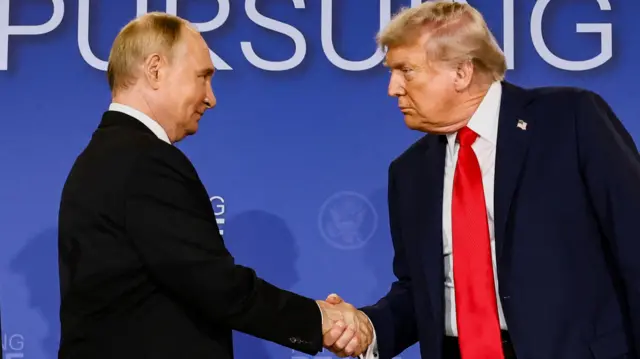
By Ashok Nilakantan Ayer ANCHORAGE, ALASKA: The much-anticipated summit between U.S. President Donald Trump and Russian President Vladimir Putin in Anchorage, Alaska, billed as a potential turning point in the grinding Ukraine war, ended without a ceasefire agreement, and without the celebratory luncheon that White House aides had originally pencilled into the schedule. After the […]

Air Arabia Abu Dhabi has announced the commencement of seasonal flights connecting the UAE capital to Yekaterinburg, Russia, marking an important step in the airline’s expansion strategy. The new service, which will operate during the winter months, offers a direct, low-cost option for travellers between the two regions, catering to the rising demand for affordable travel during peak seasons.

The flights, operating non-stop, provide an efficient travel option for those seeking to connect between the UAE and Russia. Air Arabia’s Abu Dhabi-based operations have grown rapidly, with the airline seeking to solidify its position as a key player in the region’s budget airline sector. The new route to Yekaterinburg highlights the airline’s commitment to enhancing connectivity between the Middle East and Russia, particularly as demand for travel has surged.

Yekaterinburg, one of Russia’s major cultural and industrial hubs, has become a significant destination for business and leisure travel from the UAE. The city, which is located in the Ural region, is known for its rich history, thriving arts scene, and strategic importance as an economic centre. The direct flight to this city will make it easier for both tourists and business professionals to travel, bolstering the already strong ties between Russia and the UAE.

This launch also reflects a broader trend in the aviation industry, where low-cost carriers are rapidly expanding their international routes to cater to an increasing number of travellers looking for budget-friendly travel options. As competition intensifies among airlines, Air Arabia’s expansion is timely, offering more affordable alternatives to traditional, higher-priced carriers, and positioning the airline as a competitive force in the region.

The decision to introduce seasonal flights also underscores Air Arabia’s flexibility in adapting to seasonal travel demand. As the winter season typically sees an uptick in travel, the airline is poised to cater to holidaymakers and those travelling for business, aligning with the growing interest in international travel. By offering this seasonal route, Air Arabia aims to provide its customers with more options without compromising on affordability.

For the UAE market, this development is significant. As the country continues to strengthen its position as a global hub for travel and tourism, having direct air links to cities in Russia, such as Yekaterinburg, provides an added dimension to the UAE’s international appeal. The move comes as part of a wider strategy to enhance bilateral relations between the UAE and Russia, focusing on expanding both tourism and business opportunities.

Air Arabia’s service to Yekaterinburg is also expected to appeal to a broader demographic, especially Russian nationals residing in the UAE. The ease of direct travel will foster stronger connections between these communities and provide greater access to the cultural and economic opportunities of both countries. With Russia being a major trading partner of the UAE, the new flight route is expected to foster greater collaboration in both sectors.

The airline has also taken steps to ensure that its passengers are well catered for. In line with its low-cost offering, the airline continues to provide high-quality service at an affordable price, which includes modern aircraft with amenities that appeal to a wide range of customers.

By R. Suryamurthy When Prime Minister Narendra Modi ascends the Red Fort on August 15 to deliver his Independence Day address, the nation will be listening for the usual rhetoric of progress, resilience, and pride. This year, the subtext must be different. With a possible face-off with U.S. President Donald Trump looming at next month’s […]

By Nitya Chakraborty The India-US trade war over Donald Trump’s 50 per cent tariff on Indian exports to the USA with effect from August 27 this year has assumed a major political dimension linking the political future of both Indian Prime Minister Narendra Modi and the United States President Donald Trump. For Narendra Modi, the […]

Oil prices held steady after a slight decline in thin trading, with market participants awaiting a critical meeting between US and Russian leaders. Global benchmark Brent crude remained above $66 per barrel, while West Texas Intermediate hovered around $63.

The modest drop in prices, which amounted to a 0.8% decrease in the previous session, marked a quiet period in the market as traders refrained from making significant moves. Investors are now looking ahead to upcoming discussions between US Secretary of State Marco Rubio and Russian Foreign Minister Sergey Lavrov. These talks are expected to set the stage for a high-stakes summit between President Joe Biden and Russian President Vladimir Putin, scheduled for later this week.

The ongoing volatility in oil markets, coupled with geopolitical uncertainty, has contributed to the recent fluctuation in prices. Despite this, oil has largely remained above the $60 per barrel mark, as tightening supplies and ongoing tensions in key production regions continue to support price levels.

Analysts are paying close attention to the diplomatic developments between the US and Russia, which could have broader implications for the energy sector. Market sentiment has been influenced by both nations’ roles as major players in global energy production and their influence on decisions within organisations such as OPEC+.

The summit will centre around various issues, including security concerns and energy policies. With both nations holding significant sway in global oil production, the discussions could have far-reaching consequences for the market. A breakthrough or escalated tension could prompt either a surge or a dip in oil prices depending on the outcome of the talks.

Investors are also looking at other global factors that could sway oil prices. In the US, the energy industry is continuing to recover from the impacts of the pandemic, with some analysts forecasting a strong rebound in demand as economies continue to reopen. However, the overall uncertainty surrounding economic recovery, inflation concerns, and ongoing supply chain issues are making the market particularly sensitive to external events.

OPEC+, the alliance of oil-producing nations, has played a significant role in stabilising prices in the past year. Its production cuts, alongside the gradual return of demand, have helped lift oil prices from the lows seen in 2020. As the group navigates production decisions and adapts to the changing landscape, it has become a crucial player in shaping the trajectory of global oil markets.

In addition to geopolitical tensions, the market is also contending with shifting dynamics in energy consumption. The growing push for renewable energy and the evolving role of electric vehicles are reshaping demand forecasts. With governments around the world pledging to reduce carbon emissions and transition towards greener energy sources, there is a growing expectation that long-term demand for fossil fuels may face pressure. This evolving energy landscape will inevitably impact the future of oil markets.

Despite these broader trends, short-term market activity is heavily influenced by supply-demand imbalances, particularly in the wake of global events. As the US and Russia prepare for their talks, traders will continue to watch for any signals of change in the balance of power within the energy sector. A shift in policy or a sudden geopolitical event could have immediate and lasting effects on oil prices.

Oil prices ended the week with significant losses, influenced by the latest round of US tariffs and the mounting anticipation surrounding US-Russia discussions on a ceasefire for the ongoing Ukraine conflict. Both major oil benchmarks, Brent and West Texas Intermediate, saw considerable weekly declines, with Brent recording a 4.4 per cent drop and WTI losing over 5 per cent. On Friday, Brent crude, which represents the global […]

By Nitya Chakraborty The stage is finally set. U.S. President Donald Trump will be meeting the Russian President Vladimir Putin in Alaska in USA on August 15 to discuss the Ukraine war issue and bring about a settlement for facilitating a long term solution. If a framework of a solution is reached, President Putin will […]

UAE and Russia have elevated their economic collaboration with the signing of a new Trade in Services and Investment Agreement, a move set to bolster bilateral ties. This agreement was formalised during the visit of UAE President Sheikh Mohamed bin Zayed Al Nahyan to Moscow, underscoring the growing importance of the economic relationship between the two nations. UAE Minister of Foreign Trade, Thani bin Ahmed Al Zeyoudi, […]

Reliance Industries, one of India’s largest conglomerates, faces significant decisions about its oil sourcing strategy amid increasing pressure from the United States to reduce its reliance on Russian crude. The Indian government, which became a major purchaser of seaborne Russian oil following Moscow’s 2022 invasion of Ukraine, is now under mounting diplomatic pressure from Washington to cut its energy ties with Russia. The shift in policy would have substantial implications for the global oil market and India’s refining industry.

Reliance, which operates the world’s largest refining complex in Jamnagar, Gujarat, is central to this decision. With the capacity to process 1.4 million barrels per day, Reliance’s massive refining operation plays a pivotal role in India’s energy landscape. Historically, the company has sourced significant volumes of Russian crude oil, a practice that began in earnest after the geopolitical upheaval caused by Russia’s invasion.

However, as the US ramps up its diplomatic efforts, India faces a delicate balancing act. Although India has repeatedly asserted its right to make independent decisions on energy imports, the US has been clear in its stance, urging the country to align with Western sanctions that limit Russian energy purchases. Washington’s pressure is focused not only on the political ramifications but also on the global strategy to curtail Moscow’s economic resilience through these sanctions.

Energy trade sources indicate that should Reliance cease purchasing Russian crude, the company would likely revert to Middle Eastern suppliers. The Middle East’s geographical proximity to India and its robust oil production capabilities make it an ideal alternative for Reliance’s vast refining operations. As global oil markets fluctuate, the alignment with Middle Eastern suppliers could allow Reliance to maintain its production capacity without significant disruptions.

Industry experts note that the Organisation of the Petroleum Exporting Countries has been adjusting its output to accommodate changing demand patterns. OPEC’s decision to unwind its voluntary cuts has already resulted in increased crude oil production, providing more flexibility to companies like Reliance. This additional supply from the Middle East would likely ease the transition if Reliance moves away from Russian crude, experts suggest.

Nevertheless, shifting reliance back to Middle Eastern oil is not without its own set of challenges. While this move might reduce geopolitical tensions, it would also expose Reliance and other Indian refiners to fluctuations in Middle Eastern production and pricing. Additionally, the cost dynamics could differ, especially given the complexities of supply chain logistics, transportation costs, and currency fluctuations that could affect the price of crude oil sourced from the Gulf.

For India, the implications go beyond just the refiners. The country’s broader energy strategy could come under scrutiny as it seeks to maintain a balance between meeting domestic demand and adhering to international diplomatic pressures. As a major energy consumer, India has long sought to diversify its sources of crude oil to ensure stable supply chains, and the shifting sands of global politics only heighten the complexity of these decisions.

The pushback from Russia, meanwhile, is likely to become more pronounced. Moscow’s strategy in the face of sanctions has been to maintain its role in global energy markets by finding alternative buyers, including India and China, for its oil exports. With the growing Western pressure, Russia is expected to explore additional avenues for securing energy trade relationships, potentially targeting markets in Asia that are less susceptible to US-led sanctions.

By Nitya Chakraborty The additional 25 per cent tariff on Indian exports to the USA announced by President Donald Trump to be effective from August 27, has led to an intense ideological and political battle within RSS, the BJP as also among the industrialist friends of Prime Minister Narendra Modi who are active members of […]

VISHNU RAJA
RYO YAMADA
HITORI GOTOH
IKUYO KITA