News related to
Russian

By Nitya Chakraborty Is the U.S. President Donald Trump looking for a big deal with the Chinese President Xi Jinping in his second term to reshape the global order favouring two super powers and marginalizing both Western Europe and Russia? The question gets all the relevance if one analyses the policy announcements by the second […]
By Satyaki Chakraborty China has scored a major diplomatic victory in Myanmar by helping the conclusion of a truce between the ruling military junta and the Myanmar National Democratic Alliance Army (MNDAA) in the provinces bordering China. The MNDAA rebels took control of large areas around the border by driving out the junta troops last […]

Global diesel prices have surged following the United States’ imposition of new sanctions targeting Russia’s energy sector. These sanctions aim to further constrain Russia’s oil revenues, which have been a significant source of funding for its military activities in Ukraine. On January 10, 2025, the U.S. Department of the Treasury and the Department of State announced intensified measures against Russia’s energy industry. The sanctions specifically target major […]

The Trump administration is preparing a comprehensive plan to implement stricter oil sanctions against Russia and impose additional economic pressure on Iran. This move comes as part of a broader strategy to curb both nations’ geopolitical influence, especially in global oil markets and energy security. Senior U.S. officials have outlined a series of measures aimed at restricting Russia’s ability to profit from its oil exports and penalizing […]

By Nitya Chakraborty The announcement on Gaza between Israel and Hamas just five days before the inauguration of Donald Trump as the President of USA on January 20 has baffled many leaders of the peace movement as also left liberal political analysts as to how to properly assess the policies of this hard far right […]

Global oil prices have climbed to their highest levels in over three months following the U.S. Treasury’s imposition of extensive sanctions on Russia’s energy sector. These measures aim to curtail the revenue streams funding Moscow’s military actions in Ukraine. The sanctions, announced by the Biden administration, target major Russian oil producers, including Gazprom Neft and Surgutneftegas, as well as 183 vessels involved in transporting Russian oil. This […]

Andrey Rogachev provides insights into the dynamics of Dubai as the regional design and architectural hub. Investor and strategic management expert Andrey Rogachev discusses the role of international partnerships in the UAE, using the example of the exclusive representation of the German premium construction paint brand Profitec. in an interview with Arabian Post, he shares insights on how industry leaders are driving nearby markets forward to take […]

Advertisements

Matein Khalid There is no geopolitical risk premium in Brent crude even though history just went fast forward and literally ballistic in the Middle East as the IDF bombed Hamas into the Stone Age, decapitated Hezbollah’s command/communications networks, killed Nasrallah, forced Iran’s most valuable proxy militia to sue for a ceasefire in Lebanon, destroyed Iran’s Russian S300 anti-missile defense systems and escalated its air assault on the […]

Finnish authorities have seized a tanker in the Baltic Sea suspected of causing significant damage to undersea power cables and internet lines. The vessel, carrying Russian oil, is believed to have been involved in an incident that led to a power outage affecting Finland and Estonia, as well as the disruption of four internet connections between the countries. The operation took place on Thursday when Finland’s coast […]

MOSCOW, RUSSIA – Media OutReach Newswire – 26 December 2024 –The rating agency China Chengxin Green Finance Technology (Beijing) Ltd. (CCXGF) has assigned SIBUR an ESG rating of A-, making SIBUR the only Russian company to receive a rating in CCXGF’s highest category. SIBUR also ranks among the top 10 in CCXGF’s ESG rating of global chemical companies. Regarding the criteria assessed by the rating, SIBUR’s performance […]

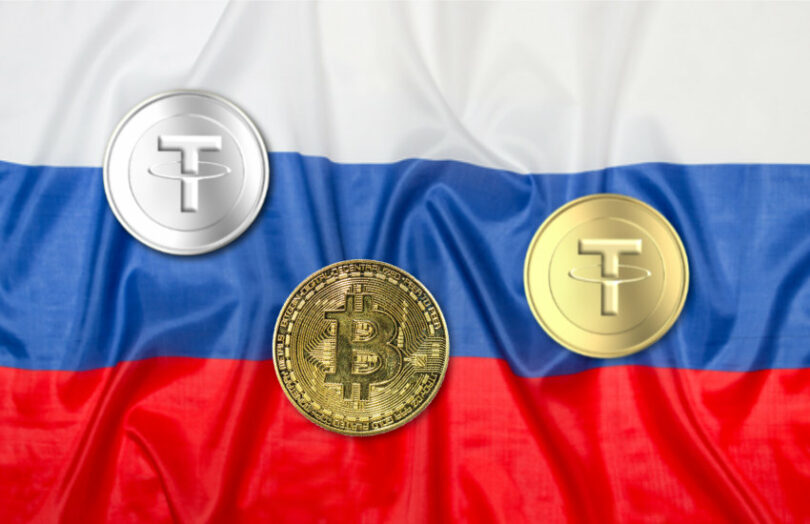
Russia has decided to suspend cryptocurrency mining operations in 10 regions, including Dagestan, Chechnya, and the Kherson regions, starting January 1, 2025. This ban will remain in effect until 2031. The move is part of the government’s broader strategy to address energy consumption issues across the country, particularly during peak usage times. Furthermore, new restrictions on mining will also be imposed in areas like Irkutsk, Buryatia, and the Trans-Baikal Territory during high energy demand periods.

This decision comes as part of a concerted effort by the Russian authorities to reduce energy consumption and manage national power grids more effectively. The increase in energy use from mining activities has been a concern for years, with crypto mining operations consuming significant amounts of electricity in some regions. By imposing the ban, the government aims to ensure that the national grid can accommodate the growing demand for energy, especially during the winter months when heating needs are at their peak.

In some areas, the restrictions will specifically target high-demand periods, such as evenings or cold spells, when power consumption spikes. The Irkutsk region, Buryatia, and Trans-Baikal Territory, which have historically been major hubs for cryptocurrency mining due to their relatively low electricity prices, will see these localized restrictions as part of an ongoing effort to stabilize the energy supply.

The ban also underscores the growing tension between the Russian government and the cryptocurrency industry. While Russia has been one of the world’s largest markets for crypto mining, it has also faced increasing criticism from environmental groups due to the high energy consumption required for mining operations. This new measure is likely to spark further debates about the environmental impact of cryptocurrencies, particularly Bitcoin, which is notorious for its energy-intensive mining process.

The Russian government has made no secret of its desire to regulate the cryptocurrency sector more strictly. A range of legislative actions, including stricter anti-money laundering measures and limitations on the use of crypto for payments, have been introduced in the past few years. By implementing these mining restrictions, the government is taking another step toward curbing the influence of the industry while reinforcing its control over the economy.

The decision to impose the mining ban for such an extended period is a significant development. It is expected to have a lasting impact on the mining sector in the country, especially in areas where cryptocurrency operations have become a substantial part of the local economy. Dagestan and Chechnya, for example, have seen a rise in mining activities due to the availability of cheap electricity. The halt in these regions could lead to significant economic disruptions for miners who rely on these locations for their operations.

Local authorities in the affected regions have expressed mixed reactions to the government’s plan. Some local leaders have welcomed the move, citing concerns about energy shortages and environmental degradation. Others, particularly those with financial interests in the mining industry, have voiced their opposition, arguing that the ban could result in job losses and economic hardship for those dependent on mining operations.

The Russian authorities have yet to provide specific details about enforcement mechanisms or the penalties for violating the ban. However, it is clear that the government intends to take a firm stance on this issue. Given the scale of the crypto mining operations in Russia, the impact of these restrictions is expected to be far-reaching, affecting thousands of miners and businesses involved in the industry.

The Russian crypto mining landscape has been shifting in recent years. As global regulatory pressures on cryptocurrencies have increased, many miners have moved operations to more crypto-friendly jurisdictions. In response, Russian authorities have taken steps to discourage mining activities within the country, seeking to ensure that the nation does not become a haven for unregulated crypto operations. The latest move to ban mining in key regions is part of a broader strategy to curb the growth of the industry, align with international regulatory trends, and preserve national energy resources.

While the ban will significantly impact mining operations in the affected regions, it is unclear whether it will lead to a broader shift in Russia’s stance on cryptocurrency regulation. Crypto miners are likely to explore alternative locations within Russia or abroad, where regulations may be less restrictive. This could result in a shift in global mining patterns, with other countries becoming more attractive destinations for mining operations.

At the same time, the Russian government’s actions could accelerate the development of other sectors related to blockchain and cryptocurrency technologies. These include blockchain-based financial services, which the government has shown an interest in fostering. However, the suspension of mining activities in key regions could undermine the overall growth of the industry within Russia.


Qatar has issued a stark warning to the European Union, stating that it will cease gas exports to the bloc if subjected to substantial fines under the EU’s new Corporate Sustainability Due Diligence Directive. This directive mandates that large companies monitor their supply chains for environmental and human rights violations, with penalties reaching up to 5% of global turnover for non-compliance. Energy Minister Saad Sherida al-Kaabi emphasized […]

By D Raja History of the Communist Party of India in the last 100 years is a glorious saga of struggles and sacrifices for our country and its people. History of our freedom movement and our progress after independence are incomplete without the blood and sweat of communists all over the country. The foundation day […]


Oil prices have declined, with Brent crude futures dropping 41 cents to $72.47 per barrel, and U.S. West Texas Intermediate crude futures falling 39 cents to $68.99 per barrel. China’s oil demand is projected to peak by 2027, with fuel consumption slowing. The U.S. dollar has reached its highest value since November 22, making commodities more expensive for holders of other currencies. OPEC+ has reduced its 2024 […]

Dubai Aerospace Enterprise (DAE) has successfully secured $201 million in compensation from its insurers following significant losses caused by the imposition of sanctions on Russia. The payout marks a major step in DAE’s effort to recover from the financial toll these sanctions have taken on its business operations. The aviation firm, which owns and manages a fleet of aircraft leased to airlines worldwide, has been significantly impacted by the sanctions imposed in response to Russia’s invasion of Ukraine.

The sanctions have led to a dramatic disruption of DAE’s aircraft leasing operations in Russia. The company’s portfolio includes several jets leased to Russian airlines, which became subject to forced returns, asset seizures, and outright grounding. DAE was forced to cancel contracts and find ways to recover its assets after the Russian government passed laws preventing the return of foreign-owned aircraft. As part of the fallout from these geopolitical events, many of DAE’s high-value assets were left stranded in Russia, leaving the company with substantial financial exposure.

The payout from the insurers, which was finalized after a prolonged claims process, is seen as a crucial recovery for DAE. Industry analysts note that the company faced a complex and multifaceted challenge. Not only did it deal with physical asset seizures, but there were also legal hurdles and the financial uncertainty stemming from Russia’s refusal to honor contracts. The compensation is intended to cover losses related to the seizure of aircraft, the loss of aircraft value, and the non-repayment of lease agreements that were disrupted by the sanctions.

Although the compensation is a significant milestone, experts suggest that DAE’s recovery is far from complete. While the financial assistance will certainly ease the company’s liquidity constraints, the long-term effects of the sanctions remain a concern for the aviation industry at large. Leasing companies that operated in Russia are continuing to grapple with similar challenges, including the revaluation of aircraft that were once thought to be secured assets but are now devalued due to their involuntary relocation or grounding.

This payout is also a clear example of the broader economic impact of international sanctions on the aviation industry. Leasing companies, such as DAE, which provide aircraft to global airlines, have been facing increasingly complex legal and operational challenges in Russia. Industry experts underline that the aircraft leasing market is built on a delicate balance of international agreements and regulatory frameworks. When nations are cut off from the global financial system, as Russia has been, it creates a domino effect, severely impacting businesses that rely on cross-border contracts and financial protections.

The aviation sector, which was already reeling from the impact of the COVID-19 pandemic, is now forced to confront the unintended consequences of geopolitical tensions. Leasing companies, in particular, are under pressure as they try to recover from the crisis. Some firms have opted to write off assets, while others, like DAE, are seeking legal recourse and insurance compensation. The question of how insurers assess the financial impact of sanctions-related losses is likely to be an ongoing point of discussion in the industry.

In addition to the insurance settlement, DAE has been exploring alternative strategies to mitigate its losses. The company has ramped up efforts to lease out its remaining fleet to non-Russian airlines, and it is working on a comprehensive restructuring plan to reduce exposure to regions that may pose future risks due to political instability. These efforts are part of a broader trend in the aviation leasing industry where companies are looking for ways to diversify their portfolios and reduce dependence on volatile markets.

DAE’s experience highlights the need for better risk management frameworks in the aviation industry. Experts argue that the complexities of international regulations, combined with the unpredictability of global political events, mean that companies need to adopt more proactive approaches to risk mitigation. Insurers, too, may need to reassess the terms under which they offer coverage to aviation firms, particularly in high-risk regions like Russia.

For DAE, securing the insurance payout is a step in stabilizing the company’s finances, but it is clear that the road to full recovery is long and uncertain. The situation in Russia continues to evolve, and the leasing company will need to navigate a constantly shifting geopolitical landscape. As it works to recover its losses, DAE is also paying close attention to the broader implications of the sanctions on its business model, as well as the potential for further disruptions in its international leasing operations.

As the new year approaches and the book on an eventful year in the energy world closes, 2025 looks set to bring more volatility, geopolitical tension and policy evolutions. Elections in almost all major global economies in 2024 have set the stage for a shifting policy landscape next year, most notably in the US, as President-elect Donald Trump outlines his priorities and plans for the incoming administration. […]

BANGKOK, THAILAND – Media OutReach Newswire – 12 December 2024 – Celebrating its 10th year, Chiang Mai Design Week 2024 (CMDW2024), organized by Thailand’s Creative Economy Agency (Public Organization), or CEA, has become a key platform for local creators, designers, artists, and craftsmen. It serves as a hub for talent showcases, knowledge exchange, and innovation, fostering meaningful collaborations among entrepreneurs, designers, and investors. These partnerships create new […]

On November 10, 2024, Dubai hosted the second Russian Design Forum, a key event for design and architecture professionals organized by Olga Melnikova. The Forum, which gathered more than 250 Russian-speaking professionals, became an important platform for sharing experience and establishing contacts in the international design environment. Special attention was paid to the development of design in the Emirates, where Russian designers are confidently asserting themselves, setting […]

The United Arab Emirates has concluded a major series of trade agreements with Russia, enhancing economic ties and positioning itself as a key player in the evolving global market. These developments come after high-level meetings at the Innoprom industrial exhibition in Yekaterinburg, where an Emirati delegation led by Dr. Sultan Al Jaber, Minister of Industry and Advanced Technology, negotiated deals on a range of strategic sectors. These agreements are expected to facilitate the establishment of a free-trade zone between the two nations and improve agricultural technology supply chains, among other initiatives.

A focal point of the discussions was the removal of trade barriers to accelerate bilateral commerce. Russian Industry and Trade Minister Anton Alikhanov expressed optimism about the future of these trade relations, highlighting the potential for significant growth once these barriers are overcome. In a statement, Alikhanov said that removing these obstacles would be key to maximizing the economic benefits of this partnership.

The UAE, which has emerged as one of Russia’s most important economic partners in the Middle East, continues to strengthen its position as a leading global trade hub. President Vladimir Putin, during his visit to Abu Dhabi in December 2023, underscored the UAE’s role as Russia’s top investor in the region. This growing economic relationship is not just limited to Russia; the UAE is also seeking to diversify its trading partnerships globally, with Russia playing a significant part in that strategy.

These deals further reflect the UAE’s broader approach to international trade, which involves forging deeper ties with nations like Russia while diversifying its economic portfolio. The Emirati leadership is keen to leverage its technological advancements and infrastructure, particularly in energy and agriculture, to build a more robust trading network with both traditional and emerging markets.

By Nitya Chakraborty The already war ravaged West Asian region has entered into a new phase of geo political turmoil with the ouster of the Syrian President Bashar-al Assad Government and the President fleeing from Damascus on Sunday to Moscow and granted asylum there by the Russian Government. The defeat of the Syrian Bath Party […]

Oil prices have seen a notable uptick in recent weeks as escalating political tensions and shifting alliances in Syria continue to have a significant impact on the region’s oil production and global energy markets. As the influence of Bashar al-Assad’s regime wanes in the wake of Syria’s civil conflict, key players in the Middle East are positioning themselves to capitalize on the country’s vast energy resources, contributing to global price fluctuations.

Syria, once a minor oil producer in the Middle East, has become a focal point of geopolitical struggles. Despite being marred by years of civil war and under heavy international sanctions, the country still holds a considerable amount of oil, mostly concentrated in its northeastern region. For years, the Assad regime has relied on these oil fields for revenue, yet the ongoing conflict has severely hampered production and distribution capabilities.

One of the main factors contributing to the current rise in oil prices is the shifting control over Syria’s oil fields. While the Assad regime’s hold over these assets has weakened, both Kurdish forces and various regional actors have taken advantage of this power vacuum. The Kurdish-led Syrian Democratic Forces (SDF), with support from U.S. military forces, have been managing oil extraction in the northeast. However, their trade has been fraught with complications, as they have continued to sell crude to both Iraq’s Kurdistan Regional Government (KRG) and indirectly to the Assad regime, albeit under clandestine circumstances.

This complex trade network has drawn attention from global powers, with Washington’s policy fluctuating between trying to limit Assad’s access to these resources while also preventing the rise of other regional powers, including Russia, from exploiting the vacuum. U.S. efforts to maintain influence over the oil-rich regions have been complicated by the increasing involvement of Russian companies, such as Gulfsands Petroleum, which is now positioning itself to gain access to Syria’s energy assets. This has raised concerns that a shift toward Russian control could stabilize Assad’s regime financially and politically, but at the cost of U.S. objectives in the region.

As these power struggles unfold, oil prices have responded to market uncertainty. The Kurdish-controlled Syrian oil fields, despite being heavily damaged by the conflict, continue to produce, although at lower volumes compared to pre-war levels. However, the trade of oil at below-market prices has become more common, especially with the involvement of entities like Delta Crescent Energy. The U.S. company, which was initially granted a license to help the Kurdish-controlled Autonomous Administration of North and East Syria (AANES) boost its oil exports, faced significant challenges, including a lack of progress in securing long-term contracts. The Biden administration’s decision to revoke Delta Crescent’s license earlier this year has left the situation even more uncertain, and it remains to be seen whether the U.S. will allow new energy companies to enter the market.

Simultaneously, global oil prices have been influenced by shifts in Syria’s energy landscape. The ongoing conflict, the role of U.S. sanctions, and the intervention of Russia in the region’s oil trade have all contributed to price increases, as the Middle East remains a volatile hub for energy production. Additionally, international sanctions against Syrian oil exports have inadvertently created opportunities for black-market trading, often circumventing established sanctions regimes. As a result, global oil markets are left grappling with the complex realities of these geopolitical maneuvers.

KUALA LUMPUR, MALAYSIA – Media OutReach Newswire – 5 December 2024 – Gold has been valued for its stability when the financial fires are raging. That stable nature was underscored in 2024 when its price shot upward, gaining over $700 per ounce. This amounted to a 34% increase since January. The vibrant price increase has gotten traders and investors all jazzed up again about gold, with the […]

Syria is witnessing seismic shifts in its prolonged conflict, with President Bashar al-Assad’s regime facing growing challenges amid dwindling support from its critical allies, Russia and Iran. The rebel factions, spearheaded by Hayat Tahrir al-Sham (HTS), have made strategic advancements, creating uncertainty about the nation’s political future. This precarious balance raises concerns of a potential power vacuum with regional ramifications if Assad’s government collapses.

HTS, led by Abu Muhammad al-Julani, has intensified efforts to overthrow Assad’s rule, capturing key areas such as Aleppo and Hama in its latest offensive. The group, a splinter faction of al-Qaeda, has steadily consolidated power in northern Syria. It now serves as a dominant player in the opposition landscape, aiming to unify anti-Assad factions under its leadership. These developments coincide with a noticeable pivot by Assad’s key allies—Russia and Iran—toward addressing their respective internal and geopolitical priorities.

Russia’s involvement in Syria has been a cornerstone of Assad’s survival since the war began in 2011. However, its military and economic focus has shifted due to prolonged involvement in Ukraine, straining its capacity to maintain robust support for Damascus. Similarly, Iran, another critical ally, is grappling with its own domestic protests and regional tensions, which have curtailed its ability to extend substantial assistance to Syria. The weakening of external backing leaves Assad vulnerable as rebels push closer to his strongholds.

The United Nations reports that intensified fighting has displaced nearly 300,000 Syrians since late November, with estimates suggesting up to 1.5 million could be forced to flee if the conflict escalates further. These movements risk exacerbating the humanitarian crisis and fueling instability across neighboring countries. Regions like Homs and the coastal cities of Tartus and Latakia—home to Russian military bases—have witnessed increased civilian exodus as HTS fighters advance.

Strategically, HTS’s gains challenge the Assad regime’s hold on critical infrastructure, including the M5 highway connecting major urban centers. Russian forces have reportedly bombed key routes to hinder rebel advances, reflecting the gravity of the situation. The Syrian Observatory for Human Rights highlighted that HTS and allied factions have captured more than a dozen villages near Damascus, raising alarms about the regime’s shrinking control over territory.

The evolving dynamics of the Syrian conflict also have broader implications for Middle Eastern geopolitics. A power vacuum could embolden extremist groups, destabilize neighboring countries, and strain international diplomatic efforts to restore peace. The conflict has already drawn in multiple actors, including Turkey, whose backing of the Syrian National Army further complicates the landscape. This militia coalition, aligned with HTS in several battles, aims to expand its influence, positioning itself as a rival to the Assad regime.

Regional players like Iraq and Lebanon are closely monitoring developments, given their intertwined security interests. Iraq’s ongoing fight against ISIS and Lebanon’s fragile political situation underscore the interconnected nature of the region’s challenges. Meanwhile, the involvement of Gulf nations, particularly Qatar and Saudi Arabia, in supporting opposition factions has added layers to an already multifaceted conflict.

HTS leader Julani remains resolute in his calls for Assad’s removal, describing the regime as “propped up by external powers but fundamentally unsustainable.” This assertion resonates with segments of the Syrian population disillusioned by years of corruption, economic collapse, and military oppression under Assad’s rule. Yet, HTS’s classification as a terrorist organization by Western countries complicates its international recognition and the prospect of coordinated opposition leadership.

By Nitya Chakraborty Prime Minister Narendra Modi invited Russian President Vladimir Putin to visit India at the time of his visit to the BRICS summit at Kazan in Russia in October this year. This was immediately accepted by President Putin and in the last six weeks since the Kazan conclave on October 22-23 this year, […]
VISHNU RAJA
RYO YAMADA
HITORI GOTOH
IKUYO KITA