News related to
Russian

By Nantoo Banerjee Domestic issues often override international commitments in diplomacy. China’s preference of Kamala Harris to Donald Trump as the next US president may look unusual but not entirely illogical from the world’s second largest economy’s business point of view. China may not mind if such a possibility could enhance diplomatic discomfort to its […]
By Anjan Roy Although ice has apparently been broken between India and China over conflicts and confrontations in Demchok and Depsang areas in eastern Ladakh, tensions have not been eliminated fully. The hurriedly announced agreement, in the hours before BRICS summit in Russia’s Kazan on October 22-24, was directed more at the international audiences than […]

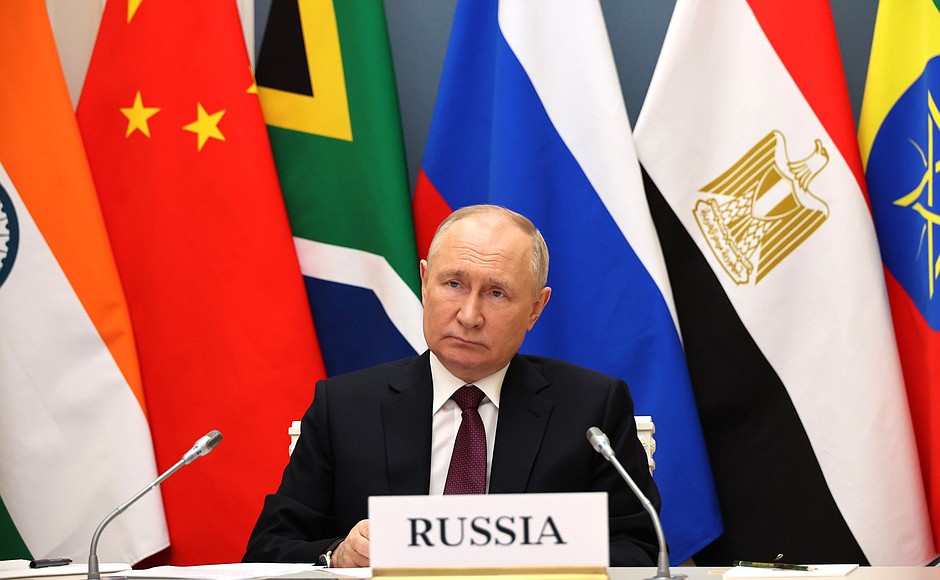
Amid rising geopolitical tensions and ongoing economic sanctions from Western nations, Russia has intensified its push for a clearing and depository system among BRICS nations—an alliance comprising Brazil, Russia, India, China, and South Africa. This initiative aims to facilitate intra-BRICS trade and investment by creating alternative mechanisms that would reduce reliance on Western financial systems, particularly the U.S. dollar.

The call for such a system has gained momentum during discussions at the BRICS summit held in Johannesburg earlier this year, where leaders explored strategies to enhance economic collaboration and safeguard member countries from external economic pressures. Russian President Vladimir Putin, emphasizing the need for financial sovereignty, outlined how a dedicated clearing system would not only streamline trade among BRICS nations but also insulate them from unpredictable sanctions imposed by Western governments.

The financial architecture proposed includes a shared clearing platform that would allow member states to transact in their local currencies. This system is expected to alleviate the costs associated with currency conversion and reduce exposure to fluctuations in the dollar’s value. The depository system would enable BRICS countries to hold reserves and facilitate investments without the involvement of Western banking systems, which often serve as gatekeepers for international trade and finance.

As part of this initiative, the Russian government has engaged with various BRICS member states to discuss technical and regulatory frameworks necessary for establishing this new financial infrastructure. Recent engagements include high-level talks with Chinese and Indian officials, where they explored the operational aspects of the proposed clearinghouse. Both countries have expressed interest, seeing the potential benefits of minimizing their dollar dependency amid geopolitical tensions with the West.

Analysts note that this initiative comes at a time when BRICS countries are seeking to redefine their positions in global trade and finance. The bloc has increasingly advocated for a multipolar world order, aiming to challenge the dominance of the United States and its allies in international financial institutions. The proposed clearing and depository system aligns with these aspirations, reflecting a broader trend of economic diversification and regional integration among non-Western nations.

While the technical implementation of this system remains in preliminary discussions, there are significant challenges to overcome. These include the establishment of common regulatory standards, addressing concerns about currency stability among member states, and ensuring the system’s resilience against external shocks. Moreover, skepticism persists regarding the political will of member nations to fully commit to this initiative, particularly given the varying degrees of economic interdependence and political alignment among them.

Experts predict that the success of the BRICS clearing and depository system will hinge on several factors, including the resolution of these technical challenges and the ongoing commitment of member states to foster economic collaboration. The establishment of a robust framework that can operate independently of Western financial institutions will require significant investments in infrastructure and regulatory harmonization.

In parallel to these discussions, Brazil and China have initiated bilateral agreements to promote trade in their local currencies, signaling a growing trend among BRICS nations to seek alternatives to the dollar. This move underscores the urgency felt by member states to enhance their economic resilience and foster greater autonomy in global markets.

The backdrop of escalating tensions between Russia and Western nations adds a layer of urgency to these discussions. Sanctions targeting Russia have intensified following its military actions in Ukraine, prompting a reevaluation of its economic relationships globally. Russia’s outreach to BRICS allies is not merely strategic; it is also a pragmatic response to the constraints imposed by Western financial measures.

While the BRICS clearing system remains in its conceptual phase, the desire among member nations for a more independent financial architecture reflects a significant shift in global economic dynamics. As emerging economies seek to forge stronger ties and reduce their vulnerabilities, the success of this initiative could have profound implications for the future of international trade and finance.

Several countries, including South Africa and India, have indicated their support for exploring mechanisms to facilitate trade in local currencies. Such support could provide the momentum needed to advance the technical discussions into actionable plans. If successful, this could mark a pivotal moment for BRICS as it seeks to position itself as a counterbalance to Western hegemony in global economic governance.

Russia’s covert network of oil tankers, often referred to as the “shadow fleet,” has drawn intense scrutiny from Western governments as it plays a central role in circumventing sanctions imposed on the country since its invasion of Ukraine. This fleet consists of hundreds of vessels engaged in the global transport of Russian oil, utilizing a web of deceptive practices, shell companies, and obscured ownership to avoid detection and maintain a steady flow of oil exports. As sanctions grow tighter, so do the clandestine methods employed by this fleet, particularly in securing insurance, which is critical for ships to operate globally.

With the imposition of strict international sanctions on Russia, major Western insurers withdrew from covering Russian oil tankers, creating a vacuum that Moscow has scrambled to fill. The creation of alternative insurance networks has become a lifeline for these vessels, allowing them to continue trading. Countries with limited regulatory oversight, such as certain Middle Eastern and Asian nations, have become key players in providing cover to these ships, enabling them to avoid scrutiny. The complex insurance arrangements are often routed through obscure entities that make it challenging for authorities to track or block the movement of sanctioned vessels.

The UK’s recent actions highlight the extent of the shadow fleet’s activities. In September 2024, the UK government sanctioned ten vessels linked to the shadow fleet, each involved in transporting large quantities of Russian oil. These ships, which had collectively moved over $5 billion in Russian oil, were barred from accessing UK ports and removed from the UK ship register. The sanctions underscore how pivotal the shadow fleet has become for Moscow, which has invested over $8 billion to maintain this network, despite the tightening economic pressure from the G7 and other Western nations. Western authorities hope to cripple this vital revenue stream for the Kremlin, but Russia remains defiant, with this secretive fleet operating across key global trade routes.

One of the most significant elements enabling this shadow trade is the reinsurance market. Reinsurance, which helps insurance companies manage risks by sharing portions of large policies with other firms, is a crucial piece of the puzzle for Russia. While direct insurance contracts for Russian tankers have become scarce, reinsurance deals continue to operate through less-regulated markets, creating layers of separation between the insured vessels and their true owners. These arrangements obscure the ships’ connections to Russia and make enforcement of sanctions difficult, as insurers may not always know they are covering Russian vessels. Some reports indicate that companies in regions like Dubai and Singapore are playing an increasing role in providing this indirect coverage, further complicating international efforts to clamp down on the shadow fleet.

The trade routes these vessels follow are also a significant aspect of their operations. Many ships involved in the shadow fleet use transshipment points, such as ports in Greece or off-shore locations in the Mediterranean and Asia, to transfer oil from sanctioned Russian tankers to other vessels. This practice of ship-to-ship transfers allows Russian oil to be rebranded or disguised before being sold on the global market. The use of such tactics has expanded in scale, with Western observers noting a steady increase in the number of these operations as Russia looks to maintain its oil revenues.

As a response to this ongoing trade, the European Union and G7 have both imposed price caps on Russian oil, limiting the price at which it can be sold legally. This measure, implemented in late 2022, was intended to reduce Russia’s profits from oil exports while keeping the global energy market stable. However, the shadow fleet has allowed Russia to bypass these restrictions by selling oil at a discount through third-party buyers. This system of backdoor trading has proven highly effective, even as governments in the West ramp up their sanctions and surveillance efforts.

What stands out in this complex landscape is the role of emerging markets in supporting Russia’s oil trade. Countries such as China and India have dramatically increased their imports of Russian crude, taking advantage of the lower prices and turning a blind eye to sanctions. In turn, their involvement in Russia’s energy exports has further insulated the country from the full impact of Western economic measures. Despite this, the shadow fleet has remained a critical cog in Moscow’s oil export machine, facilitating the continued flow of crude oil to these markets.

Growing economic ties between Russia and the United Arab Emirates (UAE) are underscored by a notable increase in trade, which has reportedly tripled over the last three years, according to President Vladimir Putin. This significant surge in bilateral commerce reflects a strengthening partnership that encompasses various sectors, including energy, agriculture, and technology. Both nations have shown a commitment to further expanding these economic relations, particularly in the […]

The World Bank has adjusted its economic growth forecasts for the Middle East and North Africa (MENA) region, citing heightened uncertainties stemming from the ongoing Gaza conflict. This revised outlook reflects the significant impact of geopolitical tensions on the economic stability of nations within the region.

In its latest report, the World Bank projected that MENA’s economy would grow by 2.4% in 2024, a decrease from its previous estimate of 3.1%. This downgrade highlights the fragile state of the region’s recovery amid escalating conflicts and rising inflation. The report emphasizes that the disruption caused by the Gaza war could have ripple effects across the region, particularly affecting trade, investment, and tourism.

Countries in the Gulf Cooperation Council (GCC) are expected to demonstrate more resilience, with projected growth rates of around 4.1%. However, the report notes that even these nations may not be immune to the broader economic downturn. With a notable dependency on global oil prices, any fluctuations could hinder growth potential. The World Bank attributes the GCC’s relative strength to high oil revenues, which are supporting government spending and infrastructure development.

The impact of the Gaza conflict is significant for several reasons. The humanitarian crisis in Gaza has raised concerns about stability in neighboring countries, which could lead to an influx of refugees and strain public services. Additionally, the ongoing conflict has prompted discussions about energy security in the region, particularly given Europe’s efforts to reduce its reliance on Russian gas.

Analysts also point to the potential for increased military spending in response to the conflict, which could divert resources from social and economic development initiatives. Such shifts in government spending could hinder long-term growth prospects for nations striving to diversify their economies away from oil dependency.

Tourism, a critical sector for many MENA economies, particularly in the Levant and North Africa, is facing headwinds as well. The Gaza conflict has raised travel advisories from various countries, impacting visitor numbers and spending. Countries such as Egypt and Jordan, which rely heavily on tourism, are expected to see a decline in revenues. The report indicates that the tourism sector’s recovery may lag behind other industries, affecting job creation and economic stability in these nations.

The region faces persistent challenges related to inflation and food security. Rising global commodity prices, exacerbated by supply chain disruptions from the Ukraine conflict, are contributing to higher living costs. Many MENA countries are grappling with food inflation, which has emerged as a significant issue for households, particularly in countries with already high poverty rates.

The report identifies key players who are likely to shape the region’s economic landscape. Saudi Arabia, with its Vision 2030 initiative, continues to drive efforts to diversify its economy and attract foreign investment. The United Arab Emirates is also making strides in positioning itself as a global business hub, focusing on technology and innovation. However, the volatility created by geopolitical tensions could impede these efforts and delay the realization of ambitious economic goals.

Lebanon, meanwhile, remains in a precarious economic situation. The ongoing political instability and the fallout from the 2020 port explosion continue to affect economic recovery efforts. Inflation has skyrocketed, and essential services have deteriorated, leading to widespread discontent among the population. International support remains critical for Lebanon as it navigates this challenging landscape.

As the World Bank’s report underscores, addressing these challenges will require coordinated efforts among MENA nations. Investment in renewable energy, improvements in infrastructure, and enhancements in governance and institutional frameworks are essential for fostering sustainable growth. The current geopolitical landscape presents both risks and opportunities for the region, highlighting the need for adaptive policies that can respond to emerging threats.

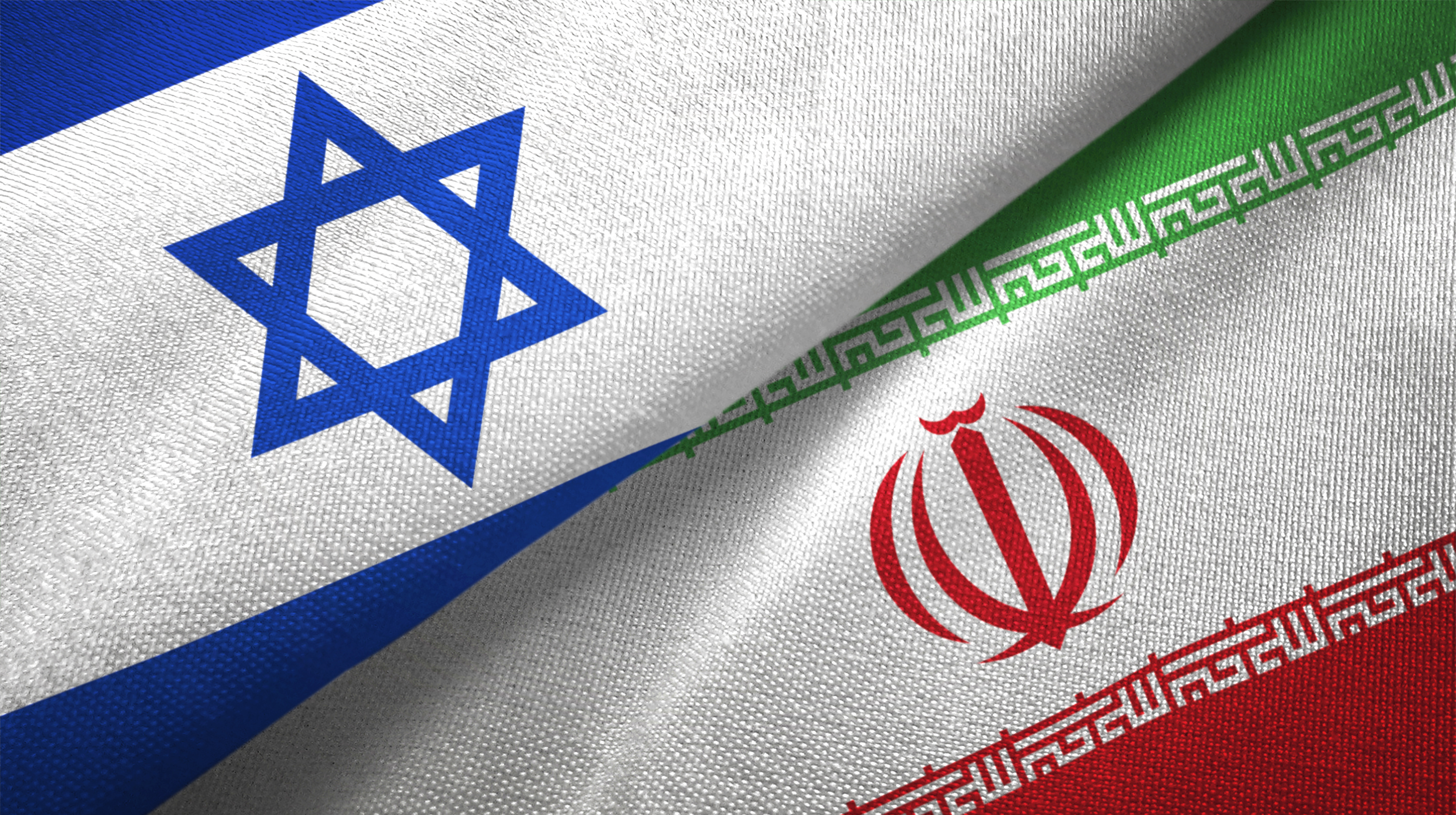
A significant shift in global oil prices has occurred, triggered by reports that Israel will not target Iranian energy facilities during its ongoing military operations. The announcement has contributed to a notable decrease in crude oil prices, with Brent crude futures falling to approximately $83.50 per barrel, a drop of nearly 5%. West Texas Intermediate (WTI) also experienced a decline, trading around $78.50 per barrel. The news of a potential de-escalation of tensions has sparked optimism among traders and analysts, prompting discussions about the implications for oil supply and regional stability.

This development follows heightened concerns about the geopolitical landscape in the Middle East, particularly since the onset of hostilities involving Israel and Hamas. Market observers had speculated that any escalation involving Iran could disrupt oil supply chains, especially given Iran’s substantial role in the global oil market. The country, a member of the Organization of the Petroleum Exporting Countries (OPEC), has consistently been a significant player in oil production, with its output averaging around 3 million barrels per day prior to the imposition of sanctions.

Analysts have noted that the decision to refrain from targeting Iranian facilities could stabilize oil prices in the short term. Such stability is crucial, as fluctuations in oil prices often reflect broader economic sentiments and can influence inflation rates worldwide. The International Energy Agency (IEA) had previously warned that any conflict in the region could lead to a supply shock, resulting in further price surges. However, the latest assurances have alleviated some of these fears, allowing for a moment of respite in oil markets.

The interplay between Israel and Iran extends beyond military engagements, encompassing significant economic implications as well. Iran’s oil exports have faced restrictions due to sanctions imposed by Western nations, limiting its ability to engage in international trade. Despite these challenges, Iran has sought to bolster its oil exports through partnerships with countries such as China, which has emerged as a primary importer of Iranian crude.

This latest news has prompted reactions from various stakeholders in the oil market. Major oil companies are closely monitoring the situation, as any potential escalation could alter their operational strategies and long-term investment plans in the region. Executives from companies like BP and Shell have expressed cautious optimism, reiterating their commitment to maintaining stable supply chains while navigating geopolitical uncertainties.

While the immediate outlook appears more favorable for oil prices, analysts caution that the situation remains fluid. The potential for conflict in the Middle East has not dissipated, and other geopolitical factors could still influence market dynamics. For instance, the ongoing conflict in Ukraine and its ramifications for global energy supply also weigh heavily on market sentiment. European countries continue to seek alternatives to Russian gas, further complicating the energy landscape and contributing to price volatility.

Market analysts are keeping a close eye on OPEC’s strategies in response to shifting demand dynamics. The organization has historically played a critical role in managing oil supply to influence prices. The group is likely to convene in the coming weeks to assess the current situation and consider adjustments to their production quotas. OPEC’s decisions are crucial for maintaining market equilibrium, especially during times of uncertainty.

In the context of these developments, there has been a renewed focus on the importance of diversifying energy sources and enhancing energy security. Nations worldwide are increasingly exploring renewable energy options as part of their long-term strategies to reduce dependence on fossil fuels. This transition has been accelerated by rising global temperatures and the urgent need to address climate change, prompting many governments to invest in sustainable energy infrastructure.

Advertisements

A video featuring what seems to be a preview model of the forthcoming MacBook Pro M4 has sparked significant attention online, leading to warnings of a potential security threat. The leak, which originated from a Russian YouTuber, has reportedly led to a surge in fraudulent activities as scammers seek to exploit the excitement surrounding Apple’s latest release. Kaspersky, a cybersecurity firm with Russian origins, has indicated that […]

By Nitya Chakraborty Monday October 7 2024 marks the completion of one year of the Israel-Palestine war which started with the brutal attack on the citizens of Israel by the militant Palestine group Hamas and the more severe retaliation by the Israel Defence Forces (IDF) and the complete annexation of the Gaza area along with […]

Aircraft lessor Dubai Aerospace Enterprise (DAE) has successfully reached a settlement with insurer AXA regarding the jets that have been retained in Russia since the onset of the Ukraine conflict in 2022. This resolution opens avenues for further financial agreements as legal proceedings unfold in a significant trial in London’s High Court. DAE has faced considerable challenges following the Russian invasion of Ukraine, particularly concerning the fate […]

Crude oil prices have experienced a significant downturn, dropping approximately 17% in the third quarter of this year. This decline, marked by market volatility and geopolitical tensions, highlights a complex interplay between Middle Eastern conflicts and diminishing global demand.

As of late September, West Texas Intermediate (WTI) crude settled at around $89 per barrel, down from its highs earlier in the quarter. Brent crude, the global benchmark, followed suit, trading at roughly $92 per barrel. The reduction in prices comes after a series of events that initially fueled price increases due to fears of supply disruptions in the Middle East. However, weakening demand signals from major economies have overshadowed these concerns.

Ongoing hostilities in the Middle East, particularly the conflict in Gaza, have raised alarms about potential disruptions to oil supplies. Israel’s military actions have been met with retaliatory strikes from Hamas, leading to fears that regional tensions could escalate and affect oil-producing nations. However, despite these fears, oil production in the region has remained largely unaffected, allowing for a gradual decline in prices as the immediate risks did not materialize as significantly as anticipated.

Simultaneously, global economic indicators have pointed to a slowdown in demand for oil. The International Energy Agency (IEA) recently projected a weaker demand growth outlook for 2024, influenced by slower economic growth in key markets such as China and Europe. China’s oil demand growth has been particularly disappointing, with recent data indicating a sharp decline in refinery throughput amid struggling manufacturing and economic challenges. This downturn has led to concerns that the world’s largest oil importer may not recover as quickly as previously hoped.

The economic landscape has also been affected by rising interest rates, particularly in the United States, where the Federal Reserve’s aggressive monetary policy has contributed to slowing growth. High borrowing costs have prompted businesses and consumers to cut back on spending, leading to reduced fuel consumption. This trend is reflected in decreasing gasoline prices, which have fallen by approximately 20% since their peak earlier in the year.

Analysts are now closely monitoring the impact of the U.S. Federal Reserve’s interest rate policies on the energy market. As inflation remains a concern, higher rates are expected to temper economic activity further, which could result in continued softness in oil demand. Meanwhile, the market is also reacting to potential supply adjustments from the Organization of the Petroleum Exporting Countries (OPEC) and its allies, collectively known as OPEC+. The group has faced pressure to cut production to stabilize prices but has been hesitant to take drastic measures amid the ongoing global economic uncertainties.

OPEC’s recent meeting has been characterized by discussions surrounding production levels and output targets. While some member countries advocate for cuts to prevent a further slump in prices, others, particularly those reliant on oil revenues, express reluctance to decrease output. This tension reflects broader geopolitical dynamics, as different countries prioritize their economic needs amidst fluctuating global demand.

In addition to OPEC’s considerations, there are also rising concerns about the impact of new renewable energy projects on long-term oil demand. Governments worldwide are increasingly committing to net-zero emissions targets, and investment in clean energy sources continues to grow. This shift poses a long-term challenge to the oil industry as electric vehicle adoption rises and cleaner energy alternatives become more mainstream.

Market participants are also keeping a close eye on potential developments in the Ukraine conflict, which has significantly affected European energy markets. While the ongoing war has prompted Europe to diversify its energy sources away from Russian oil and gas, disruptions in supply chains can reverberate across global markets, leading to unexpected fluctuations in oil prices.

Analysts emphasize that while current prices reflect immediate market dynamics, underlying structural changes in energy consumption and production will play a crucial role in shaping the future of the oil market. As countries adjust their energy strategies and seek more sustainable options, traditional oil producers may need to adapt to a changing landscape characterized by increasing competition from alternative energy sources.

Climate policies and international agreements aimed at reducing carbon emissions will likely further pressure the oil sector. Countries that rely heavily on fossil fuel exports may face economic repercussions as the world shifts toward cleaner energy, necessitating a reevaluation of their long-term economic strategies.

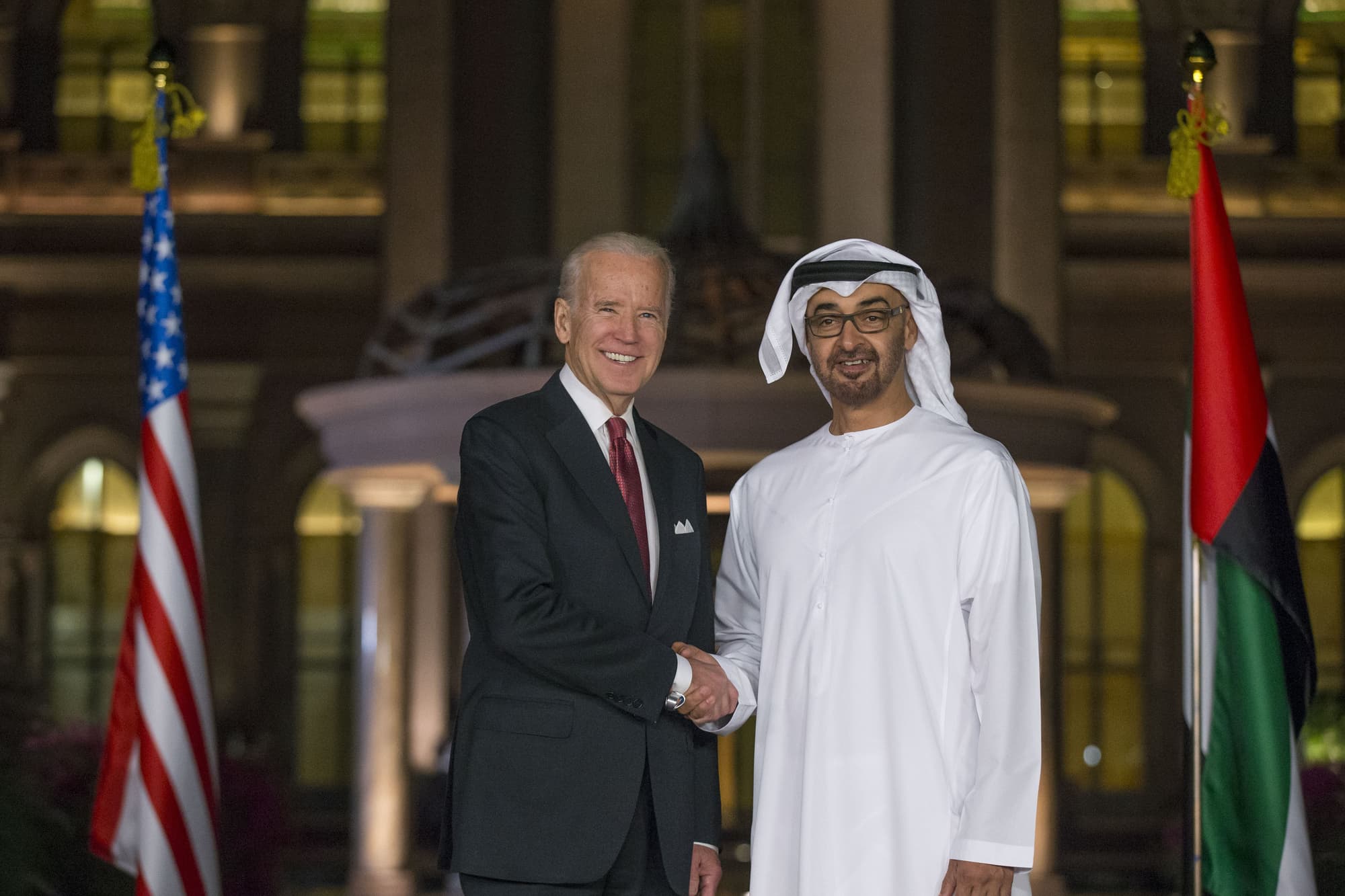
President Joe Biden has officially designated the United Arab Emirates as a major defense partner of the United States, solidifying the nation’s strategic role in the region. This move comes shortly after a similar designation was awarded to India, underscoring Washington’s efforts to build stronger alliances with Gulf and South Asian powers in the face of shifting global security dynamics. The announcement marks a significant step in US-UAE relations, enhancing defense cooperation and reaffirming the UAE’s importance in American military strategy.

The decision highlights the UAE’s evolving role as a critical player in regional security. With this designation, the UAE joins a select group of countries that enjoy preferential treatment when it comes to military cooperation with the United States. The relationship allows for greater access to advanced defense technology, streamlined military sales processes, and deeper intelligence collaboration. These developments come amid ongoing efforts by the US to recalibrate its security commitments in the Middle East, pivoting towards nations capable of contributing more significantly to their own defense.

Biden’s formal recognition of the UAE as a defense partner builds on decades of close military ties between the two nations. The UAE has long been a hub for US military operations in the region, hosting troops and serving as a staging ground for operations in neighboring conflict zones. The move is also seen as part of Washington’s broader strategy to reinforce its influence in the Gulf, where rising geopolitical tensions and the involvement of foreign powers like Russia and China continue to shape the security landscape.

For the UAE, this designation is not merely symbolic. It solidifies the nation’s status as a regional security leader and elevates its position on the global stage. It also provides the UAE with more direct access to sophisticated US defense systems, which will be critical in enhancing its defense capabilities amidst growing concerns over missile threats and other regional challenges. The UAE has long sought to upgrade its military arsenal, focusing on cutting-edge technology such as advanced fighter jets and missile defense systems. This new designation could accelerate these procurements, allowing for a faster, more seamless process.

The US government has been increasingly focused on forging deeper security ties with countries it sees as vital to countering both state and non-state actors. The UAE has been a crucial partner in US-led efforts to combat terrorism and ensure maritime security in the Gulf, particularly through its involvement in anti-piracy and anti-smuggling operations. The nation’s strategic location and military infrastructure have made it an indispensable ally in addressing threats posed by extremist groups and hostile states in the region.

Meanwhile, this development coincides with broader geopolitical shifts, as the US grapples with its role in a multipolar world. The Biden administration’s defense policy has focused on reducing its military footprint in some traditional hotspots while doubling down on partnerships that bolster regional security autonomously. The designation of both the UAE and India as major defense partners reflects a recalibrated approach to ensuring stability through cooperation, rather than direct military involvement.

The strategic importance of the UAE extends beyond the Middle East. Its influence in Africa, Central Asia, and the Indian Ocean region makes it a key player in a wider arc of geopolitical interests. With major global powers vying for influence in the Middle East, Washington’s decision to deepen its defense ties with Abu Dhabi also signals its intention to counter growing Russian and Chinese influence. China’s Belt and Road Initiative and increasing arms sales to Gulf countries, including the UAE, are clear indicators that the region is a key battleground for global influence.

The UAE’s defense relationship with the United States has grown in complexity in recent years. The two nations have regularly conducted joint military exercises, and the UAE has made substantial purchases of US-made defense equipment, including F-16 fighter jets, missile defense systems, and advanced drones. More recently, the UAE has expressed interest in acquiring next-generation US fighter jets, including the F-35, as part of its efforts to enhance its military edge. The partnership also extends to counterterrorism operations, where the two nations collaborate closely in intelligence sharing and tactical support to neutralize extremist threats.

The decision to elevate the UAE’s status comes against the backdrop of broader regional realignments. The Abraham Accords, which normalized diplomatic relations between the UAE and Israel, have reshaped the strategic landscape of the Middle East, offering new opportunities for cooperation between key US allies. This trilateral relationship between the US, UAE, and Israel is likely to deepen in the defense sphere, with potential collaborations in areas like missile defense and cybersecurity.

At the same time, the UAE faces growing security concerns closer to home. The conflict in Yemen, where the UAE has been heavily involved, continues to pose risks to regional stability. Iranian-backed Houthi rebels have launched missile and drone attacks against UAE infrastructure, raising the stakes for Abu Dhabi’s defense posture. The new designation from Washington could pave the way for more robust US support in addressing such threats, with the potential for more advanced defense systems aimed at countering missile and drone attacks.

US defense experts have praised the move, calling it a logical step in strengthening bilateral ties with a trusted partner in the Gulf. They argue that bolstering the UAE’s defense capabilities is not only in the interest of regional stability but also aligns with the US strategy of building self-reliant regional security partners. The UAE’s growing military spending and its focus on modernizing its armed forces further bolster the case for Washington’s decision.


Germany’s top envoy to Canada has issued a stark warning regarding the future of natural gas demand in Europe, suggesting that the continent’s appetite for Canadian exports is poised to diminish. This statement arrives amid ongoing discussions about energy supply amid Europe’s shifting focus towards renewable energy sources and greater energy independence. The envoy highlighted a significant transformation in Europe’s energy landscape, emphasizing a strategic pivot away […]

Meta, the parent company of Facebook, has taken decisive action against Russian state-controlled media networks, intensifying its efforts to curb what it identifies as covert influence operations. The company announced the ban on RT, Rossiya Segodnya, and several other Russian outlets, stating that these entities had engaged in deceptive practices to manipulate online content. This move comes as part of Meta’s broader efforts to combat foreign interference, […]

Russia is moving closer to regulating cryptocurrency trading, with plans to have a framework in place by November. Anatoly Aksakov, Chairman of the Russian State Duma Committee on Financial Markets, made the announcement, marking a pivotal moment for the nation’s evolving stance on digital assets. Initially, the new regulation will allow only a limited number of organizations to engage in cryptocurrency trading, with the potential for expansion […]

Rumble, a video-sharing platform known for its lenient stance on content moderation, has been barred from operating in Brazil. The ban marks a significant escalation in global regulatory actions against the platform, which is also restricted in France, Russia, and China. The decision by Brazilian authorities follows a wave of legal and political challenges faced by Rumble across various jurisdictions. In Brazil, the ban was announced after […]

Donald Trump has unveiled a bold new strategy to safeguard the dominance of the US dollar on the global stage. During a recent rally, Trump announced his plan to impose a staggering 100% tariff on goods from countries that choose to abandon the dollar in their international transactions. This move, part of his broader economic policy platform, aims to reinforce the dollar’s status as the world’s primary reserve currency.

Trump’s declaration represents a significant escalation in his approach to trade policy. The former president’s proposal is grounded in the belief that the dollar’s supremacy is vital to US economic security and geopolitical influence. By threatening such severe tariffs, Trump intends to deter nations from adopting alternative currencies in their trade dealings.

The implications of Trump’s threat are multifaceted. On one hand, it underscores the importance of the US dollar in global finance, as it currently accounts for the majority of international trade and investment. The US dollar’s dominance is supported by its widespread use in global reserves, trade transactions, and as the primary currency for commodities such as oil and gold.

However, Trump’s tariff proposal also highlights growing concerns among some countries about over-reliance on the dollar. Nations such as China and Russia have been actively pursuing strategies to reduce their dependence on the US currency, promoting alternatives like the Chinese yuan or regional currencies in trade agreements. The aim is to mitigate the risks associated with the volatility and political influence of the dollar.

China, in particular, has been making strides in internationalizing the yuan. The country has increased its efforts to encourage the use of the yuan in trade with its partners and has set up swap lines with various central banks. Additionally, the Shanghai International Energy Exchange has launched oil futures contracts priced in yuan, a move that represents a challenge to the dollar’s dominance in the global oil market.

Russia, under Western sanctions, has also sought to reduce its dependency on the dollar. The Russian central bank has diversified its reserves away from dollar assets and has encouraged the use of the ruble in trade with countries in its sphere of influence. Russia’s efforts are part of a broader strategy to counterbalance Western economic pressures and assert greater economic sovereignty.

The threat of a 100% tariff could have far-reaching consequences for international trade. Countries considering alternatives to the dollar may view Trump’s proposal as a coercive tactic that could disrupt their economic planning. Such an extreme measure could also strain diplomatic relations, as countries may perceive it as an aggressive attempt to maintain US economic hegemony.

Economists and trade analysts are debating the potential effects of Trump’s tariff plan. Some argue that the threat could backfire, accelerating efforts by other countries to reduce their dollar exposure. The imposition of a 100% tariff might not only prompt countries to seek alternatives but could also lead to retaliatory measures that could impact US exports and global trade dynamics.

The proposal also raises questions about the effectiveness of such a policy. While tariffs can influence trade patterns, their impact on currency preferences and reserve holdings is less direct. The global financial system is complex, and countries may continue to seek diversification of their currency reserves despite the threat of high tariffs.

Trump’s proposal is part of a broader trend of using economic policy tools to achieve strategic objectives. The current geopolitical landscape is marked by increasing competition among major economies, with countries leveraging economic measures to assert their influence and secure their interests.

The announcement has elicited mixed reactions from policymakers and business leaders. Some view it as a necessary measure to protect the dollar’s role in global finance, while others criticize it as an overly aggressive strategy that could undermine US economic interests in the long run.

M A Hossain Russian President Vladimir Putin’s recent two-day state visit to Mongolia was not only a significant moment in the bilateral relations between Moscow and Ulaanbaatar, but also an event that resonated on the international stage. Mongolia, a nation that ratified the Rome Statute of the International Criminal Court (ICC), became the subject of global attention due to its refusal to comply with the ICC’s warrant […]

The United States has launched a series of measures aimed at countering what it describes as Russian attempts to interfere in the forthcoming presidential election. This includes targeting Russian-operated fake news sites and unwitting influencers believed to be spreading disinformation. U.S. officials have identified a sophisticated network of misinformation campaigns orchestrated by Russian entities. These campaigns are designed to manipulate public opinion and sow discord among voters. […]

The detention of Telegram founder Pavel Durov at Le Bourget Airport near Paris on August 24 has sparked significant global concern, with the United Nations expressing apprehension over potential human rights violations. Durov, a Russian-born tech billionaire, was taken into custody by French authorities under a warrant related to his management of Telegram, a platform that has faced widespread scrutiny for its encrypted communication services and perceived […]

One of Ukraine’s F-16 fighter jets was downed while attempting to repel a large-scale Russian missile and drone attack earlier this week, marking the first loss of the U.S.-supplied aircraft since its introduction into the Ukrainian arsenal. The incident has sparked significant concern within Kyiv’s military leadership and resulted in the dismissal of the country’s air force commander, Lt. Gen. Mykola Oleshchuk.

The crash occurred amid an intensifying wave of Russian assaults across various regions of Ukraine. Although the exact cause of the crash remains under investigation, there have been unverified claims that the F-16 may have been mistakenly hit by a Patriot air-defense system. Ukrainian authorities have not confirmed this scenario, but the allegation has already led to heightened tensions within the Ukrainian government and military.

In a swift response, President Volodymyr Zelenskyy removed Oleshchuk from his position, citing the need to enhance the protection of military personnel and ensure stronger command-level decisions. Lt. Gen. Anatolii Kryvonozhko was appointed as the acting air force commander, with immediate tasks focused on reviewing the incident and maintaining operational effectiveness amidst the ongoing conflict.

The crash highlights the fragile balance in Ukraine’s efforts to counter Russia’s aerial superiority. While the introduction of F-16s from European allies has been hailed as a significant boost to Ukraine’s air capabilities, military analysts caution that these aircraft alone cannot drastically alter the course of the war. The Russian air force, backed by sophisticated defense systems, remains a formidable challenge, as evidenced by this latest loss.

On the ground, Russian forces have continued their offensive in eastern Ukraine, while Ukrainian troops strive to hold strategic positions. The F-16 crash underscores the broader difficulties faced by Kyiv in its efforts to sustain a robust defense against a well-equipped adversary.

Meanwhile, Russia’s attacks have also led to significant civilian casualties. A bombing raid on the northeastern city of Kharkiv resulted in the deaths of six people, including a 14-year-old girl, and left dozens wounded. Ukrainian officials argue that such attacks could be mitigated if Western partners further relaxed restrictions on the use of donated weapons, allowing Ukrainian forces to target Russian military assets more effectively.

As investigations into the F-16 crash continue, the incident serves as a stark reminder of the risks inherent in modern warfare and the complexities of coordinating an international coalition in support of Ukraine’s defense efforts. The outcome of this investigation could influence future military strategies and the deployment of critical air assets as Ukraine navigates its path through the ongoing conflict.

The downing of the F-16 and the subsequent shake-up in military leadership represent a critical moment in the war, highlighting both the challenges of integrating new technology into a warzone and the ongoing determination of Ukraine to adapt and respond to evolving threats.

Qatar is reportedly in advanced discussions to acquire a significant stake in a German refinery currently owned by Russia’s state-controlled oil company, Rosneft. This deal, if finalized, could see the Qatar Investment Authority (QIA) strengthen its already substantial investment portfolio, which includes a nearly 19% stake in Rosneft.

The negotiations involve Qatar being the last remaining bidder for the refinery assets, which were seized by the German government following the fallout from Russia’s military actions in Ukraine. The Qatari delegation has been actively engaged in high-level talks with German officials, with the potential acquisition seen as a strategic move to secure long-term energy interests in Europe.

Germany’s government, which previously took control of Rosneft’s operations in the country, is expected to support the transaction, given the geopolitical implications and the need to stabilize energy supplies in the region. This aligns with Germany’s broader strategy to reduce dependency on Russian energy while ensuring operational continuity at critical infrastructure sites.

Rosneft’s German assets have been under scrutiny as Europe seeks to disentangle itself from Russian energy influence, making Qatar’s interest particularly timely. The Qatari government’s deep ties with Russia and its financial muscle could provide the necessary leverage to close the deal.

Qatar’s pursuit of these assets underscores the Gulf nation’s ambition to expand its energy footprint in Europe, leveraging its vast wealth to gain strategic assets in key markets. The move also reflects the growing importance of energy security in a rapidly changing geopolitical landscape.

The ongoing negotiations are being closely watched by industry analysts, who see this potential acquisition as a significant development in the global energy sector, particularly in light of shifting alliances and the evolving dynamics of energy supply chains.

The deal, if completed, would further cement Qatar’s role as a critical player in the global energy market, positioning it alongside other major energy-exporting nations that are capitalizing on the changing geopolitical environment. The outcome of these negotiations could have far-reaching implications for the future of energy security in Europe and beyond.

Further updates on this evolving story are expected as the negotiations progress.

Telegram founder Pavel Durov’s detainment by French authorities at Le Bourget Airport near Paris has triggered a global wave of protests. Over 2 million people have signed an online petition urging his release, highlighting growing concerns over digital privacy and government overreach. Durov, who created the messaging platform Telegram, was reportedly arrested on August 24, 2024, upon arriving in France. The arrest appears to be linked to […]

Russia’s Foreign Minister Sergey Lavrov criticized France for detaining Telegram founder Pavel Durov, claiming that the move was an attempt to gain access to the messaging app’s encryption codes. Lavrov’s remarks, which were made during a press briefing, have intensified the diplomatic tensions between Moscow and Paris, with Lavrov emphasizing concerns over freedom of speech and privacy. Durov, the creator of the popular encrypted messaging platform, was […]

VISHNU RAJA
RYO YAMADA
HITORI GOTOH
IKUYO KITA