News related to
Russian

Matein Khalid Gold is in its most spectacular bull run since 1976-1980, when prices rocketed from $91 to over $800 an ounce. The current cycle found its floor near $1,800 in late 2022, as the Powell Fed’s rate-hike campaign peaked and Washington froze $300 billion in Russian reserves in response to the invasion of Ukraine. “Dr Auric” now trades at just over $4,000 an ounce – a perfect vindication of […]

Rania Gule It seems that gold is going through a delicate phase, balancing between long-term bullish momentum and short-term profit-taking pressures, at a time when global markets are on edge ahead of upcoming U.S. sentiment data. As prices approach the $4,000 per ounce mark once again, the key question resurfaces: can gold still break its historical ceiling at $4,059, or will the current corrective wave extend temporarily […]

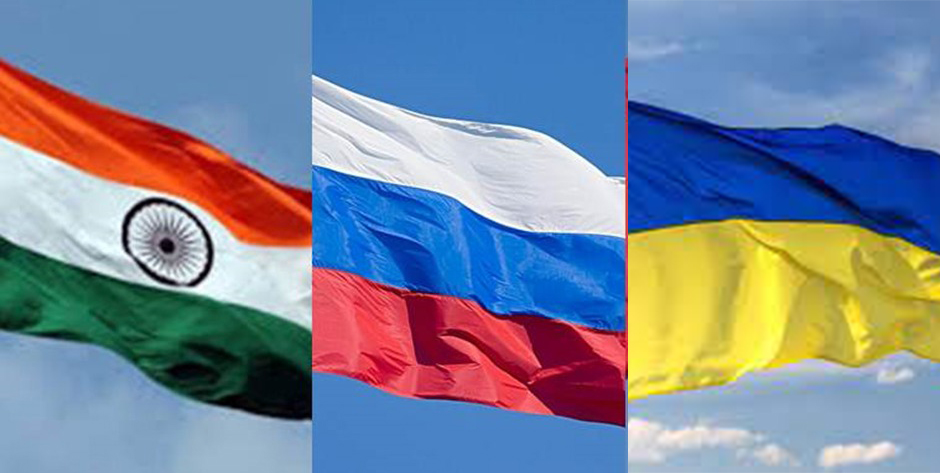
Ukraine’s 63rd Mechanised Brigade has released footage claiming that a 22-year-old Indian national, Majoti Sahil Mohamed Hussein from Morbi, Gujarat, surrendered to Ukrainian forces after fighting for Russia. The Indian Ministry of External Affairs stated it is investigating the matter, having not yet received formal confirmation from Ukrainian authorities.

In the video, Hussein says he travelled to Russia for university studies but was later convicted on drug charges and handed a seven-year prison sentence. He states that to avoid incarceration, he accepted a Russian military contract to fight in Ukraine. After only 16 days of training, he was deployed to the front lines on 1 October, and after three days of combat, asserted that a dispute with his commander prompted him to approach a Ukrainian trench position and surrender. “I immediately put down my rifle … I didn’t want to fight. I needed help,” he is heard saying in Russian. He further claims he never received promised financial compensation and that he would rather remain in custody in Ukraine than return to Russia.

Indian officials have neither confirmed his capture nor denied it. A spokeswoman from the MEA said New Delhi is “ascertaining the veracity of the report.” The Indian mission in Kyiv is reported to be seeking clarity from Ukrainian counterparts. The MEA noted it has not yet received an official notification.

If confirmed, this would mark the first verified case of an Indian national being held by Ukrainian forces after participating directly in combat on Russia’s side—although Indian nationals have previously been reported among Russian-aligned forces. In January, Indian authorities disclosed that 12 citizens had died fighting for Russia, while 16 others were listed as missing. New Delhi has repeatedly raised the issue with Moscow, urging the repatriation or discharge of Indians serving in the Russian military.

The broader phenomenon of third-country nationals entering the Russia-Ukraine war as combatants has drawn increasing scrutiny. Independent investigations estimate that more than 1,500 foreign fighters from over 48 nations have joined Russia’s military ranks. Some are believed to have been recruited under misleading promises, including job opportunities, visa benefits, or leniency in legal cases. In India’s case, accusations of coercion or trafficking have been made—families of slain Indian fighters have claimed their relatives were enticed with assurances but ultimately compelled into frontline service.

Analysts note that this case, if corroborated, underscores the murky legal and ethical terrain of foreign national participation in armed conflict. Under international humanitarian law, combatants captured in war zones may face prosecution, detainee protections, or diplomatic processes, depending on their status. The Indian government, maintaining a non-aligned posture regarding the Russia-Ukraine conflict, must balance protecting its citizens abroad with adherence to international norms and pressure from both Moscow and Kyiv.

Within India, this development is likely to intensify scrutiny over how students or migrants abroad might be exposed to recruitment schemes, particularly in countries engaged in conflict. Some previous admissions of Indians fighting for Russia suggested recruitment via third-party agents or recruitment drives run under the guise of employment for non-combat roles—later displaced into military duty. Families have, in past instances, sought intervention from Indian diplomatic missions, urging more robust preventive mechanisms.

Meanwhile, in Russia, foreign conscripts—or contracted soldiers from abroad—have been increasingly leveraged to supplement manpower. Ukrainian authorities have touted captures of foreign fighters in multiple instances, often publicising their nationality to highlight alleged exploitation or coercion. These reports frequently appear in social media or Telegram channels operated by Ukrainian units, although independent verification is sometimes challenging, given the fog of war and conflicting narratives.

Oil markets climbed modestly on Wednesday as traders digested OPEC+’s decision to raise production by only 137,000 barrels per day from November — a figure widely viewed as cautious and aimed at managing oversupply pressures. Brent crude gained about 0.7 per cent to $65.93 a barrel, while US West Texas Intermediate added 0.8 per cent, reaching $62.24.

The measured increase is part of an ongoing tug-of-war between easing supply fears and softening demand estimates. Analysts argue that the restrained hike helped calm immediate market jitters about a flood of new barrels entering global markets. At the same time, the surge in output from non-OPEC producers—especially the United States—is tipping the scale toward a heavier supply environment.

The U. S. Energy Information Administration raised its 2025 forecast for domestic oil production to a record 13.53 million barrels per day, up from earlier projections. That upward revision intensifies concerns that global inventories could swell, placing downward pressure on prices. The EIA warns that crude inventories may build further, potentially squeezing prices in the coming months.

OPEC+ has signalled a cautious approach. The bloc’s members, including Saudi Arabia and Russia alongside six others, opted for incremental supply additions rather than aggressive increases. The decision underscores a balancing act: securing market share without triggering a disruptive oversupply.

Some market watchers believe the group is constrained by internal capability limits and the risk of destabilising the market. Only about 75 per cent of the targeted 2.7 million bpd raise since April has actually materialised, as certain member states struggle to meet output goals. Meanwhile, signs of macro slowdown and tepid fuel demand, especially in Asia and Europe, loom as headwinds.

Large oil majors are already adjusting strategies to navigate the tighter margins. Chevron, ExxonMobil, BP, Shell, and TotalEnergies are implementing cost cuts, trimming share buybacks, and streamlining operations to preserve balance sheets. Oil prices under $65 are straining profitability across the sector, particularly for producers with high breaking-even costs. Shell, for instance, has taken a $600 million impairment hit tied to biofuel and remediation operations in Europe.

In Argentina, falling oil revenues threaten the government’s ambitious economic plans centred on energy exports. Output at the country’s Vaca Muerta formation peaked in August but has shown signs of deceleration due to weaker global pricing and elevated costs. Local industry sources warn that strapped fiscal conditions and foreign-exchange restrictions are discouraging further investment.

Futures markets also reflect a state of tension. The structure remains sensitive to signals that either reassure or alarm about supply and demand balances. Traders are closely watching upcoming US inventory data, geopolitical developments affecting Russian shipments, and demand dynamics from China. Some analysts regard the cautious output hike as a temporary reprieve, with the risk that a sharper fall may take prices into the $50–$60 range if oversupply intensifies.

The International Energy Agency projects a potential surplus of 3.3 million barrels per day in 2026, even if current output levels persist — a scenario that would further test OPEC+’s capacity to contain downside. In contrast, OPEC’s internal modeling suggests a smaller deficit under the same conditions, reflecting wide divergences in forecasting assumptions. Investors and policymakers now wait for signs of demand resilience or fresh supply shocks, both of which could dictate whether oil stabilises in the $60s or slips further.

Turkish authorities reaffirmed their commitment to maintaining energy ties with Russia, dismissing US appeals to cut off Moscow from the country’s gas supply network. The Turkish Energy Minister, Alparslan Bayraktar, emphasised that existing contracts and technical dependencies render any abrupt withdrawal impractical. Bayraktar told CNNTurk that “we cannot tell our citizens: We have run out of gas,” adding that Turkey must ensure continuous supply from Russia, Azerbaijan, […]

OPEC+ delegates are weighing two divergent paths for November oil quotas: a modest lift mirroring October’s 137,000 barrels per day increase or a more aggressive jump, possibly two to three times larger. Diplomatic and market pressures appear to be pulling members in different directions.

Ahead of Sunday’s formal meeting, one source familiar with the deliberations described 137,000 bpd as the “base case,” replicating this month’s incremental pace. A second source, speaking on condition of anonymity, indicated that under more aggressive assumptions the group may opt for increases of 280,000 bpd or even 400,000 bpd. Those in favour of larger hikes argue that strengthening demand and constrained Russian output justify a bolder step.

Analysts are aligning with the moderate view. Goldman Sachs, for instance, projects a November quota increase of around 140,000 bpd, citing tight inventory levels in Asia and Europe and declining U. S. crude stockpiles. Pressure for a more substantial increase, however, is mounting given elevated oil prices and a desire among key producers to reclaim or expand market share.

During a meeting of the Joint Ministerial Monitoring Committee this week, OPEC+ emphasised full compliance with output agreements, urging shirking members to compensate for previous breaches. While the JMMC lacks decision-making power on quotas, it retains the ability to summon full OPEC+ sessions if necessary. This move underscores growing unease about cohesion ahead of the upcoming vote.

Market reaction has already shown sensitivity. Oil prices—which had climbed amid tight supply forecasts—slid more than 3 per cent early this week as traders factored in the possibility of an oversupplied market if OPEC+ moves decisively upward. Further pressure arrived as Iraq’s Kurdistan region resumed exports to Turkey, adding to short-term supply. Expectations of a November increase of at least 137,000 bpd have also fed concerns about potential gluts.

Saudi Arabia is anticipated to respond to this industrial backdrop by raising its official selling prices for November crude to Asia. Refining sources suggest increases of 20–40 cents per barrel for Arab Light, and larger bumps for heavier grades—moves intended to optimise returns amid the shifted supply landscape. Observers note, however, that these pricing adjustments may be constrained by growing global volumes and rising freight costs.

Within OPEC+ circles, some major players favour the status quo increment. They caution that a more aggressive hike could undermine prices and strain discipline among reluctant members. Others view a bold move as an opportunity to reshape global oil dynamics—forcing non-allied producers to respond and reasserting the cohesion and influence of the alliance.

Russia is under particular scrutiny. Its output has been running below forecasts, and further declines—coupled with Western sanctions and infrastructure disruptions—are cited by several sources as a justification for a larger quota increase across the group. Still, Moscow’s appetite for more substantial volume gains remains unclear, balancing revenue interests with geopolitical strategy.

By K Raveendran It was a week of contradictions for India’s image on the world stage, marked by a curious interplay of critique, affirmation, and manoeuvring. Rahul Gandhi, in his address at Columbia University, painted a picture of India that was dark and distressing, describing the country’s democratic decline in sweeping terms. At the same […]

The article A Week Marking The Worst And Best For India On Global Stage appeared first on Latest India news, analysis and reports on Newspack by India Press Agency).

Advertisements

Oil prices are sliding as traders cite mounting unsold Middle Eastern crude and weakening demand from key importers. This shift raises prospects of a global oversupply even as OPEC+ debates its next policy move.

Estimates from trading houses place unsold crude cargoes for November loading in the Middle East between 6 million and 12 million barrels. These volumes represent a departure from usual patterns where discount-seeking buyers quickly absorb surplus cargoes. Market participants point to a combination of subdued Chinese demand and logistical bottlenecks as contributing factors.

Spot premiums on benchmark grades such as Oman, Dubai and Murban have plunged below $2 per barrel, reflecting the discounts sellers are forced to offer to entice buyers. One trading analyst noted that the drop in premiums signals heightened desperation amid a buyer’s market for Middle Eastern crude.

China, a traditional backstop for surplus exports, is showing signs of pulling back. In May, China recorded a crude surplus of 1.4 million barrels per day—indicating that imports significantly outpaced refinery throughput. That accumulated surplus suggests refiners are prioritising inventory building over active processing, perhaps in anticipation of future market volatility.

Iran adds another layer of complexity. Tanker-tracking firms estimate that between 23 million and 33 million barrels of Iranian crude are currently held in floating storage. While Iran’s oil minister has denied any unsold inventory, satellite and maritime data paint a different picture. Analysts say the discrepancy reflects the country’s use of ship-to-ship transfers and “ghost fleet” operations to obscure the origin and movement of crude, especially in shipments headed for China.

These movements coincide with a broader recalibration in OPEC+ strategy. Some member states, notably Iraq, have increased destination-free exports, signalling an intent to saturate markets and regain influence with trading partners. Iraq’s shipment of Basrah Medium crude is projected to rise significantly in the coming month, following a period in which pledged output increases by coalition members have lagged deliveries.

Many analysts believe that OPEC+ will proceed cautiously in its production decisions. A sudden output cut might stoke accusations of market manipulation, while continued supply expansion could exacerbate falling price trends. Ahead of its upcoming meeting, the group faces the dilemma of balancing the need to safeguard revenue against the risk of triggering a price collapse.

Meanwhile, U. S. domestic supply is contributing to uncertainty. The Energy Information Administration reports that U. S. output has strengthened marginally, offset by curtailed imports of Russian crude under tightened sanctions. But some industry observers warn that U. S. production may have peaked. One petroleum engineer pointed to a 12 percent decline in output from October 2024 to June 2025, citing state-level data that may undercut EIA projections.

Oil futures reflect growing anxiety. Brent crude and West Texas Intermediate have posted their steepest weekly drops since June, falling over 8 percent in some benchmarks amid concerns that global inventories will build significantly. Traders increasingly view OPEC’s next move as critical in determining whether markets stabilise or cede ground to excess supply.

In this environment, floating storage becomes a more active tool. The accumulation of oil held offshore is not just a symptom of imbalance but a way to temporally manage supply pressure. Floating oil reserves enable sellers to delay deliveries until market conditions improve—or until buyers return.

Refiners in Asia and Europe are approaching capacity constraints. Some are cutting processing rates or entering maintenance periods, reducing appetite for new crude. Because many surplus cargoes are being offered on destination-free terms, they face competition across regions—and the lack of clear demand is forcing suppliers to lengthen delivery offers or scale back premiums.

If the pricing squeeze deepens, some producers may respond by cutting output unilaterally. Others might seek to promote further cooperation on coordinated supply restraint, though such moves carry reputational risk if markets judge them as manipulative. Meanwhile, importers in developing markets—particularly in Africa and Southeast Asia—could benefit from cheaper crude. But those gains may not offset pressure on oil-producing economies that rely heavily on export revenue to fund budgets and social programmes.


Oil prices moved higher on Thursday as the market reacted to fresh signals of tightening supply and geopolitical risks that dampen prospects for aggressive output growth. Brent crude rose to around $65.70 per barrel, while U. S. West Texas Intermediate climbed above $62.00. Markets had been under pressure earlier in the week after crude dropped nearly 7 percent across three sessions, largely driven by expectations that OPEC+ […]

OPEC+ is poised to approve another lift in oil output of at least 137,000 barrels per day when its core members convene on 5 October to finalise November quotas, according to three individuals familiar with the discussions. The decision is part of the alliance’s broader push to reclaim lost market share amid surging crude prices. Since April, the group has reversed earlier production cuts, having already raised […]

Air raid sirens blared across Ukraine before dawn on 28 September as waves of Russian drones and missiles struck Kyiv and multiple regions, leaving fatalities and dozens of injuries while the assault continued into the morning, according to officials. Authorities in the capital reported deaths and widespread damage across more than 20 sites, including homes, a medical facility and a kindergarten; emergency services worked through debris as […]

By K Raveendran The global oil market is once again caught between geopolitics and fundamentals, as a new set of developments forces traders, producers, and consumers to recalibrate expectations. With the United States and the European Union signalling a hardening of positions on Russian oil, and with the Middle East simmering in heightened tensions, Brent […]

The article World Oil Flows At A Critical Juncture As India, US Try To Hammer Out A Deal appeared first on Latest India news, analysis and reports on Newspack by India Press Agency).

Exports of gasoline and diesel from India have climbed to multi-year highs in 2025, pushed by expanded refinery output, elevated ethanol blending, and weakening domestic demand during the monsoon season. Analysts expect gasoil shipments to reach 610,000–630,000 barrels per day, according to Wood Mackenzie, while Kpler forecasts hover nearer 560,000 bpd.

Heightened crude processing capacity has enabled major refiners such as Reliance Industries and Mangalore Refinery and Petrochemicals Ltd to divert more fuel into exports. Gasoline exports are estimated at about 400,000 bpd this year, supported by the country’s adoption of 20 % ethanol blending in petrol—a marked rise from 12 % in 2023.

Much of India’s diesel is now bound for Europe, where supply may tighten later this year due to refinery maintenance across the Middle East and Europe. The shift is occurring as the European Union phases in restrictions on refined petroleum imports derived from Russian crude, which clears the way for alternative sources. In August alone, India’s diesel exports to Europe surged by 137 % year-on-year, reaching 242,000 bpd.

India’s push into export markets is aided by discounts on Russian crude supplied during Western sanctions, allowing refiners to maintain margins even as exports grow. The increase in export volumes comes despite diplomatic criticism from Washington, which questions the use of discounted crude for profit. India asserts that its procurement practices stabilise global fuel markets rather than distort them.

Domestically, the monsoon period has dampened fuel demand, helping free up surplus supply for export. In parallel, Indian refiners have managed fewer unscheduled maintenance shutdowns, keeping plants operating near capacity. Wood Mackenzie anticipates India’s crude processing will increase by 130,000 to 160,000 bpd in 2025, reaching around 5.51 million bpd.

The higher share of ethanol in petrol has been key to redirecting conventional fuel toward exports. As of August, India achieved a 19.8 % ethanol blend—putting the country on track for its 20 % target. To facilitate further expansion of cleaner fuels, the Directorate General of Foreign Trade has also authorised exports of second-generation ethanol, subject to certification and authorisation.

Europe’s transition away from Russian-derived refined products leaves a strategic opening for India. Saudi Arabia’s refined product shipments are projected to dip by about 300,000 bpd in October–November due to maintenance of several Aramco plants, creating additional export opportunities for Indian producers.

Yet the surge is not without complexity. In April 2025, India’s diesel exports hit their lowest point in over a decade, dropping to an estimated 1.15 million metric tons amid refinery maintenance at the Jamnagar complex. That earlier slump underscores the delicate balance between sustaining export momentum and managing domestic operations.

Simultaneously, India is also redirecting surplus rice stocks toward ethanol production to bolster blending targets. The government has allocated 5.2 million metric tons of rice for biofuel conversion—a move that helps ease pressure on grain reserves while reinforcing fuel strategy.

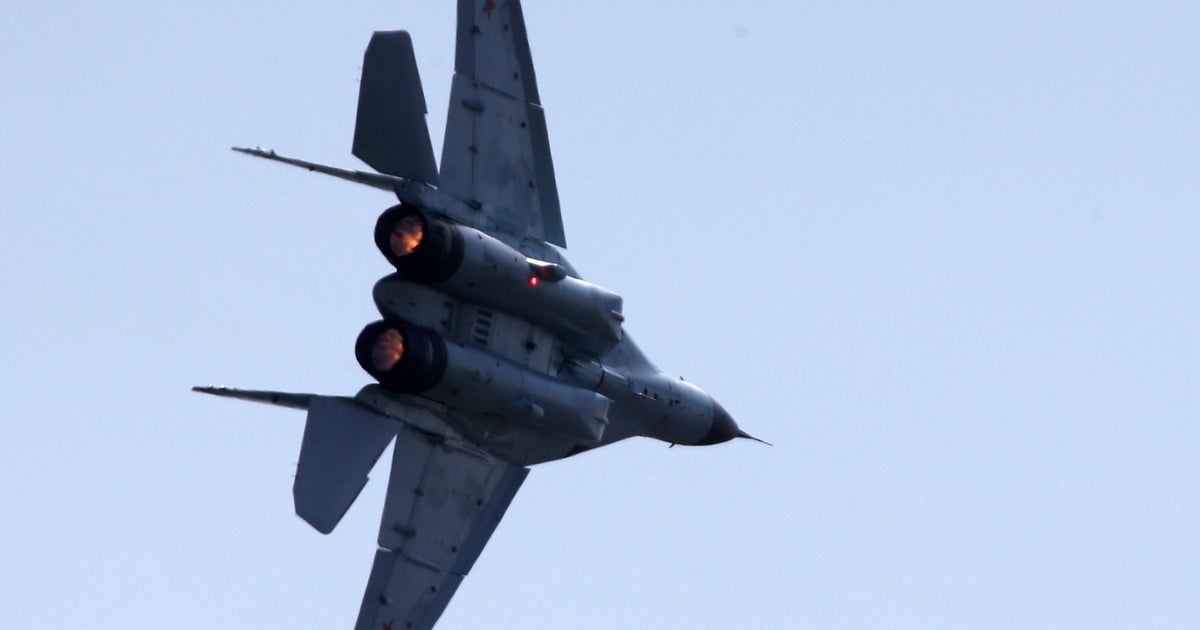
Estonia has lodged a formal diplomatic protest after three Russian MiG-31 fighters entered its airspace near Vaindloo Island, above the Gulf of Finland, without clearance for twelve minutes. The Estonian government described the incursion as “unprecedentedly brazen” and requested alliance consultations under NATO’s Article 4.

The three jets flew without flight plans, had their transponders switched off, and failed to communicate with Estonian air traffic control, according to official statements. Italian F-35s stationed under NATO’s Baltic Air Policing Mission intercepted and escorted them out. Estonia claims these flights mark the fourth known violation of its airspace by Russia this year.

Margus Tsahkna, Estonia’s Foreign Minister, stressed that while earlier violations had occurred, this one stood out in scale and coordination. He called on political and economic allies to respond forcefully to what he labelled an escalation.

Russia’s defence authorities countered that the mission was “scheduled” and followed agreed routes, asserting that the aircraft remained over neutral waters and did not cross Estonia’s borders. The claim disputes Estonia’s account, insisting no laws or flight path rules were broken.

Following the incursion, Estonia summoned the Russian chargé d’affaires and formally submitted a protest. NATO has agreed to convene under Article 4, allowing member states to discuss perceived threats to security, territorial integrity, or political independence. The North Atlantic Council is expected to deliberate early next week.

European Union officials, including EU foreign policy chief Kaja Kallas, condemned what they described as a dangerous provocation that heightens regional tensions. Estonia’s Prime Minister, Kristen Michal, echoed these concerns, saying Moscow’s actions test the limits of NATO’s resolve.

An Israeli airstrike in Doha targeting Hamas leaders and a large drone incursion by Russian forces into Poland have severely challenged the United States’ standing among allies and adversaries alike. These events have intensified debates over Washington’s influence and reliability in preserving international norms and regional security. The Doha attack struck a compound used by senior Hamas political figures, including some negotiating with Qatar over a proposed […]

Discussions between Washington and New Delhi are said to have reached a critical stage, with US officials making India’s cessation of buying Russian oil a central condition for sealing a bilateral trade agreement. Ambassador-nominee Sergio Gor, during his Senate Foreign Relations Committee hearing, stated that the two sides are “not that far apart” and are now negotiating “the nitty-gritty” of deal terms. He added that ending oil purchases from Russia is one of the Trump administration’s highest priorities. Those talks are expected to involve India’s trade and commerce ministers in Washington next week.

Commerce Secretary Howard Lutnick echoed Gor’s position in an interview, saying the US will resolve trade barriers with India once India stops purchasing Russian oil. The US has imposed a 50% tariff on certain Indian goods, partly as a penalty tied to India’s energy imports from Russia, while insisting that market openness and reciprocal concessions are essential.

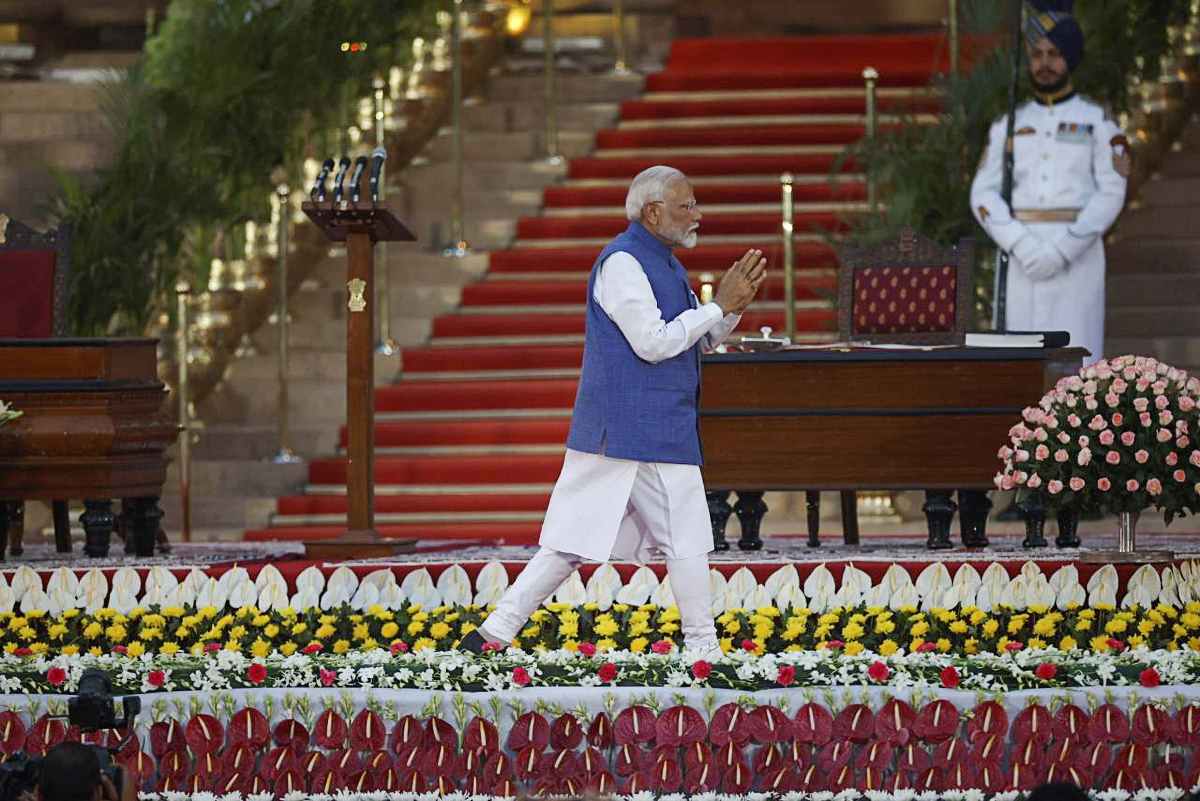
India’s leadership has defended its energy procurement strategy as aligned with national interests, citing economic factors and global market conditions. Finance Minister Nirmala Sitharaman reaffirmed that New Delhi intends to continue buying Russian crude, describing it as a practical choice given price and supply stability. She referenced the high import dependency for energy and refined fuels and argued that decisions about suppliers are driven by utility and cost.

Diplomatic signals suggest that the trade impasse stems from more than tariffs and oil. Gor characterised previous delays as “hiccups” and praised the personal rapport between President Donald Trump and Prime Minister Narendra Modi as playing a pivotal role in reopening the dialogue. He noted shared strategic goals, including countering Chinese influence, enhancing regional stability, and expanding cooperation in defence and infrastructure.

Analysts warn that making the Russian oil condition a non-negotiable requirement may limit India’s flexibility. New Delhi has maintained that certain sectors — agriculture, dairy, small producers — cannot absorb full opening of its markets without harming domestic stakeholders. As US pressure mounts through tariffs and public statements, India seeks assurances about trade access, particularly for its exports, while preserving sovereign control over energy policy.

By Sushil Kutty Nepal burned and continues to simmer. Next, France is in turmoil. French citizens have invaded streets and roads blocking all that stands in their way, from roads and buildings and commercial establishments. The agitators are calling it ‘Block #verything Movement’, which is not only telling, prophetic and on the dot but is […]


Poland activated air defences and scrambled fighter jets after drones from Russia crossed into its airspace during overnight strikes on Ukraine, with the military confirming it used weapons to neutralise targets. The Operational Command said Polish airspace was “repeatedly violated by drone-type objects” and described an ongoing operation to identify and destroy them. Authorities placed ground-based systems and radar on maximum alert while Polish and allied aircraft […]

By Nitya Chakraborty Is the Prime Minister Narendra Modi retracting from his commitment to the SCO declaration issued on September 1 and the BRICS statement of July 6 this year to send some sort of signals to US President Donald Trump about restoring reciprocity in the India-US relations? The question is very relevant as one […]

Matein Khalid My readers and friends know that I have been a boring perma-bull on gold since early 2024, when it became obvious that the People’s Bank of China was accumulating gold bullions as a hedge against an overvalued King Dollar and a capricious White House, which had just seized $300 billion in Russian central bank reserves to punish Putin’s invasion of Ukraine. The bullish gold trade […]

By Nantoo Banerjee One’s pain could be another’s gain. The phrase aptly describes those big business gainers across the world out of the three-and-a-half-year-old Russia-Ukraine war, killing thousands of soldiers and civilians on both sides. The list of such gainers may be short but very impressive. They include some of the giant US defence manufacturers […]


The United States and European Union are ramping up economic pressure, yet sceptics say even tougher measures may fail to push Vladimir Putin to the negotiating table. Treasury Secretary Scott Bessent has signalled that imposing secondary tariffs on countries continuing to purchase Russian oil—coupled with coordinated sanctions—could trigger a collapse in Russia’s economy and potentially compel the president to consider diplomacy. Sanctions fall short in forcing Putin […]

Oil prices edged higher after OPEC+ approved a modest production increase of 137,000 barrels per day from October, signalling a deliberate shift from propping up prices to recapturing market share even as the possibility of oversupply looms.

A rapid, 11-minute virtual meeting resulted in the decision by eight key alliance members to introduce a restrained output lift, clearly OPEC+ inches production upward amid surplus risk. That modest hike marks the start of unwinding an additional tranche of voluntary cuts—around 1.65 million barrels per day—that were originally scheduled to remain in place until the end of 2026.

Brent crude gained approximately 34 cents to trade at $65.84 per barrel, while U. S. West Texas Intermediate rose about 30 cents to $62.17 a barrel, trimming losses incurred last week following a soft U. S. jobs report. Analysts see the price rebound as partly driven by relief over the modest hike and technical factors, alongside concerns that looming U. S. sanctions on Russian oil may curb supply.

OPEC+ members—including Saudi Arabia, Russia and several Gulf producers—have been gradually rolling back earlier cuts since April, with previous monthly increases topping 550,000 barrels. This latest move, while smaller in volume, is seen as a strategic signal that the group is prioritising global market positioning over immediate price support. Jorge Leon of Rystad Energy commented, “The barrels may be small, but the message is big,” underscoring the symbolic weight of the alliance’s decision.

Not all members can raise output equally—only Saudi Arabia and the United Arab Emirates have sufficient spare capacity to make notable additions. Others face physical and contractual limitations to boost deliveries.

Despite the gradual rollback of cuts, analysts warn that the ramp-up, combined with rising non-OPEC+ output, could push the oil market into surplus territory by early 2026. Goldman Sachs, while holding its 2025 price forecast steady, flagged muted price risks for 2026, with expected average Brent and WTI prices in the mid-$50s.

The alliance has reaffirmed its flexibility to adjust future output, including the ability to accelerate, pause or even reverse course as market conditions evolve. Members will meet again on 5 October to review developments and determine whether to extend or amend the output ramp.

Matein Khalid Gold’s 38% surge in 2025 to as high as 3570 an ounce in the New York spot market is not just about central bank anti-dollar reserve accumulation, expectations of a Fed rate cut at the September FOMC or inflation/deficit angst but also a very rational response to President Trump’s repeated assaults on the political independence of the Federal Reserve, which raises the likelihood of deliberate […]

VISHNU RAJA
RYO YAMADA
HITORI GOTOH
IKUYO KITA