News related to
Russian

Oil prices have held their ground after a slight dip as the focus shifts to OPEC+’s upcoming decision regarding production cuts. Market participants are awaiting critical guidance on future supply restrictions from the cartel, a move that could significantly impact both global energy prices and economic stability. With mounting pressures from both geopolitical factors and fluctuating demand, the outcome of this decision is poised to influence the […]

Clapgrep, an innovative open-source tool, is transforming file search processes for Linux users by providing an efficient way to sift through text documents, PDFs, and office files. Designed for simplicity and speed, Clapgrep combines powerful search capabilities with user-friendly features, making it an essential utility for those managing large volumes of data. Developed by Leopold Luley using Rust and Python, Clapgrep supports advanced search functions like case […]

Elon Musk’s net worth has reached a staggering $348 billion, driven by a surge in Tesla stock and the continued growth of his artificial intelligence venture, xAI. Musk’s wealth has seen a remarkable spike, placing him at the forefront of global billionaires, surpassing key figures in both tech and finance. This surge highlights the continued influence of Musk’s ventures, particularly Tesla, as the company’s performance remains strong […]

SINGAPORE – Media OutReach Newswire – 29 November 2024 – The “World of Opportunities: Russia-ASEAN” International Business Forum, held from November 26 to 27, officially concluded in Kuala Lumpur, the capital of Malaysia. Over two days, the Forum hosted more than 350 participants, including representatives from political, business, and academic circles, the media, as well as experts and public figures from 24 countries. Organized by the Roscongress […]

OPEC and its allies, collectively known as OPEC+, are grappling with crucial decisions as global oil markets display signs of instability. The organization’s latest measures include a mix of sustained and extended production cuts aimed at maintaining price stability amid growing economic uncertainty and competitive pressures from non-OPEC producers.

The alliance announced that several member nations will extend voluntary production cuts totaling 2.2 million barrels per day into the second quarter of 2024. This follows previous reductions implemented in early 2023, which have been critical to offsetting weakening demand and bolstering market sentiment. Key contributors to this strategy include Saudi Arabia, Iraq, and the United Arab Emirates, with Saudi Arabia leading the initiative by reducing output by one million barrels per day. These moves align with OPEC’s goal of stabilizing prices while ensuring market balance. The Russian Federation has also committed to reducing its oil output by nearly 500,000 barrels per day as part of these measures.

The production cuts underscore a broader dilemma for OPEC: balancing the immediate need for revenue stability with long-term market influence. Despite holding significant sway, accounting for 50% of global crude production and over 70% of proven reserves, the organization faces headwinds from the surge in U.S. shale production and slowing economic growth in major oil-consuming regions. As OPEC seeks to prop up prices, it inadvertently creates incentives for competitors to fill the supply gap, a dynamic that has undermined the cartel’s pricing power over the past decade.

Market reactions to OPEC’s strategies have been mixed. While production cuts have supported prices temporarily, a lack of sustained demand growth has limited their impact. Benchmark crude prices have struggled to gain significant traction, reflecting broader concerns about the global economy, including high inflation, interest rate hikes, and geopolitical tensions. Analysts have noted that further cuts could push prices higher but risk alienating key consumers and spurring alternative energy investments.

Beyond economic implications, OPEC’s decisions carry political weight. Production adjustments are often seen as a tool for asserting geopolitical influence, particularly as the energy landscape shifts. The current strategy signals an intent to reinforce cohesion within OPEC+ despite differing national interests among members. By coordinating voluntary cuts, the group aims to maintain credibility and ensure compliance, which has been a historical challenge for the alliance.

OPEC’s focus on supply-side management is not without risks. Extended cuts may lead to tighter global inventories, potentially straining relationships with consumer nations reliant on affordable energy. Moreover, prolonged curbs could dampen economic recovery efforts in oil-importing countries, particularly in Asia and Europe. The organization must also navigate internal pressures, as member states with smaller economies express concerns over lost revenue opportunities.

Arabian Post Staff -Dubai Iraqi Prime Minister Mohammed Shia al-Sudani met with Saudi Arabian Energy Minister Prince Abdulaziz bin Salman and Russian Deputy Prime Minister Alexander Novak in Baghdad to address pressing concerns in global energy markets. The discussions, held on Tuesday, centered on ensuring stability in oil markets, balancing production, and meeting international demand.The high-level talks come at a pivotal moment as fluctuating oil prices and […]

Arabian Post Staff -Dubai Gautam Adani’s legal struggles could have far-reaching consequences, not only for his sprawling business empire but also for the broader geopolitical landscape, particularly US-India relations. As one of the wealthiest and most influential figures in India, Adani’s companies hold substantial stakes in sectors such as energy, infrastructure, and defense. His legal battles, currently under intense scrutiny, have the potential to alter perceptions of […]

Advertisements

Germany’s economy is grappling with a series of compounding challenges that threaten its status as Europe’s economic powerhouse. The country’s industrial base, particularly its automotive sector, is seeing significant job cuts, while rising energy costs and technological stagnation continue to erode its competitive edge. Once a symbol of robust economic strength, Germany is now on the verge of a potential crisis, with experts warning of the looming risk of deindustrialization and a surge in corporate defaults by 2025.

Central to this economic downturn is the energy crisis, which has been exacerbated by skyrocketing gas prices. Germany, heavily reliant on energy-intensive industries such as manufacturing, faces a growing concern as high energy costs have started to undermine industrial productivity. The country’s industrial sector, contributing nearly 20% to its GDP, is particularly vulnerable. Rising gas prices, coupled with the shift away from Russian energy supplies, have created an economic strain that is felt across factories and production lines. As energy costs spiral, businesses are forced to scale back operations, further accelerating the decline of what was once a thriving industrial landscape.

The automotive sector, a cornerstone of the German economy, has been one of the hardest hit. For over six years, Germany’s automotive industry, which employs millions, has been undergoing deep restructuring. Global supply chain disruptions, shifting consumer preferences toward electric vehicles, and fierce competition from both established and emerging markets have led to mass layoffs and the closure of plants. These challenges are compounded by Germany’s slow adoption of new technologies and innovation, which has left it trailing behind rivals in the electric vehicle race. As the country struggles to modernize its industries, the fear of deindustrialization looms large.

Compounding these difficulties, Germany’s economic infrastructure is burdened by what many see as a technological gap. While countries like the United States and China race ahead with innovations in artificial intelligence, automation, and green energy solutions, Germany has been slow to modernize its industrial base. The country’s failure to adapt quickly to technological advancements has hindered its ability to stay competitive on the global stage. This technological lag, combined with a shrinking labor force due to demographic shifts, is intensifying concerns about Germany’s long-term economic health.

Adding to the uncertainty, the Bundesbank has issued a stark warning about the growing risk of corporate defaults by 2025. The central bank’s report highlights the increasing financial strain on German companies, particularly those in the industrial sector. Many businesses are struggling to cope with rising costs, shrinking profit margins, and a challenging global economic environment. While the government has taken steps to address the energy crisis and provide financial relief to struggling sectors, it is unclear whether these measures will be enough to stave off further economic deterioration.

The political landscape in Germany has also been shaken by the economic downturn. Chancellor Olaf Scholz’s government is under mounting pressure to deliver solutions that can halt the economic slide. However, efforts to provide targeted subsidies to businesses, incentivize green energy projects, and streamline bureaucratic processes have not yet resulted in significant economic recovery. Meanwhile, public dissatisfaction is rising, with growing concerns about the future of jobs in industries that are shrinking or facing automation. As Germany’s economy continues to falter, political leaders are scrambling to find viable solutions to avert a deeper crisis.

Economists are divided on the best path forward for Germany. Some argue that the country must prioritize technological innovation and investment in green industries to regain its competitive advantage. Others emphasize the importance of rethinking the country’s energy policy to ensure a more secure and sustainable energy future. Still, others believe that structural reforms in the labor market and regulatory environment are critical to addressing Germany’s economic malaise.

Despite the severity of the situation, Germany is not without its assets. The country’s strong financial sector, high-quality workforce, and reputation for producing world-class engineering and technology still offer a foundation for recovery. However, experts warn that Germany must act swiftly and decisively to avoid a full-blown economic collapse. The risk of deindustrialization, which threatens to hollow out the country’s manufacturing base, remains a critical concern. As companies continue to grapple with high energy costs and rising competition from low-cost markets, Germany’s once-dominant position in global manufacturing is increasingly under threat.

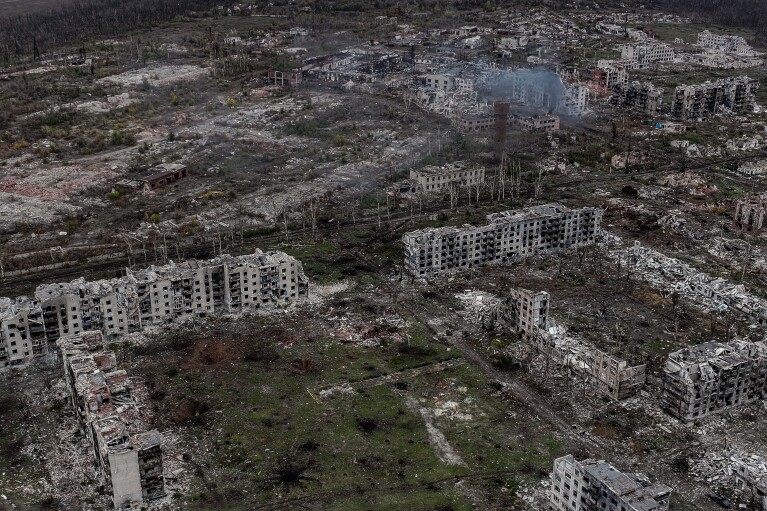
Russia has announced the deployment of a hypersonic ballistic missile in the ongoing conflict with Ukraine, a move that Moscow claims is a direct response to Western military aid, including U.S. and British weaponry. President Vladimir Putin stated that this advanced missile system was launched during intensified fighting, marking a significant escalation in the conflict. This development comes against the backdrop of continued Russian missile strikes across […]

KUALA LUMPUR, MALAYSIA – Media OutReach Newswire – 21 November 2024 – As a critical resource in the global economy, oil is integral not only to the energy sector but also to industries such as transportation, manufacturing, and agriculture. Changes in its prices impact inflation rates, production costs, and global trade. For instance, oil price increases can accelerate global inflation. This effect ripples through various sectors, with […]

Lada, the iconic Russian automaker, has made its entry into the UAE market, offering residents the chance to test drive and place orders for its vehicles. Through its official distributor in the UAE, the Russian brand is now showcasing a variety of models, including the Granta Sedan, Vesta SW Cross, Niva Legend, and Niva Travel, which are available for purchase and direct engagement by potential buyers in […]

By Nitya Chakraborty The Ukraine war entered its 1000th day on Tuesday, November 19 and on the same afternoon, President Zelensky used for the first time high tech AATCMS missiles for striking inside Russia after getting green signal from the outgoing President Joe Biden only two days before. Soon after, President Putin announced lowering the […]

Russia has announced plans to ban cryptocurrency mining in the territories of Ukraine that it currently occupies, including Donetsk, Luhansk, Zaporizhia, and Kherson regions. This move follows growing concerns about the strain mining operations have placed on the local power infrastructure, which is already grappling with severe shortages and capacity challenges as winter approaches.

The decision comes as Russia faces increasing pressure to manage energy resources more efficiently in these regions, where power outages and instability in the electrical grid have become more common. Authorities have pointed to the significant energy consumption of cryptocurrency mining as a contributing factor to the grid’s instability. Mining operations, which require massive amounts of electricity to power the high-performance computers used to mine digital currencies, have added further stress to an already fragile system, especially as the colder months demand more heating.

In a statement, Russian officials said that the ban would help ensure a more reliable power supply for both residents and essential services in the affected territories. With an already strained energy network, the decision was framed as a necessary step to safeguard the well-being of the local population and support the stability of the electrical grid.

Experts have long raised alarms about the high energy consumption required by the cryptocurrency sector. Mining operations, which often involve running thousands of specialized machines around the clock to solve complex algorithms, consume enormous amounts of electricity. According to some estimates, a single mining rig can use the same amount of power as several households combined, and when scaled up to the industrial level, the energy demands are considerable. This excessive consumption has raised concerns not only in Ukraine but in other parts of the world where crypto mining has been blamed for contributing to power shortages.

While the ban is officially positioned as a necessary measure to address energy shortages, it also reflects the broader geopolitical context of the ongoing conflict. The territories in question have been under Russian control since the early days of the invasion, and the move to restrict cryptocurrency mining underscores the ongoing efforts by Russian authorities to consolidate control over the occupied areas. Mining had become an increasingly important industry in these regions, particularly as a source of revenue for both local residents and military forces operating there. As cryptocurrency continues to grow in popularity worldwide, the sector has proven resilient even in conflict zones, offering financial opportunities amid the chaos.

Despite these efforts, Russia has faced significant challenges in maintaining control over its occupied territories. Energy shortages are not the only issue. Infrastructure damage, disruptions caused by ongoing conflict, and the difficulty of integrating these regions into Russia’s broader economic and administrative systems have all contributed to a complex and unstable situation. The decision to halt crypto mining highlights the Russian government’s attempts to prioritize short-term stability in the face of mounting pressures on the local economy and infrastructure.

The energy situation in the occupied territories has been dire for some time. Power plants and other critical energy infrastructure have been damaged or destroyed in the ongoing conflict, leading to frequent power outages. The electrical grid is struggling to meet the needs of both civilians and military operations, and officials have warned that the situation could worsen as winter approaches. With heating demands set to increase, the government is taking steps to ensure that enough energy is available to meet these needs, and halting energy-intensive operations like crypto mining is seen as a necessary part of the solution.

The ban also comes at a time when Russian authorities are looking for new ways to exert control over the cryptocurrency market. While Russia has not yet passed comprehensive legislation to regulate or ban cryptocurrency nationwide, the country has taken steps to curb the use of digital currencies in some sectors of the economy. The government has expressed concerns about the use of cryptocurrencies for illicit purposes, including money laundering and financing of criminal activities. The cryptocurrency mining industry, despite its growing significance, remains controversial in Russia, where authorities are wary of its potential to undermine traditional financial systems.

For now, the crypto mining ban in these occupied Ukrainian regions will likely have significant implications for the industry. Miners will be forced to shut down operations or relocate to other areas where mining remains legal, potentially causing disruptions in the flow of digital currencies in these regions. At the same time, the move is likely to generate mixed reactions among the local population, some of whom may have relied on mining as a source of income in the absence of stable employment opportunities.

The decision has also raised questions about Russia’s long-term strategy in these territories. While the ban may address immediate energy concerns, it may also serve to reinforce Russia’s growing control over the region’s economy. By restricting activities like crypto mining, Russia can assert more authority over the local population’s economic activities, potentially increasing its leverage in negotiations over the future of these territories.


Arabian Post Staff -Dubai Dubai is positioning itself as a pivotal player in the global gold market, leveraging its unique geographic location, robust infrastructure, and forward-thinking policies. The city has seen a surge in gold trade activity, propelled by geopolitical shifts, increased bullion acquisitions by central banks, and a strategic focus on refining and trading gold to meet evolving market demands.Central banks have significantly boosted their gold […]

The Russian Ministry of Finance has introduced new tax policies for digital currencies, signaling a shift toward a more regulated and structured financial ecosystem. Key elements of this overhaul include exemptions from Value Added Tax (VAT) on digital currency transactions and modifications to income tax structures for digital currency earnings. These changes are expected to affect a wide array of individuals and businesses engaged in the cryptocurrency sector, both within Russia and internationally.

The newly announced tax regime establishes that transactions involving digital currencies, such as Bitcoin and Ethereum, will no longer be subject to VAT. This exemption aligns digital currencies with other financial assets like securities, simplifying the tax process for traders, investors, and institutions engaging in crypto operations. For the cryptocurrency sector, this marks a significant regulatory shift aimed at promoting transparency and growth.

Along with VAT exemption, the Ministry of Finance has outlined a framework for taxing income generated from digital currency operations. Income derived from cryptocurrencies will be taxed similarly to income from securities transactions. Under this new tax structure, individuals will be taxed on their cryptocurrency earnings at a Personal Income Tax (PIT) rate capped at 15%. This represents a favorable move for Russian crypto investors, particularly when compared to global norms, where many countries impose significantly higher tax rates on digital assets.

However, there are notable differences for foreign investors or non-residents. For non-residents of Russia, the tax rate is considerably higher at 30%. The definition of a tax resident remains unchanged, with individuals who spend at least 183 days within a 12-month period in Russia qualifying as tax residents. This distinction is expected to have a direct impact on non-resident cryptocurrency traders and investors operating in or with Russian entities, as it could increase the tax burden for foreign entities in the Russian digital economy.

The financial authorities in Russia have emphasized that this overhaul is part of a broader initiative to bring greater clarity and regulation to the growing cryptocurrency market. The Russian government has expressed its intention to enhance the country’s appeal as a destination for crypto-related business and investment. This includes efforts to attract global crypto businesses and individual investors who may have been hesitant due to regulatory uncertainty.

Experts suggest that the VAT exemption is a positive step for the industry, particularly for businesses that are involved in digital asset trading, mining, or related services. Without VAT on transactions, the tax landscape becomes more predictable and streamlined, allowing businesses to focus on expansion rather than complex compliance measures. For individual investors, the introduction of a 15% PIT rate is seen as a relatively low barrier for cryptocurrency returns, which could make Russia a more attractive market for crypto investors, especially those from countries with higher tax rates.

However, the tax rate for non-residents has sparked mixed reactions. While the 30% rate may reflect Russia’s stance on limiting tax evasion and ensuring a fair contribution from foreign entities, it could also dissuade international players from fully engaging with the Russian crypto market. Non-resident traders and firms may reconsider their involvement in the country, particularly if the tax burden proves to be prohibitive compared to other jurisdictions with more favorable tax treatments for international investors.

This tax policy change comes at a time when global cryptocurrency regulation is undergoing significant shifts. Many countries are grappling with how to integrate digital currencies into their financial systems while addressing concerns about financial stability, taxation, and fraud. Russia’s tax changes signal a more definitive stance, potentially positioning the country as a major player in the evolving global cryptocurrency landscape.

The Ministry of Finance has also indicated that the changes will not just affect taxation but will likely be part of a broader set of measures aimed at establishing a clear legal framework for digital currencies. There are reports that Russia may soon introduce additional regulatory measures for cryptocurrency exchanges, initial coin offerings (ICOs), and other digital currency-related activities, aligning these entities with traditional financial regulations.

While these developments are a significant step forward, they also raise questions about the long-term impact of such changes on Russia’s digital currency ecosystem. Some industry observers suggest that while these tax incentives could attract crypto investors, they may not be sufficient to build a robust, innovative crypto ecosystem. The success of this tax overhaul will depend on Russia’s ability to integrate it with broader financial infrastructure reforms, ensuring that the country’s digital currency sector remains competitive on the global stage.

MOSCOW, RUSSIA – Media OutReach Newswire – 14 November 2024 – SIBUR plans to offset the carbon footprint of the Russian delegation attending the UN Climate Change Conference (COP29) in Azerbaijan, making it the first internationally verified carbon-neutral delegation in the history of the conference. The offset will be achieved using carbon credits generated through a climate project aimed at improving energy efficiency at SIBUR-Neftekhim. The credits […]

As COP29 convenes in the United Arab Emirates, the growing urgency surrounding climate finance has emerged as one of the central themes of discussions. With world leaders absent from the talks, the focus has shifted to the pressing need for increased financial commitments to address the impacts of climate change, particularly for vulnerable nations. Despite the absence of key global figures such as German Chancellor Olaf Scholz […]

By Anjan Roy Never before, an American presidential election evoked such widespread interest and concern across the world. This is because the presumptive president has given rise to fears and concerns about America’s policies which do not promise to follow the scripted lines. There is a sense of uncertainty all the way in the power […]

By Nitya Chakraborty On November 5 late night, even before the presidential election results gave Donald Trump a majority of 270, former President of Brazil Jair Bolsonaro wrote an ecstatic message in X the former Twitter congratulating his mentor on his magnificent win saying this will have a big impact on Latin American politics. Bolsonaro […]
By Nitya Chakraborty Finally, the U.S. election results are out. The Republican candidate Donald Trump has swept the polls by winning convincingly in the presidential contest as also leading the Republican Party to majority in both the Senate and the House of Representatives. There is no grey area. It is apparent that the majority of […]

The ongoing geopolitical tensions, particularly related to the Russia-Ukraine conflict, have started to seep into the development of open-source software, notably the Linux kernel. A significant decision by prominent developers to exclude contributions from Russian individuals has sparked debate about the implications of political affiliations in software development. Following the onset of the conflict in Ukraine, the open-source community has grappled with ethical considerations regarding the involvement […]

By Nitya Chakraborty Republican candidate Donald Trump’s Diwali message, just four days before the crucial November 5 presidential elections in USA, has enormous significance, which goes beyond the possible impact on Hindu-Americans voters on the polling day. The content of the message will have big impact on Bangladesh politics in the event of a Trump […]
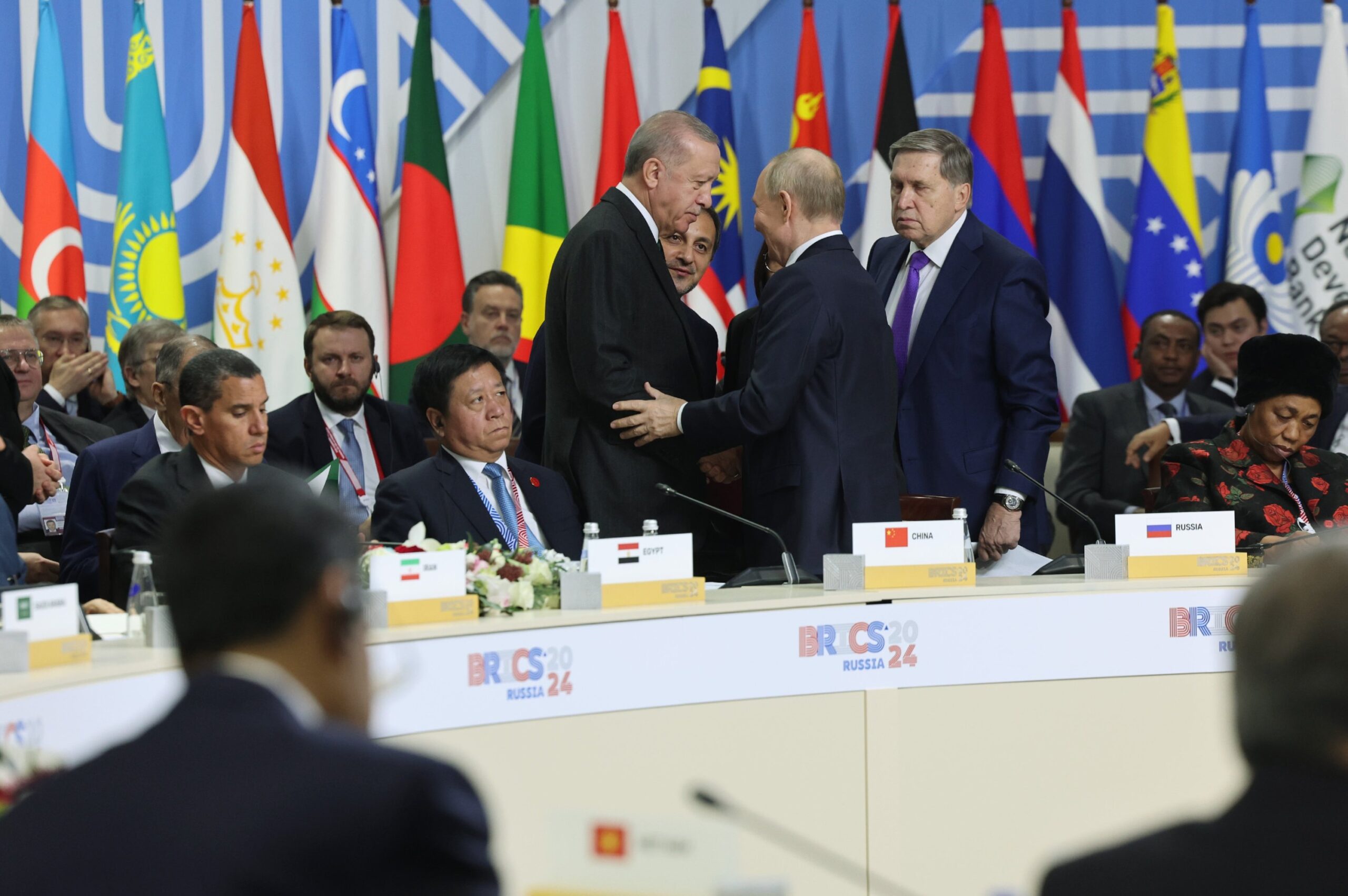
By Nitya Chakraborty The North Atlantic Treaty Organisation (NATO), the security alliance of the western nations led by the USA is having an uneasy period after celebrating its 75th year of founding in July this year with big fanfare. The recent summit of the BRICS in Kazan of Russia held on October 22 to 24 […]
By Nantoo Banerjee Domestic issues often override international commitments in diplomacy. China’s preference of Kamala Harris to Donald Trump as the next US president may look unusual but not entirely illogical from the world’s second largest economy’s business point of view. China may not mind if such a possibility could enhance diplomatic discomfort to its […]

VISHNU RAJA
RYO YAMADA
HITORI GOTOH
IKUYO KITA