News related to
Russian

Oil markets witnessed a significant downturn as Brent crude, the global benchmark, tumbled over 13% in two days, settling just above $66 per barrel. This sharp decline follows the dual impact of OPEC+ unexpectedly increasing production and the imposition of new tariffs by President Donald Trump.

On April 4, 2025, Saudi Arabia led an initiative within OPEC+ to substantially boost oil output by 411,000 barrels per day starting in May. This move aims to penalize member countries like Kazakhstan and Iraq for consistently exceeding production quotas. The decision contributed to an 8% drop in oil prices, with Brent crude falling below $65 per barrel for the first time since 2021.

Concurrently, President Trump intensified trade tensions by imposing tariffs on imports from Canada, China, and Mexico. China responded with a retaliatory 34% tariff on U.S. imports, escalating fears of a global economic slowdown and further pressuring oil prices.

Goldman Sachs revised its 2025 oil price forecasts downward, cutting Brent crude to $69 and West Texas Intermediate to $66 per barrel. JPMorgan raised its global recession probability to 60%, up from 40%, reflecting growing concerns over economic stability.

The surge in supply and escalating trade disputes have led to significant losses in energy stocks. Major oil companies, including Chevron, APA, Occidental Petroleum, and Diamondback Energy, experienced notable declines. The Energy Select Sector SPDR ETF fell nearly 7% on the day and almost 13% for the week.

Analysts suggest that until production is significantly reduced, oil prices may continue to fall. The geopolitical backdrop includes U.S. relations with Saudi Arabia, key to both energy policy and diplomatic efforts related to Russia, Iran, and broader Middle East tensions.

In contrast, natural gas stocks have shown resilience, supported by rising LNG exports and less exposure to OPEC’s dynamics. Companies like EQT, Expand Energy , and Coterra Energy are highlighted as attractive investments due to geographic advantages and favorable valuations.

The current downward trend in oil prices is primarily driven by OPEC+’s decision to increase output and the introduction of U.S. tariffs. Analysts expect the tariffs to curb economic activity and demand for energy, weighing on oil prices. The bank also said higher-than-expected crude supply and a demand squeeze from softer U.S. economic activity and tariff escalation posed downside risks to oil price forecasts.

The Organization of the Petroleum Exporting Countries and its allies, known as OPEC+, decided on Monday to increase output for the first time since 2022, further pressuring crude prices. The group will make a small increase of 138,000 barrels per day from April, the first step in planned monthly increases to unwind its nearly 6 million bpd of cuts, equal to almost 6% of global demand.

The larger-than-expected decline in crude stocks supported the downward trend in oil prices, pointing to weakening demand in the U.S. The U.S. Energy Information Administration is expected to announce the official inventory data during the day.

The risks to oil prices remain tilted to the downside with new supply from OPEC+ and non-OPEC producers expected to push the market well into an oversupply. Brent prices on Wednesday fell to their lowest since December 2021 after U.S. crude inventories rose and in the wake of the decision by OPEC+ to increase their output quotas.

Oil prices had already been trading lower in the last few weeks, partly because of expectations that U.S. president Donald Trump could swiftly end Russia’s war in Ukraine. This, in turn, is likely to increase Russian oil output thanks to sanctions relief.

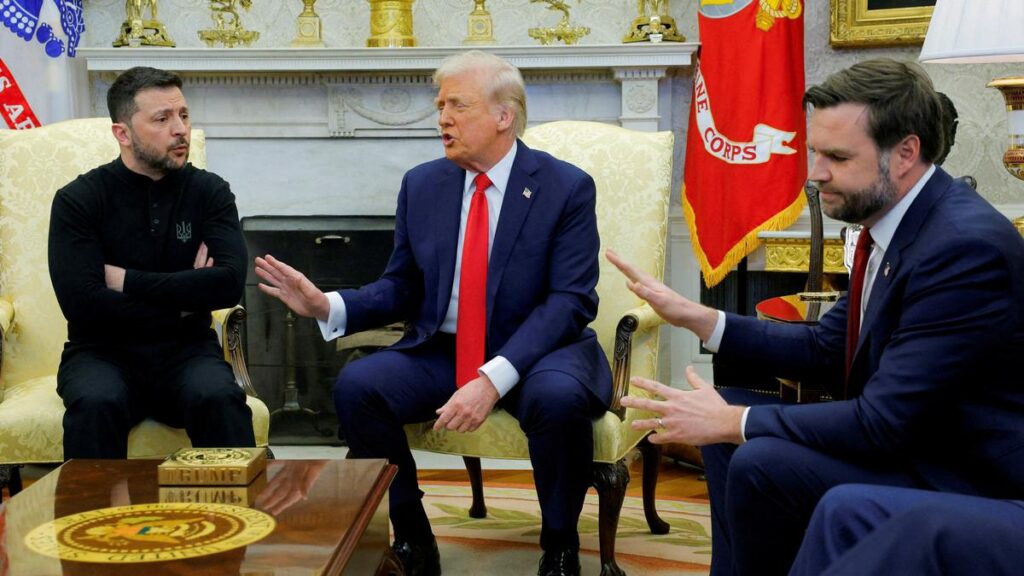
The benchmark previously dropped to $66.77 a barrel, the lowest since November. “The current downward trend in oil prices is primarily driven by OPEC+’s decision to increase output and the introduction of U.S. tariffs,” said Darren Lim, commodities strategist at Phillip Nova. He said another factor was President Donald Trump’s decision to pause all U.S. military aid to Ukraine after his Oval Office clash with President Volodymyr Zelenskiy last week.

Those politics are likely connected with the wheeling and dealing of Donald Trump, referring to the U.S. president’s calls for lower oil prices. U.S. tariffs of 25% on imports from Canada and Mexico took effect at 12:01 a.m. EST on Tuesday, with 10% tariffs on Canadian energy, while tariffs on imports of Chinese goods were increased to 20% from 10%. Analysts expect the tariffs to curb economic activity and demand for energy, weighing on oil prices.

The bank also said higher-than-expected crude supply and a demand squeeze from softer U.S. economic activity and tariff escalation posed downside risks to oil price forecasts. Chinese demand is also down, with a period of refinery maintenance looming, said Josh Callaghan, head of crude derivatives at Arrow Energy Markets.

Oil prices declined for a third day on Wednesday, as investors worried about OPEC+ plans to proceed with output increases in April, and U.S. President Donald Trump’s tariffs on Canada, China, and Mexico escalated trade tensions. Brent futures fell $1.02, or 1.44%, to $70.02 a barrel by 1149 GMT. U.S. West Texas Intermediate crude declined $1.33, or 1.95%, to $66.93 a barrel.
By Subrata Majumder The entire world is deepening into geopolitical tensions and increasing uncertainty in trade following the announcement made by the U.S. President Donald Trump the new tariff rates on April 2. The U.S. slapped 27 percent import tariff on India. President Trump exhilarated this as “discounted replication”, despite India imposing 52 percent and […]
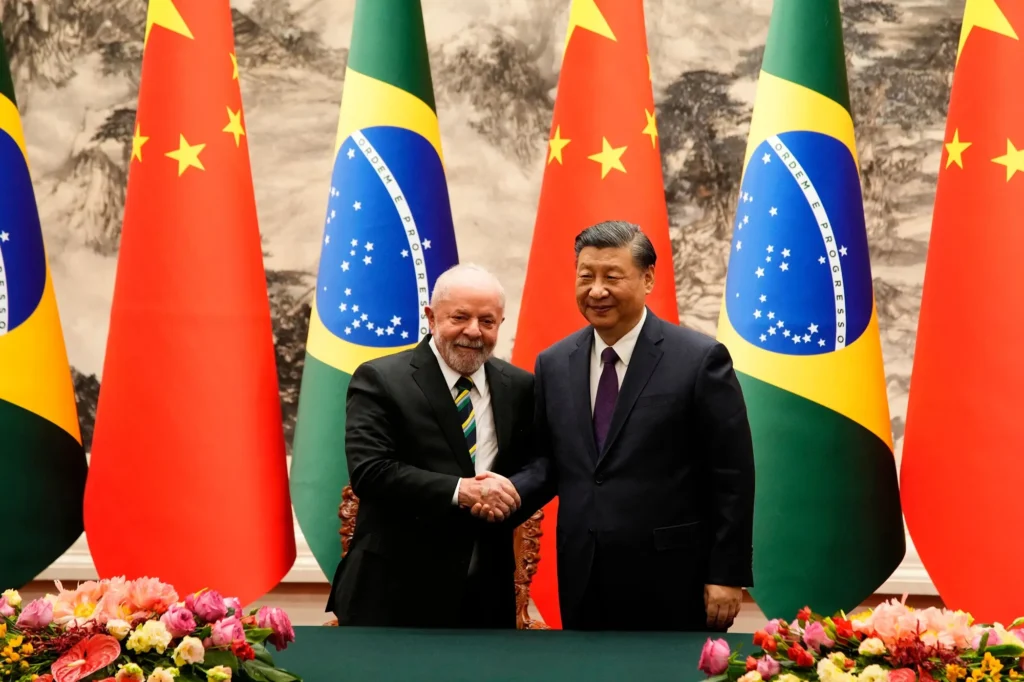
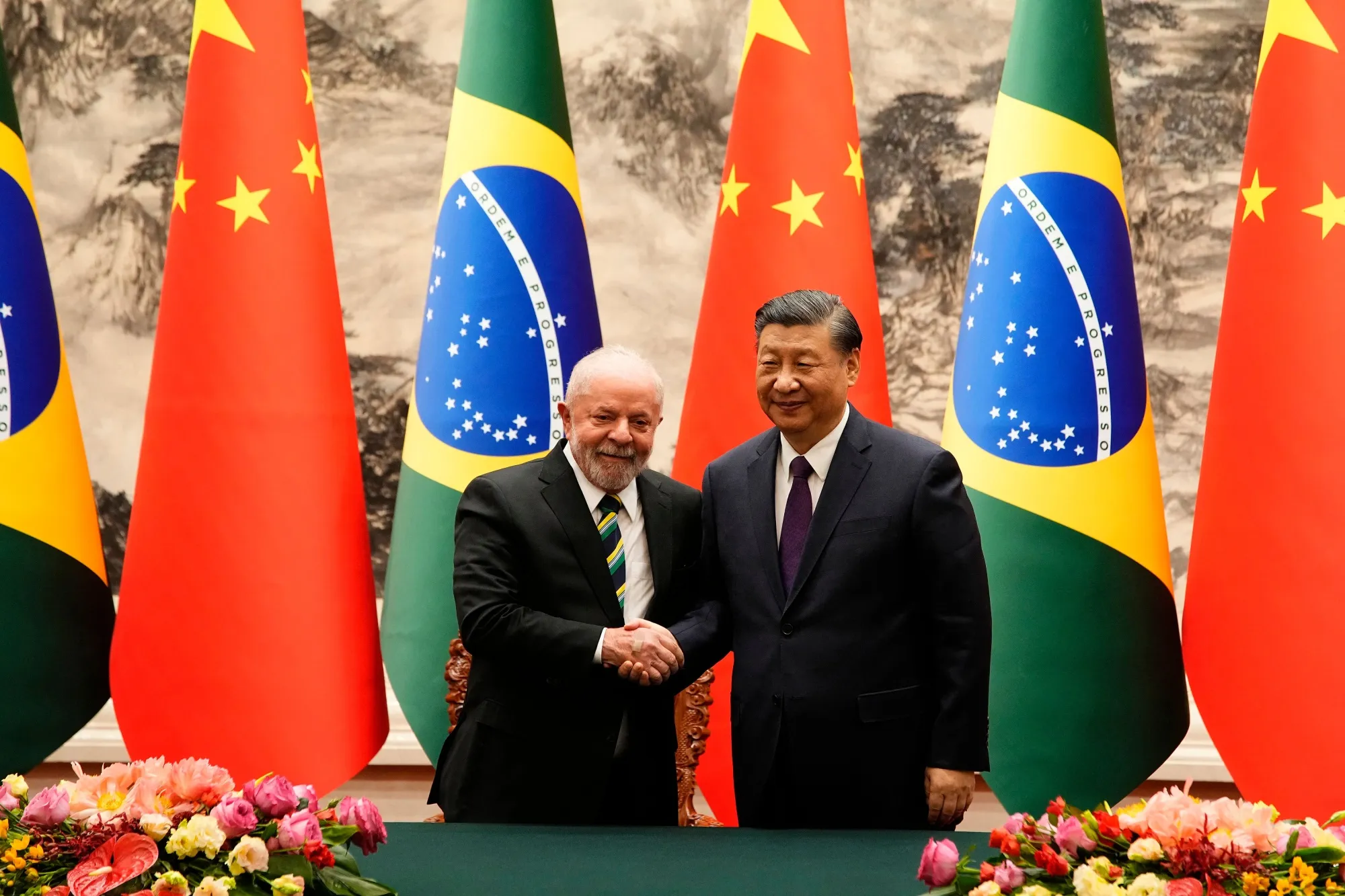
By Nitya Chakraborty Brazil’s President Luiz Inacio Lula da Silva, better known globally as Lula has launched a major initiative to meet the U.S. President Donald Trump’s unilateral tariff offensive by joining hands with Chinese President Xi Jinping and the Russian President Vladimir Putin, apart from taking assistance from South Africa and a few other […]
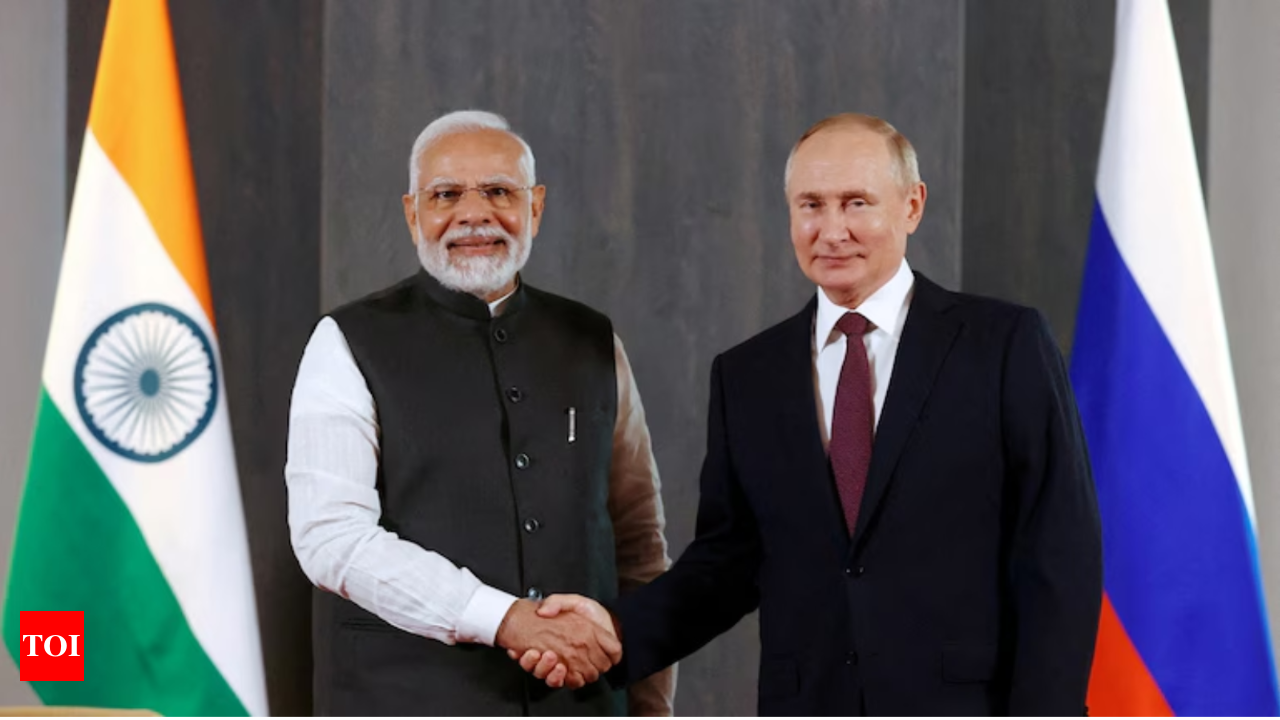
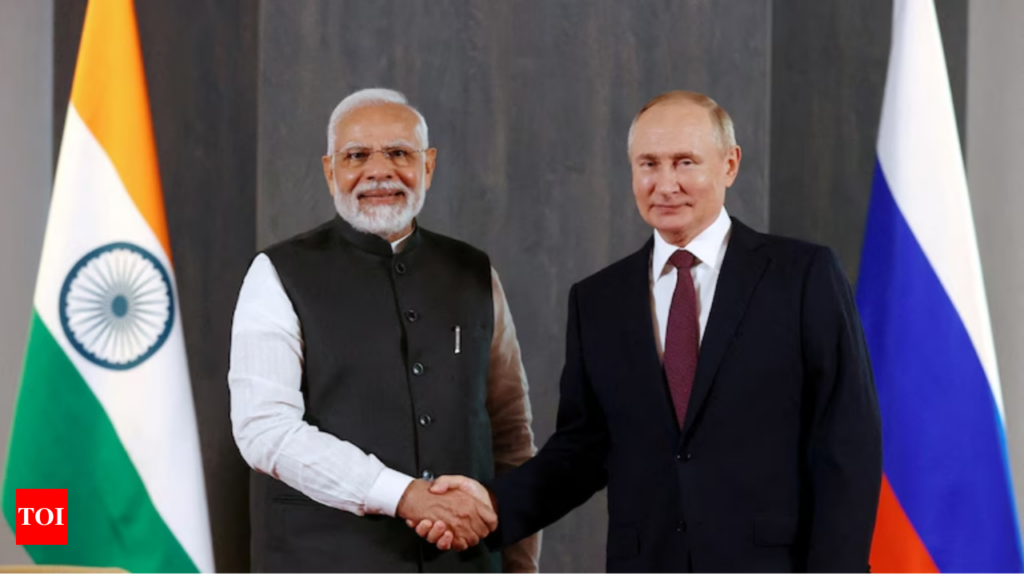
By Nitya Chakraborty Russian President’s pending visit to India has turned into a big diplomatic mystery as in the last five months since the Kazan summit on October 22 last year when Putin officially confirmed his visit to India in the presence of the Indian Prime Minister Narendra Modi amidst full media and TV glare, […]
By Nitya Chakraborty Prime Minister Narendra Modi is known as the super salesman of jumlas. Beginning from Jan Dhan account of Rs. 15 lakh for everyone to generating two crore jobs for youth every year, all the hyped up propaganda of the BJP led government since 2014 have turned into a big flop. Even in […]
By Nitya Chakraborty Europe, which has always been vocal about its past history and civilization as well its contribution to the making of the modern world, has never faced such humiliation in the hands of its transatlantic ally the USA in the last eighty years since the end of the Second World War in 1945.The […]


The United Arab Emirates property market is witnessing a notable influx of foreign institutional investors, marking a significant shift from its earlier reputation as a speculative arena dominated by individual buyers. This transformation is attributed to a combination of regulatory reforms, economic diversification, and the nation’s robust infrastructure, collectively enhancing the market’s appeal to large-scale investors. Historically, the UAE’s real estate sector was perceived as volatile, with […]

Advertisements

President Vladimir Putin has expressed openness to Western companies considering a return to the Russian market, provided they comply with Moscow’s terms. This stance comes amid ongoing geopolitical tensions and economic realignments following the Ukraine conflict.

In a recent address to the Russian Union of Industrialists and Entrepreneurs, Putin acknowledged the interest of foreign businesses in re-entering Russia but emphasized that any return would not entail preferential treatment. He stated that companies which had previously divested their Russian assets at discounted rates should not anticipate reacquiring them under similar conditions. Putin underscored the necessity of establishing a regulatory framework that preserves the competitive edge of domestic enterprises while accommodating foreign entities.

Despite these overtures, Dmitry Medvedev, Deputy Chairman of Russia’s Security Council, indicated that no formal applications from Western companies seeking to resume operations in Russia have been received. He noted that while there have been informal inquiries, official requests remain absent. Medvedev suggested that the absence of formal applications could be attributed to the complexities introduced by domestic businesses filling the void left by departing Western firms.

The exodus of Western companies from Russia, triggered by the onset of the Ukraine war and ensuing sanctions, led to significant shifts in the Russian market landscape. Major corporations such as McDonald’s and Starbucks ceased their operations, prompting local enterprises to step in and occupy the vacated spaces. This transition has fostered the growth of domestic brands, altering consumer dynamics and market shares within the country.

The prospect of Western companies returning to Russia is further complicated by the nation’s current economic conditions. Russia’s wartime economy is grappling with challenges including inflation and political instability, factors that could deter potential investors. Additionally, concerns over corporate nationalization and asset seizures have heightened apprehensions among foreign investors contemplating re-entry into the Russian market.

The broader geopolitical context also plays a pivotal role in shaping the investment climate. Recent developments, such as discussions around the potential return of blocked Russian foreign exchange reserves, have sparked debates within the European Union. Some analysts caution that releasing these reserves could inadvertently bolster Russia’s war efforts, thereby undermining Ukraine’s position and the EU’s strategic leverage. This underscores the intricate balance that policymakers must navigate in addressing the economic dimensions of the conflict.

Internal documents suggest that Russia may be strategizing to prolong the Ukraine conflict, potentially undermining peace negotiations led by international actors. A Kremlin-affiliated think tank report proposes extending the war and making demands that could derail diplomatic efforts. Such maneuvers add layers of uncertainty to the geopolitical landscape, influencing the calculus of foreign businesses considering a return to Russia.

Matein Khalid Starting in 2016, the US has morphed into the world’s largest LNG exporter, eclipsing Australia and Qatar. Trump is determined to achieve global energy dominance as he exploits the geopolitical leverage American LNG exports give him in his relations with Europe, Asia and the GCC. He has pledged to dramatically expand US natural gas production via his “drill baby drill” ethos, rescinded Biden’s environmental pause […]

Thailand’s Most Trusted Developer Capitalizes On Surging Pattaya And Tourist Destination Demand PATTAYA, THAILAND – Media OutReach Newswire – 17 March 2025 – Sansiri Public Company Limited, Thailand’s leading developer with a 40-year track record widely regarded as Thailand’s most trusted fully integrated real estate developer among both Thai and international clients, announces surpassing all records with the successful real-time global online booking launch of ‘PTY Residence […]

Pavel Durov, the founder of the messaging platform Telegram, has left France for Dubai after receiving permission from a French court. This development follows legal proceedings in which Durov faced charges related to the alleged misuse of his platform for criminal activities.

In August 2024, Durov was detained at a Paris airport and subsequently charged with facilitating the dissemination of child pornography, illegal drug transactions, and hacking tools through Telegram. French authorities accused him of failing to adequately monitor and prevent such illicit content on his platform. Upon his release, Durov was required to remain in France, post a €5 million bail, and report regularly to the police. 

The recent court decision allows Durov to leave France temporarily, with reports indicating that he has traveled to Dubai. Sources close to the case confirmed his departure, stating that the court granted him permission to leave for several weeks. Neither Durov nor his legal team have publicly commented on this development. 

Durov, who holds Russian, French, and United Arab Emirates citizenships, has maintained a stance advocating for user privacy and minimal interference from authorities. However, the charges in France have intensified debates about the responsibilities of tech platforms in monitoring and controlling illegal activities facilitated through their services. 

The legal challenges faced by Durov have had a notable impact on Toncoin , the cryptocurrency associated with the Telegram ecosystem. Following news of Durov’s departure to Dubai, Toncoin experienced a significant price increase, with reports indicating a surge of almost 20%. This spike reflects investor optimism, possibly anticipating a more favorable environment for Telegram’s operations and its associated projects in Dubai. 

Historically, Toncoin’s value has been sensitive to developments concerning Durov and Telegram. For instance, during Durov’s legal troubles in France, Toncoin’s price experienced volatility, underscoring the close ties between the cryptocurrency’s performance and the fortunes of its founder. 

Durov’s move to Dubai aligns with his previous patterns of relocating to jurisdictions with favorable regulatory environments for technology and cryptocurrency ventures. Dubai has been positioning itself as a hub for digital innovation, offering a supportive climate for blockchain and cryptocurrency projects. This relocation could signal strategic plans for the expansion and development of Telegram’s services and its blockchain initiatives, including Toncoin.

The situation also highlights the ongoing global discourse on the balance between ensuring user privacy and enforcing regulations to prevent the misuse of digital platforms for illegal activities. Governments worldwide are grappling with the challenge of holding tech companies accountable while respecting individual freedoms and promoting innovation. Durov’s case serves as a focal point in this complex debate, illustrating the tensions between regulatory authorities and technology entrepreneurs.

By Nitya Chakraborty The 14th National People’s Congress of China ended its one-week-long session in Beijing on Tuesday March 11 with a clear direction given by the President and the Communist Party supremo Xi Jinping that China will take on the disruptions made in the global order by the United States president Donald Trump in […]

A massive cyberattack disrupted X, formerly known as Twitter, on March 10, 2025, affecting tens of thousands of users worldwide. The hacking group “Dark Storm” claimed responsibility for the distributed denial-of-service attack, while Elon Musk, owner of X, suggested the assault originated from IP addresses traced to Ukraine. The outage began early Monday morning, with users reporting difficulties accessing the platform, posting content, and sending messages. According […]

By Nantoo Banerjee Returning empty-handed and crestfallen from his meeting with United States President Donald Trump, popular satirical comedian turned Ukraine President Volodymyr Zelensky looks more like a totally confused person now. He doesn’t know whom to trust — highly peeved US President Donald Trump or the leaders of the EU-UK combine, the backstage instigators […]

Matein Khalid There is no economic reason why OPEC+ chose to add barrels to the global oil market at a time when bearish psychology and positioning dominates trading as attested by the plunge in speculative long positions in both the West Texas Intermediate and Brent IPE futures contracts. The only explanation is that both Saudi Arabia and Russia faced political pressure from a Trump White House that […]

Saudi Arabia, the world’s leading oil exporter, has announced a reduction in its official selling price for crude oil destined for Asian markets in April. This marks the first price cut in three months and aligns with the recent decision by OPEC+ to incrementally boost oil production starting next month. State-owned oil giant Saudi Aramco has decreased the OSP for its flagship Arab Light crude by 40 […]

Tether, the issuer of the USDT stablecoin, has frozen approximately $27 million linked to the Russian cryptocurrency exchange Garantex. This decisive move has led Garantex to suspend its trading and withdrawal services, marking a significant escalation in the enforcement of international sanctions against Russia.

Garantex announced the suspension on its official Telegram channel, stating, “Tether has entered the war against the Russian crypto market and blocked our wallets worth more than 2.5 billion rubles.” The exchange, previously sanctioned by both the United States and the European Union, has been accused of facilitating transactions that circumvent international financial restrictions.

The European Union included Garantex in its 16th sanctions package against Russia on 24 February 2025, accusing the crypto exchange of being closely associated with EU-sanctioned Russian banks and responsible for circumventing EU sanctions. This marked the first time the EU directly sanctioned a cryptocurrency exchange, highlighting the bloc’s commitment to closing loopholes in the enforcement of financial restrictions.

Tether’s action to freeze the USDT assets underscores the increasing scrutiny on cryptocurrency platforms that are perceived to be aiding sanctioned entities. Stablecoins like USDT are often used to facilitate transactions in the digital asset space due to their peg to traditional currencies, making them a focal point in the enforcement of financial sanctions.

The implications of Tether’s freeze are profound for Garantex’s users, who now face uncertainties regarding their assets on the platform. This development also sends a clear message to other cryptocurrency exchanges operating in jurisdictions with lax regulatory oversight: compliance with international sanctions is imperative, and failure to do so can result in significant operational disruptions.

The broader cryptocurrency market is likely to feel the ripple effects of this incident. Regulatory bodies worldwide may intensify their oversight of digital asset platforms to ensure adherence to international financial norms. Exchanges may need to bolster their compliance mechanisms to avoid similar punitive actions, potentially leading to a more regulated and transparent cryptocurrency ecosystem.

Matein Khalid Trump inherited a US economy with 3% growth, a 4% unemployment rate and near 0% recession risk a mere 6-weeks ago. His outrageous tariff threats, policy U-turns, DOGE cutbacks in government spending and mass deportations have ignited a global trade war as well as slashed economic growth, business/consumer confidence. A US recession has now begun as the Atlanta Fed’s GDP Now sees a -2.8% slump […]

Russia has agreed to assist the United States in communicating with Iran regarding Tehran’s nuclear programme and its support for regional anti-U.S. proxies. This development follows a direct request from U.S. President Donald Trump to Russian President Vladimir Putin during a phone call in February, as reported by Bloomberg. Kremlin spokesperson Dmitry Peskov confirmed Moscow’s willingness to mediate, stating that Russia believes the United States and Iran […]

By Nitya Chakraborty The U.S. President Donald Trump has fired his missile on Europe, especially, France, UK and Germany by suspending arms aid to Ukraine after categorically making it clear that President Zelensky has to agree to the peace and security deal proposed by Trump on Friday in the White House meeting. The deal is […]
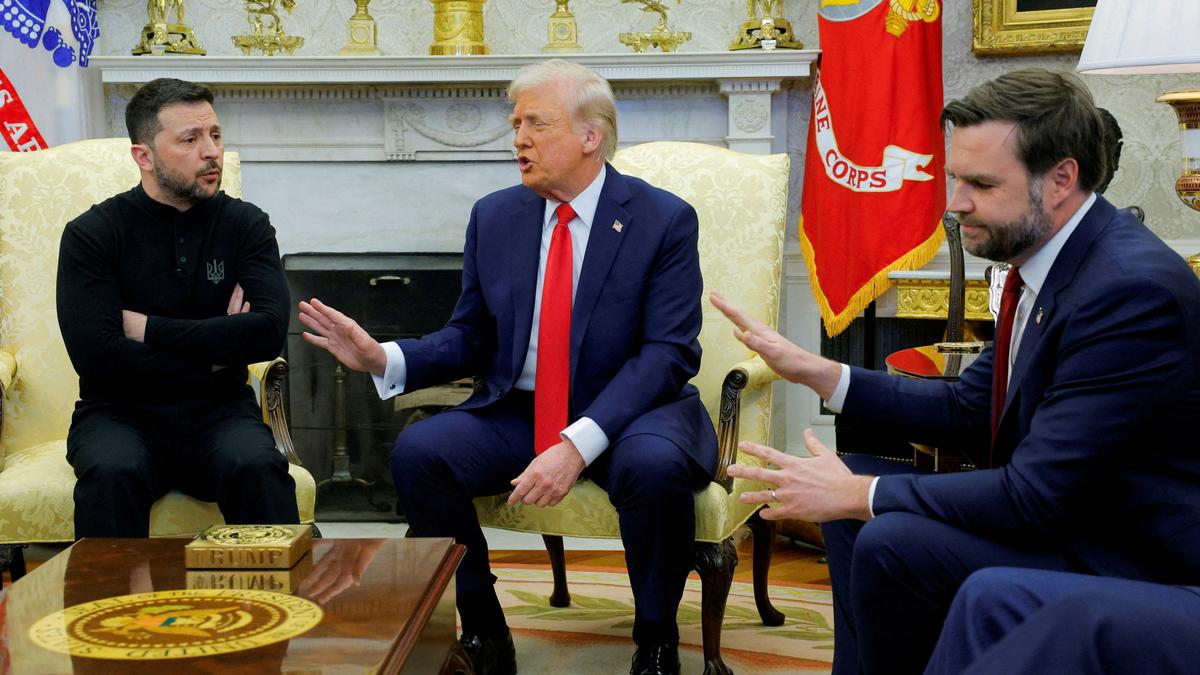
By Nitya Chakraborty Is the global geopolitics moving a full circle after 80 years since the end of the Second World War in 1945? The question is now extremely relevant after the world saw on Friday in TV channels the unprecedented spat between the United States president Donald Trump and the Ukrainian president Volodymyr Zelenskyy. […]

Oil prices fell on Friday, heading for their first monthly decline since November, as global economic growth uncertainties and potential fuel demand reductions weighed on the market. The more active May Brent crude futures slipped 31 cents, or 0.4%, to $73.26 a barrel by 6:48 a.m. Saudi time, while U.S. West Texas Intermediate crude futures were at $70.04 a barrel, down 31 cents, or 0.4%. The front-month […]

Investors are rapidly acquiring assets with Russian connections, betting on a potential relaxation of sanctions as diplomatic efforts to resolve the Ukraine conflict intensify. This surge in interest reflects a growing belief that the geopolitical landscape may soon shift, opening avenues for financial gains.

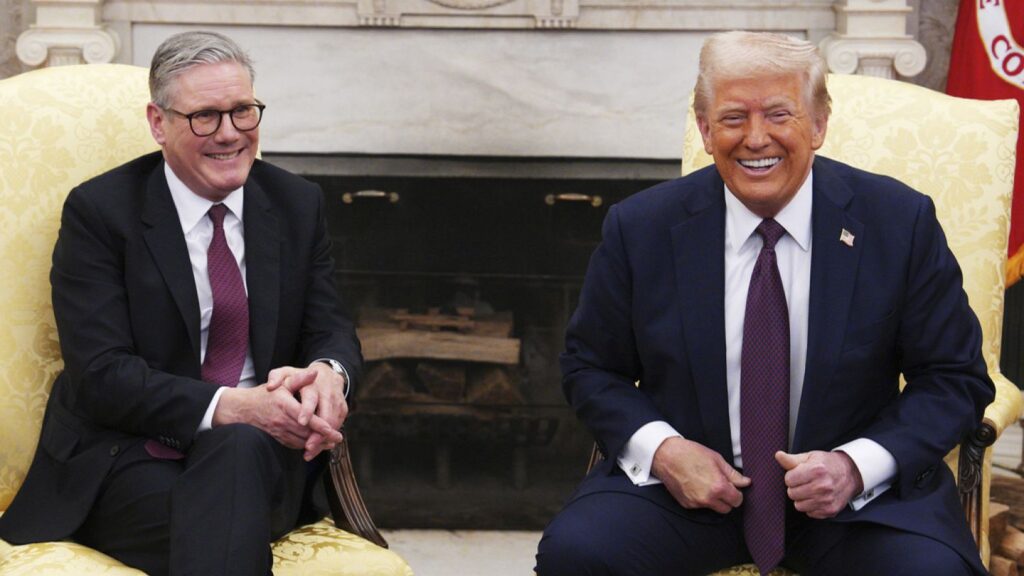
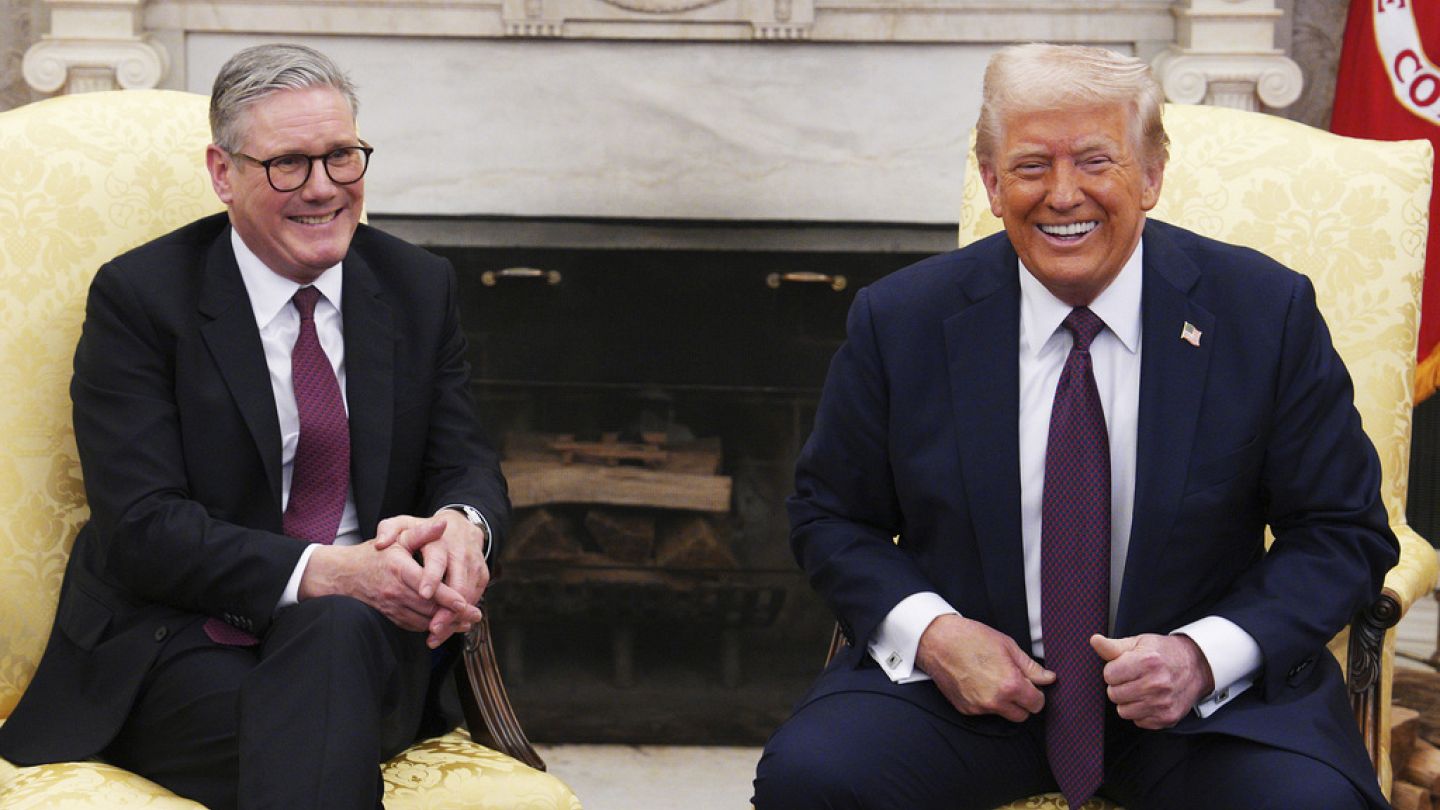
President Donald Trump’s recent diplomatic engagements have fueled this speculation. In a series of high-profile meetings, Trump has emphasized the urgency of achieving peace in Ukraine. During discussions with UK Prime Minister Keir Starmer, Trump underscored the necessity of finalizing a peace agreement promptly to end Europe’s most devastating conflict in decades. Starmer, in turn, pledged to deploy British peacekeeping troops alongside France, signaling a robust European commitment to stabilizing the region.

Further bolstering investor confidence, Ukrainian President Volodymyr Zelensky’s visit to the White House culminated in discussions about a significant economic agreement. This prospective deal aims to fund Ukraine’s post-war reconstruction, with the United States potentially securing a stake in Ukraine’s rare earth elements. Such an arrangement could not only expedite Ukraine’s recovery but also strengthen economic ties between the two nations.

The financial markets have been quick to respond to these developments. Investors are actively seeking opportunities in assets with even tenuous links to Russia, anticipating that a diplomatic resolution could lead to the lifting or easing of existing sanctions. This trend is evident in the increased trading volumes of Russian government and corporate bonds, as well as equities of companies with significant exposure to the Russian market.

However, this surge in investment activity is not without its complexities. The U.S. Treasury Department has previously imposed strict regulations prohibiting American investors from purchasing Russian debt or equities in secondary markets. These measures were designed to exert economic pressure on Russia in response to its actions in Ukraine. Despite the current optimism, these sanctions remain in effect, and any potential easing would require formal policy changes.

Market analysts caution that while the prospect of sanctions relief presents lucrative opportunities, it also carries significant risks. The geopolitical situation remains fluid, and diplomatic negotiations can be unpredictable. Investors are advised to conduct thorough due diligence and remain cognizant of the legal and ethical implications of engaging with Russian-linked assets under the current sanctions regime.

In addition to the economic discussions, security assurances are a critical component of the ongoing negotiations. President Trump has indicated that Russian President Vladimir Putin may be amenable to the presence of European peacekeeping forces in Ukraine as part of a comprehensive peace deal. This potential concession could pave the way for a cessation of hostilities and create a more stable environment for investment and reconstruction efforts.

European leaders have also been actively engaged in the peace process. French President Emmanuel Macron, during his visit to Washington, emphasized the importance of a balanced approach that addresses both security concerns and economic interests. Macron highlighted the European Union’s substantial support for Ukraine and cautioned against any agreements that might inadvertently reward aggression. His stance underscores the need for a unified and strategic approach to the peace negotiations.

Ukrainian soldiers, entrenched in a protracted battle against Russian forces, have expressed strong skepticism toward U.S. President Donald Trump’s assertions that he can swiftly broker peace with Russia. These remarks come as Trump initiates negotiations with Russian President Vladimir Putin, notably excluding Ukrainian representatives from the discussions. Captain Serhii Filimonov, a battalion commander who has been on the front lines since 2014, voiced his distrust of the […]

VISHNU RAJA
RYO YAMADA
HITORI GOTOH
IKUYO KITA