News related to
Security

Tensions between major global powers are escalating as intelligence reports reveal a concerning deepening of military ties between Iran and Russia. Central Intelligence Agency (CIA) Director William Burns has highlighted that Iran is poised to significantly increase its support for Russia by potentially supplying ballistic missiles to aid Moscow’s ongoing conflict in Ukraine. This move, according to Burns, could represent a “dramatic escalation” in the level of […]

Haltia.AI has introduced ASIMOV, an advanced AI platform designed to transform enterprise and government operations. The platform, unveiled today, promises to deliver cutting-edge capabilities to enhance efficiency and decision-making across sectors. This launch positions Haltia.AI as a significant player in the burgeoning UAE AI industry. ASIMOV stands out with its sophisticated technology stack, featuring machine learning algorithms, natural language processing, and data analytics tools. The platform aims […]

Australia’s Treasurer, Jim Chalmers, is scheduled to visit China later this month, marking the first such trip by an Australian treasurer since 2017. This significant diplomatic gesture comes amid ongoing geopolitical tensions and a challenging global economic landscape. The upcoming visit is expected to be a crucial opportunity for both nations to address a range of bilateral issues, including trade relations, economic cooperation, and regional security. The […]

Donald Trump has unveiled a bold new strategy to safeguard the dominance of the US dollar on the global stage. During a recent rally, Trump announced his plan to impose a staggering 100% tariff on goods from countries that choose to abandon the dollar in their international transactions. This move, part of his broader economic policy platform, aims to reinforce the dollar’s status as the world’s primary reserve currency.

Trump’s declaration represents a significant escalation in his approach to trade policy. The former president’s proposal is grounded in the belief that the dollar’s supremacy is vital to US economic security and geopolitical influence. By threatening such severe tariffs, Trump intends to deter nations from adopting alternative currencies in their trade dealings.

The implications of Trump’s threat are multifaceted. On one hand, it underscores the importance of the US dollar in global finance, as it currently accounts for the majority of international trade and investment. The US dollar’s dominance is supported by its widespread use in global reserves, trade transactions, and as the primary currency for commodities such as oil and gold.

However, Trump’s tariff proposal also highlights growing concerns among some countries about over-reliance on the dollar. Nations such as China and Russia have been actively pursuing strategies to reduce their dependence on the US currency, promoting alternatives like the Chinese yuan or regional currencies in trade agreements. The aim is to mitigate the risks associated with the volatility and political influence of the dollar.

China, in particular, has been making strides in internationalizing the yuan. The country has increased its efforts to encourage the use of the yuan in trade with its partners and has set up swap lines with various central banks. Additionally, the Shanghai International Energy Exchange has launched oil futures contracts priced in yuan, a move that represents a challenge to the dollar’s dominance in the global oil market.

Russia, under Western sanctions, has also sought to reduce its dependency on the dollar. The Russian central bank has diversified its reserves away from dollar assets and has encouraged the use of the ruble in trade with countries in its sphere of influence. Russia’s efforts are part of a broader strategy to counterbalance Western economic pressures and assert greater economic sovereignty.

The threat of a 100% tariff could have far-reaching consequences for international trade. Countries considering alternatives to the dollar may view Trump’s proposal as a coercive tactic that could disrupt their economic planning. Such an extreme measure could also strain diplomatic relations, as countries may perceive it as an aggressive attempt to maintain US economic hegemony.

Economists and trade analysts are debating the potential effects of Trump’s tariff plan. Some argue that the threat could backfire, accelerating efforts by other countries to reduce their dollar exposure. The imposition of a 100% tariff might not only prompt countries to seek alternatives but could also lead to retaliatory measures that could impact US exports and global trade dynamics.

The proposal also raises questions about the effectiveness of such a policy. While tariffs can influence trade patterns, their impact on currency preferences and reserve holdings is less direct. The global financial system is complex, and countries may continue to seek diversification of their currency reserves despite the threat of high tariffs.

Trump’s proposal is part of a broader trend of using economic policy tools to achieve strategic objectives. The current geopolitical landscape is marked by increasing competition among major economies, with countries leveraging economic measures to assert their influence and secure their interests.

The announcement has elicited mixed reactions from policymakers and business leaders. Some view it as a necessary measure to protect the dollar’s role in global finance, while others criticize it as an overly aggressive strategy that could undermine US economic interests in the long run.

Bahrain’s Economic Development Board (EDB) is set to embark on a multi-city tour across India, aiming to deepen bilateral ties and strengthen economic collaboration. The initiative, scheduled for September 9-14, comes as part of Bahrain’s broader efforts to attract investments and enhance partnerships across key sectors. Spearheaded by Noor bint Ali Al Khulaif, Bahrain’s Minister of Sustainable Development and Chief Executive of the EDB, the delegation will engage with top Indian business leaders, investors, and policymakers in Mumbai, New Delhi, Bengaluru, and Hyderabad.

Bahrain’s move to engage directly with India underscores the increasing significance of bilateral relations between the two countries. India, a rapidly growing economy and a key player in global trade, has been identified as a strategic partner for Bahrain’s economic ambitions. The tour is expected to showcase the Gulf nation’s business-friendly environment, investment opportunities, and the diverse sectors open to collaboration, including finance, manufacturing, technology, and logistics.

The Bahrain Economic Development Board, responsible for promoting investment in the Kingdom, has been working to position Bahrain as a hub for international businesses seeking a foothold in the Middle East and North Africa (MENA) region. By targeting India, Bahrain aims to tap into one of the world’s largest consumer markets and the fast-developing Indian economy, which is increasingly driven by innovation, technology, and industrial growth.

Bahrain’s strategic geographical location, coupled with its investor-friendly regulatory environment, is likely to be a focal point of discussions during the India tour. The Kingdom offers 100% foreign ownership in many sectors, low operational costs, and access to the Gulf Cooperation Council (GCC) market of over 50 million consumers. These advantages are expected to appeal to Indian companies looking to expand their presence in the Gulf region, particularly those involved in sectors such as financial services, logistics, ICT, and manufacturing.

The India visit also marks a significant opportunity for both nations to explore new areas of collaboration, particularly in emerging technologies. Bahrain has positioned itself as a leader in fintech, having launched a number of initiatives in recent years to support the sector. The Kingdom’s regulatory sandbox for fintech startups has attracted numerous international firms, and there is considerable scope for Indian technology companies to collaborate with Bahrain on financial innovation and digital services.

Moreover, Bahrain has been keen to bolster its manufacturing sector, especially in fields such as chemicals, food processing, and aluminum production. India’s robust manufacturing base makes it a natural partner for collaboration in these industries. The visit will likely focus on building synergies in these areas, with discussions centered on how Indian businesses can leverage Bahrain’s competitive edge as a production hub for the GCC market.

The tour will also provide a platform for discussions on sustainable development and climate change. Bahrain, through its Vision 2030 economic plan, has placed sustainability at the heart of its development strategy. Minister Noor bint Ali Al Khulaif, a key proponent of sustainable economic growth, is expected to highlight Bahrain’s initiatives in this area, which align with India’s own commitment to sustainable development. Both countries are signatories to the Paris Agreement and are looking to collaborate on green technologies, renewable energy, and sustainable infrastructure projects.

The Bahrain-India relationship is not limited to trade and investment. The two nations share a long history of cultural and diplomatic ties, with a sizable Indian expatriate community living in Bahrain. These deep-rooted connections are likely to be emphasized during the tour, as both sides seek to build on their historical relationship and foster stronger people-to-people ties.

On the economic front, bilateral trade between Bahrain and India has shown steady growth. According to the latest data, total trade between the two countries stood at around $1.4 billion in 2022. India is among Bahrain’s top trading partners, and there is potential for further expansion in sectors such as hydrocarbons, engineering goods, pharmaceuticals, and food products. Bahrain is also home to several prominent Indian companies, and the EDB’s tour is expected to explore new avenues for Indian firms to increase their presence in the Kingdom.

In addition to meetings with business leaders and investors, the Bahrain delegation is expected to hold discussions with Indian government officials on strengthening bilateral relations. These talks could pave the way for future cooperation agreements in areas such as trade, investment, and technology transfer. The tour aligns with India’s own foreign policy objectives of enhancing relations with Gulf countries, which have become critical economic partners for New Delhi in recent years.

The timing of Bahrain’s outreach to India is also notable, coming at a time when global economic dynamics are shifting. Both nations are looking to diversify their economies and reduce dependence on traditional industries, such as oil and gas. For Bahrain, India represents a key partner in its efforts to modernize and diversify its economic base, while for India, Bahrain provides access to the GCC and MENA markets, which are crucial for India’s energy security and trade.


Telegram CEO Pavel Durov has addressed his 950 million users for the first time since his recent arrest in France. The arrest, linked to ongoing investigations, sparked significant debate and controversy. Durov used a Telegram post to clarify his position and reassure users about the platform’s future, particularly its expansion into crypto gaming. Durov’s arrest followed a four-day police interview in Paris, where he faced allegations of […]

M A Hossain Russian President Vladimir Putin’s recent two-day state visit to Mongolia was not only a significant moment in the bilateral relations between Moscow and Ulaanbaatar, but also an event that resonated on the international stage. Mongolia, a nation that ratified the Rome Statute of the International Criminal Court (ICC), became the subject of global attention due to its refusal to comply with the ICC’s warrant […]

Advertisements

Alibaba.com, a leading global business-to-business (B2B) e-commerce platform, has partnered with Mastercard to unveil a co-branded credit card aimed at small businesses in the United States. The Alibaba.com Business Edge Credit Card, set to launch later this year, promises to enhance the purchasing power of small enterprises by offering cashback rewards and favorable financing terms on both domestic and international sourcing transactions made through Alibaba’s marketplace.

Designed with small business owners in mind, the credit card aims to address common financial challenges faced by companies engaged in global trade, particularly those involved in cross-border e-commerce. The Alibaba.com Business Edge Credit Card will provide 3% cashback on eligible purchases, along with a 90-day order protection feature. This protection is geared towards businesses seeking to minimize risks when purchasing from international suppliers, a critical factor for companies that depend on reliable sourcing and supplier trust in the global market.

Alibaba’s strategic collaboration with Mastercard highlights the growing significance of financial tools tailored to support small and medium-sized enterprises (SMEs) engaged in international trade. For many businesses, navigating the complexities of global supply chains and managing foreign exchange transactions pose considerable challenges. By introducing this co-branded credit card, Alibaba and Mastercard aim to simplify these processes and empower businesses with greater financial flexibility.

John Caplan, President of North America and Europe for Alibaba.com, emphasized the need for more accessible financial solutions for small businesses engaged in global sourcing. “We understand the difficulties that small business owners face when purchasing from suppliers worldwide. This card was created to make the process easier, more secure, and rewarding,” Caplan remarked. His comments reflect Alibaba’s commitment to expanding its presence in the U.S. market by offering more value to small enterprises through tailored financial solutions.

Mastercard, a global payments leader, brings its expertise to the partnership by ensuring that the Alibaba.com Business Edge Credit Card is equipped with industry-leading security features and seamless transaction capabilities. The card will benefit from Mastercard’s robust global payment network, providing users with easy access to Alibaba’s vast supplier base without the usual concerns surrounding cross-border payments. Small businesses, particularly those relying on Alibaba.com for sourcing products, stand to benefit from reduced transaction fees and enhanced cashback opportunities.

Additionally, Cardless, a U.S.-based fintech firm, is involved in the partnership to offer digital-first capabilities for the card. Cardless is known for its user-friendly app that simplifies the application and card management process, allowing cardholders to access features such as tracking purchases, paying bills, and redeeming rewards—all from a mobile device. The involvement of Cardless adds an extra layer of convenience to the Alibaba.com Business Edge Credit Card, as it provides businesses with a modern, digital solution for managing their spending.

The Alibaba.com Business Edge Credit Card marks Alibaba’s first foray into co-branded credit cards in the United States, demonstrating the company’s intent to strengthen its foothold in the U.S. market. Although Alibaba.com has long been a prominent platform for sourcing goods from international suppliers, the introduction of a co-branded credit card tailored specifically for U.S. businesses signals a shift in the company’s strategy to become more integrated into the financial infrastructure of the country.

By tapping into the vast U.S. small business sector, Alibaba and Mastercard are positioning themselves at the intersection of e-commerce and finance, two industries that continue to experience rapid growth. According to estimates, the U.S. market for small business credit cards is worth billions of dollars, with an increasing number of enterprises relying on credit cards to finance their operations. The introduction of the Alibaba.com Business Edge Credit Card provides an opportunity for Alibaba to offer more than just a marketplace—it positions the platform as a financial partner to its users, offering tools that directly enhance their purchasing and operational capabilities.

Moreover, the launch of the Alibaba.com Business Edge Credit Card comes at a time when global supply chains are under heightened scrutiny. Many small businesses are struggling to navigate the impacts of fluctuating costs, tariffs, and logistics challenges. For businesses using Alibaba.com to source goods, the cashback rewards and extended payment terms offered by the card may help alleviate some of these pressures. By providing users with financial benefits tailored to their purchasing habits, the card is expected to foster long-term loyalty among Alibaba’s U.S. customer base.

The announcement of the card’s waitlist, which went live on September 5, has already generated significant interest from U.S. small business owners. Once available later this year, the Alibaba.com Business Edge Credit Card will allow users to apply through a streamlined digital process facilitated by Cardless. Applicants will be able to complete the process quickly and manage their cards directly from the Cardless mobile app, enhancing accessibility for small business owners who value simplicity and convenience.

The global blockchain security market is poised for rapid expansion, projected to grow from $3 billion in 2024 to $37.4 billion by 2029, reflecting a compound annual growth rate (CAGR) of 65.5%. This surge is driven by increasing demand for secure digital solutions amid rising cyber threats. Blockchain’s decentralized nature is proving valuable across industries like finance, healthcare, and government, offering enhanced protection for sensitive data and digital identities. Companies such as IBM and Microsoft are investing heavily in blockchain innovations, aiming to cater to evolving market needs.

With sectors like financial services and healthcare adopting blockchain to address data protection challenges, the technology is expected to play a critical role in safeguarding identity verification, financial transactions, and more. Financial services, in particular, are leading in blockchain integration, leveraging the technology for secure transactions and efficient fund management. The digital identity segment is also anticipated to experience remarkable growth, fueled by blockchain’s ability to create tamper-proof identity systems.

North America continues to dominate the blockchain market due to a robust ecosystem of startups and established tech giants. The region’s early adoption of blockchain solutions in diverse sectors has contributed to its leading position. However, Asia-Pacific is expected to register the highest growth over the next five years, as governments in countries like China, Japan, and India invest heavily in blockchain initiatives aimed at boosting transparency and operational efficiency.

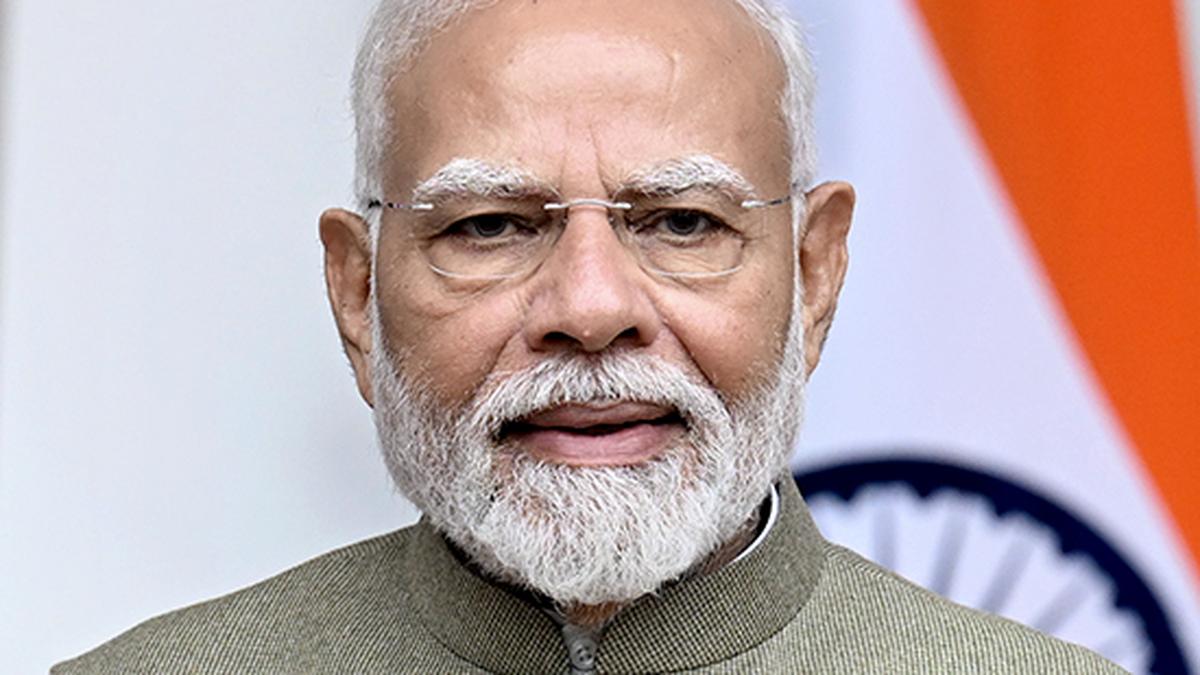
By Nitya Chakraborty Pakistan ,as the host country for the Shanghai Cooperation Organisation (SCO) ‘s Heads of the State Council (HSC) meeting scheduled at Islamabad on October 15 and 16 October this year, has invited Indian Prime Minister Narendra Modi to attend the two day summit. India is a member of the ten nation body […]

Cryptocurrency firms have dramatically escalated their lobbying efforts, pouring millions of dollars into influencing lawmakers and regulators. Companies like Coinbase, Binance.us, and Ripple have taken the lead in boosting their expenditures, signaling their desire to shape policies favorable to the industry amid increasing regulatory scrutiny. The shift comes as governments worldwide consider tightening oversight on the cryptocurrency sector, sparking a significant uptick in corporate interest in political […]

Bluetooth Core Specification version 6.0 has been officially released by the Bluetooth Special Interest Group (SIG), ushering in a host of new capabilities aimed at improving both performance and security. Among the key upgrades is centimetre-level tracking accuracy, which promises to revolutionize how devices locate objects, offering a dramatic improvement over earlier versions. This enhanced precision is expected to boost item-tracking technologies, particularly in applications like digital […]

Telegram has unveiled significant updates to its privacy and moderation policies, responding to the arrest of CEO Pavel Durov. This decision marks a major shift in the platform’s approach to managing private conversations and user data. The company’s latest move addresses mounting concerns over its handling of private chats and the broader implications of its operational transparency. Previously known for its staunch defense of user privacy and […]

Pavel Durov, the CEO of the Telegram messaging app, has become the focal point of an intense French police investigation into online sexual exploitation. The probe, conducted by the newly established OFMIN unit, has sparked significant controversy and debate over the intersection of digital privacy and law enforcement. The OFMIN, or Office for the Fight Against Child Exploitation, is a specialized police unit tasked with addressing online […]

Crypto.com has announced a strategic partnership with PayPal to streamline cryptocurrency transactions for U.S. consumers. This collaboration is set to enhance the user experience by integrating PayPal’s payment infrastructure with Crypto.com’s digital asset services.

The deal will enable users of Crypto.com to directly link their PayPal accounts for buying, selling, and trading cryptocurrencies. This integration aims to provide a seamless transition between fiat and digital currencies, leveraging PayPal’s extensive user base and Crypto.com’s robust crypto ecosystem.

This development comes as the cryptocurrency market continues to grow, with increasing interest from both individual investors and institutional players. By incorporating PayPal’s payment capabilities, Crypto.com is positioning itself to capture a larger share of the expanding market. The partnership is expected to address several barriers faced by new users, such as the complexities of funding crypto accounts and the need for multiple transactions across different platforms.

PayPal, which has been a significant player in the fintech space, has been gradually expanding its involvement in the cryptocurrency sector. The company’s previous moves included allowing users to hold and sell crypto assets directly within their PayPal accounts. This new collaboration with Crypto.com represents a further step in PayPal’s strategy to broaden its influence in the digital asset market and offer more versatile solutions to its customers.

The integration will allow PayPal users to purchase cryptocurrencies with their PayPal balance or linked bank accounts, directly from the Crypto.com platform. This feature aims to simplify the process of acquiring and managing cryptocurrencies, making it more accessible for everyday users who may find the traditional crypto purchasing methods cumbersome.

Industry analysts see this partnership as a significant move in the crypto space, reflecting a growing trend of mainstream financial services companies integrating with digital asset platforms. By offering easier access to cryptocurrencies, the partnership is likely to attract a broader audience and encourage wider adoption of digital currencies.

The timing of this announcement is notable, as it coincides with a period of heightened regulatory scrutiny and evolving market dynamics in the cryptocurrency sector. Both companies have expressed a commitment to complying with regulatory requirements and ensuring that the new services adhere to the highest security standards.

Crypto.com, which has been expanding its product offerings and global reach, views this partnership as a key element in its strategy to enhance its market position. The company has been actively seeking ways to bridge the gap between traditional financial systems and the emerging crypto economy.

PayPal’s involvement in this partnership underscores its ongoing efforts to remain at the forefront of digital payments and financial innovation. By working with a major player in the cryptocurrency market, PayPal aims to provide its users with a more comprehensive suite of financial services, catering to the growing interest in digital assets.

As the partnership moves forward, both companies will focus on rolling out the integrated services and ensuring a smooth transition for users. The collaboration is expected to deliver a more streamlined and user-friendly experience for those looking to explore and invest in cryptocurrencies.

Ubuntu is set to unveil a significant enhancement in its security management with a new graphical user interface (GUI) tool designed to streamline and strengthen system protection. This upcoming tool aims to simplify access to security features, making it easier for users to monitor and manage their system’s security settings effectively. The proposed security center GUI tool will be integrated into the latest Ubuntu distributions, providing a […]

Cryptocurrency, a sector known for its rapid evolution, is experiencing another wave of transformation led by WMDV.COM. This platform, emerging as a key influencer, is reshaping how digital assets are developed and utilized. WMDV.COM is poised to redefine industry standards with its innovative strategies and technologies. Founded with a vision to streamline crypto transactions and enhance security, WMDV.COM has introduced several pioneering features aimed at addressing critical […]

Ethereum (ETH) is under increasing pressure as market sentiment shifts towards a bearish outlook. Significant movements of ETH by major players, including the WazirX exploiter and the Ethereum Foundation, have heightened concerns among investors and analysts alike. On a recent day, the on-chain security firm CertiK Alert disclosed a notable transfer of 3,000 ETH, valued at approximately $7 million, by the WazirX exploiter. This substantial transfer was […]

The United Arab Emirates (UAE) has marked a significant advancement in the Arab world’s energy sector by commissioning its first nuclear power plant. This achievement positions the UAE as a trailblazer in nuclear energy within the region, aligning with its strategic vision of diversifying its energy sources and reducing dependency on fossil fuels. The Barakah Nuclear Energy Plant, located in the Al Dhafra region of Abu Dhabi, […]

Mastercard has teamed up with Mercuryo to unveil a new euro-denominated crypto debit card, aimed at revolutionizing the way cryptocurrencies are used for everyday transactions. This innovative card enables users to spend a range of cryptocurrencies, including Bitcoin, directly from their self-custodial wallets. The card is accepted at over 100 million merchants within the Mastercard network, providing an expansive reach for crypto enthusiasts. The collaboration between Mastercard […]

CERT and IIT Madras have officially embarked on a landmark collaboration aimed at fostering global innovation and strengthening educational excellence. The memorandum of understanding (MoU) signed between the two entities is set to create a dynamic platform that will leverage both organizations’ strengths in cutting-edge research, academic distinction, and technological development.

This strategic alliance is expected to pave the way for a series of initiatives that will not only boost the institutions’ reputations on the global stage but also have a far-reaching impact on industries worldwide. By integrating the expertise of IIT Madras, a leader in academic research, and CERT’s proficiency in cybersecurity and technology solutions, the partnership seeks to address pressing global challenges and advance technological solutions across various sectors.

The collaboration outlines several key areas of focus, including research in artificial intelligence, cybersecurity, and advanced technology solutions, all of which are critical in today’s digital age. The MoU also emphasizes the importance of fostering innovation in education through joint efforts to develop advanced curricula and research programs that cater to the evolving needs of industries and academia alike.

Industry experts have lauded the move as a significant step towards bridging the gap between academia and industry. The combination of IIT Madras’s academic prowess and CERT’s technical expertise in cybersecurity will serve to fuel research that addresses complex global issues, especially in sectors such as healthcare, finance, and critical infrastructure. This partnership is poised to contribute to the development of solutions that could be transformative for both the education system and the industrial sector at large.

One of the primary goals of the collaboration is the establishment of a joint innovation lab that will focus on research in emerging technologies. This lab will act as a hub for students, faculty, and industry professionals to collaborate on projects that have the potential to generate innovative solutions to real-world problems. The innovation lab will facilitate the development of products and services that align with global industry standards, positioning both CERT and IIT Madras as leaders in technological advancement.

Furthermore, the partnership will work on creating academic programs that integrate real-world technological challenges into the curriculum. Students from IIT Madras will have the opportunity to collaborate with experts from CERT on cutting-edge research projects, gaining hands-on experience in fields like artificial intelligence and cybersecurity. This exchange of knowledge and expertise is expected to produce graduates who are not only academically proficient but also equipped with the practical skills required in the global workforce.

As part of the agreement, CERT and IIT Madras plan to host joint conferences, workshops, and seminars, bringing together thought leaders from various industries to discuss the latest trends in technology and innovation. These events will serve as platforms for exchanging ideas, promoting interdisciplinary collaboration, and inspiring the next generation of innovators.

The strategic partnership between CERT and IIT Madras also includes provisions for developing joint patent filings and intellectual property management. This aspect of the collaboration is particularly significant as it will encourage the commercialization of new technologies and innovations, contributing to the global tech ecosystem. Both institutions are keen on ensuring that the research and development emerging from this partnership can be translated into practical solutions that have a tangible impact on industries.

CERT, a renowned name in cybersecurity and risk management, brings a wealth of experience in handling complex cyber challenges. Its collaboration with IIT Madras, known for its expertise in technology and engineering education, represents a fusion of academia and industry that is expected to produce groundbreaking research. Both institutions have expressed their commitment to pushing the boundaries of innovation and expanding their influence beyond their respective regions to the global stage.

In addition to technological advancements, the partnership aims to enhance educational frameworks by developing new methods of teaching and learning. IIT Madras is already known for its forward-thinking approach to education, and this collaboration is expected to further enrich its programs by incorporating global industry perspectives. The collaboration will likely see a revamping of existing curricula to ensure they meet the demands of a rapidly changing technological landscape, preparing students for the challenges and opportunities of the future.

On a broader scale, this collaboration marks an important milestone in international academic and industry partnerships. The global push for innovation, particularly in the realms of artificial intelligence, cybersecurity, and advanced technology, has made partnerships like this one increasingly essential. With the global economy becoming more interconnected, the exchange of knowledge and expertise between institutions like CERT and IIT Madras will be instrumental in addressing complex global issues and driving sustainable development.

As both organizations work towards achieving their shared objectives, there is an expectation that this partnership will serve as a model for other academic and industrial collaborations. The blend of academic excellence and industry know-how is a recipe for success, not only in terms of producing world-class research but also in ensuring that the results of this research can be applied in practical and impactful ways.

Nippon Steel Corp.’s ambitious $14.1 billion takeover of United States Steel Corp. appears to be in jeopardy, with the Biden administration signaling its intention to block the deal. The acquisition, seen as a strategic move by the Japanese steel giant to secure a larger foothold in the U.S. market, has run into significant political opposition as the White House prepares to intervene on grounds of national security and competition concerns. The move could derail what was shaping up to be one of the most significant cross-border acquisitions in the steel industry in years.

The takeover bid, which has been in the works for months, aimed to combine two of the world’s leading steel producers in a move that would have created a global steel powerhouse. Nippon Steel, already a major player in the industry, viewed the acquisition as a way to strengthen its presence in the U.S. market, where demand for steel is expected to surge due to infrastructure projects and defense contracts. U.S. Steel, on the other hand, has been grappling with aging infrastructure and rising costs, making it a potential target for foreign buyers seeking growth opportunities.

However, the proposed deal has drawn scrutiny from U.S. lawmakers and regulatory authorities, particularly due to the strategic importance of the steel sector to national defense. The Biden administration, keen on maintaining control over critical industries, is reportedly preparing to invoke regulatory powers to block the acquisition, citing national security concerns. Officials are reportedly worried that the sale of U.S. Steel to a foreign entity, even one as established as Nippon Steel, could pose risks to the country’s defense capabilities, especially with steel being a critical component in military hardware and infrastructure.

Nippon Steel’s interest in acquiring U.S. Steel is part of a broader strategy by the company to expand its global operations and secure a stable supply chain. With steel prices fluctuating and supply chains becoming more fragile in the aftermath of the COVID-19 pandemic, securing production capacity in key markets has become a priority for many manufacturers. The acquisition of U.S. Steel, with its extensive domestic production facilities and established relationships with American contractors, was seen as an ideal fit for Nippon Steel’s long-term plans.

The Biden administration’s opposition to the deal reflects a broader shift in U.S. trade and industrial policy, which has become increasingly protectionist under the current leadership. As part of its strategy to bolster domestic manufacturing and reduce reliance on foreign suppliers, the White House has taken a more aggressive stance on foreign takeovers, particularly in sectors deemed critical to national security. The steel industry, long considered a backbone of the U.S. economy and defense capabilities, has become a focal point of this policy shift.

Political opposition to the deal has been growing steadily. U.S. lawmakers have raised concerns over the potential loss of control over domestic steel production, pointing to the importance of maintaining a strong domestic industry in the face of global uncertainties. The U.S. Congress has also weighed in, with some members advocating for a review of the transaction under the Committee on Foreign Investment in the United States (CFIUS), which has the authority to block deals that pose a threat to national security.

At the same time, industry insiders argue that Nippon Steel’s acquisition of U.S. Steel would bring much-needed investment to the American company, which has struggled to modernize its operations in the face of mounting competition from international players. U.S. Steel, once a symbol of American industrial might, has seen its market share erode in recent years as cheaper imports and rising production costs have taken their toll. Proponents of the deal argue that foreign investment, particularly from a company with the resources and expertise of Nippon Steel, could revitalize U.S. Steel and strengthen the domestic industry in the long run.

The Biden administration’s stance, however, suggests that political considerations will ultimately outweigh economic arguments. With the 2024 elections looming, the White House is under pressure to demonstrate its commitment to protecting American jobs and industries, especially in critical sectors like steel. Blocking the Nippon Steel takeover allows the administration to signal its support for domestic manufacturing while reinforcing its broader trade policy objectives.

For Nippon Steel, the collapse of the deal would represent a significant setback in its efforts to expand its global footprint. The Japanese company has been aggressively pursuing international acquisitions in recent years as part of a strategy to diversify its operations and reduce its reliance on domestic markets. The U.S. market, with its robust demand for steel and favorable economic conditions, was seen as a key target for expansion. Losing out on the U.S. Steel acquisition would force Nippon Steel to reevaluate its options and look for alternative avenues for growth.

The Internet of Things (IoT) market is set to experience exponential growth over the next decade, with projections estimating its value will soar to $5.33 trillion by 2032, according to industry forecasts. This surge is driven by technological advancements, increasing cloud adoption, and a steady rise in wireless networking capabilities, making IoT an integral part of modern industries and day-to-day life. Research highlights a compound annual growth […]

Anthropic has introduced Claude Enterprise, a new subscription plan designed for businesses seeking enhanced administrative control and security in AI interactions. This offering aims to directly compete with OpenAI’s ChatGPT Enterprise, which has been in the market for approximately a year. The launch of Claude Enterprise marks a significant move by Anthropic to expand its presence in the enterprise AI sector, reflecting a strategic effort to match […]

VISHNU RAJA
RYO YAMADA
HITORI GOTOH
IKUYO KITA