News related to
Security

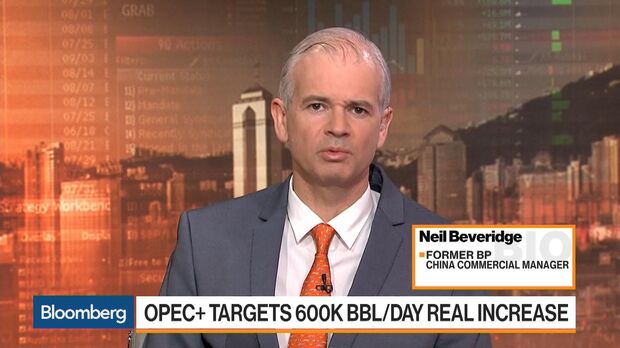
Prince Abdulaziz bin Salman’s tenure as Saudi Arabia’s energy minister has marked a decisive shift in OPEC+ dynamics, culminating in a significant production decision that underscores Riyadh’s growing influence within the cartel. The latest OPEC+ meeting saw Saudi Arabia successfully advocate for a third consecutive super-sized monthly output increase, a move that has reshaped the alliance’s approach to oil supply management despite opposition from key players such as Russia.

Since assuming office six years ago, Prince Abdulaziz has positioned Saudi Arabia as a firm leader within OPEC+, emphasising discipline and adherence to agreed production quotas. This approach contrasts with the historically more conciliatory stance the kingdom sometimes took within the cartel. The current strategy reflects a broader ambition to reclaim market share lost to non-compliant members and emerging producers outside the alliance’s remit.

The decision to boost output again—by approximately 500,000 barrels per day—signals a willingness to absorb short-term price volatility in favour of longer-term market dominance. Riyadh’s strategy appears geared towards punishing those within OPEC+ who have routinely exceeded their quotas, thereby undermining the cartel’s collective efforts to control supply and sustain prices. Saudi Arabia’s emphasis on stringent compliance aims to reinforce OPEC+ cohesion, even at the risk of dampening crude prices temporarily.

Russia’s resistance to the output increase highlighted fissures within OPEC+ as Moscow has consistently advocated a more cautious production approach, citing concerns over oversupply and the fragility of global demand recovery. Russia’s stance reflects a balancing act between maximising revenue and preserving the alliance’s unity. However, Saudi Arabia’s assertiveness in pushing the hike through demonstrates Riyadh’s readiness to leverage its dominant production capacity and market position to set the cartel’s agenda.

Global oil markets responded to the output hike by seeing a downward adjustment in prices, reflecting the increased supply entering the market. This shift contrasts with the supply restraint policies of previous years, which had been instrumental in stabilising prices amid fluctuating demand and geopolitical uncertainty. Market analysts note that the Saudi-led increase could signal a new phase in OPEC+ policy, one in which Riyadh is prioritising market share recovery over price support.

The broader context of this development involves multiple factors. The energy transition and climate policies worldwide have added pressure on oil producers, particularly those heavily reliant on hydrocarbons. Saudi Arabia’s move suggests a pragmatic response to these challenges, aiming to maximise current revenues while investing in diversification strategies such as renewable energy and petrochemicals.

The kingdom’s position as the de facto swing producer within OPEC+ gives it substantial leverage. Saudi Arabia can modulate output to influence global prices, a power that has been increasingly evident under Prince Abdulaziz’s stewardship. The kingdom’s vast spare capacity and low production costs enable it to sustain output increases that smaller or higher-cost producers cannot match.

The decision also reflects Saudi Arabia’s geopolitical considerations. Energy policy remains a critical tool of regional influence and international diplomacy. By asserting control over OPEC+ production decisions, Riyadh reinforces its leadership role not only within the cartel but also in broader energy markets, which remain pivotal to global economic stability.

The internal dynamics of OPEC+ have evolved since the alliance’s formation in 2016. Initially established to coordinate between OPEC members and major non-OPEC producers like Russia, the group has faced ongoing challenges balancing competing national interests. Saudi Arabia’s push for discipline and market share signals a new era where Riyadh asserts a more centralised command, even if that risks tensions with key allies.

The output increase also responds to market signals, including stronger oil demand forecasts and inventory levels that have stabilised. By expanding supply, Saudi Arabia aims to pre-empt supply shortages that could push prices beyond levels palatable to consuming nations and industries. This approach seeks to sustain demand growth by ensuring adequate supply and avoiding disruptive price spikes.

Critics argue that the output hike risks destabilising markets by flooding them with excess supply amid uncertainties in global economic growth, inflation, and energy transition timelines. They caution that prolonged lower prices could undermine investment in the oil sector, affecting long-term supply security. However, proponents view Saudi Arabia’s move as a necessary recalibration to reinforce market order and assert control over a fragmented supply landscape.

The ripple effects of the Saudi-led decision extend beyond OPEC+ members. Non-OPEC producers, including the United States shale industry, watch closely as changes in cartel policy impact global price signals and investment decisions. The output hike could influence the pace and scale of shale production, which remains a significant factor in global supply dynamics.

As the alliance navigates these complexities, Saudi Arabia’s approach under Prince Abdulaziz bin Salman sets a clear tone of leadership and strategic resolve. The kingdom’s readiness to push through output increases despite opposition illustrates its confidence in wielding its production capacity as a geopolitical and economic tool.

This assertive posture aligns with Saudi Arabia’s broader economic vision, including the ambitious Vision 2030 plan to diversify its economy and reduce dependence on oil revenues. Managing oil production to balance market share and price stability forms a critical part of this strategy, enabling the kingdom to finance diversification projects and maintain fiscal stability.


Elon Musk has announced the rollout of XChat, a new messaging feature on the X platform, integrating end-to-end encryption, vanishing messages, and support for various file types. Developed in Rust, XChat also offers audio and video calling capabilities without requiring a phone number, marking a significant shift in the platform’s communication tools.

The introduction of XChat follows the discontinuation of X’s previous encrypted direct messaging system, which had been available to paid subscribers for two years. The new system is gradually being made accessible to premium users, with broader availability expected in the coming weeks.

Central to XChat’s security is its “Bitcoin-style” encryption, a term Musk uses to describe the platform’s adoption of elliptic curve cryptography . This method, also employed in Bitcoin transactions, provides robust security with smaller key sizes, enhancing performance and reducing resource consumption. While specific details about the encryption implementation remain undisclosed, the approach suggests a focus on decentralized and secure communication.

The choice of Rust as the programming language for XChat underscores a commitment to safety and performance. Rust’s emphasis on memory safety helps mitigate vulnerabilities common in other languages, such as memory corruption, which has been a significant source of security issues in software development.

XChat’s features extend beyond encryption. Users can send messages that automatically disappear after a set period, enhancing privacy. The platform supports the transfer of various file types, catering to diverse communication needs. Notably, audio and video calls can be made without linking to a phone number, allowing for greater anonymity and flexibility across devices.

This development aligns with Musk’s broader vision of transforming X into a comprehensive “everything app,” akin to China’s WeChat. By integrating messaging, calling, and file-sharing functionalities, X aims to become a central hub for users’ digital interactions. Plans are also underway to introduce X Money, a digital wallet service developed in partnership with Visa, enabling peer-to-peer payments and further expanding the platform’s ecosystem.

As XChat enters the competitive messaging landscape, it positions itself against established players like Signal and Telegram. While these platforms have long prioritized user privacy and security, XChat’s integration into the broader X platform offers a unique proposition. However, experts advise caution, noting that XChat has yet to undergo independent security audits, a standard practice for verifying the robustness of encryption protocols.

The move towards enhanced privacy features reflects a growing demand among users for secure communication channels. With increasing concerns over data breaches and surveillance, platforms that prioritize user confidentiality are gaining traction. XChat’s emphasis on encryption and user control over messages indicates an awareness of these concerns and a response to the evolving digital landscape.

KUALA LUMPUR, MALAYSIA – Media OutReach Newswire – 2 June 2025 – June 2025 is shaping up to be one of the most eventful months of the year for global markets. For traders, this means opportunity—but also volatility. The economic calendar is packed with macroeconomic data releases and central bank meetings, while geopolitical risks remain close to the surface. Beyond the usual inflation prints and interest rate […]

The World Bank has launched its first open-source software tool, the Metadata Editor, marking a significant step in its commitment to data transparency and open science. This web-based application is designed to assist data curators in documenting various types of data, including statistical indicators, survey microdata, geographic datasets, documents, images, videos, and scripts, in compliance with international metadata standards. By releasing this tool under the MIT License, […]

LightEdge, a provider of hybrid hosting solutions, has expanded its collaboration with Corero Network Security through a $1.2 million agreement aimed at enhancing its defence against distributed denial-of-service attacks. This strategic move involves the deployment of Corero’s SmartWall ONE platform across LightEdge’s global data centre network, replacing an existing competitor’s solution. The expanded partnership underscores LightEdge’s commitment to bolstering its cybersecurity framework, particularly as organisations increasingly adopt […]

WASHINGTON D.C, USA – Media OutReach Newswire – 1 June 2025 – Vietnam’s Minister of Agriculture and Environment Do Duc Duy plans to lead a delegation with nearly 50 agencies, agribusinesses and associations to explore opportunities to promote trade and import agrifood and timber from the United States during June 1-7, 2025. The delegation expects to participate in business dialogues in Iowa, Ohio, and Washington D.C. Vietnamese […]

HONG KONG SAR – Media OutReach Newswire – 31 May 2025 – International mediation marked a significant milestone yesterday (May 30) with the establishment of the International Organization for Mediation (IOMed). The IOMed, with its headquarters in Hong Kong, is the world’s first inter-governmental international legal organisation devoted to the use of mediation in resolving international disputes. More than 80 countries and about 20 international organisations, including […]

Advertisements

Nvidia CEO Jensen Huang has issued a stark warning that U.S. export restrictions on advanced semiconductors are inadvertently accelerating China’s progress in artificial intelligence , potentially undermining America’s technological leadership. Huang contends that the sanctions, intended to curb China’s access to cutting-edge AI chips, have instead galvanized Chinese firms to develop domestic alternatives. “The Chinese competitors have evolved,” Huang remarked, highlighting Huawei’s rapid advancements. He emphasized that […]

A sweeping crackdown on international students under President Donald Trump’s administration has triggered a global realignment in higher education, as universities across Europe and Asia move swiftly to attract displaced talent and research funding. The United States, long considered the premier destination for international scholars, is witnessing a sharp decline in its appeal. A survey by the Keystone Education Group indicates that 42% of prospective international students […]

SINGAPORE – Media OutReach Newswire – 30 May 2025 – Synology showcased its latest lineup of innovations at COMPUTEX 2025, Taiwan, presenting a comprehensive solution portfolio spanning enterprise storage, data protection, video surveillance, on-premise productivity suite, and personal private cloud. “At Synology, our goal has always been to build a data management ecosystem our customers can trust,” said Philip Wong, Chairman and CEO of Synology. “We design […]

Saudi Arabia’s sovereign wealth fund, the Public Investment Fund , is evaluating an initial public offering for its wholly-owned technology arm, Saudi Information Technology Company , as part of broader efforts to bolster the kingdom’s economic diversification strategy. According to individuals familiar with the matter, PIF has approached investment banks to submit proposals for roles in a potential share sale of SITE. The discussions are in preliminary […]

HONG KONG SAR – Media OutReach Newswire – 30 May 2025 – The Chinese University of Hong Kong’s Faculty of Law (CUHK LAW) continues to strengthen its position as a leading international legal education institution, offering innovative programmes and conducting impactful research that shapes the future of legal practice across Asia and beyond. Distinguished Academic Excellence Since its establishment in 2004, CUHK LAW has emerged as a […]

A Cozy Companion for Young Explorers, Designed for the Needs of Today’s Families CALIFORNIA, US – Media OutReach Newswire – 30 May 2025 – Ahead of International Children’s Day, Moonkie—the modern baby and toddler brand—proudly introduces the Moonkie Hug & Go™ Toddler Backpack, a thoughtfully designed essential that meets the evolving needs of modern parenting. Known for its minimalist design and everyday functionality, Moonkie continues its mission […]

A fully operational computer system that runs entirely within a web browser is reshaping the way users interact with technology, removing the need for traditional hardware or software installations. This breakthrough in cloud computing and browser technology delivers a complete operating system environment accessible from virtually any device with internet connectivity, opening new possibilities for both individual users and organisations. The web-based operating system offers a comprehensive […]

By P. Sudhir Yaqeen Hammad, a 12-year-old Palestinian girl, was shredded into pieces by an Israeli missile attack on her residence. Yaqeen has been aptly called the Anne Frank of Gaza. Like Anne, who kept a diary in an attic in a Holocaust-ravaged, Nazi-occupied neighbourhood, Yaqeen documented the horrors around her. Her diaries – digital […]

A major security breach has compromised the Cetus Protocol, a decentralised exchange operating on the Sui blockchain, resulting in the loss of approximately $260 million in digital assets. The exploit has raised serious concerns about the security of decentralised finance platforms and the robustness of blockchain-based trading systems. The breach was identified when users reported irregularities in transaction processing and unexpected asset movements within the Cetus ecosystem. […]

Microsoft has launched a new terminal-based text editor designed to work seamlessly on both Windows and Linux platforms, aiming to simplify coding and text editing directly within the command line interface. This move reflects growing demand for efficient, lightweight tools that integrate naturally into developers’ existing workflows without the need for extensive retraining. The new editor, which arrived without significant fanfare, leverages familiar keyboard shortcuts that many […]

Solana’s cryptocurrency token has experienced a notable price surge, driven primarily by an inflow exceeding $1.1 billion to exchanges during May. This substantial movement of funds has attracted significant attention within the digital asset community, highlighting the growing interest in Solana amid an increasingly volatile market environment. The influx of tokens onto exchanges typically signals heightened trading activity, often preceding sharp price movements, and in Solana’s case, it appears to have been a catalyst for recent upward momentum.

The past weeks have seen a consolidation phase for Solana’s price, characterised by fluctuating trading volumes and cautious investor sentiment. However, May’s exchange inflow data reveals a sharp contrast, indicating a renewed wave of buying and selling pressure. This influx surpasses figures recorded in previous months, reflecting intensified activity from institutional players and retail investors alike. Analysts point out that such large-scale transfers to exchanges often suggest an intent to capitalise on price volatility, either through profit-taking or strategic accumulation.

Solana’s blockchain platform, known for its high throughput and fast transaction speeds, has gained traction beyond its original niche, appealing to a broader base of developers and users. Its ecosystem supports a wide range of decentralised applications, including DeFi protocols and NFTs, which have collectively contributed to increasing token demand. Industry experts attribute Solana’s recent price gains not only to market speculation but also to fundamental growth in network usage and ecosystem expansion.

Market participants closely monitor the inflow and outflow trends of tokens on exchanges as indicators of potential price directions. The reported $1.1 billion inflow represents tokens transferred from wallets to trading platforms, signalling that holders are preparing to trade. This can be interpreted in various ways: it may represent holders positioning themselves to sell and realise profits, or conversely, traders gearing up to buy or hedge positions amid market uncertainty.

Broader market conditions have influenced Solana’s trajectory as well. The cryptocurrency sector has witnessed uneven performance across different assets, with some coins consolidating while others rally sharply. Bitcoin’s fluctuating dominance and regulatory developments have introduced layers of complexity into trading decisions. Against this backdrop, Solana’s price action stands out due to the volume and scale of exchange inflows, setting it apart from many peers.

Further analysis of blockchain data confirms that the inflows were concentrated over several large transactions, often linked to known institutional wallets and prominent traders. This pattern contrasts with typical retail trading behaviour, which tends to be characterised by numerous smaller transfers. The presence of institutional activity points to growing confidence in Solana’s potential for medium-term gains, despite lingering concerns over market volatility and regulatory scrutiny.

Solana’s technological edge is often cited as a key factor supporting its valuation. The platform utilises a novel proof-of-history mechanism combined with proof-of-stake consensus, enabling it to process thousands of transactions per second with low fees. This scalability advantage is critical in sustaining the network’s appeal amid growing congestion issues faced by some competing blockchains. The surge in exchange inflows may partly reflect investor anticipation of further adoption driven by these technical strengths.

However, the rapid influx of tokens to exchanges also raises questions about market stability. Large sell-offs following such inflows could lead to increased price swings, challenging traders and investors to navigate the volatility carefully. Some market analysts warn that while the current price rise appears robust, it may be vulnerable to corrections if selling pressure intensifies or if broader market sentiment deteriorates.

Solana’s recent developments extend beyond price movements and token flows. The network has announced partnerships and upgrades aimed at enhancing security and interoperability, which could underpin longer-term growth. These initiatives include collaborations with major fintech firms and integration with cross-chain protocols, designed to broaden Solana’s accessibility and utility. Such advancements bolster the narrative that the project is moving beyond speculative trading into a more mature phase of ecosystem development.

The token’s growing use in decentralised finance applications adds an additional layer of interest for investors. DeFi platforms on Solana have attracted liquidity providers through competitive yields and efficient transaction processing, making them popular alternatives to Ethereum-based solutions burdened by higher fees. This trend has helped sustain demand for SOL tokens, supporting price levels despite wider market fluctuations.

Regulatory scrutiny remains an ongoing challenge for the cryptocurrency industry, including Solana. Various jurisdictions continue to debate rules concerning token classifications, trading practices, and investor protections. How regulators approach emerging blockchain technologies could significantly affect Solana’s market dynamics. Investors are closely watching for clarity that could either open new opportunities or impose restrictions affecting token liquidity and valuation.

Investor sentiment towards Solana reflects a balance of optimism and caution. While the large-scale exchange inflows and fundamental network growth signal promising prospects, market participants acknowledge the inherent risks posed by external economic factors, potential regulatory changes, and technological competition. The interplay of these forces will likely shape Solana’s price trajectory in the weeks ahead.

The US Marine Corps is advancing a comprehensive artificial intelligence strategy aimed at overhauling its operational, logistical, and decision-making frameworks. This initiative is designed to embed AI into the core of military functions, moving beyond isolated technological applications to a holistic transformation of processes and structures. A central element of this strategy is the deployment of Digital Transformation Teams across various commands. These cross-functional units are tasked […]

Moscow and its surrounding regions experienced one of the most extensive aerial assaults since the onset of the conflict, as Russia’s Defence Ministry reported intercepting 337 Ukrainian drones overnight. The attack resulted in at least three fatalities and significant disruptions across multiple sectors. Russian authorities confirmed that 91 drones were downed over the Moscow region, with 74 of these intercepted as they approached the capital. The remaining […]

Zscaler has announced its intention to acquire Red Canary, a leading Managed Detection and Response provider, in a strategic move aimed at enhancing its capabilities in AI-powered cybersecurity. This acquisition is poised to bolster Zscaler’s position in the cybersecurity landscape, particularly in the realm of AI-driven threat detection and response. The integration of Red Canary’s MDR expertise with Zscaler’s Zero Trust Exchange platform is expected to provide […]

Crypto startups seeking capital in 2025 face a complex array of fundraising options, each with distinct regulatory frameworks, investor protections, and market dynamics. The three primary models—Initial Coin Offerings , Security Token Offerings , and Initial Exchange Offerings —offer varied pathways to secure investment, each with its own set of advantages and challenges.

ICOs, once the dominant fundraising method during the 2017 crypto boom, have evolved significantly. Initially characterized by minimal regulation and high volatility, ICOs have matured into more structured and compliant mechanisms. In 2025, successful ICOs average $14.7 million in funding over a 54-day campaign, reflecting increased investor confidence and improved project quality. This resurgence is attributed to enhanced regulatory clarity, more sophisticated project teams, and a focus on community engagement.

STOs emerged as a response to the regulatory shortcomings of ICOs, offering tokens backed by tangible assets such as equity or real estate. These offerings comply with existing securities laws, providing investors with legal rights and protections akin to traditional financial instruments. While STOs offer greater transparency and investor safeguards, they also entail more complex and costly compliance processes, including thorough legal vetting and adherence to jurisdiction-specific regulations.

IEOs represent a hybrid approach, conducted through centralized cryptocurrency exchanges that vet projects before listing their tokens. This model offers a level of due diligence and investor protection absent in traditional ICOs. Exchanges facilitate the token sale, handle Know Your Customer and Anti-Money Laundering procedures, and provide immediate access to a broad investor base. However, the reliance on centralized platforms introduces concerns about exchange fees, potential conflicts of interest, and the need for projects to cede some control over the fundraising process.

The choice among these fundraising models depends on various factors, including the project’s regulatory environment, target investor base, and desired level of decentralization. ICOs may be suitable for projects seeking rapid capital infusion with fewer regulatory hurdles, provided they can establish credibility and transparency. STOs are ideal for ventures aiming to attract institutional investors and those willing to navigate complex legal landscapes to offer asset-backed tokens. IEOs offer a middle ground, balancing regulatory compliance with broader market access through established exchanges.

A 37-year-old Iranian national, Sina Gholinejad, has pleaded guilty in a North Carolina federal court to his involvement in a series of ransomware attacks that targeted U.S. municipalities and organisations, causing extensive financial and operational damage. Gholinejad admitted to one count of computer fraud and abuse and one count of conspiracy to commit wire fraud. He now faces a maximum sentence of 30 years in prison, with […]

SINGAPORE – Media OutReach Newswire – 28 May 2025 – Alcatel-Lucent Enterprise, a leading provider of secure networking and communications solutions that enable organizations and industries to accelerate their operational efficiencies and competitiveness, is pleased to announce the appointment of Sandrine El Khodry as the new Executive Vice President of Global Sales & Marketing, reporting directly to the company CEO, Yann Zhang. From her extensive roles within […]

VISHNU RAJA
RYO YAMADA
HITORI GOTOH
IKUYO KITA