News related to
power

Microsoft CEO Satya Nadella has confirmed that between 20% and 30% of the company’s code is now written by artificial intelligence , underlining a significant shift in how software is being developed. Speaking at Meta’s LlamaCon conference, Nadella explained that AI’s growing role in coding reflects broader trends in the tech industry, where machine learning models and advanced algorithms are streamlining development processes and augmenting human programmers’ […]

The Instagram accounts of several high-profile Pakistani actors, including Hania Aamir and Mahira Khan, have been blocked in India, igniting a wave of speculation regarding the reasons behind the sudden move. The affected profiles, which boasted millions of followers, are now inaccessible to users across the border, while others, like Fawad Khan and the Pasoori singers Ali Sethi and Shae Gill, remain unaffected.

This action has raised questions about the influence of geopolitics on social media platforms, with many linking it to the ongoing tensions between India and Pakistan. The rationale behind the selective restriction of some accounts while allowing others to remain online has fueled debate about whether these moves are politically motivated or driven by different factors.

Reports suggest that the blocking of certain accounts, including those of Aamir and Khan, is likely connected to the complex political dynamics between the two nations. While both actors enjoy immense popularity in India, their affiliations with Pakistan have led to their profiles becoming targets amid heightened nationalist sentiments. The decision to block their accounts, however, has sparked an outcry from fans and industry insiders alike, with many expressing their concerns over the restrictions imposed on artists who have long been cultural icons.

Interestingly, despite the suspension of several profiles, some accounts, like those of Fawad Khan, Ali Sethi, and Shae Gill, continue to operate without hindrance. These artists have not faced similar restrictions, which has prompted some to speculate that Instagram’s decisions may not solely be influenced by national political relations but also by other internal policies or even the specific content shared by the users involved.

Fawad Khan, known for his roles in popular Indian television dramas, has remained an important figure in cross-border entertainment, particularly after the success of his shows and films in India. Despite the political challenges faced by the entertainment industry, Khan continues to maintain a strong fanbase in both countries. Similarly, the Pasoori track, which gained significant traction on global music platforms, has kept Ali Sethi and Shae Gill in the spotlight, with their Instagram accounts still accessible in India.

The differing treatment of these celebrities has led to further confusion, as critics point to the selective nature of the blocks. Some observers argue that it may not be a coincidence that the artists who still have access to their social media accounts tend to be those with a more neutral or apolitical public image. For instance, Fawad Khan’s involvement in humanitarian causes, and Sethi and Gill’s focus on music rather than overtly political statements, could have played a role in their profiles escaping the restrictions.

Social media platforms like Instagram have increasingly become an arena for diplomatic and political clashes. Over the past few years, the divide between India and Pakistan, exacerbated by conflicts and tensions over various issues, has had a marked impact on the entertainment industry. Artists from both sides of the border, especially those who have gained recognition in India or Pakistan, have faced scrutiny or even censorship, depending on the prevailing political climate.

This trend, however, has also highlighted the growing influence of digital platforms in shaping public opinion. As people increasingly turn to social media to connect with celebrities, access entertainment, and share opinions, the role of platforms like Instagram in regulating content has come under scrutiny. Critics argue that blocking accounts of artists could have broader implications, affecting the cultural exchange and soft power that both India and Pakistan have historically shared through film, music, and television.

India and Pakistan have a long history of cultural exchange, with artists from both countries enjoying success across the border. Pakistani dramas, films, and music have found a loyal audience in India, while Bollywood actors and singers have been embraced by fans in Pakistan. These cross-border collaborations have often been seen as a bridge between the two countries, offering a form of soft diplomacy that transcends politics. However, the rise of nationalist sentiments in both nations has led to growing restrictions on such collaborations, particularly in the wake of the 2016 Uri attack and subsequent tensions between the two governments.

With the blockage of these Instagram accounts, many are questioning whether the entertainment industry is being used as a tool for political statements, and whether the social media restrictions are an extension of these sentiments. The selective blocking of celebrity accounts could potentially signal the prioritisation of nationalistic policies over the freedom of expression, as the state’s influence over digital platforms grows.

The broader impact of these social media restrictions on the entertainment industry remains to be seen. For artists who have built their careers through online platforms, such as Instagram, the sudden loss of access to millions of followers in a major market like India is a blow to their brand and reach. The effect on their career prospects in India may be significant, as the platform serves as a primary means of communication with fans, especially during the promotional phases of their work.

The Grindery team has introduced Aventino, a new wallet infrastructure designed to streamline payments for AI agents. This development marks a significant advancement in the realm of artificial intelligence, offering an innovative solution aimed at improving the transaction process between AI agents and users. Aventino was launched after extensive efforts to build a permissionless payments layer for AI agents, making it easier for these systems to engage in secure, autonomous transactions without the need for human intervention.

Aventino, a developer-focused platform, seeks to solve the complex problem of integrating payment functionalities into AI systems. The wallet is crafted to provide smart wallets that allow AI agents to store, manage, and transfer digital assets seamlessly. The introduction of this platform opens up new opportunities for automation, enabling AI agents to handle transactions, subscriptions, and various forms of digital exchanges autonomously, with minimal oversight from humans.

Grindery, already known for its Telegram-based smart wallet, has taken a step further with Aventino, targeting developers seeking to build decentralized applications and tools for AI-driven systems. By offering a robust and scalable wallet infrastructure, Aventino positions itself as a crucial building block in the rapidly evolving world of AI and blockchain technology. Developers can now integrate these payment systems directly into their AI agents, facilitating a smoother user experience and greater functionality.

The importance of such infrastructure cannot be overstated, as AI systems continue to gain sophistication and autonomy. For AI agents to function efficiently in various real-world applications—whether in financial services, healthcare, or supply chain management—they need a secure and reliable method of handling transactions. Aventino’s design addresses this need by offering an easy-to-use interface that makes it simple for AI agents to interact with blockchain networks.

Aventino provides a permissionless structure, meaning it does not require centralised control or approval to facilitate transactions. This feature is particularly appealing in an age where decentralisation is a priority for many industries, including finance and AI. It also aligns with the growing push for greater transparency and security in digital finance systems. By offering a decentralised infrastructure, Aventino enhances the autonomy of AI agents, allowing them to make decisions and execute transactions without the need for a trusted third party.

The wallet infrastructure also integrates with existing blockchain ecosystems, including Ethereum, which is widely recognised for its smart contract capabilities. This compatibility ensures that AI agents using Aventino can easily participate in decentralized finance activities, as well as interact with a broader ecosystem of dApps. With the rise of DeFi, it is crucial for AI systems to have access to this fast-growing financial network, and Aventino positions itself as a gateway to these opportunities.

The development of Aventino is part of a broader trend of increasing automation within the digital economy. As AI continues to penetrate various industries, the demand for autonomous payment solutions grows. Traditional payment systems have limitations in handling the high volume and speed of transactions required by AI-driven systems. With Aventino, the Grindery team is offering a tailored solution that ensures AI agents can operate with the same efficiency and reliability expected from human-driven transactions.

Grindery’s approach to AI agent payments is also notable for its emphasis on ease of integration. Developers do not need to build their own payment systems from scratch. Instead, they can leverage Aventino’s infrastructure to quickly integrate payment capabilities into their AI systems. This not only saves time and resources but also allows developers to focus on other aspects of AI development, such as functionality and user experience.

The potential use cases for Aventino are vast. In industries like finance, AI agents can manage portfolios and execute trades based on real-time market data. In healthcare, they could manage patient records and process payments for services without human involvement. Similarly, in logistics, AI agents can oversee supply chain transactions, ensuring that payments are made on time and that goods are delivered as scheduled. Aventino enables these applications by ensuring that transactions are secure, fast, and reliable.

Grindery’s decision to design Aventino for developers shows a deep understanding of the needs within the AI and blockchain communities. The platform is built to offer flexibility, allowing developers to customise the wallets to meet the specific needs of their AI agents. Whether it’s a simple transaction or a more complex payment structure, Aventino can handle a variety of transaction types, providing developers with a powerful tool to bring their projects to life.

One of the core advantages of Aventino is its scalability. As AI adoption grows, so too will the demand for AI-driven payment solutions. Aventino’s infrastructure is designed to scale with the increasing complexity of AI systems and the growing volume of transactions. This ensures that the platform can accommodate the needs of both small developers and large enterprises as they seek to build more advanced AI applications.

Gold reached an all-time high of $3,432.77 per ounce in April 2025. The climb has been steady, underpinned by sustained demand and fundamental global shifts. The next milestone, $5,000, is firmly in sight, I believe. Capital is realigning. Central banks, institutions, and private investors are adjusting their positioning in response to clear macro realities: weakening currencies, structural inflation, declining real yields, and geopolitical instability. In this environment, […]

Enabling customers to make better informed sustainability and business decisions 14 environmental data attributes now covering 70% of product turnover HONG KONG SAR – Media OutReach Newswire – 30 April 2025 – Schneider Electric, the leader in the digital transformation of energy management and automation, has launched its Environmental Data Program. This initiative, which builds on the legacy Green Premium label, provides customers with unique access to […]

flynas has entered into an agreement with Safran to outfit its upcoming fleet of 60 Airbus A320neo aircraft with the latest-generation Z200 seats. The memorandum of understanding was formalised during the Arabian Travel Market in Dubai, with deliveries scheduled to commence in the latter half of 2025.

Each aircraft will feature a 174-seat configuration, comprising both Economy and Premium class sections. The Premium section, spanning four rows at the front of the cabin, will offer enhanced passenger comfort with wider seat pitch, adjustable headrests, and a middle seat blocker to provide additional personal space. The Economy class will be equipped with seats designed for medium- to long-haul flights, incorporating features such as smart cushions, portable electronic device holders, dual USB-A and USB-C power ports with 60W output, lower literature pockets, coat hooks, and cup holders.

Bander Almohanna, CEO of flynas, highlighted that this collaboration aligns with the airline’s expansion strategy, which aims to connect Saudi Arabia with 250 international destinations, accommodate 330 million passengers, and host 100 million tourists annually by 2030. He stated that the partnership with Safran is instrumental in reimagining flynas’ future cabins with smart design and advanced technologies, offering passengers a unique and comfortable travel experience.

Quentin Munier, Executive Vice President of Safran Seats France, expressed enthusiasm about the collaboration, noting that this marks Safran’s first partnership with flynas. He emphasized that the Z200 seats are designed to deliver benefits for both passengers and operators, enhancing comfort and operational efficiency.

A federal judge in Texas has ruled that the U.S. Treasury Department’s Office of Foreign Assets Control acted beyond its legal authority when it sanctioned the cryptocurrency mixer Tornado Cash, permanently barring the agency from reimposing such sanctions.

Judge Robert Pitman of the U.S. District Court for the Western District of Texas issued the decision on April 28, stating that OFAC’s designation of Tornado Cash’s smart contracts in August 2022 exceeded the agency’s statutory powers. The court’s ruling follows OFAC’s earlier action on March 21, 2025, when it officially removed Tornado Cash from its Specially Designated Nationals and Blocked Persons List, effectively lifting the sanctions.

The sanctions had been imposed on Tornado Cash for allegedly facilitating the laundering of over $7 billion in virtual currencies, including funds stolen by North Korea’s Lazarus Group. However, the court found that OFAC’s action against the platform’s autonomous smart contracts was not supported by the International Emergency Economic Powers Act , which governs the agency’s sanctioning authority.

In November 2024, the U.S. Court of Appeals for the Fifth Circuit had already determined that OFAC had overstepped its authority by sanctioning Tornado Cash’s immutable smart contracts, which do not qualify as “property” under federal law. This appellate decision laid the groundwork for the Texas district court’s subsequent ruling, which emphasized that OFAC cannot reimpose sanctions on Tornado Cash in the future.

Despite the lifting of sanctions, the legal challenges for Tornado Cash’s developers persist. Roman Storm and Roman Semenov, co-founders of the platform, were indicted in August 2023 by the U.S. Department of Justice on charges including conspiracy to commit money laundering, conspiracy to operate an unlicensed money transmitting business, and conspiracy to violate the IEEPA. The DOJ alleges that Tornado Cash was used to launder more than $1 billion in criminal proceeds, including hundreds of millions of dollars for the Lazarus Group.

Roman Storm was arrested in Washington State and is currently awaiting trial, scheduled for July 2025. Roman Semenov remains at large and has been added to OFAC’s sanctions list. Additionally, Alexey Pertsev, another developer associated with Tornado Cash, was arrested in the Netherlands in August 2022 and was sentenced in May 2024 to five years and four months in prison for money laundering.

The court’s decision has significant implications for the regulation of decentralized technologies. By ruling that OFAC cannot sanction autonomous smart contracts, the judgment underscores the challenges regulators face in applying traditional legal frameworks to decentralized platforms that operate without centralized control.

Advertisements
By Nitya Chakraborty The United States of America President Donald J. Trump has completed his first one hundred days in office in his second non-consecutive term on April 29, Tuesday amidst continuing global disorder over his chaotic policies — unilateral tariffs hike, failure to establish peace in Gaza with Israeli killing spree continuing unabated and […]

Reimagining collaborative approaches to silver economy with government, businesses and social enterprises HONG KONG SAR – Media OutReach Newswire – 29 April 2025 – As Hong Kong and other cities in the Greater Bay Area face challenges brought by an ageing population, DBS Foundation (“DBSF”) believes that a senior-friendly community can be a powerful driver for innovation and economic growth. DBSF today hosts its first-ever “GBA Impact […]

Veteran Kenyan radio presenter Edward Carey Kwach has passed away following a battle with meningitis, according to a statement from his family released on Tuesday morning. Kwach, widely admired for his distinctive voice and years of service in the Kenyan media industry, was undergoing treatment for the condition at the time of his death. Kwach, whose career spanned over three decades, was a household name in Kenya, […]

China International Capital Corp. is intensifying efforts to expand its presence beyond mainland China by establishing a new branch in Dubai and deepening its foothold in Southeast Asia, as global demand for cross-border financial services continues to grow. The Beijing-based investment bank, recognised as one of the country’s most influential financial institutions, is preparing to open a new branch in the Gulf city to cater to sovereign […]

DXC Technology has launched its new AI Workbench, designed to help businesses across various industries deploy artificial intelligence at scale. The platform, a pre-built and scalable solution, aims to accelerate AI adoption and facilitate quicker and more efficient solutions to complex business challenges. Ferrovial, the Spanish multinational infrastructure company, is the first major client to utilise this cutting-edge tool. The AI Workbench is an advanced platform that […]

Loan Assets Reach a Record High of HK$3.13 billion Customer Deposits Have Significant Growth of 74% Net Interest Income Surged 70% to over HK$130 million In 2024, PAObank achieved outstanding performance across key operational indicators, with net interest income increasing significantly by 70% year-on-year to over HK$130 million. Dedicated to empowering SMEs, PAObank remains committed to supporting their upgrade and transformation. In 2024, total loans and advances […]

A widespread power outage disrupted large sections of Spain and Portugal, causing significant interruptions across both countries and prompting an urgent response from national electricity operators. E-Redes, which oversees grid monitoring in Spain, announced it was actively working to restore connections in stages as authorities grappled with the scale of the disruption. The blackout affected major cities including Madrid, Barcelona, Lisbon, and Porto, with local reports indicating […]

SINGAPORE – Media OutReach Newswire – 29 April 2025 – The United Nations Development Programme (UNDP) and Trigger Asset Management (Trigger) have launched a landmark partnership aimed at unlocking capital and strengthening support for startups and businesses advancing the Sustainable Development Goals (SDGs). This collaboration brings together UNDP’s global innovation and finance expertise with Trigger’s strength in sustainable and scalable investment solutions. Led by UNDP’s Alternative Finance […]

Salesforce has introduced its autonomous AI platform, Agentforce, at GITEX Africa 2025 in Marrakech, Morocco, marking a significant advancement in customer relationship management technology. This launch underscores Salesforce’s commitment to integrating artificial intelligence into business operations across the African continent. -Powered, Data-Driven Customer Relationship Management – Voxafrica, Salesforce Soars at GITEX Africa: Unveiling Artificial Intelligence -Powered, Data-Driven Customer Relationship Management ) Agentforce is designed to enhance efficiency […]

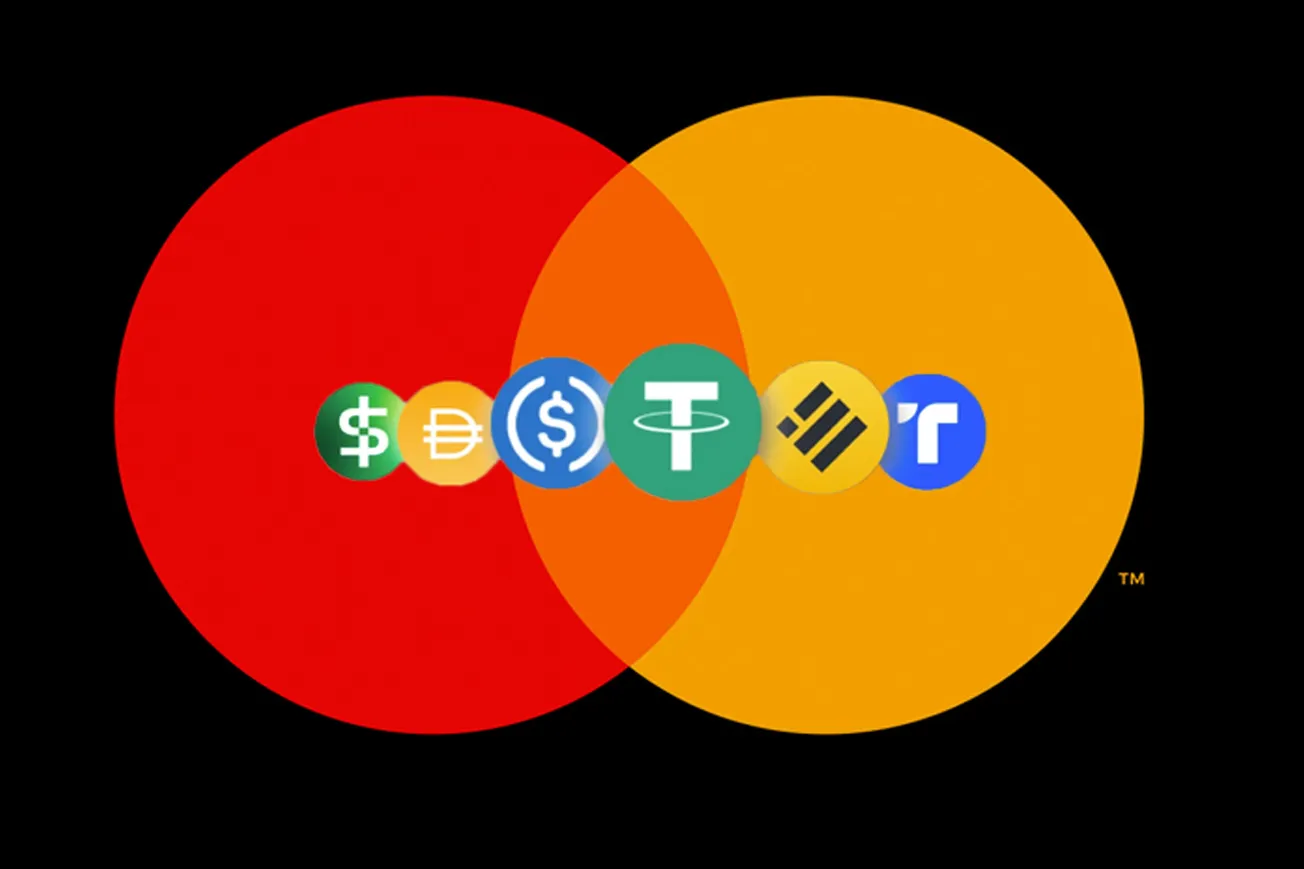
Mastercard has moved to expand its digital asset footprint by unveiling a stablecoin-powered global payment system that aims to bridge traditional finance with blockchain technology. The initiative incorporates wallet integration, card issuance, merchant settlement, and on-chain remittances, signalling a major endorsement for stablecoins within mainstream financial services.

The payments giant will partner with OKX to launch the OKX Card, offering users the ability to spend crypto assets seamlessly through Mastercard’s established infrastructure. The collaboration is positioned to provide cardholders with the option to convert their digital holdings into fiat currency at the point of sale, utilising USDC stablecoins to facilitate transactions in real time.

Mastercard’s broader collaboration also includes Circle, Nuvei, and Paxos, three key players in the stablecoin and blockchain space. The strategy centres on enabling direct merchant settlement using stablecoins, starting with USDC. The move is expected to accelerate merchant acceptance of digital currencies by eliminating the need for fiat conversions and complex intermediary processes.

Raj Dhamodharan, Mastercard’s head of crypto and blockchain, stated that the company is building a “future-proof” payments ecosystem that integrates digital assets responsibly and securely. He emphasised that Mastercard’s framework would ensure compliance with existing regulations and uphold strong consumer protection measures while offering the benefits of blockchain efficiencies.

By embedding stablecoins into payment rails, Mastercard is seeking to address long-standing challenges that have limited wider adoption of digital currencies, including volatility, liquidity management, and interoperability between financial systems. Stablecoins, which are typically pegged to fiat currencies like the US dollar, offer price stability that traditional cryptocurrencies like Bitcoin do not, making them more suitable for everyday transactions.

The OKX Card is expected to launch initially in select markets, with expansion plans to follow based on regulatory approvals and market demand. OKX’s president Hong Fang described the partnership as a “game-changer” that will “empower millions to experience the future of payments today.” The card will allow users to link their crypto wallets directly and spend their digital assets without the need to manually convert them into fiat beforehand.

Mastercard’s collaboration with Circle is particularly noteworthy as Circle’s USDC stablecoin is widely regarded for its regulatory compliance and transparency. Circle CEO Jeremy Allaire welcomed the partnership, highlighting that direct merchant settlement in USDC would reduce transaction costs, enhance speed, and provide greater transparency across payment processes.

Nuvei and Paxos will contribute to strengthening the backend settlement capabilities. Nuvei, a global payment technology firm, brings extensive experience in integrating alternative payment methods for merchants, while Paxos, a regulated blockchain infrastructure platform, provides trusted stablecoin issuance and custody solutions.

This new framework comes at a time when global financial institutions are increasingly exploring digital currencies. The Bank for International Settlements reported an upsurge in central bank digital currency projects globally, with a growing focus on how stablecoins and blockchain could complement traditional payment systems rather than disrupt them.

Mastercard has been experimenting with blockchain and digital assets for several years, conducting pilot programmes with various crypto companies and financial institutions. The company’s partnership with the Reserve Bank of Australia and the Digital Finance Cooperative Research Centre on a central bank digital currency pilot was another key step illustrating its commitment to innovating responsibly within the space.

Mastercard’s stablecoin settlement model follows a successful pilot in Australia, where live transactions using USDC and Mastercard’s network proved the technical viability and regulatory feasibility of using stablecoins for real-world transactions. The pilot included collaboration with Cuscal and Mintable, showcasing the ability to settle card transactions directly on blockchain networks.

Through these developments, Mastercard appears to be positioning itself as a leader among traditional financial service providers seeking to integrate blockchain into their core offerings. This approach not only supports digital asset adoption but also builds bridges between traditional payment providers and emerging decentralised finance ecosystems.

Industry analysts note that Mastercard’s entry into stablecoin-powered payments could force other major payment processors to accelerate their blockchain strategies. Visa, which has been running its own stablecoin settlement pilots, will likely view Mastercard’s moves as a call to action to deepen its blockchain integration efforts to remain competitive.

There are challenges ahead, particularly regarding regulatory clarity. Stablecoins have come under increasing scrutiny from regulators concerned about financial stability, money laundering, and consumer protection risks. Mastercard has indicated that its stablecoin programme will operate within regulated frameworks, ensuring that only stablecoins backed by transparent and compliant reserves are included.

The initiative also highlights growing merchant interest in accepting digital currencies without bearing volatility risks. Direct stablecoin settlement allows merchants to receive payment in a stable asset without relying on third-party crypto-to-fiat conversion services, streamlining operations and reducing costs.

As stablecoins continue to evolve beyond speculative assets into functional financial tools, Mastercard’s system reflects an understanding that digital currencies must serve real-world use cases to achieve mainstream adoption. The company’s ability to integrate stablecoin technology with traditional card networks could significantly alter how digital assets are used in daily commerce.

Mastercard’s latest announcement also underlines a broader industry shift toward interoperability. By supporting transactions across multiple blockchain networks and integrating with different stablecoin issuers, Mastercard aims to create a unified ecosystem where users, merchants, and financial institutions can interact seamlessly across both traditional and digital finance landscapes.

Nscale, a rapidly growing artificial intelligence startup, is positioning itself to raise around $2.7 billion in funding as it prepares for a high-profile partnership with ByteDance Ltd. The deal comes at a crucial time for Nscale, which is also grappling with a significant debt load estimated at $1.8 billion. The company, which is less than a year old, has quickly captured attention in the AI sector with […]

SINGAPORE – Media OutReach Newswire – 28 April 2025 – On April 23, at the inaugural GITEX ASIA 2025 in Singapore, iFLYTEK made a grand entrance by unveiling its On-Prem LLM All-in-One Solution to global acclaim. This turnkey appliance is meticulously engineered for enterprises that demand robust levels of data sovereignty and bespoke AI capabilities, enabling organizations to train, fine-tune, and deploy large language models entirely within […]

Arabian Post Staff -Dubai Unveiling its latest flagship devices at a grand event in Singapore, POCO made a strong statement with the launch of the POCO F7 Ultra and POCO F7 Pro, positioning itself more firmly within the premium smartphone segment. The UAE market, where young, tech-savvy consumers are increasingly demanding top-tier performance without exorbitant pricing, is poised to become a key battleground for these new devices. […]

stc Group has been ranked as the top company for career development in Saudi Arabia for 2025 by LinkedIn, reinforcing its position as a major driver of professional advancement in the region. The recognition reflects the telecommunications giant’s continued investment in employee growth, skills enhancement, and leadership opportunities during a period of rapid digital transformation in the Kingdom.

The LinkedIn Top Companies list, published annually, evaluates organisations based on several critical pillars, including skills growth, company stability, external opportunity, company affinity, gender diversity, and educational background of employees. stc Group secured the top spot after outperforming competitors across these measures, highlighting its emphasis on creating a dynamic and sustainable work environment.

The company’s prioritisation of employee development aligns with Saudi Arabia’s Vision 2030 agenda, which seeks to diversify the economy and build a thriving private sector. stc Group has implemented numerous initiatives aimed at cultivating talent, including internal leadership academies, technical training programmes, and partnerships with leading educational institutions. These efforts are designed to equip its workforce with the digital capabilities and leadership competencies required to thrive in a highly competitive and evolving market.

LinkedIn’s analysis highlighted that stc Group demonstrated exceptional commitment to employee advancement, with many staff members acquiring new skills and transitioning into leadership roles within the company. This has contributed to the organisation’s reputation as a destination employer for professionals seeking both stability and growth in the Kingdom’s vibrant technology and communications sector.

stc Group’s strong performance is also attributed to its comprehensive employee benefits packages, flexible working arrangements, and strategic focus on diversity and inclusion. The company has been recognised for fostering an inclusive workplace culture where opportunities for advancement are accessible across gender and educational backgrounds. This approach is particularly significant as the Kingdom intensifies efforts to boost female participation in the workforce.

The telecommunications sector has seen a major expansion across Saudi Arabia as part of broader efforts to build a digital economy. stc Group has played a central role in deploying 5G infrastructure, expanding fibre optic networks, and investing in emerging technologies such as cloud computing, artificial intelligence, and cybersecurity. This strategic positioning has not only driven the company’s financial success but has also created a wealth of career opportunities for local and international talent.

In addition to its domestic achievements, stc Group has expanded its presence across regional markets, acquiring stakes in companies in Bahrain, Kuwait, and other Gulf Cooperation Council countries. This regional footprint has enabled the company to offer diverse career pathways and foster cross-border professional experiences for its employees.

stc Group’s emphasis on continuous learning has been underscored by the launch of its dedicated Digital Academy, which offers specialised programmes in areas such as data science, cybersecurity, software development, and project management. Through a combination of classroom instruction, online modules, and practical experience, the academy equips employees with the technical expertise needed to lead in the Fourth Industrial Revolution.

The company’s innovation-driven culture has been further reinforced by its establishment of various innovation hubs and research centres, encouraging employees to work on cutting-edge projects that have direct commercial and societal impact. This approach has strengthened employee engagement, enhanced creativity, and driven a spirit of entrepreneurship within the organisation.

The recognition by LinkedIn also comes as stc Group pursues its ambitious DARE strategy, aimed at driving digital transformation, accelerating business growth, reinforcing operational efficiency, and enabling sustainability initiatives. The company’s strategy outlines a clear roadmap for adapting to global technology trends while building a future-ready workforce.

According to data from LinkedIn’s survey, professionals employed at stc Group have experienced higher levels of job satisfaction and career advancement compared to peers in other companies. Many employees have cited the firm’s mentorship programmes, skills training, and international exposure as key reasons for their professional development.

Notably, the company’s focus on promoting female leadership has begun to bear fruit, with women increasingly occupying senior roles across various divisions. This achievement mirrors the broader social and economic reforms underway in Saudi Arabia, where gender parity and empowerment initiatives are gaining momentum across industries.

Saudi Arabia’s labour market has been undergoing a transformation, with employers placing greater emphasis on skills-based hiring and career progression pathways. stc Group’s leadership position in this context underlines its ability to adapt to changing workforce expectations and technological shifts, ensuring that it remains an employer of choice for top talent.

The telecommunications giant’s recognition is expected to further enhance its brand reputation among young professionals and graduates, many of whom view LinkedIn’s Top Companies list as an important guide when considering future employers. stc Group’s investment in youth initiatives, graduate recruitment programmes, and internships has positioned it strongly to attract the next generation of digital leaders.

Beyond technical expertise, stc Group has also focused on cultivating soft skills such as leadership, collaboration, and adaptability among its workforce. The company’s comprehensive talent development strategy is designed to build holistic capabilities, ensuring employees are well-prepared to navigate the complexities of the global digital economy.


A major scientific breakthrough in quantum research has sparked optimism that practical quantum encryption could be realised within the next decade, while a fully developed quantum internet may become achievable within the next half-century, according to leading physicists and technology experts. Researchers at Delft University of Technology in the Netherlands confirmed they had successfully demonstrated quantum entanglement between distant nodes in a network in a stable, reliable […]

Denmark is launching a new nuclear power fund aiming to raise €350 million to support the development of small modular reactors and advanced nuclear technologies. This initiative comes as the country seeks to diversify its energy mix and meet growing electricity demands driven by the expansion of data centres and the electrification of heavy industries. The fund is backed by a coalition of Danish pension funds, private […]

Meta’s AI systems on Facebook and Instagram have come under intense scrutiny following reports that chatbots engaged in unsettling conversations with users posing as children. The bots, powered by artificial intelligence, were found to be having inappropriate exchanges with users impersonating minors, which included disturbing interactions involving Disney characters and celebrity voices. The controversy emerged when a series of investigations revealed that AI-driven chatbots, designed to simulate […]

VISHNU RAJA
RYO YAMADA
HITORI GOTOH
IKUYO KITA