News related to
power

Amazon Web Services has secured a landmark 20‑year power purchase agreement with Talen Energy, guaranteeing 1,920 MW of carbon‑free electricity from the Susquehanna nuclear plant in Pennsylvania. The contract, lasting until 2042 with extension options, positions nuclear energy as a pillar of Amazon’s strategy to meet surging demand from its AI and cloud operations. Talen will gradually ramp up delivery, starting with 840–1,200 MW by 2029 and reaching full […]

SINGAPORE – Media OutReach Newswire – 16 June 2025 – ST Telemedia Global Data Centres (STT GDC), a leading data centre service provider headquartered in Singapore, today published its 2024 Environmental, Social and Governance (ESG) report. The report details progress toward STT GDC’s ESG targets, as well as its three main ESG pillars – carbon-neutral data centre operations by 2030; a safe, secure, diverse and inclusive workplace; […]

BAODING, CHINA – Media OutReach Newswire – 15 June 2025 – While new energy vehicles continue to gain momentum worldwide, efficient diesel power remains a compelling choice—especially in challenging off-road environments where torque, range, and reliability are critical. GWM is advancing diesel technology with a focus on refinement, performance, and real-world usability. At the recent GWM Thailand Diesel Day event, the brand demonstrated how modern diesel can […]

G42 has unveiled a new London‑based subsidiary, G42 Europe & UK, designed to amplify its AI infrastructure and services across the United Kingdom and continental Europe. The entity, co‑chaired by Omar Mir and Marty Edelman, will deliver end‑to‑end AI offerings—from advisory and model deployment to supercomputing infrastructure—for sectors including finance, healthcare, energy and manufacturing. The launch comes as G42 continues its strategic European rollout, following the roll‑out of AI compute […]

An early-model BOAC Comet jet disintegrated in mid‑air after encountering severe turbulence shortly after departure from Dum Dum Airport near Calcutta on 2 May 1953. All 43 passengers and crew perished as the aircraft burst apart at approximately 7,500 ft and plummeted into a paddy field about 25 miles north‑west of the city.

The de Havilland DH.106 Comet 1, operated by British Overseas Airways Corporation, had originated from Singapore and was en route to London, with stops scheduled in Calcutta and Delhi. Witnesses reported the plane climbing before suddenly breaking up and falling in flames—described as “a huge boulder of fire”—as it plunged amid dense thunderstorm conditions.

Investigation reports later determined that structural failure triggered the disaster. The aircraft was overstressed by severe gusts within the thunderstorm, or possibly by pilot over-control while attempting to stabilise the plane amid violent turbulence.

Debris was scattered over a five‑mile radius, with wings and tail sections strewn across villages surrounding the crash zone. Recovery teams reported finding charred fuselage fragments and wing parts up to eight square miles away. Communications were severely disrupted by the storm, delaying rescue operations until the following morning.

The loss prompted an immediate grounding of all Comet aircraft worldwide. Subsequent analysis traced design vulnerabilities—specifically fuselage fatigue exacerbated by pressurisation cycles—as contributing to the structural failure. Long‑term remedies included reinforcing cabin frames and modifying hatch and window designs. These measures led to the Comet 2 variant, re‑entering service later in the decade.

That afternoon’s monsoon squall had been forecasted. Weather advisories issued by Dum Dum airport warned of a powerful north‑wester moving across Bengal, Bihar, Uttar Pradesh and Orissa. The alert reached Calcutta and nearby airfields before departure, but the flight was allowed to proceed, possibly underestimating the severity of the impending storm.

The magnitude of the crash and its implications for aviation safety were profound. As the world’s first jet airliner disaster, it exposed critical design flaws in high-altitude metal fatigue and pressurisation. Aviation experts have since credited the accident with catalysing a new era of aviation engineering standards and rigorous fatigue testing.

BOAC officials, alongside Indian Civil Aviation authorities, conducted detailed on-site investigations. Initial body recovery revealed only 21 victims near the main wreckage; many others were presumed destroyed in the fiery crash. Wreckage and mail bags were recovered over the following days with painstaking efforts hampered by torrential rain and impassable access roads.

The tragedy sparked changes beyond engineering: it prompted aviation authorities worldwide to reassess flight clearance protocols in severe weather. Airlines adopted stricter turbulence-avoidance routes, and training for storm penetration tactics was enhanced. Structural testing regimes became more comprehensive, particularly for early-generation jetliners.

More than seven decades later, the Comet’s collapse north‑west of Calcutta remains a defining moment in civil aviation history. It was a stark reminder that the jet age—so marvelled for its speed—brought with it complex challenges. Engineers and regulators responded with reforms that continue to shape aircraft design and safety standards today.

While the Comet’s legacy lives on, modern aircraft benefit from lessons learned. Advanced composites, real‑time structural monitoring, reinforced fuselage frames and weather‑avoidance flight planning are now standard features in commercial aviation worldwide—fundamental safeguards born from the tragedy in the skies near Calcutta.

Iran’s multifaceted network of proxies and covert operatives is poised to broaden its campaign of retaliation against Israel by extending its operations into Europe. Having weakened regional assets such as Hezbollah, the Houthis and Hamas, Tehran is reportedly turning to clandestine cells and criminal syndicates across the continent as a new front in its “ring of fire”. Heightened security advisories for Jewish communities from London to Berlin […]

Runner H, Surfer H and Tester H, three autonomous AI agents developed by Paris-based H Company, make web-native task automation available across consumer and enterprise settings. The framework integrates advanced vision–language models that perceive browser interfaces and predict actions like clicking buttons or filling text fields, executing them via a headless browser. Runner H acts as the orchestrator. It receives natural‑language instructions, composes workflows using specialised sub‑agents and interacts with platforms […]

Advertisements

G42 has inaugurated a London-based subsidiary, named G42 Europe & UK, marking a strategic expansion into the continent’s private and public sectors. The entity aims to deliver AI-driven solutions and collaborate with governments and industry partners to erect critical AI infrastructure across continental Europe. The new operation will be co‑chaired by Omar Mir, a board member at World Wide Technology with over 20 years’ experience in 5G, edge computing, […]

Markets across the Gulf and beyond plunged on Friday following a sharp military escalation after Israel struck Iranian nuclear and military sites, triggering drone counter‑attacks by Iran and a broader risk‑off reaction among investors.

Dubai’s benchmark index tumbled 5.1%, its steepest single‑day loss since May 2022, while Abu Dhabi’s dropped 3.5% before paring losses. The rout extended into Israel, where the shekel slid as much as 3.5% against the dollar, with long‑dated Israeli bonds and select regional government debt also weakening.

Commodity markets mirrored investor anxiety. Brent crude surged over 6%, touching its highest level in nearly five months, as traders assessed the risk of supply disruptions through the Strait of Hormuz. Gold likewise rallied, reaching two‑month highs as capital flowed into safe‑haven assets.

Airline stocks were among the hardest hit. Air Arabia shares plunged more than 4%—some reports suggest nearly 8%—as carriers rerouted flights away from airspace over Iran, Israel, Iraq and Jordan. Regional exchanges in Riyadh and Doha were closed on Friday, with trading set to resume on Sunday amid anticipation of continued volatility.

The market shockwaves reverberated worldwide. Europe, Asia and US indices all registered dips: the S&P 500 dropped roughly 0.4% mid‑day, the Dow slipped nearly 1.8% and the Nasdaq around 1.3%, while Tokyo’s Nikkei and Hong Kong’s Hang Seng also declined.

Analysts warned that while markets historically absorb such shocks fairly quickly, the sustained threat of conflict brings inflation and growth risks. Chris Scicluna of Daiwa Capital Markets noted the initial oil spike “hasn’t been too extreme” but cautioned that a sustained rise toward US $80 oil would be problematic for central banks. Meanwhile, Tariq Kakish of FH Capital pointed out that geopolitical instability remains “the key factor affecting investors’ sentiments”.

Concerns centred on the Strait of Hormuz, which channels approximately one‑third of global seaborne oil, raising the potential for disruption. Demand for insurance on tankers in the Gulf surged, and traders remain on edge over possible Iranian retaliation targeting shipping or oil infrastructure. However, OPEC+ sources suggest that Saudi Arabia and others retain sufficient spare capacity and are monitoring the situation closely.

Financial markets also showed classic risk‑off behaviour: US Treasury bonds rallied even as yields ticked higher, reflecting investor concerns about energised inflation, as per Axios commentary. The dollar strengthened, while gold and the Swiss franc benefited from increased flight‑to‑safety demand.

In Asia, the ASX 200 slipped modestly, offsetting losses in financials and consumer sectors with gains in energy and mining stocks. In Mumbai, Reliance Industries’ shares fell nearly 1.8% as Brent crude surged past $75 per barrel amidst the tensions.

Political and economic analysts emphasise two themes: the possibility of an enduring inflation shock from energy price escalation, and the risk of prolonged conflict dragging in wider regional powers. While some argue Gulf states may help mitigate supply-side shocks via increased production, others highlight that even modest increases in oil prices could influence global inflation and central bank policy.

Despite the turbulence, multiple analysts noted past flare‑ups between Israel and Iran tended to cool within weeks, with markets rebounding once diplomatic pathways re‑opened. Yet this episode differs: it involves overt attacks deep into Iranian territory, targeting nuclear and ballistic infrastructure, and marking a new phase in the conflict. The outcome may recalibrate norms for military engagement in the region—and investor expectations alongside them.

Abu Dhabi‑based IHC, in collaboration with BlackRock and Lunate, has officially launched Reinsurance Intelligence Quotient—RIQ—a global, AI‑native reinsurance platform headquartered in the Abu Dhabi Global Market. Anchored by over US $1 billion in initial equity, RIQ aims to underwrite more than US $10 billion in liabilities, spanning property and casualty, life, and specialty lines.

The platform unites human talent with advanced artificial intelligence to refine risk selection, cost control, underwriting, and customer service. Its AI core provides real‑time insights and precision decision‑making, seeking to optimise capital deployment on a global scale. Registered with the Financial Services Regulatory Authority of ADGM, RIQ is in the final stages of securing full regulatory approval.

The board of directors, chaired by Dr Sultan Ahmed Al Jaber, includes notable figures such as Syed Basar Shueb, H E Mohamed Hassan Alsuwaidi, Sofia Abdellatif Lasky, and RIQ CEO Mark Wilson, former leader at Aviva and AIA. The governance structure positions RIQ to balance regional expertise with global vision, leveraging its strategic partners.

The initiative builds on a May plan unveiled by IHC, BlackRock, and Lunate to establish an AI‑powered reinsurer targeting US $10 billion in liabilities with over US $1 billion in capital. BlackRock will contribute its Aladdin technology and insurance asset management services, while Lunate brings private and public market investment capabilities.

IHC CEO Syed Basar Shueb has emphasised the venture’s role in accelerating Abu Dhabi’s and the wider region’s nascent insurance and capital market ecosystems. “RIQ is the embodiment of IHC’s vision to invest in the next frontier of global financial services,” Shueb stated. Meanwhile, RIQ CEO Mark Wilson described the platform as purpose‑built for a changing market, combining speed and flexibility backed by deep capital.

Dr Al Jaber, who also serves as UAE’s minister of industry and advanced technology, said the platform would “connect global capital with high‑growth markets, all from the heart of Abu Dhabi’s thriving financial centre”. This reflects a broader strategic push by Abu Dhabi to position itself as a hub for innovative financial services and AI‑driven offerings.

Analysts have observed that RIQ’s AI‑native architecture could challenge traditional reinsurance models, where legacy systems often hinder real‑time pricing accuracy and capital efficiency. With global risk landscapes evolving due to climate change, cyber threats, and geopolitical instability, the deployment of AI in underwriting and risk transfer represents a notable shift in industry norms.

Industry commentators note that IHC, already one of the region’s largest investment houses, continues to accelerate its diversification strategy, adding reinsurance to its growing portfolio that spans technology, energy, real estate, healthcare, and food production. Its ability to marshal more than US $455 billion in assets and maintain tight ties to the Abu Dhabi ruling establishment adds strategic depth to RIQ’s capital and governance framework.

Key trends marking this launch include the convergence of finance and bleeding‑edge technology, a stronger regional emphasis on insurance capacity, and elevated geopolitical importance of financial resilience. RIQ is set to capitalise on these developments, channeling global capital into emerging markets, while establishing Abu Dhabi as a next‑generation centre for financial innovation.


HONG KONG SAR – Media OutReach Newswire – 13 June 2025 – The 2025 International Automotive Supply Chain Expo (Hong Kong), co-hosted by the China Association of Automobile Manufacturers, Hong Kong Chinese Enterprises Association, The Chinese Manufacturers’ Association of Hong Kong, China General Association For Hong Kong, Macao And Taiwan, and Phoenix Media Group commenced on June 12 and will run until June 15 at AsiaWorld-Expo in […]

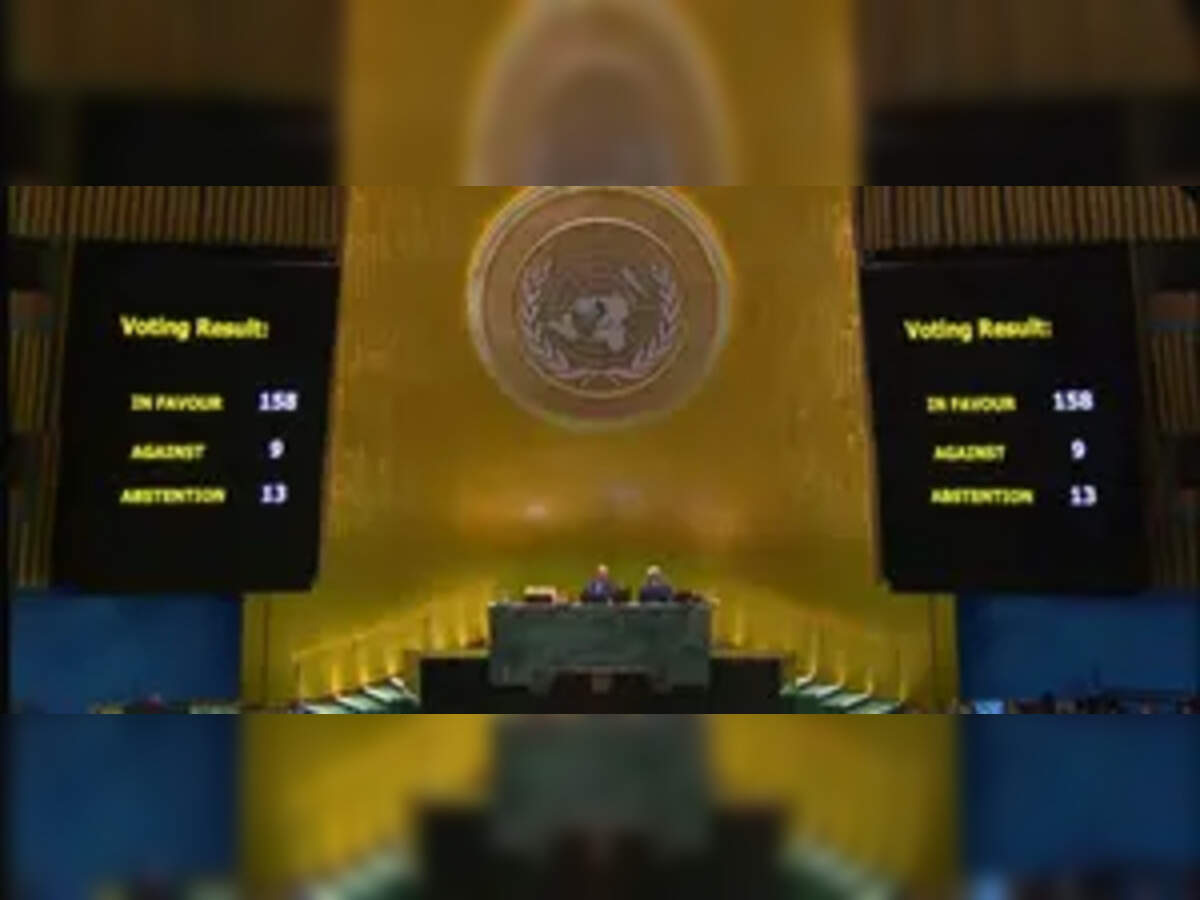
By Nitya Chakraborty On Thursday June 12, Indian diplomacy under the Prime Minister Narendra Modi reached its lowest ebb when India abstained in the United Nations General Assembly from a vote on a resolution demanding an immediate, unconditional and permanent ceasefire in Gaza. The 193 member UN general assembly passed the resolution overwhelmingly with 149 […]


Major corporations Walmart and Amazon are understood to be mulling the launch of their own stablecoins as part of a broader trend among retailers and tech companies seeking to streamline payment systems and reduce transaction costs. With the U.S. Congress advancing the GENIUS Act—legislation to regulate stablecoin issuance—the moment now appears opportune for these private-sector experiments.

Both Walmart and Amazon are reportedly evaluating the regulatory environment and potential use cases for proprietary stablecoins. Sources suggest these could be integrated with payment platforms, loyalty schemes and digital marketplaces. Such a move would allow these companies to bypass conventional card rails and intermediaries that currently levy high fees on merchants and slow settlement times.

Walmart’s ongoing fintech ambitions align with the exploration of stablecoin applications. The retailer has already lobbied for regulatory changes aimed at bringing greater competition into credit card networks, indicating a broader shift towards alternative payment mechanisms. Amazon, though in the preliminary assessment stage, is also understood to be considering whether a branded stablecoin might enhance the convenience of online transactions.

The GENIUS Act currently under Senate review is central to this evolution. It delineates a framework for “permitted payment stablecoin issuers” and mandates reserve requirements, redemption rules and federal oversight. While enabling banks, non-banks and subsidiaries to issue stablecoins, it permits notable flexibility across different sectors.

Critics are already voicing concerns. Legislators such as Senator Elizabeth Warren and Rep. Maxine Waters caution against allowing large non-financial firms to enter the payments landscape, fearing an erosion of banking safeguards and potential intensified corporate dominance. Academic voices, including law professor Hilary Allen, warn that Big Tech’s entry into finance could “entrench corporate power” and compromise consumer data privacy.

A key sticking point lies in a proposed amendment to prohibit non-financial corporations from issuing stablecoins unless they meet stringent criteria around financial stability, data protection and consumer welfare. This amendment would cover tech behemoths like Amazon, Meta and Apple. In contrast, proponents argue that allowing these companies in could foster innovation and enhance market competition.

Merchant industries are lobbying hard for clarity. The Merchants Payments Coalition argues that a stablecoin framework could disrupt the dominance of established payment networks and deliver substantial cost savings. Stakeholders have highlighted how cross-border payments could benefit from low-cost, near-instant settlement, echoing the broader fintech industry’s embrace of stablecoins as programmable rails for digital commerce.

Opposition remains robust, however. Critics warn that unbridled stablecoin issuance by non-financial corporations could introduce systemic risks. The GENIUS Act’s provisions are aimed at managing these risks through requirements for reserves, transparency, anti-money laundering compliance and state-federal coordination. Still, there is unease that enforcement mechanisms may not sufficiently address deep-seated concerns over financial stability and consumer safety.

Proponents believe stablecoins could transform how commerce operates, by speeding up settlements, reducing fees and enabling more fluid integration across digital platforms. With adoption driven by both large merchants and smaller enterprises, the innovation rather than consolidation of money systems could mark a significant shift.

Walmart and Amazon appear poised to test these boundaries. As the GENIUS Act moves closer to a Senate floor vote, the exact role that private-sector stablecoins will play remains uncertain. The decision by Congress to permit non-bank issuers is a strategic pivot, opening regulatory pathways that could redefine how money flows through the global payments ecosystem.

Dubai’s Roads & Transport Authority has confirmed the Blue Line of the Metro will begin operations on 9 September 2029, coinciding deliberately with the 20th anniversary of the Red Line’s inauguration on 9 September 2009, signalling a significant milestone in the city’s transport evolution. The 30 km line will feature 14 stations, linking residential and commercial hubs such as Al Jaddaf, Dubai Silicon Oasis, and Dubai Academic City, and is projected to […]

A surge in Adversary‑in‑the‑Middle phishing attacks exploiting Phishing‑as‑a‑Service frameworks has been recorded in 2025, allowing cybercriminals to systematically bypass multi‑factor authentication and harvest corporate credentials at industrial scale. Researchers from Sekoia and Barracuda warn that tools like Tycoon 2FA, EvilProxy and Sneaky 2FA are being rapidly refined, embedding advanced evasion techniques and automation that make detection increasingly challenging. AiTM phishing campaigns leverage reverse proxies that intercept login credentials and […]

Foxconn’s latest customs data confirms that from 1 March to 31 May 2025, an overwhelming 97 per cent of all iPhones assembled in India were destined for the United States, totalling $3.2 billion in exports—nearly double the 50 per cent average seen throughout 2024. May alone accounted for almost $1 billion, the second‑highest monthly export value ever recorded—just behind March’s $1.3 billion. This sharp shift reflects Apple’s concerted effort to navigate escalating U.S. tariffs targeting Chinese […]

Bridging French and Hong Kong innovation ecosystems to supercharge global tech development HONG KONG SAR / PARIS,FRANCE – Media OutReach Newswire – 13 June 2025 – Hong Kong Science and Technology Parks Corporation (HKSTP) is leading 18 of Hong Kong’s brightest innovators in AI and robotics, healthtech, greentech and fintech in its first-ever delegation to VivaTech 2025, Europe’s largest startup and tech showcase held in Paris. The […]

All countries under DHL Supply Chain APAC are now certified DHL Supply Chain Japan becomes the newest office to achieve certification SINGAPORE – Media OutReach Newswire – 13 June 2025 – DHL Supply Chain, the global leader in contract logistics, has been certified as a Great Place to Work® across Asia Pacific. DHL Supply Chain Japan is the latest country office to achieve this certification, bringing the […]

HONG KONG SAR – Media OutReach Newswire – 13 June 2025 – The International Automotive & Supply Chain Expo (Hong Kong) 2025 opened on June 12, bringing together global industry leaders. Seizing this strategic opportunity in Hong Kong, Dongfeng Motor is showcasing its technological edge and promoting nine flagship models covering both passenger and commercial vehicle segments. Dongfeng Motor aims to rank among the top three Chinese […]

Organisations grappling with escalating cyber threats are increasingly turning to open‑source Security Operations Center tools to establish proactive, cost‑effective defences. These solutions deliver SIEM, threat detection, incident response, and network monitoring capabilities while offering transparency, flexibility, and community‑driven innovation. Open‑source SOC platforms such as Security Onion, Wazuh, Graylog Open, TheHive and MISP form a modular toolkit that security teams can tailor to specific environments. Security Onion provides […]

By Nitya Chakraborty More than a month after the pause of India’s Operation Sindoor on May 10 at 5 PM, time has come to state it in candid terms that our Prime Minister’s doctrine of New Normal in respect of relations with Pakistan has failed to convince the major global powers. While strongly defending India […]

HONG KONG SAR – Media OutReach Newswire – 12 June 2025 – ShopBack, Asia’s leading cashback shopping platform, has announced a strategic partnership with Mastercard to introduce an exclusive cashback promotion, empowering Hong Kong shoppers with enhanced savings when they link their eligible Mastercard cards and purchase at selected merchants via the ShopBack app. ShopBack collaborates with Mastercard to unveil an exclusive cashback promotion, offering shoppers a […]

OpenAI is holding discussions with a range of international investors—including Saudi Arabia’s Public Investment Fund, Reliance Industries of India, and Abu Dhabi’s MGX—to raise around $40 billion in fresh equity. The move marks a pivotal effort to underwrite its ambitious next-generation AI models and the expansive Stargate infrastructure initiative. The round is being led by Japan’s SoftBank, which aims to shepherd significant capital into artificial intelligence advancements. At […]

Dubai Land Department’s second tokenised property offering was fully subscribed in just one minute and 58 seconds, marking the fastest-ever blockchain-backed real estate transaction globally. The project, made available through the PRYPCO Mint platform, attracted 149 investors across 35 nationalities, while more than 10,700 others joined a waitlist to participate. The speed of uptake underscores growing trust in digital property ownership within the emirate’s broader Property Tokenization Initiative.

The feature property—a one‑bedroom apartment in Kensington Waters on Mohammed Bin Rashid City—was valued at AED 1.5 million, discounted from an estimated AED 1.875 million. Fractional ownership began at AED 2,000, enabling micro‑investing in prime Dubai real estate. This landmark offering followed an inaugural tokenisation in May 2025, which sold out within 24 hours, suggesting escalating global appetite for fractional property investments.

PRYPCO Mint is jointly operated by the Dubai Land Department and PRYPCO, under a regulatory framework accredited by the Virtual Asset Regulatory Authority, the UAE Central Bank, and Dubai Future Foundation within the Real Estate Sandbox initiative. The blockchain infrastructure is built by Ctrl Alt on the XRP Ledger and supported by Zand Digital Bank, ensuring tokens align with official title deeds.

Market data indicates robust momentum behind this pivot to tokenisation. In May, Dubai recorded total real estate sales of AED 66.8 billion, a 44 per cent increase year-on-year. The surge was driven by a 314 per cent rise in primary sales, with experts citing tokenisation as a catalyst for further growth. Scott Thiel, CEO of Tokinvest, observed that “tokenisation will not just accompany the next record, we believe, it will help drive it,” signalling strong confidence in the emerging asset class.

Dubai’s roadmap for tokenised real estate charts transformative ambitions. The DLD estimates that by 2033 tokenised assets could account for 7 per cent of the city’s total real estate market—equivalent to roughly US$16 billion. The first offering had drawn 224 investors from over 40 countries, with certificates of ownership now logged on the blockchain to ensure legal validity.

Industry insiders have noted the implications across the investment ecosystem. Zaher El Orm, a blockchain advocate in Dubai, commented that the asset “sold out in less than two minutes … with an average investment of around AED 10,000, a clear demonstration of the market’s appetite for on‑chain, fractional property investment,” adding that title certifications were issued within hours.

Earlier in the year, DAMAC Group—one of the UAE’s major developers—agreed to tokenize its assets worth US$1 billion via the MANTRA platform, reinforcing Dubai’s ambition to become a global digital assets hub. This aligns with regulatory updates from VARA in May extending tokenisation frameworks to real-world assets, bolstering transparency and operational efficiency.

Dubai Land Department and PRYPCO are now preparing to expand PRYPCO Mint’s offerings, encouraging investors to register early. Future phases aim to include international participants and onboard additional developers, scaling the initiative beyond its pilot phase.

Tokenisation is reshaping Dubai’s real estate landscape. By lowering barriers to entry, increasing liquidity, and embedding ownership in blockchain-secured records, Dubai is forging a path toward a digitally enabled property market that caters to both local and global investors. As the platform extends its reach, tokenised offerings may soon become a mainstream vehicle for property investment.

VISHNU RAJA
RYO YAMADA
HITORI GOTOH
IKUYO KITA