

Arabian Post Staff -Dubai
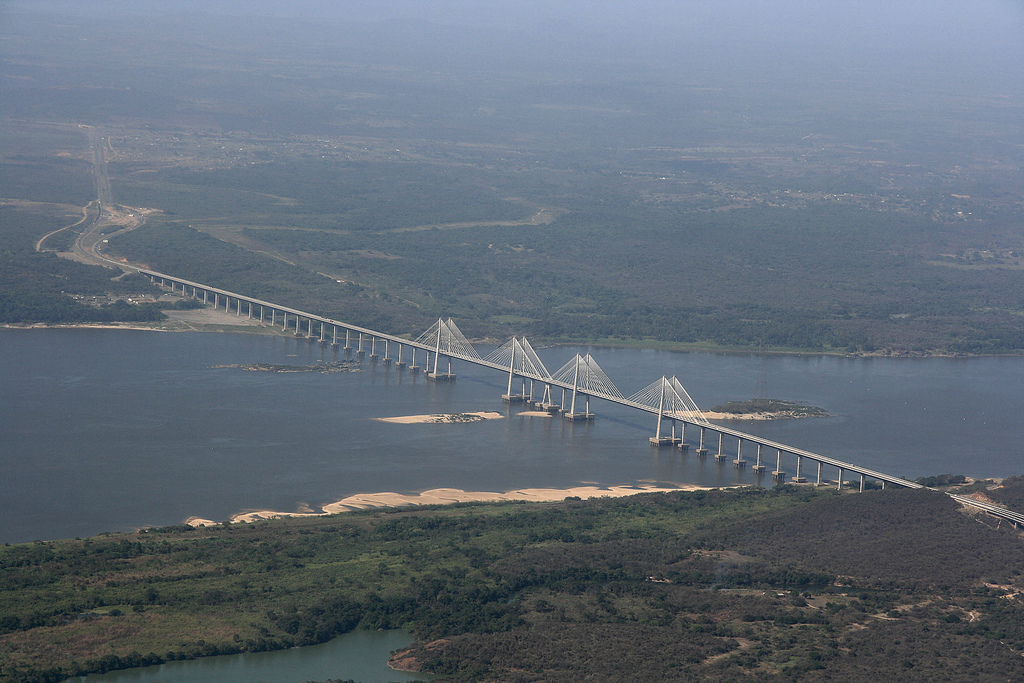
Venezuela has begun shutting oil wells in its prolific Orinoco Belt after storage filled up and inventories swelled, a move that underscores the operational strain facing the state producer as financial pressure from Washington tightens. The cutbacks, which started on 28 December, are set to lower heavy crude output by at least a quarter in the belt that holds the world’s largest known oil deposits, according to people familiar with internal operations.
Petroleos de Venezuela SA, known as PDVSA, is aiming to bring Orinoco production down to about 500,000 barrels a day, the people said. That reduction equates to roughly 15% of the country’s total output of around 1.1 million barrels a day. The wells were idled as tanks reached capacity and export bottlenecks left little room to keep pumping.
The Orinoco Belt, stretching across eastern Venezuela, has been the backbone of the nation’s oil recovery over the past two years as PDVSA revived projects, leaned on foreign partners and relied on intermediaries to place barrels abroad. Heavy crude from the belt requires blending and specialised handling, making storage constraints particularly acute when exports slow or logistics falter.
The curtailment comes amid a renewed effort by the Donald Trump administration to financially squeeze Caracas. Measures have focused on limiting cash flows and tightening scrutiny of trade channels that had allowed Venezuelan oil to reach global markets. While PDVSA has navigated sanctions for years through complex trading arrangements, the latest actions have reduced the room for manoeuvre.
Operationally, the impact is immediate. Engineers have prioritised shutting wells with higher water cut or maintenance needs, while keeping strategic upgraders running to preserve reservoir integrity. Restarting heavy-oil wells can be costly and time-consuming, raising the risk that some output may not return quickly even if conditions improve.
For the government in Caracas, the setback dents a fragile rebound that had lifted production from historic lows. Oil remains the main source of hard currency, funding imports and social spending. Lower volumes threaten fiscal plans at a time when inflation has moderated but public finances remain stretched.
Internationally, the cuts add a layer of uncertainty to heavy crude markets. Refineries in Asia and the United States Gulf Coast have relied on Venezuelan grades as substitutes for similar barrels from elsewhere. Traders said tighter availability could widen discounts and prompt buyers to seek alternatives from Canada or the Middle East.
PDVSA’s partners in the Orinoco Belt, including joint ventures with foreign companies, are also affected. Output reductions translate into lower liftings for partners and could complicate investment decisions. Several projects had been ramping up after maintenance and drilling campaigns, betting on stable export routes.
The government has framed the situation as a temporary adjustment driven by logistics rather than geology. Officials argue that reserves remain intact and that production can rebound once storage is freed and exports normalise. Behind the scenes, PDVSA has been exploring options to lease additional floating storage and accelerate shipments to Asia, though payment and insurance hurdles persist.
Analysts note that the episode highlights structural weaknesses. Venezuela’s oil infrastructure has suffered years of underinvestment, leaving little buffer when trade flows are disrupted. Power outages, pipeline leaks and equipment shortages have repeatedly constrained operations, forcing stop-start cycles that erode efficiency.
In the broader geopolitical context, the pressure campaign reflects Washington’s leverage over energy finance and shipping. Even when licences allow limited trade, banks, insurers and carriers often tread cautiously, amplifying the impact on producers like PDVSA. The result is a stopgap approach that prioritises managing bottlenecks over long-term optimisation.
Follow Arabian Post
Select Arabian Post as your preferred source on Google and MSN News for trusted business news and Arab politics and updates.




