News related to
prove no

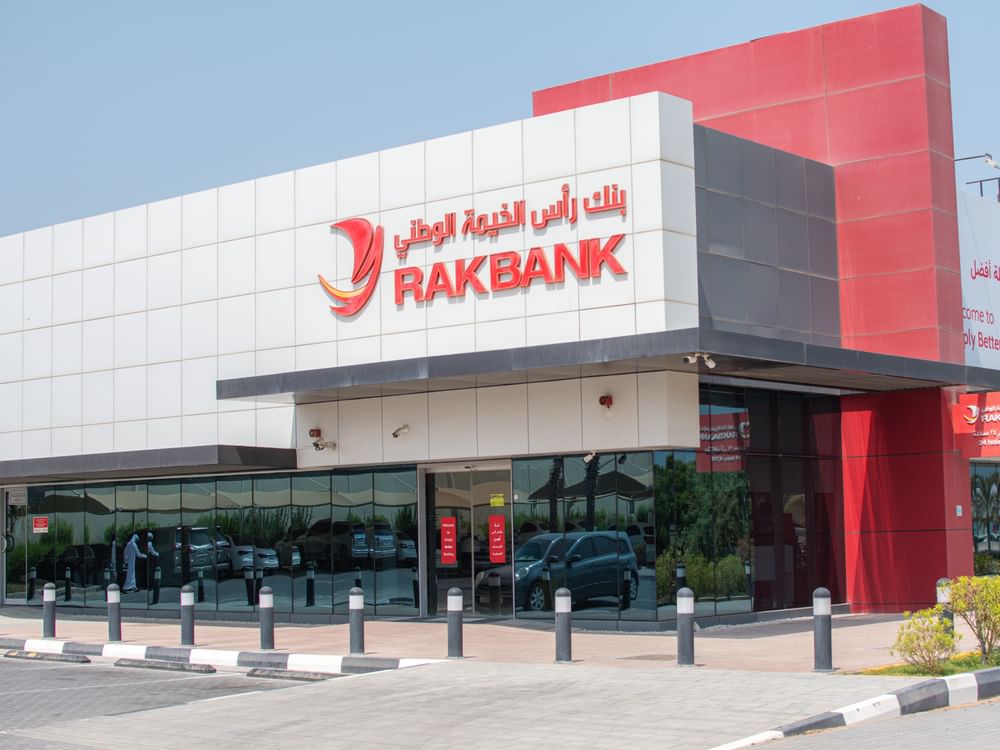
RAKBANK, the National Bank of Ras Al Khaimah, has successfully concluded its inaugural issuance of Tier 2 bonds, raising $250 million. This marks a significant milestone for the bank as it diversifies its funding sources and strengthens its capital base.

The bond issuance, conducted on September 4, 2024, was well-received by investors, reflecting strong confidence in the bank’s financial stability and growth prospects. The Tier 2 bonds are designed to enhance RAKBANK’s regulatory capital, providing a buffer against potential financial uncertainties and supporting its expansion strategies.

The bonds, with a 10-year maturity, were issued at an annual fixed rate of 5.25%, demonstrating the bank’s ability to secure favorable terms in the current capital markets. The issuance process attracted a diverse group of investors, including institutional and private investors, both regionally and internationally.

RAKBANK’s decision to issue Tier 2 bonds aligns with its ongoing efforts to strengthen its financial position and comply with the evolving regulatory requirements. Tier 2 capital, which forms part of a bank’s regulatory capital base, is crucial for maintaining the bank’s stability and supporting its growth initiatives. The successful issuance of these bonds is expected to bolster RAKBANK’s capital adequacy ratio, enhancing its ability to absorb potential losses and support future lending.

The bank’s strategy to tap into the Tier 2 bond market reflects a broader trend among financial institutions in the Middle East, where banks are increasingly turning to the capital markets to meet regulatory capital requirements and support their expansion plans. The issuance also underscores RAKBANK’s commitment to maintaining a robust capital structure, which is essential for navigating the challenges of the evolving financial landscape.

The completion of this bond issuance comes at a time when the global financial markets are experiencing a period of heightened volatility, driven by various economic and geopolitical factors. Despite these uncertainties, RAKBANK’s ability to secure significant investor interest highlights the bank’s strong market position and investor confidence in its long-term prospects.

Industry experts view RAKBANK’s Tier 2 bond issuance as a strategic move that positions the bank well for future growth. By securing additional capital, the bank is better equipped to support its lending activities, invest in new projects, and enhance its competitive position in the market. This capital injection will also enable RAKBANK to continue offering innovative financial products and services to its customers.

The successful completion of the Tier 2 bond issuance is expected to enhance RAKBANK’s credit profile, potentially leading to improved ratings from international credit rating agencies. This, in turn, could lower the bank’s borrowing costs and support its efforts to expand its footprint in both domestic and international markets.

RAKBANK’s Tier 2 bond issuance is part of a broader trend among banks in the region seeking to bolster their capital bases amid evolving regulatory requirements and economic uncertainties. Financial institutions across the Middle East are increasingly leveraging capital markets to meet their capital needs and support growth initiatives. This trend reflects a shift towards more sophisticated funding strategies as banks navigate the complexities of the modern financial landscape.


Economic sentiment across the Gulf Cooperation Council (GCC) remains largely positive despite facing significant challenges. Leaders from the region’s six member states—Saudi Arabia, the United Arab Emirates, Qatar, Kuwait, Oman, and Bahrain—are projecting continued economic growth driven by strategic diversification and investment in key sectors.

Saudi Arabia’s Vision 2030 continues to shape its economic landscape. The Kingdom is expanding its non-oil industries, particularly focusing on tourism, technology, and entertainment. Major projects like NEOM, a futuristic city planned to be powered entirely by renewable energy, are set to bolster economic diversification efforts. Despite fluctuations in oil prices and global economic uncertainties, Saudi Arabia’s economic policies aim to position the country as a global hub for innovation and investment.

The United Arab Emirates is also charting a course of strategic growth. Dubai, in particular, is enhancing its status as a global business and tourism center. The emirate’s emphasis on sustainable development, with initiatives such as the Dubai Clean Energy Strategy 2050, underscores its commitment to a diversified economy. Additionally, Abu Dhabi’s investments in renewable energy and technology sectors are expected to drive future economic stability.

Qatar’s economy is benefiting from its robust infrastructure projects and strategic investments. The country has been preparing for the 2022 FIFA World Cup, which is anticipated to provide a substantial boost to the hospitality and tourism sectors. Additionally, Qatar is focusing on strengthening its natural gas sector, positioning itself as a leading global exporter. This economic strategy aims to maintain Qatar’s high growth trajectory despite regional geopolitical tensions.

Kuwait is working towards economic diversification through its Vision 2035 plan, which seeks to reduce dependency on oil revenues by investing in sectors such as finance, technology, and healthcare. Despite facing budget deficits and economic pressures, Kuwait’s government is committed to implementing reforms and enhancing the investment climate to attract foreign capital.

Oman’s economic policies are geared towards improving its economic resilience through diversification. The Sultanate is investing in industries such as mining, tourism, and manufacturing. Oman’s efforts to enhance its business environment, coupled with regional trade agreements, are designed to foster economic growth. The government is also focusing on developing its infrastructure to support economic activities.

Bahrain is making strides in transforming its economy through investments in banking, finance, and technology. The Kingdom’s focus on becoming a fintech hub reflects its strategy to attract international businesses and foster innovation. Additionally, Bahrain’s efforts to enhance its human capital and improve its regulatory framework are expected to contribute to its long-term economic stability.

Arabian Post Staff -Dubai Leaked images of the retail packaging for the DJI Air 3S have sparked speculation about an imminent release. The unexpected preview of the drone’s box suggests that DJI, a leader in the consumer drone market, may be preparing to unveil its latest model sooner than anticipated. The DJI Air 3S, anticipated as a successor to the Air 2S, has generated significant buzz among […]

Kazuo Ueda, the Governor of the Bank of Japan (BOJ), has recently reiterated the central bank’s readiness to raise interest rates if the Japanese economy and inflation align with forecasts. This stance has significantly impacted currency markets, contributing to the yen’s strengthened position against the U.S. dollar. As the BOJ navigates its monetary policy, the broader implications for risk assets and global financial stability are becoming increasingly […]

Emirates Global Aluminium (EGA) has unveiled a pioneering digital greenhouse gas (GHG) emissions tracking system, marking a significant step in the UAE’s environmental sustainability efforts. This new system is designed to enhance transparency and expedite the decarbonization process, setting a precedent for other industries in the region. EGA’s initiative is a part of its broader strategy to reduce its carbon footprint and aligns with the UAE’s ambitious […]

Smartlog, an innovator in intralogistics technology, has joined forces with Tamer Group, a prominent Middle Eastern conglomerate, to enhance the automation of a new logistics park in Riyadh. This significant collaboration, announced during the Saudi Warehousing and Logistics Expo, introduces AutoStore and Galys Monitor technologies, promising to revolutionize the logistics landscape in the region.

The partnership aims to integrate cutting-edge technologies to optimize warehouse operations, improve efficiency, and support scalability. AutoStore, known for its high-density storage and retrieval capabilities, and Galys Monitor, which offers advanced monitoring and analytics, will play pivotal roles in streamlining Tamer’s logistics processes. This implementation is set to elevate the operational capabilities of Tamer’s new facility, making it a benchmark for logistics innovation in the Middle East.

AutoStore technology is a modular storage system designed to maximize space utilization and reduce operational costs. It utilizes robots to manage inventory within a compact grid system, significantly enhancing picking accuracy and speed. The system’s ability to adapt to various storage needs makes it a versatile solution for diverse warehousing requirements. Galys Monitor complements this by providing real-time data analytics, enabling precise control and management of inventory flows and operational performance.

The logistics park, strategically located in Riyadh, is expected to become a crucial hub for Tamer Group’s distribution network. The park’s design reflects modern logistical trends emphasizing automation and data-driven decision-making. The integration of AutoStore and Galys Monitor technologies aligns with the growing demand for sophisticated solutions to handle complex supply chain challenges efficiently.

The Saudi Warehousing and Logistics Expo highlighted the growing emphasis on technological advancements in the logistics sector. The event served as a platform for unveiling new solutions and exploring industry trends. The collaboration between Smartlog and Tamer Group underscores the shift towards automation and technology-driven improvements in warehouse management.

Industry experts view this partnership as a step forward in addressing the evolving needs of the logistics sector. As supply chains become increasingly intricate, the demand for automation and real-time data management solutions continues to rise. Smartlog’s expertise in intralogistics solutions and Tamer Group’s established presence in the region create a synergy poised to set new standards in logistics efficiency.

The implementation of these technologies is expected to provide Tamer Group with a competitive edge by enhancing operational agility and reducing time-to-market for products. The partnership aligns with broader industry trends focusing on digital transformation and the integration of advanced technologies to optimize supply chain operations.

As the logistics sector in the Middle East grows, the adoption of innovative technologies like AutoStore and Galys Monitor will likely become more prevalent. The collaboration between Smartlog and Tamer Group represents a forward-thinking approach to meeting the demands of modern logistics challenges, setting a precedent for future developments in the field.

This strategic partnership not only promises to enhance the efficiency of Tamer Group’s logistics operations but also serves as a model for other companies looking to leverage technology to gain a competitive advantage. The successful integration of AutoStore and Galys Monitor technologies at the Riyadh logistics park will be closely watched by industry stakeholders and could influence future investments in logistics technology across the region.

ADNEC Group, through its subsidiary Tourism 365, has entered a strategic partnership with Resorts World Cruises, aiming to significantly elevate the Arabian Gulf’s cruise tourism sector. This collaboration is set to strengthen the region’s position as a premier destination for international cruise travelers, expanding the scope of tourism and enhancing economic opportunities. Tourism 365, a key player in the UAE’s tourism landscape, is responsible for driving this […]

Advertisements

Signify, a leading global lighting company, has formed a strategic alliance with Misr El Kheir Foundation to launch the “Taqat Nour” initiative. This partnership aims to enhance access to sustainable lighting solutions across underserved communities in Egypt.

The “Taqat Nour” initiative focuses on improving the quality of life in remote and economically disadvantaged areas by providing solar-powered lighting solutions. This effort addresses both energy poverty and the environmental impact of traditional energy sources. By leveraging its expertise in solar technology, Signify aims to facilitate a broader adoption of sustainable practices while supporting Misr El Kheir’s mission to empower vulnerable populations.

This initiative aligns with Signify’s commitment to advancing sustainable development goals and enhancing the well-being of communities worldwide. The collaboration brings together Signify’s technological prowess and Misr El Kheir’s deep-rooted local knowledge and outreach capabilities. The project is expected to roll out across several regions in Egypt, targeting areas that lack reliable access to electricity.

The partnership underscores a growing trend in corporate social responsibility where global enterprises collaborate with local foundations to address pressing social issues. Signify’s involvement extends beyond providing products; the company will also offer technical support and training to ensure the effective deployment and maintenance of the solar lighting systems.

Misr El Kheir Foundation, a prominent Egyptian non-governmental organization, has a long history of addressing social and economic challenges in the country. The foundation’s focus on healthcare, education, and poverty alleviation complements the goals of the “Taqat Nour” initiative. By joining forces with Signify, Misr El Kheir aims to leverage the company’s expertise to expand its impact in rural communities.

The initiative is poised to make a significant difference by addressing energy access issues, which have far-reaching implications for education, safety, and economic development. Reliable lighting can enhance study conditions for students, extend productive hours for small businesses, and improve overall safety in communities.

This collaboration highlights a growing awareness among global corporations of their role in contributing to sustainable development and social equity. By integrating advanced technology with local needs, the “Taqat Nour” initiative exemplifies a model for effective partnerships aimed at achieving meaningful social impact.

As the project progresses, both Signify and Misr El Kheir will monitor and evaluate the impact of the lighting solutions, ensuring they meet the needs of the communities they serve. This will involve gathering feedback from local beneficiaries and adjusting the approach as necessary to maximize the initiative’s effectiveness.

The “Taqat Nour” initiative is expected to serve as a benchmark for future collaborations between global companies and local organizations. It demonstrates how targeted interventions can address specific needs while promoting sustainable practices and improving living standards in underserved areas.

Octa analysts explain why the Malaysian ringgit has strengthened substantially against the U.S. dollar and express their opinion on whether the trend can continue. KUALA LUMPUR, MALAYSIA – Media OutReach Newswire – 4 September 2024 – Over the past few months, the Malaysian ringgit (MYR) has appreciated by more than 9% against the U.S. Dollar (USD) from 4.770 in April to 4.345 today. Indeed, the decline in […]

Saudi Arabia’s Public Investment Fund (PIF) has returned to the bond market for the fourth time this year, showcasing its continued aggressive strategy to finance its expansive investment agenda. This latest issuance is part of the sovereign wealth fund’s broader plan to raise substantial capital, aimed at supporting Vision 2030, the kingdom’s ambitious initiative to diversify its economy away from oil dependence.

The PIF has set an initial price guidance for a new dollar-denominated bond, with an expected issuance close to $10 billion for 2024. This move marks its second sukuk offering this year, following previous issuances that cumulatively position the fund as a significant player in global bond markets.

The timing of this bond issuance is strategically aligned with the PIF’s ongoing efforts to bolster its investment portfolio, which spans across various sectors including technology, green energy, and entertainment. This strategy is not just about raising capital but also about reinforcing Saudi Arabia’s financial presence on the international stage.

Analysts have noted that this consistent tapping into the bond market is a clear indication of the PIF’s robust financial health and its capacity to leverage global capital markets to fund its initiatives. The fund’s ability to attract substantial investment reflects confidence among international investors in the PIF’s management and Saudi Arabia’s economic reforms.

As the PIF continues its trajectory of aggressive investment, the funds raised from these bond issuances are expected to be channeled into both domestic and international projects, further solidifying Saudi Arabia’s position as a leading global investor. This strategy underscores the fund’s critical role in driving the kingdom’s economic diversification goals, particularly in the non-oil sectors.

The latest bond offering is expected to close shortly, with strong investor interest anticipated, given the PIF’s proven track record and the attractive pricing structure of its bonds. This issuance will add to the fund’s growing portfolio of debt instruments, ensuring that it remains well-capitalized to meet its long-term investment objectives.

The surge in automation and artificial intelligence tools has sparked a debate about their impact on employment, particularly in digital and administrative roles. Rather than displacing workers, these technologies are increasingly seen as aids that enhance efficiency and allow employees to focus on higher-value tasks. Organizations, such as Tilipman Digital, are leading by example in integrating these tools to improve workflow. Recently, Tilipman Digital implemented automation to […]

Oman’s sovereign wealth fund, the State General Reserve Fund (SGRF), has merged its subsidiaries Nitaj and the Food Development Oman (FDO) to enhance the nation’s food security strategy. This strategic consolidation aims to streamline operations and bolster the country’s agricultural and food production capabilities amid growing global uncertainties and supply chain disruptions. Nitaj, which focuses on agricultural investments and technologies, and FDO, which handles food security initiatives […]

Metaplanet has secured a significant partnership with Japan’s SBI Holdings, aiming to bolster its regional Bitcoin custody and trading capabilities. This collaboration marks a strategic move for Metaplanet as it seeks to enhance its footprint in the digital asset space, particularly in the Asian market. The partnership will integrate SBI Holdings’ extensive financial infrastructure with Metaplanet’s advanced blockchain technology. This integration is expected to streamline Bitcoin transactions […]

By Nitya Chakraborty The interim Government in Bangladesh led by Dr. Muhammad Yunus has achieved big success in the last few days in persuading the Biden administration to help in bailing out the country’s ailing economy to meet the immediate challenges of the post-Hasina administration. Interim Government head Dr. Md. Yunus who has good friends […]

The overwhelming market influence wielded by a few major technology companies has sparked growing concern among investors about the risks of market concentration. Companies such as Apple, Microsoft, Nvidia, Alphabet, Amazon, Meta, and Tesla, collectively known as the “Magnificent Seven,” are driving a significant portion of market gains, which has led to a skewed representation in major indices. This dominance, where these giants make up over 12% […]

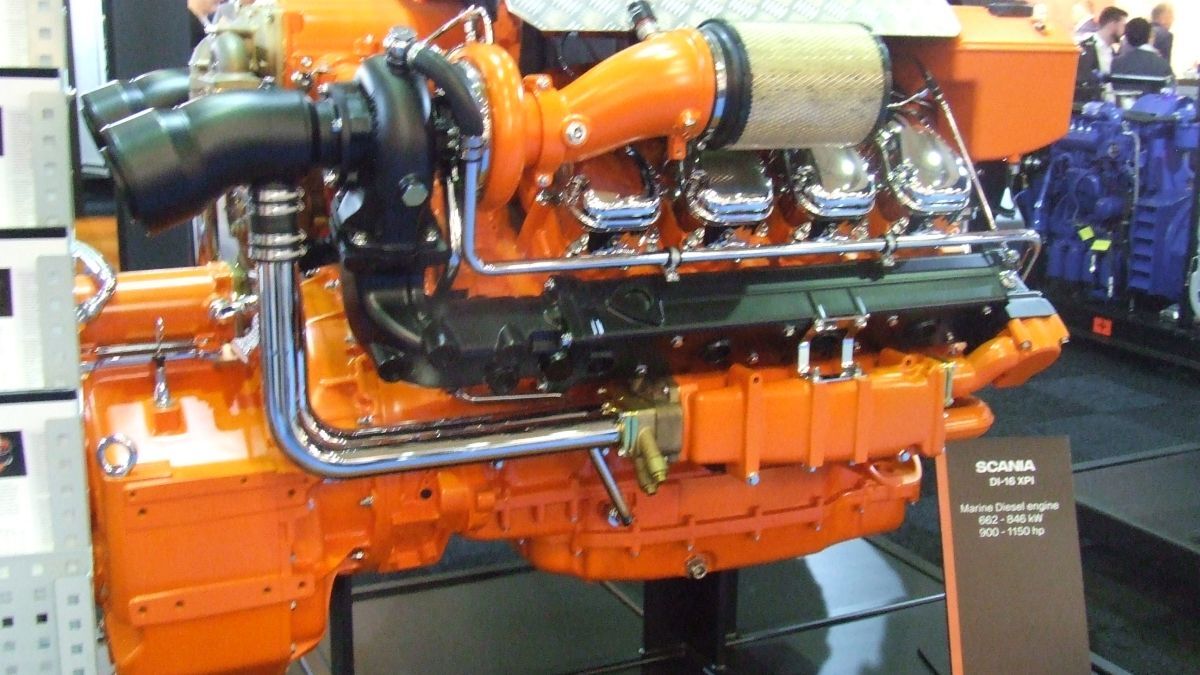
Scania has introduced a new 13-litre marine engine designed to offer improved performance and reduced emissions for maritime operations. This latest development underscores the company’s commitment to advancing engine technology and meeting stringent environmental standards.

The new engine is built to deliver higher reliability and operational efficiency. It integrates advanced engineering features aimed at significantly lowering emissions while enhancing overall fuel efficiency. According to Fredrik Järild, Scania’s Head of Sales Power Solutions, this engine represents the pinnacle of the company’s marine engine technology. It addresses the growing demand for sustainable and efficient maritime solutions, offering a robust performance under demanding conditions.

Scania’s new marine engine is engineered to meet the increasing regulations on emissions in the shipping industry. By utilizing state-of-the-art technology, the engine ensures that vessel operators can achieve compliance with environmental standards without compromising on performance. This is particularly crucial as international maritime regulations continue to evolve, emphasizing the need for cleaner and more efficient marine propulsion systems.

The design of the engine focuses on both operational economy and durability. With enhanced fuel efficiency, the engine reduces operating costs for marine operators. Additionally, its robust build ensures longevity and dependable performance in various marine environments, from commercial shipping to recreational boating.

The introduction of this engine aligns with broader industry trends towards greater sustainability and efficiency. As the maritime sector faces mounting pressure to cut greenhouse gas emissions, Scania’s latest offering positions itself as a key player in this transition. The company’s emphasis on advancing engine technology reflects a broader commitment to addressing environmental challenges while supporting the operational needs of its customers.

Scania’s marine engine aims to contribute to a significant reduction in the carbon footprint of maritime operations. By integrating advanced emissions control technologies and optimizing fuel consumption, the engine supports efforts to minimize environmental impact while maintaining high standards of performance and reliability.

The new engine’s launch is part of Scania’s broader strategy to enhance its product lineup with cutting-edge technology that meets the evolving needs of the maritime industry. This includes ongoing investments in research and development to drive innovation and deliver solutions that address both environmental and operational challenges faced by marine operators.

As maritime operations increasingly prioritize sustainability, Scania’s latest engine represents a significant step forward in providing solutions that balance performance with environmental responsibility. The company’s continued focus on developing advanced technologies highlights its role in shaping the future of marine propulsion and contributing to more sustainable maritime practices.

Rhino Linux has unveiled its latest major update for 2024, marking a significant milestone in its development cycle. This new release introduces several advanced features and improvements aimed at enhancing user experience and system performance. The update includes a revamped user interface that offers a more intuitive and streamlined navigation experience. The interface overhaul is designed to make accessing system tools and settings easier, catering to both […]

The United Arab Emirates has introduced its inaugural passenger railway stations, marking a significant milestone in the nation’s transportation infrastructure. The stations are part of the UAE’s ambitious plan to develop a comprehensive railway network that will enhance connectivity and support economic growth.

Located in key urban centers, the new railway stations are designed to facilitate seamless travel within the country. They feature state-of-the-art facilities aimed at improving passenger comfort and convenience, including modern waiting areas, advanced ticketing systems, and real-time travel updates. This initiative is expected to address increasing demand for efficient and sustainable transportation options.

The railway project, spearheaded by the UAE’s national transport authorities, aligns with the country’s broader strategy to diversify its economy and reduce reliance on road transport. The railway network is poised to play a crucial role in connecting major cities and industrial hubs, thereby supporting trade and business activities across the region.

This development also reflects the UAE’s commitment to sustainability. The railway system is designed to offer an environmentally friendly alternative to road travel, reducing carbon emissions and promoting the use of renewable energy sources. The stations are equipped with energy-efficient systems and are constructed using sustainable materials.

The unveiling of these stations has been met with positive feedback from both residents and experts. Local officials highlight that the new infrastructure will not only ease traffic congestion but also provide a boost to the tourism sector by facilitating easier access to key destinations within the country.

International observers note that the UAE’s railway initiative is part of a broader trend in the Middle East, where several countries are investing heavily in transportation infrastructure to support economic development and improve regional connectivity. The UAE’s project stands out due to its scale and the integration of advanced technologies.

As the new railway stations become operational, they are expected to significantly impact the UAE’s transportation landscape. The introduction of passenger services will pave the way for further expansion of the railway network, including future projects aimed at linking the UAE with neighboring countries.

The launch of the UAE’s first passenger railway stations represents a major step forward in the country’s transportation evolution. It underscores the UAE’s strategic vision for modernizing its infrastructure and promoting sustainable development, positioning the nation as a leader in regional transport innovation.

Ripple has made a significant move in the blockchain sector by announcing new collaborations aimed at enhancing its infrastructure and broadening its institutional reach. These developments underscore Ripple’s ongoing commitment to advancing blockchain technology and fostering greater adoption among businesses. The company’s latest venture includes a strategic partnership with Futureverse, a prominent AI and metaverse technology firm. This alliance will focus on providing advanced secure asset custody […]

UAE and Kuwait have reinforced their diplomatic and economic ties by signing several memoranda of understanding (MoUs) aimed at enhancing cooperation across various strategic sectors. The agreements were finalized during the fifth session of the UAE-Kuwait Joint Higher Committee, held in Abu Dhabi and chaired by UAE Deputy Prime Minister and Minister of Foreign Affairs, Sheikh Abdullah bin Zayed Al Nahyan.

The discussions underscored the significance of deepening collaboration in areas such as industry, trade, renewable energy, transportation, and infrastructure development. Both countries highlighted the importance of these sectors in driving economic growth and diversifying their economies, particularly in the context of shifting global energy dynamics.

Sheikh Abdullah emphasized the strong historical relationship between the two nations and the mutual benefits of the agreements. He noted that the partnership between UAE and Kuwait has always been a cornerstone of stability and progress in the Gulf region. The MoUs, he added, are not just symbolic but represent actionable plans that will have a tangible impact on the economic and social development of both countries.

The Kuwaiti delegation, led by Foreign Minister Sheikh Salem Abdullah Al-Jaber Al-Sabah, echoed these sentiments, stressing the strategic importance of the agreements in fostering long-term cooperation. Sheikh Salem highlighted that these MoUs are aligned with Kuwait’s Vision 2035, which aims to transform the country into a financial and trade hub, with a sustainable and diversified economy.

One of the key areas of focus during the talks was the renewable energy sector. Both UAE and Kuwait have committed to increasing investments in this area, recognizing the critical role of renewable energy in achieving energy security and environmental sustainability. The UAE, with its ambitious clean energy targets, is expected to share its expertise and technological advancements with Kuwait, which is also exploring ways to reduce its dependency on fossil fuels.

Trade and industry were also central to the discussions, with both sides agreeing to enhance bilateral trade relations. The MoUs are expected to facilitate easier access to markets, remove trade barriers, and encourage joint ventures in key industries. This move is anticipated to boost economic activity and create new opportunities for businesses in both countries.

Transportation and infrastructure development were other major topics on the agenda. The two countries plan to collaborate on large-scale infrastructure projects, including the expansion of transportation networks and the development of smart cities. These initiatives are part of broader efforts to modernize infrastructure and improve connectivity within the Gulf region, which is vital for sustaining economic growth and enhancing regional integration.

The UAE-Kuwait Joint Higher Committee has been a key platform for strengthening bilateral relations since its establishment. The committee meets periodically to review the progress of joint initiatives and explore new areas of cooperation. This latest session marked a significant step forward in UAE-Kuwait relations, with both sides expressing optimism about the future of their partnership.

As the global landscape continues to evolve, UAE and Kuwait are positioning themselves as key players in the Gulf region by building on their strong diplomatic ties and expanding their cooperation in critical sectors. The MoUs signed at the fifth session of the Joint Higher Committee are expected to pave the way for further collaboration and contribute to the economic and social development of both countries.

Leaders from Zuellig Pharma, Gulf Marine, Fullerton Health, PRISM+, Kuok Group and more will discuss new ways to approach AI, Automation, and Integration SINGAPORE – Media OutReach Newswire – 3 September 2024 – Workato®, the leading AI-driven enterprise orchestration platform, unveiled the lineup of keynotes and speakers for its fourth annual customer and partner conference, Automate: Business As Unusual. The in-person event, taking place September 12, will […]

SHENZHEN, CHINA – Media OutReach Newswire – 2 September 2024 – The Plan for Comprehensively Deepening Reform and Opening-up of the Qianhai Shenzhen-Hong Kong Modern Service Industry Cooperation Zone (hereinafter referred to as the “Qianhai Plan”) was officially released on September 6, 2021. Over the past three years, the GDP, fixed asset investment, and imports & exports of Qianhai have grown at an average annual rate of […]

HAINING, CHINA – Media OutReach Newswire – 2 September 2024 – Recently, the project “Research and Industrialization Demonstration of Key Technologies for Personalized Diet Digital Design and Intelligent Manufacturing” led by Marssenger, has officially been approved as a key national R&D project under the14th Five-Year Plan. Furthermore, Industrial Design Center, Marssenger Kitchenware Co., Ltd was included in the National Industrial Design Center List announced by the Ministry […]

A joint venture between ADNOC Drilling and Alpha Dhabi has secured an expanded stake in Gordon Technologies, marking a significant development in the energy sector. This acquisition comes as part of an ongoing effort to enhance the technological capabilities of ADNOC’s oilfield services, reflecting a broader strategy to strengthen the company’s global presence. Gordon Technologies, a Texas-based firm specializing in Measurement While Drilling (MWD) technology, has been […]

VISHNU RAJA
RYO YAMADA
HITORI GOTOH
IKUYO KITA