News related to
prove no

India has seen a substantial increase in patent applications during the fiscal year 2024, with nearly 92,000 submissions recorded. This marks a significant jump, highlighting the country’s growing focus on innovation and its expanding role in global technology. The surge is seen as a reflection of both the efforts within India’s industrial sectors and the evolving landscape of intellectual property (IP) regulation in the country.

The Controller General of Patents, Designs, and Trademarks (CGPDTM) has noted the rise in applications as a sign of confidence in India’s innovation ecosystem. The CGPDTM is also in the midst of revamping intellectual property (IP) guidelines to further streamline processes and improve the effectiveness of patent protection, which could lead to even greater activity in the coming years. The latest figures underscore the increasing importance of intellectual property in India’s economic and technological landscape, with the government actively fostering a more robust IP environment.

This surge in patent filings is part of a broader shift in India’s innovation landscape, propelled by both private sector advancements and public policy initiatives. A number of technology companies, research institutions, and startups have been behind this momentum, driven by a growing emphasis on R&D and patenting as a key component of their business models. India’s thriving tech sector, including its burgeoning software, biotechnology, and renewable energy industries, has been a significant contributor to the increased filing of patents, as companies seek to protect their innovations in a highly competitive global market.

The increased patent filings also reflect the changing nature of India’s role in global intellectual property. Traditionally, India was seen more as a consumer of technology, but this shift in patent activity signals the country’s growing stature as a producer of cutting-edge innovations. This evolution is aligned with India’s ambition to establish itself as a global leader in research, development, and technological breakthroughs. As India continues to enhance its manufacturing and technology sectors, the need to safeguard intellectual property becomes ever more critical to its economic and strategic objectives.

The government has played a crucial role in this transformation. In the last few years, significant reforms have been introduced to improve the efficiency of patent processing, increase transparency, and make the system more accessible to innovators. The Patents (Amendment) Rules introduced by the government, along with efforts to digitize the patent application process, have made it easier and faster for applicants to file for protection. Additionally, the strengthening of IP-related infrastructure, including the establishment of regional offices and improvements in patent examination procedures, has further facilitated this growth.

The government’s initiatives to boost innovation in the country are also reflected in its support for startups. Various programs aimed at enhancing the startup ecosystem have encouraged young entrepreneurs to file for patents and protect their intellectual property. India’s innovation hubs, particularly in cities like Bengaluru, Hyderabad, and Pune, are seeing a notable increase in patent activity, especially in sectors such as information technology, electronics, and pharmaceuticals.

The surge in patent filings is also linked to India’s international trade and investment strategy. As the country seeks to enhance its global trade relations and attract foreign investment, strengthening intellectual property rights has become an essential part of the broader agenda. Ensuring that inventions are protected under a sound IP system provides confidence to investors, making India an attractive destination for global companies seeking to leverage the country’s resources for technological development. Moreover, the increase in patent filings may also indicate that India is becoming a more prominent player in international patent databases, further solidifying its role as a key global innovator.

India’s patent system has also seen improvements in terms of reducing the backlog of applications. In the past, the lengthy processing time for patent filings was often a point of concern for many innovators, but the government’s ongoing efforts to streamline the process have led to faster turnaround times. This has helped make India a more efficient location for filing patents, further encouraging growth in the sector. According to the CGPDTM, the average processing time for patent applications has been significantly reduced, and efforts are underway to further accelerate this process.

The growing patent activity in India is also indicative of the country’s enhanced focus on research and development (R&D). India’s private sector has been heavily investing in R&D, with multinational corporations and domestic firms alike looking to build and protect their intellectual assets. The rise in patent filings is not only a reflection of private sector growth but also a result of governmental incentives aimed at increasing the overall R&D output. Public research institutions have played a role in this, collaborating with industry leaders to develop new technologies and innovations that are patent-worthy.

While the increase in patent filings is a positive development for the country’s innovation landscape, experts suggest that India must continue to focus on improving its patent enforcement mechanisms. Ensuring that patent holders can effectively defend their intellectual property rights against infringement is vital for maintaining the integrity of the system. The government has taken steps in this direction by introducing new measures to improve the adjudication of patent disputes and to strengthen enforcement mechanisms. These efforts are expected to provide further support for the growing IP ecosystem in India.


Silicon Labs has introduced its latest series of ultra-low power wireless modules, the SiWx917Y, designed to meet the growing demands for Internet of Things (IoT) connectivity. The new modules, which integrate both Wi-Fi 6 and Bluetooth Low Energy (LE), are engineered to provide enhanced performance and simplicity for developers, supporting a wide array of applications in smart homes, industrial automation, healthcare, and beyond. The SiWx917Y modules are […]

By Nitya Chakraborty Less than two months are left for the presentation of the second budget of the third term Narendra Modi government in Parliament in February next year relating to the financial year 2025-26. The budget exercises are on in the finance ministry and the focus is on mobilizing additional resources for meeting the […]
Saudi Arabia is advancing its healthcare framework through a strategic partnership with China’s BGI Genomics, a globally recognized leader in biotechnology. This collaboration is set to focus on transformative healthcare solutions, including advanced genetic research, infectious disease management, and early cancer detection. This development aligns with Saudi Vision 2030, which emphasizes healthcare modernization and increased investment in precision medicine. The agreement between BGI Genomics and Saudi Arabia’s […]

Germany’s financial regulatory authority, BaFin, has granted approval for 21X, a Frankfurt-based exchange, to begin trading tokenized securities. This milestone positions 21X as a key player in the European financial market, particularly in the burgeoning sector of blockchain-based trading platforms.

21X’s platform will allow the trading of tokenized assets including equity and debt securities, investment funds, real estate, and artworks. By tokenizing these traditional assets, 21X aims to simplify transactions, reduce costs, and bring greater liquidity to markets traditionally hindered by inefficiencies. The exchange plans to launch in the first quarter of 2025, offering investors the ability to trade these assets in fractionalized, digitized forms.

The approval from BaFin is a significant step forward for the tokenization of financial assets in Europe. It also marks a victory for the broader blockchain and cryptocurrency industries, which have faced regulatory challenges in various jurisdictions worldwide. BaFin’s endorsement suggests that Germany is adopting a more favorable approach to the integration of blockchain technology into the financial system.

The approval comes amid a growing interest in digital assets within global financial markets. Tokenization, the process of converting ownership of an asset into a digital token on a blockchain, has gained traction in recent years as a way to democratize access to investments and improve liquidity. Through this process, assets such as real estate and artworks, which were traditionally illiquid and costly to trade, can now be fractionalized, allowing investors to buy and sell portions of these assets with ease.

21X’s move to tokenize securities will likely have a ripple effect on traditional financial markets. By offering tokenized equities and bonds, the platform could revolutionize how these instruments are bought, sold, and traded. The use of blockchain technology ensures transparency, security, and faster settlement times compared to traditional methods. The decentralization of the platform also eliminates the need for intermediaries, which typically increase transaction costs and time delays.

The platform’s ability to tokenize real estate and artworks is particularly notable. These markets have been notoriously difficult to access for smaller investors due to high entry costs. Tokenizing these assets allows for fractional ownership, where a single asset is divided into multiple smaller tokens, each representing a share in the overall value of the asset. This opens up these markets to a much wider pool of investors, particularly those who would not have been able to afford a full property or artwork investment.

The approval by BaFin is also seen as a sign that European regulators are becoming more open to innovative financial technologies. In the past, blockchain and cryptocurrency ventures have faced scrutiny, with some countries opting for restrictive regulations. However, Germany’s progressive stance on digital assets reflects a growing recognition of the potential benefits that blockchain technology can bring to the financial sector.

Experts believe that BaFin’s decision will spur further developments in the blockchain space within Germany and beyond. As the financial landscape continues to evolve, tokenization could play a pivotal role in shaping the future of investments, particularly in Europe’s financial hub, Frankfurt.

21X’s entry into the market aligns with a broader trend toward decentralized finance (DeFi), where blockchain-based systems allow for peer-to-peer transactions without traditional banking intermediaries. The integration of tokenized securities into the DeFi ecosystem could significantly change how financial markets operate globally, further bridging the gap between traditional finance and digital currencies.

However, while the move is celebrated within the blockchain community, challenges remain. Regulatory compliance and investor protection are ongoing concerns. For instance, ensuring that tokenized assets adhere to existing financial laws and standards will require careful oversight and continuous collaboration between regulatory bodies and blockchain companies. The legal framework surrounding digital assets is still developing, and the integration of tokenized securities into mainstream financial markets may necessitate further legislative adjustments.

Market adoption could be slow, as institutional investors may hesitate to embrace new technologies that significantly differ from traditional trading platforms. Overcoming this inertia will require robust education and clear benefits to attract both institutional and retail investors.

Memecoin MOODENG surged by 67% after being listed on Coinbase, ending a two-week slump where the token had fallen by more than 50%. This price increase signals renewed investor confidence and marks a significant rebound for the token, which had struggled to regain its earlier momentum in the highly volatile cryptocurrency market.

The surge began almost immediately after the listing announcement, with MOODENG’s value climbing to a new high of $0.0055. The coin, which had previously traded in a narrow range of between $0.002 and $0.003, has seen a dramatic change in investor sentiment. Analysts note that such dramatic fluctuations are typical in the meme coin sector, where market sentiment can swing drastically based on social media trends and exchange listings.

Coinbase, one of the largest cryptocurrency exchanges globally, has a history of driving up the price of tokens upon their listing. The platform’s decision to add MOODENG to its roster appears to have been a key factor in the coin’s price spike. Analysts suggest that the exposure provided by Coinbase has given the token a broader reach, attracting new investors who were previously hesitant due to MOODENG’s lack of mainstream visibility.

Despite the sudden price surge, MOODENG has not been immune to the volatility characteristic of memecoins. It has already seen sharp sell-offs after reaching its high, with prices retracting slightly, though remaining higher than before the Coinbase listing. This back-and-forth is emblematic of the memecoin market, where short-term speculation often drives the prices rather than long-term utility or adoption.

For investors, MOODENG’s rapid rise serves as a reminder of the unpredictable nature of meme-based cryptocurrencies. While some market participants may look to capitalize on quick gains, others may remain cautious, wary of the frequent boom-and-bust cycles that define the space. Analysts caution that the token’s future performance will largely depend on continued exchange support and community engagement, two elements that have proven essential for the success of memecoins.

Community-driven tokens like MOODENG have long been linked to social media trends and influencer endorsements, factors that can provide short-term boosts but leave the asset vulnerable to fluctuations in public interest. The MOODENG community, which has been vocal on platforms such as Twitter and Reddit, will play a crucial role in sustaining its momentum. If the community continues to generate excitement around the token, its price may see continued upward movement, but if the interest wanes, a decline may be imminent.

The Coinbase listing, while a significant milestone, also raises questions about the long-term sustainability of MOODENG’s market performance. Many memecoins, despite initial successes, fail to maintain their price levels once the hype fades. The fact that MOODENG is still largely driven by speculation and social trends rather than real-world use cases means its long-term prospects remain uncertain.

Despite the current euphoria surrounding MOODENG, market observers note that the broader memecoin sector continues to be a high-risk investment arena. The sector, which includes tokens like Dogecoin and Shiba Inu, has seen rapid price swings and unpredictable market behavior in the past. Investors remain cautious, aware that the volatility and speculative nature of the sector make it difficult to predict future movements with any certainty.

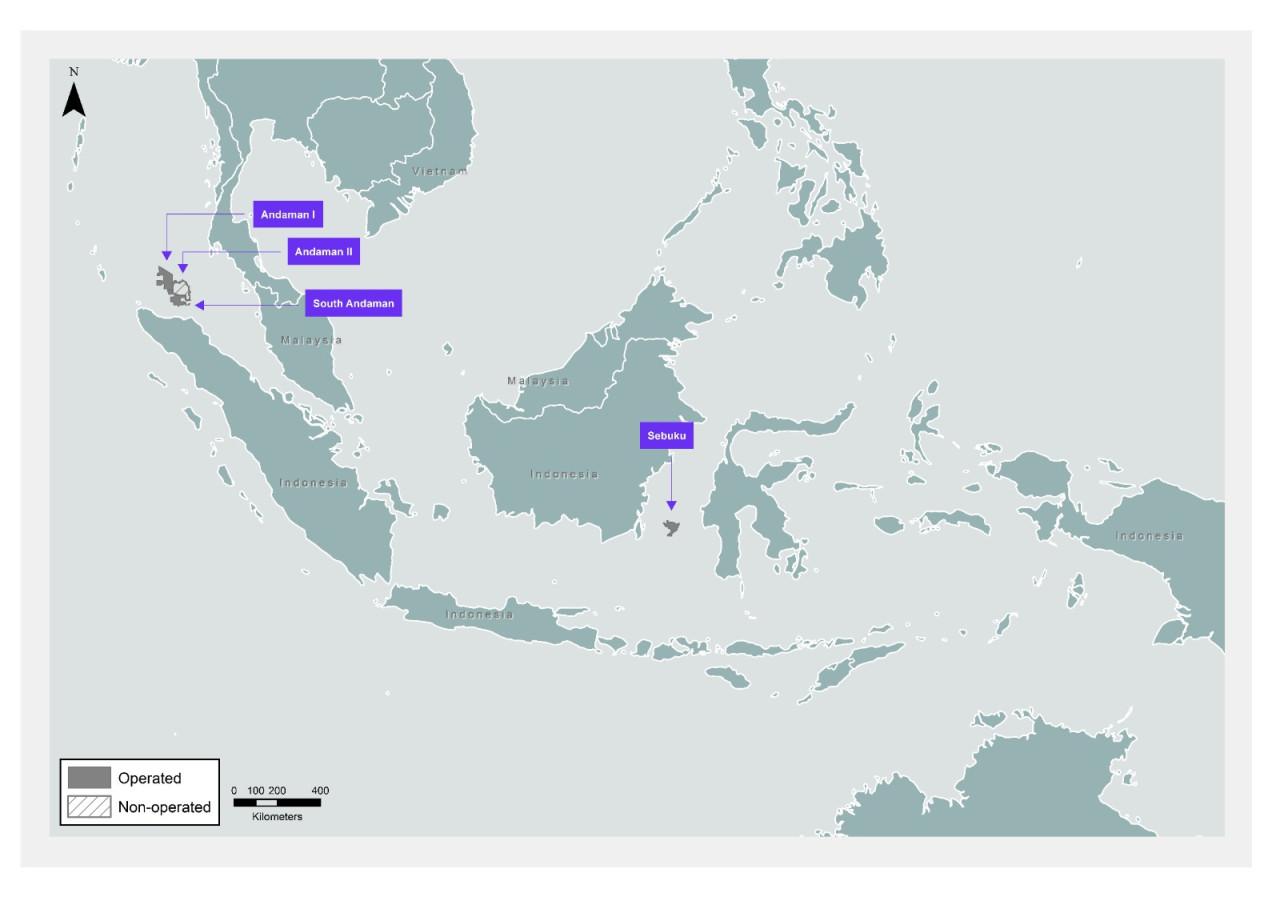
Indonesia has taken a significant step forward in its energy exploration sector by signing a contract with Harbour Energy and Abu Dhabi’s Mubadala Petroleum for the development of the Central Andaman block. The agreement is poised to unlock new prospects in the nation’s oil and gas sector, a move that is expected to enhance energy production and boost foreign investment in Indonesia’s energy resources.

The deal, which was finalized amid growing interest in Southeast Asia’s oil and gas reserves, marks a key milestone in Indonesia’s long-term strategy to increase its energy output and strengthen partnerships with international energy giants. Harbour Energy, a leading UK-based oil and gas company, alongside Mubadala Petroleum, an investment arm of the UAE’s Mubadala Investment Company, will collaborate on exploring and developing the Central Andaman block, located in the western part of Indonesia’s maritime zone. This area is rich in hydrocarbon potential, a crucial factor in meeting both domestic demand and export needs for Indonesia’s energy consumption.

This partnership is seen as a testament to Indonesia’s appeal as a prime investment destination in the energy sector. The agreement follows the country’s efforts to secure more investments in upstream oil and gas projects as part of its broader initiative to meet its energy targets. Indonesia has been working to reverse declining oil production and ensure that the nation’s oil and gas reserves continue to meet growing demand. The Central Andaman block, with its significant untapped reserves, is expected to contribute substantially to these goals.

The signing of the contract also aligns with the Indonesian government’s broader policy of attracting foreign capital into its energy sector. Harbour Energy’s track record in global exploration and Mubadala’s financial strength position both entities as highly strategic partners for the state-owned energy company, PT Pertamina. Pertamina, which will retain a stake in the project, is tasked with overseeing the development and ensuring the sustainability of operations across the block.

The Central Andaman block is located within an area known for its favorable geologic conditions, potentially offering both deepwater oil fields and gas reserves that have remained underexplored until now. The consortium’s exploration activities are expected to employ advanced technologies and methodologies to assess the block’s full potential, including seismic surveys and drilling operations in areas that have previously been difficult to access.

One of the key outcomes expected from this partnership is the improvement of Indonesia’s energy security. By developing its own oil and gas resources, Indonesia aims to reduce its dependence on energy imports, which have long been a vulnerability in its economic framework. Moreover, the exploration of new oil fields can provide an economic boost through job creation, the generation of local revenue, and the attraction of further investment into related sectors such as infrastructure and technology.

In addition to bolstering energy security, the deal also reflects growing geopolitical shifts in the global energy landscape. Southeast Asia has increasingly become a focal point for energy investments as global oil companies look for new frontiers amidst declining oil reserves in traditional oil-producing regions. The Central Andaman block’s untapped reserves add to Indonesia’s strategic importance, not only as an energy producer but also as a key player in the Indo-Pacific energy equation.

However, the path forward is not without challenges. The complex environmental and regulatory landscape of Indonesia’s offshore oil fields poses potential hurdles, including the need to adhere to stringent environmental standards while developing the block’s resources. Harbour Energy and Mubadala’s experience in managing large-scale offshore projects will likely be tested as they navigate these challenges, balancing sustainable practices with the need for efficient resource extraction.

The Indonesian government has indicated that it will continue to prioritize energy projects that contribute to the nation’s long-term economic growth while ensuring environmental sustainability. The Central Andaman block deal is expected to be closely monitored by both domestic and international stakeholders, who view the partnership as a litmus test for Indonesia’s ability to maintain its position as a leading oil and gas producer in Asia.

Advertisements

Coinbase has launched a new feature, integrating Apple Pay into its platform through the “OneRamp” product, enabling users to make seamless fiat-to-crypto transactions. This move comes as part of Coinbase’s strategy to simplify cryptocurrency trading and expand access for everyday users. By integrating Apple Pay, Coinbase aims to offer a more efficient and user-friendly method for purchasing cryptocurrencies directly from fiat accounts.

OneRamp, designed to streamline the transaction process, allows users to connect their Apple Pay accounts with their Coinbase profiles. The feature enables the purchase of digital assets with a single click, providing an immediate, seamless bridge between traditional fiat currencies and the world of cryptocurrency. The integration comes at a time when many investors and users are seeking easier ways to participate in crypto markets without dealing with the complexities of traditional banking and crypto exchanges.

The collaboration between Coinbase and Apple Pay is expected to make crypto more accessible to mainstream audiences, particularly those who are already comfortable using Apple Pay for everyday transactions. Apple Pay is widely used for various purchases, from retail shopping to online services, and the integration into Coinbase provides a new, frictionless entry point into the cryptocurrency ecosystem. As the crypto market continues to evolve, such integrations are seen as vital for bridging the gap between traditional finance and the decentralized finance world.

For Coinbase, the introduction of OneRamp with Apple Pay represents a significant shift in how the platform approaches user experience. By eliminating barriers like cumbersome account setup processes or the need for multiple authentication steps, Coinbase hopes to attract a broader user base. One-click crypto purchases can appeal to individuals who are not well-versed in blockchain technology but are familiar with digital payment methods like Apple Pay.

This integration also positions Coinbase to compete more effectively with other crypto exchanges that are constantly working on improving ease of use and expanding payment options. Other platforms have made similar moves in recent months, integrating traditional payment systems into their crypto-buying processes. As a result, Coinbase’s new feature is part of a larger trend to democratize access to cryptocurrency, making it as easy to purchase as any other consumer good.

The broader implications of the Coinbase-Apple Pay collaboration also touch on the growing intersection of traditional finance and the evolving cryptocurrency space. Apple, with its large user base and robust payment infrastructure, brings credibility and convenience to cryptocurrency purchases, something that has long been a barrier for potential investors. Cryptocurrency still faces challenges in gaining widespread adoption, with concerns over security, volatility, and regulatory uncertainty. By partnering with a trusted name like Apple, Coinbase hopes to address some of these issues while encouraging more mainstream participation.

This development also highlights Coinbase’s ongoing efforts to improve its platform for a global audience. Apple Pay is available in multiple regions, and its integration with OneRamp is expected to facilitate crypto transactions in these markets. Expanding payment options and making crypto more accessible to users in various countries is part of Coinbase’s strategy to broaden its international presence and increase its user base beyond North America.

In addition to the technical improvements, this integration has the potential to drive increased liquidity in the crypto market. The ability to quickly convert fiat into cryptocurrency through widely recognized payment systems could boost market activity, as users will have easier access to buy and sell cryptocurrencies as they see fit. This could also lead to a more dynamic marketplace, where crypto trading becomes just as seamless as trading in other financial assets.

However, the success of this integration will depend on how well Coinbase and Apple Pay can manage issues such as fraud prevention and regulatory compliance. With governments and regulators around the world tightening their focus on cryptocurrency transactions, Coinbase will need to ensure that its platform remains compliant with both local and international regulations. The integration of Apple Pay, while simplifying the purchasing process, may also require Coinbase to maintain robust security measures to protect users from potential cyber threats.

Matein Khalid The S&P 500 Index was the ultimate Thanksgiving gift to investors in US equities though the party poopah sectors like Big Pharma were the proverbial turkey. The post-election spike was only the icing on a cake that has been a dream for investors in the SPX, now up 27% with 53 record closes. America is 4% of the world’s population and 25% of its GDP […]

HONG KONG SAR – Media OutReach Newswire – 2 December 2024 – Golden Resources Development International Limited today announces its HK$1 billion ambitious plan to transform more than 250,000 square meters of acquired land and properties in Hokkaido’s Niseko into Hirafu Grand Centro, a game-changing retailtainment destination over the next decade. Project Hir@fu, the initiative’s pilot phase, will launch seven new restaurants in Niseko for the 2024 […]

SHANGHAI, CHINA – Media OutReach Newswire – 2 December 2024 – On November 26, 2024, SDLG became the spotlight of the bauma CHINA 2024 as an outstanding brand pursuing international development. On the next day, the 2025 SDLG Global Dealer Summit was held in Shanghai. It became a gathering of more than 200 partners from more than 70 countries. At bauma CHINA, SDLG exhibited 21 high-end products, […]

Tech Mahindra has entered a strategic partnership with Amazon Web Services (AWS) to revolutionize the telecom industry by integrating Generative AI (GenAI) into network operations. This collaboration aims to modernize telecom networks through the development of an Autonomous Networks Operations Platform (ANOP), which promises to streamline and enhance network management for Communication Service Providers (CSPs) and enterprise clients.

The ANOP, powered by AWS’s machine learning and GenAI services, will provide a robust infrastructure for telecom companies to transition their operations from traditional, on-premise setups to more advanced, cloud-based models. This move is designed to improve operational efficiency by allowing real-time, proactive management of network issues, optimizing performance, and reducing downtime.

Key features of the platform include the integration of Amazon SageMaker, AWS’s tool for building and deploying machine learning models, and Amazon Bedrock, which provides a suite of high-performing foundation models from AI enterprises. These technologies are set to offer actionable, just-in-time recommendations for Network Operations Centers (NOCs), reducing human intervention and enhancing automation. Tech Mahindra is also focused on deploying AI-driven solutions for NOC productivity, which is expected to improve by over 50%, while field visits could drop by as much as 15%. The collaboration is set to shorten Mean Time to Repair (MTTR) for network incidents by over 30%.

The collaboration represents a significant step toward simplifying telecom operations. Manish Mangal, Chief Technology Officer at Tech Mahindra, explained that the communications industry is moving towards disaggregated, virtualized, and cloud-native Radio Access Networks (RAN). This partnership with AWS is aligned with that trend, helping telecom operators unlock new revenue streams through advanced technologies like AI and machine learning. One of the pivotal elements of the collaboration is the testing and validation of O-RAN functions, which will play a crucial role in enhancing network management and cloudification.

AWS also benefits from the collaboration by integrating its generative AI capabilities to deliver predictive maintenance and automated self-healing features. Robin Harwani, Head of Telco Industry Solutions at AWS, highlighted that these improvements will allow telecom operators to proactively manage networks, optimize operations, and cut down on operational costs. Through these AI enhancements, network performance can be managed in a more efficient and responsive manner, mitigating risks before they impact users.

BANGKOK, THAILAND – Media OutReach Newswire – 29 November 2024 – Everydayhappy Company Limited, a leading natural skincare brand, has been honoured with the prestigious Asia’s Most Promising SMEs Award at the Asia Corporate Excellence & Sustainability (ACES) Awards, organised by MORS. Established in 2010, the brand De Leaf emerged under the Everydayhappy umbrella with a fundamental belief: natural ingredients are essential for healthy skin. Over the […]

Motorcity Systems, a leader in transportation technology, has introduced ROLLER™, a new mobile application designed to transform fleet operations and improve the experiences of both drivers and fleet managers. The app, which integrates seamlessly with Motorcity’s cloud-based platforms, brings advanced features to streamline workflows and enhance operational efficiency.

Nissan’s iconic Patrol SUV has entered its seventh generation, showcasing an evolved design and cutting-edge features that highlight its versatility and power. The highly anticipated model was unveiled in Saudi Arabia, offering an impressive blend of luxury and performance tailored for diverse terrains. With a rich history since its inception in 1951, the Patrol continues to stand as a symbol of durability and innovation.

This latest iteration introduces a bold design, featuring Nissan’s signature V-motion grille integrated seamlessly with its body and flanked by advanced Double C-shaped headlights. Adaptive Driving Beam technology ensures optimal visibility in challenging environments. At the rear, a full-width light bar mirrors the striking front, while the 22-inch alloy wheels enhance both ground clearance and aesthetic appeal. Customers can choose from seven dynamic exterior colors, including four two-tone options, providing a personalized touch.

Performance upgrades include two new engine options: a 3.5-liter V6 twin-turbo engine delivering 425 horsepower and 700 Nm of torque, and a 3.8-liter naturally aspirated V6 engine producing 316 horsepower. These powertrains replace the outgoing V8, offering a 7% increase in power and 25% improvement in torque, along with enhanced fuel efficiency. A newly integrated nine-speed automatic transmission with paddle shifters ensures smooth gear transitions, catering to both city and off-road driving.

The Patrol’s off-road capabilities are further boosted by a standard adaptive air suspension system, adjustable ride heights, and six drive modes, including sand, rock, and mud. Additionally, a 4WD transfer mode interlock system offers intuitive handling across various terrains, supported by advanced chassis and electronic aids like Vehicle Dynamic Control and Traction Control.

PRYPCO, a prominent Dubai-based real estate firm led by Amira Sajwani, has launched an innovative fractional ownership platform aimed at democratizing access to premium properties in the city. The platform allows investors to buy fractions of luxury real estate, significantly lowering the barriers to entry in a market traditionally dominated by high-net-worth individuals. The new platform is poised to reshape the landscape of real estate investment in […]

Dubai’s Roads and Transport Authority (RTA) has unveiled a major update to its traffic management strategy by introducing variable road toll pricing (Salik) and dynamic parking tariffs. This decision marks a shift toward a more adaptive and responsive traffic system, aimed at improving traffic flow and reducing congestion across the city. The move includes the implementation of event-specific parking rates to address higher demand during major events, […]

Emirates, the largest airline in the MENA region, has voiced increasing frustration over ongoing delays and growing uncertainty surrounding the delivery of its Boeing 777-9X jets. The airline, which placed a substantial order for the aircraft, is concerned that the continued postponements could impact its long-term fleet strategy, and has called for clearer timelines and solutions from Boeing.

The 777-9X, an advanced version of the 777X series, was initially slated for delivery in 2024. However, production setbacks, combined with technical challenges, have pushed back the timeline repeatedly. The delays have sparked concern across the aviation industry, as they affect airlines’ expansion plans and disrupt the global supply chain for new aircraft.

Emirates, which has long been a key customer of Boeing, has expressed its disappointment over the missed deadlines. The airline had originally ordered 150 of the 777-9X jets, which were intended to bolster its fleet and replace older models, particularly the 777-200 and 777-300. These aircraft were seen as vital to the airline’s strategy to compete in long-haul travel, offering greater fuel efficiency and capacity than earlier models.

Boeing’s repeated delays with the 777-9X have affected not only Emirates but several other airlines around the world. The company has struggled with production issues related to the aircraft’s engine, structural elements, and other components, which have led to prolonged certification processes and delayed first deliveries. These challenges have prompted some airlines to reconsider their fleet strategies, with several seeking to renegotiate delivery schedules or exploring alternative aircraft options.

Emirates has not been silent in expressing its dissatisfaction. Tim Clark, the airline’s president, has been vocal about the disruptions caused by Boeing’s delays, emphasizing that the issue is creating significant challenges for the airline’s operations. According to Clark, the uncertainty surrounding the aircraft’s arrival date makes it difficult for Emirates to plan its future routes and fleet expansions effectively.

The airline’s frustration is amplified by the broader context of post-pandemic recovery, where airlines are racing to expand their fleets and capitalize on the growing demand for air travel. Emirates, which has already faced the pressures of the pandemic on its operations, is eager to modernize its fleet to maintain competitiveness in the global market. With the delays in Boeing’s production, the airline has had to consider other solutions, including increasing the use of its older aircraft for longer periods, potentially increasing maintenance costs and operational challenges.

Boeing has repeatedly assured its customers that it is working diligently to resolve the issues, but so far, no firm delivery dates have been set. The company has promised to keep affected airlines informed, though some critics believe the level of transparency regarding production hurdles could be improved. Boeing’s management has acknowledged the difficulties and is reportedly taking steps to address the technical and manufacturing problems that have hindered the 777-9X’s progress.

In response to the delays, Emirates has been exploring other options for replacing older aircraft in its fleet. This includes considering different models from rival manufacturer Airbus, particularly the A350-1000, which offers comparable capacity and range to the 777-9X. Emirates has already placed significant orders for the A350 in recent years, and while the airline has expressed preference for the 777X series, it may have to adjust its fleet strategy to meet the evolving demands of global travel.

Industry analysts have pointed out that the 777-9X delays are not an isolated issue but part of a broader trend affecting both Boeing and the aviation industry as a whole. The pandemic disrupted global supply chains, creating bottlenecks in the production of everything from aircraft parts to engines. Manufacturers have struggled to catch up with the surge in demand for new aircraft as airlines emerge from the pandemic with ambitious growth plans. The competition between Boeing and Airbus, in particular, has intensified, with each company striving to secure a larger share of the global aviation market.

The uncertainty surrounding the 777-9X has led some airlines to question Boeing’s ability to meet future delivery commitments. While Boeing has made strides with other models, such as the 737 MAX, the prolonged delays with the 777-9X have raised doubts about the company’s overall production capabilities and ability to meet the needs of the aviation industry as it rebounds. The impact of these delays is expected to extend beyond the immediate customer base, affecting the entire aviation supply chain, from suppliers of aircraft parts to maintenance and repair companies.

Delivery Hero has set the final price for the highly anticipated IPO of its Middle Eastern arm, Talabat, at $0.44 per share. The pricing marks a significant move for the German food delivery giant as it pushes ahead with its plan to list the popular regional platform on the Dubai Financial Market. This marks a crucial step in Delivery Hero’s strategy to strengthen its position in the […]

The Nationals Defaulted Debts Settlement Fund (NDDSF) has announced the exemption of 1,277 citizens from a combined debt of AED 401,791,000. This debt relief initiative is the result of a collaborative effort between the Fund and 18 banks, marking a significant milestone in the UAE’s ongoing efforts to support citizens facing financial challenges. The initiative, which aims to alleviate the burden of unpaid debts, is part of the country’s broader strategy to foster financial stability and inclusivity.

The initiative is a key element in the UAE’s commitment to social welfare and economic stability. The NDDSF, established to help citizens struggling with debt, has provided significant relief to individuals facing financial difficulties. Through this program, individuals previously unable to meet their financial obligations due to various reasons, including economic hardships and unforeseen circumstances, are now given a fresh start.

The debts forgiven under this initiative are spread across multiple sectors and represent a range of defaulted financial obligations, including personal loans, credit cards, and other financial liabilities. With the exemption, these citizens will no longer be burdened by the outstanding debts, offering them a crucial opportunity to rebuild their financial standing. This relief is expected to improve the financial well-being of the affected individuals, potentially enhancing their ability to contribute to the broader economy.

The 18 participating banks have played a crucial role in this effort by agreeing to waive the debts of these citizens. By engaging with the NDDSF, these institutions demonstrate a strong commitment to corporate social responsibility and contribute to the stability of the country’s financial system. The collaboration with these banks is also a testament to the UAE’s thriving financial sector and its ability to work with government initiatives aimed at supporting the citizens.

This debt relief initiative is seen as a critical measure to mitigate the adverse effects of financial distress on citizens, who may otherwise face severe consequences such as legal actions, asset confiscations, or restrictions on their ability to access future credit. By addressing these issues, the program ensures that vulnerable individuals are not further penalized for their financial difficulties, thus helping to prevent the deepening of socio-economic divides within the country.

The UAE government has been proactive in addressing financial distress among its citizens, and this initiative is part of a broader pattern of social welfare programs designed to help people who find themselves in difficult financial situations. By offering debt relief, the government is aiming not only to help individuals but also to stabilize the wider economy, ensuring that citizens can continue to participate in economic activities without the constraints of unmanageable debt.

This latest development also highlights the UAE’s ongoing focus on inclusivity and economic resilience. The government has committed to a series of measures aimed at protecting the most vulnerable populations, particularly those who may have faced financial setbacks due to factors beyond their control, such as illness, unemployment, or economic downturns. In offering debt exemptions, the country is reinforcing its position as a leading financial hub in the Middle East, where citizens are provided with the support they need to navigate financial challenges.

The NDDSF’s role in facilitating this debt exemption program underscores the significance of government-led initiatives in resolving personal debt crises. Its work highlights the potential of public-private partnerships in tackling financial distress, offering a model that can be adapted by other nations facing similar issues. As the UAE continues to innovate in the realm of financial governance, the collaboration between government entities and private sector banks stands out as a positive example of how the two can work together for the benefit of the population.

With the exemption of AED 401 million worth of debt, the 1,277 citizens who benefit from this initiative are not only freed from their financial burdens but are also provided with the chance to rebuild their credit scores and regain access to financial resources. This is crucial for the long-term financial health of the population, as it promotes responsible financial behavior and gives individuals the tools they need to avoid future financial difficulties.

The NDDSF’s intervention serves as a reminder of the importance of maintaining financial safety nets for citizens, especially in times of economic uncertainty. The program reflects a holistic approach to managing debt in a way that promotes fairness, stability, and opportunity for all members of society. By alleviating the financial strain on individuals, the UAE ensures that they can continue to contribute meaningfully to the national economy and their local communities.

The initiative, which follows several previous debt relief programs, aligns with the UAE’s Vision 2021 and other long-term goals that focus on building a resilient, inclusive, and diversified economy. As part of its future trajectory, the country aims to continue offering similar support mechanisms to ensure that all citizens have access to the resources they need to overcome financial challenges and thrive in the rapidly evolving economic landscape.

Wizz Air Abu Dhabi, the UAE’s rapidly growing budget airline, has announced the launch of a new route connecting the emirate to Varna, Bulgaria. This marks another significant expansion for the airline, which is focused on broadening its network in both Eastern Europe and the Middle East.

The new service to Varna, a popular Black Sea coastal city known for its cultural heritage and tourism appeal, is expected to cater to growing demand for both leisure and business travel between the UAE and Bulgaria. The route will operate twice a week, offering travelers convenient and affordable access to one of Bulgaria’s major economic and tourist hubs.

This development comes on the heels of a broader strategy by Wizz Air Abu Dhabi to tap into emerging markets and strengthen its presence in Europe. Bulgaria, with its increasingly attractive tourist spots and growing economy, aligns well with the airline’s aim to connect less-traveled yet high-potential destinations. As the demand for travel rebounds globally, Wizz Air Abu Dhabi continues to focus on offering competitive prices and flexibility, responding to shifting patterns in consumer behavior.

The announcement is part of Wizz Air Abu Dhabi’s broader efforts to expand its network in the region. The airline, which started operations in 2020 as a joint venture between the Hungarian carrier Wizz Air and Abu Dhabi’s state-owned ADQ, has steadily increased its footprint across both regional and European routes. The addition of Varna represents a further commitment to enhancing connectivity between the UAE and Eastern Europe, an area of growing importance for tourism and trade.

For the Bulgarian tourism sector, this new route is expected to have a positive impact, especially as the country’s tourism authorities aim to attract more visitors from the Gulf region. Varna, with its rich historical sites, sandy beaches, and vibrant nightlife, is becoming an increasingly popular destination for travelers from the Middle East, offering a blend of cultural exploration and relaxation.

The launch of the route is also expected to provide more opportunities for travelers to access both Bulgaria’s bustling urban centers and its scenic coastlines. As the tourism landscape continues to evolve, the introduction of direct flights from the UAE will likely improve trade and people-to-people ties between the two regions. Wizz Air Abu Dhabi’s competitive pricing model ensures that more people will be able to afford travel to Bulgaria, a destination that has traditionally been more distant for many travelers in the Middle East.

Varna’s connection to Abu Dhabi is not just a win for tourists but also for business. Bulgaria, known for its fast-developing economy and strategic location within Europe, offers significant potential for investment and collaboration in industries such as technology, agriculture, and energy. Direct flights will facilitate smoother travel for businesspeople looking to engage in partnerships or expand their operations in the region.

The introduction of the route aligns with Wizz Air Abu Dhabi’s overall strategy to diversify its offerings and expand into markets that present high growth potential. The airline’s flexible model, which allows for efficient operations with a low-cost structure, has enabled it to compete aggressively in the region’s air travel market. By prioritizing short-to-medium haul flights and tapping into underserved markets, Wizz Air Abu Dhabi has positioned itself as a key player in the Middle East’s aviation landscape.

Despite the challenges posed by the global pandemic and fluctuating fuel prices, Wizz Air Abu Dhabi has remained resilient, continuously exploring ways to expand its network. The airline’s fleet, which consists primarily of Airbus A321 aircraft, is optimized for cost-effective operations and allows the airline to offer affordable fares while maintaining high standards of safety and customer service.

Industry analysts expect this new route to be a part of a larger trend in the global aviation sector, where low-cost carriers are increasingly looking to expand their networks into less-traveled destinations, especially in emerging markets. As demand for affordable travel options grows, Wizz Air Abu Dhabi’s business model appears well-suited to meet the evolving needs of both leisure and business travelers.

The Varna route, launching in early December 2024, is set to further solidify Wizz Air Abu Dhabi’s position as a major player in the competitive low-cost carrier market. With more direct connections between the UAE and Eastern Europe, travelers will have increased access to key markets in both regions, providing opportunities for tourism, business, and cultural exchange. As the airline continues to expand, its impact on the regional and international travel market is likely to increase, further boosting the connectivity between the Middle East and Europe.

Saudi Arabia’s insurance sector is experiencing a transformative shift, with mergers and acquisitions (M&As) expected to surge in the coming years, according to Moody’s. The sector’s ongoing consolidation is driven by a combination of market pressures, regulatory changes, and evolving consumer demands. Moody’s recent analysis suggests that the trend towards mergers and acquisitions could redefine the landscape, bringing both opportunities and challenges to industry players.

The Saudi insurance market has been under intense scrutiny as it adapts to evolving regulations, demographic changes, and heightened competition. As part of the country’s Vision 2030 goals, the Kingdom aims to diversify its economy, reduce reliance on oil, and develop various sectors, including insurance. The consolidation trend reflects a broader strategy to streamline operations, enhance profitability, and meet growing demand for more comprehensive insurance products.

In particular, the Saudi Arabian Monetary Authority (SAMA) has implemented stricter capital requirements for insurance firms in recent years. These regulations aim to ensure financial stability and protect policyholders but have also placed pressure on smaller insurers. As a result, many companies are struggling to maintain their competitive edge, leading them to explore strategic partnerships or acquisitions.

The consolidation process is further fueled by rising operational costs. Insurers are under pressure to enhance their digital capabilities, improve customer experiences, and streamline their administrative processes. The increasing reliance on technology is leading to significant investment in digital infrastructure, with firms seeking to pool resources to stay competitive in an increasingly tech-driven market. Larger entities are better positioned to capitalize on these changes, and mergers allow them to strengthen their technological and operational foundations.

One of the most significant drivers behind the surge in M&A activity is the shifting demographics of the Kingdom. Saudi Arabia’s young, tech-savvy population is reshaping the demand for insurance products, especially in health, life, and vehicle insurance. With an increasing awareness of the importance of financial protection, there is growing interest in comprehensive insurance policies tailored to the needs of younger consumers. The consolidation of smaller companies into larger ones may enable insurers to better target these evolving consumer preferences and offer a wider range of services.

Foreign investments in Saudi Arabia’s insurance sector are also playing a pivotal role in the current consolidation trends. The Kingdom’s market remains attractive to international investors looking to capitalize on its expanding insurance market. As the sector continues to mature, the influx of foreign capital is expected to foster even more M&A activity. Global players see the potential for growth in Saudi Arabia, especially as the country develops a more diverse economy and strengthens its regulatory framework.

The Saudi government’s approach to healthcare, including reforms and a shift towards privatization, has also influenced the insurance sector. With healthcare services being increasingly privatized, the demand for health insurance coverage is rising. Insurers are now seeking to expand their portfolios to include comprehensive health policies and other specialized coverage plans. Larger firms, often backed by foreign investors, are best positioned to acquire companies with expertise in specific areas, allowing them to quickly adapt to the evolving landscape.

While the outlook for mergers and acquisitions is generally positive, the sector is also facing challenges. The increasing concentration of the market may lead to concerns over competition, with some experts warning that fewer players in the market could limit choices for consumers. Smaller insurers may find it difficult to compete against larger, more capitalized companies, potentially leading to a reduction in diversity within the market. Regulatory bodies will need to monitor the consolidation process closely to ensure that it does not hinder competition or lead to higher premiums for consumers.

The global economic environment is another factor that may influence the pace and nature of M&As in the Saudi insurance market. Economic fluctuations, shifting oil prices, and geopolitical factors could create uncertainty, which may affect investment decisions. However, despite these risks, the long-term prospects for the sector remain strong, supported by Saudi Arabia’s strategic economic plans and its ambition to become a regional financial hub.

Transformative Event Shines a Spotlight on the Collaborative Design Excellence at the Greater Bay Area, setting the stage for a new era of creativity in the region Exhibition at DX design hub will run from December 3 to 16 with free public entry HONG KONG SAR – Media OutReach Newswire – 29 November 2024 – Organised by Hong Kong Design Centre (HKDC) and with the steer and […]

SINGAPORE – Media OutReach Newswire – 29 November 2024 – Celebrate Christmas with Shiok Kitchen Catering, a Halal-certified caterer under Creative Eateries that offers an array of one-stop catering services. These seasonal menus, which boast traditional international Christmas food with modern Singapore flavours, are available in a number of formats and occasions, for any number of pax. From a Christmas mini buffet catering to holiday bentos for […]

VISHNU RAJA
RYO YAMADA
HITORI GOTOH
IKUYO KITA