News related to
prove no

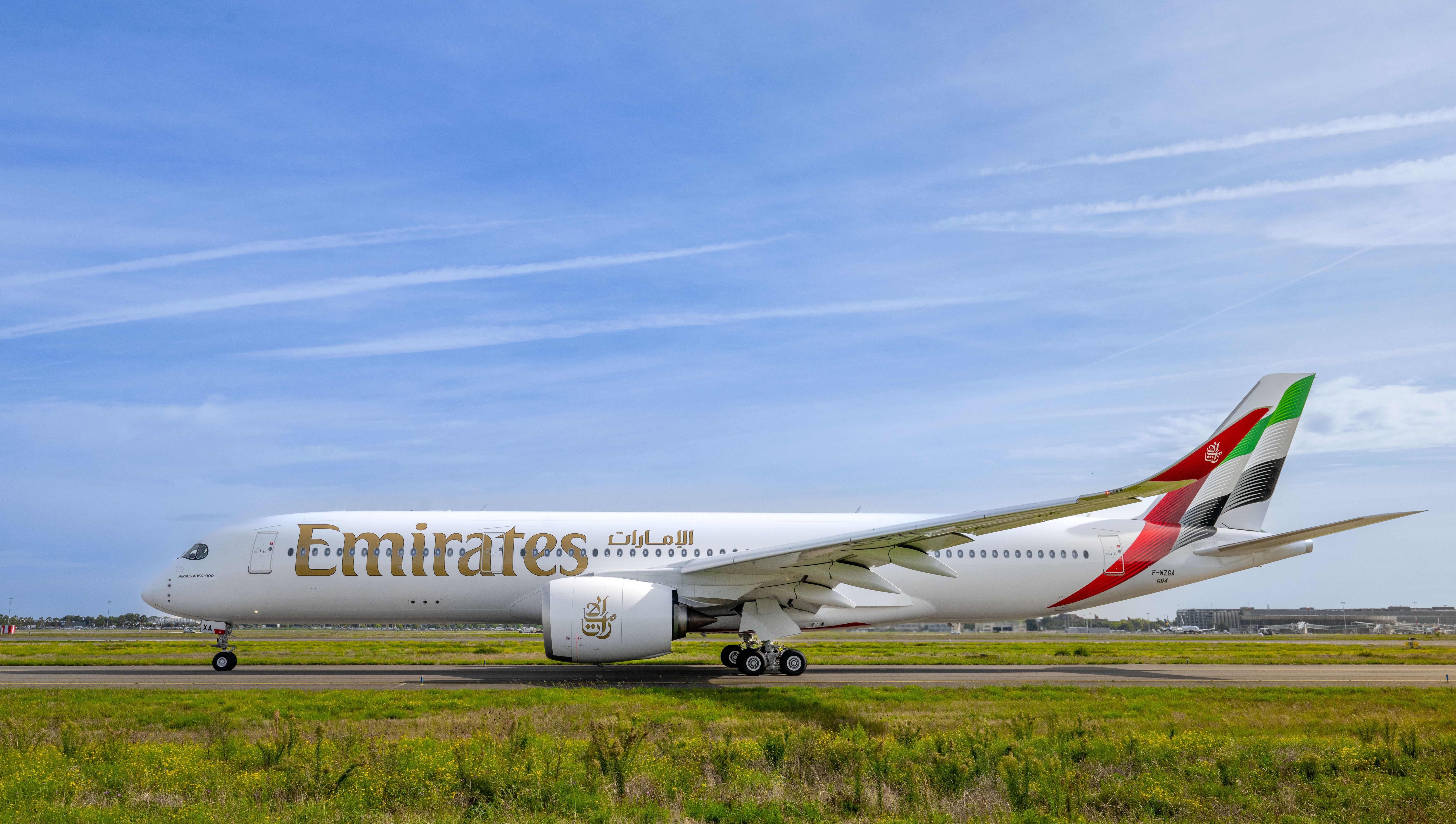
The delivery of Emirates’ first Airbus A350 has been postponed until early December, marking yet another setback in the airline’s fleet expansion plans. Originally scheduled for delivery in mid-2023, this delay is attributed to ongoing supply chain challenges that have impacted the aviation industry globally.

Emirates has been at the forefront of modernizing its fleet, committing to acquiring 50 Airbus A350-900 aircraft, a move aimed at enhancing operational efficiency and passenger comfort. The A350 is known for its fuel efficiency and long-range capabilities, making it a strategic choice for Emirates as it navigates a recovering post-pandemic travel market. However, the postponement reflects broader trends affecting major airlines, which are grappling with supply chain disruptions exacerbated by global events, including the lingering effects of the COVID-19 pandemic and geopolitical tensions.

Airbus has acknowledged the challenges it faces in meeting delivery schedules, largely stemming from shortages in parts and components critical for aircraft assembly. Despite these hurdles, the manufacturer is actively working to resolve the issues, with plans to ramp up production in the coming months. The delay in Emirates’ delivery reflects a cautious optimism within the industry, as airlines anticipate a rebound in demand for air travel, particularly in regions with high passenger traffic.

Industry experts suggest that this setback may lead Emirates to adjust its operational strategies temporarily. The airline has been known for its ability to adapt to market changes rapidly, and this delay may prompt a re-evaluation of its short-term capacity plans. With the holiday season approaching, there is increased pressure on airlines to meet passenger demand, and any fleet expansion delays could impact their service offerings.

Emirates’ commitment to the A350 program remains strong, as the aircraft is designed with advanced technology, including a quieter cabin and improved aerodynamics. The A350’s introduction is expected to bolster Emirates’ already extensive fleet of modern aircraft, which includes Boeing 777s and Airbus A380s. The A350 will also complement Emirates’ sustainability goals, contributing to reduced carbon emissions through its advanced fuel-efficient engines.

Airlines across the globe are facing similar challenges. Other major carriers have reported delays in aircraft deliveries, including Boeing and regional players, highlighting a systemic issue within the aerospace supply chain. The demand for aircraft has surged as travel restrictions ease and passenger numbers rebound, prompting manufacturers to strive for higher production rates while grappling with the complexities of sourcing components.

Emirates’ leadership remains optimistic about the long-term benefits of its investment in the A350, believing that once the aircraft enters service, it will provide a significant competitive advantage in the market. The airline’s management has emphasized its commitment to fleet modernization as a key driver of its strategy to enhance customer experience and operational efficiency.

As the airline prepares for the eventual delivery of the A350, it continues to explore other opportunities to expand its network and services. Emirates has been actively engaging in partnerships with various airlines, aiming to enhance connectivity and improve service offerings across its routes. This strategy includes forging codeshare agreements that allow for greater flexibility and options for travelers.

Despite the delays, Emirates has managed to maintain a strong market position, aided by its extensive route network and premium service offerings. The airline has invested heavily in marketing and customer engagement initiatives, ensuring that it remains a top choice for international travelers. This proactive approach, coupled with its strong brand recognition, positions Emirates well to navigate the challenges presented by fleet delays and supply chain disruptions.

The upcoming delivery of the Airbus A350 is critical not only for Emirates but also for Airbus, as it signals a milestone in the manufacturer’s recovery from the disruptions that have plagued the aviation sector. Successful deliveries are essential for restoring confidence among airlines and signaling a return to normalcy within the industry.

Saudi Arabia’s Public Investment Fund (PIF) has formalized its strategic collaboration with a leading Japanese financial institution through a series of memoranda of understanding (MoUs) potentially valued at up to $51 billion. This initiative aims to bolster investment opportunities and foster economic ties between the two nations, aligning with Saudi Arabia’s Vision 2030 agenda focused on economic diversification and sustainability.

The agreements underscore a growing trend of international partnerships that enhance the PIF’s global footprint. The MoUs cover a wide range of sectors, including technology, renewable energy, infrastructure, and entertainment. This move marks a significant step in PIF’s ongoing strategy to attract foreign investment while enabling Japanese companies to tap into Saudi Arabia’s burgeoning market.

The Japanese bank involved in the MoUs, a prominent player in the global financial landscape, has expressed commitment to collaborating on various projects that support Saudi Arabia’s long-term development goals. By leveraging Japan’s advanced technological expertise and experience in sustainable practices, the partnership aims to introduce innovative solutions to address pressing challenges in the Kingdom, particularly in areas such as clean energy and urban development.

Recent developments in the energy sector highlight a growing emphasis on sustainability. The PIF has been increasingly focused on renewable energy initiatives, with significant investments in solar and wind projects. This new partnership with the Japanese bank is expected to further accelerate these efforts, allowing for the exchange of knowledge and technology that can enhance the Kingdom’s energy landscape.

The PIF’s collaboration with Japanese entities is seen as a response to global shifts towards sustainability. As countries strive to meet their climate commitments, Saudi Arabia’s ability to innovate in green technology and invest in clean energy becomes paramount. The partnership aims to support Saudi Arabia’s ambitious goals of generating 50% of its power from renewable sources by 2030.

The PIF’s strategy aligns with the global trend of sovereign wealth funds diversifying their portfolios and seeking international partnerships to mitigate risks. This initiative illustrates the PIF’s commitment to building a resilient investment ecosystem that can withstand market fluctuations while promoting sustainable growth. By partnering with established international financial institutions, the PIF can leverage their expertise to enhance its investment strategies.

The collaboration is also a testament to Japan’s keen interest in participating in the Saudi market. Japanese companies have been increasingly exploring opportunities in the Kingdom, particularly in sectors like infrastructure and technology. The MoUs are expected to facilitate the entry of more Japanese firms into Saudi Arabia, potentially leading to the creation of jobs and the transfer of skills and technology.

Analysts view this partnership as a positive step for both nations. For Saudi Arabia, it presents an opportunity to diversify its economy and reduce dependence on oil revenues. For Japan, the collaboration allows access to one of the fastest-growing markets in the Middle East. The partnership aligns with Japan’s broader strategy of engaging with the Gulf Cooperation Council (GCC) nations to enhance trade relations and secure energy supplies.

As the world grapples with the impacts of climate change, the focus on renewable energy is becoming increasingly critical. The PIF’s proactive approach in collaborating with Japanese entities reflects its recognition of the importance of sustainable development. By investing in green technologies, Saudi Arabia positions itself as a leader in the global energy transition, attracting further investment and interest from international markets.

The partnership is expected to yield significant economic benefits for both countries. The infusion of Japanese capital and expertise into Saudi Arabia’s projects could lead to improved infrastructure, enhanced technological capabilities, and increased job creation. This, in turn, could stimulate economic growth and elevate the standard of living for many Saudis.

The PIF’s collaboration with the Japanese bank comes at a time when Saudi Arabia is actively seeking to enhance its global investment strategy. The PIF has set ambitious targets to grow its assets under management to over $2 trillion by 2030, focusing on sectors that align with the Kingdom’s long-term vision. The partnership with Japan is a strategic move in this direction, providing the PIF with the necessary tools and expertise to navigate the complexities of global markets.

SINGAPORE – Media OutReach Newswire – 4 March 2024 – VTEX (NYSE: VTEX), the global enterprise digital commerce platform, announced today its partnership with ChannelEngine, a leading global marketplace integration platform. This alliance allows VTEX merchants to sell to more than 700 marketplaces globally, scaling their existing revenue opportunities while also enabling them to enter new international markets seamlessly. VTEX, renowned for its flexibility, composability, and comprehensive […]

RIYADH, SAUDI ARABIA – Media OutReach Newswire – 31 October 2024 – Madar is proud to announce its certification as a Best Places to Work for 2024, a recognition that highlights the company’s unwavering commitment to fostering an inclusive, collaborative, and innovative work environment. This certification is based on the feedback provided by employees and a comprehensive HR assessment. This prestigious recognition underscores Madar’s dedication to building […]

The partnership will support the global growth of Chinese brands by enhancing the cross-border payment solutions available to merchants. LONDON, UNITED KINGDOM – Media OutReach Newswire – 31 October 2024 – Global fintech Unlimit has formed a strategic partnership with SHOPLINE, a rapidly growing Software-as-a-Service (SaaS) provider, to assist Chinese merchants in expanding their global reach through the integration of new payment processes. Unlimit X SHOPLINE SHOPLINE […]

New digital app allows for a more streamlined nurse sourcing and placement service, enhancing employment flexibility and addressing emergency staffing shortages HONG KONG SAR – Media OutReach Newswire – 30 October 2024 – As Hong Kong’s population continues to age, the shortage of healthcare manpower becomes increasingly pressing. In response, Quality HealthCare Medical Services Limited (QHMS) is pleased to launch the ‘Quality HealthCare Nursing Agency’ Mobile App […]

Bitcoin’s hashrate, an indicator of the computing power dedicated to its blockchain, reached a historic peak of 769.8 exahashes per second (EH/s) this month. This record figure represents a significant rise in mining activity and network security, underscoring a broader trend toward consolidation within the cryptocurrency mining industry. Major players in the field continue to expand their operations while smaller firms face mounting challenges driven by the rising operational costs and the impending 2024 “halving” event.

Since the onset of 2023, Bitcoin’s network has seen consistent hashrate growth, an outcome attributed to two main factors: advancements in mining hardware and the continuing global expansion of large-scale mining farms. Industry leaders have steadily invested in new, high-powered ASIC mining units, specifically designed to increase mining efficiency and profitability. As the network becomes more secure, smaller miners struggle to remain competitive, with analysts suggesting that the upcoming block reward halving may expedite a wave of industry consolidation. The halving, scheduled for April 2024, will reduce miner rewards from 6.25 BTC per block to 3.125 BTC, doubling the cost of producing each Bitcoin, thus favoring large mining entities with greater resources.

With Bitcoin’s rising computational power, the network becomes increasingly resilient to external attacks and manipulations. This enhancement reinforces investor confidence, given the decentralized system’s backbone of advanced security protocols. Such improvements in network integrity are drawing more institutional investors and firms seeking reliable blockchain technology for business applications. However, this strength also has implications for energy consumption, as the cumulative power required to maintain the network continues to climb. Bitcoin’s high electricity demands remain a focal point in debates about the environmental footprint of cryptocurrency mining.

Countries with historically low energy costs, including the United States, Canada, and Kazakhstan, have become attractive locations for mining companies. In the U.S., Texas has emerged as a prominent hub, largely due to favorable energy policies and renewable energy sources. However, fluctuating energy prices and increasing scrutiny over mining’s environmental impact have prompted some regions to reconsider their stance on Bitcoin mining.

Advertisements

In the ever-evolving world of online gaming, staying ahead of the competition requires more than just quick reflexes and a good internet connection. Whether you’re a casual player or an aspiring eSports champion, employing effective strategies can significantly elevate your gameplay. This blog post explores key strategies that can help you up your online gaming game and maximize your performance. 1. Master the Basics Before diving into […]

Dubai International Airport (DXB) has attained a significant milestone in its sustainability efforts by receiving the Airport Carbon Accreditation (ACA) certification at the “Level 3+ Neutrality” stage. This recognition places DXB among a select group of international airports committed to environmental responsibility and carbon neutrality. The certification underscores the airport’s ongoing commitment to reducing its carbon footprint and enhancing sustainable practices in its operations. The Airport Carbon […]

Investing intelligently involves understanding the various asset classes and how they work together to create a well-diversified portfolio. A key element of successful investing is diversification, which helps reduce risk while maximizing returns over the long term. This guide explores different asset classes and their importance in building a balanced investment strategy. What Are Asset Classes? Asset classes are groups of investments that share similar characteristics and […]

The International Air Transport Association (IATA) has announced its plans to incorporate digital currencies into its financial settlement systems, signaling a significant shift in how the aviation industry conducts transactions. This move aims to enhance operational efficiency and cater to evolving consumer preferences in a rapidly digitizing world.

With a growing interest in digital currencies, particularly cryptocurrencies and stablecoins, IATA’s initiative addresses the need for more flexible payment methods within the airline sector. The association’s director general, Willie Walsh, emphasized that adopting digital currencies could facilitate quicker settlements, reduce transaction costs, and improve overall customer experience.

As airlines seek innovative ways to optimize their operations post-pandemic, integrating digital currencies presents an opportunity to streamline payment processes. Currently, many airlines and travel-related companies are grappling with the challenges of legacy systems that often hinder speed and efficiency. Walsh stated that integrating digital currencies aligns with the industry’s push towards modernization and technological advancement.

Digital currencies have gained traction in various sectors, but the aviation industry remains cautious due to regulatory uncertainties and the volatile nature of many cryptocurrencies. However, IATA believes that working closely with regulators will ensure that the introduction of digital currencies into financial systems complies with existing laws and regulations.

Emerging trends in the financial landscape are shaping the future of payments in aviation. With a significant portion of travelers expressing interest in using cryptocurrencies, airlines must adapt to meet this demand. Research indicates that younger generations, particularly millennials and Gen Z travelers, are more inclined to use digital currencies for purchases. By embracing these payment methods, airlines can attract a tech-savvy customer base that values flexibility and innovation.

IATA’s move also reflects a broader trend across various industries exploring blockchain technology and digital assets. Companies are increasingly recognizing the potential of blockchain to enhance transparency and security in transactions. This technology allows for secure, real-time processing of payments, reducing the risks associated with fraud and chargebacks.

Several airlines have already begun to experiment with accepting cryptocurrencies. For example, major carriers like AirAsia and Lufthansa have launched initiatives allowing customers to book flights using Bitcoin and other digital currencies. These pioneering efforts indicate a growing willingness among airlines to adapt to changing market conditions and consumer preferences.

The pandemic has accelerated the digital transformation across industries, with contactless payment options becoming a necessity rather than an option. IATA’s strategy to integrate digital currencies is in line with this trend, enabling airlines to offer a seamless and secure payment experience for travelers.

While the potential benefits are significant, challenges remain. Regulatory frameworks surrounding digital currencies vary widely across countries, creating complexity for airlines operating in multiple jurisdictions. IATA is actively engaging with international regulators to address these concerns and promote a cohesive approach to digital currency adoption.

Industry experts believe that for digital currencies to gain widespread acceptance in aviation, robust standards and guidelines must be established. These standards would address issues such as security, interoperability, and compliance with anti-money laundering regulations. Collaboration among stakeholders, including airlines, payment providers, and regulatory bodies, will be crucial in developing a sustainable framework for digital currency transactions.

As the aviation industry grapples with rising operational costs and fluctuating fuel prices, digital currencies may offer a more stable alternative for financial settlements. Stablecoins, which are pegged to traditional currencies or commodities, could provide airlines with a hedge against volatility, enabling more predictable budgeting and planning.

The adoption of digital currencies is not just about payment processing; it also opens avenues for innovative loyalty programs and customer engagement strategies. Airlines could leverage blockchain technology to create more transparent and efficient loyalty schemes, allowing customers to earn and redeem rewards in digital currency.

As IATA moves forward with its plans, collaboration with technology providers and financial institutions will be essential. By partnering with fintech companies, airlines can access the necessary infrastructure and expertise to integrate digital currencies seamlessly into their existing systems.

Customer education will play a vital role in the successful implementation of digital currency payment options. Airlines will need to inform travelers about the benefits, risks, and practicalities of using digital currencies for purchases. This initiative could also foster a greater understanding of blockchain technology and its applications in aviation.

In today’s fast-paced world, leisure time has become a precious commodity. Whether you’re looking to unwind after a long day or seeking new experiences to enrich your weekends, there’s a plethora of activities awaiting your exploration. Engaging in new hobbies, stepping out into nature, fostering inner peace, expanding knowledge, and building connections can all add significant value to your life. Keep reading to learn about some dynamic […]

A landmark budget for 2025 to 2027 has been approved by the Dubai Government, marking a pivotal step in its economic strategy. This new budget is set at an unprecedented AED 69.5 billion, representing a significant increase over the previous budget cycle, which focused on robust investment in infrastructure, education, and sustainability initiatives. The plan reflects Dubai’s ambition to enhance its status as a global economic hub and to foster innovation and growth across various sectors.

The approved budget highlights an allocation of AED 20.4 billion for infrastructure development, aimed at enhancing the city’s transport systems, public facilities, and digital infrastructure. This investment is expected to not only improve the quality of life for residents but also attract further investments and tourism. Additionally, AED 11 billion is earmarked for social development programs, emphasizing education and healthcare, ensuring that the benefits of growth reach all segments of society.

Economic recovery remains a central theme within the budget, as Dubai continues to rebound from the impacts of the global pandemic. The government anticipates an economic growth rate of 3.5% over the next three years, supported by strategic investments and initiatives that will bolster various sectors including tourism, trade, and technology. The commitment to a diversified economy is reflected in the emphasis on supporting small and medium-sized enterprises (SMEs), which are considered crucial for job creation and innovation.

The budget also prioritizes sustainability, with a dedicated allocation for green initiatives and projects that align with Dubai’s long-term vision of becoming one of the world’s most sustainable cities. Plans include the expansion of renewable energy sources and investments in waste management technologies, which aim to minimize environmental impact while promoting economic efficiency.

The budget includes provisions to enhance public services, particularly in areas such as education and healthcare. Investments in education are designed to equip the workforce with skills necessary for a rapidly changing global market. Healthcare spending is set to improve facilities and services, ensuring a high standard of living for all residents.

This ambitious budget reflects the government’s confidence in Dubai’s resilience and adaptability in the face of global challenges. The leadership aims to create a dynamic economic environment that fosters innovation, nurtures talent, and attracts international businesses. The government has actively engaged stakeholders across sectors to ensure that the budget meets the needs of the community while aligning with long-term strategic goals.

The tourism sector, a vital component of Dubai’s economy, is poised for a significant revival, bolstered by new attractions and events planned for the coming years. With major global events such as Expo 2020 having laid a foundation for increased international visibility, the government is keen on leveraging this momentum to further boost tourism and hospitality.

In terms of governance, the budget introduces measures aimed at enhancing transparency and accountability in financial management. The Dubai Government emphasizes its commitment to responsible spending and efficient use of resources, ensuring that public funds are utilized effectively to achieve the outlined objectives. This aligns with broader efforts to build trust among citizens and investors alike.

Experts have noted that the budget’s focus on innovation and technology is particularly relevant in today’s rapidly evolving global landscape. The allocation for digital transformation initiatives highlights the government’s recognition of technology as a key driver of economic growth. Investment in smart city projects is expected to enhance urban living while providing seamless services to residents and visitors.

The approval of this budget has been met with optimism among business leaders and economists, who see it as a signal of Dubai’s ongoing commitment to economic development and diversification. With an eye towards future challenges and opportunities, the government’s financial plan positions the emirate to navigate shifts in global markets effectively.

UAE-based issuers have raised a staggering $11.7 billion in the third quarter of 2024 through bond and sukuk offerings, marking a significant achievement in the region’s capital markets. This surge demonstrates robust investor confidence and a growing appetite for fixed-income securities, despite global economic uncertainties and fluctuations in interest rates. The third quarter witnessed a notable increase in activity compared to previous quarters, with both sovereign and […]

Shuaa Capital, a leading asset management and investment firm in the UAE, has announced the board’s approval for the issuance of $175 million in multi-currency bonds (MCBs). This strategic move is designed to bolster the company’s financial position and enhance its capabilities to meet the growing demands of its investment operations. The approved bonds will likely serve as a key tool for Shuaa Capital in diversifying its […]

The United Arab Emirates has solidified its position as a leading hub for Islamic finance, underscoring the growing significance of Sharia-compliant financial instruments in the global marketplace. This assessment comes from the CEO of FTSE Russell, who highlights the UAE’s strategic initiatives and regulatory frameworks that have bolstered its financial sector’s appeal to both domestic and international investors. The ongoing developments reflect the country’s commitment to fostering an environment conducive to Islamic finance and investment.

Islamic finance has gained traction worldwide, driven by a rising demand for ethical and sustainable investment options. The UAE’s proactive approach includes creating a robust regulatory environment, enhancing product offerings, and promoting innovation in financial technology. By embracing these strategies, the nation is attracting a diverse array of investors looking for compliant investment opportunities. According to industry experts, the UAE’s Islamic finance market is expected to expand significantly in the coming years, fueled by an increase in global investor interest and the growing appeal of Sharia-compliant financial products.

FTSE Russell’s CEO pointed out that the UAE is home to several Islamic banks and financial institutions that are setting global benchmarks for excellence in compliance and service delivery. This trend is supported by the UAE’s comprehensive Islamic finance infrastructure, which includes robust legal and regulatory frameworks. Institutions such as the Dubai Islamic Economy Development Centre (DIEDC) play a pivotal role in promoting the Islamic finance agenda and positioning the UAE as a key player in the global Islamic economy. The DIEDC’s initiatives focus on enhancing the knowledge base, facilitating partnerships, and promoting Islamic financial literacy, which are essential for sustaining growth in this sector.

Recent reports indicate that the Islamic finance industry is witnessing a shift towards technology-driven solutions, known as fintech. The UAE is at the forefront of this transformation, with numerous fintech startups emerging in the Islamic finance space. These companies are leveraging technology to enhance the delivery of services, improve customer experience, and streamline operations. The convergence of fintech and Islamic finance not only presents opportunities for innovation but also aligns with the broader economic diversification goals of the UAE.

One key player in this sector is Abu Dhabi Islamic Bank (ADIB), which has been proactive in integrating technology into its service offerings. The bank has launched various digital platforms that cater to the needs of a tech-savvy customer base, thereby enhancing access to Islamic banking products. This strategic focus on digital transformation is indicative of a broader trend among financial institutions in the UAE, which are increasingly recognizing the importance of technological adaptation to remain competitive.

The Islamic finance market is diversifying beyond traditional banking products. Sukuk, or Islamic bonds, have gained prominence as a viable investment vehicle. The UAE is leading the issuance of sukuk globally, with significant contributions from both government and corporate entities. This surge in sukuk issuance is attributed to favorable market conditions and a heightened interest from investors seeking Sharia-compliant options. Analysts predict that the trend will continue, with the UAE playing a pivotal role in shaping the global sukuk market.

Sustainability is another critical aspect of the UAE’s Islamic finance landscape. With the increasing global focus on environmental, social, and governance (ESG) criteria, the UAE is aligning its Islamic finance initiatives with sustainable development goals. Various financial institutions are incorporating ESG principles into their investment strategies, creating products that appeal to environmentally conscious investors. This integration of sustainability into Islamic finance is expected to enhance the sector’s attractiveness and resilience in the face of evolving investor preferences.

The UAE’s commitment to advancing Islamic finance is further reflected in its strategic partnerships with international organizations. Collaborations with entities such as the Islamic Financial Services Board (IFSB) and the Accounting and Auditing Organization for Islamic Financial Institutions (AAOIFI) are aimed at harmonizing standards and practices across the industry. These partnerships enhance the credibility of the UAE’s Islamic finance sector, making it more appealing to foreign investors and institutions looking for stable and compliant investment avenues.

The UAE government is actively promoting awareness and understanding of Islamic finance principles among its citizens. Educational programs and workshops are being organized to foster a deeper understanding of Sharia-compliant financial products. By enhancing financial literacy, the UAE is not only empowering its populace but also cultivating a new generation of investors who are well-versed in the principles of Islamic finance.

Kentik, a leader in network observability, has launched a new tool aimed at enhancing users’ understanding of cloud latency across the globe. Dubbed The Cloud Latency Map, this innovative resource provides real-time insights into latency metrics from more than 100 cloud locations, enabling businesses and developers to assess their network performance effectively. As organizations increasingly migrate to cloud-based services, tools like this become essential for ensuring optimal […]

Unlocking New Horizons to Broaden Presence in the UAE, Facilitating Cross-Boundary Interconnectivity of e-Payments HONG KONG SAR – Media OutReach Newswire – 30 October 2024 – EFT Solutions Holdings Limited (“EFT Solutions” or the “Company”, together with its subsidiaries, the “Group”; stock code: 8062.HK), a leading electronic fund transfer point-of-sales (“EFT-POS”) solutions provider, is pleased to announce that the Company entered into a memorandum of understanding (the […]

A significant shift in traffic regulations has taken place in the UAE, emphasizing the need for responsible driving and proper first aid practices among motorists. The newly implemented traffic law mandates that drivers must possess adequate medical knowledge before attempting to provide first aid at accident scenes. This change aims to improve the safety of all road users and reduce the risk of unintended harm caused by inexperienced individuals during emergencies.

The law highlights the critical nature of road safety in a nation where high vehicle speeds and heavy traffic contribute to frequent accidents. By establishing legal guidelines around first aid, authorities are ensuring that only those trained in emergency medical response take action at the scene of a traffic incident. This approach intends to foster a more educated driver population and mitigate the likelihood of further injuries during rescue efforts.

The legislation reinforces the importance of basic driving etiquette, urging drivers to adhere strictly to traffic signs and maintain a courteous demeanor on the road. This initiative responds to growing concerns over aggressive driving behaviors and accidents stemming from negligence towards road signs. Motorists are encouraged to slow down, especially in congested areas, as a matter of respect for fellow road users, including pedestrians and cyclists.

Authorities emphasize that the law serves both as a guide and a deterrent. Drivers who fail to comply with the regulations may face penalties, thereby promoting adherence through financial consequences. The hope is that this legal framework will cultivate a culture of safety that extends beyond mere compliance to foster genuine concern for others on the road.

Education and awareness campaigns are also set to accompany the new regulations. Government agencies and organizations will launch initiatives aimed at informing drivers about the importance of responsible driving habits and the legal requirements for providing first aid. These campaigns will address various aspects of road safety, from understanding traffic signs to learning basic first aid techniques, ensuring that motorists are well-equipped to handle emergencies effectively.

Key stakeholders in the transportation sector, including the Ministry of Interior and local police departments, are committed to enforcing these regulations. Traffic patrols will increase their presence on the roads, focusing on both compliance with speed limits and adherence to the new first aid requirements. Collaboration between governmental bodies and community organizations will be essential in disseminating information and fostering a cooperative spirit among motorists.

The law has garnered mixed reactions from the public. Some drivers welcome the initiative as a necessary step towards enhancing road safety, recognizing the potential for significant improvements in emergency response. Others express concerns about the implications of the first aid requirement, questioning how strictly it will be enforced and what constitutes adequate medical knowledge.

Legal experts have noted that while the law may seem daunting, its implementation will depend heavily on educational outreach and community support. Defining the threshold for “adequate medical knowledge” will be crucial to ensure that the law is both practical and enforceable. The authorities are likely to set standards for training and certification, potentially partnering with medical organizations to provide resources and support.

The traffic law aligns with broader initiatives aimed at reducing road fatalities across the UAE. Statistical data has indicated that road traffic accidents remain a leading cause of injury and death in the region, prompting government efforts to create safer driving environments. By addressing both driver behavior and emergency response, the law seeks to create a holistic approach to traffic safety.

This legislative move mirrors global trends toward more responsible driving and proactive emergency response. Countries around the world are increasingly recognizing the role of drivers in maintaining public safety and are enacting laws to reflect this responsibility. As the UAE positions itself as a leader in traffic safety, these regulations could serve as a model for other nations grappling with similar issues.

Future developments are expected to revolve around the law’s efficacy in reducing accident rates and improving emergency response outcomes. Continuous monitoring and evaluation will be vital in assessing whether the regulations achieve their intended goals. The authorities may adjust strategies based on feedback from the public and data analysis, ensuring that the laws remain relevant and effective.

Global data center colocation leader Equinix has inaugurated its inaugural International Business Exchange (IBX) data center in South Africa, marking a significant expansion in the African market. The new facility, known as JN1, is situated in Germiston, Johannesburg, and involves a substantial investment of approximately US$160 million. This development is poised to enhance digital infrastructure and interconnection capabilities within the region. Equinix’s entrance into the South African […]

Dubai’s government has unveiled its most extensive budget to date for the fiscal period 2024-2026, approving AED 246.6 billion ($67.1 billion) in expenditures. With an annual allocation for 2024 alone reaching AED 79.1 billion, the budget represents a substantial commitment to meet the emirate’s expanding economic and social objectives. Emphasizing growth through infrastructure, technological innovation, and social development, this financial framework is a key pillar supporting the Dubai Economic Agenda (D33) and the Dubai Strategic Plan 2030, aiming to double the city’s economy and strengthen its global standing over the next decade.

Global Media Intelligence Leader Announces Major Integration SINGAPORE – Media OutReach Newswire – 29 October 2024 – Onclusive, a global leader in media intelligence, today announced the full integration of Digimind, now rebranded as Onclusive Social. This milestone marks a significant enhancement in Onclusive’s ability to provide comprehensive media monitoring and analysis solutions to clients worldwide. Digimind, a leader in social media listening and intelligence, is now […]

DUBAI, UAE – Media OutReach Newswire – 29 October 2024 – During an official visit to the United Arab Emirates (UAE), Vietnamese Prime Minister Pham Minh Chinh witnessed the signing of Memoranda of Understanding (MOUs) between Vingroup, VinFast, and leading partners in the Middle East. These MOUs cover strategic areas, including maritime development and shipyard building capabilities, sustainable coastal land utilization, digital transformation, and collaboration in electric […]

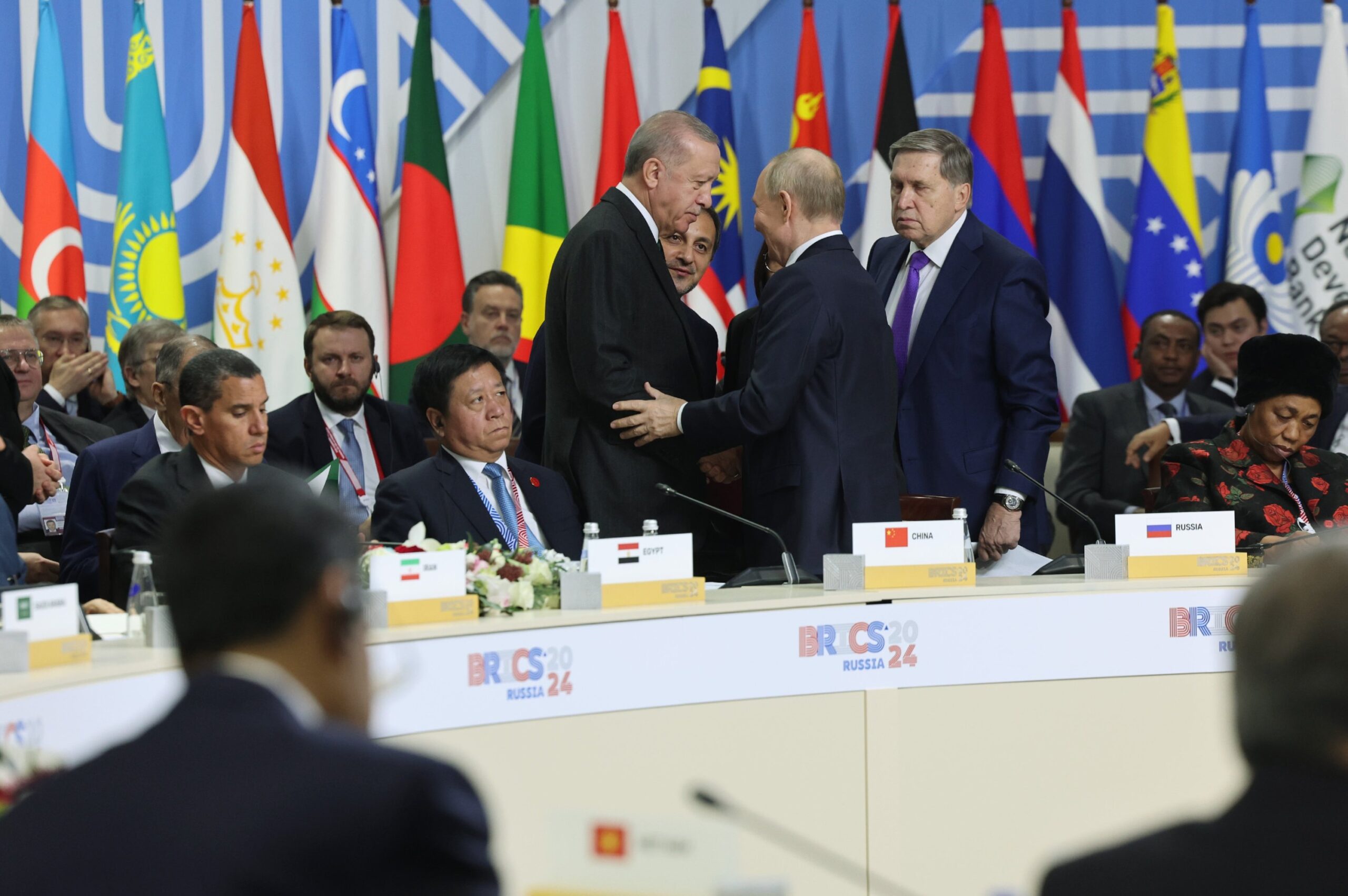
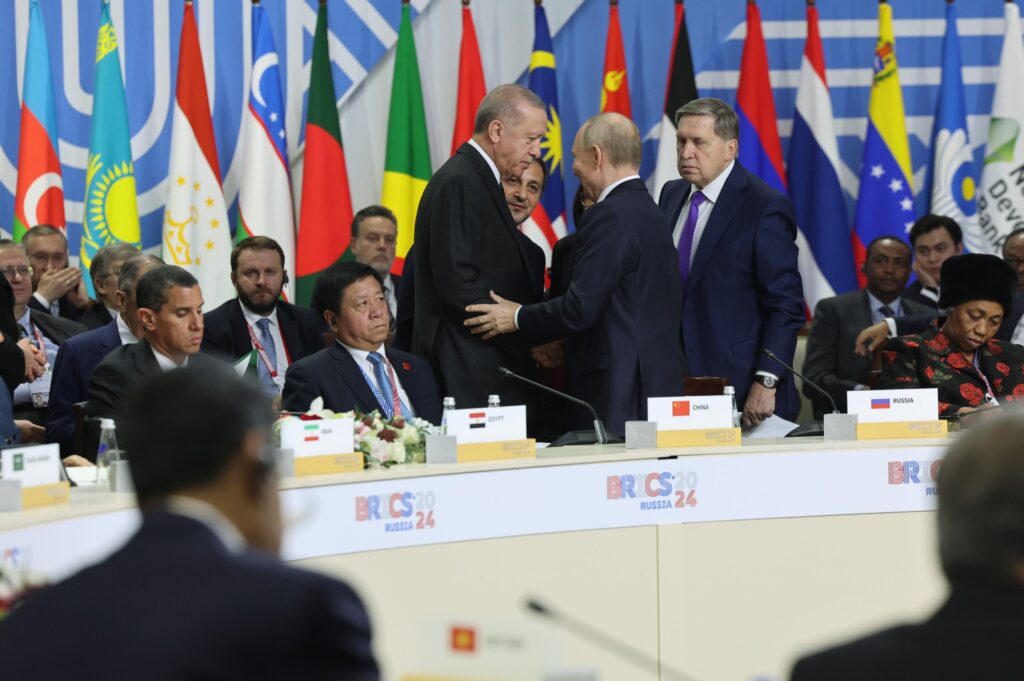
By Nitya Chakraborty The North Atlantic Treaty Organisation (NATO), the security alliance of the western nations led by the USA is having an uneasy period after celebrating its 75th year of founding in July this year with big fanfare. The recent summit of the BRICS in Kazan of Russia held on October 22 to 24 […]

VISHNU RAJA
RYO YAMADA
HITORI GOTOH
IKUYO KITA