News related to
prove no

This informative document explores how AI-enabled solutions improve operational efficiencies, reduce energy consumption, and lower carbon emissions CAPE TOWN, SOUTH AFRICA – EQS Newswire – 29 November 29 2024 – The 2024 Broadband Development Congress: Cape Town, hosted by the World Broadband Association (WBBA) (www.WorldBroadbandAssociation.com) during Africa Tech Festival 2024, brought together global industry leaders and stakeholders from the operator, technology, ministerial, and banking sectors to address […]

KUALA LUMPUR, MALAYSIA – Media OutReach Newswire – 30 November 2024 – Before entering the market, traders need to identify potential price movements to avoid ad hoc trading decisions. Otherwise, they increase risks and merely rely on luck. For instance, gold recently declined below $2,600 per ounce, marking its lowest point since mid-September 2024 as a strengthening U.S. dollar put pressure on traditional safe-haven assets. This movement […]

HONG KONG SAR – Media OutReach Newswire – 29 November 2024 – HONMA Golf Limited (“HONMA”; together with its subsidiaries, the “Group”; HKEX stock code: 6858), one of the most prestigious golf brands worldwide, announces its consolidated interim results for the six months ended 30 September 2024 (the “Period”). Financial Highlights Revenue decreased by 25.6% to JPY9,814.5 million (equivalent to USD64.8 million), due to ongoing and intensified […]

KUALA LUMPUR, MALAYSIA – Media OutReach Newswire – 29 November 2024 – Artificial Intelligence (AI) has integrated into the financial sector, showing one of the highest adoption rates across industries, according to Statista. The tech transforms industry development, offering new business opportunities, user experience—and risks. Despite undoubted benefits, traders exhibit mixed feelings about AI, grappling with its potential as well as its risks. Octa, a broker with […]

Singapore is one of only seven countries globally where all top 100 companies report on sustainability, surpassing the global average of 79 percent. Singapore’s top 100 companies outperformed global benchmarks in six of 12 key sustainability reporting indicators, including board-level accountability, ESG integration and climate risk recognition. 76 percent of Singapore companies now recognise climate change as a financial risk, well above the global average of 55 […]

Spain has approved Saudi Arabia’s telecommunications giant, STC Group, to expand its investment in Telefónica, the nation’s iconic telecom operator, from just over 5% to nearly 10%. Economy Minister Carlos Cuerpo confirmed the government’s decision, which follows deliberations over the strategic implications of such a move. The authorization allows STC to solidify its financial involvement in Telefónica, though regulatory safeguards are being reinforced to maintain Spain’s control over vital communications infrastructure.

STC Group initially acquired a 4.9% stake in Telefónica, coupled with financial instruments granting voting rights for an additional 5%, raising questions about Spain’s ability to protect its critical infrastructure. The Saudi operator has expressed its interest in Telefónica as an investment opportunity rather than a bid for operational control. This assurance is intended to mitigate geopolitical concerns over foreign influence in the telecom sector, particularly involving companies pivotal to national security, defense, and digital services.

Telefónica holds significant importance in Spain’s technological and defense landscape, serving as a critical entity in telecommunications and cybersecurity. The government has emphasized the need to preserve the strategic capabilities of such companies, which has been a recurring theme in global debates about foreign ownership of critical industries.

To counterbalance STC’s growing presence, the Spanish government has instructed the state holding company, Sociedad Estatal de Participaciones Industriales (SEPI), to potentially acquire up to a 10% stake in Telefónica. This move, if realized, would make SEPI the company’s largest shareholder. The government is reportedly aiming to align Telefónica’s ownership structure with practices seen in other European countries, where governments maintain stakes in major telecom operators to safeguard national interests.

Telefónica’s shareholder composition has seen gradual evolution over time. Current major stakeholders include CaixaBank with 4.88%, Banco Bilbao Vizcaya Argentaria (BBVA) holding 4.84%, and BlackRock managing 4.8%. If SEPI proceeds with its planned acquisition, it would reshape the balance of influence within the company.

STC’s expansion in Telefónica aligns with its broader strategy of increasing international reach. The company, already active in telecommunications investments across Europe and the Middle East, is reportedly exploring further acquisitions, including potential stakes in Portugal’s Altice and the UK’s BT Group. This strategy reflects a wider trend of Gulf-based telecom entities seeking global prominence, similar to UAE-based e&, which has steadily increased its investments in Vodafone and other global operators.

Spain’s approach to safeguarding Telefónica echoes similar measures adopted across Europe. For instance, Germany retains a 13.8% stake in Deutsche Telekom, while France holds 13.39% in Orange. Italy has also bolstered its share in Telecom Italia’s fixed network grid. These measures underscore a growing recognition of telecom infrastructure as a vital element of national security and economic stability.

BANGKOK, THAILAND – Media OutReach Newswire – 28 November 2024 – Thailand’s culinary community shines brighter than ever, with the announcement of the country’s first recipient of the ultimate accolade of Three MICHELIN Stars at the MICHELIN Guide Ceremony Thailand that marks the official release of The MICHELIN Guide Thailand 2025 edition, and the unveiling of its much-awaited full restaurant selection. The newly released Guide features 462 […]

Advertisements

Solana’s decentralized finance (DeFi) ecosystem has surged in November, reaching $420.7 million in total value locked (TVL), significantly outpacing Ethereum’s $161.2 million for the month. This marks a sharp 161% increase in Solana’s DeFi earnings, largely attributed to its low transaction fees, high throughput, and a revival of its ecosystem following a challenging period.

Ethereum, long the dominant platform in the DeFi space, has faced stiff competition from Solana, whose technological upgrades and network enhancements have bolstered its position. As Ethereum continues to struggle with scaling issues and high fees, Solana’s faster and cheaper transactions have made it increasingly attractive to developers and users in the DeFi sector.

The dramatic increase in Solana’s DeFi activity is also a reflection of the broader recovery within its blockchain ecosystem, which was hit hard by a series of setbacks, including the collapse of the FTX exchange in late 2022. However, Solana’s resilience in recovering and innovating has allowed it to gain ground on Ethereum, traditionally the go-to platform for decentralized applications (dApps) and smart contract protocols.

Key factors driving Solana’s DeFi boom are its low transaction fees, which remain a major pain point for Ethereum users, especially during periods of high network congestion. While Ethereum’s gas fees can surge to hundreds of dollars for simple transactions, Solana offers an almost negligible fee structure, making it more attractive for smaller, retail investors and developers looking to build cost-efficient DeFi applications.

Solana’s speed is another competitive advantage. It boasts a transaction processing capability of more than 60,000 transactions per second (TPS), far exceeding Ethereum’s current capacity of 30 transactions per second, though Ethereum is working on scaling solutions such as sharding and layer 2 networks. Solana’s network speed allows for quicker and more scalable applications, which is crucial for DeFi protocols that require near-instant transactions to function efficiently, especially in volatile markets.

The ecosystem recovery of Solana has also been spurred by significant developments in its DeFi protocols. A growing number of decentralized exchanges (DEXs), lending platforms, and yield farming protocols have been launched or migrated to Solana’s blockchain, further boosting the platform’s TVL. Solana’s DeFi landscape has seen contributions from several key players, including Serum, Mango Markets, and Radium, all of which provide users with advanced trading options, liquidity, and competitive rewards.

Another contributing factor to Solana’s success is the strategic collaborations and partnerships it has secured with both established companies and up-and-coming startups. Solana has garnered attention from top-tier venture capitalists, along with prominent figures in the cryptocurrency space, who have supported the blockchain’s development and growth. These relationships have helped Solana gain credibility and foster an environment conducive to innovation and expansion.

The increase in DeFi activity on Solana has also been supported by growing interest in the broader Solana ecosystem. After a period of price volatility and uncertainty, Solana’s native cryptocurrency, SOL, has stabilized and regained much of its value. This recovery has sparked renewed confidence in the network and its long-term viability, which has translated into higher DeFi activity. As a result, users are increasingly willing to stake and invest in the network, propelling the overall market cap of Solana’s ecosystem.

Ethereum, on the other hand, continues to dominate the broader smart contract and dApp landscape, largely due to its first-mover advantage and large developer base. Ethereum’s switch to a proof-of-stake (PoS) consensus mechanism with the Ethereum 2.0 upgrade is expected to bring improvements in scalability and energy efficiency. However, Ethereum’s network congestion and high fees remain major hurdles for DeFi users and developers, especially in times of increased demand. These issues are likely to persist unless significant scalability solutions are implemented.

Although Ethereum has a stronghold on the DeFi sector, Solana’s rapid growth underscores the increasing diversification of the space. With its advanced technology, Solana is emerging as a serious challenger, offering viable alternatives for decentralized financial services. Furthermore, Solana’s growing TVL is not only a reflection of the platform’s technological edge but also an indication of the rising demand for alternative DeFi solutions that prioritize scalability, cost-efficiency, and innovation.

Experts suggest that the DeFi landscape is entering a new phase, where competition between smart contract platforms like Solana and Ethereum will be crucial to the long-term development of the ecosystem. As developers continue to search for faster, cheaper, and more scalable platforms, Solana’s performance in November provides a clear indication of the potential for DeFi to flourish on blockchains beyond Ethereum. The focus on speed and cost-effectiveness is expected to drive more DeFi protocols to explore alternatives to Ethereum, opening up the market to a wider range of participants.


Amazon helps thousands of Singapore-based businesses to sell their products in the Amazon store. Through Amazon Global Selling, Singapore selling partners can export their products to customers around the world on Amazon. Amazon Web Services (AWS) enables thousands of Singapore customers to use the AWS Asia Pacific (Singapore) Region to digitally transform. SINGAPORE – Media OutReach Newswire – 28 November 2024 – Today, Amazon announced that it […]

SINGAPORE – Media OutReach Newswire – 28 November 2024 – The Institute of Singapore Chartered Accountants (ISCA) and Kaplan Higher Education Academy (Kaplan) have signed a Memorandum of Understanding (MOU), bringing together two esteemed institutions to create opportunities for local and international students to embark on the journey towards becoming a Chartered Accountant of Singapore. Under this partnership, ISCA and Kaplan will jointly launch a specially curated […]

The Emirates Nuclear Energy Corporation (ENEC) and the Abu Dhabi National Oil Company (ADNOC) have announced a strategic partnership to explore the application of nuclear energy in the oil and gas sector. This collaboration marks a significant step toward expanding the use of nuclear technology as a cleaner and more sustainable energy source in the UAE’s key industries. Both organizations, which already play vital roles in the […]

Dubai’s real estate sector has seen a remarkable uptick in both existing and off-plan property transactions during October 2024, showcasing the market’s resilience and growing investor confidence. Data reveals that the emirate continues to captivate both local and international buyers, driven by its robust economy, dynamic development projects, and strategic initiatives aimed at diversifying its financial landscape. Figures from the Dubai Land Department (DLD) indicate that property […]

Abu Dhabi is hosting an event that has gathered leading experts, researchers, and companies to focus on the future of open-source AI technologies. The Open-Source AI Summit, organized by the Technology Innovation Institute (TII), is bringing together prominent voices from academia and the tech industry to discuss the most pressing issues facing artificial intelligence today. The event highlights the crucial role of open-source development in shaping the trajectory of AI across sectors, including healthcare, data infrastructure, and generative models.

The summit is set to provide a platform for exploring new algorithms, ethical frameworks, and cutting-edge technologies aimed at improving AI systems’ transparency and usability. The discussions will address the challenges and potential benefits of open-source contributions to the rapidly growing field of AI. A major theme of the event is how open-source AI could democratize access to powerful technologies, fostering a more inclusive approach to innovation.

Experts at the summit, including Michal Valko, Principal Llama Engineer at Meta Paris, are pushing forward the theoretical foundations of machine learning. Valko’s focus on reinforcement learning from human feedback (RLHF) is among the key topics, as it offers insights into aligning AI behaviors with human values. This approach, which combines human preference models with reinforcement learning, has gained significant traction for refining AI models like large language models (LLMs).

In parallel, Dr. June Paik, Founder and CEO of FuriosaAI, is presenting her company’s work on AI chips designed to improve energy efficiency and performance, particularly in data centers managing the growing demand for deep learning inference. The shift towards hardware specifically built for AI is another cornerstone of the discussions, addressing the challenges posed by energy consumption and scalability in AI applications.

The event is also delving into the role of AI in conversational technologies. Dr. Neil Zeghidour, co-founder of Kyutai, is showcasing their advancements in creating Moshi, the world’s first full-duplex speech-to-speech system that allows AI to engage in natural, real-time conversations with human-like emotions. This breakthrough represents a significant leap forward in human-AI interaction, promising enhanced experiences in customer service, healthcare, and education.

The diverse perspectives presented at the summit underline the importance of collaboration between open-source communities, corporations, and government institutions. Many of the featured technologies, from generative AI to AI-powered hardware, are set to play an integral role in shaping industries over the next decade. Open-source AI, with its focus on collaboration and accessibility, is positioned as a transformative force, promising to create more robust and adaptable systems.

The summit also emphasizes the role of regulatory frameworks in the future of open-source AI. With the rapid rise of generative models like ChatGPT, discussions have intensified about the need for effective governance to ensure these technologies are developed responsibly and ethically. As some experts argue for tighter regulations to manage the risks associated with AI, others emphasize the need to keep open-source AI development flexible and adaptable to meet emerging challenges.

Hyundai Motor has initiated a recall of 226,118 vehicles in the U.S. due to an issue with their rear-view camera system that could cause the camera image to fail. The recall, which was announced by the National Highway Traffic Safety Administration (NHTSA), affects a variety of Hyundai models from the 2022 and 2023 model years. This move follows safety concerns regarding the display of images from the rear-view cameras, a crucial feature for enhancing visibility and preventing accidents when reversing.

The affected models include certain vehicles from the Elantra, Ioniq, Kona, Santa Cruz, and Tucson ranges. The problem stems from a software malfunction in the infotainment system, which could prevent the rear-view image from being shown on the dashboard screen. This failure may increase the risk of a crash, as drivers could be unaware of objects or pedestrians behind them when reversing. Hyundai has confirmed that no injuries or accidents have been reported related to this issue.

The company has assured affected customers that it is actively addressing the matter. Hyundai plans to update the software in these vehicles to ensure the rear-view camera operates correctly. Customers whose vehicles are involved in the recall will be notified, and they will be asked to bring their cars to authorized Hyundai dealerships for the necessary repairs, which will be provided at no cost to the vehicle owners.

This recall is part of a broader trend in the automotive industry where automakers have been increasingly addressing technical glitches in vehicle safety features. The issue with the rear-view camera system highlights the growing reliance on technological components to ensure driver and pedestrian safety. As these systems become more integral to vehicle functionality, manufacturers must ensure their reliability to avoid potentially life-threatening failures.

In a statement, Hyundai expressed its commitment to resolving the issue quickly and urged customers to monitor for official recall notices. While the company has not reported any fatalities related to the camera malfunction, the failure to provide a rear-view image could pose serious dangers, especially in urban environments where reversing can be particularly hazardous.

This recall underscores the ongoing challenges faced by the automotive industry in integrating advanced technologies into vehicles while ensuring their reliability. With the increasing number of tech-driven features in modern vehicles, automakers must stay vigilant in addressing potential software and hardware malfunctions to prevent safety risks. Manufacturers like Hyundai are also working to improve consumer trust by swiftly addressing issues and making necessary corrections when defects are identified.

Hyundai’s swift action in recalling the affected vehicles is seen as a positive step in ensuring consumer safety and adhering to regulatory requirements. It also reflects the broader trend of automakers prioritizing customer safety by responding to concerns raised by regulators and the public. As the industry continues to move toward more complex, technology-driven vehicles, similar recalls are likely to become a more frequent part of the landscape.

This recall follows similar incidents from other automakers, where software glitches or defective components have led to widespread recalls. As the vehicle safety systems become more sophisticated, including automatic emergency braking, lane-assist technology, and rear-view cameras, manufacturers are under greater pressure to ensure these systems work as intended. The NHTSA plays a vital role in monitoring vehicle safety and mandating recalls when serious safety defects are identified.

Consumers affected by the recall are encouraged to take prompt action by visiting their local Hyundai dealership. Owners can also check whether their vehicle is involved in the recall by entering their Vehicle Identification Number (VIN) on the NHTSA website. Hyundai has assured that it is working efficiently to fix the issue and minimize the disruption to vehicle owners. This recall serves as a reminder of the importance of addressing even the smallest technical flaws, as modern vehicles are packed with technology that is essential for driver safety.

OPEC and its allies, collectively known as OPEC+, are grappling with crucial decisions as global oil markets display signs of instability. The organization’s latest measures include a mix of sustained and extended production cuts aimed at maintaining price stability amid growing economic uncertainty and competitive pressures from non-OPEC producers.

The alliance announced that several member nations will extend voluntary production cuts totaling 2.2 million barrels per day into the second quarter of 2024. This follows previous reductions implemented in early 2023, which have been critical to offsetting weakening demand and bolstering market sentiment. Key contributors to this strategy include Saudi Arabia, Iraq, and the United Arab Emirates, with Saudi Arabia leading the initiative by reducing output by one million barrels per day. These moves align with OPEC’s goal of stabilizing prices while ensuring market balance. The Russian Federation has also committed to reducing its oil output by nearly 500,000 barrels per day as part of these measures.

The production cuts underscore a broader dilemma for OPEC: balancing the immediate need for revenue stability with long-term market influence. Despite holding significant sway, accounting for 50% of global crude production and over 70% of proven reserves, the organization faces headwinds from the surge in U.S. shale production and slowing economic growth in major oil-consuming regions. As OPEC seeks to prop up prices, it inadvertently creates incentives for competitors to fill the supply gap, a dynamic that has undermined the cartel’s pricing power over the past decade.

Market reactions to OPEC’s strategies have been mixed. While production cuts have supported prices temporarily, a lack of sustained demand growth has limited their impact. Benchmark crude prices have struggled to gain significant traction, reflecting broader concerns about the global economy, including high inflation, interest rate hikes, and geopolitical tensions. Analysts have noted that further cuts could push prices higher but risk alienating key consumers and spurring alternative energy investments.

Beyond economic implications, OPEC’s decisions carry political weight. Production adjustments are often seen as a tool for asserting geopolitical influence, particularly as the energy landscape shifts. The current strategy signals an intent to reinforce cohesion within OPEC+ despite differing national interests among members. By coordinating voluntary cuts, the group aims to maintain credibility and ensure compliance, which has been a historical challenge for the alliance.

OPEC’s focus on supply-side management is not without risks. Extended cuts may lead to tighter global inventories, potentially straining relationships with consumer nations reliant on affordable energy. Moreover, prolonged curbs could dampen economic recovery efforts in oil-importing countries, particularly in Asia and Europe. The organization must also navigate internal pressures, as member states with smaller economies express concerns over lost revenue opportunities.

TORONTO, ONTARIO – Media OutReach Newswire – 27 November 2024 – Tech A Break Digital Solutions Inc., a pioneering technology company that focuses on innovative Artificial Intelligence solutions, has introduced its AI chatbot service. This fresh innovation will change how businesses interact with their customers by providing personalized and efficient real-time communication solutions that are highly effective. Tech A Break Digital Solutions Inc. strives to enable businesses […]

By Nitya Chakraborty The last round of the state assembly elections of the country in 2024 along with the by polls ended on November 20 with the results declared on November 23. The massive victory of the BJP led Mahayuti in Maharashtra polls has given a new confidence to the BJP in offsetting the losses […]


Brazil’s Chamber of Deputies is deliberating a legislative proposal aimed at incorporating Bitcoin into the country’s foreign reserve portfolio. This groundbreaking move seeks to allocate a portion of Brazil’s international reserves to the cryptocurrency, marking a significant step towards integrating digital assets into mainstream financial strategies.

The proposed legislation, introduced by lawmakers advocating for diversified economic resilience, would allow Bitcoin to constitute up to five percent of the nation’s reserves. This initiative aligns with global trends where nations and institutions are exploring the potential of cryptocurrencies to hedge against traditional economic risks. If passed, the bill could position Brazil as a leader in adopting blockchain-backed financial instruments at a governmental level.

The draft highlights the strategic advantages of holding Bitcoin, including its decentralized nature, resistance to inflationary pressures, and potential as a counterbalance to fluctuations in fiat currencies. Proponents argue that Bitcoin’s finite supply and increasing global acceptance enhance its viability as a reserve asset. These features, according to the proposal, could complement Brazil’s existing reserves composed of foreign currencies, gold, and special drawing rights.

Analysts monitoring Brazil’s economic policies have noted the implications of such a move. Incorporating Bitcoin would diversify the country’s portfolio, potentially safeguarding it against geopolitical tensions and market volatility affecting traditional reserve currencies. The legislation reflects broader global discussions about the role of digital currencies in future economic frameworks, as countries grapple with evolving financial technologies.

Critics of the proposal, however, have raised concerns about the volatility of Bitcoin, which has seen dramatic price swings since its inception. They caution that incorporating such an asset into national reserves could introduce risks, particularly in a global economic environment already rife with uncertainty. Economists skeptical of the move emphasize the importance of stability in reserve assets, arguing that Bitcoin’s speculative nature might undermine the reliability of the country’s holdings.

Despite these criticisms, supporters of the measure point to the growing adoption of Bitcoin and blockchain technology across various sectors worldwide. They argue that early investment in digital currencies could provide Brazil with a strategic advantage, particularly as cryptocurrencies gain legitimacy and value in international markets. Bitcoin’s adoption by major corporations and financial institutions has further strengthened the case for its inclusion in national strategies.

Brazil’s proposal comes amid a broader regional interest in cryptocurrencies. Other Latin American countries, including El Salvador, have taken bold steps to integrate Bitcoin into their economies. While El Salvador adopted Bitcoin as legal tender, Brazil’s approach appears more measured, focusing on Bitcoin as a reserve asset rather than a medium of exchange.

The legislative push aligns with Brazil’s broader digital transformation efforts, which include initiatives to modernize financial services and explore blockchain applications in public administration. These measures signal the country’s intent to leverage technology to enhance transparency, efficiency, and economic growth. Observers see the Bitcoin reserve proposal as a natural extension of these efforts, reflecting a willingness to embrace innovation while navigating its challenges.

The Chamber of Deputies has yet to finalize deliberations on the bill. If approved, the legislation would require regulatory adjustments to ensure that Bitcoin holdings comply with international financial standards and Brazil’s fiscal policies. Key stakeholders, including the Central Bank of Brazil, are expected to play a pivotal role in shaping the implementation framework should the bill pass into law.

By Rabindra Nath Sinha KOLKATA: It is not just that the Bharatiya Janata Party cut a sorry figure in the electoral battle 2024 for Jharkhand assembly despite a high octane campaigning that had strong communal overtones and in which the party’s money power was all too evident. Some new developments, which may shape future politics […]

Fitch Ratings has placed certain bonds issued by Adani entities under a “negative watch” as scrutiny of the group’s governance intensifies following allegations of corruption tied to Sri Lankan projects. This development comes amid renewed focus on a contentious $442 million wind power project in Sri Lanka’s Mannar region, which has sparked concerns over environmental compliance and procedural irregularities. The Sri Lankan government had reportedly flagged potential […]

Dubai is a global icon of rapid urban transformation, evolving from a quiet desert town into a bustling international metropolis in just a few decades. Behind this remarkable growth lies a network of services enabling the city’s expansion and mobility. Among these, moving companies in Dubai are key players, ensuring seamless transitions for residents, businesses, and global professionals. The Unprecedented Growth of Dubai Population Growth and Urban […]

Dubai’s retail giant, Union Coop, is actively exploring a significant transition from a consumer cooperative society to a public joint stock company. This potential shift aims to enhance transparency, improve market efficiency, and further align the retailer with Dubai’s broader financial strategy. Union Coop, which already made history by becoming the first cooperative society to direct-list its shares on the Dubai Financial Market (DFM) in mid-2022, continues […]

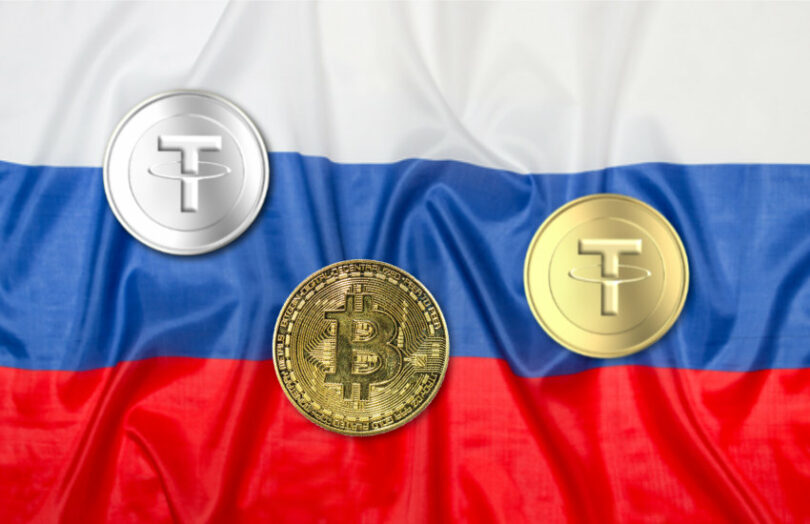
Digital currencies are officially recognized as taxable property in Russia, following legislative amendments approved by the State Duma. This landmark development introduces comprehensive tax rules for cryptocurrency transactions and mining, slated to take effect from January 1, 2025. The amendments represent a significant step in the country’s regulatory approach to digital assets, aiming to streamline income reporting and ensure compliance.

The legislative changes impose a tax of 13% for individual income from cryptocurrency operations, with a slightly higher rate of 15% applicable to non-resident individuals. Additionally, businesses involved in cryptocurrency-related activities will benefit from a value-added tax (VAT) exemption for mining-related transactions. This provision is designed to encourage greater participation in the crypto-mining sector while fostering a controlled environment for its growth. These measures reflect the government’s effort to balance innovation with the need for robust oversight in the digital economy.

A crucial aspect of the legislation involves the stricter regulation of mining infrastructure operators. Companies in this domain will be required to register and comply with stringent guidelines aimed at curbing illegal activities and ensuring transparency. By regulating these operators, authorities seek to establish a framework that promotes legitimate operations and protects market participants from fraud or exploitation.

The move aligns with Russia’s broader strategy to regulate cryptocurrencies amidst increasing global scrutiny of the sector. Cryptocurrencies, often viewed as tools for money laundering or tax evasion, have prompted governments worldwide to introduce regulations to monitor and manage their use effectively. By categorizing digital currencies as property, Russia not only brings clarity to their legal status but also signals its intention to integrate them into the formal economy.

Market analysts suggest that the taxation framework could encourage crypto-mining firms to operate within the law, as compliance becomes a prerequisite for business continuity. This development is especially significant for Russia, which is among the leading countries in crypto-mining due to its vast energy resources and favorable climate. The regulatory measures are expected to attract domestic and international players seeking stability and legal certainty in their operations.

The new rules also mandate the disclosure of cryptocurrency holdings and transactions in annual tax filings, creating an accountability system for individuals and entities involved in digital asset trading. Failure to comply with reporting requirements could result in severe penalties, reinforcing the government’s commitment to maintaining integrity within the sector.

Russia’s decision to implement these measures comes against a backdrop of evolving global attitudes toward cryptocurrency regulation. Countries such as the United States and members of the European Union have been advancing similar initiatives, highlighting a collective acknowledgment of the economic potential and risks associated with digital currencies. By joining this regulatory movement, Russia positions itself as a key player in shaping the future of the global crypto landscape.

Despite the optimism surrounding these changes, critics have raised concerns about the potential for overregulation to stifle innovation. Some industry stakeholders argue that the stringent requirements for mining infrastructure operators could create barriers for small-scale participants, thereby consolidating the industry in favor of larger entities. This, they warn, might undermine the decentralized ethos of cryptocurrency and limit opportunities for new entrants.

The effectiveness of these regulations will largely depend on their implementation and enforcement. Ensuring compliance in a rapidly evolving and highly technical sector presents significant challenges, requiring continuous adaptation and investment in oversight mechanisms. Observers emphasize the need for authorities to strike a balance between fostering growth and maintaining control to avoid unintended consequences.

Let’s start with an unsettling thought: your home has secrets. No, not the charming, quirky kind. I’m talking about the secrets that lurk in the shadows—dust mites partying in your mattress, grime gathering in the grout, and allergens taking up residence in your air vents. You may not see them, but they’re there. And they’re not just freeloading—they’re impacting how you live, breathe, and feel in your […]

VISHNU RAJA
RYO YAMADA
HITORI GOTOH
IKUYO KITA