News related to
prove no

Highlights of the Interim Results for the Six Months Ended June 30, 2024: With the increasing demand for chips from AI technology-related industries, orders for AI chip orders from Comtech continued to rise, driving the Group’s revenue up by 11.9% year-on-year to RMB4,321.4 million. The Group recorded a gross profit of approximately RMB457.6 million and a net profit of approximately RMB169.1 million. Profit attributable to equity shareholders […]

The initial public offering (IPO) of NMDC Energy has captured significant investor interest, with subscriptions exceeding the offered shares within hours of its opening. The company, a subsidiary of NMDC Ltd., set its price range at ₹100 to ₹120 per share, aiming to raise approximately ₹5,000 crore through the offering.

The IPO’s rapid over-subscription underscores a robust market appetite for energy sector investments, particularly in companies poised for growth. NMDC Energy, which focuses on oil and gas exploration, has been positioned as a key player in the burgeoning sector due to its substantial reserves and strategic assets.

Investors have shown confidence in NMDC Energy’s potential for growth and profitability, driven by its diversified portfolio and strong balance sheet. The company’s recent operational improvements and strategic initiatives have further bolstered its appeal in the market. Analysts highlight that NMDC Energy’s focus on enhancing production capabilities and expanding its asset base positions it well for long-term success in the energy sector.

The strong investor response is indicative of broader trends in the capital markets, where energy sector IPOs are increasingly attracting attention. This is reflective of a growing trend where investors are seeking to capitalize on the sector’s recovery and expansion potential.

NMDC Energy’s entry into the public market comes at a time when energy stocks are experiencing heightened volatility due to global economic conditions and shifting energy policies. However, the company’s robust fundamentals and strategic vision have helped it stand out in a competitive landscape.

As the IPO continues to attract interest, market observers are closely monitoring the final subscription numbers and investor feedback. The successful launch of NMDC Energy’s IPO could potentially set a positive precedent for upcoming offerings in the sector, influencing future market dynamics and investor behavior.

GUANGDONG, CHINA – Media OutReach Newswire – 31 August 2024 – On August 26, 2024, Viomi Technology Co., Ltd (NASDAQ: VIOT) issued its first half of 2024 unaudited financial results. Based on the financial report, the net revenues were US$143.1 million, net income attributable to ordinary shareholders of the Company was US$0.8 million. According to the management’s preliminary estimates, excluding the divested businesses, the estimated revenues from […]

A shift in online search dynamics is underway as traditional search engines face competition from AI-driven platforms, with iAsk AI emerging as a pivotal player. This new technology is reshaping how users interact with search engines, promising enhanced accuracy, personalization, and efficiency. iAsk AI, launched earlier this year, leverages advanced artificial intelligence to provide users with more relevant and contextually accurate search results. Unlike conventional search engines […]

Saxo Bank has announced a substantial 35% increase in its adjusted net profit for the first half of 2024, reaching USD 76 million, up from USD 56 million during the same period last year. This impressive growth reflects the bank’s strong performance across various financial sectors and robust trading volumes.

The bank attributes its success to a combination of strategic investments, increased trading activity, and enhanced client engagement. Saxo Bank’s diverse range of financial products and services, including its advanced trading platforms and investment solutions, have contributed to its ability to capture a significant share of the market.

Key to this growth has been Saxo Bank’s expansion into new markets and the continued enhancement of its digital trading platforms. The bank’s efforts to leverage cutting-edge technology and data analytics have enabled it to offer more tailored investment solutions and improve overall client satisfaction. As a result, Saxo Bank has seen a notable rise in both retail and institutional clients.

Moreover, Saxo Bank’s strong performance is underpinned by a favorable market environment characterized by increased volatility and higher trading volumes. The bank’s ability to effectively navigate market fluctuations and capitalize on trading opportunities has been a crucial factor in its financial success.

The bank has also emphasized its commitment to sustainable growth and innovation. Investments in technology and infrastructure have been pivotal in maintaining a competitive edge and delivering value to clients. Saxo Bank’s focus on sustainability is reflected in its strategic initiatives aimed at reducing operational costs and enhancing efficiency.

Saxo Bank’s management has expressed optimism about the future, citing a positive outlook for the remainder of 2024. The bank plans to continue its strategic expansion and innovation efforts, aiming to further strengthen its market position and deliver consistent results. The successful execution of its growth strategy positions Saxo Bank as a leading player in the global financial services industry.

Saxo Bank’s robust performance in the first half of 2024 underscores its ability to adapt to changing market conditions and drive significant financial growth. The bank’s focus on technology, market expansion, and client satisfaction continues to be a key driver of its success.

Dubai-listed companies have reported a substantial increase in net profits, rising by 30.9% year-on-year to reach $6.7 billion in the second quarter of 2024. This performance marks a significant leap from the $5.1 billion recorded in the same period last year. This growth contrasts sharply with the broader trend observed across the Gulf Cooperation Council (GCC) region, where listed companies saw a more modest net profit increase […]

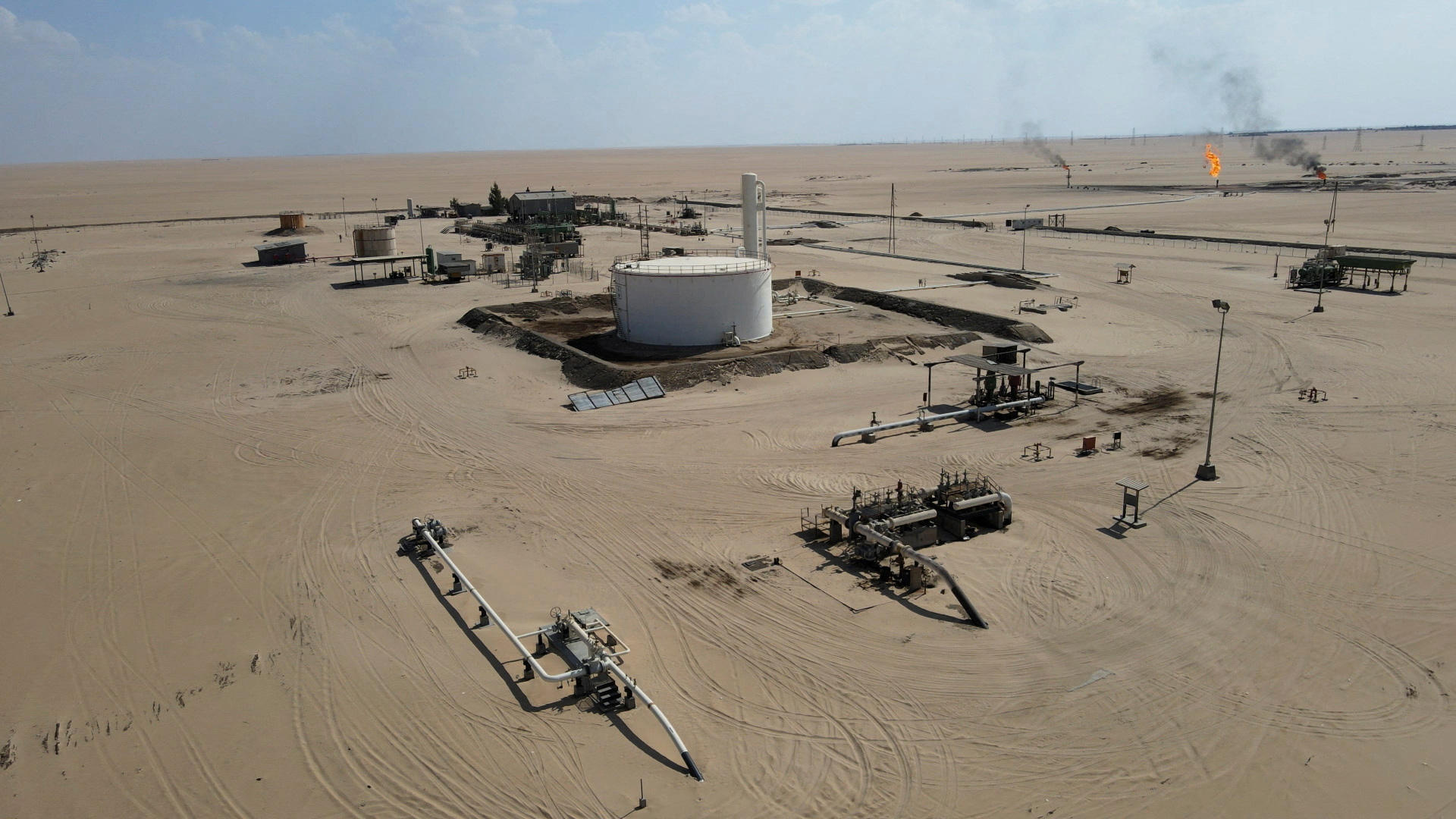
Libya’s ongoing political conflict is jeopardizing its vital oil production, potentially leading to severe disruptions in global supply chains. The strife between rival factions in the country has intensified, raising concerns about the stability of Libya’s oil sector, a crucial component of the global energy market.

The National Oil Corporation (NOC) has reported escalating security threats and operational interruptions at key oil facilities. Production at several major sites, including the Sharara and El Feel fields, has already experienced significant reductions. The disruptions are a direct result of the clashes between the Government of National Unity (GNU) and the House of Representatives (HoR), each backed by different armed groups.

The GNU, based in Tripoli, and the HoR, which controls parts of eastern Libya, have been embroiled in a protracted power struggle. This rivalry has led to a series of blockades and attacks on oil infrastructure, severely impacting the country’s output. The disruption comes at a time when global oil markets are already grappling with volatility due to various geopolitical tensions and economic uncertainties.

Libya’s oil sector, which accounts for approximately 90% of its revenue, has long been a target in the country’s broader conflict. The recent escalation has resulted in reduced exports and financial losses, exacerbating the economic strain on the nation. Analysts warn that prolonged instability could lead to a more prolonged and deep-seated disruption of Libya’s oil exports, affecting global oil prices and supply stability.

International stakeholders, including the United Nations and major oil companies, are closely monitoring the situation. The UN has called for a cessation of hostilities and a return to dialogue to mitigate the impact on oil production. However, the divided political landscape makes it challenging to achieve a consensus or enforce effective measures.

Libya’s oil industry was recovering from years of conflict and mismanagement when the current crisis hit. The industry had seen incremental improvements in production levels and infrastructure upgrades. Yet, the recent conflict threatens to reverse these gains, putting more strain on an already fragile sector.

The uncertainty surrounding Libya’s oil supply has prompted some countries and corporations to seek alternative energy sources or increase their reserves in anticipation of potential shortages. This shift could lead to changes in global energy markets, influencing everything from oil prices to energy policies worldwide.

Efforts to mediate the conflict and stabilize the oil sector have been ongoing, but the entrenched political divisions pose significant obstacles. The situation remains fluid, with potential for further escalation or, conversely, a resolution if diplomatic efforts gain traction.

As the international community watches closely, the immediate concern remains the security of Libya’s oil infrastructure and the broader implications for global energy stability.

Advertisements

Invictus Investment, a company listed on the Abu Dhabi Securities Exchange (ADX), is significantly strengthening its foothold in Africa through the acquisition of a prominent food processing entity. The acquisition, which aligns with Invictus’s broader strategy to diversify its operations across the continent, focuses on expanding its portfolio in the agribusiness sector. This move is part of a larger plan to invest over AED 1 billion across North and East Africa, with the aim of integrating further into the food processing value chain.

The company’s recent actions underscore its commitment to growing its presence in Africa, particularly in the agri-food sector. The acquisition enables Invictus to tap into the region’s rapidly expanding market for processed food products, including staples like flour, pasta, and animal feed. Invictus is not only focusing on the supply of raw agro-commodities but also on providing finished products, thereby adding significant value to its offerings.

Amir Daoud Abdellatif, CEO of Invictus, highlighted the importance of this acquisition as a pivotal step in achieving the company’s long-term goals. Abdellatif emphasized that the company is keen on forming strategic partnerships across various African markets, ensuring that Invictus remains at the forefront of the region’s food processing industry. He noted that the expansion is designed to cater to the rising consumer demand and the increasing need for food security across Africa.

In addition to this acquisition, Invictus has successfully completed over one million metric tonnes of agro-commodity exports to Egypt this year alone. This achievement reflects the company’s ability to scale its operations and manage significant volumes of trade within the region. The company’s strategic investments are expected to create a ripple effect across the African agribusiness landscape, enhancing the availability of essential food products and contributing to the continent’s economic growth.

This latest development marks a significant milestone in Invictus’s broader expansion strategy, which is set to include more acquisitions and partnerships in the coming years. As Invictus continues to diversify its portfolio and expand its market reach, the company is poised to play a crucial role in Africa’s food processing and agribusiness sectors, positioning itself as a key player in the region.

The acquisition is expected to have a positive impact on Invictus’s financial performance, with analysts predicting that it will drive revenue growth and improve the company’s market share in Africa. As the company continues to implement its ambitious expansion plans, it is likely to attract further attention from investors and stakeholders interested in the African agribusiness sector.

This strategic move by Invictus Investment underscores the growing importance of Africa as a key market for global agribusiness players, as well as the increasing demand for food processing capabilities across the continent.

Aggregate net profits for companies listed on Gulf Cooperation Council (GCC) exchanges grew by 5.7% year on year (YoY) during the second quarter of 2024, driven by broad-based growth across most regional markets. This performance reflects the resilience of key sectors amid global economic challenges, with particular strength observed in the banking, materials, and telecommunications industries.

Saudi Arabia, the largest economy in the region, saw a 2.6% YoY increase in aggregate net profits, reaching $39.1 billion in Q2-2024. The banking, materials, and telecommunications sectors were the main contributors to this growth. However, several sectors, including energy and consumer services, experienced profit declines, tempering the overall increase.

The United Arab Emirates (UAE) displayed robust financial results across both its main markets, Dubai and Abu Dhabi. Dubai-listed companies reported a significant 30.9% YoY rise in net profits, totaling $6.7 billion. Banks, capital goods, and telecommunications companies drove this growth, with these sectors accounting for over 80% of the exchange’s aggregate earnings.

Abu Dhabi’s companies experienced a more moderate 4.7% YoY increase in net profits, amounting to $8.3 billion. The banking and energy sectors were the primary growth drivers, with the latter witnessing a 20.7% YoY surge in profits. However, on a half-year basis, Abu Dhabi’s total net profits slightly declined by 2.2% compared to the same period in 2023.

Bahrain and Kuwait also reported positive financial performances. Bahrain-listed companies achieved a 37.5% YoY rise in total net profits for Q2-2024, driven by gains in the banking and materials sectors. Meanwhile, Kuwait’s listed firms saw a modest 1.0% YoY growth in net profits, with the real estate sector showing the most significant improvement, reporting a 104.4% jump in profits.

Qatar’s stock market recorded a 5.6% YoY gain in total earnings for Q2-2024, reaching $3.35 billion. The banking, insurance, and capital goods sectors were the primary contributors, although this growth was partially offset by declines in the materials and real estate sectors.

In contrast, Oman was the only GCC market to report a slight decline in total net profits, with a 0.9% YoY decrease to $506.4 million in Q2-2024. This was largely due to underperformance in several key sectors, despite growth in banking and commercial services.

The overall 5.7% YoY growth in the GCC’s aggregate net profits highlights the region’s economic resilience, with a diverse range of sectors contributing to the financial health of these markets. As the global economic landscape continues to evolve, the GCC remains a key area of focus for investors seeking stability and growth opportunities.

KUALA LUMPUR, MALAYSIA – Media OutReach Newswire – 29 August 2024 – Malaysia’s leading independent investment bank, Kenanga Investment Bank Berhad (“Kenanga” or “The Group“) today announced stronger earnings for the period ended 30 June 2024 (“1H24“). Datuk Chay Wai Leong, Group Managing Director, Kenanga Investment Bank Berhad Revenue for 1H24 rose by 18.3% to RM447.3 million from RM378.1 million, while profit before tax (“PBT“) increased by […]

Sustaining Momentum Fueled by Robust Global Demand for K-Beauty Products Results Highlights Revenue and net profit grew 80.2% to US$163.35 million and 610.6% year-on-year to US$11.1 million respectively, hitting first-half year historical high Revenue from beauty products, in particular Korean beauty (“K-Beauty”) products, increased 113.9% to US$149.4 million, contributing 91.4% of the Group’s total revenue While the US remained as the largest market, European Union became the […]

KUALA LUMPUR, MALAYSIA – Media OutReach Newswire – 29 August 2024 – As the U.S. presidential elections approach, global financial markets brace for potential turbulence. Global broker Octa looks at the historical correlation between U.S. elections and stocks, gold, and the U.S. dollar. Economy The relationship between the party affiliations of the U.S. presidents and economic growth has been a topic of extensive research and debate. Historically, […]

A significant security vulnerability in the LiteSpeed WordPress cache plugin has exposed more than 5 million websites to potential cyber threats. This flaw, which has been identified and confirmed by cybersecurity experts, allows attackers to exploit the plugin’s weaknesses and potentially gain unauthorized access to sensitive information. The vulnerability lies within the plugin’s handling of user input, which can be manipulated to execute malicious code. This issue […]

The United Arab Emirates (UAE) has announced a new visa amnesty program aimed at addressing the status of illegal residents. This initiative provides a clear pathway for individuals overstaying their visas to rectify their situation without facing fines or exit fees. The program, which offers amnesty to those who have overstayed their visas, is designed to alleviate the burden on individuals who may be struggling with residency […]

Arabian Post Staff -Dubai Saudi Arabia’s Public Investment Fund (PIF) is among the investors that have encountered financial setbacks due to Vista Equity Partners’ acquisition of Pluralsight Inc., according to sources familiar with the situation. The investment, which was part of PIF’s broader strategy to diversify and expand its global footprint, did not yield the anticipated returns, leading to significant losses. Vista Equity Partners, a private equity […]

BEIJING, CHINA – Media OutReach Newswire – 28 August 2024 – As a pioneer in high-quality development for the new era, Beijing E-Town (BDA) is seizing the opportunity to lead the development of the embodied intelligent robot industry. The plan is to build a domestically leading and internationally first-class demonstration city for the embodied intelligent robot industry in two steps. “By the end of 2026, we aim […]

Amid a backdrop of rising tensions and shifting political landscapes, Israel faces a critical juncture in its ongoing struggle with Iran. As support for Prime Minister Benjamin Netanyahu continues to grow, the question of whether Israel should intensify its confrontation with Iran is gaining prominence. While the prospect of such a move may appeal to some as a demonstration of strength and resolve, the unpredictable nature of warfare poses significant risks that must be carefully considered.

Netanyahu has long positioned himself as a staunch defender of Israel’s security, particularly in relation to the perceived threat from Iran. His rhetoric and actions have consistently underscored the view that Iran’s nuclear ambitions and regional influence constitute an existential danger to Israel. Over the years, Netanyahu has been vocal about the need to curb Iran’s power, and his administration has supported a range of strategies, including military strikes, covert operations, and diplomatic pressure, to achieve this goal.

Recent developments have only heightened the stakes. Iran’s nuclear program appears to be advancing at a rapid pace, with reports suggesting that it may soon reach a critical threshold. Additionally, Iran’s influence in the region, through its support for proxy groups such as Hezbollah and its involvement in conflicts in Syria and Yemen, remains a significant concern for Israel. The strategic calculus for Israel is therefore becoming increasingly complex, as it weighs the potential benefits and costs of escalating the conflict with Iran.

Support for Netanyahu’s hardline approach has been bolstered by several factors. Domestically, his political standing has improved, partly due to his handling of security issues and his ability to present himself as a strong leader in times of crisis. The recent normalization agreements between Israel and several Arab states have also enhanced his reputation, suggesting that Israel’s regional position is stronger than ever. These developments may lead some to believe that now is the opportune moment to confront Iran more directly, capitalizing on Netanyahu’s political momentum and the perceived alignment of regional interests.

However, the decision to escalate the conflict with Iran is fraught with peril. Wars, by their very nature, are unpredictable and can spiral out of control in ways that are difficult to foresee. Even with superior military capabilities, Israel cannot guarantee a quick and decisive victory. Iran is a formidable adversary with a well-established military and a network of regional allies that could respond to Israeli aggression in ways that might destabilize the entire Middle East.

One of the key risks associated with a larger war is the potential for it to draw in other regional and global powers. The Middle East is a complex web of alliances and enmities, and any significant escalation by Israel could provoke responses from other countries, including Russia, Turkey, and the United States. Each of these actors has its own interests and objectives in the region, and their involvement could complicate Israel’s strategic objectives, leading to a protracted and costly conflict.

Moreover, there is the question of public opinion, both domestically and internationally. While Netanyahu may enjoy growing support within Israel, particularly among those who prioritize security concerns, there is also a segment of the population that is wary of the consequences of another major war. The memory of past conflicts, such as the 2006 Lebanon War and the ongoing tensions in Gaza, serves as a reminder of the human and economic toll that war can exact. Internationally, Israel could face increased scrutiny and criticism, particularly if civilian casualties were to mount, which could undermine its diplomatic standing and erode the support it currently enjoys from key allies.

The economic implications of a larger conflict should not be overlooked either. Israel’s economy, while robust, is not immune to the shocks that accompany military conflicts. Prolonged warfare could disrupt trade, deter investment, and strain public finances, leading to long-term economic challenges. The costs of rebuilding and addressing the humanitarian fallout of war could be substantial, diverting resources away from other critical areas such as education, healthcare, and infrastructure.

Given these considerations, the argument against escalating the conflict with Iran gains considerable weight. While the desire to neutralize a perceived threat is understandable, the risks associated with a larger war are significant. Netanyahu’s leadership has been characterized by a willingness to take bold actions, but in this case, caution may be the more prudent course.

Israel’s security concerns are legitimate, and the threat posed by Iran is real. However, history has shown that wars often produce unintended consequences. The 2003 invasion of Iraq by the United States serves as a cautionary tale of how even well-intentioned military interventions can lead to long-term instability and suffering. Israel must weigh the potential short-term gains of weakening Iran against the long-term risks of igniting a broader regional conflict.

Diplomatic efforts, while challenging, offer an alternative path. The international community, including Israel’s allies, has a vested interest in preventing a larger war in the Middle East. Diplomatic channels, including negotiations and multilateral efforts to curb Iran’s nuclear ambitions, should be pursued with renewed vigor. While diplomacy may not provide immediate results, it offers the possibility of a more sustainable and less costly resolution to the ongoing tensions.

The decision to escalate or avoid a larger conflict with Iran is one that will define Netanyahu’s legacy and Israel’s future. It is a decision that requires careful consideration of the potential consequences, both known and unknown. The support for Netanyahu’s approach is undeniable, but the wisdom of pursuing a path of greater confrontation remains questionable. Wars are rarely as simple as they appear at the outset, and the costs of miscalculation can be immense.

As Israel navigates this complex and dangerous terrain, the choice it makes will have profound implications for its security, its economy, and its standing in the world. The allure of a decisive victory over a formidable adversary is strong, but the risks of a broader conflict may ultimately outweigh the potential rewards. Israel must tread carefully, recognizing that while strength is essential, so too is the wisdom to avoid unnecessary and potentially catastrophic conflict.


SINGAPORE – Media OutReach Newswire – 28 August 2024 – Vizzio Technologies is pleased to announce the appointment of Jonathan Asherson, former Chairman of Rolls-Royce Singapore for Asia Pacific, to its Board of Directors. In addition to his board role, Asherson will serve as Chairman of POLYTRON.AI, a Vizzio subsidiary. Jonathan Asherson Jonathan Asherson brings a wealth of experience in technology and engineering, which will be pivotal […]

Do you want to make your video making business stand out? Whether you’re just beginning or have some experience, having the right tools can make a big difference. Good equipment helps you create videos that people love to watch. From cameras that capture clear pictures to lights that make your scenes look great, each piece of gear is important. Microphones ensure your sound is crisp and clear. […]

SINGAPORE – Media OutReach Newswire – 28 August 2024 – Zuellig Pharma, a leading healthcare solutions company in Asia, has announced an exclusive distribution agreement with Regeneron Ireland DAC, a wholly owned subsidiary of Regeneron Pharmaceuticals, Inc. to launch and commercialise Libtayo® (cemiplimab), a fully human monoclonal antibody targeting the immune checkpoint receptor PD-1 on T cells, in South Korea and Taiwan. Regeneron is a leading biotechnology […]

Nasdaq is making strides toward expanding its financial offerings by seeking approval from the U.S. Securities and Exchange Commission (SEC) for a new set of bitcoin index options. This move, if sanctioned, would mark a significant step forward in the integration of digital assets into mainstream financial markets.

Nasdaq’s proposal is focused on introducing options tied to a bitcoin index, which would offer investors a new way to gain exposure to the cryptocurrency market. The exchange’s submission to the SEC underscores the growing interest in bitcoin-related financial products, especially as institutional and retail demand for cryptocurrency exposure continues to rise.

The proposed bitcoin index options would operate similarly to other index options, allowing investors to speculate on the future price of bitcoin without needing to hold the underlying asset. This would provide a level of risk management and flexibility that could appeal to a broader range of investors. The timing of this move coincides with a period of heightened interest in digital assets, driven by bitcoin’s increased adoption and the introduction of various bitcoin exchange-traded funds (ETFs).

Currently, the SEC has not yet approved options based on any individual exchange-traded funds tied to spot bitcoin prices. The regulatory body has been cautious in its approach to cryptocurrency-related products, citing concerns about market manipulation, investor protection, and the overall stability of the financial system. Despite this, there has been a gradual shift in the SEC’s stance, with more openness to considering such products, particularly as the market matures and safeguards are implemented.

Nasdaq’s initiative reflects a broader trend within the financial industry, where traditional exchanges and financial institutions are increasingly exploring the integration of digital assets. This is part of a larger effort to bridge the gap between traditional finance and the rapidly evolving cryptocurrency sector. By offering bitcoin index options, Nasdaq aims to provide a regulated and transparent environment for investors to participate in the cryptocurrency market, potentially paving the way for other exchanges to follow suit.

The introduction of bitcoin index options would also have significant implications for market dynamics. It could lead to increased liquidity in the bitcoin market, as more participants enter through these new financial instruments. Additionally, it could influence bitcoin’s price stability, as options trading can impact the supply and demand balance of the underlying asset.

However, the SEC’s decision will likely hinge on several factors, including the overall security of the proposed product, the measures in place to prevent market manipulation, and the potential impact on investors. The regulatory body has been under pressure to strike a balance between fostering innovation in the financial markets and ensuring the protection of investors. The outcome of Nasdaq’s application could set a precedent for future cryptocurrency-related financial products in the United States.

If approved, Nasdaq’s bitcoin index options could significantly enhance the accessibility and appeal of cryptocurrency investments, particularly for institutional investors who may have been hesitant to enter the market due to regulatory uncertainties. This development would also signal a further legitimization of bitcoin as a financial asset, potentially driving broader acceptance and adoption.

Nasdaq’s pursuit of SEC approval for bitcoin index options represents a pivotal moment in the ongoing evolution of the financial markets. As the intersection of traditional finance and digital assets continues to develop, the decisions made by regulatory bodies like the SEC will play a crucial role in shaping the future of the industry.

BEIJING, CHINA – Media OutReach Newswire – 27 August 2024 – On August 21, the highly anticipated World Robot Conference 2024 (WRC 2024) grandly opened at the Beijing Etrong International Exhibition & Convention Center, once again drawing global attention to the Beijing Economic-Technological Development Area (Beijing E-Town). As the main hub for high-end industries in the capital, Beijing E-Town has fully utilized the platform of WRC to […]

Saudi Arabia and Ethiopia have taken a significant step towards bolstering their economic ties through the establishment of a new business council. The Federation of Saudi Chambers announced that the Saudi-Ethiopian Business Council, approved by the General Authority for Foreign Trade, will operate for the 2024-2028 term. This initiative aims to enhance trade and investment opportunities between the two nations, aligning with Saudi Arabia’s broader strategy to deepen its economic relations with Africa.

The council will be led by Abdullah bin Mohammed Al-Ajmi as president, with Omar bin Abdullah Al-Kharashi and Misfer bin Musaad Al-Shahrani serving as vice presidents. The council’s formation follows discussions held during the Saudi-Ethiopian Business Forum in June 2024, where both countries expressed a mutual interest in exploring new avenues for economic collaboration.

Ethiopia, with a GDP of approximately $205 billion in 2022, is one of Africa’s largest economies. However, trade between Saudi Arabia and Ethiopia has remained relatively modest, with bilateral trade valued at less than SR1.3 billion ($346 million). The new council aims to address this gap by fostering stronger business partnerships, particularly in key sectors such as agriculture, mining, petrochemicals, food industries, tourism, real estate, and construction.

Al-Ajmi emphasized Ethiopia’s attractive investment environment and its strategic role as a trade hub for Central Africa. The council is expected to play a pivotal role in supporting Saudi exports and targeting growth sectors in Ethiopia, potentially unlocking new economic opportunities for both nations.

This development is part of Saudi Arabia’s broader effort to expand its influence and economic reach across Africa, with Ethiopia positioned as a critical partner in this strategy. The establishment of the council marks a significant milestone in Saudi-Ethiopian relations, promising to elevate their economic ties to new heights over the next four years.

This initiative not only underscores the importance of Ethiopia in Saudi Arabia’s Africa strategy but also signals a concerted effort to diversify economic partnerships and explore untapped markets on the continent. The coming years will likely see increased Saudi investment in Ethiopia, as the council works to bridge the existing trade gap and create new opportunities for economic collaboration.

Proposed an interim dividend of HK11.0 cents per share Highlights: Revenue increased by approximately 10.6% to approximately HK$1,393.7 million as compared with the Corresponding Period Last Year. Gross profit increased by approximately 11.6% to approximately HK$507.9 million as compared with the Corresponding Period Last Year, gross profit margin increased to approximately 36.4%. Profit attributable to owners of the Company increased by approximately 6.2% to approximately HK$122.6 million […]

VISHNU RAJA
RYO YAMADA
HITORI GOTOH
IKUYO KITA
Just in: