News related to
prove no

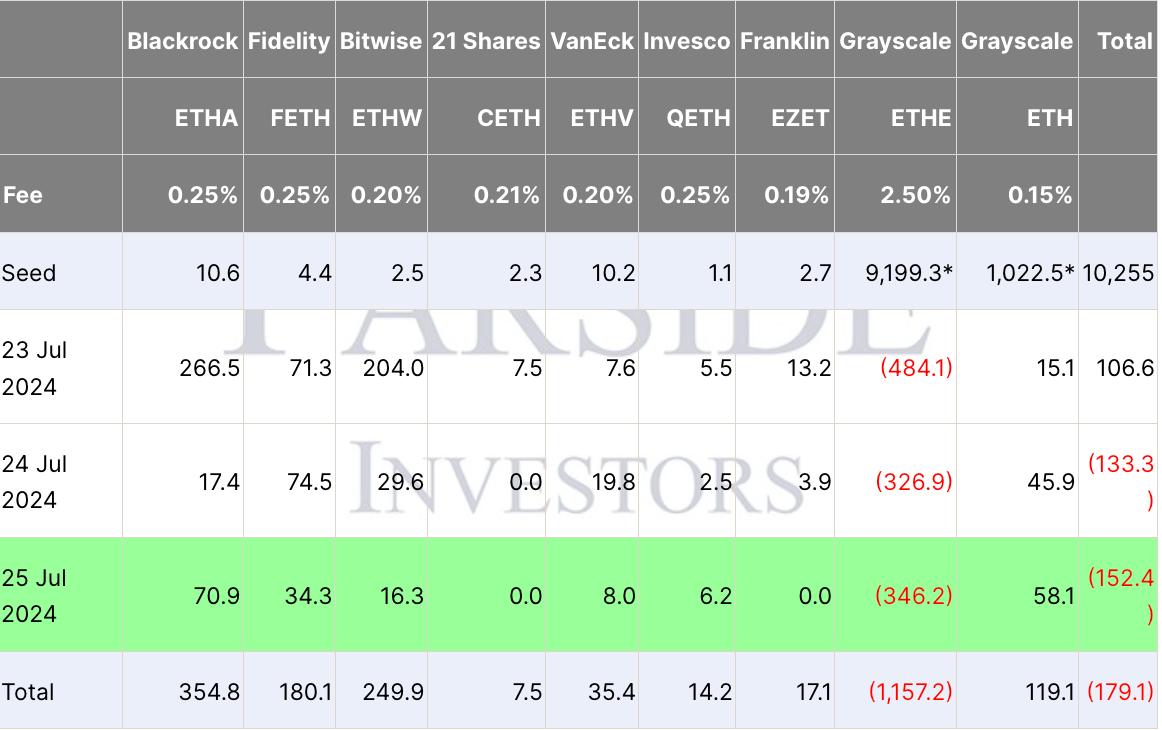
Base, a layer-2 blockchain solution built atop Ethereum, has garnered significant attention due to its robust growth in 2024, securing $2.7 billion in net inflows year-to-date. The surge marks a pivotal moment for the project, reflecting strong investor confidence and the growing appeal of scaling solutions within the crypto ecosystem. In stark contrast, Ethereum itself, despite its dominance in the space, experienced a record $7.4 billion in net outflows over the same period, signaling a shift in investor sentiment away from the original Ethereum blockchain toward alternative platforms like Base.

The disparity in inflows and outflows has drawn attention from market analysts, particularly because both assets are intrinsically linked. Base’s success hinges on the Ethereum blockchain for security, but its tailored scalability and lower transaction costs have attracted considerable investment. Ethereum’s outflows are largely attributed to concerns over its scalability issues, particularly its high transaction fees and network congestion that have persisted despite ongoing updates.

The ongoing battle between layer-1 and layer-2 solutions illustrates a broader trend in blockchain development. Layer-2 solutions like Base aim to alleviate the scalability challenges faced by Ethereum by processing transactions off-chain while leveraging Ethereum’s security. This model has proven to be appealing to decentralized application developers and users who seek lower fees and faster transactions. Investors are increasingly recognizing these advantages, which has driven the substantial inflows into Base.

One of the key factors driving Base’s success has been its integration with Optimism, a layer-2 network that employs Optimistic Rollups. This technology allows transactions to be processed in batches, enhancing speed and efficiency while reducing costs. Optimism’s established track record, combined with the robust infrastructure of Base, has resulted in a growing number of decentralized finance (DeFi) protocols migrating to this ecosystem. These protocols are increasingly shifting their focus to Base, buoyed by its ability to scale and manage higher transaction volumes more effectively than Ethereum.

Ethereum’s struggle to retain investor confidence, on the other hand, can be traced to its long-standing scalability limitations. The Ethereum network, often hailed as the backbone of decentralized finance, has been plagued by network congestion, especially during periods of high transaction demand. While Ethereum’s transition to Ethereum 2.0, which aims to implement a Proof of Stake consensus mechanism, is intended to address some of these issues, many investors remain skeptical of its long-term viability in its current form. High transaction fees continue to plague the network, pushing investors and developers to seek alternatives that offer better scalability.

Despite Ethereum’s ongoing development efforts, including the introduction of sharding and other upgrades to enhance throughput, the market sentiment has leaned toward blockchain solutions that can offer immediate relief. Layer-2 solutions like Base, Arbitrum, and Polygon have benefitted from this shift, offering near-instant transaction finality and negligible fees. These benefits have not only attracted developers but also institutional investors who are looking to capitalize on the emerging layer-2 ecosystem, further driving the inflow into these platforms.

The contrast between Ethereum’s challenges and Base’s growth is particularly notable given the overlap in their underlying technologies. While Base runs on Ethereum’s base layer for security and consensus, its innovative scaling model has managed to sidestep many of the bottlenecks that continue to hinder Ethereum itself. This dynamic has led to the rapid rise of Base in the market, with many speculating that this trend could continue as more applications and investors shift their focus to layer-2 solutions.

A key consideration in the ongoing evolution of blockchain technology is the role of decentralization. Ethereum has long been the poster child for decentralization, emphasizing the importance of a trustless and distributed network. However, as scalability and efficiency have become more pressing issues, layer-2 solutions like Base are offering a middle ground—leveraging Ethereum’s security without burdening its mainnet with excessive transactions. This hybrid approach is increasingly gaining favor among users who value both decentralization and efficiency.

The entry of institutional investors into the blockchain space has played a critical role in shaping the landscape. Many institutional players have expressed interest in blockchain technologies that provide high throughput and minimal latency, qualities that are often found in layer-2 solutions. The inflows into Base reflect this shift, as institutions seek to diversify their portfolios in the rapidly evolving digital asset space. The growing adoption of decentralized finance, non-fungible tokens (NFTs), and other blockchain-based innovations has further cemented Base’s position as a platform that can support these applications with lower costs and faster speeds.

The contrasting trends in Ethereum’s outflows and Base’s inflows have sparked debate about the future of Ethereum’s role in the broader blockchain ecosystem. While Ethereum remains the dominant layer-1 blockchain, its scalability issues have led to increased competition from a range of layer-2 solutions. These developments highlight the evolving dynamics within the blockchain space, where scalability, speed, and cost-efficiency are becoming the key determinants of success.


Dubai Islamic Bank (DIB) is open to acquiring other banks and financial technology (FinTech) businesses as part of its strategy to expand its market presence and strengthen its service offerings. CEO of DIB, Adnan Chilwan, highlighted the bank’s interest in further diversifying its portfolio to meet the evolving needs of customers. This approach is in line with DIB’s broader growth strategy, which has already seen significant investments […]

FIFA confirmed Saudi Arabia as the host of the 2034 Men’s World Cup on Wednesday, marking a historic moment for both the nation and the Middle East. The announcement was largely a formality, as Saudi Arabia was the sole bidder for the prestigious tournament, securing the rights without facing competition from other countries.

This victory positions Saudi Arabia as the second nation in the Middle East to host the World Cup, following Qatar’s successful bid for the 2022 tournament. FIFA’s decision to award Saudi Arabia the 2034 event underscores the growing influence of the region in global sports and aligns with the country’s ongoing push to diversify its economy and enhance its global stature.

The announcement follows the deadline for World Cup host bids, which closed without any other nations stepping forward. While other countries had considered bidding, Saudi Arabia’s extensive investment in sports infrastructure, coupled with its broader ambitions under the Vision 2030 initiative, positioned it as the dominant candidate. The country’s growing role in global sports has been evident in recent years with high-profile events such as the LIV Golf series and the Saudi Pro League attracting international attention.

The choice to award Saudi Arabia the 2034 World Cup aligns with FIFA’s ongoing efforts to globalize the tournament and increase its presence in new markets. This marks a continuation of FIFA’s strategy to bring the World Cup to regions that have historically been underrepresented in major international sporting events. For Saudi Arabia, hosting the World Cup is part of its broader ambitions to reshape its international image and establish itself as a leading destination for tourism, sports, and entertainment.

Saudi Arabia’s Vision 2030, spearheaded by Crown Prince Mohammed bin Salman, is a national development plan that aims to reduce the kingdom’s dependence on oil revenues by investing in non-oil sectors like tourism, entertainment, and sports. The 2034 World Cup fits into this larger strategy, with the event expected to boost the country’s economy, infrastructure, and international appeal. The announcement of the World Cup was celebrated within the country, reflecting national pride and ambition.

The infrastructure required for the World Cup is expected to drive further modernization efforts. Saudi Arabia has already embarked on major construction projects in recent years, including the building of new sports venues, hotels, and entertainment complexes. The country has also been investing heavily in upgrading its transportation networks, with the aim of creating a seamless experience for international visitors. The legacy of the tournament will likely include lasting improvements to Saudi Arabia’s tourism infrastructure, further positioning it as a destination for international visitors.

Although the lack of competition for the 2034 World Cup bid may raise questions about the transparency of the process, FIFA’s decision was met with enthusiasm from both supporters and critics of Saudi Arabia’s role in global sports. Some observers argue that the country’s growing presence in major international events raises important questions about the intersection of politics, sports, and human rights. However, others believe that hosting the World Cup presents an opportunity for Saudi Arabia to foster greater engagement with the global community.

The Middle East, as a region, has seen a rapid transformation in its sports culture over the last decade. The successful hosting of the 2022 World Cup in Qatar was a landmark event, showcasing the region’s ability to manage and execute a major international sports competition. Qatar’s ability to navigate the logistical challenges of hosting the World Cup has set a precedent for Saudi Arabia, which is expected to follow a similar path in preparation for 2034.

Saudi Arabia’s growing investment in football, particularly through its domestic league, has drawn attention from the international football community. The country’s efforts to attract top talent to the Saudi Pro League, including high-profile signings like Cristiano Ronaldo, have increased the league’s visibility. This influx of international stars has raised the profile of Saudi football and contributed to the country’s ambitions of becoming a leading force in the global football landscape.

The 2034 World Cup also presents a significant opportunity for FIFA to expand the tournament’s global reach. With the event taking place in the Middle East for the second time in just over a decade, FIFA aims to strengthen its presence in a region with rapidly growing football interest and infrastructure development. The decision is likely to further cement football’s place as the world’s most popular sport, especially in a region where the sport has seen an explosion in popularity and investment.

Carlyle Group’s AlpInvest Partners has entered into a strategic partnership with Mubadala Investment Company, marking a significant development in the private equity and alternative investment landscape. The two entities are set to pool their expertise to create a new financing initiative, which is expected to reshape investment strategies in the coming years.

AlpInvest Partners, a leading global private equity firm, and Mubadala, a sovereign wealth fund based in Abu Dhabi, have long been prominent players in the investment world. Together, they are now focusing on expanding their reach across sectors such as technology, healthcare, and energy. The collaboration aims to tap into emerging investment opportunities, leveraging the expertise of both firms to provide flexible financing solutions to companies in need of capital.

The new partnership is expected to create a platform that offers both direct investments and secondary market opportunities, targeting firms across the growth and buyout spectrum. Experts highlight the synergies between Mubadala’s long-term investment approach and AlpInvest’s deep knowledge of the private equity landscape, which could prove to be a winning combination for identifying and nurturing high-growth ventures.

This initiative comes at a time when the global investment market is undergoing significant shifts. The private equity space, especially, has been growing at a rapid pace as more institutional investors look to diversify their portfolios. Analysts point out that this collaboration allows both firms to capitalize on a range of opportunities, from early-stage funding to large-scale buyouts, with a particular emphasis on sectors that are poised for transformative growth.

Mubadala’s significant capital base, bolstered by its vast portfolio of assets, gives the partnership a solid foundation to pursue deals that may otherwise be out of reach for smaller players. The sovereign wealth fund’s diverse holdings in global markets, particularly in sectors such as aerospace, technology, and healthcare, will complement AlpInvest’s extensive network of private equity investments. Together, they aim to target both established companies and innovative startups with high potential for growth.

One key aspect of the partnership is its potential impact on the Middle East and North Africa (MENA) region, where both Mubadala and AlpInvest have been steadily increasing their footprint. The region has seen a surge in private equity activity in recent years, driven by economic diversification initiatives and the growth of regional industries. Experts believe that the collaboration could further strengthen the MENA region’s position as a leading hub for private equity investments, drawing attention from both local and international investors.

The partnership’s approach to financing is seen as a significant shift in how private equity deals are structured. Unlike traditional private equity funds that typically focus on buyouts or growth equity, this collaboration is expected to provide more flexible financing solutions, including debt, equity, and hybrid structures. This flexibility could be a game-changer for companies looking for capital but unwilling to give up full control or ownership stakes.

For AlpInvest, this partnership adds to its growing portfolio of alliances with other institutional investors and private equity firms around the world. As part of the Carlyle Group, AlpInvest has access to a global platform that enables it to tap into high-value deals across North America, Europe, and Asia. This new venture with Mubadala allows AlpInvest to further solidify its position as a key player in the global alternative investments space.

Mubadala’s involvement in the partnership underscores its ongoing strategy to diversify its investments globally. As part of its broader investment strategy, Mubadala has been focusing on both growth and impact, directing funds towards industries that promise long-term value and societal benefits. The new financing venture with AlpInvest is expected to align with these goals, particularly in the fields of sustainable energy and technology, which are central to the UAE’s Vision 2030 and Mubadala’s broader strategic objectives.

The financial terms of the partnership have not been disclosed, but market analysts anticipate that the new venture will unlock a wave of new opportunities for investors and businesses alike. As the demand for alternative financing models continues to rise, the Carlyle-AlpInvest and Mubadala collaboration is poised to take advantage of the growing need for capital across a variety of industries, with a special emphasis on innovation-driven sectors.

Google has unveiled its latest AI model, Gemini 2.0, which the tech giant positions as a critical step in the evolution of artificial intelligence. With a focus on enhancing decision-making and multi-step reasoning capabilities, Gemini 2.0 aims to serve as a powerful AI tool for both individual and business use. CEO Sundar Pichai, in his announcement, highlighted the model’s capacity to understand complex contexts, predict outcomes, and autonomously perform tasks for users, all of which are part of Google’s vision for what they call “agentic AI.”

Gemini 2.0 builds on Google’s previous AI models by adding more sophistication and versatility, designed to better serve a range of functions across Google products. One of its major enhancements is its ability to process and output various forms of data simultaneously—text, images, video, and even audio. This expansion comes as part of the company’s efforts to make its AI more integrated with other tools, such as Google Search and the broader Gemini platform. As part of the rollout, Gemini 2.0 will be available initially to developers and select testers, with a broader release planned for 2025.

For developers, the potential for innovation with Gemini 2.0 is immense. Powered by Google’s advanced TPU (Tensor Processing Unit) hardware, called Trillium, this new model promises substantial improvements in processing speed and efficiency. Google has also announced that its new model will be integrated into numerous Google products that already serve billions of users globally. This deployment is expected to expand rapidly, particularly through the Gemini app, which will incorporate Gemini 2.0 Flash for faster performance in multiple languages and regions.

The competition in AI is intensifying, with major players like OpenAI, Meta, and Amazon all making strides to develop more advanced models. Yet, Google’s focus on integrating agentic AI—AI capable of taking autonomous actions to meet specific goals—could give it an edge in applications that require deep contextual understanding and proactive decision-making.

One notable feature of Gemini 2.0 is its focus on enhancing the user experience by making AI more intuitive. The model’s enhanced ability to make decisions on behalf of users in various contexts is positioned as a way to add tangible value. For instance, AI agents can help users navigate complex workflows, assist in content creation, or automate decision-making processes that would traditionally require human intervention.

While the AI space continues to be dominated by hardware giants like Nvidia, which supplies the chips for much of the training behind these models, Google’s strategic use of its own hardware—Trillium—marks a significant step in its ambition to maintain leadership in AI development. The company’s decision to roll out Gemini 2.0 while ensuring its compatibility across multiple platforms will likely reinforce its dominance in the sector.

Looking forward, the integration of Gemini 2.0 into Google’s flagship products like Search promises to transform how users interact with information. Early testers have lauded the new model for its ability to provide more relevant, context-aware responses. This aligns with Google’s broader goal of refining how AI can streamline information retrieval, decision-making, and creative processes.

Efforts to make PlayStation 3 games playable on diverse platforms have gained a breakthrough, with the successful integration of a cutting-edge emulator compatible with Raspberry Pi 5 and Apple Silicon. This development marks a significant stride in the emulation landscape, offering wider accessibility to the PS3’s expansive game library. The new capability stems from enhancements made to RPCS3, the renowned open-source PS3 emulator. Developers focused on optimizing […]

Saudi Arabia has unveiled an ambitious initiative aimed at enhancing global capabilities in forecasting and mitigating the effects of sand and dust storms. The program, introduced during the 16th session of the United Nations Convention to Combat Desertification (COP16) in Riyadh, underscores the Kingdom’s growing commitment to environmental resilience and its efforts to combat the detrimental effects of desertification on health, infrastructure, and ecosystems. This initiative is […]

Advertisements

Coincheck, Japan’s largest cryptocurrency exchange, has marked a significant milestone by becoming the first crypto exchange from the country to be listed on Nasdaq. The Tokyo-based exchange is set to go public through a merger with Thunder Bridge Capital Partners IV, a special purpose acquisition company (SPAC). This development positions Coincheck as a key player in the global crypto landscape, particularly as Japan’s regulatory environment for cryptocurrencies continues to evolve.

The listing was approved by the U.S. Securities and Exchange Commission (SEC) in mid-November 2024, clearing the way for the exchange to begin trading on Nasdaq under the ticker symbol CNCK. This approval followed Coincheck’s filing of a Form F-4 registration and a successful shareholder vote held on December 5. The timing of the listing is crucial, as it coincides with a shift in the U.S. crypto regulatory scene, which could have broad implications for other exchanges and digital asset firms eyeing Nasdaq.

Coincheck’s entry onto Nasdaq reflects the growing acceptance of cryptocurrency as a legitimate financial asset class, even as regulatory scrutiny intensifies globally. The move could also inspire other Japanese exchanges, which have been cautious about entering foreign markets, to explore similar listings, particularly given the global appetite for digital asset investments.

The SPAC merger allows Coincheck to remain a subsidiary of its parent company, Monex Group, which has supported the exchange’s growth over the years. The listing is not only a triumph for Coincheck but also highlights the broader trends in the crypto industry, including the increasing involvement of traditional financial players in the digital asset sector. It also raises questions about the future of Japan’s crypto regulation, with potential changes in the U.S. under the incoming administration of President Donald Trump.

While Coincheck’s Nasdaq debut marks a significant achievement, it also points to a larger trend of global exchanges looking beyond domestic borders to secure listings on international bourses. As one of the first major crypto firms to take this step, Coincheck’s success may pave the way for others in Japan and beyond to follow suit. This trend is likely to continue as the digital asset space matures and as international regulatory standards become clearer.

Abu Dhabi has set its sights on securing $123 billion in private sector investments to fund a variety of infrastructure projects as part of an ambitious expansion plan. The UAE capital’s strategy revolves around public-private partnerships (PPPs) aimed at meeting the growing demand for key infrastructure and supporting long-term economic growth. The initiative is in line with the broader trend across the Gulf region, where countries like […]

RSS Guard has emerged as a standout tool in the evolving landscape of content aggregation, offering a robust and efficient way to manage feeds across platforms. This open-source feed reader has garnered attention for its comprehensive features, simplicity, and adaptability, setting a benchmark in its category. The application supports multiple platforms, including Windows, macOS, and Linux, ensuring accessibility for users with diverse operating systems. Designed with practicality […]

The United Arab Emirates has concluded a major series of trade agreements with Russia, enhancing economic ties and positioning itself as a key player in the evolving global market. These developments come after high-level meetings at the Innoprom industrial exhibition in Yekaterinburg, where an Emirati delegation led by Dr. Sultan Al Jaber, Minister of Industry and Advanced Technology, negotiated deals on a range of strategic sectors. These agreements are expected to facilitate the establishment of a free-trade zone between the two nations and improve agricultural technology supply chains, among other initiatives.

A focal point of the discussions was the removal of trade barriers to accelerate bilateral commerce. Russian Industry and Trade Minister Anton Alikhanov expressed optimism about the future of these trade relations, highlighting the potential for significant growth once these barriers are overcome. In a statement, Alikhanov said that removing these obstacles would be key to maximizing the economic benefits of this partnership.

The UAE, which has emerged as one of Russia’s most important economic partners in the Middle East, continues to strengthen its position as a leading global trade hub. President Vladimir Putin, during his visit to Abu Dhabi in December 2023, underscored the UAE’s role as Russia’s top investor in the region. This growing economic relationship is not just limited to Russia; the UAE is also seeking to diversify its trading partnerships globally, with Russia playing a significant part in that strategy.

These deals further reflect the UAE’s broader approach to international trade, which involves forging deeper ties with nations like Russia while diversifying its economic portfolio. The Emirati leadership is keen to leverage its technological advancements and infrastructure, particularly in energy and agriculture, to build a more robust trading network with both traditional and emerging markets.

Matein Khalid The dramatic events of last week in Syria have only boosted President Erdogan’s role as the preeminent regional powerbroker in the heart of the Arab Levant as Turkish armed/financed Sunni militias engineered their collapse of the 54-year-old Assad dynastic tyranny in Damascus. Syria is once again a de facto Turkish protectorate, as it was in the five centuries since Sultan Selim Yavuz vanquished its Mamluk […]

The blockchain landscape is on the cusp of a transformative shift as new contenders challenge the dominance of established platforms like Ethereum and Solana. While Ethereum and Solana have carved out prominent positions with their focus on scalability, smart contracts, and decentralized applications, emerging blockchain networks are beginning to capture the attention of investors, developers, and enthusiasts alike.

Ethereum, long regarded as the king of smart contracts, has faced challenges in scaling its network to handle growing demand. Solana, with its high-speed transactions and low fees, quickly gained popularity but has encountered its own set of technical issues. In response to these pain points, several new blockchain projects are positioning themselves as solutions that could disrupt the current hierarchy and change the way blockchain technology is used.

At the forefront of this potential revolution is the development of layer-2 solutions, next-generation consensus mechanisms, and other blockchain innovations designed to address the scalability issues that have hindered Ethereum’s progress and Solana’s network stability. These new technologies promise to enhance transaction speed, reduce fees, and improve overall network performance.

The race is on to build a blockchain that not only scales efficiently but also remains decentralized and secure. New protocols are leveraging cutting-edge cryptographic techniques and modular designs to allow for greater flexibility in handling various types of blockchain applications, from decentralized finance (DeFi) to non-fungible tokens (NFTs). These protocols promise to deliver faster transaction times without sacrificing the security and decentralization that blockchain users expect.

One of the most talked-about developments in this space is the rise of *modular blockchains*. These blockchains, in contrast to the monolithic models used by Ethereum and Solana, separate the execution layer from the consensus layer, creating a more flexible, scalable architecture. This modular approach allows for tailored solutions that can better accommodate specific use cases, whether it be for enterprise adoption, decentralized finance, or other blockchain-based innovations. Projects like Celestia and Polkadot are leading the charge in this area, drawing significant interest from both developers and investors.

Modular blockchains allow for enhanced interoperability between different blockchains, a crucial factor in ensuring that the blockchain ecosystem remains open and accessible. Unlike the more isolated ecosystems of Ethereum or Solana, modular solutions enable smoother communication and asset transfers between multiple blockchain networks. This approach has the potential to address some of the interoperability issues that have plagued the space, making cross-chain transactions more seamless and efficient.

In addition to modular blockchains, the rise of *zero-knowledge proofs* (ZKPs) is also gaining momentum. ZKPs are cryptographic tools that allow one party to prove to another that a statement is true without revealing any underlying information. These proofs can be used to significantly improve privacy and scalability in blockchain systems. ZKPs are already being integrated into several promising blockchain platforms, with zk-SNARKs (a specific type of zero-knowledge proof) playing a pivotal role in projects like zkSync and StarkNet.

As these technological advancements continue to take shape, the conversation around blockchain’s future has become even more nuanced. Traditional giants like Ethereum and Solana are not standing still in response to these challenges. Ethereum is moving towards Ethereum 2.0, a major upgrade designed to improve scalability, security, and sustainability through a shift from proof-of-work (PoW) to proof-of-stake (PoS). While this transition has been slow, it is expected to significantly reduce Ethereum’s energy consumption and increase its overall capacity.

Solana, too, is doubling down on its efforts to solidify its position as a leading blockchain for decentralized applications. Despite its technical setbacks, the network’s lightning-fast transaction speeds and low fees continue to attract developers, especially those building decentralized finance (DeFi) applications and non-fungible tokens (NFTs). However, Solana’s ability to maintain network stability amid high transaction volumes will be crucial to its long-term success in the space.

The evolving blockchain ecosystem has brought with it the rise of decentralized autonomous organizations (DAOs), community-driven governance models that give token holders a voice in decision-making. These decentralized governance models, in which users have a say in protocol updates and network upgrades, are becoming more popular as users seek more control over the platforms they use. As DAOs continue to gain traction, the shift towards decentralized governance is poised to challenge traditional models of centralized control in blockchain development.

SINGAPORE – Media OutReach Newswire – 11 December 2024 – JForce Employment Service, an employment agency in Singapore, continues to set the standard in providing well-trained domestic helpers by operating its own dedicated maid training centre in Indonesia. This overseas facility is central to JForce’s mission as a maid agency, supplying highly skilled domestic helpers, particularly in the area of elderly care maid training, ensuring maids are […]

BANGKOK, THAILAND – Media OutReach Newswire – 11 December 2024 – The Asia Corporate Excellence and Sustainability (ACES) Awards 2024 brought together some of the most forward-thinking organisations and individuals from across Asia, highlighting their outstanding contributions to innovation, leadership, sustainability, and social impact. Since its inception in 2014, the ACES Awards has grown to become one of the region’s most esteemed accolades, consistently celebrating excellence and […]

KUALA LUMPUR, MALAYSIA – Media OutReach Newswire – 10 December 2024 – Octa, a financial broker with globally recognised licences, received two industry accolades for its proprietary trading platform OctaTrader: the ‘Best professional trading platform for functionality and ease of use’ award from Professional Trader Awards and the ‘Best proprietary platform’ award from FXScouts. Near the end of 2024, OctaTrader, Octa broker’s trading solution, received two prestigious […]

Argentina has approved the use of cryptocurrency-based exchange-traded funds (ETFs), signaling a transformative step in the nation’s financial sector. This move permits investors to engage in assets like Bitcoin, Ethereum, and gold, broadening Argentina’s investment landscape and aligning it with global market standards.

The introduction of these ETFs comes under the libertarian leadership of President Javier Milei, whose policies emphasize decentralization and financial innovation. By embracing crypto ETFs, Argentina positions itself as a forward-thinking player in a rapidly evolving global financial ecosystem. The initiative aims to attract both domestic and international investors, diversifying portfolio options and fostering economic growth.

Crypto ETFs provide a structured way to invest in volatile assets by bundling cryptocurrencies into a single financial product traded on exchanges. This development holds particular significance in a country grappling with inflation and limited access to traditional foreign investment instruments. By enabling the public to invest in alternative assets, the measure seeks to empower individuals and enhance market participation.

The country’s Comisión Nacional de Valores (CNV) played a central role in approving these ETFs, marking a pivotal regulatory shift. The CNV has outlined strict compliance measures to ensure transparency and mitigate risks associated with cryptocurrencies. These steps reflect a balancing act between innovation and safeguarding investor interests, particularly amid global concerns about the volatility and regulatory challenges of digital currencies.

Market analysts view this decision as a strategic alignment with international financial trends, where cryptocurrency ETFs have gained traction in regions like North America and Europe. Argentina now joins a league of nations pioneering regulated access to digital assets, furthering its ambition to modernize its financial infrastructure.

This approval aligns with President Milei’s broader economic agenda, which includes fostering a free-market economy and reducing state intervention. His administration’s focus on financial decentralization resonates with the ethos of cryptocurrency, which advocates for autonomy and borderless transactions. The president has frequently highlighted the potential of digital currencies to address economic challenges, including hyperinflation and currency devaluation, issues that have long plagued the Argentine economy.

Cryptocurrency adoption in Argentina has seen substantial growth in recent years, driven by a combination of economic instability and technological advancements. With limited trust in traditional banking systems, many Argentines have turned to cryptocurrencies as a hedge against inflation and currency depreciation. The legalization of crypto ETFs is expected to amplify this trend, making digital assets more accessible to a broader audience.

The move also aligns with the global shift towards integrating blockchain technology into traditional finance. Experts suggest that Argentina’s adoption of crypto ETFs could catalyze further innovations in the Latin American financial market, setting a precedent for neighboring countries to follow. This regional influence could spur economic collaboration and attract tech-focused investments across borders.

Binance has disclosed its 25th proof of reserves, showing mixed movements in the assets held by users. As of December 1, the crypto exchange’s report highlighted shifts across multiple currencies, with some showing significant increases while others experienced declines.

According to the latest data, Bitcoin (BTC) holdings on the platform decreased by 4.68% compared to the previous month, dropping to 580,000 BTC. Ethereum (ETH), however, saw a notable increase of 5.24%, with the total Ethereum reserve rising to 4.9 million ETH. The rise in Ethereum’s balance suggests a continued confidence in the second-largest cryptocurrency, which has maintained its relevance in the market amid shifting investor preferences.

In stark contrast to the fluctuations in BTC and ETH, Tether (USDT) reserves on Binance surged by 20.93%, reaching $25.2 billion. This growth highlights the continued demand for stablecoins, with USDT maintaining its status as a preferred stablecoin for traders and investors seeking to hedge against volatility in the broader crypto market.

Binance’s native token, Binance Coin (BNB), saw a slight decline of 2.15%, bringing the total BNB balance to 37.1 million. Despite this dip, BNB remains one of the key assets on the platform, closely tied to various Binance services and offerings.

The exchange’s regular release of proof of reserves has been part of its ongoing efforts to assure users of the safety and transparency of their holdings. This initiative was initially implemented following the collapse of FTX in late 2022, which triggered widespread concerns over the solvency of cryptocurrency exchanges. Binance, as one of the largest players in the space, has consistently aimed to bolster user trust through these detailed reports, which are generated in collaboration with independent auditors.

The latest proof of reserves report comes at a time when the global crypto market has seen fluctuating trends. After a year of turbulence, some market participants are showing increased caution, while others are taking the opportunity to reinvest in leading assets like Ethereum. The surge in stablecoin reserves, particularly USDT, reflects the market’s ongoing uncertainty and the preference for liquidity that stablecoins provide in volatile conditions.

While Binance has provided more transparency than many of its competitors, the report does not fully dispel concerns about market dynamics. Experts continue to stress the need for enhanced regulatory oversight in the crypto industry, particularly around proof of reserves and the way exchanges report their holdings. Some analysts have raised questions about the accuracy of the data provided in such reports, suggesting that further scrutiny may be necessary to fully ensure the security of user assets.

Binance’s disclosure of its reserves also aligns with broader industry trends. Following FTX’s collapse, exchanges worldwide have been under pressure to increase their transparency and undergo regular audits to prove they hold sufficient assets to cover user deposits. As the crypto market matures, regulatory frameworks are evolving to address concerns over liquidity, security, and the overall stability of the ecosystem.

The Department of Government Efficiency (DOGE) disclosed that a significant portion of the U.S. federal government’s annual IT budget, approximately 80% of the total $100 billion, is allocated to maintaining outdated technology systems. This allocation raises concerns about the long-term sustainability of the federal IT infrastructure and its vulnerability to security threats.

Despite the substantial budget, the government faces a challenge in modernizing its technology while managing legacy systems that have become both inefficient and costly to maintain. Many of these systems were initially developed decades ago and have struggled to keep pace with rapid advancements in technology. As a result, maintaining these aging systems has grown more expensive, consuming a disproportionate share of the federal IT budget.

The situation has sparked debates about the federal government’s ability to balance its technological needs with its security priorities. Outdated systems are not only more costly to maintain but are also significantly more vulnerable to cyberattacks, raising concerns about national security risks. Experts argue that continued reliance on legacy systems could expose sensitive government data to increasing cybersecurity threats, further straining the government’s IT security efforts.

The revelation by DOGE comes at a time when federal agencies have faced criticism for their inability to modernize critical infrastructure quickly enough. A number of high-profile cyberattacks in recent years have underscored the urgency of addressing vulnerabilities in government systems. These incidents, which have targeted various agencies, have raised alarms about the resilience of federal IT networks and their capacity to defend against modern-day threats.

A primary issue is the government’s inability to fully transition from legacy technology to more secure, efficient, and adaptable systems. Experts argue that the high costs associated with maintaining outdated systems may be hindering the government’s ability to invest in cutting-edge technologies like artificial intelligence, cloud computing, and blockchain, all of which have the potential to enhance government operations and improve security.

There are concerns about the lack of skilled personnel required to manage these older systems effectively. Many IT professionals with expertise in outdated technologies are retiring or leaving the workforce, creating a knowledge gap that is challenging to fill. This lack of qualified personnel further complicates the effort to modernize federal IT infrastructure.

The burden of maintaining legacy systems has also led to inefficiencies within government operations. Modern systems are typically more agile, cost-effective, and scalable, which allows for improved service delivery and greater responsiveness to changing needs. However, due to the reliance on outdated systems, government agencies are often unable to take advantage of the efficiencies offered by newer technologies, leading to delays and increased operational costs.

In response to these challenges, DOGE has called for a reevaluation of how federal IT budgets are allocated. The department has urged a shift towards prioritizing investments in modernization initiatives, which could provide long-term savings by reducing the costs of maintaining legacy systems. Some experts suggest that adopting a more incremental approach to modernization—updating critical systems first while gradually phasing out older technologies—may offer a more practical solution.

The federal government’s struggle with outdated technology systems is not unique to the United States. Many governments around the world are facing similar issues as they attempt to navigate the complex landscape of digital transformation. However, given the scale of the U.S. government’s operations, the consequences of failing to modernize could have far-reaching implications, both in terms of efficiency and security.

Despite the challenges, there have been some steps taken towards modernization. Federal agencies have begun pilot programs to experiment with new technologies and test their applicability in government operations. Some agencies are already seeing positive results from these efforts, although the pace of change remains slow.

The financial implications of maintaining outdated systems are significant. According to estimates, the government spends billions annually on software upgrades, hardware maintenance, and security patches for legacy systems. As these systems continue to age, the costs associated with upkeep are expected to rise, further straining the federal IT budget.

As the government moves forward with its modernization efforts, the success of these initiatives will depend largely on the ability to balance cost, security, and innovation. A comprehensive, long-term strategy will be required to overhaul the federal IT infrastructure while addressing the immediate needs of maintaining legacy systems.

In light of the revelations by DOGE, there are growing calls for more transparency in the government’s IT spending, with some lawmakers pushing for increased oversight of federal IT contracts. Critics argue that without greater accountability, the government may continue to waste taxpayer dollars on outdated systems, undermining efforts to modernize and secure its infrastructure.

Egypt has announced plans to issue green bonds and Islamic sukuk domestically, aiming to attract diverse investors and expand its financial instruments. Finance Minister Ahmed Kouchouk revealed that the government is preparing to float bonds valued between EGP 5 billion and EGP 10 billion in the local market during the fiscal year’s third and fourth quarters. These initiatives align with Egypt’s broader strategy to diversify financing sources […]

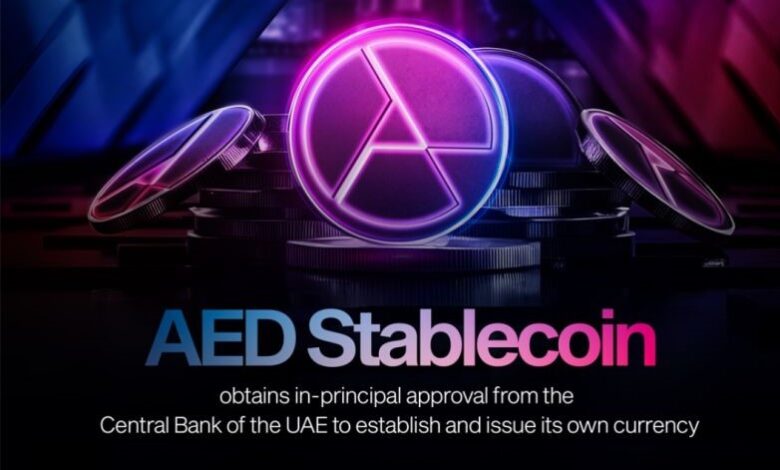
The UAE’s first regulated stablecoin has officially received the final green light from authorities, setting the stage for its anticipated launch across the country. This milestone marks a significant development in the UAE’s push to establish itself as a leading player in the global cryptocurrency market. With this approval, the stablecoin is poised to offer greater security and transparency in digital transactions, contributing to the growth of the digital economy in the region.

The UAE’s financial sector has undergone a significant transformation in recent years, driven by the government’s efforts to modernize its financial infrastructure. This stablecoin approval reflects the country’s ambition to integrate blockchain technology into its financial system and attract global investors looking for a secure digital asset to support transactions. The approval was granted by the UAE’s Financial Services Regulatory Authority (FSRA), which oversees all financial products and services in the Abu Dhabi Global Market (ADGM). This move is seen as part of a broader strategy to encourage the growth of fintech and blockchain-related ventures in the region.

The stablecoin, designed to be pegged to the value of the US dollar, will provide an alternative to more volatile cryptocurrencies such as Bitcoin and Ethereum. By pegging the value of the digital currency to a stable asset, the UAE’s stablecoin aims to mitigate the price fluctuations that often make other cryptocurrencies less attractive for everyday transactions. This stablecoin will be available to both businesses and consumers within the UAE, offering them a more secure, stable, and efficient way to carry out digital payments and trade.

The approval of the stablecoin also aligns with the UAE’s broader goals of expanding its digital economy. The UAE government has placed considerable emphasis on developing blockchain technologies, with the country’s leaders recognizing the potential for these innovations to revolutionize industries such as finance, real estate, and logistics. As part of the UAE’s “Vision 2021” initiative, there have been efforts to establish Dubai as a global hub for blockchain technology and cryptocurrency. These efforts have been amplified by the Dubai International Financial Centre (DIFC), which has introduced new regulations to govern the use of blockchain and cryptocurrency assets.

Industry experts view this approval as a major step forward for the UAE’s financial landscape. With the introduction of the stablecoin, businesses in the UAE will be able to make international transactions more efficiently, with fewer delays and reduced risks compared to traditional banking systems. Additionally, consumers will be able to use the stablecoin to pay for goods and services, facilitating everyday transactions in a secure and stable manner.

The issuance of a regulated stablecoin also brings the UAE in line with other countries that have moved forward with digital currencies. As countries around the world begin to recognize the need for secure, regulated digital currencies, the UAE’s stablecoin will likely gain traction as a reliable alternative for those seeking to move away from unstable fiat currencies. The stablecoin approval comes on the back of similar developments in countries such as China, where the People’s Bank of China has developed its own digital currency, and in Europe, where the European Central Bank has been exploring the creation of a digital euro.

UAE regulators have indicated that the stablecoin will undergo rigorous monitoring to ensure its stability and compliance with the country’s financial regulations. This will involve ongoing audits and checks to ensure that the stablecoin remains fully backed by the US dollar and that it adheres to anti-money laundering (AML) and know-your-customer (KYC) standards. The FSRA’s regulatory oversight is expected to instill greater confidence in users and investors, making the stablecoin a secure asset for transactions and investments.

With its stablecoin now officially approved, the UAE is positioning itself at the forefront of the cryptocurrency revolution. The development signals the country’s commitment to creating a forward-thinking financial system that embraces innovation while ensuring that new technologies are regulated in a way that protects consumers and businesses alike. The stablecoin is expected to become a key component of the UAE’s broader strategy to promote digital transformation, particularly in sectors such as finance, e-commerce, and international trade.

As the UAE becomes one of the first countries in the region to offer a regulated stablecoin, it sets a precedent for other countries in the Middle East and North Africa (MENA) to follow. The move could also position the UAE as a key player in the global cryptocurrency market, attracting international investors and businesses seeking a secure and regulated environment for their digital assets.

HANOI, VIETNAM – Media OutReach Newswire – 9 December 2024 – By electrifying its taxi fleet, Jakarta could significantly reduce emissions and improve air quality, as shown by the success of electric taxis in cities around the world. One standout example is Xanh SM in Vietnam, which has also reshaped public attitudes toward electric vehicles (EVs). Xanh SM fleet in Vietnam. Photo: GSM Jakarta is no stranger […]

KUALA LUMPUR, MALAYSIA – Pinion Newswire – 9 December 2024 – In 2024, OctaTrader has emerged as a popular trading platform, demonstrating a six-fold year-on-year growth in its user base since its launch in late 2022. Recognized for its seamless and user-friendly experience, OctaTrader now introduces “Space,” a sophisticated analytics hub integrated into its platform, catering to traders worldwide. Introducing Space: Elevating Decision-Making for Traders Launched in […]

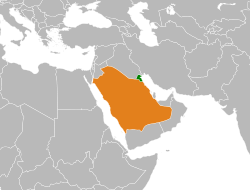
Saudi Arabia and Kuwait have concluded a significant agreement aimed at eliminating double taxation on income, marking a notable advancement in bilateral economic cooperation between the two Gulf nations. This treaty, announced after extensive negotiations, underscores a mutual commitment to fostering trade, investment, and economic collaboration in the region.

The agreement, officially signed in Riyadh, addresses taxation challenges for individuals and entities operating in both countries. It is structured to provide relief by preventing dual taxation and establishing clear tax allocation rules. Key provisions include reduced tax rates on cross-border dividends, interest, and royalties, and streamlined tax compliance mechanisms to encourage smoother business operations. The pact aligns with international standards, including guidelines from the Organisation for Economic Co-operation and Development (OECD), ensuring robust adherence to global tax practices.

This treaty also incorporates measures to prevent tax evasion, a critical concern for governments globally. Transparency and information exchange mechanisms are included to curb potential misuse, reflecting a shared dedication to fiscal accountability. The Saudi Ministry of Finance noted that the agreement would improve the ease of doing business while reinforcing investor confidence in the region.

Economic analysts view the deal as a strategic initiative to attract foreign investment. By mitigating the financial burdens of double taxation, it provides incentives for businesses to establish or expand operations in both Saudi Arabia and Kuwait. Observers also highlighted its potential to bolster intra-GCC (Gulf Cooperation Council) economic integration, a cornerstone of regional policy objectives.

The Kuwaiti government expressed optimism regarding the agreement, emphasizing its alignment with national economic reform goals. This move complements Kuwait’s strategy of diversifying its economy and strengthening its non-oil sectors. The agreement reflects a broader regional trend of adapting fiscal policies to enhance global competitiveness.

This taxation treaty comes amid a period of intensified economic diplomacy within the GCC. Saudi Arabia has been actively pursuing similar agreements with other nations as part of its Vision 2030 reforms. These efforts aim to position the kingdom as a leading hub for global business, promoting a diversified and resilient economy. Similarly, Kuwait has prioritized economic agreements to expand its international partnerships, reflecting a pragmatic approach to sustaining growth in the evolving global market.

The treaty’s implementation will involve detailed frameworks to ensure compliance and efficiency. Tax authorities in both countries are expected to establish bilateral mechanisms to facilitate smooth application, including dispute resolution protocols for any arising conflicts. Experts believe these operational guidelines will be crucial in realizing the full benefits of the agreement.

Economic ties between Saudi Arabia and Kuwait have been historically strong, driven by shared cultural and economic values. This latest agreement further solidifies their partnership, creating a model for regional cooperation that other GCC members may consider replicating. Analysts suggest it could pave the way for broader multilateral tax agreements within the GCC, fostering a more cohesive economic bloc.

As businesses and stakeholders prepare to navigate the new regulatory landscape, the focus remains on how effectively the agreement’s provisions are enacted. Both governments are expected to launch awareness campaigns to educate taxpayers on the treaty’s specifics, ensuring widespread understanding and compliance.

This treaty is set to take effect following ratification by both countries’ legislative bodies, a standard protocol for international agreements. Its ratification process is anticipated to progress swiftly, given the mutual benefits and strong political will driving the initiative.

VISHNU RAJA
RYO YAMADA
HITORI GOTOH
IKUYO KITA