Just in:
Energy Markets Find Little Substance In Shenzhen Summit Promises // Anthropic briefly reaches $2 trillion in Nasdaq debut // Diabetes Malaysia And Alpro Pharmacy Set National Record With 11,007 Most Blood Glucose Screenings Conducted Across Malaysia In Just 48 Hours // Technology at Work, Heritage for All: The “Chinese Approach” to Safeguarding the Leshan Giant Buddha // Yeebo Announces Interim Results for FY26/27 Revenue Increases by 45.5% to HK$806.7 Million Profit Attributable to Owners Surges 87.6% to HK$2,284.7 Million // Vinhomes Green Paradise: An ESG++ Megacity and the Future of Sustainable Urban Living // PayerMax and ShopeePay Strengthen Strategic Partnership to Advance Digital Payment Collaboration in Southeast Asia // ED searches five districts in probe against hawala // Padmini follows Padmaja for ‘ghar vapsi’ // US military rebuts Iran’s Gulf F-16 strike allegation // FirstBank expands LIT app with integrated financial services // Fungal toxins detected across 212 UK plant-based products // UN arms talks sidestep binding autonomous weapons rules // Saudi Arabia schedules multinational top-up tax for 2027 // Ex-minister named accused in Messi visit fraud case // Egypt’s African Union trade climbs to $8.2 billion // Saudi defences destroy three Houthi missiles targeting Riyadh // Crypto market loses $150 billion amid broad sell-off // Singapore regulator cautions against AI access to bank logins // Sabarimala booking discrepancies prompt sabotage angle probe //

News related to
prove no

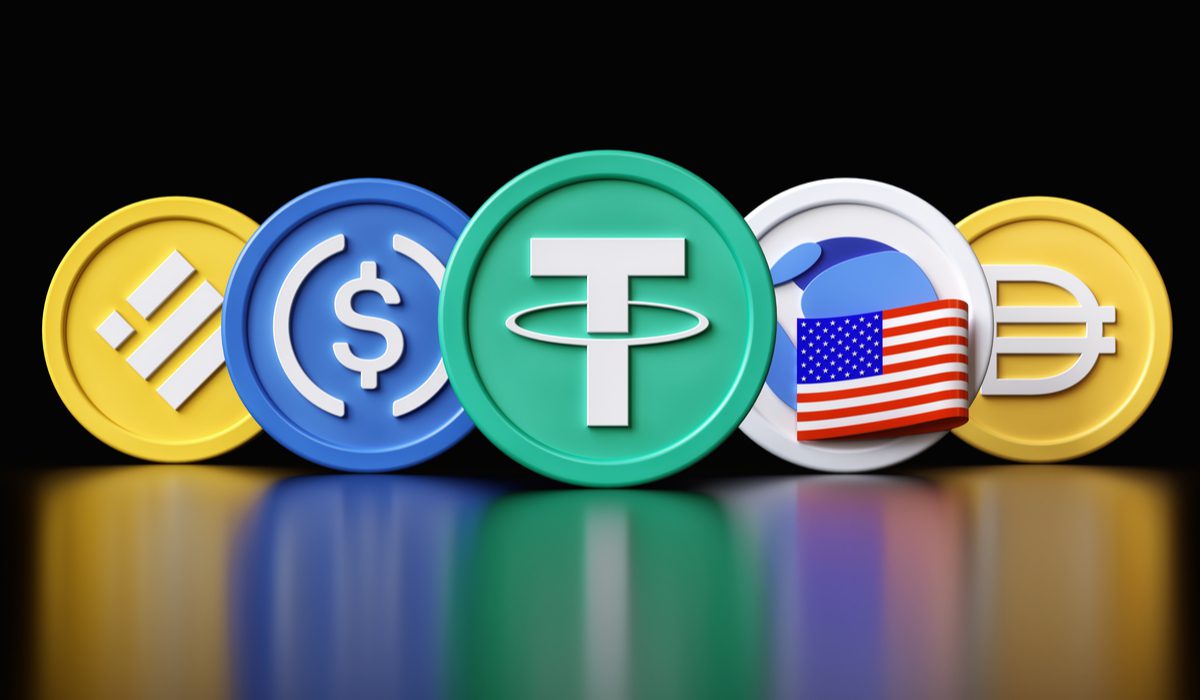
The surge in stablecoin transactions has brought the digital asset market to a pivotal moment, with adjusted on-chain volumes edging close to those of Visa, a global payment giant. Stablecoins, valued for their pegged nature to fiat currencies, have reached a circulation supply exceeding $150 billion, supported by an ecosystem of 27.5 million monthly active users. However, a nuanced examination reveals that this rapid growth masks complexities and operational challenges within the sector.

A significant portion of stablecoin activity is driven by large-scale traders and automated bots, as noted in a detailed study conducted by Visa in collaboration with Allium Labs. The findings highlighted that while on-chain stablecoin transactions surpassed $2.2 trillion in April alone, only $149 billion represented organic payment activities originating from genuine users. This discrepancy raises questions about the utility and adoption of stablecoins as mainstream payment instruments.

The competitive landscape within the stablecoin market has also intensified. Circle’s USDC has outperformed Tether’s USDT in transaction volumes, signifying shifting user preferences and adoption trends. On-chain analyses have further confirmed that the overall stablecoin transaction volume has exceeded Visa’s average monthly transaction values for 2023. Despite these milestones, experts underscore that stablecoin networks remain in a nascent phase of development.

Challenges, including double-counting during cross-chain transactions, contribute to inflated transaction figures. For instance, transferring $100 of USDC to another stablecoin on decentralized platforms such as Uniswap is recorded as $200 in on-chain activity. These anomalies underscore the need for more precise tracking mechanisms to evaluate the actual usage of stablecoins effectively.

Industry leaders, including Visa, are closely monitoring this evolution. Analysts forecast that the total value of circulating stablecoins could reach $2.8 trillion by 2028, marking an 18-fold increase from current levels. However, the pathway to achieving this growth depends on addressing critical infrastructural and regulatory hurdles. Observations from payments platforms such as Airwallex emphasize the importance of refining existing systems to improve the efficiency of stablecoin networks.

Glassnode’s analysis of stablecoin velocity, which measures the speed at which value circulates within networks, shows that only 20% of the total supply is transacted daily. Such metrics illustrate the limited penetration of stablecoins into broader economic activities despite their expanding market capitalization.

Researchers at MIT’s Computer Science and Artificial Intelligence Laboratory (CSAIL) have unveiled a novel wearable robotic technology leveraging soft actuators with integrated sensing capabilities. These devices, designed for potential applications in rehabilitation and assistive technologies, feature a unique aesthetic and functional resemblance to banana-shaped appendages.

The development, achieved through an innovative system termed “PneuAct,” combines machine knitting techniques with pneumatic actuation. This process enables rapid, scalable production of soft robotic components, integrating conductive yarn for tactile feedback. These actuators, capable of perceiving pressure and touch, aim to enhance the responsiveness and versatility of wearable devices. The design method requires minimal manual intervention, as patterns and movements are pre-programmed and fabricated autonomously using a specialized knitting machine.

With their inherent flexibility and compliance, the actuators have been integrated into gloves and other wearable systems. These could significantly improve mobility for individuals with disabilities or aid in physical therapy. The yellow fabric used in the prototypes adds a whimsical yet functional touch, contributing to their banana-like appearance while maintaining high mechanical performance.

Blockchain networks witnessed a surge in on-chain transactions during the week of the U.S. elections, with total transactions reaching an unprecedented 172 million, according to data from Dune Analytics. This marked the highest on-chain transaction count recorded in a single week, reflecting a significant uptick in activity across various blockchain platforms.

Among the major blockchain networks, Solana led the charge with 106.6 million transactions, a substantial portion of the total transaction volume. The surge in Solana’s activity is particularly notable as it surpassed its competitors by a wide margin. Following Solana, Tron registered 14.7 million transactions, while Binance’s BNB chain saw 12.1 million. Polygon and Ethereum experienced smaller but still notable transaction volumes, with Polygon handling 6.56 million transactions and Ethereum 6.55 million. Arbitrum, a layer-2 solution built on Ethereum, also recorded a considerable 5.7 million transactions, and Bitcoin, the largest cryptocurrency by market capitalization, accounted for 3.2 million.

The timing of this surge coincides with a high level of public and financial market attention surrounding the U.S. elections, which could have driven increased activity across various blockchain applications, particularly in decentralized finance (DeFi) platforms and other cryptocurrency-based services. It is possible that the surge was fueled by both speculative trading and a growing interest in blockchain technology as a means of securing financial transactions during a period of heightened geopolitical uncertainty.

Blockchain networks, known for their decentralized nature and transparent transaction records, have been increasingly viewed as a viable alternative to traditional financial systems, especially during times of political or economic instability. As a result, many investors and users may have turned to blockchain platforms for executing transactions with greater security, speed, and anonymity, which are some of the advantages offered by these networks.

While Solana’s dominant position in this surge is notable, it highlights a trend that has been growing over the past several months. Solana has been gaining traction as a faster, lower-cost alternative to Ethereum, attracting developers and users seeking to leverage its benefits in decentralized applications (dApps), non-fungible tokens (NFTs), and DeFi projects. Its high transaction volume during this period is a testament to its increasing popularity in the blockchain space.

Meanwhile, Tron, which has long been known for its focus on supporting decentralized applications and facilitating fast and low-cost transactions, also saw a significant increase in activity. The network’s positioning as a platform for entertainment, gaming, and DeFi applications may have driven a surge in user engagement during a time when many sectors, particularly those related to gaming and entertainment, were experiencing a boom in online activity.

Despite the dominance of Solana and Tron, the BNB chain, which is tied to Binance, the world’s largest cryptocurrency exchange by trading volume, also registered strong performance. BNB’s rise in transactions can be attributed to the continued expansion of the Binance ecosystem, with Binance Smart Chain (BSC) facilitating a wide range of decentralized finance products and services that attract both retail and institutional users. Binance’s ecosystem has been consistently growing in prominence, with many projects and tokens opting to build on BNB due to its low fees and fast processing speeds.

Ethereum, which has historically been the dominant blockchain for decentralized applications, including DeFi and NFTs, recorded 6.55 million transactions during the election week. Ethereum’s lower transaction volume compared to its competitors during this period is partly due to the high gas fees and scalability concerns that have plagued the network in recent months. However, the launch of Ethereum 2.0 and the ongoing improvements to its scalability through sharding and layer-2 solutions are expected to mitigate these issues and possibly lead to a resurgence in Ethereum’s transaction volume in the future.

Arbitrum, which has gained significant attention as a layer-2 scaling solution for Ethereum, also saw a notable increase in transaction activity. This could be attributed to the growing adoption of layer-2 technologies, which aim to address Ethereum’s scalability issues by processing transactions off-chain while still ensuring security and decentralization. Arbitrum’s success in handling 5.7 million transactions during this period highlights its growing role in the broader Ethereum ecosystem and the increasing reliance on layer-2 solutions to improve transaction speeds and lower costs.

Bitcoin, often seen as a store of value rather than a network for daily transactions, accounted for 3.2 million transactions during the election week. While this represents a smaller portion of the overall transaction volume, it is still a significant figure for the Bitcoin network, which tends to see lower transaction volume compared to other platforms that are more tailored to smart contracts and decentralized applications. Bitcoin’s activity during this period may have been driven by both market speculation and the ongoing institutional interest in the cryptocurrency as a hedge against inflation and geopolitical risk.

The surge in blockchain transactions also points to the broader trend of increased institutional involvement in the blockchain and cryptocurrency sectors. As more financial institutions, corporations, and governments explore the potential of blockchain technology for use in areas like supply chain management, finance, and voting systems, it is likely that the volume of on-chain transactions will continue to rise. Additionally, the growing interest in tokenized assets, digital currencies, and decentralized governance models is further pushing the adoption of blockchain networks across various industries.


The UAE real estate market delivered strong performance in the third quarter of 2024, marked by an uptick in both residential and commercial sectors. As per the latest insights from Asteco, a leading property consultancy, key markets across the Emirates displayed resilience, with Dubai and Abu Dhabi continuing to see heightened demand for both sales and rentals. Despite global economic uncertainties, the property landscape in the UAE […]

Salik, the toll operator for Dubai’s roadways, has posted a significant increase in its earnings, signaling a promising growth trajectory. The toll operator, which manages Dubai’s Salik toll system, revealed that its profits have surged, bolstered by an uptick in traffic volumes and improved operational efficiencies. The company, which operates the electronic toll collection system across Dubai, saw its revenues climb sharply. The key factor behind this […]

The U.S. Securities and Exchange Commission (SEC) has postponed its decision on whether to approve the listing of options for spot Ethereum exchange-traded funds (ETFs), now pushing the deadline to December 3, 2024. The delay comes shortly after the SEC granted approval for options trading related to 11 Bitcoin ETFs, signaling continued regulatory cautiousness in the evolving cryptocurrency investment space.

Originally set for October 19, the decision to allow the Chicago Board Options Exchange (Cboe) to list options for multiple Ethereum-based ETFs was pushed back. This move follows growing anticipation in the market, particularly among Ether investors, who are keen on further legitimizing cryptocurrency assets in mainstream financial markets. Industry analysts speculate that the postponement reflects the SEC’s careful approach to ensuring robust regulatory frameworks around digital assets.

The SEC’s stance could also influence the broader trajectory for cryptocurrency investment products, particularly as more traditional financial instruments, such as ETFs, are introduced into the crypto market. Analysts point out that the approval of Bitcoin ETF options has set a precedent, but Ethereum-based products continue to face heightened scrutiny due to the perceived volatility and regulatory complexity surrounding Ether, the second-largest cryptocurrency by market capitalization.

This latest delay has sparked mixed reactions in the cryptocurrency space. Some market participants view the SEC’s caution as a sign of the agency’s thoroughness, ensuring that all necessary safeguards are in place before fully opening the door for such products. Others argue that the delay could signal further uncertainty for Ethereum as it continues to compete with Bitcoin in the growing crypto-investment market.

Shaping Responsible Supply Chains for a Sustainable Future HONG KONG SAR – Media OutReach Newswire – 14 November 2024 – Organised by amfori, a leading global business association for sustainable trade, its highly anticipated flagship event “amfori Asia Sustainability Summit” was concluded with great success yesterday at Hotel ICON in Hong Kong SAR, China. Attracting over a hundred participants from across Asia, this event highlighted the significant […]

Advertisements

HONG KONG SAR – Media OutReach Newswire – 14 November 2024 – OneConnect Financial Technology Co., Ltd (“OneConnect” or the “Company”, NYSE: OCFT, HKSE: 6638), a business technology service provider for financial institutions, announced its results for the first three quarters ending September 30, 2024. 2024 is a pivotal year for OneConnect as it advanced the second phase of its strategy, focusing on “product upgrades, deepening customer […]

South Korea’s leading cryptocurrency exchange, Upbit, has come under intense scrutiny from the Financial Intelligence Unit (FIU) for allegedly failing to comply with key regulatory requirements related to Know Your Customer (KYC) processes. The FIU’s investigation uncovered a substantial number of potential KYC violations — estimated to involve up to 600,000 accounts. This review emerged as Upbit sought to renew its operational license, underscoring the growing regulatory pressures on South Korea’s crypto sector, especially as authorities tighten measures to combat money laundering and financial misconduct.

Regulatory authorities cited Upbit for allegedly neglecting to fully verify user identities, a fundamental requirement under South Korea’s Anti-Money Laundering (AML) regulations. Financial authorities in the country mandate that crypto exchanges like Upbit maintain strict KYC protocols to ensure that only legitimate transactions are processed, preventing criminal activities such as money laundering and fraud. This emphasis on KYC compliance follows a broader trend across South Korea’s financial ecosystem, where regulators increasingly demand transparency and rigorous operational standards in the virtual asset industry.

Upbit’s case highlights a significant challenge in balancing rapid growth in digital asset trading with compliance requirements. Industry analysts suggest that the reported KYC gaps could subject the exchange to hefty fines, potentially reaching millions of dollars if the FIU determines Upbit to be in severe violation. Legal experts in South Korea have indicated that the FIU may not only impose financial penalties but could also consider suspending Upbit’s operational license, depending on the severity and scale of the regulatory breach. This uncertainty could undermine investor confidence, as Upbit remains one of the most widely used cryptocurrency platforms in South Korea, holding significant sway in the country’s burgeoning crypto market.

While Upbit is not the only exchange in the regulatory spotlight, its high user volume and dominant market share make it a focal point for South Korea’s crypto regulations. In response to the FIU’s findings, Upbit has reportedly initiated efforts to improve its KYC protocols, though details on specific changes remain scarce. Observers believe that if Upbit fails to align its practices with the FIU’s expectations, it could face not only fines but also tighter regulatory controls that may restrict its operational flexibility.

The broader regulatory context in South Korea has grown notably stringent, particularly since the implementation of the Special Financial Transactions Information Act, which mandates full customer verification and reporting by virtual asset service providers (VASPs). This legislative framework, revised in 2021, was designed to safeguard the financial market from illicit activities. Exchanges now face a dual mandate: complying with both domestic laws and international standards set by bodies such as the Financial Action Task Force (FATF). Compliance has thus become a critical factor for the survival of crypto exchanges, as non-compliance risks both financial penalties and operational restrictions.

South Korea’s Financial Services Commission (FSC) has recently rolled out additional reforms aimed at curbing speculative trading and protecting users. In parallel, exchanges are required to notify users about upcoming verification mandates and transaction limits, effectively mandating them to educate users on compliance-related matters. The FSC’s initiatives underscore an intensifying crackdown on crypto firms that fail to abide by the stringent regulations, with an emphasis on maintaining robust security, transparency, and accountability within the industry.

Analysts contend that Upbit’s case could serve as a precedent for how South Korea’s FIU and FSC handle compliance violations in the crypto sector. Should the FIU penalize Upbit, other exchanges may face similar actions, potentially resulting in a ripple effect across the industry. Smaller platforms, in particular, might struggle to meet the financial and operational demands of these regulations, potentially leading to market consolidation where only the most compliant firms thrive. This increased regulatory pressure could ultimately reduce the number of exchanges in the market, affecting competitive dynamics and user access.

As the FIU’s review progresses, experts anticipate potential repercussions for the domestic crypto ecosystem. The growing regulatory focus on KYC compliance may compel exchanges to invest heavily in identity verification technologies and adopt advanced monitoring systems. In this climate, adherence to compliance standards will likely determine the longevity and credibility of cryptocurrency exchanges operating within South Korea.

SHANGHAI, CHINA – Media OutReach Newswire – 14 November 2024 – Morocco’s Agadir, India’s Trivandrum, Qatar’s Doha, Mexico’s Iztapalapa, and Australia’s Melbourne have won the 2024 Global Award for Sustainable Development in Cities, also known as the Shanghai Award, in recognition of their achievements in advancing sustainability. Agadir was recognized for initiatives that enhance residents’ well-being through energy and water conservation, as well as an increase in […]

By Dr. Gyan Pathak Though Prime Minister Narendra Modi and Union Minister of Home Amit Shah have extensively campaigned in Maharashtra on behalf of the ruling Mahayuti, and the Congress President Mallikarjun Kharge and the Congress Leader of Opposition in the Lok Sabha Rahul Gandhi on behalf of the opposition Maha Vikas Aghadi (MVA) the […]

Prudential customers now have access to ten cancer clinics, including a one-stop integrated cancer centre at Icon Cancer Centre Singapore HONG KONG SAR – Media OutReach Newswire – 14 November 2024 – Prudential plc (“Prudential”) and Icon Cancer Centre Singapore (“Icon”) today announced a partnership that will provide Prudential’s health customers in Singapore and Indonesia access to outpatient cancer treatment, on a cashless basis[1], at Icon’s clinics […]

Following the victory of Donald Trump in the 2024 U.S. presidential elections, the UAE has experienced a significant surge in remittance flows, with major beneficiaries being India and the Philippines. This spike is attributed to a combination of factors, including a shift in economic dynamics, increasing confidence in the stability of the global economy, and adjustments in the exchange rates. With these countries historically being some of the largest recipients of remittances from the UAE, the recent growth reflects deeper patterns in the region’s labor markets, trade relations, and the broader economic impact of political developments in the United States.

The rise in remittances highlights an enduring trend of expatriates from South Asia and Southeast Asia sending money home, especially in the face of shifting geopolitical and economic landscapes. While the UAE has long been a hub for foreign workers, the current influx of financial support underscores both the strength of these diasporas and their economic significance to the countries of origin. India and the Philippines, two of the top remittance-receiving nations globally, have seen increases that could have significant effects on their local economies, particularly in terms of poverty reduction, infrastructure development, and consumption spending.

For India, which is consistently one of the largest recipients of remittances globally, the increase reflects ongoing economic stability. Many Indian workers in the UAE are employed in sectors such as construction, hospitality, and services, industries that have been impacted by fluctuating global demand. However, with Trump’s victory, there has been a renewed optimism about the UAE’s economic outlook, boosting confidence among remitters. Additionally, the Indian Rupee’s performance against the UAE Dirham has also played a crucial role in making remittance transfers more lucrative for Indian workers, with an improved exchange rate encouraging them to send more money home.

Philippine remittance volumes have mirrored this surge, driven by the large number of Filipino workers across various sectors in the UAE. The increase in remittances to the Philippines is tied to both economic and political factors. With Trump’s win, many Filipino workers have reported feeling more confident in their job security within the UAE, leading to higher disposable incomes and an increased desire to support their families back home. The Duterte administration’s improved diplomatic relations with the UAE, as well as the UAE’s robust labor laws, have also contributed to a more secure working environment for Filipino expatriates. Furthermore, the Philippine government has actively encouraged remittances as a key element in sustaining the country’s economic growth, which is evident in the increased financial flows back home.

One of the key drivers behind the rising remittance numbers is the favorable exchange rate that has emerged following Trump’s victory. The UAE Dirham is pegged to the U.S. Dollar, and with Trump’s anticipated pro-business policies, many economists predict continued economic growth in the region, leading to stronger currencies like the Dirham. As a result, workers from India and the Philippines are able to send larger amounts of money home for each unit of foreign currency they earn.

This surge also aligns with broader trends in global migration patterns, where many labor-exporting countries have seen their nationals continue to seek employment in the UAE despite challenges posed by the global economy. With job opportunities available in sectors like construction, health care, and information technology, both India and the Philippines remain major exporters of labor to the UAE, a relationship that continues to be a vital component of both nations’ economic strategies.

Another factor influencing the rise in remittances is the UAE’s active role in international trade. Trump’s foreign policy outlook, which tends to favor global markets and open trade policies, has reinforced investor confidence in the UAE, positioning it as a leading financial center in the region. This has had a trickle-down effect on remittances, as expatriates feel more secure in sending money back home, knowing that the overall economic stability of the UAE is likely to hold steady.

For both India and the Philippines, remittances are a critical pillar of economic support. The funds sent by workers abroad contribute significantly to the countries’ GDP, provide direct financial assistance to households, and bolster government revenues. In India, remittances have been linked to the reduction of poverty, greater access to education and healthcare, and even the growth of small businesses. Similarly, in the Philippines, remittances support everything from consumer spending to investments in rural development and infrastructure projects.

Despite the positive impact of these remittance flows, challenges persist. The COVID-19 pandemic had a brief dampening effect on global remittances due to economic uncertainties and travel restrictions, but the post-pandemic recovery has led to a strong rebound in money transfers, especially from the UAE. Many of the expatriate workers in the UAE rely heavily on their income to support families in their home countries, making the rise in remittances particularly crucial for those living in more economically vulnerable regions.

Dubai has launched a suite of groundbreaking initiatives aimed at enhancing the city’s safety and technological infrastructure, with a focus on future-facing innovation. His Highness Sheikh Mohammed bin Rashid Al Maktoum, Ruler of Dubai, revealed a series of projects worth a total of Dhs2 billion, solidifying the Emirate’s reputation as a leader in cutting-edge law enforcement technology. These initiatives are designed to modernize the operational capabilities of […]

Dubai has marked a new milestone in its push to become a leader in futuristic transport solutions with the commencement of construction for the city’s first air taxi station. Located close to Dubai International Airport (DXB), this development is a pivotal step toward integrating urban air mobility (UAM) into the city’s transportation infrastructure. This ambitious project, spearheaded by Dubai’s Roads and Transport Authority (RTA) in collaboration with […]

KUALA LUMPUR, MALAYSIA – Media OutReach Newswire – 14 November 2024 – Adding exotic currency pairs to a portfolio is a popular way to get exposed to a wider variety of assets. These pairs, which include currencies from emerging markets or smaller economies, offer unique opportunities due to their volatility and potential for high returns. For traders in regions like India and Southeast Asia, exotic pairs can […]

KUALA LUMPUR, MALAYSIA – Media OutReach Newswire – 12 November 2024 – The recent U.S. presidential election and subsequent economic events have significantly impacted the Malaysian Ringgit (MYR), with the USDMYR exchange rate reaching a three-month high on Monday. Octa Broker’s financial market analyst, Kar Yong Ang, explains the reasons for the recent weakness in the Malaysian ringgit and provides short-term exchange rate projections. It has been […]

BEIJING, CHINA – Media OutReach Newswire – 13 November 2024 – The first-ever Global Alliance Against Hunger and Poverty will be officially launched at the upcoming 19th G20 Summit in Rio de Janeiro, marking a further step towards the goal of eliminating extreme hunger worldwide by the United Nations’ 2030 deadline. The nascent initiative was pre-launched by Brazilian President Luiz Inacio Lula da Silva at the Ministerial […]

RIYADH, SAUDI ARABIA – EQS Newswire – 13 November 2024 – President and CEO Philippe Delorme of KONE (www.KONE.com), a global leader in the elevator and escalator industry, is visiting the Gulf Cooperation Council (GCC) region following the launch of KONE’s new global strategy ‘Rise’, to discuss how digital and sustainable vertical transport innovations are critical in helping address the rapid growth across the GCC. “With urban […]

Revolut has officially launched its crypto trading platform, Revolut X, in 30 additional European countries. The expansion marks a significant milestone for the financial technology company, which is targeting experienced traders seeking advanced features in cryptocurrency trading. The new rollout is designed to bolster the platform’s presence in Europe, tapping into an increasing demand for more sophisticated trading tools.

The platform, which first launched in the UK and Europe, offers a comprehensive suite of crypto trading features tailored to individuals with a higher level of expertise in the digital assets space. Revolut X includes a range of tools such as real-time market data, advanced charting, and analysis capabilities that are expected to appeal to traders with more in-depth knowledge of the volatile cryptocurrency market.

Revolut, known for its wide array of financial services, had previously made moves in the cryptocurrency market by offering a simpler, more beginner-friendly crypto service through its primary app. The launch of Revolut X in these new markets is part of the company’s strategy to differentiate itself in an increasingly competitive space dominated by established players such as Binance, Kraken, and Coinbase.

The 30 new countries added to Revolut X’s reach include several key European markets, notably in the EU and surrounding regions. These markets represent some of the most active areas for cryptocurrency adoption, with high levels of market penetration and investor interest. For Revolut, this is a calculated move aimed at capturing more of the trading segment from other platforms that cater to more advanced users.

Industry experts suggest that Revolut’s expansion into these markets comes at a time when crypto trading is gaining momentum across Europe. Regulatory frameworks in many EU nations are becoming more favorable, with clearer rules providing a safer environment for traders. This is seen as a major advantage for platforms like Revolut X, which seeks to build trust and legitimacy in a market that has faced scrutiny in recent years due to concerns over security and market manipulation.

With the introduction of advanced trading features, Revolut X also aims to address the growing demand for decentralized finance (DeFi) and other innovative financial products. As more traders seek out opportunities in non-fungible tokens (NFTs), decentralized exchanges (DEXs), and other blockchain-based assets, Revolut is positioning itself as a key player in these evolving markets.

The cryptocurrency sector in Europe has shown considerable growth, with increasing institutional interest and more retail investors participating in crypto markets. Several nations, particularly Germany, France, and the Netherlands, have already seen a rise in retail investment, and there is an ongoing effort within the European Union to establish clearer regulatory standards for digital assets. This regulatory clarity, along with the expanding acceptance of crypto in traditional financial systems, provides a supportive backdrop for Revolut’s expansion.

However, Revolut’s venture into the cryptocurrency space has not been without challenges. Despite the company’s large customer base and technological edge, it faces stiff competition from other financial technology companies and crypto-native platforms that are already well-established in European markets. Furthermore, cryptocurrency trading remains a high-risk venture for many traders, with concerns over market volatility, regulatory changes, and technological risks such as hacking and fraud.

For Revolut, the strategic move to expand Revolut X to 30 new markets is aimed at capitalizing on the increasing adoption of cryptocurrencies and positioning itself as a serious player in the crypto trading sphere. It also aligns with the company’s broader goal of diversifying its service offerings to encompass a wider array of financial products. This includes plans to broaden access to traditional banking, investment options, and more advanced trading tools. As the market matures and regulatory clarity continues to evolve, Revolut’s early investments into crypto trading could prove to be a significant growth area in its future.

The introduction of Revolut X in these 30 countries also signals a shift in the company’s overall business strategy. By targeting more experienced traders, Revolut is moving away from its initial focus on mainstream consumers and expanding into a niche that has shown higher profitability. This move reflects broader trends in the financial industry, where firms are seeking to capture more sophisticated users who are looking for advanced trading features and greater customization in their investment strategies.

SINGAPORE – Media OutReach Newswire – 13 November 2024 – Ampersand Associates, a leading commercial interior design company, proudly announces its forward-looking service outlook, backed by over 13 years of extensive industry experience. With leadership that includes a Managing Director boasting nearly 30 years in the field and a lead designer with over 20 years of experience, Ampersand is uniquely positioned to address the evolving needs of […]

KUALA LUMPUR, MALAYSIA – Media OutReach Newswire – 13 November 2024 – As China solidifies its influence across Southeast Asia, it becomes the region’s largest trading partner and a crucial investor in areas like infrastructure, technology, and renewable energy. This release explores how China’s expanding economic reach shapes Southeast Asian markets, from Indonesia’s booming coal exports to Vietnam’s tech transformation, and provides a glimpse into future growth […]

On November 11, 2024, Bitcoin experienced a remarkable surge, marking its largest one-day dollar increase in history. The cryptocurrency opened at $80,427.69 and closed the day at $88,770.73, an increase of $8,343.04, a notable milestone for the digital currency that continues to generate attention from investors and analysts alike.

This sharp spike has drawn significant attention, not only for its scale but for the factors that contributed to it. Bitcoin’s volatile nature is not new, but the latest rally stands out due to the broader context of global financial trends and market dynamics. Analysts point to several key drivers that could have influenced this surge, including shifts in global economic conditions, growing institutional interest, and the increasing adoption of cryptocurrency as a mainstream financial tool.

The increase occurred amidst a backdrop of economic uncertainty. With traditional markets showing signs of stagnation, Bitcoin has increasingly been seen by investors as a hedge against inflation and instability. The digital asset’s decentralized nature makes it an attractive alternative during times of heightened geopolitical risk and tightening monetary policies from central banks.

Institutional interest in Bitcoin continues to climb, with large financial institutions and investment funds increasing their exposure to cryptocurrencies. Major firms have been expanding their portfolios to include Bitcoin as a way to diversify their holdings and tap into its potential as a store of value. A notable development this week involved a prominent Wall Street investment firm that announced its plans to integrate Bitcoin into its core investment strategy. This has further fueled optimism in the market, with many seeing it as a sign of broader acceptance of Bitcoin in traditional finance.

Adding to the appeal is Bitcoin’s fixed supply. Unlike traditional fiat currencies, which can be printed at will by central banks, Bitcoin has a cap of 21 million coins, creating a supply-demand dynamic that contributes to its long-term value proposition. As more people and institutions seek to accumulate Bitcoin, its price has been climbing steadily, reflecting the growing belief in its potential as an alternative asset class.

Another factor contributing to Bitcoin’s growth is the increasing acceptance of cryptocurrency in daily transactions. More companies are starting to accept Bitcoin as a form of payment, creating an ecosystem that reinforces the value of the cryptocurrency. From tech startups to established retail giants, many businesses are adopting Bitcoin due to its lower transaction fees compared to traditional banking systems, along with the appeal of being part of the innovative blockchain ecosystem. The result has been a greater level of mainstream adoption, encouraging retail investors to get involved.

The cryptocurrency sector is also seeing technological advancements that improve the functionality and security of Bitcoin transactions. Over the past few months, there have been significant improvements in Bitcoin’s infrastructure, with upgrades to its blockchain technology making it more scalable and efficient. These enhancements not only improve Bitcoin’s usability but also build confidence among investors, who now see Bitcoin as a more stable and secure asset.

However, Bitcoin’s latest surge has also raised questions about the sustainability of its growth. Critics argue that the rapid price increase is driven by speculation rather than underlying economic fundamentals, and that such volatility makes it a risky investment. Some financial experts caution that while Bitcoin’s growth is impressive, the cryptocurrency market remains unpredictable, and the price could experience sharp declines in the future.

Regulatory scrutiny is another concern hanging over Bitcoin’s future. As cryptocurrencies gain traction, governments and regulatory bodies around the world are grappling with how to best regulate digital assets. Some countries, such as China, have taken a hardline stance against cryptocurrencies, citing concerns over financial stability and illicit activities. In contrast, countries like the United States and the European Union have been working to establish clearer frameworks for the regulation of cryptocurrencies. These regulatory decisions will play a crucial role in shaping Bitcoin’s long-term viability and its integration into the global financial system.

Despite these concerns, Bitcoin’s rapid growth is seen by many as a sign of its increasing maturity as an asset class. More financial services are becoming available to Bitcoin investors, including Bitcoin futures, ETFs, and other derivative products that allow institutional and retail investors to gain exposure to the cryptocurrency without directly holding it. This has brought Bitcoin further into the mainstream, making it a legitimate part of the global financial landscape.

Bitcoin’s success is also having a ripple effect on the broader cryptocurrency market. Other digital currencies, such as Ethereum, Ripple, and Litecoin, have seen price increases as well, with some benefitting from Bitcoin’s momentum. Ethereum, for instance, has gained popularity due to its smart contract capabilities, which allow developers to build decentralized applications on its blockchain. As Bitcoin continues to grow, its success is seen as a rising tide that lifts the entire cryptocurrency sector.

Deutsche Telekom has made a significant move into the blockchain space by partnering with Meta Pool, marking a pioneering step in the telecom industry. As the first telecom giant to run a validator node on the NEAR blockchain, this partnership represents an innovative leap toward integrating telecommunications with decentralized technologies. The collaboration aims to bolster the scalability and security of the NEAR protocol, while furthering Deutsche Telekom’s commitment to exploring blockchain and Web3 solutions.

The NEAR blockchain, recognized for its high throughput and low transaction costs, is positioning itself as a formidable competitor in the rapidly expanding blockchain ecosystem. By running a validator node, Deutsche Telekom is not only contributing to the network’s infrastructure but also aligning itself with the emerging trend of decentralized finance (DeFi) and Web3 technologies. Validator nodes are crucial components in blockchain networks, as they validate transactions and ensure the integrity and security of the blockchain.

This strategic partnership with Meta Pool, a leading staking provider for the NEAR blockchain, allows Deutsche Telekom to play a critical role in the operation and security of the network. Through this collaboration, Deutsche Telekom aims to leverage its expertise in telecommunications to support the growth of blockchain-based ecosystems. The partnership also opens the door for future ventures in decentralized applications, marking a new chapter for the company in the digital era.

Telecom giants have been gradually exploring blockchain for its potential to improve network management, enhance data security, and enable novel financial services. However, Deutsche Telekom’s decision to operate a validator node on the NEAR blockchain takes this exploration a step further. It reflects a broader trend where traditional industries are increasingly recognizing blockchain as a transformative technology that extends beyond cryptocurrencies.

NEAR’s unique consensus mechanism, known as Nightshade, is designed to enhance scalability without sacrificing decentralization. With its sharding protocol, NEAR allows for the processing of a high volume of transactions in parallel, making it an ideal blockchain for large-scale applications. This scalability is a key feature that distinguishes NEAR from other blockchains, positioning it as a powerful platform for developers building decentralized applications.

By participating in the NEAR ecosystem, Deutsche Telekom strengthens its position as a forward-thinking player in the telecom industry. The company has been an active participant in the digital innovation space, with initiatives spanning cloud computing, 5G technology, and smart networking solutions. Its involvement with blockchain technology further cements its commitment to staying ahead of the curve in a rapidly evolving digital landscape.

For Meta Pool, the collaboration with Deutsche Telekom brings credibility and stability to its operations. As a provider of staking services, Meta Pool allows users to pool their tokens to participate in network validation, enabling them to earn rewards while contributing to the blockchain’s security. With Deutsche Telekom’s technical expertise and global infrastructure, Meta Pool gains a valuable partner that can help scale its services and reach a broader audience.

The partnership is also a testament to the growing interest in blockchain’s potential to disrupt traditional industries. Blockchain technology, which underpins cryptocurrencies like Bitcoin and Ethereum, has found applications far beyond digital currencies. From supply chain management to voting systems, decentralized finance to digital identity verification, blockchain offers a wide array of possibilities for sectors ranging from finance to healthcare.

For Deutsche Telekom, the partnership also signals a shift towards exploring new revenue streams. The telecom industry, long dependent on providing connectivity and infrastructure, is now looking toward Web3 technologies as a way to diversify its offerings. By running a validator node on the NEAR blockchain, Deutsche Telekom could potentially tap into the emerging market for decentralized services, a space that promises significant growth as the adoption of blockchain continues to rise.

The telecom industry is no stranger to technological advancements, having embraced 5G and cloud computing as key components of its future growth strategy. However, blockchain presents a unique set of opportunities and challenges that require a nuanced understanding of both telecommunications and decentralized networks. Deutsche Telekom’s move into the blockchain space signals a broader trend where telecom companies are beginning to experiment with blockchain as a tool to enhance their service offerings.

The implications of Deutsche Telekom’s move could reverberate across the telecom sector. Other major telecom operators may follow suit, recognizing the importance of blockchain as a technology that can offer more than just a buzzword. As blockchain continues to mature, its potential to redefine industries outside of finance grows clearer. The collaboration between Deutsche Telekom and Meta Pool could pave the way for more partnerships between blockchain platforms and traditional telecom giants, contributing to the further mainstreaming of decentralized technologies.

The participation of a major player like Deutsche Telekom brings legitimacy to blockchain as an enterprise-grade solution. Telecom companies, with their vast infrastructure and global reach, are uniquely positioned to help scale decentralized networks. Their involvement in blockchain could facilitate its adoption across various industries, bringing new business models and opportunities for collaboration.

VISHNU RAJA
RYO YAMADA
HITORI GOTOH
IKUYO KITA
Just in:
Singapore regulator cautions against AI access to bank logins // Promoting Common Human Development Through Exchanges and Mutual Learning Among Civilizations // Yeebo Announces Interim Results for FY26/27 Revenue Increases by 45.5% to HK$806.7 Million Profit Attributable to Owners Surges 87.6% to HK$2,284.7 Million // Bail refused to 17-year old in Abhiram murder // Ex-minister named accused in Messi visit fraud case // Egypt’s African Union trade climbs to $8.2 billion // Diabetes Malaysia And Alpro Pharmacy Set National Record With 11,007 Most Blood Glucose Screenings Conducted Across Malaysia In Just 48 Hours // California examines possible criminal breaches in Nvidia investigation // UN arms talks sidestep binding autonomous weapons rules // Vinhomes Green Paradise: An ESG++ Megacity and the Future of Sustainable Urban Living // US military rebuts Iran’s Gulf F-16 strike allegation //
Centre grants aircraft cabin access for Sabarimala pilgrims’ irumudi
// PayerMax and ShopeePay Strengthen Strategic Partnership to Advance Digital Payment Collaboration in Southeast Asia // Saudi defences destroy three Houthi missiles targeting Riyadh // Toward a Shared Future for Humanity: Rethinking Civilizational Exchange // Anthropic briefly reaches $2 trillion in Nasdaq debut // Sabarimala booking discrepancies prompt sabotage angle probe // FirstBank expands LIT app with integrated financial services // ED searches five districts in probe against hawala // Balagopal challenges CM over tax revenue //