Just in:
Abu Dhabi boat show seals manufacturing partnership on Saturday // Saudi Arabia schedules multinational top-up tax for 2027 // CrowdStrike explores Zscaler takeover amid cybersecurity dealmaking //
Rahul addresses League’s INDIA bloc grievances
// Yeebo Announces Interim Results for FY26/27 Revenue Increases by 45.5% to HK$806.7 Million Profit Attributable to Owners Surges 87.6% to HK$2,284.7 Million // California examines possible criminal breaches in Nvidia investigation // Energy Markets Find Little Substance In Shenzhen Summit Promises // Toward a Shared Future for Humanity: Rethinking Civilizational Exchange // ED searches five districts in probe against hawala // Ex-minister named accused in Messi visit fraud case // Fungal toxins detected across 212 UK plant-based products // Sabarimala booking discrepancies prompt sabotage angle probe // Bahrain demands UN action after Iranian industrial strike // Diabetes Malaysia And Alpro Pharmacy Set National Record With 11,007 Most Blood Glucose Screenings Conducted Across Malaysia In Just 48 Hours // Technology at Work, Heritage for All: The “Chinese Approach” to Safeguarding the Leshan Giant Buddha // Anthropic briefly reaches $2 trillion in Nasdaq debut // Balagopal challenges CM over tax revenue // Promoting Common Human Development Through Exchanges and Mutual Learning Among Civilizations // US military rebuts Iran’s Gulf F-16 strike allegation //
Centre grants aircraft cabin access for Sabarimala pilgrims’ irumudi
//

News related to
prove no

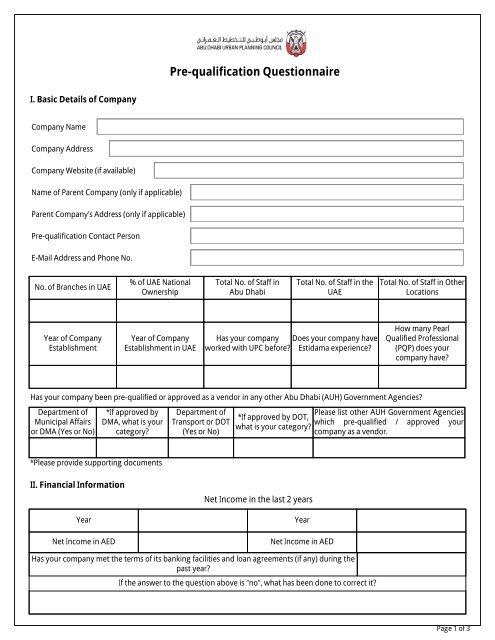
The UAE’s ambitious high-speed rail initiative has officially entered its prequalification stage, marking a significant step toward transforming the country’s transport infrastructure. This development follows the recent unveiling of a strategic plan to revolutionize rail travel across the United Arab Emirates.

Etihad Rail, the state-owned company spearheading the project, is inviting companies to submit their qualifications to participate in the development of the rail network. This marks a pivotal moment as the UAE aims to introduce a high-speed rail system that will significantly enhance connectivity between key cities and economic hubs.

The high-speed rail project is part of a broader vision to modernize the UAE’s transportation infrastructure, reduce road congestion, and promote sustainable travel options. When completed, it is expected to link major cities including Abu Dhabi, Dubai, and Sharjah, and extend to other Gulf Cooperation Council (GCC) countries, enhancing regional connectivity.

This initiative is not just about speed but also about efficiency and sustainability. The planned rail network will feature state-of-the-art technology aimed at providing a reliable and eco-friendly alternative to conventional transportation methods. The project underscores the UAE’s commitment to sustainable development and its ambition to become a leading player in global transport innovation.

The prequalification process is crucial for ensuring that only the most capable and experienced companies are involved in the project. Etihad Rail is seeking firms with proven expertise in high-speed rail systems, construction, and project management. This phase will help identify and shortlist potential partners who can contribute to the successful delivery of the rail network.

The high-speed rail system is expected to have a transformative impact on the UAE’s economy. By improving transportation efficiency, it will facilitate better movement of goods and people, potentially boosting economic activities and reducing travel time significantly. This aligns with the UAE’s broader economic diversification strategy, which aims to reduce reliance on oil revenues and foster growth in other sectors.

Key players in the global rail industry are closely watching the progress of this project. Companies from Europe, Asia, and the Americas are anticipated to show interest, bringing a wealth of international experience and technological advancements to the table. This influx of expertise will be crucial for the successful implementation of such an ambitious undertaking.

The UAE’s commitment to high-speed rail reflects a broader trend in the region towards investing in advanced infrastructure projects. Similar initiatives are underway in neighboring countries, with the aim of creating a cohesive and integrated transport network across the GCC. The UAE’s project is poised to set a benchmark for other nations in the region and beyond.

As the prequalification phase progresses, it will be essential for Etihad Rail to ensure transparency and fairness in the selection process. This will help build trust among potential partners and stakeholders and pave the way for a successful collaboration. The project’s success will not only enhance the UAE’s transportation infrastructure but also contribute to its economic and environmental goals.
Solidarity Group, a prominent insurance and investment company in Bahrain, has received approval from its board to acquire two units from Bahrain National Holding (BNH) in a transaction valued at $200 million. This strategic move is set to bolster Solidarity’s market position and diversify its portfolio significantly. The acquisition involves the purchase of BNH’s wholly-owned subsidiaries: Bahrain National Insurance Company (BNIC) and Bahrain National Life Assurance Company […]

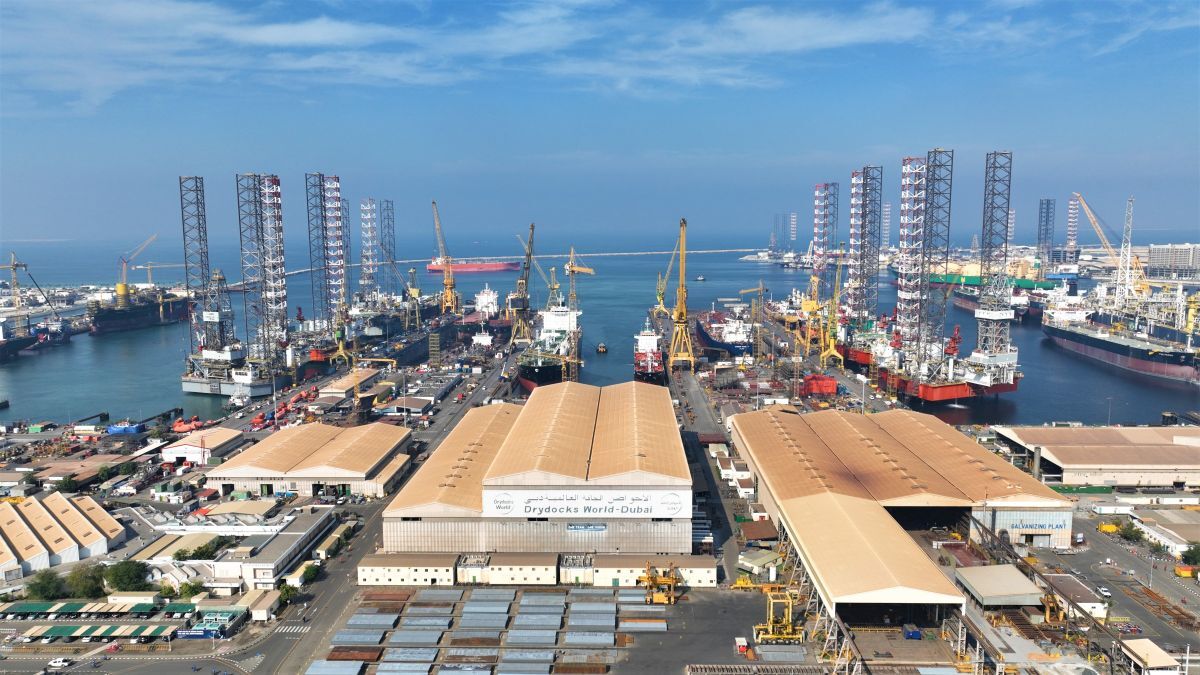
Drydocks World, a leading maritime services provider, has secured a significant asset with the acquisition of the largest floating crane in the region. This strategic move aims to bolster the company’s capabilities and position within the maritime sector, reflecting an ongoing trend of consolidation and investment in infrastructure across the industry.

The floating crane, named “Giant Crane,” boasts a lifting capacity of 1,600 tons, surpassing other cranes in the region. Its acquisition represents a notable expansion of Drydocks World’s equipment portfolio, enhancing its ability to handle larger and more complex projects. The crane will primarily serve at the company’s shipyard in Dubai, which is known for its extensive repair and refurbishment operations for various marine vessels, including oil tankers and container ships.

The decision to acquire such a significant piece of equipment aligns with Drydocks World’s broader strategy of investing in cutting-edge technology and infrastructure to meet the increasing demands of the global maritime industry. The floating crane’s advanced capabilities will facilitate more efficient and safe operations, positioning Drydocks World to better compete with international maritime service providers.

This acquisition comes at a time when the maritime sector is experiencing a period of transformation driven by technological advancements and shifting market dynamics. Companies in the industry are investing heavily in infrastructure and technology to improve operational efficiency and meet evolving client needs. For Drydocks World, the floating crane is a crucial asset that will enable the company to handle larger vessels and undertake more ambitious projects.

The crane’s features include a state-of-the-art hydraulic system and advanced stability control mechanisms, which are expected to enhance safety and precision during lifting operations. These attributes are particularly important given the scale and complexity of the maritime projects that Drydocks World undertakes. The crane’s ability to perform heavy lifts and operate in challenging conditions will be a significant asset for the company’s shipyard operations.

Drydocks World’s expansion is also reflective of broader trends within the maritime industry, where there is a growing emphasis on investment in infrastructure and technological upgrades. Companies are increasingly focusing on enhancing their capabilities to stay competitive in a market that is evolving rapidly due to factors such as increased global trade and advancements in ship design and construction.

The acquisition of the floating crane is part of Drydocks World’s broader strategy to strengthen its position in the maritime services sector. This strategy includes not only investing in new equipment but also enhancing existing facilities and capabilities. The company has been actively involved in several high-profile projects, including the construction and repair of large-scale marine vessels and offshore platforms.

Industry analysts have noted that the move by Drydocks World to acquire the floating crane could set a precedent for other maritime service providers in the region. The emphasis on investing in advanced equipment and infrastructure is likely to influence industry standards and practices, driving other companies to consider similar investments in their operations.

A sharp decline in oil prices has bolstered prospects for a more stable global economic landscape. Falling into the $60s per barrel range, the price of crude oil is offering economies around the world some breathing room amid a complex economic environment marked by geopolitical tensions and inflationary pressures. As oil prices retreat from their earlier highs, this shift provides a critical cushion for economies grappling with […]

Saudi Arabia’s Vision 2030 initiative, a comprehensive plan aimed at diversifying the nation’s economy away from oil dependency, has seen its portfolio of projects reach an impressive valuation of $1.3 trillion. This substantial figure reflects the ambitious scale and economic impact of the country’s efforts to transform its infrastructure, technology, and business sectors by 2030.

Among the most notable projects under this vision is the NEOM megacity, a $500 billion endeavor designed to be a hub for innovation, technology, and sustainable living. NEOM will stretch across 10,230 square miles, integrating artificial intelligence, robotics, and renewable energy sources to create a futuristic urban environment. The city is expected to drive significant economic growth and attract international investors and technology firms.

Another significant element is the Red Sea Project, an extensive tourism development plan set to transform the coastline into a luxury travel destination. With an estimated value of $10 billion, this project aims to develop 50 islands and a series of high-end resorts, enhancing Saudi Arabia’s position in the global tourism market. This development is aligned with the broader goal of increasing the tourism sector’s contribution to the national economy.

The King Salman Park, a $23 billion initiative, represents a major urban development project. Spanning 13.4 square miles in Riyadh, the park will feature green spaces, recreational areas, and cultural facilities, designed to improve the quality of life for residents and support Saudi Arabia’s environmental and sustainability goals.

Significant investment is also flowing into the entertainment and cultural sectors. The $15 billion Qiddiya project is set to become a leading entertainment and cultural hub, incorporating theme parks, sports facilities, and cultural venues. This project aims to diversify Saudi Arabia’s entertainment offerings and attract tourists from around the world.

In the energy sector, the Saudi Arabian Oil Company (Aramco) is spearheading several major initiatives to invest in renewable energy and technology. The company’s investments are part of a broader strategy to reduce reliance on oil and position itself as a global leader in energy innovation. This includes substantial funding towards solar and wind energy projects, as well as advancements in hydrogen fuel technology.

The development of the Saudi Arabian Industrial Investments Company (SAIIC) is another crucial aspect of Vision 2030. SAIIC’s focus is on fostering the growth of new industrial sectors and attracting foreign investment into Saudi Arabia’s manufacturing and high-tech industries. This includes significant investments in sectors such as aerospace, automotive, and electronics.

Education and research are also pivotal in the Vision 2030 framework. The establishment of new universities and research centers, such as the King Abdullah University of Science and Technology (KAUST), represents a $15 billion investment in developing a knowledge-based economy. These institutions are aimed at fostering innovation and supporting the country’s shift towards high-value industries.

The real estate sector is booming as well, with significant investments flowing into residential and commercial developments. Mega-projects like the Riyadh Metro, a $23 billion investment, are designed to address urban congestion and improve public transportation infrastructure. The metro system is expected to enhance connectivity within the city and support the broader goals of urban development and sustainability.

In addition to these major projects, the Vision 2030 initiative includes numerous smaller-scale projects aimed at improving various aspects of daily life, including healthcare, education, and public services. These projects collectively contribute to the overarching goal of transforming Saudi Arabia into a global investment powerhouse and a leading example of modern economic diversification.

The success of Vision 2030 will largely depend on the effective implementation and management of these diverse projects. The Saudi government has been actively seeking international partnerships and investments to support its ambitious plans. This includes efforts to enhance regulatory frameworks, streamline business processes, and create an environment conducive to growth and innovation.

Huawei has unveiled its latest innovation, the Mate XT, a tri-fold smartphone priced at $2,800, set to launch on September 20, the same day as Apple’s new iPhone 16 series. This announcement places Huawei in direct competition with Apple in its largest market, China, where Apple faces increasing challenges. The Mate XT introduces several cutting-edge features, including a 10.2-inch screen that expands into a tri-fold design and […]

A rare Bitcoin mining event has recently made headlines as a solo miner successfully processed a block, earning approximately $180,000. The achievement, marked by Block 860749 on September 10, underscores the intense competition and difficulty involved in Bitcoin mining. Block 860749, which was verified and added to the Bitcoin blockchain on the specified date, included 5,935 transactions. The reward for this block amounted to 3.169 Bitcoin, translating […]

Advertisements

Oracle co-founder Larry Ellison revealed plans to bolster cloud security by integrating AI-driven autonomous systems to preempt and neutralize cyberattacks. During Oracle CloudWorld, Ellison highlighted how these systems would revolutionize the industry by preventing data breaches like ransomware and identity theft. This move aligns with Oracle’s multicloud strategy, showcased by its partnership with AWS. Ellison emphasized the critical role of AI in ensuring a seamless, secure cloud […]

China has intensified its efforts to transform its education system as part of a broader national strategy aimed at becoming a global leader in academia by 2035. The latest drive aligns with the nation’s ambition to enhance innovation capacity, cultivate top-tier talent, and modernize its educational infrastructure. President Xi Jinping, speaking at a national education meeting in Beijing, reiterated the importance of strengthening the country’s educational framework as a fundamental aspect of China’s modernization and development strategy.

Since the 18th Congress of the Communist Party of China (CPC), substantial reforms have been implemented to accelerate the modernization of education. These reforms include investments in digitalization initiatives, improving access to quality education, and promoting international cooperation in academic research. The overarching goal is to narrow the disparities between rural and urban areas, and between different social groups, ensuring that education becomes more inclusive and accessible across the country.

The government has focused on fostering virtue and innovation within the education system. President Xi emphasized that a balanced and high-quality compulsory education system is critical for China’s socio-economic development. This includes enhancing cooperation between universities and enterprises, promoting interdisciplinary research, and building a high-caliber teaching workforce. Measures to improve teachers’ welfare and career development have also been prioritized, reflecting the government’s intention to make teaching one of the most respected professions in China.

A key part of this strategy involves expanding China’s international academic exchanges and strengthening partnerships in global scientific research. China seeks to position itself as a leader not only in the quantity of educational opportunities but also in the quality of research and innovation, aiming to cultivate a generation of globally competitive scholars and professionals.

These reforms come at a critical juncture, as China faces challenges such as an aging population and slowing economic growth. A modernized, robust education system is seen as essential to maintaining China’s competitive edge on the global stage, particularly in emerging fields such as artificial intelligence, biotechnology, and green technology.

The Dubai Integrated Economic Zones Authority (DIEZ) has reported substantial growth in the first half of 2024, showcasing strong performance across all its business sectors. Marked by rising occupancy rates and improved key strategic indicators, the authority has bolstered its position as a key player in the region’s economic landscape. This growth mirrors Dubai’s ongoing efforts to strengthen its position as a global business hub and attract more investments in line with its long-term strategic goals.

The DIEZ, which oversees several major business districts in Dubai, including Dubai Airport Freezone (DAFZ), Dubai Silicon Oasis (DSO), and Dubai CommerCity, highlighted increased demand for commercial space, enhanced business activities, and the continuous expansion of its service offerings. These factors have collectively contributed to the robust financial performance recorded during the first half of 2024, further reinforcing Dubai’s image as a leading destination for global businesses.

As of mid-2024, DIEZ’s combined occupancy rates have surged, particularly in key sectors such as logistics, technology, and e-commerce. The consistent demand for warehousing and office space, coupled with the influx of businesses across these sectors, has significantly contributed to DIEZ’s outstanding performance. The growth in these sectors has been driven by the global trend of digital transformation, which has accelerated since 2020, alongside increasing demand for efficient logistics and e-commerce solutions in the region.

Dubai’s strategic location, its favorable regulatory environment, and the advanced infrastructure provided by DIEZ continue to be instrumental in attracting foreign direct investment (FDI). This aligns with the Emirate’s broader economic vision to diversify its economy beyond oil and solidify its standing as a leading center for business, trade, and innovation. The growth DIEZ has witnessed is reflective of the larger economic trajectory of Dubai, which has been experiencing sustained economic recovery and growth following the global pandemic.

DIEZ’s leadership has pointed to the authority’s ongoing efforts to provide innovative and future-ready solutions as a critical factor in its success. The organization’s strategic initiatives to offer tailored support for businesses, including customized packages for start-ups and small and medium-sized enterprises (SMEs), have played a vital role in attracting both local and international companies to establish operations within its zones. These efforts have been supported by Dubai’s strategic focus on creating a business-friendly environment with competitive incentives.

One of the primary areas of growth has been Dubai Silicon Oasis, which has emerged as a critical hub for technology-driven companies. The technology park has seen an influx of businesses involved in sectors ranging from software development to artificial intelligence and advanced robotics. The availability of cutting-edge infrastructure and high-tech facilities at DSO has helped the zone capture the interest of both established global players and emerging tech firms. This surge in business activity at DSO mirrors the broader global demand for tech-driven solutions across industries.

Dubai Airport Freezone (DAFZ), which primarily caters to logistics, aviation, and trade companies, has similarly benefited from the ongoing recovery of global trade. The rebound in the aviation sector, coupled with the rise in demand for logistics services, has helped DAFZ maintain high occupancy rates throughout the first half of 2024. The zone’s proximity to Dubai International Airport has also been a major advantage, enabling companies to benefit from streamlined import-export operations, which have played a critical role in supporting the supply chain needs of businesses operating within the free zone.

Another key contributor to DIEZ’s strong performance has been Dubai CommerCity, which has positioned itself as a specialized e-commerce hub within the region. As e-commerce continues to flourish, with both regional and international companies expanding their operations, the zone has seen significant demand for its tailored e-commerce solutions, including logistics support, technology infrastructure, and marketing services. The strong performance of Dubai CommerCity highlights the growing importance of the e-commerce sector, which has seen tremendous growth globally and regionally, fueled by changing consumer behaviors and the increasing prevalence of online shopping.

DIEZ has also taken significant steps toward sustainability and innovation, which have contributed to its growing appeal to businesses focused on environmental, social, and governance (ESG) goals. The organization has implemented several initiatives aimed at reducing carbon emissions, enhancing energy efficiency, and promoting green technologies within its economic zones. These initiatives align with Dubai’s broader goals of becoming a leader in sustainable development and reducing its carbon footprint in line with the UAE’s national agenda for sustainability.

As a result of these various factors, DIEZ has managed to attract a wide range of businesses from different industries, all of which are contributing to the economic vitality of the Emirate. The growth seen across DIEZ’s portfolio reflects the broader diversification of Dubai’s economy and its continued transition towards becoming a global leader in technology, logistics, and trade. The authority has outlined plans to further expand its offerings and infrastructure, signaling continued growth for the remainder of 2024 and beyond.

KUALA LUMPUR, MALAYSIA – Media OutReach Newswire – 11 September 2024 – Since the first days of Artificial Intelligence’s rapid expansion into various industries, the financial sector has been one of the leading adopters of these technologies. In this field, AI-driven algorithms are seeing an ever-widening variety of applications, including risk management, predictive analytics, and customer service automation. For example, according to recent research, algorithmic trading in […]

Organic Light-Emitting Diodes (OLEDs) have made significant advancements in color accuracy and energy efficiency, redefining the standards for display technology. These developments mark a new phase for OLED panels, positioning them as frontrunners in the competitive global market dominated by companies such as LG Display and Samsung Display. One of the critical breakthroughs has been the ability of OLED panels to cover more than 95% of the […]

Offset8, an Abu Dhabi-based environmental organization, and iRise, a tech and sustainability company, have unveiled an ambitious initiative to restore 10 million trees in Malawi. This extensive reforestation project, which will be executed over the next decade, aims to address both environmental and socio-economic challenges in the Southern African nation. The initiative marks a significant collaboration between technology and conservation, with Offset8 focusing on the reforestation efforts […]

SINGAPORE – Media OutReach Newswire – 10 September 2024 – In an exciting development for the cryptocurrency industry, VOOX is proud to announce the beta launch of its state-of-the-art cryptocurrency exchange platform. This launch, exclusively available to VIPs and invited members, is set to redefine the standards of digital asset trading, introducing a suite of advanced AI-driven tools designed to optimize user experience and enhance market interaction. […]

Tesla does not require any form of licensing from Elon Musk’s artificial intelligence company, xAI, according to a statement from Musk himself. Responding to a report by *The Wall Street Journal* that suggested the two entities were in discussions over a potential revenue-sharing agreement, Musk clarified the situation through his social media platform, X. He emphasized that while Tesla has gained valuable insights from its discussions with […]

The Ohio Child Care Resource and Referral Association (OCCRRA) has appointed Dr. Christopher Angellatta as its new Chief Executive Officer, marking a significant leadership change for the nonprofit organization. Angellatta, who brings extensive experience in early childhood education and organizational management, will assume his role effective immediately.

Dr. Angellatta’s appointment follows an extensive search process aimed at finding a leader who can drive OCCRRA’s mission to support child care professionals and improve early childhood education throughout Ohio. His background includes a robust academic and professional track record, having previously served as a senior consultant for child development programs and holding a position as an associate professor in early childhood education.

OCCRRA, known for its commitment to enhancing child care quality through training, resources, and support services, anticipates that Angellatta will play a pivotal role in advancing its strategic goals. The organization offers a range of services including professional development for child care providers, technical assistance, and statewide programs aimed at improving educational outcomes for young children.

Angellatta’s appointment is expected to usher in a new era of growth and innovation for OCCRRA. His leadership will focus on expanding existing programs, enhancing collaboration with local child care providers, and exploring new initiatives to address the evolving needs of the child care sector in Ohio.

During his career, Angellatta has been instrumental in developing and implementing evidence-based practices that promote high-quality early childhood education. His expertise includes strategic planning, stakeholder engagement, and program evaluation—skills that align with OCCRRA’s objectives to foster a supportive and effective child care environment.

The transition to Angellatta’s leadership comes at a time when the early childhood education landscape is facing increasing demands for quality improvement and accessibility. OCCRRA has been at the forefront of addressing these challenges, and Angellatta’s appointment is seen as a strategic move to strengthen the organization’s impact and outreach.

In his new role, Angellatta will be tasked with leading OCCRRA through a period of transformation, focusing on expanding partnerships with community organizations and enhancing the association’s visibility and influence in the field. His approach will involve leveraging data-driven strategies and fostering collaborative efforts to address key issues in early childhood education.

As part of his initial priorities, Angellatta plans to engage with stakeholders across Ohio to gain insights into the current challenges and opportunities within the child care sector. This approach is intended to ensure that OCCRRA’s programs and services are effectively aligned with the needs of child care providers and the families they serve.

Angellatta’s leadership is expected to bring a fresh perspective to OCCRRA’s strategic initiatives, particularly in areas related to professional development and quality enhancement. His background in research and practice will be crucial in advancing the organization’s mission and achieving its long-term goals.

Abu Dhabi is set to embark on a transformative energy project, aiming to expand its gas-fired power generation capacity by 5 gigawatts (GW). This significant investment underscores the emirate’s commitment to maintaining energy security and supporting its economic growth while transitioning towards a more diversified energy mix. The initiative is a key component of Abu Dhabi’s broader strategy to balance its energy portfolio and enhance its position […]

Arabian Post Staff -Dubai Apple has launched the Apple Watch Series 10, marking a decade since the debut of the original Apple Watch. This latest model introduces several significant updates, including larger displays and a new color option, Jet Black, designed to enhance both functionality and style. The Apple Watch Series 10 is the first major redesign since the Series 7, featuring a noticeably larger display that […]

Abu Dhabi’s state-owned holding company ADQ has assumed responsibility for managing two critical urban mobility systems in the emirate, DARB and Mawaqif. This decision marks a significant move within the UAE’s capital as part of ADQ’s ongoing strategy to consolidate its influence across key sectors, including transport and infrastructure. With ADQ at the helm, the management of these systems is expected to enhance efficiency, integrate technological advancements, and drive further development across the region’s mobility infrastructure.

The acquisition of DARB and Mawaqif, which manage road tolls and public parking respectively, signifies a larger push toward creating an interconnected transportation ecosystem in Abu Dhabi. The integration of these platforms under ADQ aims to bolster the emirate’s urban mobility framework, aligning with broader objectives to position Abu Dhabi as a leader in smart city development. The transition is being seen as a major step towards modernizing the city’s infrastructure while ensuring sustainability and ease of mobility for residents.

DARB, the road toll system in Abu Dhabi, was introduced as part of an initiative to reduce traffic congestion and promote the use of alternative transportation methods. The toll system uses automated technology to charge drivers passing through designated gates without requiring any physical tollbooths. This shift toward automation aligns with ADQ’s broader agenda of adopting cutting-edge solutions to enhance public services. The company is expected to focus on improving the technological framework of DARB, making it more user-friendly and efficient.

Mawaqif, on the other hand, is Abu Dhabi’s public parking management system, ensuring that parking spaces are utilized effectively across the city. The system operates through an integrated technology platform that allows residents and visitors to manage parking payments seamlessly through mobile applications and online systems. With ADQ assuming control of Mawaqif, there is speculation that the system could see further integration with other smart city services, enhancing the overall user experience and contributing to the wider development of a unified, technologically advanced infrastructure.

This move fits into ADQ’s long-term plan of building cluster ecosystems, where interconnected industries and services work cohesively to foster growth. The entity has been instrumental in managing a diverse portfolio that includes healthcare, energy, logistics, and utilities. By taking control of DARB and Mawaqif, ADQ is consolidating its role in the urban planning and development space, ensuring that these systems contribute meaningfully to the emirate’s economic and social objectives.

Moreover, ADQ’s involvement in the transportation sector underlines the company’s commitment to aligning its activities with the UAE’s national vision, which emphasizes sustainability, technological innovation, and efficient public services. The integration of DARB and Mawaqif under a single managerial entity allows for streamlined decision-making, faster implementation of improvements, and better coordination between different urban mobility projects. ADQ’s history of successfully managing large-scale projects also boosts confidence in the future of these systems, particularly in terms of reliability and technological advancement.

As the emirate continues to expand, ensuring a sustainable and efficient transport system remains critical. Abu Dhabi has been heavily investing in smart infrastructure, and the transportation sector is a central pillar of these developments. ADQ’s takeover of DARB and Mawaqif will likely bring in significant improvements, especially in terms of adopting newer technologies such as AI-driven traffic management and real-time data analytics. These innovations could lead to optimized traffic flow, better management of urban spaces, and an enhanced quality of life for residents.

Additionally, this transition reflects a broader trend in the region, where governmental entities are increasingly collaborating with semi-autonomous holding companies like ADQ to implement large-scale infrastructure projects. This approach allows for better flexibility in execution while ensuring that public services remain in line with the country’s long-term strategic objectives. The growing influence of such entities, including ADQ, is seen as a key driver of economic diversification in the UAE, reducing dependency on oil revenues and fostering growth in other critical sectors.

While the exact financial details of ADQ’s takeover of DARB and Mawaqif have not been disclosed, industry analysts suggest that the move could lead to a significant increase in revenue generation for the holding company, particularly as the systems expand their scope in the coming years. Both DARB and Mawaqif are essential to Abu Dhabi’s day-to-day urban management, affecting millions of residents and commuters. By streamlining the operations of these systems, ADQ is positioned to ensure that they operate more efficiently and continue to meet the growing demands of the city.

The leadership transition is being watched closely by industry experts, who believe that ADQ’s role could extend beyond operational management to involve strategic decision-making on future expansions of the mobility infrastructure. This could include initiatives such as expanding public transportation options, integrating electric vehicle (EV) infrastructure, and further leveraging digital platforms to make transportation and parking more accessible. The potential for cross-sector collaboration, especially with ADQ’s involvement in utilities and logistics, opens the door to even more comprehensive urban planning initiatives in the future.

Exploring how AI technologies and customer-centric solutions can elevate engagement, accelerate growth, and drive tangible ROE in banking. HO CHI MINH CITY, VIETNAM – Media OutReach Newswire – 9 September 2024 – Backbase, the global leader in Engagement Banking, will be bringing ENGAGE Asia to Ho Chi Minh City this year. On September 11 and 12, this bustling city will transform into the epicenter of digital banking […]

The United Arab Emirates has completed its first-ever successful test flights of High-Altitude Pseudo-Satellites (HAPS), marking a significant milestone in the country’s efforts to become a global leader in advanced aerospace technologies. The HAPS flights, carried out in the UAE’s desert regions, offer groundbreaking potential for long-duration aerial monitoring, communication, and surveillance operations at high altitudes, a capability that could revolutionize industries ranging from agriculture to national […]

The UAE’s economy experienced a 3.4% growth year-on-year in the first quarter of 2024, reaching a total of $117.1 billion (Dhs430 billion), according to data released by the Federal Competitiveness and Statistics Centre. This growth reflects a robust performance across various sectors, with non-oil GDP increasing by 4% during the same period.

The expansion highlights the UAE’s continued economic resilience and diversification efforts. The growth rate, though slightly lower than previous peaks, demonstrates a stable economic trajectory amid global uncertainties and evolving market conditions. The non-oil sector’s performance is particularly noteworthy, as it underscores the UAE’s strategic shift away from oil dependence towards a more diversified economic model.

Key sectors contributing to this growth include tourism, technology, and financial services. The tourism sector, buoyed by ongoing investments in infrastructure and global marketing campaigns, has continued to attract international visitors, boosting spending and job creation. Similarly, the technology sector has benefitted from significant investments and innovations, driving both domestic and international interest.

Financial services have also played a crucial role in this economic expansion. The sector’s growth can be attributed to increased lending, higher investment inflows, and a burgeoning fintech industry. This development aligns with the UAE’s strategic vision of becoming a global financial hub, with regulatory reforms and advancements in financial technologies further supporting this goal.

The growth in non-oil GDP reflects a broader trend of economic diversification that has been a central focus of UAE policy over the past decade. Efforts to reduce reliance on hydrocarbons have led to substantial investments in alternative sectors, fostering a more balanced economic environment. This diversification strategy is supported by various government initiatives aimed at enhancing the competitiveness of non-oil sectors and attracting foreign investment.

Despite global economic challenges, including fluctuating oil prices and geopolitical tensions, the UAE’s economy has shown remarkable resilience. The government’s proactive measures, such as economic stimulus packages and infrastructure development, have bolstered economic stability and growth. Additionally, the UAE’s strategic location and business-friendly environment continue to attract international companies and investors.

The economic performance in the first quarter of 2024 is also reflective of ongoing structural reforms and policy adjustments aimed at enhancing the ease of doing business. The UAE has been actively pursuing reforms to streamline regulations, improve transparency, and foster innovation. These measures have contributed to a favorable business climate, encouraging both local and foreign investment.

Furthermore, the growth figures align with the UAE’s Vision 2021 and beyond, which emphasize sustainable development, economic diversification, and technological advancement. The government’s commitment to these goals is evident through various initiatives, including investments in green technologies, smart cities, and digital transformation projects.

The dominance of the US stock market in recent years, led by tech giants like Apple, Microsoft, and Nvidia, has been undeniable. These Magnificent Seven companies have driven much of the growth in US equities, with the S&P 500 reaping the rewards of their strong earnings performance. However, as we sit in September 2024, global investors should seriously reconsider their portfolios. Relying heavily on US stocks, especially […]

HONG KONG SAR – Media OutReach Newswire – 9 September 2024 – The Hong Kong Jockey Club Charities Trust convened its fourth Philanthropy for Better Cities (PBC) Forum 2024 at West Kowloon Cultural District today (9 September). It ushered in Hong Kong Philanthropy Week, in keeping with the HKSAR Government’s mission to promote the city as an international philanthropy hub. HKSAR Government Chief Secretary for Administration Chan […]

VISHNU RAJA
RYO YAMADA
HITORI GOTOH
IKUYO KITA