News related to
prove no

A significant slowdown in wind power development is hindering the world’s efforts to meet renewable energy goals, particularly as nations strive to cut carbon emissions in line with climate agreements. Wind energy, once seen as a pivotal solution to transitioning away from fossil fuels, is facing mounting challenges that threaten its viability as a cornerstone of the global energy mix. Despite the increasing urgency for green energy […]

Abu Dhabi’s International Holding Company (IHC) has made a significant move in the leasing market by acquiring a 51% stake in Gallega Global, a strategic acquisition that underscores IHC’s commitment to diversifying its investments. The deal marks a crucial step for EasyLease, IHC’s leasing arm, as it seeks to enhance its service offerings and expand its footprint in the global market. This acquisition comes at a time […]

Shuaa Capital, a leading investment company based in Dubai, is poised to convene its board of directors to deliberate on a significant proposal for the issuance of Mandatory Convertible Bonds (MCBs) amounting to $175 million. This meeting, set against a backdrop of evolving financial strategies within the region, aims to explore potential avenues for enhancing the firm’s capital structure and investor appeal.

The proposed issuance of MCBs is seen as a strategic move to raise funds that can be deployed towards bolstering Shuaa’s core business activities and expanding its investment portfolio. These financial instruments, which offer investors the option to convert their bonds into equity after a specified period, can provide both liquidity and flexibility. MCBs have become an attractive choice for companies seeking to optimize their balance sheets while also catering to investors looking for growth opportunities.

Market analysts view this potential issuance as part of a broader trend among Gulf Cooperation Council (GCC) companies that are increasingly turning to hybrid financial instruments to navigate economic uncertainties. With oil prices stabilizing and global markets fluctuating, firms across the region are adapting their financing strategies to ensure sustainability and growth. Shuaa’s proactive approach in considering MCBs reflects its commitment to remaining competitive in a dynamic financial landscape.

Shuaa Capital’s management has expressed optimism regarding the approval of the MCB issuance, citing a favorable investment climate and the firm’s robust performance in various sectors, including asset management, capital markets, and advisory services. The company has made significant strides in enhancing its service offerings and expanding its client base, positioning itself as a key player in the regional investment space.

The decision to issue MCBs could be bolstered by Shuaa’s recent financial results, which indicate a steady growth trajectory. In its latest earnings report, the firm highlighted increased revenues driven by strong performance in its investment management division, alongside strategic partnerships and acquisitions that have expanded its market reach. This positive momentum has prompted discussions within the board about leveraging additional capital through innovative financing options.

The approval of the MCB issuance aligns with Shuaa’s long-term growth strategy, which emphasizes sustainable development and diversification of its investment portfolio. The firm has been keen on exploring new markets and sectors, particularly in technology and renewable energy, areas that are expected to experience substantial growth in the coming years. With capital raised through MCBs, Shuaa aims to capitalize on these emerging opportunities while enhancing shareholder value.

As the board meeting approaches, stakeholders and investors will be closely monitoring the outcomes and implications of the proposed bond issuance. Should the board approve the MCBs, it could signal a shift in Shuaa’s approach to capital raising, potentially influencing similar strategies among its peers in the investment sector.

Industry experts have noted that the demand for MCBs may also be driven by changing investor preferences, with many looking for securities that offer both fixed income and potential equity upside. The convertible nature of these bonds allows investors to participate in the growth of the company while still receiving periodic interest payments, making them an appealing option in uncertain market conditions.

Shuaa’s consideration of MCBs comes at a time when the GCC’s capital markets are witnessing a revival, characterized by a surge in initial public offerings (IPOs) and bond issuances. This resurgence is largely attributed to the economic recovery following the pandemic, coupled with ongoing government initiatives aimed at boosting private sector participation and foreign investment. As companies across the region assess their financing strategies, the MCB issuance could emerge as a popular choice for those looking to enhance liquidity without diluting existing equity.

The upcoming board meeting will not only address the MCB proposal but also evaluate the broader implications for Shuaa’s financial strategy moving forward. With a focus on maintaining strong governance and aligning with investor interests, the board is tasked with ensuring that any capital-raising initiative is consistent with the company’s vision and operational goals.

Mubadala Capital, the asset management arm of Abu Dhabi’s sovereign wealth fund, has announced the successful closure of its latest fund, which garnered commitments exceeding $3 billion. This substantial fundraising reflects growing investor confidence in Mubadala’s investment strategy, which focuses on both private equity and venture capital, aiming to drive innovation and long-term value across various sectors globally.

The new fund’s capital commitments come from a diverse group of institutional investors, including sovereign wealth funds, pension funds, family offices, and high-net-worth individuals. The increased interest in Mubadala’s offerings can be attributed to the firm’s strong track record of generating robust returns and its commitment to sustainable investment practices. This move aligns with the broader trend of heightened investment in private equity and alternative assets as investors seek opportunities that can provide substantial returns amid fluctuating public markets.

Mubadala Capital’s strategy is distinguished by its proactive approach in identifying promising sectors and regions for investment. The firm intends to focus on technology, healthcare, and clean energy, which are sectors projected to experience significant growth in the coming years. Notably, Mubadala has a history of successfully backing transformative companies and supporting their global expansion, which adds to its appeal for investors looking to diversify their portfolios.

The global private equity market has seen a notable influx of capital, with fundraising hitting record levels across various firms. This trend underscores the increasing willingness of investors to allocate resources towards private equity as a means to achieve greater returns compared to traditional asset classes. Mubadala Capital’s ability to secure over $3 billion amid a competitive fundraising landscape illustrates its strong positioning and the credibility it has built over the years.

This fund closure is expected to enhance Mubadala’s capacity to pursue innovative investment opportunities and continue its commitment to delivering value to stakeholders. The firm’s previous funds have demonstrated a successful investment track record, making it a trusted player in the private equity space. Investors are increasingly drawn to Mubadala’s combination of local expertise and global reach, which allows the firm to navigate complex markets effectively.

The growing emphasis on sustainability within investment strategies has also played a pivotal role in Mubadala’s fundraising success. The firm has incorporated environmental, social, and governance (ESG) considerations into its investment decisions, aligning with global trends towards responsible investing. This strategic focus not only enhances the appeal of Mubadala’s funds but also positions the firm as a leader in promoting sustainable business practices.

Mubadala Capital’s successful fundraising initiative follows its previous capital-raising efforts, which also yielded significant commitments. The firm’s ongoing commitment to innovation and strategic investments has allowed it to attract a wide array of investors, reflecting its capacity to adapt to changing market dynamics. By continuing to engage with a diverse range of stakeholders, Mubadala strengthens its position as a formidable player in the investment landscape.

As private equity continues to evolve, the demand for flexible investment structures and innovative strategies will likely increase. Investors are actively seeking firms that can provide unique insights and access to high-quality deal flow, which enhances the allure of platforms like Mubadala Capital. The successful closing of this latest fund demonstrates the firm’s ability to respond to market needs and capitalize on emerging trends.

The fundraising effort not only solidifies Mubadala’s financial standing but also supports its mission to contribute positively to the global economy. By investing in high-growth companies and supporting job creation, Mubadala is playing a crucial role in driving economic development both locally and internationally. This focus on creating economic impact resonates well with investors who are increasingly prioritizing sustainability and responsible investment practices.

Mubadala Capital’s ability to raise over $3 billion amidst a competitive fundraising environment highlights the strength of its investment thesis and operational expertise. This development marks a significant milestone for the firm, allowing it to expand its portfolio and further its commitment to fostering innovation across various sectors. Investors looking for opportunities in private equity will continue to monitor Mubadala’s activities closely, given its proven track record and strategic vision.

Expansion strategies for Lulu Group International are in focus as Chairman Yusuff Ali recently hinted at a potential listing in Saudi Arabia, following an initial public offering (IPO) set for its UAE operations. This move reflects a broader trend among Middle Eastern companies seeking to capitalize on the booming IPO market, particularly in Saudi Arabia, which has emerged as a financial hub.

Lulu Group is preparing for its IPO in the UAE, aiming to raise funds to finance its aggressive growth plans and to refinance existing debt. The planned IPO is expected to attract significant investment, reflecting the increasing investor interest in the region’s retail and food sectors. Ali emphasized that the funds raised from the UAE IPO would primarily be allocated toward expanding Lulu’s footprint, enhancing supply chains, and introducing new products. This initiative aligns with the company’s strategy to solidify its position as a leading retail brand not only in the UAE but across the Gulf Cooperation Council (GCC) region.

As part of this strategic expansion, Lulu Group has been investing heavily in technology and infrastructure. The Chairman pointed out that modernization efforts, including the incorporation of digital solutions into their operations, are essential to enhance customer experiences and improve operational efficiency. These advancements are set to position Lulu favorably within the competitive retail landscape.

The potential Saudi listing is also a strategic move, as the Kingdom continues to implement reforms aimed at diversifying its economy away from oil dependency. The Saudi stock market has seen an influx of foreign investments following the government’s initiatives to attract global capital. Lulu Group’s planned listing could tap into this growing interest, facilitating access to new funding streams while increasing its visibility in one of the largest markets in the region.

Market analysts suggest that the UAE IPO is likely to be well-received due to Lulu’s established brand presence and solid financial performance. The company has consistently demonstrated resilience, even during challenging economic periods, bolstered by its extensive network of hypermarkets and supermarkets. Financial reports indicate that Lulu has achieved steady growth in revenue, driven by an increase in consumer demand for groceries and essential goods, particularly during the pandemic.

Yusuff Ali has a clear vision for the company’s future, emphasizing sustainability and community engagement as core tenets of Lulu’s operational ethos. He noted that the IPO funds will also support initiatives aimed at promoting environmental sustainability, including waste reduction and sourcing products from local producers. These initiatives resonate with the growing consumer awareness surrounding sustainability, making them pivotal for modern retail strategies.

As the UAE prepares for Lulu’s IPO, regional investors are closely watching the potential impacts of this move on the broader market landscape. Lulu Group’s entry into the public market could set a precedent for other retail companies in the region, prompting them to consider similar strategies to unlock capital for expansion. This trend aligns with a larger shift in the region, where companies are increasingly looking to public offerings as a means of financing growth.

The UAE’s financial markets have demonstrated resilience and attractiveness to foreign investors, thanks in part to favorable regulatory frameworks and the government’s commitment to economic diversification. This context is conducive for Lulu Group’s IPO, as it seeks to leverage the growing appetite for investments in the retail sector.

The potential for a Saudi listing could create a ripple effect within the market, encouraging other Gulf retailers to explore public offerings. The ongoing push for listings is indicative of a vibrant economic climate in the GCC, fueled by strong government support and a strategic focus on economic diversification.

Investors are also keen on how Lulu Group’s strategies align with the broader economic objectives of the UAE and Saudi Arabia. The government’s emphasis on enhancing the non-oil sector is pivotal for both nations, and successful IPOs are expected to play a critical role in achieving these goals.

As Lulu Group prepares for its IPO and contemplates a future listing in Saudi Arabia, stakeholders are optimistic about the potential benefits. This move is anticipated to enhance the company’s growth trajectory while contributing to the evolving narrative of economic transformation in the GCC. By positioning itself strategically within this vibrant landscape, Lulu Group aims to leverage market opportunities that arise from the dynamic retail sector.

Air India is implementing a comprehensive restructuring of its airfare policies, covering all cabin classes, amid its ongoing efforts to enhance its global presence and profitability. This shift comes in the context of the airline’s broader plans under the Tata Group to integrate services with Vistara and streamline operations. The changes reflect a strategic push to attract a diverse range of passengers, including premium, budget, and corporate travelers.

As part of this overhaul, Air India is simplifying its fare structures across Economy, Premium Economy, Business, and First Class, introducing more transparent pricing tiers that provide passengers with clearer value propositions. The airline aims to improve customer engagement by ensuring that ticket prices across its global network are competitive while delivering a higher standard of service onboard. The restructuring includes expanding its flexibility options for Economy passengers and improving the availability of premium services for frequent flyers.

In Economy class, Air India is now offering greater flexibility in ticket choices, introducing distinct tiers for passengers with varying needs, such as free baggage, meal services, and flexibility on changes and cancellations. This move is designed to make air travel more accessible while allowing customers to personalize their experiences based on their requirements and budgets.

Premium Economy, a class that has gained significant popularity on international routes, will also see enhancements. Air India is revising its fare structures to provide more competitive rates and improved onboard services, such as more spacious seating, additional baggage allowances, and enhanced meal options, appealing to passengers seeking a mid-tier experience between Economy and Business Class.

Business and First Class passengers are expected to benefit the most from this policy restructuring. The airline has committed to upgrading its premium services across these classes, particularly focusing on improving the inflight experience with better meal options, entertainment, and more personalized services. By enhancing its premium product offering, Air India aims to capture a larger share of the corporate travel market, which is seeing a gradual recovery post-pandemic.

The changes coincide with the broader integration of Vistara into Air India’s operations. As Vistara’s routes and services are absorbed into Air India, starting November 2024, passengers will notice more uniformity in fares and service levels across the combined airline. This integration is set to streamline operations while maintaining the customer-centric approach both airlines have championed. Additionally, frequent flyers from Vistara will find their loyalty points transferred to Air India’s Flying Returns program, ensuring continuity in customer rewards.

The restructuring aligns with Air India’s efforts to transform itself into a leading global airline. Under the ownership of the Tata Group, which took over the airline in 2022, Air India has embarked on an aggressive turnaround plan aimed at regaining its position in the international market. In tandem with these changes, the airline has placed a significant aircraft order to renew and expand its fleet, adding more fuel-efficient planes that will support its long-haul routes.

Part of the fleet expansion includes the introduction of wide-body aircraft that are better suited for long-haul international travel, offering a more comfortable experience for premium passengers and greater seating capacity for economy travelers. This expansion aligns with the airline’s goal to serve more destinations in Europe, North America, and Asia-Pacific, positioning itself as a major player in the international aviation market.

The fare restructuring is also expected to better align Air India’s pricing with global standards, making it more competitive against international carriers such as Emirates, Qatar Airways, and Singapore Airlines. Air India’s management has emphasized that the new policies aim to balance affordability with service excellence, ensuring that the airline can cater to a diverse demographic while maintaining profitability.

HANGZHOU, CHINA – Media OutReach Newswire – 22 October 2024 – BERLANDES, a pioneer in cellular regeneration and biotechnology, has announced the launch of its new product, the PCCIDINCT2™ Ovarian Capsules. This revolutionary product aims to support ovarian health and address common reproductive health issues among women, leveraging decades of research and development in biological sciences. Since the end of the last century, BERLANDES has been exploring […]

Advertisements

A report highlighting the latest trends in investment banking fees across the MENA region reveals HSBC’s dominant position in the market, outpacing competitors and securing a significant share of the financial landscape. The bank’s robust performance is attributed to its strategic initiatives and a diverse portfolio of services that cater to the region’s unique economic demands. HSBC’s strong earnings are underscored by its comprehensive approach to investment […]

Takaful Emarat, a prominent insurance company based in Dubai, has initiated a significant capital reduction of AED 121 million (approximately $33 million). This move comes as part of the company’s broader strategy to enhance its financial stability and streamline its operations. The decision, which was announced in a regulatory filing, has been sanctioned by the company’s board of directors and will be executed following approval from the […]

ADNEC Group has announced its intention to acquire Royal Catering, a prominent food and beverage service provider in Abu Dhabi. This strategic move is part of ADNEC’s broader goal to enhance its portfolio and strengthen its position in the hospitality and catering sector. The acquisition is expected to be finalized within the next few months, pending regulatory approvals and standard due diligence processes. Royal Catering has established […]

Dubai Holding Asset Management has officially rebranded its residential portfolio as part of a strategic initiative to strengthen its position in the real estate market. This transformation reflects a commitment to enhancing customer experience and aligns with Dubai’s vision for sustainable urban living. The new branding initiative not only updates the visual identity but also integrates a more customer-centric approach, emphasizing quality and innovation in residential offerings.

The rebranding comes amid significant growth in Dubai’s real estate sector, buoyed by a surge in demand for high-quality residential properties. According to industry reports, property transactions in Dubai reached record levels, with investments from both local and international buyers driving the market’s dynamism. The rebranding of Dubai Holding’s residential portfolio positions the company to capitalize on this upward trend, aiming to attract a wider audience.

Central to the rebranding effort is the introduction of a unified identity across all residential properties managed by Dubai Holding. This includes a refreshed logo, updated marketing materials, and a commitment to innovative design and sustainable practices. The company aims to create not just living spaces but vibrant communities that foster a sense of belonging and enhance the quality of life for residents.

One key focus of this initiative is sustainability. Dubai Holding has pledged to incorporate eco-friendly features and energy-efficient technologies in its residential developments. This commitment aligns with global trends toward sustainability in real estate and responds to the increasing demand from consumers for greener living options. The company has already begun implementing these practices in several ongoing projects, setting a benchmark for future developments.

The rebranding initiative highlights Dubai Holding’s strategic partnerships with renowned architects and designers, enhancing the aesthetic appeal and functionality of its residential offerings. By collaborating with industry leaders, the company aims to deliver high-quality living environments that meet the diverse needs of residents, from families to young professionals.

As part of this initiative, Dubai Holding has also introduced enhanced customer service features. These include improved digital platforms that allow potential buyers and current residents to access information about properties, amenities, and community events. By leveraging technology, Dubai Holding seeks to provide a seamless experience, making it easier for residents to engage with their community and access essential services.

Industry analysts have noted that Dubai Holding’s rebranding comes at a pivotal moment when the global real estate market is experiencing transformative changes. The demand for flexible living spaces that cater to remote work and community-oriented lifestyles is increasing. By adapting to these trends, Dubai Holding is not only reinforcing its market position but also addressing the evolving preferences of modern residents.

The rebranding initiative is expected to enhance Dubai Holding’s competitive edge in a crowded market. With several major players in the real estate sector, establishing a distinct identity and a strong brand reputation will be crucial for attracting investors and buyers. The company is confident that its renewed focus on quality, sustainability, and customer engagement will resonate well with its target audience.

The Dubai real estate market has shown resilience in the face of global economic challenges, with many experts predicting continued growth in the coming years. The introduction of new visa regulations and ongoing investment in infrastructure are factors contributing to this optimism. Dubai Holding’s rebranding aligns with these developments, positioning the company to leverage new opportunities as the market evolves.

In light of this strategic rebranding, Dubai Holding has also indicated plans for future developments that will further expand its residential portfolio. The company is exploring innovative concepts such as mixed-use developments that integrate residential, retail, and recreational spaces. This holistic approach is designed to create vibrant neighborhoods that foster community engagement and provide residents with a comprehensive living experience.

The launch of the rebranded residential portfolio has garnered positive feedback from stakeholders within the industry. Real estate experts believe that Dubai Holding’s commitment to quality and innovation will attract discerning buyers looking for premium living spaces in the heart of Dubai. Additionally, the emphasis on sustainability and community well-being aligns with broader global trends that prioritize responsible development.

As the rebranding unfolds, Dubai Holding will focus on marketing its properties through various channels, including digital platforms and targeted outreach campaigns. Engaging potential buyers through immersive experiences and showcasing the lifestyle benefits of living in its communities will be a cornerstone of the marketing strategy.


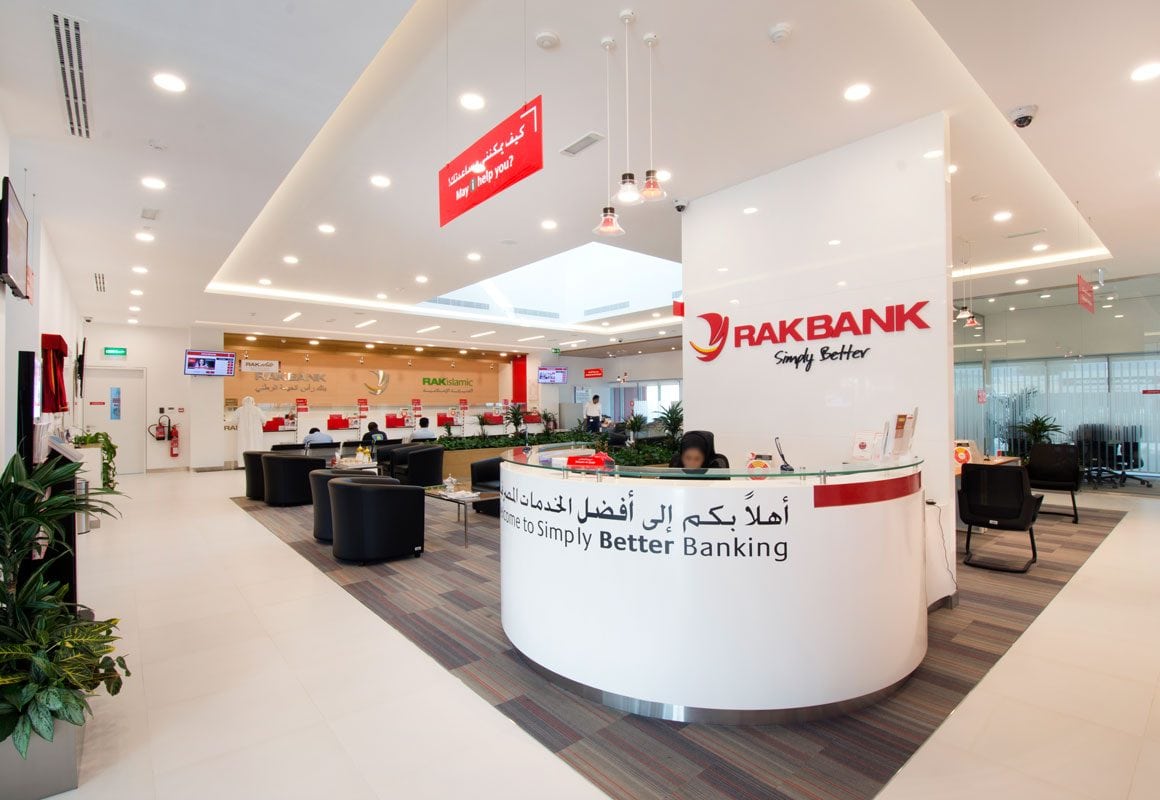
RAK Bank, officially known as the National Bank of Ras Al Khaimah, has announced robust financial results for the third quarter of 2024, highlighting significant growth in interest income alongside a reduction in provisions for loan losses. The bank’s net profit surged by 38% compared to the same quarter in the previous year, reflecting the bank’s effective strategies and the positive impact of the current economic landscape.

The increase in interest income has been attributed to the ongoing rise in interest rates, which has positively influenced the bank’s lending operations. This has resulted in a notable expansion of its net interest margin, a key indicator of a bank’s profitability. RAKBANK reported a net interest income of AED 563 million for the third quarter, marking a 30% increase from AED 433 million in the same period last year. The bank’s focus on optimizing its asset-liability management has allowed it to capitalize on the higher interest rates effectively.

The bank’s lending portfolio also showed resilience, with total loans and advances increasing by 12% to AED 32.4 billion. This growth is reflective of the bank’s strategic emphasis on retail banking and SME (small and medium-sized enterprises) lending, which have been prioritized as key growth areas. Retail loans accounted for a significant portion of the growth, as the bank introduced several attractive products tailored to meet customer needs.

RAKBANK has demonstrated a commendable effort in managing its operational costs, which have remained stable despite the increased lending activity. The cost-to-income ratio improved to 36.5%, down from 38.2% in the previous year, indicating enhanced operational efficiency. This metric is crucial for assessing how well a bank controls its costs relative to its income.

A noteworthy aspect of the quarterly results is the decline in provisions for credit losses, which decreased by 28% year-on-year to AED 96 million. This reduction is significant as it indicates a stabilizing economic environment and improved asset quality. The bank’s non-performing loan (NPL) ratio has also seen improvement, declining to 5.2% from 5.7% in the previous quarter, reflecting the bank’s effective risk management strategies.

RAKBANK’s leadership has expressed confidence in the bank’s strategic direction and financial health. The CEO emphasized the bank’s commitment to maintaining a strong balance sheet while focusing on sustainable growth initiatives. The management believes that by continuing to strengthen its core banking operations and expanding its service offerings, RAKBANK is well-positioned to navigate the current economic climate and capitalize on emerging opportunities.

Market analysts have responded positively to RAKBANK’s financial performance, noting that the bank’s robust results reflect not only its strong operational foundation but also its ability to adapt to changing economic conditions. Analysts project that RAKBANK will continue to benefit from the favorable interest rate environment and that its focus on retail and SME lending will drive further growth in the coming quarters.

The UAE’s overall economic environment remains supportive of banking sector growth, fueled by government initiatives aimed at diversifying the economy and fostering a more robust private sector. RAKBANK’s strategy to align its offerings with national objectives, such as promoting small businesses and innovation, positions it favorably in a competitive landscape.

RAKBANK has been actively investing in technology and digital transformation to enhance its customer service and streamline operations. Initiatives aimed at improving digital banking experiences have garnered positive feedback from customers, helping the bank to attract and retain clients in an increasingly digital-oriented market. The bank’s efforts to embrace fintech solutions are expected to further enhance its competitive edge and operational efficiency.

With these strong third-quarter results, RAKBANK has solidified its position as one of the leading banks in the UAE. The combination of increased interest income, reduced provisions, and efficient cost management underscores the bank’s commitment to delivering value to its shareholders while enhancing customer satisfaction. The management remains optimistic about future growth, emphasizing that continued focus on core banking and customer-centric strategies will be key to navigating the evolving financial landscape.

Russia’s covert network of oil tankers, often referred to as the “shadow fleet,” has drawn intense scrutiny from Western governments as it plays a central role in circumventing sanctions imposed on the country since its invasion of Ukraine. This fleet consists of hundreds of vessels engaged in the global transport of Russian oil, utilizing a web of deceptive practices, shell companies, and obscured ownership to avoid detection and maintain a steady flow of oil exports. As sanctions grow tighter, so do the clandestine methods employed by this fleet, particularly in securing insurance, which is critical for ships to operate globally.

With the imposition of strict international sanctions on Russia, major Western insurers withdrew from covering Russian oil tankers, creating a vacuum that Moscow has scrambled to fill. The creation of alternative insurance networks has become a lifeline for these vessels, allowing them to continue trading. Countries with limited regulatory oversight, such as certain Middle Eastern and Asian nations, have become key players in providing cover to these ships, enabling them to avoid scrutiny. The complex insurance arrangements are often routed through obscure entities that make it challenging for authorities to track or block the movement of sanctioned vessels.

The UK’s recent actions highlight the extent of the shadow fleet’s activities. In September 2024, the UK government sanctioned ten vessels linked to the shadow fleet, each involved in transporting large quantities of Russian oil. These ships, which had collectively moved over $5 billion in Russian oil, were barred from accessing UK ports and removed from the UK ship register. The sanctions underscore how pivotal the shadow fleet has become for Moscow, which has invested over $8 billion to maintain this network, despite the tightening economic pressure from the G7 and other Western nations. Western authorities hope to cripple this vital revenue stream for the Kremlin, but Russia remains defiant, with this secretive fleet operating across key global trade routes.

One of the most significant elements enabling this shadow trade is the reinsurance market. Reinsurance, which helps insurance companies manage risks by sharing portions of large policies with other firms, is a crucial piece of the puzzle for Russia. While direct insurance contracts for Russian tankers have become scarce, reinsurance deals continue to operate through less-regulated markets, creating layers of separation between the insured vessels and their true owners. These arrangements obscure the ships’ connections to Russia and make enforcement of sanctions difficult, as insurers may not always know they are covering Russian vessels. Some reports indicate that companies in regions like Dubai and Singapore are playing an increasing role in providing this indirect coverage, further complicating international efforts to clamp down on the shadow fleet.

The trade routes these vessels follow are also a significant aspect of their operations. Many ships involved in the shadow fleet use transshipment points, such as ports in Greece or off-shore locations in the Mediterranean and Asia, to transfer oil from sanctioned Russian tankers to other vessels. This practice of ship-to-ship transfers allows Russian oil to be rebranded or disguised before being sold on the global market. The use of such tactics has expanded in scale, with Western observers noting a steady increase in the number of these operations as Russia looks to maintain its oil revenues.

As a response to this ongoing trade, the European Union and G7 have both imposed price caps on Russian oil, limiting the price at which it can be sold legally. This measure, implemented in late 2022, was intended to reduce Russia’s profits from oil exports while keeping the global energy market stable. However, the shadow fleet has allowed Russia to bypass these restrictions by selling oil at a discount through third-party buyers. This system of backdoor trading has proven highly effective, even as governments in the West ramp up their sanctions and surveillance efforts.

What stands out in this complex landscape is the role of emerging markets in supporting Russia’s oil trade. Countries such as China and India have dramatically increased their imports of Russian crude, taking advantage of the lower prices and turning a blind eye to sanctions. In turn, their involvement in Russia’s energy exports has further insulated the country from the full impact of Western economic measures. Despite this, the shadow fleet has remained a critical cog in Moscow’s oil export machine, facilitating the continued flow of crude oil to these markets.

Abu Dhabi is making bold strides to position itself as a global leader in food security by launching a pioneering initiative aimed at transforming the emirate into a net food exporter. The newly approved AgriFood Growth and Water Abundance (AGWA) cluster, backed by billions in investments, is set to become a game-changer in addressing global food shortages while leveraging advanced technologies in agriculture and water resource management.

The AGWA cluster, located in Abu Dhabi and supported by the Department of Economic Development (ADDED) and the Abu Dhabi Investment Office (ADIO), is designed to become an innovation hub for food production and water management. The emirate has earmarked substantial resources, expecting AGWA to generate AED 90 billion in additional GDP by 2045 and create over 60,000 new jobs. These figures are seen as essential to diversify Abu Dhabi’s economy beyond oil, providing critical support to its “Falcon Economy” and ensuring long-term sustainability.

This initiative builds on the UAE’s longstanding history of addressing food security. In 1969, under the leadership of Sheikh Zayed, the UAE established its first network of greenhouses on Saadiyat Island, a pioneering effort at the time to create sustainable food production systems. Today, AGWA continues this legacy by focusing on advanced technologies like alternative proteins, algae cultivation, and reverse osmosis for water desalination, among other innovations.

As global food demands rise due to population growth, expected to surpass nine billion by 2050, Abu Dhabi’s proactive measures highlight the emirate’s forward-thinking approach. The World Bank estimates that feeding this population will require a 50% increase in agricultural production and a 15% increase in water use, making solutions like AGWA critical. Abu Dhabi is home to approximately 24,000 farms, half of which are located in Al Ain, and these farms are expected to benefit from the cluster’s advanced infrastructure and support systems.

AGWA’s focus is on fostering sustainable food production, addressing both local and international needs. By supporting local suppliers and creating export opportunities, Abu Dhabi aims to strengthen its food security strategy while also contributing to global agricultural sustainability. This effort is seen as part of the UAE’s National Food Security Strategy 2051 and Water Security Strategy 2036, which aim to enhance the country’s resilience to food and water shortages by using cutting-edge technologies.

Abu Dhabi has also been working to enhance its infrastructure, attracting investors through a business-friendly environment, strong supply chain networks, and substantial government support. The launch of AGWA follows the introduction of other high-tech economic clusters, such as the Smart and Autonomous Vehicle Industries (SAVI) cluster, highlighting the emirate’s commitment to innovation across multiple sectors.

SINGAPORE – Media OutReach Newswire – 21 October 2024 – Sin Chew Woodpaq Pte Ltd (Sin Chew), a leading integrated project logistics solutions provider, proudly announces its latest achievement: the prestigious Workplace Safety and Health (WSH) Tech Award 2024. This award recognizes the company’s continuous efforts to prioritize and enhance workplace safety, cementing its reputation as an industry leader in safety innovation. Commitment to Safety Through AI-Driven […]

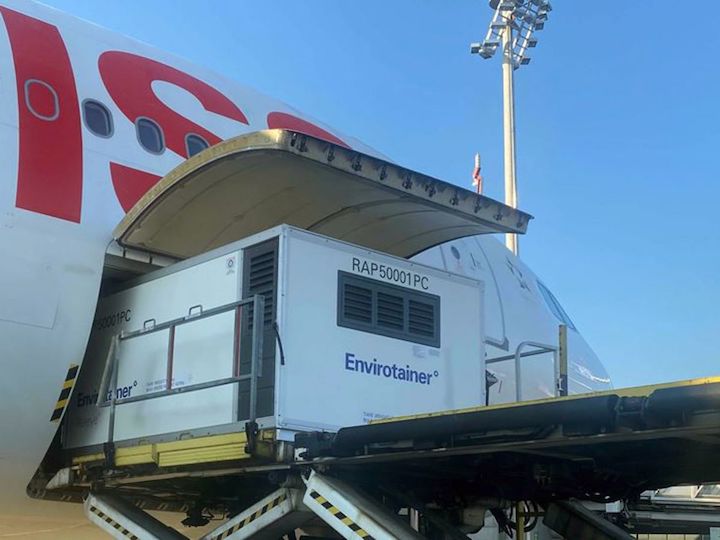
Emirates has made a significant investment in its cargo capabilities by ordering five additional Boeing 777 freighters, marking a strategic move to enhance its air freight operations. This latest acquisition will expand the airline’s freighter fleet to 21 aircraft by the end of 2026, allowing it to meet growing global demand for air cargo services. The new freighters are expected to deliver improved efficiency and capacity, supporting Emirates’ commitment to providing reliable and high-quality logistics solutions.

The decision to enhance the fleet comes amid a surge in e-commerce and a rise in international trade, factors that have contributed to increased demand for air freight services. As global supply chains evolve, airlines are adapting to changing market dynamics, and Emirates is no exception. The Boeing 777 freighter, known for its operational efficiency and cargo capacity, is a popular choice among airlines looking to optimize their cargo operations.

Emirates SkyCargo, the cargo division of Emirates, has been at the forefront of this growth, leveraging its extensive network to facilitate the transport of goods worldwide. The division has invested in modernizing its fleet and expanding its facilities to accommodate the needs of its customers. By introducing additional freighters, Emirates aims to solidify its position as a leader in the air cargo market.

The order for the new 777 freighters is part of Emirates’ broader strategy to expand its cargo operations. The airline has been actively increasing its capacity to handle a diverse range of goods, from perishables to pharmaceuticals. The 777 freighter can carry up to 102 metric tons of cargo, making it well-suited for transporting high-volume shipments.

Market analysts have highlighted the importance of air cargo in the global supply chain, particularly in the wake of disruptions caused by the pandemic. The resilience of the air freight sector has become evident as businesses increasingly rely on fast and efficient transportation of goods. Emirates’ investment reflects its confidence in the recovery and growth of the global economy, as well as its commitment to meeting the demands of its customers.

Emirates’ freighter fleet expansion aligns with industry trends that show a robust recovery in air cargo volumes. According to the International Air Transport Association (IATA), air cargo demand remains strong, driven by the ongoing e-commerce boom and a shift in consumer behavior. The IATA has reported that air freight is not only resilient but also a crucial enabler of trade, providing businesses with the ability to reach global markets swiftly.

The new freighters will support Emirates SkyCargo’s operations across its extensive network, which spans six continents. The airline currently operates in over 130 destinations, offering a range of logistics services tailored to the needs of different industries. Emirates SkyCargo has established itself as a trusted partner for businesses seeking reliable air freight solutions.

In addition to expanding its fleet, Emirates has also invested in infrastructure improvements at its hub in Dubai. The Dubai International Airport has undergone significant upgrades to enhance its cargo handling capabilities. These enhancements include state-of-the-art facilities for temperature-sensitive goods and specialized handling processes for fragile and high-value items. Such investments are essential for maintaining the airline’s reputation for quality and reliability.

Industry experts predict that the demand for air cargo will continue to rise in the coming years, driven by factors such as globalization, increasing consumer expectations, and the need for rapid delivery. This positive outlook has prompted airlines to invest heavily in their freighter fleets and logistics capabilities.

Emirates’ commitment to sustainability is also reflected in its fleet expansion strategy. The airline has been actively pursuing initiatives to reduce its carbon footprint and improve operational efficiency. The new Boeing 777 freighters are designed with advanced technology that enhances fuel efficiency, contributing to Emirates’ goals of sustainable aviation.

As Emirates prepares to welcome the new freighters into its fleet, it remains focused on providing exceptional service to its customers. The airline’s dedication to innovation and quality service has garnered it a loyal customer base, further strengthening its position in the competitive air cargo market.

Hedge funds are increasingly betting against the renewable energy sector, raising concerns over the viability of green investments. As climate change initiatives gain momentum and governments around the world push for a transition to clean energy, a growing number of hedge funds are accumulating short positions, signaling skepticism about the sustainability and profitability of these sectors. This strategic pivot reflects a complex interplay of market dynamics, regulatory […]

Dubizzle Group, the leading online classifieds platform in the Middle East, is preparing for a landmark initial public offering (IPO) expected in 2025. The company’s efforts to restructure and position itself for this significant milestone reflect its commitment to consolidating its market presence and scaling its operations across the MENA region. This move comes after a series of successful funding rounds and acquisitions, further enhancing its valuation […]

Saudi Arabia’s United International Holding has confirmed plans to sell a 30% stake in the company through an initial public offering (IPO). This decision marks a significant move in the Saudi capital markets, reflecting the broader trend of privatization and investment diversification pursued by the kingdom. The company aims to utilize the funds raised through the IPO to enhance its operations and expand its market presence across […]

Octa, a global financial broker, sponsored an on-sight coding bootcamp called STATUS 200 in Kuala Lumpur, Malaysia. Having joined forces with Ideas International, Octa provided a group of young Malaysian men and women with a unique opportunity to level up their coding skills and make a significant leap towards future careers in a sought-after field. KUALA LUMPUR, MALAYSIA – Media OutReach Newswire – 1 October 2024 – […]

SINGAPORE – Media OutReach Newswire – 17 October 2024 – Akzo Nobel Paints (Singapore) Pte Ltd proudly introduces the new flagship Dulux Ambiance All AirClean, an innovative paint formulated with PureAir™ Technology to deliver cleaner indoor air. This breakthrough product represents AkzoNobel’s commitment to delivering solutions that can bring health and well-being advantages to its customers. Dulux Ambiance All AirClean Poor indoor air quality can arise from […]

Bahrain is contemplating a major infrastructure project, considering the development of a new terminal for Bahrain International Airport. This initiative aims to bolster the country’s position as a regional transportation hub, significantly increasing its capacity and efficiency. Transport Minister Mohammed bin Thamer Al Kaabi has emphasized that the new terminal would accommodate a growing number of passengers and airlines, improving the overall traveler experience. Currently, Bahrain International […]

Saudi Arabia’s next major development, dubbed the “New Murabba,” is set to transform Riyadh’s skyline with the addition of a futuristic cube-shaped structure, slated to be one of the largest in the world. As the centerpiece of this $50 billion mega-development, the “Mukaab” will tower over 400 meters, making it taller than the Empire State Building. The cube is set to house various attractions, including residential spaces, hotels, cultural landmarks, and retail experiences, all within a digitally enhanced interior.

The New Murabba project is part of Riyadh’s push to become a global metropolis under the ambitious Vision 2030 initiative. Spearheaded by Crown Prince Mohammed bin Salman, Vision 2030 aims to diversify Saudi Arabia’s economy away from oil dependency by developing sectors such as tourism, entertainment, and technology. As part of this transformation, the Mukaab will serve not just as an architectural wonder but as a symbol of Saudi Arabia’s rapid modernization and growing influence in the global arena.

The cube’s massive scale reflects the Kingdom’s broader focus on positioning Riyadh as the Middle East’s primary hub for business, culture, and tourism. The project is expected to play a central role in hosting international events, including Expo 2030 and potentially the FIFA World Cup in 2034. Riyadh’s population is projected to reach 9.2 million by 2030, spurring the need for new infrastructure developments, including an improved road network and the construction of a metro system.

However, the massive scope of this project has raised concerns regarding its financial feasibility. With an estimated cost of $7.8 billion for the Expo alone, the Saudi government is recalibrating its priorities to manage the growing expenses of multiple giga-projects. Some developments, such as the $500 billion Neom city, have been delayed as Riyadh diverts resources toward completing critical infrastructure on time for these international events. The Public Investment Fund (PIF), which backs these mega-projects, has resorted to raising debt to meet its financial obligations. Nonetheless, the Mukaab remains a priority, given its symbolic and economic potential.

As the cube takes shape, it promises to offer more than just luxurious living spaces. Its immersive environment will incorporate augmented reality and digital technologies, creating a fully interactive experience for visitors and residents alike. This vision aligns with Riyadh’s goal of becoming a leading smart city, catering to both tourists and residents with cutting-edge technology and unique architectural designs. The Mukaab, in this sense, embodies the future Saudi Arabia envisions—a fusion of tradition and innovation, framed within a monumental structure that captures the imagination.

KUALA LUMPUR, MALAYSIA – Media OutReach Newswire – 17 October 2024 – BRICS represents a formidable economic bloc that significantly influences global trade and geopolitics. In January, the alliance of Brazil, Russia, India, China, and South Africa formally welcomed Egypt, Ethiopia, Iran, and the United Arab Emirates into its fold. Recent discussions have focused on expanding BRICS to include nations like Malaysia and Indonesia, presenting these countries […]

VISHNU RAJA
RYO YAMADA
HITORI GOTOH
IKUYO KITA