News related to
prove no

Cryptocurrency markets began the day with a notable lack of movement, as trading volumes dropped by nearly 30%, marking a period of consolidation. Amid this trend, both bullish and bearish forces have remained active, but the lack of significant price fluctuations points to a potential for range-bound consolidation in the coming period. As major assets like Bitcoin, Ethereum, and XRP continue to experience subdued movement, two particular blockchain projects—Solana and SUI—stand out as they face pivotal moments in their market trajectories.

Solana, once considered one of the leading contenders in the blockchain space, is encountering a crucial juncture. The network, which rose to prominence with its promise of fast transaction speeds and low fees, has seen its price experience a steady decline. As the broader market grapples with low liquidity, Solana’s ability to maintain relevance is being tested. Despite an initial surge fueled by optimism regarding its scalability and unique consensus mechanism, Solana now faces concerns over network outages and heightened competition from other smart contract platforms, including Ethereum and newer contenders such as Avalanche and SUI.

Recent updates from Solana Labs highlight ongoing improvements to the network, including enhancements to decentralisation and transaction throughput. However, these developments have not been enough to stem the downward price pressure that has plagued SOL for months. The volatility seen in its earlier days is now replaced by uncertainty. While Solana remains a top-tier blockchain in terms of market capitalization, many analysts are watching closely to determine whether the project can sustain its position or if it risks falling into the shadows of more dominant platforms.

At the same time, the SUI network—launched with the backing of former Meta engineers—has been positioning itself as a potential long-term winner in the smart contract ecosystem. While it is still in its infancy compared to more established blockchains, SUI has garnered attention for its innovative approach to scalability. Its unique Move programming language, designed to offer flexibility and efficiency in asset management, could differentiate it from competitors.

However, SUI is still in a critical phase where the market must confirm whether it can deliver on its promise. Despite some initial interest, the lack of a clear price surge has left many investors on edge, waiting for concrete signs of bullish momentum. The current market conditions, combined with the cautious stance of many institutional investors, have led to a stagnation in SUI’s growth. Many analysts are closely observing SUI’s ability to break through its resistance levels, which could indicate the start of a more pronounced rally.

As Solana faces its critical point, SUI’s development remains a topic of growing importance in the crypto space. The two projects, while vastly different in terms of their technology and goals, both embody the shifting dynamics of blockchain development. Solana’s struggle to regain its former strength is tempered by the rising expectations around SUI, which is yet to prove itself on a large scale.

The outlook for Solana hinges significantly on its ability to address its scalability issues while maintaining a stable, decentralized network. With its price below key support levels, market watchers have been closely monitoring for any signs of recovery. Some experts argue that Solana might need to focus on strengthening its developer ecosystem, as many of the more successful blockchain platforms owe their success to vibrant communities and continuous innovation.

On the other hand, SUI’s success is largely dependent on its ability to convince both developers and users of its scalability and security advantages. Although SUI’s underlying technology is promising, many in the industry remain sceptical about whether it can achieve significant adoption and whether its distinct approach to data handling will stand the test of time.

The broader market environment plays a crucial role in shaping the trajectories of both networks. If the overall crypto market begins to recover, both Solana and SUI could stand to benefit. However, the current market sentiment remains cautious, as traders wait for more definitive signals. The drop in trading volume indicates that many are waiting for a trigger that might set off the next phase of market activity, whether it’s a bullish breakout or another downtrend.

As it stands, the near-term outlook for Solana is one of continued consolidation, with a focus on whether its core development team can introduce updates capable of restoring confidence in the network. For SUI, the situation is somewhat different; it still has to prove itself in terms of user adoption and building out its ecosystem. While the blockchain space is rife with competition, SUI’s innovative features may yet allow it to carve out a significant position if the market sees an influx of interest in its offerings.

The debate surrounding a proposed casino and entertainment complex in Tysons Corner has intensified as a key piece of legislation moved forward in the Virginia Senate. On Tuesday, the Senate approved a bill that could pave the way for Fairfax County voters to decide whether they want the sprawling complex, with the proposal now inching closer to a county-wide referendum. The development, which would be a joint venture involving major stakeholders and significant investment, is seen as a potential economic boon for the region, but it has sparked division among local lawmakers and residents.

Proponents of the Tysons casino argue that it will bring substantial economic growth to Fairfax County. Supporters highlight the potential for job creation, increased tourism, and a substantial boost to the local economy through gaming revenue and entertainment options. They also contend that the complex would be a key component in transforming Tysons Corner into a vibrant, modern urban centre, further integrating it with the broader Washington D.C. metropolitan area.

However, the proposal has not been without its critics. Several lawmakers from Fairfax County have raised concerns about the social and environmental implications of bringing a casino to the area. Opposition groups argue that such a development could exacerbate issues such as gambling addiction, crime, and traffic congestion, potentially undermining the suburban character of Tysons.

Despite these concerns, the bill moved forward in the state Senate, with lawmakers voting in favour of allowing voters to decide in a referendum. The outcome of the vote in the Senate marks a crucial step in the ongoing debate, but the ultimate decision now lies with Fairfax County residents, who will have the opportunity to weigh in on the issue later this year.

Local officials who have supported the bill have pointed to examples from other parts of the United States, where casinos have been successfully integrated into urban centres. For instance, cities such as Detroit and Pittsburgh have seen revitalisation following the introduction of gaming facilities, with job creation and revenue generation cited as key successes. Moreover, proponents argue that a casino in Tysons would complement the area’s existing infrastructure, including the newly expanded metro system, making it accessible for residents across the region.

However, critics of the plan have expressed concerns about the broader impact on local communities. They argue that casinos often attract lower-income individuals who may struggle with gambling addiction, with long-term consequences for public health and safety. Some local residents have voiced concerns about the potential for increased crime, as casinos can sometimes attract criminal activity such as money laundering and organized crime. Additionally, opponents worry that the presence of a casino could alter the character of the area, shifting it from a family-friendly suburban enclave to a more commercialised and less residential district.

In response to these criticisms, advocates of the casino project have emphasised that safeguards would be put in place to mitigate potential negative impacts. The bill includes provisions for responsible gambling programs and measures to address crime and traffic issues, such as enhanced security and improved infrastructure. Proponents also argue that the economic benefits far outweigh the potential risks, with the promise of substantial revenue for the county and the state, as well as increased tourism and entertainment options for residents and visitors alike.

MediaTek has announced significant improvements in its design workflow efficiency, thanks to its adoption of Cadence Virtuoso Studio and Spectre Simulation on Nvidia’s accelerated computing platform. The collaboration is set to propel MediaTek’s ability to meet the demands of advanced semiconductor technologies, particularly as the company prepares for 2nm process node designs in the future. The integration of these tools, which leverage artificial intelligence , promises to […]

El Salvador has made another significant acquisition of Bitcoin, despite the ongoing market volatility. The country’s Bitcoin holdings have now reached 6,068 BTC after a recent purchase of 12 BTC. This decision aligns with the nation’s unwavering commitment to embracing digital currencies, even as Bitcoin prices hover below the $100,000 mark.

This latest move is part of El Salvador’s broader strategy to integrate Bitcoin into its financial system. Despite facing ongoing pressure from international financial institutions, including the International Monetary Fund , the Central American country remains resolute in its belief in the potential of Bitcoin to transform its economy. El Salvador’s Bitcoin Office confirmed the purchase, citing favourable market conditions as the reason behind the acquisition.

The government of El Salvador, led by President Nayib Bukele, first made headlines in 2021 when it became the first country in the world to adopt Bitcoin as legal tender. At the time, the move was seen as a bold experiment, with critics questioning the wisdom of using a volatile digital asset in place of traditional currency. However, the government has continued to push forward with its plan to boost financial inclusion, foster innovation, and attract international investment through its Bitcoin-centric policies.

El Salvador’s Bitcoin purchases have often been timed when prices dip, allowing the government to accumulate more BTC at lower rates. The purchase of 12 additional Bitcoin came when the cryptocurrency’s value fell below $100,000 per coin, enabling the country to capitalise on a potential bargain. This strategic approach has raised both eyebrows and praise. Supporters argue that El Salvador is positioning itself to reap long-term benefits from Bitcoin’s volatility, while critics remain skeptical of the country’s reliance on an asset known for its price fluctuations.

The IMF has expressed concerns about the risks associated with El Salvador’s Bitcoin strategy. As part of its agreement for a $1.4 billion loan to El Salvador, the IMF requested adjustments to the country’s Bitcoin laws. While the government has complied with some of the IMF’s requirements, including regulatory changes, it has made it clear that it will not backtrack on its Bitcoin plans. The government views the digital asset as a tool for economic empowerment and financial independence, especially for the unbanked population, which constitutes a large portion of El Salvador’s citizens.

The IMF’s concerns are not without merit. Bitcoin’s extreme price volatility poses a significant risk to countries like El Salvador, whose economic stability is already precarious. Critics argue that Bitcoin’s erratic swings could undermine the country’s efforts to maintain fiscal discipline and attract foreign investment. Moreover, the Bitcoin market is still in its infancy, with questions about its scalability and long-term sustainability looming over the industry.

Despite these concerns, El Salvador has taken proactive steps to mitigate the risks associated with Bitcoin. The government has established a “Bitcoin Trust,” designed to safeguard the country’s Bitcoin holdings and prevent potential market crashes from impacting the nation’s finances. This trust acts as a financial buffer, enabling the government to liquidate some of its Bitcoin holdings if necessary, without triggering market panic. Additionally, El Salvador has launched Bitcoin-backed bonds, which aim to raise funds for infrastructure development and pay off existing debt. This innovative financial tool is expected to generate significant capital for the government, further solidifying its commitment to Bitcoin as a core component of its economic strategy.

While Bitcoin continues to be a cornerstone of El Salvador’s economic vision, the country has also sought to diversify its digital currency initiatives. In 2022, the government introduced a “Bitcoin City,” a special economic zone designed to attract global investors and foster blockchain innovation. The city will be powered by geothermal energy from nearby volcanoes, a feature that sets it apart from other cryptocurrency hubs worldwide. El Salvador’s efforts to promote Bitcoin as a central piece of its economic development have attracted attention from cryptocurrency enthusiasts and blockchain technology companies looking to establish a presence in the region.

The nation’s Bitcoin experiment has already had a significant impact on its financial system. According to the government, Bitcoin has provided millions of citizens with access to financial services for the first time. With a large percentage of the population lacking access to traditional banking services, Bitcoin’s digital nature offers an alternative to the conventional banking system. By using a mobile app, citizens can send and receive Bitcoin, facilitating faster and cheaper cross-border payments, and providing a sense of financial independence. This has proven to be especially important in a country where remittances from abroad account for a large portion of GDP.

However, despite the positive outcomes, the implementation of Bitcoin in everyday life has not been without its challenges. Volatility remains a significant obstacle, with many Salvadorans still wary of the risks associated with using Bitcoin for day-to-day transactions. The government has attempted to address these concerns by integrating Bitcoin with the country’s existing payment system, making it easier for businesses to accept the digital currency. The government also launched a Bitcoin wallet called “Chivo,” which allows citizens to convert Bitcoin into US dollars instantly, providing a safety net against price fluctuations.

Arabian Post Staff -Dubai The UAE Cabinet, led by Sheikh Mohammed bin Rashid Al Maktoum, convened at Qasr Al Watan in Abu Dhabi to approve a series of initiatives aimed at enhancing the nation’s development across various sectors. The meeting was attended by key government officials, including Sheikh Mansour bin Zayed Al Nahyan, Sheikh Maktoum bin Mohammed bin Rashid Al Maktoum, and Lt. General Sheikh Saif bin […]

SINGAPORE – Media OutReach Newswire – 4 February 2025 – VAIO Corporation (Headquarters: Azumino City, Nagano Prefecture, President & CEO: Masaki Yamano, hereinafter referred to as “VAIO”), today announced its re-entry into the Singapore market through a partnership with Unified-1 Solutions Pte. Ltd. as the official authorised distributor of VAIO products. This strategic initiative reflects VAIO’s commitment to expanding its footprint in Southeast Asia and responding to […]

Mastercard has teamed up with Payrails, a payment technology firm, to offer enterprises innovative digital payment solutions. This partnership focuses on transforming payment processes for large businesses by providing seamless and efficient transaction handling across global operations. The collaboration aims to deliver a robust platform that can simplify complex payment workflows, improve operational flexibility, and enhance financial optimization. The deal combines Mastercard’s vast experience in global payment […]

Advertisements

Nestlé has forged a strategic alliance with Dubai AI Campus to develop an advanced AI-powered platform designed to enhance product innovation. The collaboration aims to leverage artificial intelligence to identify emerging trends, offering valuable consumer insights that could revolutionize Nestlé’s approach to market strategies. The new tool, which combines Nestlé’s extensive industry experience with the cutting-edge capabilities of AI, will focus on processing large volumes of data. […]

Foodics, a renowned leader in restaurant and payment technology, has teamed up with MoneyHash, a prominent payment orchestration and revenue operations platform in the Middle East and Africa region, aiming to revolutionize payment solutions for the restaurant and foodservice sectors. The partnership is poised to streamline payment processes, improve operational efficiency, and boost growth for businesses in an industry that is undergoing rapid transformation.

This strategic collaboration is designed to empower food and beverage businesses by addressing some of the most pressing challenges they face in payment management. With the market for online and digital payment services growing rapidly in the region, Foodics, known for its cutting-edge technology, is leveraging MoneyHash’s innovative capabilities to offer businesses a more seamless, flexible, and efficient way to manage their payment systems.

By integrating MoneyHash’s versatile platform, Foodics will enable restaurants to connect to multiple payment providers and optimize their revenue streams through advanced reporting and analytics. This will help businesses minimize friction, reduce operational overhead, and enhance the customer experience by offering more payment options. The system also supports different payment methods, including credit and debit cards, mobile payments, and wallets, ensuring that customers enjoy a smooth transaction experience.

The MEA region has seen significant growth in the adoption of digital payment methods. According to recent reports, the adoption of digital payments in the region has been outpacing global trends, driven by rising smartphone penetration, changing consumer behaviors, and the expansion of e-commerce. However, despite this growth, many food service businesses have struggled to integrate diverse payment systems into a unified platform, leading to inefficiencies and increased costs.

By joining forces, Foodics and MoneyHash aim to address these gaps by providing a single platform that consolidates payment services, making it easier for restaurant owners and operators to manage their transactions, understand their financial data, and make informed decisions to grow their businesses. The partnership combines Foodics’ deep expertise in restaurant technology with MoneyHash’s strong reputation for managing payment flows, offering a comprehensive solution for an industry in need of modernized systems.

The shift to integrated payment solutions is particularly critical in the context of the ongoing digital transformation of the foodservice industry. As more consumers turn to online platforms and delivery services, the demand for fast, reliable, and secure payment processing has never been higher. Operators are increasingly looking for ways to reduce payment friction, enhance customer loyalty, and improve financial transparency. The collaboration between Foodics and MoneyHash represents a significant step toward achieving these goals, providing F&B businesses with the tools they need to thrive in an increasingly competitive environment.

Foodics, with its vast portfolio of technology solutions, has long been focused on helping F&B businesses streamline their operations, from point-of-sale systems to inventory management. The company’s mission to empower entrepreneurs and restaurant owners aligns with MoneyHash’s goal of improving financial management through cutting-edge technology. MoneyHash’s platform enables businesses to connect to a range of payment providers and systems, automating the processing of payments and generating real-time data analytics that give operators better visibility into their financial operations.

The collaboration also promises to have far-reaching effects on payment security and fraud prevention. By integrating a robust payment orchestration system, businesses can ensure that payment processing is both secure and compliant with regional regulations. MoneyHash’s platform employs advanced security protocols and tools to mitigate fraud risks, offering businesses and their customers greater peace of mind when making transactions.

As part of their commitment to transforming the F&B industry, both companies are working toward expanding their presence across the MEA region. The partnership will provide local restaurants with access to innovative technology that can scale as their businesses grow. Both Foodics and MoneyHash recognize the importance of adapting to the unique challenges and opportunities presented by different markets within the region, ensuring that their solutions remain flexible and accessible to businesses of all sizes.

Industry analysts have noted that this collaboration is a crucial step toward addressing the fragmented nature of the payment ecosystem in the MEA region. With so many different payment providers operating across the area, F&B businesses often face challenges in integrating multiple systems and maintaining visibility into their payment operations. The alliance between Foodics and MoneyHash aims to reduce this fragmentation by offering an all-in-one solution that simplifies payment orchestration and revenue management.

This partnership also positions both companies at the forefront of an emerging trend in the global payments landscape: the growing importance of payment orchestration platforms. These platforms are becoming essential tools for businesses across various sectors, enabling them to manage multiple payment service providers through a unified interface. As businesses in the F&B sector increasingly adopt digital solutions, the need for such platforms is expected to continue growing, and the collaboration between Foodics and MoneyHash places them in an excellent position to meet this demand.

Ooredoo and DE-CIX have officially launched Doha IX, a state-of-the-art internet exchange platform aimed at boosting Qatar’s digital infrastructure. The partnership seeks to provide a secure and carrier-neutral solution to enhance network performance, offering businesses in Qatar and across the region improved connectivity.

Doha IX is designed to facilitate the exchange of low-latency internet traffic between operators, service providers, and content providers. The platform will also support remote peering services, allowing organizations to connect more effectively with global and regional networks. By providing a carrier-neutral environment, it offers flexibility to businesses and internet service providers, enabling them to select their preferred partners for traffic exchange without relying on a single carrier. This flexibility could be a significant advantage for companies looking to optimize their networks in a highly competitive market.

The new exchange will help alleviate some of the challenges faced by businesses in Qatar, particularly in terms of maintaining fast, efficient, and secure connections. As Qatar continues to grow as a technology and business hub in the Middle East, reliable and efficient connectivity infrastructure becomes a critical element of its economic development. Doha IX is poised to play a key role in this by providing businesses with the tools necessary to improve their network performance and stay ahead of emerging trends in the digital economy.

The establishment of the exchange comes at a time when the demand for high-quality connectivity is surging across the region. With more businesses moving toward cloud-based services and data-centric models, the need for reliable, low-latency connections is crucial. Doha IX is expected to meet this demand by offering the infrastructure needed to support a wide variety of digital applications, from e-commerce and financial services to entertainment and content delivery.

This development is also in line with Qatar’s broader goal of becoming a leading digital economy in the region. The country’s Vision 2030 plan emphasizes the importance of digital infrastructure as part of its national strategy for economic diversification. The launch of Doha IX aligns with this vision by enhancing the country’s ability to serve both local and international businesses. It also strengthens Qatar’s position as a regional hub for the internet exchange ecosystem.

DE-CIX, a leading global operator of internet exchange platforms, brings a wealth of expertise and experience to this partnership. With over 25 years of experience in running internet exchanges around the world, DE-CIX operates some of the largest and most secure peering platforms globally. Its involvement in Doha IX provides a significant boost to the exchange’s credibility and operational reliability.

The launch of Doha IX is expected to attract international players to the Qatari market, further driving competition and innovation. The platform offers a unique advantage for global content providers and internet service providers who are looking for a reliable and low-latency traffic exchange in the region. It also provides a platform for local businesses to connect with global partners, creating new opportunities for collaboration and growth.

As part of the launch, Ooredoo will provide infrastructure and connectivity support for the exchange, leveraging its extensive network to ensure smooth operations and minimal downtime. Ooredoo’s involvement further enhances the credibility of Doha IX and underscores its commitment to supporting the growing demand for high-quality internet services in Qatar.

For DE-CIX, the establishment of Doha IX marks a strategic expansion into the Middle East, a region that has seen rapid growth in digital and internet services over the past decade. The company’s presence in Qatar further strengthens its position as a global leader in the internet exchange market and offers it a chance to tap into one of the fastest-growing economies in the region.

Looking ahead, Doha IX is poised to become a key player in the digital infrastructure landscape in Qatar. As the country’s business environment becomes increasingly digital, the demand for reliable and efficient connectivity will continue to rise. The platform will provide businesses with the necessary infrastructure to stay connected and competitive in an ever-evolving global market.

SINGAPORE – Media OutReach Newswire – 4 February 2025 – IQ Dynamics, a leading enterprise software provider, is proud to offer HRiQ, an advanced HR management software designed to revolutionise employee onboarding processes. HRiQ offers smart workflow solutions that enhance efficiency, ensure compliance, and elevate the new hire experience. HRiQ™ combines accelerated automation, powerful augmented analytics, and flexible HR capabilities to optimise workflows and reduce the time […]

Tubidy has emerged as a popular platform for users seeking to download music and videos, offering access to MP3 and MP4 files across a variety of genres. With its simple interface and widespread use, the platform has attracted millions who wish to convert and download media from sources like YouTube without paying for subscriptions or purchasing individual tracks. However, Tubidy’s rise has not come without scrutiny. The […]

RiseUp has partnered with Misr Italia Properties to host the inaugural “RiseUp AI Summit” in Cairo, marking a significant milestone for artificial intelligence in Egypt and the broader MENA region. The summit, taking place on February 4, 2025, will bring together key industry leaders, tech innovators, and entrepreneurs to explore AI’s potential and its future impact across various sectors. The summit is expected to provide a dynamic […]

The euro zone’s manufacturing sector displayed tentative signs of recovery at the start of 2025, as the latest data pointed to a moderation in the downturn that has plagued the industry over the past year. The sector’s performance, while still under pressure, showed resilience in the face of rising costs and geopolitical tensions, including the looming threat of tariffs from the United States. Data from the Purchasing […]

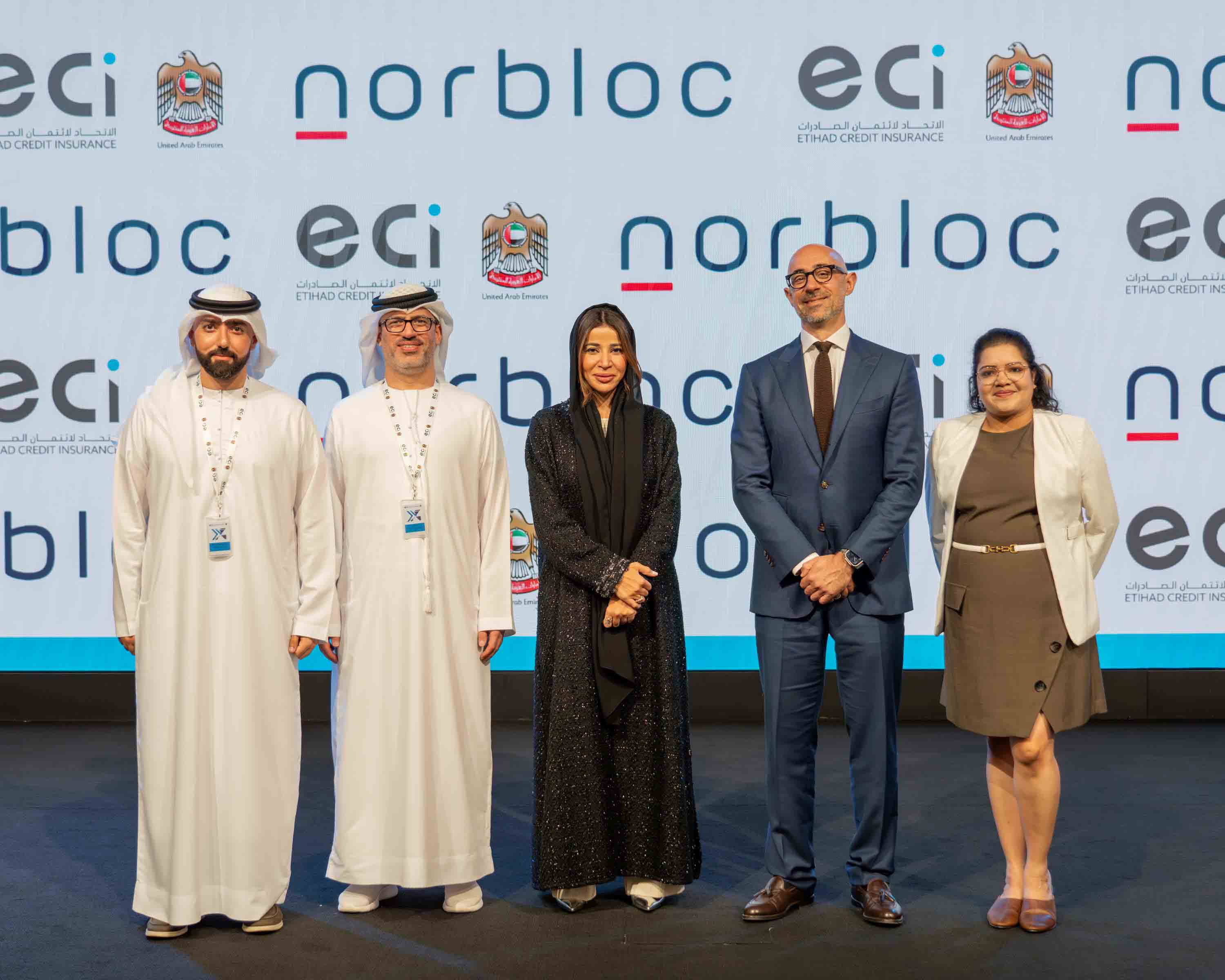
Etihad Credit Insurance , a prominent UAE Federal export credit company, has joined the Know Your Customer Blockchain Platform, marking a milestone for the country’s insurance sector. The partnership, aimed at enhancing the efficiency of customer identity verification, places ECI at the forefront of adopting blockchain technology within the financial industry.

This move reflects a broader trend in the UAE’s ongoing efforts to modernize its financial and insurance sectors. By integrating blockchain-based solutions, ECI joins several other entities striving to increase transparency, reduce fraud, and improve operational efficiency. The KYC Blockchain Platform itself, led by the Dubai Department of Economy and Tourism , represents a key innovation within the region’s fintech ecosystem.

Blockchain’s decentralized nature offers significant advantages for KYC processes. Traditionally, verifying customer identities involves complex, time-consuming procedures that are susceptible to human error and fraud. The adoption of blockchain ensures secure, immutable records, allowing for smoother and faster transactions. By participating in this platform, ECI aims to streamline its own compliance procedures, reducing the need for manual checks and minimizing risks associated with identity theft.

The KYC Blockchain Platform has already gained traction with a growing number of financial institutions and government entities looking to optimize their services. For ECI, the decision to integrate blockchain into its operations comes at a time when trust in digital solutions is paramount. In particular, the move is expected to strengthen the company’s ability to offer enhanced trade credit services, which are crucial for UAE-based businesses involved in international trade.

ECI’s commitment to embracing blockchain technology aligns with the UAE government’s broader push to position the nation as a leader in digital innovation. The country’s strategic focus on blockchain as a key enabler of economic growth is evident in its continued investment in the technology. By incorporating blockchain solutions into its operations, ECI not only aims to simplify its compliance processes but also to contribute to the larger goal of building a more secure and transparent digital economy in the UAE.

Blockchain’s integration into the KYC platform also paves the way for greater collaboration between public and private sectors. Government institutions have been proactive in creating the necessary infrastructure to support blockchain adoption. The Dubai Department of Economy and Tourism’s leadership in this initiative highlights the UAE’s determination to become a global blockchain hub, with numerous projects already underway to explore its applications in diverse sectors such as finance, healthcare, and logistics.

As the UAE continues to embrace new technologies, the success of the KYC Blockchain Platform could serve as a model for other nations aiming to digitize their financial and regulatory systems. The platform’s design, which facilitates secure and real-time sharing of customer information between institutions, addresses one of the most pressing challenges in the global financial sector: the need for robust and efficient identity verification.

The integration of blockchain into KYC processes also aligns with the UAE’s commitment to compliance with global anti-money laundering standards. As the international financial landscape becomes more interconnected, regulatory bodies around the world are increasingly requiring organizations to meet stringent customer verification and monitoring obligations. Blockchain technology’s ability to ensure data accuracy, security, and accessibility provides institutions with the tools they need to comply with these regulations more effectively.

For ECI, this integration represents more than just a technological upgrade. It is part of a larger strategy to remain competitive in an evolving financial environment. The company’s ability to leverage blockchain for more efficient KYC processes enhances its appeal to both local and international businesses. As the UAE’s trade and export sectors grow, having a streamlined and secure system for verifying customers’ identities will be a critical differentiator for businesses operating within the region.

The ECI’s blockchain initiative also promises to have broader implications for the insurance industry in the UAE and beyond. Insurance companies have long faced challenges related to fraud and regulatory compliance. With blockchain’s potential to offer transparent and tamper-proof records, the platform could drive significant changes in how insurers conduct their operations. Moreover, it could encourage more insurers to explore blockchain solutions, further accelerating the sector’s digital transformation.

This development positions ECI as a trailblazer within the UAE’s rapidly expanding blockchain ecosystem. As more companies begin to realize the benefits of blockchain for KYC and other operations, the region could see even greater adoption of this technology. By taking this bold step, ECI not only enhances its own operational capabilities but also contributes to shaping the future of blockchain in the global financial services landscape.

YugabyteDB has announced a major update to its platform, enhancing compatibility with PostgreSQL 15 features. This development, currently available as a tech preview, offers a significant boost for users of the open-source distributed SQL database. By introducing support for PostgreSQL 15, YugabyteDB aims to deliver increased flexibility, reliability, and scalability for organizations running PostgreSQL workloads. The latest enhancements mark a crucial step in YugabyteDB’s mission to improve […]

Alibaba Cloud has unveiled a series of advancements aimed at reinforcing its foothold in the global generative AI landscape. The company, a key player in cloud services and AI solutions, recently introduced new support programs, infrastructure improvements, and cutting-edge AI development tools. These moves are designed to cater to developers worldwide and accelerate the adoption of artificial intelligence across industries. The new initiatives emphasize Alibaba Cloud’s commitment […]

Utah is on the verge of becoming the first state in the United States to officially establish a Bitcoin Reserve, marking a significant shift in the role digital currencies could play in state-backed financial strategies. The state’s legislative body has introduced a bill that would enable the state government to purchase and hold Bitcoin as part of its official reserve assets. If approved, this move could influence other states and global financial systems, potentially setting a precedent for the future of cryptocurrency integration in government reserves.

The proposed legislation reflects Utah’s growing interest in embracing cryptocurrencies as a legitimate asset class. Over the past few years, the state has fostered an environment conducive to blockchain innovation and digital currency adoption. With Utah’s reputation for being business-friendly and its tech-savvy population, this initiative has been met with considerable attention from both cryptocurrency enthusiasts and financial regulators.

The bill’s proponents argue that Bitcoin, with its decentralized nature and limited supply, could provide a hedge against inflation and currency devaluation. As the US dollar’s value fluctuates in response to domestic and global economic pressures, Bitcoin’s deflationary mechanics make it an attractive store of value. Supporters of the Bitcoin Reserve initiative believe that holding a portion of state reserves in Bitcoin could diversify Utah’s financial portfolio, safeguarding it against potential economic downturns.

Utah’s proposed Bitcoin Reserve is not a standalone development. Several other US states, including Wyoming and Texas, have also introduced bills in recent months that explore the integration of Bitcoin into state financial management. While these bills vary in scope, they share a common thread: the desire to position Bitcoin as an accepted, even integral, part of state-backed financial systems.

The move is also viewed as a response to the growing global interest in cryptocurrency as an asset class. Central banks around the world have begun exploring digital currencies, and private institutions have increasingly added Bitcoin to their balance sheets. Bitcoin’s price volatility has presented challenges, but its overall market capitalization has continued to rise, leading some analysts to predict that digital currencies could eventually play a major role in global financial systems.

For Utah, the decision to pursue a Bitcoin Reserve could also have political and economic implications. While the bill has strong support from libertarian-leaning lawmakers and blockchain advocates, it faces opposition from those who are cautious about the risks associated with Bitcoin’s volatility. Critics warn that integrating Bitcoin into the state’s reserve system could expose taxpayers to unnecessary financial risk, especially given the unpredictable nature of cryptocurrency markets.

Despite these concerns, Utah’s government is moving forward with the proposal, citing the potential benefits of Bitcoin as a long-term financial strategy. Utah’s Governor, Spencer Cox, has expressed his belief in the importance of innovation and staying ahead of technological trends, noting that the state should be open to exploring new financial systems that could provide stability and growth in an increasingly digital world.

Another important factor driving Utah’s push for a Bitcoin Reserve is its desire to remain competitive in the tech industry. Utah is home to a thriving technology sector, often referred to as the “Silicon Slopes” due to its proximity to Silicon Valley and its robust network of tech startups. By embracing cryptocurrency and blockchain technology, Utah aims to attract businesses and talent from the burgeoning digital currency industry, which could further strengthen its economy.

The Utah proposal also builds upon the state’s track record of blockchain adoption. In 2019, Utah became one of the first states to recognize blockchain-based signatures as legally valid, and it has since introduced measures to streamline the use of blockchain in state operations. This forward-thinking approach has positioned Utah as a leader in the cryptocurrency space, with the Bitcoin Reserve bill being seen as the natural next step in its ongoing efforts to innovate and modernize its financial system.

The bill’s passage would also be a milestone in the broader national debate over the regulation and integration of cryptocurrencies in government finance. While several states have taken steps toward cryptocurrency regulation, Utah’s Bitcoin Reserve initiative could set the stage for other states to follow suit. Lawmakers across the nation are closely watching the outcome of Utah’s proposal, as it could provide a blueprint for future state-level cryptocurrency legislation.

Opponents of the Bitcoin Reserve initiative argue that Bitcoin’s volatility presents a significant risk to state finances. While Bitcoin’s long-term growth prospects have been lauded by some, its short-term price fluctuations make it a risky asset for any state to hold in its reserves. Critics also point to the environmental concerns surrounding Bitcoin mining, which requires significant energy consumption and has been the subject of ongoing debate within the broader cryptocurrency community.

In response to these concerns, the Utah government has emphasized that the Bitcoin Reserve would represent only a small portion of the state’s overall financial assets. According to proponents, Bitcoin would be used primarily as a hedge against inflation, with traditional assets like gold and bonds continuing to comprise the majority of the state’s reserve holdings. This would allow Utah to take advantage of Bitcoin’s potential upside while mitigating the risks associated with its volatility.

Utah’s Bitcoin Reserve bill includes provisions for regular oversight and risk management protocols, ensuring that the state’s financial security would not be jeopardized by any potential market downturns. The bill also outlines a framework for purchasing and storing Bitcoin, with the state’s treasurer tasked with managing the asset. This added layer of oversight is designed to reassure critics and ensure that Utah’s involvement in cryptocurrency remains in line with traditional financial best practices.

Dubai International Chamber has successfully attracted 207 new companies in 2024, marking a significant 56% rise compared to the previous year. This surge reflects the chamber’s strategic initiatives to strengthen Dubai’s position as a global business hub and enhance its appeal to international enterprises. The chamber’s efforts have also led to an influx of 182 delegations, comprising over 500 international participants, aimed at fostering new partnerships and exploring investment opportunities.

The Dubai International Chamber has long been a key player in the emirate’s ambitious economic strategy, which is focused on diversifying the economy and establishing Dubai as a center of trade, innovation, and global commerce. Through various initiatives, including business matchmaking events, networking platforms, and bilateral talks, the chamber has facilitated connections between Dubai-based businesses and international counterparts.

One of the driving factors behind the chamber’s success is Dubai’s robust economic framework, which includes pro-business policies, tax incentives, and state-of-the-art infrastructure. These factors continue to attract both new businesses and foreign investors, making the city an ideal location for expansion and growth in diverse sectors, including technology, finance, trade, and manufacturing.

The influx of companies is a reflection of Dubai’s global stature and economic resilience, which were put to the test during the global challenges of the past few years. In particular, sectors like fintech, renewable energy, and tourism have seen significant growth, aligning with Dubai’s broader economic objectives. By attracting a diverse range of companies, Dubai International Chamber is helping to strengthen not only the local economy but also regional and global trade networks.

The 56% increase in new businesses in 2024 comes as part of Dubai’s ongoing efforts to create a business-friendly environment. The Dubai International Chamber, under the direction of Dubai Chamber of Commerce, has consistently worked to provide valuable support for companies looking to establish a presence in the emirate. Services offered by the chamber include assistance with legal, regulatory, and logistical challenges, as well as facilitating access to Dubai’s world-class infrastructure and market opportunities.

The chamber’s strong push to engage international delegations has also proven successful. By hosting 182 delegations, the chamber has facilitated critical discussions that focus on international cooperation, investment, and trade partnerships. With over 500 participants in these delegations, Dubai has further cemented its role as a major gateway for global commerce.

The year 2024 also marked an expansion in Dubai’s global network, with significant engagement in the Middle East, Asia, Europe, and Africa. International companies are increasingly looking to Dubai as a springboard for their regional expansion, thanks to its strategic location, modern infrastructure, and well-established business ecosystem.

Dubai’s approach to international partnerships has resonated with companies seeking to tap into the growing markets of the Gulf Cooperation Council region and beyond. Dubai’s free zones, which offer tax exemptions, 100% foreign ownership, and simplified regulatory procedures, continue to be a major draw for foreign businesses.

According to experts, Dubai’s integration into global trade networks has been instrumental in boosting investor confidence. The city has long been recognized for its stability, high quality of life, and ease of doing business, factors that are particularly appealing to multinational companies.

As businesses from a variety of sectors choose Dubai as their base for expansion, the city has positioned itself as a leader in key industries such as technology, fintech, logistics, and sustainability. This is further evidenced by the growing number of tech startups, venture capital investments, and global corporations establishing operations in Dubai.

The Dubai International Chamber’s growing prominence highlights the city’s pivotal role in driving economic growth and fostering international collaboration. As part of its mission, the chamber is committed to ensuring that Dubai remains a global business hub that attracts investment, supports entrepreneurship, and provides companies with the resources needed to thrive in the global market.

Japan has taken a major step toward bolstering its space capabilities with the successful launch of a navigation satellite aboard its new H3 rocket on February 3, 2025. The launch marks a significant milestone in Japan’s pursuit of an independent, more precise satellite-based positioning system, designed to reduce reliance on foreign alternatives such as the United States’ GPS system.

The satellite, launched from the Tanegashima Space Center, is part of the country’s efforts to enhance its infrastructure and technological prowess. Japan’s space agency, JAXA, led the mission, which aims to place the country on a trajectory to develop a more autonomous and reliable global navigation system. This ambitious project, known as the Quasi-Zenith Satellite System , has been under development for several years and is seen as vital for both national security and economic growth.

The QZSS is expected to complement, and eventually replace, some aspects of global positioning systems , providing more reliable and accurate data in urban areas, mountainous regions, and other places where satellite signals from foreign systems can be weak or blocked. This development is seen as part of Japan’s broader efforts to ensure its technological sovereignty in the face of global geopolitical shifts, as well as a response to growing concerns about cybersecurity and the risks of dependency on external sources for critical navigation information.

One of the key features of the QZSS is its ability to offer highly precise positioning in regions where the GPS system struggles. Unlike GPS, which relies on a constellation of satellites orbiting the Earth, the QZSS will use a combination of geostationary and inclined geosynchronous satellites. This arrangement allows for better coverage over Japan and surrounding areas, ensuring more consistent and accurate positioning, even in dense urban areas or mountainous terrain.

The launch of this satellite represents the latest development in Japan’s space exploration efforts, which have accelerated in recent years. The country has made significant investments in space technologies, with a focus on both civilian and military applications. This new positioning system will not only improve navigation for the general public but also support the country’s burgeoning space industries, autonomous vehicle technologies, and the Internet of Things .

Japan’s focus on self-reliance in space technology is also a reflection of the evolving global space race. With countries like China and the United States making rapid advancements in space exploration and satellite systems, Japan aims to position itself as a leader in space technology. The success of the H3 rocket launch further strengthens Japan’s ambitions, as the H3 is designed to be a more cost-effective and reliable means of deploying satellites into orbit.

The H3 rocket, which carried the new navigation satellite, is an upgraded version of Japan’s H-IIA rocket, which has been used for a variety of missions over the past two decades. The new design is intended to lower the cost of launching satellites while maintaining the high reliability that Japan’s space programs are known for. This successful mission signals that Japan’s space agency has overcome some of the technical challenges associated with the H3’s development, and it sets the stage for future satellite launches.

The H3 rocket’s successful deployment of the QZSS satellite is expected to open new opportunities for Japanese companies involved in satellite manufacturing and launch services. It also positions Japan as a potential player in the global satellite services market, where demand for accurate and secure positioning data is growing rapidly. As global navigation and communication systems become more integral to economies and military operations, the ability to control and operate one’s own satellite network is viewed as an increasingly important asset.

In addition to its economic and security benefits, Japan’s new navigation satellite system will also have applications in disaster management. Japan, which is prone to earthquakes, tsunamis, and typhoons, could benefit greatly from having a more reliable navigation system in place during natural disasters. The QZSS can provide real-time data that can help coordinate rescue operations, monitor disaster zones, and even support evacuation efforts, ensuring that critical services can be delivered in times of crisis.

The QZSS satellite is the first in a series of planned launches as Japan builds out its own navigation system. The country aims to have a full constellation of satellites in orbit by the early 2030s, providing global coverage and ensuring that it has a fully operational navigation system that can compete with international systems. As Japan moves forward with this initiative, it is also exploring potential collaborations with other nations and private companies to enhance its capabilities and expand its reach in the global space community.

Grayscale, a major player in the cryptocurrency investment space, has debuted its Bitcoin Miners ETF on the New York Stock Exchange Arca on January 30, 2025. The fund targets a niche segment of the market by offering investors a focused approach to Bitcoin mining companies, allowing them to gain exposure to the rapidly growing sector.

The new exchange-traded fund is designed to track the performance of a basket of global Bitcoin miners, including prominent players such as Marathon Holdings, Riot Platforms, and Core Scientific. These companies are central to the Bitcoin mining ecosystem, responsible for securing and validating transactions on the blockchain. By offering a financial product that represents these mining firms, Grayscale aims to provide investors with an alternative way to participate in the cryptocurrency industry without the complexities of directly purchasing and holding Bitcoin itself.

The Grayscale Bitcoin Miners ETF is passively managed, meaning it will replicate the performance of an underlying index, rather than being actively overseen by portfolio managers. This approach allows the fund to provide a straightforward, low-cost means for investors to gain exposure to the performance of mining firms tied to Bitcoin’s value, rather than the cryptocurrency directly. The ETF’s strategy is to offer “targeted, pure-play exposure” to Bitcoin mining operations, making it an attractive investment for those looking to capitalize on the booming demand for Bitcoin while avoiding the volatility associated with directly investing in the digital asset.

Bitcoin mining has become a highly lucrative industry in the past decade, with the increasing demand for the cryptocurrency driving the need for more mining infrastructure. Companies involved in Bitcoin mining operate large-scale data centers, using specialized hardware to perform the computational tasks necessary to add new blocks to the Bitcoin blockchain. As the network becomes more complex and competitive, these firms are under constant pressure to improve efficiency and reduce costs, making them subject to the fluctuations in Bitcoin’s price.

The launch of the Grayscale Bitcoin Miners ETF comes amid a wave of interest in Bitcoin and cryptocurrency-related financial products. Institutional investors have been increasingly looking for ways to gain exposure to the cryptocurrency market, and exchange-traded funds are one of the most popular tools. ETFs offer liquidity, transparency, and ease of trading, making them an appealing choice for those interested in cryptocurrencies but wary of the risks associated with directly holding digital assets.

One of the major benefits of investing in a Bitcoin miners-focused ETF is that it provides diversification. Rather than betting on the volatile price of Bitcoin itself, investors can gain exposure to the performance of the mining companies, which are influenced by a range of factors beyond just Bitcoin’s price. These include operational efficiency, energy costs, and regulatory considerations, which can create opportunities for investors looking to reduce risk while still gaining exposure to the broader cryptocurrency market.

The launch of this ETF also marks a significant milestone for Grayscale, a company known for its prominent digital asset investment products, including the Grayscale Bitcoin Trust . Grayscale has long been a leader in the cryptocurrency investment space, and this latest product further solidifies its position in the growing market for crypto-related financial products.

The introduction of the Bitcoin Miners ETF could also have broader implications for the cryptocurrency market. It may serve as an indicator of increased institutional confidence in the Bitcoin mining sector, which has often been criticized for its environmental impact due to the high energy consumption of mining operations. With the ETF offering a more traditional financial structure, it could help bring Bitcoin mining into the mainstream and open the door for further innovation and investment in this space.

Despite the potential for growth, the Bitcoin mining industry is not without its challenges. The sector faces regulatory scrutiny in several countries, and many governments are considering imposing taxes or other restrictions on mining operations due to concerns over their environmental footprint. Additionally, the price of Bitcoin remains highly volatile, which can have a direct impact on the profitability of mining operations. As a result, the Grayscale Bitcoin Miners ETF will likely see fluctuations in performance as these external factors come into play.

The success of the ETF will largely depend on how well Bitcoin’s price performs over the long term, as mining companies tend to thrive when Bitcoin prices rise. However, even in times of market downturns, these companies can sometimes continue to operate profitably by optimizing their operations and lowering costs.

TA’ZIZ, the joint venture between Abu Dhabi National Oil Company and ADQ, has awarded a $1.7 billion engineering, procurement, and construction contract for a major methanol plant in Abu Dhabi. This development underscores the continued strategic expansion of the UAE’s industrial sector, as it further solidifies the nation’s position as a key player in the global chemical and energy markets. The contract has been awarded to a […]

Umm Al Qura for Development and Construction has announced plans to launch an initial public offering on the Saudi Exchange, aiming to raise capital for the MASAR Destination project, a significant redevelopment initiative in Mecca valued at 100 billion riyals . The company intends to offer 130.8 million new shares, representing 9.09% of its post-capital increase, with the proceeds earmarked for infrastructure development, land settlements, and project […]

Abu Dhabi National Oil Company and Austria’s OMV have confirmed ongoing negotiations to establish a new global leader in the polyolefins sector. The merger, which would combine ADNOC’s Borouge, OMV’s Borealis, and Canada’s Nova Chemicals, is poised to create one of the world’s largest polyolefin groups. The two companies described the discussions as progressing in a “constructive and positive manner.”

Both ADNOC and OMV have been increasing their focus on expanding their footprint in the chemicals and petrochemicals sectors, particularly in polyolefins, which are critical for manufacturing a wide range of products, from packaging materials to automotive components. The merger would not only boost the companies’ market positions but also position the new entity as a major player in the global chemicals market.

The polyolefins industry has seen steady growth in recent years, driven by demand for packaging, consumer goods, and industrial applications. The merger, if completed, would give the combined entity a significant advantage in this competitive market, leveraging the resources and technological expertise of each participant. Experts suggest that the combined scale and enhanced capabilities could make the group a leader in producing polyethylene and polypropylene, two of the most widely used plastics globally.

ADNOC’s Borouge, based in the UAE, has been a key player in the polyolefins market for years, with a focus on high-quality, innovative products. Meanwhile, Borealis, controlled by OMV, is a leading European chemicals company with an established presence in polyolefins and advanced chemicals. Nova Chemicals, a wholly owned subsidiary of Canada’s Mubadala Investment Company, brings further expertise and production capacity to the table.

The merger would allow the three companies to capitalize on each other’s strengths. Borouge, for instance, has extensive experience in the Middle East and Asia, while Borealis has a strong European and North American footprint. Nova Chemicals’ established position in North America would be complemented by the global reach of the other two. Together, the companies would form a formidable force in both developed and emerging markets, ensuring a diversified supply chain and the ability to serve a broader range of industries.

This deal comes at a time when the polyolefins market is facing new challenges and opportunities. As the global demand for sustainable materials rises, the new entity may also benefit from growing interest in recyclable and eco-friendly plastic alternatives. Industry analysts speculate that the merger could help the group meet these demands by accelerating research into more sustainable production methods and product offerings.

The proposed combination would also be a notable shift in ADNOC’s strategy. Historically, the company has been heavily involved in the exploration and production of oil and gas. However, the increasing focus on petrochemical expansion aligns with broader regional goals to diversify the economy and reduce dependence on crude oil exports. By increasing its stake in high-value industries like polyolefins, ADNOC could secure more stable revenue streams in the coming years, particularly as global demand for petrochemicals continues to rise.

For OMV, the deal represents a significant opportunity to consolidate its position in the chemicals sector, aligning with its long-term strategy of enhancing its refining and petrochemical operations. The company has been expanding its portfolio in this space and aims to increase the contribution of chemicals to its overall business, helping to buffer against the volatility of oil and gas prices.

The announcement of the merger talks has raised questions about the potential regulatory hurdles the companies may face, particularly in Europe, where anti-trust laws are stringent. The deal would need to be assessed by competition regulators to ensure that the merger does not significantly reduce competition in the polyolefins market. Both ADNOC and OMV have stated that they are committed to ensuring compliance with all regulatory requirements.

Despite these challenges, analysts remain optimistic about the potential benefits of the deal. A merger of this scale would enable the combined company to drive innovation, improve efficiency, and leverage economies of scale. The global polyolefins market, valued at tens of billions of dollars, could see a new dominant player emerge, with the capacity to set trends and dictate pricing across key regions.

In addition to the market implications, the merger could reshape the supply chain dynamics for polyolefins. By merging production capacities and expanding global reach, the new group would be better positioned to serve large multinational customers who rely on polyolefins for various applications. This could include sectors like automotive, packaging, and construction, all of which are seeing shifts toward higher performance and more sustainable materials.

VISHNU RAJA
RYO YAMADA
HITORI GOTOH
IKUYO KITA