Just in:
Fungal toxins detected across 212 UK plant-based products // Crypto market loses $150 billion amid broad sell-off // FirstBank expands LIT app with integrated financial services // Egypt’s African Union trade climbs to $8.2 billion // Toward a Shared Future for Humanity: Rethinking Civilizational Exchange // ED searches five districts in probe against hawala // Technology at Work, Heritage for All: The “Chinese Approach” to Safeguarding the Leshan Giant Buddha // Padmini follows Padmaja for ‘ghar vapsi’ //
Centre grants aircraft cabin access for Sabarimala pilgrims’ irumudi
// Bail refused to 17-year old in Abhiram murder // Singapore regulator cautions against AI access to bank logins // Diabetes Malaysia And Alpro Pharmacy Set National Record With 11,007 Most Blood Glucose Screenings Conducted Across Malaysia In Just 48 Hours // PayerMax and ShopeePay Strengthen Strategic Partnership to Advance Digital Payment Collaboration in Southeast Asia // Saudi defences destroy three Houthi missiles targeting Riyadh // Abu Dhabi boat show seals manufacturing partnership on Saturday // Yeebo Announces Interim Results for FY26/27 Revenue Increases by 45.5% to HK$806.7 Million Profit Attributable to Owners Surges 87.6% to HK$2,284.7 Million // Anthropic briefly reaches $2 trillion in Nasdaq debut // Ex-minister named accused in Messi visit fraud case // Sui activates Hashi Bitcoin lending across partner network // Energy Markets Find Little Substance In Shenzhen Summit Promises //

News related to
prove no

By Saifur Rahman The International Monetary Fund (IMF) on Wednesday said, it will grant US$645 million to support Bangladeshi economy, about US$105 million less than the US$750 million sought by Bangladesh Government to overcome current economic challenges. Of this, around US$426 million will be provided under IMF’s Extended Credit Facility (ECF) and Extended Fund Facility (EFF), while US$219 million will be made available under the Resilience and […]

KUALA LUMPUR, MALAYSIA – Media OutReach Newswire – 19 December 2024 – With Bitcoin going through the roof in 2024 and the entire crypto market showing substantial growth, retail investors’ interest in this asset class also peaked. But how best to profit from the changes occurring in the crypto market and what avenues of investment to choose? The experts at Octa, a broker with globally recognised licences, […]

Binance, the world’s largest cryptocurrency exchange, has announced plans to delist the WRX token, native to the WazirX platform, effective December 25, 2024. This decision has precipitated a significant decline in WRX’s market value, with the token’s price plummeting by approximately 60% following the announcement.

The delisting is part of Binance’s routine asset review process, aimed at ensuring all listed digital assets meet the platform’s stringent standards. Factors influencing such decisions typically include trading volume, liquidity, network stability, security, and compliance with regulatory requirements. In this instance, Binance has not provided specific reasons for the removal of WRX.

The market’s reaction to the delisting has been swift and severe. WRX’s value has dropped from an intraday high of $0.249312 to a low of $0.09656, reflecting a loss of investor confidence and a rush to liquidate holdings before the delisting takes effect. This sharp decline underscores the significant impact that delisting announcements can have on a token’s market performance.

WazirX, a prominent cryptocurrency exchange in India, launched the WRX token to facilitate transactions and offer benefits such as trading fee discounts to its users. The token has been integral to WazirX’s ecosystem, and its delisting from Binance raises concerns about its future utility and liquidity.

The relationship between Binance and WazirX has been complex. In 2019, Binance announced the acquisition of WazirX, positioning it as a strategic move to expand into the Indian market. However, in subsequent years, both parties have issued conflicting statements regarding the nature of their partnership, leading to confusion within the crypto community.

In 2022, WazirX faced regulatory scrutiny from Indian authorities over allegations of money laundering, resulting in the freezing of its bank accounts. Binance publicly distanced itself from WazirX during this period, asserting that the acquisition was limited to certain assets and intellectual property, and that Binance did not own WazirX’s operations. This stance further complicated the perceived association between the two exchanges.

The delisting of WRX from Binance is perceived by market analysts as a significant setback for WazirX. Binance’s platform offers substantial liquidity and access to a global investor base; losing this avenue could hinder WRX’s marketability and adoption. Additionally, delisting often signals to investors a lack of confidence in a token’s viability, potentially leading to further depreciation in value.

For WRX holders, the delisting presents immediate challenges. They must decide whether to liquidate their holdings on Binance before the December 25 deadline or transfer their tokens to other platforms that continue to support WRX. This situation underscores the risks associated with centralized exchanges and the importance of due diligence in cryptocurrency investments.

The broader cryptocurrency market has witnessed similar instances where tokens faced significant devaluation following delisting announcements. Such events highlight the influence major exchanges wield over the digital asset ecosystem and the volatility inherent in crypto markets.

In response to the delisting, WazirX has urged its users to utilize its platform for WRX transactions and assured them of continued support for the token. The exchange is exploring listing WRX on other platforms to mitigate the impact of Binance’s decision. However, restoring investor confidence may prove challenging in the short term.

This development also brings to light the regulatory and operational challenges faced by cryptocurrency exchanges operating in jurisdictions with evolving legal frameworks. The Indian government’s stance on cryptocurrency has been ambivalent, with ongoing debates about regulation and legality. Exchanges like WazirX must navigate this uncertain environment while maintaining compliance and ensuring user trust.

Investors are advised to monitor official communications from both Binance and WazirX for further updates on the delisting process. Staying informed about deadlines for withdrawals and exploring alternative platforms that support WRX will be crucial for those choosing to retain their holdings.

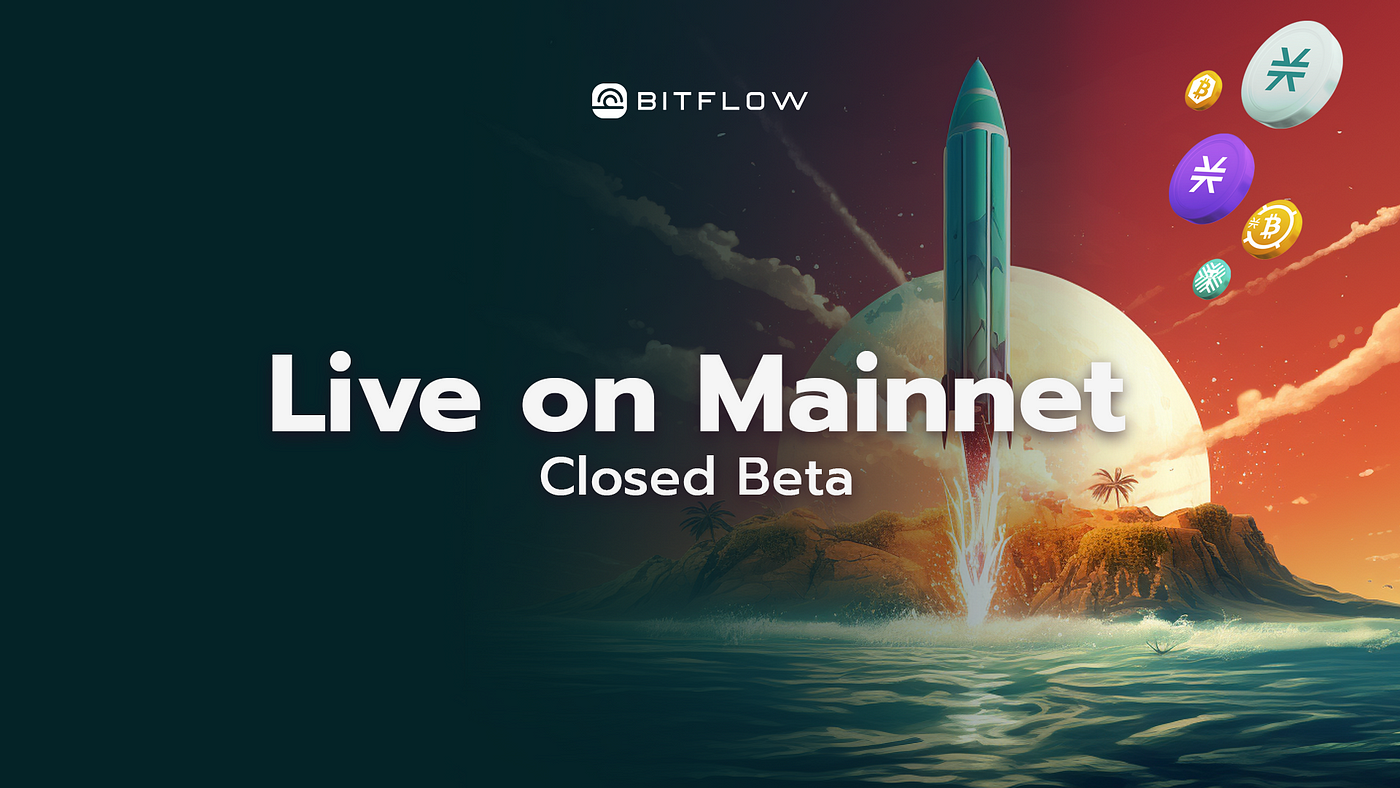
Bitflow Finance has launched an Automated Market Maker (AMM) for Runes on the Stacks blockchain, aiming to improve the trading experience for Bitcoin-based assets. This development leverages the recent Nakamoto upgrade, which enhances transaction speeds and security on the Stacks network.

The Nakamoto upgrade has significantly reduced transaction times on Stacks, with block times now averaging less than 10 seconds. This improvement positions Stacks as a competitive platform for decentralized finance (DeFi) applications, offering faster and more secure transactions.

Bitflow’s Runes AMM utilizes this enhanced infrastructure to provide a seamless trading experience for users. By integrating liquidity from various decentralized exchanges (DEXs) and liquidity pools, Bitflow ensures that trades are executed at optimal rates, eliminating the need for users to navigate multiple platforms.

The introduction of the Runes AMM is expected to boost liquidity and trading volume for Runes tokens, a metaprotocol on Bitcoin. This development aligns with the broader trend of integrating Bitcoin with DeFi platforms, offering users more opportunities to engage with the cryptocurrency ecosystem.

In addition to the Runes AMM, Bitflow has introduced a DEX aggregator that scans connected DEXs and liquidity pools to find and execute the most cost-effective trading routes. This feature simplifies the trading process, allowing users to focus on actual trading rather than navigating complex trading processes.

Databricks, a leading global player in data and artificial intelligence (AI), has raised $10 billion in its Series J funding round, positioning itself for accelerated growth and further innovation in the AI space. This new investment brings the company’s valuation to $62 billion, reinforcing its stature as a key player in the AI and big data sectors.

The Series J round has been spearheaded by Thrive Capital, a prominent venture capital firm known for its investments in tech-driven businesses. With this substantial financial backing, Databricks plans to expand its capabilities in AI-driven data analytics, particularly focusing on enhancing its cloud-based offerings and building on its foundational AI tools.

Since its inception, Databricks has made significant strides in providing integrated solutions for data engineers, data scientists, and business analysts. The company’s unified platform leverages the power of AI to assist organizations in unlocking insights from vast amounts of data. Its tools are designed to help companies make data-driven decisions faster and more efficiently.

The raised funds will not only accelerate Databricks’ research and development efforts but also extend its reach into new markets and industries. As the demand for AI and machine learning solutions continues to grow, Databricks is positioning itself to meet these needs with advanced tools designed to optimize business operations. This strategic move is in line with the increasing reliance on AI in various sectors, from healthcare to finance, and from technology to government services.

With its cloud-based platform, Databricks provides a comprehensive suite of solutions that enables businesses to manage their data at scale while employing machine learning and AI to generate actionable insights. One of its flagship offerings, the Lakehouse platform, integrates data lakes and data warehouses into a unified architecture, allowing for seamless access to data and analytics. This innovation has been crucial in establishing Databricks as a leader in the AI-driven data analytics space.

Over the years, Databricks has forged partnerships with several high-profile companies, expanding its influence and reinforcing its role as a leading force in the global AI landscape. This includes collaborations with major cloud providers, such as Microsoft Azure and Amazon Web Services, which have helped Databricks increase its customer base across industries. These strategic partnerships have also enabled Databricks to enhance the scalability and security of its platform, ensuring that it meets the evolving needs of enterprise clients.

As part of its future growth strategy, Databricks has also been heavily investing in talent acquisition, ensuring that it remains at the forefront of AI development. The company has been actively recruiting top AI researchers, data scientists, and software engineers, fostering a culture of innovation that drives its product development. By attracting talent from prestigious institutions and technology companies, Databricks aims to continue leading the charge in AI advancements and bring even more innovative solutions to market.

The Series J funding round follows a series of successful fundraising efforts by the company, which has already raised $8.6 billion through previous investment rounds. The additional $10 billion is expected to be primarily non-dilutive, meaning it will not significantly impact the ownership structure of the company, preserving the value for existing shareholders while enabling Databricks to scale without compromising control.

Databricks’ impressive valuation is a testament to the growing demand for AI and machine learning solutions. The company’s platform continues to attract interest from large enterprises seeking to leverage AI to gain a competitive edge in their respective industries. Furthermore, as more businesses transition to cloud computing, Databricks is poised to capitalize on the increasing adoption of AI-powered cloud solutions.

The company’s expansion plans are also aligned with the growing importance of AI in shaping the future of technology. Industries such as healthcare are increasingly turning to AI to enhance diagnostics, improve patient outcomes, and streamline operations. Likewise, financial services firms are leveraging AI to gain insights into market trends, detect fraud, and improve customer service. As these industries continue to adopt AI-driven solutions, Databricks is well-positioned to support them with its cutting-edge platform.

This funding milestone also comes at a time when venture capital investment in the AI sector is seeing exponential growth. As the potential of artificial intelligence becomes more apparent, investors are increasingly focused on backing companies that are at the forefront of AI research and development. Databricks’ ability to attract such significant investment highlights its role as a key player in this rapidly growing market.

While the company is focusing on expanding its AI capabilities, it is also placing emphasis on ensuring that its technology is accessible to businesses of all sizes. By offering a robust, scalable platform, Databricks allows organizations, from startups to global enterprises, to tap into the potential of AI without needing to develop their own complex infrastructure. This democratization of AI technology is a key component of Databricks’ long-term vision for the industry.


Xfce 4.20, the latest release of the lightweight and versatile desktop environment, introduces a significant update with experimental support for Wayland, alongside other key upgrades that improve performance and usability. This release marks a notable shift as Xfce aims to stay relevant in the evolving landscape of Linux desktop environments, offering users a more modern and feature-rich experience. The Wayland protocol, a modern alternative to the X […]

Kali Linux 2024.4, the latest release of the popular penetration testing and security auditing distribution, introduces several major changes that will impact security professionals and users alike. This new update focuses on improving the user experience, enhancing functionality, and expanding the toolset available to penetration testers. Among the most notable changes are the introduction of GNOME 47, updates to core tools, and the disabling of Pip for […]

Advertisements

Samsung Electronics has introduced a revolutionary lineup of home appliances featuring its new “AI Home” technology at CES 2025, signaling a significant leap in how smart devices interact with users. The company unveiled a series of advanced screens integrated with AI features, designed to transform the home environment into a more intuitive and responsive space. These new appliances promise to redefine user interaction by offering personalized and […]

By Dr. Gyan Pathak The twin bills introduced in the Lok Sabah on December 17 seeking ‘one nation and one election’ – ie simultaneous elections to the Lok Sabha and Vidhan Sabhas of the States and Union Territories –contains provisions of too much centralization of the governance in India that has potential risks of making […]

Arelion has introduced a new Gulf Coast route aimed at bolstering its North American network, enhancing connectivity between major hubs. The route, connecting Houston, Texas, to Jacksonville, Florida, will traverse key cities along the Gulf Coast, including Slidell, Louisiana, and Mobile, Alabama, marking a significant expansion of the company’s infrastructure in the U.S. The launch reflects Arelion’s commitment to providing more diverse, efficient, and reliable network services […]

Grammarly, the AI-powered writing assistant, has acquired Coda, a productivity platform originally designed as an advanced alternative to Google Docs. Coda’s evolution into a project management tool that combines the functionalities of documents, spreadsheets, and databases aligns with Grammarly’s strategy to enhance its own suite of AI-driven tools. While the specific terms of the deal remain undisclosed, the acquisition is expected to propel Grammarly’s capabilities in integrating more sophisticated collaborative and project management features with its writing solutions.

Founded in 2014, Coda initially aimed to streamline the process of document creation by offering a more dynamic and customizable alternative to traditional word processors. However, over the years, it has morphed into a platform that allows teams to build their own tools for managing workflows, tracking projects, and creating shared documents that function like interactive applications. Coda’s shift toward AI integration, especially with the introduction of Coda Brain, appears to have been a pivotal factor in attracting Grammarly’s attention. This product, designed to leverage AI to optimize workflows and enhance productivity, aligns with Grammarly’s existing portfolio of writing aids that use machine learning and natural language processing.

The acquisition also marks a significant strategic move for Grammarly, which has primarily been known for its grammar and style-checking capabilities. With Coda’s advanced project management features, Grammarly is set to diversify its product offerings and expand into new markets, particularly in collaborative team environments. Coda’s CEO, Shishir Mehrotra, will step into the role of CEO at Grammarly, bringing his leadership experience to a broader scope of operations. Mehrotra’s leadership has been integral to Coda’s success, and his transition into Grammarly’s top spot signals a new era for both companies.

The acquisition signals growing competition in the AI-driven productivity tool market, as more companies seek to consolidate their offerings. As major players like Microsoft and Google continue to incorporate AI into their suites of tools, Grammarly’s acquisition of Coda may offer it a competitive edge in a crowded field. By blending its natural language processing strengths with Coda’s project management and workflow capabilities, Grammarly can appeal to a wider range of professionals seeking integrated AI solutions for both writing and organizational tasks.

Coda’s platform has garnered significant attention over the years due to its flexibility and user-centric design, which empowers teams to create custom workflows tailored to their specific needs. This adaptability has made it popular among startups and large organizations alike. In addition to its core document and project management functions, Coda has gained traction for its innovative use of AI, particularly in automating repetitive tasks and offering smart recommendations that improve efficiency. With the increased demand for AI solutions across industries, the integration of Coda’s capabilities into Grammarly’s platform is seen as a move to capture a larger share of the growing AI productivity tool market.

The financial details surrounding the acquisition have not been disclosed, though Coda was valued at $1.3 billion in its last funding round, which took place in 2021. Given this valuation and Coda’s established presence in the market, the purchase price is likely to be substantial. Analysts suggest that Grammarly’s decision to acquire Coda reflects a long-term investment in the development of more sophisticated AI-powered tools designed to serve a broader range of users beyond just writers.

Grammarly, which has raised over $500 million in funding to date, has seen significant growth in recent years. Its AI-powered writing assistant, which checks for grammar, spelling, and style issues, has become a staple for millions of users worldwide. The company has expanded its offerings to include tools for teams and businesses, allowing users to manage communication, collaborate on documents, and maintain consistency across written content. By acquiring Coda, Grammarly can now leverage the platform’s customizable project management tools to create a more integrated and collaborative workspace for teams, making it easier to incorporate AI-driven features directly into the collaborative process.

The acquisition also positions Grammarly to capitalize on the shift towards remote and hybrid work environments, where collaboration tools have become increasingly critical. By adding Coda’s features, Grammarly can better serve teams and businesses looking for ways to manage projects and communication in a more efficient, AI-enhanced environment. In turn, this will likely bolster Grammarly’s ability to compete against other AI-powered productivity platforms, as the company positions itself as a one-stop solution for writing, collaboration, and workflow optimization.

Grammarly’s expansion into project management and AI-driven workflows is a logical progression for the company, as it builds on its strengths in natural language processing and AI. The combination of writing tools with customizable project management capabilities enables Grammarly to offer a more comprehensive suite of tools that can appeal to a broader audience. With Coda’s advanced AI features and customizable workflows, Grammarly is well-positioned to continue expanding its offerings and meeting the needs of businesses and professionals seeking an all-in-one productivity platform.

Global data center operator Serverfarm and Greece’s Independent Power Transmission Operator (IPTO) have come together to form Gemini, a joint venture aimed at establishing hyperscale-ready data centers throughout Greece. This collaboration signifies an important step in addressing the growing demand for robust digital infrastructure in Europe, driven by the rapid expansion of cloud services, artificial intelligence, and big data applications. The joint venture will leverage the strengths […]

Derek Gee, a 27-year-old cyclist from Ottawa, is gearing up to take the helm of the Israel-Premier Tech team at the upcoming Giro d’Italia. This marks his second appearance in the prestigious race, having made a significant impact in the previous edition. His leadership role signals a growing recognition of his talents and potential in the professional cycling world. Gee’s career trajectory has been closely followed by […]

The United Arab Emirates continues to solidify its position as a leader in global competitiveness, securing impressive rankings across various international indices in 2024. This success is attributed to the country’s strategic vision, progressive leadership, and investment in key sectors such as technology, infrastructure, and education.

According to the latest reports, the UAE ranks highly in multiple key performance indicators, reflecting its robust economy, forward-thinking policies, and well-developed infrastructure. The country’s emphasis on innovation, digital transformation, and sustainability has propelled it to the forefront of global competitiveness rankings. The World Economic Forum (WEF) Global Competitiveness Index, along with reports from the International Institute for Management Development (IMD), have highlighted the UAE’s growth trajectory in areas like business environment, digital readiness, and ease of doing business.

A key element in this achievement is the UAE’s continued push towards diversifying its economy. Efforts to reduce dependency on oil and expand non-oil sectors, particularly in finance, real estate, tourism, and renewable energy, have paid off. The country’s leadership has consistently invested in cutting-edge infrastructure and created an attractive business environment for international investors. This foresight has made the UAE an appealing destination for both foreign companies and skilled talent from around the world.

The UAE government’s leadership in prioritizing digitalization and innovation has also played a pivotal role in improving its competitive position. Initiatives such as the UAE Vision 2021 and the more recent National Innovation Strategy have facilitated the development of smart cities, e-governance platforms, and a thriving tech sector. Dubai, in particular, has become a global hub for technology startups and financial services, bolstering the UAE’s reputation as a competitive global player.

Another contributing factor is the UAE’s leadership in sustainability efforts. As the country shifts toward a greener economy, it has gained recognition for its strides in renewable energy, with projects like the Mohammed bin Rashid Al Maktoum Solar Park, one of the largest solar power projects in the world. Additionally, the UAE’s commitment to the UN’s Sustainable Development Goals (SDGs) has further cemented its standing as a global leader in sustainable growth.

While the UAE continues to excel, it also faces challenges that could impact its future competitiveness. The global economic climate, geopolitical factors, and shifts in energy markets are areas of concern. However, the UAE’s adaptability and strong governance systems have shown the country’s resilience in navigating these obstacles.

The UAE’s emphasis on education and skills development has proven essential in driving long-term competitiveness. By investing heavily in world-class educational institutions, both public and private, the country has cultivated a skilled workforce capable of meeting the demands of a rapidly evolving global economy. Programs such as the Mohammed bin Rashid Al Maktoum Foundation’s scholarship initiative and various partnerships with renowned international universities have supported the nation’s transition to a knowledge-based economy.

Despite the country’s success, there are ongoing efforts to ensure that the competitive edge is maintained. These efforts include advancing the national innovation ecosystem, enhancing digital infrastructure, and improving regulations to keep pace with global best practices. The UAE’s focus on ensuring economic resilience and sustainability positions it as a regional leader with the potential to further improve its global standing in the years to come.

Looking ahead, the UAE aims to strengthen its competitiveness by focusing on sectors such as artificial intelligence, biotechnology, and space exploration. Investments in these future-forward industries not only align with global trends but also position the country at the forefront of new technologies. The UAE’s space ambitions, embodied by initiatives such as the Hope Probe and Mars mission, highlight its determination to lead in cutting-edge research and development.

Investors have funneled a record $600 billion into global bond funds in 2024, capitalizing on some of the highest yields in decades. This marks a significant reversal from 2022, when $250 billion exited fixed-income funds.

The ICE BofA global bond index now offers yields exceeding 4.5%, the highest since 2008. This surge is attributed to easing inflation and central banks reducing interest rates, enhancing the appeal of bonds. Developed and emerging market bond funds have collectively attracted $617 billion by mid-December.

Corporate bonds have been particularly attractive, offering higher yields than government debt. Investors have shown a preference for passive exchange-traded funds (ETFs), with industry leaders BlackRock and Vanguard leading inflows. This trend is supported by companies effectively managing rising borrowing costs, making corporate bonds a favorable option.

However, the momentum of these inflows may decelerate in 2025. Equity markets have experienced gains, spurred by President-elect Trump’s policies, leading to substantial inflows into U.S. stock funds. Additionally, there is skepticism regarding the potential for further improvements in corporate bond performance.

In the ETF sector, U.S.-listed funds have achieved inflows nearing $910 billion, positioning them for a record year, potentially surpassing $1 trillion. This growth is driven by increased investor interest in actively managed fixed-income ETFs, with record inflows expected to push the industry towards a historic milestone.

The inclusion of Indian sovereign bonds into JPMorgan’s emerging markets index has also contributed to the global bond market dynamics. This move is expected to bring billions of dollars in foreign inflows, further integrating India into global financial markets.

Similarly, South Korea’s anticipated inclusion in FTSE Russell’s World Government Bond Index is projected to attract substantial investment inflows, potentially amounting to 80 trillion won ($59.7 billion) over the coming years. This development is expected to support the nation’s bond market and strengthen the South Korean won.

Despite these positive trends, certain sectors have experienced outflows. For instance, global money market funds saw substantial inflows of $127.44 billion in the week leading up to November 6, due to investor caution around the U.S. presidential election and the Federal Reserve’s policy meeting. However, investors sold off $649 million in gold and other precious metal funds during the same period.

While the world continues to embrace digital transformation, faxing remains a vital component in many business operations. Secure document transmission is critical, especially when sensitive information is frequently exchanged. Faxing software provides a bridge between traditional faxing methods and modern electronic communication. Understanding the benefits of such software can foster a seamless flow of information in any professional environment. Below, we delve into how faxing software is revamping office […]

KUALA LUMPUR, MALAYSIA – Media OutReach Newswire – 18 December 2024 – 2024 has been a year of contradictory events, significant economic changes, and major political shifts. On a positive note, it was the year when global central banks finally managed to tackle inflation, partly induced by the negative and far-reaching effects of the COVID pandemic and partly by the more recent geopolitical events. After holding borrowing […]

Telegram has taken a significant step into the world of non-fungible tokens (NFTs) by launching a new feature that allows users to trade digital stickers. The messaging platform’s latest initiative, in collaboration with the TON blockchain, introduces the “Sticker Shop” mini-app. This shop will enable Telegram users to purchase exclusive, limited edition NFT stickers using Telegram Stars, a virtual currency tied to Toncoin (TON).

The Sticker Shop allows creators to upload their own digital sticker packs and monetize their artwork by selling them as NFTs. Users can browse the store, buy, and trade these stickers with ease, making this a novel way for creators to gain recognition and profit from their digital creations. Telegram has built this feature around Toncoin, leveraging the TON blockchain to provide a secure and decentralized method for transactions.

The new mini-app aims to merge the growing NFT market with Telegram’s massive user base, which exceeds 700 million monthly active users. Telegram has been steadily expanding its platform with additional features, including payments and bots, and this new offering represents a significant push into the world of blockchain and digital art. The Sticker Shop not only enhances user engagement but also offers a new revenue stream for both Telegram and creators.

Toncoin, a cryptocurrency originally developed by Telegram’s parent company, has been central to the platform’s ambitions in the decentralized finance space. By integrating TON into the Sticker Shop, Telegram seeks to promote the adoption of its blockchain. Toncoin’s role in the system is pivotal, as it underpins all transactions within the Sticker Shop, including the purchase of the NFT stickers.

Telegram’s expansion into NFTs follows broader trends in social media and digital platforms, where companies are increasingly exploring ways to incorporate blockchain technology to offer new features. Major platforms like Twitter and Instagram have already integrated NFTs into their systems, capitalizing on the growing demand for digital assets. However, Telegram’s move is particularly significant given the platform’s focus on privacy and decentralization. This approach aligns with the ethos of blockchain technology, offering a unique blend of both features.

For users, the Sticker Shop promises to be a fun and interactive way to engage with digital art, adding value to stickers that have long been a central part of the Telegram experience. The platform has become known for its vibrant and creative communities, with stickers playing a key role in personalizing conversations. With this new feature, Telegram is tapping into the trend of digital ownership, where users can not only use these stickers in chats but also potentially sell or trade them, further enhancing the sense of ownership.

As Telegram continues to build its ecosystem, the inclusion of NFT capabilities creates a seamless integration with its existing infrastructure. Telegram Stars, the virtual currency within the platform, will allow users to make quick transactions without needing to rely on external crypto wallets or exchanges. This seamless integration lowers the barrier to entry for users who might be unfamiliar with cryptocurrency, thus broadening the appeal of NFTs beyond the crypto-savvy audience.

The focus on limited edition NFT stickers adds an element of rarity and exclusivity to the stickers, similar to how NFTs in other markets have gained value due to their scarcity. By allowing only a limited number of stickers to be sold, creators can cultivate a sense of urgency among buyers, driving demand and increasing the potential for higher prices on the secondary market. This mirrors trends seen in other NFT-based platforms, where the rarity of digital items drives up their perceived value.

The move is not just about providing a platform for creators but also positioning Telegram as a key player in the growing NFT market. The digital sticker economy has already proven to be lucrative for creators, with some stickers fetching high prices due to their uniqueness and the communities that develop around them. By offering a dedicated space for NFTs, Telegram gives these creators the tools to directly monetize their work while reaching a large, engaged audience.

Telegram’s decision to build its Sticker Shop using the TON blockchain also offers a glimpse into the broader strategy of the company. Telegram has consistently pushed for decentralization in its services, and by supporting blockchain technology, the company reinforces its commitment to privacy and data security. Unlike many other tech giants, Telegram has avoided traditional monetization strategies, such as data mining, and instead focuses on offering value-added services like the Sticker Shop to generate revenue. This commitment to a decentralized and user-centric model sets Telegram apart from other social media platforms, many of which have been criticized for exploiting user data.

Despite Telegram’s massive user base, it will face competition from other platforms already capitalizing on the NFT boom. While Telegram’s integration with Toncoin provides a unique selling point, platforms like Twitter and Instagram have already made substantial strides in the NFT space. However, Telegram’s established position as a communications tool could give it an edge in attracting a broader audience to the NFT market. By combining social interaction with digital ownership, Telegram offers a distinct value proposition for both users and creators.

Recent advancements in artificial intelligence have demonstrated that smaller language models can outperform their larger counterparts in mathematical reasoning tasks. This development challenges the prevailing notion that increasing model size is the primary path to enhanced performance. Researchers at Hugging Face introduced a novel approach where small models, such as Llama-3.2-1B and Llama-3.2-3B, outperformed significantly larger models like Llama-3.1-8B and Llama-3.1-70B in solving mathematical problems. This achievement […]

ADNOC Drilling Company has finalized the establishment of Turnwell Industries LLC OPC, a joint venture with SLB and Patterson-UTI TW Holdings LLC, aiming to develop Abu Dhabi’s unconventional oil and gas resources.

In this partnership, ADNOC Drilling holds a 55% stake, SLB 30%, and Patterson-UTI 15%.

Abu Dhabi’s unconventional reserves are substantial, with estimates of 220 billion barrels of oil and 460 trillion cubic feet of gas.

Turnwell’s initial project involves drilling and completing 144 unconventional wells by the end of 2025.

The venture has already achieved a milestone by delivering its first wells in under 20 days, setting a new benchmark in well delivery times.

Turnwell will utilize advanced technologies, including AI-driven smart drilling design, enhanced drill bit designs, and next-generation rotary steerable systems, to improve efficiency and reduce costs.

This initiative is part of ADNOC’s broader strategy to responsibly develop the UAE’s unconventional energy resources, contributing to global energy security.

The collaboration with SLB and Patterson-UTI brings together expertise in drilling, completions, and project management, positioning Turnwell to set new industry standards in unconventional resource development.

Turnwell also benefits from a direct relationship with Enersol, ADNOC Drilling’s joint venture with Alpha Dhabi, which invests in innovative energy services technology companies to enhance operational efficiency.

The successful delivery of the initial wells and the acceleration of the 144-well program underscore Turnwell’s commitment to unlocking Abu Dhabi’s unconventional energy potential.

As global demand for energy continues to rise, Turnwell’s efforts are expected to play a crucial role in meeting this demand by tapping into previously underutilized resources.

The joint venture’s focus on leveraging cutting-edge technologies and innovative solutions reflects a commitment to efficiency and sustainability in energy production.

Parkin and BATIC, two prominent players in the realm of urban mobility solutions, have announced a strategic collaboration aimed at transforming parking systems in Saudi Arabia. The partnership focuses on leveraging cutting-edge technologies to enhance the efficiency and accessibility of parking infrastructure across key urban areas. Parkin, a company known for its innovative smart parking systems, and BATIC, a leader in digital transformation solutions for the transport […]

Argentina is set to become the first country in South America to install a cryptocurrency ATM, with plans to launch in 2025. The announcement comes at a time when the country is exploring new ways to enhance its digital economy, underscored by a recent partnership with El Salvador, a leader in digital currency adoption. The collaboration between Argentina and El Salvador aims to boost cryptocurrency use and financial innovation in the region.

BitBase, a Spanish cryptocurrency company, will be responsible for the installation of the ATM. The move marks a significant milestone in Argentina’s push towards embracing cryptocurrencies as a legitimate financial instrument, especially amid the country’s ongoing economic challenges. As inflation soars and the national currency struggles, Argentinians have increasingly turned to digital currencies for financial security. BitBase’s ATM will allow users to buy and sell cryptocurrencies like Bitcoin, facilitating easier access to digital assets in a country that has seen rapid growth in crypto adoption.

Argentina’s decision to integrate a crypto ATM into its financial infrastructure is also seen as a response to the evolving global economic landscape. As inflation rates continue to climb, Argentinians have turned to Bitcoin and other cryptocurrencies as a hedge against their volatile local currency. The country has already witnessed a surge in cryptocurrency transactions, and the introduction of the crypto ATM is expected to further fuel this trend, making it more convenient for citizens to access digital currencies.

The partnership with El Salvador is also a critical aspect of this shift towards digital currency adoption. El Salvador, the first country to make Bitcoin legal tender, has experienced a variety of successes and challenges in its efforts to integrate cryptocurrency into its financial system. Argentina’s collaboration with El Salvador aims to leverage their collective experiences, enabling Argentina to accelerate its own adoption of digital currencies while mitigating potential challenges.

The Argentinian government has remained cautious but open to the idea of integrating cryptocurrency into its financial system. While there is no official endorsement of cryptocurrency as a national currency, the government has acknowledged the potential of blockchain technology and digital assets to improve financial inclusion. As part of its economic strategy, Argentina is actively exploring the use of technology to combat financial instability, and cryptocurrency has become an increasingly prominent part of that conversation.

In a nation where access to traditional banking services is limited for many, cryptocurrencies offer an alternative financial system that is not reliant on centralized institutions. The ability to engage with a decentralized financial ecosystem presents an opportunity for the underbanked and those with limited access to traditional financial services. The installation of the crypto ATM is expected to bridge the gap for many Argentinians, providing them with a more direct route to engage with the digital economy.

BitBase’s decision to target Argentina for its first crypto ATM installation outside of Europe demonstrates the growing interest in Latin America as a hub for cryptocurrency adoption. Argentina, with its large population and economic struggles, offers an ideal environment for such initiatives. The region has become a key battleground for cryptocurrency firms, with countries like Brazil, Mexico, and Colombia also taking steps toward increasing cryptocurrency adoption.

While the introduction of crypto ATMs presents opportunities, it also raises concerns about the regulatory environment. Argentina’s government has yet to fully regulate cryptocurrency transactions, and the potential for future legislation remains a point of uncertainty. The Argentine Central Bank has issued warnings about the risks associated with cryptocurrencies, including their volatility and the potential for money laundering and other illicit activities. Despite these concerns, the growing public interest in cryptocurrencies is pushing the government to adopt a more pragmatic approach.

The installation of the crypto ATM in Argentina is expected to open the door for further advancements in the digital economy. This initiative aligns with the broader trend in Latin America, where countries are increasingly seeking to integrate blockchain technology and digital currencies into their financial systems. Argentina’s move is a significant step toward positioning itself as a leader in digital finance in the region.

As for the collaboration with El Salvador, both nations are working to develop a framework that ensures the safe and effective use of cryptocurrencies. The experience of El Salvador, which is currently navigating the complexities of cryptocurrency adoption, will provide Argentina with valuable insights. By learning from the successes and challenges faced by El Salvador, Argentina hopes to build a more robust infrastructure for digital currencies that can serve as a model for other countries in Latin America.

Continuous investments have bolstered DHL’s aviation network and ground facilities in the past year, enabling it to support new trade demands and the traditional peak season spike The company saw 6% more international shipments move between Asia Pacific and other continents through its network, comparing the first nine months of 2023 and 2024 SINGAPORE – Media OutReach Newswire – 17 December 2024 – DHL Express, has bolstered […]

flydubai has officially inaugurated its new Business Class Lounge at Terminal 2 of Dubai International Airport (DXB), a move aimed at enhancing the travel experience for its premium passengers. This opening aligns with the airline’s ongoing efforts to offer top-tier services and improve convenience for its growing number of high-end travelers.

The launch event was attended by key figures from the airline and local government, including Hamad Obaidalla, Chief Commercial Officer at flydubai, and H.E. Major-General Obaid Muhair bin Suroor, Deputy Director-General of the General Directorate of Residence and Foreigners Affairs in Dubai. Both emphasized the strategic importance of the new lounge in fostering customer satisfaction and reinforcing Dubai’s position as a global hub for air travel.

flydubai’s new Business Class Lounge is designed to offer a comfortable, spacious environment with state-of-the-art amenities, ensuring that passengers can relax or work in a serene setting before their flights. The lounge features a variety of seating options, private workstations, high-speed Wi-Fi, and an extensive selection of food and beverages, tailored to meet the needs of both business and leisure travelers.

The move marks a significant upgrade to the airline’s offerings, as it continues to expand its route network and improve its services. This new lounge, located in the busy Terminal 2, is also a step towards aligning the airline’s infrastructure with the high standards expected of modern international airports. Terminal 2 handles millions of passengers annually, with a significant portion of those traveling in premium classes, further underscoring the demand for such facilities.

The opening of the lounge comes at a time when global air travel is recovering from the pandemic, with airlines increasingly focusing on improving customer experience and loyalty. This lounge is part of flydubai’s broader strategy to distinguish itself in a highly competitive market by offering tailored services for its business class passengers. The airline has made significant strides over the years, with a focus on modernizing its fleet, expanding routes, and improving in-flight services. The introduction of premium lounges at key airports is another step in its long-term vision to provide a seamless travel experience that meets the expectations of today’s discerning passengers.

The flydubai Business Class Lounge is not only a reflection of the airline’s commitment to customer care but also a response to the growing trend among travelers seeking high-end, comfortable experiences at airports. According to aviation industry experts, premium passengers are increasingly looking for more than just luxury in-flight services; they want a complete experience, starting from the moment they step into the airport. This is particularly true in Dubai, where the airport is a critical hub for international connections, and many passengers spend hours waiting for their connecting flights.

The lounge’s design emphasizes a blend of functionality and luxury. The space is divided into different zones, offering everything from quiet areas for relaxation to more active zones for business meetings. The introduction of private workstations caters to business travelers who need a quiet place to prepare for meetings or make calls. For those looking to unwind, the lounge offers a variety of entertainment options, including television screens and comfortable lounge seating. The food and beverage offerings are diverse, with an emphasis on fresh and healthy options, as well as a selection of regional and international delicacies.

Hamad Obaidalla, speaking at the event, noted that the lounge was not only a response to growing demand but also a reflection of the airline’s dedication to innovation in customer service. “As we continue to expand our operations, we are committed to enhancing the travel experience for our passengers,” he said. “The new lounge is an example of how we are investing in facilities that provide our customers with comfort and convenience at every step of their journey.”

The inauguration of this lounge highlights Dubai’s continuous efforts to upgrade its aviation infrastructure. Dubai International Airport has long been a leading global airport, serving millions of passengers each year, and it continues to evolve to meet the needs of the growing air travel market. With new developments, such as the flydubai Business Class Lounge, the airport reaffirms its role as a key player in the global aviation industry.

The move also aligns with broader trends in the aviation sector, where airlines are increasingly focusing on customer experience to stay competitive. In recent years, airlines worldwide have been ramping up their investments in premium services, including dedicated lounges, personalized travel experiences, and enhanced in-flight offerings. As competition in the Middle East’s aviation market heats up, carriers like flydubai are striving to set themselves apart by offering not only affordable fares but also world-class services.

This new facility also reflects the airline’s increasing focus on the business and corporate travel market. Dubai’s status as a global business hub is well-established, and flydubai’s new lounge is designed to cater to the needs of travelers who prioritize efficiency and comfort. Business travelers often have tight schedules and expect high levels of service both on the ground and in the air. With this new lounge, flydubai hopes to make the airport experience as seamless and stress-free as possible.

VISHNU RAJA
RYO YAMADA
HITORI GOTOH
IKUYO KITA