News related to
strikes

Stock markets across Asia plunged as global investors rushed to safe-haven assets following a military strike by Israel on Iran’s nuclear and ballistic missile facilities, intensifying geopolitical tensions in the Middle East. U.S. equity futures dropped sharply, while commodity prices surged—fuelled by fears of supply disruption and escalating conflict.

Crude oil futures reacted violently, with Brent surging about 9 % to approximately US $75.36 per barrel and West Texas Intermediate climbing to US $74.20, both marking the largest daily gains in months. Goldman strategists and energy analysts attributed the spike to risk premiums linked to potential retaliation and threats to regional infrastructure, especially across the Strait of Hormuz.

Precious metals and defensive currencies were also swept up in the panic. Spot gold rose by around 1.5 % to trade near US $3,434 per ounce, inching closer to its April record peak of US $3,500. The Swiss franc strengthened by roughly 0.4 % to reach two‑month highs against the U.S. dollar, while the yen appreciated by about 0.3 %—classic indicators of risk-off sentiment.

Asia’s leading equity indices suffered notable losses: Tokyo’s Nikkei 225 fell between 1.2 % and 1.4 %, Seoul’s Kospi dropped about 1.1 %, and Hong Kong’s Hang Seng declined roughly 0.8 %. U.S. S&P 500 E‑mini futures and Nasdaq futures plunged between 1.7 % and 1.8 %, while Pan‑European STOXX 50 futures slid around 1.6 %.

In India, the Nifty 50 and Sensex tumbled approximately 1.2 %, with the oil and gas sector leading losses thanks to narrower refining margins and soaring crude prices. Stocks of Bharat Petroleum, Indian Oil Corporation and HPCL each shed between 3.5 % and 6 %. Airline stocks, already shaken by a recent Air India crash near Ahmedabad, declined further as travel costs and uncertainty weighed heavily.

Debt markets saw a flight to quality. U.S. Treasury bonds rallied, pushing the 10‑year yield down to around 4.31–4.35 %, its lowest in a month. Currency markets mirrored these moves: the dollar index rose around 0.5 %, while the euro and sterling retreated slightly.

Analysts suggested the next moves hinge on Iran’s response. Charu Chanana, chief strategist at Saxo, noted that if tensions ignite, safe-haven demand and commodity volatility will likely persist. Matthew Haupt from Wilson Asset Management described this as a “classical risk‑off move,” adding that duration and scale of Tehran’s likely response will shape market impact.

This episode compounds earlier market strains. The global economy already faces headwinds from volatile U.S. trade policy and high inflation, while negotiations over Iran’s nuclear programme have stalled. A planned sixth round of talks in Oman was overshadowed as military actions overshadowed diplomacy.

Market indicators suggest traders are swiftly reducing risk exposure ahead of the weekend. Tony Sycamore from IG forecast continued selling in equities, saying that prudent investors will likely trim positions until further clarity emerges.

Energy market strategists warned of wider contagion. According to Saul Kavonic of MST Marquee, unless Iran specifically targets major oil infrastructure, supply impact remains limited—but persistent unrest could be enough to constrain output and flow through the region.


Sharjah achieved a total real estate trading value of AED 5.5 billion during May 2025, recording 8,415 transactions across the emirate. The total area traded reached 13.2 million square feet, underlining the emirate’s advancing market strength. Investors conducted 1,574 outright sales deals, accounting for roughly 18.7 per cent of activity, alongside 381 mortgage registrations totalling AED 1.1 billion—4.5 per cent of the transactions. Additionally, 1,486 initial sale contracts were signed, and 3,619 ownership certificates […]

Syria’s transitional government has authorised immediate access for United Nations nuclear inspectors to several long-suspected former nuclear sites, marking a significant shift in the country’s stance on nuclear transparency. Rafael Mariano Grossi, Director General of the International Atomic Energy Agency , confirmed the development following high-level meetings in Damascus with President Ahmad al-Sharaa. Grossi described the new leadership as “committed to opening up to the world” and […]

M A Hossain By any military measure, Ukraine’s ‘Operation Spider Web’ was an astonishing success. In a meticulously planned operation, Ukrainian drones struck deep into Russian territory, obliterating at least 40 military aircraft—including nuclear-capable Tu-95 and Tu-22M3 bombers—in a single, devastating blow. The attack revealed not only meticulous Ukrainian planning over 18 months but also the glaring vulnerabilities of Russia’s so-called impenetrable airspace. It was a coup […]

By Sushil Kutty Nobody can beat the Prime Minister in breathing fire at adversaries. Especially, when his ire is directed at Pakistan. The Pakistanis, they can be irritating, damn! But Pakistani newspapers would have spent much of May 22 reworking their scripts after Prime Minister Modi went all out against the Pak Army and the […]
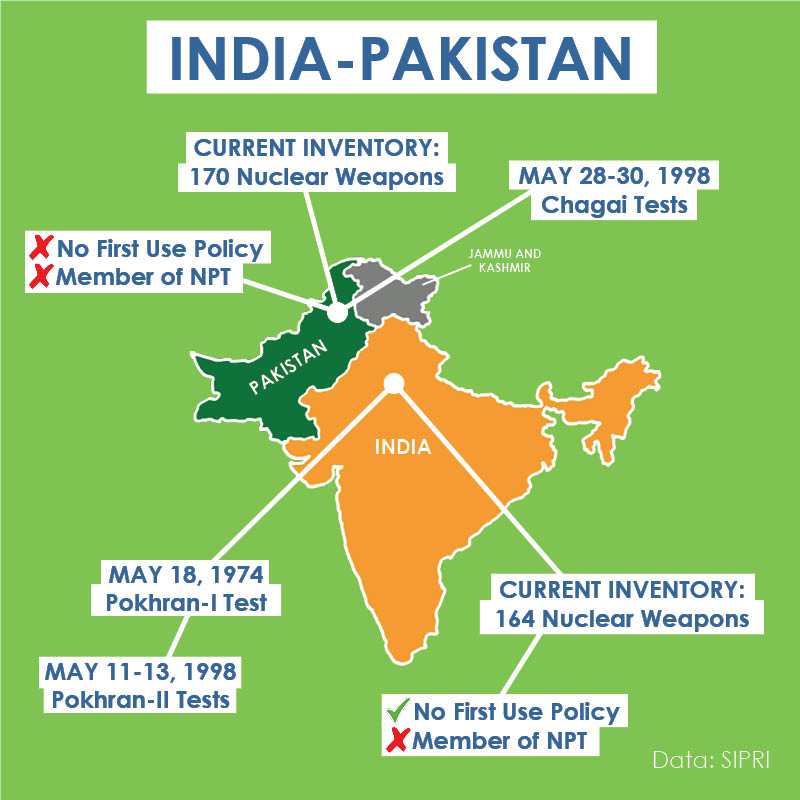
By Nantoo Banerjee It may be good that the latest armed conflict between India and Pakistan ended quickly before it could blow up into a full-scale war leading to massive destruction of life and property and economic disaster in both the countries – maybe more so in Pakistan than in India. However, the abrupt end […]

Oil prices surged over $2 per barrel in Asian trading on Monday, buoyed by a significant easing of trade tensions between the United States and China. Brent crude futures climbed $2.11, or 3.3%, to $64.14 a barrel, while US West Texas Intermediate crude futures rose $2.12, or 3.47%, to $63.14. The rally followed a joint announcement from Washington and Beijing declaring a 90-day suspension of additional tariffs, […]

Advertisements
By Nitya Chakraborty Prime Minister Narendra Modi has placed India in a very advantageous position vis a vis Pakistan in the limited war that lasted for four days beginning early hours of May 7. The ceasefire that took effect from 5 PM of May 10 was more engineered by desperate Pakistan which hoodwinked the US […]
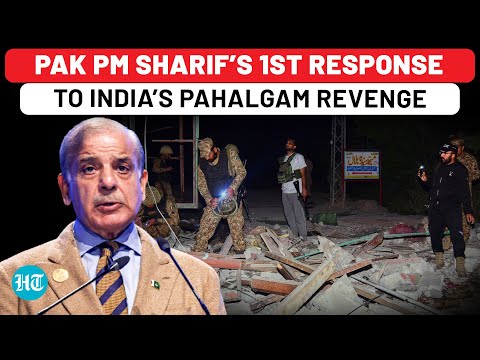
By Nitya Chakraborty More than forty hours have passed since the missile strikes by Indian military on the nine terror camp sites in Pakistan. The situation in both New Delhi and Islamabad is witnessing the same type of preparations indicating that Pakistan is getting ready for another military confrontation with India after the Kargil war […]

The Pakistan Stock Exchange experienced a severe downturn, with the benchmark KSE-100 Index plummeting by over 4,700 points, marking the most significant single-day drop in its history. This dramatic fall reflects mounting investor anxiety over escalating geopolitical tensions following India’s military operations, known as Operation Sindoor, targeting alleged militant infrastructure within Pakistani territory.

The KSE-100 Index closed at 106,274 points, down 4.51% from the previous session. The decline was primarily driven by substantial sell-offs in key sectors, including oil and gas, banking, and cement. Market analysts attribute this sharp downturn to a combination of geopolitical instability and aggressive profit-taking by institutional investors.

Operation Sindoor was launched by India in response to a deadly attack in Pahalgam, Indian-administered Kashmir, which resulted in the deaths of 26 civilians. India asserts that its strikes targeted terrorist groups such as Jaish-e-Mohammed and Lashkar-e-Taiba. However, Pakistan contends that the strikes hit civilian areas, including mosques and educational institutions, leading to the deaths of 31 civilians and injuries to 57 others.

In retaliation, Pakistan claims to have downed five Indian aircraft, a claim disputed by India. The ensuing military exchanges along the Line of Control have resulted in additional casualties on both sides, further exacerbating tensions between the two nuclear-armed neighbours.

The heightened conflict has significantly impacted investor confidence. Analysts note that the uncertainty surrounding the geopolitical situation has led to a risk-averse sentiment among investors, prompting widespread sell-offs. The situation is further compounded by concerns over potential economic repercussions, including disruptions to trade and foreign investment.

The United Arab Emirates has called upon India and Pakistan to exercise restraint and prioritise diplomatic engagement following a surge in cross-border hostilities that has heightened fears of a broader conflict in South Asia.

Sheikh Abdullah bin Zayed Al Nahyan, the UAE’s Deputy Prime Minister and Minister of Foreign Affairs, issued a statement on Wednesday urging both nations to avoid further escalation that could jeopardise regional and international peace. He emphasised that diplomacy and dialogue remain the most effective means of resolving crises peacefully and achieving shared aspirations for stability and prosperity.

The appeal comes in the wake of India’s missile strikes targeting nine sites in Pakistan and Pakistan-administered Kashmir, reportedly aimed at militant infrastructure linked to the April 22 attack in Indian-administered Kashmir that killed 26 tourists. India’s Defence Ministry stated that the strikes were focused, measured, and non-escalatory, asserting that no Pakistani military facilities were targeted. However, Pakistan reported that the attacks resulted in at least 19 casualties, including women and children, and damaged several mosques and a medical clinic.

In retaliation, Pakistan claimed to have shot down five Indian fighter jets and launched strikes into Indian-administered Kashmir, reportedly killing three people. The heightened conflict has led to school closures, disrupted international flights, and drawn global concern, with calls for restraint from China, the United Nations, and U.S. leaders.

Sheikh Abdullah’s statement underscores the UAE’s commitment to supporting initiatives aimed at peaceful conflict resolution and mitigating humanitarian consequences. He stressed the importance of heeding voices calling for dialogue and mutual understanding to prevent military escalation and strengthen stability in South Asia.

The UAE has a history of mediating in regional conflicts and has previously facilitated exchanges between conflicting parties. Its call for restraint reflects a broader international consensus urging India and Pakistan to de-escalate tensions and engage in constructive dialogue to resolve their longstanding disputes.

At 1:44 a.m. on 6 May 2025, Indian armed forces carried out precision strikes on nine locations in Pakistan and Pakistan-administered Kashmir. The operation, codenamed ‘Operation Sindoor,’ was launched in response to the 22 April massacre in Pahalgam, where 26 civilians, predominantly Hindu tourists, were killed. The Indian government stated that the targets were terrorist infrastructure linked to the attack.

The Indian Ministry of Defence described the strikes as “focused, measured, and non-escalatory,” emphasizing that no Pakistani military facilities were targeted. The operation involved coordinated efforts from the Army, Navy, and Air Force, with Prime Minister Narendra Modi reportedly monitoring the mission closely.

Pakistan condemned the strikes, labeling them an “act of war” and reported civilian casualties, including the death of a child. Islamabad claimed to have shot down two Indian jets and vowed a robust response. A state of emergency was declared in Punjab province, and airspace was closed to commercial flights.

The Pahalgam attack, carried out by militants in army fatigues, targeted tourists in the Baisaran meadow. Eyewitnesses reported that the assailants singled out non-Muslims before opening fire. The Resistance Front, an offshoot of Lashkar-e-Taiba, initially claimed responsibility but later retracted. Indian authorities linked the attack to Pakistan-based operatives, citing digital traces leading to safe houses in Muzaffarabad and Karachi.

In the aftermath, India suspended the Indus Waters Treaty, expelled Pakistani diplomats, and closed borders. Pakistan responded by suspending the Simla Agreement, restricting trade, and closing airspace. Both nations have engaged in cross-border exchanges of fire, raising concerns of a broader conflict.

By Nitya Chakraborty Three days have passed since the savage terrorist attack at Pahalgam resulting in the death of 26 people, mostly tourists. The communal tenor of the massacre shocked the Indian people. There was unequivocal demand from the people supported by all sections of the political parties that the Narendra Modi government must take […]


A magnitude 6.9 earthquake struck off the coast of New Britain’s Kimbe town in Papua New Guinea at approximately 9:04 pm local time on April 4, 2025. The United States Geological Survey reported that the earthquake’s epicenter was located about 120 miles east of Kimbe, at a shallow depth of six miles. The Pacific Tsunami Warning Center issued alerts for potential tsunami waves ranging from one to […]

Iran has officially declined direct negotiations with the United States concerning its nuclear programme, marking a significant development in the ongoing diplomatic standoff between the two nations. President Masoud Pezeshkian announced that Tehran communicated its decision through Oman, rejecting the prospect of face-to-face discussions with the administration of President Donald Trump. This response follows a letter from President Trump to Iran’s Supreme Leader Ayatollah Ali Khamenei, proposing […]

India is significantly enhancing the operational capabilities of its special forces by integrating advanced technologies such as nano drones, loitering munitions, and sophisticated communication systems. This strategic initiative aims to bolster covert operations and counter-terrorism efforts, enabling deep penetration into hostile territories with heightened efficiency and precision.

The Indian Army’s Para , the Navy’s Marine Commandos , and the Air Force’s Garud Commando Force are at the forefront of this modernization drive. These elite units are being equipped with state-of-the-art surveillance tools and specialized weaponry designed to meet the demands of contemporary warfare. The incorporation of nano drones facilitates real-time intelligence gathering, allowing operatives to assess situations and execute missions with unprecedented accuracy.

Loitering munitions, often referred to as “kamikaze drones,” have emerged as a pivotal asset in this technological upgrade. These unmanned aerial vehicles can hover over target areas, identify high-value threats, and execute precision strikes, effectively neutralizing adversaries while minimizing collateral damage. The Indian Army has been actively integrating these systems into its arsenal, recognizing their potential to revolutionize battlefield tactics. Indigenous development efforts have led to the creation of loitering munitions tailored to the specific needs of India’s defense forces, reflecting a commitment to self-reliance in military technology.

In addition to aerial advancements, the deployment of midget submarines is being considered to enhance maritime special operations. These compact vessels offer stealth capabilities, enabling covert insertion and extraction of forces in littoral zones. Such assets are particularly valuable for the Navy’s MARCOS unit, which specializes in amphibious warfare and maritime counter-terrorism operations.

The Armed Forces Special Operations Division , established to foster jointness among the three services, plays a crucial role in this modernization effort. Headquartered in Bengaluru, AFSOD serves as a hub for coordinating special operations training and missions, ensuring seamless integration of new technologies across all branches. The division’s formation marks a significant step toward creating a unified command structure akin to those found in other major military powers.

Despite these advancements, the absence of a full-fledged Special Operations Command presents challenges in achieving optimal synergy among the various special forces units. The current structure relies on collaborative efforts facilitated by AFSOD, but experts argue that a dedicated command could further streamline operations and command-and-control mechanisms. Addressing this structural gap remains a subject of ongoing discussion within defense circles.

The push for technological enhancement extends beyond hardware acquisition. Comprehensive training programs are being implemented to ensure that personnel can effectively operate and integrate these advanced systems into their missions. Exercises such as “Poorvi Prahar” have been conducted along the eastern borders, where troops honed their skills with swarm drones, first-person view drones, and loitering munitions. These drills not only test the efficacy of new equipment but also refine tactics and strategies for future engagements.

India’s focus on indigenous development of defense technologies aligns with the broader “Atmanirbhar Bharat” initiative. By investing in domestic research and production capabilities, the country aims to reduce dependency on foreign suppliers and cultivate a robust defense industrial base. Companies like Kadet Defence Systems have been instrumental in this endeavor, delivering loitering aerial munitions designed and manufactured within India.

The integration of artificial intelligence and satellite communications further augments the operational effectiveness of special forces. These technologies enhance situational awareness, enable secure and rapid information exchange, and support decision-making processes in dynamic combat environments. As warfare becomes increasingly network-centric, such capabilities are indispensable for maintaining a strategic edge.

A magnitude 7.7 earthquake struck central Myanmar at approximately 12:50 p.m. local time on March 28, 2025, causing significant tremors felt across Southeast Asia. The United States Geological Survey reported the epicenter near Sagaing, about 16 kilometers northwest of the city, at a shallow depth of 10 kilometers. This seismic event prompted evacuations and raised concerns about potential damage and casualties. In Myanmar’s capital, Naypyidaw, residents experienced […]

A magnitude 6.7 earthquake occurred off the coast of New Zealand’s South Island on Tuesday afternoon, prompting authorities to assess potential tsunami risks. The tremor was recorded at 2:43 p.m. local time, with its epicenter approximately 160 kilometers northwest of the Snares Islands at a depth of 33 kilometers. The National Emergency Management Agency advised residents in the Southland and Fiordland regions to avoid coastal and marine […]

Escalating conflict in the Middle East has led to significant upheavals in global financial markets. On March 18, 2025, Israel launched extensive airstrikes across the Gaza Strip, effectively ending a ceasefire that had been in place since January. These strikes resulted in over 400 Palestinian casualties, including many women and children, marking one of the deadliest 24-hour periods in the region since 2023. Israeli Prime Minister Benjamin […]

A prominent investment fund has made a significant wager on Brent crude oil prices surging toward $100 per barrel, reflecting growing concerns over escalating geopolitical tensions in the Middle East. On Monday, options contracts equivalent to 20 million barrels were traded, poised to profit if Brent’s June futures approach the $100 mark. This substantial position underscores the fund’s anticipation of a potential price spike amid mounting regional […]

Oil prices experienced a decline on Friday, with Brent futures decreasing by 73 cents, or 0.95%, to $75.75 per barrel, and U.S. West Texas Intermediate crude falling by 73 cents, or 1%, to $71.75 per barrel. Despite this downturn, both benchmarks were poised for a weekly gain, influenced by supply disruptions in Russia and ongoing uncertainty surrounding potential peace negotiations in Ukraine.

The market has been reacting to recent events impacting supply dynamics. Ukrainian drone strikes targeted a key pumping station on a major international pipeline in southern Russia, disrupting oil supplies from Kazakhstan. This incident has heightened concerns over the stability of oil exports in the region, contributing to price volatility.

In the United States, oil refiners are expected to shut in about 1.25 million barrels per day of capacity in the week ending February 21, increasing available refining capacity by 258,000 bpd. Offline capacity is projected to fall to 893,000 bpd in the week ending February 28. These adjustments in refining operations reflect the industry’s response to current supply and demand conditions.

Global oil demand growth is projected to average 1.1 million bpd in 2025, up from 870,000 bpd in 2024. This increase is primarily driven by emerging Asian economies, with China remaining a significant contributor due to its petrochemical sector. However, the pace of China’s expansion is expected to slow, and OECD demand is forecast to return to a structural decline following a modest increase last year.

World oil supply experienced a decline of 950,000 bpd to 102.7 million bpd in January, influenced by seasonally colder weather affecting North American production, as well as output decreases in Nigeria and Libya. Despite this reduction, supply remains 1.9 million bpd higher than a year ago, with gains led by the Americas. Projections indicate that global oil supply will increase by 1.6 million bpd to 104.5 million bpd in 2025, assuming OPEC+ voluntary cuts remain in place.

The Energy Information Administration forecasts that Brent crude oil prices will average $74 per barrel in 2025, before declining to $66 per barrel in 2026. This outlook considers factors such as increasing production and relatively weak global oil demand growth, leading to a rise in global oil inventories and exerting downward pressure on prices.

Market participants are closely monitoring geopolitical developments, particularly the potential for peace negotiations between Russia and Ukraine. The outcome of these discussions could significantly impact global oil supply and demand dynamics, influencing price trajectories in the near term.

The U.S. Senate has confirmed Kash Patel as the new Director of the Federal Bureau of Investigation with a narrow 51-49 vote. Patel, a long-time adviser to President Donald Trump, is set to lead the nation’s premier law enforcement agency, succeeding Christopher Wray, who resigned prior to the completion of his term.

Patel’s confirmation has been met with significant debate, primarily due to his close ties to President Trump and his previous criticisms of the FBI. Democratic senators have expressed concerns that his appointment could lead to the politicization of the bureau. Senator Dick Durbin highlighted Patel’s past statements and actions, suggesting they might compromise the FBI’s impartiality.

Adding to the controversy are Patel’s financial disclosures, which reveal substantial investments in the cryptocurrency sector. According to official filings, Patel holds up to $115,000 in Bitcoin and has invested between $50,001 and $100,000 in Core Scientific, a prominent Bitcoin mining company. These holdings have raised questions about potential conflicts of interest, especially given the FBI’s role in regulating and investigating cryptocurrency-related activities.

During his confirmation hearing, Patel addressed these concerns, stating that his investments are part of a diversified portfolio and asserting that they would not influence his duties as FBI Director. He emphasized his commitment to maintaining the bureau’s integrity and impartiality.

Republican senators have largely supported Patel’s appointment, viewing his leadership as an opportunity to reform the FBI and address perceived biases within the agency. Senator Chuck Grassley expressed confidence in Patel’s ability to restore public trust and ensure the bureau operates without political influence.

Patel’s professional background includes roles as a public defender, a trial attorney at the Department of Justice, and various positions during President Trump’s first term. His supporters cite this experience as evidence of his qualifications to lead the FBI.

However, critics remain skeptical. Concerns have been raised about Patel’s previous appearances on platforms known for promoting conspiracy theories and his past statements regarding internal FBI matters. Some former Justice Department officials have publicly opposed his nomination, suggesting that his leadership could undermine the bureau’s mission and integrity.

As Patel assumes his new role, he faces the immediate challenge of addressing internal morale within the FBI and external perceptions of the bureau’s impartiality. His approach to handling his cryptocurrency investments and potential conflicts of interest will be closely scrutinized by both lawmakers and the public.

The confirmation of Kash Patel marks a significant moment for the FBI, as the agency navigates complex political dynamics and emerging technological challenges. How Patel balances his personal investments with his professional responsibilities will play a crucial role in shaping the bureau’s future direction and public perception.

In the coming weeks, all eyes will be on Director Patel as he outlines his vision for the FBI and addresses the myriad issues facing the agency. His actions and decisions will be pivotal in determining the bureau’s trajectory during his tenure.

As the FBI embarks on this new chapter under Patel’s leadership, the interplay between personal interests and public duty will be a focal point of discussion and analysis among policymakers, law enforcement professionals, and the American public.

The Senate’s confirmation of Kash Patel as FBI Director underscores the deep divisions within the political landscape and highlights the ongoing debates surrounding the role of personal investments in public service. Patel’s tenure will undoubtedly be closely monitored as he steps into this critical position at a pivotal time for the nation.

As Director Patel begins his term, the balance between innovation in financial sectors and the ethical obligations of public office holders will remain a topic of significant importance and scrutiny.

The coming months will reveal how Patel navigates these challenges and whether his leadership will bring the reforms and renewed trust that his supporters anticipate. The outcomes of his decisions will have lasting implications for the FBI and its role in upholding justice and security in the United States.

Director Patel’s approach to his new role will be instrumental in shaping the future of the FBI and its relationship with both the government and the public it serves. His ability to address internal and external concerns will define his legacy and the bureau’s path forward.

As the nation watches, Director Patel’s actions will speak to his commitment to justice, integrity, and the principles that underpin the Federal Bureau of Investigation. The challenges ahead are significant, but so too are the opportunities for positive change under his leadership.

In this critical period, the direction set by Director Patel will influence not only the FBI’s operations but also the broader discourse on ethics, governance, and public trust in federal institutions. His tenure promises to be a defining chapter in the bureau’s storied history.

As Director Patel takes the helm, the interplay between his personal financial interests and his public responsibilities will be a key area of focus, with implications that extend beyond the FBI to the broader landscape of public service ethics.

The path Director Patel charts in addressing these complex issues will be closely observed, setting precedents for future leaders and shaping the narrative of accountability and transparency in government roles.

In navigating the responsibilities of his position, Director Patel’s decisions will resonate through the corridors of power, influencing policy, public perception, and the very fabric of the nation’s approach to law enforcement and justice.

As the FBI enters this new era under Director Patel, the balance he strikes between personal interests and public duty will serve as a barometer for the agency’s commitment to its foundational values and its adaptability in a rapidly evolving societal landscape.

The tenure of Director Patel is poised to be a transformative period for the FBI, with his leadership style and ethical considerations setting the tone for the agency’s future and its role in safeguarding the nation’s security and upholding the rule of law.

The Pokémon Company International and Niantic, the developer behind the mobile game Pokémon Go, have pledged a $1 million donation to aid in the relief efforts following the devastating wildfires in Los Angeles. This generous commitment aims to support both immediate and long-term recovery initiatives for the communities affected by the fires, which have caused extensive damage and displacement in the region.

The decision to contribute to the wildfire relief effort comes after a surge in fires across Southern California, with Los Angeles being among the hardest-hit areas. The wildfires have not only destroyed homes and property but have also left thousands of residents in need of assistance. Emergency responders and local authorities have been working tirelessly to control the fires, but the scale of the disaster has required extensive support from various sectors, including private companies and charitable organisations.

As part of their donation, Niantic has committed to deploying resources to directly support firefighting efforts, while Pokémon Company International has partnered with local organisations to help provide emergency shelter and basic necessities to those displaced by the flames. The funding is also expected to assist with the restoration of communities once the fires have been contained, with a focus on rebuilding homes and infrastructure.

Niantic, which is known for its interactive games that encourage players to engage with their physical surroundings, has a long history of community involvement, especially in times of crisis. The company previously contributed to various disaster relief efforts worldwide, and this latest donation is in line with their ongoing commitment to supporting communities in need. The gaming giant has also pledged to match the donations raised by the Pokémon Go player community through in-game events and fundraising activities.

While the $1 million donation is a significant contribution, it represents only a small portion of the total funds required to address the immediate and long-term needs of those affected by the fires. However, the gesture from Pokémon and Niantic highlights the growing role that corporate entities play in disaster relief efforts. Their support provides not only much-needed financial resources but also demonstrates solidarity and compassion in the face of a crisis that has deeply impacted the lives of thousands.

The wildfires have exacerbated existing challenges faced by the city, which is still grappling with the effects of the COVID-19 pandemic. Many individuals who had already struggled with unemployment, housing insecurity, and other issues have now found themselves dealing with the added burden of displacement and property loss. For these residents, the contributions from organisations like Niantic and the Pokémon Company represent a critical lifeline.

Emergency teams continue to assess the full extent of the damage, with thousands of acres of land already scorched. Alongside the physical damage, the environmental impact has been profound, with air quality in the area deteriorating to hazardous levels. For many Los Angeles residents, the immediate concern is ensuring their safety while navigating the complexities of evacuation orders and the uncertainty of returning to their homes.

The role of corporate donations in addressing such crises is becoming increasingly significant. As public and private sector partnerships evolve, corporations like Niantic and Pokémon Company International are stepping up their efforts to make meaningful contributions. This trend reflects a growing awareness of the need for collective action, particularly in the face of climate-related disasters that continue to affect communities across the globe.

The relief efforts have also seen the mobilisation of various community-based organisations, local governments, and volunteers who have worked together to provide support to the displaced populations. While large-scale donations play a vital role, grassroots initiatives remain crucial in ensuring that aid reaches those who need it most, especially in the early stages of a disaster response. It is this collaboration between corporate entities, community groups, and governmental bodies that is expected to make a difference as Los Angeles continues to recover from the fires.

As recovery efforts ramp up, there is also a growing focus on resilience and preparedness for future wildfires. California has long been prone to wildfires due to its dry climate, and experts are urging residents and local authorities to take proactive measures in mitigating the impact of future disasters. The ongoing fire season serves as a stark reminder of the need for better infrastructure, enhanced firefighting capabilities, and a comprehensive approach to climate resilience.

For Pokémon and Niantic, their $1 million pledge marks a significant step in their continued commitment to supporting communities during times of need. While their contribution is one of many, it serves as a reminder of the power of corporate social responsibility and the importance of mobilising resources when disaster strikes. The funds raised will help provide essential support, but the real work will lie in the months ahead as the region works towards recovery and rebuilding.

Israeli forces demolished nearly 20 buildings in Jenin, a city in the occupied West Bank, amid escalating tensions following the death of a 14-year-old boy. The bombing was part of a military operation that came a day after an Israeli drone strike in the area resulted in the boy’s death, further stoking tensions between Israel and Palestine. The attack on the buildings in Jenin has added to […]

VISHNU RAJA
RYO YAMADA
HITORI GOTOH
IKUYO KITA