Just in:
CM disputes Vijayan’s claims // Geely’s i-HEV Intelligent Hybrid Technology Offers a New Direction for Gasoline-Powered Vehicles // Geely’s i-HEV Intelligent Hybrid Technology Offers a New Direction Vision for Gasoline-Powered Vehicles // OpenAI abandons secrecy agreements for future data centres // Emaar approves Development buyout ahead of planned delisting // HKUST President Prof. Nancy IP Receives UNESCO–Equatorial Guinea International Prize for Research in Life Sciences // India Under Pressure To Join RCEP On The Eve Of ASEAN Summit In Manila On Nov 15-17 // Elephant calf on death line airlifted for treatment in Gujarat // Trump’s Iran War Has A Share Of Contribution To His Midterm Debacle // The “1st Greater Bay Area Health and Longevity Summit & Awards Ceremony” concludes successfully in Macao // UK air traffic outage inflicted £33m financial losses // Ningbo Consensus on Collaborative Development released at 2026 Global Mayors Dialogue · Ningbo // Kochi police detain two actors over bid to honey trap doctor // OpenAI introduces GPT-6 Cyber with restricted security access // TVM –Mangaluru Vande Bharat claims top spot // Microfinance case trouble for Vellappally // Motorola introduces Signature 27 flagship priced at $1,599 // Miss Universe Hong Kong Jen Zhou Departs for Puerto Rico to Compete in the 75th Miss Universe World Final // ADNOC secures decade-long LNG supply pact with Gujarat Energy // HKUST President Prof. Nancy IP Receives UNESCO–Equatorial Guinea International Prize for Research in Life Sciences //

News related to
strikes

Two Canadians have lost their lives and three others have sustained injuries in Lebanon as violence escalates between Israel and Hezbollah. This development comes amid rising tensions in the region, prompting heightened international concern over the humanitarian situation. Global Affairs Canada has confirmed the fatalities, stating that they are aware of the deaths and that officials are prepared to offer consular assistance to the affected families. The […]

M A Hossain The recent explosion of thousands of pagers across Lebanon is an alarming development that bears the hallmarks of Israeli involvement, potentially signaling an imminent military escalation between Israel and Hezbollah. This tension has been mounting since Hezbollah’s recent engagement with Israeli forces, a direct response to Israel’s intensified military actions against Gaza following the deadly October 7 Hamas-led attack. The strategic aim behind targeting […]

By Tajul Islam As Bangladesh navigates the current turmoil, the path to economic recovery seems increasingly difficult, requiring prompt and decisive action from the interim government to bring stability and restore confidence among both the public and investors. The political unrest has introduced uncertainty, which is directly affecting economic growth. Both local and foreign investors are hesitant to commit their funds in a country where the future […]

Corporate Group, a prominent financial advisory firm based in Dubai, has entered into a strategic collaboration with PwC Academy Middle East through a newly signed Memorandum of Understanding (MoU). This partnership is designed to equip aspiring professionals with the skills needed to bridge the gap between academic studies and practical business environments.

The MoU formalizes a comprehensive framework for integrating academic knowledge with hands-on experience. This initiative targets university students and recent graduates, offering them tailored training programs, mentorship opportunities, and real-world project engagements. By aligning educational outcomes with industry requirements, the collaboration aims to address the skills mismatch often seen in the job market.

Corporate Group and PwC Academy Middle East will jointly develop a series of specialized workshops and training sessions. These will cover various aspects of financial advisory, including risk management, financial planning, and corporate governance. The program is structured to provide participants with both theoretical knowledge and practical skills that are immediately applicable in the professional sphere.

The collaboration also includes the creation of internship and job placement opportunities within Corporate Group. This will allow participants to gain direct experience in the financial sector, applying their skills in a real-world context. Additionally, PwC Academy will offer certification programs that recognize the skills and knowledge acquired through the partnership.

The initiative reflects a broader trend in the UAE’s education sector, where there is a growing emphasis on enhancing the employability of graduates. By connecting academic institutions with industry leaders, the partnership aims to create a more dynamic and responsive workforce. This move is expected to support the UAE’s vision of becoming a global hub for business and innovation by developing a highly skilled talent pool.

Industry experts view this collaboration as a significant step towards addressing the challenges of talent development in the region. The partnership not only benefits students by providing them with valuable experience but also helps companies like Corporate Group access a pool of well-trained candidates ready to contribute effectively to the industry.

The interconnected challenges of climate change, pollution, and biodiversity loss – known collectively as the triple planetary crisis – are posing an existential threat to life on Earth. Global temperatures continue to rise, air pollution contributes to millions of premature deaths annually, and ecosystems are in decline due to habitat destruction and overexploitation. However, in the face of these alarming realities, young people around the world are stepping up with innovative, community-driven solutions that could hold the key to addressing these environmental crises.

From climate strikes to hands-on ecological projects, youth-led movements are making a measurable impact on local and global scales. These initiatives, often launched with limited resources, demonstrate the power of grassroots action in achieving sustainable environmental goals. Today’s youth are not only raising awareness about the impacts of climate change but also actively working to create tangible solutions, particularly in communities most vulnerable to the adverse effects of environmental degradation.

One example of youth leadership in this field is the global Fridays for Future movement, which has mobilized millions of students to demand stronger climate action from policymakers. Founded by Swedish climate activist Greta Thunberg, the movement advocates for achieving net-zero emissions and limiting global warming to well below 2°C, in line with the Paris Agreement. Youth participants in this and similar movements are emphasizing the urgency of the situation, highlighting how climate inaction is disproportionately impacting their future.

Beyond advocacy, many young people are also involved in community-based initiatives that tackle pollution and biodiversity loss. In Southeast Asia, a growing number of youth-led projects focus on restoring degraded mangrove forests, which act as critical carbon sinks and support marine biodiversity. In Kenya, young environmentalists have successfully lobbied for bans on single-use plastics and are spearheading reforestation projects to counter deforestation and soil erosion, vital steps in curbing biodiversity loss.

While global institutions, such as the United Nations, have recognized the role of youth in shaping climate policies, significant gaps remain in providing the necessary funding and infrastructure for these projects. Without sufficient financial support, many promising initiatives struggle to scale up and achieve wider impact. There is growing consensus that sustained investment in youth-led initiatives is essential for their success. Addressing the triple planetary crisis requires not only large-scale governmental action but also a bottom-up approach driven by the creativity and commitment of younger generations.

For youth movements to sustain momentum, partnerships between international organizations, governments, and private investors are crucial. Supporting capacity-building efforts, providing access to green technologies, and fostering mentorship opportunities can enable young leaders to expand their efforts in combating climate change, pollution, and biodiversity loss.

However, a persistent challenge remains: the lack of inclusion of young voices in formal decision-making spaces. While youth activism is gaining visibility, there is still a need for stronger representation of youth in climate negotiations, environmental policymaking, and corporate sustainability strategies. Including younger generations in these processes can provide new perspectives and ensure that policies are designed with the future in mind.

The path forward for youth-led climate action must also address the diverse challenges faced by communities in different regions. In developing countries, where the impacts of climate change and environmental degradation are felt most acutely, young people are calling for climate justice that acknowledges the disproportionate burden they bear. Many of these young leaders argue that the wealthiest nations, which contribute the most to global emissions, should play a larger role in financing mitigation and adaptation efforts in vulnerable regions.

In the Caribbean, for instance, young climate advocates are working to protect their island communities from rising sea levels and extreme weather events. Through initiatives aimed at building resilient infrastructure and restoring coastal ecosystems, these youth-driven projects are helping to safeguard livelihoods while contributing to global efforts to limit biodiversity loss. By adopting nature-based solutions, such as coral reef restoration and mangrove conservation, they are creating sustainable models that can be replicated in other regions.

Typhoon Yagi, the second-most intense storm to hit Vietnam in 2024, unleashed deadly force on the country, killing at least four people and injuring 78 others. The storm made landfall on Saturday afternoon in northern Vietnam, with wind speeds exceeding 150 kilometers per hour. Vietnamese authorities have reported widespread devastation as emergency services continue to grapple with the storm’s aftermath. Homes have been torn apart, trees uprooted, […]

Typhoon Shanshan unleashed its fury on Japan’s Kyushu island, leading to the evacuation of millions as violent winds and torrential rain battered the region. The typhoon, one of the most powerful to hit Japan this year, forced the closure of major factories and grounded hundreds of flights, causing widespread disruption across the southwest.

As the storm made landfall, authorities issued evacuation orders for over two million people across multiple prefectures. The typhoon brought with it wind speeds exceeding 150 kilometers per hour (93 mph), toppling power lines, uprooting trees, and causing significant structural damage. In addition to the destruction, more than 40,000 households were left without electricity, compounding the challenges faced by residents.

Transportation networks across the region were severely affected, with all flights to and from Kyushu being canceled. Train services were also suspended, leaving many stranded and unable to reach safer locations. Meanwhile, major automakers and electronics manufacturers, including Toyota and Sony, were compelled to halt operations in their regional plants, fearing further damage and ensuring the safety of their employees.

The typhoon’s impact extended beyond physical damage, as heavy rainfall triggered landslides and flooding in several areas, exacerbating the crisis. Emergency services were stretched thin as they responded to multiple calls for help, with rescue operations underway in the hardest-hit areas. Authorities have warned that the situation could worsen, with additional rainfall expected to continue throughout the weekend, raising concerns of further flooding and landslides.

The storm is expected to move northeastward, affecting other parts of Japan, including the Shikoku and Chugoku regions, before heading out to sea. Local governments have urged residents in these areas to remain vigilant and follow evacuation orders promptly to avoid casualties.

This typhoon serves as a stark reminder of Japan’s vulnerability to extreme weather events, which are becoming increasingly frequent and severe. The government has been investing in disaster preparedness and response measures, but the scale of Shanshan’s impact highlights the ongoing challenges in protecting lives and infrastructure from such powerful natural forces.

With recovery efforts already beginning, authorities are focusing on restoring power, clearing debris, and providing aid to those displaced by the storm. However, the full extent of the damage will likely take days to assess, and the nation is bracing for what could be a long and arduous recovery process.

As Typhoon Shanshan continues its path of destruction, Japan faces yet another test of resilience, with the nation rallying together to support those affected and rebuild in the aftermath of this devastating storm.

Advertisements

Amid a backdrop of rising tensions and shifting political landscapes, Israel faces a critical juncture in its ongoing struggle with Iran. As support for Prime Minister Benjamin Netanyahu continues to grow, the question of whether Israel should intensify its confrontation with Iran is gaining prominence. While the prospect of such a move may appeal to some as a demonstration of strength and resolve, the unpredictable nature of warfare poses significant risks that must be carefully considered.

Netanyahu has long positioned himself as a staunch defender of Israel’s security, particularly in relation to the perceived threat from Iran. His rhetoric and actions have consistently underscored the view that Iran’s nuclear ambitions and regional influence constitute an existential danger to Israel. Over the years, Netanyahu has been vocal about the need to curb Iran’s power, and his administration has supported a range of strategies, including military strikes, covert operations, and diplomatic pressure, to achieve this goal.

Recent developments have only heightened the stakes. Iran’s nuclear program appears to be advancing at a rapid pace, with reports suggesting that it may soon reach a critical threshold. Additionally, Iran’s influence in the region, through its support for proxy groups such as Hezbollah and its involvement in conflicts in Syria and Yemen, remains a significant concern for Israel. The strategic calculus for Israel is therefore becoming increasingly complex, as it weighs the potential benefits and costs of escalating the conflict with Iran.

Support for Netanyahu’s hardline approach has been bolstered by several factors. Domestically, his political standing has improved, partly due to his handling of security issues and his ability to present himself as a strong leader in times of crisis. The recent normalization agreements between Israel and several Arab states have also enhanced his reputation, suggesting that Israel’s regional position is stronger than ever. These developments may lead some to believe that now is the opportune moment to confront Iran more directly, capitalizing on Netanyahu’s political momentum and the perceived alignment of regional interests.

However, the decision to escalate the conflict with Iran is fraught with peril. Wars, by their very nature, are unpredictable and can spiral out of control in ways that are difficult to foresee. Even with superior military capabilities, Israel cannot guarantee a quick and decisive victory. Iran is a formidable adversary with a well-established military and a network of regional allies that could respond to Israeli aggression in ways that might destabilize the entire Middle East.

One of the key risks associated with a larger war is the potential for it to draw in other regional and global powers. The Middle East is a complex web of alliances and enmities, and any significant escalation by Israel could provoke responses from other countries, including Russia, Turkey, and the United States. Each of these actors has its own interests and objectives in the region, and their involvement could complicate Israel’s strategic objectives, leading to a protracted and costly conflict.

Moreover, there is the question of public opinion, both domestically and internationally. While Netanyahu may enjoy growing support within Israel, particularly among those who prioritize security concerns, there is also a segment of the population that is wary of the consequences of another major war. The memory of past conflicts, such as the 2006 Lebanon War and the ongoing tensions in Gaza, serves as a reminder of the human and economic toll that war can exact. Internationally, Israel could face increased scrutiny and criticism, particularly if civilian casualties were to mount, which could undermine its diplomatic standing and erode the support it currently enjoys from key allies.

The economic implications of a larger conflict should not be overlooked either. Israel’s economy, while robust, is not immune to the shocks that accompany military conflicts. Prolonged warfare could disrupt trade, deter investment, and strain public finances, leading to long-term economic challenges. The costs of rebuilding and addressing the humanitarian fallout of war could be substantial, diverting resources away from other critical areas such as education, healthcare, and infrastructure.

Given these considerations, the argument against escalating the conflict with Iran gains considerable weight. While the desire to neutralize a perceived threat is understandable, the risks associated with a larger war are significant. Netanyahu’s leadership has been characterized by a willingness to take bold actions, but in this case, caution may be the more prudent course.

Israel’s security concerns are legitimate, and the threat posed by Iran is real. However, history has shown that wars often produce unintended consequences. The 2003 invasion of Iraq by the United States serves as a cautionary tale of how even well-intentioned military interventions can lead to long-term instability and suffering. Israel must weigh the potential short-term gains of weakening Iran against the long-term risks of igniting a broader regional conflict.

Diplomatic efforts, while challenging, offer an alternative path. The international community, including Israel’s allies, has a vested interest in preventing a larger war in the Middle East. Diplomatic channels, including negotiations and multilateral efforts to curb Iran’s nuclear ambitions, should be pursued with renewed vigor. While diplomacy may not provide immediate results, it offers the possibility of a more sustainable and less costly resolution to the ongoing tensions.

The decision to escalate or avoid a larger conflict with Iran is one that will define Netanyahu’s legacy and Israel’s future. It is a decision that requires careful consideration of the potential consequences, both known and unknown. The support for Netanyahu’s approach is undeniable, but the wisdom of pursuing a path of greater confrontation remains questionable. Wars are rarely as simple as they appear at the outset, and the costs of miscalculation can be immense.

As Israel navigates this complex and dangerous terrain, the choice it makes will have profound implications for its security, its economy, and its standing in the world. The allure of a decisive victory over a formidable adversary is strong, but the risks of a broader conflict may ultimately outweigh the potential rewards. Israel must tread carefully, recognizing that while strength is essential, so too is the wisdom to avoid unnecessary and potentially catastrophic conflict.


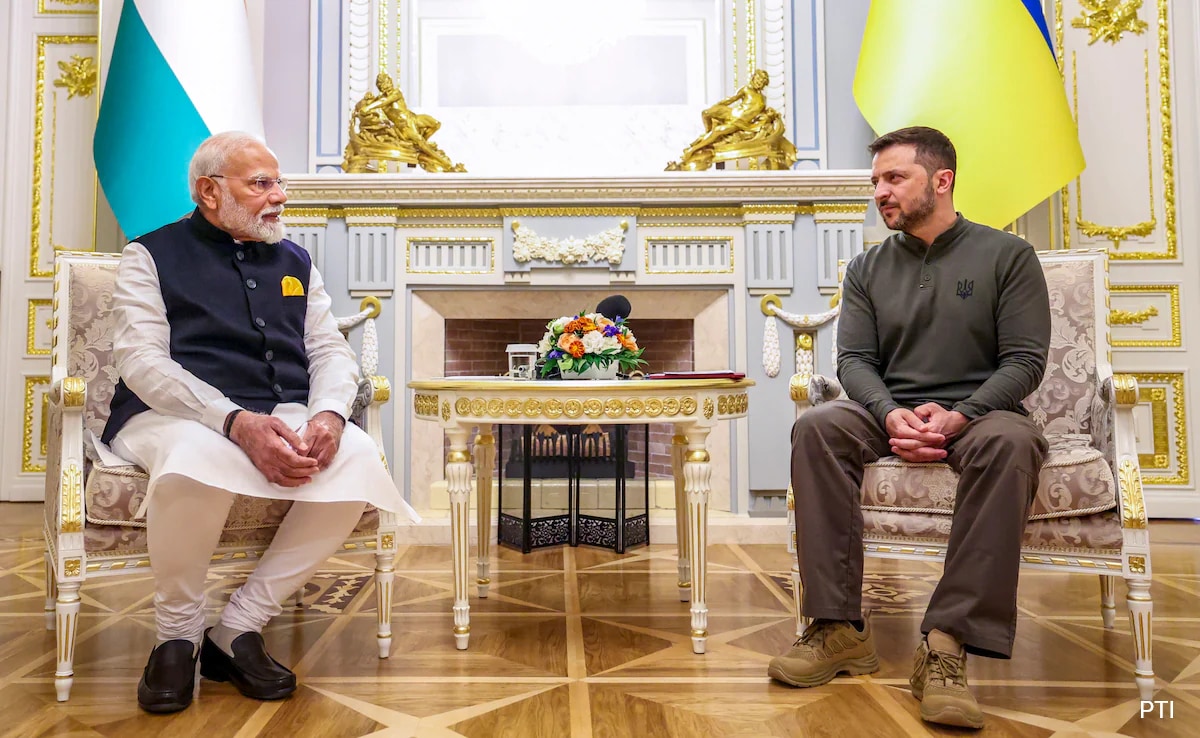
    By Sushil Kutty   So India is a “big country” with a “big influence” on the Russian economy and Ukrainian President Volodymyr Zelenskiy wants India and Indians to “change their attitude” towards Russia. For then, there will be peace as Russian President Vladimir Putin will then end the war. Apparently, Zelenskiy doesn’t like Modi’s […]

Ukrainian military operations have reportedly incapacitated three crucial bridges over the Seym River in western Russia, according to statements from Russian sources. The strikes, which are part of Kyiv’s ongoing efforts to disrupt logistics and supply lines in the region, have escalated tensions as the conflict deepens. The targeted bridges are located near the border of Ukraine and are vital for the movement of Russian military equipment […]

GUANGZHOU, CHINA – Media OutReach Newswire – 19 August 2024 – On August 13, OceanX, the world’s largest single capacity floating wind power platform, embarked on its journey from Guangzhou to the Yangjiang Mingyang Qingzhou IV offshore wind farm in Guangdong, China. After a 191-nautical-mile, over 50-hour tow, the platform’s arrival marks the commencement of a new era in green energy, poised to set the standard for […]

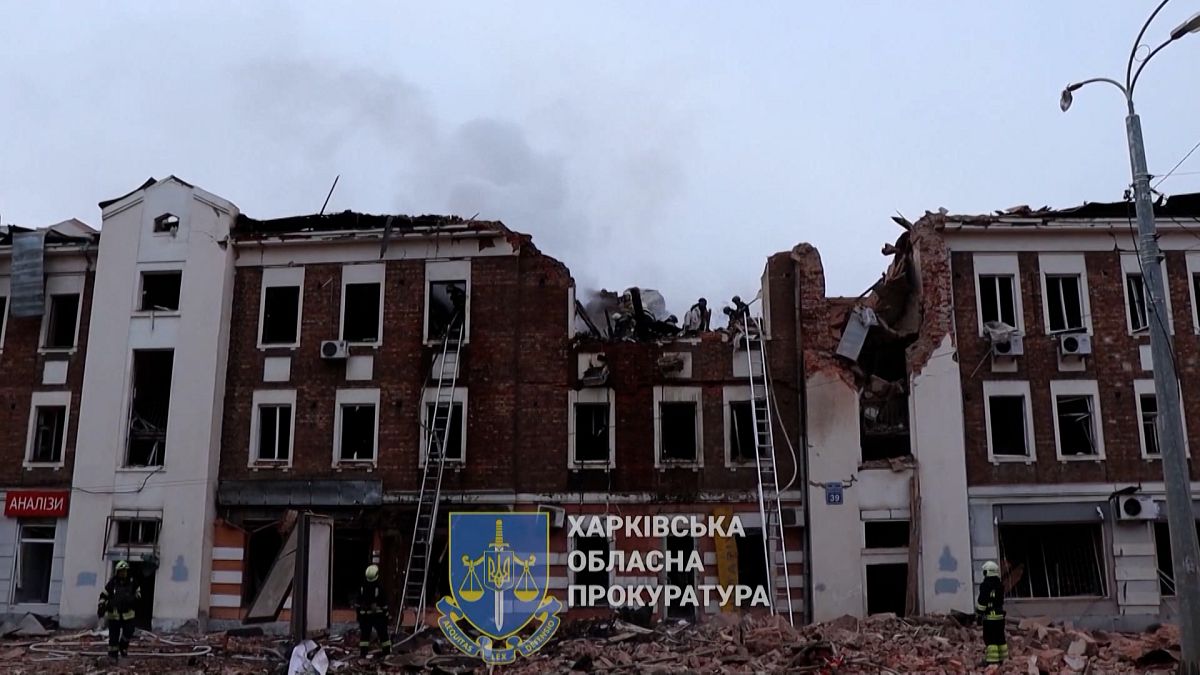
Russian military forces have escalated their offensive in eastern Ukraine, concentrating efforts on the strategic city of Pokrovsk. Civilians have been urged to evacuate as shelling intensifies, with the city suffering significant casualties and damage from missile strikes. Ukrainian authorities have reported that the strikes targeted residential buildings and key infrastructure, causing widespread destruction. Meanwhile, Ukrainian forces claim advancements in the Kursk region, marking a counteroffensive push against Russian positions. The situation remains volatile as both sides continue to engage in heavy combat.

Tensions along the Israel-Lebanon border have sharply escalated after Hezbollah launched a barrage of rockets into northern Israel, following a deadly strike by Israeli forces. The exchange represents one of the most intense clashes between the two sides in over a decade, raising fears of a broader conflict. The rockets, targeting Israel’s Upper Galilee region, were fired shortly after the Israeli Defense Forces (IDF) carried out airstrikes […]

M A Hossain Recent peace talks in Doha, Qatar, in the ongoing tensions in the Middle East have reignited a glimmer of hope of a temporary respite. Led by mediators from the United States, Qatar, and Egypt, these negotiations aim to broker a long-awaited ceasefire in the Gaza Strip. However, scepticism surrounds the talks, particularly because Hamas, the organization governing Gaza, is notably absent from the table. […]

Palestinian President Mahmoud Abbas met with Russian President Vladimir Putin in Moscow to address the ongoing conflict in Gaza and broader issues affecting the Palestinian territories. The meeting highlighted Abbas’s call for increased international support for Palestinian statehood and urgent action to alleviate the humanitarian crisis in Gaza.

The discussion comes amid escalating violence in Gaza and the West Bank, with significant casualties reported in recent weeks. Abbas and Putin explored various measures to de-escalate the situation and pave the way for renewed peace efforts. Abbas emphasized the dire humanitarian conditions in Gaza, where continuous airstrikes and blockades have exacerbated the suffering of civilians.

During the meeting, Abbas reiterated his call for the establishment of an independent Palestinian state, asserting that a two-state solution remains the most viable path to peace. He also voiced concerns about ongoing violence in East Jerusalem and the West Bank, which has further complicated efforts to achieve stability and security in the region.

Putin’s response to Abbas’s proposals was notably diplomatic. He reaffirmed Russia’s support for a two-state solution and expressed concern over the humanitarian situation in Gaza. However, he also stressed the need for a balanced approach to addressing both Palestinian and Israeli concerns. The Russian leader emphasized the importance of direct negotiations between the conflicting parties, highlighting Russia’s role in facilitating dialogue.

The meeting also touched upon the international community’s role in resolving the conflict. Abbas urged greater involvement from global powers and regional stakeholders to pressure Israel into halting its military operations and committing to peace talks. He specifically called for the lifting of the blockade on Gaza, which he argued is a significant barrier to alleviating the humanitarian crisis.

The discussion on Gaza coincides with a broader international discourse on the conflict. Various international organizations and governments have expressed growing alarm over the situation, with some calling for sanctions or other measures against Israel to pressure it into compliance with international law.

In addition to discussing the immediate conflict, Abbas and Putin addressed the ongoing international legal efforts concerning allegations of genocide and war crimes. Abbas has been vocal about the need for accountability and justice, advocating for international legal bodies to address alleged violations by Israel. This aspect of the discussion underscores the broader context of the conflict, where legal and humanitarian concerns intertwine with geopolitical considerations.

Abbas’s visit to Moscow also serves as a strategic move to bolster Palestinian diplomatic efforts. By engaging with major international players like Russia, Abbas aims to garner broader support and exert pressure on other key actors to address the Palestinian cause. The interaction with Putin represents an attempt to leverage Russia’s position in the global arena to further the Palestinian agenda.

The meeting between Abbas and Putin reflects ongoing international efforts to address the complexities of the Israeli-Palestinian conflict. As the situation in Gaza remains dire and violence continues in the West Bank and East Jerusalem, the international community remains divided on the most effective strategies to achieve a lasting resolution. The discussions between Abbas and Putin highlight the urgent need for comprehensive and sustained diplomatic efforts to address the myriad issues at the heart of the conflict.

A magnitude 5.0 earthquake struck Syria on August 12, reigniting anxieties in a region still scarred by the devastating earthquake that rocked the area last year. The tremor, originally reported as a 5.5 magnitude quake, was later downgraded by the U.S. Geological Survey. The earthquake was felt across multiple cities, including Damascus and Hama, prompting residents to evacuate buildings and spend the night outdoors, fearing potential aftershocks.

The quake’s impact extended beyond Syria’s borders, with tremors felt in neighboring Lebanon and as far as northern Israel. Despite widespread panic, there were no immediate reports of casualties or significant damage, although around 25 people were admitted to hospitals due to anxiety-related issues.

The timing of the earthquake added to the region’s already high levels of tension, with ongoing conflicts and political instability exacerbating fears. Syrian state media quickly disseminated safety guidelines, urging the public to remain vigilant in the face of possible aftershocks. This event brought back haunting memories of the catastrophic 7.8 magnitude earthquake in 2023, which claimed over 59,000 lives in Syria and Turkey, leaving many in the region with lingering trauma.

Experts have expressed concerns that this earthquake might be a precursor to more severe seismic activity. The Syrian National Earthquake Centre has issued warnings for residents to stay alert, emphasizing the importance of preparedness in a region where the ground remains perilously unstable. As authorities and communities brace for the possibility of further quakes, the emotional scars from past disasters continue to weigh heavily on the population, underscoring the fragility of life in this volatile part of the world.

While the immediate physical damage from the latest quake appears minimal, the psychological impact is profound, as residents struggle with the fear and uncertainty that these natural disasters bring. The resilience of the Syrian people is once again being tested, as they navigate the ongoing challenges of rebuilding their lives amidst constant threats, both natural and man-made .

Evacuation orders have been issued for approximately 84% of the Gaza Strip as the conflict between Israeli forces and Palestinian groups intensifies, according to the United Nations. The situation in Gaza has deteriorated sharply with ongoing ground incursions and heavy fighting reported throughout the region. The Israeli military’s extensive evacuation directive impacts nearly all of Gaza’s densely populated areas. This move is part of a broader strategy […]

Tensions between Israel and Hezbollah have reached a critical point, significantly affecting daily life in Lebanon. Over the past few days, Israeli airstrikes targeted multiple Hezbollah positions in southern Lebanon, including the villages of Maifadoun and Khiam. These strikes have resulted in the deaths of several Hezbollah members and disrupted the lives of civilians living nearby.

On Tuesday, Israeli warplanes carried out strikes on Hezbollah military bases in Yaroun and Kfarkela, which the Israeli Defense Forces (IDF) stated were used for terrorist activities. This response came after Hezbollah launched a series of drone and rocket attacks into northern Israel, injuring 19 Israelis in the city of Nahariya and causing substantial property damage. The IDF intercepted several of these drones and rockets, but not all, leading to civilian casualties and heightened fear among residents.

The current wave of violence was triggered by the assassination of Ismail Haniyeh, a prominent Hamas leader, in Tehran. This event, coupled with the killing of Hezbollah’s military commander Fuad Shukr in Beirut, has escalated the conflict. Iran has vowed retaliation, increasing the regional stakes and bringing more uncertainty to Lebanon’s already fragile state.

Hezbollah has been conducting regular attacks on Israeli border communities and military posts, citing support for Gaza amid the ongoing conflict with Hamas. These skirmishes have resulted in significant casualties on both sides. The IDF has reported the deaths of 25 civilians and 18 soldiers, while Hezbollah has acknowledged the loss of 399 members, mostly in Lebanon. Additionally, numerous civilians and operatives from other militant groups have also been killed.

Lebanon’s infrastructure and economy, already struggling, are further strained by this ongoing conflict. The continuous airstrikes and retaliatory attacks have disrupted daily activities, causing fear and uncertainty among the Lebanese population. The border regions are particularly affected, with residents facing constant threats to their safety and livelihoods.

The international community has expressed concern over the escalating violence, urging both sides to seek diplomatic solutions. However, with the cycle of retaliation and defense firmly in place, achieving peace remains a challenging prospect. The potential for a broader regional conflict looms large, with implications that could extend far beyond the immediate area.

In light of these developments, Lebanon finds itself at a crossroads, grappling with the immediate consequences of the conflict while seeking a path towards stability. The resilience of its people and the effectiveness of international diplomatic efforts will be crucial in navigating this tumultuous period.

The situation remains fluid, with new developments occurring rapidly, and the region bracing for further escalations. The impact on Lebanon’s socio-economic fabric is profound, with the specter of war casting a long shadow over its future.

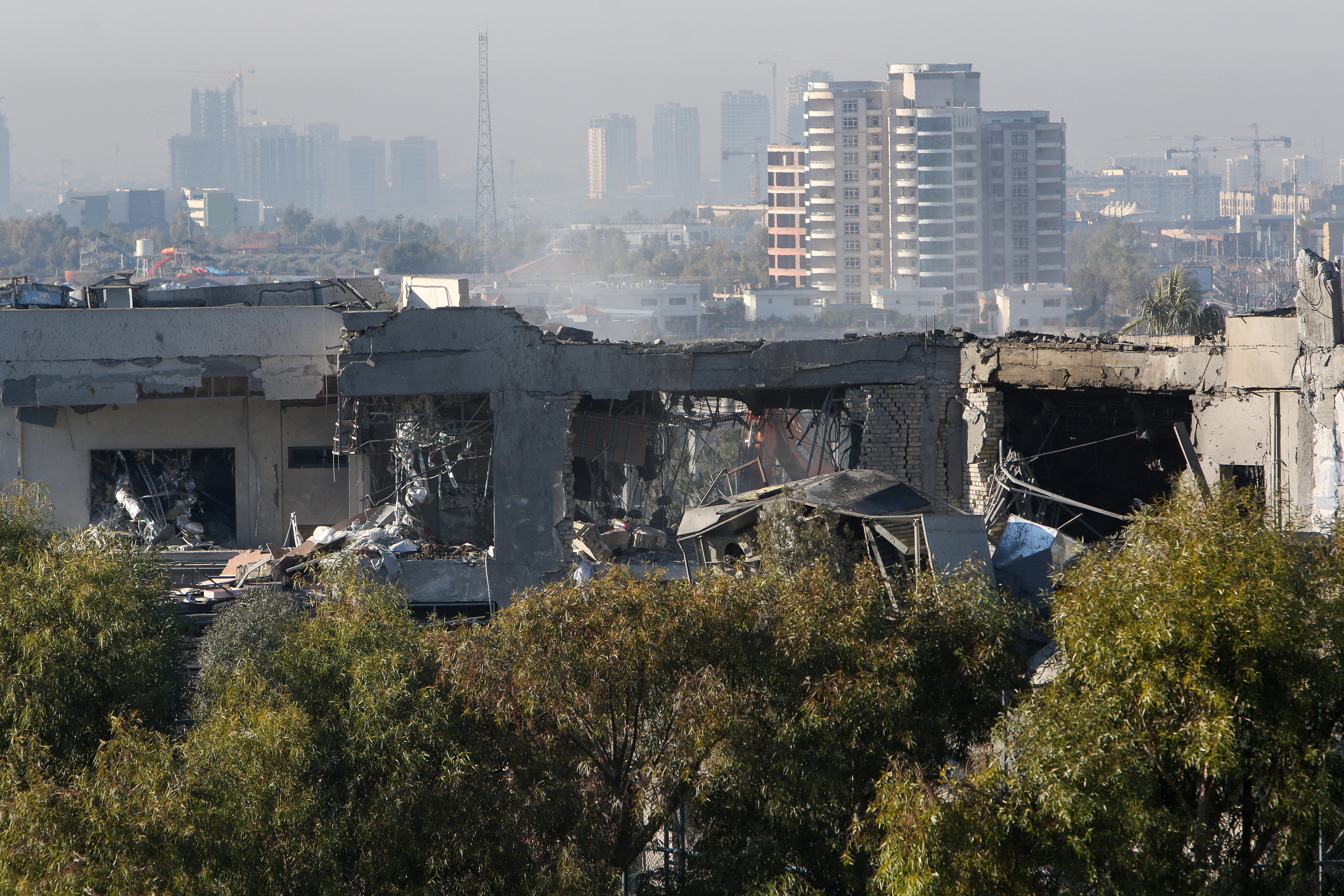
A rocket attack on US forces stationed in Iraq on Monday has escalated tensions, complicating ongoing negotiations regarding the withdrawal of foreign troops from the country. The attack, which resulted in multiple injuries, has been attributed to Iran-backed militia groups operating within Iraq. US officials have pointed fingers at Kataib Hezbollah, a powerful militia with a history of targeting American assets in the region.

The rocket strike targeted the Ain al-Asad airbase, a key location for US troops in Iraq. This base has been the focal point of several assaults over the years, highlighting the volatile security situation in the region. Diplomatic efforts to reduce the foreign military footprint in Iraq might be significantly affected by this incident, with both US and Iraqi officials expressing concerns about the future stability of the area.

US Central Command spokesperson confirmed the attack, noting the use of 107mm rockets, which have been a preferred weapon of Iran-backed groups. The assault led to immediate military responses, with US forces conducting airstrikes targeting militia positions suspected of orchestrating the attack. This retaliatory measure underscores the ongoing tit-for-tat dynamics between US forces and Iran-aligned militias in Iraq.

Iraq’s Prime Minister condemned the attack, emphasizing the need for a thorough investigation to hold those responsible accountable. He reiterated the Iraqi government’s stance on preventing the country from becoming a battleground for proxy conflicts. However, the ability of the Iraqi government to rein in these powerful militias remains questionable, given their deep-rooted influence and substantial military capabilities.

The attack also comes at a critical juncture as the US and Iraq have been engaged in strategic dialogue aimed at determining the future of US military presence in the country. These talks are crucial for shaping the long-term security and political landscape of Iraq. However, the rocket attack has introduced new complexities, potentially hardening US positions and influencing the terms of any future agreements.

Iran, while not directly implicated in the attack, has been accused of supporting and supplying these militia groups. The broader geopolitical tensions between the US and Iran continue to spill over into Iraq, with local militias often acting as proxies for Tehran’s regional ambitions. This dynamic further complicates the efforts of Iraqi authorities to stabilize the country and assert full sovereignty.

The international community has been closely monitoring these developments, with several countries expressing concerns about the potential for further escalation. The United Nations has called for restraint from all parties and urged a return to diplomatic negotiations to address underlying issues.

This latest incident is part of a broader pattern of violence and instability that has plagued Iraq since the US-led invasion in 2003. The presence of foreign troops, the influence of various militia groups, and the ongoing threat of extremist organizations like ISIS continue to pose significant challenges for Iraq’s security apparatus.

The future of US-Iraq relations remains uncertain, with the rocket attack serving as a stark reminder of the fragile state of affairs. Both nations must navigate this complex environment carefully to avoid further escalation and work towards a sustainable resolution that ensures the stability and security of the region.

This attack and its aftermath will likely have far-reaching implications, not just for Iraq but for the broader Middle East, where the interplay of regional powers continues to shape the geopolitical landscape. The outcome of the US-Iraq negotiations will be critical in determining the direction of future US involvement in the region and the overall stability of Iraq.

Tensions between Israel and Iran have escalated, with Israel bracing for potential attacks as the United States urges for a cease-fire in Gaza. The situation remains volatile following the recent strikes by Israel on Gaza, which targeted Hamas militants and resulted in significant casualties. Israeli forces have intensified their operations in Gaza, leading to the deaths of over 60 Palestinians, including many at a UN-run school in […]

A 6.7 magnitude earthquake hit off the eastern coast of Mindanao, Philippines, causing widespread concern. The quake, which struck at a depth of 630 kilometers, did not result in significant damage, but authorities warned of possible aftershocks. This event underscores the Philippines’ vulnerability, as it lies on the Pacific ‘Ring of Fire’, a region prone to seismic activity. Residents experienced strong tremors, but no immediate injuries or […]

Israel has launched a series of targeted strikes, escalating tensions in the Middle East. The assassination of Ismail Haniyeh, a top Hamas leader, has particularly inflamed the conflict. Haniyeh, who was in exile, was killed in a missile strike in Tehran. This action is part of Israel’s broader campaign against militant leaders across the region.

The Israeli government has confirmed the strike, labeling it a critical blow to Hamas’ leadership. The attack has sparked significant international reactions, with Iran and its allies condemning the assassination. Iranian leaders have vowed retaliation, promising that Israel will regret this action.

The Israeli military is preparing for potential retaliatory strikes from Iran and its proxies. In addition to Haniyeh’s killing, Israel also conducted strikes in Beirut, targeting Hezbollah’s military chief. These operations mark a significant escalation, expanding the conflict beyond Gaza and into neighboring countries.

Palestinian Authority President Mahmoud Abbas has declared a day of mourning for Haniyeh, denouncing the killing as cowardly. Pro-Hamas marches have erupted in various cities, including a significant demonstration in Istanbul, where Turkish President Recep Tayyip Erdoğan condemned the assassination.

The strikes have also complicated ongoing hostage negotiations. Egypt and Qatar have criticized the timing of the attacks, suggesting they undermine efforts to secure the release of captives held by Hamas. U.S. Secretary of State Antony Blinken has emphasized the necessity of a ceasefire to facilitate these talks.

The United Nations Security Council held an emergency meeting to address the escalating tensions. Members of the Iran-backed axis, including Hezbollah, have harshly criticized Israel, calling the situation a dangerous escalation. Security experts predict that while Iran and its allies are likely to respond, they may not be able to reverse Israel’s strategic gains in Gaza.

This series of high-profile killings highlights Israel’s extended reach and intelligence capabilities. The assassination of Haniyeh in Tehran underscores the deep penetration of Israeli operations in Iran, a point acknowledged by various analysts. As the conflict enters a new phase, the potential for wider regional instability looms large.

The situation remains volatile, with both sides bracing for further developments. The international community continues to monitor the conflict closely, urging restraint and the pursuit of diplomatic solutions to prevent further escalation.

Israeli airstrikes on a Beirut suburb have intensified the search for senior Hezbollah commander Fouad Shukr, whose whereabouts remain uncertain following the attack. The residential building targeted was reportedly a key location for Hezbollah operations, raising concerns about Shukr’s status and potential casualties among his associates.

The airstrike occurred in the densely populated southern suburbs of Beirut, a region heavily influenced by Hezbollah. The Israeli government has not confirmed the specific targets of the strike but has maintained that the operation was a response to ongoing threats from Hezbollah. The Lebanese authorities have launched a search and rescue operation, sifting through the rubble of the destroyed building in hopes of locating survivors or recovering bodies.

Fouad Shukr, a high-ranking figure within Hezbollah, has been a subject of international attention due to his alleged involvement in various military and strategic operations. The attack has prompted Hezbollah to accuse Israel of aggression and to call for an immediate response. The group has mobilized its members in the area, and tensions are high as both sides brace for possible further escalations.

Local reports suggest that the building was used by Hezbollah for military purposes, including arms storage and strategic planning. This has led to speculations about the significance of the strike and whether it was part of a broader Israeli strategy to disrupt Hezbollah’s operational capabilities. The attack’s impact on the broader regional dynamics is yet to be fully understood, but it has already heightened security concerns in Lebanon and among international observers.

Lebanese rescue teams are working tirelessly, and international organizations have expressed concern about the humanitarian impact of the airstrikes. The focus is on providing aid to those affected by the explosion and addressing the needs of families displaced by the attack.

Hezbollah’s reaction has been swift, with the organization issuing statements condemning the Israeli actions and vowing retaliation. The group’s leaders have criticized the international community for not intervening and have called for solidarity from other nations sympathetic to their cause.

The situation remains fluid, with rescue operations ongoing and the possibility of additional strikes looming. The international community continues to monitor the developments closely, as the conflict between Israel and Hezbollah threatens to escalate further. The fate of Fouad Shukr remains a critical concern, with implications for both Hezbollah’s internal dynamics and the broader geopolitical landscape in the region.

The next steps for both Hezbollah and Israeli forces will be closely watched, as the aftermath of the strike unfolds and the international community responds to the evolving situation. The ongoing conflict underscores the volatility of the region and the challenges faced by all parties involved in seeking a resolution to the long-standing hostilities.

An Israeli airstrike targeted Hezbollah commander Fouad Shukr in Beirut, marking a significant escalation in tensions between Israel and Hezbollah. Shukr, a senior military figure within the Lebanese group, is known for his close ties to Hezbollah’s leadership and his involvement in strategic operations.

The airstrike occurred late Tuesday, with initial reports indicating that Shukr was among the primary targets. Lebanese media confirmed the attack, noting damage to several buildings in the southern suburbs of Beirut, a Hezbollah stronghold. The area, often referred to as Dahiyeh, has seen similar strikes in the past, but this operation specifically aimed at Shukr signals a more direct confrontation.

Fouad Shukr, also known by his nom de guerre, Al-Hajj Mohsin, has been a prominent figure in Hezbollah for decades. His military career began in the early 1980s, and he has since ascended through the ranks, becoming a key advisor to Hezbollah’s Secretary-General Hassan Nasrallah. Shukr’s expertise in military tactics and his role in coordinating operations in Syria have made him a critical asset to the organization.

Hezbollah’s involvement in the Syrian conflict has been extensive, with Shukr playing a pivotal role. His strategic planning and operational oversight have contributed to the group’s efforts to support the Syrian government, particularly in key battles such as those in Aleppo and Qusayr. These operations have cemented Shukr’s reputation as a skilled military leader within Hezbollah’s ranks.

The Israeli government has long viewed Shukr as a significant threat. His role in planning and executing operations against Israeli targets, both within Lebanon and abroad, has placed him high on Israel’s list of adversaries. Israeli officials have accused Shukr of being involved in the 1983 Beirut barracks bombings, which killed 241 U.S. service members, a claim that Hezbollah has consistently denied.

This targeted strike on Shukr is part of a broader Israeli strategy to disrupt Hezbollah’s military capabilities. Israel has repeatedly stated its intent to prevent Hezbollah from acquiring advanced weaponry and strengthening its position along the Israeli-Lebanese border. Over the years, Israel has conducted numerous airstrikes in Syria and Lebanon aimed at intercepting weapons shipments destined for Hezbollah.

The timing of this strike is particularly noteworthy. It comes amid heightened tensions in the region, with ongoing conflicts in Syria and escalating confrontations between Israel and Iranian-backed militias. Hezbollah’s close alliance with Iran has further complicated the dynamics, as Israel seeks to counter Iranian influence in the Middle East.

Reactions to the strike have been swift. Hezbollah condemned the attack, vowing retaliation and reinforcing its commitment to resist Israeli aggression. The Lebanese government, while acknowledging the attack, has called for restraint to avoid further escalation. International reactions have been mixed, with some countries urging both sides to de-escalate and others expressing concern over the potential for a broader conflict.

Analysts suggest that this strike could have significant implications for the stability of the region. Hezbollah’s response will likely determine the immediate future of Israeli-Lebanese relations. Should Hezbollah choose to retaliate, the possibility of a larger military confrontation cannot be ruled out. However, the group may also opt for a more calculated response, avoiding direct confrontation while continuing to strengthen its military infrastructure.

The situation remains fluid, with the potential for rapid developments. As both Israel and Hezbollah navigate this latest escalation, the international community will be closely monitoring the unfolding events. The strike on Fouad Shukr underscores the persistent volatility in the region and the ongoing struggle for power and influence between Israel and Hezbollah.

Hezbollah’s next moves, coupled with Israel’s strategic objectives, will shape the regional landscape in the coming months. This episode highlights the fragile nature of the current ceasefire and the ever-present risk of conflict in the Middle East.

VISHNU RAJA
RYO YAMADA
HITORI GOTOH
IKUYO KITA