Jupiter’s vast, banded clouds have long obscured the true nature of the giant planet beneath, but a new atmospheric model is changing that picture by pointing to a deep chemical imbalance that carries implications for how the solar system formed. The work indicates that Jupiter likely contains far more oxygen than the Sun, challenging earlier assumptions drawn from limited measurements and offering a clearer view of the […]
OpenAI is exploring the creation of a social media platform designed to sharply limit automated accounts, a move that would place the artificial intelligence firm in direct competition with X while signalling a broader push to shape how online discourse functions in an age increasingly defined by generative systems. People familiar with the matter say the idea has moved beyond casual internal discussion, with early-stage work examining […]
Video games once trained patience through repetition and failure, according to a senior psychologist who says the design logic of modern titles has altered how younger players engage with attention, effort and reward. Speaking in his professional capacity, the president of Drugzone Pharmaceuticals Inc said the shift from finite, skill-based progression to systems built around constant engagement marks a decisive break from the gaming culture of the […]
AI-related Attacks and Supply Chain Risks Emerge as Top Concerns Nearly 30% of Enterprises Lack Dedicated Cybersecurity Personnel
HONG KONG SAR – Media OutReach Newswire – 28 January 2026 – The Hong Kong Computer Emergency Response Team Coordination Centre (HKCERT), under the Hong Kong Productivity Council (HKPC), today hosted a media briefing to officially release the annual “Hong Kong Cybersecurity Outlook 2026”. The report reveals that cyberattacks have become more automated, targeted, and destructive with the rapid proliferation of Artificial Intelligence (AI) technologies, posing significant threats to business operations and information security. A record high 15,877 cybersecurity incidents were recorded in Hong Kong in 2025, marking a 27% year-on-year increase. The report also highlights five key cybersecurity risks expected to emerge in 2026, mainly under AI-related threats and supply chain vulnerabilities.
HKCERT also released the findings of the “Hong Kong Enterprise Cybersecurity Landscape”, which analyses the current state of local enterprises’ cybersecurity defences and resource allocation in the face of cyber risks. The study covered 622 enterprises (including 544 SMEs and 78 large enterprises) and interviewed 50 cybersecurity service providers to assess the key factors businesses consider when selecting cybersecurity services. The findings reveal that nearly 70% of enterprises have dedicated cybersecurity personnel, showing the increasing importance local businesses place on cybersecurity. Many SMEs have also begun strengthening their security measures, demonstrating a proactive awareness of cyber threats. However, they were behind large enterprises in terms of technology deployment and resource allocation. Moreover, around 35% of businesses using AI would enter corporate data into AI tools, suggesting that there is still room for improvement in local overall defence capabilities and AI governance awareness.
Mr Edmond LAI, Chief Digital Officer of HKPC, stated, “The proliferation of AI can drive innovation, but it can also become a powerful tool for hackers, making cyber threats stealthier and more scalable. Our report indicates a lack of governance in corporate use of AI tools. In particular, the limited resources and knowledge of SMEs may limit their full understanding of the potential risks involved. Moreover, supply chain attacks have become the weakest link in enterprise security, where a single vendor’s vulnerability can trigger a chain reaction of crises, even if the enterprises have robust protective measures. To address these challenges, enterprises must shift from passive response to proactive deployment, starting with establishing clear AI usage guidelines and audit mechanisms, and deeply integrating them into the overall cybersecurity strategy”.
Overview of Cybersecurity Incidents in 2025:
Phishing Accounts for Nearly 60% – Record-High Number of Cases
According to the latest statistics from HKCERT, a total of 15,877 cybersecurity incidents were reported in 2025, marking a new record high. Among them, phishing attacks remained the most prominent threat, accounting for nearly 60% (57%) of total cases. The rise of generative AI has made phishing messages increasingly realistic and harder to detect, further amplifying the associated risks. Attack delivery methods have expanded beyond traditional email to social media or instant messaging platforms (such as WhatsApp) (34%) and cryptocurrency platforms (18%).
In parallel, cases involving vulnerable systems also saw a sharp increase, with 2,328 incidents (15%), representing a more than 3.5-fold rise compared to the previous year. This suggests that attackers are actively exploiting misconfigurations and unpatched system vulnerabilities. Meanwhile, botnet-related incidents remained steady at 18%. While stable in number, botnets are notoriously difficult to eradicate completely, representing a long-term latent threat.
Top 5 Cybersecurity Risks in 2026
Based on industry expert analysis and HKPC’s ongoing research into the local business environment, and considering industry trends and technological developments, HKCERT predicts that the following five cybersecurity risks will pose significant challenges to businesses in 2026:
AI-Driven Attacks and Agentic AI Risks
Weak AI Governance of Enterprises Increases Data Leakage Risks
Supply Chain Vulnerabilities and Third-Party Security Gaps
Over-Reliance on Cloud Infrastructure Creates Single Points of Failure
Emerging Threats from AI-Enabled Devices
30% of Enterprises Lack Dedicated Cybersecurity Staff, SMEs Lag in Defense and Investment
“The Hong Kong Enterprise Cybersecurity Landscape” reveals nearly 70% of enterprises have dedicated cybersecurity personnel, showing the increasing importance place on cybersecurity. By company size, 67% of SMEs have personnel responsible for cybersecurity, and 95% of large enterprises do. Among them, 26% of SMEs have dedicated cybersecurity personnel, which is lower than the 59% of large enterprises, reflecting different challenges in resource allocation and professional support for companies of different sizes.
Many SMEs have already implemented basic protective measures, such as 48% of SMEs have adopted email security, but there is still room for improvement when compared to the 79% of large enterprises. For Privileged Access Management (PAM), 29% of SMEs are employed, which is still lower than 60% of large enterprises. The figure on using Advanced cybersecurity practices, such as Remote Access Security Measures (SMEs 31% vs 67%), also reflects that SMEs still need support in promoting technological upgrades, especially when data security is increasingly important today, the protection of SMEs of all sizes cannot be ignored.
Regarding investment and resource allocation, SMEs are generally cautious in their investment, but some companies have gradually increased their investment in cybersecurity and training. In the past year 13% of SMEs increased cybersecurity-related resources (including staff and tools), and 12% invested more resources in cybersecurity training. In comparison, the proportions for large enterprises were 41% and 50%, respectively. Looking ahead to the next 12 months, SMEs are relatively conservative in their plans for increasing resources — no matter in recruitment of cybersecurity personnel (SMEs 5% vs 15%), training (SMEs 13% vs 38%) and budget (SMEs 13% vs 36%). However, as cyber threats evolve, it is believed that enterprises will gradually increase their related investments to strengthen their overall defense capabilities.
HKCERT’s Five Key Recommendations: Helping Enterprises Build Effective Cyber Defenses
HKCERT has outlined five key recommendations to help enterprises strengthen their cybersecurity posture:
Assigning Personnel for Cybersecurity: Enterprises should assign employees with basic cybersecurity knowledge to be responsible for daily monitoring and response work, with clear division of responsibilities to ensure timely response to emergencies.
Promoting AI Governance and Regulation: As the application of AI tools and third-party platforms becomes increasingly widespread, enterprises should formulate relevant policies and operational guidelines, clearly specifying the available tools and scope of data input, as well as procedures for responding to third-party incidents, to minimise operational and reputational risks.
Collaborative Efforts of All Staff to Prevent Phishing Attacks: Enterprises should adopt both technical measures (such as email filtering and multi‑factor authentication) and an organisation‑wide security culture to jointly defend against phishing attacks. This helps enhance each employee’s ability to identify suspicious emails and links, thereby reducing the risk of data leakage.
Enhance Cybersecurity Awareness and Training across all Staff: Cybersecurity is a shared responsibility across the entire organisation. Enterprises should regularly provide targeted security training for different departments—especially for roles that handle sensitive data—and strengthen incident response capabilities through simulation exercises and case‑based learning to reduce human error.
Data protection measures (such as encryption and backup)
Remote access security measures mechanisms (such as VPNs and identity authentication)
Proactive security solutions (such as intrusion detection and firewall monitoring)
As cyber threats grow increasingly complex and attack techniques become more advanced, enabling SMEs to effectively deploy cybersecurity defences has become a shared responsibility across society. In addition to operating a 24-hour incident reporting and supporting hotline, HKCERT continuously monitors local online activities. When cyberattacks targeting Hong Kong are detected, it proactively traces and disrupts the source and issues timely public alerts. In recent years, HKCERT has also leveraged self‑developed AI systems to take down phishing websites in advance, preventing incidents before they occur. To strengthen preventive measures and promote education among SMEs, HKCERT has published multiple security guidelines addressing emerging technology risks, helping technical personnel understand and adopt appropriate protection strategies. At the same time, HKCERT actively promotes cybersecurity awareness through a dedicated webpage on in‑depth analysis of major phishing and ransomware attacks, as well as by organising large‑scale public events and participating in over 30 seminars annually.
Since last year, HKCERT further acted as a bridge between SMEs and cybersecurity service providers to launch the Cybersecurity Service Providers Connect Programme with Digital Policy Office. The Programme offers a one-stop platform that brings together 21 vetted cybersecurity service providers, covering four key areas, including Internet Security Solutions, Cybersecurity Assessment Services, Managed Security and Incident Response Services, and Cybersecurity Training Services. It helps SMEs quickly identify suitable solutions and strengthen their cyber defence capabilities. The Programme will continue to enhance its services, promote resource sharing, and collaborate with the industry to build a safer digital business environment.
Hashtag: #HKCERT
The issuer is solely responsible for the content of this announcement.
About Hong Kong Computer Emergency Response Team Coordination Centre
Managed by the Hong Kong Productivity Council (HKPC), Hong Kong Computer Emergency Response Team Coordination Centre (HKCERT) is the centre for coordination of computer security incident response for local enterprises and Internet Users. Its missions are to facilitate information disseminating, provide advices on preventive measures against security threats and to promote information security awareness.
HKCERT collaborates with local bodies to collect and disseminate information, and coordinate response actions. HKCERT is also a member of the Forum of Incident Response and Security Teams (FIRST) and the Asia Pacific Computer Emergency Response Team (APCERT). We exchange information with other CERTs and act as a point of contact on cross-border security incidents.
About the Hong Kong Productivity Council The Hong Kong Productivity Council (HKPC) is a statutory body established in 1967, dedicated to enhancing the productivity and competitiveness of Hong Kong enterprises through world-class applied R&D, innovative technology services, and integrated manufacturing solutions. As a market-oriented, international R&D organisation, HKPC leverages its deep expertise and extensive industry experience in key areas such as AI, advanced manufacturing, life and health technology, green technology and new energy to drive new industrialisation and support the growth of emerging and future industries.
HKPC focuses on addressing businesses challenges and industrial technology needs, promoting the full integration between technological and industrial innovation. Through technology transfer, product innovation, intellectual property protection and commercialisation of R&D outcomes, the Council fosters collaboration with the local business community as well as top global R&D institutions, delivering added value to industries and advancing the development of new productive forces. HKPC’s world-class R&D achievements have been widely recognised over the years, winning an array of local and overseas accolades, reinforcing Hong Kong’s role as an international innovation and technology centre and a smart city.
To help enterprises capitalise on Hong Kong’s strengths in international connectivity to expand into global markets, HKPC offers comprehensive overseas expansion services tailored to critical areas including product development, technology, manufacturing, and management, enabling businesses to successfully go global from Hong Kong.
HKPC is also committed to providing timely and practical support to SMEs and startups with timely and practical , assisting them in accessing Government funding programmes. Through its FutureSkills training initiatives, HKPC helps both industry and academia stay ahead in latest digital and STEM technologies, nurturing a future-ready talent pool for Hong Kong.
For more information, please visit HKPC’s website: www.hkpc.org/en.
Henkel is celebrating its 150th anniversary under the motto “Future? Ready!”, highlighting its pioneering spirit, innovation, and commitment to responsibility
Recognition and benefits for employees during the anniversary year, as well as initiatives and events worldwide
DÜSSELDORF, GERMANY – Newsaktuell – 19 January 2026 – This year, Henkel is celebrating a special anniversary: 150 years ago, on 26 September 1876, Fritz Henkel founded the company, which over the course of its history has developed into a global group with around 47,000 employees in more than 70 countries.
The 2026 anniversary year is held under the motto “Future? Ready!”, expressing confidence in Henkel’s continued successful development, even in challenging times marked by geopolitical tensions, technological transformation, and growing volatility. At the heart of the anniversary are the qualities that have shaped the company since its founding a pioneering spirit, innovative strength, and responsibility.
“150 years mark an important milestone in Henkel’s history. They stand for continuity, a pioneering spirit, and the courage to constantly rethink the status quo,” says Dr. Simone Bagel-Trah, Chairwoman of the Supervisory Board and Shareholders’ Committee of Henkel. “As a family-owned company, we bear responsibility towards our employees, society, and future generations. We are proud of how our employees around the world continue to bring the shared Henkel spirit to life and carry it forward every day. Our purpose expresses what we stand for: creating value and positive impact with our pioneering and entrepreneurial spirit, always keeping the well-being of today’s and future generations in mind. Or, as we say: Pioneers at heart for the good of generations. This gives me great confidence and trust as we look ahead.”
“With this special anniversary, we want to reaffirm our confidence in our capabilities, our people, our innovative strength, and our corporate culture,” says Henkel CEO Carsten Knobel. “Under the motto ‘Future? Ready!’, we are entering our anniversary year – a year in which we look back with great pride on our long history and, at the same time, look ahead with confidence to the path ahead of us. At the heart of the anniversary are our employees around the world, because they are the key to our success. That is why we are actively involving them in the celebrations – through tangible benefits such as advantages in the employee share program, an additional day of vacation, and, of course, a variety of events worldwide around the company’s birthday in September.”
An anniversary that brings people together: Benefits for Henkel employees
As part of the employee share program in 2026, Henkel will offer all participants an exclusive anniversary benefit. The company will top up every employee investment by 41 percent, enabling stronger participation in Henkel’s business success. In simple terms: employees who invest 100 euros in Henkel shares will receive shares worth 141 euros. In addition, all employees worldwide will be granted an extra day of vacation in their birthday month during the anniversary year.
In 2026, special celebrations and activities will take place at Henkel sites around the world, connecting the company’s past with a forward-looking perspective. The highlight will be September 26, the company’s founding day.
Tradition meets the future: Henkel looks back on 150 years of company history
Founded in 1876 in Aachen, Henkel has evolved from a small detergent manufacturer into a global company with leading market positions and strong brands such as Loctite, Persil, and Schwarzkopf. Today, Henkel generates annual sales of more than 21 billion euros and employs 47,000 people worldwide.
A comprehensive academic perspective on the company’s history is provided by the independent study “Henkel – From a detergent manufacturer to a global company” by Prof. Dr. Joachim Scholtyseck. The German version of the publication will be published on January 30, 2026. The English language version will be published in later spring 2026.
The issuer is solely responsible for the content of this announcement.
About Henkel
With its brands, innovations and technologies, Henkel holds leading market positions worldwide in the industrial and consumer businesses. The business unit Adhesive Technologies is the global leader in the market for adhesives, sealants and coatings. With Consumer Brands, the company holds leading positions especially in laundry & home care and hair in many markets and categories around the world. The company’s three strongest brands are Loctite, Persil and Schwarzkopf. In fiscal 2024, Henkel reported sales of more than 21.6 billion euros and adjusted operating profit of around 3.1 billion euros. Henkel’s preferred shares are listed in the German stock index DAX. Sustainability has a long tradition at Henkel, and the company has a clear sustainability strategy with specific targets. Henkel was founded in 1876 and today employs a diverse team of about 47,000 people worldwide – united by a strong corporate culture, shared values and a common purpose: “Pioneers at heart for the good of generations.” More information at www.henkel.com
HONG KONG SAR – Media OutReach Newswire – 26 January 2026 – The 2025 Hong Kong & Shenzhen Bi-City Biennale of Urbanism Architecture (Hong Kong) (UABBHK 2025) officially concluded on 24 January 2026 with its Closing Ceremony held at the Oil Street Art Space (Oi!), bringing to a close the two-months of exhibitions, public programmes, and cross-disciplinary dialogue under the theme “TECHFORMANCE: Technology, Platform and Performance”, organised by The Hong Kong Institute of Architects Biennale Foundation, and co-organised by The Hong Kong Institute of Architects, The Hong Kong Institute of Planners, and The Hong Kong Designers Association. The Biennale is proudly supported by the Cultural and Creative Industries Development Agency (CCIDA) as Lead Sponsor.
UABBHK 2025 transformed traditional architectural exhibitions into a dynamic civic performance, positioning artificial intelligence (AI) not as a tool, but as a platform to co-create ethical, inclusive, and human-centred futures. Through immersive installations, public workshops, and experimental formats, UABBHK 2025 invited audiences to participate in the design of the city — in real time.
“The Biennale has not only showcased the possibilities of design in the AI era, but also activated a civic platform where architecture, technology and public imagination intersect,” said Ar. Allen Poon, Chairman of The Hong Kong Institute of Architects Biennale Foundation, during the ceremony. “Today’s conclusion marks both a milestone and a beginning — a new phase of creative exploration among Hong Kong, Shenzhen and the world.”
Exhibition Highlights: Tech Meets Imagination
UABBHK 2025 unfolded across two venues, Oil Street Art Space (Oi!) and the newly opened East Kowloon Cultural Centre (EKCC), showcasing 25 curated exhibits by architects, artists, researchers, and technologists from Hong Kong and beyond. Teams from 10+ regions, including Chinese Mainland, Hong Kong, Taiwan, as well as Australia, Austria, Italy, Japan, Singapore, the Netherlands, the UK, and the USA, explored how AI can be integrated into architectural thinking, spatial storytelling, and participatory design. Among the highlights were 4 video screening works that extended the exhibition’s themes through cinematic and documentary perspectives, addressing topics such as displacement and homecoming, the entanglement of code and culture, and speculative futures shaped by collective memory and student-led design fictions. Interactive installations like Prompt[Pond]ering, Sentient Mirror, and Collaborative Ephemeral Pavilion invited audiences to co-design spaces through AI-driven interactions. Works such as LANdLine Project and Flower Market Imaginaries grounded these future-facing visions in Hong Kong’s unique community and cultural context.
“In curating UABBHK 2025, we imagined AI not as a threat, but as a collaborator — a partner in rehearsing the future of our cities,” shared by Dr. Jimmy Ho and Ar. Aron Tsang, Lead Curators of UABBHK 2025. “We are proud to have created a platform that enables technology to be tangible, and civic imagination visible.”
Extending Impact: Public Programmes on Innovation & Collaboration
To extend the UABBHK 2025’s engagement beyond the galleries, two flagship public programmes were launched to bring AI and urban thinking into action: the ArchiTech Hackathon and the Hetao Vision: AI Video Competition.
ArchiTech Hackathon: Bridging Architecture and AI
Held earlier on the 24 January morning and co-hosted with Google Developer Group Hong Kong (GDGHK), the ArchiTech Hackathon was a first-of-its-kind 3-hour collaborative event that brought together 40 architects, developers and students — half from the HKIA Young Architects Group (YAG) and half from GDGHK — to explore how AI can support architectural workflows. The participants learned to use Google’s Gemini model and no-code platforms to build AI agents for architectural design code compliance.
Led by Mr. Frankie Wu from GDGHK, Ms. Adeline Chan and Ar. Owen Lam, Executive Curators of UABBHK 2025, the event embodied UABBHK’s vision by fostering cross-disciplinary collaboration between the tech and design communities, showcasing AI as a practical and imaginative tool for the built environment.
The winning team is Mr. Eric Chan and Ar. Toby Chiu. They successfully built the AI agent for the competition in an astonishing time of 3 minutes, 56.32 seconds within a 60-minute timeframe, and was able to answer 10 questions, as required by the competition, completing the complex professional architect exam questions with 90% accuracy under four minutes.
Hetao Vision: Innovative AI Video Competition
Also announced during the ceremony were the winners of the Hetao Vision AI Video Competition, which invited creators to imagine the future of the Hetao Shenzhen-Hong Kong Science and Technology Innovation Co-operation Zone (HSITP). All entries were required to be fully AI-generated — both visually and aurally — using tools such as Runway, Pika Labs, Suno, and Udio.
The competition explored how AI can democratise futurology, letting creators of all backgrounds envision interconnectivity, innovation, and inclusiveness across the “one river, two banks” vision of Hetao.
The winning video,titled 深港河脈:一河兩岸的科創樞紐宏圖(Shenzhen-Hong Kong River Network: A Grand Vision for a Science and Technology Innovation Hub Across Both Banks) by Mr.Zhang Xiaoshan, was praised for utilising AI to create a convincing narrative of a cross-border innovation hub, demonstrating a profound understanding of the development of the Hetao area. Two additional finalists were also recognised for their distinctive storytelling and technical creativity.
A public screening of the shortlisted videos will be held in the Hetao Science and Technology Innovation Centre, in February 2026, allowing the public to reflect on the role of AI in imagining future urban life.
What’s Next: Visit UABBSZ and Explore the Living Archive
UABBHK 2025 will continue its journey in the Shenzhen & Hong Kong Bi-City Biennale of UrbanismArchitecture (Shenzhen) (UABBSZ) from January to March 2026. Whether you participated in the Hong Kong Edition or missed it, we warmly welcome you to visit the parallel venue of UABBSZ, at the Shenzhen Hetao Science and Technology Innovation Centre. Come and view the selection of UABBHK 2025 exhibits, continuing the creative dialogue and collaboration between Hong Kong and Shenzhen.
In addition, UABBHK 2025’s ideas and output will remain accessible through a dedicated digital gallery website and a forthcoming archive booklet, both will preserve the curatorial vision, exhibited works, and public interactions from this edition. These resources will serve as an open, living archive — a springboard for future conversations across architecture, AI, and urban futures.
Hashtag: #UABBHK
The issuer is solely responsible for the content of this announcement.
About The Hong Kong Institute of Architects Biennale Foundation
The Hong Kong Institute of Architects Biennale Foundation is a non-profit making organisation established and incorporated in 2014 for charitable purposes. The objects for which the Biennale Foundation is established are:
To promote creativity and advance the understanding, appreciation and interest of architectural and design excellence
To encourage cross-border and cross-disciplinary dialogue and collaboration among creative professionals from Hong Kong, other parts of the Greater China region and overseas
To support art, design, architectural and cultural education for students and youth, the community, and policy makers
To create a favourable environment for study, research and experimentation of design, art and architectural works in an exhibition scale
To energise and revitalise specific sites of interests by introduction of cultural and creative events
About the Cultural and Creative Industries Development Agency
The Cultural and Creative Industries Development Agency (CCIDA), formerly known as Create Hong Kong (CreateHK) since 2009, was established in June 2024. CCIDA is a dedicated office under the Culture, Sports and Tourism Bureau of the Government of the Hong Kong Special Administrative Region (HKSAR Government) to provide one-stop services and support to the cultural and creative sectors with a mission to foster a conducive environment in Hong Kong to facilitate development of the arts, culture and creative sectors as industries. CCIDA’s strategic foci are nurturing talent and facilitating start-ups, exploring markets, promoting cross-sectoral and multi-disciplinary collaboration, promoting industrialisation of the arts, culture and creative sectors under the industry-oriented principle, and fostering a creative atmosphere in the community, thereby reinforcing Hong Kong as Asia’s creative capital and our positioning as the East-meets-West centre for international cultural exchange.
HONG KONG SAR – Media OutReach Newswire – 26 January 2026 – Immuno Cure BioTech (“Immuno Cure“) is pleased to announce today the initiation of a Phase I clinical study of ICVAX, a therapeutic DNA vaccine for HIV, in collaboration with the Faculty of Medicine of The Chinese University of Hong Kong (“CUMedicine“), the AIDS Institute of The University of Hong Kong (“HKU AIDS Institute“), and Greater Bay Area International Clinical Trials Center (“BAY TRIAL“).
As a lead candidate under Immuno Cure’s patented “PD-1-Enhanced DNA Vaccine Technology Platform”, ICVAX aims to achieve sustained, immune-mediated HIV-1 virological control without the need of antiretroviral therapy. Following the successful first-in-human ICVAX Phase I clinical trial in Shenzhen that showed exceptional safety and immunogenicity profiles, this clinical study will explore the safety and immunogenicity of ICVAX in HIV-infected volunteers in Hong Kong, to be administered by three distinct delivery systems. This comparative approach will provide essential data on the optimal delivery method for ICVAX, and hence potentially identifying the most effective, patient-friendly and scalable option for enhancing immunotherapeutic responses in people living with HIV.
The clinical study will be conducted at Prince of Wales Hospital and will be led by Dr Grace LUI, Head of the Division of Infectious Diseases at CUHK Medicine’s Department of Medicine and Therapeutics, as the Principal Investigator. This is a randomized clinical study to evaluate the immunogenicity and safety of ICVAX in a total of 22 HIV-infected volunteers using three delivery systems: Teresa-EPT-1 electroporation device, PharmaJet’s Tropis, a WHO pre-qualified needle-free injection system, and PapiVax’s TriGrid EP device.
This study has been granted ΗΚ$4.2 million funding under the Public Sector Trial Scheme of the Innovation and Technology Fund of the HKSAR Government (project reference number: UTT/002/23GM). Professor Zhiwei CHEN, Director of the HKU AIDS Institute and Principal Scientific Advisor of Immuno Cure, serves as the Project Coordinator for this funding. This study is also partially supported by Theme-based Research Scheme (TRS) of the Research Grants Council under the University Grants Committee of the Education Bureau (project reference number: T11-702/24-N).
“This Phase I clinical study is an important landmark, being the first evaluation of ICVAX in Hong Kong volunteers and incorporating multiple innovative delivery technologies,” said Dr Grace LUI. “By testing these devices, we aim to optimize safety, immunogenicity, and patient experience for this promising HIV therapeutic DNA vaccine candidate.”
“ICVAX is built on the innovative PD-1-Enhanced DNA vaccine technology invented and developed locally at the HKU,” said Professor Zhiwei CHEN. “This study will help optimize delivery of ICVAX, paving the way for broader international deployment.”
“The launch of this clinical study is a major milestone of vaccine development for Immuno Cure,” said Dr Xia JIN, CEO of Immuno Cure. “By testing ICVAX for the first time in Hong Kong and comparing three innovative delivery devices this study not only advances our understanding of the performance of our DNA medicines, but also significantly supports the global commercialization of ICVAX and our other DNA medicines. Immuno Cure is committed to leading innovation in immunotherapy to combat infectious diseases and cancers.”
Hashtag: #ImmunoCure
The issuer is solely responsible for the content of this announcement.
About Immuno Cure
Immuno Cure is a clinical stage biotechnology group based in the Hong Kong Science Park, focusing on research and development of innovative DNA medicines and antibody immunotherapies to fight against cancers, inflammatory and infectious diseases based on its patented PD-1-enhanced DNA Vaccine Platform and Anti-Δ42PD1 Antibody Platform
Established in 1981, CU Medicine has achieved international recognition in teaching, research, and clinical practice and is the youngest medical school ranked among the world’s top 25 in many global rankings. In the “Best Global Universities Subject Rankings 2025-26” by U.S. News and World Report, its “Gastroenterology and Hepatology”, “Endocrinology and Metabolism” and “Clinical Medicine” programmes rank 1st in Asia, while Gastroenterology and Hepatology claims 2nd globally.
The Faculty comprises 14 clinical departments and five schools, delivering a world-class environment for teaching and research with a strong emphasis on interdisciplinary, interprofessional, and international collaboration. To date, it has cultivated over 6,000 medical graduates who are making an impact across local and global healthcare systems. The Faculty is dedicated to driving innovation by translating groundbreaking research into real-world clinical applications. Its contributions have reshaped medicine — evidenced by the filing of 3,000 patents, strategic patent acquisitions, and the establishment of more than 20 start-ups. Its pioneering research has not only rewritten international clinical guidelines but also revolutionised the prevention, diagnosis, and treatment of numerous diseases.
HKU AIDS Institute was established in November 2007 to take HKU in a new strategic direction in fighting this global epidemic and help to make it a leader in the region in AIDS research, education and prevention. Scientists at the AIDS Institute are fully committed to conducting basic and applied research that facilitates the understanding of AIDS pathogenesis and the development of effective AIDS vaccines. Currently, the Institute is leading the Hong Kong Theme-based Research Scheme entitled “Potentiating Host Immunity for HIV-1 Functional Cure”.
BAY TRIAL is a key initiative in implementing the “Notice of the State Council on Issuing the Development Plan for the Shenzhen Park of the Hetao Shenzhen-Hong Kong Science and Technology Innovation Cooperation Zone” (State Council [2023] No. 12). It serves as strong support for Shenzhen’s development as an international science and technology innovation centre and for promoting the high-quality development of the biopharmaceutical industry in the Guangdong-Hong Kong-Macao Greater Bay Area (GBA). Located in the Hetao Shenzhen-Hong Kong Cooperation Zone, BAY TRIAL leverages the zone’s unique geographical and policy advantages to integrate clinical trial innovation resources across the GBA, deepen Shenzhen-Hong Kong science and technology collaboration, and establish a one-stop clinical trial platform.
Advancing R&D, talent development and the region’s energy transition
SINGAPORE – Media OutReach Newswire – 26 January 2026 – ST Telemedia Global Data Centres (STT GDC), one of the world’s fastest growing data centre colocation providers headquartered in Singapore, today announced two significant initiatives that strengthen Singapore’s position in the global digital and energy transition: the launch of the FutureGrid Accelerator, Southeast Asia’s first live High Voltage Direct Current (HVDC)-powered AI infrastructure testbed; and a suite of strategic Memoranda of Understanding (MOUs) with four Institutes of Higher Learning (IHLs) to advance skills development and expand internship and early career pathways for Singaporeans entering the workforce. These initiatives align with national efforts to support talent graduating into a challenging job market, while building the specialised capabilities required for next generation power and digital infrastructure.
Celebrating the official launch of the FutureGrid Accelerator; a new benchmark for HVDC-powered AI infrastructure in the region.
[Pictured from left to right] Lim Kian Tiong, Chief Financial Officer, LITEON; Bruno Lopez, President & Group Chief Executive Officer, ST Telemedia Global Data Centres; Minister Gan Siow Huang, Minister of State, Ministry of Foreign Affairs & Ministry of Trade and Industry; Professor Lam Khin Yong, Vice President (Industry), Nanyang Technology University Singapore; Brian Dow, Chief Executive Officer, Amperesand.
Officiated by Ms Gan Siow Huang, Minister of State for Foreign Affairs and Trade & Industry, the announcement underscores a national push to build capabilities not only for AI-ready data centres, but also for the wider energy ecosystem, as Singapore and the region pursue net-zero ambitions.
FutureGrid Accelerator: HVDC innovation for AI and the wider energy transition Located at the Nanyang Technological University, Singapore (NTU Singapore) Electrification and Power Grids Centre (EPGC) on Jurong Island, the FutureGrid Accelerator is a pioneering initiative jointly developed by STT GDC and LITEON, supported by the Energy Research Institute @ NTU (ERI@N) and NTU deep-tech spinoff Amperesand. It is the region’s first live testbed demonstrating HVDC integration with real AI workloads, addressing the high-density and high-resiliency requirements of next-generation AI computing.
While central to the future of AI data centre architecture, HVDC represents a broader opportunity: it is a foundational technology that supports more efficient, resilient and integrated power systems. This is critical for Singapore’s long-term energy strategy, its transition to low-carbon energy grids and the region’s increasing need for sustainable power delivery.
Why HVDC Matters: A scalable platform beyond the data centre As AI and high-performance computing workloads scale, traditional alternating current (AC) power systems face inherent limitations. HVDC overcomes these constraints and delivers several transformative benefits:
Up to 30% overall energy savings compared to conventional AC systems
A reduction of up to 400 tonnes of CO2 equivalent (CO2e) per megawatt per year
45% lower copper consumption and a 30–40% smaller power-infrastructure footprint
The ability to support ultra-high-density racks exceeding 1,000kW, with higher reliability and lower cost
Native compatibility with renewable power sources able to feed directly to the direct-current system, avoiding inefficient power conversions
“The FutureGrid Accelerator is a strategic investment in Singapore’s long-term digital leadership,” said Bruno Lopez, President and Group Chief Executive Officer, ST Telemedia Global Data Centres. “By bringing together global industry leaders like LITEON with local deep-tech talent such as Amperesand, we are building infrastructure that is ready for future AI workloads while pioneering sustainable practices and setting new benchmarks for energy efficiency and carbon-conscious innovation. This initiative reflects our commitment to future-ready technologies and reinforces Singapore’s position as a global Centre of Excellence for advanced sustainable digital infrastructure. It is a bold step forward in shaping the future of data centres and accelerating energy transition across the region.”
Ms Gan Siow Huang, Minister of State for Foreign Affairs & Trade and Industry, said: “The FutureGrid Accelerator demonstrates how industry and academia can work together to drive innovation and strengthen Singapore’s global leadership in cutting-edge technologies. I also welcome STT GDC’s partnerships with ITE and SP, which will add to the suite of training options for the rapidly growing areas of AI and energy-efficient systems.”
The FutureGrid Accelerator will validate HVDC system performance at power loads of at least 325kW, incorporating the latest AI servers. The environment incorporates LITEON’s data centre reference architecture with Amperesand’s Solid State Transformer (SST) technology—an enabling innovation for next-generation HVDC deployment. STT GDC plans to deploy this technology in future data centres in Singapore and progressively scale adoption across its global operations.
“LITEON is committed to advancing the frontier of power management efficiency, and our collaboration with STT GDC and Amperesand is key to establishing the next standard for sustainable AI infrastructure in Asia,” said Jason Tsao, Head of Direct Current Microgrid at LITEON. “By deploying an end-to-end data centre reference architecture and integrated power management system in a live environment with STT GDC and partners, we are validating a high-density, energy-saving solution ready to meet the extreme demands of global technology leaders.”
“The FutureGrid Accelerator underscores NTU’s role as a strategic partner in shaping the future of sustainable AI infrastructure”, said Prof Lam Khin Yong, NTU’s Vice President (Industry). “By integrating cutting-edge HVDC technologies with our research capabilities and the entrepreneurial drive of NTU spin-offs like Amperesand, we are advancing impactful solutions that can significantly enhance energy efficiency and grid resilience. This collaboration showcases how universities can drive transformative innovations at the intersection of energy, digitalisation and sustainability.”
“Amperesand is obsessed with revolutionising Medium Voltage to critical load power delivery for next-generation AI data centres, defence, and other essential electrified assets. We focus on first principles to achieve market leading power density, efficiency, and reliability,” said Brian Dow, CEO and Co-Founder of Amperesand. “In this era of AI data centre and other critical power systems becoming economic and national security interests for many countries, Amperesand’s MV SST Platform enables in-country cyber-secure controls and data, regionally available supply chains, and low CAPEX intensity local manufacturing. Our solution is an intelligent, universal Medium Voltage power source that works on-and-off grid to improve critical infrastructure resilience as new large electrical loads come online.”
Developing Energy-Ready Skills: Partnerships with ITE, SP, NTU and NUS STT GDC signed MOUs with the Institute of Technical Education (ITE), Singapore Polytechnic (SP), NTU Singapore and National University of Singapore (NUS). These partnerships will benefit more than 8,000 Singaporeans over five years through industry-aligned training in AI infrastructure and sustainable energy systems. This ensures the scaling of HVDC—and the broader energy transition—is matched by the transformation and availability of skills, jobs and talent development pathways.
Mr Lopez added, “Talent is the decisive enabler as we advance AI and sustainability infrastructure. These partnerships build a skilled workforce needed to strengthen Singapore as a global hub for advanced digital and energy systems.”
Key initiatives and impact:
Building a talent pipeline: STT GDC will provide internship placements across ITE, SP, NTU and NUS over the next five years, with support from Enterprise Singapore. The programme offers immersive, hands-on experience in data centre operations and corporate functions such as IT, sustainability, finance and marketing, supported by mentoring from industry professionals. In addition, STT GDC will offer 100 sponsorships for Data Centre Foundation Certificate (DCFC®) offered by EPI, a global certification body for data centre facilities, data centre operations and industry professionals, accelerating entry into the sector.
Developing industry-ready talent with ITE: The collaboration with ITE will benefit approximately 800 students annually — totalling 2,400 students over three years — from ITE’s engineering and information and communications technology (ICT)-related Higher Nitec and Work-Study Diploma courses. Key initiatives include co-developing industry-relevant curricula for full-time and Continuing Education & Training (CET) courses in data centre operations and sustainability; deploying a data centre virtual reality system at the ITE Extended Reality Centre for immersive training; supporting lecturer attachments and student internships; and enabling students to pursue the sponsored DCFC® course.
Sustainability leadership with SP: The partnership with SP develops expertise in environmental sustainability and green data centre solutions. Initiatives include joint exploration of green technologies and practices; industry seminars and events to promote sustainable solutions; and targeted programmes for training, mentorship, applied projects and internships.
Innovation and research leadership with NTU: The partnership with NTU combines cutting-edge joint R&D of solutions for AI data centres powered by direct current sources; training, curriculum and talent development for the AI data centre sector; industry and career talks; and internship opportunities across STT GDC’s group of companies.
Graduate pathways with NUS: STT GDC’s collaboration with NUS supports accessible entry points for graduates through internships, training opportunities and ongoing career and industry engagement to raise awareness of digital infrastructure pathways.
The issuer is solely responsible for the content of this announcement.
About ST Telemedia Global Data Centres
ST Telemedia Global Data Centres (STT GDC) is one of the fastest-growing data centre providers with a global platform serving as a cornerstone of the digital ecosystem that helps the world to connect. Powering a sustainable digital future, STT GDC operates across Singapore, the UK, Germany, Italy, India, Thailand, South Korea, Indonesia, Japan, the Philippines, Malaysia and Vietnam, providing businesses an exceptional foundation that is built for their growth anywhere. For more information, visit https://www.sttelemediagdc.com/
Appendix: Partner Quotes
Mr Peter Lam, Chief Executive Officer, Institute of Technical Education (ITE): “At ITE, our focus is on equipping our students with future-ready skills for Singapore’s evolving economy. Through the partnership with STT GDC, our students gain valuable real-world training and exposure to advanced tools in data centre operations. This strengthens our efforts to prepare career-ready students and develop talent for Singapore’s growing digital infrastructure sector.”
Mr Soh Wai Wah, Principal and CEO of SP: “Singapore Polytechnic is committed to developing a future-ready workforce that can support Singapore’s growing demand for sustainable and resilient data centre operations. This partnership with STT GDC brings together our strengths in training, applied learning and industry collaboration to nurture talent in environmental sustainability and green solutions for data centres. Through co-developed programmes, mentorship, student projects and internships, we will build deeper capabilities and broaden pathways for learners to contribute to this important sector. SP looks forward to advancing this effort with STT GDC to support Singapore’s long-term industry and sustainability goals.”
Professor Lam Khin Yong, Vice President (Industry), Nanyang Technological University: “STT GDC is a partner that shares our commitment to advancing impactful research and developing future-ready talent. Leveraging NTU’s strengths in artificial intelligence, energy-efficient systems and translational innovation, this partnership will accelerate the co-development of next-generation AI data centre technologies while providing our students and researchers with valuable real-world experience. Together, we are helping to build a robust pipeline of skilled professionals who will support Singapore’s ambitions in sustainable and AI-driven digital infrastructure.”
Ms Joan Tay, Senior Director, NUS Centre for Future-ready Graduates: “NUS’ partnership with STT GDC is timely, as demand grows for skilled professionals to manage complex, high-density AI infrastructure. Through internships, training, industry engagement and access to recognised certification, we bridge education and industry to equip students with the skills and experience needed to thrive in today’s fast-evolving digital infrastructure space.”
Digital Twin Consortium has published a set of interoperable digital twin frameworks aimed at reshaping how multimodal transport networks are planned, operated and scaled, marking a shift away from fragmented pilots toward coordinated system-wide deployment. The guidance, released as part of the consortium’s evolving technical reference architecture, sets out common models, interfaces and data-sharing principles designed to allow digital twins across roads, rail, ports and aviation to […]
Evidence emerging from a long-running population study in the UAE is sharpening the focus on the mouth as an early warning site for metabolic disease, with researchers identifying distinct patterns of oral bacteria associated with obesity and related conditions. The findings, drawn from analyses within the UAE Healthy Future Study, suggest that shifts in the oral microbiome could help flag metabolic risk earlier than conventional markers and […]
A research team from the University of Tokyo has outlined a new approach to training large language models that aims to curb sensitive data leakage while preserving performance, addressing one of the most pressing challenges facing artificial intelligence developers as regulation tightens worldwide. The study, titled Crypto-LLM, proposes encrypting large volumes of training text before it is fed into a model, preventing the system from memorising personal […]
By Nitya Chakraborty 2025 was the year of the maverick U.S. President Donald Trump. The developments during the year beginning January 20 evolved around Trump. He was the key decision-maker, irrespective of what other countries leaders felt. He cared little for the United Nations, WTO, WHO and all other multilateral bodies. He openly said ‘I […]
Pressure is building on academic institutions across the United Kingdom to reassess their presence on X, as concerns over platform governance, content moderation and reputational risk sharpen following a series of controversies linked to the social media network owned by Elon Musk. Data tracking institutional behaviour suggests higher education may be nearing a decisive shift, with more universities poised to disengage than remain active. Debate over academic […]
Arabian Post Staff -Dubai Two students from Georgetown University in Qatar have secured places in the highly selective Schwartzman Scholars programme, marking a notable academic milestone for the Doha-based campus and underscoring the growing links between Middle East institutions and leading centres of study in China. Kingwell Ma and Zarrish Ahmed have been awarded fully funded, one-year master’s degrees in Global Affairs at Tsinghua University in Beijing, […]
UAE’s federal utility Etihad Water and Electricity has invited eligible consulting firms to register interest in a tender for a techno-economic feasibility study on a proposed undersea power interconnector linking the Emirates with India, signalling a fresh push to test the commercial and technical case for cross-border electricity trade across the Arabian Sea. The utility said the study is intended to produce a comprehensive, bankable feasibility package […]
HONG KONG SAR – Media OutReach Newswire – 15 January 2026 – HKU Business School unveiled the “Hong Kong Economic Policy Green Paper 2026” (“Green Paper”). This comprehensive document delves into various facets of Hong Kong’s economic domain, covering everything from trade finance and Hong Kong’s role in the Greater Bay Area (GBA) startup ecosystem to green finance, the IP economy, social and shareholder value for Hong Kong-listed companies, and pressing social issues such as housing affordability and overcrowding in emergency departments. Moreover, with the emergence of AI, the Green Paper examines the impact of AI on the labour market, cybersecurity, and the development of a Web 3.0 ecosystem.
This is the fifth edition of the Hong Kong Economic Policy Green Paper, released by HKU Business School, with the aim of providing recommendations on how Hong Kong can effectively tackle these challenges.
HKU Business School today unveils the Hong Kong Economic Policy Green Paper 2026. From left: Prof. Huiyin Ouyang, Associate Professor in Innovation and Information Management of HKU Business School, Prof. Dragon Tang, Professor in Finance in HKU Business School, Professor Hongbin CAI, Dean and Chair of Economics of HKU Business School, Prof. Richard Wong, Provost and Deputy Vice-Chancellor of The University of Hong Kong and Director, Hong Kong Institute of Economics and Business Strategy, Prof. Heiwai Tang, Associate Vice-President of The University of Hong Kong and Associate Dean of HKU Business School, and Dr. Tingting Fan, Principal Lecturer in Marketing of HKU Business School.
Prof. Richard Wong, Provost and Deputy Vice-Chancellor of The University of Hong Kong and Director, Hong Kong Institute of Economics and Business Strategy said, “This Green Paper was released after months of rigorous research by the scholars from HKU Business School. Grounded in an academic perspective and guided by a pragmatic, problem-solving approach, we have conducted objective analyses and in-depth investigations into core issues and real-world challenges currently facing Hong Kong’s development in political and economic operations, people’s livelihood, and industrial upgrading. Our aim is to provide the Government and relevant authorities with valuable insights and actionable policy recommendations.”
Professor Hongbin Cai, Dean and Chair of Economics of HKU Business School, said, “As a ‘super-connector’ bridging China and the world, Hong Kong’s unique role remains indispensable. Looking ahead, Hong Kong must deeply integrate into China’s national development plans, and also take a more prominent role on the international stage, with an in-depth understanding of the global market and active engagement with its international collaborators.
With campuses in Beijing, Shanghai, and Shenzhen, and an expanding presence in Vietnam and Europe, HKU Business School embodies our unique proposition: deeply rooted in Hong Kong, fully engaged with the Chinese Mainland, and truly international. This year’s Green Paper reflects our dedication to inspiring solutions based on rigorous research. As a world-class institute of higher education, we are committed to enabling Hong Kong to further unleash its core values and usher in a new era of high-quality development.”
Prof. Heiwai Tang, Associate Vice-President of The University of Hong Kong and Associate Dean of HKU Business School, added, “This Green Paper features research papers from ten teams of scholars with diverse backgrounds and varied expertise. Based on profound insights into Hong Kong’s development, they offer unique and targeted policy recommendations, building a rich and multifaceted framework of issues for the Green Paper. At the same time, behind these research achievements lies the scholars’ deep affection for and sense of responsibility toward Hong Kong.”
Regarding how digital technology can boost Hong Kong’s trade finance, he emphasised: “Both data and industry feedback clearly demonstrate the core value of trade finance. However, we need more synergy in the trade finance ecosystem and to catch up in digitisation. To address this, we must strengthen the governance and standard promotion of digital trade platforms and tools, deepen the cross-border interoperability of trade data, expand the functions of the Hong Kong Export Credit Insurance Corporation, focus on high-value-added trade enterprises, extend the coverage of Free Trade and Double Taxation Avoidance agreements, and promote responsible stablecoin adoption and Renminbi internationalisation.”
Prof. Dragon Tang, Professor in Finance at HKU Business School, stated, “Hong Kong is uniquely positioned to lead in the integration of blockchain technology within green finance, exemplified by our pioneering issuance of the world’s first tokenised green bonds, totalling HKD 6 billion in February 2024. With green finance representing a critical avenue for sustainable development, the global market is projected to grow significantly, emphasising the importance of transparency and trust. To capitalise on this opportunity, we must enhance our blockchain infrastructure, establish clear regulatory standards, and promote cross-border integration with initiatives like Core Climate. By leveraging blockchain’s capabilities, we can significantly reduce costs, improve transparency, and engage a broader investor base, ultimately driving our transition to a sustainable finance future.”
Prof. Huiyin Ouyang, Associate Professor in Innovation and Information Management, HKU Business School, commented on her study, saying, “Two weeks post-implementation of the hospital fee reform, the media reported no significant change in emergency department crowding, which aligns with what our analysis predicted. Overcrowding isn’t simply about patient behaviour – it’s a structural issue. Demographics are shifting, capacity is constrained, and alternative treatment options remain limited. What we now need is a careful, systematic evaluation of the fee changes. Where are vulnerable patients going for care? Are some patients delaying treatment? What unintended effects are emerging? Effective reform requires pairing fee adjustments with expanded primary care access. We can’t solve a capacity problem with pricing alone.”
Dr. Tingting Fan, Principal Lecturer in Marketing at HKU Business School, presented as well, spoke on her study and asked, “Why did Pop Mart go public in Hong Kong but register IP in Singapore? Or why was Molly ‘born’ in Hong Kong but did not go viral from Hong Kong? Why have local companies not managed to turn these homegrown IPs into major business triumphs? Learning from the past and looking forward, Hong Kong can leverage its financial market, legal system, as well as talents to build a comprehensive IP industry infrastructure and become an IP hub.”
The Green Paper includes ten articles; the key points are as follows:
Empowering Merchandise Trade Finance with Digital Technology in Hong Kong Author: Prof. Heiwai Tang, Associate Vice-President (Global), The University of Hong Kong; Associate Dean (External Relations), HKU Business School; Associate Director, Hong Kong Institute of Economics and Business Strategy; Victor and William Fung Professor in Economics
Trade is an essential lifeline for Hong Kong; its total merchandise trade was three times the city’s HKD3.2 trillion GDP in 2024. Trade finance is thus equally important, yet research shows that the total loans extended for trade finance have been declining.
As geopolitical and technological shifts reshape trade, Hong Kong must upgrade its trade finance services. With consumer-goods trade shifting to smaller, more frequent orders and shorter cycles, financial institutions need to streamline approvals and develop flexible products for e-commerce and logistics-driven cash cycles. Banks also need to digitise core processes in fund settlement. The article cautions that platforms directly connecting mainland manufacturers with overseas buyers disintermediate Hong Kong’s traditional hub-and-spoke role.
To address this, the article suggests the government leverage digital technologies to elevate the adoption of Hong Kong’s digital trade platforms through unifying core digital trade functions. Moreover, speeding up interoperability of trade data platforms with the Chinese Mainland and other economies will enable seamless data exchange.
Rebuilding Hong Kong as the Catalyst to the Greater Bay Area (GBA) Startup Ecosystem Prof. Alberto Moel, Professor of Practice in Finance, HKU Business School Prof. Joseph Chan, Associate Professor of Practice in Management and Strategy, HKU Business School; Associate Director, Centre for Innovation and Entrepreneurship
Offering a quantitative analysis of the evolution of Hong Kong’s startup landscape, the article found that post-2019 activity has slowed, mirroring global venture capital trends, with most failing to grow beyond 50 employees due to scarce late-stage capital despite early-stage availability. While fintech and logistics dominate and AI/blockchain grow quickly, deep tech lags—authors view this as temporary and highlight Hong Kong’s alignment in financial innovation, regtech, and GBA supply chains to attract investment and support corporate transformation.
To strengthen Hong Kong as the GBA’s premier startup hub and international financial centre, the article recommends nine policies—including fixing funding gaps, closing academia-market divides through industry-focused research for tech transfer, attracting/retaining talent, integrating Northern Metropolis with GBA supply chains, pivoting to high-value services, and drawing large tech platforms to incubate local startups.
The Applications of Blockchain in Green Finance: Hong Kong’s Experience and Opportunities Author: Prof. Dragon Tang, Professor in Finance, HKU Business School; Associate Director, Centre for Financial Innovation and Development
The green finance market has entered an important new phase. Hong Kong became the world’s first issuer of sovereign tokenised green bond when it priced an HKD800 million one-year note in February 2023. Despite this, Hong Kong faces several challenges in the practical implementation of using blockchain to advance green finance. This is due to the limited interoperability between blockchain platforms and existing financial infrastructure, which hinders cross-market transactions. Real-time settlement for tokenised assets is also difficult because of scalability constraints.
The article argues that the future success of blockchain development in green finance will depend on progress in three areas: standardisation, scalability, and security. Clear regulatory frameworks and common technical protocols are needed to provide legal certainty and interoperability across platforms. While collaboration among regulators, technology providers, and energy-market participants can align rules for tokenisation. Blockchain can also connect Hong Kong’s Core Climate platform with overseas counterparts, as cross-border integration is crucial to the inherently international nature of climate finance.
Can Hong Kong be an IP hub for Future Labubu? An Overview of Hong Kong’s IP Industry Dr. Tingting Fan, Principal Lecturer in Marketing, HKU Business School Prof. Heiwai Tang, Associate Vice-President (Global), The University of Hong Kong; Associate Dean (External Relations), HKU Business School; Associate Director, Hong Kong Institute of Economics and Business Strategy; Victor and William Fung Professor in Economics
As Labubu’s success turns the spotlight on the growing importance of the IP industry, the authors propose that this can inspire more creators and businesses to invest in branding, licensing, and cross-border collaborations. This can also attract policymakers’ attention to the emerging IP sector as a key driver of innovation and economic growth.
To position Hong Kong as a leading regional IP trading centre, the authors recommend that stakeholders—including IP developers, entrepreneurs, and government agencies—coordinate efforts across key areas. These include building a robust IP financing ecosystem, such as through government-issued IP bonds replicating the green finance model; enhancing infrastructure and platforms to support IP development; developing specialised talent and professional services in the IP sector; promoting IP initiatives throughout the Greater Bay Area; and strengthening IP protection alongside a solid legal framework.
Thematic Research: Maximisation of Social Value and Shareholder Value – Insights from Hong Kong-listed Companies Across Sectors Author: Prof. Sean Chang, Associate Professor of Practice in Finance, HKU Business School
Through a triangulation research approach, the article examines how social policies, international frameworks, and corporate social responsibility influence a company’s valuation and capital budgeting decisions. Using insights from major Hong Kong-listed companies across nine sectors—spanning transport, utilities, financials, banking, conglomerates, technology, real estate, consumer, and hotel servicing—the research highlights CSR’s role in enhancing long-term firm performance.
Key findings show that corporate risk assessment, company valuation, and stock performance are significantly influenced by CSR-linked socially responsible investing (SRI) factors. Hong Kong-specific social values, such as equality and sustainability, shape investor preferences, guiding finance managers to tailor solutions and adapt regulatory standards. While conventional metrics remain dominant, incorporating social value boosts long-term firm value by building shareholder trust and mitigating risks; companies can pursue CSR projects financed via SRI bonds to create dual economic and societal benefits.
The study recommends embedding core values like equality and sustainability into corporate strategies, aligning budgeting processes with social objectives to pinpoint investments yielding both returns and positive impacts, and urging Hong Kong-listed firms to sustain capital budgeting aligned with enduring societal values.
Housing Affordability and Homeownership in Hong Kong, 1985-2023 Mr. Allen W. Huang, Student Researcher, Hong Kong Future Economy Institute Mr. Alex Ngau, Research Associate, Hong Kong Future Economy Institute Prof. Michael B. Wong, Assistant Professor in Economics, Management and Strategy, HKU Business School
Hong Kong’s housing market has grown increasingly unaffordable, hindering upward mobility for younger generations. Main findings from the research reveal that since the 2002 suspension of the Home Ownership Scheme (HOS), homeownership has declined sharply, rendering private housing “impossibly unaffordable” for median-income households. A wide public-private rent gap drives young people to accept lower-paying or part-time jobs to qualify for public rental housing (PRH), distorting labour supply, stifling human capital investment, and fuelling a surge in adult co-living with parents; younger cohorts (born 1980-1999) face far lower access to public housing and ownership than prior generations at the same age.
Taking Hong Kong Island as an example, between 2003 and 2024, the rent-to-income ratio for a typical 400-sq-ft private unit jumped from 35% to 60% of median household income, peaking at 65% in 2015 and 2019—far exceeding the UN-Habitat and World Bank’s 30% affordability threshold. Public housing rents stayed dramatically lower at just 7%–11% of median household income from 1985 to 2024. For home purchases, it now takes 18.2 years of median income to buy a 500-sq-ft private unit (up from 7.4 years in 2003), placing it in the “impossibly unaffordable” zone per the Demographia International Housing Affordability report, where ≤3.0 years is considered affordable and 9.0+ years is impossibly unaffordable. After the 2002 Home Ownership Scheme suspension, even subsidised HOS units now require 15.8 years of income on Hong Kong Island (up from 7.4 years in 2007), shifting them from moderately unaffordable to severely or impossibly unaffordable in urban cores.
To reverse these trends, the authors recommend ramping up production of high-quality ownership units, easing resale and leasing restrictions on existing subsidised sale flats to boost residential mobility and enable “trading up” the housing ladder, setting housing price and affordability targets over mere supply goals, and adopting responsive mechanisms to balance demand and supply.
Beyond Crisis Management: Structural Reform for the Overcrowding in Hong Kong’s Emergency Departments Prof. Huiyin Ouyang, Associate Professor in Innovation and Information Management, HKU Business School Ms. Yiran Zhang, PhD student, HKU Business School
Hong Kong’s public emergency departments (EDs) handle over 2.14 million annual attendances. This crisis, exacerbated by an ageing population, results from a structural mismatch: the majority of the attendances are for non-emergency conditions, leading to staff burnout and compromised care.
The article proposes three comprehensive structural reforms. First, improving operational efficiency with accurate wait time information systems is crucial. Second, increasing the ED fee (categories III–V) aims to divert non-critical patients. Success for this hinges on assumptions about patient responses, particularly how varied population segments will react to the price signal. International evidence raises concerns, showing that higher ED fees can reduce overall utilisation, but with the decrease primarily occurring among price-sensitive groups who may risk delays in receiving serious care. Therefore, for this reform to succeed, the public must have genuine access to alternative care pathways that can accommodate acute but non-emergency needs outside regular business hours, with pricing acceptable to price-sensitive populations. Third, AI can augment the workforce and manage demand (e.g., through telemedicine).
Ultimately, sustainable reform demands robust evaluation, political courage, and a commitment to address root causes, not just symptoms.
Initial Efforts to Empirically Measure AI Activity and Its Impacts on Hong Kong’s Labour Market Prof. Alan Kwan, Associate Professor in Finance, HKU Business School Prof. Mingzhu Tai, Associate Professor in Finance, HKU Business School; Associate Director, Institute of Behavioural and Decision Science Mr. Zihan Wang, Master student, HKU Business School
In an effort to empirically measure the impact of AI on Hong Kong’s labour force, the researchers observe that firms with a higher adoption of AI experience lower headcount growth. However, the scale of impact appears small in the city, which could be due to several potential reasons. One of these is the different composition of Hong Kong’s labour force compared with other countries. For instance, Hong Kong has a high proportion of finance or managerial talent, which is harder to displace; the city also features older or more elite workers. On the other hand, much of the impact of AI, particularly generative AI, is on the less elite and younger populations.
As such, the authors recommend policymakers produce more labour market statistics that track the impact of AI, particularly by occupation. On the rate of AI adoption in Hong Kong through innovation, the authors find that the city is heavily skewed towards research, but not commercialisation. This means that the quality and quantity of academic research is not translating to commercial use. To address this decoupling, the authors propose that the government tweak its existing early-stage startup funding platforms to encourage streamlining and higher utilisation of existing government resources.
The Impact of Generative Artificial Intelligence on Cybersecurity in Hong Kong Author: Prof. Michael Chau, Professor in Innovation and Information Management, HKU Business School
As GenAI can produce human-like text, code, images, and audio, cybersecurity crimes have become easier and faster to perpetrate. Not only have data leaks and hacks into security systems led to significant financial losses in Hong Kong, but they also hurt confidence in the city’s digital infrastructure.
The article recommends using AI to fortify Hong Kong’s cyber defence, such as using biometric verification and deepfake detection technologies, especially in areas involving critical infrastructure and high financial stakes. It is also important to prevent data leakage and other threats in using GenAI.
Hong Kong’s Next Growth: Pioneering the Web 3.0 Ecosystem Prof. Yulin Fang, Professor in Innovation and Information Management, HKU Business School; Director, Institute of Digital Economy and Innovation Mr. Yangchen Mou, PhD student, HKU Business School
Given the inherent risks in Web 3.0 operational models—most notably within Decentralised Finance (DeFi) systems—striking a balance between fostering the development of the Web 3.0 ecosystem and implementing appropriate regulation to maintain financial stability is and should be a key priority for Hong Kong authorities. To support this, the article categorises the industry into three distinct systems—Centralised Finance (CeFi), the integration of Traditional Finance and Centralised Finance (TradFi-CeFi), and Decentralised Finance (DeFi)—and put forward targeted policy recommendations for each.
For the CeFi system, the authors recommend creating a more conducive environment for development by refining specialised auditing frameworks, promoting a local Web 3.0 talent certification system, and introducing global leading CeFi institutions to the local market. For the TradFi-CeFi system, they suggest upgrading audit standards for traditional firms holding digital assets and upskilling traditional finance professionals with Web 3.0 expertise. In contrast, for the DeFi system, which carries higher inherent risks and poses greater regulatory challenges, the authors advise authorities to adopt a prudent stance while keeping monitoring its latest technological developments.
The full version of the Green Paper can be accessed here. Hi-res photos are available here.
Hashtag: #HKUBS
The issuer is solely responsible for the content of this announcement.
About HKU Business School
Established in 2001, HKU Business School is one of the youngest and most dynamic members of The University of Hong Kong (HKU). The School strives to nurture first-class business leaders and foster academic and relevant research that serves the needs of Hong Kong, China and the rest of the world in the new Asia-led economy. As a top international business school, the School has established its place as a globally impactful institution that leads the way through timely thought leadership, pioneering research, and educational excellence. Deeply rooted in Hong Kong and fully engaged with China, the School’s world-class faculty equip students with global knowledge and perspectives.
HKU Business School offers business education across a full range of disciplines, while achieving remarkable growth in faculty strength and research capabilities. The School ranks Asia’s No.1 in Financial Times’ Aggregated Research Ranking for two consecutive years, 2024 and 2025, while the University of Hong Kong ranked 11th in the world and No. 1 in Asia according to the QS World University Rankings 2026. The School has strategic partnerships with world-renowned universities and corporate partners, providing market-oriented content, superior learning, and instrumental resources.
To better serve our students and alumni in various cities and regions, and to facilitate collaboration opportunities with business communities around the globe, HKU Business School has established a unique international network that extends to Beijing, Shanghai, Shenzhen and Ho Chi Minh City.
HKU Business School is fully accredited by the European Quality Improvement Systems (EQUIS) and the Association to Advance Collegiate Schools of Business (AACSB).
Colombo, Sri Lanka – Media OutReach Newswire – 12 January 2026 – From January 7 to 9, Gem Sri Lanka 2026 was successfully held at the Shangri-La Hotel in the heart of Colombo, the capital of Sri Lanka. Her Excellency Dr. Harini Amarasuriya, Prime Minister of Sri Lanka, attended the official opening ceremony as the distinguished guest. From its beginnings as a specialized industry exhibition, GEM SRILANKA has grown into a landmark international event.
Gem Sri Lanka 2026 Concludes Successfully: Platinum Sponsor GUILD Propels Industry Growth
GEM SRILANKA is organized by the Ceylon Gem and Jewellery Traders Association (CGJTA).It has over 2,000 members covering key gem-producing regions in Sri Lanka, including Beruwala, Ratnapura, and Galle, providing a professional platform for gemstone industry professionals worldwide to network, collaborate, and explore the world of gemstones in depth.
The exhibition set new records in both scale and attendance
This edition of the exhibition featured a total of 150 booths, attracting a large number of local and international buyers. Mr. Sunil Handunnetti, Minister of Industry and Enterprise Development of Sri Lanka; Rizwan Naeem, Vice Chairman of CGJTA,Mr. Andrew Lucas, President of GUILD Gemology Education and active field gemologist, Ms Ruby Liu, President of GUILD Gem Laboratories, and other distinguished guests attended the event.
At the Gem Sri Lanka 2026 gemstone exhibition, exhibitors comprehensively showcased their professional expertise across all stages of the gemstone industry value chain. Covering key areas such as mining, cutting, polishing, and heat treatment, the exhibition was guided by the core values of integrity and transparency, ensuring consistently high professional standards throughout. At the same time, this edition presented an immersive experience showcasing the long and diverse history of Sri Lanka’s gemstone industry, with detailed introductions to the country’s renowned sapphires and star sapphires. A dedicated premium exhibition zone was also curated to highlight exceptional sapphires and high-end colored gemstone collections.
According to data from GUILD Gem Laboratories, the number of gemstone samples submitted during the exhibition reached a new record high, directly reflecting the strong activity of the Sri Lanka trading market and further indicating a recovery trend in the global gemstone market at the beginning of the year.”The colored gemstone market in 2025 continues to evolve in terms of supply chains and color preferences. Although the market faced numerous supply-side challenges in 2024, against the backdrop of current conditions in the diamond market and rising gold prices, colored gemstones still demonstrate strong potential to gain increased market share.”Andrew Lucas noted in the opening of the GUILD 2025 Colored Gemstone Market Report.
Sri Lanka — a world-renowned gemstone trading hub
Sri Lanka has a thriving and highly valuable trade in precious and semi-precious gemstones, earning international recognition for its high-quality gemstones as well as its exceptional cutting and finishing craftsmanship. The gemstones produced in Sri Lanka consistently meet—and often exceed—the highest industry standards.
The country has long occupied a pivotal position in the global gemstone industry, serving as an integrated global hub encompassing mining, cutting, treatment, and trade. Buyers from major markets such as Japan, India, and China continue to travel to Sri Lanka, where they can observe the entire colored gemstone supply chain. Supported by a deep-rooted gemstone culture, extensive expertise, and an innovative mindset, Sri Lanka has developed a keen understanding of global market dynamics.
In recent years, by combining rough gemstone sourcing from Africa, Madagascar, and Southeast Asia with its renowned local cutting craftsmanship, Sri Lanka has further strengthened its position in the global gemstone industry.
GUILD Made a Dual-Booth Appearance at Gem Sri Lanka
As an internationally recognized gemstone testing authority, GUILD has long been committed to the study of field gemology, collecting A-type reference samples from major mining regions around the world to provide global industry professionals with accurate, authoritative, and efficient testing services. Since the inception of the exhibition, GUILD has served as a Platinum Sponsor of Gem Sri Lanka for three consecutive editions. At this year’s event, GUILD made its first-ever dual-booth appearance, featuring both GUILD Gem Laboratories and GUILD Gemology Education.
At the GUILD Gem Laboratories booth, a team of senior gemologists from GUILD Beruwala offered 24–48 hour rapid testing services to exhibitors and buyers, covering gemstone identification, treatment detection, and related services, providing reliable support for global gemstone trading and procurement. During the exhibition, the 2025 GUILD Colored Gemstone Market Report was also launched in limited quantities, serving as an important reference for industry trends and market direction.
Making its debut, the GUILD Gemology Education booth focused on the knowledge needs of professionals from both domestic and international markets, comprehensively presenting GUILD’s education and training programs as well as its overseas study tours. The booth showcased the English editions of Journey of Gems, professional color charts, and the combined volume of Microscopic Wonders: A Gemstone Inclusion Atlas, all of which were warmly received by industry professionals from around the world.
Focusing on a global perspective, driving the advancement of industry development
GUILD will continue to deepen its presence in the international gemstone market, leveraging its professional expertise to support the transparency and standardization of the global gemstone industry. Working together with industry peers, GUILD aims to explore new possibilities in source-origin trade and looks forward to even more highlights at the next edition of Gem Sri Lanka.
The issuer is solely responsible for the content of this announcement.
Astronomers have identified an unusual cosmic object that appears to be a galaxy in name only, composed almost entirely of dark matter and lacking the stars that typically define such systems. Nicknamed Cloud-9, the structure was detected through observations by the Hubble Space Telescope and is being described by researchers as a “failed galaxy” that never ignited stellar formation. Cloud-9 stands out because it contains a substantial […]
False social media posts masquerading as official council announcements have highlighted how generative artificial intelligence can be weaponised to mislead voters, placing new strain on public trust as political campaigning intensifies across the United Kingdom. The fabricated messages, which mimicked the tone, branding and urgency of genuine local authority notices, circulated widely before being taken down, prompting concern among regulators, councils and election specialists. Several of the […]
71 per cent of Asia’s young adults prefer clear planning, with 69 per cent optimistic about their financial future despite prevailing uncertainty
HONG KONG SAR – Media OutReach Newswire – 7 January 2026 – Asia’s young adults are taking a structured approach to managing their finances, according to a new study published by Prudential plc (“Prudential”), the leading Asia and Africa insurer. The research, titled “Financial Mindset of Young Adults in Asia”, finds that more than seven in 10 respondents (71 per cent) choose clear planning over spontaneity, maintaining consistent insurance and investment habits. This pragmatism is coupled with optimism: nearly 70 per cent believe their personal finances will improve in the next five to 10 years.
The study surveyed over 5,300 young adults aged 20-35 across seven Asian markets, including Hong Kong, Indonesia, Malaysia, the Philippines, Singapore, Taiwan, and Thailand, aiming to take a pulse on this dynamic generation’s insurance and investment experiences, preferences, and attitudes.
A Generation of Financial Pragmatists
The majority of Asia’s young adults believe living in uncertainty is now the norm (63 per cent), citing financial security as their top life concern (77 per cent), surpassing family responsibilities (53 per cent), health (52 per cent), career and education (42 per cent). Close to 60 per cent report focusing more on the future over enjoying the present moment.
Amidst this prevailing sense of unpredictability, young Asians maintain a positive personal financial outlook. Sixty-four per cent express confidence that they will have enough money to fund retirement.
In terms of financial management, more than half of young adults (53 per cent) seek a balance of smart investment strategies with freedom to enjoy life. Flexibility remains a defining preference, with 62 per cent of respondents favouring financial solutions that evolve alongside their lives and aspirations, rather than adhering rigidly to one style of saving or investing.
A measured risk profile with a long-term perspective also defines how young adults in Asia approach investment. They are balanced between high-risk investments for higher returns (42 per cent) and safe, low-risk options such as fixed deposits to safeguard savings (40 per cent). Nearly 60 per cent prefer investment instruments designed to be held for an extended period, reflecting an orientation toward sustainable financial growth.
Priscilla Ng, Chief Customer and Wealth Officer at Prudential plc, said: “Prudential is committed to empowering people across all life stages, including young adults, to shape their future, protecting possibilities and nurturing every promise. Today, Asia’s median age is just 32.5 years1, highlighting a vibrant and youthful population. This generation is redefining how financial management and security is approached, with unique priorities and expectations. Understanding their perspectives helps us tailor solutions that are simple, accessible, and relevant to their needs.”
Digital Ease, Human Expertise
The survey further reveals that young adults in Asia are navigating their insurance and investment journey through a blend of digital convenience and human support. With the prevalence of digital tools, 61 per cent of respondents feel confident researching and selecting products on their own, and 54 per cent are confident managing their portfolio independently.
Yet, human touchpoints remain highly valued: 64 per cent prefer consulting financial advisers for life or health insurance decisions and ongoing support, especially when handling complexities in coverage details (70 per cent) and the claims process (68 per cent). At the same time, digital platforms are favoured for real-time financial management, reflecting a growing demand for hybrid insurance and investment experiences that integrate technology and personal guidance – an approach that strongly resonates with today’s pragmatic young adults.
Millennials and Gen Z are expected to make up about half of Asia-Pacific’s consumers by 20302. For insurers, this means reimagining engagement with this segment through simple, accessible products and innovative, empathetic experiences that blend data, technology, and human understanding, said Ms. Ng.
1 United Nations’ World Population Prospects 2024 2 Eastspring Investment: Asia’s consumer-fuelled growth, September 2025Hashtag: #Prudential
The issuer is solely responsible for the content of this announcement.
About the report
Financial Mindset of Young Adults in Asia is a Prudential commissioned report, delving into the insurance and investment experiences, preferences and attitudes of 5,348 people aged 20-35 in seven Asian markets. through online quantitative survey. The survey was conducted in July-August 2025.
About Prudential plc
Prudential provides life and health insurance and asset management in Greater China, ASEAN, India and Africa. Prudential’s mission is to be the most trusted partner and protector for this generation and generations to come, by providing simple and accessible financial and health solutions. The business has dual primary listings on the Stock Exchange of Hong Kong (HKEX: 2378) and the London Stock Exchange (LSE: PRU). It also has a secondary listing on the Singapore Stock Exchange (SGX: K6S) and a listing on the New York Stock Exchange (NYSE: PUK) in the form of American Depositary Receipts. It is a constituent of the Hang Seng Composite Index and is also included for trading in the Shenzhen-Hong Kong Stock Connect programme and the Shanghai-Hong Kong Stock Connect programme.
Prudential is not affiliated in any manner with Prudential Financial, Inc. a company whose principal place of business is in the United States of America, nor with The Prudential Assurance Company Limited, a subsidiary of M&G plc, a company incorporated in the United Kingdom.
Stone structures lying beneath the Atlantic off the western coast of France have drawn renewed scientific attention, with researchers saying the scale and organisation of the remains point to a large human settlement dating back about 7,000 years. The find centres on a sprawling network of granite walls resting on the seabed, including a continuous section extending close to 400 feet, assembled from megaliths whose combined weight […]
HONG KONG SAR – Media OutReach Newswire – 5 January 2026 – Amid Hong Kong’s rising prominence as a hub for life sciences talent, the Hong Kong Life Sciences Society (HKLSS) is stepping up its efforts to nurture young talents who will shape the city’s scientific future. Through its Hong Kong Life Sciences Scholarship Awards (the Scholarship Awards) introduced in 2022, the Society has celebrated the achievements of outstanding students – this time honoring six students selected from more than 120 nominations.
The awardees of Hong Kong Life Sciences Scholarship Awards 2025/26: (from left) SANTOSO Rachelle Jacinda, RAHMAN Syed Rayan, and TAI Wing Yin Vincy.
The Scholarship Awards aims to recognize and support students pursuing life sciences or biomedical sciences programs at local UGC-funded institutions. Each awardee would receive a HK$50,000 scholarship, mentorship from industry professionals through the HKLSS Mentorship Scheme, and priority enrollment in the HKLSS Life Sciences Summer Internship Program, which offers students an integrated hands-on learning experience across Hong Kong, the Yangtze River Delta (YRD) Region and the Guangdong-Hong Kong-Macao Greater Bay Area (GBA).
Brought together by the Scholarship Awards, three awardees of cohort 2025/26 – SANTOSO Rachelle Jacinda(Y3 BSc in Biological Sciences, CityUHK), RAHMAN Syed Rayan(Y3 BSc in Applied Biology with Biotechnology, PolyU), and TAI Wing Yin Vincy(Y3 Bachelor of Biomedical Sciences, HKU), embarked on a shared journey – to be nurtured, grow, and ultimately bloom as future leaders in life sciences, contributing their skills and passion to advance Hong Kong’s life sciences ecosystem and build a better tomorrow through inter-disciplinary collaborations.
Awardees of Hong Kong Life Sciences Scholarship Awards 2025/26 (from left) Vincy, Rachelle, and Rayan shared their career aspirations in life sciences and enthusiasm for the HKLSS pillar programs.
Homegrown Biological Sciences Dream Fuels Up in Hong Kong Arriving from Indonesia three years ago, SANTOSO Rachelle Jacinda (Rachelle) joined Hong Kong’s life sciences community as an undergraduate with determination and hope. Her passion was first ignited by family medical challenges and her curiosity for biology drove her to pursue deeper studies in biological sciences.
What opened her door to her true calling was the hands-on laboratory work. Rachelle came to appreciate not only the essential role of doctors but also the vital impact of scientists, both working together to advance healthcare. This realization fueled her dream for postgraduate studies, a goal that she once deemed rather idealistic.
She described the Scholarship Awards as a “confidence boost”. She recalled receiving an affirmation from one of the Scholarship Awards interviewers about her future plans, “I think you’re in a quite good place” reassured her that she was on the right path.
With her confidence boosted, Rachelle plans to leverage the scholarship to establish herself in Hong Kong – a supportive nurturing ground for life sciences students, and growing global healthcare investment. Embracing the local culture, she is now learning Cantonese and improving her Mandarin to gear herself up and pursue future opportunities in both Hong Kong and the Chinese Mainland.
From Hometown to International Life Sciences Research Lab “I wanted to become a surgeon [in the past] because I wanted to save lives every day. But if I become a researcher in the life sciences field, one single breakthrough can change millions of lives,” said, RAHMAN Syed Rayan (Rayan), who discovered his real passion in the research lab.
Rayan’s fascination with science began at the age of ten in Bangladesh, where he observed animals in his hometown. Like Rachelle, his enthusiasm for life sciences brought him to Hong Kong, where he was encouraged to immerse himself in research at the university laboratory, guided by professors with profound global research expertise. During semester breaks, Rayan seized every opportunity to broaden his knowledge. Now based in Hong Kong, on his freshman and sophomore years, he pursued an internship in Canada and a summer exchange in the UK, where research primarily followed a fundamental approach. He was thankful for the diverse doors Hong Kong had opened, as exposure to different research methods taught him to see things more holistically, which benefited his work in Hong Kong, known for its focus on translational research.
As Rayan continued to build his career in the life sciences field, receiving the Scholarship Awards meant a great deal to Rayan as he felt “trusted by the panel” and empowered him to be aware of his actions. “Having somebody else to tell you that you are on the right path and believe in you, is very important,” Rayan emphasized.
Rayan also feels especially grateful and refreshed to have found the amazing community he discovered through the Scholarship Awards, as he gets a chance to connect with like-minded peers, who all work towards the same goals and similar challenges. The Scholarship Awards has paved his way to additional opportunities, including priority access to the Society’s industry experience focused Summer Internship Program.
Scientists on TV Ignite Big Ambitions TAI Wing Yin Vincy (Vincy), raised in Hong Kong, developed her passion for life sciences as a child watching scientists in action on TV. Inspired by her curiosity and determination to make a difference, she chose to study biomedical sciences at The University of Hong Kong, following her passion despite conventional expectations.
During her time at university, she gained practical experience through internships in both laboratory and Good Manufacturing Practice (GMP)-compliant facility, which reinforced her ambition. She also minored in Sustaining Cities, Cultures and the Earth to explore inter-disciplinary connections, “As a student, we should not only focus on life sciences, but also learn more about the global perspective, especially when sciences can influence the world,” she said.
These experiences deepened her dedication to the field and the Scholarship Awards became more than an award – it offered a source of belonging that affirmed her place in the life sciences community. “I feel like I am part of the Society, someone who can eventually grow and evolve together with the community and industry,” she said.
The Scholarship Awards has helped bridge her to the broader life sciences ecosystem, as Vincy was connected with previous and other same-cohort awardees at the Presentation Ceremony, and she looks forward to meeting more entrepreneurs, researchers, and C-suite executives from the life sciences sector and gaining guidance from them through HKLSS’ Mentorship Scheme and Summer Internship Program.
Powering Ambition: HKLSS Opens Paths Beyond the Classroom with its Pillar Programs From different beginnings, Rachelle, Rayan, and Vincy find common ground through HKLSS. For them, the Scholarship Awards is more than financial support – it brings them to the pillar programs, a gateway to industry-centered mentorship, industry experience, and a vibrant community driving the future of life sciences in Hong Kong, the YRD, the GBA and beyond.
“I would very much love to go there [Shanghai and Shenzhen] because I will have the opportunity to explore new places and also to meet people with different cultures,” Rachelle said, while Rayan and Vincy also saw the internships as valuable opportunities to gain experience in the Chinese Mainland. “I have heard so many good things from my friends, especially the pharmaceutical companies over there,” Rayan added.
As a life sciences ecosystem enabler, HKLSS continues to expand its pillar programs, activities, and network to meet the evolving needs of members at different career stages. To address the growing demand for life sciences talent and attract both local and non-local professionals to the city, HKLSS also launched Biotech Talent, a dedicated job platform that connects talent with opportunities in the life sciences and biotechnology industry, and offers employers direct access to a diverse talent pool. Through a growing suite of initiatives, the Society partners with its network to support and cultivate a vibrant life sciences ecosystem with dedication. Hashtag: #HongKongLifeSciencesSociety #HKLSS #香港生命科技青年會 #LifeSciences
The issuer is solely responsible for the content of this announcement.
About Hong Kong Life Sciences Society
Hong Kong Life Sciences Society (HKLSS) is an organization established by Nan Fung Group in 2018 aiming to build a dynamic life sciences ecosystem in Hong Kong. Through knowledge exchange, collaboration and public engagement, HKLSS aims to attract, cultivate and retain talent in Hong Kong’s life sciences and biotechnology sectors.
Members of Hong Kong Life Sciences Society Founder and Board Chair: Mr Vincent Cheung Board Vice-chair: Mr Shannon Cheung, Prof Nancy Ip, Mr Antony Leung Executive Director: Prof Ken Wong
Members of the Advisory Board Prof Tom Cheung, Dr Vanessa Cheung, Ms Irene Chu, Mr Shan Fu, Mr Meng Gao, Ms Gladdy He, Prof David Ho, Dr Lu Huang, Mr Emmanuel Hui, Prof Daniel Lee, Ms Nisa Leung, Prof Suet Yi Leung, Prof Kai Liu, Prof Stephanie Ma, Dr Jay Mei, Prof Malik Peiris, Prof Leo Poon, Dr Jin Seok Seo, Prof Anderson Shum, Dr Qiusong Tang, Mr William Tang, Prof Lap-Chee Tsui, Prof Yung Hou Wong, Mr Frank Yu, Prof Kwok-Yung Yuen
KINSHASA, CONGO – Media OutReach Newswire – 29 December 2025 –Vingroup today announced the signing of a trilateral Memorandum of Understanding (MoU) with Kinshasa (Democratic Republic of Congo) and Exposure SARL, establishing a comprehensive cooperation framework to support the development of a sustainable, modern, and accessible urban transportation system in Kinshasa.The agreement represents an important step forward in advancing urban infrastructure modernization and accelerating the green transition in the capital of the Democratic Republic of Congo.
From left to right: Mr. Fely Lukwaka Samuna, Director of Exposure Sarl; Ms. Nguyen Hoang Phuong, CEO of Vingroup Africa; Mr. Fiston Lukwebo Musengo, Provincial Minister for Public–Private Partnerships, Trade and Industry; and Mr. Jésus-Noël Sheke Wa Domene, Provincial Minister for Planning, Budget, Transport and Urban Mobility, at the signing ceremony.
Under the MoU, Vingroup, Exposure, and the City of Kinshasa, through its relevant authorities, will collaborate to study and promote the procurement and deployment of VinFast’s fully electric vehicles, including electric buses, electric cars, and electric scooters, to meet the transportation needs of the city and its residents. In parallel, the parties will jointly develop a comprehensive electric mobility ecosystem encompassing charging infrastructure and after-sales services.
To support the transition to electric mobility, the cooperation will focus on modernizing and greening Kinshasa’s transportation system across public transport services, mobility solutions for government officials and civil servants, and transportation options for the general public.
Vingroup, through its subsidiary VinFast, will provide detailed commercial and technical proposals for vehicle fleets, including buses, cars, and scooters. Exposure will be responsible for developing a detailed preliminary business plan for vehicle procurement and infrastructure development, as well as initiating the necessary local administrative and legal procedures for importation, distribution, and operations. Meanwhile, the City of Kinshasa will review and propose appropriate incentive mechanisms, covering tax policies, regulatory frameworks, and access to infrastructure, to encourage the development and adoption of green mobility. A designated focal authority will also be appointed to manage and oversee the electric bus fleet.
During the initial phase, expected to run from now through the end of Q1 2026, the parties have agreed on a roadmap to conclude formal contracts to operationalize the above objectives. Under this roadmap, VinFast is expected to supply approximately 500 electric buses and 1,000 electric cars for public fleet operations in Kinshasa. Over the same period, VinFast and Exposure plan to implement supply and distribution agreements to introduce between 10,000 and 20,000 electric cars and between 50,000 and 100,000 VinFast electric scooters to the local market.
In pursuit of a comprehensive green ecosystem, the parties will cooperate in developing an extensive charging station network and an authorized service workshop system, ensuring stable operations and convenience for electric vehicle users.
Specifically, Vingroup reaffirmed its commitment to sustainable development and positive local impact through knowledge transfer and human resource development. These initiatives include training programs for drivers, technicians, and on-site operations personnel, as well as technical design support for electrified transportation infrastructure. Exposure will undertake technical and economic assessments of the charging network and vehicle maintenance and repair facilities. For its part, the City of Kinshasa has committed to supporting land allocation, identifying locations for charging stations, and ensuring reliable power supply solutions, thereby establishing a solid infrastructure foundation for Vingroup’s green mobility ecosystem in the city.
Mr. Jésus-Noël SHEKE WA DOMENE, Provincial Minister of Planning, Budget, Public Service, Employment, Tourism, Transport and Urban Mobility, representative of the City of Kinshasa stated: “The City of Kinshasa highly values ourcooperation with Vingroup in advancing green and smart mobility solutions. This is a strategic step aligned with the city’s sustainable urban development vision, aiming to reduce environmental impacts, improve transportation infrastructure, and deliver long-term benefits to our citizens. We believe this partnership will help transform Kinshasa into a dynamic, modern, and livable city in the region.”
Mrs. Phuong NGUYEN, General Director of Vingroup Africa shared: “Vingroup is honored to partner with the City of Kinshasa on the journey toward building a modern, civilized, and sustainable living environment. The deployment of green and smart mobility solutions will not only gradually transform Kinshasa’s urban transportation landscape, but also create long-term, tangible value by improving quality of life for residents and supporting the city in achieving its future sustainable development goals.”
Previously, the Government of Kinshasa and Vingroup also signed a Memorandum of Understanding to explore large-scale urban development projects in the Democratic Republic of Congo. Under the MoU, the two parties will jointly study and develop a large riverside urban project covering approximately 6,300 hectares, strategically located within the capital’s urban expansion plan.
The mega urban development is expected to include residential areas, villas, hospitals, schools, shopping centers, hotels, entertainment complexes, and future government and ministerial offices, positioning it as a new tourism destination and a landmark of Kinshasa’s development. The city is expected to allocate land for the project in accordance with the agreed cooperation framework.
These strategic agreements underscore Vingroup’s international vision and growing global presence, reaffirm its pioneering role in green mobility, and further deepen economic cooperation between Vietnam and the Democratic Republic of Congo, as both countries pursue green growth and sustainable development.
Vingroup is Vietnam’s largest private conglomerate, operating across six core sectors: Industrials & Technology, Real Estate & Services, Infrastructure, Green Energy, Culture and Social Enterprises, guided by the vision of “To Create a Better Life for People”.
With a strong track record, scale, and proven capabilities, Vingroup continues to expand its international footprint. The Group was recognized by TIME magazine (USA) in the “TIME World’s Best Companies 2025” list, ranking among the world’s top 1,000 companies for outstanding contributions to sustainable development, innovation, and global impact.Hashtag: #Vingroup
The issuer is solely responsible for the content of this announcement.
Stanford researchers have identified a biological pathway that helps explain why mRNA COVID-19 vaccines can, in very rare cases, trigger short-lived heart inflammation in younger males, while also pointing to possible ways the risk could be reduced without undermining vaccine protection. The findings add clarity to a safety signal that has been closely monitored by regulators and clinicians since mass immunisation campaigns began. Scientists at Stanford University […]




 www.hkpc.org/en.










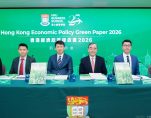


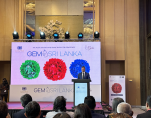






 www.facebook.com/HKLifeSciencesSociety
 www.instagram.com/hklifesciencessociety
 www.linkedin.com/company/hklss/





