Just in:
October Food Price Shock Has Far Reaching Consequences // China Reconciled To U.S. Curbs On Chips Exports, Woos South Korea For Supply // Microsoft apologises as Outlook services recover after outage // Govt rejects SIT Pooram report, orders new probe // TORRAS Launches Two New iPhone Duo Cases from Its Popular Ostand Series, Addressing Foldable Phone Users’ Concerns About Difficult Stand Positioning and Scratches // Iran claims six-drone operation against US radar in Bahrain // Bahrain broadcasts nationwide safety warnings amid aerial threats // Microsoft restores services gradually but gives no recovery deadline // Salik posts Dhs1.045bn profit despite lower toll traffic // US authorities dismantle North Korean cryptocurrency deception infrastructure // Danone expands consumer insight capabilities to accelerate nutrition innovation through Southeast Asia R&I Application Lab upgrade // JCI Names the 2026 Ten Outstanding Young Persons of the World // ADQ Aviation raises Abu Dhabi Aviation holding to 71.61% // Thiruvambady Devaswom hails rejection of report // Inpex reaffirms Gulf oil strategy despite shipping constraints // Bitcoin rebounds after weekend plunge wipes billions from cryptocurrencies // HKGSEO Launches New SEO×GEO Dual-Engine Optimization Monthly Plan // China’s Taiwan warning tests Washington’s defence commitments // Pink Economy report puts equal rights at the heart of Thailand’s road to Bangkok WorldPride 2030 // EU levies definitive duties on five steel suppliers //

News related to
study

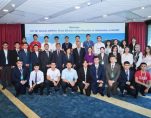
NANNING, CHINA – Media OutReach Newswire – 20 September 2026 – On September 16, as an international science and technology exchange platform included in the list of cooperation initiatives for the series of leaders’ meetings on East Asia cooperation, the Fourth Forum on China-ASEAN Artificial Intelligence Cooperation was successfully held in Nanning, Guangxi. With the theme of “AI for Industries, Digitalization for Shared Future”, this forum was co-hosted by the China-ASEAN Technology Transfer Center, the China-ASEAN Innovation Cooperation Center for Artificial Intelligence, the Department of Science and Technology of Guangxi Zhuang Autonomous Region, and the Guangxi Institute of Industrial Technology. More than 700 government representatives, research scholars, tech entrepreneurs, and venture capital representatives from China and ASEAN countries gathered on site, focusing on three major directions, namely embodied intelligence, AI finance, and data circulation, discussing collaborative technological innovation, jointly pursuing industrial digital transformation, and comprehensively deepening pragmatic cooperation between China and ASEAN in the field of artificial intelligence.

Fourth Forum on China-ASEAN Artificial Intelligence Cooperation Successfully Held in Nanning, Drawing Over 700 Delegates

Coinciding with the historic milestone of the Pinglu Canal being completed and navigable, a canal opens up a physical trade corridor between China and ASEAN, opening a new chapter of digital economy collaboration. “Goods Flow Across Rivers and Seas, Digital Intelligence Connects ASEAN” has become the most distinctive symbol of the era at this forum. The forum closely follows the differentiated development path of “R&D in Beijing, Shanghai, and Guangzhou + Integration in Guangxi + Application in ASEAN”, solving problems through technological breakthroughs, gathering momentum through industry-finance linkage, and promoting effectiveness through scenario implementation, to deepen and solidify China-ASEAN AI cooperation.

Technology empowers the opening, creating a new paradigm of human-machine collaboration

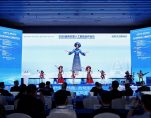
The forum kicked off with Guangxi’s classic ethnic song “Folk Songs like the Spring River”, where human dancers, dancing robots, accompaniment robots, and a digital crowd performing the folk song collaborated across disciplines to perform group collaborations. Relying on millisecond-level cluster scheduling technology, ethnic culture and embodied intelligence were deeply integrated to create an immersive technological audiovisual feast. This forum innovatively adopted a three-party collaborative hosting model of “human host + digital human avatar + intelligent robot”. Yang Yanqing, Professor of ShanghaiTech University, coordinated with her digital human avatar and AGIBOT Lingxi X2 to jointly host the forum, empowering the forum scene through technology, which became a major highlight of the event.

Dr. Padapxay SAYAKHOT, Director-General, Institute of Information and Communication Technology, Ministry of Technology and Communications, Lao PDR, Sun Ruijun, Director-General, China-ASEAN Technology Transfer Center, Secretary of the Party Leadership Group and Director-General, Department of Science and Technology of Guangxi Zhuang Autonomous Region, Secretary of the Party Committee, Guangxi Institute of Industrial Technology, delivered speeches in succession. Both sides stated that they will use this forum as a link to deepen the connection of scientific research and innovation, the implementation of industrial scenarios, and the coordination of policies and mechanisms, gather synergy for digital and intelligent development, and serve the building of a closer China-ASEAN community with a shared future.

Industry authorities gather, anchoring regional AI development directions

The speakers at the forum combined international breadth and professional depth, bringing together industry experts, academic and cutting-edge research forces, industrial technology, and cross-border implementation capabilities from ASEAN countries, forming a core high ground for intellectual exchange and gathering top intellectuals for China-ASEAN AI innovation and development.

Industry experts from ASEAN countries: Dr. Wasan Pattara-atikom, Vice President, National Science and Technology Development Agency, Thailand; Li Haizhou, Fellow of the Academy of Engineering, Singapore (SAEng), Dean of the School of Artificial Intelligence, the Chinese University of Hong Kong, Shenzhen; YAP Hwa Jen, Professor of Universiti Malaya, Managing Director of the UPUM Sdn. Bhd.;

Academic and cutting-edge research forces: Yang Chao, Professor of Peking University, Founder and Chief Scientist of Beijing 1011 Technology Co., Ltd.; Cui Peng, Professor of Tsinghua University and Chief Scientist of Stable AI (Xiong’an) Technology Co., Ltd.; Wang Shisong, Professor of Guangzhou University, Co-founder of Abelian (a quantum-resistant blockchain infrastructure);

Industry technology and cross-border implementation forces: Li Nan, Founder, Chairman, and CEO of Maimai Technology Group; Yao Yuan, Vice President of the Middle East Asia-Pacific Region Division, AGIBOT Innovation (Shanghai) Technology Co., Ltd.; Lyu Jun, Chief Scientist of Shanghai Noematrix Technology Co., Ltd.; Liu Liqi, General Manager of Data Strategy Department, X Square Robot Technology (Shenzhen) Co., Ltd.

The guests focused on three major directions, namely embodied intelligence, AI finance, and data circulation, exploring feasible paths for technological breakthroughs, ecosystem co-construction, and joint innovation. They covered the key stages of artificial intelligence from source research and development and technology transfer to industrial implementation and cross-border cooperation, achieving a two-way dialogue between cutting-edge academic theories and practical industry needs, and providing diverse perspectives and action ideas to bridge the regional digital divide and unlock the inclusive value of AI.

Five achievements released, strengthening the solid foundation for digital intelligence cooperation

At the forum, five scientific and technological innovation achievements were released together, constructing an AI innovation supply system oriented toward ASEAN from multiple dimensions including technology products, platform carriers, talent systems, and decision-making support.

1. The China-ASEAN Cross-Border Industrial Large Language Model: It covers multilingual capabilities and industry knowledge graph for ASEAN, integrates six major agents to collaboratively analyze business scenarios, and serves as a professional intelligent partner for Chinese enterprises to expand into the ASEAN market.

2. Achievements in AI Talent Development for ASEAN: Relying on the Guangxi Academy of Artificial Intelligence, a talent training model of “a dual-mentor system, dual-integrated teaching, dual training tracks, and an integrated master-doctoral program” has been created, achieving an international education pattern of enrolling at one university, earning credits from multiple universities, gaining practical experience in multiple countries, and strengthening talent support for cross-border AI cooperation.

3. “Guikerong” Sci-Tech Finance Digital-Intelligent Foundation Platform: Developed under the guidance of the Department of Science and Technology of Guangxi Zhuang Autonomous Region, it uses data-driven technology credit evaluation to open the value transformation chain of “technology, industry, and finance”, supporting the innovative development of technology-based enterprises.

4. Lao-Language Large Language Model (LLM) for the Energy and Power Sector: China’s first AI overseas project in the power industry, implemented on Electricite du Laos, exploring a new model of “Retaining Computing Power in Guangxi, Exporting Services Globally” for compliant token going global, providing a practical example for cross-border services in the energy sector.

5. “2026 China-ASEAN Artificial Intelligence Industry Development Study Report”: A panoramic overview of regional industrial policy environment, market scale, and application patterns, analyzing core industry development trends, and providing decision-making references for China-ASEAN AI industry cooperation.

Exhibition and negotiation are working together to build a pragmatic platform for exchange and cooperation

The forum adheres to the principles of “promoting research through exhibitions, cooperation through meetings, and implementation through business matchmaking”, simultaneously hosting the Special Session on AI: Bank-Enterprise Matchmaking and the Industry Supply-Demand Matchmaking and Technology Achievement Exhibition, achieving precise coordination between exhibition displays and business negotiations, and building a cross-border cooperation ecosystem deeply integrating industry, academia, research, and application.

The Technology Achievement Exhibition showcased high-tech products such as the General Embodied Intelligent Robot, Fingertip 3D Force Sensors, Integrated Land-Sea-Air Inspection Equipment, Smart Wall-Climbing Industrial Robot, and AI + Embodied Intelligence Teaching and Experiment Platform, covering key tracks like humanoid robots, industrial intelligent equipment, and education and training, demonstrating the innovative strength of domestic AI technology adaptation to ASEAN scenarios.

The venue also set up an immersive AI experience zone, where interactive projects such as coffee-making robots, agile robotic arms, AI customized cultural products, and unmanned retail attracted attendees to stop and experience the vivid effects of AI empowering people’s services up close, highlighting the development philosophy of technology for good and digital intelligence benefiting the people.

Focusing on collaborative win-win cooperation to jointly build a new pattern of regional development

As an international platform for scientific and technological exchange aimed at ASEAN, the Forum on China-ASEAN Artificial Intelligence Cooperation has been held consecutively for four sessions, bringing together more than 4,300 guests from China, foreign government, industry, academia, and research, facilitating the connection of over a hundred industrial projects, and becoming an important platform for the exchange of ideas, interconnection of technologies, and mutual industrial support between China and ASEAN in the field of artificial intelligence.

Looking to the future, China and ASEAN will continue to deepen cross-border joint innovation, promote the orderly flow of AI innovation elements, cultivate a vibrant and inclusive regional digital innovation ecosystem, facilitate digital intelligence benefiting regional industrial upgrading and livelihood development, and jointly build a new mutually beneficial and win-win pattern of China-ASEAN digital economy.

This forum was supported by the Ministry of Technology and Communications of Laos and the ASEAN Secretariat, and co-hosted by Guangzhou University, Guangxi Beibu Gulf Bank, Guangxi Academy of Artificial Intelligence, and Computer Academy of Guangxi.

The issuer is solely responsible for the content of this announcement.

Hong Kong has laid out a five-year programme to strengthen its established economic pillars while building new growth engines, with a gold-led commodity trading ecosystem among the centrepieces of its strategy through 2030.

Chief Executive John Lee’s 2026 Policy Address and the city’s first Five-Year Plan for Economic and Social Development set out measures covering finance, trade, shipping, aviation, innovation and technology, alongside efforts to attract capital, companies and skilled workers. The government said the programme is designed to reinforce Hong Kong’s international competitiveness and support longer-term economic development.

Gold will serve as the entry point for a broader commodity trading ecosystem. Hong Kong plans to formally launch its central clearing and settlement system for gold in the first quarter of 2027, following trial operations that began in July. The system is intended to support trading that meets international standards and strengthen links among clearing, settlement, storage and physical delivery.

Hong Kong Exchanges and Clearing will announce details this year of new renminbi-denominated, physically settled gold futures contracts. The government also plans to explore tax concessions for qualifying activities across the gold and commodity trading chain, with proposals expected to be put to the Legislative Council for consultation next year.

The Hong Kong Monetary Authority is studying whether the Exchange Fund should moderately increase its gold holdings and participate in local spot and futures markets. Existing physical gold inventories could gradually be transferred to designated vaults appointed by the Hong Kong Precious Metals Central Clearing Company.

Authorities also plan to expand storage and related infrastructure. Since the London Metal Exchange added Hong Kong to its global warehousing network in 2025, approved storage space has exceeded 60,000 square metres and inventories have risen above 20,000 tonnes of metal. More LME-approved warehouses are planned for the Northern Metropolis.

A half-rate tax concession for physical commodity trading is also being pursued to encourage traders to establish or enlarge operations in the city. A joint working group led by the Secretary for Financial Services and the Treasury will examine market opportunities and possible collaboration between exchanges.

The wider financial strategy seeks to strengthen Hong Kong’s role as an offshore renminbi business hub and an international centre for asset management and risk management. The government plans to deepen green and digital finance, widen financing channels for technology companies and strengthen trade finance, supply-chain finance, clearing, settlement and risk-management services.

A proposed Innovation and Technology Industry-Oriented Fund will receive HK$10 billion in government funding and is expected to reach at least HK$40 billion when market capital is included. Priority areas include life and health technology, artificial intelligence and robotics, semiconductors and smart devices, digitalisation, and sustainable development.

The five-year plan also calls for greater emphasis on high-value maritime services rather than relying mainly on traditional port logistics. Measures include reforms to ship registration, support for ship financing and marine insurance, and further development of maritime arbitration and other professional services.

Hong Kong also intends to build a broader aviation industry ecosystem. Plans include developing aircraft-parts processing and trading, participating in research and certification connected with domestically developed aircraft, and expanding sustainable aviation fuel supply chains across the Greater Bay Area. Authorities aim for sustainable aviation fuel to account for 1% to 3% of fuel used by departing flights at Hong Kong International Airport in 2030.

Trade policy will focus on digitalisation, diversification and higher-value supply-chain services. The government wants more companies to use Hong Kong for international orders, foreign-exchange transactions, treasury operations, trade finance and supply-chain management, while attracting regional and international headquarters.

The plan places innovation alongside the traditional pillars, with support directed towards artificial intelligence, robotics, life sciences, microelectronics and advanced manufacturing. It also identifies aerospace technology, marine technology, quantum technology and embodied intelligence as fields for longer-term development.

South Korean President Lee Jae Myung has ruled out sending troops or military assets into the US-led war against Iran, drawing a firm line around Seoul’s involvement despite pressure from President Donald Trump. Lee said at a news conference on Friday that South Korea would not make any deployment that could pull the country into combat. “There will be no dispatch of troops that will lead to […]

HONG KONG SAR – Media OutReach Newswire – 18 September 2026 – Hong Kong’s standing as a global financial centre is turning the city into a magnet for internationally minded business students. For Aashni Rungta, a second-year Integrated BBA student from India, that pull became a decision to study at The Chinese University of Hong Kong (CUHK), where finance and data analytics sit at the core of her degree. Her story shows how a rigorous curriculum and a diverse campus can turn an unfamiliar city into a second home.

Indian Student Aashni Rungta Pursues Business Excellence at CUHK

Hong Kong: A Gateway to Global Business

Aashni Rungta’s journey to The Chinese University of Hong Kong (CUHK) began with a clear vision: to study in the East’s most dynamic educational hubs. As a second-year Integrated BBA student from India, Aashni was drawn to Hong Kong’s unique position as a global financial centre. “I was always sure I wanted to study in the East—places like Hong Kong or Singapore,” she reflects. For Aashni, CUHK stood out not just for its academic reputation, but for its holistic approach to student development and its vibrant international community.

Balancing Academic Rigour with Personal Growth

Choosing CUHK meant embracing both comfort and challenge. Aashni found that the university’s environment pushed her beyond her comfort zone while providing the necessary support to thrive. Specialising in Finance and Data Analytics, she has quickly adapted to the rigorous curriculum. “CUHK has pushed me academically, but more than that, it has helped me grow as a person,” she notes. The transition from a close-knit family in India to independent life in Hong Kong was made easier by the supportive campus atmosphere, where every corner now carries a special memory of her first year.

Leading the International Student Community

Aashni’s impact extends far beyond the classroom. Recently elected as the President of the International Student Association (ISA), she has taken on a significant leadership role to give back to the community that welcomed her. “Being elected as the ISA President has been one of the most meaningful experiences,” Aashni shares. Through this role, she aims to foster a sense of belonging for international students, organizing events like BBQs and late-night campus walks that define the unique CUHK experience.

Building a Future in Finance and Analytics

Looking ahead, Aashni is eager to explore internship opportunities in Hong Kong’s thriving business and finance world. Her first year has already instilled a newfound sense of independence and confidence. “CUHK has made Hong Kong feel a little more like home,” she says. With a focus on finance and data analytics, she is well-positioned to contribute to the city’s tech-driven economy, carrying with her the friendships and challenges that have shaped her transformative first year.

Programme Details: CUHK’s Integrated BBA Programme

The Integrated BBA (IBBA) programme at CUHK is designed to equip students with a broad-based business education while allowing for deep specialisation. Key highlights include:

  • Flexible Curriculum: Students can choose from nine concentrations, including Finance, Data Analytics, and Marketing.
  • Global Recognition: Consistently ranked among the top business schools in Asia and the world.
  • Practical Training: Strong emphasis on internships, mentorship, and practical training with industry leaders.
  • Diverse Community: A vibrant international student body fostering global perspectives and networks.

For more information about CUHK’s Integrated BBA programme, visit: https://www.bschool.cuhk.edu.hk/programs/ibba/

Hashtag: #CUHK

The issuer is solely responsible for the content of this announcement.

A large-scale study of surgical video intelligence has found that models trained to predict motion and structure from specialist operating footage can outperform broader visual systems across multiple surgical understanding tasks, strengthening the case for domain-specific foundations in future robotic assistance. Researchers behind SurgMotion, a video-native foundation model, trained the system on 3,658 hours of surgical video drawn from 50 sources and spanning 13 anatomical regions. The […]

Arabian Post Staff -Dubai The UAE has ranked first in a new global tax optimisation index assessing 48 jurisdictions for internationally mobile individuals, driven by its lack of personal income, wealth and inheritance taxes and a 5 per cent value-added tax. The study by Global Citizen Solutions’ Global Intelligence Unit gave the UAE a composite score of 82.7 out of 100, narrowly ahead of Antigua and Barbuda […]

More than 11.6 million cryptocurrency tokens stopped trading in 2025, an unprecedented annual total that accounted for 86.3% of all failures recorded by CoinGecko’s GeckoTerminal dataset between mid-2021 and the end of last year. The figure marks a steep acceleration from 2024, when 1,382,010 projects were classified as failed, and highlights the fragile economics of a market flooded with easily created tokens, particularly meme coins. CoinGecko counted […]

Advertisements
HONG KONG SAR – Media OutReach Newswire – 16 September 2026 –

Response by KK Chiu, International Director, Chief Executive, Greater China, Cushman & Wakefield:

Optimising the Housing Ladder and Improving Living Conditions

We welcome the Government’s commitment to increase housing supply, shorten the Composite Waiting Time for public rental housing and further strengthen the housing ladder. The adoption of a long-term housing supply framework comprising 40% public rental housing, 30% subsidised sale housing and 30% private housing, together with the delivery of approximately 196,000 public housing units over the next five years, will provide a clearer housing and homeownership pathway for different income groups.

We believe that increasing the supply of subsidised sale housing and enhancing the housing ladder will help more public housing tenants progress towards homeownership, accelerate housing mobility and enable families with genuine housing needs to gain access to public housing more quickly.

We support the Government’s efforts to increase public housing supply, continue the Light Public Housing programme and implement the Basic Housing Units regime in an orderly manner to phase out substandard subdivided units. This approach is consistent with our long-held view that increasing housing supply is the fundamental solution to improving inadequate housing conditions. With the Government targeting the resolution of substandard subdivided units in domestic buildings by 2030, we expect living conditions for grassroots households to improve progressively.

Urban Renewal Incentives

We support the Government’s more flexible approach to urban renewal, including transferable plot ratio arrangements and measures to unlock redevelopment potential. These initiatives will help enhance market participation, accelerate renewal in areas with pressing redevelopment needs and contribute to overall housing supply growth. We recommend the Government provide clearer guidance on application requirements and further streamline cross-departmental approval procedures to facilitate implementation.

Advancing the Yacht Economy

We welcome the Government’s continued efforts to promote the yacht economy. Beyond increasing marina berth supply and enhancing supporting infrastructure, we believe it is equally important to further facilitate cross-boundary initiatives, allowing greater mobility of yachts within the Greater Bay Area and fostering regional collaboration.

As more superyachts and high-net-worth visitors arrive in Hong Kong, demand is expected to rise across luxury tourism, hospitality, food and beverage, retail, marine services and waterfront commercial facilities, helping unlock the economic potential of Hong Kong’s coastline and island resources. At the same time, Hong Kong has the potential to develop a more comprehensive marine industry ecosystem encompassing yacht repair and maintenance, refitting services and specialised professional services. The development of a holistic marine services value chain will further strengthen Hong Kong’s competitiveness as a regional and international yachting hub.

Response by John Siu, Managing Director, Hong Kong, Cushman & Wakefield:

Planning Ahead for AI and Data Centre Infrastructure

We welcome the Government’s commitment to accelerate the development of the Sandy Ridge Data Facility Cluster, which is expected to provide computing power equivalent to 36 times Hong Kong’s current capacity by 2032, alongside a HK$1 billion injection into the Artificial Intelligence Subsidy Scheme. These initiatives will provide important support for the development of Hong Kong’s artificial intelligence and data centre sectors, further strengthening the city’s position as a regional digital and innovation hub.

However, with rapid advancements in artificial intelligence, large language models and cloud computing, demand for computing power is expected to grow significantly in the coming years. We believe that, in addition to planning data centre sites, the Government should proactively review long-term requirements for power supply, electricity grid capacity and related infrastructure. As AI adoption becomes more widespread, access to reliable power and supporting infrastructure will be a key factor in maintaining Hong Kong’s competitiveness as a technology and data centre hub.

We support the Government’s stated direction of pursuing “high-efficiency computing power, stable electricity supply and low-carbon transition”. Looking ahead, we recommend that the Government regularly review future demand for land, power supply and supporting infrastructure arising from the growth of artificial intelligence and data centre activities, particularly within the Northern Metropolis and other strategic development areas. A coordinated approach to computing, energy and digital infrastructure planning will help attract more data centre operators and technology companies to Hong Kong, while supporting the city’s long-term development as a regional hub for data and artificial intelligence.

Response to the Budget 2026/2027 by Rosanna Tang,Deputy Managing Director, Head of Research, Hong Kong, Cushman & Wakefield:

Clear Industry Positioning for the University Towns

We welcome the Government’s efforts under Hong Kong’s First Five-Year Plan to further define the positioning of the three university towns in the Northern Metropolis University Town, and are encouraged by its strategy to promote synergy among the university towns, the San Tin Technopole and surrounding industry parks. As the only city in the world with five universities ranked among the global top 100, Hong Kong possesses a strong foundation in higher education and research. At the same time, the San Tin Technopole is set to become a key innovation and technology hub. The complementary strengths of these two pillars, both geographically and strategically, provide a solid foundation for building a globally competitive innovation ecosystem in Hong Kong.

We are particularly encouraged by the Government’s emphasis on integrated industry-academia-research collaboration. The university towns should not be viewed merely as educational developments, but as strategic platforms for research commercialisation, international talent attraction and the cultivation of emerging industries. Closer collaboration among universities, research institutes, innovation and technology enterprises and industry parks will help establish a complete innovation value chain covering talent development, scientific research, technology transfer and industrial implementation.

In addition, the Plan proposes approximately 300 hectares of educational facilities as the core of the university towns, connected with adjacent strategic industry areas, distinctive conservation areas, sports and cultural facilities, and surrounding communities, bringing the overall development footprint to more than 1,000 hectares. Such a large-scale integrated education and industry development model is rare in Hong Kong’s urban planning history and clearly demonstrates the Government’s long-term vision of creating a knowledge-based city cluster and an international education hub in the Northern Metropolis.

Attracting Signature Industry Projects and Anchor Institutions to Enhance the Northern Metropolis’ Global Appeal

We welcome the Government’s efforts to establish differentiated industry positioning through the three university towns, while integrating key development nodes such as the San Tin Technopole, the Hong Kong Park of the Hetao Shenzhen-Hong Kong Science and Technology Innovation Co-operation Zone, the Hung Shui Kiu Industry Park and Ta Kwu Ling. This provides a clearer direction for industrial development in the Northern Metropolis and helps address long-standing market concerns regarding overlapping functions and unclear district positioning.

As highlighted in our previous research, we believe the next critical stage for the Northern Metropolis will be its ability to attract influential anchor institutions and leading enterprises. By bringing together universities, research institutes and industry leaders, Hong Kong can foster the clustering of businesses, talent and capital, gradually forming industry clusters with scale and international competitiveness. Hong Kong should also capitalise on its common law system, international financial centre status, intellectual property protection framework and global talent network by focusing on high value-added segments such as research and testing, intellectual property management, fundraising and listing activities, and international accreditation services. This will help Hong Kong establish an irreplaceable role within the Greater Bay Area industrial value chain.

Beyond strategic industries, we believe the Northern Metropolis could also explore internationally recognised and iconic industry projects to further enhance its global profile and attractiveness. For example, the Government may consider developing initiatives around new energy vehicles, smart mobility and advanced technologies, while exploring the feasibility of internationally recognised racing events, testing facilities or technology R&D platforms, such as those associated with Formula One. By leveraging motorsport-related economic activities and innovation-led development, Hong Kong could attract international automotive manufacturers, mobility technology companies and research institutions to establish regional headquarters, R&D centres or testing facilities in the city. This would in turn support the growth of engineering, intelligent transport, advanced manufacturing, tourism, hospitality, retail and convention and exhibition industries, further enriching the Northern Metropolis industrial ecosystem.

Accelerating Land Supply While Advancing Industries and Infrastructure in Parallel

We note that Hong Kong’s First Five-Year Plan proposes a significant acceleration in land and housing supply within the Northern Metropolis. Residential completions are expected to increase substantially from approximately 11,000 units during 2021/22 to 2025/26 to around 70,000 units during 2026/27 to 2030/31. Over the same period, the supply of “spade-ready sites” will rise from approximately 120 hectares to around 900 hectares, representing an increase of around 7.5 times. These figures demonstrate that the Northern Metropolis is transitioning from a planning and land formation phase to a new stage characterised by large-scale development, industrial implementation and population intake.

However, we believe the success of the Northern Metropolis should not be measured solely by the volume of land or housing delivered. As substantial residential, innovation and technology, and industrial sites come on stream, the focus should gradually shift from land supply to city-building. The Government should ensure the coordinated delivery of railway and cross-boundary infrastructure networks, industry parks, commercial facilities, public services and community amenities, while accelerating the introduction of leading enterprises and strategic industries to create sufficient, high-quality employment opportunities and achieve a genuine jobs-housing balance.

In particular, we believe the Northern Metropolis should be driven by industry-led development, with the San Tin Technopole, the Hetao Shenzhen-Hong Kong Science and Technology Innovation Co-operation Zone, the university towns and major industry parks serving as key growth engines. This would create a virtuous cycle in which industry attracts population, population supports consumption, and consumption drives urban development. Only through the coordinated growth of industry, talent, infrastructure and communities can the Northern Metropolis evolve from a large-scale land development project into a modern metropolitan district integrating industry, education, living and international exchange.

Response by Tom Ko, Executive Director, Head of Capital Markets, Hong Kong of Cushman & Wakefield:

New Opportunities for Student Accommodation Market

We welcome the Government’s initiatives to deepen Hong Kong’s development as an international hub for post-secondary education through the “Hong Kong: Your World-class Campus” campaign, expanded global student recruitment efforts and the extension of the Immigration Arrangements for Non-local Graduates pilot arrangement to graduates from Greater Bay Area campuses of Hong Kong universities. These initiatives will further enhance Hong Kong’s attractiveness to overseas students and talent while reinforcing the “Study in Hong Kong” brand.

We are encouraged by the continued progress of the Hostels in the City Scheme. The scheme has already received 41 confirmed applications, providing approximately 10,800 bed spaces and demonstrating strong market confidence in the long-term growth of Hong Kong’s education sector.

The scheme has opened up a new supply channel for converting commercial buildings into student accommodation. At a time when hotel conversion opportunities are becoming more limited as tourism continues to recover, it provides an alternative pathway for investors while helping unlock the value of underutilised commercial assets and meet rising demand for student housing. As the Government prepares to tender the first dedicated student hostel site, we believe purpose-built student accommodation will gradually emerge as a distinct and scalable asset class within Hong Kong’s real estate market.

To further increase supply, we recommend that the Government continue reviewing and refining approval procedures for student hostel conversions. Greater flexibility and streamlined processes, while maintaining appropriate safety and operating standards, would encourage wider market participation and support Hong Kong’s ambition to become a leading international education destination.

(Click here for high-res pictures)

Hashtag: #Cushman&Wakefield

The issuer is solely responsible for the content of this announcement.

About Cushman & Wakefield

Cushman & Wakefield (NYSE: CWK) is a leading global commercial real estate services firm for occupiers and investors with approximately 53,000 employees in over 350 offices and nearly 60 countries. In Greater China, a network of 23 offices serves local markets across the region. In 2025, the firm reported revenue of $10.3 billion across its core services of Valuation, Consulting, Project & Development Services, Capital Markets, Project & Occupier Services, Industrial & Logistics, Retail, and others. Built around the belief that Better never settles, the firm receives numerous industry and business accolades for its award-winning culture. For additional information, visit or follow us on LinkedIn ().

Clinicians from Singapore and South Korea have called for more individualised, evidence-based postnatal care as women enter motherhood later, arguing that recovery plans should reflect each mother’s health, delivery experience, family support and preferences.

The call emerged from DeRAMA Singapore’s Joint Postnatal Recovery Seminar, held at The Singapore EDITION on August 17. Obstetrician and gynaecologist Dr Ho Ping Ling of Ascensus Health @ Mount Alvernia and Dr Park Jeong-mi, founder and medical director of Garden of Her Women’s Clinic in South Korea, compared the two countries’ approaches to postpartum recovery.

Their discussion comes as Singapore’s maternal profile changes. Government data show the median age of citizen mothers at first birth reached 31.6 years in 2024, up from 30.3 in 2014. Dr Ho said mothers aged 35 and above may have a greater likelihood of pre-existing conditions, pregnancy complications and Caesarean delivery, factors that can influence recovery.

“There is no one-size-fits-all approach. All women deserve individualised care, regardless of whether they are younger or older mothers,” Ho said. She added that assessment should consider a woman’s medical condition, pregnancy course, mode of delivery, available support and preferences. Although the postpartum period is commonly defined clinically as about six weeks, the time needed to regain health can differ substantially.

The seminar examined how professional services might complement rather than replace confinement traditions. Home-based support from relatives and confinement nannies remains common, offering practical help. The doctors, however, said some inherited rules lack a clear medical basis and should be reconsidered where they conflict with hygiene, nutrition or other evidence-based care.

Ho cited prolonged avoidance of bathing or washing hair as an example of a traditional restriction that may run against sound hygiene and infection-control principles. The broader approach advocated by the speakers was not to dismiss cultural customs but to distinguish supportive practices from those that may be unnecessary or unsuitable for a mother.

Park said South Korea had also moved from predominantly family-provided postpartum care towards a more structured model as nuclear households expanded, women participated more widely in the workforce and fewer relatives were available as full-time caregivers. This helped establish sanhujoriwon, postpartum recovery centres offering coordinated assistance with maternal recovery, meals, breastfeeding and newborn care.

She said 85.5 per cent of mothers in South Korea use a postpartum recovery centre after childbirth. Programmes vary in cost and scope, but trained maternal and newborn-care staff are typically available around the clock. Park said modern programmes increasingly address pain, swelling, musculoskeletal changes, sleep, feeding and emotional wellbeing, with support adjusted to the mother’s condition and delivery method.

Evidence also supports avoiding simplistic assumptions about age alone. A South Korean study of 528 postpartum women published in 2020 found no significant age-related difference in several self-reported postpartum symptoms, while delivery method and other factors were associated with differences. Caesarean delivery became more common with age in that study, reinforcing the case for recovery plans based on clinical circumstances rather than age by itself.

The World Health Organization similarly recommends postnatal care that provides women, newborns and families with consistent information, reassurance and support while recognising individual needs and cultural context. Its guidance frames a positive postnatal experience as extending beyond physical checks to include emotional wellbeing, newborn care, breastfeeding support and responsive health services.

Singapore’s Ministry of Health said on September 8 that polyclinics already provide subsidised postnatal services, while childhood developmental screening is fully subsidised. The ministry is also reviewing fertility health and maternity policies with the Prime Minister’s Office, including possible additional support for postpartum care in due course.

A separate ministry response in January noted that some mothers need outpatient services such as lactation assistance or screening for postnatal depression. It said women facing affordability problems with medically necessary postnatal care can approach medical social workers at public hospitals for assessment for financial help.

The US Senate failed to advance the CLARITY Act on Tuesday, handing the cryptocurrency industry a major setback despite a late White House effort to challenge banking-sector warnings that stablecoin rewards could drain deposits and curb lending. The procedural vote ended 50-49 in favour of advancing the legislation, 10 votes short of the 60 required. Republican senators Jerry Moran, Rand Paul, Josh Hawley and Thom Tillis joined […]

By TN Ashok The 18th BRICS Summit, held at Bharat Mandapam in New Delhi on September 12–13, 2026, was never going to escape Washington’s shadow — and it didn’t. Even as Prime Minister Narendra Modi steered eleven member states toward a unanimously adopted New Delhi Declaration that pointedly avoided naming the United States, President Donald […]

The article India steers 18th BRICS summit deftly, keeps anti-West rhetoric at bay appeared first on Latest India news, analysis and reports on Newspack by India Press Agency).

HONG KONG SAR – Media OutReach Newswire – 15 September 2026 – The Hong Kong University of Science and Technology (HKUST) welcomed H.E. Mr. Abdulla Nigmatovich ARIPOV, Prime Minister of the Republic of Uzbekistan, for an official campus visit on September 10, 2026, making HKUST the sole university included in his Hong Kong itinerary. The high-level visit underscored the growing partnership between Uzbekistan and HKUST, with a particular focus on advancing collaboration in higher education, research, innovation, and talent development.

H.E. Mr. Abdulla Nigmatovich ARIPOV, Prime Minister of the Republic of Uzbekistan (seventh right, middle row); Dr. CHOI Yuk-Lin, Secretary for Education of the HKSAR Government (seventh left, middle row); Prof. Harry SHUM, Council Chairman of HKUST (sixth left, middle row); and Prof. Nancy IP, President of HKUST (sixth right, middle row), pose for a photo with students from Uzbekistan during the Prime Minister's official visit to HKUST.
H.E. Mr. Abdulla Nigmatovich ARIPOV, Prime Minister of the Republic of Uzbekistan (seventh right, middle row); Dr. CHOI Yuk-Lin, Secretary for Education of the HKSAR Government (seventh left, middle row); Prof. Harry SHUM, Council Chairman of HKUST (sixth left, middle row); and Prof. Nancy IP, President of HKUST (sixth right, middle row), pose for a photo with students from Uzbekistan during the Prime Minister’s official visit to HKUST.

The Uzbek delegation of 24 members was warmly received by Dr. CHOI Yuk-Lin, Secretary for Education of the HKSAR Government; Prof. Harry SHUM, Council Chairman of HKUST; Prof. Nancy IP, President of HKUST, and senior university leaders.

In a high-level meeting with the University’s leadership, Prime Minister Aripov engaged in in-depth discussions on higher education development, artificial intelligence (AI), technological innovation, talent cultivation, research commercialization, and opportunities for closer collaboration between Uzbekistan and HKUST. The exchange also explored pathways for strengthening academic partnerships, expanding student and faculty mobility, and supporting Uzbekistan’s ambitions in developing a knowledge-based economy and emerging technology sectors.

Prime Minister Aripov said, “We are deeply impressed by HKUST’s achievements and its ability to translate cutting-edge research and innovation into practical industrial applications. With over 7,000 Uzbek students pursuing higher education across China, we see tremendous potential to strengthen our academic ties with Hong Kong and prioritize HKUST as a key destination for our students. As both Uzbekistan and HKUST mark their 35th anniversaries, establishing this partnership presents a symbolic and meaningful opportunity to expand educational excellence and global reach together.”

Prof. Shum said, “We are deeply honored to welcome Prime Minister Aripov and the distinguished Uzbek delegation to HKUST during the Belt and Road Summit. As a young, globally minded university celebrating our 35th anniversary, HKUST serves as a vital super-connector—bringing together diverse talent from over 80 nationalities. Building on our foundation with the El-Yurt Umidi Foundation, this visit marks a pivotal step in deepening ties between Hong Kong and Central Asia, opening up new horizons for collaborative growth and youth development along the Belt and Road.”

President Ip added, “We were delighted to engage in a highly productive and forward-looking dialogue with Prime Minister Aripov and his delegation. Uzbekistan’s strategic priorities in AI, robotics, fintech, and cybersecurity align closely with HKUST’s research strengths and advanced facilities. AI and medical science, in particular, offer promising areas for collaboration and could serve as important starting points for future joint initiatives. Beyond educational exchanges, we see tremendous opportunities to deepen cooperation in research, innovation, talent development, and knowledge transfer. We look forward to visiting Uzbekistan and working closely with our partners to co-create impactful solutions, nurture future-ready talent, and contribute to sustainable economic and technological development.”

HKUST also signed a Memorandum of Understanding (MOU) with the Ministry of Higher Education, Science and Innovation of the Republic of Uzbekistan. The agreement establishes a framework for educational collaboration and promotes excellence and innovation in teaching, learning, and research. Witnessed by Prime Minister Aripov, Dr. Choi, and Prof. Shum, the MOU was signed by President Ip and Mr. Salomov Uktam RAHIMOVICH, Deputy Minister of Higher Education, Science and Innovation of the Republic of Uzbekistan.

The Prime Minister and his delegation toured the HKUST Von Neumann Institute, where they learned about the University’s world-leading research and innovation capabilities in AI. The delegation was introduced to HKUST’s latest advancements in next-generation multimodal AI systems, robotic intelligence technologies, AI-driven 3D understanding and generation, and large-scale healthcare models, as well as their potential applications in addressing societal and industrial challenges. During the visit, the delegation met with 31 Uzbek students studying in Hong Kong, including 14 undergraduates currently enrolled at HKUST, to learn about their academic experiences and life in the city.

Hashtag: #HKUST

The issuer is solely responsible for the content of this announcement.

About The Hong Kong University of Science and Technology

The Hong Kong University of Science and Technology (HKUST) () is a world-class university renowned for its innovative education, research excellence, and impactful knowledge transfer. Adopting a holistic and interdisciplinary approach to education, HKUST was ranked 33rd globally and 6th in Asia in the QS World University Rankings 2027 and QS Asia University Rankings 2026, respectively. It was also ranked 20th worldwide in the Times Higher Education Sustainability Impact Ratings 2026, placing first among universities in Hong Kong and the Chinese Mainland for the third consecutive year. Eleven HKUST subjects were ranked among the world’s top 50 in the QS World University Rankings by Subject 2026. In addition, HKUST’s Computer Science discipline, which encompasses areas such as artificial intelligence and machine learning, was ranked No. 1 in Hong Kong for the tenth consecutive year in the Times Higher Education World University Rankings by Subject 2026. Its graduates are highly competitive, consistently ranking among the world’s top 30 most sought-after employees. In research and entrepreneurship, more than 80% of HKUST’s research was rated “world-leading” or “internationally excellent” in the University Grants Committee’s Research Assessment Exercise 2020. As of July 2026, HKUST members had founded more than 2,000 active start-ups, including 11 unicorns and 22 successful exits through initial public offerings (IPOs) or mergers and acquisitions (M&A).

LuLu Financial Holdings has cut cross-border settlement costs by 25% to 30% after adopting Circle’s USDC stablecoin and Circle Mint for remittance flows across the Gulf, Middle East, North Africa and Asia-Pacific, according to figures released by Circle. The payments group also recorded a 40% increase in cross-border settlement volume after shifting part of its treasury and settlement infrastructure to USDC. Beneficiaries are credited in under a […]

Scientists have identified a natural molecular braking system that helps human inflammation resolve by limiting the expansion of potentially harmful immune cells and accelerating pain relief. The study, led by University College London researchers and published in Nature Communications, found that fat-derived signalling molecules called epoxy-oxylipins influence how monocytes develop during an inflammatory response. Raising levels of these molecules in healthy volunteers reduced the accumulation of intermediate […]

Anthropic says its safety systems blocked a scientist’s request for Claude to help write a grant application for research that could have made the chikungunya virus more transmissible and better able to evade immunity, prompting a wider investigation into potentially dangerous biological work linked to military and state-backed institutions. The artificial intelligence company disclosed the case in a September threat-intelligence report describing five instances in which researchers […]

By R Suryamurthy The latest BRICS financial agenda is ambitious enough to suggest that the grouping is no longer content merely to complain about the inequities of the global economic order; it wants to build pieces of an alternative. But ambition, particularly in a grouping as diverse as BRICS, is cheap. The harder question is […]

The article Brics has a financial roadmap: The hard part is making it work appeared first on Latest India news, analysis and reports on Newspack by India Press Agency).

Artificial intelligence has sharply eroded Kenya’s once-thriving academic ghostwriting trade, cutting demand, rates and livelihoods for thousands of educated freelancers who built careers completing assignments for university students overseas. The disruption has become stark four years after ChatGPT’s launch. Writers who once handled a steady flow of essays, dissertations and coursework for clients in the United States and Britain say orders have dwindled as students increasingly use […]

Snap has introduced a new planning feature inside Snapchat that lets users organise gatherings, invite friends and track responses without moving conversations to another app. The feature, called Plans, is designed for occasions ranging from informal meet-ups and study sessions to birthdays and other group events. Users can create an event, add key details and send invitations directly through Snapchat chats, keeping the planning process within the […]

New report, authored by GSMA Intelligence in partnership with Huawei, released at UNESCO’s Digital Learning Week

  • Digital literacy – not coverage – is the main barrier keeping 3.1 billion people offline.
  • AI could potentially widen the digital literacy gap.
  • Bridging the usage gap could boost global GDP by $3.5 trillion from 2023 to 2030.
  • Citing Huawei’s Skills on Wheels initiative, the report urges policymakers, telcos, and tech vendors to treat AI literacy as critical infrastructure.

PARIS, FRANCE – Media OutReach Newswire – 10 September 2026 – More than one in three (38%) people remains offline despite being covered by mobile broadband – and a lack of digital literacy skills is often to blame, according to new research published today.

Closing Digital Literacy Gap Could Unlock Trillions of Dollars in Global GDP Growth

The new report, “Bridging the Divide: Enhancing Digital Literacy in the AI Era,” authored by GSMA Intelligence and produced in collaboration with Huawei, identifies a digital divide impacting 3.1 billion people caused by a shortage of digital skills, user trust and AI literacy.

AI raises both access and risk

Existing industry projections suggest closing the capability gap could add around $3.5 trillion to global GDP by 2030, with more than 90% of those gains flowing to low- and middle-income countries (LMICs). Physical mobile broadband coverage currently reaches 96% of people worldwide.

The report, unveiled at UNESCO’s Digital Learning Week, suggests artificial intelligence could act as both a bridge and a barrier for underserved communities. AI-powered voice assistants and applications that work with images, audio and video can all help low-literacy users bypass the need to input text. At the same time, they raise the security and critical-thinking standards required to participate safely. However, the study warns that users must now be able to understand data privacy and identify risks such as fraud and deepfakes.

The research cites World Bank statistics that GenAI literacy represents the highest-value skill category, with wage premiums up to 36%, far exceeding returns for both digital and traditional AI skills.

Without targeted interventions in basic digital training, the authors warn, rapid AI adoption risks entrenching existing inequalities even in areas with full network coverage.

Mobile classrooms build skills in remote areas

Digital inclusion initiatives typically target those most at risk of digital exclusion, including rural and remote communities, children and teachers in rural schools, older people, and women and girls.

The report emphasizes the need for community-based delivery models, citing Huawei’s Skills on Wheels initiative as a field-tested example — particularly its solar-powered DigiTruck mobile classrooms, which bring hardware, rural connectivity and hands-on training, including AI literacy, to off-grid regions.

Since 2019, training courses delivered by Skills on Wheels projects have reached more than 130,000 people across 21 countries, with more people benefiting indirectly. DigiTruck trainers encourage trainees to share their new skills, which is shown to occur in practice. A report on DigiTruck by Kenya’s Ministry of Information, Communications and Digital Economy shows that 79% of DigiTruck trainees surveyed had passed on their newly acquired digital skills to family members and peers.

Policymakers urged to treat AI literacy as core infrastructure

To bridge the usage gap, the report urges policymakers, telecom operators and technology vendors to work together and focus on four priorities:

  • Treating practical AI awareness, online safety and information verification as a baseline national qualification.
  • Adopting multilingual voice and conversational interfaces across public services to minimise user-side technical hurdles.
  • Scaling up mobile learning units through cross-sector partnerships that combine operator connectivity, vendor technology and local NGO networks.
  • Measuring performance by independent task completion and fraud resilience rather than trainee numbers.

“Digital literacy can no longer be defined by static thresholds,” said Tim Hatt, head of research and consultancy at GSMA Intelligence. “Connectivity alone is insufficient — capabilities, system design and trust must evolve together. To capture this multi-trillion-dollar opportunity, stakeholders must integrate layered AI literacy directly into daily livelihoods through trusted community channels.”

“Mobile classrooms have demonstrated immense value in helping underserved populations break through physical and psychological barriers to technology,” said Gavin Allen, Executive Editor-in-Chief at Huawei. “We will continue working alongside local governments and industry partners to drive digital literacy, ensuring that no one is left behind as we transition into the AI economy.”

A new DigiTruck program will launch in France this autumn, covering several cities in the Île-de-France region and targeting low-income and underserved communities with digital skills training.

The full report is available on the GSMA Intelligence research portal:
https://www.gsmaintelligence.com/research/bridging-the-divide-enhancing-digital-literacy-in-the-ai-era

FAQ

Q1: What is the main purpose of this report?
A: The report analyzes the critical importance of enhancing digital skills in the AI era, highlighting digital literacy as a layered and evolving capability. It calls on all stakeholders to collaborate in accelerating global digital inclusion and skill development.

Q2: What does it mean for policymakers to treat “AI literacy as core infrastructure”?
A: It means shifting policy focus from just building physical base stations to funding human capabilities. The report urges governments to integrate baseline AI awareness, online security, and media verification into national qualification frameworks, treating digital skills as an essential public utility alongside electricity and broadband.

Hashtag: #Huawei

The issuer is solely responsible for the content of this announcement.

Higher blood concentrations of tyrosine, an amino acid commonly sold in supplements marketed for focus and mental performance, have been associated with a shorter lifespan in men in a large UK Biobank analysis, although the study does not show that taking tyrosine supplements shortens life. Researchers examining 272,475 participants found that elevated circulating tyrosine was associated with increased all-cause mortality among men and, in genetic analyses designed […]

HO CHI MINH CITY, VIETNAM – Media OutReach Newswire – 9 September 2026 – In 2024, East West Barbershop (Dong Tay Barbershop) opened its first branch in Hungary, marking a milestone in its journey to take a Vietnamese barbering brand global. For Chairman Nguyen Hoai Thanh, Europe represents a demanding test of the company’s operational capabilities, technical expertise and adaptability.

East West Barbershop initially accepted losses to establish its foothold in Europe

Europe: A demanding test for a Vietnamese barbering brand

Founded in Vietnam in 2018, East West Barbershop has grown from a local men’s barbershop into a global men’s grooming brand.

In less than a decade, the chain has expanded across Vietnam and into international markets, becoming one of Asia’s prominent men’s grooming brands.

While expansion in Vietnam has been driven by growing demand for men’s grooming, operating in Europe presents a more complex challenge.

Tax regulations, business requirements, labor laws and working-hour rules are strictly regulated, while costs for premises, personnel and operations are significantly higher.

“Europe is a demanding market, with high service expectations and stringent regulations. To integrate into the market, we did not simply replicate our Vietnamese model in Europe.

I have traveled to Europe several times to study the market, adjust our operating procedures and enhance the customer experience,” said Nguyen Hoai Thanh, Chairman of East West Barbershop Vietnam Joint Stock Company.

These efforts are beginning to yield results. Its Hungary branch has built a base of returning customers, demonstrating that a Vietnamese brand can earn trust in a demanding market by respecting local standards while leveraging its own strengths.

East West Barbershop brings Vietnamese and European barbers together to exchange expertise, share experiences and learn from one another, turning its international expansion into a two-way journey of professional growth.

This reflects the spirit behind the name “East West”: Connecting professionals from different cultures to grow together.

From a haircut to an East-West cultural exchange

Vietnamese and European barbers differ in their professional cultures. In Vietnam, barbers often build close relationships with customers through everyday conversations, personalized advice and an ability to remember individual preferences.

East West Barbershop preserves these values internationally while adapting to European expectations of professionalism, precision, personalization and service consistency.

East West Barbershop brings Vietnamese craftsmanship and identity to Europe

From popular styles such as fades, undercuts and hair tattoos to services including shampooing, facial shaving, ear cleaning and massage, the brand aims to create a personalized grooming experience.

Its stores also feature greenery, bookshelves and relaxation areas, turning a haircut into a genuine moment of leisure.

Today, East West Barbershop operates more than 130 branches globally, with over 1,000 employees.

Behind these figures remains a simple ambition: To take Vietnamese barbering further through the skill and dedication of its barbers.

East West Barbershop’s European journey is more than opening another store. It demonstrates that a Vietnamese brand can enter international markets through craftsmanship, professionalism and a distinctive identity.
Hashtag: #EastWestBarbershop

The issuer is solely responsible for the content of this announcement.

KOCHI: Artificial intelligence is accelerating the scale, speed and sophistication of cybercrime, making resilience and skilled manpower critical to protecting essential systems, Director General of Police-rank officer and Vigilance and Anti-Corruption Bureau Director Manoj Abraham warned at the Kerala Cyber Suraksha Summit 2026.

Addressing the second edition of the summit at Le Meridien, Kochi, on Saturday, Abraham said cyberattacks had evolved to a point where they could cripple countries and organisations, disrupt critical infrastructure and interfere with military operations without conventional weapons being used.

He cited a 389 per cent year-on-year rise in confirmed ransomware victims worldwide, a figure also recorded by FortiGuard Labs for 2025, when 7,831 victims were identified compared with about 1,600 a year earlier. The security company linked part of the increase to the availability of AI-enabled crime tools and automated attack capabilities.

Abraham also pointed to the financial impact of online fraud across India, saying reported losses reached Rs 19,813 crore in 2025. Data compiled by the Indian Cyber Crime Coordination Centre from the National Cyber Crime Reporting Portal put the number of complaints that year at about 21.77 lakh, underscoring the volume of fraud cases confronting enforcement agencies and financial institutions.

The senior police officer said artificial intelligence had changed both the economics and operational reach of cybercrime by allowing attackers to automate tasks that previously required greater technical skill, time and manpower. That shift has increased the need for organisations to design systems capable not only of preventing breaches but also of continuing essential operations and recovering quickly when attacks succeed.

A shortage of cybersecurity skills is adding to the pressure. Abraham referred to a global gap of 4.8 million cybersecurity professionals, an estimate published by ISC2 in its 2024 workforce study. The organisation’s 2025 study shifted emphasis from total headcount to shortages in specific skills, finding that employers were increasingly concerned about capabilities in areas such as artificial intelligence, cloud security and incident response.

Abraham said Kerala’s human-resource base could provide an advantage in meeting demand for cybersecurity expertise, provided training kept pace with rapidly changing threats. His remarks placed workforce development alongside technology investment as a central component of cyber resilience.

Gaganyaan astronaut-designate Air Commodore Prasanth Balakrishnan Nair, who also addressed the summit, said cybersecurity alone would not be sufficient unless India strengthened its own artificial-intelligence capabilities. He said future conflicts and industries would increasingly blur distinctions between physical and digital domains, making sovereign technological capacity more important.

“No amount of cybersecurity is ever completely sufficient. True security can only be guaranteed if we develop our own AI technology,” Nair said, arguing that the country should use its software strengths to build indigenous systems rather than depend entirely on technologies developed elsewhere.

Ernakulam MP Hibi Eden inaugurated the summit. He welcomed an initiative by F9 Infotech to provide cybersecurity training, awareness programmes and certification without charge to government educational institutions across Kerala, an effort aimed at expanding access to basic cyber skills.

F9 Infotech founder Jayakumar Mohanachandran said cyber protection needed to extend beyond corporate leadership and specialist teams to ordinary users, businesses and public institutions. He said more than Rs 56,000 crore in cyber-fraud complaints had been recorded across India over the past three years, while response systems had helped prevent losses exceeding Rs 11,000 crore across roughly 32 lakh complaints.

FortiGuard Labs’ 2026 threat assessment, reflecting 2025 activity, also found that exploitation attempts rose by about 25 per cent to nearly 122 billion worldwide, while critical vulnerabilities could be targeted within 24 to 48 hours of disclosure. The findings illustrated the shrinking window available to defenders to patch exposed systems, revoke compromised credentials and contain intrusions before attackers move laterally through networks or deploy ransomware at scale globally.

Arabian Post Staff -Dubai The UAE has approved the rollout of an artificial intelligence curriculum across all public and private schools, pairing classroom instruction with large-scale teacher training and a new AI-assisted decision-making system for the federal Cabinet. The decision, announced after a Cabinet meeting chaired by Sheikh Mohammed bin Rashid Al Maktoum, Vice-President and Prime Minister of the UAE and Ruler of Dubai, makes AI education […]

Arabian Post Staff -Dubai Al Mazunah Free Zone has lifted cumulative investment above OMR141 million after localising four new projects in the first half of 2026, according to figures released by its operator, the Public Establishment for Industrial Estates, or Madayn. The four projects carry investment of more than OMR620,000 and cover industrial and logistics activities as well as export offices. Together they will occupy more than […]

VISHNU RAJA
RYO YAMADA
HITORI GOTOH
IKUYO KITA